From First Deal to 12 Cabins: How Steph Weber Built a Micro Resort From Scratch | EP #41
Real estate development, hospitality, and what it really takes to go from your first deal to a full-scale project.
What if your first real estate deal wasn’t a duplex… but a 12-cabin micro resort? Steph Weber went from zero experience to building a full hospitality development in under 3 years. No perfect plan, just a vision and the willingness to figure it out.
This is not a typical development story.
Steph Weber did not start with a background in construction or real estate. She started with an idea, found a piece of land, and decided to go all in.
From structuring partnerships with no prior experience to navigating financing, construction challenges, and unexpected costs, this episode breaks down what it actually looks like to build your first project in real time.
You will hear how she phased the development, made key decisions around amenities that drove revenue, and stayed grounded through the uncertainty that comes with taking a big leap.
If you have been waiting for the “right time” or the perfect plan, this conversation will challenge that thinking and show you what is possible when you just start.



Get the tools behind the episode
Access the Developer Vault with templates and real resources
Episode Summary
Most people think real estate development starts with experience, capital, and a perfect plan.
This episode challenges that completely.
In this conversation, Kristi Kandel and Raphael Collazo sit down with Steph Weber to unpack what it really looks like to build your first development deal from scratch. Not from a place of certainty, but from vision, resourcefulness, and the willingness to figure it out along the way.
Steph’s journey didn’t start with a background in construction or development. It started with an idea, a piece of land, and a decision to go all in. What followed was the creation of a 12-cabin micro resort, built over nearly three years while navigating partnerships, financing, construction challenges, and everything in between.
But this episode goes deeper than the project itself.
Steph shares the reality behind the build. The moments of doubt. The unexpected costs. The things they did not know going in, and how they adapted in real time. From solving infrastructure issues to making key decisions around amenities that directly impacted revenue, this is a raw look at what development actually requires.
One of the most important themes in this conversation is simplicity.
Simple partnership structures. Clear roles. Shared expectations. And the understanding that not every deal needs to be overcomplicated to work.
This is where the conversation connects directly to local development.
Because Steph did not wait for the perfect conditions. She moved forward with what was in front of her, built the right team around her, and created something that now serves families, experiences, and long-term value in that community.
Because what she built is not just a project. It is a place where people create memories. Where families return year after year. Where one decision to take a risk turned into something much bigger.
She also challenges the idea that you need to have everything figured out before you start. That you need to be “ready.”
If you have been thinking about your first deal but feel like you are missing experience, connections, or clarity, this episode will shift how you think about getting started.
The real takeaway is simple.
You do not need to know everything.
You just need to be willing to start.
What You'll Learn
- How to go from first deal to full development without prior experience
- Structuring partnerships when you don’t know all the answers yet
- Real challenges in construction, utilities, and financing
- Why simplicity in deal structure can make or break partnerships
- How to design amenities that actually drive revenue
- The mindset required to take the leap into development
Timestamps
0:00 Intro
0:42 Meet Steph Weber
1:56 Starting in short-term rentals
2:30 Finding the land opportunity
3:46 Building a 12-cabin vision
5:32 Entrepreneur background and mindset
7:22 Risk and resilience in business
10:06 Structuring partnerships
13:51 Keeping deals simple
15:26 Aligning partner expectations
17:32 Roles within the partnership
20:16 First major challenges
23:11 Internet and infrastructure issues
25:07 Launching during construction
27:49 Choosing revenue-driving amenities
30:04 Financing furnishings and upgrades
32:20 Designing the guest experience
33:44 Phased development strategy
36:14 Working with a local bank
36:40 Staying motivated through challenges
39:10 Seasonality and revenue realities
40:38 Advice for first-time developers
42:06 Taking the leap
44:24 Life beyond the project
49:02 What’s next for Steph
52:54 How to connect with Steph
Meet the Voices Behind the Mic
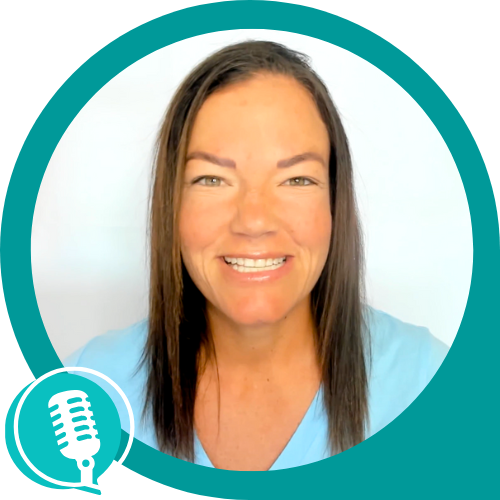
Kristi Kandel
Developer | Mentor | Co-Host of the LRED Podcast
is a real estate developer with nearly 20 years of experience and over $450M in projects across the U.S. Today, she focuses on helping locals step into development and build in their own communities.
She’s the founder of I&D Consulting, Local Real Estate Developers (LRED), and co-founder of Elevate, a community-driven sports and wellness concept.
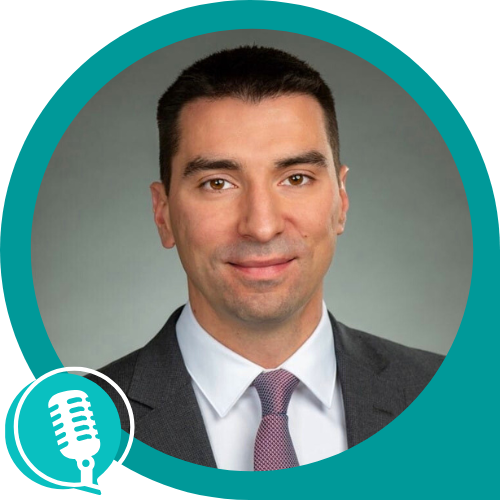
Raphael Collazo
Commercial broker | Author | Co-Host of the LRED Podcast
Raphael specializes in retail and industrial properties, bringing a problem-solving mindset from his background in engineering and software. As a commercial real estate advisor and developer based in Louisville, Kentucky, he works directly with investors, tenants, and cities, bringing a real-world view of how deals come together.
🔗 Related Episodes
Community Development Over Capital: How Rachel DesRochers Builds Where It Counts | EP #45
A powerful reminder that you don’t need perfect capital to start. You need resourcefulness, creativity, and the willingness to move.
Real Estate Funding With No Outside Investors: How She Leveraged Her Own Assets to Build a 16-Unit | EP #43
How to get a deal done using what you already have, even when traditional funding is not available.
First Real Estate Development Deal: How He Went From Live Streams to 3 Lots With Zero Track Record | EP #36
What it actually looks like to take your first deal from idea to execution without experience or a proven track record.
About the Guest
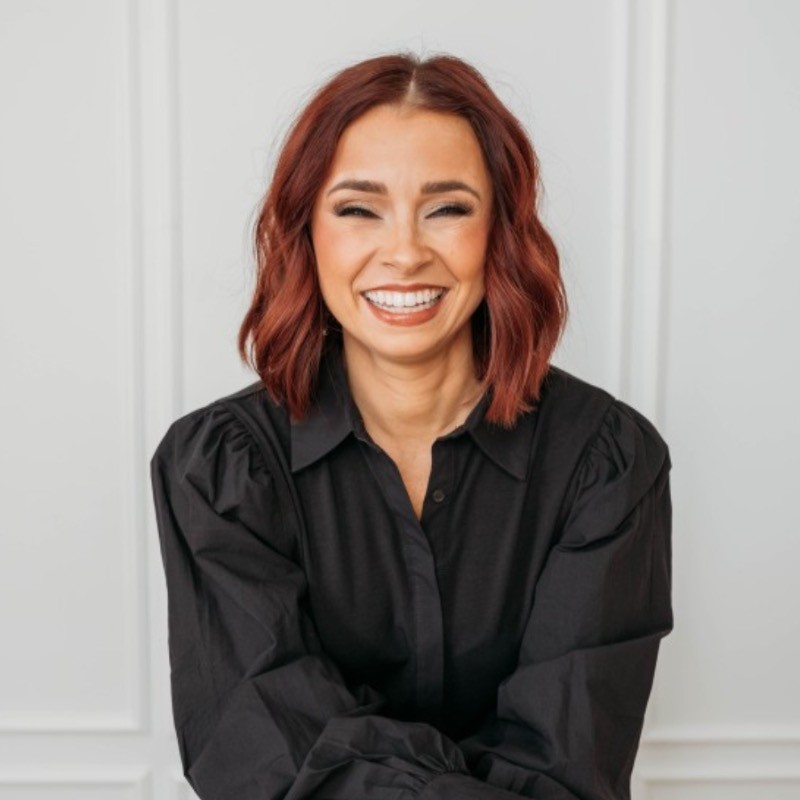
Steph Weber is an entrepreneur and brand strategist turned real estate developer who built a 12-cabin micro resort without a traditional background in development. What started as curiosity about real estate turned into a hands-on journey through land acquisition, partnerships, and construction. She’s known for taking action early, figuring things out along the way, and building through experience instead of waiting for the perfect plan.
Connect with Steph
🌐 Website: https://www.theweberco.com/
📲 Instagram: https://www.instagram.com/theweberco/
💼 LinkedIn: https://www.linkedin.com/in/stephweberbrandcoach/
Full Transcript
Raphael Collazo (00:42)
Welcome to the Local Real Estate Developer Podcast. I'm your co-host, Raphael Collazo. I'm a commercial broker, investor, and developer located here in Louisville, Kentucky. And I'm joined with my co-host, Developer Extraordinaire, Kristi Kandel. And she's in Florida today. So great to see you as always, Kristi.
LRED (00:57)
Hey, yeah, good to see you. I actually just got back from a trip to Vegas wearing one of my concerts, or Santana. ⁓ But we also got to see the Eagles at the Sphere, which was phenomenal. If you guys have not been to the Sphere, you need to go. It is hands down amazing. But yes, back in sunny Florida for at least a little bit longer. yeah, so today's guest we have, I actually met last fall at a boutique hotel conference and
Raphael Collazo (01:03)
Nice.
LRED (01:21)
One of my friends that I invest with had been in one of Steph's groups and just got to know her during that conference and was like, wait, you're doing a really awesome project. You should come on our podcast and share that because this is something that can inspire other people to get in and try it themselves. So want to welcome Steph Weber to the show today.
Steph Weber (01:40)
Thank you. I'm so stoked to be here with you guys. Thanks for having me.
Raphael Collazo (01:42)
No, for sure. And we're really excited to dive in a little bit about your background. And obviously, Christie's had a chance to connect with you. But it's always cool to be able to engage with people across the country that are doing cool projects. So to start out, if you don't mind sharing a little bit about your backstory, I think that'd be great.
Steph Weber (01:56)
Yeah, absolutely. Yeah. So we got started in the world of short term rentals in 2023.
Before that, I've been in branding and marketing for over a decade at this point. And so I've had an agency, I've worked with hundreds of different small businesses and entrepreneurs in a variety of different industries. And in 2023, I was eight months pregnant, we were like, this is a good time to buy our first property. So let's go ahead and do that. So we purchased that first one. And in that time, we also started a management business. And then we had this big idea to at some point in time, find a piece of land, be able to build multiple structures, host weddings and retreats, like kind of adult summer camp
vibes. We were like, that would be so cool, right? Well, that opportunity presented itself seven weeks later after we were like, yes, let's get into short term rentals, have a baby, start a new business. And by the way, here's this opportunity for a micro resort. So we found this piece of land in Jamestown, Kentucky, right on the Cumberland River. It's about 25 minutes from Lake Cumberland. And for those of you who aren't familiar, Raphael, I'm sure you are being from Louisville. ⁓ But if you're not familiar with the Lake Cumberland area, then it attracts about 4 million people a year. Now, Lake Cumberland,
Raphael Collazo (02:53)
Yep.
Steph Weber (03:01)
is massive, but Jamestown is home to State Dock, is one of the most popular entry points onto the lake. Being also on the Cumberland River, it's actually one of the best places in the nation for trout fishing. We were told this weekend by someone at a bridal show where we were that it's a, I believe he said a medallion river, which basically just is like a very.
renowned river for trout fishing. Like there's so many fish in a certain radius or certain square mileage or something. And I was like, cool, I don't I don't actually fish. So I'm learning more about this. But it's been a it's been a journey and bringing 12 cabins and venue and a game center to life over the last couple of years. And like I said, we started that in August of 2023. And we just wrapped construction in October 2025. So that brings us to where we are today.
Raphael Collazo (03:46)
That's awesome. you know, where are you currently located? Are you in Jamestown or was this just kind of out of whim that you just decided to got it? Yeah.
Steph Weber (03:52)
Yeah.
Solid question. Yes. How did
how did this come across our laps? So we live in Indianapolis and someone that I'm connected to here who has followed my entrepreneurial journey and she's actually my esthetician sent me a text from one of her other clients that was you know, they had this piece of land in Jamestown. They were going to be building cabins and they were going to just sell them off individually. And so I messaged this woman who did not know me and I was like hi, we don't know each other, but we have a mutual friend and I want to know more about your cabins and so that.
That was in July of 2023. So that's how it came our way. And they also actually are from Indiana as well. But Dax, who is our builder and owned the land as well, he, and also as a partner in the deal, he has been going to that area for many, many, years. So he knows all about it. He knows the history. He owns quite a bit of land down there. So that's how it started.
Raphael Collazo (04:45)
Yeah, so interestingly enough, a good buddy of mine from high school, he went to, I went to high school in Arizona and he went to the University of Arizona and met a lady from Kentucky. And interestingly enough, she's from Somerset, Kentucky. And so he ended up moving to Somerset and now he's the principal of the Somerset Elementary School. And he was just up this last week because apparently he's been able to turn around that school to where they're one of the you know, top 6 % public schools in the state. And so they've been advising our local public school system.
Steph Weber (04:57)
funny, yep.
Raphael Collazo (05:13)
on ways they can improve performance for some of the underperforming schools. interestingly enough, I'm pretty familiar with the area as a result of him living there. So it's just kind of funny how things just, it's a small world. It really is.
Steph Weber (05:20)
Yeah
It's very,
very small. Yes, it really is funny how all these like projects come to life and you know, somebody knows somebody and we're all connected in some way and it's cool.
LRED (05:32)
So true. So you had mentioned a little bit about the branding because that started first and a lot of people getting in, they're coming from different backgrounds and you clearly had your own business. So do you maybe want to talk a little bit about that and just that that entrepreneur bug to go, hey, what what made you get into that in the first place?
Steph Weber (05:47)
Yeah, so my dad was an entrepreneur actually. And when I tell this story, people are like, wow, and you still wanted to be an entrepreneur after all of this. My dad was an entrepreneur, owned a tool and die business. And people are like, what's that? And I'm like,
LRED (05:59)
you
Steph Weber (06:00)
I don't know that I can really tell you exactly what that is. But what I can tell you is that 2008 was really hard on them. And then in 2010, they unfortunately had to close their doors to that business, which forced my family into personal bankruptcy. And that was my senior year of high school. So I was watching all of that unfold. I was dating my then boyfriend, now husband at the time, we've been together for 17 years. And I was like, I'm never going to be an entrepreneur. And then I started working for an entrepreneur at a local boutique here in Indianapolis. And I was doing I became
their general manager, did their branding, I did marketing for them. So I wore a lot of different hats, as you do when you're working for a small business. And I think that entrepreneurial spirit and also just not wanting to work for other people and really wanting to be in control of my own time started sounding better and better. The older I got, and as I graduated college, and then I started my business, actually, as it was a fashion blog, a fashion, beauty and travel blog, actually, and seeing like what I was doing there. And then
and going, can help businesses in a different capacity through their brand story and branding and marketing efforts. So that's kind of how it spiraled. But yeah, every time I tell this, I'm like, yeah. I still ended up as an entrepreneur. Actually, we had multiple businesses at this point. But I think there's nothing greater for me than being able to say, I get to decide how many meetings I have in a day. I get to decide what I do with my time. And there's so much value and joy in that for me. So here we are, still going.
LRED (07:22)
Yeah,
there's the common thread we had with Katie Neeson on in episode 29, and she had a similar story where her parents also were entrepreneurs and went through bankruptcy. so part of that might be, like, even though you saw the worst of it, you saw the worst of it you realize nobody died. Like, you're good, you survived, you found a way through. So that could potentially be part of it. And then also just having the guts and courage and stamina to be an entrepreneur, which all three of us know is quite the journey.
Steph Weber (07:49)
Yes, it's definitely a journey. And yeah, I'm sure you're right about that. There's definitely a level of like, I knew that whatever my dad was doing, obviously times are very different. Now. I don't even think that they had a website, you know, like, very different. And what I've built is very different. So I think that, you know, we all have these different journeys. But I also think I've gotten really comfortable with going, if we fail, it's gonna be okay. Like, we'll do something different. We'll start a new business. Like, we still like, you know, just, you know, failure, failure doesn't mean that your skill sets and like what you're really in
Raphael Collazo (08:11)
Mm-hmm.
Steph Weber (08:19)
good at and how you lead, et cetera, is stripped away from you. It just means that you have a learning opportunity that's going to propel you into the next step of whatever it is that you're doing. So I think I've done the work around, OK, what is the mindset of an entrepreneur? What's going to be required of me in this? I'm incredibly resilient. I'm really headstrong. And you just kind of have to persevere through those different challenges that you face in entrepreneurial journeys.
Raphael Collazo (08:45)
Yeah, absolutely. And I think a lot of people fail to understand as well is that, you know, risk is ever present regardless of if you're an employee or if you're an entrepreneur. The benefit of being an entrepreneur is number one, you control your own destiny. And number two is you get all the ups you get the upside if you if you really are able to build something of significance. And so I think that those individuals who kind of get comfortable with the idea of not necessarily having a consistent paycheck all the time, but you are
LRED (08:59)
Okay.
Raphael Collazo (09:12)
building towards something of significance for you and your family, I think if you shift your mindset to that, I think we'd have a lot more people that decide to at least give it a shot. Because to your point, worst case scenario, if one thing doesn't work out, there's millions of other things you could potentially get into. And now you have those experiences that you can draw upon based on your previous entrepreneurial endeavors that will help propel you to the next thing. yeah, I mean, you can't lose your mind and your insights just because
one thing maybe didn't work out. So I think that's a important thing to share. So regarding your decision to move forward with this particular project, obviously, Christie is much more experienced than I am in development, although now I'm starting to get more into the space and I've got a couple of projects going. And one thing I was curious about on your part is it seems like it's a project that you wanted to get involved in. You had a vision of where you wanted to see your life go and how you wanted to get into the hospitality space.
Steph Weber (09:42)
Yeah.
Raphael Collazo (10:06)
Part of this endeavor encapsulates having partnerships, encapsulates and having team members to be able to handle certain responsibilities within the overall project. So I'm kind of curious as to, number one, when you first approached these individuals about potentially getting involved, and I'm not sure what the proposal was or what the pitch was in this particular case, but if you could elaborate a little bit on that and how did you navigate those waters because you're not
local to the area, which adds another layer of complexity as well. So kind of curious about that.
Steph Weber (10:35)
Yeah, so when we found the land, we connected with Dax and Valerie who owned the land and they Dax was going to be the one building the cabin. So he already had a crew ready to go. They already kind of had plans for the cabins. The thing that I changed was I said, hey, I think if we do this, we should build an event And in addition to the cabins, and that's kind of where it where it started since
has since grown from there. That's where it started. So I started talking about this because I'd been building my brand for a number of years. I started talking about this opportunity on Instagram and on Facebook. And I had probably 50 different conversations with people who were like, tell me more and I'm interested. But again, we were seven weeks into our real estate journey. So when people were asking me about partnership structures and equity, and well, if I would give you 50,000, what's my return? And are you raising debt? Are you raising equity? I was like, I don't know.
I don't know what you're talking about. I have no idea. So I just had to learn along the way. But in some of those conversations, one of the couples that approached me was actually my CPA and her husband. And they own long term rentals here in Indianapolis. He also has his own business. And obviously she does too, being that she's a CPA. So they're very entrepreneurial and they were like, we're interested in owning some cabins. So they actually went down with us to the land in August of 2023 to look at things and just check it out and kind of get a
for everything.
So they were the first partner that said, okay, we're in for figuring out what we need to do to make this happen. And then I had another couple that I met in a mastermind program where I'd shared this opportunity and they were like, we've been looking for a project exactly like this to be able to pour capital into. They are high earning W2 income earners basically. And a young couple who lives in Atlanta and they just like live their best life, but they were like, yeah, we're in for this. So had literally one conversation with them and they were like,
Yeah, this sounds good for us. And then our builder Dax and Valerie, his wife also said, Hey, we're in for being a 25 % partner, we love the vision and what you want to bring to life here. So our structure, I think was a little different in that we just formed an LLC, we're all 25 % equity partners in terms of like each couple. each individual person owns 12.5%. And that's how we structured it. There were definitely things that we did not do well in the underwriting of this deal. And so
forth. But I think we all saw the bigger vision. And that was the first piece of the puzzle of getting those partners on board. Then we found a local bank who was willing to finance the project who Dax and Valerie had also previously worked with, which significantly helped us with financing. When I talked when I tell people this story, they're like, wait, what you talked to one bank and one bank said yes to you. And I'm like, yes, that did happen. But there were things again, like not duplicatable, right? Like Dax and Valerie had an existing relationship.
with this bank, was an inherent level of trust. They loved the vision and what we were trying to bring to life. So they were like, sure, we'll do this with you guys. And then we just had to work through, OK, well, what are the terms and what's this really going to look like? is not the case for everyone. I was talking to someone recently who said, I talked to 20 banks to try to get financing on this 14 key motel. And I'm like, that sounds like my living nightmare, actually. So anyway, yeah, that gives you a little bit of the background on the partnership and just kind of how we structured things.
Raphael Collazo (13:51)
Yeah, no and honestly with with the ways that I've structured deals myself is it's similar to what you're describing which is kind of like a JV It's just myself and one other person take on the project but to your point there's all these different ways that you can approach the Partnership, mean, don't know they have like these waterfall models and all these very complicated ways of structuring deals, but You know, I've kept it simple and I know Kristi for the most part tries to keep it simple I know with their elevate project to make it a little bit more complicated but
LRED (14:13)
Okay.
Raphael Collazo (14:17)
all the other stuff that she's been involved in probably followed a similar approach.
LRED (14:19)
Thank you.
Steph Weber (14:21)
Yeah, I think honestly, simplicity
is best. It eliminates confusion. I think when you're dealing with people and you're dealing with partnerships and you're dealing with money, the more simple that it can be and also like knowing everyone's intentions and goals to write like when we went into this partnership, everyone agreed that we weren't going to take distributions as a partnership for five years. Now keep in mind, we've been building for two and a half years essentially. So that we knew that there was going to be a ramp up period of time. And we also knew that we wanted to get to a place where we had healthy cash flow,
cash reserves, et cetera. And that was something in the underwriting that we did not do. So every time we've needed to put in additional capital or whatever it's been, and I can talk more about that, but been the partnership. We've just had to put that in. But everyone knew that going into the deal, everyone knew that their goals in this were more for the long-term equity play and where can we funnel.
Dollars right now and so we all agreed on that, you know the partnership and the way we structured it would not have probably worked if we had a partner that was like well I expect a distribution in two years. Well this partnership being a build Wouldn't have worked for them. So yeah
LRED (15:26)
think that's a really key point that we've had different people come out and talk, but just making sure that you ask the hard questions early, ask and make sure you know where people are going and what they'll do and talk about, if this goes sideways and for some reason it takes an extra year and a half to build and then we need XYZ, is everyone comfortable for doing a project like this? Just, it's...
And even like, if you don't know the questions to ask between chat or perplexity or any of the AI say, what should I ask when forming a partnership? Because like you said, in not taking distributions, we haven't had anyone mentioned that part yet, but that's so key to make sure that, hey guys, we're going to work for free for five years is essentially what that is. can you, so that's where having other businesses and other streams of revenue definitely play a huge role.
Steph Weber (16:08)
Yeah, I think the everyone talks about real estate and it's like, my gosh, if you get into real estate, you must have millions of dollars like you must be just like making so much money. And I'm like, quite the opposite actually, like very radically the opposite. We just are crazy risk takers. And for some reason decided we love hospitality.
The other thing I think that was important in our partnership structure is that we got really clear on everyone's roles. So Dax and Valerie were really heavy on the build side of things. And once the build was done, they've been able to kind of step away. Now Dax still has active projects in the area. So he'll go over and check things out. And he'll be like, Hey, Steph, like, wanted to make you aware that I noticed this today. Or if there are, you know, major things happening, he'll he'll handle them or his team members will handle them or whatever it might be.
Colin and I handle the management through our management company. So our other team members have nothing to do with the management side of things, which keeps things also really clean. And they just trust us to run that side. They don't have to be involved. They just trust us to do it. And then obviously our partner who's the like if I could give one piece of advice, every deal you do, get a partner that's a CPA. That's what I would recommend because she's been very helpful on the financing side. In that area, we have to file a tax return.
per cabin per month. So she files 12 tax returns every single month for all of our cabin. The trans aunt tax. Yep. Yep. Yep. So that's really fun. And that was something we didn't know, but
Raphael Collazo (17:25)
The transient transient tax? Yeah, of course.
LRED (17:26)
Yeah, yeah.
Steph Weber (17:32)
you know, again, like she's currently not being paid for that at some point in time, she will be. But yes, everyone in the partnership was like, all right, we'll put in the sweat equity. We needed to have our pickleball court painted. We got quotes for like 10 to $15,000. And our partners were like, no, we will go buy the kid online and we will come put in three days of sweat equity and get it done. So that's the kind of partnership that we have. That's what we wanted. And again, not every partnership is going to be that way. So it is really important to have those conversations up front and go into it.
know knowing who you're working with and knowing also like, okay, talk through the scenarios. What happens if construction does take us longer? What happens if this happens? Like, everybody be on the same page, record that call, write it and make sure that everyone you know, you remind people when when things get hard or challenging because it does happen.
Raphael Collazo (18:18)
Yeah. Yeah, communication is number one. mean, being transparent about everything, having conversations on a regular basis. Because I think that one of the things that affects partnerships more than anything is just the unknown. And if you can go through it together and you are able to kind of navigate those waters and are in constant communication throughout, then even if surprises come along, you guys are experiencing it together. And especially in roles where
individuals are siloed, like you described, you're handling the management side or you're handling the other gentle, the other person's handling the, the, the site maintenance, the other person's handling all the accounting side. mean, obviously you want to be able to trust your partners to do that. But then also there's probably a, a, update that maybe could take place to let people know, Hey, this is what's going on. Here's some challenges we face, just kind of keeping people apprised of what's going on. And I've found that that's really helped. And I think number one with any partnership is having some people that are of high integrity.
that you trust, because otherwise, mean, the partnership is just not going to work. That's the scary part of a lot of partnerships, and that's just inherent in the risk profile. But in your case, it seems like you described two individuals or several individuals that are of high integrity, and you know, like, and trust them, and it's ultimately worked out so
LRED (19:16)
Yeah. Yeah.
Steph Weber (19:17)
100%.
Raphael Collazo (20:09)
So regarding some of those challenges that you described, what were some of those early on?
Steph Weber (20:09)
Absolutely, yeah, huge.
LRED (20:12)
Yeah.
Raphael Collazo (20:16)
Again, you decide to take off a big piece for your first project, which honestly, I think sometimes is the right way to do it because I think if people really understood all the things that go into these types of projects, and in your case, such a big project that you took on, with the 2020 hindsight, you may have said, dang, I don't know if I want to do this right away. So the fact that you didn't have that experience maybe allowed you to kind of navigate that.
a little bit more seamlessly than you would have otherwise. So I'm kind of curious as to what the thought process was there. And number two is the challenges you faced.
Steph Weber (20:47)
Yeah, I think.
To your point, I didn't know what I didn't know. And I think that was honestly like a blessing here for me because had I known what was going to be involved in the capital investment and all the things I would have just written it off. And then like, there's no way we can do that. Like, how would we ever how would we ever do this? And instead, I was like, Listen, we had this vision, I literally had written it out in April of 2023. Like, this is what we want. This is our big picture. Now it happened much quicker than I imagined it happening. But I'm also one who very much believes in like,
Raphael Collazo (20:51)
Mm-hmm.
Steph Weber (21:17)
There's a reason this is being placed in front of us right now. So I'm going to figure it out. I can't explain it. I have a good feeling about this. I can't explain that either. It's going to cost us a lot of money. It's going to feel like a huge risk. And I can't explain any of that.
but we have to do this and we have to figure it out because this is gonna be huge. And really was, it was a turning point for us in a lot of ways, both from the development side of things and getting into the micro resort sphere, and also for the Weberco and my marketing and branding agency and going all in on this niche and now really becoming so known in this industry. Like it's like, if you want great branding for your boutique hotel or micro resort, you're gonna go to work with the Weberco. And that probably would not have happened
as quickly as it did in this specific niche, had we not had our own project. It's like, we're also, you I can position us as we're in this with you. I view it from not only just the agency, the marketing agency, but as an investor as well. So I think it was just a certain, you know what? I can't explain why this is being put in front of us right now. And there's a reason and.
We have to figure out what this looks like for us and at least pursue the opportunity. And thankfully in this scenario, it did end up working out with us. So I think as entrepreneurs, we're always presented with these different, you know, things that we think we want. And when they present themselves to you, you get the opportunity to go, all right, this is in front of me now. How far am I willing to go?
How far am I willing to run with this? And is it really important to me and why? And if the answer is I'll check out, then go for it and pursue it. if that opportunity presents itself and you're like, wait, maybe this isn't actually what I want, then pay attention to that as well, right? I think as entrepreneurs, we're really creative. Most of us are pretty intuitive. So there's a reason that we all do what we We just have to decide, is this the thing that we're gonna bet
LRED (23:01)
Mm-hmm.
And then, so what were some of the, you had the early partnerships and you went, then you start to get in, there any issues that you had with permitting? I don't know how involved you were in that. And then also construction, maybe just to shine some light on, hey, here's the whole process that took X amount of years and what we ran into.
Steph Weber (23:11)
Yeah.
Yes, so we this was a great learning lesson in our due diligence process that I did not have it I didn't even know what due diligence was when we entered this project. I was like, don't know what that means And now obviously I do but part of that was we did not Go to so when we found the land it was all already zoned They had already parceled everything and they were planning to build like individual units right individual cabins and sell them off So they all the cabins actually are zoned Residentially except for our triplex
which is zoned commercially and our event venue is as well and so is our game center in terms of like what we have on the property. So there were some zoning things but I didn't have to deal with that. Our builder dealt with everything which is really great. Also being in the county that we're in it's pretty as you could imagine like you know just like
go ahead and do it and ask for forgiveness later and it's gonna be okay. So that was that. But we did not go to the internet company and say, hey, this is who we are, this is what we're going to be doing, what's it gonna look like to install internet out here? And Dax was like, well, we own other single family cabins here. They come out, this one internet company comes out and saw your internet.
They do that for free, you sign up for their service and we all move forward. So that's what we were anticipating. Then they came out to the development and said, ⁓ wait, you guys are building a development. Well, in order for us to get this prepped and we need a splitter cabinet. Like we need all these different things. And all of a sudden it was a $15,000 endeavor for our builder was like, absolutely not. We're not going to do that. So he spent two days digging trenches to lay the conduit that was needed for the internet and so forth. And so that saved us. But again,
This was a huge advantage of having our builder as a partner on the deal with us because had that not been the case that Probably like none of that would have happened a builder would have still tried to help us but not in not in quite the way that this this panned out, right?
Raphael Collazo (24:56)
Mm-hmm.
Steph Weber (25:07)
That was a pretty big challenge that we encountered early on. And that actually affected us launching. So we launched these cabins as we built them. So as the first cabin on the river was ready, and the one behind it, we launched those while we were completely under construction. I always joke like, there is an orange pot porta potty that is in so many photos that I'm like, makes me cringe from a marketing perspective. But you know, it's part of the story. And we just let guests know, like, listen, this is what we're building. We're under construction.
This is going to be what it is for a period of time. And we did not ever have a single complaint about the construction. Now, part of that could be because we're on nine acres of property, so it's quite large. So as we were building, it didn't really impact the guest reservations as much. But I think for me too, in the marketing side of things, I felt challenged for, you know, basically two years of going, this isn't...
LRED (25:44)
Mm.
Raphael Collazo (25:44)
Mm-hmm.
Steph Weber (25:58)
where I want it to be to market it yet, but I can take people along for the journey and the story of what we're working to bring to life. But we certainly weren't hitting our ADR targets, et cetera, during all of that time. We were priced based on the fact that we were under construction, still adding all of our amenity spaces, still getting hot tubs in and so forth. So it all worked out the way it needed to, but there were certainly moments of...
like stress or tension going okay, like when are we going to be done with all of this so that we can have these units live, make sure that we're, you know, actually starting to not just like put capital in all the and and be able to cover cover things so that there was some stress and pressure there but I would say the internet thing was probably the biggest challenge we ran into along with construction timelines which honestly to finish 12 cabins plus our game center and venue in roughly
roughly two and a half years, I think, is a pretty impressive timeline, honestly. they were great. They did a great Of course, there's always little things as you build that you're like, OK, we need to get our plumber back out so we can actually fully connect the faucet to the tub and, you know, little things like that. It's like, you know, fixable, We also dealt with mice in the first two cabins for a period of time. And again, something I didn't expect, like we've always lived in a
in a suburb, right just right outside the city. We haven't really dealt with mice, we have new builds. And so when we had guests who would show up and be like, I think you have a mouse problem. I'm like, what do you mean? And they'd be like, yeah, we saw a mouse, but no big deal for us. We live in the country too. I was like, I would be like, where's my refund and get me out of this cabin because I don't want to be here anymore. But we got that under control. Again, it's like we're in a field, we're by the river. So it was just little things like that, that we had to kind of figure out how do we navigate this and how do we stay ahead of it and make sure that we're staying
diligent to the experience that we want to provide and now that we're done I'm like we can do that we can do all the things now this is good.
LRED (27:49)
Yeah, yeah. I live in Tahoe and the first time that I encountered mice, there were two different times that were fairly traumatic for me. And I'm like, that's just the way it is that your ground level, your field mice are field mice. So I did have a question on how did you pick which amenities? Because now it's it almost seems like in some developments, there is a baseline like you need to have this. But then what did you do to really step it up or enhance and kind of pick and bring that all together?
Steph Weber (28:01)
Yep.
Yeah, fantastic question. we, when we first started our build process, we actually had just planned to have the cabins, the front porches. We had a private boat ramp that was already there that our builder had already created to get out onto the river, which is a huge attraction for those who are fishing. and we had the venue beyond that. We really hadn't planned a lot of other amenities other than just like, here's, here's this sort of nature escape. And as we got into the project, that's when I was like, boy, we're going to need a game
center, we're going to need to add hot tubs to this. Why I was like, yeah, we don't need hot tubs at every cabin. Like when you book a cabin, you pretty much expect a hot tub, right? That's one of those Christie that's like, you know, kind of a non-negotiable. And that was actually what was great about the fact that we were building multiple cabins is that we could kind of test this theory, right? So we had a cabin that was right on the river. We knew that one would do well because of the river views in proximity to the river and boat ramp and all the things. Then there was a cabin behind it. And then there was a third cabin and those three went live first, essentially.
So I said to our team, hey, I really think we need hot tubs and that's going to dramatically increase our ADR. And our builder was kind of like, don't know about that. Like A, they're expensive, B, they're high maintenance, C, we've got to build decks. Like there were a lot of things. And I said, can we please just try it at one? Like let's try it at one and let's see what happens. Well, that one, as soon as we got the hot tub,
Triple the revenue of the others and I was like, okay see that now we need these so anyway We fronted the capital to buy the first few and then the remaining six cabins We actually went back to the bank when we decided that we wanted to do the game center and we said hey We want the the bank did not include the furnishings and the initial purchase price. They were like, nope Sorry, you're buying the land and the cabins the cabins and like that's what we're gonna give you the funding on but we will not incorporate furnishings or any of those extra pieces So we were like, alright, well, we'll front the capital
Raphael Collazo (29:56)
you
Steph Weber (30:04)
Don't do that.
Don't do that. If you're ever doing another deal, like don't do that part. That was a, that was really, really heavy unless everyone's really okay with it, which we all were. We said we were, but as you get into it, you're like, wow, it's a lot of money to furnish these cabins. Anyway, that being said, we went back to the bank and asked them for the additional funding to be able to furnish the remaining six cabins that we had left. So we'd furnish the first six and then we had six left to furnish. We asked them for hot tubs and the decks at all of those cabins. And then we also asked them for funding.
on
on our game center and essentially the property appraised for 500,000 more than we bought it for in just a year and the bank was like, yes, we can give you this and feel okay about it. that's when how we added the game center and the barrel son is and then we've got our event venue as well. So for us, I think I had to remember, you we're in a rural area. I know who we're attracting to this property. I know why they're coming here and I know that we're attracting families and all came back to our target audience and really going, what experience are we crafting for them? We know that we're also
minutes away from pretty much everything. So when they're coming here, they're grocery shopping first and they're pretty much staying here for their entire duration. Well, my kids certainly get bored on vacation. So I knew that our game center was going to help eliminate that. We also added the barrel saunas because I was like, this will be a really great place for the parents to be able to hang out and chill. Also, there's nothing like it in in that area. And those barrel saunas, man, they capture eyes like they capture eyes. So that worked really well for The hot tubs were non-negotiable and then
We had the pickleball and basketball court. That was also part of the like original deal as well. It was supposed to be just a basketball court and I was like, we gotta do pickleball. Like this has got to be a multi-sports court. So we figured out a way to make that happen and that's a big favorite for our guests as well. yeah, again, coming back to the Avatar, really understanding who they are.
and building the experience around that. And not just going like, let's add amenities to check boxes, but thinking through what's the story and how do they come to this property and how do they experience their stay? Like you guys heard me say, we're 30 minutes away from everything, so they're staying with us on property. Now they may go to State Dock and drop their boat in on the lake during lake season, but you know, if they're not doing that four days in a row, they may want to have activities on site to do. So anyway, that's what that looked like.
Raphael Collazo (32:20)
That's a very thoughtful approach to how you reviewed the different amenities and obviously determine which ones were the most appropriate. And I can attest to the hot tubs because I've been to cabins in other markets and that is a nice amenity to have. And so I can definitely attest to that. One thing I kind wanted to unpack a little bit was related to the phased approach for the development because, again, you're talking about a nine acre parcel. And being able to do the entire project from day one is
obviously a lot to swallow. But you described a scenario where you guys slowly started doing one by one by one. And as you started to do that, you were able to activate some of those properties, which helped as far as generating a little bit of cash instead of having to pay all interest payments and doing all the things associated with just full on development. And so I think that a lot of people, they've
view development is like you just gotta get all done at once but in reality a lot of times most a lot of developments are hey let's section a first let's get that stabilized then let's go do section b then we'll do section c and you slowly piece it all together
and then it becomes this larger development. Maybe talk a little bit about that process and also how you engage with the lender because it's not like the lender just gives you whatever the money. Let's say it's a $2 million loan. They're not going to give you the $2 million right away. There's metrics you have to hit. There's distributions. There's check-ins. So if you can kind of describe that process, that'd be helpful.
Steph Weber (33:44)
Yeah, absolutely.
Yeah. So our phase approach actually was done kind of with the bank. So that was kind of part of our overall term structure is they said, okay, we're going to do distributions essentially in four different phases or the draw periods will be in four different phases. So phase one was the first three cabins. So those three cabins had to be fully built and complete before the bank was like, okay, yes, like here's draw number one in its entirety, essentially. So this kind of became a combination of our builder was sort of fronting some
of that money and just going like I know I'm going to get paid back eventually by the bank and once they complete their you know inspections on these first three then we'll be good to go so we did phase one and then our interest payment after that time did increase once we made that first big then we had phase two which was the completion of our triplex which is three separate units of course underneath one roof
one of the best decisions that we made and that actually was our builder going, hey, I think we should build a big triplex unit and sleep as many people, not as many people, but sleep more people. it's the riverfront property as well.
So that's constantly our most booked and our highest ADR on that one as well, which is really cool. So we did that and it was a triplex plus one additional cabin and that was phase two. And then phase three was an additional handful of cabins. And the final phase was the event venue pickleball.
the amenities features essentially. And so basically as we were under construction, we were doing interest only payments based on the draw schedule wherever we were. then we went into full repayment after building and construction was complete. Actually, the bank was really lenient with us on this because they told us 18 months at first and we were not done in 18 months, but they did not make us go into full repayment until we were done, which we were really thankful for. So they were great on that.
Raphael Collazo (35:28)
Mm-hmm.
Well, and that's one of the benefits
of working with a local lender is because you have that connection. Yeah, I I, preach it all the time. And obviously, a lot of these local lenders are the ones who actually fund the deals because they understand the area. They're not one of these large banks that have their procedures and, and everything else where, I mean, you may have had some issues if you went through like a chase or PNC or some of these larger banks. Whereas with these local lenders, you have a point of contact. And oftentimes, those lenders are the ones pitching it to the board and the board is very
Steph Weber (35:35)
It is, yeah.
Raphael Collazo (36:00)
familiar with the area and the people involved in the deal and you've built a relationship and that's ultimately what I think people need to work on developing if they're going to be you know operating in the development space at any scale for any period of time so
Steph Weber (36:14)
Yes, so true.
LRED (36:15)
So as you guys were going through this process and you said, wait, having a baby all of a sudden jumping into development and all the other things happening, and you hit the different challenges and some days just feel like you're sucker punched and you're just like, why? Why am I even doing this? And sometimes I might consider a W-2 until I quickly go, no, definitely not. But as you're in that, what's your motivation? What kind of pulls you out of it to go, okay, like this is what keeps me going when the times are hard.
Steph Weber (36:40)
100 % belief in the vision. Like unwavering belief in what you're creating and what you're bringing to life, who you're doing it for, why you're doing it, what's not only your yes, like your personal motivation is so important, but also the motivation of like we were we're building a hospitality business, right? We knew that and we were very intentionally creating it for others to be able to enjoy. And for me, that brings me a lot of purpose and fulfillment. And I knew that this was going to become a really cool vacation destination for the family.
that we were going to be able to attract to this specific area. I also knew that what we were building here was really unlike what else exists in this specific market. So I knew that we could become a top property very quickly, especially with all 12 of our cabins and the amenities, et cetera. So I think belief in the vision and knowing what we were creating, who we were creating it for, what they were going to experience, and then also starting to see that lived out. You know, our first few guests who came and stayed, especially at that riverfront cabin,
very first guest who stayed, sent us a picture of their son who caught their first trout on the river. He was like, our son just caught his first trout on the river. This was so cool. And he caught it right off your boat ramp. Like we didn't even have to go out. Like we were just on the boat ramp. And I was like, that's why we did this. So no, we're not making what we want to be making yet. Yes, we still have, you know, two at the time, like two years of construction ahead of us, but we're going to get there. We're going to get there. And this, this is going to make it all worth it. And I always, I always had to come back.
to that because there were days that I was just like, did we really mess up here? And even now in January and February, it's like desolate down there. So I'm like, my gosh, this is the worst. And then it starts to feel like, are we ever going to make money again? And thankfully, you know, again, like we've been managing properties and we manage here in Indianapolis. And I know what this time of year is like, and I'm like, it's all going to be okay. Literally, as soon as we hit April, we're going to all be okay again. But you got to get through those first, first couple months. And again, remember that in the vacation
rental industry, their seasonality is very real, depending on what markets you're in. And I would argue that most markets have a level of seasonality and you have to be sort of comfortable with that or figure out alternative plans. And for us, that's looked like.
full buyouts and weddings. That's been really fulfilling too, to start thinking about how do we position this for weddings and get brides in to come have a wedding retreat experience, not just a single wedding day. So yeah, I think what we've created is a really cool, unique offer. And now it's just about getting it out into the world. And that's an exciting part for me too. But just, gotta keep your North Star vision in mind of like, why did we decide to do this? Always come back to it.
LRED (39:10)
Mm-hmm.
Raphael Collazo (39:19)
Yeah.
No, couldn't agree more. And to your point, mean, and having people on board with you who also have that vision and are willing to kind of fight through those challenges to get to the other side. And so it seems like that's the case. And I'm really looking forward to seeing, you know, and I have to I'm actually going to try to see if I can follow you as well on social to follow along with the journey, just because I'm looking forward to seeing how it progresses as you guys continue on in that journey. One thing I'm curious about is, you know, just to give you a
perspective on the demographic that listens to this podcast. think one of the reasons, know, Christie started the local real estate developer movement and also wanted to start a podcast like this was to inspire people who are similar to what you were in 23 where you had your own career and you had, you know, a successful endeavor, but you had this itch to do something a little bit more entrepreneurial and development is by nature a very entrepreneurial endeavor.
And we want to try to inspire people who are in that mindset, whether that's they own their own business or maybe they're W-2 employee and they keep driving by that piece of land or they keep driving by that decrepit building and they want to be able to do something to change the community block by block. What advice would you give to those individuals who have yet to do their first project but are wanting to do something come 26 and beyond?
Steph Weber (40:38)
At some point you're going to have to make a decision to go in all the way and to just go for it. And it's like, you know, I think that if we would have spent a lot of time noodling on all of the numbers and like, is this going to work? I mean, to be honest with you, when we took a look at the numbers and even now when I take a look at our ADRs, I'm like, all right, what?
what people are doing in the market versus what we're doing now. This is what I knew was going to be possible. So there's a level of faith that you have to have in some of these projects and just going, some point you have to decide if you're going to take the leap or you're not. And that's really what it comes down to is just going, you know what, what is, what's the worst case scenario? If, if everything fails and we lose it all, I was like, if that happens, we're in our we can go live with my in-laws and they would love my children and we can rebuild.
Raphael Collazo (41:24)
Mm.
Steph Weber (41:26)
and will be okay. Would it absolutely suck and feel really stressful and soul crushing? Yes. Do I think it's going to get to that scenario? No. But again, at the end of the day, I was like,
There's there's a reason for this right and so I think anyone who's listening to this and going all right I want to do a project or I'm I keep driving by this lot, and I have this idea There's a reason there's a reason that you keep driving by the lot. There's a reason that you've got the idea So don't let it sit too long I my mentor says that time kills deals and he's like listen if you sit on something for too long someone else is gonna grab it and like Sorry for you because there are other really amazing creative people as well as great as we all are
Raphael Collazo (41:55)
Mm-hmm.
Steph Weber (42:06)
like there are others who are just like us and also like very creative and have these ideas. the difference is going to be who's willing to jump and take the risk, right? at some point you have to go for it and really like get comfortable with worst case scenario and go, you know what? At the end of the day, moving in with my in-laws wouldn't be so bad. They would love my kids and everyone would be fine and we can rebuild because we're creative and we would figure it out. Would it suck for a period of time? Yeah. Would it be stressful for our marriage?
Probably, but will we survive it? Yes, we will and if we can be okay with what could happen Fine, we are getting ready to To your point Raphael like yes, I have this to I call it my two-year itch every two years I'm like I got to do something new like I've got a pivot. I got to do something different We got to start a new project something has to happen So this year we are getting ready to pursue camper and we are leaving in June this year to
pursue that with our two kiddos. So we're taking them out of school. My husband's leaving a six figure salary, our insurance, our, you know, his benefits, all the things. And we're going because we pursue or wanting to pursue a different way of life for our family, at least for a year. And we're over here like buying a new truck. So now we have a car payment again, and now we are going to have a camper payment. And I'm like, are we dumb? Like we've set ourselves up pretty well financially. Are these the worst financial moves we can make? And both of us are to the point now where we're just like,
Whatever, figure it out. If anything, we'll just go live in the camper, sell the house, live in the camper, it'll all be fine.
LRED (43:33)
I'm a big fan of traveling the world and doing that. My dog who's 16 now, back in, I don't know, 2019, she had me get a truck and a truck camper because she wanted to go snowboarding with me. And then COVID happened and I was like, wait, even my public hearings are on Zoom. So we literally traveled the whole Mountain West, went around through the UP all the way down to Florida. And I have done that trip probably seven or eight times now. And I highly encourage anyone to do that because
We fly over so many of these places and all the little towns and communities that you go through all have these cute, unique, awesome things. And also you go, wait, we're all really similar. We all have the same wants and needs. all, and those, just those experiences and being able to see everything, you can't trade that. You can't get that time back. You can sell the house and be like, but it was my dream house. Who cares? You come back and you get another house. It's so worth it. And your kids.
Steph Weber (44:20)
Yeah, find another one.
LRED (44:24)
And you'll probably get to points where you're like, oh my gosh, this is so small, we're gonna kill each other. You're not gonna remember that later. You're gonna remember all the awesome moments and memories. So coming from an experienced person over here who still is a nomad January to April every year.
Steph Weber (44:32)
Yeah.
I love that so much. That's so good.
Raphael Collazo (44:37)
That's awesome.
Yeah, I I couldn't agree more with what you're saying. And I think, too, it's also refreshing to hear your perspective of we'll figure it out. I mean, I think that's the mantra of entrepreneurship. When I started getting into investing myself here locally, taking on a challenge of buying a building that's vacant and trying to place a tenant in there and bleeding out every month, I mean, that's a stressful proposition. And I caught myself many times saying, why did I do this? But at the end of the day, was like, I just thought to myself, you know what?
what's another five grand? We'll figure it out. We're going to, it's another 10 grand here. yeah, we'll figure it out. And when you look back, it's like, wait, now I have a building that's worth XYZ more than what I paid for it. And it's stable and there's a tenant in there and it's brought up an area. And now there's some momentum in the area that's lifting up all boats. we were part of that change. granted there was a period of time.
LRED (45:27)
Turns out the money tree wasn't
sitting over there. The money tree happened to be you latching onto an opportunity saying, we'll figure it out, we'll figure it out. And then it eventually turns into that money tree for you you're like, ⁓ okay.
Raphael Collazo (45:37)
Mm-hmm.
Steph Weber (45:38)
Got it, yeah.
Raphael Collazo (45:38)
obviously, the money tree is important, but you don't do it necessarily just for that. You do it because you want to make a change in some capacity, and you want to realize a vision. And it just so happens that that hopefully leads to financial gain. But at the end of the day, you're doing it for something more meaningful. Because otherwise, if you were just doing it for the money, at some point, the motivation goes away. So I think that it's important for people to understand that. I appreciate your insights there, because I think
Steph Weber (45:58)
It's no joke.
Raphael Collazo (46:03)
it's hopefully going to help a lot of people kind of make that next step, take that next step because that's the hardest part is the first step is the hardest because after you jump into the pool and it's cold, you're like, OK, well, this is so bad. And then you start to get acclimated. And now you're starting to do all the different things that you need to do to kind of expand into into that career. So.
Steph Weber (46:07)
Yeah. Yeah.
Yeah,
yeah, then you find yourself looking at the next deal and you're like, all right, we're done with one, we got to go to the next or you know, whatever it gets, a little crazy. But it's also it's also a fun journey. And once you realize that you, you take that first big leap, and then you're like, okay, we're all still here, we can do this. Let's try it again. And you start to see the like
Raphael Collazo (46:25)
Mm.
Mm-hmm.
LRED (46:36)
Mm-hmm.
Steph Weber (46:39)
Rewards of it too. I think the most rewarding thing of everything that we've done because it has not been the financial aspect of this yet for us, but it has very much been in the guest experiences and the like the families that come and stay with us and the couples that are like this was the best day we've ever had like that.
Raphael Collazo (46:48)
Mm-hmm.
Steph Weber (46:54)
That's why we created this place. That's why we decided to do this. And there are days where it doesn't always feel that way. But most of the time, I'm like, I go back to those reviews and to what the guests said to us and how they felt and even the conversations that we've had in person with guests on property. And it's very fulfilling.
LRED (47:10)
Yeah, and we talk a ton about what community-driven development projects are and to where it's like, you just said it, you're like, it's all about the guest experience. Maybe they get one or two weeks of vacation a year and you just made that an epic experience that they're never gonna forget their son catching the fish off the dock. They're never gonna forget the time they spent and they were up all night having wine and talking in the hot tub, just bonding and getting closer as a couple. Those are the types of things that are so awesome.
From the beginning, that part of your core vision of, how do we do that? Or did that kind of morph or evolve once you got in and realized the impact you could have?
Steph Weber (47:44)
100 % part of our core vision from the beginning and everyone was on board with that. We knew that we were coming from a place of hospitality first in terms of how that grew. mean, that's why we added on all of these different experiential pieces, right? Because I think guests are looking for so much more than a place to stay. They are looking for something that's different than their day to day. That's why they're traveling. And to your point, Kristi, too, like our avatar very much is someone who has the maybe two weeks of vacation time. This is the vacation for
have we have a few guests who are like, we fish and we fish all the time and we do it multiple times and we will come stay with you every time and that's really great. But for other guests who are like this our summer vacation this is what we want to you know experience. That's who we created this for and we hope that they come back and stay with us every year and this becomes that family tradition. Tradition was a big word in our brand that led things for us because we knew that there was a lot of tradition around the Lake Cumberland area being that we're only four hours away from it. We visited Lake Cumberland.
when we were kids. So I knew that this was going to be a spot that instilled that this is what our family does every year. And we wanted to be the place that you come and stay and make those memories together that your kids are going to tell their kids about and their kids are going to experience and so on and so forth. And that family connection perspective for us was so core to everything we created.
Raphael Collazo (49:02)
That's amazing. Well, like I said, we're really excited to continue to follow along with your journey. And I'm looking forward to hearing the feedback on the episode, because I really do think there's going to be some value that people can gain from the discussion we had today. But you kind of talked a little bit about your future. You're looking to get into the camper experience and travel around the country and be able to get closer as a family through that experience. What other future projects are you?
looking to take on? it kind of just this particular one in the foreseeable future, or are you looking to do something similar going forward?
Steph Weber (49:34)
Such
a good question, Raphael. And right now I'm like, I don't know. No, I do. I have ideas. I have ideas. love the hospitality industry. I think it's really cool. One of the reasons that we want to do camper life is because we very much would love to have a campground that has not only the RV side of things, but also has primitive camping, also might have like a glamping experience. Maybe we have mini lots of different opportunities there, I think for us. And so we're kind of going to explore and figure out what that might look like.
Raphael Collazo (49:38)
Yeah. ⁓
Steph Weber (50:02)
like in terms of maybe another deal for I'm actually looking at a property up in Michigan that would have sort of a like, well-being wellness component to it. So I think we're much focused on creating these experiential stay properties and staying in that sphere of real estate for the time being. I also am not opposed to other forms of business, right? Like of other businesses, whether that is like a hot tub maintenance company or it might be revenue.
revenue management company would just be like adjacent to what we're doing anyway. So I think we're totally open. I I feel so strongly about this camping trip. And when I felt this way about the cabins and like our vision there, I was like, all right.
There's gonna be something that happens on this camping trip and I don't know what it is right now, but we're gonna figure out what our next thing is or an opportunity is gonna present itself to us and we're just open to that. I am certainly not the investor that's constantly like on Cruxie and Loopnet being like, where's the next property that's available? I just operate that way. I am more.
Let me think about what I want. Let me think about the types of hospitality experiences that we want to create. Let me put that out there and see what opportunities may present themselves. That's how I operate. And that's OK. And again, I think that speaks to you as an entrepreneur. Everyone's going to operate very differently. I don't typically make data only driven decisions. I take a look at what can I create and what do I feel might be possible in a realm of actual possibility. Now, I'm not so far out there, but I am definitely a dreamer for sure.
Raphael Collazo (51:10)
Mm-hmm.
Steph Weber (51:33)
you
Raphael Collazo (51:34)
That's awesome. Well, and obviously, it's paid dividends. And incorporating your vision and your passion for that, and then also incorporating others that are of a different side of the spectrum, think that also helps as well. Because to your point, I bet some of the partners that you're involved with probably wouldn't have the same level of understanding of how this all could be put together from a design standpoint, from marketing, from management, all that stuff. And that's the unique value proposition that you offer.
Steph Weber (51:46)
100%.
LRED (52:01)
Yeah,
Steph Weber (52:01)
for
LRED (52:01)
they're
Steph Weber (52:01)
sure.
LRED (52:01)
like, we got the numbers, we got the construction. brand vision, hospitality, what?
Raphael Collazo (52:03)
Mm-hmm.
Steph Weber (52:06)
Yeah, yeah,
Raphael Collazo (52:06)
Yeah,
Steph Weber (52:07)
yeah.
Raphael Collazo (52:08)
that wouldn't be me. can tell you that. My design eye is pretty poor, I must admit.
LRED (52:11)
I
appreciate great design, like April and I are gonna go into a boutique hotel and I'm like, girl, you got the management on the backend and all the decor and all the branding and stuff. Like I will help with everything that is development loans, insurance, whatever, but that other stuff, I appreciate it. You're gonna do an amazing job. I want nothing to do with it.
Raphael Collazo (52:15)
Yeah. I can. Yeah.
Steph Weber (52:29)
Yep.
Yep. Yep. You just lead that and that you know what? That's great though. Like know what you're really good at and bring that skill set in.
LRED (52:33)
Yes!
Yeah,
exactly. So clearly you're doing a ton of things. How can people connect with you both from the branding, because we all know at this point, like building in public and having the right branding, having the right, the feel and pulling people in is huge. But then also with the cabins, how can they connect with you?
Steph Weber (52:54)
Yeah, you're speaking to a topic we didn't even get to today, which is like a little bit of personal branding, right? Those of you who are doing these projects, they're building your personal brand is a huge advantage drastically helped us with the cabins. But I love to connect with you all at the Weber co on Instagram. And that's just with one B. And if you guys are taking a look at a project right now, and you're like, man, I'm thinking about it, let me know that you listened to this episode. And I'm going to just really encourage you to go for it. So so be prepared for that. I would love to connect with you guys definitely send a DM and be sure to subscribe
to the podcast if you haven't already and leave them a review because this is a great podcast and I appreciate you guys.
Raphael Collazo (53:28)
Thanks so much for that really, really Steph. We really appreciate that. And we'll make sure to include that in show notes. If you guys are watching this on YouTube, we'll make sure her links are in the description and same goes for Apple podcasts and Spotify. Well, Steph, we really appreciate your time. As we said before, I really do think there's gonna be a lot of insights to be gained from having from this episode. So I'm looking forward to hearing the feedback from the audience. If you guys are watching this on YouTube, please like and subscribe.
LRED (53:28)
thank you.
Raphael Collazo (53:51)
It makes a huge impact on our ability to reach a broader audience. And we obviously greatly appreciate the support. Along with that, if you guys are watching this or listening to this in a podcast format, whether that's Apple Podcasts Spotify, please leave a five-star review. The more people that can listen to this podcast and gain inspiration from it, obviously the better world we live in where people are able to take on their first and subsequent development projects. So thanks again so much for tuning in, and we'll see you next time.
Get the tools behind the episode
Access the Developer Vault with templates and real resources
©2025 I&D Consulting. All Rights Reserved.
©2025 Local Real Estate Developers. All Rights Reserved.