Community Development Over Capital: How Rachel DesRochers Builds Where It Counts | EP #45
Real estate development, community building, and how local entrepreneurs create impact without relying on capital.
What happens when a laid-off mom straps her baby to her back and starts a business with $1,000? Rachel DesRochers built a community-driven ecosystem that’s helped over 200 entrepreneurs get started.
This is not a typical development story.
Rachel DesRochers started with graham crackers and turned it into a 16-year journey of building businesses, supporting women, and creating one of the most impactful food entrepreneur ecosystems in the Midwest.
From launching Grateful Grahams to building the Incubator Kitchen Collective, this episode shows what happens when you focus on people, community, and using what already exists.
If you’ve ever thought development had to start with capital, this conversation will change how you see what’s possible.



Get the tools behind the episode
Access the Developer Vault with templates and real resources
Episode Summary
Most people think building something meaningful in their community starts with capital.
This episode challenges that completely.
In this conversation, Kristi Kandel and Raphael Collazo sit down with Rachel DesRochers to unpack what it really looks like to build businesses that actually serve people. Not from a perfect plan, but from starting small, using what already exists, and staying committed long enough to see it through.
Rachel’s journey didn’t start with a big idea or outside funding. It started with $1,000, a newborn on her back, and a willingness to take action before she felt ready. What followed was a 16-year path of building Grateful Grahams, launching the Incubator Kitchen Collective, and helping over 200 food entrepreneurs test and grow their ideas.
But this episode goes deeper than the highlight reel.
Rachel shares the reality behind the work. The burnout. The partnership betrayal that nearly shut down two companies. The financial pressure that most people underestimate when starting a food business. And the lessons she learned about trusting people, structuring partnerships, and protecting what you’re building.
One of the most powerful themes in this conversation is the idea that development doesn’t have to start from the ground up. Rachel explains how shared kitchens, churches, and underused spaces can become the foundation for entirely new ecosystems. Instead of waiting for perfect conditions, she focused on activating what was already there.
This is where the conversation connects directly to local development.
Because what Rachel built isn’t just a business. It’s an ecosystem. A network of people, spaces, and opportunities that make it easier for others to take their first step. And that’s exactly what strong local development looks like when it’s done right.
She also challenges how we define success. Not by revenue, growth, or visibility, but by impact. By the number of people you help move forward. By the communities you strengthen along the way.
If you’ve been thinking about building something in your own community but feel like you’re missing the capital, the connections, or the experience, this episode will shift how you see what’s possible.
The real takeaway is simple.
You don’t need to wait.
You need to start where you are, use what already exists, and build alongside the people around you.
What You'll Learn
• How Rachel started a business with $1,000 and built it into a 16-year ecosystem
• Why shared kitchens and underused spaces can unlock real local opportunity
• What most people underestimate about starting a food or service business
• How to test an idea without risking everything upfront
• Why community and relationships matter more than capital
• How to think about adaptive reuse in a practical, real-world way
• What it actually takes to sustain a business long term, not just start one
• How to evaluate partnerships and avoid costly mistakes
• Why success needs to be redefined beyond money and growth
• How to get out of your own way and take action before you feel ready
Timestamps
00:00 — Introduction to Rachel and her entrepreneurial journey
01:25 — Starting Grateful Grahams with $1,000 and a newborn
03:30 — How the Incubator Kitchen Collective was created
06:20 — Building multiple businesses and the “Rachel bucket”
07:45 — Identity, confidence, and using your voice
08:40 — Why food and community are deeply connected
12:20 — The real reason shared kitchens matter
14:45 — Testing ideas without risking everything
18:00 — The reality of building and operating a commercial kitchen
21:50 — Adaptive reuse and using what already exists
22:55 — Supporting entrepreneurs through community and connection
26:10 — Why landlords should think like operators
28:50 — Understanding real numbers in business and rent
31:30 — Building ecosystems through churches and community spaces
33:10 — Redefining success and focusing on impact
35:10 — Lessons from partnerships and trusting your gut
38:00 — Ownership, equity, and growth decisions
41:40 — Advice for aspiring entrepreneurs and developers
42:30 — “Build from day one, not year ten”
Meet the Voices Behind the Mic
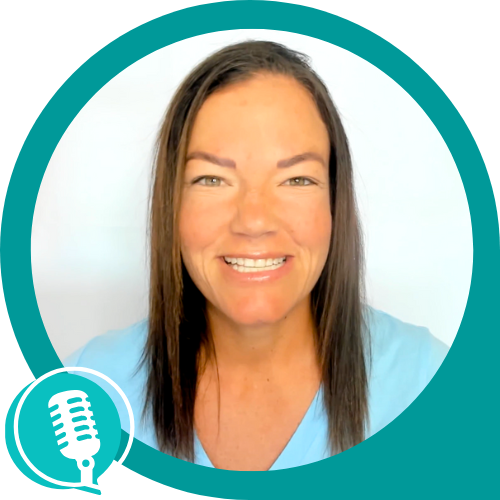
Kristi Kandel
Developer | Mentor | Co-Host of the LRED Podcast
is a real estate developer with nearly 20 years of experience and over $450M in projects across the U.S. Today, she focuses on helping locals step into development and build in their own communities.
She’s the founder of I&D Consulting, Local Real Estate Developers (LRED), and co-founder of Elevate, a community-driven sports and wellness concept.
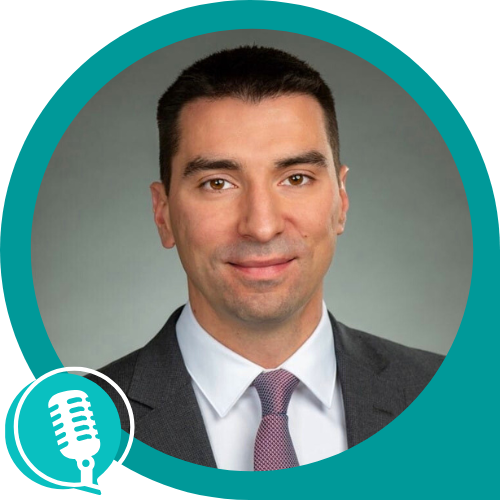
Raphael Collazo
Commercial broker | Author | Co-Host of the LRED Podcast
Raphael specializes in retail and industrial properties, bringing a problem-solving mindset from his background in engineering and software. As a commercial real estate advisor and developer based in Louisville, Kentucky, he works directly with investors, tenants, and cities, bringing a real-world view of how deals come together.
🔗 Related Episodes
How to Start Real Estate Development: Steph Weber Bought the Land First and Built the Plan Later | EP #41
Starting without a perfect plan and figuring it out as you go.
Ground-Up Development as Community Medicine: Neal Collins Rebuilding Real Estate From the Inside Out | EP #42
Why development is about people first, not just projects.
Small-Scale Development: How She Left Her Corporate Career and Built a Tiny Home Village | EP #39
What it looks like to start small and build something real in your own community.
About the Guest

Rachel DesRochers is a Cincinnati-based entrepreneur and community builder who has spent the last 16+ years helping people turn ideas into real businesses.
She is the founder of Grateful Grahams, the Incubator Kitchen Collective, and the Power to Pursue movement, supporting over 200 food entrepreneurs as they test, launch, and grow their concepts. Her work focuses on using existing spaces like kitchens, churches, and underutilized buildings to create local ecosystems that actually support people.
Rachel’s approach challenges the idea that you need capital or perfect conditions to start. Instead, she focuses on community, creativity, and taking action with what’s already around you.
Connect with Rachel
🌐 Website: https://www.racheldesrochers.com/
📸 Instagram: https://www.instagram.com/incubatorkitchencollective/
💼 LinkedIn: https://www.linkedin.com/in/rachel-desrochers/
Full Transcript
Raphael Collazo:
Welcome to the local real estate developer podcast. I'm your co-host, Raphael Collazo. I am a commercial broker, investor and commercial developer located here in Louisville, Kentucky. And I'm here with my co-host, Kristi Kandel, real estate developer extraordinaire. Always great to see you.
Kristi Kandel:
Hey, great to see you. Yeah, like you said, I'm a real estate developer investor and I teach locals how to become developers in their community. And it was actually during a trip where I was traveling through the Midwest and we got to finally meet in person that I heard of our guest today. And the minute I started going down Rachel's rabbit hole, I was just like, my gosh, you're an incredible woman and I need to talk to you. And yeah, we need to have you on our podcast so you can share your stories. So without further ado, I would like to welcome Rachel DesRochers to our show.
Rachel DesRochers:
Oh my gosh, thank you guys so much for having me. You know, I'm just a gal in the Midwest who likes to build cool shit, is the way I say it. It's so nice to meet you, Kristi. I love when you have conversations with women and all of a sudden you have 32 calls planned because you're just like, let's just do everything together because you just feel the energy. And I think that's one of my favorite parts about entrepreneurship. So hi. Hi.
Kristi Kandel:
Such a true story, yeah.
Raphael Collazo:
Hello. Yeah, we're pumped to have you on the show. Based on your background, I'm really excited to have a conversation with you. Obviously, I've been in the retail space. And I had a small catering company in college. And I've always had a passion for restaurants. So I'm excited to dive in a little bit about your background. So if you don't mind sharing a little bit about your backstory, that'd great.
Rachel DesRochers:
Yeah. I'm a serial entrepreneur. I say that I build in women and food. I started my first company in 2010 with a five and a half month old baby strapped to my back, Grateful Grahams. I always said that we were a gratitude company that made a cookie. We weren't a cookie company that talked about gratitude. And I came from food. I was a marketing director for Wild Oats before Whole Foods bought them.
I knew the local purchasing in a way on that side of things. And as I grew Grateful Grahams here in the greater Cincinnati region, I realized that there was nothing, there was no shared space for food entrepreneurs. And so as we grew and we were in our own facility, I literally just opened the doors to the kitchen we were in and I started inviting our friends from the market in going, hey, the kitchen's empty every day after two.
Lo and behold, in less than six months, the vision came in, right? Like the idea was there, but I couldn't see it. And so what ended up unfolding was the Incubator Kitchen Collective. Now we're celebrating our 13th year in business. We have a 10,000 square foot commercial kitchen space in Northern Kentucky. We've served over 200 food startups here. I would say that about 60 have incubated out into the region, into their own storefronts, kitchens. We average about 40 companies operating in our space monthly.
And the lens of operating that has always been healthy people build healthy businesses. I think that a lot of the programs and accelerators and capital, and it is, it should be business specific, but I'm a very big advocate for the person behind the business, you know, and I think entrepreneurs need to learn how to build sustainably because we're in it for the long haul. And then from there, there's the Rachel bucket. I was being asked to do things that didn't fit into cookies or kitchens.
And so now, the Rachel bucket, I'm an author. I do speaking, I've traveled across the country and shared my story. I have consulted on incubators across the country. I've built huge markets across bridges. Anything that sounds like fun, I'm like, I'll put it in the Rachel bucket. Am I an entrepreneur or what? And then we moved to Power to Pursue. Power to Pursue is, I think it's one of the greatest honors of my life that I'm building this body of work.
It's a women's empowerment movement. I was really tired of going into rooms that were being built for women that were so exclusive. It was women and food, or you can be in this room because you're a mother, or if you buy this course or take this pill or look this way, maybe you'll be good enough, right? And I just don't think we have enough of that noise in the world. I don't actually think any of it's true. And so Power to Pursue, we're entering into year five and it's a beautiful space. We put on a huge conference here in the region. We'll have about 900 ladies present in May. We do programming called Ascending Women. We do programming called the Horizon Series that's targeted for 18 to 26 year olds. We have a podcast called the Power to Pursue Podcast. Every woman I know is in pursuit of something cool.
We do our own version of networking and then we just brought an expansion director on. We're trying to get outside of this region. She's got some big cities she's targeting this year and I'm just excited to continue to build that body of work. And then the Gratitude Collective, and the Gratitude Collective really came for me going, I love what I do and I love being a dream amplifier. And I think that every person I know has a dream. And if I can do anything to help that dream come true, I am walking and living in purpose. And so the gratitude is taking, I think, everything we build exceptionally in my other houses and pulling it all together as a resource for others. And so we have podcast production, we have retreat coordination, we have PR services, we have website project management, social media, marketing support, photography, because by golly, why not? And it's really allowed me to build my team of Avengers where I know that work is exceptional, we believe in the projects we're bringing on and the difference we're making so that anyone feels like they can step forward in their work.
Just that.
Kristi Kandel:
I love it. If that's not an entrepreneurial story and an entrepreneur right there, that's awesome. So I do have to ask you, so all the however many and all the different companies, which one brings you the most joy right now?
Rachel DesRochers:
The Rachel DesRochers bucket and the Rachel DesRochers bucket because it's taken me 16 years of getting out of my own damn way to actually say it's time. So the websites will be launching probably when this podcast, like we're live, but we're fixing all the bugs right now. You know, I have hidden behind my businesses. Not, I'm a loud mouth. I don't hide much of anything, but I've struggled.
Because I've never wanted, none of my work is egoic. I'm a heart-centered operator. I believe in the differences we're making, but it was time for me to say, I'm a badass, and I believe in the work that I do, and this is me. So I'm a founder, I'm a speaker, I'm a consultant, and I'm a body for hire because I just love my work so much.
And then it creates this clarity of like, wait, we have incredible teams helping me across these other jobs and companies. That means so much, you know, this is not an army of one situation. And so I'm really excited, you guys, because I think it's for the first time in my career, I'm not afraid to use my whole damn voice.
Kristi Kandel:
I love that because when we think about real estate development and the local developer in their community, that's what they're coming to. They're like, whether they're burned out from a W-2 or they tried other avenues or whatever it is, they've got to mentally overcome that hurdle to go, I can do this because development has notoriously been gate kept. And so it's just getting to that point where they're just willing to take that risk on themselves and to go all in and go, what will bring me and my family and my community joy and happiness? And that's kind of one of the bridges that goes. Absolutely love that.
Rachel DesRochers:
Yeah.
Raphael Collazo:
Definitely. So one of the things I'm curious about is diving into a little bit of your culinary experience. What was the impetus for wanting to start your initial company? And then how did that stem and evolve into now that you have, it seems like an incubator for entrepreneurs that want to have a similar type of business, where they're jumping into different verticals within the food business.
Rachel DesRochers:
I think I have food in my blood. My great grandfather started a restaurant in the 40s. I remember my dad ended up going to law school, but they had a pizza place back in the 80s, you know, and my mom, she was an incredible cook. I mean, she just fed not just us, but our community in so many ways. And so something always has brought me back to food. I truly believe that if we're gonna make a difference in our communities, it starts around the kitchen table. I think it doesn't matter what you believe or what you eat, bread, we can all break bread. And so there's a real significance for me in that food space. Food's hard. I tell people all the time, don't do it.
Kristi Kandel:
We brought her into one of our things and she's like, don't build that. Like that's, go this or this or that way. And it's like, yeah, it's hard.
Rachel DesRochers:
It's hard and it's high investment for a low and slow reward. That comes. Good things take time. I mean, we're not talking about James Beard nominated chefs. We have the incredible chefs in our city. I am honored to work with those guys. Shout out Jose and Jeff and those guys just like pounding the pavement. So when I started Grateful Grahams, it was growing up, hearing my mom go, I wish I could've, I should've, why didn't I?
When I lost my job, I lost my job out of competition in a way. We got purchased, you know, the new manager was like, well she wants your job, and I'm like, well, okay, like I'm a lover, not a fighter. So I stayed home for an entire year. I joke that I was like the best stay at home mom. I folded and put all the laundry away, cooked dinner multiple times a week. November of 2009, my daughter was born. I have one daughter out of my three kids. And I knew in that moment, I could tell her that any dream of hers is possible, but I wasn't walking the walk.
And so for me, the first company came out of going, am I walking my talk, period. Like, am I living proof for my daughter to see that anything's possible, not just telling her hurrah and being a cheerleader. And I did, I strapped her to my back and started rolling graham crackers out. Why graham crackers? I grew up on graham crackers. I was a snotty-nose kid in the line at Elder Beerman and my grandma would pull a bag of graham crackers out without fail my entire childhood. It was nostalgia. I had never had a graham cracker.
Really it was because my purpose was to talk about gratitude and remind us that the world and the work is really big and it's really beautiful when we get out of our own way sometimes, you know? And so I didn't start out going, I love food so much, I'm gonna create a product and I'm gonna mass produce it. That just unfolded. I mean, I remember when we got our first, we got picked up in the Whole Foods Mid-Atlantic region and we had to produce for 52 stores and we had to make 52,000 individual cookies for that order and at that point we still did everything by hand. I mean we had volunteers working around the clock, you know, it was such a cool thing that I got to build and witness and experience and live through.
And I think when I look at the incubator, you guys, and the reason is because it is hard and so much information is gate-kept and I wanted to create a community where everything could, we could just share it, you know? Like, hey, here's an invite to an event we got. Hey, this nonprofit's looking for a donation. The work's too important for anything to have secrets, you know? I go back and tell people all the time, you can't trademark a recipe, babes.
Raphael Collazo:
Yeah, no, 100%. And I mean, I love the idea of having that incubator space because, you're in Cincinnati, I'm in Louisville, we're just a stone's throw away. I feel like both cities. Yeah, we do have Chef Space. I actually know. I've been through the space many times. It's a great, great space. And it really does meet you where you're at as an entrepreneur because there's opportunity for you to rent a little small cubby or you want to rent a whole section of, they've rented out different sections to larger...
Rachel DesRochers:
Yep. So you guys have Chef Space down there. They do good work. You're not going to have no money. So like, it's that idea, right? Like, I got a company that can pay us 200 bucks a month and actually try to get the dream going. Versus being like, well, in order to do that, it's 22, you know, $2,000 a month, plus don't forget to call the bug people and did you get your hoods cleaned this month, right? And some of those are people that it doesn't work.
And I think that is really critical part of an ecosystem. They're not all wins. We have to create space where failures can happen.
Raphael Collazo:
Yeah, no, 1,000%. You get to vet something out. And to your point, if you do it for three months or five months or six months, and maybe the business model doesn't work because what you're offering maybe you're not able to make it work on scale. Or maybe you find out even more importantly that you're cut out for this. This is something you really want to do because there's plenty of people out there that have a passion for cooking. But when it comes to running a business, a restaurant, it's a completely different game. And you have to really have the passion and the desire to want to put in the work to be able to be where you want to be.
That was my experience out of college. I studied engineering in college. And then right after college, I had my catering company throughout. And then I was like, you know what? I'm going to give it a shot. I want to try to open my own brick and mortar. I got a chance to manage a restaurant for a bit. And as I was starting to scale that operation, I realized after that, I took about a year to try to get it up and running and realized it wasn't what it meant for me. But it was a great learning experience. I learned so much from that experience. And had I not had an opportunity to kind of operate in a space that wasn't super capital intensive, I could have set myself back quite a bit. The result wouldn't have been optimal.
Kristi Kandel:
Yeah, taking that shot without the death blow of like, our whole savings is wiped out, everything. It's like, no, you get a chance to go now try something different.
Raphael Collazo:
Yeah, it's horrendous. I've seen people that have, you know, they work in a W2 job for a long period of time, they built up retirement, and they've always wanted to own a restaurant. And then they go out, tap into their retirement, build out a space and try it out for a few years, and it fails. And now you've just lost your retirement, or a big chunk of it, just because you didn't really think through the implications of what you were wanting, and really didn't understand what it took to make it work. And so having a space like this where you can just test it out and pivot where needed and if it ends up working out great, you absorb a little bit more space and then absorb a little more space. And at some point, if it's really working, now go find a brick and mortar location and make it work that way.
Rachel DesRochers:
Yeah. We get a lot of people, they'll walk in like, what's your dream? My dream is to own a storefront. And I would say that half of them change their minds, you know? Like once they get into the work and realize, wait, I can actually make more money by strengthening my wholesale where I could just drop and run, right? Like there's so many ways to do it. We just see this one way so consistently.
And then, you know, I have a lot of conversations in and around the cities with the city people, especially if we're talking about when I go to open a kitchen or I've worked with other cities, they're like, well, then great, we're just going to have all these new restaurants and storefronts. And it's like, well, you know, okay, yes, and. Like, that is something that happens, but we have to rebuild the plane. These guys are not ready yet. We have to teach them, right? We have to show, and we have to talk about real numbers, right?
When a person's incubating out, I am reminding them, don't forget about pest control, don't forget about towels, don't forget about your Cintas hood cleaning, don't forget about your fire extinguishers, because those are things that no one's really thinking about, right? And it doesn't work for everybody. Not everybody should work 24/7, right? And not every concept is a storefront concept. And I think especially in the way that landscape just changes every single hour of the day, you're seeing more multi-dimensional products or places come to life, right? Like if I think about Rachel, if you're going to open a space, what would it be? I'm like, well, it would have a dance floor and a bar and a coffee mart and a coworking and a retail outlet and my corporate headquarters, right? Like it has to be, I want a one-shop-fits-all kind of spot.
You know, it's having those conversations to remind them, look at it differently.
Raphael Collazo:
No, and so regarding that, explain to us how you've kind of orchestrated the buildout of that space because I think one of the challenges that I can imagine you probably faced is making the numbers work from just the infrastructure standpoint because I don't know the scale at which you're operating as far as that incubator space is concerned, but as we all know, the infrastructure for the kitchen, including the hood systems, the grease traps, the cool, the dry storage, cold storage, I mean, all these cost a significant amount of money. And so I'm kind of curious.
Rachel DesRochers:
I wouldn't be in business if I had to build out the kitchen. And this is when people don't like to see me coming. Because if I had all the money in the world, would I build out a kitchen? Probably not. And I say that because I think this is part of, there's so much in our city sitting unused. There's abandoned hospitals. There's abandoned retreat centers. There's abandoned churches. There's churches who've built out new kitchens.
I think sometimes we look at a plan in the 10-year plan, but we forget about the nine years and 364 days that it's gonna take to get there. And what would it actually look like with plan one? I sat in Finley Market, Finley across in Cincinnati, they opened Finley Kitchen about 18 months after we did. And I sat in on those meetings and they had to raise a ton of money. And that kitchen, you know, it's not a competition. It's helped us. It's established. These spaces are very important.
Thank God in a way for us, we inherited a space. It was a commissary for a restaurant group here. They had built out the kitchen. They had put in the $250,000 hood, right? They had put the grease trap. When we inherited it, the front room was full of restaurant equipment. I was like, my gosh, this is amazing. We're gonna be billionaires with all this restaurant equipment. And really we just became fork heirs. Like people would come in for a meeting. I'd be like, do you need forks for your house? Because here's a dozen, you know? Anybody need wine glasses? Because I've got a thousand.
And over time we've got funding to help us put lighting in and HVAC stuff in, right? Like we had a group doing distribution out of our facility and they got a grant and put a walk-in in. In our middle room, it was the laundry services for this restaurant group. And so we got rid of a 20-foot laundry press and we put in lighting and HVAC. I mean, slow and steady wins the race. We've been in that kitchen since 2016. And it's incredible how hard you work to be able to pay a $5,000 a month electric bill, right?
You've got to have a lot of people in there making cookies just to keep the lights on, let alone anything else. I'm glad we're a nonprofit. I think the work we do is in giving folks a chance. I fought so hard to keep our rates low, you know? Access means something. I think that when an idea is working, it's quick to catch fire and I'm so proud that no matter what we've stayed rooted in community. We've stayed rooted in, you know what, we're gonna keep rents low. We're gonna work this hard because we believe that access is part of it.
And so I couldn't have been able to carry out mission had I had a $2 million bill I was trying to also clear. And I think sometimes we need to shine up the diamonds, you know, that are sitting in our own backyards.
Kristi Kandel:
That's a great point. I mean, we talk a lot about adaptive reuse projects because there are those buildings that are sitting around that can be brought back to life. And then also just talking about the real part that just because for people who aren't business owners, just because you see a storefront and a business going, it doesn't mean it's profitable. It does not mean it's working. And if you ever go buy them and you think, how are they actually making money? I mean, there are so many companies in the past couple of years that I've thought about buying or starting and I'm like, that would be way too much work for the effort that would go into it. If my passion and my heart weren't there, so I'm like, no, no, I'll pass.
But just because it's there doesn't mean it works. And that's where we need that combination of models in our communities where we do have the nonprofit, but the nonprofit could then be that incubator to then create the businesses to go, hey, cool. Now you're a taxpaying revenue-generating business that is providing an awesome service for the community. And you were able to get those lessons learned along the way. For the businesses who come through, is there an average time where they know, it's for me or it's not, now let me scale and grow? What are the steps for them to go through that process to then get their first one?
Rachel DesRochers:
I love that we have four levels of membership. It ensures that one, as you need more time to grow, we actually lower that hourly rate down so that they feel like they can grow. I feel like the more money, and I would say on average, our guys that are working out of our facility, we probably have companies that are making $10,000 a year all the way to $650,000 a year, right? So we see a huge gamut then of what that looks like.
I think the things that we really do really well is community connection. So a lot of my work is building those relationships. So hey, we can funnel the Northern Kentucky Entrepreneur Grant into our facility and say, hey guys, don't forget this is out here. We're helping them in the way of here's how you get licensed, here's the local health department, here's the state health department, great, you're a food manufacturer, this is what it means, right? There's hand holding, there's a connective tissue here, right? And I think that everybody wants to do it their own way. So you're also supporting 40 separate personalities, 40 separate different ideas of what success looks like.
And that's part of the fun, right, of impact. It's also, I think, relationship building. I watch companies that come into the kitchen. I love what Family Time does. They're a meal prep company, but they've created a micro storefront. So you can order your meal delivery, but you could also go in and there's probably five to 10 of our other makers that are able to sell wholesale through their site.
So you can get your elderberry syrup or your local loafa, local focaccia, or your blueberry scones all in one stop. It's that constant reminder that we have to build together. I'm not an accelerator. I love, you know, Finley has a great Finley launch program. We work a lot with Aviatra and Blue North and Mortar. We have incredible accelerators. I don't need to copy work that's already being done. I need to build relationships with the people that are doing the work better than we could.
And so we outsource some of that. We have great relationships with developers here. We meet with Model Group and 3CDC and the city of Newport and the city of Covington to talk about what is here so that we are offering spaces that come across. Or at least if someone goes, hey, we're thinking about it, I say, talk to all of them. Make sure you're dating these people. Everybody's gonna sell you, all right? Everybody needs you in their space. Coaching them up to be in their power that they do have a voice here.
And I like talking about real numbers, you know? These guys might be leaving corporate. Well, when you leave corporate and start your own thing, especially in food, how do you replace that salary? What do those numbers have to look like? You need to make $50,000, you know, you might have to make about a quarter of a million in sales. Well, that's a lot of pizza dough you got to make to get that number, right? And so it's not ever not telling the truth.
Kristi Kandel:
Well, and I love what you said there. So you're working with 40-ish entrepreneurs and business owners at the same time. I mean, you're what landlords should be. It should be that it's not that you own this multi-tenant building or this space that you're leasing out and it's like, cool, go for it. I'm going to collect my rent check. You're actually one that's leaning in who cares, who is helping that local business owner because ultimately their success is your success. And the more that you can, like you said, if you know about a grant, then you can be like, hey guys, this is here.
I was just talking to another developer who, you know, we talk a lot about the development of getting something open, but we don't talk as much about the operations side and helping everyone just create that culture within even your multi-tenant space to go, hey, there's synergy here. And the more that that's there, the longer the tenants can stay, which as a landlord, property owner, community member, like that benefits everyone. So I like to hear this side of it operationally too, go, hey, here's how this works.
Rachel DesRochers:
Yeah, I mean, we have a partnership with a church and it's basically a rent split for them, you know, and we're able to just put a few food entrepreneurs in there and it creates a revenue stream. It's not a big one for us, but it feels community impacted.
Raphael Collazo:
Yeah, certainly. And I think that's one of the areas that I feel like is not as explained. I mean, obviously, as a commercial broker and someone who has been in the food space in the past, I do work with a lot of entrepreneurs that are just getting started. They maybe have worked with a small business development center to draft a business plan. Maybe they've tapped into some of the local resources to be able to get some initial capital. And then as we start to look for spaces, the understanding of how that line item could potentially impact your bottom line is something that I kind of have to educate tenants about.
And on the landlord side, when I work with owners, sometimes they're asking a certain rent. Let's say they ask like $6,000 a month for a space. You got to understand what type of restaurant could actually pay that type of rent. I mean, there's a rent-to-revenue ratio you got to kind of stay within. It's a narrow range. And so you don't really want to pay more than 10% of your revenue as a rent expense. So you have to find a restaurant that's willing to do, that's going be able to do, what is that, $720,000 a year. And that's a pretty significant revenue generation. What type of restaurants can actually achieve that? I mean, you've got to think through all those things before you start placing tenants, because otherwise you have these revolving doors of tenants that go through because they just can't handle the burden that that rent expense causes them. There's a lot that goes into it.
Rachel DesRochers:
Yeah, and I want us to, there is this setup for success. It's not easy hand holding, right? But if we slow down just a little, does it create a different, stronger narrative? Good things take time.
Raphael Collazo:
Absolutely. Couldn't agree more. Regarding that, what are some of the other projects that you're currently working on that you'd kind of elaborate on, a few that you're excited about? And obviously, with us being centered around commercial real estate development, I'm kind of curious if you're working on any other projects that kind of fall in line with that.
Rachel DesRochers:
Well, you know, we've looked at venues for ourselves over the years and I know one day we'll be there. Projects though that I think I'm in awe of, everything with Power to Pursue. I think I'm just in awe. We're building our fifth year summit right now. Kristi, I know I even owe you an email on that. I'm in my inbox and it is really incredible what a small committed group of people can do.
You know, it's really incredible when you say, just because it's always been said this way, it doesn't mean that we don't have room for it to be said another way. And I think especially when I look in the space for women, we don't get invested in, we don't charge enough, right? We question our worth, we question our value, we question our voice, and to be able to build something that addresses that is really awesome, you know?
Kristi Kandel:
Yeah, what I love with what you're doing with that bucket, like even for our development that we're doing down here, was like, well, we have a food component. Like you are the consultant guru to go to immediately. You're just two seconds of you telling us, hey, this, switched our concept. And now what we have is like, yes, for what we're doing at this. But then it helped me go, hey, but what we're doing in Columbus, actually, could you come in and collaborate with us on that?
Which to expand on that, Raphael, we're working with faith-based organizations in Columbus, Ohio to kind of create that blueprint of saying, hey, you have extra land. And so the thought is affordable housing or additional housing in general. But that takes a long time. So then the thought was, wait, we also have these kitchens that are underutilized. What if we come in and we use food as a way to bring community together, to build trust, to say, yeah, we eventually want to help you guys do that, but we want to think about the whole person. And so just even things like that, where you're coming in to take all of your experience in different ways, I almost think that goes further than focusing on one project or one development, because how many lives and groups are you able to change because of what you bring to the table with that?
Rachel DesRochers:
Thank you. Yeah, and it's just, you know, it's all just earned from doing it. I don't want to say doing it the hard way, but just doing it the different way. You guys, I started all of this in 2010 with $1,000. I sit on zero business debt. The one investor I brought on stole all my damn money and almost put two of my companies out of business.
I'm really good at hugs and everything else is a bonus from there. In my soul, I'm a community builder. I believe in one another. I believe in saying, wait a second, stop and let's make a bowl of soup and talk about it. And I think sometimes that the world is moving at the speed of light and the one thing that we all can do as builders, developers, visionaries is to make sure we have space for presence in the work, you know? And we can't say we're here building community if we're only willing to look at one section of that community.
Kristi Kandel:
And too often we put our heads down and we charge forward towards our goals and we forget that, you know, I started as a destination person, thought if I got to here, if I only ever got there, I'd be happy. And then you come full circle and you realize the only thing that matters in life are relationships and connection and the people and community you have around you. And then it hits, which I'm starting to think that's what the midlife crisis is. But then it hits you and you go, so this is actually what matters and it's the whole person and it's us coming together and it's an abundant mindset over a scarcity. And it's just knowing where can we fill that need and collaborate together.
Rachel DesRochers:
And that's such a peculiar way of thinking, but it's not. It's radically righteous. It is the right way. And so I think when you're having conversations, and this is where Kristi and I, it was the fireworks of when you hear the depth of truth and you know it, you know the person that's selling you the shiny turd, and you know the person who eat, sleep, and breathe the dream work, right? And so when you find those people too, all you wanna do is say, hey, I know somebody else, I'm not crazy, I'm not alone on the island, there are other people.
And there are all of us thinking this way in every lane of all of these startups. I think I have been blessed or lucky enough to find. There are people who are willing to think outside of the box. We would all be more successful if we cared less... wait, is that true? I think we need to redefine success. That's the work, you know? Anytime I coach anybody, I ask them that question. Because success isn't what we're watching on these screens that we're attached to.
Success is holding the door open for somebody because you're present enough to see the person behind you has their hands full. And it's all of these micro moments, in my opinion, that have gotten me here over 16 years. It's gratitude. I wouldn't be an entrepreneur if I did not have a gratitude practice. Especially when you care about other people.
Kristi Kandel:
Yep, that's so true. So now you did say partnerships and how some things went sideways. That's a huge question for any business owner, any developer. A lot of us want to do it solo to avoid issues, but really the bigger the project and the more impact you're having, you're going to have partners. So can you give us some advice or some lessons learned about how to find the right partner, how to maybe ask better questions and just some tidbits?
Rachel DesRochers:
I mean, you guys, I think the number one thing that anyone says in this space is trust your gut. We know. And especially on my fraud piece, you know, I got calls after we discovered it and people were like, well, and I said, hey, listen, I didn't let the fox in the hen house, but I was a burnt out entrepreneur who was so exhausted. I was so willing to have any sort of help. So, wait a second, right?
Trust my gut, there were so many, oftentimes I questioned things, but it was polished enough that made you unquestion it. Don't be afraid to ask the uncomfortable questions. Definitely don't sign anything until anyone and everyone's looked at it. That was one of the best parts, is we never had anything signed, which was a saving grace. There was less untanglement there.
Trusting our gut makes us so uncomfortable sometimes, especially like I'm not a conflict person. Again, I'm a lover, not a fighter. But I've had to learn how to do that. I've had to learn to say, wait a second. No, I actually care so much for my business. I'm willing to say no to money, no to partnership, no to you as an incubator person coming. It's not gonna be a good fit.
It always comes back tenfold, I think. Every no has opened a bigger door for yes. And then also, I think as entrepreneurs, we're probably the greatest thing holding our business back. And so the other part is, where the hell are you in your own way and how do we extract you from that?
You can worry or you can do the work, but you can't do both.
Raphael Collazo:
No, I couldn't agree more. And the partnership aspect, to your point, is an interesting dynamic. You talk about wanting, like people who want to scale an operation, you cannot scale unless you involve other people in the mission, whether that's partnership or maybe hiring people as far as employees is concerned. But when you start introducing that dynamic, again, it's a different person. They have different personalities.
Unfortunately, there's a lot of people out there that are unethical, and they do things that aren't right. And sometimes, to your point, they dress it up as a turd, a turd that's dressed up. But in reality, they're unfortunately doing things the way they're not supposed to be doing. As someone who's an entrepreneur, I assume that you probably view yourself as an optimist. I think you have to be in entrepreneurship. And so you kind of want to give people the benefit of doubt, which I think overall is a very good strategy.
If you naturally default to giving people the benefit of doubt, good things are going to happen. But every once in a while you come across someone who has ulterior motives. And unfortunately, that happens. And I've had to face that in my life. And you kind of have to pivot and heal your wounds.
Rachel DesRochers:
And hopefully you're present and willing to learn the lesson the first time, right? If you know better, you do better. And I think too, people think, oh, I bring in a partner, I gotta give them equity, or I've gotta, there's a lot of ways. There's a lot of ways to look at a lot of things. And so, I encourage people, don't give it up until you really, really have to, right? And then even question it. Do I really, really have to?
I'm proud that I own 100% of everything. I work hard enough to own 100% of everything, you know? And you're right. And now we're building things and partnerships in a new way and it's the coolest work because as a solo entrepreneur, it's almost like I'm getting the opportunity to work with leadership teams, right? I'm working with people smarter than me or that know this thing that's different than what I know and I'm hungry for it. I soak it up like a sponge because if I know better, I can do better.
Right? And I don't have time to take two weeks off to go take a crash course in this stuff, right? We're learning it through the projects we're saying yes to. And I'm a yes girl and I know that. But I think sometimes we're so afraid of saying yes because we're afraid to give up control. I'm not. I want to embrace for impact. I want experience. I want to change the world. And so in order to do that, I have to say yes. And I have to be willing to learn, you know, and be nimble babes. Learn how to bend, learn how to bend, learn how to bend, learn how to take a weekend off, learn how to shut the computer for a day, right? We're all changing the world.
And if we stop for a moment, the world's not gonna come to an end. And I think that's a muscle as strong entrepreneurs we have to learn. So what a fun conversation, you guys.
Kristi Kandel:
I knew it would be, you're just so full of energy and life and all the business stuff that it's like, yeah, yeah, like let's go.
Rachel DesRochers:
That's just, yeah, let's go. You know, I've said it and I've had a lot of meetings this week and I keep coming back to Mary Oliver. You have this one wild and precious life.
Kristi Kandel:
Why the heck aren't we like just going out and experiencing? The whole point of being here is to experience and to live it.
Rachel DesRochers:
Whether or not you're an entrepreneur, you're in real estate, you own a restaurant, you're in corporate America, you're a stay-at-home mom. What matters is that you have an opportunity to choose joy because we're alive. Man, what a gift, you know? We're present here in this world, even if the world's on fire. If we really stopped and looked at what's happening inside of our homes and in our communities and our neighborhoods, really good work is happening. We are cared for and we care, and that matters.
Kristi Kandel:
And that's where on the local level, the world can be burning down, but on the local level, we're all people who choose to live in these communities. We're still going to work, we're still going to school, we're still having fun, we're still building relationships together. And that matters and that can help be our relief.
Yeah, that's why I love local development because it doesn't matter what's happening in the world. It's that we are people who choose to live in our communities and whether we live here, we go to school here, we play here. And that's truly the impact that we can have. And that's why we share the stories of local developers and business owners, because if we do that, then really good things can happen.
Rachel DesRochers:
Agreed.
Raphael Collazo:
No, curious, if you don't mind sharing, what one piece of advice would you give to those who are listening to this podcast regarding your journey in deciding to take on this leap into what you've been doing with the incubator? Any advice you would give them in specific?
Rachel DesRochers:
Every time I get asked this, I always go back to Nike and just do it, right? Like they were onto something. But I think that it's, I truly believe anything is possible. And I think that if, I want everyone to feel no matter what that is that they have the opportunity to try, whether it's being a stay-at-home mom or building something or being an entrepreneur or climbing the corporate ladder, that they can. Permission granted to do the damn thing.
Raphael Collazo:
No, I'm glad to hear you say that because I feel like that's one of the major hurdles that really all entrepreneurs face, that early imposter syndrome where you think who am I to do this? Who am I to live out this reality that I've kind of been daydreaming about for quite some time, but it just seems so far into the distance. So I appreciate that.
Rachel DesRochers:
Yeah. Build from day one, not from year 10. That'll save you a lot of heartache. Probably save you a lot of money too.
Kristi Kandel:
Yep, yep, so true. So thank you so much for coming on and sharing all of these great nuggets with our audience. If people want to follow along with your different worlds, what's the best way for them to find out about you?
Rachel DesRochers:
If they go to racheldesrochers.com now, it'll take them back to all the other company websites. They can find me on Instagram and all the companies. We're at The Gratitude Collective, incubatorkitchencollective.org, powertopursue.org. So yeah, yeah. We'd love to have you around and come and see us in May.
Raphael Collazo:
Definitely. No, I'm looking forward to keeping tabs on your journey. I'll definitely be making it up to Cincinnati at some point. I'll have to. I will. Yeah, no, we'll definitely keep in touch. And I'm looking forward to staying in touch. And we really appreciate you coming on the podcast. I'm really excited to hear the feedback from this episode.
Rachel DesRochers:
Yeah, let's do it. Thank you guys so much for having me. It was a treat.
Kristi Kandel:
Thank you.
Raphael Collazo:
Absolutely. So for those of you guys who are watching this in a podcast format, whether that's Apple Podcasts or Spotify, please leave a five star review. We really do appreciate all the support along with that. If you guys are watching this on YouTube, go ahead and like and subscribe. The more people that subscribe, the more people that engage, the more people hopefully get inspired to take on their first real estate development project. So thanks again so much for tuning in and we'll see you all next time.
Get the tools behind the episode
Access the Developer Vault with templates and real resources
©2025 I&D Consulting. All Rights Reserved.
©2025 Local Real Estate Developers. All Rights Reserved.