First Real Estate Development Deal: How Chris Different Took On 3 Builds With No Experience | EP #36
Real estate development, ground-up single family, and taking on multiple builds with no prior experience
What if the biggest risk is not the deal… but waiting too long to take one?
Chris did not wait until he felt ready. He just started building.
This is not a typical development story.
Chris Different went from building income through social media to taking on three ground-up projects at once with no construction background. No design experience. Just a decision to go all in.
In this episode, Kristi and Raphael unpack what it actually looks like to learn development in real time. The pressure, the financial reality, and the constant decision making that comes with being in the middle of the build.
If you are wondering whether you need experience before getting started, this conversation shows what happens when you take action first and figure it out along the way.



Get the tools behind the episode
Access the Developer Vault with templates and real resources
Episode Summary
Most people spend years trying to feel ready before they take on their first development deal.
Chris did the opposite.
After years of building income through social media, he hit a point where the money was good but the lifestyle was not sustainable. Long hours. Constant output. No leverage. No long-term assets. That realization pushed him to look for something more permanent.
That search led him to development.
With no construction background and no experience managing projects, Chris made the decision to invest in mentorship and take action. What followed was not a slow, cautious entry into real estate. It was a full commitment.
He bought his first lot. Then two more shortly after.
Now he is managing three builds at once.
In this conversation, Chris shares what that actually looks like behind the scenes. The uncertainty of designing something you have never built before. The challenge of working through conservation district regulations. The pressure of acting as your own general contractor. And the financial weight of interest payments that grow every single month.
At one point, those payments reach nearly $30,000 per month across his projects.
This is where most people freeze.
Chris did not.
Instead, he leaned into mentorship, asked questions constantly, and stayed in the process even when he did not fully understand it. That became his biggest advantage.
He did not pretend to know everything. He just kept moving forward.
This episode also highlights a key shift for aspiring developers. Development is not about having perfect knowledge. It is about building an income engine, redeploying that capital into assets, and learning through execution.
Chris also speaks to something deeper. Motivation is not always about excitement. Sometimes it is about responsibility. About deciding who you need to become and showing up for that version of yourself every day.
There is no perfect entry point.
There is only the decision to start.
The real takeaway is simple.
If you are willing to take action, ask better questions, and stay in the game long enough, you can figure this out.
What You'll Learn
- How to transition from active income into development projects
- What it actually looks like to build with no construction experience
- The financial reality of interest payments and soft costs
- How mentorship and partnerships work in real deals
- Why asking questions is your biggest advantage early on
- How to manage pressure while learning in real time
Bold Truth
You do not need experience. You need action, accountability, and the willingness to learn while you build.
Timestamps
0:00 — Intro
https://youtu.be/qnzEksYLIrg?t=0
0:32 — From social media to development
https://youtu.be/qnzEksYLIrg?t=32
3:34 — Taking the leap into development
https://youtu.be/qnzEksYLIrg?t=214
6:21 — Early challenges and unknowns
https://youtu.be/qnzEksYLIrg?t=381
11:11 — Conservation district explained
https://youtu.be/qnzEksYLIrg?t=671
13:38 — Managing construction and framing
https://youtu.be/qnzEksYLIrg?t=818
16:00 — Financial pressure and interest payments
https://youtu.be/qnzEksYLIrg?t=960
19:11 — Selling vs holding strategy
https://youtu.be/qnzEksYLIrg?t=1151
21:31 — Motivation and mindset
https://youtu.be/qnzEksYLIrg?t=1291
24:00 — Loving the process
https://youtu.be/qnzEksYLIrg?t=1440
25:57 — Learning through failure
https://youtu.be/qnzEksYLIrg?t=1557
29:16 — Mentorship and partnerships
https://youtu.be/qnzEksYLIrg?t=1756
33:07 — Advice for new developers
https://youtu.be/qnzEksYLIrg?t=1987
35:23 — Community-driven development
https://youtu.be/qnzEksYLIrg?t=2123
37:17 — Future plans and scaling
https://youtu.be/qnzEksYLIrg?t=2237
41:00 — Final thoughts
https://youtu.be/qnzEksYLIrg?t=2460
Meet the Voices Behind the Mic
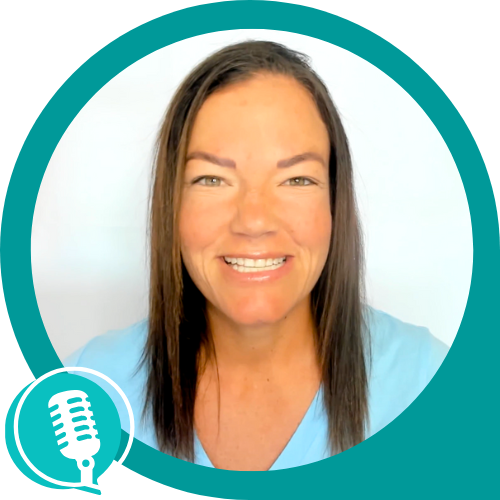
Kristi Kandel
Developer | Mentor | Co-Host of the LRED Podcast
is a real estate developer with nearly 20 years of experience and over $450M in projects across the U.S. Today, she focuses on helping locals step into development and build in their own communities.
She’s the founder of I&D Consulting, Local Real Estate Developers (LRED), and co-founder of Elevate, a community-driven sports and wellness concept.
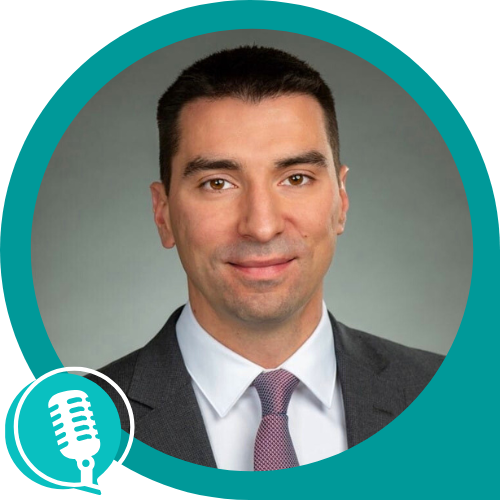
Raphael Collazo
Commercial broker | Author | Co-Host of the LRED Podcast
Raphael specializes in retail and industrial properties, bringing a problem-solving mindset from his background in engineering and software. As a commercial real estate advisor and developer based in Louisville, Kentucky, he works directly with investors, tenants, and cities, bringing a real-world view of how deals come together.
🔗 Related Episodes
Community Development Over Capital: How Rachel DesRochers Builds Where It Counts | EP #45
A powerful reminder that you don’t need perfect capital to start. You need resourcefulness, creativity, and the willingness to move.
How to Start Real Estate Development: Steph Weber Bought the Land First and Built the Plan Later | EP #41
A real look at taking your first development deal from idea to execution without having everything figured out.
Small-Scale Development: How She Left Her Corporate Career and Built a Tiny Home Village | EP #39
Another path from traditional career to building a community-driven development project.
About the Guest
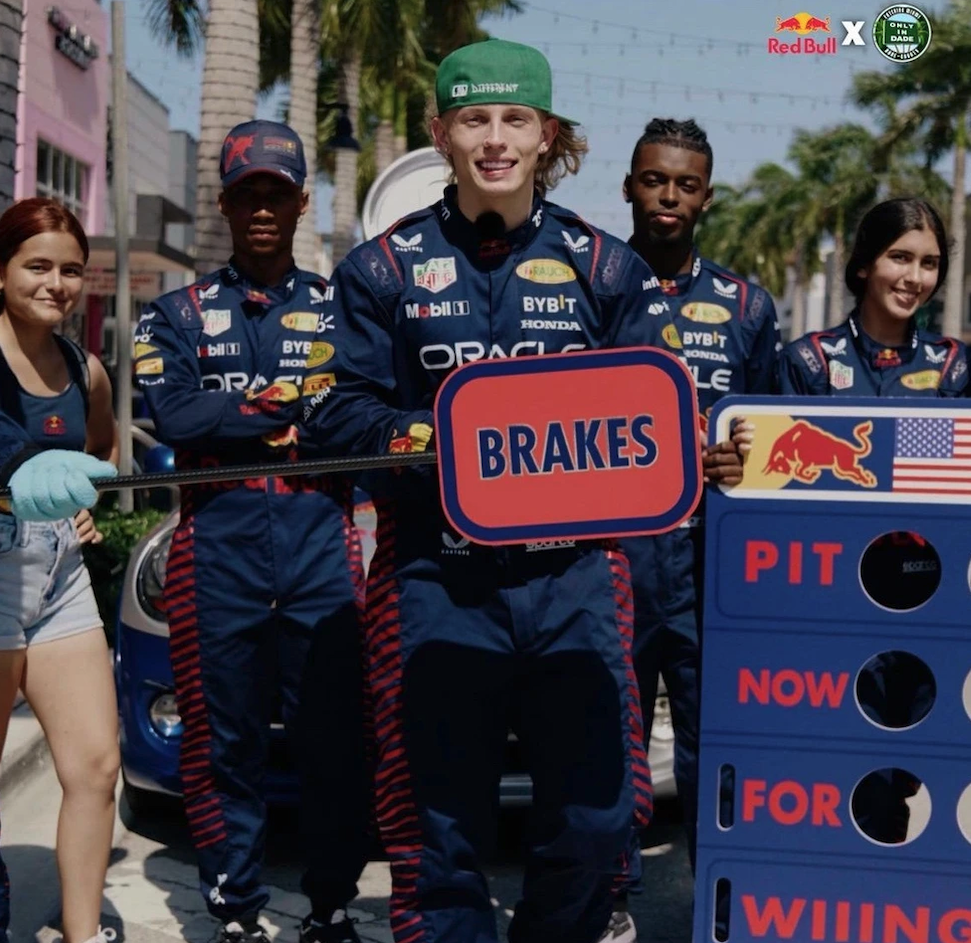
Chris "Different" Oester is a real estate developer and entrepreneur currently building multiple residential projects in Dallas. He transitioned from social media into development and is learning construction, financing, and project execution in real time.
Connect with Chris
📲 Instagram: https://www.instagram.com/itschrisdifferent/
📲 TikTok: https://www.tiktok.com/t/ZT6GjapSC/
Full Transcript
Raphael Collazo (00:41)
Welcome to the Local Real Estate Developer Podcast. I'm your co-host, Raphael Collazo. I am a commercial broker, investor, and commercial developer located here in Louisville, Kentucky. And I'm here with my co-host, Developer extraordinaire, Kristi Kandel. Great to see you as always.
Kristi Kandel (00:55)
Hey, good to see you. Yeah, I'm a real estate developer investor and I teach locals how to become developers in their community. And I found today's guest just by scrolling through Instagram, kind of looking for who's in the development space, who might have a good story to share and came across Chris. So Chris, welcome to the show.
Chris Different (01:12)
Hi, how you guys doing? Thank you guys for having me. I appreciate it so much.
Raphael Collazo (01:16)
Absolutely, man. Well, it's a pleasure to meet you. And we were talking a little bit offline about, you know, a little bit about your background. But, you know, what we typically like to do on the podcast is learn a little bit more about the person that we're interviewing. So if you don't mind kind of sharing a little bit about your backstory and then maybe delve into a little bit how you got into the real estate space.
Chris Different (01:33)
So yeah, practically, when it came to Right Before Development, I've just been doing social media for the previous like four years, five years, possibly. And I kind of always just did it because I enjoyed creating content, I enjoyed creation and just kind of making things and creating things for the world. So I just did that for a while and as time went on, I ended up coming across
one of my mentors, Instagram's from a friend of mine and his name's Eric Crutchfield. So I had followed him for around a year, just kind of watching his content and everything. And funny story how I ended up like kind of taking the leap and his course to join it was like around 20,000 to get into the mentorship, like the one-on-one mentorship. So it wasn't cheap. It was definitely something that I wasn't too sure about.
Kristi Kandel (02:19)
So not cheap.
Raphael Collazo (02:21)
Mm-hmm.
Chris Different (02:25)
And I was just kind of in Vegas one time. I was just there by myself in Vegas walking through. And I don't know, just saw everything around me and I was like, oh my God. I was like, I know I'm doing well, but I feel like I could take that next step and do even better. And I just kind of made that leap and kind of just right then and there said, hey, all right, let's go forward with this. Let me take that leap of faith and try. So I ended up doing that. I got in the program and then...
Lo and behold, I ended up getting three separate lots and now I'm all building on all three.
Raphael Collazo (03:02)
That's amazing. Are you in Vegas right now or you're in Dallas? Yeah.
Chris Different (03:04)
No, I'm currently in Dallas, which is funny because I'm from Miami,
initially. So I'm from Miami. I live in Miami as well. So right now I'm in Dallas, but I go back and forth to Miami and Dallas. When I'm here, I got to work. So I wanted to do Miami, but the way to get in is it's too pricey. It's too pricey. For the price that I got three here, it would have been way harder over there to even, you know what I'm saying? So I just...
Raphael Collazo (03:26)
Mm-hmm.
Chris Different (03:33)
started here because he was from here, his contractors are from here, and you know, if I ran into problems, I had that backing in Dallas compared to Miami where he just started, so it's not the same.
Kristi Kandel (03:46)
Yeah, I'm over in Southwest Florida, spend a lot of time in Miami myself. you're right. Like you could find lower priced ones, but then you've got to, depends on the area, depends on what's there. And yeah, so super smart going to Dallas and going, Hey, cool. I'm going to be close to where I can mitigate. Like stuff's going to go wrong along the way. And I'm sure we can dive into it and things will happen. But ⁓ knowing like you, put in so many safety measures to go, cool, I'm going to be here. I'm going to be in this area. I'm willing to be flexible. So.
Raphael Collazo (04:04)
Okay.
Chris Different (04:05)
Yeah
Kristi Kandel (04:14)
That's awesome. So when you took that bet on yourself, was it to create just more streams of revenue to go, hey, I want to have assets because was it trading time for money initially with social media and then it's like, hey, let's get the other stuff?
Chris Different (04:25)
Hey.
A million percent. Practically I got to the point that I was in Vegas and it was kind of like a pop in my head that I was like, for the last two years I've spent every yearning minute, second on a chair in my room. I've been glued to a screen for two years. I can't even tell you anything about the last two years. I'm tired. There's gotta be a way.
Kristi Kandel (04:48)
Hehehehehe ⁓
Chris Different (04:54)
to be able to do what I'm doing here. Because what I do on social media and live streaming, it makes really good money. It's extremely great. It's probably development money, but at the same time, it's so much time for it. If I'm not there, I'm not making it. So I just felt like there had to be other ways. And now I'm not sure if this is going to be my all in all, but this is my all in all right now. So.
Definitely revenue. That was my main thought process is revenue. How can I make it? What can I do? And this is kind of something that made the most sense to me when I saw all of the options at that time, section eight, Airbnb, this and that. And then you kind of just kind of look at that, all of it. And I'm like, yeah, this makes sense. This kind of has proof to it. Like, this is forced appreciation. This has to work, you know?
Kristi Kandel (05:46)
Well, and you said you love creating and that's literally what development is. You are creating something. I'm like, this is my real life 3D art project. This is super cool. Yeah, and it's the great thing with development is that it's like if people are fixing and flipping, it's a much shorter timeframe and a lot of the same steps, whereas development does take
Raphael Collazo (05:47)
Mm-hmm.
Chris Different (05:50)
Yeah, 100%.
Raphael Collazo (05:50)
Yeah. ⁓
Chris Different (05:54)
Yeah.
Kristi Kandel (06:03)
more time and then with that, like you can have other business ventures. Like I run multiple other companies on top of development projects we do. it allows you to kind of just bounce around to a bunch of different things. it just, you know, creates a couple more pathways and options that you have.
Chris Different (06:19)
100%, the only thing about development that's been harder for me is like, I like creating, but I like also creating things I know. So it's like, I went into this and it's like, I've never fucking, I've never touched drywall. I've never done, I've never done any of this. Like, I don't know what tile looks good in the bathroom. You know what saying? I don't know what like floor should be here. What type of, should we do herringbone here? Like, I didn't know any of these things.
Raphael Collazo (06:34)
Mm-hmm.
Chris Different (06:44)
So, and it's like, I'm still learning right now. Like I'm literally going through all of that right now and it's such a scary process, but I have a lot of support, but it's definitely something that you definitely want to like do your homework on because it's so hard to create something you don't know.
Raphael Collazo (07:01)
Yeah. And to foresee the things that could go wrong that maybe you don't know right off the bat. And that's one of the cool things we've hopefully tried to develop with this podcast is we've got to interview people from all across the country that have taken on projects, both like just starting out and those who are lot more experienced. So we try to share with people some of the things you need to think about as you're getting into the process of developing your building. kind of speaking back to the idea that you're describing regarding, you know, building an engine of income, I always tell people it's like,
Kristi Kandel (07:01)
Very, very true.
Mm-hmm.
Raphael Collazo (07:31)
you need to focus on a business generate a lot of income from that business and then divert that money that you're generating from the business into long term hold assets. And obviously, we're big proponents of real estate, but there's other assets out there that you could invest in. But you know, I'm of the mindset like get that engine running and then take that money from that engine and start putting it into different projects because long in the long run. I mean, you may enjoy what you're doing right now and in the the live streaming space, maybe in five years, you decide, hey, I want to do something different. But this this will afford you the opportunity to do that because now you have
this property and that's that's humming, you got some other stuff that you got working as well. So it gives you flexibility to allow yourself to take on different opportunities when they present themselves in the future. that's great. So regarding some of those challenges, because I mean, it's great, I love the enthusiasm, I love the energy you have, because a lot of people get caught up on just over analyzing things. And I'm not saying that you'd
didn't overanalyze things. I'm just saying it seemed like you're the type of person who saw an opportunity. like, you know what? I want to be over here in the next year or two or whatever. I'm going to take action. I'm going to make it happen. So you described taking on these three lots. Did it start out as just one lot or did you take on the three lots at once? And then maybe describe some of the thought process behind getting that going.
Chris Different (08:41)
Yeah. So essentially it
started one lot. I had one lot, but the lot was in a conservation district and I wasn't really aware. I was like, know, like, you, but he had told us before, like I've gone to his, know, he has those events that he'll talk to everybody. And he said, it's kind of like stay away from a conservation district. But my mentor's fiance,
Kristi Kandel (08:51)
Mm.
Chris Different (09:08)
is a realtor and stuff like that. So she was telling me about it. She's like, you know, in a conservation district, they're getting what they're looking for. So you can stuff, which, you know, I believe her, she's done the interior design on that one. So when it came to that house, made sure that conservation, like that, you know exactly what you're doing in this field. So let me make sure all the professionals that know what is going to sell here is going to be here. So she kind of sold me on it. I did take that lot.
And then later on, probably like, I got the other two a month later. So I got it on like the 20th, the one month, and then the other two the next 20th. So she had ended up calling me again. She said, cause you know, they kind of knew my situation. They knew what, you know, what I had, what I could do, I was willing to risk. And then she had given me a call and she told me about, you know, one and then kind of like another or whatever. And I was like, you know, I could do one more. I don't know about two.
And then I do have a best friend that lives in Dallas that does the same thing. name is, his name is 2K. goes, J2 Crisp on TikTok. And, he was interested in what I was doing as well. He was like super excited. So he ended up going half with me on the third lot. So practically we had gotten two lots that are neighboring. So I got one, he went half of me on one. So I practically have two and a half.
Raphael Collazo (10:31)
Yeah, so and those two lots are not in the conservation district then.
Chris Different (10:36)
No,
those are outside of conservation industry.
Kristi Kandel (10:39)
And maybe just for listeners, can you explain what that is just so they can understand the impact of meeting behind it?
Chris Different (10:45)
So a conservation district is where the town or just kind of the neighborhood that it's in, it is reserved in its exact form. Like the way that they build the houses, you can't have, in some places you can't have the houses looking like they're two story from the front. It has to look like one and a half stories, you know? My conservation district has to be to door style. has to be like...
It has to be specific to that town and you can't change many things like setbacks. There's so many things that are strict and if you mess anything up, you're just going to keep going in circles trying to fix those mishaps. So it's just really a headache and it's not a bad thing, but it's something you should obviously have prepared. If you're going to go into that district, know everything about that district and be on your architect as soon as possible because it is such a hassle and then you have
conservation district to go to first, then you go to the city and it's just an extra hassle. But if you do the deal the right way and you have the right knowledge and research, you should be fine.
Raphael Collazo (11:51)
Yeah, that's great. Yeah, I own the... Yeah. Hey, I'm looking forward to hearing about it once it's all done. But yeah, I actually own a fourplex in a historical district. It's called Old Louisville here. It's one of the oldest planned developments in the country.
Chris Different (11:51)
At least I hope. I'll let you know in a little bit.
Raphael Collazo (12:07)
And you literally couldn't do much like you had to live you had to like street facing windows had to be the wood windows and that had to be a particular style and You know, there's there's just a lot of restrictions on what you could do in that particular district now You know that you could do well in those areas because it's right next to the university. It's close to downtown So there is demand but it's just one of those things where you to your point you have to kind of understand what you're getting into So that you're not
Chris Different (12:15)
Yep. Yep.
Raphael Collazo (12:33)
you know, kind of caught off guard with those changes or those mishaps if something were to happen. So.
Chris Different (12:39)
And Raphael, let me ask you a question. When you got into development, did you start with multifamily?
Raphael Collazo (12:43)
No, so I interestingly enough, I so my background was in technology and engineering. And then I got into house hacking. I house hacked my first property. My first jumping into development was actually retail. So I'm a commercial broker in Louisville. And I most of my business is either retail or industrial. And so I just know retail really well. And so all the all the properties we've taken on thus far had been retail, we did buy one that's
mixed use that we're going to be developing the downstairs as medical office and then upstairs we're doing apartments. But you know, so we got.
Chris Different (13:14)
That's nice. It's really good.
That's big nowadays, I'm not gonna lie. There's having the mixed UCI. There's so many more apartment buildings now with like plazas kind of in the bottom and stuff like that. It's been a big hit.
Raphael Collazo (13:17)
What the mixed use? Yeah. yeah.
Mm-hmm.
Yeah, I know it can be for sure, especially if the area is pretty vibrant from a retail standpoint. it just depends on, you know, with retail, it's very location specific. And there's a lot of other use, there's a lot of other variables you got to consider. But yeah, retail is great. And really any property type is if you understand it. Like I have a lot of friends who are in the multifamily space. I have investor clients that are in the office space and there's a lot of people that are down on office. But honestly, you could make
decent money, especially if you buy suburban office product that's really nice, like those offices are full, you know, so it just depends. You just got to do your research and kind of make sure that it all works out.
Chris Different (14:03)
I'm gonna go to sleep.
Raphael Collazo (14:04)
But yeah, so tell us a little bit about that construction process. You mentioned that you had your mentor that has kind of that base team of people that he has. how's that process been and what phase of the construction process are you at right now?
Chris Different (14:18)
So currently I am framing two out of the three. The third, the conservation district has just kind of pushed as much as it possibly could be. And I pour cement for that, foundation, I'll pour my foundation for that next week. So now I'm kind of, now I'm about to get the roof decking on. My sheet, my zip sheeting is getting placed on the walls and my windows are about to be installed and doors. So that's where I'm at currently.
Raphael Collazo (14:28)
Mm-hmm.
Kristi Kandel (14:32)
Nice.
Raphael Collazo (14:32)
Great.
Chris Different (14:44)
Just getting bids now with drywall insulation. Everything is just going so fast right now.
Kristi Kandel (14:51)
So did you hire a contractor? sounds like if you're getting bids, you just hiring this? You're the GC hiring the subs, yep.
Raphael Collazo (14:51)
That's great.
Chris Different (14:56)
I'm the general contractor because
in Dallas, you only have to be registered to be a general contractor. In Florida, you need your license and everything. then in the Monticello one, I have my mentor as my general contractor because when it came to funding, I couldn't get to be the general contractor in my first bill. I had no experience, so they wouldn't have given me any type of lending.
Kristi Kandel (15:02)
Okay.
Mm-hmm.
Chris Different (15:22)
So I had him and then now I'm general contractor and other two.
Kristi Kandel (15:25)
Yeah, and maybe
speak to that because people wonder, do I need to pay for it all in cash? What bank would ever bet on me? And so it sounds like you found a way to do the first one and then were able to parlay that into becoming the GC.
Chris Different (15:34)
Yeah. Yes.
Yeah. They kind of just like the lender ended up knowing who I was and just kind of understanding that I had the capital regardless. So they know the whole situation. It's a program that they all are aware of. I'm not the only student at all. So they deal with a lot of students and stuff like that. So it kind of just ended up working with leverage. But I think finances is a very important thing when it comes to this because
I get extremely stressed when it comes to this and I could imagine people that are just getting into it and don't, that aren't as financially well off, you know? And like, I think it's super important to understand your soft costs and super important to understand your interest payments, you know? And understanding the financing of it. Because if you don't, you definitely get burnt. Because I already know that I'm running into mistakes and I'm...
definitely probably burning through a couple thousand here and there. Luckily I can recoup that by doing my other business, but it's just you don't want to, don't run yourself into the ground.
Raphael Collazo (16:39)
Yeah, it's great that you say that because I feel like a lot of people try to make it seem like, it's all hunky dory. It's all rosy all the time. And it's not. I've told the story on the podcast that we have a building that we've had vacant for a year. And we're paying a mortgage on it. And we've been trying to get through the front. We're trying to redevelop the front space. And finally, we got a tent in the back. But yeah, it's been sitting for about a year. And that's just the reality. I mean, until you can kind of get the
Chris Different (16:46)
Good luck.
Raphael Collazo (17:06)
you know, this piece going and this piece going and finally find the tenant for the front space, it's not an uncommon occurrence for something like that to take place. And then you mentioned the interest payments. That's another thing that I didn't really even know about when I first got into it was that, you know, the bank doesn't just wait for payment. While the construction projects going on, you get you have to pay interest payments throughout the time that you have the building and the interest payments go up over time as more and more of that money is distributed. So if you're not
Chris Different (17:30)
No one gets pulled.
Raphael Collazo (17:32)
Yeah, it's like the draws. it's like people are like, crap, you mean I have to pay for the this interest even though there's no tenant in this building? Yeah, you do. You have to have reserves in place, you know, so yeah, it's it's not it's not.
Chris Different (17:41)
You're borrowing money.
Yeah, no, that
was definitely something I didn't even really think about it at first. And then I realized, and then I'm sitting here and the interest payments start at like 3000 a property. And I'm like, that's 9,000 a month. I was like, and I was like, okay. And then at the end, we're looking at like 9,000 a property, probably 10. So we're talking 30,000 a month. nice. This is gonna be great. It's gonna be a great time.
Raphael Collazo (17:55)
Yeah.
Kristi Kandel (17:57)
You're like, great, 9,000 a month? How much do I have to work to then?
Raphael Collazo (18:06)
Mm-hmm. Mm-hmm. This will be great. Yeah, yeah.
That's always fun. Yeah. I constantly complain to my business partners on this. It's like, I just made $20,000 on this deal. It's like, well, that goes straight out. All right. We'll see you. All that money. OK. See you. It's going to be worth it in the end, obviously, but it's just always funny when, you know.
Chris Different (18:14)
Cough
Yeah, that's
why I mean when it comes to this and single family like it's really important to try to pre-sale. It's like you don't want to get to the end and have it on the market for months because now you're eating at your profit and you're really just gonna and you know some loans have a interest reserve built into it which is good. Mine personally doesn't but there's things and like term lengths and things that I didn't know but like I said I just you know.
Raphael Collazo (18:41)
Mm-hmm.
Mm-hmm.
Kristi Kandel (18:52)
Mm-hmm.
Raphael Collazo (18:53)
You go for
it. you're learning.
Chris Different (18:54)
I'm going to do it, I'm going do it. And now
I know these things, but just something you should definitely look into, making sure your interest payments and your term, like your length term and all of that is just make sure that's all squared away.
Kristi Kandel (19:09)
Yeah, and I like to tell people like
a lot of it and a lot of industries, probably on purpose make themselves sound over complicated. But now with perplexity chat AI features, you can throw stuff in there and just talk to the AI and just be like, explain this to me. What do I need to my banker? What am I not picking up? And you can get enough to be very dangerous and then go back and have
an intelligent conversation so that way they go, this person knows what they're talking about. And then maybe then they come up with better terms or better things or at minimum, you at least understand what you're doing because when they give you that loan pack and you're signing stuff, you're like, yeah, sure. And then there's terms, but you don't understand what the terms mean or when. So it's yeah.
Chris Different (19:32)
You know what I'm talking about.
Raphael Collazo (19:47)
Mm-hmm.
Chris Different (19:49)
Yeah, AI is definitely a big help.
Raphael Collazo (19:51)
So is your goal with these lots to flip them or are you planning on holding? And what's the build? Yeah.
Chris Different (19:56)
No, I plan to sell. ⁓
I plan to sell because essentially the way my brain processes this is kind of the same way you said it. I want to have as much as a lump sum of money as I can and then have options. okay, long-term investment, things like that. I feel like the faster I can get to that point that I have as much as I can to have the option, I want to wake up and be like, even if like...
Raphael Collazo (20:44)
Mm-hmm.
Chris Different (21:01)
I don't have anything next. I can sit and say, okay, I can look around on the mountain and I can look around, you know?
Raphael Collazo (21:02)
Mm-hmm. Yeah.
It's called
a financial runway. I tell people all the time, build your financial runway because then it gives you optionality. So I think you're taking the right approach there. That's awesome. are they?
Kristi Kandel (21:16)
And then do you think you'll
stay, this might go a little bit further, but do you think you'll stay in single family or do you see possible doors opening to do different types of development or bigger?
Chris Different (21:27)
Just gotta look at the numbers, honestly. This is a numbers thing to me at this point. know? Like if the numbers make sense, it makes sense to me. If not, then I won't. I just have to find out what does the best. From what I've seen and what I'm around, it seems like Single Family is doing really well, at least for my mentor and stuff like that, but I'm not in the situation myself to know. Once I'm there, I'll
Raphael Collazo (21:29)
Yeah
Yeah.
Mm-hmm. Yeah, that makes sense. And again, it's an experience. You're taking in and you'd hopefully make some money from it and you're going to learn from this. And now you have some other experiences that you can draw on in the future to take on your next project. One thing I'm curious about is, know, after these projects are done, are you planning to stick around in Dallas or now that you have some of that experience, you're going to try to see if you can take down some projects in Miami? It seems like your mentor as well is starting to get into Miami as well.
Chris Different (22:17)
Yeah,
he's starting to mind. I would love to go back to Miami. I would love to honestly just instead of doing multiple at a time, just kind of keep scaling with just kind of bigger properties. You know what mean? Instead of putting all that energy into like, I need this and I need this one for this one. And then, these can't be the same because it's just, it's a lot of energy for all of the properties. So I just think if I were to just kind of
Raphael Collazo (22:29)
Mm-hmm. Yeah. Yeah.
Chris Different (22:43)
bring all of that into one property and just kind of go at a bigger price point. again, it goes into knowing what's the trend, knowing what's luxury. But I would definitely would rather go higher ticket properties.
Raphael Collazo (22:47)
Mm-hmm.
Kristi Kandel (22:56)
Mm-hmm.
Raphael Collazo (22:57)
Yeah.
Don't blame me. Eventually, you scale to that point, and it makes sense. So one of the things I'm curious about, because one of the things we typically ask our guests is that, how do you stay motivated towards doing this? Because I feel like any time you face adversity or any time you face challenges, there's going to be times where you're just like, man, is this really even worth doing? What's that motivator for you?
Chris Different (23:23)
I I kind of just look at Gary Vee. I look at a lot of the men, and I don't even want to just name a bunch of them, just practically any type of man that I've seen that's practically made it on top of the world, top of the pinnacle, and they're just still working. They're just still there in front of my face every day. If I open my phone, they're still there. So it's like, okay, they're there and they're still doing it.
Raphael Collazo (23:42)
Mm-hmm.
Mm-hmm.
Chris Different (23:52)
If I want to get there, I have to do this and I have to do this when I'm there. So you kind of don't really have a choice. You're a bit, it's kind of, it's kind of, you don't have a choice thing. Like I just kind of put it on like, then the day like I already accepted my role in my family and in my life of who I have to be. So it's like motivation, it'll just come like, you know, I'll get excited, whatever. But like it's, I don't have a choice. There's no other way.
Raphael Collazo (24:01)
Mm-hmm.
Chris Different (24:20)
And that's kind of all it'll do. That's all I get from it.
Raphael Collazo (24:23)
That's a good attitude to have. mean, and honestly, everyone has different motivators in life, but I think having that something that is in your head that just tells you, Hey, it doesn't matter if you're not feeling great. doesn't matter if things are not going your way. There's something deeper inside of you that's pushing you towards whatever that objective is. And I think realizing that, you know, money is obviously a tool, but it's not everything. And if you're just in it for chasing money,
you know, you may make a lot of money, but at the end of the day, you're not going to have that level of fulfillment or level of, you know, life that's worth living unless you have that deeper motivation. And I think in your case, you've described that there is that deep motivation to try to just keep going. and it's funny because to your point, you people who are extremely successful and they're working just as hard as they were back in the day because they just enjoy it. Like, you know, you just enjoy what you're doing and you make, you make it happen. So
Chris Different (25:16)
which I
love, which is at the end of the day, I'm gonna have to work regardless, so I just wanna end up loving it. You know what mean? I just wanna love what I do. So at least I could, even if I don't have the best day, at least I could tolerate what I do for a living.
Kristi Kandel (25:27)
Mm
hmm. I have this saying that my friends I grew up in the Midwest and it was just like, there's so many people that we've seen that died at 25. They're just not buried yet. And it's like they get into that rhythm and they're just like, okay, that's me. And I'm like, and you don't like your life and you're going through the motions like dude, we get one shot at this. Just go go try and make your dreams come true. Who cares? You can always pivot.
Raphael Collazo (25:28)
Yeah, absolutely.
Mm-hmm.
Yeah.
Chris Different (25:50)
Well, yeah, what happens if it fails? Oh, well, we're gonna end up in a box. Doesn't matter. Hey, man.
Kristi Kandel (25:54)
Exactly. We all have the same outcome.
Raphael Collazo (25:54)
Yeah, exactly. Yeah.
Yeah, I agree. And to your point, it's a mental thing. It's really just you're not putting two and two together and realizing that even if the business fails, you're not going to die. It's not like you're out there and you were talking about being in the military. You're putting yourself in harm's way. That in and of itself is a huge sacrifice that you're making. And obviously, we thank you for your service.
But in business, it's not life or death most of the time. So even if things don't go your way, then just go back to do what you're doing before. What's the difference? What is it really going to cost you? Money, maybe some time, and ultimately you're going to be back to what you maybe were doing before with a lot of new lessons. Exactly.
Chris Different (26:37)
Yeah, I could, I used to bust the tables. I could just end up right there cleaning tables again. It's not going to make
a difference to me. was, I was happy back then.
Kristi Kandel (26:45)
Mm-hmm.
Raphael Collazo (26:45)
Absolutely.
Absolutely. And that's the mental attitude you have to have because I've read this book called A Millionaire Fastly in a while back and it kind of gave me, it put this things in perspective. This guy was like, you know what? I'd rather fail at 30 different businesses for a 5 % chance of hitting a home run than just never taking a swing at all. at the end of the day, it's like, you won't ever be whatever you want to be unless you take at bats. And if you take at bats, there's
There's Hall of Fame players that strike out seven times out of 10. So it's not about whether you make contact, it's about the rep and getting the experience in business so that you can then capitalize on opportunities that present themselves in the future.
Kristi Kandel (27:17)
Mm-hmm.
Mm-hmm.
I find
it interesting that we accept failure in sports and we know that it's going to happen. But when we come over to the business world, like, if you fail, that's That's the death blow. One failure of a business.
Chris Different (27:40)
It's
because when it comes to business, can tell failure means your life. And it's true. It's good to fail to have that experience, but people don't want their life to go from here. Now you fail, now you got to take a step back in your livelihood. In sports, it's, okay, boom, let's work back. And it's kind of the same concept, but there's a difference when it's financials and how am going to feed my family.
Raphael Collazo (27:47)
Mm-hmm.
Mm-hmm.
Kristi Kandel (28:07)
Where's the food on the
table? Yeah. Are we homeless?
Chris Different (28:09)
Exactly, it's
survival at that point.
Raphael Collazo (28:12)
Yeah. Well, it kind of operates on the double edge too, because I think personally, fear is a great motivator. Like when I started my business and I made like no money my first year, I was scared. I was like, holy crap. Like, how am going to put food on the table? How am I going to, you know, be able to sustain myself? And so that fear drove me. Like I was like, bro, I got to start talking to people. I got to start knocking on doors. I got to do whatever I can to help build this business. And ultimately it's, it's benefited me. And, I obviously
Chris Different (28:20)
Yeah.
Raphael Collazo (28:40)
still have that level of fear in some capacity where it's like, okay, I can go back to that if something if I don't, if I'm not on my game. And so it's always just kind of driving me and, there's other motivators I have in life that are outside of that, that are probably deeply rooted in my, in my character. But I think one of the, one of the best motivators is how am going to make this work? Because if I don't, if I can't make it work, then there's some negative consequences there. So I don't know. I'm a big, big believer that negative emotion can be a great motivator.
Chris Different (29:08)
this fails, I had nothing. I've run out of everything. For those last two years I can't tell you about, that goes down the drain too.
Kristi Kandel (29:09)
Yeah. So you're like.
Raphael Collazo (29:10)
Yeah.
Yeah.
Kristi Kandel (29:15)
Yep,
yep, so you're like I get to show up every single day because that is just what I do. Yep. Boom.
Chris Different (29:16)
But if it all goes well, I'm gonna be having
a great time at the end of this year.
Raphael Collazo (29:23)
Heck yeah bro. Heck yeah. You're gonna buy a lot in Miami and build a hotel. There we go. Please!
Kristi Kandel (29:24)
I love that.
Chris Different (29:29)
Please. Yeah, it's
Kristi Kandel (29:29)
put his luxury link up there. He's
Chris Different (29:31)
funny,
Kristi Kandel (29:31)
like, yo, ⁓
Chris Different (29:31)
because that's actually one of my, I don't know how I'm gonna do it, which I genuinely need to start road mapping, but I'm just so focused where I'm at. But I just, think I need a skyscraper at some point. It has to be a skyscraper somewhere that I own. Every time I'm in Miami, I just see the buildings and it's like, I need at least one of these.
Raphael Collazo (29:40)
Somewhere.
Kristi Kandel (29:45)
There you go, you've put it out in the universe.
Raphael Collazo (29:45)
There you go.
Mm-hmm. Hey, mean, what it takes is relationships, man. Just keep developing those. at some point, you become part of an ownership group that takes down and makes a 2.0. I mean, Chase, JP Morgan just built a $3.3 billion office building in New York City. It's got to be one of the bigger ones that I've heard of.
Kristi Kandel (30:10)
Yeah. So a question for you when you talked about partnerships, you have your mentor. Can you maybe give some advice? Because a lot of people listening are scared of, I don't want to get a partner. I don't know if it's the right person or how do I pick the right mentor to go with? Can you maybe give a little thought process on how you pictures and then just even deciding to partner then on top of it on a deal? it's not always going to be a Rosie. So it's just what are.
Chris Different (30:32)
I would always
have a team player mindset, but be a leader regardless. I have a mentor, but my mentor's not gonna tell me a lot unless I ask questions. You know what mean? Unless I take initiative, I'm not gonna gain from my partnership, from my mentor. When you have a partner, it's a little different, because now it's just kind of make sure you have someone that is an honorable.
Raphael Collazo (30:47)
you
Chris Different (31:01)
person and human being. Cause now you're in business with that person. So shit hits the fan. You need to be able to look at that person and be like, okay, they're going to carry themselves with honor through this. They're not going to backstab me. And when it comes to like your mentor, you know, knowledge is knowledge at the end of the day. take what you can. Now, if you're putting in $20,000 into it, make sure that you're getting $20,000 worth of information or you know what saying?
And that's just kind of what I'll try to do, but that only happens when you take initiative. If you just sit and think that you're gonna, oh, cool, let me just watch this course through. Oh, I'm a professional now, hell no. I did the course in one day and I was like, there's barely anything on this shit. All right, I need more, all right? So just, you gotta take initiative in everything you do and if you don't take initiative, then you're just gonna end up like everybody else and just kind of coast.
Raphael Collazo (31:48)
Mm-hmm. Yeah.
Yeah. Well, it's ultimately your business, right? So I feel like that I've we've on boarded a new agent recently and I sat down with her and I said, hey, like, you know, I'm here for you as a mentor as a support system, but it's your business. So I'm not going out there to develop your business. I'll loop you in on stuff here and there and it'll be hopefully beneficial for you and your business in the long run. But at the end of the day, the you know, what your success rests in you.
So you got to have that. You got to be able to take that initiative and maximize the opportunities that are available to you because no one's going to do it for you.
Kristi Kandel (32:34)
And honestly, that's
right. And that's the same when you're and you might see this with your architects and your subcontractors and any maybe attorneys or something like you're like, well, you have the license. You have that certification. You got my back. Well, no, they you actually have to hold them accountable and you have to go, yo, this is a certain district. You need to design the plans according to this. Don't give me a change order after you've drafted vanilla plans and then say, I have to do these windows and this, that and the other. So it's it was I know when I first got into development, I fell into it at the beginning of my career.
in Florida working as a sign company and we watched the CVS pharmacies get built. So I got into it right after that. And it was just, blew my mind that I'm like, wait, you're an attorney for 30 years and I just found something on a title report that you missed. What? And so it's understanding that yes, they're experts in their field, but they're also human. And so by putting in those layers, you've got those safety nets, but ultimately nobody cares as much about the deal or your money as you and.
Chris Different (33:31)
If you're ahead though, then you could catch the fires before they're too big.
Kristi Kandel (33:34)
Yes,
yes, I always tell people like tell us early and often because the more time you give me to solve a problem that came up the less time and the less money I use to figure it out and to solve it.
Raphael Collazo (33:45)
Yeah. No, yeah, I mean, I couldn't agree more. And that's a lesson I had to learn the hard way. And I know we talked about it several times, Christie, where I just was venting to you about some of the people I was, you know. And they're great people. I'm not saying they're not. But to your point, holding them accountable to doing what they said they're going to do, like architects and attorneys and everything else. And it's just part of learning the experience. So.
Out of curiosity, now that you've had this preliminary experience, I know you're not quite done with the process of developing those properties, but what advice would you give to new developers as to how to approach this process?
going forward. I know you shared some interesting nuggets earlier regarding the Conservation District and other things like that, but I'm kind of curious if you could share, know, one, if you had to condense it down into one piece of advice that you kind of wish you knew before you took this on, what would that be?
Chris Different (34:38)
If anyone were to get into completely new development out of nowhere the same way I did, I would say...
Take as much time as you can to sit down and ask all the questions you possibly could. Like, even like you say, even with AI, like, you just, I just, you can just ask. Like there's times that I know, there's even things, I'm lacking knowledge on still more, I'm nowhere even close to being knowledgeable on this or expert at any way shape or form. And I just know that if you just ask and you ask and you ask and you ask and you ask, and you're gonna figure it out, if you seek, you shall find. So.
Raphael Collazo (34:52)
Mm-hmm.
Chris Different (35:14)
just continuously ask, like even permits, know, all of that thing. Everything, just ask. You know, because at the end of the day, closed mouths will never get fed.
Raphael Collazo (35:27)
Yeah, that's great.
Kristi Kandel (35:28)
dropping all sorts of
nuggets there.
Raphael Collazo (35:30)
Yeah, that's great. I appreciate that insight because to your point, I feel like there's a lot of people out there that are afraid to look like they don't know something. But at the end of the day, it's like, would rather be the look to be the dumbest person in the room because it doesn't matter. Like at the end of the day, this is my objective. If I have to look like I'm dumb because I don't know what's going on, then I'd rather look that way so that we can steer clear of any obstacles in the future. Exactly.
Kristi Kandel (35:54)
I'd rather look that way so my bank account doesn't look dumb.
Chris Different (35:57)
I heard this
quote once and it really stuck with me. was like, know, a fool who asks a question is a fool for like a second. This might not be that actual proper quote, but he's a fool for a second. Meanwhile, the fool who never asked the question is a fool for a lifetime. So, you know, I might as well figure it out.
Raphael Collazo (36:06)
a day.
Mm-hmm.
Kristi Kandel (36:16)
Yeah. Yeah, for sure. So a lot of, so we focus on local real estate developers empowering locals to go do something in their community, maybe to the main street building, maybe it's infill housing. What, what would your stance or thought process be on community driven development in working with projects that impact and every project impacts your community. So I guess just what's your take on what community driven development means to you.
Chris Different (36:39)
My stance on it is that it's extremely important and that should be the main priority. And I also think there's a lot of people that if they are doing things and they're not focused mainly on the community, they are probably in a situation of finance. They're just trying to do whatever they can. They're just trying to build so they can make money. In a sense, on my properties, I'm just building homes. I didn't really think insanely about the community.
other than they're nice homes in the community, that's gonna better the community, yeah. That's kind of the goal here. But I think it should be, the most important, should be the most stressed thing when it comes to building community, because I feel like nowadays there's less community in the United States. More technology, more division, more isolation. So just kind of having an opportunity to build community and...
Raphael Collazo (37:25)
Mm-hmm.
Chris Different (37:36)
have people around one another, that's definitely something that should be extremely stressed, especially by the big bad wolves of all of this. So that's who really needs to make things happen. then, if not, the little guy's got to figure it out and get up there.
Kristi Kandel (37:51)
Well, that's our
hope. We're like, hey, we can't necessarily take down the big bad guys. But maybe we can create this grassroots movement that empowers the locals. we take we just rise up and go, look, you guys couldn't do it. So we're going to do it from the bottom up.
Chris Different (38:04)
Yeah,
100%. And for example, even in YouTube, how MrBeast is doing a lot of the things that people haven't done. All the biggest people in the world, have never even fathomed them doing, they never even done. And it's just, we're in that point. Someone's gotta do it.
Kristi Kandel (38:12)
Mm-hmm.
Raphael Collazo (38:22)
Yeah, not for sure. I couldn't agree more. what are some of the future projects that you're looking to take on? What's the timeline, I guess, to get some of these projects wrapped up? And then after that, you mentioned wanting to accumulate a little bit of capital. And then at that point, are you wanting to then go back to Miami and try to find your next project?
Chris Different (38:33)
Yeah.
Well,
yeah, I'm hoping to, I'm hoping to have everything kind of good and done by summer. Hopefully everything's final done, sold by summer, God willing. And then kind of after that, I've had a couple of ideas. You know, I would love to be in Miami. I do want to get like a family compound. And it's just, I'm kind of, I'm understanding.
Raphael Collazo (38:53)
Mm-hmm.
Chris Different (39:06)
the whole workload of this and I'm understanding the workload of what I used to do and I'm just kind of still in the middle of, okay, what do I want to do? I'm just so focused on where I'm at right now. I don't see over the hump at all right now. So I'm not too sure, but again, I already know my decision is going to be based on how I feel when everything's sold and I open my phone and I look down. It's like, was this worth it? Is this something that I should keep doing?
Should I go this way? Should I go that way? I have options, you know, I have, the thing is that I have a lot of opportunity in a sense of like my social media. Like I'm a very charismatic person. I have a lot of like options in whatever route I wanna go. And I know that I could do anything I wanna do. So I'm just not there yet knowing, but I just know that I'm gonna have to pick eventually.
Kristi Kandel (39:54)
Well,
that's where like building the personal brand now, that's only going to help you if you decide, development is my thing, raising capital to do deals, whether it's shavy partners or a full blown syndication like that can be development happens as partnerships. It's not smaller ones you do by yourself, but development truly is partnerships and you have your limited partner, partners bringing in money, you have different development partners you bring on. it's you've already created something that's super valuable that
probably raising capital, could snap your fingers and go, okay. And then if you have the development team to help you execute, that could take you to completely different, that gets you your skyscraper. So there are paths that you can do to get there and it's just understanding, like you said, taking the time to finish these, but then pause and go, what do want?
Chris Different (40:36)
Exactly, and just kind of having the knowledge of those partnerships and you know all of those things because I'm not even aware of a lot of that, you know. A lot of that is new information to me.
Raphael Collazo (40:36)
Yeah.
Mm-hmm.
Kristi Kandel (40:44)
Yeah. And it is to everyone. It truly is to everyone.
Raphael Collazo (40:45)
Yeah. Well, you're alert? Yeah.
Kristi Kandel (40:48)
There's so many times that I'll explain different things and like, that's how this works. And that's why we're doing this because we want to pull the curtain back and go, yo, here's what actually happens in development. This is how it goes down. People aren't just made of billions of dollars and doing this. They do it in these types of partnerships and agreements. So
Raphael Collazo (41:06)
Definitely. Well, cool, man. Well, I think we had a great conversation. I really appreciate all the insights you shared during this discussion. And I'm really looking forward to hearing the feedback that we received from our audience regarding this discussion. Obviously, if people want to learn more about what you do, I know you mentioned a couple of your socials. It'd be great if you could share some of that and anything else you wanted to share with the audience as we wrap up.
Kristi Kandel (41:11)
Yeah.
Chris Different (41:31)
100 % on all platforms if you just look up Chris different, I'll pop up somewhere somehow so Yeah, any platform Chris different in different developments LLC So all of those things I'm focused on growing so I appreciate you guys so much for having me. It was great conversation I appreciate your guys insight as well
Kristi Kandel (41:50)
Yeah, I love it. There's gonna be so many people in our audience who go, oh, I'm kind of like him, maybe not a big influencer, but like I can get in the game too. I can get a partner, a mentor. Yeah, that's it.
Raphael Collazo (41:50)
Yeah, man.
Chris Different (42:00)
Anybody can do any of it. know what mean? Because
there was a day I wasn't anybody. You know what mean? There was a day that I was just... It's really crafting yourself. I genuinely crafted myself because I wasn't the same guy back then than I am now. So regardless of this or anything you do, if you think you could and you just kind of put your mind to like, okay, this is what I want to do. This is where I want to go. And even if you don't know...
Kristi Kandel (42:06)
Yes, all of us.
Chris Different (42:27)
Alright, fuck it. Let me just put a foot forward and figure out what happens there. That's just how my life's turned out. don't know. I can't tell you how I got here. I can't tell you how I've done all of this. Like I just kept putting my foot in front of another and it just happened. Action's the only thing that matters. I'm telling everyone right now. Because I could say, and even with me, I could be the Mr. Beast level, but without action, I'm not there because of lack of action. And that goes for everybody.
Kristi Kandel (42:37)
You took action.
Raphael Collazo (42:40)
Yeah.
Yeah.
No, so there's this book called The Compound Effect that I always recommend to people. And says small positive consistent action over time adds up to huge results. So you talk about live streaming every day for two years. That's not easy. But you did it for two years. And now you've got a huge following. And now you have people who know your name and are able to engage with you. And you've been able to generate a pretty significant amount of income from that endeavor. And you can now take that income and go invest in properties. So if someone were to look at this from today and say, well, I'm not in that position, it's like, well, then
Kristi Kandel (43:06)
Mm-mm.
Raphael Collazo (43:24)
Put in the work, put in the two years, or put in however long it's going to take you to get to where you need to go, and then use the income that you generate from those business endeavors to then go do what you need to do. It doesn't mean that it's going to happen today, but if you start today and then build up every day, eventually you're going to get to where you want to go.
Chris Different (43:42)
If you have the intention
to get there and you try to put the work, you're gonna end up somewhere.
Raphael Collazo (43:47)
Yeah, yeah. And you don't know if it's going to be a month from now, three months from now, a year from now, or five years from now. But if you do the things you need to do every day, it's going to happen. So.
Chris Different (43:56)
99
%
Raphael Collazo (43:57)
Well, Chris, it was great to be able to speak with you. I'm looking forward to staying in touch. And I'm excited to hear the feedback that we received from our audience. For those of you guys who are watching on YouTube, please like and subscribe. It makes a huge impact on our ability to reach a broader audience. And we greatly appreciate the support. Along with that, if you guys like this channel and you guys are listening to us in a podcast format, whether that's Apple Podcasts Spotify, please leave a five star review. It makes a huge impact on our ability to reach as many people as possible.
And obviously, the more people that listen to this podcast and get inspired to take on their first commercial real estate investment or commercial real estate development project, the better it's going to be for the communities around the country. So thanks again so much for tuning in, and we'll see you all next time.
Chris Different (44:33)
Thank you guys.
Get the tools behind the episode
Access the Developer Vault with templates and real resources
©2025 I&D Consulting. All Rights Reserved.
©2025 Local Real Estate Developers. All Rights Reserved.