Real Estate Funding With No Outside Investors: How Dana McMahan Acquired and Grew a 16-Unit Building | EP #43
Real estate development and how one investor turned a 16-unit building into a high-performing asset.
What if the deal you keep driving past is not too risky, it is just waiting on you to believe in it?
This is not a typical development story.
Dana McMahan did not come from a traditional real estate background or have institutional capital behind her. What she had was conviction, creativity, and the willingness to use the resources she already had.
In this episode, Dana breaks down how she used savings, a 401k, and home equity to acquire a 16-unit building and transform it into a high-performing asset through thoughtful renovations and midterm rentals.
This is for anyone who feels stuck waiting on capital or perfect timing. Dana’s story shows how deals actually get done in the real world.



Get the tools behind the episode
Access the Developer Vault with templates and real resources
Episode Summary
Most people think real estate development starts with capital.
Dana McMahan’s story proves it starts with belief.
Dana did not begin her career in real estate. She built her foundation as a writer and storyteller, which ultimately shaped how she approaches development. Instead of focusing only on numbers and spreadsheets, she looks at properties through the lens of experience, character, and emotional connection. That perspective became her advantage.
Her path into real estate began with smaller projects, learning through hands-on experience and building confidence over time. But the real turning point came when a 16-unit building in her neighborhood became available. It was a property she had passed countless times, and when the opportunity appeared, she saw something others overlooked.
The building was not flashy. It was stable, functional, and underperforming. Where others saw a dated asset, Dana saw potential.
The biggest obstacle was not the vision. It was funding.
Like many first-time developers, Dana did not have hundreds of thousands of dollars sitting in the bank. Traditional lending required capital she did not have. Instead of walking away, she pieced together a creative solution. She used savings, cashed in retirement funds, and leveraged the equity in her home to close the gap.
It was not conventional. It was not easy. But it worked.
Once the deal was secured, the focus shifted to execution. Dana did not pursue heavy structural renovations. Instead, she leaned into what she understood best, storytelling through design. By enhancing the character of the units, preserving unique features, and creating spaces that felt intentional, she differentiated the property from standard rentals.
She also made a strategic shift into midterm rentals, particularly during COVID when demand for travel nurse housing increased. This move allowed her to generate strong, consistent income with less operational intensity than short-term rentals.
Over four years, the results spoke for themselves. Annual revenue grew from approximately $105,000 to $187,000.
But the real lesson is not just about the numbers.
It is about understanding your edge.
Dana recognized that her strength was not just operating properties. It was identifying opportunity, creating a vision, and transforming underutilized assets into something people connect with. That realization led her to shift toward consulting and helping other developers improve performance through design and experience.
This episode is a reminder that development is not about waiting for the perfect deal or perfect capital stack. It is about taking action with what you have and learning as you go.
What You'll Learn
- How to fund a deal using a 401k, savings, and home equity
- Why lenders hesitate and how to navigate those conversations
- How to reposition a small multifamily property for higher revenue
- The strategy behind midterm rentals and when they work
- How design and storytelling can increase property performance
- Why defining roles in partnerships matters early
Bold Truth
You do not need perfect capital. You need conviction, creativity, and the willingness to act.
Timestamps
0:00 — Intro
https://youtu.be/XvJiPRUbyTc?t=0
2:05 — Dana’s background and first project
https://youtu.be/XvJiPRUbyTc?t=125
8:47 — Lessons from early renovations
https://youtu.be/XvJiPRUbyTc?t=527
15:49 — Zoning and regulation challenges
https://youtu.be/XvJiPRUbyTc?t=949
20:09 — Midterm rental strategy
https://youtu.be/XvJiPRUbyTc?t=1209
22:39 — Identifying the 16-unit opportunity
https://youtu.be/XvJiPRUbyTc?t=1359
27:00 — Creative financing breakdown
https://youtu.be/XvJiPRUbyTc?t=1620
30:27 — Transforming the property
https://youtu.be/XvJiPRUbyTc?t=1827
33:29 — Revenue growth strategy
https://youtu.be/XvJiPRUbyTc?t=2009
36:38 — Staying motivated through challenges
https://youtu.be/XvJiPRUbyTc?t=2198
40:17 — Advice for developers
https://youtu.be/XvJiPRUbyTc?t=2417
Meet the Voices Behind the Mic
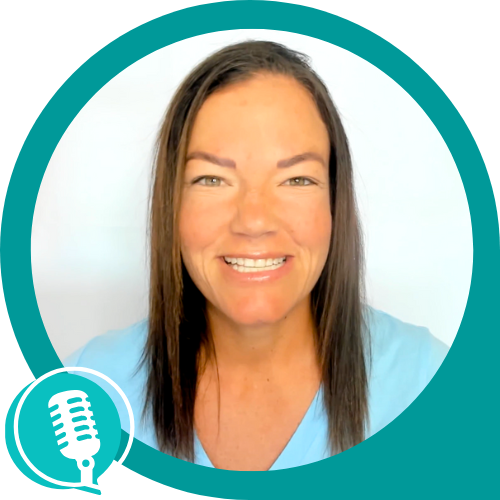
Kristi Kandel
Developer | Mentor | Co-Host of the LRED Podcast
is a real estate developer with nearly 20 years of experience and over $450M in projects across the U.S. Today, she focuses on helping locals step into development and build in their own communities.
She’s the founder of I&D Consulting, Local Real Estate Developers (LRED), and co-founder of Elevate, a community-driven sports and wellness concept.
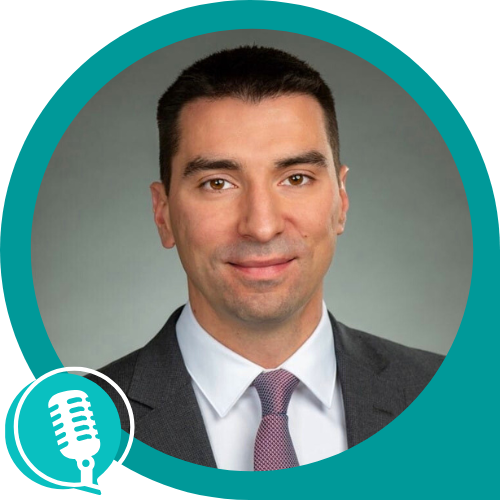
Raphael Collazo
Commercial broker | Author | Co-Host of the LRED Podcast
Raphael specializes in retail and industrial properties, bringing a problem-solving mindset from his background in engineering and software. As a commercial real estate advisor and developer based in Louisville, Kentucky, he works directly with investors, tenants, and cities, bringing a real-world view of how deals come together.
🔗 Related Episodes
Community Development Over Capital: How Rachel DesRochers Builds Where It Counts | EP #45
A powerful reminder that you don’t need perfect capital to start. You need resourcefulness, creativity, and the willingness to move.
How to Start Real Estate Development: Steph Weber Bought the Land First and Built the Plan Later | EP #41
A real look at taking your first development deal from idea to execution without having everything figured out.
Small-Scale Development: How She Left Her Corporate Career and Built a Tiny Home Village | EP #39
Another path from traditional career to building a community-driven development project.
About the Guest
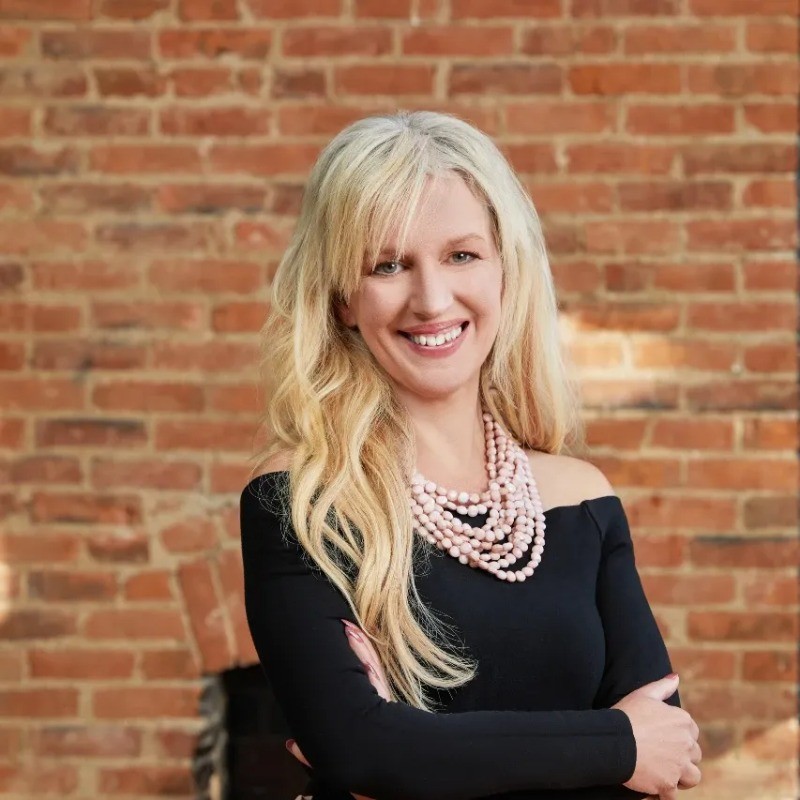
Dana McMahan is a real estate investor, designer, and founder of Elle Fera Fera. She specializes in transforming underperforming properties into experience-driven assets through storytelling, design, and strategic positioning.
Connect with Dana
🌐 https://www.elleferafera.com/
📲 https://www.instagram.com/elleferafera/
💼 https://www.linkedin.com/in/danamcmahan/
Full Transcript
Raphael Collazo (00:41)
Welcome to Local Real Estate Developer Podcast. I'm your co-host, Raphael Collazo. I am a commercial broker, investor, and developer located here in Louisville, Kentucky. And I'm here with my co-host and developer extraordinaire, Kristi Kandel Great to see you, as always.
LRED (00:53)
Hey,
yeah, good to see you. Yep, I'm a real estate developer, investor. I teach locals how to do it in their own backyard and also doing a super cool missing third space project in our community. So very, very excited about that as different things are coming together behind the scenes. So, so yeah, so good to see you today.
Raphael Collazo (01:10)
Definitely.
Yeah, it's great to see you as always. And today we actually have a great guest. She's actually located here in Louisville and we had a chance to connect relatively recently and she invited me out to a project that they completed and have been operating as a short term midterm rental space. And it's a really cool project and she's got a really unique background and we're really excited to host a Danic man, McMahon today.
On the podcast, I thought it'd be really cool to talk through the project that she's had taken on on sixth street here in Louisville and maybe as well talk a little bit about her background because it is quite diverse. So Dana, great to see you as always.
Dana McMahan (01:53)
Thank you. Good to be here.
Raphael Collazo (01:54)
Yeah, no, of course. So what we typically like to do when we first get started with a podcast is learn a little more about the person that we're speaking with. So if you don't mind kind of sharing a little bit about your backstory, think that'd be great.
Dana McMahan (02:05)
Yeah, for sure. And diverse is a nice way of putting it. Scattered is another way. Look, there's a butterfly. I consider myself a writer and a storyteller. And it's kind of only recently that I've drawn the connection in my own mind between telling stories on the page and telling them in spaces. Because I went full-time as a freelance writer in 2013 after I was laid off from a communications job.
Raphael Collazo (02:09)
Mm-hmm.
Dana McMahan (02:32)
And that same year, I went to Detroit to write a travel story and fell in love with the city and thought, I should buy a house here because that's what you do when you like a place. And I sort of, I've had parallel tracks of my freelance career growing and then growing my, I guess you would say real estate work, even though I don't call myself a real estate investor, I don't consider myself a developer, but those two things have kind of been in parallel.
And only in the last year or so have I sort of like pulled the thread to say they're really the same thing. I'm creating experiences. I'm creating sometimes spaces, sometimes stories, but the end result is that people feel something. So it's been really satisfying to kind of identify that it's not that I wear all these different hats. It's that it's all the same thing, just kind of taking different formats.
Raphael Collazo (03:20)
Yeah, no. mean, that's a unique perspective that you've taken in the way that you approach the process of, for lack of a better word, investing in real estate. I mean, you've taken some of your talents when it comes to the creative side and applied it to the different projects you've taken on. And that's what has made them unique. So that's kind of interesting that you say that. Regarding that first project that you had in Detroit, can you tell us a little bit about some of the early process in that?
Dana McMahan (03:37)
Mm-hmm.
Yeah, I would love to.
Raphael Collazo (03:48)
It seems like it was somewhat impulsive to start, and then I'm sure you learned as you went. Yeah.
Dana McMahan (03:52)
Yes and no. Yes and no. Yeah, for
sure. It was was trial by fire for sure. So I had zero renovation backgrounds. I did grow up in a construction family. My dad is a carpenter and a contractor. His dad, all of his brothers. I grew up just around job sites and blueprints being on the table. But my parents always rented because carpenters didn't make a ton of money. So they didn't they didn't have the ability to have a down payment to buy a house. So
Renovation was completely new to me, but for some reason, I don't know if I thought it was osmosis. I felt like, yeah, I can buy a 120 year old house and fix it up. It was impulsive in the sense that we, after I spent a week in Detroit, getting to know it for this travel story that I was doing and seeing what was happening and like you could see the transformation happening live. Like as you drive down the street, you could see this city is coming to life and in many ways.
And it's doing it in a way that's very grassroots. know, it's not people funneling in money and things happening. It's people in a city that I think were tired of waiting for somebody else to come along and help them and just decided we're going to do this ourselves. And that really resonated with me. And I wanted to be part of that. So the the impulsive piece was my husband and I met a couple at a coffee shop and I was sort of raving about, my God, this city is amazing.
you more people need to know about it. And they said, you know, you can buy a house here for like $5,000, right? And I'm like, what? I have $5,000. Like, I don't have much more than that, but I've got that. So we talked all the way home from Detroit to Louisville by the time we got back to our little, you know, 900 square foot bungalow in Germantown, we're like, I think we should buy a house in Detroit.
It took a year, so that was in July. It took until then following June to actually find the house because I might be impulsive, but I also do my homework. So we went up on a lot of weekends, somehow found a realtor who would show us these these bargain houses and we would like be rolling down the street and she would call from her car and be like, no, this one's burned down. Like you don't want to see that one. And after 11 months, we found a triplex.
Funny that you mentioned missing middle, like Detroit is such a good example of a city that has just so much multifamily stock because there was just such a density of population in the automaniac acturing days. It was the fourth largest population in the country at one time. So it's pretty typical inside the city to find multifamilies. And we found a triplex and someone had been living in it all this time. And this was in
LRED (06:32)
Someone
who didn't own it?
Dana McMahan (06:34)
Somebody who didn't own it, it was a renter. And this was in 2014. So this was like, it was the same year that the city filed for bankruptcy. It was like they were, they had hit rock bottom and were turning the corner. So a lot of the houses had been, I mean, literally tens of thousands of houses abandoned that the city didn't have the money to demolish. So it was fairly unusual to find a house in good shape. This one was in good shape. had 53 windows, the owner had replaced them, hadn't been.
stripped or scrapped. It was big. This was like, it was three stories. It was brick. I looked at this thing and was just like, this is crazy, but I have to do it. And so we bought it for $17,000. I had a tiny little 403B from my previous job that I cashed in to have the money. And we just got started and we didn't have money to hire anyone other than electrical and plumbing, because those are things I'm not going to touch myself.
And so my husband and I and his sister and her partner and our nephews like my friends like this was such a true hands on DIY experience. No idea what I was doing and we didn't have AI then like we had Google. That's fine. I guess in YouTube, but it was just an immense amount of work. But one by one we redid all three of the apartments. You can't leave.
Certainly not then, you couldn't leave a house empty in Detroit. So my thought was, will Airbnb it? I was already doing that at my house in Louisville for Derby. I don't know why I didn't invent Airbnb. I was doing this in 2007, renting my house to strangers for the Derby and thought, what a great idea. I'll do this in Detroit. Like what could go wrong? So we had that house for a couple of years, two and a half years maybe. And
That in itself is its own whole topic and could be a book. But it was my crash course in renovation, contractor management, hospitality, you name it. But I got quite the education. I told someone recently, you know, didn't make any money on that. He was like, don't look at it like that. That was your education. You paid for an education with that. And I did. I learned a lot of things not to do. And I also learned a lot of what I was capable of, which
LRED (08:40)
Mm-hmm.
Dana McMahan (08:47)
has sort of been the jumpstart for everything else I've done since.
LRED (08:53)
What do you think was more important, the things you learned not to do next time or what you learned you were capable of?
Dana McMahan (08:58)
That's a good question. I think learning what I'm capable of because I still keep learning what not to do. I don't think some of those lessons. But, you know, especially being a woman in this industry, people and you know, especially in Detroit, people would look at me and literally say to me to my face, are you crazy? And I want to go back to them now and be like, who's the crazy one? Because that house last time I saw it sold for 250,000 like
LRED (09:04)
Mm-hmm.
Dana McMahan (09:27)
Detroit's amazing. It's my favorite city. It's right, right, right, right. Yeah.
LRED (09:27)
Like, yeah, I'm crazy and I'm crazy in a good way and I'm gonna execute and I'm gonna prove you wrong and here we go. Yeah,
I would have to agree that we learned so many things not to do, but Raphael and I talk to each other and guests all the time. Like every single project is gonna have a different nuance or curve ball that there is no, like you're just not gonna come across it. I've done hundreds of developments and every single one has a new one that goes, huh, okay. And it's why we say,
Dana McMahan (09:43)
Right.
for sure.
LRED (09:52)
your due diligence reports and your checklists and stuff, they keep growing because it's like, lesson learned, lesson learned, lesson learned.
Dana McMahan (09:54)
Exactly,
every project you do, you learn five things not to do next time. it gets kind of a ponderous list of all these things that I know better now. But it's also the most effective way to learn.
LRED (10:01)
Mm-hmm.
Yeah, exactly.
Raphael Collazo (10:11)
Yeah.
Well, and it's education. And some people view it as, let's say you lose $10,000 on a deal. And they're like, oh, I lost $10,000. But people would happily spend $30,000 a year to go to a college to get an education, which I'm not saying is a bad thing. I went to college. there's a value there, of course. But I think there needs to be a perspective shift in those experiences. And I'm not saying make a habit of losing money. But.
I think the value you gained from those experiences have led to what you're now doing and will likely end up benefiting you as you take on other projects in the future.
Dana McMahan (10:44)
Yeah.
Yeah, for sure. I actually, note, I was in Detroit last weekend in this really cool used bookstore walking through and this woman looks at me and she says, is your name Dana? And I'm like, yeah, what's yours? And she told me, and she was one of my very first Airbnb guests in Detroit in 2015. And we follow each other on Instagram because, and we'll probably talk about that, like the hospitality piece of all of this is what I love the most. And so.
we follow each other and she recognized me and we had the best chat and she was so kind. She was like, your place was so great. And I'm like, oh my God, I was literally like, like to fix a hole in the wall, I put a paper plate and then I plastered over it that I hate. I mean, what are you gonna do? Like it was a mess, but it was cute. And that was when I learned that pretty is worth a lot and that character and space being interesting is also worth a lot.
And those were the days when Airbnb's could be quirky and when people weren't looking for everything to kind of look exactly the same all over
Raphael Collazo (11:52)
So regarding that, I'm kind of curious. So you held that property for 2 and 1 years and ultimately decided to sell, I'm assuming, because of the distance. I mean, it can be a little bit challenging to manage. Yeah. And then having to coordinate with contractors and cleaners and engaging with all that from, I believe, an eight hour drive or 10 hour drive to get to Detroit. it's pretty sick. Yeah, it's fair. I mean, it's kind of a crap shoot because I feel like a lot of times you end up
Dana McMahan (12:03)
Yeah, that was rough.
But depending on what Ohio is like, can be eight.
Right.
Raphael Collazo (12:21)
hitting traffic and it ends up stretching into
Dana McMahan (12:23)
Yep.
Raphael Collazo (12:23)
that timeframe. But you sold that and then guess tell us a little bit about that next phase. Did you decide that you wanted to get right back into the mix of it or was there a transition period?
Dana McMahan (12:28)
Yeah, yeah.
There ⁓ was
a little overlap actually. So buying that house really made me think, okay, if I can do this, if I can buy a house in Detroit and like, and it actually made money, like the rental side made money. What could I do if I did this at home where I have resources, where I know people, where I can be there in five minutes versus in five hours? So even before we sold it, we actually bought, I'm gonna call it a sort of triplex. We bought a Victorian and old Louisville.
and I call it a sort of triplex because lenders and the PVA don't know what to do with a Victorian that used to have live in like servants, know, like maids quarters on the third floor in a carriage house. So it was a triplex and it had a third floor living space and it had a carriage house living space, but that made it complicated for lending. But we bought that. My husband found it online.
It had been on the market for a year. It was ugly. it just, the last people that had had it had done a redesign in the eighties, wild Crayola colors. And it just, it didn't look nice. And so it sat on the market for a year, 4,000 square feet, $200,000. This house was $50 a square foot. And he sent me this link and said, we could Airbnb the shit out of this. I'm like, yes, we can.
We, I wanted this house so badly. And it was, this is a time when Old Louisville, so this was in 2016, Old Louisville didn't have a great reputation. was still sort of, people in Louisville had a very long institutional memory. And yes, in like the sixties and seventies, there was some shady stuff going, you know, even into the eighties going on in Old Louisville, but also a lot of people who cared about the neighborhood and who were working to improve it. People don't forget things in Louisville.
even if it's something their grandparents told them. So that's why this house was $200,000. And so we bought that house, moved in, left our little tiny bungalow in Germantown where prices had gone crazy. just accidentally increased what we, we bought that house in Germantown for like 104,000 and sold it for 135, 10 or 11 years later. And I thought I had robbed a bank. I was like, I can't believe we just.
We lived here and we made this money. So we bought that house and we're not there long before I was like, I cannot have two giant old houses that I'm responsible for. was, it was wildly stressful. And the boiler blew up in the Detroit house because a guest turned off a radiator that just snowballed into a lot of things that I said, you know what, I'm done. So I sold it to a neighbor up there, coached him into becoming a super host. And that was, that was really fun. And that also
sort of sparked another track that I've done consulting and workshops and kind of helped people get into this line of work. So we sold that, focused our attention on the Victorian. And right about that time, my husband lost his job and the city of Louisville decided now is going to be a great time to start some implementing some regulations for short-term rentals. And I lived in a historic, this was a historic preservation district and a traditional neighborhood TNZD zoning district that came with its own whole
kind of ball of wax that made it infinitely more complex to get a conditional use permit and short-term rental license in Old Louisville. The rest of the city had to pay $25, fill out a form, boom, you've got it. We had to go through a massive process that came with more than $1,000 in fees, came with holding neighborhood meetings, notifying neighbors, hearings downtown.
So difficult. And I happen to be a writer and I happen to be a columnist at the local newspaper. So I did a second part series for the Courier Journal on how obtuse this all was. And I'm just like I'm a literal homeowner trying to make it so that I can use my home to make some income so that I can afford to take care of the home. It needed a new roof. That was going to be $20,000 like right out of the gate. So I really
I really like use my platform to be very public about what this process was. And throughout that, the city actually, I think took some feedback and made it a tiny bit less onerous. Still complicated more than it needed to be. But I think, you know, it was some growing pains. They were learning how to do this. And they didn't know what to do with this girl that was just like talking very loudly with headlines everywhere. But we, yeah.
LRED (17:08)
You know, I want to double click on that because we
had talked in our earlier conversation, but when we get to development projects and we have public hearings or city commissions or county commissioner meetings, a lot of times people get scared or nervous and they're like, what do we do? How do we prepare for it? Or why is this even necessary? And what you said about creating that seven part series and doing the outreach and being loud and creating that.
Dana McMahan (17:23)
Mm-hmm.
Mm-hmm.
LRED (17:32)
That is a big part in storytelling. from the beginning when you're in storytelling is a huge part of development and understanding that it doesn't work. If you, could work in a vacuum, but it works a lot better if you're storytelling and you're bringing the community along with you. If you're helping educate the city leaders and helping them understand you put this policy in place for this reason. And if we boil it down, we go, Hey, that we can hit that reason a different way. So just understanding that everything in.
Dana McMahan (17:34)
Yeah.
Right. Right.
Right.
Right. Exactly.
LRED (17:59)
development in real estate is not black and white. And it's just a matter of digging a little deeper to go, why, why this, why that?
Dana McMahan (18:04)
Yeah, yeah,
and I don't think that we wanted different things. They were trying to use a tool to protect. were trying to protect the neighborhood from boarding houses, and I understand that like boarding houses were part of a reason that the neighborhood turned into what it turned into. They they you know and remember this is 2016 like it was still a little bit quirky like people didn't really understand what short term rentals were and so truly and literally we had to define the difference in a boarding house.
and a short-term rental for some of the folks making these decisions. So fortunately, because I was able to use a platform like I had and go talk to my neighbors and I used my social following and people had seen what I had done in Detroit and they knew that this was, didn't have to be a scary thing. didn't have to be, short-term rental is taking over the neighborhood, which can be a problem, but we lived in this house. This wasn't out of town investors just like,
doing this. And so our neighbors were very supportive. They know the cost of maintaining these houses. And we had a lot of folks that were very generous with their time and their support, and they came out to the meeting and they wrote letters and they stood up and like spoke for us. So we did end up being the very first ones to get that conditional use permit for short term rentals.
That was a win. That felt really good. That was a hard fight. And we needed it. My husband was, he was out of work for a while. And so when that income started coming in from my Airbnb, like that, that, I don't even know if I was using terms like cashflow at that time. It really cashflowed, like it paid our mortgage between the third floor and the carriage house. I mean, that house was expensive to own and to maintain, but it paid for itself. And we met tons of cool people.
And it was good while it was good. It was a lot of work. And then COVID came. And by then, I was in business with my best friend, Mike. We had bought a Victorian in another neighborhood as a, I would not call it a flip. This was a to the studs and to the dirt renovation rehab. But we wanted to get into something more besides that building. And so when COVID came,
I switched my Airbnbs to midterm rentals, running to travel nurses. My husband worked for UofL Hospital at that time, so I was aware that travel nurses needed a place to stay. And they couldn't pay quite as much as I was making with Airbnb, but not much less. And for a fraction of the work, because they stay three months, my average guest stayed 1.5 days with Airbnb. So I had seen the possibility there, and I knew that there
For every person that I did rent to with my two units, there were 10 more that I had to say no to. So we were like, let's make some more of these midterm rentals. And a 16 unit building came available in our neighborhood, exactly equidistant between our two houses. And we're like, okay, this looks good. Like it's solid, it's in good shape, it has good bones.
The guy's clearly taken good care of it since he's owned it. It's just frumpy and not cute. And one thing that I'm good at is making things really pretty. And so we set our sights on that and decided, I've done these other things. Let's now convince the banks that we should buy this million dollar building when we're just like literally two people.
LRED (21:58)
Love it. I love it. And when you said it came available, did it literally go get listed for sale and it's on the market or?
Dana McMahan (22:04)
It was on the market and I think it I don't know how long it had been on, you know, I wasn't like sitting around really looking at loop net or anything. It was just we would have these late night texts like what you know, what are we going to do and like what's our next project? And ⁓ I think we were actually looking at a property two doors down. That was a 12 unit and I I walked past this building. You know, I walked to Central Park every day so I had passed it every day for four or five years at this point. And I guess I was online looking at the one and I.
LRED (22:16)
Mm-hmm.
Dana McMahan (22:31)
The other one came up as like a related listing and I was like, oh, well, if 12 is good, 16 is even better. And it was in better shape than the 12 unit. So.
LRED (22:39)
Yeah, and you'd already stretched
yourself because I would assume what what made you let's back up and say what made you look at the 12 unit because you're you're talking smaller multifamily. That's a big leap to go. Hey, let's take 12 units.
Dana McMahan (22:51)
I mean, I guess I didn't think two to 12 was that big, which is not that like wise when you, when you, you know, look back at it now. But also if I understood how it worked, I had been a landlord and I had been a short-term mental host that I had been a midterm mental host. So I had done all of the pieces and what I was looking at doing was a hybrid of midterm and long-term. And it, what, what I told myself was they're all under the same roof. Like it's, it's the same as what I'm already doing. Just.
few more. And I had a friend, she and her husband owned some restaurants in town and I was a little bit like, oh my god, it's a million dollars. know, my first property was 17,000 and she was like, Dana, it's just more zeros. Like it's, you know, it's still just numbers. It's just zeros. And so I think I just maybe told myself it's not going to be that much more than running to. Yes, it was more than running to, but the principles were still the same.
LRED (23:29)
Mm-hmm. Mm-hmm.
Exactly, exactly. And you had already done in two different geographic regions. You had already gathered all of that. what a lot of people, when we say real estate and investing, they go, yes, passive mailbox money, blah, blah. We all know it's not passive. It's not mailbox money. It is a business. And you ran multiple businesses with short-term rentals, midterm rentals of getting the design and decor and flipping and construction. So you've already run all of those pieces. So you're right. It really shouldn't have been something that scared you. So of course you looked at the 12 unit and then
Dana McMahan (24:05)
Mm-hmm.
LRED (24:18)
Now that your brain is already wired to go, well, if I'm looking at 12, what's 16? That's only four more. That's not saying, hey, that's 15 more. That's only four more. So it's all the mindset and the things that you learn from those first projects to go, hey, I am capable of figuring it out and making it happen.
Dana McMahan (24:20)
Right. Right.
Mm-hmm.
Yeah,
yeah, for sure.
Raphael Collazo (24:36)
And
you took the, you already saw, you saw the demand, in particular for midterms during COVID. I mean, it was kind of wild. We had a lot of nurses, and I'm sure this was the way it was in a lot of other cities too, where traveling nurses were coming to town. There was a lot of demand for the services. And so there was definitely demand. I mean, there's no doubt about it. Yeah.
LRED (24:40)
Mm-hmm.
Dana McMahan (24:49)
Right.
There was was huge demand. Yeah.
And that was unfortunately, again, sometimes I feel like it's great to be ahead of the curve. Sometimes I feel like I've been a little bit too far ahead in the sense that it's not, you know, these things aren't common knowledge yet. So, you know, lenders and underwriters are not the most like, you know, not they're not the most progressive, I would say, you know, the job is to be conservative and to be safe. So
Fortunately, what I had was a track record to say, you know, I've been doing short term rental, we switched to midterm. You can see my numbers. You can see that they really didn't drop that much from one to the other. It still took a number of lenders because, you know, my friend and I were, the reason I don't like to call myself a real estate investor is because I don't, I'm not just sitting around on a bunch of money. Like, you know, we're cashing in 401ks. We're scraping the bottom of the barrel to get the money to do these projects.
So for a million dollars, you really should have 200, 250,000. And we didn't have that. We just didn't. And we were still tied up in this Victorian that was going wildly over budget and wildly over time during COVID for a variety of reasons. And so we were thinking about seller financing. And so for those reasons, it took a long time to get the lending. We went to a number of banks.
The seller was a little bit skittish. I think he halfway didn't want to even sell it. It took literally months and we finally got to a bank. was stockyards here in Louisville. I, you know, I'm, good at putting together presentations and using pretty photos of things that I've designed in the past. And I put together some pretty numbers that probably were optimistic, but as it turned out, like we, we hit those numbers in three years instead of five. So, so they weren't, they weren't optimistic.
But they believed in it and we did not have 20 % down. I used my house as collateral because by that point, the house that I paid $200,000 for was worth $600,000 and that was enough. guess they were like, well, I guess if she's got skin in the game, she's gonna make this work. So we got the rest of the money.
LRED (27:00)
And can you break that down a little
bit more how you went through the banks and did it creatively? like you said, and a lot of people listening to this, they don't have hundreds of thousands of dollars, but they could have other assets, they could have own equity, they could have partners. So maybe a little bit more on that to help them feel a little more comfortable to take those same steps.
Dana McMahan (27:15)
Yeah, sure.
So well, step one, cash in your 401k. That's what my husband did for that. had whatever money we had in savings, and then he cashed in his 401k. My business partner was working full time. At that time, he was selling new home construction. He had a really nice W-2 job, so he had some savings. But then the big chunk was our home equity.
And I, to be honest, I still don't understand how that works. Like it wasn't added to the down payment, it, I guess the fact, but they still put a lien on our house. and when we sold that residence and I'll talk about that later, when we sold that, I did have to put that money back in. So, and I forget the exact amount, however many tens of thousands that they put a lien on the house for the water.
LRED (28:03)
Yep, and all that did instead
of actually forcing you to sell the house and take that equity, they just said, hey, if we put a lien on, we know if you ever sell, we could get our money back and or if you were to default, they could take it back. And so that's their mechanism. So you don't have to go through the cash part. And that's where you can have assets working for you, just like stocks. Like most people don't know that you could take a loan on the stock portfolio that you have. So typically it's about 50 % or less, but.
Dana McMahan (28:15)
Right. Right.
Mm-hmm.
LRED (28:32)
So just by building up other assets, it could then give you the leverage to parlay into your first development project too.
Dana McMahan (28:38)
Yeah,
yeah, yeah. So luckily, so Mike, my partner is very creative with things like that. it, you know, in hindsight, it's some of the things that have worked. In hindsight, I'm surprised that they did. But I think that maybe the moral of that story is like, don't assume that something won't work. And don't assume that because you aren't a conventional whatever and don't have all this money laying around that these things are out of reach for you.
Raphael Collazo (29:02)
Yeah, and you guys have, to your point, you had a little bit of experience in the till before you took on something of this size. You have had renovated other projects. You're actively in renovations of another building in the neighborhood. So you kind of already knew, because Christy, know when you were down here, I don't know if we had a chance to go buy old Louisville, but they're just Victorian homes. And as you imagine with some of these older homes, they're beautifully beautiful homes. They were built
I mean, excellent. They're excellent construction, but the challenge is there's a lot of other things you got to consider. It's an historic district. There's a lot of other external modifications you got to be very careful with because then the historic preservation society gets all messed up, angry about it. Understandably, they want to preserve the integrity of the the of the neighborhood. So there's a lot more nuance to these types of projects or properties in these areas. And Dana already had that experience with some of the other stuff that she had been working on. So
She just kind of piggybacked off some of that experience to take on this particular project. And I think, you know, the moral of story, which we'll get into as we start getting further along in the story, and we'll talk a little bit about your, your project in this case, is that as you start to stack some of these wins together, you can take down some projects without having to dig into your pocket as much. You obviously you still have to come to the table with some money. But there's opportunities for you to leverage some of the other assets that you've accumulated over time to do projects. One of my
one of my best clients, like he pays off his building slowly but surely. And now he doesn't even come to the table with any money. He just goes to the bank and says, hey, I want to buy this building. Here's two buildings that are free and clear. You can just use that as cross-collaterization. And then he ends up buying the building. And then he slowly starts paying off the buildings. And then just, again, over time, it just adds up and adds up. And so I think it's a flywheel effect where you get started. You start building some momentum. And over time,
It's like a locomotive. It'll slowly start to build and, you know, five years later, 10 years later, you look back and you're like, wow, I can't believe that I actually got to where I'm at today. So.
Dana McMahan (31:03)
That was kind of the plan. We thought we would do that. We would buy this. We would build some equity and let it appreciate and then buy more. What I learned in this project was what lights me up, what gives me energy is identifying the opportunity and figuring out a way to hustle and get the property and then transforming it. And we did. We turned this building
and I wrote my numbers down so that I get them right. When we bought this building, the annual revenue was $105,000. That was the revenue, that wasn't NOI. In 24, when we hit a peak, our revenue was $187,000. We did that in four years, and it was primarily cosmetic upgrades. These were not gigantic renovations. This was making them prettier, making them much more attractive, figuring out what the story was in these apartments.
and switching five of them to midterm rentals. So we did that and I absolutely loved that process. We renovated all the apartments except the one with the guy that's never gonna move. He loves it and he will stay there forever. But we renovated 15, furnished five and I got done and was like, okay, well, now what? What's next?
And so we decided last fall, last summer, last fall to put this on the market and sell it because what I want to concentrate on doing is helping investors and developers do something, you know, whether it's like this or a similar project, take something that's performing okay, but could be doing a lot better and finding out how can you dial that up. And that's what excites me. I've, we've not sold the building yet. We're knock on wood. We're under contract.
But I've already started working with other investors and that's been really exciting. And the best part is once the project's done, I'm done. I can turn my phone off. I'm not the landlord on call anymore.
Raphael Collazo (32:57)
Yeah, no. And you have some of those experiences that you can draw on as you're advising these investors and developers because you've been through the fire. So it helps provide that additional perspective, which helps. So kind of curious about that second phase of what you just described. So after this project, knock on wood, you have it under contract. You're going to be able to hopefully get this sold and then take your chips off the table. And then is your goal to then focus in on?
Dana McMahan (33:05)
Mm-hmm.
Raphael Collazo (33:25)
kind of the consulting, advising side, and maybe tell us a little bit about that piece.
Dana McMahan (33:29)
Yeah, so I'm I'm figuring that out as I go, which is basically how I've done everything so far. I moved to Paris last year for three months and you know you can call it a sabbatical. You can call it a soldier and I don't know what to call it. I ran away for three months and just sort of immerse myself in Paris and that was a good time to step back and.
I was living alone for the first time in my life. My husband, bless him, stayed here with the dog, took care of the house. My business partner stayed here, took care of the business. And I got to just think about what I want to do and where am I going? What am I doing? And I was at an art exhibit with a good friend one day who came to visit me. And we saw this exhibit. It was textile art. And I don't usually always read the displays next to the art, but I read this.
And it said that the word texere shares the same Latin root and it means to text and to tell or to weave and to tell. And that's where I found that connection of storytelling. But that really stuck with me and I came home and just was sort of thinking about that and thinking about that. And so I spent some time, I had developed a website for the consulting business. I had already changed my social media kind of personal branding.
In the old days, it was bourbon Barbarella because I was a powerlifter who drank a lot of bourbon and wrote about bourbon and that didn't really fit who I am anymore. So I changed that a couple of years ago to a French person would just roll their eyes at me because it's so not grammatically accurate, but it's Elle Ferra Ferra, which I sort of interpret as she will make, she will do. So my website is ElleFeraFera.com and it's
sort of broken into, I looked at several kind of big categories of people that I think I can help. And it's but what it all comes down to is, is user experience, know, guest experience, whether that's a guest in a hotel or a rental, or in an office space or, you know, even a even a medical facility. But it's the tagline that I came up with was, was experience design with story at its heart.
So the way that I think I can put that into the world is working with anyone from, I worked with a realtor who had a house that wasn't moving and it just had ugly paint colors. Like that was really the only problem. So I just did a design consult and suggested some different paint colors, which doesn't sound like a lot, but it went under contract immediately after being on the market forever. you know, some, and that was just a quick turnaround thing.
to, I worked with a first time investor who bought a fourplex to do midterm rentals and did a walkthrough and was able to look at the units and think about, know, as a traveler myself and a long time travel writer and a long time host, I can kind of see it from both directions and was able to give input on, and this was a good thing for me because this was my first experience really saying,
have this expertise and this is something worth sharing and worth people, you know, actually paying for and finding value in and doing that walkthrough and seeing her light up when I made suggestions. I was like, OK, wow, this is I really have something that I can offer people here. This experience is worthwhile. So those are a couple.
LRED (36:35)
Mm-hmm.
Well, and
the great thing with that is what you're doing is you've really honed in on, this is my zone of genius. And when we get further into development, obviously we've talked about boutique hotels being big now, but the experience, the destination, people need to have different partners and projects that have different strengths. And if you have the storytelling, if you know, hey, these are the materials, this is the decor, this is the vibe, the feel, the everything.
Dana McMahan (37:06)
Mm-hmm.
LRED (37:13)
you're gonna have people who come in and are straight up operators and they're like, dude, I'm gonna kill it on operations. I don't know any of your stuff. Like my partner in the hotels, I'm like, I can help you help us get the purchase. I make sure we get all the permits. When it comes to the experience, the operation, like I want nothing new with that part. So you could find that while you're like, okay, I want out of the operations now. It could be that you find yourself back into more projects as a general partner, but doing your specific zone of genius, which is pretty cool.
Dana McMahan (37:18)
Right. Right.
Mm-hmm.
would be cool. Yeah.
Raphael Collazo (37:44)
Yeah, no, absolutely. And we talk about partnerships pretty regularly on the podcast because, I mean, similar to you, Dana, mean, all the projects I've taken on have been with partners. I mean, my first foray into investing actually was in Old Louisville. I bought a fourplex on Second Street in Burnett and lived in it and rented out the other units. And that's kind of what enabled me to kind of get in the game. And that enabled me to
you know, leave my job, what I was doing before and to jump into brokerage, which was very, it's a very volatile business. So it gave me kind of that courage to get into it. But as far as actual partnerships are concerned, that's an important piece of the puzzle when it comes to taking on projects. Not to say you can't do it all yourself, which I know you were able to kind of get that started with with yourself. But sometimes if you can find people that have different zones of geniuses, and you can come together, not only in talents, but also sharing of capital.
Dana McMahan (38:32)
Mm-hmm.
Raphael Collazo (38:36)
It can help make some projects more approachable. And so that's one of the things we talk about a lot on this podcast is how do you manage that relationship? And I'm kind of interested if you can talk a little bit about how you've been able to do that with some of the things that you've done in the past. And yeah, it'd be kind of interesting to hear.
Dana McMahan (38:44)
Yep, for sure.
Yeah, yeah.
So my my partner on this project is my best friend and we got some advice at the beginning of this from Anne Shadal. She's a consultant here in Louisville and works with with people doing business and and you know, I was sort of coming at it from a very traditional do we figure out our you know my strengths and weaknesses and she said don't think about it like that. She said think about what gives you energy and as best as you can.
take the things that give you energy and hopefully you have the right overlap because Mike and I have a lot of the same skills and strengths, but we do get energy from different things. He kind of enjoys actually problem solving at the building and I don't want to, like I just want to sort of make it pretty and then close my eyes and go over here and he gets energy from that part. So if I could go back in time and do one thing differently, we would have
Outlined and everyone told us to do this and we just didn't we were busy getting money and buying the building and getting it started We did not sit down and make a list of who's going to do what and so what that has ended up doing is Creating situations where we are both worrying about something that we don't both need to be worrying about you know if if and we we had a really good series of conversations when I came home from Paris and did sort of you know four years in
I'm going to kind of carry this side and you carry this side." And that was kind of a game changer because I prefer to handle vacancy. I love when I get that furnished finder being on my phone and I can respond and make sure that I get the person right away. Well, that stressed him out to think about having to listen for his phone all the time. So that was really helpful to say, let me handle this part. Once they're in the building, then they're on you. So when they text and have a question or an issue, if I know he's going to get it,
I can relax and that I wish we had done that from the very beginning that that would have made for a smoother partnership and also just less grief for each of us.
Raphael Collazo (40:51)
Yeah, if you're both worrying about the same things, then you kind of meet together and you're like, wow, we could have avoided some of this just by having the conversation. So that's great, great insight.
Dana McMahan (40:56)
Yeah. Yep.
LRED (40:59)
And then, so you've described a bunch of different projects and everything and clearly there's ups and downs. There's been times where you're like, my gosh, what did I get into? What do you use? Do you have a go-to like, all right, when you feel overwhelmed or stressed or you're just like, wow, what just happened? Do you have a go-to of something that you can dig deep on and motivate you and get you back at it or what's your process like?
Dana McMahan (41:21)
Yeah.
So, you know, I, as a writer, I write and I keep a journal. And I came across my Detroit journals not that long ago and I sat and read them and that was wonderful. But one of the early things that I wrote in that process was I never want to look back and regret not having done something. I mean, because truly everyone in our lives was telling my husband and I that we were crazy. And it kind of was, to be fair.
But if I hadn't done that, my life would not have taken the trajectory that it has. And I'm so glad that I did. And that's why I don't want to regret. It's easy to say, and there have been difficulties with every project that I've done, but better to have a difficulty doing something that you really wanted to do and prove to yourself that you could do than wonder, what if? What if I had done that? And would it be cool if I had done that? I don't want to think that.
I never want to think that. So when I'm having troubles, I just, I try to step back and remind myself the reason I'm having these troubles is because, my God, I own this 16 unit building. Like even sometimes when I look at it, I'm like that, like we really did this. We bought this place and it helps take me out of whatever like minutia that I'm in, in that moment of like whatever that problem is or problems that day, they're there because I took a leap and I did this thing.
Raphael Collazo (42:47)
That's a great perspective to have. sometimes it is good to step back and smell the roses a bit and kind of celebrate where you've been able to get to in a relatively short period of time, if you really think about it. mean, I think there's a lot of people that want to hurry up and get to where they're going, but they fail to really appreciate the journey that brings them to where they're at today. So it's good to, every once in a while, step back and acknowledge that. And that's good to hear you do that.
Dana McMahan (42:58)
Yeah.
Raphael Collazo (43:15)
But one of the things I'm curious about regarding that and also just regarding development as a whole is that the people that typically listen to this podcast, again, the name of the podcast is the Local Real Estate Developer Podcast. Our goal is to help inspire people from all across the country that are just everyday people like you and I and Christie that just drive by a building on their way to work every day and they just, they're
They're curious about what's happening with the building. It's been vacant for a while. But they've always wanted to kind of take that next step and make it happen. But there's still some hesitation regarding making that jump. What advice would you give to those individuals who are looking to start their journey in commercial or residential real estate development? just if you could share a little bit of insight there, that'd be great.
Dana McMahan (44:09)
I think, you know, I was thinking about this and I think if you have a real passion for the neighborhood that you're in, like I think, you know, your, your focus is on local and just sort of, you know, I wasn't local to Detroit, but I wanted to be. So, my other projects have been in neighborhoods that I've either lived in or cared very much about. And I think if you, if you care about the neighborhood,
kind of everything else will flow from that and you will make decisions that are in the best interest of that neighborhood. Now, the caveat is sometimes that means you won't make money or at least sometimes that has meant that I have not made money and I have and I have lost money on projects. But if you if you care about where you're working, you're going to make good decisions. And I like to think that those are rewarded, maybe karmically and cosmically, if not even financially.
But if you start from that good place, think you're on a good track. But as far as once you actually get into it, I come back to this idea of storytelling. And you don't have to be a professional journalist to think about what is a story of a place. I think for a lot of people who get into this, they might be eager to jump to what's it gonna look like? what are my finishes?
But that's about 75 steps beyond where you should be when you start. I would recommend you start thinking about how do you want people to feel when they use this space? What emotion do you want them to have? What do you want them to take away from it? And think about that at the same time as what is the story of this space? know, especially if it's something older, it's going to have a story and see how you can see where these two things align. And if you do that,
I think you'll find a lot of times that things you might think are problems or flaws or challenges could actually work for you. And the example I can give is my building, the appliances are all super dated. The stoves are these tiny, I don't know what they are, maybe 24 inches. they're, gosh, they look like they're from the 60s or 70s. And they're cute and they're aesthetic, but using them, you know.
I say this is somebody who lives in a mid century with a 1952 cooktop and wall oven. So like I'm using old appliances, but the temptation I think for lot of developers might be to say, let's tear him out and put in something new. Well, I rented what I think is my, know, since we're under contract, I think I signed my last lease the other day and the new renter is somebody moving in from out of town.
And she said, you know, I've looked at so many apartments and they just have a granite and stainless steel and they all look the same. And I just want something with character and texture. And so she, she ran at our place. And what that, what that reinforced for me is it's not, you know, things that you might think are flaws, don't have to be flaws. If you were telling the right story to the right person. And what I have found in all of my projects over the years is when.
A person feels this connection to the story of a place. They're going to be more interested in staying there. They're probably going to be willing to pay more. They're going to take better care of it. They're going to tell their friends and you're going to make more money just not because you're trying to make more money, but because you're doing something that people are willing to pay for.
LRED (47:29)
You're making that emotional connection. The whole reason we are humans here. We're not AI, we're not robots. We are here to connect with people and experiences. Yes, I love that so much. I love everything you're doing. So, I mean, how can people support Connect With You if they maybe go, man, I like what you're doing and I suck at storytelling or I'm bad at writing or maybe you could help me design this new place. What's the best way that they could reach out to you and follow in?
Dana McMahan (47:33)
Right? Right. We're having embodied experiences. Yes. Yes.
Yeah.
⁓ I've
got the website lforawforaw.com. I'm on Instagram at lforawforaw. I'm on LinkedIn. I'm in a new phase of trying to use LinkedIn because apparently that's how I connected with you, Raphael, actually. And I'm just on there as Dana McMahon. But I'm pretty easy to find. You can Google Dana McMahon, Louisville. You'll see a lot of pictures of my dog. That's my other passion. But yeah, I would love to hear from people that are interested in
And I get emails like this all the time, people that don't know where to start or just want to toss ideas around. And I'm really, I'm open to all kinds of
Raphael Collazo (48:29)
Definitely. That's awesome. And we'll make sure to include that in the show notes. If you guys are watching this on YouTube, go ahead in the description. You'll be able to access all that information. And same goes if you're listening to this in a podcast format, whether that's Apple Podcast or Spotify. Well, Dana, I really appreciate your time. Looking forward to getting together in the next couple of weeks. I think we're going be checking out one of the projects here locally. And excited to do that and excited to keep staying in touch. For those of you guys who are watching on YouTube, please like and subscribe.
Dana McMahan (48:44)
you for sure.
I look forward to it.
Raphael Collazo (48:57)
It makes a huge impact on our ability to reach a broader audience, and we greatly appreciate the support. Along with that, if you guys are listening to us in a podcast format, whether that's Apple Podcast or Spotify, please leave a five-star review. The more people that we can reach with this podcast, hopefully the more people get inspired to take on their first real estate development project. So thanks again so much for tuning in, and we'll see you all next time.
Get the tools behind the episode
Access the Developer Vault with templates and real resources
©2025 I&D Consulting. All Rights Reserved.
©2025 Local Real Estate Developers. All Rights Reserved.