Ground-Up Development as Community Medicine: How Neal Collins Is Rebuilding Real Estate From the Inside Out | EP #42
Real estate development, agrihood communities, & transforming housing into a system for health & connection
What if real estate was not just about buildings… but about how people actually live?
Neal is not just developing projects. He is rebuilding the way communities function.
This is not a typical development story.
Neal Collins went from building large-scale commercial projects to stepping away and rethinking what real estate should actually do for people. His focus shifted from scale and speed to health, community, and long-term impact.
In this episode, Kristi and Raphael break down how agrihoods and conservation communities work in practice. From entitlements and capital stacks to landowner alignment and investor education, this is a real look at building something different.
If you are a developer who wants to do more than repeat the same projects, this conversation will expand how you think about what is possible.



Get the tools behind the episode
Access the Developer Vault with templates and real resources
Episode Summary
Most real estate development follows a predictable path.
Buy the land. Max out density. Build what sells. Move on.
Neal Collins followed that path early in his career. After leaving the Peace Corps and working in global community development, he transitioned into commercial real estate and worked on projects ranging from $30 million to $300 million. Hotels, mixed-use, multifamily. The standard playbook.
But over time, something started to feel off.
After scaling into property management, brokerage, and development, Neal hit a breaking point. The systems were growing fast, but the work was starting to feel disconnected from the impact he originally cared about. Then life forced a reset. Multiple family members were diagnosed with terminal cancer within a short period of time.
That moment changed everything.
It pushed Neal to step back and ask a different question. Not how do we build more, but what are we actually building for?
That question led him into the concept of community as medicine.
In this episode, Neal breaks down how that idea translates into real estate through agrihoods and conservation communities. These are not traditional master-planned developments. They are structured around preserving land, integrating agriculture, and creating walkable, multi-generational communities.
Instead of spreading homes across an entire site, the model clusters housing into a village center. That reduces infrastructure costs, creates density where it matters, and frees up the majority of the land for agriculture, open space, and shared amenities.
But the real complexity is not in the design. It is in the execution.
Neal walks through how these projects come together from a capital and entitlement perspective. Pre-entitlement is the riskiest phase, but also where the most value is created. From there, different layers of capital come in for infrastructure and vertical development.
He also explains how these deals require alignment across multiple stakeholders. Landowners, municipalities, investors, farmers, and developers all need to be on the same page. This is not about convincing people. It is about enrolling them in a shared vision.
One of the most important shifts he highlights is where demand is coming from.
This is not a fringe lifestyle. Buyers are actively seeking walkable communities, access to healthy food, and a stronger sense of connection. In many cases, they are willing to pay a premium for it.
At the same time, Neal challenges developers to think beyond templated projects. The opportunity is not in copying a model. It is in understanding the process and adapting it to each place.
The takeaway is simple.
Real estate does not have to be extractive. It can be regenerative. But it requires developers to step into a more complex role and build with intention.
What You'll Learn
- What agrihoods and conservation communities actually are
- How to structure development around land preservation and clustering
- Why pre-entitlement is the highest risk and highest value phase
- How to align landowners, investors, and municipalities
- Where demand for community-first development is coming from
- How to think beyond templated real estate projects
Bold Truth
Real estate becomes powerful when it stops extracting value and starts creating it for the people who live there.
Timestamps
0:00 — Intro
https://youtu.be/k4QK-rYmH-o?t=0
0:41 — Neal’s background and Peace Corps
https://youtu.be/k4QK-rYmH-o?t=41
7:06 — What is an agrihood
https://youtu.be/k4QK-rYmH-o?t=426
11:47 — Where the idea comes from
https://youtu.be/k4QK-rYmH-o?t=707
17:20 — Working with stakeholders
https://youtu.be/k4QK-rYmH-o?t=1040
25:12 — Market demand and lifestyle shift
https://youtu.be/k4QK-rYmH-o?t=1512
26:11 — Remote work and suburban trends
https://youtu.be/k4QK-rYmH-o?t=1571
27:02 — Designing sustainable communities
https://youtu.be/k4QK-rYmH-o?t=1622
28:59 — Partnerships in development
https://youtu.be/k4QK-rYmH-o?t=1739
30:01 — Structuring complex projects
https://youtu.be/k4QK-rYmH-o?t=1801
34:07 — Future of development
https://youtu.be/k4QK-rYmH-o?t=2047
37:20 — Navigating complexity
https://youtu.be/k4QK-rYmH-o?t=2240
40:07 — Advice for new developers
https://youtu.be/k4QK-rYmH-o?t=2407
42:41 — Vision for next 10 years
https://youtu.be/k4QK-rYmH-o?t=2561
48:37 — Where to learn more
https://youtu.be/k4QK-rYmH-o?t=2917
Meet the Voices Behind the Mic
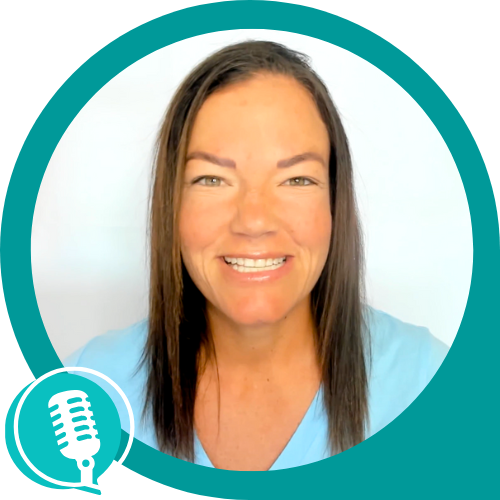
Kristi Kandel
Developer | Mentor | Co-Host of the LRED Podcast
is a real estate developer with nearly 20 years of experience and over $450M in projects across the U.S. Today, she focuses on helping locals step into development and build in their own communities.
She’s the founder of I&D Consulting, Local Real Estate Developers (LRED), and co-founder of Elevate, a community-driven sports and wellness concept.
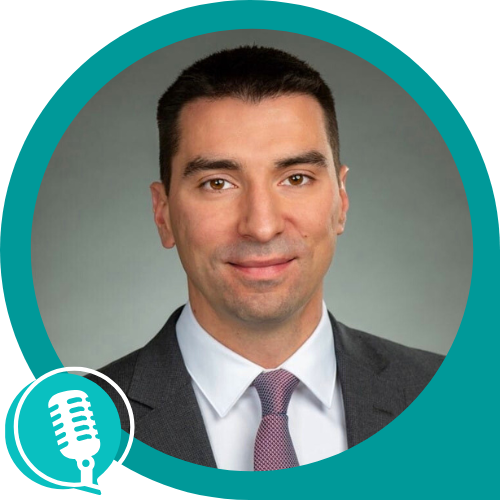
Raphael Collazo
Commercial broker | Author | Co-Host of the LRED Podcast
Raphael specializes in retail and industrial properties, bringing a problem-solving mindset from his background in engineering and software. As a commercial real estate advisor and developer based in Louisville, Kentucky, he works directly with investors, tenants, and cities, bringing a real-world view of how deals come together.
🔗 Related Episodes
Community Development Over Capital: How Rachel DesRochers Builds Where It Counts | EP #45
A powerful reminder that you don’t need perfect capital to start. You need resourcefulness, creativity, and the willingness to move.
How to Start Real Estate Development: Steph Weber Bought the Land First and Built the Plan Later | EP #41
A real look at taking your first development deal from idea to execution without having everything figured out.
Small-Scale Development: How She Left Her Corporate Career and Built a Tiny Home Village | EP #39
Another path from traditional career to building a community-driven development project.
About the Guest
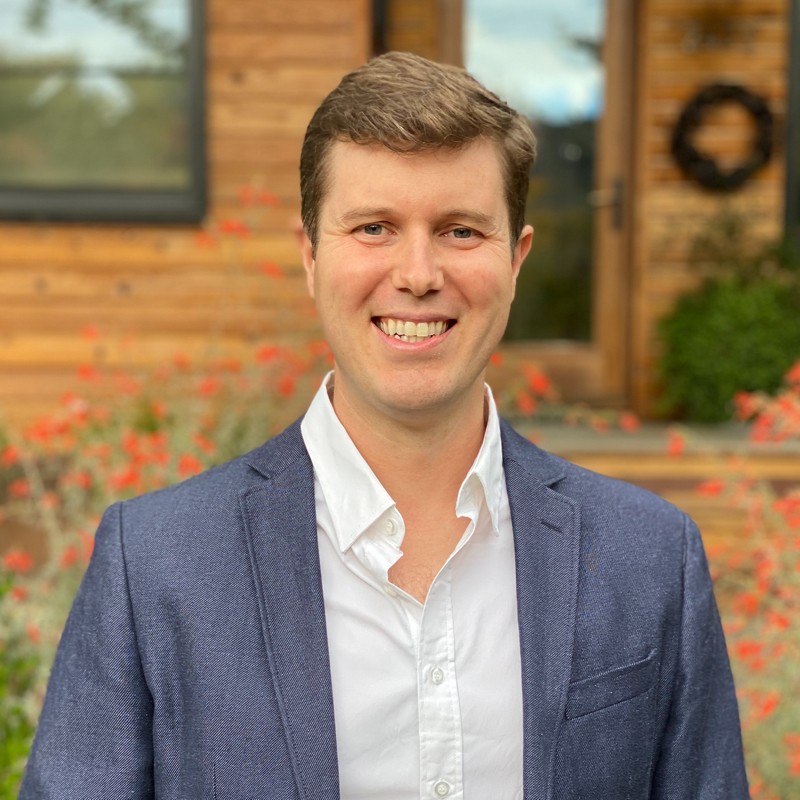
Neal Collins is a real estate developer, investor, and founder of Hamlet Capital. He focuses on regenerative development, agrihoods, and conservation communities that integrate real estate, agriculture, and long-term community health.
Connect with Neal
Full Transcript
Raphael Collazo (00:41)
Welcome to the Local Real Estate Developer Podcast. I'm your co-host, Raphael Collazo, located here in Louisville, Kentucky. I am a commercial broker, investor, and local developer in the area. And I'm here with my co-host, developer extraordinaire, Kristi Kandel. It's great to see you as always.
LRED (00:57)
Yeah, great to see you. So yeah, I'm a real estate developer and I also teach locals how to become developers in their community. And part of through that, I'll go through LinkedIn and I'll see what people are posting about real estate development and the different features of how we can really put community and build around that in our different markets. And I came across Neil's post and was just like,
I love what you're doing. So we need to have you on the pod, share more about it, get this out there and let more people become aware. So Neal, welcome to the show.
Neal Collins (01:27)
Yeah, thanks guys, it's a pleasure to be here.
Raphael Collazo (01:29)
Definitely. So what we typically like to do when we first interview guests is to learn a little bit more about their backgrounds. So if you don't mind sharing a little bit about your backstory, I think that'd be awesome.
Neal Collins (01:39)
Yeah, great. know, real estate is something that I never saw myself getting into. I grew up in South Louisiana and I knew at 21, I did not want to stay in Louisiana. had just gone through Hurricane Katrina and another catastrophic hurricane after that. And the job prospects was you can work in oil and gas. And I got out there as fast as possible and on doing the cheapest thing possible was just joining the Peace Corps.
And that really exposed me to an incredible world of community development. And I was able to work in these communities of farmers and fishermen around Eastern Europe and South Asia. And I really started to follow my nose and my passion, my values into the climate change adaptation space and working with a group called the International Union for the Conservation of Nature. And so we were in the Maldives.
raising money and a lot of the money was coming from the real estate operators and developers, a substantial amount. And that was really the light bulb moment of saying, you know, this nonprofit thing is great. I love the impact that we're trying to have, but we're not making as much of an impact compared with the real estate sector.
And so I said, you know what, let me go back and get another master's degree. That was in commercial real estate development on the West Coast. That led me into doing really large scale mixed use, very conventional commercial projects. You know, I think 30 to $300 million buildings, hotels, restaurants on the bottom with apartments and condominiums on top.
In that time, I really started to crave doing more human scale projects where I was the principal myself. And so we started to go out and hone in on small multifamily buildings and repositioning those. Did a lot of seller financing and then made a weird turn whenever I started to follow the advice of a coach that was really pushing for vertical integration. And
That meant in addition to acquisitions and holding, we should do property management and we should do brokerage and we should get into all of these service sector companies. And, and I tell you, that was such a wild inflection point in my life because we, what happened was property management just like jumped right out the gate. And we went from, you know, our 20 to 30 units to
50 to 100 to 300. And then on the brokerage side,
We went from having a small team to then incorporating our own brokerage to then having about 20 agents under us and just in a very short amount of time and not really having our handle on the systems and understanding how to run that type of very traditional real estate sales and brokerage and management. And so we had a big pause.
And about 2017 through 2019, whenever my parents and my wife's parents came down with stage four terminal cancer, and in the rear view mirror, that was terrible. And I wish that on not even any worst enemy. But what it did was one, it allowed us to say what's working and what's not. We sold off the property management business. We told our agents.
you know, you need to go find a different home. We need to reset. We sold some assets. And I started to really attune to how do we create really healthy homes and habitats and communities where food can be medicine, where we can create spaces that community flourishes. And this is really finding that
out of the medical world, the most progressive medical side, not necessarily East versus West medicine. It's, if you're going to go through really traumatic life debilitating diseases, you need a culture of care. That's not necessarily just your close family, but your neighbors and a support structure under around you. And, and that was whenever somebody was talking about community as medicine.
It really clicked. I think we've heard like eat healthy, like we need great water and food and all this kind of stuff, but no one in $3 billion worth of commercial development from urban planners and architects to city planners was really talking about creating community. We talked about densification, energy efficiency, and all these different things to create sellable and rentable spaces.
give lip service to community and curating the commercial elements and like what fits and what's synergistic, but no one was really talking about it from a health and wellbeing perspective. And I just stayed in that lane, being curious and started to realize the lexicon and the verbiage around this was that of regeneration of how do we kind of reverse course in the direction that we're going. And I...
I'm a real estate guy. Like I've like completely found that this is the sandbox that I want to play in and where I think that we can create the most catalyst. And so I just started to take the values that I care about most of design, entitlement, development with agriculture and sustainability and bring those worlds close together.
LRED (07:06)
WAH
Neal Collins (07:10)
to start working on very values led projects, both locally and then working as a development consultant or an owner's rep. then over the last, really 16 months, we put together an investment group called Hamlet Capital to actually deploy early stage risk capital where I see a huge gap. And really circling this area around agri-hoods and conservation communities.
primarily because we see a huge demand, a lifestyle demand from the consumer side. So I'm taking this whole mixed use development background and saying, let's bring sophistication to the capital stack. Let's move through entitlement process with clarity and let's bring in capital here because it's begging to happen. So that's me in a nutshell.
Raphael Collazo (07:59)
That's extensive background and a variety of different capacities within the real estate space, which is very interesting that you say that. And it's obviously led to what you're doing now, which you threw out a term which I'd love you to kind of elaborate a little bit on. You mentioned agrihood. that correct? And can you elaborate exactly what that means and how you see it manifesting over the next few years?
Neal Collins (08:21)
Yeah, know, agri-hoods is
one of these new sleeves of master plan communities. And some people actually give a pushback on that because they look at the predecessors that have come out and said, you know, those are just large scale master plan communities with thousands of homes with like a five to 10 acre farm on some marginal land that's kind of forgotten about. And yeah, that's true. There's certainly some of those, but there are also places that
they took a conservation development approach that we love, which is saying, you know, particularly for these peri-urban farm parcels, that you can look over the farm gate and see what suburban sprawl actually looks like. It looks like the cul-de-sac at the end of the road, it's driven not by a planner or a designer, but by an engineer. You have very homogenous housing. And so what we do is, well,
take a conservation development approach where 70 % or more of the site is conserved as open space for agriculture conservation, wild areas, trails, things like that. And then let's say that that parcel would have had 200 home units developed there. We'll take the same amount of home allowance, but we'll cluster that into a village center that allows us to have different home typologies
more commercial activation, and it really sets up this opportunity to create a mixed income, multi-generational village that we can then bring in the right kind of horizontal infrastructure. It's a much more sustainable approach. You're not having to do as many roads and utilities and things like that. You're able to actually cater towards different lifestyle demands. So.
At Broad Strokes, that's the real estate side of it. And then we integrate in agriculture and conservation that is place specific. We really love regenerative agriculture. And a lot of people, they'll think this is just green houses or some market garden activities. But this is where we have so much fun, which is how do we start to incorporate really amazing place?
specific strategies like agroforestry and aquaculture and permaculture and things that you don't necessarily think of on your typical farm. And so there's all different types of structuring and layering of capital of how that actually happens, whether it's non-profit or for-profit. We worked on projects where there's collectives of small farmers coming together versus
one central farmer and they're running operations. So that's what an agrihood is. And they can just look very different depending on where you're talking to. And I love that instead of trying to templatize and stamp out the same thing, which is what I'm sure a lot of our investors would like. We like to template the process to get there and really create some special places that, you if you're in
Kentucky, Florida, or Washington, it's going to be really resident to the local population.
LRED (11:27)
So you mentioned a lot of things there along with Agrihood and other things that you're getting into. Where did this knowledge and awareness in those spheres just come over time? Was it through different partners that you met along the way and they're like, well, for this area, we could do X, Y, Was it from your masters? Was it from going in the Peace Corps? Like how did that all kind of evolve over time?
Neal Collins (11:47)
You know, I think from high level of what I love to do is like with the Peace Corps, they train you to go in and say, like, what, what do you need? What do you need help with? Uh, and, and maybe I didn't learn that in the country and the language that I was trying to learn, which is Romanian. I, what I really love is I'd love to go into communities and say, what do want to create here? And, and that just verbal shift sparks so much generativity and we still take that.
approach with the stakeholders and the developers and the community members that we engage now? What do you want to create? And I think over time, because I've got a podcast called the Regenerative Real Estate Podcast, we've got a brokerage called Latitude that really is focused on values aligned buyers and sellers. We saw this huge, huge tidal wave of folks.
And definitely catalyzed by COVID saying, I want to live in community. I want to live more close to the land with healthy food and have wellness offerings. You know, I'm sure it's not just my feeds, but everybody wants a sauna and cold plunge these days. And it's all part of this like larger ball of wax of people trying to live a little bit differently than what we've been sold in the past.
And I, you know, I started to go to these communities like Serenby and in Southwest Atlanta and finding that, wow, this is incredible. This is like a European hamlet, that really integrates meaningful agriculture into their master plans. And I love the complexity that comes from taking two very disparate things that don't normally play well together, like commercial real estate development and agriculture.
does not play well together. know, the...
LRED (13:37)
Yeah, we plot on those fields
and we go, cool. Here's 300 apartment units that are so boring and there's no character. yeah, there you go.
Neal Collins (13:45)
Exactly.
The closest thing is we're creating really amazing food halls and the farm names will be on the menu. Love that all day long, but it doesn't actually take an introspective look at what's going on in peri-urban and rural areas. and you know, I just, I've done so much urban core stuff that I wanted a change of pace. Like I didn't, I didn't really want the
the business model of I need to go out and find apartment buildings and reposition them that often led to, you know, kicking out a bunch of tenants and then running the same contractors with the same paint colors and the same trim packages. Like you do that enough times, at least for me, and it starts to feel so repetitive. then whenever you have so many different multifamily operators flood the space.
you're like, okay, how do we actually differentiate ourselves here? Do I wanna start to go into different markets? No, I don't wanna go into different markets. so, by 2018, 2019 in Portland, Oregon, the cycle was starting to come to an end and it just spelled like, we need to do something different. And I'm glad we were able to fall back on brokerage, where we were able to take a very risk light approach to staying in the game.
working with interesting people that brought us into interesting projects, and then kind of rebuilding the capacity back in the development arena.
Raphael Collazo (15:12)
Definitely.
LRED (15:13)
Out of sheer curiosity is the brokerage, how you then get your consulting clients to help them through their deals from the entitlement and development standpoint?
Neal Collins (15:22)
It has in the past, but I like to put a firm wall between brokerage and development advisory and things like that. It gets really confusing. We've tried so many different things of like, let's tack on the advisory with the brokerage. Then we get pulled into doing branding and go to market strategies for communities. ⁓
LRED (15:42)
wasn't that included
in your fee and this and that and yeah, yeah.
Neal Collins (15:44)
Totally. it just, I
think what happens from just a pure business building standpoint is that people will go to our site and we got this so many times and it's so embarrassing because we do, I care about brands so much. They'll say, I think I love what you're doing, but I have, I don't really know what it is that you do do. It takes a really special person to be like, you know what? I'm going to hit call.
LRED (16:05)
Mmm, yeah.
Neal Collins (16:12)
or the contact button and we're going to figure it out. Fortunately, those were some amazing people that really kickstarted this whole journey for us. But now Latitude is very much focused on brokerage. We do create go-to-market strategies for these types of communities. But development advisory and investment is run through Hamlet Capital and it's something completely different now.
Raphael Collazo (16:34)
So one question I have is related to the piecing together of these projects. Obviously, you've kind of described a somewhat novel idea, at least here in the US, regarding what you're describing. So how do you get people to kind of see the
the potential there because I you know, I've worked in the brokerage side for quite some time and a lot of my businesses in retail and industrial and there's some times where I deal with landowners that maybe have agricultural land that's in the path of progress. And I'm having to kind of explain to them how the process works, particularly on the entitlement side, because they may have an idea of hey, this is what my expectations are. But those expectations may be completely out of whack with what the reality is, if in fact they're
trying to make this particular land attractive to a retail developer, as an example. Now, in your case, you're trying to convince them of, and again, I'd like you to hash out this a little bit more with the audience, because I feel like oftentimes that's one of the biggest hurdles, is it makes sense to you, but how do you get all these other stakeholders that maybe have never seen something like this take place on the same page?
Neal Collins (17:43)
Yeah, I think it's a great question. And first of all, like I, it's not a posture of I need to convince anybody. It's really inviting them in and enrolling them in what the process looks like. You know, we work with a lot of landowners that they are faced with a decision around what does succession of this place that's been in our family for generations, that's so meaningful to us. How do we continue that whenever the next generation isn't so excited about?
farming or they might not have a next generation. I think no matter if you're going to be doing retail, industrial data centers, agri-heads, you can't necessarily square the math on somebody that has a million dollar parcel that wants $10 million for it. It just doesn't work. but what you can do is you can say, look, instead of going down the subdivision route with a developer that's knocking on your door, offering you.
a million bucks, we can take the same economics and the same offer and be able to work with that and go to the county and present what a conceptual master plan looks like for a conservation community. And oftentimes, even if we have to go through a PUD process to change the zoning, the counties are starting to realize, this actually meets our objectives of our long range comprehensive plans.
because it preserves the agricultural and rural integrity of the community that we've been looking for, it gives us the housing that we're looking for. It gives us an ability to have a sightline on getting more workforce and affordable housing. And they're going to continue a farm. Like this is a check, check, check. And so I'm not saying that all these projects just
LRED (19:22)
Okay.
Neal Collins (19:31)
fly through entitlements, that's a rigorous, painful process, almost no matter where you are outside of Texas and Ohio, found. But it is one of those things that I find it's great to be able to enroll community stakeholders and to work with them and to work with the landowners and actually continue even the namesake. So often we see these pretty homogenous suburban neighborhoods
that they'll keep the name of the farm or the ranch and it's a name only, Like you cannot, there's no homage to what was there before and it doesn't matter where you are in the country or in the world. And what we're trying to do is we're trying to create a different reality that these properties can go down. And so we're fortunate that we're in a bit of a hype cycle and I've had to be really cognizant of my shift.
from being a developer to where I need to go out and actually turn up the dial and be a promoter of what these communities are and what this lifestyle is and the demand that's behind it and watch out, like this is a great tidal wave, we need to do these projects. To now, my job is I'm a GP that's investing into these projects or I'm an LP investing into these projects and I've got my new set of people that I need to convince.
our family office platforms than investors that I cannot perpetuate hype cycle. I've actually need to show the economics of a deal to say, look, this is prudent. It's grounded. Here's how the risk looks at different phases. Here's how capital comes in and here's how capital comes out. And it really sharpens your thinking and your plans. And so that's where I'm at at this point in time is yeah.
The land owner side, the consumer side, no selling, no convincing. The investor side's still a lot of education, hand holding, and showing pro formas and examples and prospectuses and things like that.
LRED (22:03)
Is it because it takes longer to get the returns or what's the difference versus them just looking and underwriting any other deals?
Neal Collins (22:11)
I really think that one, there's a class of investor that is more impact oriented. They've been trying to get involved in regenerative agriculture. They've tried different routes between CPG and venture. Those models aren't necessarily working. And so what we're finding is that we can provide a Trojan horse using an asset class of real estate that they know through and through, but it's educating on them of where,
where do we enter and what is this? And then for the people that may have exposure to real estate, they're heavy on commercial real estate, urban core type of stuff, this is a little bit different. We have these three very distinct phases between your pre-entitlement, so your riskiest time whenever the municipality has not given permission to go out and build what you wanna build, oftentimes,
This is the riskiest but highest return. Once you get entitlements, you've got to put in your horizontal infrastructure. So this is more of a well-trodden capital markets where there's more debt financing. There are developers out there that come in and want to buy that type of parcel and put in the horizontal. And then once that's in, you've got to go out and then go vertical with your construction or sell to builders or home buyers.
And I think a lot of people, whenever you look at this process of buy the land and title it, do the horizontal, do the vertical, they're like, wow, that's a 10 to 20 year project. And it doesn't square with a private equity fund model. And so what we've really had to do is say, actually, we have no desire to take on the full capital stack and go end end on this project. Like we really want to...
LRED (23:41)
Mm-hmm.
Neal Collins (23:54)
identify where the gap is. We see a lot of that at pre-entitlement and being able to assemble a team that can come up with a defensible land plan, get through county approvals, get to entitlement so that we can start to unlock more capital partners that they can use a cheaper financing out there to go actually put in the infrastructure and keep going on with the project.
But during that pre-entitlement phase, can then layer in a lot of different holding company structures, nonprofit meets for-profit. And, and, know, we're, actually starting to find more family offices and landowners that are starting to understand like, wow, we've, we've got these assets that are underutilized right now. Maybe it's $10,000 an acre, but through conversations, they're realizing
They can allocate additional capital here and go from $10,000 a net asset value per acre up to, you know, $900,000 on the, on their nav value. so, All of a sudden, I'm not saying like we have capital pouring in like crazy. We're still really early days where we've been doing more special purpose vehicles into individual projects as we build a fun thesis. that would be more repeatable and scalable.
But that's what it's looked like to date of trying to figure out how to package this, not to sell, but to really educate the investors that are interested in the space.
Raphael Collazo (25:23)
Yeah, one of the pieces there is related to the demand that you kind of described. So how has that been regarding the interest level from a variety of different perspective people who would want to potentially purchase one of those properties? I I'm assuming some of these properties are in rural areas. Are you seeing that there's a big shift of people that work in
larger cities, but they decide to have a place or I mean, especially with the work from home trends, I'm kind of curious how your take on this because I know there's been kind of a shift back into office, not to the degree that we had pre COVID. But I'm kind of curious to see to just inquire how that you've seen that effect if it has affected at all, you know, demand in that type of product.
Neal Collins (26:12)
I mean, I think this is a conversation all three of us could just really jam on of like what's going on with the office market and the residential market. I still, you know, it's amazing to me that the suburban markets are booming right now. There is a shift that I see back into the urban cores, but even then they're getting priced out. Yeah, the big employers are trying to figure out what's the right amount of time in office versus out of office.
Raphael Collazo (26:16)
and
Neal Collins (26:38)
but I think the door's open towards remote work, right? Like that's not gonna close ever, and that I can imagine. And so what I'm not talking about is doing projects that are three hours from anywhere. It's, you you're having to come up with completely novel infrastructure solutions. You have no schools. You know, it's a dirt road with nothing around.
Raphael Collazo (26:42)
Mm-hmm.
Bye.
Neal Collins (27:03)
No other
amenities. So I really love this, the peri-urban space in creating a more walkable neighborhood. So you're not necessarily having to get in a car and go to your employment center every day. You don't even need to do that to go actually get provisions and groceries. can fulfill that on site. And I think this is the broader conversation of how do we adapt our suburbs to be more sustainable and kind of conducive to human life than what they are now.
So this fits in with that whole new urbanist movement. the one thing that people have had data to look at, agrihoods before to realize there's a premium there. Maybe it's a 15 to 30 to 50 % premium on home prices. But what is so different about the conviction that I have.
is I have a brokerage that works across a number of different states and I can see, I can actually see where people are looking to move, what kind of lifestyle they're looking to have, what are those amenities? And I can communicate that. And so that's really given me a lot of confidence to say, wow, this is something that the market isn't producing. This is something that I would love to see more developers do and I'd love to give them
more inside access of how we approach this and structured these deals. And, and I think it's a really profitable play. and so for me, if you align, you know, the developer incentive, the landowner incentive and the home buyer incentive, like you're, you're off to a great start. So that's
LRED (28:35)
Mm-hmm.
And you're willing to
spend more if your quality of life and what's around you is giving you the extra amenities and things that you want to where you have a healthier, more active lifestyle. You have community around you because it's like-minded people who want this type of environment. So I find that really, it makes sense.
Neal Collins (28:59)
Yeah, absolutely. and this isn't just a Northwest trend. It's, know, there's plenty of communities that are attracting, buyers in the Southeast. I was just on the phone with a friend of ours named, named Doug Davis. He's got a really cool, project called the farm at Okefenokee. That's about an hour outside of Jacksonville, Florida. And, Doug, you know, bullets his heart. He's amazing. He's like, you know, all these farms, got 10 acres.
We have a thousand acres and they've gone through, I think two or three phases now. And he brings in the vertical integration with a home building arm of this. he's seen demand. He's had people across the globe reach out to him. And this is in like rural Florida on the edge of a huge, I think UNESCO designated or soon to be designated wildlife preserve.
And their lot prices have more than doubled in the last couple of years. So I think it works great if you're outside of a metropolitan region to, you know, some, some place like that in the Okefenokee.
Raphael Collazo (30:01)
That's great. regarding that, I guess my question is, what other partnerships have you leveraged over the course of the last several years to ensure that you're able to continue to manifest this into reality? You mentioned there's oftentimes potentially nonprofit partnerships. there any?
local or state incentives that are available for these types of projects as well.
Neal Collins (30:32)
Yeah, this is a team sport. And I think all commercial development is a team sport. That's what makes it fun for me. Even if we're doing a strip mall, I actually love that of getting people together and saying, what really works here? And how does it come together? And where does the capital come from to support this? So it's the same thing of how do we go out into a community and be able to curate?
a commercial aspect, a builder's guild, put together the right architectural guidelines for that, the right materiality, the right design, what's going to meet the market on that side. And that's so cool. And if you guys have experience in that, I'm curious if you also get a lot of joy out of that as much as I do. And then on the agricultural side, what we're really finding is that we can separate out the capital structures on that so that we can work with.
USDA financing, NRCS, different philanthropic support systems, conservation organizations that we can put easements to enable perpetual conservation of land. So there's a couple of different ways where we really do, we have to work in partnership with a lot of different stakeholders. But what happens is that whenever you can manage
the invited complexity, the potential of the project goes skyrocketing. And that's where you can take it from like, hey, you we want to do this, this aggregate community. We're not actually sure what it looks like to then six months later, you're like, wow, I imagined we would get it that good. And now we're starting to attract different advisors and different groups that we've held in higher regard for.
a long time, national and international farming groups, restaurant tours, celebrities, things like that. That is definitely putting a lot of wind in our sails. You know, wow, there's, there's a lot of people here that are really excited about this and they're demonstrating that it's, there's different ways to do this. You know, like we're one of our advisors that we're just sending now is a guy named David Barber out of Stone Barns, Blue Hill and
in New York and they've gotten a lot of attention not only because it's a two or three Michelin star restaurant, but they've been able to really take a bio-regional approach towards agriculture and they've got a great campaign right now of dairy cows, the retired dairy cows. It's gone to just dog food, slaughterhouses, and they're really repopularizing this as a premium product and working with different regional farmers.
And they're doing the same thing on agricultural products and like sorghum and things like that. like what actually works and what's the tip of the spear to drive food system change through the capital mechanisms. So fine dining and hospitality is one way they're doing it. we can do that through residential and hospitality and agri-hoods. And, and what that enables us to say is, and we'll get reporters saying, how much.
of someone's diet that lives in an agrihood comes from the farmland site. And for me, it's the wrong question. The question should be, how can we start to look that the project is actually the community, the parcel is just the catalyst. And so if we can start to work with different regional producers and look at where the capital constraints are from processing facilities and farmer training, workforce housing, things like that.
All of a sudden we have a really resilient approach to development where we're not just developing the agricultural Disneyland of people that can pay premium prices for housing. And that's what gets me out of bed every night or every morning.
LRED (34:08)
I couldn't agree more with you. looking into that with our elevate concept and how we can get the food locally sourced and have like kitchen incubators and all of that. And that has opened so many similar doors to go, and we can think bigger and go, okay, if we put these pieces together, yes, it is more complex, but it becomes an even more fulfilling and awesome, comprehensive project.
Neal Collins (34:32)
Yeah. Yeah. It's amazing. And you know, people realize that we can get away from. Templatized versions and just like stamp these things out, to embracing local emergence. Like that, that's where it takes some serious jobs to go through that process. It's, know, I I'm 15 years in to figuring out how to facilitate and manage that process and be able to communicate it and hold.
the stakeholder groups, but it, that's what keeps me engaged in this arena and where I think, you know, 15 years ago, whenever I left the nonprofit world, I got a lot of flack from my colleagues and my peers saying, why on earth are you going into real estate? Like it's the epitome of an extractive industry. Like you, you got a master's degree in sustainable development and
LRED (35:23)
The greedy developer. Yeah.
Neal Collins (35:27)
And now what I find so funny is that two days ago, I got shared a UN article saying that agri-hoods is a nature-based investing solution that is profitable and it helps to preserve and do conservation style agriculture. this is what I think it takes is working on the skillset for you to be a better developer than just
to find the novel concept that you could franchise and stamp out, particularly as there's a hype cycle between PropCo and OpCo investing. And that's just like, how does capital get a greater return out of a project since the multifamily in the office industry has gone through some rough times. This is a similar shade of that. We need to take on those structures, but.
It's a way in which if you want to be a professional in the arena, I love bringing that sophisticated approach to it and working with the people that treat it as such.
LRED (36:24)
of that. So, go ahead, go ahead.
Raphael Collazo (36:25)
No, know.
And I just want to kind of reiterate. mean, that's what it needs to be scalable. Otherwise, you can have this great idea of something that you're describing. But if you don't really understand how all these pieces work together, you don't know how to get the proper stakeholders in place. And to your point, you don't know how to speak the lingo and attract the capital, then a lot of these projects won't ever manifest.
that would be such a shame for really the broader community as a whole. so, and obviously kudos to you to realizing that this is something that's a need and then taking the steps towards making sure that you can manifest these projects because hopefully you and others like you that probably have taken on similar projects are the catalyst and.
Maybe over time, you move the needle, even if it's ever so slightly in that direction, and maybe we start creating a movement or a trend as more and more people start seeing that this alternative way of living is a better way to do so.
Neal Collins (37:21)
I don't know when you guys got into the real estate game, I got in really whenever Bigger Pockets was getting popular. And I started the exact way that they suggested with house hacking and doing small multifamily and we've wholesaled and we've flipped and things like that. And it gets to a point where you're like, okay, I'm ready to take the next step. And the next step might actually be incremental development in your town.
Raphael Collazo (37:27)
Yeah.
Neal Collins (37:48)
in your block. know, I loved like we at one point in time, I became fascinated with this concept of working within a 10 block radius of where we lived. And, and we picked up a couple assets that way. And it was not viable ultimately, but we just widen the geographic area just a little bit. And that was actually a profitable way to go about it. But I think when you get to a certain point,
do you wanna stay in that lane or do you wanna continue to grow? And for me, I wanted to grow and I wanted to stretch. And for all those folks that actually did find financial freedom through the real estate industry, how long can you actually stay in that kind of initial lane? And for me, it just, meant we've gotta get comfortable with working with larger dollar amounts. We've actually gotta find...
innovation within capital stacks. We need to work on ourselves on how we can communicate and facilitate different stakeholder groups. so for anybody that's just starting, you don't jump into this right away. And that's what I love. It's just a journey of being able to incorporate vision and values into an industry that I just love. I love place making. I love the complexity and like being able to
I live 10 years in the future, sometimes it's a strength and a lot of times it's a fault, but in development, somehow it's a great strength. So it really fits to my particular skill set.
LRED (39:15)
Yeah, we're at a very similar point. I've been in for almost 20 years and you do, you get to a point where I'm like, I could design a shopping center and take it through the process in my sleep. The same with apartment building. I'm like, that doesn't get me excited or out of bed in the morning. And that's where you came up with Agrihoods. That's where Elevate, where we're creating the missing third spaces in our communities to bring it together. I'm like, yeah, that and the whole reason I love it is how complex it is and how complicated the capital stack is and how many people.
and collaborations are going to be required. But yeah, you don't start there. So what you kind of given some advice to new developers, like just get in and start doing it. Is there an early entry point they could get into maybe doing a miniature model of what you're doing in their community? Because we do have people listening and they might have a hundred acres of something and go, ooh, what could I do with this?
Neal Collins (40:07)
I think if you're in a position where you have land and you're working with that, reach out to people that have that expertise. It doesn't even have to be us. It could be a great land planner or a really good civil engineer. Those are not made equal, everybody. Just to let you know. And start to really think through, what is the business model here? Because so often,
I can't even tell you how many times a day people will call me and they're like, you know, I've got 10 acres and I could do 38 homes and I just need some capital. And it's like, well, where, do you go from here? Like what, where do you think that the next step in the business model is? And, and to them it is, well, we just go get permits and then we build and then we sell homes to buyers.
And logically that makes a whole heck of a lot of sense. But whenever you're working at a, even a 38 home scale, it's like, okay, now you got to build, let's call it $400,000 homes. Uh, multiply that by 38. You kind of go find all those buyers. You're going through a ton of construction risk. Like, do you, do you know what that's like? Like
Have you ever been on the hook whenever the market shifts and all of sudden you're, you're stuck with this? Like, so I, I think that think through what the business model is. Think through partnerships to form a partnership with the developer, work with a great land planner, figure out how you can go from expensive capital to cheap capital while mitigating that risk and finding the right next buyer set or the right next partner set.
so that you can start to expand this and follow your interest and your values. And if that's your palette and you love food, then start to work with those people that are, I think are thirsty for finding ways to continue to push their community along and continue to push business models along. So on the agrihead side, just consume as much, partner as much as you can.
and realize you don't have to take on all the risk throughout every single component of the project.
Raphael Collazo (42:19)
Some great advice. I guess, where do you see the next, call it five to 10 years going for you? You talk about having this vision of what you want to see manifested in the world. What do you see your business and this type of product, how do you see it kind of operating over the next five to 10 years?
Neal Collins (42:41)
Yeah, I think right now we're squarely in this. let's, let's figure out the more programmatic capital deployment part of this. We're starting to really sharpen the pencil to realize we're coming in pre-entitlement. and that might be a check size of a million to two and a half million dollars and, bringing our team kind of as a pre-entitlement co-developer along. And, I liked that.
that size of investment. It's not scary. You know, we're not having to go through insane underwriting where you would with a 10 to $20 million investment into a project. and, and from there, I think once we start to showcase to the market, here are different examples of the project that we've worked on. I really hope that it's not just us that's participated in these projects. I would love to see more developers.
and landowners say this is a viable strategy. I'd love to see more municipal planners really start to create conservation development policies and their zoning. And in the next five to 10 years, I would love to start to connect the agricultural piece with the actual building materials so that we can work with, you know, there's a great development firm out of the Midwest.
and they're starting to put together a regional approach to buying regeneratively grown straw off take that's not fit for the the wheat consumable wheat market. And they're doing compressed straw panelized wall systems that they can immediately plug into the thousand units of multifamily that they're building a year.
And, I love that because now it's, takes like where, where does our building materials actually come from? It's, it's an agricultural product, you know, like we're working with, uh, timber, we're working with all kinds of stuff that I think if we start to build homes out of that and we can create even healthier environments and create secondary markets for a lot of these, what, now is a waste product, especially coming out of the Pacific Northwest of, of trees that have just been overgrown.
and they're causing a lot of forest fire. Like we can actually put that into the built environment and do a lot of good in so many different areas. And so we go from a capital allocator into real estate projects to trying to open up more ventures and supporting companies that can then come in through these projects. And so I really see the next 10 years we're building out more funds.
We're coming out of the risk equity capital at the beginning. We're starting to introduce debt sleeves. And I squarely think that this isn't necessarily a fringe or a niche $50 million space, but we can start to allocate north of a billion dollars over the next five to 10 years.
Raphael Collazo (45:39)
That's amazing. Yeah, no, mean, and that's a great fishing that you have. regarding the reuse of some of those materials, are there specific companies that you, I don't know if you know any, just give a shout out to. I've always been kind of interested. We actually have a manufacturer here locally that does, I don't think they use the wheat byproduct, but there's another byproduct. They use waste from another process to create
walls for residential home development. I don't remember the name of it. I actually met with a lady who listened to the podcast, interestingly enough, the other day, who kind of shared some information about them with me. So it seems like there's, there are companies out there that are taking that approach of trying to find ways to identify area, you know, inefficiencies in these these processes when it comes to the these products and ultimately utilizing some of the
the byproduct to produce something of value.
Neal Collins (46:35)
Yeah, yeah, I am fascinated by this world. Like we have not gone into the healthy homes, diatribe that I'll get on sometimes. And I'm so sensitive to this one. we had so much cancer in the family and you start to realize like what we're actually building our homes with. It's insane. Like if we, if there was actually enough consumer education out there, we would, we'd be an uproar. and
And so trying to figure out what the market looks like on that from hemp to bamboo to straw to plaster. Like I think we're at a complete new era of people doing that and it's meeting a more mechanized and modular need for construction. So I, this is where it's like, I don't have a crystal ball in this area. can certainly do my best to lean into.
a direction to enable those types of operators to succeed. I would love it. And this is a call out to the audience of anybody that is doing that type of development. If they want to start to do more, like follow a business model of, general contractors that have come before you and actually buy lots on spec and put your money where your mouth is instead of coming to us master developers and saying, hire us as a GC and we'll, we'll do 50 of these homes. It's like, look,
put the financing together, build some lots, we'll sell them to you five at a time and we will be there as your marketing partner to give you as much exposure as we possibly can. And that's how we start to move the needle along instead of, I think a lot of really innovative, brilliant people are trying to get in this direction, but they haven't quite figured out the capital piece yet and they still want us to hire them and we don't have the capital or that's not our business model. So yeah.
Raphael Collazo (48:15)
Right, Neil, we really do appreciate your time. It was a very interesting discussion. Honestly, I had not heard the terminology that we described in this podcast, and I'm glad I got to learn a little bit more throughout this. I know that our audience is going to gain some insights from the discussion. If people wanted to learn more about what you do and even follow along with your journey, what's the best way to be able to do that?
Neal Collins (48:37)
There's a couple of different ways. you know, like you guys, I love, to host a podcast called the regenerative real estate podcast. And that's really for people that are in this arena. It's not necessarily to try to go find buyers that want to live in a commune. is for developers and professionals and investors and policymakers to learn what is the regenerative approach into real estate development, urban planning, design, and construction.
And I've been doing that for the past six years. And then our work is supported by Hamlet Capital, our investment firm, and Latitude Regenerative Real Estate, our brokerage arm. And so I'd really suggest people just to poke around and see what we've been up to. There's plenty of content and interesting little rabbit holes that people can go down. And if any of it resonates, me a follow along on LinkedIn or send a message because we'd love to.
to hear what people are thinking about and working on.
LRED (49:32)
I love it. Thank you so much for your time today. I've enjoyed going down those rabbit holes myself. And I think just sharing different frameworks and ways to think about development. Yeah, it's not just a shopping center. It's not just a mixed use building. Let's think about and leverage real estate in a way that we can truly impact our communities in a positive way. And I totally agree with your train of thought of where this is all going. So very excited to keep following along on what you guys are doing. And yeah.
Neal Collins (49:59)
Just the fact that you mentioned third places and can articulate the philosophy around that, I think it sets the trajectory of real estate development down such an amazing path. So I appreciate what you guys are both doing and the opportunity to come on and share.
Raphael Collazo (50:13)
No, we appreciate you and we're excited to hear the feedback that we received from the audience. So for those of you guys who watching, please, please like and subscribe. We'll make sure to include all the information of Neil in the show notes as well. So you can access that. We obviously greatly appreciate the support along with that. guys are listening to us in a podcast format, whether that's Apple Podcasts or Spotify. Please leave a five star review. The more people that ultimately can listen to the podcast, hopefully the more people get inspired.
to take on their first and subsequent real estate development projects. So thanks again so much for tuning in, and we'll see you next time.
Get the tools behind the episode
Access the Developer Vault with templates and real resources
©2025 I&D Consulting. All Rights Reserved.
©2025 Local Real Estate Developers. All Rights Reserved.