Tiny Home Development: How Dedria Kolb Left Law to Build a 10-Acre Community From Scratch | EP #39
Real estate development, tiny home communities, and what it takes to go from corporate career to first deal.
From corporate attorney to developer, Dedria Kolb built a tiny home village from scratch by learning in real time and betting on herself.
This is not a typical development story.
What does it actually take to leave a stable career and step into real estate development with no prior experience?
Dedria Kolb walked away from a 14-year career as a corporate attorney to build a tiny home village in rural North Carolina. She bootstrapped her first deal, navigated zoning gray areas, and managed construction herself while learning everything in real time.
This episode is for anyone considering their first development project and wondering if they are ready. Dedria’s story shows what happens when you stop waiting and start building.



Get the tools behind the episode
Access the Developer Vault with templates and real resources
Episode Summary
Most people wait until they feel ready to make a move into development.
Dedria Kolb did the opposite.
After 14 years as a corporate attorney, she reached a point where she knew she wanted something different. Not just a career shift, but a chance to build something meaningful and create real impact in a community. Without a clear plan, she left her job and committed to figuring it out along the way.
What followed was the development of a 10-acre tiny home village in rural North Carolina.
Dedria did not come from a development background. She did not have a track record. What she did have was a willingness to learn, adapt, and apply the skills she had already built in a completely new way. As she explains, you are never starting from scratch. You are starting from experience.
Her first deal required navigating zoning conversations, understanding how tiny homes fit into regulatory gray areas, and educating local stakeholders on a product that did not fit neatly into existing categories. At the same time, she was sourcing contractors, managing construction, and building out infrastructure while staying within a tight, self-funded budget.
Instead of hiring a general contractor, Dedria chose to manage construction herself. That meant coordinating subcontractors, managing timelines, handling budgets, and making decisions in real time without a safety net. It also meant learning faster than she ever had before.
Along the way, she encountered the realities every developer faces. Unexpected site conditions like rock and water. Changing answers from municipalities. Infrastructure challenges. Delays. Budget adjustments. Each obstacle required her to pivot, stay resilient, and keep the project moving forward.
But what makes this project stand out is not just how it was built, but why.
Dedria focused on creating a community, not just housing. By designing shared spaces and allowing flexibility in how residents live, she built an environment where people connect, gather, and feel a sense of belonging. The result was a fully leased phase one shortly after opening, validating both the demand and the vision.
Her model also reflects thoughtful risk management. By using a lot lease structure where residents own their homes and lease the land, she reduced upfront capital requirements while still delivering an attainable housing solution.
This episode is a reminder that development is a long game. It requires patience, adaptability, and a clear vision that goes beyond money. Dedria emphasizes that if you are only motivated by financial outcomes, it will be hard to sustain through the inevitable challenges.
The real takeaway is simple.
You do not need to have everything figured out to start. You need to take the first step, stay committed, and build through experience.
What You'll Learn
- How to transition from a W2 career into real estate development
- Why you are never starting from scratch, only from experience
- How to bootstrap and self-fund your first development deal
- Navigating zoning and regulatory gray areas for new housing types
- Managing construction without a general contractor
- How to create community-focused developments that attract residents
Bold Truth
You are not starting from scratch. You are starting from experience and learning by doing.
Timestamps
0:00 — Intro
https://youtu.be/uulb4KbxEcw?t=0
1:08 — Dedria’s background and transition
https://youtu.be/uulb4KbxEcw?t=68
3:19 — Leaving corporate and starting over
https://youtu.be/uulb4KbxEcw?t=199
6:49 — First project and getting started
https://youtu.be/uulb4KbxEcw?t=409
9:37 — Finding the land opportunity
https://youtu.be/uulb4KbxEcw?t=577
11:25 — Funding and bootstrapping the deal
https://youtu.be/uulb4KbxEcw?t=685
12:48 — Project scope and structure
https://youtu.be/uulb4KbxEcw?t=768
14:26 — Lot lease model explained
https://youtu.be/uulb4KbxEcw?t=866
16:52 — Risk mitigation and strategy
https://youtu.be/uulb4KbxEcw?t=1012
17:10 — Challenges and zoning issues
https://youtu.be/uulb4KbxEcw?t=1030
20:09 — Construction challenges and surprises
https://youtu.be/uulb4KbxEcw?t=1209
22:23 — Community impact and vision
https://youtu.be/uulb4KbxEcw?t=1343
25:20 — Finding contractors and managing subs
https://youtu.be/uulb4KbxEcw?t=1520
29:46 — Mentorship and support systems
https://youtu.be/uulb4KbxEcw?t=1786
33:02 — Staying motivated through challenges
https://youtu.be/uulb4KbxEcw?t=1982
36:56 — Advice for new developers
https://youtu.be/uulb4KbxEcw?t=2216
41:34 — Long-term vision and goals
https://youtu.be/uulb4KbxEcw?t=2494
44:01 — How to connect with Dedria
https://youtu.be/uulb4KbxEcw?t=2641
Meet the Voices Behind the Mic
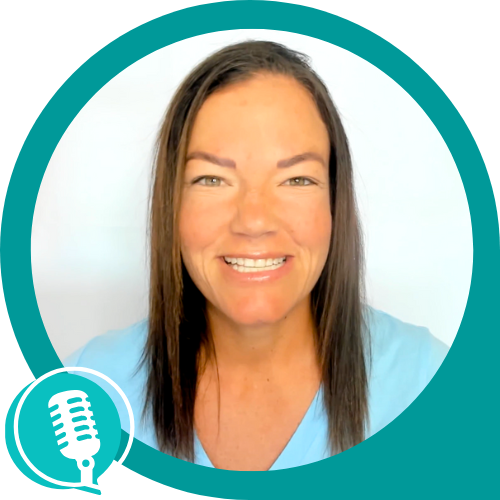
Kristi Kandel
Developer | Mentor | Co-Host of the LRED Podcast
is a real estate developer with nearly 20 years of experience and over $450M in projects across the U.S. Today, she focuses on helping locals step into development and build in their own communities.
She’s the founder of I&D Consulting, Local Real Estate Developers (LRED), and co-founder of Elevate, a community-driven sports and wellness concept.
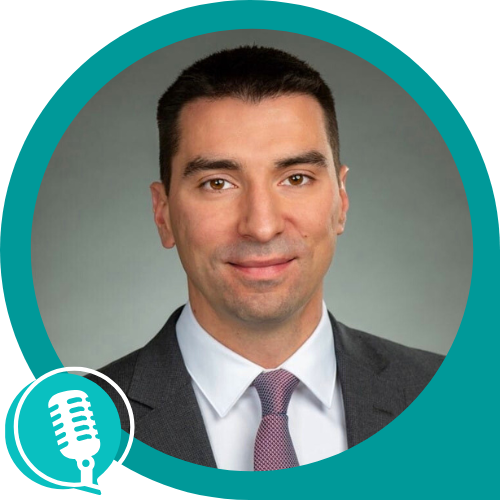
Raphael Collazo
Commercial broker | Author | Co-Host of the LRED Podcast
Raphael specializes in retail and industrial properties, bringing a problem-solving mindset from his background in engineering and software. As a commercial real estate advisor and developer based in Louisville, Kentucky, he works directly with investors, tenants, and cities, bringing a real-world view of how deals come together.
🔗 Related Episodes
Community Development Over Capital: How Rachel DesRochers Builds Where It Counts | EP #45
A powerful reminder that you don’t need perfect capital to start. You need resourcefulness, creativity, and the willingness to move.
Real Estate Funding With No Outside Investors: How She Leveraged Her Own Assets to Build a 16-Unit | EP #43
How to get a deal done using what you already have, even when traditional funding is not available.
How to Start Real Estate Development: Steph Weber Bought the Land First and Built the Plan Later | EP #41
A real look at taking your first development deal from idea to execution without having everything figured out.
About the Guest
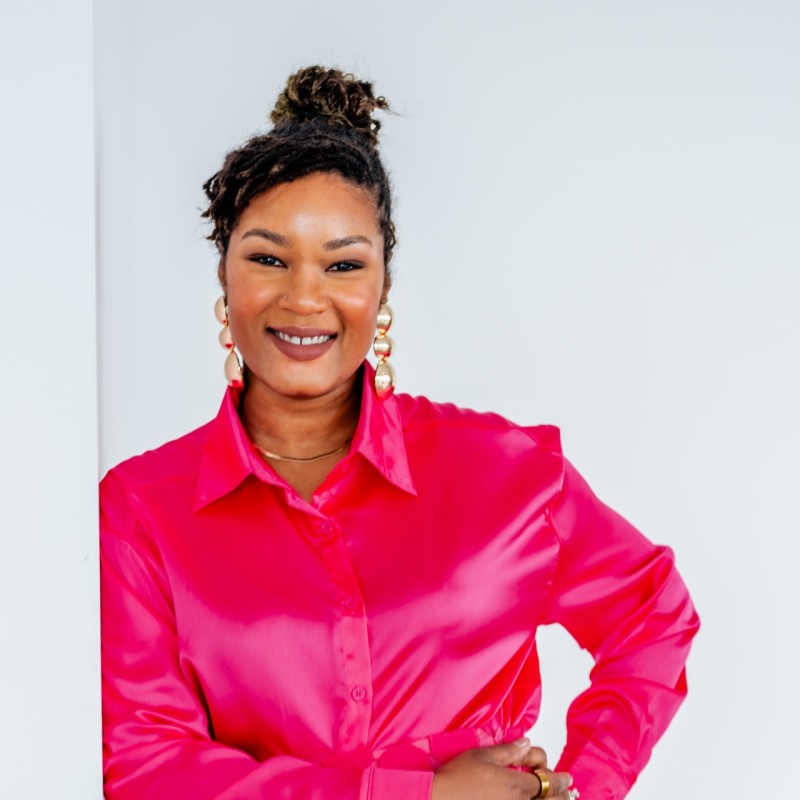
Dedria Kolb is a former corporate attorney turned real estate developer and founder of Ideal Ridge Ventures. She built a 10-acre tiny home village in North Carolina as her first development project, focusing on affordable, community-driven housing solutions.
Connect with Dedria
📲 Instagram: https://www.instagram.com/hey_dedriak/
💼 LinkedIn: https://www.linkedin.com/in/dedriaharper/
Full Transcript
LRED (00:41)
Welcome to the local real estate developer podcast where we share the stories of locals doing awesome projects in their communities. My name is Kristi Kandel. I'm one of your co-hosts. I'm a real estate developer and investor, and I teach locals how to become developers in their community. And unfortunately today, Raphael is not able to join us because he got caught in travel. But we are here today with an amazing guest who has an awesome story and Dedria, welcome to the show.
Dedria Kolb (01:08)
Thank you so much. so happy to be here.
LRED (01:11)
Yeah, great to have you. So we like to start off the pod by giving a little bit of background on who you are, where you're at, and then we can dive into your first projects.
Dedria Kolb (01:20)
Yeah, so my name is Dedria Kolb. I'm the president of iDolridge Ventures, which is a small development company based in Charlotte, North Carolina. I am in my third year of business because prior to doing real estate development, I worked as a corporate attorney for almost 14 years and I was in that grind for a long time, probably longer than I should have been, and kind of reached a point where I was ready to do something that just really excited me.
something that I thought was gonna make an impact in the community. And something that I think really just tapped into a dream that I always had as a little kid, which was to build things and to build housing. So I took the plunge, I left my corporate job, launched Ideal Ridge Ventures. Our first project is a tiny home village. So we are really focused on kind of innovative housing solutions, sustainable solutions, affordable solutions, particularly ones that use, whether they're tiny homes on wheels or modular properties.
is kind of where our focus is going to be. So really excited to be here and kind of chat with you a little bit more about the work that I'm doing here in North Carolina.
LRED (02:26)
love that. So I'm actually physically in North Carolina right now. ⁓ I'm over in Durham.
Dedria Kolb (02:31)
Shut up, where are you? ⁓ my gosh,
I went to law school in Durham. My grandmother lives in Durham, love Durham. It's awesome.
LRED (02:39)
⁓ my gosh, that's amazing. Yeah, I just realized I'm like, wait,
you're from here. I'm heading out later today to get back to Florida finally. I've been venturing the Midwest for the past month and I'm ready to be warm again. So corporate attorney turned real estate developer. I work with tons of attorneys. So, I mean, there's tons of great skillsets that come from that. But one of the things that we find with people trying to get into development is that gap from
Dedria Kolb (02:50)
Yes.
LRED (03:06)
wanting to do something and then taking action. Can you maybe speak a little bit to that and what finally was that shift to go, hey, I'm giving up the golden handcuffs, I'm done with this corporate job. What got you to finally go, okay, let's do it.
Dedria Kolb (03:19)
Yeah, that's a great question. I I think the first thing I'll say is a lot of times we get really scared to start over because we think we're starting over from scratch. And we think that we're jumping into a new world where we know absolutely nothing about anything and how are we ever possibly going to learn. And there definitely is a learning curve. But any time that you come from a career, a background, just a level of experience in whatever field you're in, like you're starting over with that already in your pocket. You already have that tool. You already have
those skill sets and you're just applying them in a very different way. And so for me, particularly because when I was in corporate, I bounced around to a lot of different groups in the legal department and I supported a lot of different teams. Like I got really comfortable with being uncomfortable and I got really comfortable with pushing myself outside of my comfort zone, outside of my comfort zone and trying to learn just as much as I could about whatever topic was at hand at that particular moment. And so I think if you
Number one, are feeling the push or the call to do something different, especially if it's real estate related. Know that number one, you're not starting over from scratch. Whatever you have in your background, you can carry forth with you and I promise there'll be an area and opportunity for you to apply it because when we talk about real estate, especially real estate development and because I'm like a one woman show doing all of the things like sales, marketing, contracts, site prep, construction management.
you know, employee management, like all of those things, you know, kind of fall within my wheelhouse and they're not all my strengths, but I can pull from kind of areas of where I used to work in corporate and definitely use that to my advantage. The other thing that I will say is there's so many resources out there, like podcasts like this, other resources that you can find on YouTube, out on the internet, know, chat, GTP, I AI is great. It's not the end all be all. It's not great, but it is, or excuse me, it's not.
but it is great and it is a great tool for people to start to learn and just to start asking questions and finding resources that they can then go and track down and learn more. And so this is like this is just the perfect time I think for people to make those big life changes is because there's so much information out there to support you and like I said you are never starting over from scratch you are starting over from place of experience that you can just carry forward and use in a different way.
LRED (05:33)
is so true and so many times I hear people go, but I spent this much time in getting my career to this point and now I'm just I'm starting at zero. You're not. You said that very well. Your baseline is not that the skill sets that you have because honestly, real estate development is all about relationships. It purely is and if you can manage relationship, if you can project manage problem solve and manage relationships, you'll figure it out.
Dedria Kolb (05:58)
Exactly,
exactly, exactly. And most of those are skills that people, like I said, you use in other jobs and other careers. And so it's just a matter of applying it to what you're doing. There's a technical aspect of it. But like I said, to me, that's the easiest part, kind of reading up and learning the tech. It's all the stuff that you don't read in the textbooks. that's where you really kind of get your stripes, the trial and the errors and the big mistakes that you make along the way. But it's a part of process.
LRED (06:25)
Exactly,
exactly. And no one does a project perfect. I've done this for 20 years and then hundreds of projects and there are always going to be, it's going to be something new on every single project that you have. Hmm, okay. Didn't know that before, learned that one. And yep, yep. That's awesome. So, okay, your first project then let's get into that. So you go ahead and you take the leap.
Dedria Kolb (06:37)
Mm-hmm. Learned it now, yep.
LRED (06:49)
And then a lot of times when people do make that leap, we've had some guests talk about, know, did you build up a savings reserve? Did you have a consulting company that created income? Because we know development to get to the point where you have a payout or any type of return is years, potentially, depending on the size of the project. So maybe a little on how did you prepare yourself to do it? And then what was that first project?
Dedria Kolb (07:11)
Yeah, think that was one thing I was not prepared for is how much of a long game development is because you were absolutely right. Like this is not a get rich quick scheme like at all. ⁓
LRED (07:20)
Wait, we're going to greedy rich developers just
coming in and making all the money overnight.
Dedria Kolb (07:26)
Exactly. Exactly. I want to set up for that path. That's not the one that I want though. But no, mean, it's so I did have like a nice little nest egg of savings that I was able to tap into when I did, you know, take the leap and decided to leave. I cashed in a lot of my stock. So that was not just to kind of help me just with kind of day to day living expenses, but also to help put capital into the project.
LRED (07:28)
Yes.
Dedria Kolb (07:50)
Fortunately, I'm married and I have a husband who has a job and so he was bringing an income in at the time. But so yeah, was, I will say that when my decision to leave corporate kind of happened pretty fast, it was like a flash in the pan moment. I was like, I can't do this anymore. I'm ready to go. I sat on it for probably about 12 weeks and then like my mind was not changed and then I left. And when I actually put in my notice to leave,
I didn't have a plan. didn't know what I was gonna be doing. Like I was gonna figure it out and say like, hey, if I'm gonna leap, the universe is gonna catch me. And it was really a leap of faith. But fortunately, like I said, I was able to accumulate some savings that helped as well as cash in some stock. But I think for people that are looking to do development because it is such a long, long, long, long game, doing a lot of research, if you can find a partner,
to do your first deal with, like that's always really great. Like just find ways to network and get yourself into the industry to meet people. You know, I'm a little bit of anomaly, like I will, like you can't tell me anything, like you really can't. Like I have to learn the hard way each and every time, but it's just, it's how I am. And so my first project, I kind of jumped in like head first. I really had no idea. I just had a dream that I wanted to have a tiny home.
community and I was like, it's going to happen. And so this one of those things where it's like too dumb to fail because you don't know what you don't know. And so I did, I jumped in. I actually found the listing. It was, don't remember which, which website it was on, like LoopNet or like one of those, you know, commercial websites. And it was positioned as a mobile home that was kind of ready for a new lease on life. And the seller actually was based out of New York.
LRED (09:16)
Yeah.
Dedria Kolb (09:37)
And he had operated a few tiny home villages. And so those two pieces of information kind of my mind went, ooh, this could be really interesting and exciting. And so as soon as we found the listing, like something in my gut said, this is it. We went out to see the property, absolutely fell in love with it. It was very peaceful, very, very quiet, but also close enough to, you know, grocery stores and big buck stores and restaurants, things that people kind of need and want to live near.
that I thought it was just the perfect opportunity. And the fact that the seller had a little bit of experience in tiny homes, and that was something that I had an inclination of what I wanted to do. I just thought it was like, you know, a match made in heaven. And so he did offer to kind of help a little bit along the way and kind of give me a little bit of advice and counsel as I needed it, which was great. But a lot of it was kind of hitting the ground running, figuring out kind of, all right, so if I want to build something, like what's the first step?
and I knew it was talking to zoning and planning. Fortunately, in Rutherford County, which is where our development is, they were very open to the idea of having tiny homes on wheels, operating them as permanent residences. So that was just like, great. I was like, check, check, check. Let's find these contractors. Let's get this site planned together and let's just get rolling. And that's what we did. And we bootstrapped most of the construction costs for our phase one.
ourselves. We did take out a mortgage to acquire the land. And with that, we also got a small line of credit. But a lot of the upfront capital just came from our pockets. Because again, you're being viewed as a startup. Banks are like, what are you doing? Where are you doing it? And what type of product is this? ⁓ All of those things, all of those kind of what I call now false barriers to entry to keep people from
LRED (11:16)
Where's your track record? Yeah.
Dedria Kolb (11:25)
getting into development, but I also understand, you know, like everything has a risk tolerance and banks have their risks as well. And so we kind of just went all in and I knew that there was a demand for tiny homes because if you call up any tiny home community, you know, pretty much in the country, they're gonna have a wait list. And so I was like, I know there's people who want to live full-time in a tiny home community.
So what can I do to create an atmosphere of community and an atmosphere of inclusivity and belonging to draw the people in that I want to draw in? And fortunately, we were able to do that. And so we were in construction for about six months. We opened our doors in like late July, early August of 2024.
And by December, January timeframe, I had leased out all 10 of the lots that I had for phase one, was pretty incredible. And so that gave me lot of confidence that I was on the right path and that there actually was a market for what I was trying to do. And so now we are embarking on construction of phase two of Poplar Creek, where we are going to add an additional
20 home sites. And so when it's all said and done, we'll have 30 home sites with folks living in tiny homes on wheels and park model homes in our community.
LRED (12:48)
Awesome. how big is the property? Okay. And then as you were going through different approvals and things, how did you structure that with the property owner? Did you have a purchase agreement that was like, once we get our permits, then we'll go. Did you just buy it right away? How did that work?
Dedria Kolb (12:51)
It's 10 acres.
Thank
So we went under contract and then during, we had a very lengthy due diligence process because one of the things that we were able to do to acquire the property, we did a 1031 exchange with another rental property that we had. And so we knew we were gonna need some time to market and to sell that property before we could close on the land in Rutherford. So during all of that time, we were working with planning, getting our site drawings kind of completed, working with the engineers, getting everything that we needed.
in order to get that permit to start construction. And so by the time we closed on it, we had already obtained that and we had already lined up ourselves, kind of put together the budget and then had an idea for our timeframe. And so things went pretty smoothly once we actually closed because we had such a long period of due diligence while we were looking to sell another piece of property.
LRED (13:54)
Yeah, and that's something we'll come across a lot is that people go, they tend to think that it needs to be more like residential and like 30, 45 days close and then you figure it out. But when it comes to development, you can, like whether you have a 1031 or if you just structure into the contract and say, hey, we need to get these approvals or we need to work with utility providers to do extensions. And you build that into where, yes, you are spending your dollars at risk during that time.
but at least you aren't also holding the carrying costs and taxes and everything for owning that property too, as you work through that permit process. And then in your guys's, so do you get the sites already, you own the dirt and then they bring in their own home or do you guys build that too? Okay.
Dedria Kolb (14:26)
Mm-hmm. Mm-hmm.
That's correct. So currently
for Poplar Creek, that's what our model is. It's very similar to really like an RV park, except for these are tiny homes. So we provide septic, electricity hookups, water hookups, we provide internet, and then we've got common areas and amenities that we upkeep for the residents. And they bring their own tiny home on site. So our residents go out and they purchase their own home. We have a builder that we've worked with that we can recommend folks that he's a local guy. He builds a great product for a really
affordable price, but we wanted to make sure that people could live the way that they wanted to live, which means going out and finding the home that they wanted to find. just like buying a car, when you buy a tiny home, mean, it just kind of runs the gamut. You can kind of get one with top of the line finishes, or you can get one that's a little bit more of a base model, which again, allows people who have different budgets and different price points to kind of come in and still save a ton of money.
Because even on the higher end, like you can find a tiny home on wheels for like 110, $115,000. The average single family home in my area is like $450,000. So it's still a huge savings. And so we wanted to make sure that we were attracting residents who could come in at different price points, get a home that they really did love.
and then they're able to bring that on site. And so they own the home, they pay the taxes, all of the maintenance on it. Only thing they do is they do a lot lease from us for basically just the dirt and the infrastructure to support living there.
LRED (16:09)
I love that concept for so many reasons, because you're giving flexibility to everyone. And then you as the owner operator, you've mitigated your risk as well, because then they're responsible for the home and anything that goes. So you've got the horizontal and you're good.
Dedria Kolb (16:22)
Yeah,
yeah, and that, you know, was intentional because again, this being our first development project, you know, it's like we wanted to reduce our risk. We wanted to reduce kind of the upfront, you know, money that we were gonna have to put into the project. And so this kind of mitigated both of those things while still kind of finding residents who were very appreciative that we were flexible to allow them to bring in their own.
And so for several reasons, it's worked out really well for us.
LRED (16:52)
Yeah, wins across the board. Now I know it couldn't have been as you laid that out very nicely and very smooth. I'm assuming knowing development, you had some challenges along the way, whether it's raising money, partnerships, permitting, construction. What were some things that came up that you're like, interesting. I didn't know I'd have to do that or.
Dedria Kolb (17:10)
Yeah, so I'll like so many things. The first thing is, you know, mean, tiny homes and the tiny home movement has been around for, you know, over 10 years now. Like everyone has seen tiny home nation, like they know what a tiny home is. And fortunately, we are in a place where we are seeing a lot more municipalities and, you know, and governments viewing this as acceptable housing and long term housing, not just.
you know, a cabin that you can kind of visit, you know, a couple of times a year. So that's good. And like I said, Rutherford was really awesome to work with in the initial stages. That being said, there's still a lot of education upfront, you know, just to kind of talk to people about the type of products, you know, like what is a tiny home? Like how are they constructed? How is a park model tiny home different than a tiny home on wheels? And so I constantly found myself
doing a lot of education so that people could really understand what our product was, what we were asking for. And the challenges came because a lot of times with tiny homes, particularly, you are in this gray area. It's kind of like it's not an RV, really, even though some of them are built to RV standards. They're not really RV. They're not meant to be driven around the country and just set up at a campground. But they're not real property either.
So like, well, what are they? And so a lot of challenges in the front end of just kind of having conversations with what it is we want to do to get buy-in and approval to actually do it. The other big challenge that we ran into that unfortunately is still an issue that we have not found a way to resolve is with the post office. So originally we were told that we could get cluster box delivery to all of our residents, you know, because they all have
permanently assigned lot numbers. It's their legal address that's on their driver's license. They sign 12-month leases. And so we thought we were going to be good to go, installed the cluster box, went to the post office with the diagram, thought we were going to be good to go. No, wait a minute. This is transient in nature because these aren't permanently affixed properties. And so they kind of pulled that back and said they're going to change our delivery to a single drop versus an individual drop.
So that was a little bit of an adjustment and communication that we had to have with the residents, both what was going on. So again, falling into this legal gray area sometimes is just, hard. The other issue that we ran into is that we hit rock when we were running our sewer lines. So that was fun. Fortunately it wasn't as bad as it could have been.
But that definitely kind of added to the budget, as you know, rock and water, two things you don't ever want to hit when you're digging underground. And we had the water issue on the other side for phase two because our soil was very soft over there. So again, rather than having rock to blow through, we had to bring rock in to kind of build up the road. so it's just, it's, know, items and there are times in the construction where things just kind of didn't happen according to plan or, you know, in the timeframe that we were hoping.
You know, getting one story when you talk to one person in this government office and then you call somebody else and you get a different story. So just being able to be flexible, adaptive, take the punches as you get them. You know, at the end of the day, you know, we are providing a housing solution for folks who otherwise wouldn't have one. And, you know, if they have to have a single drop mail delivery, then I feel like that's, you know, something that we can kind of figure out a way that's going to, you know, help everyone and work for everyone. And it's not going to...
know, ruin the entire project, but being able to pivot when you don't get great news, understanding kind of what your next step is, how to keep the project, you know, rolling, even when you have these setbacks, I think is important in any type of job, but particularly in development, you got to have that grit and that resiliency to kind of push it through and to keep it going, because you're going to find something every time.
LRED (21:33)
Yep, resiliency, all of
that. Yes, yes, that will happen across any project that you do. if you let any single one take you out, then you're gonna be done. But you can have that moment. You can go, we had someone on and she's like, yeah, one time I just went and I yelled and I screamed in the forest. And then I came back and I rolled up my sleeves and said, let's go. Sometimes you're gonna do that. Oh, so true. So I mean.
Dedria Kolb (21:47)
Mm-hmm.
Let's go! Exactly.
LRED (22:01)
Clearly, we all know housing is an issue. What you're doing with tiny homes, you're not working inside of a box. You threw the box out, now you're trying to help solve problems in different ways. So of course other challenges are coming up. But you're creating those housing opportunities. So how have you seen that impact between your tenants and then maybe other people doing things in the community? How has that impacted the community so far?
Dedria Kolb (22:23)
You know, I am so proud and impressed by the relationships that our residents have created with each other. You know, I think there's a specific type of person who wants to live a tiny life because you're living in 400 square feet, maybe sometimes less. And so a lot of times you are gonna wanna spend more times outdoors. A lot of times you are gonna...
you know, gardening in the community garden or having a grill out at the pavilion area. And so it was really important for us to have amenities on site where people could gather and build relationships. And I am just so inspired by the quality of relationships that our residents have built and cultivated. And that to me is like why I do what I do because we really are.
helping people to find a place that just really feels like home. And it's a home that is the way that they wanna live. It's not, again, they're not boxed into one thing or another. So that to me brings me a lot of joy to see that. And we hope to obviously to replicate that when we open up for phase two. But I'm based in Charlotte and so Rutherford is about an hour and a half.
away from where I am. even though I'm born and raised a North Carolina girl, you know, I lived in Raleigh, I lived in Charlotte, like I've lived in the bigger areas. And so kind of go into these small towns here and never know what you're going to find. But I have just been so, so, so pleased with the contractors that we have been blessed to work with. We've definitely had some, you know, some duds. We've had some folks we had to walk away from.
LRED (23:57)
as you will.
Dedria Kolb (24:00)
But we've also had so many folks that have just been so accommodating, so easy to work with, welcoming us into the community and making it feel like home. I did not want to build in an area where I myself would not want to live or did not feel comfortable. And so having that and experiencing that in Rutherford has been great. And then giving back to the vitalization of rural America is kind of a part of the deal here.
And so we're happy to be able to participate that even in this small way with our community.
LRED (24:32)
that and that's especially with the local contractors that's something that is somewhat overlooked when we when we talk about local development that I'm glad you brought up because they they live there and work there too and for them to be able to help bring something to the community sometimes you'll you know in bigger cities where we're fighting for their attention they're bidding multiple projects you you may or may not get a call back and so you can actually build the relationship with the with the contractors and the builders and then
know, ultimately, whichever one shake out at the end, could, they could be your go-to property management almost as you're, as you're doing that to allow you to not be as close to the development, which is cool.
Dedria Kolb (25:07)
Mm-hmm. Mm-hmm.
Mm-hmm. Exactly.
LRED (25:10)
And then how did you guys go about finding your contractors? So just because that's a normal question, people ask, they're like, well, okay, well, how do I find the people to do it? Or just, you know, like, what do I do?
Dedria Kolb (25:20)
So I decided that I was going to kind of manage the construction myself. And so I ended up hiring subs. We didn't go with the general contractor for our build. And there are advantages and disadvantages to doing that. And we can talk about it. But we...
LRED (25:37)
Yeah, yeah, definitely. Cause I know a lot of
our first time developers, will do that, that same thing. And so just kind of getting an understanding. Okay, if you do that, here's, here's what you'll encounter. You won't pay that premium, but.
Dedria Kolb (25:43)
Yeah.
Exactly, you're not paying that premium, but you also, you don't know what you don't know. That's the first thing. It's like, are telling me about running these water lines and I trust you with my life because I don't know any different. So again, there is an expertise and a tactical skillset that you do have to learn. And you can sometimes pay the price when you don't have that. It also is really flexed my muscles and
project management and a construction timeline and putting together the Gantt charts and kind of all of that stuff and trying to figure out like who comes next and how do I keep people on track and how do I know when deposits are gonna be due and just all of that stuff. I didn't have any fancy software that I was working from. It was a good old Google spreadsheet. And so it's, I feel like I'm kind of paying my dues and I'm earning these stripes and kind of doing things what may be
the hard way at first, but I'm doing it so that I can learn. And so I'm a little bit more experienced. have more credibility the next time that I wanna do it. And I do wanna hire a general contractor if I don't wanna take that role on. And so I am just a little bit more informed. And so you do, and then I'm...
taking on all of the risk as a developer and as the general contractor. And so that can't be understated. But finding contractors for us was, it was not as difficult and challenging as I thought it was going to be. I have a friend who was born and raised in Rutherford, so I called him up, asked him if he had any recommendations for local guys since he knew the community really well. We found one contractor.
He had a friend who led us to another contractor, so it was a lot of word of mouth and a lot of saying, hey, I got a guy, I met the guy, I liked him too, and we all got along really well. Learning how to communicate and stay on top of communication with subs is really, really important. Communicating what it is that I needed and what I expected, documenting that and making sure we were all on the same page.
Fortunately, my legal background allowed me to be able to kind of write contracts and review contracts and in all of that stuff. And so that part wasn't quite as unfamiliar or challenging. But, you know, learning how and when to have difficult conversations when things aren't going according to plan, when things aren't staying on schedule, when all of a sudden, you know, the budget is getting blown up because of, you know, some unforeseen thing. But it's again, it's all a part of the learning process and it's all a part of the learning curve.
So it was, I don't regret it. And I'm actually in process of studying for my GC's license now just so that I can have it. And so we'll kind of see how that goes. I have a lot more work to do on the test.
LRED (28:44)
Well, and depending on which market, I do have friends that will do that and they're like, you know, I'm building like all these townhomes. I might as well be the GC in this one. And it's like, yeah, if the barrier to getting that isn't crazy intense to get that, why not? ⁓ If anything, you'll learn and know a few more things and nuances that helps you. And like you said, and you were figuring it out and having your spreadsheets and things, well, I phase two is gonna go a heck of a lot better because of all the things that you've now learned.
Dedria Kolb (28:58)
Mm-hmm. Mm-hmm.
Exactly, exactly. And again, going back to what we said at the beginning, carrying that experience forward and kind of, you know, using it and just kind of continuing to build and build and build until you are, you know, the expert that you want to be in your field, you're in your craft and that just takes time. But, you know, chipping away at it. Yeah.
LRED (29:29)
reps in time.
Yeah. So as you were going through this project, what types of partnerships kind of helped you and whether they were involved in the deal or a mentor or whatever, what types of helped you with this one?
Dedria Kolb (29:46)
So like I said, we did get a mortgage to acquire the land, but we financed a lot of it ourselves. We didn't choose to take on any type of outside investors because we didn't know what the heck we were doing, whether it was gonna actually work. And I don't like playing with my own money, much less other people's money, at least. ⁓ So from that perspective, just kind of us in the bank, getting things going, I do have some friends who have
LRED (30:02)
facts.
Dedria Kolb (30:12)
family who were in development. And so I was able to kind of have some conversations and, you know, find some folks who could kind of mentor me and I could call up and say, hey, I've got a question about this or hey, can you look at this performer? Does this look right? Like, what am I missing? So someone who could just kind of serve as a check and balance if I could check in with them every now and then kind of let them know what I have going on and get their feedback. That was very, very, very helpful.
You know, being in the tiny home space, I was able to meet a lot of people who were kind of very active in tiny home communities and just the tiny home industry. And so getting with them and kind of getting online and on Instagram and kind of announcing our development in our community to the world really allowed me to build some friendships with some women and people kind of in this industry that have really helped me along the way and to spread the word to
get out that, this new tiny home village is opening up and they're looking for residents. And so that was crucial for the marketing of Poplar Creek. then meeting just people who have a dream and have a vision to do something and are starting an entrepreneurship journey, even if it's not in real estate, has been super beneficial too. Because working in corporate versus working for yourself,
totally different. It's totally different. I mean, I wouldn't trade it for the world, but you become accountable for everything that you do. it's easy to kind of feel that pressure to perform and to do well and to execute, but it also can be very, very lonely when you're doing it alone. And so I have been fortunate to kind of find women who, again, aren't necessarily doing real estate.
LRED (31:47)
Yes.
Dedria Kolb (31:54)
but are on their own entrepreneurial journey and we can kind of, you know, share stories from the field as to kind of what's going on and then just be there to provide support for one another, which is just really invaluable.
LRED (32:07)
So, so true. there was a meme that was going around and it was like, so as an entrepreneur to your non-entrepreneur friends, when they ask you, hey, how's your day or week been? Like, do you then tell them everything they just went or do you go, too bad? And yeah, you just kind of go, it's okay. Whereas to one of my friends actually over in Icahn, South Carolina, she and I have been talking recently and we're just like, cause some stuff is just going sideways in certain areas and it's just like,
Dedria Kolb (32:19)
It was alright.
LRED (32:36)
but we get it and having that support system and that network to go, hey, yeah, you're in it. You're in it right now. And guess what? There are times when I am in it and you know, just this is part of it. This is part of the entrepreneurial roller coaster that it is not always unicorns and rainbows and it is not always the bottom of the barrel either. And it's, we've become very unemployable and we have to remind ourselves that this is a great gift that we have to be able to pursue.
Dedria Kolb (32:38)
Mm-hmm.
Yeah.
Mm-hmm.
LRED (33:02)
things that we want to pursue even during the really challenging times. So that being said, you have a great support system to go to. What else do you use to stay motivated? You get hit with, oh my gosh, we have this rock to blow through. We've now blown our budget, our timeline, our schedule. How do we figure it out? What are your go-to tools or things that you do just to go, okay, this is where I think, just keep swimming.
Dedria Kolb (33:06)
Yes.
Yeah, yeah. I mean, I think I have a vision in mind as to how I want my life to look, feel, and how I want to experience it. And I also have a vision in mind of the impact that I hope to have through the work that I do. And that's what I focus on. Like, I focus on that, you know, even though I'm doing a million different things.
Right now I'm trying to teach myself online marketing because marketing and sales, it's a part of development. You gotta find those residents, gotta find those people from somewhere in any business. Marketing and sales is huge. so trying to learn all of these new skill sets and kind of teach myself how to build websites, which I did for our very first website, which was terrible, but hey, you gotta do what you gotta do. It's gotta start somewhere, gotta start somewhere.
LRED (34:17)
We all start somewhere. We all start doing it.
Dedria Kolb (34:21)
You know, and so I'm learning these new skills and I'm kind of doing things and I remind myself that like I am building something that is truly mine and that, you know, that I, it's an expression of myself and it's an expression of the legacy that I want to leave. And to me, like that's so important and it's so much more rewarding and fulfilling than previously when I was, you know, doing other things.
So that's what I get to focus on. I get to focus on the fact that I get to do this. Like I am so blessed that I get to, you know, wake up and every day is gonna look a little bit different. Some days are gonna go according to plan. Some days aren't gonna go according to plan. But then some days I get to say, you know what? I'm gonna go to the park and I'm gonna walk my dog and I'm just gonna have a beautiful day outside. Or I'm gonna chaperone my daughter's field trip when they go to, you know, the museum.
or I'm going to do some other creative venture like make jewelry or paint or whatever. I get to decide how I get to spend my days and my time and having that freedom and flexibility, I wouldn't trade that for the world either. And so I get to do the work that I'm doing and even though it's challenging, even though sometimes I do not know what I am doing.
And I'm still very much trying to figure it all out. I get to do this and it's just so rewarding and fulfilling to do it.
LRED (35:43)
I love that and you nailed it. What we found too, if you're why and your vision are strong enough, that's gonna push you through everything. And the way you describe what you wanted your life to look like and impact you wanna make when it becomes bigger than us, it helps give perspective to go, yeah, this is worth pushing through. This is for your family, for your community, for everyone. it's like, yeah, this is worth the pain. I signed up for this hard.
Dedria Kolb (35:57)
Mm-hmm.
Mm-hmm.
Mm-hmm.
LRED (36:09)
I signed up for this type of hard to go do it. So, all right, let's go.
Dedria Kolb (36:09)
Yes.
Exactly, choose your heart, choose your heart. And once you do and you are aligned with kind of the mission that you are birthing into the world, it makes it so much easier. And I didn't mention that I'm motivated by money because you can't be. Like you said, it's such a long game in order to do this. mean, eventually all of this is gonna pay off. Like that's why I hope so, my fingers are crossed. But you can't go into it thinking that you're only doing it to earn.
LRED (36:15)
Yeah.
you
Right.
Dedria Kolb (36:41)
It's definitely not going be a quick buck. It's going to be a hard earned buck and it's going to be one that you value and you appreciate for kind of all that had to go into it. But you have to be motivated by something else for anything I think that you do in life.
LRED (36:56)
Yeah, I think if you're just motivated for money, like you said, for anything in life, when it gets hard, you're going to quit. ⁓ When it gets hard, you're going to just go, okay, maybe not. If you're in it for money, maybe you're trying to raise capital and then you're not a good steward of somebody else's money, which I'm terrified to lose anyone else's money. So it's like, no, you need to be very cognizant of that too. yeah, it's, yeah.
Dedria Kolb (37:01)
Mm-hmm.
Yeah.
LRED (37:18)
Money is definitely not the main reason. Yes, it comes in over time. It's the long game. Building wealth in the long game and yeah, a decade from now you look back and be like, I made really smart real estate decisions and getting in development. This was great. this is the reward that I worked my butt off for. Yeah, then you're that overnight success.
Dedria Kolb (37:23)
Mm-hmm. Mm-hmm.
Worked out!
Yeah, exactly.
Ten years in the making. ⁓
LRED (37:39)
Yeah, exactly. Exactly.
So you've dropped a ton of nuggets already. Do you have any other specific advice for someone who's on the fence or maybe neck deep in their first project wondering what the heck they got into or just anything that you'd like to share with new developers?
Dedria Kolb (37:56)
You know, I find that there are so many people out there that are so generous with their time and so generous with their expertise and reach out to people, make connections. Like you said, real estate development is all about relationships. It's about not just relationships with planning and...
and city council or county commission, not just relationships with your subs or your residents, but the relationships with people that are on this journey. And so I would encourage folks to not hesitate to reach out and to say, hey, what you're doing really inspires me. Can we have a few minutes to chat about it? I've done that for people who I wanted to talk to. People have done that for me. so create that network if you don't already have one, I think is one.
piece of advice that I would give aspiring developers, just continue to dream really, really big. I think that myself included, we find ways to say, we can't do something. Well, that's going to be really, where am going to get all that capital from this? going be really expensive. Where am I going to find the right partners? Where am I? It's so easy to come up with all of the negatives and all of the...
why something can't happen. Like we need to spend even more energy thinking about just the dreams that are even bigger than we could ever believe that we can accomplish. And that's where we really start to push ourselves into that next level. And so when it gets hard, find people on your network to support you, keep going, have that North Star that's guiding you along the way, and just really believe in what it is that you want to birth into the world and the impact that you want.
And I think that things will start to kind of align and fall into place and the right people will show up and the right opportunities will come around. And before you know it, you will have created something that is even bigger and better than you could have imagined. Just gotta keep working at it. Be smart about it. Don't take bite off more than you can chew, but definitely don't be scared to do something big. Because I think we're all.
I think we all can accomplish so much more than we give ourselves credit.
LRED (40:07)
Yeah, so many times we'll think about what could go wrong. And we think about all the incredibly negative sides. then, but very rarely do we go, okay, if this goes right, what if this goes really well? What could that be? And yes, you're going to mitigate your risks. You're going to make sure you're doing smart deals. But just thinking about, hey, how awesome could this be? And to me, honestly, I go, if it impacts one life, then it was worth it. And it's going to impact way more than that.
Dedria Kolb (40:17)
Mm-hmm. Yeah, yeah.
Yeah. Yeah.
LRED (40:34)
But if it just impacts one life, wasn't that worth it?
Dedria Kolb (40:35)
Yeah. Mm-hmm.
Mm-hmm. Yeah, exactly. We've kind of gotten skewed into like with the social media being everywhere and the influencers with millions of followers. Like we have gotten ourselves like into this false sense that like if hundreds of thousands of people aren't showing up and applauding us, like we're doing something wrong. And it's like, no, like that's not like it's the one-on-one connections that really kind of keep us going as, you know,
LRED (40:55)
Right. Right.
Dedria Kolb (41:02)
as humans, like we need that, we crave that. And our impact is so great, we just have to recognize it. And we have to, again, it just takes one person who's gonna impact another person who's gonna, like, and it's the domino and the ripple effect of the work that we have. And so, yeah, I totally agree.
LRED (41:19)
love that. All right, so take me out five, 10 years from now. You've got this project stabilized, you've got the phases done. What's the down the road look like for you? What's that big vision and dreaming goal that you wanna get towards?
Dedria Kolb (41:34)
So the big goal and vision that I want to get towards in addition to kind of continuing to do projects, so like I said, kind of have that focus of community sustainability and affordability. Some of them will continue to be tiny home projects. Some of them will be, you know, your traditional stick built, you know, real property and real construction. Some of it may be even in the hospitality space. So my desire is to kind of find
projects that really speak to me and that kind of serve a need in the community where I want to build. But also a big focus of mine, particularly these last few months, has been trying to connect with other women who want to get into development, but yet don't know how. And so I've started doing a little coaching and consulting. I launched my first group coaching program with women who want to learn how to do tiny home developments.
Because there's a lot of us that are out there. They're like, I love tiny homes. I wanted I want to do something like this and so again Helping to be the guide for for women who are looking to do something similar to what I have done Which is radically take control of your life, you know build wealth and equity through real estate and create something That's going to make a sustainable impact Lowering that that barrier to entry and inviting more women to the development table
and letting them know that here's the tactical aspects of actually how to do a development project. So let's talk about all that. How can we support one another? And then how can we create a community so that we are encouraging each other to continue to do this work? And so that's something that I want to continue to focus on because I think we need more women developers out there. And so I'm looking to invite as many as I can to the table.
so that I can learn from them just as much as they would learn from me.
LRED (43:19)
that. I love that. The more that we can, you know, go from an abundance mindset and get, get more people in and teaching and going. mean, we have over 16,000 communities in the United States that have less than 10,000 people in them. You, you can be a contributor who does some awesome things in your community. You don't have to do it in the big cities. You don't have to, but you can do it in your own backyard or the, you know, the town an hour and a half away. So I love that you're, helping remove the gatekeeping, remove the barriers to get more people in.
Dedria Kolb (43:38)
Exactly.
Mm-hmm.
Mm-hmm. Yeah.
LRED (43:49)
⁓
So how can people, if they're interested in whether it's joining your group with women or learn about Tiny Homes, how can they engage with you on the platforms, reach out to you for coaching?
Dedria Kolb (44:01)
Yeah, so you can follow us, my personal Instagram, you can follow me there where I post a lot about kind of development, then also like the personal and the coaching stuff that I do. Poplar Creek NC is the name of the Poplar Creek handle. So you can follow us there. But most importantly, my website, www.idillridgeventures has all of the information on the communities that we're working on, the courses and the programs that we're doing and the consulting work that I do.
And so all of that can be found on that website.
LRED (44:29)
that. And is there anything else that we should have asked you that you'd like to share with our audience about development, life, business, anything?
Dedria Kolb (44:38)
I don't think covered so much it seems. I don't know if there's any one thing. Again, I think it kind of goes back to I truly, truly, truly, truly believe that if you have a dream and a desire to do something in life and something keeps nudging out to you, it's like, I really want to do this or this keeps coming up. Then that's the, that is the nudge. That is the inclination. Like that is a desire that you follow. And again, it doesn't mean that you quit your job and you go all in and you start developing a project, you know,
the first time that this kind of comes to mind. But it does mean that we already know the path that we want to take. And the only thing that we have to do is take one step and then the next step and then the next step, and then we'll get there.
LRED (45:22)
Yep. And then the path will start to appear and it'll, it'll take detours and curves along the way that, that you don't anticipate, but the ending is, yeah, I've had it. I've had it happen too many times. I started my own company in 2015 and, and I, the more I let the universe guide the way and be like, I'm going to put in all the effort and the work, but then to see where it went versus what I thought it would be when I started, I'm like, now every new venture I started go, okay.
Dedria Kolb (45:44)
Right?
LRED (45:47)
Here's my bigger picture mission and purpose and goal, like with local developers, it's how do we get more people in doing it? Maybe we become the bigger pockets, but of local development to where we can connect people to where we go, not in this alone, we can do this. And who knows what amazing things are gonna come from all the awesome people that we get to meet and connect with and work with across the country. Like I say all the time, my favorite part of the week is recording the pods and meeting awesome people like you to where I'm go.
Dedria Kolb (46:00)
Yeah.
Exactly.
LRED (46:15)
I'm inspired, like, yeah, let's go. Like, I'm fired up, let's roll. So, well, thank you so much for coming on. We'll make sure we share all of your details in the show notes and we'll get that included there. And to our audience, you can like and subscribe, we're on all the platforms, YouTube, Spotify, Apple. The more that you like, subscribe, comment, share, it helps get this out there so we can meet more people and.
Dedria Kolb (46:16)
Let's do it!
Yeah.
LRED (46:44)
and really pull this together and help transform our communities with an awesome grassroots movement. And we do plan on doing a meetup this year in Q3, probably in Louisville where Raphael is at. So we will have more details coming, but enough people have said, hey, let's get together. And it's not gonna be this like huge blowout conference, but it will be a way, let's just do one. Let's host one, let's have it there.
Dedria Kolb (46:50)
Yes.
I love that.
LRED (47:10)
get awesome people in the room and then I'm sure it'll grow and percolate from there. yeah, yeah, yeah, exactly. It's like, how cool is that? Like, you know, let's grab dinner, let's walk the projects and let's see the local developers there and let's figure out what do we want this to be next year? How do we, how do we want to grow this and do this together? So, awesome. Thank you so much for being here. This is the local real estate developer podcast.
Dedria Kolb (47:15)
Oh, I love that. Send me the details. I'm 100 % there.
LRED (47:35)
where we do, where we share stories of awesome locals doing great things in their community. So take care.
Dedria Kolb (47:41)
Thank you.
Get the tools behind the episode
Access the Developer Vault with templates and real resources
©2025 I&D Consulting. All Rights Reserved.
©2025 Local Real Estate Developers. All Rights Reserved.