How Storytelling Decides What Gets Built in Your City with Jon Jon Wasolowski | EP #44
Real estate development, urban storytelling, and how projects succeed or fail at the local level
Before a project gets approved or denied, a story is already shaping the outcome.
Most developers never realize it until it’s too late.
This is not a typical development story.
This episode breaks down something most developers completely overlook. Storytelling.
Kristi and Raphael sit down with Jon Jon Wasolowski, known as The Happy Urbanist, to unpack how local narratives shape what gets built, what gets blocked, and why good projects still fail.
If you’re trying to develop in your own community, this conversation will change how you approach every meeting, every pitch, and every project.



Get the tools behind the episode
Access the Developer Vault with templates and real resources
Episode Summary
Most developers think projects live or die based on numbers, zoning, or design. But in reality, they often live or die based on something far less tangible. Story.
In this episode, Jon Jon Wasolowski shares how he built influence in Chattanooga without being a developer or planner. By simply explaining development in a way people could understand, he became a bridge between communities, cities, and builders.
That perspective reveals something most developers miss. Opposition is rarely about the project itself. It is about fear, confusion, or a story that was never explained correctly.
One of the clearest examples is a project that failed in a 9–0 city council vote. The developer had a viable plan. The numbers worked. The design made sense. But they never told the story of why the project existed, why it took ten years to move forward, or how it actually benefited the community. Instead, an attorney presented the case, missed the emotional context, and the project was shut down completely.
On the flip side, Jon Jon shares examples where storytelling changed outcomes. A city councilor knocked on every door to understand real sentiment instead of relying on a loud minority. A dangerous five-lane road was redesigned after a tragedy, leading to safer streets and thriving businesses. These weren’t just design wins. They were communication wins.
The conversation also digs into how outdated regulations quietly shape development. Single stair requirements, parking minimums, and financing barriers for ADUs all increase costs without most people realizing why. When those systems are explained clearly, communities often become more open to change.
What stands out most is the role of small developers. Not large headline projects, but incremental, local builders solving real problems. From redeveloping old industrial buildings to navigating sewer tie-in costs, these developers are doing the work that actually transforms neighborhoods block by block.
Jon Jon is now stepping into that role himself. Moving from observer to participant, documenting the process, the friction, and the reality of trying to build at a local level.
The takeaway is simple but powerful. Development is not just about what you build. It is about how you communicate why it matters.
What You'll Learn
- Why storytelling determines whether projects get approved or denied
- How to navigate NIMBY resistance by addressing real concerns
- What single stair reform and ADUs reveal about hidden development costs
- How small developers create real change without large capital
- Why most public meetings fail and how to approach them differently
Bold Truth
Development does not fail because of bad projects. It fails because of bad storytelling.
Timestamps
0:00 — Intro
https://youtu.be/6Xf1nOpoK44?t=0
3:27 — Role of community in development
https://youtu.be/6Xf1nOpoK44?t=207
5:54 — Navigating city planning and regulations
https://youtu.be/6Xf1nOpoK44?t=354
8:45 — Projects shaping Chattanooga
https://youtu.be/6Xf1nOpoK44?t=525
11:33 — Streetscape transformation impact
https://youtu.be/6Xf1nOpoK44?t=693
14:07 — Community engagement in development
https://youtu.be/6Xf1nOpoK44?t=847
17:13 — Understanding NIMBY resistance
https://youtu.be/6Xf1nOpoK44?t=1033
19:52 — Bridging developers and communities
https://youtu.be/6Xf1nOpoK44?t=1192
25:35 — Developer accountability
https://youtu.be/6Xf1nOpoK44?t=1535
27:08 — Political nuance in development
https://youtu.be/6Xf1nOpoK44?t=1628
28:07 — Safety and urban planning
https://youtu.be/6Xf1nOpoK44?t=1687
30:23 — Understanding real community needs
https://youtu.be/6Xf1nOpoK44?t=1823
32:03 — Traffic and neighborhood concerns
https://youtu.be/6Xf1nOpoK44?t=1923
35:20 — Role of developers in growth
https://youtu.be/6Xf1nOpoK44?t=2120
36:13 — Incremental development alliance
https://youtu.be/6Xf1nOpoK44?t=2173
41:20 — Jon Jon’s path into development
https://youtu.be/6Xf1nOpoK44?t=2480
Meet the Voices Behind the Mic
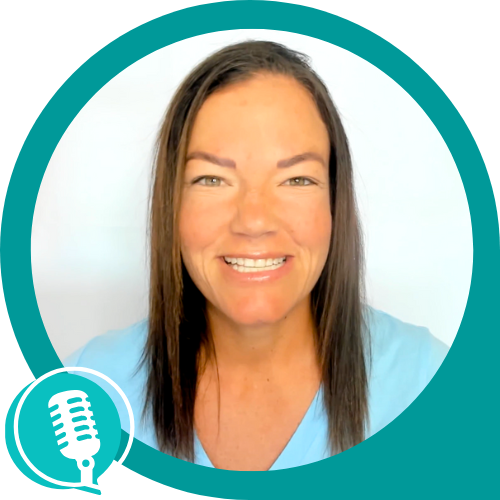
Kristi Kandel
Developer | Mentor | Co-Host of the LRED Podcast
is a real estate developer with nearly 20 years of experience and over $450M in projects across the U.S. Today, she focuses on helping locals step into development and build in their own communities.
She’s the founder of I&D Consulting, Local Real Estate Developers (LRED), and co-founder of Elevate, a community-driven sports and wellness concept.
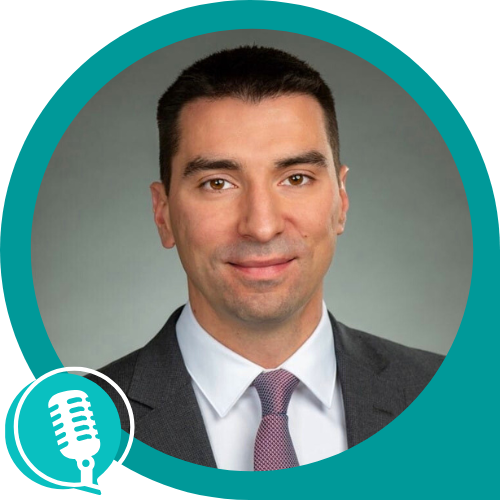
Raphael Collazo
Commercial broker | Author | Co-Host of the LRED Podcast
Raphael specializes in retail and industrial properties, bringing a problem-solving mindset from his background in engineering and software. As a commercial real estate advisor and developer based in Louisville, Kentucky, he works directly with investors, tenants, and cities, bringing a real-world view of how deals come together.
🔗 Related Episodes
Community Development Over Capital: How Rachel DesRochers Builds Where It Counts | EP #45
A powerful reminder that you don’t need perfect capital to start. You need resourcefulness, creativity, and the willingness to move.
How to Start Real Estate Development: Steph Weber Bought the Land First and Built the Plan Later | EP #41
A real look at taking your first development deal from idea to execution without having everything figured out.
Small-Scale Development: How She Left Her Corporate Career and Built a Tiny Home Village | EP #39
Another path from traditional career to building a community-driven development project.
About the Guest
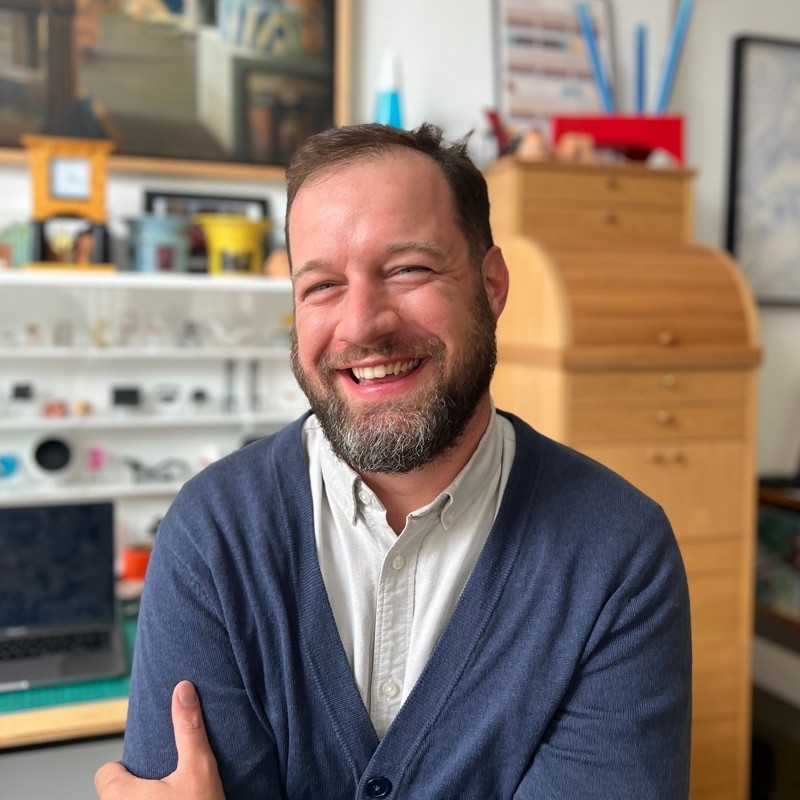
Jon Jon Wasolowski is an urban storyteller and advocate based in Chattanooga, Tennessee. He works with developers, architects, and cities to help communities better understand how development impacts their neighborhoods.
Connect with Jon Jon
📲 Instagram: https://www.instagram.com/jonjon.jpeg/
💼 LinkedIn: https://www.linkedin.com/in/jonjonweso/
Full Transcript
Raphael Collazo (00:41)
Welcome everyone to the Local Real Estate Developer Podcast. I'm your co-host, Raphael Collazo, located here in Louisville, Kentucky. I'm a commercial broker, investor, and developer. And I'm really excited to be here again with my co-host, Kristi Kandel, Developer extraordinaire. Always great to see you, Kristi.
LRED (00:57)
Yeah, great to see ya. And like you said, yep, I'm a real estate developer investor. teach locals how to become developers in their I was, you know, the other day I was going through LinkedIn and I was seeing what people are posting and I came across our guests today and I just really how the stories were being told, the information he was sharing and we reached And today I want to welcome Jon Jon Wasolowski to the show. Hey, welcome.
Jon Jon (01:15)
you
Hey, I'm excited to be here.
LRED (01:24)
And what part of the world are you coming from?
Jon Jon (01:26)
So I'm from Chattanooga, Tennessee, and it's a great market. There is a lot of energy and momentum here, but there's also that inertia that comes with change. And so it's sort of a microcosm of what's happening at scale across the country. And so I think part of what's tend to my success over the last five years is
by being able to tell the story of Chattaduca, I've been able to sort of, you know, touch on the story of the rest of America as well.
LRED (01:57)
love that. And we were talking earlier how, just from the outside of seeing what Chattanooga is doing where it's going, I think it's an excellent example that we can share with our audience to help them here's how it could apply to my community. So why don't you go ahead and give us a little bit of background on who you are and how you got to this spot.
Jon Jon (02:17)
Yeah, so a lot of times I like to start with this concept that I am an armchair urbanist. am not a developer. I am not a city planner, but I work with both of those types of people. all started with this sort of naming what I'm seeing in the built environment and someone who's always been obsessed city planning and urbanism. talked about it, but because it wasn't my career at that point,
could talk about it more freely. And I also fought to use words that were less esoteric to bring more people into the so all started really with a TikTok account that sort of blew up people started to realize like, actually care a lot about how my city is developing. And one of my missions is to bring people into the conversation before it's totally reactionary. So instead of just like,
Hey, something's changing on my block. I don't like it. Let me stop it. People to go out and advocate for the types of changes they want to see proactively. And it was from here, it was sort of introduced to this incremental development movement of small scale developers who are building out communities, you know, before the zoning lens to it, before the building permits become more permissive and thoughtful. And so,
I think my background is that by not having all these professional statuses I have to uphold, I've been able to create a message that reaches everybody. And I've also been able to speak into systems that otherwise would be threatening if my livelihood fully depended on it.
LRED (03:45)
That makes perfect sense because you're the big bad developer to the community who you're trying to share and educate and to the city. It's not like you're coming in with an agenda of I want my project to go because I need to make I love that.
Jon Jon (03:58)
sort of started you seeing what I see and talking about and also being so frustrated some of the goings on in Chattanooga where I feel like people were opposing things. I was like, no, this is to your benefit. If you want better schools, we need better tax base. If you want less
sewer runoff and water runoff issues, we need to build where there's already infrastructure. So it was like being really frustrated with individuals and being like, okay, how can I speak to them in a way that like, isn't patronizing, but then also helps them recognize what's happening. But then at the same time, realizing the only developers that were gaining ground were people with power to strong arm the system and
⁓ coming in and finding the people who were doing interesting projects, who were advocating for change at a different level so that there wouldn't be as much, you know, favoritism towards this sort of you know, jam development down your throat, regardless of the outcome or how it affects the community. And so it was in balancing these two perspectives that I found myself like showing up to city council, speaking during public comment.
It was from that perspective that my content, I feel like started to resonate with people. And that started introducing me to developers who were like, Hey, I'm doing something different, but no one seems to get it. So actually a portion of my revenue of my livelihood is actually working with architects, developers, showcasing their work, and helping the broader community understand its positive impact in these situations. Or if it's a less than ideal development.
Why and this isn't necessarily what a developer would hire me for. But one store, I like to tell it's like, hey, if this is a lesson, ideal development, what were the ideal developments that could never come to fruition in part because of the code? There's a community that is striking down condos being built in their community and they want something else. But duplexes were outlawed, know, missing middle housing was outlawed. And it's like you could only build single family homes.
Or in this case, they were seeking a zoning change to build condos. it's like, well, condos are the most affordable option right here. Like we hear that word, we think luxury, but it's like, yes, you know, these aren't cheap compared to what this community has been in the past. But really, the option was $500,000 houses, $250,000 condos or nothing because we've outlawed anything in between.
LRED (06:15)
You, yeah.
Yeah, you nailed it. I literally got a text from my brother the other day who just moved to Phoenix and he's like, yeah, think pricing for housing is cheaper than I thought. I'll go ahead and buy. And then he says, I'll buy a condo. And I'm like, ooh, for so many reasons, but it's because the condos were two to and whereas housing was the other. So yeah, that's a good point.
Raphael Collazo (06:38)
curious your background and what got you into vertical to begin Did you have a city planning background and that's kind of what got you into this role of kind of advising cities and other professionals?
Jon Jon (06:53)
Yeah, and I would say when you use the word advising, like I've come and spoke on behalf of cities or what have you. never have my hands in the weeds or the plans because they don't have any of that professional designation. For me, it actually started quite young with an obsession with architecture. And I can sort of pinpoint this moment right as I was about to go off to college where a Georgia Tech student started talking to me about this concept of new urbanism.
this wild idea that the outside of buildings influence humans as much, maybe even more than the insides because more people are interacting with that outside built environment. And at that point I thought, I'm going to school for this and I wanna do this. Well, fast forward 10 years and I didn't graduate college until I was 29. I got married pretty young and I was still obsessed with this topic but I really didn't see it as a career path. So I found myself
in more niche and niche corners of the internet in order to talk to people. So I realized like, I'm the only one here not getting paid for this. I'm talking to, to architects about finestration and, things like that. And it was like, when I started making content online, it was because I was like, I really just want to talk about these ideas and there's no places where I could sort of do that with a regular person. Well, fast forward three years and the, and in that meantime, I have,
Travel to different cities with organizations who are trying to tell the story of what they're trying to accomplish. And so in that way, I've worked with cities through these organizations like Neighborhood Evolution and Incremental Development Alliance. I've advocated for actual streetscape projects and legislation within my city and tried to mirror that to other cities. But at the end of the day, more than anything, I'm here as a storyteller trying to get
to tell their story in a relatable, actionable way. And then also to help cities see the narratives that are arising within that, you know, this, this isn't them versus our city. It's our city is never a static thing. And so how I got here really feels like I sort of like snuck in behind someone who had a key card. And then I was here and people were like, all right, might as well join us. And that's kind of what I'm doing right now.
Raphael Collazo (09:13)
That's awesome. Yeah, I know it's always interesting to hear people's perspective about how they get into what we will describe as the development space just because it is kind of a gate kept industry. And a lot of times you just don't even know of it being an option. So I appreciate the context there. One thing I'm curious about is maybe describe some of the more recent projects you've been involved in with the city or other people that you've been working with.
Jon Jon (09:43)
Yeah. I really have two areas of focus. One is like street and transit. And the other one is like, you know, city development, things like Right now within my city, you know, we're working on different things. Like we just help stair reform. And actually I'm not sure of this, of this podcast. How much should I go into explaining terms like that?
LRED (10:01)
Are you talking
like multifamily where we have to have two sets of stairs and now you go to one and then, yeah, maybe super high level on that and the importance of that because that,
Jon Jon (10:07)
Exactly. this is something I'm
Yeah, what a lot of people don't know and actually there's this document from like the New York City like building code from a public meeting in 1911 and which you're talking about that they're talking very openly about the types of people they don't want in their neighborhoods of color you know, Irish immigrants, people of color, Jews and they state that pretty clearly and then they also state way we can get this done is we can look at the types of housing that they're in.
and create a building burden so high on that type of housing that it becomes unfeasible to build that in the community. And then they start naming things like anything bigger than a triplex. Let's make it have the same sort of security standard as a high rise building. And from that legacy, we've inherited sort of this idea that every safety standard that's in place was put there with great intention and great outcome. But we start to realize like, wait a second, some of the buildings that we've inherited that can't be built today,
have remained safe in part because of technology that has to do with HVAC system and firewalls and fire response tubs and that places in Europe that don't have a lot of these standards that we have are doing just fine and have a better fire safety record than we do. So we can start to question things that have always been put up in the name of safety and one of those is stairways or points of egress. So the idea is any building four stories or higher, I think that's what it is in the state of Tennessee, you know, has
two stairwells, fire protected, and they have to be connected. every floor. So what that does is it basically turns 20 % of a building in some cases into liminal transitory space. It affects the quality of life of the build. So instead of having a skinny building in which there's light coming in from both ends, you end up building a wider building to double the units and people only have a source of light from one side. So,
Single stair reform is saying, hey, we can take fire code seriously and we can create a point of egress that makes sense. But we could also lessen the financial burden of developing these, which then can be passed on to the person buying the house. so single stair reform recently passed in Chattanooga. I think it's anywhere like five to seven stories. You can build a building with one set of stairway provided it meets certain safety codes and standards. This was something we did quietly.
There are and I say the AIA and different architects were leading this charge and at one point I was sort of being tapped in to do some public advocacy and I was like, wait a second. A lot of people don't know about this slash. aren't resisting it. What if we just let you do what you're doing and not make it a public issue? But then there's other aspects like accessory dwelling units or 80 use which are being highly resisted. They were legalized in our city, but.
LRED (12:37)
Yeah.
Jon Jon (12:51)
Some of permitting or the financials for getting a bank to loan towards it are so hard that we're needing to come up with like, hey, look, a bank is not going to loan for $200,000 structure to be built in my backyard because they don't own the property underneath it. What if we could subdivide this lot? I would still own both of my lots, but now a bank could buy my lot and give me a loan to build on it. And then now what we've just unlocked is a regular homeowner.
instead of having to have a huge equity line of credit in order to afford a building, can now double the efficiency of their lot with an ADU back are the types of things I'm working on now. As far as projects that through recently, a lot of that has had more to do with the transit and the streetscapes was Frazier Avenue in Chattanooga, Tennessee. It was a five-lane sort of
thoroughfare type of road, but it also was lined with a lot of small One side of it was really well developed because it had a pedestrian bridge that brought people from downtown across the river. the other side had a high vacancy rate. The dwell time just on the different sides of the street if you're measuring it for commercial real estate. Unfortunately, there was a tragedy that brought a need for change and
you know, developers, business owners, conserved citizens came together to right size that road and to build in additional facilities. And what has happened over the last few years has shown the direct connection between streetscapes the businesses and the real estate around them. businesses on the other side of the street had started popping up now that people feel safe to cross the street. Now that it's knocked down to two lanes, businesses on both sides, celebrate what is sometimes called a night market where
the businesses bring out tents on the sidewalk, ⁓ almost like a festival, and they hold their wares. They sell their wares on the side of the road. And they can only do that in part because they now back up to a bike lane and parking rather than rushing traffic. projects like that have helped spearhead change within the community that directly affect the business in the real estate nearby. And then the other things are more, yeah.
LRED (14:35)
Woo woo woo!
And is that for the transit
projects like you working Who's the catalyst for that? Is that the city going, why is this not working? Is it the public side saying, hey, we need this help. Like our businesses are suffering because of this, because is that more of a public works engineering standpoint of, hey, all of our roads need to be this wide and have this and this. need X wide sidewalks. And yet you guys are coming in with the human perspective going, hey, here's how a human is actually going to see and feel and walk
can make this work.
Jon Jon (15:27)
In this specific case with this road, was very much a public that was happening. So backstory, this road had federal funding to right size eight years ago, or eight years before this crash happened. the businesses were nervous about it, right? Like change, like they're surviving now, there's big change, will they survive after the change? And what's hard to convince people is like, hey, you don't get paid by wallets that drive by.
you get paid by wallets that pass through the door. And what we want to do is help wallets pass through the door. Now, when this crash happened, the momentum that was seized by the public, which was just like, no one is going to oppose this in light of this tragedy, which took the lives of multiple family members on small business Saturday, for people who are out from out of town. So it was like the hospitality industry, all of this. And so we were able to get that change, although towards the end, some businesses resisted. And then now that they've seen that it's beneficial,
There's sort of this aspect of other businesses wanting like, hey, I want what they have. And so with me, I work where the energy If there are public officials who are looking to get a win and I can represent them, I will do it. If there's a business that's looking to come into a community and help change that, I want to help them do it. There's a neighborhood in Chattanooga, East Chattanooga, that has suffered for the last four decades.
but they have this street called Glass Street that has great urban form and great potential. The challenge is they feel a threat of outside developers. So they're going to host a block party. What I want to do during that block party is create an informal charrette where I print off pictures of the empty buildings and vacant lots and put renderings on them and give people stickers to vote on the types of things they want there. And then we can start telling a story of, okay, instead of we don't want developers,
That's a threat to us. It's like, OK, now you know what you want. What kind of developer can help bring that about so?
LRED (17:19)
Right? Who can
bring that vision to That's exactly what we need. So when you come in as a developer, sometimes there's a checkbox depending on the type of project where they say, you need to have a neighborhood meeting. And most times developers will look at that and they'll groan and they'll go, it's more
But it's actually exactly what our communities need because too many times the reason we're the big bad developer is because development is happening to our communities, not with and for our communities. So having these types of meetings, having the storytelling, helping people picture and understand. this to me, this is where where AI and technology are going to be great because the 3D modeling we can bring in and there's there's so many different functions to where if you can see and touch and feel and go.
so not even just a picture, but like, and you can get into that immersive storytelling. I think we can help change, like you said, a lot of perspectives lives and communities.
Jon Jon (18:10)
And I think it's also worth noting, like not sugarcoating it, right? Like there's this apocryphal quote that I don't think is actually true where Henry Ford says something like, if I asked the people what they wanted, they would have asked for a faster horse, right? And I think there's a note to truth to that. If you come to a community who, and you say, what do you want? And they say a grocery store.
LRED (18:17)
Mm-hmm.
Jon Jon (18:34)
There's some backpedaling and education you have to do, which it says like, hey, Aldi is somewhat discount small grocery store and they will not look at coming to your street unless 25,000 cars drive by a day. It was like, so if Aldi won't do it, Publix isn't going to do it. Kroger's not going to do it. you're not going to get a grocery store But then, so you could have that sort of like talk down, like I know you want a grocery store, but you aren't going to do it.
But you can also ask thoughtful questions to the community. What happened to the last grocery store? Why did they leave? What type of grocery store do you want? And then you start you have grocery stores. You have tiendas nearby. Why aren't they serving your needs? you didn't know about them? Or like, have to get everything in one spot so you end up driving extra few miles. Those sort of conversations are hard to have because when you show up to those community meetings, you're going to have people that want something to work like
And that's a moment where I think developers can come in and say like, Hey, I'm not a magician. Here's how I can get you one step closer towards that goal. Or here's how we're going to do this here in the community. And I think that's honestly, um, you know, Raphael, what you're saying, honestly, that is where most people end up hiring me, whether I am working for, you know, an architect that, that works for developers and also does their own development. It's to come help explain to people like, Hey,
I'm not a silver bullet for all of your community's problems, but I am a rung on the ladder that has been missing for really long time, and I want to help you move up that ladder.
Raphael Collazo (20:39)
Yeah, no, and it requires someone who has different outside And I think also to having someone who can what you're describing that isn't a stakeholder in what obviously your stakeholder because you're a community member, but you're not directly tied to what the developer is trying to do. Because I think one of the challenges oftentimes with development is developers may or may not live in the community that they're trying
you know, bring something to whether that's retail development, office development, multifamily, whatever that is. so community members oftentimes feel like there's an outsider coming in that doesn't really understand our And what not all developers are the greatest. We don't have the greatest reputation when it comes to really getting in to the community, having conversations with them and seeing if there's ways to be able to create a thoughtful development on site. And so being able to have someone like yourself who has
perspective on different projects around town. You've had success in various different avenues. It helps to somewhat bridge the gap. And it doesn't mean that that chasm is always going to be bridged, because there's some times where a development is just not going to make sense, and there's going to be enough opposition to where it just can't move forward. if you can be thoughtful about the way that you approach that process, obviously that could help on the private side. And then on the city side,
You to your point, you refer to other projects or other areas of town where things have worked and try to get by in that
Jon Jon (22:07)
Yeah, and let me give you a perfect example of this. Last city council I went to a week ago, there was a developer who bought this building, Avondale Baptist Church, 10 years ago and has sat on it and done nothing.
Raphael Collazo (22:13)
Mm-hmm.
Jon Jon (22:27)
And now they want to develop it because the real estate around it has become valuable enough that it's worth developing. What they can build by right, like R1 through three is like single family homes, right? what they want to some condos and they're willing to work with the existing structure that's there to preserve the structure itself. Now, okay, let's talk about how this played out.
The particular city councilor whose district this was in is a huge NIMBY. They represent a voter block that doesn't want new housing, in part because they feel threatened about getting displaced by it. Where this develop? Yeah, yeah. So NIMBY stands for not in my backyard. And it's sort of like used to describe people who on very levels, different levels of the spectrum are resisting new specifically housing.
LRED (23:03)
Can you explain NIMBY real quick?
Jon Jon (23:18)
And the not in my backyard, think a lot of people realize isn't obstinate, evil sounding people. A lot of times it's like, I love the idea of a homeless shelter. we need affordable housing, but it doesn't make sense in our community, you know? And so it's this idea of like, you can do this, but not in my backyard. then there's some more hostile form. That's just like, in my backyard. You're not building this here. And that's kind of the community that this developer wanted to build into. So the legitimate fears of the community are there. The city counselor says, Hey, you bought this 10 years ago.
Why are you just doing it now? It's been a blight in our community for 10 years. I would rather that historical structure be torn down than see luxury condos built in my community. Now this is where the developer had a chance to come in and say, look, when I bought this community or when I bought this building, there was nothing that I could build that penciled. There's nothing that I could build that would serve the community that I could afford to do. Now there are laws that could change where I could have done something. I could have built duplexes. I could have built this up, but there's nothing I could do.
Now, for the last 10 years, I've mowed the lawn, I've boarded up the windows, which he did. Like it wasn't the biggest blight you've ever seen. And we're at a point where I can build something and save the structure. And what I've decided on is called a horizontal property regime. If destroyed this building and built homes, I could build five homes that would cost half a million dollars each. But if I do a horizontal property regime, it's going to be opportunities to split this up into smaller units that can be owned, not just rented.
And another way and these units can be can have their own walls. They can be attached. It can be a mixture of them. But if I do this, this is the cheapest possible housing that can be sold rather than rented on this property. That is a very different sort of approach than coming in and saying, can I please build 35 condos And in this case, I know I said earlier, I like to be less esoteric, but I talk about a horizontal property regime, which is the mechanism for condoing.
Building I use that in part to get away from some of the the stigma that comes with the term condo it is true. There are places in town where you can't legally split up a lot And so an architect is using using conduit asation to create smaller units, but some of these are completely freestanding They're they're small homes But couldn't do it. Otherwise unless he did a horizontal property regime in that case. Yeah
So that to me is like the opportunity of a developer to come in and say, let me tell you why I've sat on this for 10 years. And if I had done something back then, how that wouldn't have served the Or honestly, the developer could have come in with an apology first that said like, yeah, when I bought this, I didn't know what I was going to do with it. And I've been so focused on other but I want to make it right. And I want to do the best thing now. Here's why I think this is the best thing But they didn't do An attorney represented them at city council. The attorney said some
I think ignorant things really didn't great on the city councilor. And they had a moment to back off. If the developer had said, I can tell they're not going to vote my way. I want to withdraw. When you withdraw in Chattanooga, you can resubmit it anytime. But if you get denied, you have to wait a year before you resubmit anything there. And they didn't, they went straight to the vote and it was nine to nothing. They did not get what they wanted there. And what's sad is the community is going to lose that building's probably going to get bulldozed.
The property is probably going to get resold, who knows? And it might be another five, 10 years before anything gets built there.
LRED (26:35)
I see that happens so and it's sad because it could be more and you nailed it at the beginning. If they had just said, I bought it thinking I could do something, it didn't happen because so many times I'll be talking to locals and they're like, yeah, so and so has owned that lot for so long but they've never done anything. So what happens during that time is you start creating a story about that property owner in your mind and
about all of that, whereas if you just said, hey, let's figure this out together and you just came forward and were authentic and we're like, let's find a path forward.
Raphael Collazo (27:09)
Yeah, it goes to show the nuance of development too, because I think there's a lot of people out there that just think that these public meetings or these mental council meetings are just boxes to be They don't consider that this is also a political way. You have to approach it from a political standpoint too. You have to understand the needs of your community members and then have to understand what stakeholders
Jon Jon (27:09)
And-
Raphael Collazo (27:32)
are involved in the approval process and then try to find ways to be able to convey a message that allows them you know, get on your side and also conform to what we you could potentially work as far as the developments concern. You kind of threw out a term earlier that described the process of condensation that it seems like allowed you to to alleviate some of the stigma associated with condos. But that's just a change verbiage.
but it still kind of accomplishes the same goal. But that's you being strategic about the way that you approach that process. So.
Jon Jon (28:07)
Yeah.
And, and that happened, like another negative example was there's a street in Chattanooga called Northmore road, completely unsafe. If you Google Northmore road, the top hits are going to be pictures of cars in people's yard and think of like a five lane thoroughfare lined with houses, not commercial projects. And it kept widening to, to, to, to allow commuters to essentially cut through a neighborhood.
So it's not the community that needs a wider road. It's other communities that want easy access to downtown. So if you look at it for years, the community said, do something about it to the city, do something, do something. So the city goes and does a traffic study and realizes, Northmore Road doesn't need to be five lanes. We can make it three lanes. And if we made it three lanes, it would create, we could use that middle lane as a dedicated turn lane. And that dedicated turn lane alleviates a lot of the dangers and the narrowing of the lanes makes it safer. All these positive benefits.
And as a city, we don't need to maintain five lanes of asphalt. there's all these benefits that could come. But now it also creates this extra space to create bike lanes or additional parking, just a lot of extra useful space. Well, when the city came to the meeting to show it to the public, they didn't start with you asked for safety. We looked into it. Here's the safest possible road that serves the needs of this community. By the way, we have all this additional space. We're thinking maybe putting bike lanes here, but what do you want?
They said came and said, hey, we have bike lanes for you. the neighborhood said, we didn't ask for bike lanes. Get this out of here. And they got repaved as a four to five lane road. It's going to be unsafe for the next 25 years. And it's all because of that approach of like, don't come in and say, here's bike lanes. Come in and say, here's some additional space after we made the road safe. What do you want to do with it? What do you want to call it? In fact, I started campaigns locally where I say, call it anything but a bike lane.
At the end of the day, a safer road is a priority. And a lot of times you end up with extra space that you could put a bike lane there, but that's not the main reason. And to give a good example of this, let's go on the flip side. A city councilor who's no longer representing my district now was facing a situation where a neighborhood association was saying, someone wants to rezone this to build six town homes. The neighborhood rejects it. We don't want this. And the city councilor said,
who's rejecting this? Because I held a community meeting and there's a few people that showed up, but who's rejecting this? And the neighborhood association couldn't really say. So she said, I want to delay this one week. Let's talk about this next week. She then went out as a city counselor, knocked on every door for the three block radius, talking to those people and found the one person who opposed it, who was a doctor, who had some influence with the neighborhood association. Everyone else either said, I don't care or yes, I would like to see more housing here. so when she came back,
The next week, the developer basically said, look, I'm going to build four homes that are four rooms each. And the only way to make the pencil is to find college students to rent it. So you're going to have 12 college students. You're going to have 12 cars parked inside of the Or I could do six town homes that help six couples or six single individuals. And there will probably be less cars parked on the street. Which do you want? And after.
the city councilor had knocked on those doors, the community was like, we don't care. Or they were like, yeah, townhomes sound great. And the townhomes got built. Unfortunately, you don't have a lot of city councilors who are willing to first recognize this might not be the whole story and go get that story for you.
LRED (31:26)
Mm-hmm.
It just, it, yeah.
Raphael Collazo (31:30)
Yeah, that's that's commitment right there.
But that obviously has led to a positive development that's only going to benefit that community for quite some time because the benefits of an increased tax base. Now you have residents in the community that are engaging with local businesses in that community and you have this ripple effect that occurs just by putting in a little bit of extra effort as opposed to and getting some information because you're right that I'm sure the Neighborhood Association was keeping that somewhat close to the vest because they didn't want to divulge that information. But
Jon Jon (31:33)
Yeah.
Raphael Collazo (31:59)
Again, just having conversations with people and getting people on board is the way to do it.
Jon Jon (32:04)
And to give them the benefit of the doubt, a lot of times, whoever is representing that neighborhood association did show up to meetings where a lot of people opposed it. But people who either don't care or are for something probably aren't going to find childcare to show up to a middle of the day meeting, a city call, to people who are really angry and livid about it, the next door neighbor who doesn't want to hear the sounds of demolition or building for the next six months. And the other thing is,
Raphael Collazo (32:20)
Yeah.
Jon Jon (32:33)
to really drive in to people are concerned about. So for example, there's a parking lot across from my house and the developer wanted to turn it into apartments. I was the only neighbor that showed up that was for those apartments being built. And one of the things they said is increased traffic. Our is already unsafe. Our kids can't play outside. This is going to increase traffic. And I was like, wait a second. It's unsafe because of fast moving cars.
LRED (32:37)
Mm-hmm.
Jon Jon (33:01)
If there's a new preschool going in with a kid's drop-off line, that actually kind of increases safety for an hour because no one's cutting through here. There's congestion. So asking those questions of like, when you say increased traffic, are you worried about congestion and inconvenience? Are you worried about safety and cut through? Because right now our neighborhood is perfect to cut through and that's why cars are driving quick. If the neighborhood becomes something else where each side is lined with parked cars.
LRED (33:09)
Mm-hmm.
Jon Jon (33:26)
that visual narrowing slows people down. was like, there are actually our traffic calming benefits to density here. And in the case of my neighborhood, we're a really old first ring suburb that has alleyways cut between each block. I was like, we never have to worry about parking. We all can park behind our house if we wanted to. Most people don't want to. was like, but we always have that option. So there also is just this opportunity to dig ones up deeper. Hey, when you said you're afraid of traffic, are you talking about safety? Because
LRED (33:43)
Mm-hmm.
Jon Jon (33:54)
Like, this is probably going to slow people down or keep people from cutting through our neighborhood.
LRED (34:01)
Traffic and noise are the two things. And when you start getting into life that's when, yes, you have to dig deeper and go, what is the real concern? Okay, can we find a true legitimate reason to work around And like you said earlier the people who come to the hearings, I was a planning commissioner for a couple of years I made I made it to where we had to have the meetings virtually to where people could also call in and attend and do public comment from that because we were at 1 p.m.
We're in the middle of a day. So who's showing up to that 1 p.m. meeting? People who are retired, people who don't have a okay?
We were a older community, but I was like, this is BS. We need to have this. And so I actually, while I could have driven down and attended in I attended remotely because I wanted to make sure that they kept it remote so that way people who are working could actually come, could have public because we were in middle of a 30 year master plan update. I'm like, hell no, we are not excluding a big chunk of our community because they have a job and they're But yeah.
Jon Jon (34:52)
Yeah.
Raphael Collazo (34:56)
And they're going to be the members
in that community for the next 30 years.
LRED (35:00)
Right, right, and the people showing up aren't gonna be there, but they're gonna talk about the same things. And then I did find myself being a translator a lot because it was like, look guys, I live here, I care about how our community grows And yes, I'm the big bad developer, but at the same time, I can be that translator to help everyone understand and you're never gonna win everyone
but I think the more storytelling that you're doing, that's why it resonated with what you post and what you do we can see that and what's happening in Chattanooga. We can take some of those same core frameworks of arguments and use them for discussion in other communities to try and make this positive change to go, hey, just because something's always been this way, like the freaking two sets of
I guarantee you're gonna blow so many people's minds when they go, wait, are you serious? And then they might start digging more into the code. I'm a huge fan of why does the code say that? What's the reason for that? And what's funny is, not funny, but the person on the other end is like, what do you mean why? It's here. I'm like, no, dig deeper. And if you need to go talk to people who are in the background and senior engineers or plan checkers, go talk to them because I wanna know why this is here.
Jon Jon (35:51)
Mm.
LRED (36:06)
what happened to make this be put in and let's see if there's another way around. Maybe there's not, but let's at least see why.
Jon Jon (36:13)
And for me, the thing I'm most passionate about getting started here in Chattanooga is what is sometimes referred to as like an incremental development alliance. Who are the small to medium sized developers who are solving real problems, but in a silo disconnected from other people? And how can we bring them together both to advocate for each other and to advocate for each other and to just learn from each other? And I want to give you an example of this. There is an old mill.
In a neighborhood just north of mine that's been closed. It was built in the 1920s. I think it's over 200,000 square feet of building and then other buildings on the property. It's two city blocks and this small-scale developer someone who and developed like duplexes and pre-built things bought that property for a Huge environmental liabilities, know, brownfield development for sure all sorts of other things. But what she
But what she did is first she made, she balanced the books by it being owner occupied. Her and her husband had a business, they put their business there. So instead of paying rent, they're paying rent to themselves. That's helping a pencil. They had a big empty warehouse that was built out and ready to go. They rented it out to a soccer, like a indoor soccer school. And again, these weren't big rents. Like you're not looking at, you know, industrial malls where you're pulling in $400 a square foot. It was like,
We are literally just going to pay the mortgage on two city blocks by renting it ourselves, renting out to an indoor soccer company and a glass recycler. Those were like the three main tenants. and a small grocery store, Tienda. So those four tenants anchored one small warehouse on the property. And then they started closing in one at a time housing units. And I think they have now like four or five housing units. And the rental prices for that are close to rental prices for government subsidized build outs from a nonprofit developer.
So they're like crushing it, right? Like they're bringing life back to the neighborhood instead of displacing their empowering local businesses. And you would think that the city would see this and be like, okay, Brownfield remediation dollars, we're prioritizing you. Well, instead the next phase of development, she's a friend of mine now, Anca, was like, we got to tie in the sewer. And there is no tie in on this side of the block. The city is going to have to bring in sewer all the way up the street, totally repave the street.
it's going to cost $100,000 for us to tie into the sewer. The plumber she was working with was like, hey, you have it on the other side of this property. Give yourself an easement, tie into that street. The city doesn't have to rip up the street and it'll cost $25,000. You will save $75,000 if you do this. In the process and title or what have you, the city saw what she was doing as like sneaky or like you're trying to save money. You, know, big, and she was like,
I'm trying to save all of us, buddy. She's like, I'm still tying into the city sewer system. I'm trying to keep from disrupting businesses on the street. And what's crazy is she made it work, but there were other developers in the past who probably had to abandon the project because they couldn't afford to tie into the sewer or who probably couldn't.
provide the product the neighborhood wanted because now their price point was so high because of the overhead. And so this incremental development alliance, this idea of a network of developers within a city could one, see that and learn about that for their project that says, wait, I have something on the other side of town. Maybe I should give myself an easement and tie into a more feasible sewer line. Or they could be thinking, you know what? I'm going to show up at city council for you, or I'm to show up to the zoning commission for you and you're going to do the same for me. Or I'm going to get, I'm going to email on your behalf.
LRED (39:27)
Mm-hmm.
Jon Jon (39:38)
And I think this is what a lot of cities need because right now you know, you could see it as a robber or a vagrant working in the dark or you could see it as like and a lot of times a legitimate Robin Hood who's tried to do something like yes, they're skirting the edge of what's legal or what's allowed but they're doing so in order to provide a great product for the city and I don't want to glorify
Or say there are no bad developers, because literally that developer last week in city council that was talking about earlier, I don't think had the community's interest in mind and it came through. And I think that more developers need to work in this space together to help each other's projects pencil and work out.
LRED (40:13)
you
It's literally why we started local real estate developers, the community, the podcast to help people get into development on and to also then bring us together to go, hey, you're not doing it alone in Texas or Chattanooga or Tahoe or we can do this because we do have a lot of fragmented components. And if we pull things together, like the Alliance, like Strong Towns, Small Town, like Strong Nation, like all of stuff.
I think we can help pull together and that's the ultimate goal of this is how do we bring this all together to where we go, okay, cool, and we're sharing the little stories like, yeah, this thing called an easement could get you to that line and there's nothing in the code that says no and it's just a matter of educating and explaining.
Love everything you're doing with all of You did mention earlier that you yourself might be in the future getting into some projects in your community. Do you want to share a little bit about what your goals in the next five, 10 years of what you think? Hey, here's how I want to do it as well.
Jon Jon (41:20)
Yeah. So very early on, I sort of said, I'm not a developer. I represent a lot of developers, but that attitude in my mind is changing because as I've come into contact with small scale incremental developers, I realized like, Hey, sometimes it's, it's weird that we only have one term that communicates a wide swath of people. If you're a homeowner that builds a backyard cottage that you then rent out, you're technically a landlord.
But you have more in common with your tenant than you do with a big, you know, Nashville based, property manager who manages 20,000 doors. And so in the same way I've like, I've, I've sort of the shoot this, this label of developer, but I'm coming to embrace it as like, am in the, I am a small scale developer. So I own a, a town home outside of the home that I own here in Chattanooga in a different state. And I'm in the process of selling that to start what.
small scale developers sometimes refer to their farm or their ecosystem to start investing in my community. And my ideal is to 1031 exchange it, start small and try to get something here where can offer multiple units of housing. And I want to tell that story as I'm going through it to show the roadblocks I'm running into and educate people like, hey, subsidized housing for cars or parking minimums are keeping me from building affordable housing in my community.
so, so yeah, that I I'm starting this journey as a developer where I want to build on a small scale. If I can't do that 10 31 exchange, I'm then going to start pursuing an accessory dwelling unit in my backyard. to also showcase how, you know, adding density doesn't necessarily look different. Like I can recognize the historical sort of structures that we have around our neighborhood and make it fit right in with that.
Raphael Collazo (43:08)
Yeah, that's And also too, to your point, inspires others to consider taking on their development project, no matter how big or how small. since you've had such a lot of experience on the policy side and engaging with the community and also the people who are hopefully you inspire them advocate on behalf of smaller developers as opposed to just focusing in on the people who are bringing in
300 unit apartment complexes and large retailer of hospitality developments. Because I feel like a lot of times the city understandably will focus their dollars towards projects that will be a big headline or supposedly have a huge impact on the community. But in reality, it's a lot of it's not necessarily going to be affecting a broad base of the community. It really focuses in on areas of town that already have a lot of investment.
the goal with what we were trying to do with this podcast is to inspire people to just take on those small projects in their community. And over time, block by block, things begin to change.
Jon Jon (44:12)
Exactly, and I one of the hardest things to is realize like how pervasive these problems and how let me let me give you another example specifically for my neighborhood right A small developer bought bought an old building needed to be renovated and say old manufacturing and there.
architect came and showed them a parking lot that was going to cost them a quarter of a million dollars. It was going to create impermeable space on 30 % of the property. And their idea was if we're going to get people to come to this whole building, we also need to make an outside that's cool and habitable. And it was almost like a public park, like green space. You could enter with trees and whatever. And this, and this was totally against it. So I remember the developer, this was his first big project. He came to me and said, what can we do instead of this? I was like, look, I'm not a professional, but I think some of our local laws that have changed, you can get this parking lot a lot smaller.
And if you had it gravel, smaller and gravel, it would be cheaper for you. So you could invest more in the greenscaping. It would be in it would be a permeable space or more permeable than asphalt. So we have less strain on our sewer system. And if you ever wanted to build in the future, you're a lot more likely if it's allowed to do it where you have gravel than where you put down asphalt. All these things made sense. And he said, OK, how do I do a asphalt parking lot? And I was like, I don't know. This brewery did it. Let's go talk to them.
And when they went to the city, the city was like, yeah, you can't do it. You have to do asphalt and you have to do it this big. He met with someone on the zoning commission who actually knew more than architects said, said, here's how you could get it smaller. And then when he went to submit it, the day he went to submit it, the person there said, if these are your goals, we can get it this small, but why don't we also make it gravel?
And he was like, are you kidding me? The city told me I couldn't do it. Gravel, the city told me I couldn't do it. He's like, oh, no, if the if the skirt is concrete, if the if you have a concrete path getting to it and if you have handicap paths or handicap spots that are concrete, the rest can be gravel. And it was sort of this institutional confusion and knowledge that's being lost because cities lose people in the building and permitting department who are interpreting things weird ways. All of those things.
are a bump for a large developer, you know, who just says, okay, I'll just wait it out a month. I'll pay an extra lawyer fee. I'll figure this out. That's a on their development, but it is catastrophic to someone who is working with a thin margin, who is placing what to them is a big bet on this And what's sad we were a week away from getting what was essentially just going to be a black tarmac across half of this property. Now it's trees.
LRED (46:49)
Mm-hmm.
Jon Jon (46:51)
a kids play area, an outdoor screen that they do videos and movie nights and people that can like literally walk their dog there without even stepping foot into the business. It's so much more delightful and it was tenuous. It almost didn't So you're right. It's like these small scale developers provide so but little pinpricks throughout the community rather than one big sort of like cornerstone park or something like that.
LRED (47:12)
Mm-hmm.
I love this and these are the stories that we need to get out there. So just being able to share this, who knows what other light bulbs or things are gonna go. So thank you so much for coming on today. If people wanna connect with you, support you, follow on your journey, what's the best ways for them to get in touch?
Jon Jon (47:31)
Yeah, you can. You can look up the happy urbanist on whatever platform you prefer. So Instagram, tick You'll you'll find my handle I also a sub stack a weekly newsletter and that content seems to be a little bit So yeah, reach out direct message me if you have any opportunities where you want me to come and speak to your community or look at developments and make videos about what you're working That's kind of what I do full time on the money side of things when I'm not.
doing advocacy stuff.
Raphael Collazo (47:59)
That's amazing. Well, Jon, Jon, we really appreciate your time. And we're really excited to hear the feedback from the audience regarding this episode. I think there's been a lot of insight shared. And yeah, I think we're going to have a good feedback. For those of you guys who watching on YouTube, please like and subscribe. It makes a huge impact on our ability to reach a broader audience. And we obviously greatly appreciate the support.
Along with that, if you guys like this channel and you like this podcast, please leave a five star review on all platforms, Apple Podcasts or Spotify. The more people that can engage with this podcast, then the more people can hopefully get inspired to take on their first real estate development project. So thanks again so much for tuning in, and we'll see you all next time.
Get the tools behind the episode
Access the Developer Vault with templates and real resources
©2025 I&D Consulting. All Rights Reserved.
©2025 Local Real Estate Developers. All Rights Reserved.