How Real Estate Deals Actually Come Together Behind the Scenes with Kristi & Raphael | EP #46
Real estate development, deal flow, and how relationships and timing create real momentum
The deal you’ve been chasing might not be stuck.
It might just be waiting on the right moment or the right message.
This episode is a real-time look at what development actually feels like behind the scenes.
Kristi and Raphael share live updates from their own projects, including tenant negotiations, land deals, and the moments where things finally start to move after months of uncertainty.
If you are working on your first or next deal, this is the reality check you need. Development is not linear, but it is predictable if you stay in the game long enough.



Get the tools behind the episode
Access the Developer Vault with templates and real resources
Episode Summary
Most people see development as a straight path. Find a deal, close, build, and profit. But in reality, it looks nothing like that.
In this episode, Kristi and Raphael pull back the curtain and walk through what is actually happening inside their current deals in real time. The delays, the uncertainty, and the moments where everything suddenly clicks.
Raphael shares the full journey of a mixed-use building in Louisville that took nearly two years to stabilize. It started with putting the property under contract at $600,000 with a tenant contingency, backing out when a tenant did not materialize, then renegotiating and ultimately closing at $450,000.
From there, the work really began. Finding tenants, structuring deals, and managing the timeline. The first tenant came through an existing relationship. The second, a national pharmacy, came through a local broker connection and moved from first conversation to signed lease in under two weeks.
What stands out is not just the deal itself, but how it came together. Strong broker relationships. Understanding what tenants need. Being ready to move when alignment shows up. It is not luck. It is preparation meeting timing.
On Kristi’s side, the story looks completely different but follows the same pattern.
After more than 200 days of searching for land for Elevate, progress had slowed. Deals were not moving. Conversations stalled. It felt like nothing was happening.
Then one email changed everything.
A simple outreach to a property owner led to a meeting within 24 hours, followed by a full proposal, and ultimately alignment on a 100-acre site with the potential to move faster than expected.
The key was not the email itself. It was everything that came before it. The vision. The consistency. The willingness to keep showing up even when nothing was guaranteed.
Both stories highlight the same truth. Deals do not move in a straight line. They stall. They pivot. They take longer than expected. Then suddenly, with the right alignment, they accelerate.
This episode also shows how to think beyond a single deal. Raphael is layering tenants, exploring multiple uses, and structuring optionality. Kristi is thinking in phases, activating land with minimal capital, and using proof of concept to unlock larger opportunities.
The takeaway is simple. Momentum is built over time, not in a single moment. But you have to stay in the game long enough to experience it.
What You'll Learn
- How to negotiate and restructure deals when initial plans fall through
- Why broker relationships drive real deal flow
- How timing and alignment accelerate opportunities
- Strategies to activate land with little to no capital
- How to turn one deal into multiple future opportunities
Bold Truth
The deal is rarely the hard part. Staying in it long enough is.
Timestamps
0:00 — Intro
https://youtu.be/DdMuMvPwm3M?t=0
1:07 — Project updates overview
https://youtu.be/DdMuMvPwm3M?t=67
3:19 — National tenant strategy
https://youtu.be/DdMuMvPwm3M?t=199
5:23 — Timeline from purchase to tenants
https://youtu.be/DdMuMvPwm3M?t=323
7:30 — Negotiating purchase price
https://youtu.be/DdMuMvPwm3M?t=450
9:28 — Landing a national tenant fast
https://youtu.be/DdMuMvPwm3M?t=568
12:38 — Elevate land search process
https://youtu.be/DdMuMvPwm3M?t=758
14:17 — The email that changed everything
https://youtu.be/DdMuMvPwm3M?t=857
17:22 — Building credibility in public
https://youtu.be/DdMuMvPwm3M?t=1042
20:34 — Activating land with low capital
https://youtu.be/DdMuMvPwm3M?t=1234
22:46 — Proof of concept strategy
https://youtu.be/DdMuMvPwm3M?t=1366
23:08 — Developer meetup announcement
https://youtu.be/DdMuMvPwm3M?t=1388
25:22 — Why in-person community matters
https://youtu.be/DdMuMvPwm3M?t=1522
26:21 — Building a developer network
https://youtu.be/DdMuMvPwm3M?t=1581
Meet the Voices Behind the Mic
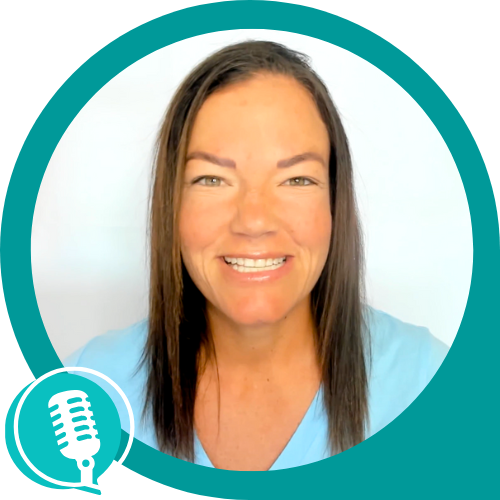
Kristi Kandel
Developer | Mentor | Co-Host of the LRED Podcast
Kristi is a real estate developer with nearly 20 years of experience and over $450M in projects across the U.S. Today, she focuses on helping locals step into development and build in their own communities.
She’s the founder of I&D Consulting, Local Real Estate Developers (LRED), and co-founder of Elevate, a community-driven sports and wellness concept.
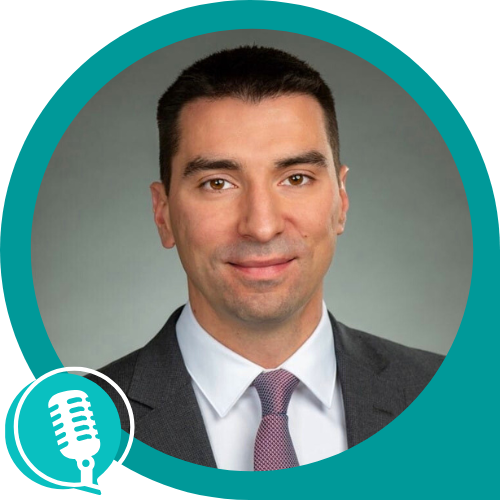
Raphael Collazo
Commercial broker | Author | Co-Host of the LRED Podcast
Raphael specializes in retail and industrial properties, bringing a problem-solving mindset from his background in engineering and software. As a commercial real estate advisor and developer based in Louisville, Kentucky, he works directly with investors, tenants, and cities, bringing a real-world view of how deals come together.
🔗 Related Episodes
Community Development Over Capital: How Rachel DesRochers Builds Where It Counts | EP #45
A powerful reminder that you don’t need perfect capital to start. You need resourcefulness, creativity, and the willingness to move.
How to Start Real Estate Development: Steph Weber Bought the Land First and Built the Plan Later | EP #41
A real look at taking your first development deal from idea to execution without having everything figured out.
Small-Scale Development: How She Left Her Corporate Career and Built a Tiny Home Village | EP #39
Another path from traditional career to building a community-driven development project.
About the Guest
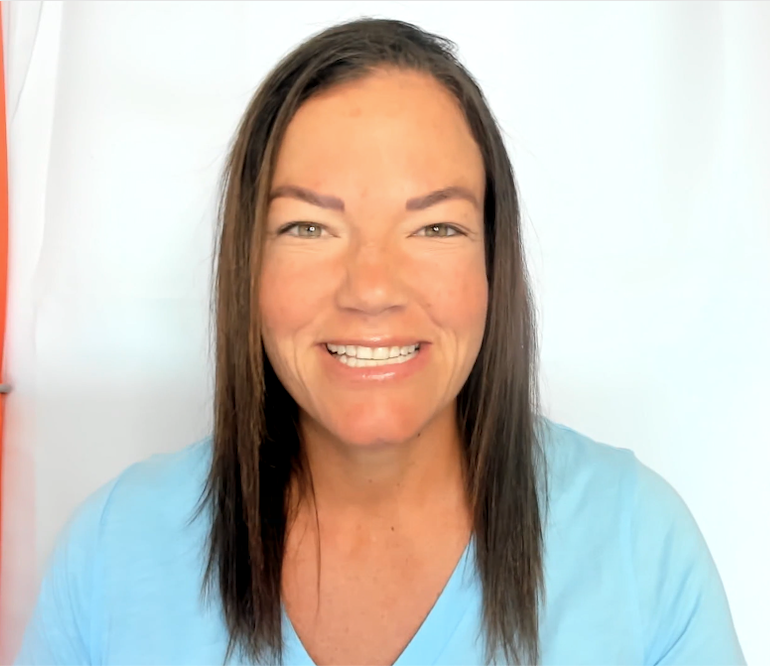
Kristi Kandel is a real estate developer behind $450M+ in projects across the U.S., from retail rollouts to clean energy, housing, and now community-led wellness destinations. She’s the founder of I&D Consulting and Local Real Estate Developers (LRED) and the co-founder of Elevate, a community-driven sports and wellness destination built with friends and locals who share her belief that belonging shouldn’t be rare. Through her work, Kristi is creating the playbook for communities everywhere to build places that bring people together.
Connect with Kristi
Full Transcript
Raphael Collazo (00:41)
Welcome to the local real estate developer podcast. I'm your co-host, Raphael Collazo, located here in Louisville, Kentucky. I'm a commercial broker, investor, and real estate developer. And I'm excited to be here with my co-host, Kristi Kandel, real estate developer extraordinaire. Always great to see you.
LRED (00:57)
Yeah, great to see you. Yep. I'm a real estate developer investor and I teach locals how to do development in their community. And today we're going to do a solo or a duo episode to kind of catch up on our projects and stuff. So first, how's your world going up there?
Raphael Collazo (01:07)
Mm-hmm.
Great, great. Everything's going really well. As of actually today, we have signed a second tenant at our project on 706 East Broadway, which was great. So we're in the midst of going through the update, the renovation or the build out of one of the halves of the first floor for an existing tenant. And we just signed a lease with actually a national pharmacy. So that's pretty
LRED (01:23)
Thank you!
Raphael Collazo (01:38)
exciting. And they're we're gonna meeting with their architect on site on Friday to kind of go over specs. And the hope is, is that we can maybe convince them to kind of use us as as contractors to essentially streamline the process because if they start at their own at their own pace, obviously, it's going to take a little bit longer for them to get the build out done. And they are on a kind of a compressed timeline. So they'd like to try to get going as soon as possible. So that could be a good opportunity for us to
not only obviously benefit from having a brand new tenant on site that they're going to handle the entire build out. We don't have to pay anything. But we could also make potentially make a little bit on top of that just from handling the build out of the space. So pretty pumped about that. It was a good good good news on our part regarding that. And then yeah, other than that, I've got two other projects. I know you've we toured a few of the ones that we had we have over in Shelby Park, which is a growing part of town and
you know, the building that we own that has a Cuban bakery has been doing really well. It's fully stabilized. We got a 10 in the back that we signed about two months ago. And so that's been really good. And then the two buildings that we own on South Shelby Street that will eventually make into a larger retail development. We're actually working through an insurance claim on one of the buildings. Unfortunately, it caught fire back in November, and we're working on finalizing the claim there. And hopefully, we can demo that structure and turn that into a
parking area and then we're we already are talking with contractors and architects about the front half of building right next door to do some form of retail or restaurant so a lot of moving pieces but it's a lot of fun.
LRED (03:07)
on.
That's awesome. I love hearing and seeing these updates and I can't wait to see the second tenant get in to the first one. Have you guys figured out what you want to do with the second floor yet?
Raphael Collazo (03:19)
Yeah, I mean, well, one of the good interesting things that came about when it came to the the the national pharmacy that we're dealt with, they requested a right of first refusal on the upstairs. And so we're working right now to determine how we want to best proceed. Likely would be apartments if we decide to go on to do that upstairs. As you know, we're less than half a mile away from the hospital system downtown. So the most logical
LRED (03:40)
Mm-hmm.
Raphael Collazo (03:44)
use would be midterm rentals for nursing. Because I mean, you could literally walk from this building to the hospitals downtown. There's also a bus line right across the street. So if you didn't want to walk, you could just hop across the street, hop on the bus and you're there in less than five minutes. So that kind of makes the most sense when it comes to highest and best use. But the way we've written it within the lease agreement is that once we decide what we want to do with the upstairs,
we have to offer it to that national tenant. And if they decide to take it at the terms that we've described, then they take it and they do what they want with it. I think it's kind of a win-win situation.
LRED (04:17)
Yeah. Yeah, exactly. Like you've
got a great backup plan of like, if this works, yeah, yeah. I love having multiple options because you could always in the future, if they took it, you can do apartments later too.
Raphael Collazo (04:29)
Yeah,
I mean, the only way that we would allow them to, I mean, not allow them, but the only way that we would agree to terms with them is if they took it as is and then they did the work themselves instead of us having to build out something custom for them, which, again, it seems like they have an appetite for doing that just because they agreed to terms with us where they were taking on the entire build out. So, yeah.
LRED (04:51)
Love it, love it, that's exciting news.
Raphael Collazo (04:52)
Yeah.
yeah. I know. was pretty pumped about it. And obviously, it's a work in progress. And we always talk about how these types of adaptive reuse projects can be time intensive and also capital intensive. we've had to come out of pocket on this for the last few months. But you see the light at the end of the tunnel here pretty soon.
LRED (05:14)
And then, can you maybe just break down again, just generally, when did you buy it? When did you get the first tenant? When did you get the second? Just to help people understand, okay, it's a process.
Raphael Collazo (05:23)
Absolutely. we actually, this particular building, it was about two years in the making. So we, I had sold the building two doors down from this building to a large Domino's franchisee that's a client of mine. And so I was already somewhat familiar with the area. And then a good buddy of mine who owns electrical contracting business had been eyeing this building for quite, quite a while as well. And we just started talking about it and you know, we said, okay, well,
you know, let's see if we can make a run at this thing. And at the time, I came in as a broker, essentially, not necessarily as a partner. And we put the building under contract at $600,000 with a contingency to only close if we found a tenant. I went through that process, weren't able to find the tenant that fit the space, backed out of the agreement. And then a few days later, the owner contacted us and said, hey, you know, at what price would you guys be willing to close in the building?
We came back at 400, they counted at 500, and we settled at 450, and that's what we ended up buying the building for. My business partner and I came to an agreement, came in 50-50 together, and then we went about trying to find a tenant once we closed in the building. It took us about a month to find the first tenant just because I had already been working with a tenant that had already been kind of looking in that vicinity. Took them by the space, they kind of fell in love with it, and we were able to work out an arrangement to where we handled the build out for them for a half of the first floor.
And then they had a strategic partner that we had talked to a little bit who was actually, interestingly enough, another pharmacy, we were going back and forth with them. But unfortunately, I guess the contract that they received for a local kind of group required them to maintain a footprint on their foot in their facility and not necessarily ours. So we weren't able to come to terms with them. And up until I would say, three weeks ago is when we started engaging with this national firm that was actually brought to us by a
local broker, which is what's so important is to maintain really strong relationships with local brokers, because you just never know where that tenants going to come come about. And it was a local call years broker. They had an assignment out of Ohio, Columbus, that they were working on together. And it just so happened that we kind of fit all checked all the boxes for this particular national pharmacy brand. They wanted to be in close proximity to Lumed, which is the downtown area. They want they needed parking in the brewer, which we have plenty of.
The bus stop is literally across the street. So that was another check mark for them. And yeah, I mean, the zoning supported what they were trying to do. And it was just kind of a match made in heaven and ended up working out and they wanted to move quickly. So literally from initial conversation to sign lease was just under just about two weeks, which is unheard of. mean, you're talking a pretty aggressive timeline. So we're happy. And they and they're building out the space.
Which is even better because I don't have to, I mean, we gave them two months of free rent, but during that two month period, they're paying all operating expenses. So they're still having to pay taxes, insurance and everything, which will help float the space for a few months. And then it's off to the races. So.
LRED (08:18)
That's awesome. That's how you know when there's alignment and it just falls into place and it doesn't have to be complicated. doesn't have to. And especially with a national tenant because sometimes they can be notorious for being hard to negotiate with. the fact, but they also are very clear on what they want and need. that's, yeah, that's incredible.
Raphael Collazo (08:29)
Mm-hmm.
It was great. And obviously this is the first time I've dealt with a national tenant as an owner. I've dealt with different types of national tenants in the past in a tenant rep capacity and a landlord rep capacity. So I understand some of the things that, some of the check boxes they have to check, which helped as far as the negotiation process. I think with us too, the fact that their timeline is so compressed probably helped our cause because they didn't push back on almost anything, which usually these nationals will...
LRED (08:40)
Yeah. Yeah.
Mm-hmm.
Mm-hmm.
Raphael Collazo (09:02)
send it off their team of attorneys, and then you get a document back that looks like it's been attacked. Yeah, it's been bludgeoned to death by these teams of attorneys, which understandably, they got to protect their interests. in this case, it was literally like two items, and it was very minimal. So we ended up getting it wrapped up pretty quickly. So yeah. Yeah, so we're pumped about that. And obviously, you've got a lot of good news as well. And we know we were talking a little bit offline about the
LRED (09:07)
That's bloody.
awesome.
Raphael Collazo (09:28)
the updates that you've had so if you don't mind sharing it I think that'd be awesome.
LRED (09:32)
Yeah, so we've been working for what the past 200 days on finding a site for Elevate Southwest Florida and then also St. Pete. And to be honest with everything that we have stacked up in St. Pete, I really thought we would be landing that site first. And then very similar to how your national tenant came in, the stars aligned and things have been moving really quickly on a location in Southwest Florida for us that it's, the alignment is crazy and the speed at which it's moving is awesome.
But initially we said for Elevate Southwest Florida, we wanted to get a phase one open by September of 26. And to be honest, when we go through like commercial real estate in December and January, we kind of stall. And there's like four weeks where everything just kind of grinds to a halt. People are moving slower, things aren't happening. And there was a little bit of like, huh, is this gonna happen? Like there's no traction, there's no movement.
But then all of sudden things started to pick up again. let's see, probably three weeks ago, we reached out to the property owner of a site that we had wanted to work with, but we had seen that they proposed a similar development about six months ago. So we'd never bothered to reach out and engage them. And then finally we're like, look, they're in a prime location. They're exactly where we want to be. The worst that can happen is they say no, but let's just introduce ourselves, say, hey, we're doing a similar concept too.
We know you guys are doing it, but do you just want to talk? Literally, I send that at 4 p.m. on a Monday, at 10 a.m. on a Tuesday. They've responded and said, let's set up a meeting. We meet on Thursday and it's one of those like, like you actually could be interested in us to where the property is big enough. It's like 100 acres. So they could do all the projects that they're proposing. And they said, hey, there's synergy. We like you guys. Give us a proposal of what you want to do and come back to us.
So I think it took another week and we sent them a full package to say, here's all of Elevate because sports and wellness community destinations. like ultimately it's 10 to 15 acres and it's gonna be a five to six year development process. we sent them over, hey, here's the whole soup to nuts, not just the phase one that we kind of talked about. And they were a little bit blown away like, wow, this is a complete and thorough package and a massive development which
once you account for parking and drainage, that was another eight acres just gone. So we're probably up to 20 to 25 acres at this point. But yeah, when I saw how big the drainage and the parking would take, was like, so we need about double what we initially told you. But we sent it to them and they could see the vision, they could see the concept, they knew that they were in a prime location. So they're like, yep, let's keep talking. So.
my week's all running together. think then the very next week we had another meeting and that's where we just, we hashed out all the terms, the phases, the concept and came to an agreement that yeah, we're going to move forward with a phase one that can open by this summer, to be honest, based on their existing infrastructure. So we're going to beat the September timeline. And then with a path as we hit milestones and metrics and raise capital and
that we're all good partners, that we can get to a phase two and a phase three and put it all on the site.
Raphael Collazo (12:38)
That's amazing. Well, it's funny that you say, you thought that they would not have an interest. And I think it's Beth Azor who said, don't say no for the prospect. Because you just never know. I mean, you never know what situation they may be in. You never know what other conversations had stemmed recently that could potentially have shifted the perspective. So it's one of those things where if you're OK with potentially facing rejection, I think.
LRED (12:43)
Mm-hmm.
Mm-hmm.
Raphael Collazo (13:39)
It's only, and to your point, it's a little bit, what's the worst they're gonna say? Say no and then that's it. It's not like they're gonna beat you with a bat or something if you ask. It's not that.
LRED (13:49)
Right. And they were ironically,
the day I sent the email, they were about to make a significant change to their business plan that they said, hold on, time out. Let's see what this group has to say to where they were ready to make a change. We showed up at just the right time. They paused and we're just, you know, it's and it's all relationship building. It's just reaching out and seeing, are we the right fit? Does this all work? But yeah, not being scared that what's the worst that happens now? And to be honest,
Raphael Collazo (14:00)
Mm-hmm.
LRED (14:17)
with what this can and will be and what their future plans are. So they're also developers and property owners and they have plans for what they want to do and scale. And there's a whole lot of synergy. So of course my brain is always going, hey, how do we scale this? What do we do next? So just thinking how the future collaborations could go well beyond just this property and all sorts of different development realms. It's like, okay.
We might not have just opened a door. We might've bust through a whole wall of opportunities.
Raphael Collazo (14:44)
Yeah,
absolutely. And you could very well potentially, you potentially could work with them on other projects in the future if you're able to kind of do what you're going to plan to do on this particular development. mean, 100 % right. mean, real estate's a team sport. And you need to have the right strategic partners to be able to achieve what the ultimate goal is. And I think that's, you kind of evidenced by the fact that you've been able to do what you've done to this point. And I also kind of reinforced the idea that
LRED (15:04)
Mm-hmm.
Raphael Collazo (15:11)
I think the fact that you have put yourself out there like you have over the last couple of years has probably lended to that as well. Because if no one knows who you are and no one knows what you're doing, then it's really hard for people to kind of determine whether or not you're valid at what you're trying to accomplish. But you've been documenting the progress of Elevate the last however many days. I don't know what date you're on at this point. There you go. So you've been doing it for seven or eight months.
LRED (15:18)
Mm-hmm.
I mean, it's...
200 something. ⁓
Raphael Collazo (15:38)
pretty easy for them just see, okay, well, who's this Kristi Kandel lady? And then they start going down a rabbit hole. And they're like, wait, she's been doing all these developments. She's got a big community of people that she's been dealing with and been, you know, inspiring people in these different projects around the country. You know, she's got a presence on Instagram, I started going through some of these updates of her elevate development, she sees the progress that you've been making, and they can determine that you're an executer, you're going to be actually moving to me moving the goal.
the goal as much as you can to get the job done. So I kind of reinforce the idea that not only is it good to create these plans, but it's good to let people know about what you're doing. ⁓
LRED (16:08)
Mm-hmm.
Yep.
Building in public, it's so true. it's like you said, there's, we've had a lot of people who come along and they get my development experience. get that, but they also see this crazy big, like 140 million, five to six year development, need 20 to 25 acres. That's a crazy project. You're not going to have that many opportunities to find the right dirt. And so they go, well, that's great that you've done all this, but you're trying to create something that doesn't exist. It's going to be hard as hell and really complex.
I want to believe in you, but let's see it. So now that we've got a handful, we've got a bunch of people on the sidelines and the minute we were able to say, hey, we've got a site and it's here. Now all of a sudden the traction is getting thicker to where it's like, okay, now the introductions they could make for us, they're starting to make. So it's just gonna steamroll from there. Cause now it's like, boom, this is here. the minute that we, which in the next, probably by the time this is out, we'll announce where it's at. But.
That then is going to just help all of next month when I'm in St. Pete to where it's like, yeah, we do have a location. Here's where it's at and this is what it looks like. To then partly open doors up there to where they go, this is real, this is legit. Like it's hard, but they're gonna do it.
Raphael Collazo (17:22)
Mm-hmm.
That's amazing. part of the, and you know, I mean, we'd have to go into the details here, because I know it's still very preliminary. But would this involve capital raising to take on some of the early phases? Because as you described a little bit offline is that the good thing about this type of sporting complex is you can phase this out pretty easily. maybe the.
LRED (17:43)
Mm-hmm.
Raphael Collazo (17:45)
initial capital investment is somewhat minimal, just so you can start activating the site a little bit and maybe put in some soccer fields or football and ball courts or something that's a little bit less intensive when it comes to setting it up. And then you can start generating some revenue. And then eventually, you've shown proof of concept. And now it becomes easier to raise for the next phase. So I'm kind of curious to hear your thought there.
LRED (17:54)
Mm-hmm.
Yep. Exactly. the,
be able to get this, so part of what is existing is they have the components of our phase one and phase three that are already there, that they're more than willing to have us come in and add some additional activation and programming to help, to, to bring the whole property to life. So what we'll end up doing is we'll build four beach volleyball courts. We'll have four soccer fields. We'll add in bars outside at all the different
stations so that way you can work food and beverage throughout the property. We can leverage their existing land to do pop-up events for wellness events, community, different community events that we can do and since it's all there and none of that requires capital, it requires time and programming. So there's a lot of work that we can do in sweat equity that we can do to to activate that and then we'll have like an Elevate Insider Pass where we can use components of what's already there. So they already have golf simulators, they already have
a giant awesome outdoor putt putt. already have outdoor pickleball courts and we can include that into a monthly pass to where it's like, cool, you can have access to all of this. So it's a very collaborative approach with the property owner on the first phase. It's a very low capital outlay. So it's still to be determined, do we just go ahead and pay it the little bit that it is? Do they cover it and we do some kind of rev share? But from that standpoint, that's why we can get activated by June.
And then from there, what we'll be doing concurrently in the background is we're actually getting some 3D modeling done to where we have, you'll be able to fly through and see the indoor, inside and outside of all buildings and structures of the future phases once it's done. Because we keep saying sports and wellness, community destination, what the hell does that mean? What does that look like? So we're putting together and it's the level of detail and quality is pretty incredible for what they'll be able to deliver, but.
We'll have that by the opening this summer and we can play it and we can share it with different investors. We can share it with different property owners, but show this is the wellness building and inside here is every room, here is every component. This is what it feels like. Here's the indoor sports. And then that way that will help open more doors for everyone too and help the community see what's here and get to that capital raise point. So the next phase will be most likely the wellness center and the
the indoor sports and then hopefully also the food park. And then once we have that exact phase defined, then we'll be able to do the actual capital raise, which that one will be significant. It'll probably be somewhere around 20 to 40 million. And we'll do that as we're going through the entitlement process.
Raphael Collazo (20:34)
Great. Yeah, I I love it. And as we've talked about many times on this podcast is sometimes not expending a lot of capital, but finding ways to activate a site such that it can give you leverage for future development. In your case, you've got an opportunity to have a minimal capital outlay, whether that's you guys cover it or the existing landowner covers it.
doesn't matter because you're essentially going to create a base proof of concept as to what whether or not the subscription model can work in on a small scale. And if you've got let's say you'd set it up and you've got people beaten down the door to try to be part of it and hey, we ran on memberships, we have 150 memberships and they're all gone. And we have a list of 50 people or 100 people. And we really haven't even marketed that much. So got imagine what we can do if we have this whole larger development now creates proof of concept, which makes it easier for you to raise money.
And then you also have to think about the banks because something like this is kind of a unique concept. And a lot of banks are inherently risk averse. So if you don't really have a proof of concept, the likelihood of them providing that capital outlay without some serious either down payment or personal guarantee. And in this case, it may be easier with your strategic partner. Maybe. I don't know. But you reduce the friction, which is what you're trying to do in development.
LRED (21:44)
Mm-hmm.
And we can take their current baselines of here's what you did, we activated this so we can, we'll have tangible stats to prove how much we've increased that. And then another component that I've been meeting with different groups on is this is a community destination. This is to better people's lives and wellbeing. So a part of this is going to include research from the beginning just to track the health and happiness metrics because that too will then pull into,
give us, you know, there's grants and incentives and things that are out there. And we can, one, show how the tax dollars are staying within the community. can show how we've increased that, but then also show, hey, this is how it's helping your community from the health and happiness standpoint and the impact. So that's all stuff we're doing in conjunction with the proof of concept of showing here's how the numbers work, but here's the other backup incentives and details.
Raphael Collazo (22:46)
That's great. No, I love it. And I'm really excited to continue to follow along with what you got going on there. along with the updates that we have, mean, one of the things that we'd to update you guys on as well is we are in the midst of planning an event. Actually, I think we've kind of finalized dates prior to this podcast. So if you want to share a little bit about it, Christie, that'd great.
LRED (23:08)
Yeah, so we want to each year host a local developer meetup. So anyone who is interested in coming and being a part of it, the first year we're going to, we'll do it in Louisville. And we've landed on the dates of August 27th through the 29th and something like fly in, we'll do some kind of happy hour get together, meet the people who are coming in. And then Friday, do some programming with some speakers, have the local developers there and tour some sites. And then maybe Saturday, do a
do some kind of breakfast wrap up. And then if people wanna stay the weekend and explore the city, they can, but the goal is to let's get the people who are doing local development and who want to get into local development in the same room. Let's start building those relationships, connections, start building the community around that. So when we do go back home to our different cities, we know we have a network of people that we can talk to and bounce things off of.
Raphael Collazo (23:57)
Absolutely. I think getting people together physically is a really good opportunity for us to, number one, learn from each other. Because I'm a big believer that you always have something to learn. And if we can get all the people together that have listened to this podcast, that we can start talking about the different projects that you all are working on, some of the challenges you're facing. Maybe you find someone in the room that has faced a similar challenge that can help you overcome whatever challenge you're facing.
Maybe you get inspired by some other projects that have been going on in their local market. And again, I can't tell you how many times I've just been stuck on a problem. And all of sudden, I go down the YouTube rabbit hole and find someone doing something similar in another market. I'm like, wow, that's really cool. I didn't even think about how that could be thought through. And obviously, that positively impacts the way that I approach whatever problem I'm facing. And to Kristi's point, obviously, what we'll be hosting in Louisville, I'm
local to Louisville. you know, obviously, we'll try to make something, the experience that's unique to the people that are coming to visit. And then also make sure that you guys have a chance to explore some of the the sights and sounds that Louisville has to offer because it's a really cool city. There's a lot of development activity happening in different parts of town. And I'm looking forward to trying to see if we can get you guys into different types of projects, whether that's smaller projects to midsize projects to larger projects. Got a decent site, decent network here locally to be able to
enable you guys to see all wide range of different things. So it should be a really cool event.
LRED (25:22)
Yeah.
And we'll be posting about it. So shoot us emails, respond on Instagram and LinkedIn, and just tell us what you'd like to see from that, what you're looking for. And if we can do it, we'll try and make it happen. Because ultimately, this is to empower everyone to have deeper connections in community and to go further on your projects and maybe go from your first one or two to go, hey, I want to take on three and four now. Or maybe I find a partner at this conference and now I'm...
going off and we're doing a deal together.
Raphael Collazo (25:51)
Yeah, yeah, it's fostering a community really, because, you know, we, think we're stronger together. So if we were able to get more and more people that think like, like minded people to think, and we make this into a regular thing, which the goal is to try to make this into at a minimum an annual thing, but maybe biannual depending on, you know, the demand that we receive from from this, you know, the goal would be to continue to foster that environment and hopefully inspire more and more people to take on projects in their in their neck of the woods. So
Yeah, we're really excited about it. think it's going to be really good event.
LRED (26:21)
Awesome. Well, great connecting with you today. And I look forward to getting more details out to everyone and just continuing to do the pod because it stays my one of my favorite times of the week.
Raphael Collazo (26:33)
Yeah, I know. I'm really looking forward to continuing to grow this community. I think we've gotten a lot of feedback from people that's been positive. You know, the hope is with this podcast, we continue to inspire people to take on commercial real estate and really all types of development projects in their local market because with small projects add up to massive results over time. So really hoping that you guys continue on with that and looking forward to share more and more information as the days progress towards the event.
Christie, it was always great to see you. Really excited about following along with the Elevate Project. And obviously you've hit a big milestone, but I'm sure there's going to be a lot more big milestones to be hit. And so we're excited to follow along. For those of you guys who are watching, please like and subscribe. It makes a huge impact on our ability to reach a broader audience. And we greatly appreciate the support. Along with that, if you guys are listening to us in a podcast format, whether that's Apple Podcasts or Spotify, please, please, please leave a five star review.
The more people that listen to the podcast and engage with us, hopefully the more people are inspired to take on their first real estate development project. So thanks again so much for tuning in, and we'll see you all next time.
Get the tools behind the episode
Access the Developer Vault with templates and real resources
©2025 I&D Consulting. All Rights Reserved.
©2025 Local Real Estate Developers. All Rights Reserved.