From L.A. Materialism to Nashville Purpose: Meg Aubale’s Mission to Redefine Development | EP #28
Real estate development, investor-owned condo strategy, and building wealth with more meaning and less ego
What if success in development is not about building more, but building with more intention?
Meg Aubale shares what changed when money stopped being the goal and purpose became the filter.
Meg Aubale joins Kristi and Raphael for a conversation about what happens after the hustle starts working. After building hundreds of millions in real estate, Meg realized money alone was never going to be enough. What mattered more was freedom, purpose, and creating places people actually wanted to live in.
In this episode, she breaks down how she got started in Nashville with no deep local network, how she learned development by doing it under pressure, and why niche asset classes like condos gave her an edge. She also shares how cold outreach, capital relationships, and staying lean helped her scale.
This episode is for aspiring developers who want to build something real without chasing every shiny object. It is especially valuable for anyone trying to raise capital, find their niche, or build a business that actually aligns with how they want to live.



Get the tools behind the episode
Access the Developer Vault with templates and real resources
Episode Summary
Meg Aubale did not get into development through some perfect master plan. She got there the way a lot of real developers do, by stepping into a problem and figuring it out before she was fully ready.
After college, Meg started in California working for a high-end home contractor in the Beverly Hills area. That experience taught her how buildings come together and gave her a front-row seat to wealth at the highest level. But it also taught her something deeper. A lot of the people who had the most money were deeply unhappy. That lesson stayed with her. It reshaped how she thought about success long before she had built any real scale of her own.
When she moved to Nashville, she first tried high-end residential. It did not work the way it had in California. The market was different, the demand was different, and after a stressful first year, she realized she needed to pivot. That shift led her into commercial development and, eventually, condos.
Her first big project came from spotting a riverfront lot near downtown Nashville that locals were overlooking. She partnered with an older developer, helped figure out the finance side, and then found herself in the middle of a project that was not working. The design was too expensive, the structure was inefficient, and the bank would not lend on it. So Meg took it over, redesigned it, increased the unit count, switched the building type, and pushed it forward. She says it plainly. She became a developer out of necessity.
That project turned out well, and it gave her a foundation to keep going. From there, she stacked experience, relationships, and credibility. She cold-called investors. She followed up relentlessly. She kept her company lean. She learned how to structure deals, raise equity, and build in a way that fit the market rather than copying what everyone else was doing.
One of the most valuable insights in this episode is Meg’s point about niche asset classes. Condos were harder, but they were also more underserved. That gave her room to create something distinct. Today, that thinking has evolved into The Modernist, a flexible condo model that blends ownership, travel, and cash flow in a more investor-friendly way. It is a response to how people actually want to live now.
But underneath all of it is the deeper lesson. Meg is clear that ambition without meaning becomes empty fast. Financial success can create freedom, but it does not create fulfillment on its own. The developers who last are the ones who know why they are building in the first place.
What You'll Learn
- How Meg transitioned from high-end residential into commercial development
- Why niche asset classes can create outsized opportunity
- How she raised equity through cold outreach and persistent follow-up
- Why lean teams often outperform bloated developer organizations
- How purpose changes the way you choose projects and partners
- What The Modernist model solves for today’s investor and traveler
Bold Truth
If wealth is the only goal, development will eventually feel empty.
Timestamps
0:00 — Intro
https://youtu.be/E4MXjT4I0o8?t=0
0:56 — Meg’s Start in California
https://youtu.be/E4MXjT4I0o8?t=56
3:47 — Why High-End Residential Did Not Work in Nashville
https://youtu.be/E4MXjT4I0o8?t=227
5:47 — Becoming a Developer Out of Necessity
https://youtu.be/E4MXjT4I0o8?t=347
7:28 — Why Condos Became Her Niche
https://youtu.be/E4MXjT4I0o8?t=448
10:17 — The Next Project and Market Timing
https://youtu.be/E4MXjT4I0o8?t=617
11:32 — Opportunity Zones and Institutional Capital
https://youtu.be/E4MXjT4I0o8?t=692
15:25 — Managing Multiple Projects at Once
https://youtu.be/E4MXjT4I0o8?t=925
19:21 — Her First Hire
https://youtu.be/E4MXjT4I0o8?t=1161
20:41 — Why Lean Teams Work Better
https://youtu.be/E4MXjT4I0o8?t=1241
22:33 — Systems, Asana, and Weekly Project Reviews
https://youtu.be/E4MXjT4I0o8?t=1353
24:47 — Cold Calling Investors and Raising Equity
https://youtu.be/E4MXjT4I0o8?t=1487
28:24 — What Keeps Meg Motivated
https://youtu.be/E4MXjT4I0o8?t=1704
31:20 — Why Money Alone Is Not Enough
https://youtu.be/E4MXjT4I0o8?t=1880
33:54 — Commodity Development vs Building With Meaning
https://youtu.be/E4MXjT4I0o8?t=2034
35:25 — Advice for New Developers
https://youtu.be/E4MXjT4I0o8?t=2125
37:37 — The Modernist and What She Is Building Next
https://youtu.be/E4MXjT4I0o8?t=2257
41:19 — How The Modernist Model Works
https://youtu.be/E4MXjT4I0o8?t=2479
44:31 — Where to Follow Meg
https://youtu.be/E4MXjT4I0o8?t=2671
Meet the Voices Behind the Mic
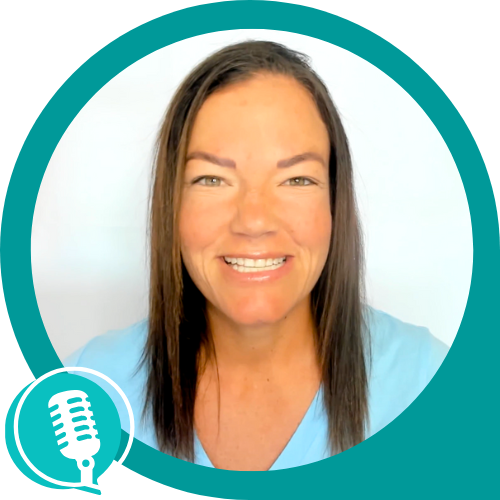
Kristi Kandel
Developer | Mentor | Co-Host of the LRED Podcast
Kristi is a real estate developer with nearly 20 years of experience and over $450M in projects across the U.S. Today, she focuses on helping locals step into development and build in their own communities.
She’s the founder of I&D Consulting, Local Real Estate Developers (LRED), and co-founder of Elevate, a community-driven sports and wellness concept.
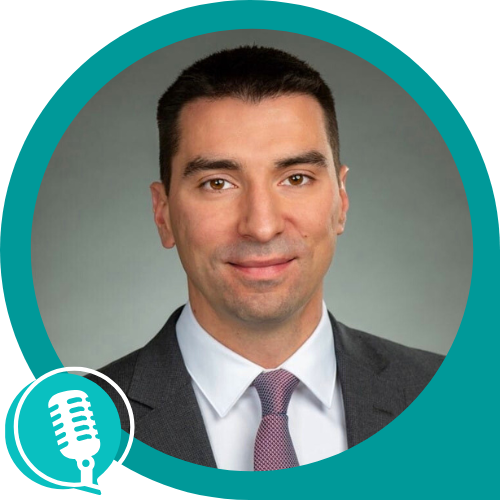
Raphael Collazo
Commercial broker | Author | Co-Host of the LRED Podcast
Raphael specializes in retail and industrial properties, bringing a problem-solving mindset from his background in engineering and software. As a commercial real estate advisor and developer based in Louisville, Kentucky, he works directly with investors, tenants, and cities, bringing a real-world view of how deals come together.
🔗 Related Episodes
Community Development Over Capital: How Rachel DesRochers Builds Where It Counts | EP #45
A powerful reminder that you don’t need perfect capital to start. You need resourcefulness, creativity, and the willingness to move.
How to Start Real Estate Development: Steph Weber Bought the Land First and Built the Plan Later | EP #41
A real look at taking your first development deal from idea to execution without having everything figured out.
Small-Scale Development: How She Left Her Corporate Career and Built a Tiny Home Village | EP #39
Another path from traditional career to building a community-driven development project.
About the Guest
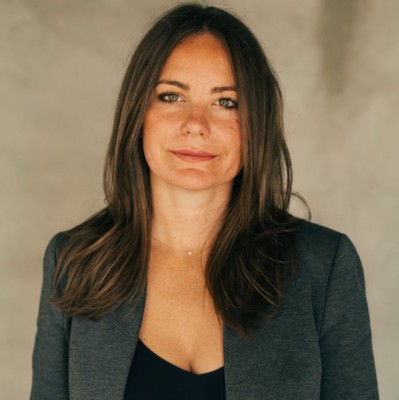
Meg Aubale is the founder and CEO of CA South, a Nashville-based real estate development and investment firm. She has led projects across condos, industrial, multifamily, and mixed-use, and is now focused on scaling investor-owned flexible living spaces through The Modernist.
Connect with Meg
💼 LinkedIn: https://www.linkedin.com/in/megepstein/
Full Transcript
Raphael Collazo (00:00)
Welcome to the Local Real Estate Developer Podcast. I'm your co-host, Raphael Collazo, located here in Louisville, Kentucky. And I'm here with my co-host, Kristi Kandel, and she's located in Florida. Excited to see you as always.
Kristi Kandel (00:12)
Hey, hey, good afternoon. Yeah, I'm Kristi Kandel. I am a real estate developer investor and I teach locals how to become developers in their own community. And today we have a guest on that when I heard her story, I was like, this sounds very similar to mine and my path and then what you've gotten into after the start has been incredible. today I just want to welcome Meg Aubale to the show.
Meg Aubale (00:34)
Thank you for having me.
Kristi Kandel (00:35)
Yeah, we just as we get started to kind of introduce to our audience. So we are focusing on getting people who are either in their first developments or maybe they're a broker or a contractor, they're just on the verge of going, you know what, maybe let me try and do this myself. So maybe give us some background on who you are and where you started.
Meg Aubale (00:56)
Sure. I actually started in California after college. was doing, working for a very high end home contractor in like Beverly Hills area, which was near my campus and went to go work for him and really learned kind of how to build things. And when I moved to Nashville, there wasn't any high end homes here that were kind of of the scale I was doing.
So then I went out my own and did branched into more commercial development. And so I focus on, I've done apartments, condos, and industrial in Nashville. We've done a couple, about 350 million now, mostly with institutional type investors.
Kristi Kandel (01:40)
Right on. And are you from California? Is that how you got into that? Or was that, how did that start?
Meg Aubale (01:45)
Yeah,
I'm from California. But I moved to Nashville. I followed my husband here.
Kristi Kandel (01:51)
And did you know like getting in with
Right on, right on. Go ahead.
Raphael Collazo (01:54)
Well, yeah, there's
a lot of growth in Nashville. So, I it seems like you kind of got in. I don't know when you moved to Nashville, you know, I moved to Louisville back in 2017. I actually went to high school and college out in Arizona. So I have a lot of buddies in California, Dallas, know, a lot of major metro areas. And it seems like with Nashville, particularly, it's been like a 10 or 15 year evolution because the people that I talked to here in Louisville about what Nashville was back in like the late 90s, it was a completely different.
place. And so now you're talking about one of the major growth metros in the country. So it's pretty, pretty exciting to be able to be in a market like that, where there's cranes literally everywhere. I remember reading an article about how at one point during COVID that like 60% of like the big massive cranes that you know, there's only a certain amount of those pieces of equipment in the country, like a good percentage of those were in Nashville at one time. So it's pretty, pretty cool.
That's awesome. so regarding that, so you had some experience in Beverly Hills doing some likely some really cool and awesome projects, then you ended up moving to Nashville, saw there was a gap in what was available as far as the work you'd been doing before and kind of started to dive in. What was the first project that you identified and kind of walk us through what the thought process was with that?
What was. what did you end up getting done at that particular site?
So just out of curiosity, one of the things we like to kind of highlight is the first projects that people take on when they decide to get into real estate development. You kind of described your experiences in Beverly Hills and having some experience being kind of in a company that was doing some really high-end development and obviously moving to Nashville and deciding to want to jump in yourself. What were some of the first projects you took on and...
know, know maybe you started maybe on the residential side, but then got eventually into the commercial side. So maybe we can talk about that transition as well.
Meg (03:47)
Mm-hmm. So I basically started when I got to Nashville doing high-end residential, but it just wasn't anything like my California experience. You know, I could sell a home in wine country for $10 million in a week. And I got to Nashville and a million dollar home traded maybe every six months. So I basically broke even on my and I just wasted tons of.
work and energy for a year on and tons of stress, you know, starting my company here, just to barely get out alive my first year of marriage. So that was really fun entrepreneurial start to my company. And then I basically decided, okay, well, I got to figure out commercial then because this residential, you know, space is not really here.
And I just saw a For Sale My Owner sign that was a riverfront lot that was about 10 blocks from Broadway, which is basically like our Vegas strip in Nashville. locals didn't see the appeal because they were like, why would you want to be on the water? And I'm like, why wouldn't you want to be on the water? I kind of have this outsider's perspective and basically just partnered with another developer who was an older gentleman that had designed a project.
I basically, you know, kind of figured out the finance side of it, but then we got very stalled over the course of a year or so. I basically, he basically let me take it over because I was very worried about the money we had invested. And I didn't know anything about development, but I was like, I realized that we couldn't, the bank wouldn't give us any debt for, for how we had designed the project. It was just going to be too expensive. It was too inefficient. was like 25 units.
and a concrete structure, which isn't great. So we ended up pushing up the amount of units and doing a wood frame structure. So I had to redesign the whole thing and scrap all the plans and everything, but it really took me kind of rolling up my sleeves to figure it out. Otherwise, money that I had raised from people was gonna be lost. So it was sort of out of necessity that I became a developer. never really intended to be an actual developer.
Raphael Collazo (05:47)
Yeah. Well, I mean, that's great that you were able to kind of see that some gap needed to be filled and you had to step in and learn. And I think that's really the only way you can learn development. I mean, I feel like, and I'm just now getting started in it myself. I've had a couple of small adaptive reuse projects we were taking on right now. And I don't have a construction background, although I did have an engineering background in the software space, but it didn't, doesn't help me at all in.
actual construction. so even dealing with contractors and architects and engineers and learning about how all these pieces fit together and you having to maintain communication with all these parties to ensure that the project continues to move forward. mean, that's just stuff you have to learn by experience. you know, I think that that was probably a, you know, although a stressful experience, I'm sure it was probably a pretty rewarding one. And do you guys still own that property by chance or did you guys end up exiting and putting that into
Meg (06:23)
right.
Thanks.
So that was
another aspect was, so I just didn't know really anything. Like I didn't know that if I was gonna be raising capital, I probably should have made sure there was debt terms, like things like that. Like I just had no idea, right? But no, the second thing was that it was a condo project, which is probably the hardest thing you can develop. So that's how I started and that's why.
When I do industrial and everything else, I think it's like the easiest thing ever because I started with this like riverfront, you know, really difficult condo parcel that ended up being super successful. But it took so much to get it there, you know, and so much time and extra hurdles like jumping through a thousand hurdles to get it across the line. So, so unfortunately, no, I wish I would have kept a unit or two because they trade a lot higher than what I sold them for. that's
kind of everything in Nashville.
Raphael Collazo (07:28)
Yeah. Well, and two, you were describing condos. mean, obviously condos on the West coast are huge. I know here in Louisville, condos aren't really a big thing. So I don't know if in Nashville, that was the case back when you were taking on that project. But I remember I had a friend of mine out here that was looking to do a condo development and we were just doing the math and trying to figure it out. just like, man, it's just the affordability piece is just, you can get a house for something, you know, for a condo price for a brand new condo build. so.
Meg (07:30)
One, two, two.
you need that. ⁓
Raphael Collazo (07:58)
It was a lot of times it just doesn't make sense in our market. So
it's one of those things where sometimes the development has to fit whatever the market can bear. So I don't know if that was the case for you as well, or if because it was a waterfront property, you know, relatively close proximity to Broadway, if it was able to kind of make that work.
Meg (08:04)
Thank you.
Yes, I mean, it was a trend that I saw happening. There were, it's still very light on condos. I mean, you talk about all those cranes in the sky, you know, maybe one is a condo crane and 25 are apartments, right? Not anymore, but you know, in the last cycle. So that was kind of one of my reasons for it was because when I moved to Nashville, I was, you know, from, I was living in San Francisco. I lived in LA, I lived in New York and
Raphael Collazo (08:25)
Mm-hmm.
Hmm.
Meg (08:42)
I didn't see anywhere cool to live in a kind of an urban infill setting and there just weren't a lot of things to purchase. And I knew that Nashville was gonna be, I didn't wanna pay rent because it was gonna be an up and coming place. I think I bought my first condo in Nashville was $159,000 when I first moved there. My first condo that when I met my husband and even our first marriage, when we first got married was like,
Raphael Collazo (09:02)
Yeah.
Meg (09:12)
a couple hundred thousand dollars, and I was really cool 20 foot ceiling loft. I just didn't see a lot of options and that's kind of what has always been my thesis and continues to be, which is funny because I've kind of gone back to where I started. I've done a lot of things in the last decade on the commercial real estate development side, but I've really, after this last cycle, gone back to where I started and really leaned into the condos because I found that undersupplied asset classes and niche asset classes are really where
I've made the biggest, you know, the most profit. So if you can figure it out and you're really focused on something and you have your niche, doesn't have, you know, mean, people, there's a million different niches in real estate, there's cold storage and, you know, a bunch of random things, but whatever your specialty is, mine, I guess, is condo. So that's kind of, it's kind of how I got started and where I am focused now.
Raphael Collazo (10:03)
That's great.
Kristi Kandel (10:04)
Right
on. So after that you did that project. Now you're like, wait, now I've got into development. How did you go from there to saying, okay, I want to go into my next thing and my next step? Because clearly you stayed in development. So what was that next step like?
Meg (10:17)
The next step was another project that was happening kind of simultaneously because that one took a long time to finish. I had to basically take out my partner, redesign the whole thing, re-engineer it, re-entitle it. And so simultaneously, I'd gotten into another development. Also condos, very similar product type, same architect, same contractor. And that one was, again, just very successful. It was in an area called the Gulch, which is ⁓
Raphael Collazo (10:45)
Hmm.
Meg (10:46)
like, you know, the neighborhood in Nashville that's super expensive now. But at the time, you know, the locals thought I was like this California girl crazy coming in and buying land that was like $4 million or something that's probably 20 million now. but I did another project sort of at the same time. And that one also was really great market timing and went well. And then when I first transitioned to like true institutional capital was when the opportunities on legislation came out.
And there were lot of more like private equity funds looking for investment in Nashville. And I did an opportunity zone project, which is basically like just, it was just like a condo project, same construction type as just you're holding it for 10 years and renting it out instead of selling the unit. So that was kind of how I got more into the institutional space.
Raphael Collazo (11:32)
That's awesome. So do you and maybe we can elaborate a little bit on opportunity zones because those are ones that have just been reestablished or they were already in place with the 2017 legislation and now they've just been kind of reestablished. And I know they're going to be redrawing the maps here in 26. But just kind of curious if you could share a little bit of insight regarding the opportunity zone concept. And then, yeah, I think that would be great because I'm assuming what you're doing now is you have an opportunity zone fund and you have
OZ businesses that you've, you you're investing in with all these different developments or is that how you're approaching the process or is it just the asset specific?
Meg (12:08)
No, I mean, I'm just, I'm the developer. basically
cold called a lot of Opportunity Zone funds to invest in my developments after 2018. yeah, so basic idea of Opportunity Zone is that you're investing, doubling your basis in an area. I'm spent, you know, I buy some land for $7 million. I'm going to spend 30 million building in an apartment building.
Raphael Collazo (12:19)
⁓ okay.
Meg (12:36)
on that land and then it'll, you hold it for 10 years, meaning you're investing in the area that needs invest, you know, I suppose it's meant to be like areas that need, that are kind of suffering more in a city region that want investment, you know, that are like needing to, you know, have development come in and help the area and help the neighborhood.
The problem in Nashville are kind of why it got so skewed, I think, is because it was based on the 2010, I believe, census tract. And by the time that it came out in 18, we're talking about locations that are like the hottest areas in Nashville, because all the cool, hip neighborhoods were like old industrial neighborhoods or whatever. And these were the places where everybody wants to have a old factory turned into an antique shop or something. And so it just kind of very quickly...
Raphael Collazo (13:10)
Yeah.
Meg (13:29)
It was very, the Opportunity Zones in Nashville happened to be placed in like a lot of the urban core. So it's very advantageous. There's one right by my office. I bought my project, my office in an Opportunity Zone. Hermes just opened up down the street. Soho house is open. It's just not really, you know, it's not really the purpose of it, but for Nashville, you know, it definitely, I'm sure spurred a lot of, you know, investment. Like Hines did a big project.
in opportunity zones and it just, yeah, it's a nice bipartisan business approach to getting development to occur, which obviously helps the local community and provides jobs and yeah, those type of things.
Raphael Collazo (14:09)
Definitely. Yeah. And to your point regarding the OZ areas, it's similar here in Louisville. I there's parts of town that were designated as OZ tracks that are the hotspots to invest. So you have these large developers coming in and obviously doing hospitality developments, residential projects, mixed use commercial developments. ultimately it has the intended effect of investment. I think with this new legislation in particular, I think they're
to be redrawing some of the lines based on more up-to-date data, and then they're going to focus in on more, not necessarily rural areas, but areas that are just a little bit less populated. So it'll be interesting to see the impact of that legislation when it comes to investment in those areas.
Meg (14:47)
Mm-hmm.
Thank
Mm-hmm. Yeah.
Raphael Collazo (14:56)
So you talked about a few things there that I'd love to unpack a little bit more. So you were taking on two projects at once. I guess that's a question I have, this is something that, you know, because we're always constantly getting into stuff. Like, how do you manage keeping a lot of these plates in the air and then also making sure you can build the right partnerships to ensure success on these projects? Because I'm assuming, you know,
Meg (15:06)
and that's a question I can answer, so it's not going to...
There's not.
Thank you.
Raphael Collazo (15:22)
not every project is going to be the same as another.
Meg (15:25)
Well, it was just me in the beginning. mean, I for the first couple of years, I just worked a lot. mean, you I'm an entrepreneur, my husband's an entrepreneur. We both worked like 80 hour weeks for the first eight years or six, six, seven, years. You know, I mean, it's just I worked a lot. really liked my work. But, you know, I couldn't really afford to pay. I didn't really take like
Kristi Kandel (15:40)
you
Meg (15:53)
I mean, maybe I had a bit of a developer fee, but it was just sort of like a break. know, my fees relative to my costs were relatively break even to be honest, until many years later. I think it's, you know, and I bootstrapped it and take on any debt or investors at my company level or anything. The way I was able to do, I mean, most of the biggest question I get is, you know, you didn't have any money, you didn't have any connections. How did you?
Kristi Kandel (16:02)
Mm-hmm.
Meg (16:21)
get $20 million, $30 million projects out of the ground. That's usually the big conundrum. And really how I did that was my cold call equity. First of all, I had no idea that most people need to put in 10% of the equity check, right? So if you're doing, now I do $100 million project. There's, you know, I'm gonna take on 60 million in bank debt. I mean, I need 40 million in equity. I would have to come up with 4 million.
Kristi Kandel (16:22)
Mm-hmm.
Meg (16:50)
that's a normal project for me now. I had no idea that that was what was occurring then. And it was sort of like, maybe if I had known that, I wouldn't even tried, but I just had no idea about anything. And I just would go on Google and there was no Trout GBT or anything. And I would just kind of be like pitching people and calling people. And literally they cold called the public REIT and got tons of investment in Nashville. It took years, but.
Private equity funds. My first investor was a private equity fund and more like an individual, but he had a fund of a bunch of high net worth group. He had a fund that believed in Nashville and I called him maybe 10 times and we still are partners. I talked to him every week. I mean, we've done six, seven deals together, but he was my first investor and I just told him my story. I told him the project. was like right on the brink of Nashville becoming.
Like you could tell, you know, no one knew what it would become, but you could tell it was a really great investment. And I had tons of room in my first project in terms of underwriting. And so he just was like, I don't really care that you don't have money. I'm going to take a really favorable deal for me, but you're going to do all the work. And you know, if there's ever a problem that was arranged so that he could step in and take it over, cause I hadn't done it before technically, right. But there wasn't, and it was a total home run.
Raphael Collazo (18:05)
Mm-hmm.
Meg (18:08)
I ended up making more money than he did on that project, which we still kind of laugh about, but because he just basically gave himself a really high hurdle, you know, and then he was like, you can have whatever after I make, you know, a 35 IRR or something crazy. And it just ended up being great timing and there was nothing really like it in the market. And it was just kind of sort of start there, which, like I said, was a combination of a lot of hard work, but also just luck and timing in the market and Nashville being the darling investment market it is.
Um, was a great plate, you know, foothold to start other projects and do other things. So was able to kind of grow a lot more quickly than I think most, cause it wasn't like I had to do one project and then wait until it was done, which can take four or five years and then do another one. So I've done probably, probably round tripped 11 or 12 projects now, like I said, about a couple hundred million. And, um, it was cause I was doing them simultaneously and growing and raising capital, you know, it's just doing a lot, but.
Kristi Kandel (18:50)
Mm-hmm.
Raphael Collazo (18:52)
Mm-hmm. Yeah.
Meg (19:07)
I didn't hire my first employee for a couple of years. And then just only really hired when I could have the fees to afford it, you know?
Raphael Collazo (19:17)
And what was the first hire was it was the first hire just out of curiosity.
Kristi Kandel (19:17)
Yeah, I mean.
Meg (19:21)
General Counsel.
Raphael Collazo (19:22)
General counsel. Wow.
Meg (19:24)
COO,
like a COO type role. But you know, what I realize now is I've had, and this is a whole other podcast topic is, you know, employees and a company and everything. I've had 20, over 20 employees with tons of overhead, which is really tough as a developer, because this is a developer podcast, but you'll know is in the market changes and your projects change, your needs change. And as a developer, you can get by with a lot lighter load.
I learned by just using consultants and outsourcing a lot more and using, frankly, using AI now and things like that. really, later in my company, like I said, we grew to so many people and I had all these developments going and that kind of developer fee burn and churn model is really a grind and really not, I'm much, much happier and I make a lot more now.
by keeping a really, really lean, high caliber team and focusing on just the right projects and not having to do a bunch of projects to kind of keep the hamster wheel going. like I said, it's a whole other topic of lessons learned, but we're a lot leaner now and I'm much happier and it's a lot more profitable and just a lot easier to navigate.
Kristi Kandel (20:41)
Yeah, that you just dropped so many amazing nuggets that I just want to highlight a couple of those. it's, mean, even on that last one with employees and team members and constantly needing more projects to keep that going. you know, I just went through that myself to where we had built these, these engines for these different streams. And then one massive clean energy one just poof and overnight. Great. Eight people. There's literally no work for you anymore.
So I get to tell you, hey, you don't have a job anymore because there's no more money coming in. And with developers being so cyclical in projects, you're right. And I think if we were to get lost chasing after so many deals to keep that engine going and focusing on that fee, we're probably not doing deals that are in the best interest of our investors. I'm also a huge fan of keeping a lean machine. There are consultants that are in the field for a reason.
Meg (21:08)
Right.
Exactly.
Kristi Kandel (21:35)
and you can lean on your architects or your engineers or whomever that point person in the market is who understands the city and how to navigate and you can pay them more to be a project manager and be part of your team for that project on a per project basis or other consultants. So that definitely is huge. And then as far as the 60 to 80 hour weeks at the start, 100 % you just, because they're...
Meg (21:58)
It's.
Kristi Kandel (22:00)
Development, like you said, it takes three to five years to go full cycle on a project as a developer. You might get a little bit of that fee, but you really get paid on the end when you either exit or you refinance and then that's where the money comes in. So you have to be able to make that go. So having that lean machine also fully agree with you on that part. From an organization standpoint of how you just kept everything, know notoriously in our industry, it's emails and spreadsheets.
for tracking, did you come up with your own system of ways of how you manage your deals, your investors, consultants and all of that?
Meg (22:33)
Yeah, have, we do have a, mean, a sauna is where we really track each project and we can walk through, you know, Monday morning, we go through every project, we have a template that we built over the last 10 years of now we know, you know, we know that these thousand things have to happen from the time you identify a site to the time that you sell it, right. And it takes like five years. So they're all listed in the sauna. And
We just load that template when a new project starts and work through it over the course of years. And every Monday morning we go through every project and make sure that all the things are happening that need to be happening. And beyond that, everybody I have now is extremely self-starting and knows their job. And so beyond that Monday morning meeting, like I'm not really micromanaging or, you we see, you can easily see, I mean, once a project
You know, it's heavily me and my finance guy until it breaks ground. And then it's heavily, you know, it's basically up to the GC and my chief development officer to get it on time and budget, which is really easy to navigate every single month when they turn in the job requests, you know, is the budget changed as the schedule changed. so once you have systems in place, it's a lot more streamlined. And yeah, we're using AI for underwriting research, building our pipeline. We're using it for.
some legal aspects and organization, but very organized, very paperless. I don't really need to be in the office anymore, that sort of thing.
Kristi Kandel (24:06)
Yeah, I totally agree. use, it's just like a sauna and same thing as you. Like each project has all these projects and sub projects. It's like, boom, you take it through. doesn't matter who's working on it and you got it. And then the last thing I wanted to go back and highlight is the fact that you just started cold calling people. You're like, I got to raise capital. I got to find those connections. I'm just going to start reaching out and start talking to people. And so many times before people want to get started and want to become a developer, they're like, I got to know it all. I got to have these connections. I got to do that.
Raphael Collazo (24:21)
Mm-hmm.
Kristi Kandel (24:35)
Jump in sometimes. Sometimes just jump in and don't stop until you get to the point that you were able to move a deal forward and just be persistent and just figure it out as you go because nobody has all the answers.
Meg (24:47)
Exactly.
I think that's probably the only way, I mean, it really is the only way to be a true developer. It's a sort of this career that is, it's not like you got a degree in it or something. And like you said, there's probably no books out there. don't remember looking, maybe there are now, but people are probably, yeah, it's like.
So it's kind of one of these careers that that's what it takes and it really takes pushing through. And if I talk about what made me successful, perseverance is always at the top. And I mean, there's certainly things I wish I had known, or things I would have changed, but I still think if I had known everything about development, I probably wouldn't have too scared to go call those people.
I'd be like, hey, I have no track record and I no money and I have no idea what I'm doing. I just got to Nashville, but I think this is a great deal. It just happened to work out, I think, because I just didn't know that it was going to be so hard. But now it's a lot easier.
Raphael Collazo (25:44)
Well, I think.
Well, I think too, it's that personality trait you have, which is a self-starter and you're driven and you just, think what's, what's, what's, what's I found in my life thus far is that people that are similar in that way, where they're self-starters or entrepreneurial, they've had a certain level of success in their career. If they see someone who's taken initiative that, you know, comes to them and they say, Hey, this is the opportunity. And maybe they provide feedback and then you go back and modify what needs to be modified. And you come back and say, Hey, this is what
I was able to do as a result, blah, blah. So over time you start this iterative cycle where they say, I mean, even if you don't have the experience, even if you don't have, you know, everything that you would think you would need to get something done, the mere fact that you are persistent and you're making modifications over time. think a lot of times people see some of themselves in that type of person. And then ultimately it leads to the next step. And all you, all you have as an entrepreneur is what's the next opportunity. Let me find the next step I need to get to.
Meg (26:24)
Thank
Raphael Collazo (26:44)
to get to where I need to go. And that path's gonna change over time. You have to find ways to be, you you have to find ways to just advance a little bit more every single day. And I think that that's kind of comes out in your story, you know?
Meg (26:57)
Right. And it gets easier and easier. You know, I mean, when I first made my deal with my first investor, it was like, you know, he's like, I'm going to make this and then you can have this everything after. It was like, you know, I mean, I just didn't even now I have these complicated GPLP waterfalls that, you know, are super like I have to have an MBA do for me on the spreadsheet or whatever. you know, in the beginning, I just had no, it was just sort of like,
Raphael Collazo (27:09)
Mm-hmm.
Meg (27:24)
You get more sophisticated every time you do larger and larger projects and now my projects are in the $100 million rain. So it's kind of funny, like you said, but you have to start somewhere.
Raphael Collazo (27:35)
Mm-hmm.
Kristi Kandel (27:36)
Yeah, and you just hit the nail on the head. was telling someone about what I do now and they're just like, they're like, whoa, that's so much. like, I didn't start there. You start with baby steps and then you build on top of that and you go, okay, let's add this layer of complexity and this one and this one. And that's why we have mentors, that's why we have advisors. And if we're not graduating and growing to those levels, then we did stop growing and we stopped pushing forward. So.
Meg (27:44)
Yeah.
Yeah,
I mean, I started flipping houses, you know.
Raphael Collazo (28:03)
Mm-hmm. So what keeps you motivated? I think at a certain point, I think you've got to find something inside of you that kind of drives you forward every day, because you're going to have challenges. mean, anything you decide to do in life that's worthwhile doing, there's going to be challenges. So I'm kind of curious as to what's your motivation and what keeps you going to the next stage.
Kristi Kandel (28:03)
Great.
Meg (28:24)
Yeah, I've always been a very motivated person. do think some of that's a little innate, as you mentioned. Like some people have it in the, you know, I mean, I don't think it's meant for everybody like entrepreneurship, you know, I mean, and then that's fine. that, you know, just unless you're prepared for the journey and to do all that work, then you shouldn't do it.
I've always been very motivated to do it. I've never really had a real job. think I was an employee for like two years at that one company after college. And then I just don't know what I would do if I had to not, I've always worked for myself basically. And so I think in the beginning, obviously there was a financial motivation I wanted to be at a certain point in my life that.
very quickly ends once you become successful. I noticed that very early on and I had the privilege of working with all these miserable rich people when I was in LA and saw that fame and fortune really made people horrible, like horrible, horrible people, worst. was in their family dynamic in their homes for years and 100% of them were all horrible. And so I could see early on, okay, money isn't what really does it, right?
I think a certain amount of money does when you get to a point, but it's a bit of a bell curve if you don't find a higher purpose. And for me, Nashville is a volunteer state. It's much more about, I really like how unmaterialistic it is. And so I've obviously have a lot of now financial freedom, which I look at it as freedom, right? So I'm about to have my fourth child. We have an amazing home and-
tons of the freedom to have help and travel and convenience is really what has made me happy about being financially so successful. beyond that, think, you I'm at a point now I'm not even 40 yet. So it's gonna just be philanthropic efforts, big human rights. My husband and I have adopted two kids. We're very involved in several human rights projects. And I think it's gonna be a matter of that pushing to the next level.
and kind of our more purpose to help people. I mean, think if you don't do that and you just end up, if your ambition is just to buy things, it makes people really miserable, as I said. So I had the privilege of seeing that really early on when I was like 22, 23, 24, being disabused of this idea that it really does, I'm not saying money doesn't buy happiness, a certain amount certainly does. If you don't have money, it really sucks. I've been there too. I've been really stressed out. You can't do anything.
Kristi Kandel (30:57)
Mm-hmm.
Raphael Collazo (30:57)
Mm-hmm.
Meg (30:59)
So I love having a lot of financial freedom. As I mentioned, I live in a beautiful home and I can pretty much do whatever I want now, right? But beyond that, you have to find, I think it's about giving back and helping people. Because if you don't do that, it's just sort of, what are you doing it for? And then obviously my and my husband.
Raphael Collazo (31:17)
empty.
Yeah.
Kristi Kandel (31:20)
Yeah,
yeah. That's your part of your story that resonated with me as well. So was in my early twenties, um, working with a developer and we were doing 30 family dollars a year. So I was taking it through the entitlements permit and construction management and we were, you know, I would meet and hang out with these, these wealthy families in Manhattan beach, California, and like all the, all the places in LA. And I was like, wait, why am I putting my ladder up here to, try and climb this corporate ladder? But none of them are happy.
and they have more money. I grew up incredibly poor in Ohio and I see all these people with massive wealth and I'm just like, you have everything that we've ever dreamed and wished for and never could be possible and you're not happy? What am I doing? So I'm so glad to have had that experience because it did help me start shifting over to more purpose and fulfillment and that's what made me start my company in 2015 and focus on projects that...
Meg (31:49)
you
Mm-hmm.
Right.
Kristi Kandel (32:14)
instead of another shopping center, was clean energy and hydrogen and it was affordable housing. now it's community wellness and sports facilities that kind of reactivate our park system. you're right, it has to be that bigger purpose and why. And it all comes down to once you're not fighting for your basic necessities, which a lot of us and a lot of people are, but once you have enough for that, it's...
Meg (32:27)
that's the.
No, that's not.
Kristi Kandel (32:38)
truly always comes back to relationships, connection and collaboration and the quality of the relationships that you have and what you're doing to just help others. So yeah, I love that and what you said for what's your why and how you stay motivated now.
Meg (32:52)
Yeah. Sounds like we have a lot in common. is if you want to be, if you want to start your career and spend some time in LA, it's like the peak of materialism, but no.
Raphael Collazo (32:55)
That's all.
Kristi Kandel (32:55)
Yeah.
Raphael Collazo (33:05)
Yeah, no, absolutely. And again, it just kind of reiterates to the audience, because I feel like a lot of people, when they think this industry, whether that's commercial real estate or development, a lot of people initially look at it and say, there's opportunity to make a good amount of money. And of course there is, but that's not the reason why you stick around. That's not the reason why you continue to expand and try to
take on more and more projects. And if that's the only reason you're in the industry over time, you're not going to be fulfilled. And I think any person in their lifetime, when they're unfulfilled, it creates a hole in their soul. And so it's one of those things where you've got to constantly find ways or reasons for your why. And hopefully, you know, we use this podcast to help activate people's why and maybe they can manifest whatever they deem to be something that they want to take on in reality. And so that's the hope, at least with what we're doing right now.
Meg (33:54)
there's there's so many commodity type developers, especially that came to Nashville just build the exact same product. Like I could never morally do that, right? Like my product is very distinct or it's very has a niche and I really lean in on that. And so I'd encourage anyone listening to really find what's important to them.
Raphael Collazo (33:55)
Go ahead.
Kristi Kandel (34:02)
Mm-hmm.
Meg (34:14)
And I think, because like the people that were just milling out that same commoditized product are totally crushed right now with this last cycle. And it's always cyclical. And you might get away with like, you know, building these boxes that are so horrible that people I can't imagine like living in, but like, it is obviously a lot more fulfilling to do a project that is contributing back and then it is walkable and people really love and then, you know, is contributing to the built environment and things like that.
Raphael Collazo (34:43)
Definitely. So, you know, what, what advice, mean, obviously we've, we've gone over a lot of advice that you would offer. mean, you, you've, you've provided on this podcast, which we obviously greatly appreciate, but for those who are listening and, to give you some perspective on a lot of the people that are listening to the podcast, these are individuals who have aspirations to get in development, or maybe they're taking on their first or second development project. And they're just trying to find a resource that they can go to, to be able to gain some inspiration. And over time, our goal is to have.
Meg (35:07)
plus page.
Raphael Collazo (35:12)
opportunities for people to collaborate, whether that's going to a conference or whatever else. So for those individuals who are kind of earlier on in their development career, like what one piece of advice, now that you've had so much experience and done hundreds of millions of dollars in projects, what do you think is one of the pieces of advice that you'd share? Probably the most important.
Meg (35:25)
Thank
When oh man, um, I would say like I still reach out to people. So yeah, it can be conferences. It can be, um, but I'm very organized about all my contacts and I still go through them every year. Um, and in some sort of CRM and, and, you know, constantly still reach out to people like for investors or whatever. I keep track of
you know, what they want and what, know, who the person is and kind of keep a very organized management of my contacts, which is not super sexy or anything, but it's what's made me, I think successful. mean, literally, you know, I've called hundreds of millions of dollars in equity. So, so I would say that, you know, continue to like,
ask people and reach out and you'll be surprised at who you can get in front of you, and be really thoughtful about it and don't waste their time and don't send a super generic email that's copy and pasted like AI emails now, like I don't reply to those, but if someone, I can tell someone actually listened to a podcast and has something they.
want for me that I give them the time because they put in the effort and they're young and they want to know what's happening or you know they want something. So I would just say like continue to reach out to people continue to learn always. I took CCIM courses, I've read a million books like you know there's a lot of past experience in listening to podcasts, you know consuming knowledge has to be part of your
Raphael Collazo (36:49)
Mm-hmm.
Meg (37:07)
routine too, you can save a lot of time that way. I probably could have shaved a few years off if I listened to some more experience from people before. So it would kind of be that. If it was the top thing, I think it would be that.
Kristi Kandel (37:21)
I that. So now, you've already kind of touched on what is community-driven development and being purposeful about what you're doing. So what projects that you're either working on now or might do in the future are most exciting to you in the next two, five, 10 years?
Meg (37:37)
Yeah, so when I said I'm going back to kind of where I started, I'm really focused on two niche asset classes, but the first is condos. But when I first started my company, I lived in San Francisco and I Airbnb'd out, so this is 2012, I Airbnb'd out my apartment, probably illegally. I think it was legally, because they tried to kick me out, but then I was like, try to kick me out in San Francisco.
But anyways, the point is it was just starting to be popular and I was able to pay my rent by like literally just going out of town every weekend or whatever. My sister lived nearby, my dad lived nearby, you know. So I'd run out my apartment on Airbnb and I don't think I could have started my company without that because it basically gave me the ability. I think I basically lived off of it for, you know, two years or something.
And so what's so funny, and I never would have imagined if someone told me back in 2012 that I would be building an Airbnb buildings, know, condo empire, hundreds of millions of dollars worth, but it's funny how it works out. So exact, and I've done a bunch, like I said, in the last decade, I've done industrial, I've institutional apartments and everything.
After the last cycle, I did a lot of analysis and I really looked at what am I the best at? What have we made the most out on a per project basis? Because every development project is so much work and it really doesn't matter if it's a $20 million project to me is the exact same amount of work is like an 80 or $90 million project. So I said, okay, I'm going to do basically their condos that I allow for people to rent out on a flexible term basis. So
Kristi Kandel (39:12)
Mm-hmm.
Meg (39:22)
They can, so we get investors that are full-time investors. just want a 1031 cash flowing unit in Nashville, or we get OpsZone investors that want to invest opportunities on income or just real estate investors that want to buy real estate and they rent it out and on your, and we, the model has evolved over a long time, but we fully have a turnkey process. So you don't have to manage it or anything like that. And you can make a,
a nice cash flowing return and also have a place somewhere. The other end of it is the people like me that want to spend time somewhere and want to play, you know, want to live somewhere and want to defray the cost of ownership, kind of giving that financial freedom back in a more middle market price point. So we're talking like $300,000 to a million dollars, not what you typically think of as condos, like you said, in California, like a Ritz Carlton type condo.
you know, it's not a high end condo, it's a middle market condo, but it also allows for this flexible investment model. And that's what I'm most passionate about. It's probably what I've done the best at. It's what I made the most on. And so I'm basically scaling that out into other markets now and building a pipeline. And we have our own brand and management company and all these things that have evolved after the last, you know, 10 years, but from the very first one I did. But that's what I'm really excited about. And I think it does give people
Yeah, it's kind of like a new shared economy sort of idea with real estate. And I think that it's kind of where real estate is going. Like people want that flexibility. And I want to be able to stay in places like that when I'm traveling with my kids now, as opposed to the traditional hotel. But I don't think, you know, I'm more comfortable in like a branded building versus just someone's random house. So that's what I'm really leaning into and passionate about and scaling up. It's called the modernist.
Raphael Collazo (41:12)
So
is that like a condo hotel? is that what it's described? I don't know the terminology. What's the terminology for it?
Meg (41:19)
Yeah, mean, technically it's different than a normal condo hotel because we it's very owner centric. So we're not saying, you have to use this furniture. You need to, you know, these are block updates and that sort of thing. It's really meant to be residences. You know, you can have this place. You can make money when you're not in it or it can be just an straight investment. But
you know, you don't have to rent it out. can stay in it 365 days a year. You can rent it out 365 days a year. Just it's a lot more along the lines. We have an exclusive partnership with Airbnb. It's a lot more along the lines of like an Airbnb, but really on the higher, more elevated experience, I think, because it's it is ran by a professional hotel company, which I think is really missing in the market because there's people like me that, you know, with all the, you know, how
picky I am with real estate. I'm not just gonna go stay in any place, especially with all my kids and the nanny and da, da, but I don't wanna have three or four hotel rooms. So it really is meant to be kind of a new way to think about traveling and investing and owning real estate. So it's just what I've decided to do over the years, which I'm really excited about scaling out.
Raphael Collazo (42:30)
Yeah, it seems like a very unique, I mean, I, I, I honestly would, would love something like that. If in markets that I would be interested in maybe having like a second home or something. If I had an option like that, it would be a great thing. I think, cause man, I, that's one the hardest parts about, about buying property outside of where you're located is you, don't, you don't have the same touch points and you have to rely on a, you know, third party, some, someone to kind of handle your property and they have hundreds of other properties they're dealing with. So they may not give the,
Meg (42:43)
Yeah
Raphael Collazo (43:00)
your property the attention it needs. But if it's one company that handles a lot of that in-house, mean, that seems very unique.
Meg (43:06)
Yes, and we're doing it and we're starting in markets like Charleston, Nashville, Tampa, Austin, like other Nashville type markets. it is something that we can, I don't think there's any cap. really just depends, it has to be the right condo price and everything. But it's meant to be more of like an urban product and solve a lot of those issues because I've dealt with them myself over the years. So it's definitely something I'm excited about.
Raphael Collazo (43:16)
Mm-hmm.
Kristi Kandel (43:33)
Yeah, I'm into short
term rentals across the country and boutique hotels and I completely agree with this model. I just had a friend tell me we stayed at an Airbnb in Vegas and there was like it was very crappy situation and if they had known they would have stayed in a place like you're what you're describing if that was an option. So ⁓ I love the concept. So it'd be really cool to see how that comes together and evolves across the markets. ⁓ So how can people
Meg (43:52)
Right.
Yeah, there's a lot of
brands now that have gone into whole buildings like Sonder and Placemaker. difference is we're for our investors first, where they get to own a piece of it and hopefully participate in the cash flow.
Kristi Kandel (44:02)
Yep. Mm-hmm.
Yeah, I love that full model that just sounds awesome and what's needed. Very cool. So how can people follow along and either whether they want to buy into that in the future or just follow what you're doing in development, what's the best places to follow what you're doing?
Meg (44:31)
Yes, that brand is called the Modernist and we have Instagram and you can always go to my LinkedIn is where we kind of post updates on CA South development. LinkedIn is where we post updates on all of the projects. CA South development Instagram. My personal Instagram is Meg Obell Aubale, so anyone's happy to reach out via the website and you know connect connect people.
Raphael Collazo (44:54)
That's amazing. And we'll make sure to include all that in the show notes. If you guys are watching this on YouTube, go ahead in the description, you'll be able to access that. And if you guys are listening to in a podcast format, go ahead in the description and again, it will be available for you. So, well, Meg, it was really nice to speak with you and I'm really looking forward to keeping in touch. It seems like you're doing some really cool projects. And the fact that, you know, that project that you guys are actively working on the modernist, that seems really, really cool concept. And I'm interested to see how you all continue to expand in different markets around the country. So.
Meg (45:09)
or if you just have to keep like you're doing.
Raphael Collazo (45:23)
I really do appreciate your time. It was very, very insightful.
Meg (45:26)
No, I very much appreciate it. See, that could have been one of my lessons. Just, you know, stay focused because I probably would have been a lot farther along with it by now if I just kept with it 10 years ago. that's another that's another lesson learned. I really appreciate the time, guys.
Raphael Collazo (45:32)
Mm-hmm.
Well,
yeah, and I think that's just part of, you know, think part of development is the, the, the desire to express creativity. So I think that I'm sure the reasoning for you deciding to take on these different projects was to kind of flex that muscle of yours. And obviously they've had success. So regardless of whether you could have like, you could have stuck to doing one thing over a long period of time, but I'm sure that it wouldn't have been as fun. yeah. Yeah. Well,
Meg (46:03)
Yeah.
Raphael Collazo (46:07)
Meg, really appreciate your time. Thanks again so much for stopping by and being with the podcast. If you guys are watching this on YouTube, please like and subscribe. It makes a huge impact on our ability to reach a broader audience and we greatly appreciate the support. Along with that, if you guys are watching this in a podcast format, whether that's Apple Podcasts Spotify, please, please, please leave a five-star review. It does make a huge impact in our ability to reach more and more people who are interested in getting into development and we obviously greatly appreciate the support. So thanks again so much for tuning in and we'll see you all next time.
Meg (46:10)
Thank you.
Thank you.
Get the tools behind the episode
Access the Developer Vault with templates and real resources
©2025 I&D Consulting. All Rights Reserved.
©2025 Local Real Estate Developers. All Rights Reserved.