From Firefighter to Developer: Turning Fear Into Action and Building Locally | EP #30
Real estate development, local infill housing, and turning fear into action to build a scalable business
Most people wait until they feel ready.
Jeremiah built anyway and figured it out along the way.
Jeremiah Parker didn’t come from real estate. He came from pressure.
After 14 years as a firefighter and paramedic, he stepped into real estate while balancing family, long shifts, and uncertainty. What started as small investments turned into flips, then new construction, and eventually development.
This episode is for anyone sitting on the edge of their first deal. If fear has been holding you back, this conversation will show you what it looks like to move forward anyway.



Get the tools behind the episode
Access the Developer Vault with templates and real resources
Episode Summary
Jeremiah Parker’s path into development didn’t start with a blueprint. It started with pressure.
As a firefighter and paramedic working long, demanding shifts, he was already used to operating in high-stakes environments. But stepping into real estate brought a different kind of challenge. One without a clear playbook and one that directly impacted his family’s future.
Like many investors, Jeremiah started by consuming everything he could. Podcasts, books, conversations. But eventually, learning wasn’t enough. He had to take action.
His first deal was not clean or easy. It involved major renovations, structural issues, and a steep learning curve. He made mistakes, put in the work himself, and figured things out as he went. But that first project gave him something more valuable than profit. It gave him confidence.
From there, he built momentum.
Jeremiah leaned into one of the biggest advantages he had. Relationships. With family members in the trades, he was able to build a reliable construction team early. That became the foundation for scaling from flips into new construction.
The shift into development was not driven by ambition alone. It was driven by necessity. Fewer viable flip opportunities and rising costs forced him to think differently. Instead of chasing deals, he started creating them.
That led to land acquisition, subdivision, and building multiple homes at once.
But the real lesson is not about the deals. It is about mindset.
Jeremiah talks openly about fear. Not avoiding it, but reframing it. Seeing fear as a signal for growth instead of a reason to stop. That shift allowed him to keep moving forward even when things felt uncertain.
He also emphasizes something most people overlook. Systems and people.
As projects increased, Jeremiah moved out of swinging the hammer and into managing the process. Coordinating materials, managing subs, and building repeatable systems. He also built strong relationships with contractors, making sure they were paid quickly and treated well. That consistency allowed him to run multiple projects at once.
Today, his focus is clear. Build affordable, high-quality housing for his local community. Not luxury homes, but practical homes that real families can afford.
At the core of it all is his why. Family, legacy, and the ability to show up for future generations without limitation.
This episode is a reminder that development is not reserved for experts. It is built by people willing to take action before they feel ready.
What You'll Learn
- How to transition from a full-time job into real estate investing
- Why your first deal matters more for confidence than profit
- How to build a reliable construction team from day one
- The shift from flips to new construction and development
- Why fear is a signal for growth, not a stop sign
- How to scale by building systems and strong contractor relationships
Bold Truth
Fear doesn’t go away. You just get better at walking through it.
Timestamps
0:00 — Intro
https://youtu.be/WoK4yVN_-Ps?t=0
1:32 — Leaving the W2 Career
https://youtu.be/WoK4yVN_-Ps?t=92
5:45 — Overcoming Fear
https://youtu.be/WoK4yVN_-Ps?t=345
11:10 — Taking Action
https://youtu.be/WoK4yVN_-Ps?t=670
12:36 — First Flip Lessons
https://youtu.be/WoK4yVN_-Ps?t=756
17:04 — Moving Into New Construction
https://youtu.be/WoK4yVN_-Ps?t=1024
18:25 — Building a Team
https://youtu.be/WoK4yVN_-Ps?t=1105
21:31 — Contractor Relationships
https://youtu.be/WoK4yVN_-Ps?t=1291
22:55 — Systems and Scaling
https://youtu.be/WoK4yVN_-Ps?t=1375
23:13 — Staying Motivated
https://youtu.be/WoK4yVN_-Ps?t=1393
25:48 — The Real Why
https://youtu.be/WoK4yVN_-Ps?t=1548
26:33 — Affordable Housing Focus
https://youtu.be/WoK4yVN_-Ps?t=1593
28:14 — Financing Challenges
https://youtu.be/WoK4yVN_-Ps?t=1694
29:48 — Land and Cost Strategy
https://youtu.be/WoK4yVN_-Ps?t=1788
33:51 — Advice for Developers
https://youtu.be/WoK4yVN_-Ps?t=2031
37:48 — How to Connect
https://youtu.be/WoK4yVN_-Ps?t=2268
Meet the Voices Behind the Mic
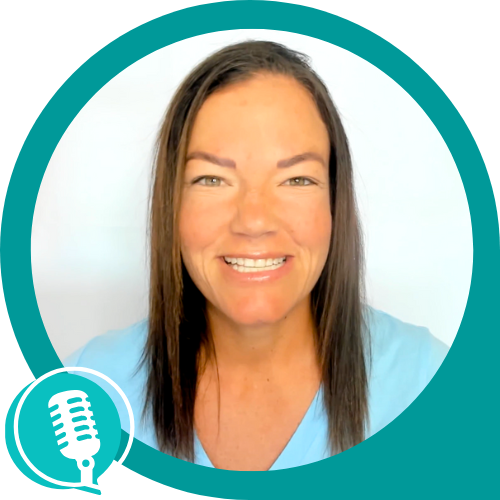
Kristi Kandel
Developer | Mentor | Co-Host of the LRED Podcast
Kristi is a real estate developer with nearly 20 years of experience and over $450M in projects across the U.S. Today, she focuses on helping locals step into development and build in their own communities.
She’s the founder of I&D Consulting, Local Real Estate Developers (LRED), and co-founder of Elevate, a community-driven sports and wellness concept.
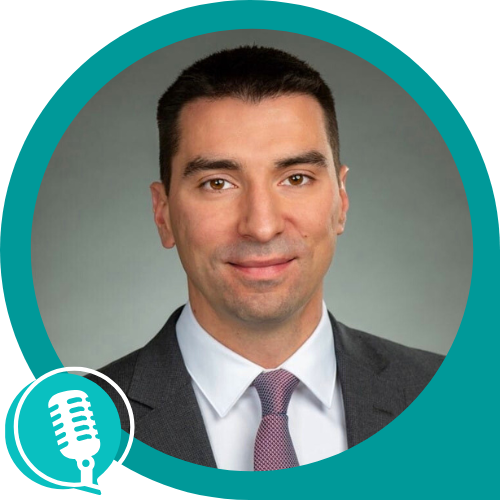
Raphael Collazo
Commercial broker | Author | Co-Host of the LRED Podcast
Raphael specializes in retail and industrial properties, bringing a problem-solving mindset from his background in engineering and software. As a commercial real estate advisor and developer based in Louisville, Kentucky, he works directly with investors, tenants, and cities, bringing a real-world view of how deals come together.
🔗 Related Episodes
Community Development Over Capital: How Rachel DesRochers Builds Where It Counts | EP #45
A powerful reminder that you don’t need perfect capital to start. You need resourcefulness, creativity, and the willingness to move.
How to Start Real Estate Development: Steph Weber Bought the Land First and Built the Plan Later | EP #41
A real look at taking your first development deal from idea to execution without having everything figured out.
Small-Scale Development: How She Left Her Corporate Career and Built a Tiny Home Village | EP #39
Another path from traditional career to building a community-driven development project.
About the Guest
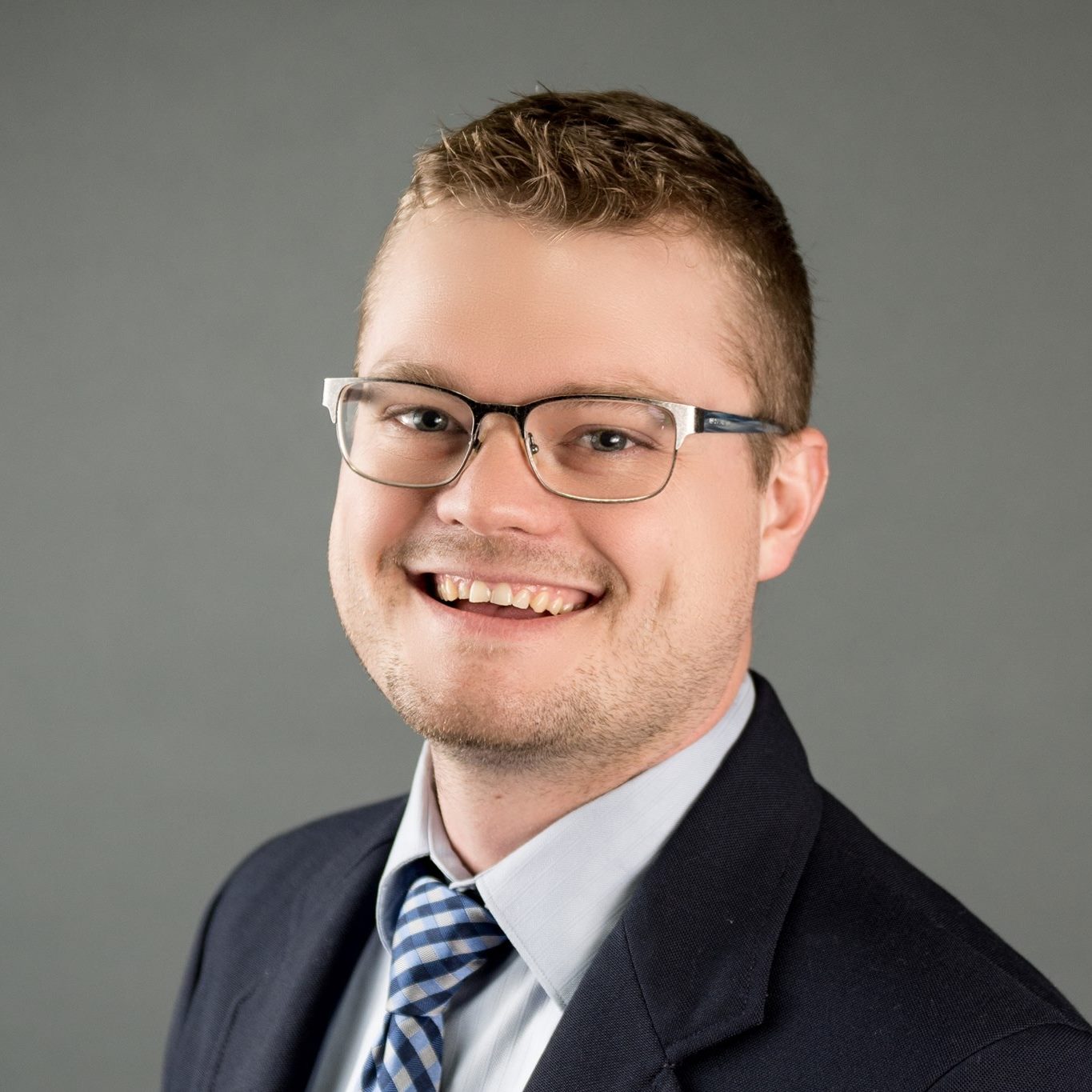
Jeremiah Parker is a real estate broker, investor, and local developer based in central Wisconsin. After a 14-year career as a firefighter and paramedic, he transitioned into full-time real estate, focusing on flips, new construction, and affordable housing development in his community.
Connect with Evan
📲 Facebook: https://www.facebook.com/p/Jeremiah-Parker-Real-Estate-Broker-at-EXIT-Realty-CW-100057358813554/
Full Transcript
Raphael Collazo (00:41)
Welcome to the Local Real Estate Developer Podcast. I'm your co-host, Raphael Collazo, located here in Louisville, Kentucky. I'm a commercial broker, investor, and new developer of commercial properties in our region. And I'm here with Kristi Kandel, developer extraordinaire. And she's got some exciting news. know that she can't share now, but she will eventually. And it's going to be really exciting.
Kristi (01:02)
yeah, just finished a really great meeting. Yeah, so I'm a developer investor. I teach locals how to become developers in their community. And today I actually met our guest in another real estate group. We were talking on a previous pod with Katie about just putting yourself in the right room. Opened so many doors to people. So today we'd like to welcome Jeremiah Parker to the show.
Jeremiah (01:26)
Hey, guys. How are you?
Kristi (01:27)
Good, good.
Raphael Collazo (01:27)
Great. Yeah.
Jeremiah (01:27)
I'm a
good, good, good. So I'm up here. I'm in central Wisconsin, a real estate broker, also a real estate investor, a local developer, former W2 employee. And yeah, love to share experiences and hope to encourage those both locally and across the nation that, Hey, anybody can do this.
Raphael Collazo (01:46)
Definitely. No, no, I think, and we kind of talked a little bit offline about your background to kind of get a feel for how you got into the space. And it seems to me like a path that a lot of people follow where they have a career for a while and then they start dabbling in investing and they start doing more and more things. And at a certain point, it just makes sense for them to either jump full time into investing. In your case, you'd been in real estate not only as an investing side, but also on the brokerage side.
And now you seem to be doing that full time, which is kind of a similar path that I followed. I was in a W2 career for a while, bought a fourplex, house hacked it. And then I jumped into brokerage. And then I've been doing that for about six years now. So it seems like a somewhat similar path in that respect, but I'm kind of curious about what made you decide to kind of jump into it full time because it is kind of, again, it's when you have a paycheck coming every
two weeks, it's nice to have that stability versus a career like brokerage that is exclusively dependent on what you can produce. So I'm just kind of curious, what was that transition point and what was that decision making for you?
Jeremiah (02:57)
Yeah, absolutely. Um, I'm also a family man. got four kiddos at home here at home and a beautiful wife and everything. And, uh, since we've been together, uh, I was a career firefighter, paramedic here in central Wisconsin for 14 years, stepped away this last March. Um, that is all my wife and I have known. So that schedule, so we were doing 24 hour shifts on off, on off, on off, sometimes 48, sometimes 72 is where I'd be gone from home. So, um, that schedule.
Then on top of that, first couple of years as a broker, was little, you know, as an agent, was building up my clientele, but I got into top producer status in this area pretty quickly within the first three, four years. I've been doing that real estate brokerage side for about 10. So doing that, doing the firefighting, being a father, a husband, and then also we started in the investing world in about the last five years. And so starting to manage flips.
And the biggest thing I was realizing is that I needed teams, I need to be able to delegate and build out systems and processes that help alleviate me being the bottleneck. So, but to make that jump, the biggest thing is I was exhausted. I was stressed out. It was affecting my, my relationship with my wife, my kids. And we had to choose what irons we were going to keep in the fire.
And it took way too long to make that decision and trust in the abilities that God has given me and my family and my wife as an encourager and everything in our business to continue to grow. So yeah, lots of prayer. And I think it was two, three years too long of not making that jump. So I've been told by a couple of mentors the same thing.
Kristi (04:43)
And was that just a
hesitation? Was it just a hesitation of, crap, like this is a huge risk and it's not just you, you've got a spouse and kids and like, and mostly just saying that because
Raphael Collazo (04:52)
Yeah.
Jeremiah (04:53)
Yep, yep, was all of that. I think.
Yeah, and I think the other part too was three years ago, the economy was in a really interesting space in the real estate world. We were seeing just numbers that were just exploding and it didn't quite make sense to a lot of people coming out of COVID. We saw the huge jump and then we saw the huge, you know, kind of slow down. You know, I'm still...
Currently right now, mean, God's been able to bless us with the clientele and stuff that we've been able to do help here locally. But I know a lot of agents and agents in our office that are hurting real bad because the amount of transactions that are taking place have slowed down drastically. so that's been, yeah, I think just. Trusting in the abilities that God has given us and just to push through.
There are days you just got to grind. mean, yesterday I was up at five in the morning. I didn't get home nine, 30, 10 o'clock at night. So it just, there are times that you have to sacrifice if you want to build out a business and really be able to provide for not only our current family, but my goal is future. I want to provide for my kids. I want to provide for my grandkids and great grandkids and hopefully, you know, continue to build out something that can be a legacy here in this, in this country.
Raphael Collazo (06:14)
That's great. Yeah, I think that's an obligation for sure. think that's an, I would say that's an, that's what we're called to do. So I think that's, that's amazing that you're willing to push for that because it is something that one of the greatest things you can leave the next generation is to provide them with the opportunities that maybe you didn't have when you were in your, when you were growing up. So I think that's really admirable. I think one thing I'm curious about is, you know, that initial jump into investing and really getting into flips and construction because
Jeremiah (06:14)
So yeah, I don't know. Yeah.
Raphael Collazo (06:42)
It's one thing to sell real estate, but it's another thing to own and operate real estate. So I know a lot of brokers out there that have been selling real estate for years and they don't own any real estate, which has always been kind of surprising. It's been a shock to me. just like, how can you properly advise someone without having gone through that experience yourself? Because it's very easy to say, yeah, I just do this. When in reality, if you actually owned it and you've gone through that experience, you may think twice about advising in certain instances.
I'm kind of curious what was that moment where you decided, hey, it's time for us to jump in and take on our first project.
Jeremiah (07:16)
Yeah. So I'd been a broker or agent at that point for three years. And I started, got sucked in red, rich dad, poor dad. You know how it all goes. Right. And then, started listening to bigger pockets at that point, bigger pockets podcast. I. Hours upon hours, upon hours of just podcasting any, anytime that I could get, that's what I was listening to. And I think it.
It gave me the motivation and the push to make that step. And also really getting to know my in-laws became ⁓ a big help in that as well too, where I would say, you know, if there's something that I lucky or got ordained, whatever you want to call it, having eight brother-in-laws,
which six of them are in the trades and live locally. That helped a lot in risk management of jumping into flips, knowing that I could probably build out a team very quickly and or if I can't use them, they know the answers that we would be able to, you know, kind of push through. So risk mitigation was my first state or stat, you know, strategy in doing our first flip.
Our first flip was probably the riskiest one that we've done and the most, trial filled one. ⁓ we were ripping out for Joyce. We were repairing foundations, a lot of, newbie mistakes. we still ended up coming out ahead on that one, ⁓ which was good. We rented it out for a few years and then sold it. But, ⁓ yeah, it was a lot of work. I swung the hammer a lot in that one.
And, ⁓ but jumping in, getting over that fear. mean, you hear it all the time. Fear, fear, fear, fear, fear. If you can take fear head on, that is, that is where it's gotta be. I'm willing to step into that. I also look at fear as something that, if you can change your mindset of being
Excited if you can change that emotion from fear to excitement because on the other side of that fear is growth On the other side of fear is a new you a new version of you That is only going to make you a better person make you a better father make you a better husband Make you you know a better co-worker whatever it may be But it's gonna make you a better version of you every time you face fear. So I get excited when fear kind of comes to creep
creeps in a little bit, I get excited because I know that there's going to be a new version of me on the other side of that after I push through that.
Kristi (09:52)
Couldn't agree with you more because it's to me. Yeah now when I feel the butterflies and I feel uncomfortable I'm like it's just because it's uncomfortable because I haven't done it before it doesn't mean that someone else hasn't done it It doesn't mean that it can't be done. I just haven't done it So that's my my body warning me going. Hey, this is something new and I agree I I now literally smile because that does all the things and I go I'm about to grow right now Like this is cool. Like let's give this a shot because yeah, all these things could go wrong But I really love the quotes that
basically say, yeah, but what happens if and when they go right? And the huge upside that's there. All the amazing things we have in our communities and world are because people said, you know what? Yeah, what if?
Jeremiah (10:36)
Yep. Agreed. Agreed. And I think there's always that story too of, well, I think I don't know if I heard, I think I heard Brandon Turner say this. He was like, the uncle stories. I don't know if you guys have heard this at all where it's like, my uncle once owned a rental property and he got screwed and da da da. And it creates that whole level of fear. And it's like, yeah, there's a ton of uncle stories, but there's even more success stories that people aren't attaching to and helping them move through.
that fear. So I like to remove both of those, the uncle stories and the success stories and just focus on, okay, how am I going to respond to the other side of this fear? How am I going to grow? And how can I impact other people through that whole aspect of life? I don't know. So.
Raphael Collazo (11:21)
Yeah. No, and, and I think too, most people, and this is just natural instinct. Most people don't think through what the opportunity cost of not making a decision is. They think, well, you know, it's, this is probably not a right opportunity for me. But then they look back after 10 years and they say, wow. Like if I just started when I thought I was going to start to begin with, where would I be today? And so, you know, oftentimes you have to go through that exercise anytime there's an opportunity because
you know, maybe, maybe there's a voice in your head talking you out of it because for whatever reason, maybe it's a limiting belief or some form of a person in your life that has just been kind of pressing you against moving forward with something like that. But you got to think about also, if you don't make that decision, where are you going to be in 10 years? You know, it's that type of, that type of mentality. So I think it's important to also have that as as a framework. So.
Jeremiah (12:13)
Absolutely. I agree with you. Couldn't agree with you more. A hundred percent. I just had a conversation the other day with another investor and we were talking about, what would it look like if we went in together and bought a few larger multi-unit properties and how we want to hold them. We talked about, okay, we'd want to hold it for a minimum of five years if there wasn't really value add and just kind of be hands off with management. That makes the most sense. And both of us kind of like, it just went quiet for a second and five years, I'm 36 right now.
41 41 years old when we would even be readdressing how we want to manipulate what we created in that that problem like I'm I'm not saying 41s old people But it just felt like a long time and it's like why are we not starting now if we keep pushing this off? Five years adds up really quick. And so that's him and I both said it's like, okay, we can keep saying five years five years But when are we gonna make that step? And so
We're actually, we're hoping to be able in the springtime to be able to really sit down and pound out stuff and see if we can acquire something here this next spring slash summer on that front. So.
Kristi (13:22)
I love it.
Love it. Okay. So you, you clearly have the, the mental game you're, you're dialed in on and I'm sure still constantly improving. your first flip was the worst and the most scary. How did you go from that to then getting into development for the first time?
Jeremiah (13:39)
Yeah, so it came down actually to my brother-in-law's. So we did end up building the team together. They were building multimillion dollar homes down around Branson. And I was able to suck them up here to do our flips. And then we got to the point of they were down there building new construction. I was bringing them up here to do flips. Well, our flips in central Wisconsin tend to be field stone foundations, true two by four construction.
And ⁓ they're like, mm-mm. Like if we're going to be doing anything, we're going to be doing new construction because it just takes too much extra time and effort into the remodels and the flips of these older homes. And so that's what kind of started us down the path of having those conversations. And at that point, I was kind of telling Raphael off air a little bit before just we actually lost
our main GC, which main brother-in-law, got killed in a car accident unexpectedly. And so it kind of shook us a little bit. We were starting to go down the new construction route and it just, killed us for six, eight months of what, all right, God, like what do want us to do here? One of the other brothers decided to step up and kind of fill that role. And we started getting those gears turning again.
And so we ended up finding 20 acres, literally a mile and a half down the road from our current house. And we split that 20 acres into four lots. And we built four homes on that property. So big picture. The brother-in-law's, that team that was really swinging the hammers, the onsite construction, they're the ones that pulled us into the new construction realm.
I think the other part that kind of that, I don't know, curiosity in that realm too was we were getting slower and slower on flips here in central Wisconsin. We only have so many properties, but you know, the quote unquote properties that had the equity bill that we could get into it fewer and fewer, or they were getting, they were costing more and more. And we, we.
Kristi (15:24)
you
Jeremiah (15:48)
We have not had one flip where we haven't put less than $50,000 into the flip. So we're doing extensive remodels in all of our flips. So we're adding bathrooms, we're gutting out kitchens, we're moving walls. We're at like every single one that we've done has been that way. It hasn't been a pro-porn.
Kristi (16:10)
So you're already pulling
permits, you're already working with structural, you're already doing all the trades. So it's like at that point, okay, well, development is not that much harder. I mean, maybe the subdivisions, what was that process like to divide the land?
Jeremiah (16:20)
Bingo.
Yeah, subdivisions for us. think the biggest thing is knowing your town and county ordinances first before you jump into that, because that plays a huge role in what you can develop out without having to go and get, you know, stuff rezoned and having to go before boards and present stuff and convince people. And here in central Wisconsin, we're still good old boys club. You know, you've got six generations of farmers in our area.
And to come in and say, Hey, we're going to take a 20 acre chunk and we're going to slap four homes on. Yeah. We didn't make really good friends with the neighbors. Just being honest. Like I think they've calmed down now because they know that we're also living just down the road and everything. But, it's, it did not make a lot of good friends, but as for the, the overall going through the process, I think that's the biggest thing. the other part is a lot of paperwork and, a lot of emails.
There is, it's not just swinging a hammer and putting a structure up. There's a lot of permits and we have different permits. have DNR permits for our wells. We have permits for our septic systems. We have permits for the residential structure. We have permits for the detached storage structures. Like, and then we have all the different inspections that play into it as well too. So there's, there's a lot to learn. I learned a lot in that, those four chunks and I continue to learn.
Because there's also the whole process of new construction is different than flips. It just is. You have so many different phases that you need to have materials sitting there ready to go for that next phase. Otherwise, you're going to start seeing delays. And it's the same thing with the permits. In permits and getting the land ready for all your entitlements and getting it ready for building. You delay any of that. It delays
That delay keeps adding up for that entire build out. So having all that stuff organized is key.
Raphael Collazo (18:12)
Definitely. No, I couldn't agree more. mean, and this is something I personally don't have a ton of experience on the ground of construction side. I'm just starting to get into adaptive reuse of some commercial properties here locally and my market here in Louisville. So I'm starting to learn many of the things you guys probably already know. And it's been fun, but also been somewhat stressful. ⁓ Yeah, exactly. Yeah. And I think too, you know,
Jeremiah (18:12)
Okay.
Yep.
Kristi (18:32)
and they pop out at you because you're like, wait, what? That was something?
Raphael Collazo (18:39)
Kind of going to the partnership side, it's important to team up with people who know certain things that you don't. Like in my case, I've a lot of the projects that we're taking on, I'm kind of, I'm the, I'm the person going out there and finding the tenants. So I'm calling restaurant owners. I'm calling daycare owners. I'm calling people and reach DMing them on Instagram and creating opportunity for us to be able to identify a tenant to the, to then place within the property. And then the business partners that I've chosen to affiliate with.
have a little bit more of that construction understanding. either are themselves contractors. One of my business partners on a deal is an electrical contractor, but he's done large commercial construction projects like Fresh Market and some of these other larger commercial projects. the scope of work for what he's used to is much more manageable than for him. So it's one of those things where maybe speak a little bit to what you think your strengths are and how have you filled in the gaps.
especially as you start to scale, because obviously at a certain point, your team that you currently have is probably going to need to expand at some point, because if you guys are going to be taking all these different projects. So I'm kind of curious about what your thought process is as you're continuing to scale.
Jeremiah (19:43)
All
Yeah, I think the biggest step I would say, well, I guess I'll start kind of from a little bit of the beginning. was doing a lot of the work on our first flips. Once we started getting into two, three flips a year, then I was more stepping back into the project management. I was making sure materials were on site, needed to be there in a certain timeframe, making sure inspections were getting done, permits were being filed.
I was also acquiring the properties, as well finding the properties. And then I also handled and our credit handled all of the financing. So any financing that needed to be done, my in-laws and that team, I'll just call them a team. They came in and did all the project on-site work that needed to be done. So, I mean, starting out, if you need to swing the hammer first to get going,
That's where it needs to, you know, it needs to start. And it does help in my opinion, when you're doing smaller projects, especially on the residential side, I think it does help give you a grander scope to understand the whole process. When you go from swinging the hammer to stepping out a little bit, handing that off, it's that growth progression, like you were saying. And then now I would say I'm still kind of sitting in that role.
⁓ but I've just built the team out that's working on sites to be bigger. So I have my brother in laws, they're building out on, ⁓ one of our single family new construction. That's currently right now they're taking on all the finishing stages all the way to the end. have a duplex that's getting built right now. That one I had, I worked more with a, we don't call them prefab, call them whatever you want. They build all the stick built, ⁓
swabs in their warehouse and then bring them out and set them. And so it can be framed up in two days kind of deal. So I have that, but I have our same subs working on all these different sites. I've built that relationship. And I would say that is the big T or ticket to why we're able to expand to be able to be doing three projects all at the same time. I'm using the same HVAC guy. I'm using the same electrician. I'm using the same plumber.
Pay your contractors on time and quickly and they will always answer your phone call. Sorry. That was a little thing of you want to build relationships. You want to build out teams. You want to build out consistency. Make sure you are paying all those guys on time. Sorry. That was random, but it happens too often and it kills relationships. So,
Raphael Collazo (22:51)
Yo, that's a great point. That's a great point.
Yeah.
Jeremiah (22:56)
Yeah.
So that's how I expanded out. think our next, our next step is truly bringing on a full-time project manager, which my wife and I have been talking about. We've got a guy that we're really interested in. He's got a solid job right now. But if we make these next steps into the opportunities that are in front of us, I need to, I can't, I'm the, would be the bottleneck of the company at that point. And I would only keep us from growing. really being able to step back is.
is what needs to happen right now.
Raphael Collazo (23:23)
Yeah, no, that's a point. ⁓ And another great point you made was regarding, know, building, keeping those relationships healthy with your contractors and just making sure that when the work's done and it's done to a standard that you appreciate, then you'd get them paid quickly because that's your point. They probably have other jobs that they are working on as well. And if they have a good relationship working with you, you better believe that if the next project comes around and you give them a call,
Jeremiah (23:49)
Thank
Raphael Collazo (23:49)
they're going to make time to be able to make sure that they can get out to get that work done because they know that you're someone who's going to pay them quickly once the work's complete.
Jeremiah (23:51)
you
Absolutely. Yep. Exactly. So yeah, it's been, mean, overall it's been a great process and learning a ton. That's the biggest thing. I'm trying to build out systems and processes which have been happening, but I'm constantly tweaking them. just, that's another thing too. It's never going to be perfect. We're one, two, three, four, six new construction builds in in the last two years. And I'm
still learning a ton. So it takes time, it takes patience, it takes the ability to humble yourself and ask questions to other people. And you don't have to have the answer every single time. So I don't know. Yeah, that's a lot of stuff that I'm learning right now.
Kristi (24:48)
So true. like, and as you're in the weeds of all of that, how, you know, you get hit with a curve ball and you go, crap, a crisis comes up or whatever on a project. And we didn't really touch on, do you guys raise any capital? But like, is there any investor money at risk on top of your own? And so how do you stay motivated through all of that?
Jeremiah (25:07)
Yeah, I mean, there's, we, motivated. That's just something I feel like God has given me. I just, I will never stop working. My hands are always going to be moving. My mind's always going to be moving. There's it's hard when we go on vacation for my mind to shut off. I'm always thinking business. ⁓ I, I, I do sometimes question, if there's something wrong with me, because that's just how my mind functions. so from a motivation standpoint,
There's a deeper why, and it's more personal. And that why is, so my parents aren't really in our lives, grandparents wise. And from my wife's side, they really aren't in our lives either. So there's no real quote unquote grandparents, right? My why is when my kids grow up and they have a family and they have kids.
I want to be within 24 hours, wherever they end up in the country, the world, whatever, 48 hours throughout our country. I want to be at their front door within 24 hours and I never want to have to look at my bank account. I want to be there for the grandkids. I want to be there for our kids. And so that is deep down, that is my why of what I'm trying to build and what, you know,
Yeah, the other why is I do have a goal. And this is maybe, I don't know, some people can judge me for it, whatever. I want to be able to give a million dollars away in one year. That is a goal that I have as well that I've written down three years ago. So yeah, those are my couple whys and see how we can.
⁓ Glorify God through all of our projects and helping people and the community and creating affordability as well.
Raphael Collazo (26:45)
That's awesome. Yeah, I know. And, you know, obviously we appreciate you sharing that because I feel like it's important for people to find a deeper meaning to what they do on a day to day outside of just the monetary piece. Because monetary, obviously money is important because it'll provide you with, it's a tool to be able to provide you with a life that you want. But at the end of the day, there's deeper reason for it. It's not just the act of pursuing that tool.
It's there's there's your family. There's the wanting to be there for them at any moment in time without having to worry about what the obligations are. ⁓ during your, within your day to day, it's about giving back to others, which I think is probably the, the, one of the biggest meanings of life is, is helping others. Regardless of, you know, what your, you know, motivations are. It's really just being of service to others is, is a big reason for people.
in my opinion to exist. I think that you kind of hit the nail on the head with two reasons why people are so, and in your particular your case, why you're so driven to do what you've got to do.
Jeremiah (27:46)
Yeah, and I think.
Kristi (27:46)
And I love sharing
stories like that because it shows that no, we're not just the big greedy developers. Like literally here's, here's the people behind it, the humans behind it, the wise that are driving it. And that's, that's what's important verse. Hey, it's a big, yeah. Greedy developer. No, that's, that's not the why.
Raphael Collazo (27:53)
Mm-hmm.
Jeremiah (28:06)
And the other thing too, we haven't been able to really touch on like our current projects and stuff of what we're doing. And I know we're getting close to time, but what we are building out from a bread and butter standpoint, what I call bread and butter is we are building out smaller homes. So our homes are 1200 square feet, three bed, two bath. We have options to slab on greater with the basement. And then we're attaching a larger 30 by 40 garage. My goal.
is to be able to sell these on one acre chunks for 2.99. Whether that's going to be possible or not, I don't know. The more we build at one time, the better I can get prices, quantity, pricing and stuff. as for, that is what I want to be known for in the community is we were able to provide affordable, high quality housing.
for the locals to meet our meeting income. Cause we are short and I'm sure Raphael, mean, you work in the commercial side of things as well too, but you see it on the residential and same thing with you, Kristi is like, we're short all over the world or all over our country. And it's, it's not going to change. People are, you know, the money is not in affordability to build out homes. And that's another thing too. We, we want to be able to, to, you know, make an income.
Raphael Collazo (29:05)
Mm-hmm.
Jeremiah (29:20)
off of it, obviously to provide for my family and for our living. But I don't need to be making a ridiculous amount of money by building a $1.5 million house for a customer. I would rather be building, you know, and making a small profit on a house for our local community that gets the majority of the people here in a home. And so that's kind of what we're our goal and our focus is with our
our construction that we are doing and what we're looking at. And yeah, it's only going to worse.
Kristi (29:49)
Yeah, the social impact
is huge. when you look at that, what size properties are you looking to acquire to then are you buying larger lots and subdividing and then that way you can sell them off? And then too, maybe because we've had other people talk, if you're doing a bunch at one time, do you have builder loans to where you can lock in rates to help buyers get better rates too? Or is it early enough in the concept that you're not there yet?
Jeremiah (30:13)
started conversations with this. lot of our, what we're looking at, we qualify a lot for USDA loans here in central Wisconsin. And with the USDA loans, if we go directly with USDA, we get a lower, or not us, the buyer would get a lower interest rate. And this is a no money down option. So building new construction, talking with the local USDA director, they were jacked.
that we were building this as an option and wanting to us to give them a call as soon as we're ready to start selling them. They did have options for us to use to have for the development of what we were building out, but he was very hesitant. He's like, I have those funds and stuff, but there's a lot of red tape that you have to go through.
To keep that funding and to manage that funding and extra inspections and more paperwork and audits and all this, all this additional stuff that right now with my, our current, our own liquid funding that we're doing, as well as I've got two private investors that, are helping us out just small guys, but, they, you know, that is the route he's like, I'd recommend you keep going down that route.
Raphael Collazo (31:06)
Mm-hmm.
Jeremiah (31:32)
⁓ It'll be a lot easier for you to pump out houses and for you to be able to then just send the buyers over to us and we'll get them in those homes in two seconds. So that's the route I think we're going to end up going once we start building out, you know, getting more homes on the market.
Kristi (31:48)
And then do you just rough to give the audience some ideas of what maybe the land and the building costs just roughly would be? I know you said you're trying to get the sale price at 2.99, but maybe rough numbers.
Jeremiah (32:01)
Yeah. So our,
yeah, I mean, and to be, so we're paying all our subs out, all the brother in laws are, you know, out, but we do have split at the end as investors. Um, we all in cost, um, we're going to be sitting at that like 225 to 235.
So that's now that's us buying the land in larger bulk. So we have, when we're breaking it down into smaller lots, we're not paying lot value prices here. A lot, you want to get a lot in our area is, you know, might cost us 30, $35,000 where when we're buying larger chunks, we're able to get that lot entitlements, maybe, you know, road frontage. We're able to keep that cost down to close to like 15.
So it just, it helps reduce the costs on that front. So yeah, that's, I mean, I would, I would gladly go into the weeds on numbers and stuff. do all that stuff as well too. And we deal with a lot of septics. We don't deal with a lot of city sewer and water and septics and wells here. So we are looking at, you know, with these sub smaller subdivisions, you know, shared wells, we're looking at possible shared septic systems.
Kristi (32:50)
Nice.
Jeremiah (33:16)
We are a green area of the state. And so we have a lot of people keeping their eyes on water quality, extra eyes, I should say, on water quality and ground and soil quality around here. So, which is fine. I'm completely fine with it, but it's just extra little steps we get to walk through.
Kristi (33:38)
And then if they're doing shared, we had someone else with shared parking ⁓ earlier, if they're doing shared wells or if they're doing shared septic, what type of agreements do they have between owners or how does that work?
Jeremiah (33:50)
Yeah, so lot of all that stuff is created by me or our company and we are slapping it right on the title work. So it is black and white how it is to function and how it is to work. So there's no essentially agreement between the new owners that would have the property unless they agreed upon something mutually and changed the title work that is recorded at the county level. But yeah, it's from a shared well perspective.
We might have costs of any repairs are split 50 percent, but then the person who holds the electricity that runs the pump and the pressure tanks and all that stuff, they usually get, I don't know, 150 bucks per year from the other owner. So it just depends on the size of the well and so forth. So that's what we see here. The septic systems, we haven't gone down that route yet.
Each of them would still have their own holding tanks, but then just the field itself would be at the expense of shared costs. yeah.
Raphael Collazo (34:55)
Yeah, no, it's funny because I've started to learn more and more about these different systems. know, obviously you got, you know, general sewer from the city level, but then you start getting out into different parts of the country and you've got septic and you've got leach fields and you've got all this other stuff that, you know, I'm still not the most familiar with, but it's something you need to kind of figure out as you're going through the process of developing. Because to your point, I think you talked a little bit offline about how
A parcel that you were looking at didn't necessarily have access to sewers or access to some of the utilities. And you're kind of having to think through that as a developer is how am going to bring it to this place or who do need to work with in order to make sure that the city can do so? know, it's, it's definitely a, a long, thoughtful process you have to take. So, ⁓ but I mean, I appreciate all the time. Yeah. I appreciate all the discussion we've had so far. So one of the things we like to ask is, you know, if you could give one piece of advice to.
Jeremiah (35:41)
So moving.
Raphael Collazo (35:52)
Aspiring developers. What would it be? And it doesn't have to be anything like super elaborate, but I'm just kind of curious as to what your thoughts process is.
Jeremiah (36:00)
think the first thing, you will feel defeated. You will feel alone. You will feel that fear that we talked about in the beginning. All of those emotions will flood you at some point in time, whether you're doing flips, whether you're doing development, whether you're doing commercial stuff, you will hit a wall. There will be a wall. I can guarantee you that wall.
But having.
the ability to push through that wall is what is going to make or break you. And it's also gonna make or break you when you're 85 years old, sitting in your bed or in your rocker drinking a cup of coffee and thinking, man, I'm glad I pushed through that wall. I think having that perspective is
in those moments and being able to take, just take a step back and understand that this is not the end of the world. And I need to push through. I think that is like, if I can encourage anybody on that, it's push through, take that risk, build a risk mitigation, but take that risk and push through that wall because it is forever, which way is going to help you mentally.
physically, financially, emotionally, it will be the benefit to your life that you probably don't expect in that moment. So I don't know if that's clear as mud or not, but that's how I look at things. And encouragement, because you do, you feel all those emotions and how you deal with them.
Raphael Collazo (37:37)
Yeah.
Jeremiah (37:38)
it's going to shape whether you continue in doing it or not. So, not easy.
Raphael Collazo (37:43)
Yeah.
Emotional regulation in entrepreneurship is extremely important. I tell people all the time, you're going to have really high highs and you're going to have really low lows. And in order for you to get through it, you have to find a way to stay even keel in any of those situations. I mean, again, it's going to happen. It's not a matter of if, it's when. Yeah.
Jeremiah (37:50)
Right.
Kristi (38:06)
win.
Yeah,
my uncle's greatest lesson before he passed away in 2018 was never too high, never too low. This too shall pass. And it pissed me off at first because I'm like, we have really exciting news and yeah, and then something really horrendous what happened and like my whole community being wiped out in a hurricane and it's like, good bad right or wrong, like time heals everything and it's like, yeah, you know, the good and the bad and the everything is going to come the next mountain is going to come and just being very present and enjoying the journey and
Jeremiah (38:15)
Thank
Kristi (38:35)
finding the good in every situation goes, will come around, but knowing that it shouldn't beat you up and keep you down forever.
Jeremiah (38:45)
Yeah. And pour into yourself. Keep learning. Keep pouring in. spend the extra dime to go to conferences, to get that extra mentor, pay for a business coach, whatever. Like some people think I'm crazy. You know, I have a business coach. I pay for it. I pay a ridiculous amount for it. But that business coach is what actually got me to quit. Step away from my W2 job. they finally, they encouraged me. It took them a year to be able to get
get me to do that. And he was the reason why my wife and I both said, yep, this is where you need, we need to be right now. And so it's been tenfold. I would never be where I'm at right now thinking of what I'm thinking about today and working where I'm working right now. If we wouldn't have made that step, I wouldn't be on this pod. I wouldn't be talking with you guys right now. If I would have made that step in March, I honestly wouldn't. So I, you know, that's
Raphael Collazo (39:36)
Mm-hmm.
Jeremiah (39:41)
Pour into yourself, education, pay for it, it's worth it, and yeah, push through. That is the life of an entrepreneur.
Raphael Collazo (39:51)
Great advice. That's awesome. Well, Jeremiah, we really appreciate you hopping on the podcast with us and sharing your insights. And we're really looking forward to keeping in touch with you over the course of your journey. I'm looking forward to, if you have social media, I'm looking forward to keeping in touch that way as well. And one thing we'd like to ask is, if you want to get in touch with you, learn more about what you're doing, what's the best way to be able to do that?
Jeremiah (40:14)
Yeah, to be honest, I'm kind of old school, if you will. Facebook is where I'm at. That's pretty much the only place I'm at. I do have an Instagram account, but I just have an assistant that kind of runs that and uses these promotions on there. I mean, they'll forward it on to me, but Facebook's where I'm active. Facebook Messenger, DM me that way. But yeah, I love to have conversations, love to talk real estate investing, gets me jacked up and...
Raphael Collazo (40:19)
Mm-hmm.
Jeremiah (40:39)
I only wish that everybody would be able to really take that leap and trust in themselves to get into real estate. Real estate is a very forgiving class of investment if you hold it long term. it's, you know, I would love everybody to have it.
Kristi (40:54)
Hey, and if even one person's life changes because of what you shared today, boom, that's worth it.
Jeremiah (40:59)
Amen. Amen.
Raphael Collazo (41:00)
Well, Jeremy, we really appreciate your time and we'll make sure to include your links that you just described in the show notes. If you guys are watching this on YouTube, please go ahead and access it via the description and same goes for Apple Podcasts and Spotify. again, great. Thanks again for your time. For everyone who is watching on YouTube, again, please like and subscribe. It makes a huge impact on our ability to reach a broader audience and we greatly appreciate the support.
Along with that, if you guys are watching this or listening to this in a podcast format, whether that's Apple Podcasts Spotify, please, please, please leave a five-star review. The more people that we can reach, ultimately, the more people will be inspired to take on their first real estate development project. So thanks again so much for tuning in, and we'll see you all next time.
Get the tools behind the episode
Access the Developer Vault with templates and real resources
©2025 I&D Consulting. All Rights Reserved.
©2025 Local Real Estate Developers. All Rights Reserved.