When Your First Deal Goes Sideways: How Brett McManus Learned Development the Hard Way | EP #32
Real estate development, boutique hotel investing, and learning through a first deal gone wrong
Your first project probably won’t go how you planned.
The question is whether you stay in long enough to figure it out.
In this episode, Kristi and Raphael sit down with Brett McManus to break down what really happens when your first development deal does not go to plan.
From house hacking into a 17-unit boutique hotel, Brett shares how inexperience, contractor issues, and unexpected costs forced him to learn development in real time.
If you are early in your journey or stuck overthinking your first deal, this episode will give you a real look at what it takes to push through.



Get the tools behind the episode
Access the Developer Vault with templates and real resources
Episode Summary
Brett McManus did not start in development with a perfect plan. He started the way most people do. Curious, resourceful, and willing to figure it out as he went.
His entry into real estate came through house hacking. Buying a duplex, living in one side, renting the other, and slowly building confidence through hands-on experience. Over time, that led to short-term rentals and eventually curiosity about commercial real estate, where value is driven by income instead of comps.
That curiosity turned into action.
But like most first-time developers, Brett did not ease into it. He jumped into a boutique hotel project in Vermont that required raising money, securing financing, and managing a full renovation with limited experience.
And that is where the real education started.
The deal itself was not handed to him. It came through off-market outreach, analyzing underperforming properties, and identifying opportunities where operational fixes could create value. Instead of chasing perfect assets, he focused on properties where the issues were solvable. Poor management, bad reviews, and operational inefficiencies that could be improved without massive structural risk.
On paper, the plan worked.
In reality, it got messy fast.
What started as a cosmetic renovation quickly turned into a deeper problem. Commercial code requirements forced unexpected electrical upgrades. Costs increased. Timelines stretched. Pressure from lenders and investors became real.
This is the part most people never see.
Brett and his team had to step in and do whatever it took to keep the project moving. Painting rooms at night, solving problems daily, and finding ways to stay within budget while still delivering a product that worked.
At the same time, they were learning how important relationships really are. From local contractors to code officials, the difference between friction and progress often came down to how they approached people, not just the deal itself.
And through all of it, one thing became clear.
Development is not about getting it right the first time. It is about staying in long enough to get better.
By the end of the project, Brett had not just completed a hotel renovation. He had built the foundation for how he approaches every deal moving forward. Better partners, clearer expectations, stronger systems, and a deeper understanding of how to manage risk.
The takeaway is simple.
Your first deal will not be perfect. But if you stay in it, it will teach you everything you need for the next one.
What You'll Learn
- How to find off-market deals by identifying operational problems
- What really happens when renovation costs go over budget
- The difference between residential and commercial construction requirements
- Why relationships with local officials and contractors matter
- How to structure financing using SBA loans and limited equity
Bold Truth
Your first deal will test you more than it pays you, but that is what makes you a developer.
Timestamps
0:00 — Intro
https://youtu.be/_vI_5G_S420?t=0
0:41 — Podcast introduction
https://youtu.be/_vI_5G_S420?t=41
1:27 — Brett’s background
https://youtu.be/_vI_5G_S420?t=87
2:43 — Getting started with house hacking
https://youtu.be/_vI_5G_S420?t=163
4:51 — Transition into commercial real estate
https://youtu.be/_vI_5G_S420?t=291
5:53 — First hotel deal
https://youtu.be/_vI_5G_S420?t=353
7:27 — Learning to underwrite hospitality
https://youtu.be/_vI_5G_S420?t=447
10:25 — Finding off-market opportunities
https://youtu.be/_vI_5G_S420?t=625
12:30 — Financing with SBA loans
https://youtu.be/_vI_5G_S420?t=750
16:00 — Structuring equity and partnerships
https://youtu.be/_vI_5G_S420?t=960
22:00 — Renovation challenges begin
https://youtu.be/_vI_5G_S420?t=1320
25:00 — Unexpected construction costs
https://youtu.be/_vI_5G_S420?t=1500
30:00 — Working with contractors and city officials
https://youtu.be/_vI_5G_S420?t=1800
34:30 — Managing cash flow during construction
https://youtu.be/_vI_5G_S420?t=2070
38:00 — Product market fit in hospitality
https://youtu.be/_vI_5G_S420?t=2280
41:23 — Operating the property
https://youtu.be/_vI_5G_S420?t=2483
44:06 — Advice for new developers
https://youtu.be/_vI_5G_S420?t=2646
49:00 — Using social media to grow
https://youtu.be/_vI_5G_S420?t=2940
Meet the Voices Behind the Mic
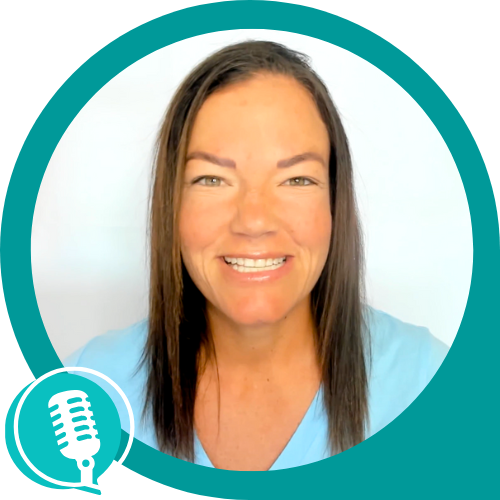
Kristi Kandel
Developer | Mentor | Co-Host of the LRED Podcast
Kristi is a real estate developer with nearly 20 years of experience and over $450M in projects across the U.S. Today, she focuses on helping locals step into development and build in their own communities.
She’s the founder of I&D Consulting, Local Real Estate Developers (LRED), and co-founder of Elevate, a community-driven sports and wellness concept.
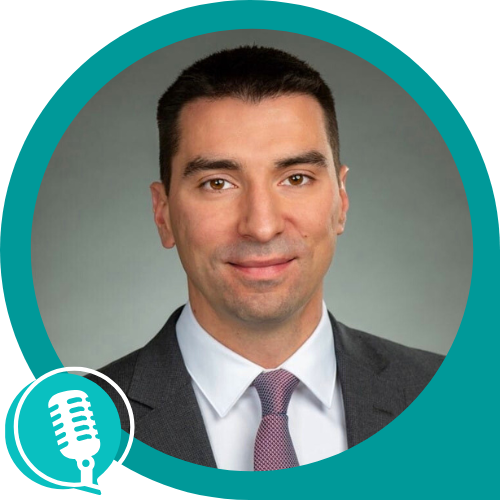
Raphael Collazo
Commercial broker | Author | Co-Host of the LRED Podcast
Raphael specializes in retail and industrial properties, bringing a problem-solving mindset from his background in engineering and software. As a commercial real estate advisor and developer based in Louisville, Kentucky, he works directly with investors, tenants, and cities, bringing a real-world view of how deals come together.
🔗 Related Episodes
Community Development Over Capital: How Rachel DesRochers Builds Where It Counts | EP #45
A powerful reminder that you don’t need perfect capital to start. You need resourcefulness, creativity, and the willingness to move.
How to Start Real Estate Development: Steph Weber Bought the Land First and Built the Plan Later | EP #41
A real look at taking your first development deal from idea to execution without having everything figured out.
Small-Scale Development: How She Left Her Corporate Career and Built a Tiny Home Village | EP #39
Another path from traditional career to building a community-driven development project.
About the Guest
Brett McManus is a real estate investor and boutique hotel operator based in Vermont. He specializes in value-add hospitality projects and shares his journey through social media as he builds and operates community-driven properties.
Connect with Brett
📸 https://www.instagram.com/innvestors/
Full Transcript
Raphael Collazo (00:41)
Welcome to the local real estate developer podcast. I'm your cohost, Raphael Collazo I am a commercial broker, investor, and developer located here in Louisville, Kentucky. And I'm here with my cohost, Kristi Kandel, developer extraordinaire. And I think you're still in Florida, but you may be coming up north in a few weeks to maybe we'll connect in person for the first time, which would be great.
Kristi (00:57)
Yeah. Yeah,
that's right. I am in Florida. And like you said, developer investor, and I teach locals how to become developers in their community. And yes, I will be road tripping up to Ohio and a couple other states and stopping by to see you. I'm very excited about that. And
So today, something else I'm super excited about, I found Brett on Instagram and just started watching what they were doing. was like, whoa, this is so cool. It's a story that we need to share with our local developer audience. So Brett McManus, welcome to the show.
Brett McManus (01:27)
Yeah, thank you both. Excited to be here and get into it.
Kristi (01:30)
Right on. yeah, yeah, I was just going to say, so what we like to do with our guests is just kind of give a quick background on who you are, where you're at in the world, and then we'll kind of dive into how you got into real estate and now what you're doing.
Raphael Collazo (01:30)
Absolutely. Go ahead, ahead, Sarkis.
Brett McManus (01:45)
Yeah, absolutely. So again, my name is Brett McManus. A lot of people know us from our Instagram page, investors, where we kind of document our journey. We're really in that boutique hotel in space here in central Vermont. So whenever I say we, it's me and my wife, Casey, we really work like 50-50 in a lot of this, but by end of it, it's much more finding the money, finding the property, getting everything turned around and operating it. And she's kind of our guest facing hospitality side of things. So yeah, based out of central Vermont here and in that hotel space, but kind of have a...
a background in house hacking and in kind of very humble beginnings, I guess we'll say that happy to get into.
Raphael Collazo (02:18)
That's exciting. Yeah, the house hacking, which I know we'll probably dive into, that's how I got started in real estate, is buying a fourplex and living in it for a while. And then as I was transitioning into full-time commercial brokerage, so it's a pretty powerful strategy. maybe go back to the beginning when you first got into real estate. First off, what was the inspiration to do that? And then what was kind of your first foyer into that new endeavor?
Brett McManus (02:43)
Yeah, yeah.
So for me, it really starts kind of in my early 20s. know, my then girlfriend at the time, Casey and I, we were out of school, we were getting jobs. And, you know, after working for a little while and paying rent, we weren't super stoked about that. We had moved from like a very small rural areas into a bigger city where you're actually paying like what is now real rent at the time. like, man, this is a lot of money coming in and out every month.
I was just Googling and researching around and one of my coworkers at the time had told me like, you ever considered house hacking? And she was the one that kind of introduced me again, what would have been like 2019, 2020 right before COVID out of the bigger pockets world and everything like that. And I just fell in love. I had grown up never in real estate, but always kind of very hands-on. I grew up in a family of mechanical engineers and we were always working on cars and snowmobiles and things like that. And just very hands-on and said, well, hey, if I can do all this, we could probably figure out how to fix up a house too.
For us that first like where it was really just buying a duplex when a lot of our friends were buying single family homes and we lived in one half and rented the other half and then spent what then became the COVID lockdown learning how to renovate a lot of these properties. So that was really where I fell in love with the world of real estate. From there, it was, you I always had a job. I was always, you know, doing it on the side, but every year we would start just kind of jumping into the next house hack. We'd save up a little money, put that as a down payment, fix it up. Slowly over time, you learn about hard money and you learn about things like that.
we started kind of tiptoeing in the world that was short-term rentals. So, you know, that's really when KCB game a lot more interested in what we were doing. And it was really kind of that realization, you know, we had been getting into real estate for a little while through these house hacks, learning about the ideas of raising money and refinancing and elements like that. Then we started getting into short-term rentals a little bit as well, making some money, having some success there.
But what really was the kicker for us is I started learning about the world of commercial real estate and how commercial real estate is found and underwritten in the way that you can really force appreciation through the income that you produce, not just what the neighboring house sells for. And it was kind of this culmination that happened to us of everything we had learned. Now this like discontent with our short-term rental business, because we were doing all this work to grow a business and run it and not really have much more to show for outside of the cashflow. And you can kind of see where the inklings for this boutique hotel, motel idea came to be.
Raphael Collazo (04:51)
That's awesome. So regarding that, kind of unpacking that a little bit. So you first started in the house hacking space, you bought a duplex, fix it up, rented it out, and slowly but surely you started adding different house hack opportunities to your portfolio, started dabbling in other investing on the residential side. And then once you started kind of figuring out that the commercial real estate world was a little bit different in the way that you could potentially add value to these properties that you decided to.
you know, jump into that space. What was the first project you guys decided to take on? Was it this particular hotel or was it something else?
Brett McManus (05:27)
Yeah, so this, we'll say this hotel is the first one we closed on. I think for a lot of people when they get into commercial real estate for the first time, there is a graveyard of deals that gets left behind. So we had a few of them that we went through. We won't get into all of the deals, but it certainly carries over this hotel project. The theme for us this entire time is being grossly early and grossly underprepared for every project that we've gotten into. these hotels are certainly an example of that. So for us, like,
Kristi (05:44)
Thank
Brett McManus (05:53)
We were always kind of over our ski tips a little bit on every deal we did. were in our early 20s. We didn't have a lot of money. We didn't have a lot of resource or backing. And so that made it very difficult with banks and brokers and things like that to get the time of day. So with that, we had to get scrappy. You there were some deals that we got into. A lot of it was off market. A lot of it was working.
mouth, a lot of it was cold calling. And naturally through that endeavor, you find a lot of projects that don't pan out. You know, it's kind of the school of hard knocks a little bit figuring it out, but it was the way that we got into it. And we do one deal and figure out, Hey, there's something really wrong with this property. And it's actually not going to pencil out by the time we fix all the mold and know, dilapidated ceilings and things like that. Then you find the next property. was like, Hey, this property is good, but the owner wasn't so honest on their P and L and you start learning how to compare those at the tax returns.
But the project that I'm at right now, it's our 17 unit that we found in the ski town of Killington, Vermont. It was kind of the third time's the charm for us where everything comes together. We had learned everything about how to raise the money and how to find the bank loans and really all the ways that two kids in their 20s can figure out how to pull a multimillion dollar project like this together at all came together in this deal.
Kristi (06:56)
So I have a question because what I think is good is if we share with people that the development projects, they start well in advance of ever breaking ground, of ever starting the rehab, and you do go through that graveyard of deals and you're vetting them and going, can you maybe actually back up and talk a little bit about, because it sounded like you got some help and had some different education, what resources did you use to help you feel comfortable doing that? And then also, how did you figure out your market
and then start to put in offers and LOIs and get into due diligence.
Brett McManus (07:27)
Yeah, for sure. I mean, still today and especially at the time, two or three years ago, there weren't a lot of people doing this boutique hotel thing. It was definitely kind of the new asset class in the block in terms of the books, the YouTube videos, the courses, things like that. And truthfully, there wasn't much. I think there was like one really course on how to do it it was well above like what we can afford to pay at the time. So we just kind of had to figure it out. So when it came to commercial underwriting, we ended up having to basically...
look at a lot of multifamily resource. So what we've learned, what we've now kind of learned in hindsight is outside of the income portion of this, like when you were actually vetting one of these deals and figuring out if it'll praise and cashflow, a lot of commercial real estate is the same. It's income, less expenses, and a lot of these expenses aren't too different in multifamily. Of course, we could just talk to some hotel owners to figure out like, hey, you need to budget for cleaning and linens and like a few supplies. But essentially the underwriting is very similar to multifamily with some twists.
Now there is a little bit more research out there. There's people on YouTube. There's some like programs that aren't horribly expensive, but for us, it was really just finding what was working for others and other hospitality asset classes, and then putting it together what we knew from our time operating short-term rentals. So it's one of the things like a lot of people, especially with the presence that we've made for ourselves on social media, we get a lot of other young couples that come to us and they say, hey, we want to jump in and we want to do a hotel or an inn, exactly what you're doing. it's like, well, that's
It's great, it's awesome, but it's really good to go work for somebody else or to go ideally spend some time in short-term rentals as well first because there is some art that really happens in hospitality, particularly on the income, the way it's calculated between your average nightly rate and occupancy that even in the world of commercial real estate isn't as scientific as it can be with some other asset classes. There's a little bit of an art, especially early on. So a little bit long-winded there and like the education, the on paper stuff, but then for us,
we really learned that it's really difficult to put hospitality to a science sometimes. So for us, we really wanted to kind of, I guess get a little bit of a tailwind, which is one of the reasons that we decided to pick these ski towns to get into originally. We were skiers, we were mountain bikers. I never had lived in Vermont, but had always lived in the Northeast and spent a lot of time there. So there's a few things that we did for ourselves there of really picking a few key markets that we at least knew a little bit.
We knew that there was demand there. We knew that it was an audience very similar to ourselves, even as it, you know, kind of later in the conversation as it comes into renovation and where we focus dollars on just having that understanding of who the user was. taking that kind of what we were organically knew a little bit about these markets and then combining it with what we were able to learn about some of the more technical bits. Again, the.
what the bank is gonna be looking for, what the appraiser is gonna look for, how much some of this costs. And we just kind of put that together and truthfully just stumbled into it ourselves. And it took a couple of years at the time to figure all this out from kind of idea to actually closing on this first property. But ultimately we were able to do it without, know, dad bestowing all of his wisdom down to us or a $50,000 coaching program that most people can't afford. just, takes some time and a little bit of a trial and error.
Raphael Collazo (10:25)
No, for sure. And regarding some of the deal points, I'm assuming, were you able to get the property at a basis that was pretty achievable, so if something were to happen during the construction that you have a little bit of grace, I should say?
Brett McManus (10:39)
Yeah, it's more so making sure so that when something did go wrong in construction as it did for us and I think it does for a lot of people on their first deal, you so that's where we were lucky. So when we got into it again, we did not have a lot of connections in the space. So we started talking to some banks, we started talking to some brokers and it was very clear that nothing was going to come to us on a silver platter and why shouldn't, you know, it's like there was nothing on paper that ever said that we'd be able to get one of these clothes. So we ultimately had to turn off market. And what that ended up looking like for us is it
It was pretty simple. was we identified a handful of markets that we thought were good, that had three season demand. know, that's another thing in hospitality that I really caution to people getting into is you really don't want to be in a scenario where your first property is going to have to be closed for six, seven, eight months out of the year because, you know, there's no winter demand there. And it was one of the things that we liked about Killington and a few other markets in the Northeast is you have golf and biking and hiking in the summer, you have skiing in the winter, and it just takes a little bit of that risk away.
But ultimately what that looked like for us is we would just go to these towns on Google Maps and we would see, hey, in a sea of 4.8, 4.9, five star reviews, what were the three to 3.5 star properties on Google? And we'd read through those reviews and what we kind of the learning curve for us in the beginning was some of those, was like, hey, the heat doesn't work and it's moldy and it smells like must and the breakers kept tripping. And we kind of learned on some of those early deals we underwrote, those are very expensive things to try and fix.
But then what we ultimately found in the property that we went forward with are some of the examples where it's like the owner's a jerk, the room was dirty, and the booking process wasn't easy. like we can fix all of that. That's a lot cheaper to fix. And come to find out there's plenty of other renovation related items that gave us a run for our money. But that was kind of what that process looked like ultimately for us going off market, which ultimately gave us the ability in this kind of rapid phase that we were in in 21, 2022, when a lot of people are getting into this, ultimately being able to find a deal that would
Raphael Collazo (12:11)
Mm-hmm.
Brett McManus (12:30)
And happy to get into it as well if it's of interest, a key part for us is that SBA, the Small Business Administration, were the only people on the face of this earth that would even take a look at us. And what that really involved for us is I didn't have a million dollar network, or we didn't have a key principal or somebody of that figure who's going to back the debt for us. So we really had to find a property that was kind of a unicorn a little bit where it had.
good historic income that would allow it to qualify on its own for the financing, but still had enough upside that we could come and fix it up and squeeze some life out of it. So it took a little while, but kind of through that strategy I laid out, we were able to find the right fit to get it done.
Kristi (13:08)
Yeah, I the approach you took with looking at the reviews and kind of seeing what are things that we can do from a hospitality mindset that we can fix that are just a matter of maybe it's just bad, bad operations, or maybe the owners already done their cycle and they're kind of phasing out and you're like, I can fix that. that that part is really cool. Definitely, let's talk to the the financing side of it and how you went about it, because that is something that a lot of people struggle with. And they're like, who would who would believe I can do it? And how do I even get this this funded? And how does that like the
debt versus the equity, how does that all look? So yeah.
Raphael Collazo (13:40)
Yeah, and especially 21 and 22 where hospitality had taken a hit during COVID. So there was a lot of banks that were just didn't want to touch it. Even today, some banks are very hesitant about doing ground up construction for hospitality.
Brett McManus (13:40)
Yes.
Yeah,
and that was one of the big issues we actually faced. It was incredibly difficult where we're at. So Vermont is a wonderful state. It's a great place to be, but it's not exactly the most populated area. And with that, you don't have as many banks and people to choose from. A lot of investors get nervous about parking dollars there, and especially actually post-COVID when people started traveling. There was actually a huge boom in hospitality in those early years because everybody who was up
high income earner that retired early from their tech job in Boston, they all wanted to come up to Vermont and retire and buy these little in. So actually a lot of banks had just given out debt on a lot of these hospitality projects. And they're like, we don't want to take any more of these on our books. They didn't want any more hospita, because it is, it's a risky asset class. So we had a really hard time. So for us, what it looked like, again, there wasn't a lot of education, there wasn't a lot of resource, but the good news is I think for us even being young kids and excited, a lot of people were at least, you
people in the banks, brokers, they were willing to give us a little bit of education. We realized early on it was gonna be very difficult. I had mentioned one of the things that a lot of these banks look for is they want some backing, they want some net worth. And while we had done other real estate projects, I didn't have substantial collateral. Everything was still leveraged fairly high as we had refinanced it and kind of burrowed out. We just didn't have a lot of that resource. So we were introduced to this product.
SBA 504 loan. There's a few different SBA loans. So the SBA is a small business administration and they do loans kind of like the FHA where it's like a, you know, the bank is still issuing it, but it's government backed as long as it's for a business. So one of the key things is a lot of times for like multifamily and even certain office and industrial real estate, depending on a retail, depending on how much of it you're occupying.
It won't qualify, but in our case, we're buying a piece of real estate that is an operating business, similar to self storage, similar to a car wash, similar to a laundromat, that such. So you can get an SBA loan. And the cool thing about those is again, one of the challenges we knew early on is like, where were we gonna get the money from for the down payment? And a lot of these syndication models, you you gotta raise all the down payment on the purchase plus all the renovation. And what we saw is a lot of these scenarios where you have operators that end up having to give
most of the equity away and still having a very difficult time to raise all this money to get all the cash that they need. The cool thing about the SBA loan is what they'll do is they'll take all of your purchase price, they'll take all of your renovation funds, and for our case, even like the FF &E, like the furniture, the lamps, the sheets, stuff like that, they'll roll it all into one loan that's fixed for 25 years, and you just put 20 % down on that total amount.
So we knew that was gonna be the ticket for us because what that was gonna do is basically gonna let us get a lot of the proceeds that we need so that we could keep most of the ownership. It limited the amount of money that we had to raise from outside investors and it required nobody besides us to have to put a personal guarantee on the debt, which then gave us the ability to find investors a little bit more easier. So as we are going through this process, we're attending our local REIA meetings.
coffee clubs, things like that, telling people about what we were doing. And naturally we were able to just find a couple of individuals that each kicked in $200,000 each. That was our down payment. That was our kind of our reserve and some of our operating funds as we were going through renovation. And then the other funds all came from the SBA. So our total purchase price was $1.4 million. And then there was $300,000 ended up being about $400,000 all said and done that we put into the renovation. So that was kind how our debt and equity was split. had a $400,000 that covered our 20 % down payment.
closing costs, some of the operating funds, the rest of it coming from that fixed rate debt from the SBA and the bank that ultimately collaborated together.
Raphael Collazo (17:20)
Makes sense. with that, with the equity that you raised from prospective investors, how did you structure that payback? Is it very much a JV or did you do the LP type of arrangement that requires you to go through the whole rigmarole with the securities attorneys and everything, did you just try to keep it somewhat simple?
Brett McManus (17:43)
Yeah, so in this case, again, always consult your attorney, always consult your CPA, but for us, the accredited investors that we are working with and the role that they were going to play in the business, just from a mentorship standpoint, especially on the renovation and some of the key pieces, we were just able to JV on this. So we kept it super, super simple, especially for us. And I think it's one of the lessons where if you're new or you're young or you're in your 20s, I think a lot of people are quick to go out and learn about all these waterfall structures and things like that and preferred returns that you got to know a little bit of certain investors who want to look for us. But for us,
Raphael Collazo (17:46)
Mm-hmm.
Brett McManus (18:12)
We found it incredibly beneficial to just go out and find, especially the fact that we only had to find a couple of investors. We didn't have to go find 20 or 30 individuals to kick in on this. We were able to find just a couple of individuals that had a higher level of sophistication and knew what they were getting into and then keep a very, very simple process where it's like, hey, you're gonna put your money in, you're gonna have X amount of ownership into this property.
Every single quarter, we'll look at whatever, nobody's getting a distribution for the first year, because we've got to spin this thing around. And then every quarter, we've to keep a certain amount of reserves in the tank for the rainy days that do happen in hospitality. And then we just get a distribution based on your ownership percentage. ultimately, the way that we'll do it is we actually were able to structure a fixed buyout. They knew very early on that they didn't want to be in this forever. So in our operating agreement, we can have a very clear buyout plan as well. When we refinance the property, we'll be able to buy them out of their equity. And then just my wife, Casey and I
property outright. Well, plus the debt.
Kristi (19:06)
And when you buy them out, do you just know the numbers are so good and you know where the rehab is that you can get the full money back from the refi?
Raphael Collazo (19:06)
So, pause the day.
Brett McManus (19:16)
Exactly,
and that kind of brings it back to your earlier question, Kristi, about kind of knowing that plan before you get into it. It was a lot of copying and a lot of math of knowing, we know right now, you know, the dollar per night is around $200 a night on average at this occupancy. And we believe by fixing it up and turning it in a nicer place that we're going to be able to bring it up to X amount at a 10, 11 cap what hospitality trades at in Vermont. We know roughly what that appraisal is going to be and then use a similar loan structure. So when we were talking to a lot of our bankers,
Yes, we had to use the SBA. Yes, we had to use that program, but that was one of the things that we were really kind of adamant about when we were finding a bank to work with is somebody that understood our plan and also knowing what those terms would likely look at with some buffer that we've learned to bake in in today's day and age as things can swing, that we would be able to refinance with some cushion and pull that money out before we even closed on the purchase upfront. So yeah, to get back to your point earlier, that was crucial.
Raphael Collazo (20:45)
That's awesome. I appreciate your thought regarding the simplicity of investing, especially for the first go around. All the projects I'm involved in right now are also JVs for that exact reason. Going through the whole rigmarole of dealing with securities attorneys and having to register with the SEC and from a compliance standpoint, it's very rigid. Obviously, that's probably worthwhile if you're dealing with people you don't know, all the people who are advertising to a broad base of people.
taking money from the general populace. mean, that's going to be required, but I don't know. think that don't make it harder than it needs to be, especially early on. Just take on projects that you think you can team up with a few people and take them down because it's probably going to save you a lot of headache and maybe avoid some gray hairs early on in your development career.
Brett McManus (21:34)
Yeah, absolutely. And it's one of the benefits just to bring it full circle. It always sounds like these beautiful stories in the podcast, but it's really the importance of some of those early deals. Again, the investors that we work with were colleagues of people that we had took hard money loans from and that we had gotten to know them from years going to these coffee meetups and they followed us on social media and they saw what we're doing. it's a hundred percent spot on of what you said, Raphael, but it's really for anybody listening, one of the important things you just got to get out there and you got to talk to people, tell them about what you're doing, do some early hit deals. And then these bigger ones, you know, that
Raphael Collazo (21:42)
Mm-hmm.
Brett McManus (22:02)
They won't seem like puzzle pieces in the moment, but you just never know where these relationships will blossom. And that's very much been the story of what's worked in our favor.
Raphael Collazo (22:10)
That's awesome. So regarding that, so you identified this opportunity, you engaged with prospective investors, raised the equity, communicated with the bank, provided your proposal, and finally were able to secure a loan plus whatever additional funds to be able to handle the renovations. Talk to me a little bit about that second phase, which is the actual construction, because everything looks great on paper, but then when you actually get into it, you start, you
breaking up and I don't know the scope of work you guys had to deal with, but you start opening walls, you start doing things, you're like, man, like we're getting into stuff that maybe we didn't necessarily anticipate and you have to pivot throughout that process. So if you could share a little bit about that, the construction process and maybe talk a little bit about some of the partnerships you had to leverage to be able to do that, given the fact that you guys aren't from the local area.
Brett McManus (22:58)
Yeah, so a little bit of the key context you got to understand is about picking the right property, the property that you choose. when we went through that whole first phase, we now rewarded ourselves with holding the keys to the Happy Bear Motel, which was really the gem of Killington. And so one of the things that had happened in Vermont is during COVID,
Again, Vermont is not a super highly populated state. There's only so much infrastructure here. And when COVID hit, a lot of the homeless shelters all got dispersed. And so what the state did is they went back to a lot of motels and they said, hey, you have two options. You can either shut down completely for what ended up being one of the longest state mandated business shutdowns, or we will give you between 2000 and $3,000 per month to house somebody that's been displaced. So a lot of motels, they took the cash. mean, the owner here, it was either shut down or take like,
$34,000, $35,000, $36,000 a month without having to do anything. But unfortunately, a lot of these properties got left in really heavy disrepair. So here locally, we were left with the property that, mean, physically was still in good shape. The nice part about a lot of these like 50s, 60s, 70s built up, like I know Florida, Kristi, a lot of these are down there is that cosmetically they can be nightmares, but they're built really as structures. They built a lot of these out of concrete block. Again, the paint, the carpet, everything inside is a nightmare.
really solid buildings that you can find at that age when a lot of these roadside motels were getting built. again, cosmetically, reputation wise, the place was in horrible disrepair. Locally, people hated it because one of the tough things about being in a ski town, there's always a need for this kind of housing. But one of the big issues that happened here in Killington is it's very easy to steal skis. It's very easy to dine and dash a lot in restaurant. So a lot of car break-ins, things like that, that a lot of people were really, really frustrated.
locally at this property. And while we knew about everything that was going on before we got into it, what we underestimated were the benefits that would come from really having a community rally behind what you're doing. when you have, when you can find one of these assets that's really kind of become the eyesore of the community and it's really bothersome of the restaurants and everybody nearby, we've found in our experience, especially in some of these smaller rural towns, that things can start moving a little bit quicker in your favor. So Vermont is one of these states that, you know, can be a nightmare to find contractors in any type of.
of laborers, just like anywhere else, that was one of the big talons that we had. So to get back to your original question, what the scope looked like for us, it was really a full cosmetic renovation of the property. was ripping everything out, all the beds, everything like that, that all had to get replaced. But then what really became an issue for us, and one of the words of caution that I will always layer into our social media videos from time to time and pass to somebody else is,
learning the difference of commercial code versus residential code. And it was something that we did not spend enough time researching. And it really kind of ended up being one of the things that fit us early on. So the example of that, like we came in and we did our renovation and I'm used to renovating all these old 1905 houses in Western New York that as long as you don't have knob and tube mold and asbestos, you're golden, you're good to go. So we're going through and I'm seeing Romex and I'm seeing good signs like this is gonna be a breeze. We're gonna do some paint on this thing, do the vinyl plank flooring and we're gonna be good to go.
And then it was the first time that the fire marshal came through and we started opening walls up and he saw some of the older Romex and he's like, no, no, you got to rewire this entire building. So it's one of the things that really came to bite us. Luckily, I had mentioned when we were raising money from investors, we had raised a little bit of extra cash to be some of that operating capital. The other tailwind that we had is we had closed at the right time. So we were very lucky when we closed in February. And even though the property was in very disrepair, very...
much showing in a state of disrepair, we were able to operate it as is for the rest of our ski season, which is our busy time here. So if you're looking to get into a hospitality project like this, that's another tail end that you can do where if you can kind of close in the middle of busy season, your life will be horrible figuring out how to run this property in the middle of busy season. But we were able to make some cash out of the gate, which ended up really saving us with some of the renovation overage we had. But that's really where things kind of started to take shape for us is it was a cosmetic renovation.
that turned into a slightly more than cosmetic renovation, having to do some of this utility work. But we were very lucky that in the sense of that we were really taking out a project that locally had been such a pain point. We found it a lot easier to get a lot of some of the contractors, the electricians, the plumbers, people that usually were booked out for two, three, four months. All of sudden we found a way for us to be our, their kind of side job when they had a day or when it's raining and they needed somewhere to go. So there were a few things from the project itself that really ended up working in our favor.
Raphael Collazo (27:18)
That's great. No, it's awesome. Go ahead. Go ahead, Kristi.
Kristi (27:21)
I was going to say, when you ran into some of that stuff in the commercial permitting and code, how did you guys go about, one, finding, well, it sounds like you also pulled in a bunch of different people. So did you kind of GC it and you pulled in the contractors as necessary? And then how did the permits kind of wrap into that part?
Brett McManus (27:38)
Yeah,
so we ended up actually hiring out of GC. I was gonna do it myself. one of the things that we had done before we even closed on the project is we had started calling around to the people that we thought that we were gonna need. And I've always worked and operated and lived in rural areas. Our other rental properties are always in rural areas. So I knew kind of getting into it that it can be a little bit of a good old boys club sometime and it can be tough to get your foot in the door. And we found that very quickly here. So I knew before we even closed on the project that we were gonna need a GC. And even though that there wasn't a lot of
they had to do per se, they just have those local connections to the electricians, the plumbers that at least in the state of Vermont, but I think in a lot of places in today's day and age, if you just have a really hard time accessing those good people, unless you have the inside door. So we ended up working with the GC. And one of the other lessons that we've taken out of our story, especially if you're going to operate in one of these small rural times, one of the key partners that you have to have early on is whoever that
code enforcement officer is zoning officer in the state of Vermont. There's a separate entity called the division of fire safety. What happens in states like Vermont that are so rural is these small towns, they don't always have a local person or they don't have local building codes. They default to a statewide agency that kind of, you know, that reigns over the decisions of some of that stuff. And the earlier you can get involved with them, the earlier you can get on your side, the better life will be. And we see that play out here all the time. Or we see a lot of
A of personalities, a lot of big developer egos come in from out of state, from New York City, from Boston to buy up these small things. And their chest is puffed out when they run into town and everybody just shakes their head at it locally. And all that you hear these stories of them spending weeks and months trying to get permits. But what we found is when you bring these people in early on and they're good, you get their tape before they start, before you start any work, they don't have to come police you and, you know, look over your shoulder all the time.
You hear them out, you tell them what you're doing, you're upfront with them. And again, helping having a project that people want to see fixed up. It's where we've just found situations where like when we had to get our plumbing permit, rather than having to wait two weeks, we had it 24 hours later. They go back and take care of it. And so that's kind of the bittersweet thing of operating in these small towns. Usually you're working with one person. If you get on their good side, you treat them well, they'll be your best friend and they'll make life go faster.
But on the flip side, if you don't handle things right and you burn them or they got to end up coming and finding out that you tore everything out without bringing them in to figure out what demo is like, they can turn your life upside down pretty quick. So that ended up being, know, the GC was important. They brought a lot of those key connections in, but I think that's a relationship that slept on massively is just that relationship with the local code or zoning officer.
Raphael Collazo (30:10)
Yeah. Well, I think too, there's obviously the technical aspects of development, right? We're talking about all these different numbers. We're talking about renovations. We're talking about leveraging different relationships to get what you need done. But that third piece that I just referred to, the political piece, is just as important. Getting an understanding of who the decision makers are, getting an understanding of the neighborhood. We've had many people on that have talked about
going to their local Metro council member, going to the local neighborhood association to start getting feedback from them. Because if you can propose something or you're going to do something that is a benefit to the area, you're going to have allies when the time comes to be able to propose the final product. it's not just the technical piece. is a political, you have to navigate the political waters and that's just part of being a developer. So I think that you learned that lesson early on and I'm sure it served you well as a result.
Brett McManus (31:01)
It absolutely did. And that was one. And as you were saying, I wanted to share one more that was specific to us, but I want to make sure anybody knows that's all fired up about these SBA loans and ready to go take one out is one of the things that you'll hear about being a knock at the SBA. And it's kind of a result of the process. A lot of people take as most people, go to a loan broker that loan broker sets them up with a big national lender like Live Oak Bank or one of these, and you get your SBA loan through that.
one of the things that they're not always the most forthcoming about early on is they'll sit there and say, hey, we're going to give you three, $400,000 for this renovation. What they don't tell you is you don't get any of that upfront. It's all to draw on a distribution basis after the fact as you get into the project. And one of the things that can be a big challenge that catches a lot of people is if you're working with one of these big, you know,
kind of online brokerages or whatever, you rely on them sending an SBA verified inspector every single time to come and check up on you to make sure that project's gonna go. And that ends up being, I wouldn't say it's political, but it's a red tape component to these SBA loans that ends up slowing people way down when they end up, you know, get three or four rooms done or you get all your kind of rough in and your electrical and your plumbing done. And now you gotta wait a month for somebody to come out to a stamp, put a stamp of approval on it. So one of the things that I...
left about our process that we had gotten a tip off on is local economic development centers. So one of the things that we figured out is that you don't just have to go to one of these big brokers. A lot of times in your state, there's a chamber of commerce or a local economic development center that they are in ministers of these SBA loans, but on a local level. So what that allowed us to do is rather than going with all these kinds of people in the ivory tower somewhere, we were able to work with somebody local, you know, at that kind of runs the SBA, please.
piece paired up with a local credit union as well. And they had a history of partnering together that not only made it very easy to expedite our closing process, again, SBA loans get a tough rap of taking four or five, six months to close. We were able to not only get it done in 90 days, but also when it came time to come to this renovation component, it made getting those draws a lot easier as well. So it was like, hey,
either they would come out within a couple of days or a lot of times I could just send my banker pictures. And because he had just recently been out to the property, we could get those draws same day that kept our renovation moving along. So to give you a little bit of highlight there, I mean, to do all 17 rooms that are property, what I now know should be a pretty burly project, we got done in about a three month period start to finish. And a lot of that was, you know, having those key local context, but also having the red tape pieces in place to keep it moving. the, again, can I kind of put a bow on it? Having that right,
local bank or funding option being another key partner that helped us move things along.
Raphael Collazo (33:36)
That's amazing. Yeah, no, that's some great advice. And I didn't know about the economic development piece where you could leverage their services to help you as far as getting the stamp of approval for the draws. Because another thing that I know that a lot of people don't think is they say, oh, well, during the construction period, then I'm not necessarily going to have to pay any money or I'm not going to have any actual payments. But you get
charged interest, it's interest only period, but you get charged interest in all the money that you've drawn out. So as you start to draw more money, those interest payments continue to increase and accrue. so unless you've balanced out, and obviously the lender is going to do as best they can to make sure that you have enough reserves to account for some of this. these are the types of things you have to think about as you're going through the project. You don't just have to raise money for the down payment. You've got to raise money for closing costs. You've got to raise money for holding costs. You've got to raise money for all these other things. so it's definitely important to just share.
Brett McManus (34:31)
Yep,
Kristi (34:31)
Yeah. Yeah,
Brett McManus (34:31)
and we sure used it.
Raphael Collazo (34:33)
We're sure used to it.
Kristi (34:35)
you clearly like you, know what you're talking about now. And I just what what was the biggest surprise that you you had to work through to go? Okay, now you know what you know now. But what was the biggest surprise that came up? Or maybe the biggest challenge that you're like, crap. And was and to that was there ever a moment where you guys were just like, my gosh, what do get ourselves into?
Brett McManus (34:55)
Yeah, the renovation was the big one. that's like, I got a couple other notes, but the big one is renovation. And what I'll say is if you're getting in one of these big commercial renovations for the first time, unless you have a partner, unless you have somebody mentoring you that's been through it before, hopefully you at least have like the maturity to listen to those people that I found are often closer than you think. And sometimes you don't want to hear what they have to say, but you need to.
things are just different and they go wrong. And on these big commercial projects, something small, something little like an extra thousand dollars to rewire a hood vent on a bathroom and a few other things now gets multiplied across 17 rooms in our space, or it could be different office suites or apartments if you're in multifamily, it all carries over the same. Things just don't always go according to plan and things come up. So it's really making sure that you have those conservative numbers going into it, the money that you need to get it done. And one of the things that we learned is also the ability of like,
who's gonna jump in and take care of this if it goes sideways? If you have a GC that doesn't plan out, if you have somebody that doesn't show up, for us it was when things started going high on us, so for us the big things, was plumbing and electrical work that we didn't expect to have to do, we ended up jumping in to make up the difference. So fortunately, I had decided that we were gonna come and I was gonna be on site for this renovation and be around it. Well, I didn't plan on having to do that much work.
When things started going awry, I was the insurance policy to go out and say, hey, I can't rewire this room. I can't replumb everything. I can't do all the carpentry and some of the woodwork that we did in these rooms, but I can paint every single night so that when the guys come in the next morning, that everything's dry and people literally aren't, you're not paying people to sit around and watch paint dry and do caulking and varnishing and things like that, that were some of the low-skill, high-labor tasks that made you.
we cut down our project and made sure that we could stay on track and make sure that we could stay on with our performer that our investors in the bank and everybody had signed up with. it's really, that was the biggest thing for us is you don't know that you don't know. And the other thing that is just incredibly, incredibly important is product market fit, especially in this hospitality space where I think it's really easy to.
It's easy to look at a map and have these ideas and say, hey, I'm going to come into a market and create this wellness, a treat that has this component or that. But if that market doesn't command it somewhere, knew that you've never really been there before, it's just a good deal that you see on Loopnet. It doesn't always pan out. So was one that didn't necessarily take us out, but ended up being such a blessing in hindsight that we had chosen a market to get into that we kind of had that firsthand experience coming to as a traveler because we were able to get that.
product market fit right on the branding, on the design, on the elements that you incorporate to bring in. So examples being like, we could have gone and done this whole wellness retreat that I think is really popular, but a lot of people come into Killington, Vermont, it's like two firefighters from Boston that are just coming to ski for a weekend. Like they just want a good, clean, functional room that has other components. So for us, building a custom bike rack that lets them bring their mountain bikes into the room and skis, being one of the only pet friendly options, like that ended up being like so much more impactful.
for us from a dollar standpoint, then like a sauna may have. But if you go to another market, say Palm Springs in California, that flips completely. Or New York City or one of these more urban markets. that's the other piece too, is it's just like having that understanding of what you're building for a key avatar. It's massively important in this space.
Raphael Collazo (38:08)
Absolutely. And you did all the research upfront by probably you searched Airbnb, you searched all these other sites to see what's available, read reviews, what do people like about certain properties, what do people not like. And over time, you just build your avatar as you described about what you are actually targeting. So that's great.
Brett McManus (38:26)
Yeah. And the beautiful thing that I'll say
to anybody that's interested in hospitality, we had looked at other asset classes at one point. We had looked at self storage. We had looked into industrial. I think one of the most beautiful things about hospitality, whether you're going to start cold calling that we found, or you're just trying to do the market research, is these owners are pretty friendly for the most part. Like, and what we were absolutely blown away by when we were doing market research is that it's pretty easy to just walk into a lot of these buildings and just say, hey, I'm looking at doing a project up the road at the old fix, know, rundown property that nobody likes.
Do you mind telling me a little bit about like what you guys have learned about the market, what your clientele is like, like, hey, for instance, I don't want to compete with you, but like, what are some of the holes, the gaps, things like that? And we've just found in general in this asset class, some of it might be being in Vermont. I'll put that on as like, it tends to be a pretty friendly state, but all in all, people tend to be incredibly willing to just talk to you about their experience because again, it hasn't been that asset class a lot of people are reaching out about, especially these small rural, you know, in owners that, you know, they love to share their whole history of what they've done.
That was incredibly helpful for us as well.
Raphael Collazo (39:24)
Definitely, that's huge.
Kristi (39:24)
Yeah, we've got one that
we're looking into in Colorado and the the owner is definitely not about price. It's about that. This is their baby and they have taken care of it. And they're like, are you guys going to carry this on? And that's they're vetting us as people, as teammates. What are we going to do with it? And in their community and I, I like that part of it. think we need to put the heart and soul back into our, you know, spaces that we have in our community. So, yeah, it takes a little bit more effort, but it's totally worth it in the long run.
Brett McManus (39:52)
Yeah, and the reality is to bring it back to the numbers a little bit. Like it's one of the things that I love, love, love about hospitality is there's very, this community driven component. It's creating these spaces that people enjoy, I guess, to kind of some of the softer touches of renovation and real estate. But now more than ever that converts over to a financial return as well, because I think we're in a time right now where not only are there a lot of, like, I don't know if there's any other asset that's more operated by this like baby boomer generation that we've heard of. You know, we see all the headlines about
starting to retire and their kids aren't interested, like it is very much alive and well in this asset class. But at the same time, you have some other market forces happening where there just seems to be a really big discontent with Airbnb right now. People who have had those poor experiences right or wrong, they don't want to do the checkout tasks anymore. They don't want to pay the big fees. Everything that, whether it's true or head trash, it very much still exists with travelers these days. And it's really created this perfect marriage in this asset class where you can really kind of blend the two together where it's very much a-
the touches, everything great about designing a well curated space on Airbnb, but in a functional asset that not only is, there's a lot of operational efficiencies to it, only having one furnace and one roof and one lot and everything to take care of with everything packed under one roof, but the zoning protections and everything else that's great about being in this commercial real estate and ultimately the valuation that we talked about at the top of the conversation.
Raphael Collazo (41:14)
Definitely. Well, it seems like you guys have had a lot of early success. how long have you guys owned the property now? And have you gone through a full year yet?
Brett McManus (41:23)
Yeah, it'll be two years in February. we'll cross our two-year marks. This will be our second winter, which is really our busy season. And then coming up right now, we're looking to get through a second year of operation and then refinance this asset next year. Hopefully, at some point, we'll start looking at that, what that looks into and is it the right time. But ultimately, we plan for it to be an asset that we hang on to for some time.
Raphael Collazo (41:42)
That's great. So you'll get your investors out and then you'll have this be your property for as long as you want to hold it. So that's exciting, That's congratulations on that. Yeah, of course. And everything you can't ever predict the future or anything like that. But you guys have a plan of attack. And if you have to pivot, you're going to pivot. But you're in a good position at this current juncture. But one thing I'm curious about is what's the future look like? Is this something that you want to replicate throughout the rest of
Brett McManus (41:50)
If all goes well.
Kristi (41:52)
And then,
there.
Brett McManus (41:58)
Exactly.
Exactly.
Raphael Collazo (42:09)
you know, the next few years, or are you planning to take on different projects now in different areas? Like, what are your thoughts?
Brett McManus (42:15)
Yeah, I mean, we're by all means, we are lovers of hospitality and we're lovers of real estate. And it's something that we'll do. One of the lessons that I think, I think if we were doing this podcast two years ago, it'd be a very different conversation. I think I'd be telling you how I have plans to go raise every dollar in somebody's IRA right now and go out and buy every rundown motel on the side of the world. But one of the things that this project has taught me is that there's really something beautiful about just doing these well done projects.
once every two years. I'm in my 20s, so I have time on my side, it's one thing, but like I really just, love the way this came together, the way that we were able to just find a good asset with good value add in a good market that has a lot of tailwinds going for it right now. We were able to get good debt on it with these SBA loans that allowed us to not have to raise a lot of money, to not have to give a lot of equity away by executing the same value add strategy that we would had we had a lot of investors.
it's a lot easier to refinance and buy those individuals out and now I get to own this asset myself into the foreseeable future. So it's not, I don't know that it's the most sexy or talked about strategy, but it's something that I really like is the idea about once every couple of years, just finding these good assets. So we're coming up to that point now where we'll start looking for another one.
Social media has been one of the fun things for us. have a page called investors where we documented a lot of our journey and our story running this in. There's been some fun projects that have come through social media as well, help, you know, really putting a spotlight with other people's properties and breaking some of the stigmas around motels, just kind of some of the fun social media stuff we've really enjoyed. But without a doubt, you know, the plan is to just go find the next property. I'd love to find something more summer focused, you know.
cabins up on the ocean in Maine or in the Adirondack Mountains, something that's more summer focused, but will very much show, you know, continue to be in this space going.
Kristi (43:52)
I love that. Is there anything about like what you guys have done or with your project that we haven't asked about that we should have? Or anything that might be some good advice for new developers? So anything in that that realm?
Brett McManus (44:06)
Yeah, I'll
take just a second on it if it's okay. ⁓
Raphael Collazo (44:10)
10, 9, just kidding.
Kristi (44:11)
Hahaha!
Raphael Collazo (44:12)
Just kidding.
Brett McManus (44:13)
Yeah, I think the big thing for us, and you had mentioned it a little bit how you found us, Kristi, was through social media, but I think that's been one of the biggest things that we didn't talk about that ended up being a huge driving force for us. So for us, social media was very much stuff that we kind of always did for fun originally, like, or if you go way back in our social media. So again, our page, it's investors with two ends. You you can go back and you can see some of the videos that I made talking about these early deals and funding and some of the ones that didn't work out and some of the ones that did work out.
It was always just fun things that I did to kind of give updates on what we were doing. It ultimately ended up being why our first investors chose to come with us. So, we met them at a coffee club meeting, but very much nurtured that relationship through social media where they saw all the effort that we were putting in. And then when we ultimately closed on the project, we ended up documenting a lot of the work that we did. So the whole renovation, everything we did there and our page absolutely ended up exploding from that. We had a lot of people that came in and they shared it and like the work that we were doing and kind of this journey that we were going through spinning this project around.
And that has provided us 10 times of return that we could have asked from any other side. The individuals that now come and stay with us because of that, the contractors, the resources that also wanted to join in and help us, whether it was brand deals from flooring companies that wanted to come in. There were so many benefits that came from social media. If nothing else, the key one just being the guests that have then came and stayed, they loved watching the renovation. We opened, they came and stayed, they booked direct and we save on the commissions. There's so much benefit that's come from that.
I think what's so cool about that too is that, you know, lot of people said this, well, hospitality sounds so pretty, but there's a lot of examples of other individuals doing these kinds of social media journey storytelling type content so well right now in industrial and office space and high rise. So it would be the biggest push that I'd have for somebody else is just.
document what you're doing. If not anything, just take videos of going through it because you never know what you want to do after the fact. It's something that was really fun for us to do and it made it really enjoyable, but it's had a very on paper impact for us as well, just spreading the word of our project and ultimately for us the guests, but for you it could be the tenants that want to come and stay and rent from you as well.
Kristi (46:12)
Yeah, to that point, I remember we just like a month or two ago, we had been following a ski resort and we ended up going out of our way to drive through there and have dinner there because we followed their story on Instagram. We're like, this is super cool. Like, this is awesome. Like, yeah, of course we want to go support them. Yeah. Yeah.
Brett McManus (46:27)
Yeah, is it Hadley Point in North Carolina? Perfect example, and
Raphael Collazo (46:30)
.
Brett McManus (46:30)
I know about them and I'm at the total other end of the world, not a massive following, just a small family owned ski resort, but they did such an incredible job doing the same exact thing we are in a totally different asset class, but just goes to show the value that that can have for somebody.
Kristi (46:43)
Yeah, and
we went there and it was an incredible experience. So of course we posted on it on every like everyone who went there we posted because we're like we want to share and help get that out too because we want you know less corporate conglomerations like let's let's support these locals. Let's support the cool stories. So what was it when you guys did social media and like did one of you go? Oh, I know this is where it's at or just curious how you got that poll because I agree the storytelling in the sharing live is there but I also know
Brett McManus (46:49)
Mm-hmm.
Kristi (47:10)
There's a lot of people are like, I want to be invisible. don't want to put, which used to be me. But how did you guys get into it or decide?
Brett McManus (47:19)
Yeah, think we knew. So when we got into social media, for us, it was kind of a little bit of necessity. We were moving five hours away from where we lived and where our family were. And we just thought it was kind of twofold for us of why we decided to post on social media, kind of reflecting back to at that moment in time.
We thought just personally be really cool as it were in our 20s, know, we thought like hey when we're later and we're later on in life and we want to reflect back on this moment like it'd be really cool to be able to look back at those early days which I can say in hindsight it is it's really fun to go back and watch the videos going all the way through but it also for us was a cool way to keep like mom, grandma, everybody updated back home. So there really was I can't say there was a massive strategy behind social media.
the inspiration that I got from it is I'm kind of into sailing and some like weird obscured stuff like that. And at the time during COVID, there were a lot of other young kids that they're quitting the jobs and cashing out the 401ks and buying these sailboats and going off to like Indonesia. I didn't have the guts to do that, but I loved like the way that they just showed these kind of like day in the life. Like it wasn't really, there wasn't a script, there wasn't an agenda. It was just sharing these updates and them fixing these boats up and documented it. And I thought, huh, that would be really cool.
The other reason why I liked it, to your point, Kristi, if you go back and you look in a lot of our videos, I'm not in a lot of them. It's a lot of my back to the wall as I'm painting a project, just doing a voiceover. I was incredibly nervous to be on camera. And I love the way that from a filming standpoint, you know, we're
whether you see it or not, like you're going through these very cool projects. It doesn't matter if it's a multifamily building, an office building or a warehouse that you're trying to turn around. It's just a cool thing. And it's a very visually appealing thing to watch people see the phases of one of these projects change. And all we would do is, is we were going through the day, whether it was us or our contractors, we just filmed everything and they were just these iPhone basic pan shots. And once or twice a week, I'd stitch them all together and just do a quick voiceover update from it. And that's what went out to Instagram and like,
What we found is it's that natural storytelling. There's not an agenda. You're not really creating content. You're just documenting what you're doing. And in that format specifically that we did, I didn't have to be on camera at all either, because we were incredibly awkward and uncomfortable with it. So it was, that's really much how we went through it. And it ended up working out because both for us and hundreds of other individuals out there doing the same thing, you just see it happen time and time again, where they're able to really.
grow these large followings that then in return have these impacts for their businesses, but you just got to get started and do it. But what we found is once you get the ball rolling, it's pretty fun with this style of content. We really enjoyed it.
Kristi (49:39)
I'm I'm literally will have this so documented between AI videos and like social media that I'm very excited
excited for 10, 20 years from now to look back and go, wow, what could we put together from that?
Brett McManus (49:53)
Yeah, I love that.
Kristi (49:55)
Super cool.
Raphael Collazo (49:55)
Well,
well, Brett, we really appreciate your time. I know you've been sharing some great insights, and I'm really looking forward to keeping in touch. And I'll definitely go and try to see if I can follow you guys on Instagram. So I'm excited to follow along. But if you want to learn more about what you're doing, especially future projects, or wanting to get in touch with you guys to ask questions, or maybe even the future, get involved in some of the projects you guys are doing, what's the best way to be able to do that?
Brett McManus (50:19)
Instagram's the best way to get in touch with us. We're on Facebook and TikTok and a couple of those, but like our Instagram page, again, it's investors in with two Ns. between me and my wife, we're on there daily. We answer a lot of questions. If you got questions about real estate, just what we're doing, we have couples that come and stay here at the motel and we give them all the ins and outs on what we're doing and looking to replicate the same thing we've done. very accessible, but social media, shoot us a message. It's the easiest way to get ahold of us.
Raphael Collazo (50:44)
That's awesome. Yeah, you guys should do a conference, right? You have a conference that year. That's my dad jokes coming out of my name. I know. ⁓ I'm practicing. I'm practicing. Well, Brett, really, we really do appreciate your time. And I'm really looking forward to keeping in touch. And I'm excited to hear the feedback that the audience has from this particular episode, because I'm sure they will gain some great insights.
Brett McManus (50:47)
Yeah, no, I like that. I like that. I love it. No, it's perfect.
Kristi (50:53)
I was gonna say, come on, you just had the newborn.
Raphael Collazo (51:09)
Along with that, if you guys are watching this on YouTube, please like and subscribe. It makes a huge impact on our ability to broad our audience. And we obviously greatly appreciate the support. Along with that, if you guys are listening to us in a podcast format, whether that's Apple Podcasts Spotify, please, please, please leave a five-star review. The more people who leave five-star reviews, the more people that ultimately can find the podcast, the more people that find the podcast, the more people will hopefully get inspired to take on their first real estate development project. So thanks again so much for tuning in, and we'll see you all next time.
Get the tools behind the episode
Access the Developer Vault with templates and real resources
©2025 I&D Consulting. All Rights Reserved.
©2025 Local Real Estate Developers. All Rights Reserved.