Hospitality Development in Rural Wisconsin: Following the Vision When No One Else Sees It | EP #35
Real estate development, rural hospitality, and turning intuition into a multi-phase land project
What if the deal that changes your life doesn’t look perfect on paper?
What if it just feels right?
This is not a typical development story.
This episode is about building something before anyone else believes in it.
Jacqueline DiMaggio shares how she went from house hacking and Airbnb design to acquiring 200 acres in rural Wisconsin and starting a hospitality-driven development.
If you are trying to trust your instincts, move forward without full certainty, and build something meaningful in your own community, this episode will hit home.



Get the tools behind the episode
Access the Developer Vault with templates and real resources
Episode Summary
Jacqueline DiMaggio did not set out to become a developer.
She started like many people do. House hacking in Chicago, slowly building a portfolio, and eventually stepping into Airbnb. But what changed everything was not a spreadsheet or a deal analysis. It was creativity.
After leaving her W2 and leaning into interior design, she began creating themed Airbnb experiences that stood out in a market full of cookie-cutter homes. A mob-themed house. A western cowboy house. Spaces that guests did not just stay in but actually felt.
That shift opened her eyes.
She realized that what people are really searching for is not just a place to stay. It is an experience.
From there, things started to evolve. A failed deal in Tennessee. A contractor who kept pushing her to look at something closer to home. And then one moment where everything clicked.
Driving onto a 200-acre property in rural Wisconsin, she knew.
Not because it penciled perfectly. Not because it was easy. But because it felt right.
That moment became the foundation for a much bigger vision.
Today, Jacqueline is building a phased hospitality project that includes a restored farmhouse, guest cabins, a rec barn, wellness components, and eventually a full experience rooted in nature, family, and connection. The goal is not density. It is not maximizing units. It is creating something intentional.
That decision shapes everything.
Instead of raising large amounts of capital, she is bootstrapping the project using cash flow from her existing rentals. Instead of building fast, she is building in phases. Instead of forcing scale, she is focusing on getting the first pieces right.
And along the way, she is navigating the realities that most people do not talk about.
Local skepticism. Being the outsider in a small town. Family members questioning the vision. The slow pace of construction in rural markets. And the emotional weight of building something that only you can see in the beginning.
But she keeps going.
Because for her, development is not about numbers first. It is about feeling, creativity, and creating spaces that people remember.
She also shares how this project is not just about land. It is part of a larger ecosystem. A growing design and co-hosting business. A partnership that allows her to stay in her zone of genius. And a strategy where short-term cash flow supports long-term development.
The biggest lesson is simple.
You do not need perfect clarity to start.
You need conviction, the right relationships, and the willingness to take the next step even when it feels uncomfortable.
Because the projects that matter most are often the ones that do not make sense to everyone else.
What You'll Learn
- How Airbnb and design can lead into development
- Why intuition matters when choosing land and projects
- How to structure a phased development approach
- Bootstrapping development using cash flow from rentals
- Navigating local skepticism in small communities
- Building a business ecosystem around your development
Bold Truth
You cannot spreadsheet your way into a vision you have not felt yet..
Timestamps
0:00 — Intro
https://youtu.be/K8ochBtW5-4?t=0
1:44 — Jacqueline’s real estate journey
https://youtu.be/K8ochBtW5-4?t=104
6:58 — Vision for the 200-acre property
https://youtu.be/K8ochBtW5-4?t=418
9:54 — Local pushback and community dynamics
https://youtu.be/K8ochBtW5-4?t=594
17:42 — Building local partnerships
https://youtu.be/K8ochBtW5-4?t=1062
22:57 — Phasing the development
https://youtu.be/K8ochBtW5-4?t=1377
26:49 — Bootstrapping with rental income
https://youtu.be/K8ochBtW5-4?t=1609
31:50 — Staying motivated through challenges
https://youtu.be/K8ochBtW5-4?t=1910
33:20 — Advice for new developers
https://youtu.be/K8ochBtW5-4?t=2000
36:07 — Trusting your gut on deals
https://youtu.be/K8ochBtW5-4?t=2167
37:02 — Boots on the ground vs spreadsheets
https://youtu.be/K8ochBtW5-4?t=2222
39:05 — Creating experiences for guests
https://youtu.be/K8ochBtW5-4?t=2345
41:13 — Why real estate is forgiving
https://youtu.be/K8ochBtW5-4?t=2473
42:31 — Building legacy with family
https://youtu.be/K8ochBtW5-4?t=2551
44:15 — Future plans and business growth
https://youtu.be/K8ochBtW5-4?t=2655
Meet the Voices Behind the Mic
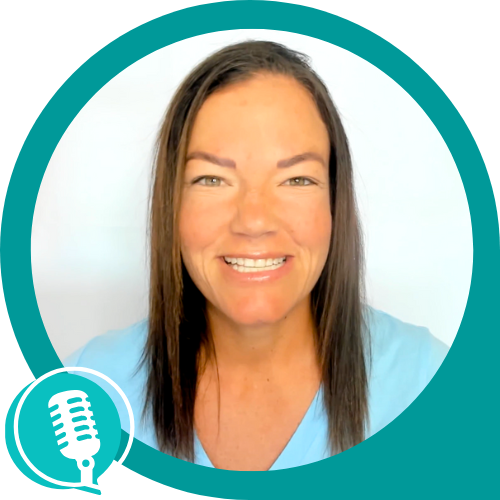
Kristi Kandel
Developer | Mentor | Co-Host of the LRED Podcast
is a real estate developer with nearly 20 years of experience and over $450M in projects across the U.S. Today, she focuses on helping locals step into development and build in their own communities.
She’s the founder of I&D Consulting, Local Real Estate Developers (LRED), and co-founder of Elevate, a community-driven sports and wellness concept.
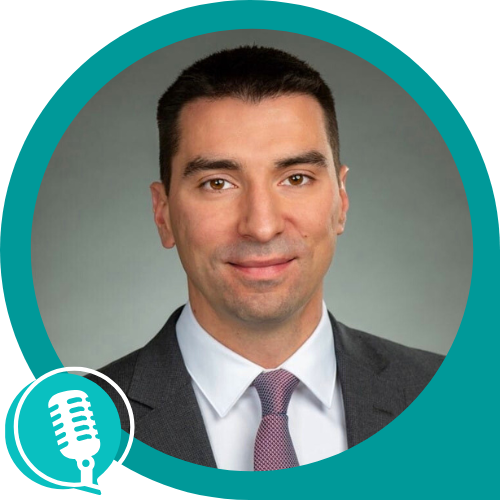
Raphael Collazo
Commercial broker | Author | Co-Host of the LRED Podcast
Raphael specializes in retail and industrial properties, bringing a problem-solving mindset from his background in engineering and software. As a commercial real estate advisor and developer based in Louisville, Kentucky, he works directly with investors, tenants, and cities, bringing a real-world view of how deals come together.
🔗 Related Episodes
Community Development Over Capital: How Rachel DesRochers Builds Where It Counts | EP #45
A powerful reminder that you don’t need perfect capital to start. You need resourcefulness, creativity, and the willingness to move.
How to Start Real Estate Development: Steph Weber Bought the Land First and Built the Plan Later | EP #41
A real look at taking your first development deal from idea to execution without having everything figured out.
Small-Scale Development: How She Left Her Corporate Career and Built a Tiny Home Village | EP #39
Another path from traditional career to building a community-driven development project.
About the Guest
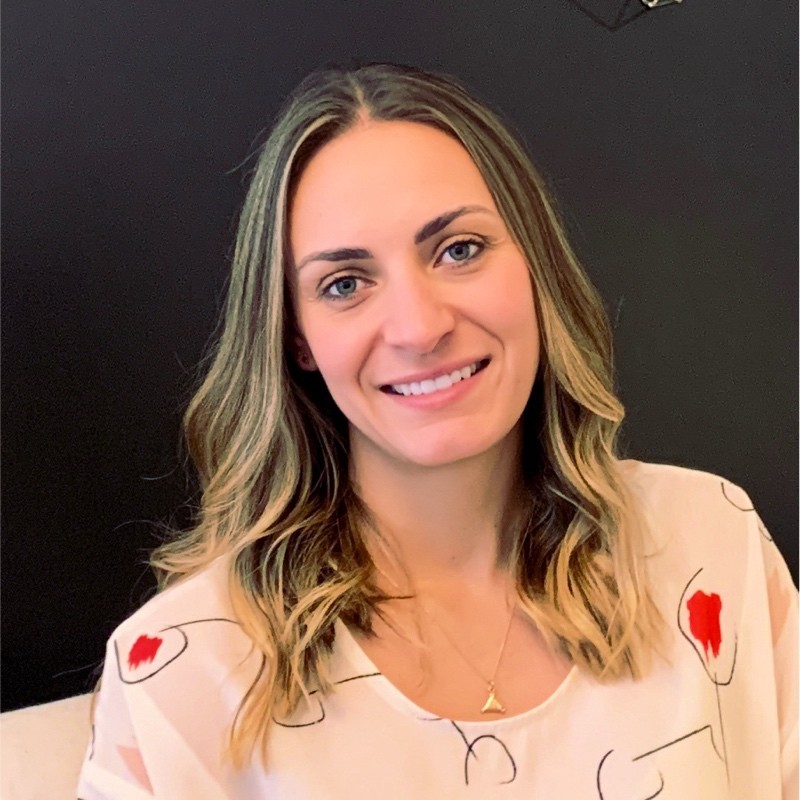
Jacqueline DiMaggio is a designer, Airbnb operator, and emerging developer focused on hospitality-driven real estate. She has built a recognizable brand through themed short-term rentals and is now developing a multi-phase rural project in Wisconsin centered on experience, wellness, and intentional design.
Connect with Jacqueline
Full Transcript
Raphael Collazo (00:41)
Welcome to the Local Real Estate Developer Podcast. I'm your co-host, Raphael Collazo. I am a broker, investor, and real estate developer located here in Louisville, Kentucky. And I'm here with my co-host, Kristi Kandel. Good to see you as always.
LRED (00:53)
Hey, good to see you. Yeah, I'm a real estate developer investor and I teach locals how to become developers in their own community. And today's guest I found just scrolling Instagram and was like, wait, what you just bought what and are doing what this is super cool. So then I reached out to her. So Jacqueline DiMaggio, welcome to the show.
Jacqueline (01:12)
Hello, thanks for having me.
Raphael Collazo (01:15)
No, it's great to see you and hope you're staying warm. I imagine where you're located, it's probably a little chilly, we've got a little cold front in our neck of the woods as well.
Jacqueline (01:25)
Yeah, I think it's about 10 degrees here. So a little cold.
Raphael Collazo (01:28)
There you go. Yeah,
LRED (01:28)
Ugh.
I was called this morning in the low 70s.
Raphael Collazo (01:30)
just so you guys know. yeah, right.
Jacqueline (01:33)
Yeah, you're pretty lucky. I won't say anything
LRED (01:36)
Ha ha!
Jacqueline (01:36)
about that though.
Raphael Collazo (01:38)
Well, thanks for thanks for joining us today. We're really excited to learn a little bit more about the project you got going. And, you know, we talked a little bit offline about it, but I'm really excited to kind of dive into the logic behind you deciding to take on take on this particular endeavor. But before we get started, what we typically like to do is learn a little bit more about the person that we're interviewing. So if you don't kind of mind, if you don't mind kind of sharing a little bit about your background and maybe what got you interested in real estate and particularly in development.
Jacqueline (02:06)
Awesome. Yeah, of course. So it's been a very interesting last, I guess, 10 years. I got married 10 years ago and we started just doing House Hack. That was our first project in Chicago. years go by and we kind of build both our residential and
know, hospitality Airbnb portfolio. And about three years ago, I was dabbling with residential interior design. I left my W2 and started managing our properties full time. And then I was like, you know what, let's just try this. So I started doing it and unexpectedly sad part of the story.
We lost my brother. And during that time, while I was doing the residential interior design, we had started or actually it was coming to an end with the builds out in this area done by a local developer, very cookie cutter. All the houses were the same. There's about 30 of them. Same exterior, same interior, same finishes, everything.
And I found myself just submerging myself in creating something different. So using what we had, but making it stand out. And I realized like that's what this area kind of needed. And it worked. Very popular. Both my Airbnb are themed. So I do things differently. ⁓
LRED (03:32)
Love it. Can you tell us about
the themes? Because I thoroughly enjoyed hearing about how you came up with them and what you put inside.
Jacqueline (03:38)
Yes,
so background, I'm Italian and love the mobster movies. yes, go Italians. And so I said to my family, know, I want to I want to do one house like mobster themed. And, you know, they were like, they were like, what? Why? And I'm like, I think I think it could
Raphael Collazo (03:48)
Go Italians, there you go.
Jacqueline (04:08)
I think it could be really cool, but not gory, guns-a-blazing type movie theme and the famous mobsters and then put a Prohibition Room insider. And they're like, yeah, I guess, but you do you. They didn't get it. So I ran with it. I think I have eight bookings in December.
Families, yes, like in the middle of winter out here, it's hard to get bookings and I get it is around the holiday. But I mean, even well before the holiday and well after I all of December, I'm like booked. So the other one was a cowboy Western theme. My dad loves John Wayne, so he had a ton of extra calendars and books and magazines. And I was like, done. Can I just take all these? And he's like, well, I get them back. I'm like.
They were in boxes in your closet like you didn't even use them and they're like from the year 2000. Why do you want a calendar from the year 2000 back? So I created a whole theme of John Wayne and the Cowboys and that turned out really well. know, submerging myself in that and seeing how well it went, I was like, you know what? I have to keep.
I have to keep going with this. Like, what can I do with it? And spoke to my family, and the hardest part about this area is everything's wetland. So unless you have what the previous developer had, which was thousands of acres that he bought for like a dollar back in the day, you can't really do much, you know, with the wetland. So kind of ventured off and we thought maybe Tennessee over the last year.
And we found a house and found about 30 acres and it fell through because they told us it would cost about a million dollars to recreate the road. And we were like, and we're done. We're going to walk away from this. So our contractor out here bringing us back here, he really didn't want us to leave. And it was very evident because he
probably sent me this listing about two or three times. And he was like, I really think you should check it out. I really think your dad knew you guys would love it. You guys would love it. And I'm like, what am I going to do with 200 acres? That was my answer for, I was like, I don't know what I'm going to do with that many acres. So no joke, we pulled up and all of us just knew. And it was from, we put the bid in literally later that night.
And I think on my birthday, we got the acceptance for it. So I was like, happy birthday to me. And what did I just do to myself? So that's kind of how it happened. So it's been about, you know, 10 years of real estate. But the last three, we've been really trying to figure out like what this area needs. And I think my idea is hopefully.
will come to life and will work out the way that I'm kind of envisioning them. So that's that.
LRED (07:03)
I love it. Can you maybe give us a high level vision of, okay, you've got 200 acres. You said something about wetlands. What can you do? What's on the property? What do you envision happening overall? we're like, just start from there.
Jacqueline (07:20)
Okay, so there are four structures on there already. There's an old farmhouse, originally built in 1900. There is a 40 by 70 pole barn. There's an old hay barn, and there's an old tool shed. The original owners kept everything in amazing shape, so we are very lucky with that. The goal here, there is a creek that runs through basically the entire
like the center of the entire 200 acres. So there are, of course, things that you have to, you all the rules, you have to stay away a certain amount of feet and all that. But that really wasn't, you know, our our goal is and what I want to reiterate is because it's not to create 300 homes and to essentially in my mind, that's what ruins land like this.
is some big wig developer coming in and taking away from the farmland that's 86 acres of this right now. And so we really want a place for our family as well. So I think we're all going to eventually after we build everything else out, we're going to probably build a couple of our own homes on the outskirts of the land and.
The goal is to keep what we have and create it into the new stuff. So, pole barn, we want to do half of a rec area. So we'll put in really cool games, maybe golf simulator, those types of things for the families that do come. And then the other half, we want to do a workout facility. So the health portion is very important to...
myself and my family and we kind of want to utilize what we have and upgrade it. The barn, the barn I have a lot of ideas for but it's teetering on I don't want to turn commercial and have to get those types of licenses so
I would love for it to be more of the experience for the Airbnb guests once we have the homes developed, that we could do some sort of farm to table and utilize the land with greenhouses and the things that we can build on it. Locals, I think another major thing is getting the locals. I know that might be down the road in our conversation, but the small businesses, it's a very small town.
So to be able to incorporate yoga instructors and massage therapists and all of that and tie it all into the health portion, that's kind of the goal. We're so in the beginning that I know I have these like big, big ideas and I just hope that, you know, the town and the people will kind of stand by us and help us out along the way. But yeah, so that's...
That's that.
Raphael Collazo (10:15)
That's awesome. Yeah, I know. one of the unique things, I mean, that's one of the cool things about development too, is most of the time it's a phased approach. So you take on the first step, you develop a property or two or whatever you decide as far as your first phase. And then I think you get buy-in when people see results. So there's a lot of people out there that...
like to say things and say, yeah, I these grandiose plans, but then for whatever reason, it doesn't actually take place. So I think that by you taking initiative and by you showing the community, hey, I'm wanting to do something here that's really cool and unique. And here's all the things that I've done to get to this point. And now I'm taking the next step to be able to develop something so to actually, as activated, think you'll get some buy-in for people. Because again, I think
Jacqueline (10:57)
Yeah, I think...
Sorry, go ahead.
Raphael Collazo (10:59)
No, that was it. No, just want to say that I think people get behind people who are actually drivers, people who show initiative and show what manifesting a reality. So I think by you doing, you're showing this in early stages, I think it's a benefit. So.
Jacqueline (11:15)
I think it's the one challenge is it's such a small town that the first thing that happened and we have our contractor who was very much our voice through a lot of this and just reassurance like, don't worry, like I'll let them know you guys are good people. You know, this isn't about, you know, destroying the land because it was very much talk of who are these people? What are their names? Where are they from? You know, and the second that people hear, oh, they're from Chicago.
LRED (11:34)
Mm-hmm.
Mm-hmm.
Raphael Collazo (11:44)
Mm-hmm.
Jacqueline (11:44)
It's definitely
Raphael Collazo (11:45)
Good stigma.
Jacqueline (11:46)
a little pushback. That's exactly, yeah, yep. And the woman that owned it, she's actually the daughter of the homeowners, of the original. So she was very attached to it. It was very emotional. We met with her. My mom and I went. And so we have the whole backstory of the home. She does not know.
LRED (11:46)
City slickers coming in to ruin our community to yep, yep.
Jacqueline (12:10)
everything we're doing because I did not have the heart. You know, it was more or less we're going to preserve as much of this as we can, you know, for the farmer. We've already discussed things with the farmer. He knows he's on the board. So that's another thing is he was well aware before. And he's just like, as long as you get everything approved. And our goal, again, is to not take down all of his corn and soybean fields. Like it's to take some of them, obviously, to create what we want. But
the whole point of it is really for guests to come and experience that, experience the corn and the background, them waking up and the bluffs and all of that. So yeah, it's not to really hurt people's feelings, but it might be a little bit of a challenge. So hopefully you're right and they do.
LRED (12:54)
And it's inevitably gonna
be a little bit different and change is hard for people. I grew up in a small town of 2,500 people and any amount of change that would happen would, my dad would be very anxious and like, just relax, it'll be fine. And like you just ease them into it and help them understand along the way. And the more they get to know you, they go, okay, you have good intentions. It's a well thought out plan. So as far as, so you said Airbnb. is the...
Is it going to be sectioned off to say this is this type of small cottage cluster in these areas for these different types? And how many do you envision potentially long overall that could be built?
Jacqueline (13:31)
Right, so the house right now will sleep six. We're obviously upgrading it all, but there is a section that we want to, our contractor's also a hunting guide. And so he mentioned, you know, this would be great. And I'm like, but don't kill all of our deer because...
That's what makes it so pretty, right? So I was like, yeah, let's, you know, my dad, of course, had his conversation man to man with him, right? And so the goal is to do two, because once no one's hunting, you're probably going to, he said around six hunters he could take out. So what we would do is the same thing. We'd do like another six person type home, which to me is a little larger. And then the
other homes, I think we would want about three more of the smaller homes. As I said, the goal is not to do a ton of homes, so we would probably have a total of five. And then we want to do a pond. So if we can have that be in the background, the way that I'm envisioning it is kind of the front of the home.
where the road would wrap around would be where the creek is. And then the backs of their homes would kind of face all of the corn and all of the bluff. So I have this. Hopefully we can make it make it happen. But everything would be near those things, because then the goal for us when we build our homes as a family compound is to do it on the outskirts where we could also do another pond and then our own homes.
So I would say probably five homes total. So the goal also, which I wanted to bring back, was that there is a local church and they have a lot of weddings there. It's very small. And so again, like I don't want to do the commercial aspect of it, but if we can somehow upsell to the people that plan.
you know, the weddings and such, that everyone can stay as a family on our account, you know, add all of our, and rent it out for the whole weekend after they get married and things like that. There's different ways and things I'm kind of looking into, but there's just so many different options.
LRED (15:49)
Mm-hmm.
And now I'm just
totally curious because you do have a lot of land and I've talked to different friends about creating glamping sites. Is that at all on the table to have any kind of glamping site and or hookups that people could temporarily come and go or is that just like a...
Jacqueline (16:07)
My wife wants to do that so bad. And I think it's so funny because she is not the type to ever say, let's go glamping. So I'm like, you want to create something and you probably won't even go and experience it yourself. Like we have to stay in nicer places. We have to stay in full blown homes and we go places. So I'm not, I'm not against it. I think I, in my mind, I just don't know enough about it.
LRED (16:11)
You
Jacqueline (16:36)
So it almost be, I would probably have to reach out to others and maybe team up or I have no idea. I'm not saying no to it, but I'm also viewing it as right now the only person doing anything with this is me and I love my family. But the amount of help that I do get is more like support and just Jacqueline , you know what you're doing, keep doing it. And I'm like, okay, got it.
LRED (17:01)
That didn't add any more hours in my day or take anything off my plate.
Jacqueline (17:02)
So.
Raphael Collazo (17:04)
Exactly.
Jacqueline (17:05)
Yeah.
⁓
Raphael Collazo (17:06)
You get the emotional, you know, at a person.
LRED (17:08)
Thanks. Thanks.
Jacqueline (17:10)
that's why
I laughed when you first contacted me. like, talk, we, you know, we talked to other developers and like, no, no, no, I'm not a developer. Like I'm just an interior designer. And then you were like, no, you're, you're kind of going to be a developer now. And I'm like, okay, I am. And my family's like, I didn't think of it that way. like, neither did I, but I guess I am. So it's not, it's not off the table.
LRED (17:31)
And that's where we accidentally get
into development. it's just like, what we hope to do through this is that by sharing the stories is that people more intentionally get into it and don't realize, by us doing that and us doing that, we're a developer. It's that people are able to more intentionally do it and do it in their community that they want to preserve, that they want to just enhance and bring just a new spin on it and go, okay, awesome.
Jacqueline (17:46)
Yes.
Raphael Collazo (17:54)
Yeah. Yeah. And to realize that you can achieve what you set out to, I think there's a lot of mis- there's a lot of-
Jacqueline (17:54)
I'll be more confident. promise.
LRED (18:00)
Mm-hmm.
Raphael Collazo (18:03)
know, people out there that have this misrepresentation about what development is, I think they think that you have to be, you have to this huge balance sheet. You have to be like this institutional level person to take down these large office developments or multifamily developments. But development is, can be as small as even, even flipping a house. I mean, really you're, you're changing something from what it currently is to something else and that's development. So I think that, you know, it's important to kind of reinforce that idea so that people don't get scared away from taking on.
their project that maybe could change the trajectory of their life because I feel like there's a lot of people out there that talk themselves out of things and it's unfortunate because if they just decided to do it, maybe you have some hard road early on because no project is perfect. You're going to face challenges, but once you get to the other side, you realize, wow, I'm glad I did that because if I didn't, then I wouldn't be where I'm at today. So I think that's important to kind of have that that mentality.
Jacqueline (18:57)
I agree. Yep.
Raphael Collazo (18:59)
So one thing I'm curious about is you've alluded to the fact, so you're originally from Chicago, is that correct? And you have decided to take on a project in a completely different market. I think you had alluded to the fact that I guess your parents had a house somewhat nearby, but not necessarily in this particular area. So how has it been building partnerships in that local market? Because I think that's one area that I've yet to explore just because.
Jacqueline (19:04)
Yes.
Raphael Collazo (19:25)
I've only ever done projects in my local market where I have the connections that I've built through being in brokerage. So I'm kind of curious how you've been able to leverage some of those relationships that you've built to try to take down this project.
Jacqueline (19:38)
Yeah, of course. So Brent is our contractor. And years ago when the house that my parents built, he came in to do an extra project. And I still remember his story. He pulled up to the house and he goes, I'm not going to be able to do a good enough job. Like, because this is
My parents have very good tastes and like they're just the way so he initially like freaked out. Kind of like, sir, are you sure you want me to do this? And he's like, well, can I show you what I want done? You know, and they did like a outdoor like kitchen type thing. And he, you know, basically my dad was like, just pick whatever you want. The guy's like, what?
And my dad's like, yeah, I trust you. You see what's on the inside. He's like, just kind of, you know, bring it to the outside and make it an outdoor kitchen. And so Brent was like, OK, are you sure? Like, what if you don't like something? You know, and my dad's like, I like it. Don't worry about it. Just just get it done. So as that started, the relationship of my dad just trusting this random guy that he.
got his name from someone else to build a whole kitchen, know, outdoor kitchen for him. It turned into he has done everything for us. He watches our house when we're in Chicago. Anything with our other two rentals, the mobster house and the cowboy house. He's kind of our maintenance guy for that, helps us with everything over there. And so that's why, you know, in the beginning of story, when I said he kept messaging me the same
When this listing came up, kept messaging me about it and it was because we were looking in Tennessee and and glow and behold, he just didn't want us to leave. He's turned kind of like into a brother of mine, like just, you I probably talk to him more than I talk to my my brother right now, to be quite frank. But, you know, it's he's he's he's the man around here. Everyone knows who he is. You say Brent, they're like Jacobson. Like, yes, Jacobson.
And so he got us, you know, he got me a one-on-one with the farmer. The farmer took us around the land. So he's the one that can do everything and he knows people. So it's really, it was a no-brainer for us because if we were to actually do something in Tennessee, we would have literally all needed to get up.
change our lives and move to Tennessee. So this actually works out better, in my opinion. It's colder. I'm not really a big fan. I never wanted to build a second house in Wisconsin, to be quite frank, but it's absolutely breathtaking out there. And I'm so glad that, you know, he was so adamant about us going and take a look at it because he's our go-to. So that's how we do it with just...
LRED (22:40)
Mm-hmm.
Jacqueline (23:00)
him being around for the last, I guess, seven years and just being very reliable and very honest too. That's another thing. It's very difficult to find workers. And people that don't just jack up the prices, he knows we'll take care of him. So he's honest with everything that he does. So it's a good relationship for sure.
Raphael Collazo (23:21)
good here. That's hard to find. So it's always good when you find those people that you can rely on in that capacity, especially when you're away from the site, because, you know, it's hard to, you know, take someone's word for it you don't necessarily trust them. And obviously, you guys have built that relationship. That's great. Definitely. So
LRED (23:23)
Mm-hmm.
Jacqueline (23:35)
Exactly.
Raphael Collazo (23:38)
Regarding the next phase of the project, where are you guys at currently? You described some of the pieces of what you guys are trying to accomplish. Have you looked to start on the main structure and then building out from there?
Jacqueline (23:55)
Yeah, so the phases of which we were viewing it was the farmhouse first and then the pole barn. And then we're currently trying to get approval for a pond. So those are the three main things because we have no idea how long it'll take for that that approval. So while we're upgrading
and doing everything with the pole. mean, the pole barn, I'm not kidding you. It's just a hunk of metal and some wood and not even all not even all of it is concrete. So we'll have to have that added and stuff. And it's just it's it'll take it'll this is not going to be something that is just done in, you know, a month. It's going to take us years to to get everything.
you know, to where we want it. But the goal for us was if we can have one home and the things that people can like, will draw them to come here. That was my, that was my kind of, you know, decision was pole barn with games in it and health, you know, to work out and then a pond to play in. So if you could have those things and of course, you know, your hot tub and your sauna and things like that and all.
place, but then after that would definitely be probably the hunting cabin and, you know, go from there. I think that the barn is something that might take a little bit longer to figure out exactly what we want to do just because developing this land and creating walkways and, you know, places to go hiking, it's so much land that it's very overwhelming.
So that's why we were like just tunnel vision on three things and then we'll go from there. If that makes sense. Yeah.
Raphael Collazo (25:42)
Yeah, but that's what you have to do that. I mean, there's no way
that it's you can't eat it now than one bite. That's what I always tell people. It's like, you've got to slowly make your way to the finish line.
Jacqueline (25:52)
Yeah, and
LRED (25:53)
Yeah.
Jacqueline (25:53)
I
think the other thing too is I think we're approaching this a little differently than a lot of like big developers. We're not looking for a lot of people to invest. That's not like we're not looking for people to help where, know, my parents are older. My dad doesn't my dad doesn't trust anyone. And I don't blame him because he's
77 years old and he's just set in his ways. So we're trying to, you know, do a lot of this upfront with just our own money and using it from our other rentals. So we're leveraging, we're taking, you know, the money that we make from there, we're bringing it over there, you know, and then eventually we will, we'll get a loan, but to do obviously more of it. But I think we're doing that a little differently too. I know you didn't ask that question, but.
Raphael Collazo (26:43)
no, but it's
good insight. It's good insight because I think there's a lot of people out there too that think that they have to go to the bank and get a bunch of money and a loan and then leverage the property to the hilt to get the project done. But there's other approaches to take as well. I've always told people leverage is a double edged sword. Like it can be beneficial when things are going well, but in a situation where the economy turns and you're experiencing
LRED (26:43)
and
Jacqueline (26:43)
You
Raphael Collazo (27:07)
the performance that you expected, could really hurt you. you got to be cautious with how you approach debt because it can be, you know, it's not always the greener option or the best option. So, I mean, just being prudent about how you take it on, it seems like you guys are doing that.
LRED (27:24)
Yeah, and you've got your cash-filling businesses on the other end and then you're funding this as you go and that's, it's more common. It's not like Instagrammable and it's not this amazing like, look at what we did so fast, but it's also life and it's not putting more stress and pressure on yourself than you need to. Like all of this too is about quality of life and getting out of that W-2 and creating a different life, right?
Raphael Collazo (27:27)
You
Jacqueline (27:41)
Ugh.
Yes, yeah, less stress for Jacqueline 's always good. My family knows that for sure.
Raphael Collazo (27:51)
Let's transfer to... I like that attitude.
Hey, well in Italian households, you know, it could be kind of, there's a lot.
Jacqueline (27:59)
That's
why they choose to just let me do my thing because they know.
LRED (28:03)
You
Raphael Collazo (28:03)
That's
funny.
LRED (28:06)
So when based on the bootstrapping and stuff for the for that first phase, once you get the pond and clearly you don't know when you get permits, is that like, hey, in two years, we want to hopefully have the first ones open and going or is it potentially a little bit sooner? What do you think for for getting the first ones in?
Raphael Collazo (28:06)
So, go ahead.
Jacqueline (28:23)
I think what's hard about this is Brent is one person. So he does have, you know, another group of, their family contractors and they're not looking to do big time houses, they're not looking to do project every project. So he kind of got them on board with, hey, you know...
this is coming up, right? Let's get this going. We have to stay on top of him a little bit more. It's harder because this is so different than Chicago, as I'm sure it's different from other states as well that move just so much faster. Doesn't mean he's bad at what he does. He's very, very good at what he does. It's just more or less like, okay, when we're not up and running, we're not making money. And this is definitely different because I'm also the type that doesn't want...
LRED (28:53)
Mm.
Mm-hmm.
Jacqueline (29:11)
to have that home and possibly the hunting cabin up and running, but then we've got a ton of hammering and sawing and a bunch of, so it's gonna be very strategic in how we do it and how we approach it. I think that ultimately if we can get a house done.
LRED (29:24)
Mm-hmm.
Jacqueline (29:32)
every year that would be great. I know that sounds like it's forever, but um...
LRED (29:35)
No, it's really not.
I've got similar contractors and relationships in smaller towns and communities, and that just kind of is the way it is. And they're going to call in all the different people, and maybe sometimes you'll be like, cool, guys, like a barn raising party. And we're just all going to put all hands on deck to help them with stuff that isn't super technical and move things along. I mean, that is what it is. And then the grand scheme, like you said, it's a deep relationship that you've had for
Jacqueline (29:53)
Yep.
LRED (30:03)
what seven plus years now and clearly they want to be there. They've got the local connection. So a little bit is like, all right, let's take a breath from, you know, the city and how we would normally do things while also going, okay, like in my case, it'd be like, all right, Dave, Jose, a little pep in your step right now. ⁓ But for the most part, then it's like, okay, like they have their, sometimes they just need help prioritizing. But yeah, it'll happen.
Jacqueline (30:05)
Yep.
you
Raphael Collazo (30:20)
Mm-hmm.
Yeah. And then
you'll find in development, just things take a while. mean, I have, bought a property here and locally that we, it's been vacant for almost a year. Like we, we, we occupied half the rear space, but we've had the front space vacant for a while and it needs a lot of work and we're going to have to take it on. And we were doing other projects that took priority. And so we haven't had the time to be, and, really resources to put into the front space. So it's just kind of sitting there and.
Jacqueline (30:52)
sitting there.
Raphael Collazo (30:53)
Yeah, we secured it. We have the new roof on it. it's at least protected in that regard. But as far as the actual build out, it's going to be pretty significant for about 2,100 square feet. We're going to try to get a restaurant tenant in there. I mean, it's going to cost us a lot of money. So we just got to pick the resources together. And the area is continuing to improve. so in the next few years, maybe the next year, I'm thinking by this next year, the rents are going to be justifiable for what we have to put into it. And so that's kind of.
the equation that you have to always calculate in your head. It's like, are we going to make this work?
Jacqueline (31:28)
and permits and just yes, think yeah, yep.
Raphael Collazo (31:29)
and permits yeah yeah that's not even talking about the permits like i'm not even in that category yet
LRED (31:33)
Kermit, piece of cake, that's my bread and butter. goodness, all right, so you've had this and clearly there are all sorts of challenges that come along the way. What's one thing or maybe a couple things that you do to just stay motivated when all of a sudden you're like, whoa, got that sucker punch or things aren't moving as quickly as I want?
Raphael Collazo (31:35)
Yeah.
Jacqueline (31:36)
That's funny.
So.
LRED (31:50)
You just go out there and scream really loud.
Jacqueline (31:52)
I will say I've had to learn what taking deep breaths really does mean. Because just being in the hospitality industry, it's already, it takes a lot for me because my personality is...
not always peachy. Like my sister is very bubbly and I'm like, I wish that sometimes you would just want to join the team and you can handle all the guests. I love it, though. I do love it. But the portion that I love is the creativity. So it keeps me going. And literally what wakes me up in the mornings is knowing that I'm.
Okay, let's be creative. What tile am I gonna do? How am I gonna do this fireplace? Where are we gonna do this? wallpaper. Okay, what's next? That's kind of what keeps me going is just knowing that I'm creating these places that most people love. And that's what keeps me going with this project is knowing that this is different. This is farm. I'm very masculine, modern.
when it comes to my design approach. So I'm also, I'm putting that in, but I'm also keeping in mind that it's a 1900s farmhouse. So I need to bring, you know, bring back some of that, you know, farm feel. But yeah, I would say what keeps me going is definitely just the creativity. It's my jam. I love it. It's what keeps me going. So.
That would be that.
Raphael Collazo (33:24)
That's awesome. Yeah. And with this property, it seems like you'll have plenty of opportunities to exercise your creativity over the next probably five to 10 years. So that's pretty awesome. Yeah. don't know though. Yeah. Let's shrink the timeline. Yeah. So that's awesome. And we'll just give you some perspective on the audience that we typically are attracting is those individuals who are
Jacqueline (33:34)
I don't know though. Let's not say 10 years. ⁓
Yes.
Raphael Collazo (33:51)
somewhat newer in their real estate career, whether that's their existing, you know, working at a W-2 job, or maybe they themselves have been in real estate in some capacity, whether that's brokerage or property management, or maybe they've been in the construction side, but maybe working for another firm, and they're looking to take on their first real estate development project. What advice would you give to newer entrants into the development space about
the process and you know maybe add some some motivation regarding that because I think that there's there's always that that point in time where you have to kind of make the decision whether you're in or out and sometimes all it takes a lot of times is just a word or maybe a phrase or maybe a you know in just a conversation point that they hear that kind of takes them over the edge to take take that next step so I'm kind of curious if you could share what your thoughts are.
Jacqueline (34:45)
I actually just did my third episode on this exact exactly what I'm going to say. It's all about the feeling. I will honestly say that the gut feeling you get when you actually go and start visiting and looking at the land and things that you want to do. Follow it. And then do the research. Like.
Everyone's always like research, research, research, right? And you're like, I found this perfect land. Then you get to it and you're just, don't, it's not there. Again, we felt it when we were in Tennessee. And then, you know, there was just parts of me that I felt guilty because my family, I felt like they were a part of it, but it was because they were my biggest cheerleaders. And they were like, yeah, we'll do it. Sure, we'll follow you.
But I don't think they actually felt that, which then made me not really feel it either. And then it just completely was solidified with the million dollar new driveway to get in there. But when we drove up to this, it was like, holy crap, this is it. And then we did the research and we made sure that there was enough. There wasn't too much wetland. There was enough for us to build on.
kind of going around and seeing the other aspects of the land and stuff. I would have to say, yes, definitely your gut feeling and then do the research.
LRED (36:07)
I love that interesting you're good. was just talking to someone yesterday and three properties they were looking at fell through and they're like, there's, there's a fourth one that's there. And she told her fiance, she's like, yo, if this one falls through, clearly the universe is trying to tell us something. And I think just listening to that and like, instead of having so much friction and pushing the boulder up hill, just going, maybe not. Whereas there was something else that we went and looked at yesterday for a potential project.
And immediately our eyes all lit up and we're like, my gosh, my gosh, we're getting the goosebumps. Like this could work, this could be it. So who knows? Again, like you said, now we've done a little bit of research. Now we're doing the deep dive and who knows where it lands. But yeah, I think just getting out there and actually seeing and putting your boots on the ground, which Raphael, maybe even you with different clients that come to town, like they come and they...
see the market and you take them on market tours, right? And kind of let them get a feel for the lay of the land.
Raphael Collazo (37:02)
Yeah, I know. And each client's different and each person's different. you you've got the large, I do a lot in retail. So I work with local clients and regional clients and national clients that come to town in different areas. And so all their needs are going to be slightly different. Now with the clients that I work with, and even myself as a developer is, you know, I'm big in a walkability. So like if an area is walkable or is trending in that direction,
that's an area that I kind of want to look at more closely. And that's kind of the feel, right? You walk around those areas, you see, you know, families walking around, there's little shops that are opening up or a little restaurants popped up and you start thinking, okay, this area is starting to trend in a direction that could lead to a more vibrant retail corridor. And so that's just innate, just gut feeling by you walking the streets. And I always tell people when, because there's a lot of people out there that, you know, they do all the research and they
listen to bigger pockets. So they go on all these different podcasts, or listen to all these different podcasts, and they always try to find the next Excel spreadsheet that's going to break down all the scenarios and everything. And I'm like, guys, in my opinion, if you can't make sense of it by just writing on a napkin, then don't do it. Why are we having this exercise where it's like, well, if I sell this building in five years for a seven cap rate versus a six and a half cap rate, you cannot predict the future.
know, this idea of making these ridiculous models, it just, it's not realistic nor is, and it keeps you from making decisions and ultimately you lose opportunity because of it. So I'm of the mindset, keep it simple. You know, the KISS model of making, you know, decisions and, know, it served me okay thus far and until it's a dozen otherwise, I'll just keep doing it. So.
LRED (38:47)
I agree. think we overcomplicate how
things go and where it's like, no, we don't want some complex system and waterfalls and this and that. If you can't understand it, if you can't explain it to someone else, no, but why do that? Like you're only setting everything up for complications and miscommunication or misunderstandings and I don't know.
Raphael Collazo (39:04)
Absolutely.
Jacqueline (39:05)
I
agree. do think it's interesting too because I've had actually family members, because my parents are older, and they're like, why are you doing this? And why here? Why in Camp Douglas? And I'm like, to be honest with you, this is exactly...
what families sometimes look for. That it's not always about, you know, we're about 30 minutes away from the Wisconsin Dells. So a lot of when we have families come to our other homes, they take a day and they go there. But the amount of times that I've had messaging that we didn't even end up going to the Dells because we were having so much fun with the pond behind the houses that, you know, the beach and
all the toys that you have and all of these fun things and the kayaks and all. People look to get away from the walkability. So although it is very important with a lot of these, you know, hospitality in a lot of the industries, I think sometimes just the get away from it, but then we still create different things for them to do in the land, which is walkable, but it's just not.
Raphael Collazo (40:20)
Yeah.
Jacqueline (40:21)
shopping and high-end retail stores and things like that around us, it's going to be different. They're going to go on nature walks. They can maybe tell their kids, the phones at home. We're going for a walk. We're going to go kayaking. So it all kind of intertwines with different approaches, I guess.
Raphael Collazo (40:43)
Yeah, well, and I'm sure the family members who were asking why do you do this have never been to the area that you're at. So they don't really know that there's this is a thing. I mean, it is definitely a thing. There's a market for it. yeah. ⁓
Jacqueline (40:56)
They've been to the area. They're
just pessimistic and they don't understand. They don't get it. They're like, would you want to do all this work? Why would you not want to do the work? Because I don't want to work at W2 for the rest of my life. This is what I want to do.
LRED (41:02)
They can't see the vision yet. Yeah.
Raphael Collazo (41:07)
Mm-hmm. Okay. Mm-hmm.
LRED (41:12)
Right.
Raphael Collazo (41:13)
Yeah.
Well, what's always funny too, because people talk about investing in different, know, whether it's stocks, bonds, whatever. But, obviously choosing real estate is one that I value. And obviously it seems like all of us do. And what I find about real estate is real estate can be forgiving over time. So even if you make mistakes.
As long as you're in an area that has some of those characteristics that we're talking about, right? It's a vibrant area or it's one of those getaways that's very popular for people to go to or in a lot of ways the demographics are shifting in a positive direction. It's going to be forgiving. So that's one of the reasons I like real estate a lot is because you're going to inevitably make mistakes. There's going to be issues that arise during these processes. it's not going to be a straight
into the right model all the time. There's going to be dips and curves and all this other stuff. But over time, if you kind of have the right approach, it's going to go in that direction. So I thought I'd share that.
LRED (42:11)
And it gets
to be more than spreadsheets too to where, okay, I buy a stock. That's the most boring thing in the world to me. I'm like, great. So now what do I do with my time? Whereas with real estate and development, we get to create something. Like you said, you get to create physical places and structures and experiences where people are going to have memories for generations. And like, whoa, that part, that part's cool.
Raphael Collazo (42:14)
Yeah.
Jacqueline (42:31)
Yes, that's my dad has always been stocks, stocks, stocks because of the same reason he partnered with someone once and they screwed him over. And he has never partnered with anyone ever again. Except me, because he started seeing our success in the Airbnb and he's like, you want to do this? And I was like, you sure you want to do it? He goes, well, what am I going to have to do? I'm like, nothing, please, nothing. Just be the 50 50 partner.
Raphael Collazo (42:36)
Mm-hmm.
LRED (42:40)
Hmm
Raphael Collazo (42:46)
Hmm.
LRED (42:59)
You
Jacqueline (43:01)
and just be my dad. so we've now this is the well, if you count the two houses, this would be the third third thing we've teamed up on. But yeah, I mean, when people ask him what he's doing and how crazy like you're crazy, you're how old are you? And to his uncle and to his, you know, his brother, they're all saying that. he's just like. Guys, what else am I going to do? I'm sitting watching TV. I'm retired like I'm this is this is fun. So I'm like, all right, as long as you're on.
LRED (43:23)
Great. Great.
Raphael Collazo (43:27)
Yeah.
Jacqueline (43:29)
You're on board, let's do this.
Raphael Collazo (43:30)
You're building legacy with your family. I feel like that's half the reason people do stuff like that. I don't know. I want to build something great for my family, and I want to make sure that those in my orbit benefit from it. So I commend your dad. think that's great. I would love for my daughter. We just had our first child recently, and she's six months old now. I'd love to do something with my daughter in the future. That'd be great.
LRED (43:32)
Yeah.
Mm-hmm.
Jacqueline (43:45)
Congrats.
Super cool.
Raphael Collazo (43:51)
Yeah, so regarding the next steps and really just getting a wrapping up the thought on this particular project. So we talked a little bit about the different phases of the project. What does the future hold outside of just this? Are you guys focused in on this particular process for the next five years or so and then wanting to continue on in the hospitality space? Are you looking to explore other options as well?
Jacqueline (44:15)
So I also started, I think this is our gonna be, this is our first full year, so we're going into our second year. She was a guest that stayed at the mob house and she got us a gift from the Cranberry Fest, cause that's huge out here. And...
She's like, hey, I'm also a host. I love your home. I'm new to it. I'd love to just, you know, chat. You know, hit me up if you ever want to just talk shop. So I, of course, reached out and thanked her for the gift. And then we just started talking on occasion. Hey, what do I do? This guest is complaining about this. Hey, what do you think about this? Right. And it gradually turned into she wanted to leave her job and she wanted to do co-hosting.
And I said, OK, well, guess what? I want to dive more into getting more into the interior design for the Airbnbs. I didn't know the business aspect of it that well. So when I. Did our two homes, I knew I was like this is what I want to do, but I wasn't sure how to put myself out there and actually like get jobs. So she's like, what if we combine? And she's like.
We offer it as, let's upgrade your revenue by Jacqueline 's design and let us manage it. so where I'm going, yeah. Yeah, so where I'm going with this is I am very, very busy with not just our two homes. We just signed, I think our sixth home. gosh.
LRED (45:40)
So you're saying you're a serial entrepreneur.
Jacqueline (45:55)
Yeah, just out here. And I am now having to design like three more homes over the next couple months.
LRED (46:02)
You get to design
three more homes. Look at you go.
Jacqueline (46:05)
Yes.
So your question is, is where am I going? I think I need to just focus on the farmhouse, making sure that gets up and running. And then, you know, our two other things with this land, but also continue growing with her because this area, I've made a name for myself the way that I view it, because we can call someone and talk to them about it.
LRED (46:20)
I like it.
Jacqueline (46:28)
And they're like, the mob house, the cowboy house. we know, we see that all the time. so people know my homes. People know that now I'm designing them and I also manage. And so it's kind of just slowly growing because I've asked her to slowly grow because I think she would be like up here. And I'm like, these are really big houses. So we need to, you know, kind of take it down. So I hope that answers.
LRED (46:54)
But you're now partnering and collaborating
to be able to, one, create more cash flow in other areas, which will fund the development as you go. But also by partnering and collaborating, you're now kind of, you're building that business and that team to where you both can operate in your zones of genius and not have to do it all. And then as you go from there, maybe getting some virtual assistants or people that can kind of help with some more of the accounting or the behind the scenes stuff and automation and you're growing.
That's what you're doing.
Jacqueline (47:25)
100%, yes, she is all homeowners and guest relations and I am.
LRED (47:30)
which you said you don't
love anyway, so I mean, I don't either. It's why I have Orion. He is great with guests when I wanna go, why are you so dumb?
Jacqueline (47:39)
Yes, so yeah, think that's what we're doing, yeah, growing, yeah, taking over the next five years, think just this land is very important and I don't get much help, like I said, from my family. My wife is, she travels basically the world for work, so that's why this all just kind of gets plopped on my lap, so.
LRED (48:02)
And that's why you learn the deep breaths. Love it. So as we're wrapping up, and I know I found you because of Instagram, where can people connect, support you, follow along? Because I do know you're putting out some good stuff too. How can people follow along?
Jacqueline (48:05)
Yes.
It would be on Instagram. That is my go-to. It's Jacqueline underscore Demagio. And then I did do a PDF for what I felt was important. And that's also on the bottom, just to follow along and learn more about the importance of experiences created by design and all of that fun, fun stuff.
LRED (48:31)
Nice.
Raphael Collazo (48:40)
That's awesome. Yeah, we'll make sure to include that in the show notes. If you guys are watching this on YouTube, go ahead and description, you'll be able to access it. And same goes for Spotify and Apple podcasts. We'll make sure that that's included. So, well, Jacqueline was really nice to meet you. It's great to meet a fellow Italian. It's always fun. So I wish you all the best on this project. I'm really looking forward to staying in touch. I think maybe in the future, as you start to progress in this project, we can do an update, which is always fun. That's one of the things we'd love to continue to do.
keep in contact with our guests because they're all doing really cool projects around the country. And at some point, it's really going to be a cool network of people. So ⁓ really cool.
Jacqueline (49:19)
I appreciate
it and I'd love to, yeah, hopefully once more is developed, definitely be able to show it and talk some more about it for sure.
Raphael Collazo (49:28)
Amazing. Well, thanks again for your time. Really do appreciate it. For those of you guys who are watching on YouTube, please like and subscribe. It makes a huge impact on our ability to reach a broader audience. And we obviously greatly appreciate the support. Along with that, if you guys are watching this in a podcast format, whether that's Apple Podcasts Spotify, please, please, please leave a five-star review. The more people leave five-star review, the more reach we get online. And ultimately, the more people that we reach, the more people will get inspired to take on their first real estate development project. So thanks again so much for tuning in. And we'll see you all next time.
Get the tools behind the episode
Access the Developer Vault with templates and real resources
©2025 I&D Consulting. All Rights Reserved.
©2025 Local Real Estate Developers. All Rights Reserved.