Real Estate Partnerships, Capital, and Scaling Local Development Without Losing Your Vision | EP #38
Real estate development, partnerships and capital strategy, and scaling impact without losing control
What happens when growth requires outside capital… but the wrong partner can cost you everything?
This is the real conversation developers need to hear before they scale.
This episode is a behind-the-scenes look at what it actually takes to grow as a developer. Not just deals, but people, partnerships, and the decisions that shape your future.
Kristi and Raphael break down the realities of capital. When to bring in partners, when to avoid it, and why not all money is worth taking. They share real stories from projects, partnerships, and lessons learned the hard way.
If you are thinking about scaling, raising money, or taking on bigger deals, this episode will help you think differently about how you grow and who you grow with.



Get the tools behind the episode
Access the Developer Vault with templates and real resources
Episode Summary
Most people think development is about finding the right deal.
What they do not see is everything that happens before and after that decision. The relationships, the capital, the risk, and the long-term consequences of who you choose to build with.
In this episode, Kristi Kandel and Raphael Collazo sit down in person for the first time and unpack what it really takes to grow as a local developer.
They start with the reality that development is not a straight path. It is layered, phased, and often slower than expected. Projects take years. Sometimes a decade. And if you are only relying on your own capital, your ability to scale is limited from day one.
That is where partnerships come in.
But partnerships are not just about splitting a deal. They are about alignment. Trust. Communication. And being honest about what each person brings to the table. Kristi shares how she evaluates partners, from asking the right questions to watching how people respond under pressure. Raphael adds how even good partnerships require difficult conversations, and why those conversations are what actually strengthen the relationship.
The conversation then shifts into capital.
They break down the difference between JV partnerships and syndications, and when each makes sense. Smaller projects can often be done with a tight group of aligned partners. Larger projects like Elevate require a completely different approach, including layered capital stacks, community investment, and public-private partnerships.
But the biggest takeaway is this.
Not all money is good money.
Kristi shares lessons from working with private equity and venture capital, and how the wrong capital partner can shift your entire vision. The terms behind the money matter just as much as the dollars themselves.
They also talk about starting small. Adaptive reuse projects, small retail spaces, and local developments that create real impact without requiring massive capital. These projects build skills, relationships, and credibility. Over time, they open the door to larger opportunities.
And finally, they look ahead.
The vision is not just bigger projects. It is a bigger community. A national network of local developers who are building in their own towns, learning from each other, and growing together.
Because development is not just about buildings.
It is about people.
And the ones who succeed are the ones who start, stay consistent, and choose their partners wisely.
What You'll Learn
- How to decide between JV partnerships and syndications
- Why relying only on personal capital limits your growth
- How to vet partners and avoid costly mistakes
- What “bad money” actually looks like in real deals
- How to scale from small projects into larger developments
- Why community and relationships drive long-term success
Bold Truth
Not all money is good money, and the wrong partner can cost you your vision.
Timestamps
0:00 — Intro
https://youtu.be/RSWWwRPKH18?t=0
0:41 — Meeting in person for the first time
https://youtu.be/RSWWwRPKH18?t=41
2:00 — Elevate and early-stage development work
https://youtu.be/RSWWwRPKH18?t=120
3:10 — What people misunderstand about development
https://youtu.be/RSWWwRPKH18?t=190
5:10 — Adaptive reuse and small retail projects
https://youtu.be/RSWWwRPKH18?t=310
10:00 — Phasing projects and long-term strategy
https://youtu.be/RSWWwRPKH18?t=600
12:00 — Carrying costs and real risk
https://youtu.be/RSWWwRPKH18?t=720
13:00 — Why you need multiple projects
https://youtu.be/RSWWwRPKH18?t=780
14:00 — Not doing everything yourself
https://youtu.be/RSWWwRPKH18?t=840
16:00 — Why partnerships matter
https://youtu.be/RSWWwRPKH18?t=960
17:00 — How to vet partners
https://youtu.be/RSWWwRPKH18?t=1020
18:00 — Structuring agreements early
https://youtu.be/RSWWwRPKH18?t=1080
20:00 — Difficult conversations in partnerships
https://youtu.be/RSWWwRPKH18?t=1200
23:30 — Real project walkthrough
https://youtu.be/RSWWwRPKH18?t=1410
26:30 — Tenant strategy and deal structure
https://youtu.be/RSWWwRPKH18?t=1590
30:00 — City incentives and funding
https://youtu.be/RSWWwRPKH18?t=1800
32:30 — Building local developer ecosystems
https://youtu.be/RSWWwRPKH18?t=1950
34:30 — Learning from other markets
https://youtu.be/RSWWwRPKH18?t=2070
38:30 — Raising capital for Elevate
https://youtu.be/RSWWwRPKH18?t=2310
43:00 — Not all money is good money
https://youtu.be/RSWWwRPKH18?t=2580
45:00 — Start small, scale over time
https://youtu.be/RSWWwRPKH18?t=2700
46:30 — Building the LRED community
https://youtu.be/RSWWwRPKH18?t=2790
Meet the Voices Behind the Mic
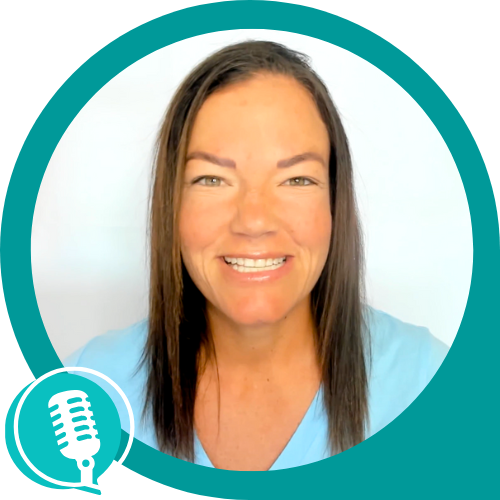
Kristi Kandel
Developer | Mentor | Co-Host of the LRED Podcast
Kristi is a real estate developer with nearly 20 years of experience and over $450M in projects across the U.S. Today, she focuses on helping locals step into development and build in their own communities.
She’s the founder of I&D Consulting, Local Real Estate Developers (LRED), and co-founder of Elevate, a community-driven sports and wellness concept.
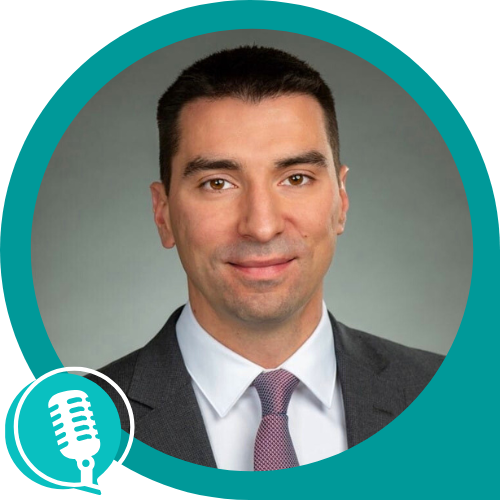
Raphael Collazo
Commercial broker | Author | Co-Host of the LRED Podcast
Raphael specializes in retail and industrial properties, bringing a problem-solving mindset from his background in engineering and software. As a commercial real estate advisor and developer based in Louisville, Kentucky, he works directly with investors, tenants, and cities, bringing a real-world view of how deals come together.
🔗 Related Episodes
Community Development Over Capital: How Rachel DesRochers Builds Where It Counts | EP #45
A powerful reminder that you don’t need perfect capital to start. You need resourcefulness, creativity, and the willingness to move.
How to Start Real Estate Development: Steph Weber Bought the Land First and Built the Plan Later | EP #41
A real look at taking your first development deal from idea to execution without having everything figured out.
Small-Scale Development: How She Left Her Corporate Career and Built a Tiny Home Village | EP #39
Another path from traditional career to building a community-driven development project.
About the Guest
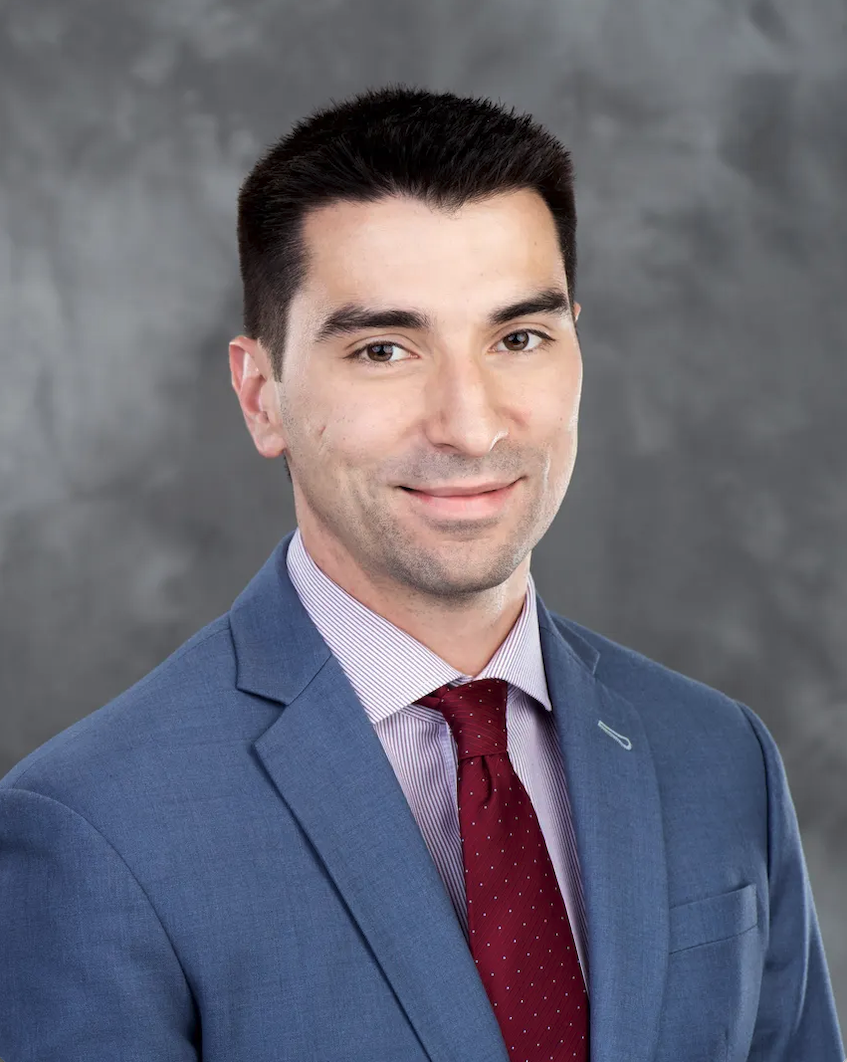
Raphael Collazo is a commercial real estate advisor and developer based in Louisville, Kentucky. He specializes in retail and industrial properties and is the founder of Fidelity Development. Raphael also hosts the Commercial Real Estate Academy podcast and focuses on helping investors transition into development.
Connect with Raphael
Full Transcript
Raphael Collazo (00:41)
Hey everyone, excited to be back with you in this new year of 2026. I am here, we're located here in Louisville, Kentucky, and this is going to be actually a dual podcast between the Local Real Estate Developer Podcast and CRE 101. And today I have the honor of having my co-host on the Local Real Estate Developer Podcast, Kristi Kandel here locally here in Louisville. It's exciting to see you in person and actually finally meet for the first time. We've been obviously doing the podcast for quite some time and
It's really cool to have you locally, so good to see you.
LRED (01:11)
Thanks for having me. It's great to be here. It's funny. I was talking to a couple friends because I was up in the Midwest for the holidays and they're like wait You've never met and like now
speaker-2 (01:19)
This is our first time. It's awesome.
Raphael Collazo (01:21)
Yeah, I I feel like we've obviously known each other for a good amount of time just through meeting each other online, but it's definitely the first time we met in person. And it's been a really cool experience to kind of show you around Louisville and see some of the, you could see some of the stuff we're working on and it's just been, yeah, it's been a good time so far. So what I thought we'd do with the podcast was just talk a little bit about how things have been going in our lives. I know obviously we, we had our final episode of the local real estate developer podcast for 2025 recently.
And we're really excited to get in 2026 and deliver some, lot of value just by engaging with people all across the nation. But tell us a little bit about how your holiday has been going, some of the stuff you've been working on and we can dive into the rest of the podcast.
LRED (01:58)
Yeah, I'm actually on a little bit of a road trip myself. kind of meandering around the Midwest and part of that is to see family and hang out, but also part of it is to do something to kind of get some idea for one of our projects we're doing, which is Elevate South Florida and St. Pete. So we've toured a couple that were here today, but just kind of at different sports and wellness and entertainment facilities and other places in the country are doing it.
speaker-2 (02:07)
market research. ⁓
I'm gonna check.
and seeing how
Raphael Collazo (02:23)
Absolutely,
yeah. And it's a really cool project if you guys aren't already following along with their Elevate project. ⁓ You guys do daily releases of updates. That's amazing. And what day are you on right now?
speaker-2 (02:31)
Every single day we are
LRED (02:32)
Posting an update,
Day 131 or 132? There you go.
Raphael Collazo (02:36)
Yeah, it's pretty amazing. And the amount of progress you guys have made in a short period of time is pretty impressive. And obviously, there's a lot of roadblocks and hurdles you guys have faced and you guys are ultimately going to get to where you need to go. But it's really cool to see your commitment to delivering that product to the marketplace because I really do think it's going to be of value and showing people that it's possible why these daily snippets and as we'll dive into some of these, the rest of the projects that we're working on locally, you know, the goal for some of them is to deliver
and understanding of how these projects work so that it inspires other people to take on projects in their own local community.
LRED (03:10)
Yeah,
a lot of times we'll talk about development and people think that means once you see a shovel in the ground and things start going vertical. And part of why we're doing daily updates for Elevate is to say there's a whole lot of work that happens. Put a shovel in the ground and a lot of that in site selection and building partnerships together and just even building the local relationships. So that's what we're trying to do in a short, easy to understand way and just put the updates out there and yeah.
speaker-2 (03:14)
you
before you ever.
and putting the right teams.
Raphael Collazo (03:39)
Yeah, that's amazing. And again, it kind of goes to show the nuances of development and you walk, you drive by these places and sometimes you're, you look at a building, you're like, why has it been sitting the way it has been when this new person bought it a year ago? It's like all this type, this type of stuff that goes on in the background that people don't consider. And so that's great. And it's awesome that you're able to kind of, and you live in Florida and obviously make your trip to see some family here in the Midwest. And, you know, I don't know if you're going to be going to Tahoe this year. Are you, you were mentioning?
LRED (04:08)
back for a little bit this year. There's more than enough going on with Elevate that will keep me on the East Coast most of the time, so it'll probably take a month out to Tahoe. Like we've said before, I'm kind of a reverse-signal to Tahoe and the Western Snowboard, and I come back to Florida the rest. But that's one of the benefits of being a developer and an entrepreneur is that as long as you have Wi-Fi, you can work anywhere.
Raphael Collazo (04:09)
I got a lot going on in Florida too.
speaker-2 (04:18)
Snowbird and Saigo Winter
Raphael Collazo (04:30)
And you've built a portfolio yourself and everything which enables you to do some of that stuff, which is really cool. But one of the reasons why it was great to have you come down was, you know, obviously we're working on some projects locally and I really wanted to show you put you put some eyes on it because again, we're excited about the projects and with the amount of experience that you have in construction, it was just good to get your take on some of the stuff that we're working on. you know, just to give you some guys from perspective, you came in earlier this morning and we actually grabbed some lunch at a building that we purchased ⁓
last year, and we were able to kind of rezone the property, identify a tenant, we placed the tenant in there. And ever since then, we've had that building in a sub market here that's called Shelby Park.
LRED (05:10)
Yeah, and we've talked about it it's a whole other thing when you get to experience a market. I absolutely love going and doing site tours like this because everything we've talked about is like, oh, that was this place. Oh, that was the hurdles. That's where this happened. So I have thoroughly enjoyed today's trip and kind of seeing everything.
Raphael Collazo (05:26)
No, and the cool thing too is what we touched on is this particular property was a house that was zoned office residential. We converted it to commercial. And from what you described, it seems like in Fort Myers as well, there are several of these projects that have popped up that used to be houses that then got converted into restaurants. And they're kind of in areas that are walkable and the areas are turning more commercial and it creates this kind of a momentum.
for the area and that's kind of what we're seeing at least in this particular sub market in our market. I don't know if you can touch on a little bit on Sportmeier's to see to describe some of the stuff you're seeing over there.
LRED (06:02)
It definitely is starting to go that route to where we're, where it's called adaptive. It's just where we take our existing buildings and our structures and we.
speaker-2 (06:05)
overuse and it
Just repurpose them into stuff we would want. So sharing this house and make a logo.
LRED (06:12)
stories like, hey, we totally turned it into a restaurant, could light off and someone else go, ⁓ I do that
too. So we are seeing that a lot in the different markets that we're in.
Raphael Collazo (06:22)
Yeah. And the cool thing about some of these projects too is that they're bites, they're approachable for a lot of restaurant users because obviously you see the big box restaurants that are in the 3000, 4000 square foot space, but typically the rents that you'd have to pay for those spaces are pretty significant. So that means the revenue you have to generate is going to need to be at a higher enough level to where you can justify those rent payments. But some of the cool things about some of these adaptive reuse projects, especially with some smaller spaces,
is you can get into some of these spaces for a rental rate that's achievable for a lot of restaurant owners. But when you look at the price per square foot, which is what a developer has to kind of consider as they're going in to justify some of the expenditures of these developments, it makes sense. So that's where I think, that's kind of where we've been operating at least recently in those kind of small to midsize retail spaces because we can make the numbers work.
as opposed to some of these larger entities, some these larger.
LRED (07:19)
And it's great because it works for you as a developer getting in and trying something maybe not necessarily so big to start, but also for that local business to come in and be able to be successful as well. So it just wins across the board and the community wins because then they get things that are a little bit closer to them too.
Raphael Collazo (07:35)
And
it creates an ecosystem where now it becomes more of a retail corridor. And that's great for the residents because now you can walk up and down the street. In this particular case, the restaurant that occupies the space is a Cuban bakery. They've got phenomenal pastries, great different types of food. The coffee obviously is amazing. So it's a good additive to the community. You have an entrepreneur that's taking on the ownership of that business and she's been doing very well.
It's kind of cool to be able to do something like that. And granted, I'm just part of the ownership and I don't claim to be the operator of the business, but it's really nice to be able to be at least a small part of seeing the community kind of continue to evolve.
LRED (08:16)
Exactly, and then we went from nearly caught on let's walk and go to these Is really cool in itself because now you already know that area You already have a successful business and project and it's like yeah, makes to maybe go by slot around the corner. Yeah
speaker-2 (08:17)
there. Just walk. we can load these next properties, is now.
since by this
Raphael Collazo (08:29)
Yeah,
it's within, I think, a three or four minute walk, less than 0.2 miles away. And that's another thing too that I'm sure you talk about a lot and you've talked to a lot of people about is that investing in the market that you kind of understand because we already own a building right around the corner. another unique thing about it too is that when you own something in an area that you've added value to, it creates the opportunity to be able to add value to something close by, right? It lifts up the entire area. the second...
building that we went in and looked at were actually two buildings right next to each other. One is a, ⁓ you know, they're both of them were kind of one was a workshop and the other was kind of a storage area for a long period of time. And, you know, the long term vision for that is to do more of a retail complex over there that incorporates a variety of different retail tenants, both either, either general retail or restaurant and retail. So I don't know if you want to share any insights on what your thoughts were about the property or the area, etc.
LRED (09:23)
I mean, just as we walked into the building and it was bare bones and everything had been exposed and it's just like, yeah, yeah, I can see this here. And it gets me excited because you can see and have that vision for what it could turn into. And then even being outside and seeing the lot and looking around going, things that you could do with this. it's where it is harder for other people.
speaker-2 (09:40)
Wow, this is a huge lot. There's so many with us. To me, this is the fun spot.
to
see what
LRED (09:48)
that vision could truly turn into. But if you can do that, yeah, it's very exciting. The way you shared what your vision was, that was very exciting.
speaker-2 (09:57)
to see because it makes sense in this whole area.
LRED (09:59)
as well.
Raphael Collazo (10:00)
Yeah, no, for sure. two, think kind of going back to the whole idea of the development phases, right? This isn't going to be something that's a one-year project. This is going to be something that there's a phase approach to it. So the way this is laid out is that there's two buildings. One will eventually be demolished and either used as some form of parking or we're going to be able to rebuild in some capacity. But the main structure itself is going to be the restaurant
space in the front and then we'll also have a ⁓ wood working tenon in the rear. But the long-term vision, again, and this is where the multi-phase approach for development comes into play, is that you focus in on the bite-sized pieces to start and then once you have, once the area continues to evolve and once the area continues to get to a point where that larger development is justifiable, then maybe at that point you can take on the larger project. But stabilization obviously is the name game to start.
LRED (10:52)
just enough to get to where you can get it stabilized and wait for the market and the location to turn and then a larger investment.
speaker-2 (10:54)
and then
makes sense to pour in.
Raphael Collazo (10:59)
Yeah, have you have you kind of experienced some of that in your in your one?
LRED (11:03)
100
% that is and so many times we'll look at something and go wow limit but what you don't see are the years and the phases that came before that where everyone like you're gonna bootstrap things to a certain extent not everything gets fully funded from our tertiary markets to where yeah you are gonna do those hurdles and like take the bite-sized
speaker-2 (11:06)
That's a really cool, huge development.
the start and especially in
the smaller
pieces at first, and then it will eventually turn into.
LRED (11:27)
to because you're getting the community excited about the area
and what it could be and making sure that the demand will be there by the time you make that investment.
Raphael Collazo (11:34)
Absolutely. And two, think one of the things that I appreciate you talking about a lot at the Times is that it's not always roses and sunshine, because it's not. mean, obviously with all these projects, the two projects we described, I mean, there were definitely challenges that we faced from the beginning. mean, prolonged vacancy. mean, the building that we were talking about that's eventually going to be converted into a restaurant, it's been vacant for almost a year. So you talk about carrying cars.
LRED (11:59)
You have no expenses, right?
Raphael Collazo (12:01)
The taxes just came out actually, so that was always fun. And with commercial property taxes, as you know, it's not, they don't get retained in escrow by the bank. You have to pay it all at once. And so you're driving these massive checks to the bank, to the county and you're like, my gosh. But it's part of it. It's just part of the plan. And obviously with this particular properties that we were describing, this is much more of a long-term play. It's not a kind of home run deal from day one. It's kind of you're betting on the area.
and you want to kind of commit to an area and then if you have enough staying power, then ultimately it will work its way out. And we kind of talked about a little bit ⁓ recently when we were at Hawks Corner, which is another place locally that you said, which was great, was real estate is kind of very forgiving over time. It's not always going to be forgiving early on, but it can definitely work out in the long run.
LRED (12:49)
And that's why it's so important to have your cash reserves to even have other lines of revenue coming in that can give you your cash flow that way. You can do these longer bets because maybe your 10 extra, your bigger wins in the long run, but you have to have that cash flow and those reserves to make that happen. But that's where also doing multiple projects at once is very beneficial because they do take time. I mean, they take one
speaker-2 (12:58)
Those are going. Turn.
is very
135
LRED (13:15)
10
years to get to their point. So if you just did one and waited, would probably see the true benefit of what development could be.
speaker-2 (13:20)
but it probably.
Raphael Collazo (13:24)
Sure. And so within your, in the way that you've approached it, kind of, and this is just kind of out of curiosity, do you typically have multiple projects that you run at one point, like even now? I mean, you guys are obviously elevates such a big project that you guys are taking on. But even currently you're taking on other projects and other things. So. Yep.
LRED (13:42)
So like one of the other things that we're excited to be doing is getting rid of some of our board properties and turning those into a boutique hotel and creating that destination experience. So like with, I am more in the driver's seat of, hey, I'm leading the charge on this. And with the boutique hotel and that partnership, I part of the scenes of, okay, yes, we'll make the decisions, but we're going to be in the operation. So I think that's another key part of development is that you don't have to do everything for every project.
speaker-2 (13:46)
it
elevator.
more behind the scenes.
but I'm not being the daily.
You don't have to do everything.
LRED (14:11)
And it's like, elevator excites the crowd. So I'm like, I want to be involved in the detail. I
speaker-2 (14:11)
And... crap out of me. It's not because I-
LRED (14:15)
want to be talking to all of our different partners and investors and operators. But when it comes to the boutique hotel, love the concept of what it'll be in the end. don't need to be in any little detail. that's the beauty of it, to where you can have multiple street going. And like, that's cool, because those are happening in other states, too.
speaker-2 (14:22)
love. I don't necessarily need to be involved in every
Go. Just be like, okay.
LRED (14:37)
So we're still in real estate, but it's happening across the country.
Raphael Collazo (14:40)
And
you're diversifying your location risk, which is kind an interesting play. Right now, I'm pretty exposed locally, which is fine. mean, that's where my expertise lies. And ultimately, that's hopefully going to be beneficial in that regard. Now, one thing I'm kind of curious about, and we can elaborate a little bit on this and then dive into some of the other stuff that we did today as well, but partnership. Because I think that's another piece of the puzzle that a lot of people think is, can be fraught if you don't consider it all the different angles.
but it can enable you to take on some of these projects. Like all the projects that we just described and one more that we'll dive into a little bit are all partnerships. I did not take on these projects myself. First and foremost, it's capital. mean, unless you have an unlimited amount of capital, obviously- Everyone wants money at some point. Exactly, exactly. And I think that's one of things. And also too, not just the initial capital, but it's the ongoing commitment of carrying costs. Because I mean, as an example, the building that we had initially talked about that became the Cuban bakery,
I mean that we had to rezone the property. Yep. I took almost 12 months. We had to carry the property as we were trying to find a tenant. with carrying costs come taxes, insurance, mortgaged, know, general maintenance. had to do some minor updates to the interior of the property just to kind of get it up to a little bit of snuff. And then eventually, you know, engaging with tenants. One of the ways that you're able to kind of incentivize tenants to move into a space is creating a incentive structure. So in our case, we offered a certain amount of free rent.
for them to come in and do what they would with the space. And so that's another period of time that there's no income coming in. And so I think if you take on these projects on your own, obviously you get all the upside, but you also can, you can mitigate, you help mitigate some of the downside by incorporating other people, but just making sure you like and trust the person that you're dealing with is going to be important. So.
LRED (16:25)
Yeah, are so many. At first I didn't want to have partnerships and then you realize there is zero chance you will be successful in the long term. Understanding how to vet people and it's really it's getting to know them as a person and figuring out. That's also where I love sports. My partners I also have played sports with and you get in a tight game and you can start to see how people respond to your pressure. But there's ways and questions you can ask. And then also
speaker-2 (16:34)
partnership so it's then
This sports. Most of
just talk close to them people who
LRED (16:53)
talking to people who are might
have been in business with them before. If they were a landlord, maybe talk to tenants to see how do they communicate. Ultimately though, you trust your guy, if you see a red flag, like trust the red flag. And a lot of times we want to be all excited, but maybe taking that break to pause and go, okay, is this the right partner?
But I would say for all of these different things that we've talked about, like the boutique hotels, it's actually gonna be four of us partners, and then we'll probably raise capital, depending on how big we go. But we've got to gather to where we understand what everyone's strengths and weaknesses and what we, and we will flat out say, here is what I'm willing to do and what I'm not. Do we have the right team? And we have those frank conversations to where it's like, there's no feelings being hurt here. Does this work or not? This is business.
speaker-2 (17:25)
smaller projects together.
LRED (17:41)
And then also coming up with the operating agreements and different expectations while everyone's happy and going to where when you break up later or something happens, your whole life changes. Someone gets cancer, someone dies, someone will be ending. it's not for that point in time. It takes a lot of the pressure and the stress out.
speaker-2 (17:50)
down the road and someone's
thing will happen. there will be an end. If you have it all written out, how you handle it.
Raphael Collazo (18:02)
Yeah, that's huge and obviously incorporating an attorney to kind of help you. Was it death, disability, disinterest? Was it like some of
LRED (18:09)
⁓ yeah, there's like 5D
Raphael Collazo (18:12)
Yeah,
so just kind of addressing all that and to your point regarding, you know, the person, I think one of the biggest things is obviously the communication piece just from the beginning, setting expectations from there. And then even throughout the process of going through it, just constantly being in touch with one.
LRED (18:26)
We'll
write in to our stuff, like we'll say, okay, here's the expectations, here's what everyone's willing to do and can do. And we will say every six months it can be evaluated, which is honestly probably too short, but we put that in there. But to go, if you're not upholding your end of the bargain, like we could say, okay, well then, cash flow, whether it's equity, whether it's whatever it is, we could shift it based on doing what way.
speaker-2 (18:43)
Let's shift this, whether it's...
on who's doing what.
LRED (18:50)
just as another layer of accountability and just.
Raphael Collazo (19:30)
Yeah, okay. Yeah. No, I couldn't agree more. mean, and with the partnerships I have right now, it's just two of us in each individual partnership. And I have partners in three, three of the buildings have individual, like different partners. Yeah. But, you know, we, set up a formal JV agreement and, and with the people that I've gotten into business with so far, it's been, they've been great. you know, obviously I like and respect them. I think they are honest and they do what they say they're going to do, which is very important.
LRED (19:55)
rare but
Raphael Collazo (19:56)
It is it is rare. two, mean, and also just being, just giving people grace too. And that's where I think that the sport component is very, very impactful, at least with me, is that there's gonna be times where my partner's gonna pull more weight than me. And there's gonna be times where I pull more weight than my partner. But when we realize that we're on the same team.
Like it doesn't matter. mean, there's gonna be, and I'm okay with taking the more weight if there's something going on and you need, there's personal things going on or maybe you have other commitments that are taking more of your time. As long as at some point we kind of level that out, that's okay. But at the end of the day, we're on the same team. We're working to accomplish the same mission. And as long as we both have that type of mentality and you're honest and you are willing to communicate and have the tough, difficult conversations, because there's gonna be times where you have to have those difficult conversations. I think, again.
In my limited experience, it seems to have.
LRED (20:43)
No, it's very true. in one of my newer companies, we just had to have a difficult conversation. And it was just, when we have those, I remind myself, go, hold on, pause. And I tell myself to stop. And I go, you're about to grow right now. Because every difficult conversation that I've just like, elephant in the room, you're stepping into it, you're talking about it, you're diffusing whatever it is. And it honestly just brings you
speaker-2 (20:55)
smile to grow.
means instead of hiding from it and letting it be the
closer.
LRED (21:08)
together
with your partners through that because you were able to have that conversation before things spiraled out of control and got too big.
Raphael Collazo (21:16)
Well, often too, when you have those difficult conversations, you play out these scenarios in your head that are so much worse than what's actually going to happen when you actually address it. So I think more than anything, it's just ripping the bandaid off and realizing that you're eventually just going to make it on the other side just fine.
LRED (21:33)
that exact conversation I remember messaging one of the people after and I said it wasn't as bad as you thought it would be was it?
speaker-2 (21:39)
No, not even close. We just needed to have it now to diffuse it, to be done. There was nothing crazy. It was just...
Raphael Collazo (21:40)
Exactly.
LRED (21:45)
Let's set expectations and let's make sure people understand where they're.
speaker-2 (21:48)
under
Raphael Collazo (21:49)
Yeah, absolutely. And again, that hopefully will now propel you into the next phase of the partnership. you know, hopefully a good partner would take that constructive criticism and say, you know what? Yes, this is where an area of improvement that I need to take on and move forward.
LRED (22:04)
Or
it helps you vet people out early, like if they can't take that and we get further down the road and like if for some reason that then great they vetted themselves out early. Yeah. I'd rather that than be way further down the road.
Raphael Collazo (22:17)
And
you don't wish you will on anyone, like if for whatever reason those expectations aren't being met, it's better that you guys, you know, look to do different things because it's not going to be, it's not going to bode well long-term for the situation. So yeah, so that was kind of a, not a tangent because obviously it's part of important, it's important part of development is just, again, if you're taking on partners, which is oftentimes the case, this, these are the types of things that are going to be just little nuggets that are going to help you along the way.
But yeah, kind of referring to the day to day, mean, we went, grabbed a little bite and some coffee at that Cuban spot. We walked over to the retail complex that we're eventually going to develop. Again, it's going to be a multi-phased approach, multi-year project, but it's kind of in that same sub-market. There's a lot of growth occurring in that area. They're actually going to be converting Shelby Street and Logan Street into two-way streets as well. So that's going to improve walkability. They've already completed most of the project. They should be delivering it.
I think in springtime of this year. So that'll help a lot with walkability. And then after that, we wandered over to Smoke Town, which is just a sub market just north of Shelby Park, maybe a three or four minute drive away, kind of closer to the hospital district or Blue Med as they describe it here in Louisville. And maybe we can talk a little bit about that building and
LRED (23:30)
I absolutely love that one. Walking up like a media was like, these are great bones. This is a great building. the, understanding like what you, why you bought it, where you bought it, how you bought it. And then, like that, yeah. That one I love.
speaker-2 (23:41)
seeing the end.
Raphael Collazo (23:45)
I
appreciate that one. I figured you'd enjoy that one. But yeah, it's kind of a, great. It's a great building. It really is. It's a fortress. mean, there's things like cement and brick and two-story 5,600 square foot floor plates. I mean, it's a tank of a building and we got it at a pretty good basis. And I had actually been involved in the transaction two doors down. So I was familiar with the area and my business partner on that project, owns Electrical Contracting Company. He had been in that building for a long period of time.
Interestingly enough, the way that that evolved and we'll share it too on the, we're doing a case study on that building. So we're going to have like video and everything else on it. But in the, in the podcast that we're going to be releasing it, talk about the fact that initially what had happened is Fred had approached me about the building said, Hey, like I really liked this building. I said, yeah, I actually love it too, because I sold the building next door, but it was, was priced way too high at the time. And so I initially represented him on the acquisition as an agent.
I said, hey, like, I think this building could be great. Like, I can help you acquire and blah, blah, So we went through the process, tried to find a tenant, things fell through. And then we were able to negotiate even further with the landlord and got it into, got it to a really good basis. And then we decided to team up to take on the project. So that's kind of how it evolved.
LRED (24:59)
Was it through you representing him and you guys just getting closer and closer that-
Raphael Collazo (25:02)
I had known Fred for a little while. We were looking for stuff to do together. It wasn't like we were, it was just out of the blue by any means. But the initial phase of the project, it was definitely him wanting to acquire the building. I kind of, I liked the building, I really did. I was like, I sold the building two doors down, I know the area very well. And I just approached him, I said, hey man, do you want to team up on this building? He's like, yes. And and done. Done and done. So it ended up working out so far. And granted,
We're seeing the building in the demo stage right now. It's just a blank canvas, nothing in the building right now. We're actually gonna start saw cutting here shortly on the building this next week. So it's gonna be very exciting to see that. But yeah, so that whole evolution of that project started with being under contract, trying to find a tenant, couldn't find the tenant, backed out. And ultimately we're able to negotiate a good deal with the landlord. And then we actually were able to find a medical services tenant to take.
half the first floor and the second part of the first floor is still available, although we're talking to a few groups and hopefully have one that identified that could be a good fit for that space. So, you again, we're just trying to get that building stabilized and the future of that building upstairs could be either offices, kind of spillover space for the existing tenants, or it could be some form of apartments or Airbnbs or something along those lines.
LRED (26:19)
What do you think timing wise from the time you acquired it to getting even the first ten it's open, what do you think that'll be?
Raphael Collazo (26:26)
The first tenants open springtime of this year for the first tenant. But the second phase is obviously the second first floor tenant. It's going to be very dependent on what they need. again, I think one of the interesting things that you described about partnership is knowing what your skills are. I do a pretty good job of identifying tenants. That's kind of, mean, again, I'm a broker. I talk to tenants all the time. you know, I'm pretty diligent about getting out there and having conversations with people. And so.
I feel like I'm a pretty, I do pretty well identifying tenants that could be viable for spaces. Whereas my business partner, Fred, he is again, runs his own electrical contracting business. He's done large scale construction projects, very knowledgeable in that space. And we, feel like we compliment each other pretty well in that regard. So he's handling a lot of the construction of the, of the, of the interior. And then I'm handling a lot of like the
For example, that building, interestingly enough, is in a flood zone, but we are raising it out of the flood zone by putting in kind of like a platform. So I don't know if you noticed that, but on the domino side, there was like a you know, not platform, but it was concrete. And it was like a step up. So we're raising it out of the flood zone using that little platform. So that's number one. Number two, because it's located in Smoke Town, which is historically,
a black neighborhood, it was one of the older neighborhoods in the city, it actually qualifies for tax freezes if you invest a certain amount. because it's where it's located, the threshold for investment is only 5 % of the building value. So, I mean, we're gonna be investing significantly more in the building than that amount. So I actually was coordinating with the city, had a gentleman come out, took pictures before.
And once the project's done, they'll come out and take pictures after, and then they'll freeze the taxes for five years on the building.
LRED (28:13)
How did you go about figuring that part out?
Raphael Collazo (28:14)
I had known about it just through different initiatives in other parts of town. There's different municipalities in the city that can qualify for some of these tax freezes. there's also some cities within Louisville that have their own tax basis or tax administration. So for example, in Jefferson town, which is actually where I live, you pay the county taxes and then you actually pay the Jefferson town city taxes. so in Jefferson town, in certain
and that major thoroughfare that runs through the city, if you were to acquire buildings in that area, sometimes the city will, they have different incentive programs to be able to help you buy the building and then do tax freezes, et cetera. And so I had had some familiarity with it in the past. And so kind of a checklist item when you're walking through these types of projects, like how can I add, for lack of better word, value? Like what are ways that I can maximize the,
the output of this building and obviously talking to the local municipality is one of those checkboxes, you know?
LRED (29:16)
that leader diligence can open and describing what you're doing can lead to someone saying, you know about this, this or this.
Raphael Collazo (29:22)
Well, too, and funding opportunities as well. Because right now we're doing traditional bank financing for construction, and then we've got a line of credit to be able to handle a lot of the build out, because we did get a really good deal on the building, and we have enough of equity position to be able to justify the line of credit that we got through this existing bank. there's also a lot of city programs for funding. right now, there's a lending arm for the city called MECCO. It may have changed in the name, but
They have different programs for facade loans. have different programs for, I mean, there's all these different categories. And so we're filing an application with the city for when funds come available because our goal is to try to paint the building and maybe do some asphalt and redo the asphalt in the rear. And some of those programs have favorable financing terms. usually a little bit cheaper than traditional bank financing and they're a little bit more
not necessarily lenient, they are more focused in on the mission of what you're trying to accomplish. If you can deliver housing, whatever the mission of that particular entity is. And so we're exploring that as a potential option down the road as well.
LRED (30:33)
Yeah, that's come up in a lot of communities with different people who are trying to do something in their downtown. it's, there are programs because they want to beautify the downtown. They want your facade. So basically the exterior of your building, if it's new windows, if it's painting, if it's making it a little bit prettier and nice and aesthetically pleasing, if it's creating more, better parking and asphalt. There are programs like that. And it just comes from asking and talking and getting out there and
and getting to know your community leaders and what's available. I'm actually, so in two weeks, I'll actually be meeting Jason, who we had on the pod earlier, and we're gonna do a tour of downtown Belfast and kind of see all of his different spaces. And we're gonna take a couple other city people with me from the area and go, this is what we can do. If we do projects like what you're doing, what Katie Neeson's doing in Texas,
Raphael Collazo (31:04)
Mm-hmm. Yeah.
speaker-2 (31:09)
of
and just what we can do. We start to invest.
and
LRED (31:27)
Jason did in Bell Fountain and like if we. And like and doing now
speaker-2 (31:27)
do this. Like it's not just project and done. You doing this is
LRED (31:33)
inspiring other people to see.
speaker-2 (31:35)
maybe I can do this too. Partner moose.
LRED (31:36)
Or, maybe you can partner with
me and do this. And this is how we take small and then this is what will affect all trying to do.
speaker-2 (31:40)
all the pieces turns into that that truly creates the change that we're
Raphael Collazo (31:46)
Yeah, absolutely. you're getting to know like you described, you know, a few things that I think is important to kind of highlight is one, just getting to know the city officials to go in downtown and just asking questions and being like, can you inform me about all the different programs that are available, kind of starting to build those relationships. And, you you talk about getting to know the developers in the area. Like one of the things that we did, we did when we started investing in this in the sub market is get to know all the people that own the buildings in the area and, and grab the grab lunch and
We had lunch with a couple of developers that own a couple of buildings just north of this Logan Street market, the market that we had seen just a couple of doors down, and they're gonna be doing potentially an office property. There's gonna be maybe some Airbnbs and residential that's coming to an area, and that's just insights you gain just by having conversations with them. And also, you kind of build that community with those developers, because you better believe that I'm gonna try to support whatever.
projects they're doing because I think it's going to be a net positive for the area and they're going to be advocates for what we're doing as well. a rising tide kind of lifts all boats. And then you create this ecosystem where everything else kind of starts to take shape.
LRED (32:54)
And that's truly how works. doesn't matter if you're working on smaller projects or ginormous projects, like that is all of these little steps are what it takes.
speaker-2 (32:59)
literally
Raphael Collazo (33:01)
Definitely. Well, yeah, I know. And so kind of those, those were kind of the high points of, of the, the, projects that we were working on. And we kind of walked, went over to Hawk's Corner, which is a, cool spot here in town. They did a really cool job over there. They literally took like five or six shotgun homes, knocked down the fences in the back. And then each individual shotgun home is kind of like a retail slash restaurant space. And then the back is more common seating, outdoor space. They have a play area over there.
And you'll have to come back in the summertime as it is packed. mean, they do a really good job over there. And the gentleman who owns that is actually a restaurateur. He owns a couple of the restaurants in that complex. And then they control all the drink sales from the main part, which we talked a little bit about some of the performance of that. It's pretty wild. But again, very novel idea. And it's become kind of a community staple in that area.
LRED (33:52)
And it's projects like that that if we showcase it's you're not reinventing the wheel. You're using existing structures. You're creating awesome like what six small businesses plus then a common gathering area and playground and hangout areas. not like communities coming in and your bases that are missing like that. I love seeing projects like that in communities.
speaker-2 (33:57)
existing.
creating those third
Raphael Collazo (34:12)
Yeah. And to your point, it kind of creates like a spillover effect because now that becomes kind of an anchor for the area. And next door, they just opened up a seafood spot further down the street. There's going to be another restaurant that opens up and it creates this like kind of ecosystem that stems from just one project that kind of was innovative and has been kind of a big staple for that area. And then after that, we went over to Good Bounce, which is a local pickleball concept that, you know, again, you're doing research on trying to
open up the Elevate concept in your local market and you've been going to different markets around the country to kind of gain some inspiration. from those experiences that you had going to these different markets, what are some of the key takeaways that you've garnered that hopefully will help you with what you're doing in Elevate?
LRED (34:57)
Yeah, just by, so both in Columbus and then here by going to different, so this one was a pickleball wellness facility, but a lot of it was outdoor and so you could go to a per seasonal because no one was out playing piddle or pickle or basketball or beach volleyball because it's cold right now. So those spaces where they can go to be shut down. Now people are going to have new habits and go to different spots. But it's interesting to see where they're placing these facilities.
speaker-2 (35:06)
well that's su-
So it's how do you create.
year round because if they shut
but it's still interesting to
LRED (35:25)
And we were talking to one of your friends who came by and they're like,
speaker-2 (35:28)
Well,
they're still doing pop-up events, and so there's ways to
LRED (35:31)
get
people excited to come to area. those are seeing this in all capacities, whether it's packed or whether it's empty or pop-up events, that's how we figure out, what can we do to make sure this is a 12-month like operating open facility, not just for Florida, as we, because we do want to expand, elevate to other markets once we get this. So really kind of helping us put that whole blueprint together.
speaker-2 (35:39)
or if they apol-
and facility.
LRED (35:56)
But even like in Columbus, I went to Smash Bar, which has locations in Minnesota and I think one other state, but now in Ohio. And that is an indoor outdoor complex. And it's sports bar, pickleball, cornhole, shuffleboard, arcades. And it's really cool to talk and I'll sit down with the general managers and just kind of understand, know, what drives your revenue here? What do you do membership? Do you drop in? Do you do court rentals?
speaker-2 (36:00)
Iowa.
as well.
See you.
LRED (36:23)
It's been really fun to be able to, as I drive through different cities and locations, to kind of see what is out there and get a visual on, this is how it's like, this is what's working, what's not working.
Raphael Collazo (36:34)
Yeah, that's great. No and you know to your point, I Not reinventing the wheel is oftentimes the best way to do it because I feel like People think you have to do something. I mean, obviously it's innovative what you're doing and that you're delivering kind of a unique Offering to the marketplace, but there's all these different components within that broader project that have already been done So if you can take inspiration from some of these other areas that where things have been going well
you're gonna save yourself so much time and heartache and I
LRED (37:01)
about that there is no cheat code no easy button there but the the biggest cheat code truly is something to someone who has figured it out and or someone who has failed and knows why failed and then you can from there you can go okay well let this here so for me I'm definitely going to a bunch of different food halls and I have a ones on my list because I know the hard business it's a very hard business but I want to have the best
speaker-2 (37:13)
Dude.
restaurants as
But I'm also a foodie, so...
LRED (37:27)
So if we can figure out a way to probably, to where the business owners can do what they specialize in, we can have the food that we want, but it all economically makes sense. That's what I'm going to try and figure out.
speaker-2 (37:30)
run the food hall area.
we want to
do.
Raphael Collazo (37:41)
Yeah, yeah, it's the narrow sliver of operating costs versus what the revenue is going to be. And we talked about a little bit at lunch that it is a very narrow sliver. But to your point, mean, one of the most common small businesses is restaurants. You have a lot of people that want to manifest that vision into reality. So I think you're going to have the demand. mean, one of the things we'll see in our local market, and I'm sure it's that's way in all markets all around the country is second generation space like
Building out a restaurant is extremely expensive. if you can deliver a space that's already ready to go, the demand to fit in that space is going to be pretty significant.
LRED (38:17)
And if you've created to where you're getting the trips, you're getting the people who are coming through daily and you've already created that whole hub of belonging and community, then it makes it that much easier for every small bit inside of LH to then operate and thrive.
speaker-2 (38:29)
in Idaho Elevated.
Raphael Collazo (38:32)
Absolutely. No, I couldn't agree more. So one thing I want to talk about, which is I think is something we both are kind of committed to trying to do more in 26 is the capital raising piece because, you know, this is a pretty ambitious project. It's not going to be something that, you know, maybe, Right. Yeah, exactly. Yeah. So you're going to, you're going to be, you know, having to take on investors and everything like that. So how have you, number one, like thought through the approach of that process. And then number two, maybe talk a little bit about, you know, your, goals for.
speaker-2 (38:45)
40 million bucks got into my back pocket.
Raphael Collazo (39:00)
for what you're trying to accomplish.
LRED (39:02)
So for Elevate specifically, that's our sports, wellness and entertainment destination. So it's about 10 acres and all in three phases, know, five to six years down the line, 140 million. The way we're structuring how it's funded is in two tiers. One, there are typical private accredited investors. One is through our crowdfunding to where if we need to, it basically allows the community to it's 500 bucks, whether it's a thousand,
speaker-2 (39:15)
it.
allow the community to invest their money whether
LRED (39:28)
but you don't have to be accredited to invest in it. And then the third is we'll have some type of, there's a partnership with a city or a county and or profits because we do want to no matter what. So it's a super complex capital stack, but it's, it's worth it. the reason we're doing this project in third base in our community. So it is more complex, but it all works together.
speaker-2 (39:34)
with the public private partnership.
with nonprofit or should this to be free to the
whole project is this is the missing space.
LRED (39:56)
lots of nuances and regulations that you have to keep track of. But so to go that route, part of how we're then going about eventually raising the capital and saying, hey, yes, now we're ready for investments is that we are posting daily and we're giving updates through social media. But then we're also actively going out into our community. So like we pitched to 1MillionCups, which was St. Pete's local version of like Shark Tank or something like a business incubator.
Not that we wanted, we want to be able to get the idea out and the exposure in the community. I'll be doing presentations at the Kiwanis clubs, the Rotary, but so basically going out into the community and letting people know. And by doing that every single time I meet with someone and just what you were saying, with local developers, when with the different people in your community, it, they have more doors and opportunities to say, Hey, you need to talk to so and so you need to talk. So literally like that is what I'm doing.
speaker-2 (40:30)
Now, hey, we exist.
city of.
opens up so many.
is going
out there and just physically meeting with
LRED (40:50)
all of these different people. So when we do, we're running a race.
speaker-2 (40:52)
said hey we're at a direct capital
they already know who we are they already understand what we're
LRED (40:56)
we're
doing and they have the confidence that hey, we can do this. It's complicated. And yes, we can deliver.
speaker-2 (40:58)
Yes ⁓
Raphael Collazo (41:01)
Yeah, that's great. And then you've kind of mapped out in your in your mind how you're going to approach that that process and if you guys kind of already formulated how you're going to work with attorney structuring all that stuff or is that still working?
LRED (41:14)
We've
all of so with development you've got a thousand balls in the air that you're all pushing forward at the same time so even though we don't have the land secured we Things in motion to go. Okay. Here's how we'll turn on the crowdfunding platform Here's how we'll turn on this so it's it's having it all there to where it's teed up sewer We have that we go
speaker-2 (41:23)
do have all of these.
Raphael Collazo (41:32)
You ready to go? Yeah, no, it's great. you know, this is this is something new for me as well with, you know, because again, all the projects we've taken on locally have been almost 100 % our own capital. mean, the initial acquisition of one of the buildings we used outside capital, but then we ended up getting them out. So we actually got a lot of credit on the building because we paid for cash, including some of the capital that we used to acquire the building and we got our investors out with the profit. So one of the challenges that we talk about all the time is that there's very limited amount of cash like
There's only so much capital you can personally employ. So in order to take on more projects and make more impact, you have to get to that point where you start working with other people and other capital to be able to take on different projects. And, you know, in our case, what we're looking to do potentially is do more like JV opportunities and start, but maybe make it so we open it up to more and more people. And at some point in the future, maybe take on some more syndication. But again, that's, that's a big goal for myself in 26 and it seems like it's a big goal for yourself in 26 as well.
LRED (42:27)
Yeah, and initially I said I didn't want anything to do with syndications because now you have bosses. And on our smaller projects, like even the boutique cartels and stuff, that will not be the case. will be very strategic about who we bring in, but it'll be more of a JV partnership. But with Elevate, and it's so massive and complex already, it's like, at that point we already have so many different bosses and hats and things that we're all wearing that it's just, it is a community project that is built by.
Raphael Collazo (42:32)
I know. Yeah I get it. understand.
LRED (42:53)
locals for locals with locals and it just going to take a village to bring it all together.
Raphael Collazo (42:58)
And in some instances, well, that's one of the only structures you can really take on. mean, it's unless you go unless you go institutional capital or something like well,
LRED (43:06)
Or
we have very few people who could do it, but then at that point, are we selling our soul to someone who then can say, well, I gave you all the capital, now you have to do it my way. And then we lose the exact reason why we did it. both with whether it is, because there will get to a point when we say, hey, we're going to scale this. we do look at, I don't know, is that private equity the right one? Or are they going to do like some private equity does and squeeze you to death and just go for that three to five year return and they kill the whole concept?
speaker-2 (43:07)
wealthy people.
We're very,
LRED (43:34)
very,
very cognizant of the type of money that we're accepting.
Raphael Collazo (43:37)
Yeah, well, and I tell people this all the time, not all good money is, not all money is good money. Correct. Just because you can get the money to do it doesn't mean you should take it because there's, to your point, there's people out there that have different expectations of what the vision is and if you decide to take their money, then.
LRED (43:52)
what attached to those dollars and that's something that over the years, like I've been a developer for almost 20 years now and I've dealt with venture capital and private equity and I've had friends and their businesses and they've exited and it's definitely not all sunshine and roses and rainbows and unicorns. Like, no, there are some very, you need to know the terms and things that are attached to dollars. So I'm very grateful to have that experience, know, go, do we need to look out for and be cognizant of.
speaker-2 (43:52)
Strings are a
to the day. I'm very interested in going into this.
Raphael Collazo (44:18)
Yeah, yeah, actually a friend of mine, one of his good friends started a company, it was pretty successful, but there were some disagreements with the entity that ended up, you know, investing in the company and they actually ousted him from his own company. And so he had to go out and start his own company. He's doing very well now. He's a serial entrepreneur, very, very successful, but ever since then he's like, oh yeah, yeah. He's like, I'm never, ever getting into that position again. And granted, I mean, the guy's done very well for himself, but again, lessons learned that you just.
LRED (44:37)
from your baby that
Raphael Collazo (44:46)
And I think going back to that whole point is that you can make an impact without taking on these massive projects. Again, all the projects that we've just described, I mean, outside of Elevate, because that's a massive project, but you can get in for projects at 300 grand, 400 grand, half a million, under a million, and you can make a big impact. And you can do that with a very small amount of people. But if you start taking on projects that going to have more phases and more impact and more
cost associated with them, you've got to have to involve other people and
LRED (45:16)
could
be just something where small do your local development, yours in your community. But like you said, and now you're talking to the other developers, group of you now get together and go, okay, well, let's next section of town and let's come together and do that. That can happen when you actively engage and you start small, but it could open those other doors and opportunities. And then yeah, now you're playing a bigger game in a bigger field. that's at that point, you've got to do, you now have the skills, the resources, the time, and you're like, wait,
speaker-2 (45:20)
that are
What if a take this next block or this next
That's what
Terry.
LRED (45:44)
Why would I do this smaller project when I could do this bigger one that could have a bigger impact? And you can take everything that you've learned. So it's it's understanding that you can start. No one starts at the top. So start small and work your way up and you just have to start.
speaker-2 (45:57)
You just never know where it'll lead.
Raphael Collazo (46:00)
Absolutely. I couldn't agree more. So, well, I mean, this has been great to, you know, kind of catch up and meet in person and obviously talk through stuff. I mean, one thing I was curious about before we kind of wrap up was related to, you know, obviously this community that we're building with a local real estate developer podcast, we're really excited about all the people that we've been able to interview. We've got a lot of great responses from people in the community about, you know, inspiration and hopefully it enables a lot more people to take on local projects and their
community. mean, what's your vision for wanting to kind of expand that community in 26 and beyond?
LRED (46:30)
Yeah, I've loved everyone we've had on the pod. like you just said, everyone has said, OK, well, we've had several guests after go, hey, we want to meet up. We want to meet in person, maybe walk projects. But we want more developers like us, because I feel like I'm the only one in my community doing it. So I would say a goal that we want to do for this year is let's figure out where it's at. And let's get it together. And it can be something.
speaker-2 (46:49)
So see you.
LRED (46:54)
simple to start and be like, it's a day thing or whatnot. But eventually I would love it to grow into the awesome platform and community of local developers across the country that, you know, we're the bigger pockets of local development. But yeah, I think we should start small and just say, hey, we're to do a meetup. And I don't care if three people show up or if 100 people show up. Like, let's just do
Raphael Collazo (47:14)
Well, and I think the small, the Darren Hardy quote, small, positive, consistent action over time adds up to massive results. So it's, you know, start small, whether it's, and maybe, maybe we knock it out of the park from day one. Maybe you have, we have a meetup or some form of like small conference or whatever where people can come together, share ideas, and it creates value. And then more people next year say, Hey, you know what? went to this conference or this meetup last year. It was really great. Let's see if we can maybe do it again.
And again, it just starts to snowball over time. And we've seen it with other people who have done conferences that, you know, not necessarily specifically related to local development, but that's just how things start. So it's just great to, you know, commit to doing something like that this year, because I think it's going to be a good.
LRED (47:54)
There we go. Let's do a meetup where we get all of
speaker-2 (47:55)
It's
a local developers out there.
Raphael Collazo (47:59)
Yeah, no, we're really excited to do that. And we'll make sure to share more and more information as the months progress. Really excited to be able to continue to build this community. And also for the people that are listening that are on this Commercial Real Estate 101 podcast, you guys are obviously more than welcome as well. That's really cool because we've been able to build a community of brokers, construction professionals, and really people from all across the world.
LRED (48:20)
All people that developers work with.
Raphael Collazo (48:22)
Absolutely, absolutely and people too that you know one of the cool things about agency as well is that you know there's a lot of people that aspire to own investment property themselves or
LRED (48:30)
We say all the time in local developers, your architects, engineers, contractors, already in the game. Yeah. Just go take on your own project. Get that other sort
speaker-2 (48:32)
that your strategic.
lenders that they're all you guys are
of
revenue.
Raphael Collazo (48:42)
Definitely. Well, couldn't agree more. Well, Kristi, I'm really thankful you were able to come down. It's really great to meet you in person as always. Obviously to finally meet you in person. Really excited to be able to deliver more and more value in 2026, both on the Local Real Estate Development podcast and Commercial real Estate 101. Stay tuned for more information about the meetups that we'll be creating for
in 2026, I think it's going to be really great to be able to help continue to build that community. And I'm really excited to follow along on the Elevate project. If you want to learn more about you and maybe talk a little bit about or learn more about what you're doing at Elevate, how can they do that?
LRED (49:12)
Just Google my name. will find... so Kristi Kandel, K-R-I-S-T-I-K-A-N-D-E-L, whether it's Instagram, LinkedIn, wherever, you will have link trees that take you there. But yeah, if you find my name, you will find us. Yeah.
Raphael Collazo (49:26)
And we'll make sure to include all our contact information in the show notes as well so you guys are able to access that as well. So thanks again so much guys, really excited for 2026. I think it's gonna be a great year in a variety of different ways, but really excited to continue to build this community with you all. We'll see you guys.
Get the tools behind the episode
Access the Developer Vault with templates and real resources
©2025 I&D Consulting. All Rights Reserved.
©2025 Local Real Estate Developers. All Rights Reserved.