How Desmond Dunn Chose Community-First Development Over Bigger Deals | EP #40
Real estate development, community-first infill, and how small local projects can reshape neighborhoods.
What happens when the person shaping a neighborhood actually knows the streets, the history, and the people?
This episode is a powerful reminder that the future of development belongs to locals who stay close to the community they serve.
This is not a typical development story.
In this episode, Kristi and Raphael sit down with Desmond Dunn to talk about what it really looks like to become a developer without a blueprint, a family legacy, or instant access to capital. He shares how he spent years teaching himself zoning, analyzing lots, and learning the business long before anyone knew his name.
Desmond breaks down why local developers matter, why cities often misunderstand what small builders actually need, and why development should begin with community engagement.
If you care about affordable housing, infill development, or building places that actually reflect the people who live there, this episode will hit home.



Get the tools behind the episode
Access the Developer Vault with templates and real resources
Episode Summary
Desmond Dunn did not grow up thinking real estate development was even an option.
He came from a sales background, knew he was good at it, but also knew it was draining him. What kept pulling him in was real estate. Not one narrow niche, but the whole world of it. He studied syndication, flipping, buy-and-hold, zoning, site plans, and deal structure until he found himself drawn to development in a much deeper way.
What makes his story so compelling is how long he was willing to do the work before there was any outside recognition. For years, while working full time and raising a family, Desmond spent nights analyzing real lots on Zillow, studying Raleigh’s zoning code, sketching site plans, and practicing the decision-making process of a developer without actually having the capital to become one yet. He built reps before he built scale.
That quiet discipline eventually turned into action. He and his brother began flipping homes, then shifted into smaller multifamily plays like turning split-level homes and walkout basements into duplexes. That work gave him something even more important than deal experience. It gave him a clearer sense of what kind of developer he wanted to become.
The turning point came when the city brought him into a major transit-oriented project in Southeast Raleigh. He became a bridge between planners and residents, helping translate city language into community language and community needs back to the city. That process reshaped his vision completely. Instead of chasing the title of biggest developer in Raleigh, he realized he wanted something more specific and more grounded. He wanted to be a great small developer building in the neighborhoods that raised him.
From there, Desmond’s philosophy sharpened. Big developers are not going to solve the affordable housing gap on their own. They are already building at scale and optimizing for returns. The real missing middle is made up of local developers doing duplexes, triplexes, small multifamily, mixed-use, and infill projects one neighborhood at a time. That is where real community impact happens.
He also names a problem many aspiring developers feel but cannot articulate. Cities often have good intentions, but they do not understand what their processes feel like from the other side. A permit portal, an RFP, or a rezoning path might look reasonable internally, while being nearly impossible for a new or emerging developer to navigate. Desmond has built a role around helping translate that gap.
What makes this episode land is that Desmond is not talking theory. He is talking about showing up at council meetings, protecting community trust, and designing with real people in mind instead of designing from a spreadsheet. He wants to build five to fifty units at a time for the rest of his life, and that choice says everything about how he sees development.
The takeaway is simple. You do not need to start big. You need to start real, stay close to the people, and build credibility one project at a time.
What You'll Learn
- How to teach yourself development before you have the money to do bigger deals
- Why small local developers are critical to solving the housing gap
- How community engagement can shape better projects from the start
- What cities often miss about permits, RFPs, and emerging developers
- How to build credibility one deal at a time in your own neighborhood
Bold Truth
Healthy neighborhoods will be built by locals who know the people, the place, and stay committed to earn trust.
Timestamps
0:00 — Intro
https://youtu.be/D0FN3FGpN1E?t=0
1:34 — Desmond Dunn’s journey into development
https://youtu.be/D0FN3FGpN1E?t=94
3:45 — Teaching himself zoning and deal analysis
https://youtu.be/D0FN3FGpN1E?t=225
5:33 — The project that changed his perspective
https://youtu.be/D0FN3FGpN1E?t=333
7:26 — How long the journey really took
https://youtu.be/D0FN3FGpN1E?t=446
9:17 — Why most people never see development as an option
https://youtu.be/D0FN3FGpN1E?t=557
10:49 — What cities miss about emerging developers
https://youtu.be/D0FN3FGpN1E?t=649
12:37 — Building a long-term foundation
https://youtu.be/D0FN3FGpN1E?t=757
14:21 — The invisible grind and manifesting the path
https://youtu.be/D0FN3FGpN1E?t=861
17:11 — How writing led to consulting work
https://youtu.be/D0FN3FGpN1E?t=1031
19:00 — Strategic planning and city partnerships
https://youtu.be/D0FN3FGpN1E?t=1140
21:22 — Why small developers close the housing gap
https://youtu.be/D0FN3FGpN1E?t=1282
24:16 — Friction in city process and permitting
https://youtu.be/D0FN3FGpN1E?t=1456
26:02 — Why more voices need to shape the built environment
https://youtu.be/D0FN3FGpN1E?t=1562
29:44 — Development should happen with the community
https://youtu.be/D0FN3FGpN1E?t=1784
32:07 — Cultural context and historical harm in development
https://youtu.be/D0FN3FGpN1E?t=1927
35:38 — Designing for people, not spreadsheets
https://youtu.be/D0FN3FGpN1E?t=2138
39:10 — The vision for the next 5 to 10 years
https://youtu.be/D0FN3FGpN1E?t=2350
41:18 — Why he is staying small on purpose
https://youtu.be/D0FN3FGpN1E?t=2478
47:32 — Advice for aspiring developers
https://youtu.be/D0FN3FGpN1E?t=2852
Meet the Voices Behind the Mic
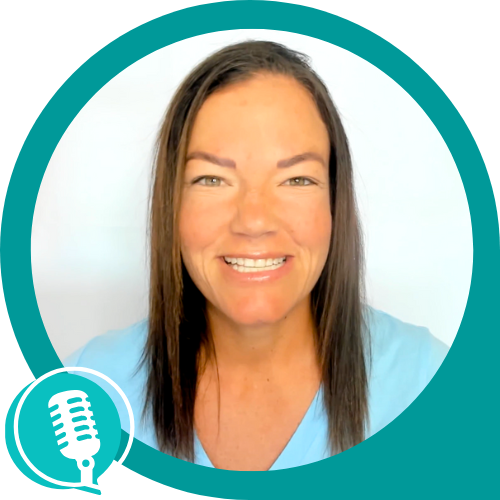
Kristi Kandel
Developer | Mentor | Co-Host of the LRED Podcast
is a real estate developer with nearly 20 years of experience and over $450M in projects across the U.S. Today, she focuses on helping locals step into development and build in their own communities.
She’s the founder of I&D Consulting, Local Real Estate Developers (LRED), and co-founder of Elevate, a community-driven sports and wellness concept.
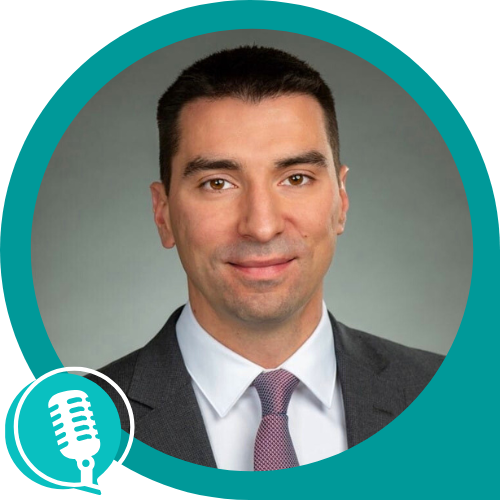
Raphael Collazo
Commercial broker | Author | Co-Host of the LRED Podcast
Raphael specializes in retail and industrial properties, bringing a problem-solving mindset from his background in engineering and software. As a commercial real estate advisor and developer based in Louisville, Kentucky, he works directly with investors, tenants, and cities, bringing a real-world view of how deals come together.
🔗 Related Episodes
Community Development Over Capital: How Rachel DesRochers Builds Where It Counts | EP #45
A powerful reminder that you don’t need perfect capital to start. You need resourcefulness, creativity, and the willingness to move.
How to Start Real Estate Development: Steph Weber Bought the Land First and Built the Plan Later | EP #41
A real look at taking your first development deal from idea to execution without having everything figured out.
Small-Scale Development: How She Left Her Corporate Career and Built a Tiny Home Village | EP #39
Another path from traditional career to building a community-driven development project.
About the Guest
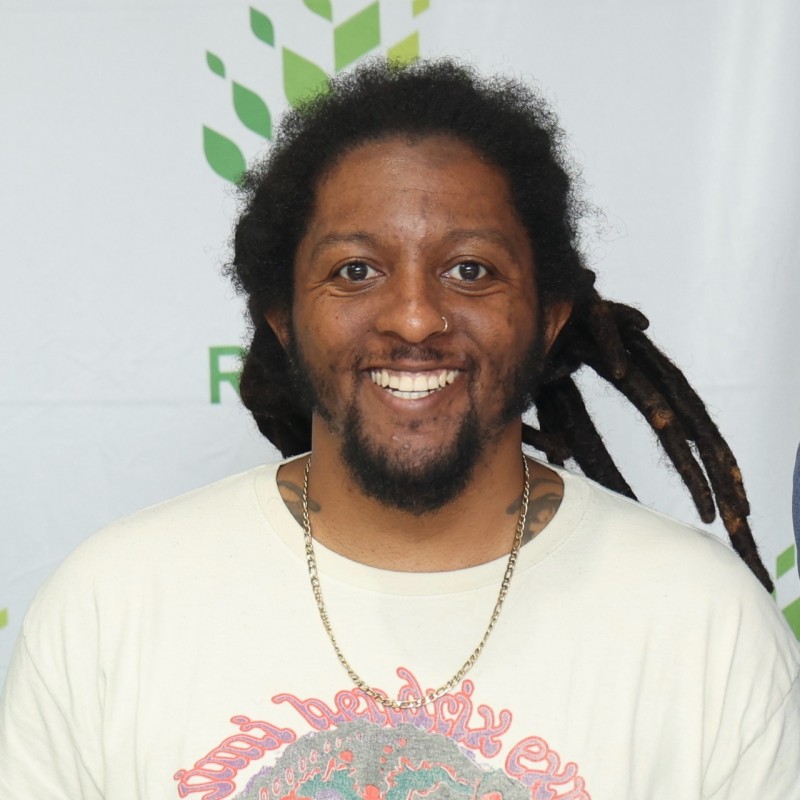
Desmond Dunn is a Raleigh-based developer, writer, and urban design strategy consultant focused on community-first development. He writes about the built environment, works with cities and organizations on strategic planning, and is building a long-term vision rooted in small-scale development and local trust.
Connect with Desmond
📲 Instagram: https://www.instagram.com/desofalltrades/
💼 LinkedIn: https://www.linkedin.com/in/desmondcdunn/
📰 Substack: https://theemergingdeveloper.substack.com
Full Transcript
Raphael Collazo (00:41)
Welcome to the Local Real Estate Developer Podcast. I'm your co-host, Raphael Collazo, located here in Louisville, Kentucky. We were just kind of sharing a little bit offline how cold it is in our local market, but we'll navigate this cold weather and ultimately get on the other side. But I'm obviously honored to be here with my co-host, Kristi Kandel, developer extraordinaire. I hope you're staying warm in your neck of the woods.
Kristi Kandel (01:03)
I mean, for Florida, it's still cold in the 40s, but I'm not going to complain when you guys are talking single digits and negatives. yeah, Kristi Kandel, real estate developer, investor, and I teach locals how to become developers in their community. And today's guest I found through LinkedIn and just saw the awesome stuff he was talking about and doing. And then we ended up connecting and thought,
Raphael Collazo (01:11)
Definitely.
Kristi Kandel (01:27)
Wow, you'd be a great guest for the show to help our audience kind of see a different perspective. So Desmond, welcome to the show.
Desmond Dunn (01:34)
I appreciate it. appreciate your time. Appreciate you for reaching out.
Raphael Collazo (01:37)
Definitely. No. I mean, first off, when we first interview guests that we have on the podcast, we like to learn a little bit more about their back story. So if you don't mind sharing a little bit about your background and then maybe what got you inspired to get into the development space.
Desmond Dunn (01:51)
Absolutely. So I'll give you the Cliff Notes version because we'd be here all day. ⁓ But my professional background is in sales. And so I've been in various sales positions and various verticals, B2B, B2C, healthcare, retail, you name it, I've done it. But I always knew that that wasn't what I was supposed to be doing with my life. It was something that I was good at, but it was also draining. And so through that,
Raphael Collazo (01:55)
Mm-hmm.
Desmond Dunn (02:17)
existential search of what you're supposed to be doing with your life. I realized that like I had an affinity for real estate, but I didn't know what I wanted to do in it. I just enjoyed all things real estate. so on my journey of trying to figure out what that looked like, I would consume, I had ADHD. so real estate is one of those subjects I can hyper-focus on and hours seem to feel like minutes. And so I would consume everything on real estate. I've
looked into syndication. I've looked into fixing and flipping, buying and holding. Any type of real estate that you can think of, I have looked into it and was trying to navigate my way. So then me and my brother decided to start flipping homes to eventually retire my mom.
We did that a couple of times, realized that it wasn't quite the business model that we wanted to do in our, in our community. And so, um, by that time, because of my ADHD, I had an extensive knowledge of the UDL code or the zoning code in Raleigh. I used to do an exercise once I realized that I liked development. Um, I realized that in order to get reps at being a developer.
You need a lot of money. And so I needed a way to get reps with, cause I didn't have money. And so I would just go in Zillow and I would find a random lot in my section of city in city. I'm Raleigh specifically Southeast Raleigh. And I would literally click find and I would literally act like I was a developer and I will go through the end to all everything like zoning code setbacks, calling contractors to get quotes. It was, it was that intense. And I had done that over and over again. So imagine every time.
Me and my wife sit down at night and she's watching whatever TV show at a time. That's what I'm doing. And I'm doing that day after day after day. And after you do that, you start to see trends. start to notice things, things start to come quicker. And so I noticed that we could turn split level homes into duplexes and walk out basements into duplexes. And that's what we did. So we did that before the market called up, called up to us and realized that's what we were doing.
And so that kind of got me into like, I like this feeling of helping people. We got a chance to help single mothers that were evicted out of their previous home. We got a chance to put them in homes and they're still my tenants today. We got a chance to do some really cool things. And I try to figure out like, how can I scale this feeling? I got involved with the city because I wanted to be, I didn't want to be a passive participant. In my city, I wanted to be active. I wanted to know what was going on, go to city council meetings.
things of that nature. And so I got really, really cool with a lot of the city officials and the planning department housing and neighborhood. And then I got pulled into a really, really big project that is going on in Southeast Raleigh. We have a bus rapid transit line. It's going to be almost a billion dollars. It's going to be invested in this first leg of the bus rapid transit line. And there's a five acre site that sits right at the beginning of that. It's right in the heart of Southeast Raleigh that used to be the old DMV.
And I got involved with that project. got pulled into that by a woman that I went to high school with. works on the communications department in the city of Raleigh. She gave me a call and was like, hey, I need you to help like translate and navigate this process because we are bringing the community in to help guide what the RFP is going to look like. And we need you to help kind of translate to both sides because I was from that community. I could talk to the community members and they knew me.
They watch me grow up, they watch my children grow up, but I could also understand what the planners were saying as well. And I would say that that process completely changed my viewpoint on, I would say life and what I was meant to do. Prior to that, if you would have asked me, I would have told you I was going to be the biggest black developer in Raleigh. That's what I would have told you. After that, I told you I don't want that at all. And because I realized that
chasing that level of success or that height would take me away from the things that I actually like about development. Like I like sitting on aunties and grandmas front porches and talking about, hey, what do you think should go here? And they send me across the street to Ms. Barbara and Ms. Barbara send me across the street to Ms. Octavia. And they all tell me and all get little nuggets. And even if I don't agree with everything that they're saying, I can take a nugget.
And I matched it up with a person across the street and a picture starts to form of what actually should be built in these communities. And so I did that and that kind of started me on this journey because I'm somewhat of a overachiever. I just wanted to be the best small developer, community-minded developer I could. So I know I needed to learn past development. need to know urban planning. I need to know why things look the way they looked.
What was the reason behind it? The historical context, the cultural context. I needed to know all of those things. And so that kind of started me on probably a two year deep dive on all things development and built environment.
Kristi Kandel (07:26)
I love that. So how long was that from the time so you were in sales, then you do these deep dives and you self teach you're doing some some flipping another smaller multifamily in the meantime, and then you take on this project? What what kind of timeframe was that in?
Desmond Dunn (07:32)
Mm-hmm.
Oh, you're talking. from the time, I, first apparently I just got out of sales in March of last year. Um, and that was because my wife was like, Hey, when you leave out of here and go to work, you come back, you leave out of here, happy, you come back drained. She was like, whenever you go to any community meetings or you got to do anything with community, you leave out of here in a good mood and you come back energized. said, that is what you're supposed to be doing.
whatever that is, I don't quite understand it, but whatever that is, that's what you're supposed to be doing. And so I took a leap of faith and said, I'm gonna leave this job that I know like the back of my hand. what I did in the meantime is I started to write and that's how Christie found me. I started to just write about my thoughts.
and ideas and viewpoints on the built environment. And this is, talking from the time I first picked up Bridge Dad, Poor Dad until today, you're talking at least 10 years. 10 years, yep. At least 10 years. From the time I first flipped the home or even...
from the time I first realized what real estate development was or low income housing tax credits were, I was in COVID. I didn't even know they existed. I didn't know individuals could be developers. That's how naive I was, because in my community, nobody looked like me was developing anything.
Kristi Kandel (09:11)
I wouldn't even say it's naive. It's literally why we have this podcast because there's, we don't even know that we can be developers and that's literally the barrier we're trying to break down.
Desmond Dunn (09:17)
Mm-hmm.
Yep, yep. So 100%. So that's exactly what I, it took me a long while. It took me many books that I have back here reading books and listening to podcasts and articles and just absorbing as much information as I possibly could. Because I, I want it to be, I want it to learn by doing as I learned better that way. could have, I graduated from a North Carolina Central University, which is a, a black college here in North Carolina about
30 minutes west of Raleigh and Durham. And I could have went back to school and got my MBA and with a concentration in real estate, but like I, I want to be a practitioner. don't want to, I don't want to teach in class. I want to, if I teach you in a class, it's cause I want to show you how it actually works in the real world. And so I would much rather take the path as uncharted. And that's what I did. And so started to write about my ideas, started to,
write about some of the things that I think I benefit from coming from a different industry is that I would notice things that people that are native to this industry just didn't notice and they just didn't pick up on because it's the same thing that everybody's always done. And I would notice like, you do know that like, if you two departments just talk, that we could figure all of this out. Or like, I would ask the city, like, hey, do you know that lenders still require parking?
And they're like, what do you mean? said, well, you got rid of the parking minimum in Raleigh, which I'm thankful for. I said, but when I go to bring this to a bank, they still require parking. So while you did do a good job and it's a hand clap, that's not the whole job. And so little things like that is that I don't think people would bring back that information to them to give them that insight or even give them insight to how difficult it is as a small developer to work.
with the city on RFPs. Like it's almost impossible because as a smaller developer, when you're first starting out, you're not gonna have the experience that they're going to rank really, really high. And to respond to an RFP is minimum $8,000. And that's if you got friends and connections that are gonna do some favors for you. And so...
I told them like, don't have $8,000 to just give to you on a maybe. And in fact, there's gonna be somebody else is probably gonna get this over me. I can take that $8,000 and put it into due diligence for a real piece of land and move forward there. yeah, it was a happy accident that I found the built environment. I went and traded for the world. My wife often asked me, do I wish I found it?
in college, no, because I wouldn't be the person I am today. I wouldn't have the viewpoint that I have on the world, on society, on just myself in general and the things I'm willing to do and willing and not willing to do because I'm a different person. And so everything happened exactly the way it was supposed to happen. And I'm thankful for that. I get a chance to every day.
operate in a built environment. I'm ecstatic to wake up. get a chance to on two fronts. I'm an urban design strategy consultant for a planning firm out of Erie, our plan. And then also I have my Grace Lee development company that I operate as well. So I get to wake up and do cool things every day and I wouldn't trade it for the world.
Raphael Collazo (12:37)
That's amazing. And I appreciate you providing color to the journey, because to your point, it took you 10 years to get to where you're at. And I think there's a lot of people out there that when they don't experience what their expectations are in a short period of time, they get disillusioned or disheartened. But what they don't realize is that you're creating a foundation that you're going to build on for the rest of your career. Because I'm assuming that you're going to be in this career for another
hopefully 50 years, you know, you your, your, your mindset is I want to, I want to be doing this until I can't do it anymore. And so I think that's the perspective you have to take. And I also appreciate the perspective you shared about your previous experience, because what you often find out is that you do gain a lot of insights from other industries. came from technology and then got into, to brokerage and investing in developing. And I can tell you a hundred percent that
My experience in that space has helped me immensely in what I'm doing currently. And to your point, you could have started when you were 22 and who knows where you would have been today. But I would say that you probably have gained much more insight given the fact that you were in sales and you've refined those skills. Because regardless of what industry you're in, you need to be an excellent salesperson. Because you're having to convince the city that this is a good idea. You're having to go.
to go and meet with your neighbors and your aunties and whoever else to say, hey, this is the vision we're creating. And you have to get everyone on board and put all the pieces together. So I think sales is the number one skill that people need to learn, regardless of what industry they're in. So I think you've obviously bridged that gap. And it's led to where you're at today.
Desmond Dunn (14:21)
Yep, absolutely. Absolutely. Sales is just about communication, just being able to communicate. But what I will say about my journey is that it's not just the 10 years. It's 10 years of nobody knowing who I am, and I still get up every day as if it already exists. That's the, yeah.
Raphael Collazo (14:39)
Mm-hmm. Yeah.
You manifest it.
Desmond Dunn (14:44)
That is
the key and and I was doing this all on the side I still had a full-time job a sales career with a wife and two kids So everything that I was doing was in my free time While everybody else is out going to the bar. I got my head in a book I have draft paper where I'm drafting sketches so I can figure out how to sketch myself and learn how to do a site plan myself So I didn't have to pay somebody those are all that I'm doing year after year. I know Southeast Raleigh
Raphael Collazo (14:54)
Mm-hmm.
Desmond Dunn (15:13)
so well because I've looked at almost every piece of land that exists in Southeast Raleigh. If you can drop a pin and tell me the address, I can probably tell you what it's zoned for and I might even be able to tell you owns it. That's how often I would do this and I would do it day in and day out. Cause I had the mentality of, still have this mentality like once I get there, you can't take it away from me. So whether it takes me 10, 12, 15, I don't care.
Raphael Collazo (15:35)
Mm-hmm.
Desmond Dunn (15:40)
When I get there, I'm there and there's nothing anybody else is gonna be able to do about it. So don't care if takes me five, 10, 15 years, that's fine. I'll keep my head down one foot in front of the other because life is like that. There's gonna be some seasons where, like right now, life is a sprint. I have a bunch of work. I'm always busy. I'm thankful for it. But then there's sometimes when you're gonna feel like you're crawling or feel like the only way you can move is if you pick your leg up and put it in front of the other leg.
but you have to show up at each one of those days as if it already, whatever you have in your mind already exists. And that's the way I operated. Like there was years where the only people that heard me talk about development was my wife and some of my friends. Like for years, while I was understanding my thought process, while I was learning and developing a thesis and a point of view, I was just by myself.
just learning and then I got to the point where it took my wife even, my wife is the reason why I started writing about it. Like all of these concepts that I write about and ideas that I write, these are stuff that she's heard, these are stuff that I, when I'm talking to my friends, I'm highlighting these things as we're driving down the street.
Raphael Collazo (16:37)
Mm-hmm.
Desmond Dunn (16:53)
You have to be willing to put in the work and nobody giving you any credit for it. And I've done, I've done things in the community. Okay.
Kristi Kandel (16:58)
100%. And when you were,
as you were doing that, was it the writing that then led to the consulting that happened first? Or did you get into your first deal? Which, which one of those came first?
Desmond Dunn (17:11)
writing and then consulting. I found the same way you found me is the same way my business partner found me in consulting. She read one of my articles. We set up a meeting. I'm also a firm believer in, take meetings with anyone because you never know who you're talking to and what that person may be able to do for you. And so I take meetings with anybody. I'll give anybody 30 minutes. It's worth it to me in the long run, even if, even if I don't get anything from that 30 minutes.
My hopes is that I can give them something in that 30 minutes. But yeah, I was writing. My co-founder reached out to me and was like, hey, I'm venturing out on my own. And she came from a traditional planning firm. It's like, hey, I want to do things different. And I was like, hey, you do know my background is not in planning. I just want to you know that. And she was like, I don't care. That's exactly why I'm coming to you. I want somebody that looks at things with fresh eyes.
And we worked on a couple projects together. It's like I was just like a consultant working with her. then eventually she was like, hey, we need to do this for real, because I think we can do some really, really cool things. And that started the journey of us kind of working together and working with multiple cities and working with developers and nonprofits and cities and all everywhere in between on various different projects.
Kristi Kandel (18:28)
We've had some other people on like we had Brian who specializes in ADUs where he got his foot in through working for a company and getting reps in from working on other people's projects and then being like, cool, now I'm going to do my own while doing it because I see and understand this. So I think that's a huge way. mean, heck, I worked for developers for several years before I ended up starting my own company. Same way you're learning on someone else's dime. So what types of clients and projects did you guys end up?
Desmond Dunn (18:39)
Mm-hmm.
Kristi Kandel (18:55)
did you end up working on just out of curiosity?
Desmond Dunn (19:00)
Yeah, so we do a lot of strategic plans, five-year strategic plans. work with a couple in the city of Raleigh, a couple Land Trusts, a Raleigh area Land Trust. She's located in Erie. Do a lot of work with the EDDC there, which is their downtown economic development corporation.
putting together kind of strategic five year plan so that way they have a launch point and know exactly where they're going. Work with one of the neighborhood groups in Erie, our West Bay front and worked on their kind of strategic planning, downtown alliance in Erie. a lot of kind of forward thinking, thinking about how things are gonna lay out.
looking at how to achieve some of the goals that they want to achieve and how to lay out a plan for that. So if, for instance, if like right now I'm working with the city of Raleigh and they reach out to me because they want to get more, what you call emerging developers into the space. And so they reached out to me to figure out what that looks like. How does that, how can we get that to happen?
And so I will walk them through kind of the barriers that it is from a personal point of view and what they can do to kind of get around those barriers. But also part of that is making sure that you're educated. So I'm not just coming to them saying, hey, this is something good you can do for the community. I'm also saying, hey, this also makes financial sense. It also makes the city more money. This also closes the gap.
of affordable housing that most cities currently have. And because we all think that the big developers that are doing 200 and 300 units at a time are gonna be the ones closing the gap. And the reality is if they could build more, they would. They have shareholders that they have to behold to and so they have to get certain returns. So if they could squeeze another nickel out of a dollar, they would. They're working at capacity. Reality is it's gonna take people like me and you on this call
It's going to take 100, 200, 300 of us building a duplex here, triplex here, fourplex over there. Somebody's building a simplex building a small little multifamily with a mixed use grocery store at the bottom in the middle of the community. That's who all collectively, if we're doing that, that's who is going to close this gap. It's not going to be the big boys. They are the one maintaining the status quo that we have. If you're going to close that gap, it's going to take us.
Raphael Collazo (22:06)
Yeah, I couldn't agree more. And I think that cities around the country are starting to become more aware of the fact that there needs to be more deliberate focus on enabling people that aren't of that larger stature of development to be able to make it easy for them. Because I think the challenge with a lot of people, I'm sure you've seen this in your market, is that the process to do things with the city
can be quite cumbersome and unless you have the time, resources and the relationships to be able to navigate those, a lot of people just don't even pursue it because of the barriers that are in front of them. And so, you know, that's one thing that I've tried to advocate for locally, just with all the things that I'm involved in to essentially say to the city, make it easier. The rezoning process for an uncontentious piece of property shouldn't take a year. I mean, that is
Desmond Dunn (23:00)
Come
on.
Raphael Collazo (23:01)
unbelievable. The amount
of friction you're creating for people that aren't necessarily the big boys is going to cause a lot of them just not to move forward with different projects. So there's got to be ways we navigate the zoning process to shrink the timeline and also make it more affordable to get in because, you know, and obviously each city is different based on what, you know, the requirements of the city are. for our in our case, we have to have
Kristi Kandel (23:10)
I'm going to go.
Raphael Collazo (23:28)
You plan development. can't just say, oh, I want to rezone this property from X to Y. And fair enough. I understand the reasoning behind it. But you have to submit plans. You have to submit as-built. You have to submit all these different things. And that's 15 grand right there. And if you involve an attorney, that's another 10 grand. So how are you able to bridge the gap with someone who is just getting started that doesn't have the 25 grand to take a risk on
Desmond Dunn (23:48)
Yep, 100%.
Kristi Kandel (23:57)
Mm-hmm.
Raphael Collazo (23:58)
rezoning
because rezoning is not a foregone conclusion and so yeah I mean it's it's it's a it's kind of a conundrum that I think a lot of cities are starting to wake up to because it is limiting the the the potential for different areas as a result of those those those pieces of legislation so
Desmond Dunn (24:16)
Absolutely, absolutely. And I think sometimes what I've found is that working with the city is that
They have good intentions. They're not doing this to stop things from happening. They're not, for the most part, there might be some bad apples, which is going to happen, but for the most part, that's not what they're doing. It's just that they don't know the other side of the table. When they put that policy in place, they don't know what it looks like to respond from the other side of the table, which I try to provide a lot of feedback to them around what it looks like to
Kristi Kandel (24:29)
Mm-hmm.
Desmond Dunn (24:49)
even working in the permit portal. I showed them, were, I did what's called the Planning Academy here in Raleigh. was in the first ever Planning Academy and the Planning Academy shows regular citizens what the development process looks like. And so we got to the part where they were showing the permit portal and they were so hype about this permit portal. It's like, it's the greatest thing since sliced bread.
Kristi Kandel (24:52)
Mm-hmm.
Desmond Dunn (25:14)
And I was like, hey, had any of you ever actually submitted a permit before? And it was like, no. I said, well, this is perfect. Cause I have one that I submitted not too long ago that I can show you. And I hooked up and I showed them and I said, hey, all of you all are planners.
All of the citizens in here, I know more about development than everybody in the room, probably other than you all. And I probably know more about than you all. I want you to read the response that I got from this permit and tell me who I'm supposed to call and how I'm supposed to get that information. And none of them could decipher it. And I said, this is the problem. You have people that are just regurgitating the UDL code instead of turning the UDL code into regular human language.
So the regular human being can say, I need to call the architect and the engineer to review X. And stuff like that, it gets lost. And so now you get barriers to entry and you get people that just get frustrated by the entire process. And it's not just barriers to entry, but it's also who gets to build. We don't realize how much of the built environment affects just our lives.
It affects where your kids go to school, where they grow up. It affects what you get to eat, when you get to eat it. And depending on if you got a spouse, it might affect where you meet your spouse. And the reality is the built environment that we live in was built by old white men. It's just a reality. And we know what that built environment looks like. We need more voices at the table. We need more perspectives. We need more ideas from other people.
There should be more people of color. There should be more women at the table. Like when I go to conferences, there's five people that look like me. Maybe. Like I don't have a rarely, I have a collection of people here in the triangle area and it's probably seven or eight of us, but that's it. And that's a problem because if we're only telling the story from one perspective,
then we're not, it's not actually the best perspective. It's just the only one that is.
Kristi Kandel (27:27)
It doesn't
include all of us. It's just the one who's known how to do it the whole time, again, to say this, is why Rafael and I started the pod is that we know that there are capable people in our communities. And I love the stat that we have 16,000 communities in the U.S. that have a population of less than 10,000 people. If you can flip a house, you can flip that downtown mixed-use building and impact so many more lives. And by...
just letting people know, you can do this too. And to work with the local officials to say, hey, we need translators because the public sector, they want to do these projects. They don't know how to get through. You guys know your process, but you don't understand the business side. And just working with those communities who are willing to go, hey, yeah, yeah, that makes sense. And I found so many times in my career that...
I do need to explain the business side to the jurisdictions I'm in. And it could be small towns, but it could also be a city of San Diego or San Francisco or LA. And I go, here is what this impact means. If you want me to close this driveway, it means X, Y, and Z to the gas station and this and that, and how that all impacts the bigger picture. So it's a lot of educating for sure.
Raphael Collazo (28:38)
Yeah, and also to kind of highlight what you've described, I mean, part of the mission of this podcast is to inspire people to take on community driven development, because what you described regarding people who have typically been involved in development is that they don't have a perspective of people in different communities and what is actually needed in those communities. They just see, you know, this piece of land, it's like, we're just going to put something here. How many times have you seen
Desmond Dunn (28:38)
Absolutely.
Raphael Collazo (29:03)
developments proposed in different areas and you're like they obviously didn't have any in they didn't have any feedback from anyone in that community they just you know put some boxes together through it on the site and they said okay well this will make sense for what we need as far as you know if it's a big box retailer or whatever else and so you know I think that to your point I think this is it's important to have these types of conversations because instead of having development happen to you you want it to happen for you and in order to do that
you have to have these conversations. have to be kind of championing those activities in different areas and who better to do it than someone who's in the community, you know? So.
Kristi Kandel (29:44)
Exactly.
Desmond Dunn (29:44)
Exactly. It should start.
Kristi Kandel (29:45)
Yeah, I've been talking with the the Blue Zone group who studied, know how Why people love to be over a hundred and they really come down to the fact is it's their built environment around them and When you when you have community when you have connection when it's easier to walk to the grocery store than drive when it's it's it's your habits and I think I think there's a stat that you you only go like 80 % or 90 % of your time
is spent within a 20 mile radius of your home. So if you think about that, your built environment around you plays a huge factor. And we just don't even think about it because it is what it is. But yet as developers and as people in our communities, we can play a big role in how that changes.
Desmond Dunn (30:27)
Absolutely, absolutely. I'm a huge proponent that we need to shift how development operates. Like right now, community engagement is a checkbox. And the community feels that if you've ever been a part of the community and sat in one of those meetings, you can feel that decision was already made before you walked in the room, that they're just informing you of that decision. And that is not what community engagement is.
community engagement is coming to the community saying, this is this, we want to do something here. What do we think should go here and figure out based off the feedback that you get from that community and act and a combination of what's actually viable for the site. Cause there is realities that we have to take things to the bank and things of that nature. And so I educate both sides. let my community know like, a swimming pool would be great there.
That's not the best use of that land. And so we need to think of something that'll help more people. And so I think it should all start with community engagement on all levels, every developer, if you start there. I've tried, I look at like myself as like a,
somebody instead of having a developer that has their, these are my floor plans that I build. And I go all around, this is what I do. And I just stamp them out. I like to think of myself, I have a tool belt and I go in the community and we figure out what is wrong. And there's sometimes I need to bring out the hammer, but there's sometimes I need the screwdriver. And then there's sometimes I need my saw. And so it all looks different.
Kristi Kandel (31:47)
Here's my prototype, that's it.
Desmond Dunn (32:07)
I'm twisting and changing what needs to be done based on the environment that is in the cultural context. Like that's part of it that we don't talk about that. Like there are developers that go into communities that don't understand the cultural context of the community. we just had a rezoning that I stood up and most developers won't stand up against other developers, but I'm a community member first.
before I put my developer hat on and I stood up before the city council and told them, hey, this area is it is borderline a floodplain, a hundred year floodplain. And as we've seen, those hundred year floodplains have rapidly turning into 50 year floodplains. And so his bargaining chip was to bargain and say, hey, well, I'll put affordable housing on the lot.
And I stood there and I said, that is the most disrespectful thing you can do is you're going to take the most vulnerable of our population and put them on land that you wouldn't put your kids on. And I was like, that's the problem. We don't have a historical understanding of the neighborhood and the community that you're in. Because had he had that understanding that in Southeast Raleigh, the most of the black people in Raleigh live in Southeast Raleigh. That's not by happenstance. There's a reason for that. It was called bottoms.
It was all swamp land. Nobody wanted it. That's why we were allowed to stay here. And so if you had a cultural understanding and took time to understand the neighborhood, you would have known that that was never gonna fly. And it's like, instead of taking the time so you don't tarnish your name as a developer, because now I know that developer's name ingrained in my head. And I'm be paying attention to whatever he tries to do. And so is the community instead of.
learning about the community that you want to do business with. And so we just have to require more of not just the community, we do need to require, but also we got to require more of developers and ourselves. So yeah.
Raphael Collazo (34:13)
Yeah, and I think shifting perspective away from dollars, just only dollars and cents, because I feel like that's unfortunately the approach that many people take is they try to maximize every bit of value they can achieve, which is another misnomer in my case. Like whenever people say, I'm adding value to something, I'm like, are you really adding value? You you're coming in, you're putting some patent petunias and raising rents by a hundred bucks. Is that really adding value? I think that's extracting value.
from community. that's where I and we could talk about this for an hour and a half about, you know, these multifamily syndicators over the last five years. It's kind of nauseating, but it's part of it. You know, I'm sure they're making good money, especially during those times. And now there's a lot that are struggling as a result of those decisions. But, you know, I think that when we shift perspective away from just strictly dollars and cents, and I'm not saying dollars and cents isn't important because, of course, you need to be able to make money. Otherwise, the deal is not going to work. It's just, you know, no one's going to go bankrupt.
Desmond Dunn (34:49)
my god.
Mm-hmm.
Mm-hmm. Mm-hmm. Mm-hmm.
Raphael Collazo (35:12)
trying to make a development happen. But I think you do have to have a different, it's a colored perspective where it says, we do have this, it makes sense economically, but how can we structure it so that even if what we decide to do doesn't kind of erode some of that profitability, but it does provide something to the community that they're actually gonna engage with and value and hopefully adds quote unquote value to the community.
then you need to be okay with making that decision because overall it's going to bring up the entire area.
Kristi Kandel (35:44)
think that's where the disconnect is. If you're an outside developer coming in, you truly probably don't care about that community. You care about your investors, your returns. Maybe it's your national tenant that you're working with to put in the prototype. Maybe it's just, hey, I know that this type of thing worked in another community. I'm going to try it here. I think that's where the more we can empower our locals to be the ones who are the developers, the more that it's...
Raphael Collazo (35:52)
Mm-hmm.
Kristi Kandel (36:09)
It gets away from the dollars and cents because you're also getting the value of you get to go there. You get to hang out with your community members there. You get to live there. You get to see how your community gets elevated and how your action now inspired three other people to go do similar projects. And now you're bringing up the entire community. So, I mean, it's something that it'll take time to turn things to a new angle, a new perspective, but it's something that.
Clearly all three of us are passionate about doing and sharing and getting out there.
Desmond Dunn (36:38)
Yep, yep. And we got to highlight that we have to make sure that it's known, that it's talked about, that it's not something that is an afterthought, that we are bringing it to the forefront. Because I go to real estate conferences all the time. And specifically, don't look mainly in affordable housing, not so much in just regular real estate, because every real estate market is different. But when you're in affordable housing, you're dealing with a population that is the most sensitive of our population. And I've been to a
multiple affordable housing conferences where I'm there for an hour before panelists even talk about the humans that are going to be living in those units. They're talking proformities and light tech that and hood this and construction costs that. And I'm like, what about the humans? What about the people? And I was like, that's the, that is the disconnect is that like they're designing from it. And I've wrote about this. They're designing from a spreadsheet and
people like you and me, I'm not designing from a spreadsheet. When I think about the tenants, I'm thinking about how my aunt could stay here and how my cousin would stay here and how they would be able to navigate and thinking about how that building is gonna interact with the buildings near it. And is it close to a grocery store? I'm thinking about all of those things because I'm thinking about the quality of life of the humans that are going to be living in that building and not just.
whether or not the building is going to make money. Yes, I know we got to make money. This is capitalism. We got to keep the lights on. But you don't have to do it at the detriment of of of humans. You can do both. It is possible. I know the world will tell you different and recent events will tell you different and how most people that operate in capitalism will tell you different. But it is possible to do right by people and still make a living. It is possible.
You might not be a billionaire, might not drive a Bugatti, but you can make a living and do right by people. And it is possible, and we have to show people that it's possible.
Raphael Collazo (38:37)
Absolutely.
Definitely. So one thing I'm curious about is you've described a little bit about your past experiences. We've talked about your thesis about how you approach the planning process and all the consulting work you've done. I guess, is your end goal with the consulting firm? And ultimately, you kind of highlighted a project that you got roped into for the city regarding the transit lines and that sort of thing. I guess, what's your vision for kind of putting some of that
all together going forward over the next five to ten years.
Desmond Dunn (39:09)
Absolutely. So the consultant piece, we're just taking it, going at it day at a time. It's something that I say I accidentally fell into because I was trying to be a better developer. But we are trying to do things a little different. We aren't real big on creating what in the planning world, what they call shelf documents. We aren't just, we're going to create this document and it's going to, everybody's going to be hype. And then after the meeting is going to go in a, in a cabinet and nobody's ever going to do anything.
In fact, we won't work with organizations that that's what they're trying to do. It's a waste of my time. I want to see stuff get done. I want to see changes being made, things being implemented, and be a part of, want to, especially on the planning side, I want to come into a space and be like, hey, prior to us coming here and helping them, this didn't exist. And now it does. And now...
this person is able to get an opportunity and this person is able to get an opportunity. Those are the things that I want to say when it's all said and done. And then from a development point of view,
I have no other way to say this. I want to build cool shit in my community. That's the only way I can put it. I want to build cool shit in my community that I know that my community needs. And I have no desire to really go outside of that. Now, if there are other communities that look like mine that I can speak to directly and that I know natively, cool. Have I partnered with bigger developers on bigger projects? Absolutely. But if you're asking me what I'm going to do for the rest of my life,
five to 50 units for the rest of my life. That's it. Five to 50 units for the rest of my life. care how big, how many, that is all that I'm doing. And because I can be with the people. don't, dress, this is how I dress. This is how I talk. This is the way I look. I'm not changing it. I'm not toning it down. I'm not tweaking it. I show up in every meeting myself.
Kristi Kandel (40:43)
missing middle, infill development, creating the products that you need. Yeah.
Desmond Dunn (41:09)
Because I also, part of this is me showing up the way I show up. It gives people, other people permission to show up as themselves.
Kristi Kandel (41:18)
not to think they need to
achieve something or put on a front to be something else to be in the room. It's I am who I am. You can be who you are. Yeah. So when I talk about partners, as you go into that, who do you think your closest collaborating partners will be as you guys grow this vision and the community?
Desmond Dunn (41:26)
Exactly, exactly.
so I, I try to, I try to do a lot of work with the city, if I'm being honest, because I think the city can be a catalyst for change. I think when there are spaces that need revitalization, you need a spark. And a lot of times the city can provide a spark and then once the spark is there, no developer wants to be number one in the space. In fact, they probably want to be like number three or four. Like that's where the sweet spot is. It's like, it's, it's already in motion.
but it's not late stage motion where I'm paying top dollar. If I can get the city to do things and spark the right projects, the public sector, yeah.
Kristi Kandel (42:14)
You're de-risking it. It's
de-risking it for everyone else. The reason people want to be second or third is that you've proven the concept, you've shown it works, you've shown that you can get the returns. means lending's gonna be easier, raising capital's gonna be easier, finding the contractors, getting the tenants, getting, you know, it's all gonna be easier at that point. So you're right. The hardest one, the most friction is getting those first projects done. So public-private partnerships.
working with the local government and maybe the land trusts and creating that model and that blueprint to where other people can go, okay. And it's, it derisks it for other developers, but it also derisks it for emerging developers who are like, I'm on the sideline, I know, should I? So I think, I think it's a big S just like everything else that is taking it to kickstart. But once that gets traction, you've got the blueprint to take that everywhere and to do that, which is awesome.
Desmond Dunn (43:04)
Yep, 100%. And I've known my natural disposition, it might not come off that way, but I'm an introvert by nature. I've had to learn to not be an introvert because I've learned that my voice matters and my voice carries and it has impact. And so I've had to learn to use it more. I used to be the type that like, if I would come in a room, I would sit in a corner and observe everybody.
I've learned that that is not my role in life. That is not the sacrifice. My sacrifice is I have to get out of that. And so I work with the city. I'm in meetings with the city. I'm on Zoom calls with the city. I'm doing whatever I can because what I also want to do is I want to make the space better for everybody that comes behind me. I want to essentially help hold the door open. I don't want anybody to have a difficult time navigating these waters as I have. want to make it easy.
that much easier. want to lay breadcrumbs so they can chart their way to get exactly to where I am. And by doing that, touch on every sector. I've worked with the county. I've worked with the city. I work with nonprofit developers on what they can do. The big boys, the Harmony housings of the world and LNARS. I've talked to all of them to say, hey, you should help these smaller developers. It helps the entire ecosystem.
they are going to know more about that neighborhood, that city than you will ever know. And so it behooves you to partner with them and get in, because eventually in the city of Raleigh, they're not making any more land. So there's not a whole lot of five, 10, 15 acre tracts of land that you're gonna be able to just gobble up. It's gonna dwindle down and eventually you're gonna be like, now we gotta go to these infill lots.
Well, if you don't have a connection to the city, if you don't have somebody that's tapped into the soil, you can't go. And so if you don't start building those, pipeline and building those relationships now, then when it comes time for you to have to come in into the city, you're not going to have anybody that's going to champion you. And I've had, I've had developers that I have relationships with that have brought me on as a consultant to literally just speak to the people, literally just come in and say, Hey,
I need you to go figure out what they want, because they're not going to listen to us. Because we look different. And they understand that. And I go in and have conversations and sit down and sit at people's kitchen tables and drink sweet tea and talk to them about, what do you want to exist? They want to hear from you. That's why I'm here. That's why I'm sitting in your kitchen. I also do this. So I'm going to let them know that they're not going to be able to get over.
Cause I can be paid, can't be bought. And so I'll be honest, if they're trying to get over, I will tell you they're trying to get over. And I have told people that developers are trying to get over and I've told them to their face because I've spent my whole life developing my word and my brand, personal brand. And I'm not gonna, I'm not gonna get rid of that or jeopardize that for anybody. Cause once I lose that, I lose all credibility with my community and that won't have a.
Raphael Collazo (46:14)
No, I couldn't agree more, man. I think you've done a great job thus far. And I'm really excited to continue to follow along with what you got going on. that's one of the cool things about this podcast is we get to meet people from all across the country that are doing really cool projects. And I think it's going be exciting. It's going be exciting to watch what you end up doing over the next several years. And hopefully we can be part of that in some capacity, whether that's just advocating for what you got going or, again, getting involved in some way.
One thing I'm curious about is obviously we are target demographic with this podcast is typically those individuals who kind of started out like you there. They were working or are currently working in a career that's ancillary to real estate development. Maybe they've been driving by that one mixed use building in their community for years and they're always wondering, wow, what if we could take that particular building and turn it into something different?
Or maybe they see a lot that has been vacant for a while and it's overgrown and they want to build a house on it or some form of infill or larger development. But what advice would you give to those type of individuals who are kind of in in-between phase where they haven't really taken the leap yet but are again wanting to kind of pursue development as a career or maybe not even as a career. Maybe it always ends up being something that's kind of ancillary to their main career, but they just want to make a positive impact.
Desmond Dunn (47:32)
Absolutely. So as far as just getting involved, just get started. Do something. You have to. You will learn so much. You're going to make all of the mistakes you would not, even if you break even on a flip, that is fine. You will learn it is, I have learned through the process of having done renovations and building new construction, it is 10 times harder to do renovations than it is new construction. New construction is A, B, C,
be done. It's predictable. Renovations, once you open up a wall, you have no clue what's going to happen. I've pulled back floor panels and the entire underfloor was rotted out and I didn't know you have to take up everything and redo it. So get started. it can be as simple as a bathroom renovation. It can be that simple. It doesn't have to be something
Raphael Collazo (48:01)
Mm-hmm.
Desmond Dunn (48:25)
a huge lift. What you want is momentum because once you get that first deal and you do the first deal you will have the energy and the know-how and stick to it in this and want to figure it out you'll try to go find out the next deal and so you don't have to to go at it all at once. Like the deals that I do now were deals that I had in my in my head five years ago.
The deals that I have in my head now, I cannot do yet. I don't have the skill set yet. But I see it vividly. And so I'll do what I can right now. Today, this is the deal that I can do. And I'm gonna do that to the best of my ability. And then the next deal, and the next deal, and what happens is you build up credibility. When you build up credibility, then you can really call your own shot. Once you have the credibility of, they do quality projects and they get things done.
when you bring that wild idea to that small town and they've never seen anything like that before, they're gonna trust you. Cause they've seen you renovate five duplexes already. They've seen you renovate that storefront already. So just get, you have to just get started. And however, however you need to get started, whether that's you need to work a second job to save some money, whether it's you need to own a finance on terms.
Whatever it is to get into the deal, get into your first deal. Don't wait, there's not enough books you can read that is going to prepare you for it. Yes, do you need to have base level knowledge? 100%. Once you have the base level knowledge, experience is going to be much more of a teacher than anything else.
Kristi Kandel (50:05)
It's so true, so true. And you'll never have it all figured out. still, I've done hundreds of projects and there's still something that a new jurisdiction or a new type of project or a different overlay comes up and it's why you have a team of people around you so you can mitigate the risk along the way. And then as things come up, that's what a developer does, you have problem solve. So just get in, roll your sleeves up and give it a shot. Don't do...
Maybe don't do the massive project that can completely take you down, but start small, start with something that can positively impact your community and go from there. So, well, thank you so much, Desmond, for joining us. How can people follow along to what you're doing, what you're writing about, your consulting, and anything else that you wanna share?
Desmond Dunn (50:38)
100 %
Absolutely, absolutely. So I write a sub stack once a week. It's usually on Thursdays when I drop my sub stack. It's theemergingdeveloper.substack.com. I'm also on LinkedIn. I write on LinkedIn as well. Just Desmond Dunn. If you search Desmond Dunn, will, some multiple people probably will pop up, but nobody with locks and a nose ring like myself.
And if you're looking for our consulting company, it's called R Plan, R as in the letter R dot plan. And like I said, if you need any help in any municipalities or nonprofits or any other organizations that need help, we are here to help. But yeah, I write about different various topics on the built environment from RFPs to modular housing to...
the size of homes are too big and we need to our homes back and everywhere in between. I treat it as a thesis, open thesis and working thesis. So if I'm willing to change my mind with new information, so if you see something and you read it and you think that it's off and we can have a civil discourse about it so that way I can get to the actual right answer, that's all I care about is getting to the right answer. I don't care about being right.
Raphael Collazo (52:00)
Well, that's awesome. And we'll make sure to include all that in the show notes. If you guys are watching this on YouTube, it'll be in description. If you guys are listening to in a podcast format, whether that's Apple Podcasts Spotify, it'll be in the description as well. So well, Desmond, we really do appreciate your time. It's an honor to meet you. And I'm looking forward to staying in touch. That's one of the again, I kind of highlight it again. That's one of the cool things about this podcast is we're kind of building a community of people who are doing awesome projects in the future. And stay tuned. We'll definitely be.
announcing something hopefully this year where we can have like a either a mini conference or a get together where we start building a local developer community that you know shares ideas and gets together and hopefully becomes kind of a catalyst for something greater. So Desmond, I really appreciate your time. For those of you guys who are watching on YouTube, please like and subscribe. It makes a huge impact on our ability to broaden our audience and we greatly appreciate the support.
Desmond Dunn (52:42)
Yep, yep, absolutely.
Raphael Collazo (52:53)
Along with that, if you guys are watching this in a podcast format, whether that's Apple Podcasts Spotify, please, please, please leave a five star review. The more people that leave five star reviews, the more impressions we get and the more impressions we get, hopefully more people get inspired to take on their first real estate development project. So thanks again so much for tuning in and we'll see you next time.
Get the tools behind the episode
Access the Developer Vault with templates and real resources
©2025 I&D Consulting. All Rights Reserved.
©2025 Local Real Estate Developers. All Rights Reserved.