From College Curiosity to Nationwide Affordable Housing Impact | EP #31
Real estate development, affordable housing, and building mission-driven communities at scale
What if the housing crisis isn’t about supply… but about who’s willing to step up and build?
This episode challenges what it really means to develop with purpose.
Evan Holladay didn’t start with money, experience, or a clear path. He started with curiosity and a desire to build something meaningful.
In this episode, Evan shares how he went from a college student chasing an opportunity to building affordable housing communities across the country. He breaks down the real path, not the polished version. Apprenticeship, partnerships, setbacks, and the long timelines most people underestimate.
This episode is for anyone who feels called to do more than just invest. If you’ve ever thought about development but weren’t sure where to start, this is your roadmap.



Get the tools behind the episode
Access the Developer Vault with templates and real resources
Episode Summary
Evan Holladay’s story starts in a place most developers don’t expect. Not with capital or connections, but with curiosity.
While in college, Evan noticed a student housing development going up on campus and felt pulled toward it. That moment led to a simple but powerful action. He found a way to get connected, showed up, and got his foot in the door. From there, everything changed.
What followed was not an overnight success story. It was an apprenticeship. Evan spent years working under experienced developers, learning how deals actually come together from start to finish. He worked on over 1,300 units and gained exposure to the full lifecycle of development.
At the same time, a parallel experience shaped his long-term vision. Through volunteer work with a nonprofit serving single parents, he realized development could be more than buildings. It could be a tool to change lives.
That realization became the foundation for Holladay Ventures.
When Evan stepped out on his own, the transition was anything but easy. He went from working inside a well-resourced company to operating alone, without capital, reputation, or a team. To bridge that gap, he stacked strategies.
He house hacked.
He invested in small multifamily.
He built cash flow.
He raised capital.
And at the same time, he pursued large-scale affordable housing deals that would take years to materialize.
This dual-track approach is one of the biggest takeaways from the
episode. Short-term cash flow supports long-term development.
Evan also shares a hard lesson on partnerships. Not every deal is worth keeping. After spending months creating value on a project, he walked away when alignment broke down. That decision, while painful, protected his long-term business.
One of his most impactful projects came through a nonprofit partnership in Nashville. Instead of displacing the organization, Evan structured a deal that allowed them to stay, expand their services, and create new affordable housing alongside it.
The result was more than just housing. It was a fully integrated community with services, support, and long-term sustainability.
The bigger vision is clear. Evan is not just building projects. He is building a repeatable model that other developers can use to partner with nonprofits, faith-based groups, and communities to create real impact at scale.
This episode is a reminder that development is not just about deals. It is about responsibility. And the people who step into that responsibility are the ones who shape what their communities become.
What You'll Learn
- How to break into development without experience or capital
- Why apprenticeship accelerates your path faster than going alone
- How to structure partnerships that actually work
- The real timeline and challenges of affordable housing
- How to stack small deals while pursuing large developments
- A scalable model for working with nonprofits and community groups
Bold Truth
If you’re not willing to take responsibility for your community, someone else will.
Timestamps
0:00 — Intro
https://youtu.be/6UcU2DjjCiQ?t=0
1:06 — How Evan Got Started
https://youtu.be/6UcU2DjjCiQ?t=66
4:14 — Why Apprenticeship Matters
https://youtu.be/6UcU2DjjCiQ?t=254
5:19 — Moving to Nashville
https://youtu.be/6UcU2DjjCiQ?t=319
8:19 — Starting Holladay Ventures
https://youtu.be/6UcU2DjjCiQ?t=499
13:42 — First Independent Deals
https://youtu.be/6UcU2DjjCiQ?t=822
18:52 — Building Early Cash Flow
https://youtu.be/6UcU2DjjCiQ?t=1132
23:31 — First Affordable Housing Deal
https://youtu.be/6UcU2DjjCiQ?t=1411
24:19 — Nonprofit Partnership Model
https://youtu.be/6UcU2DjjCiQ?t=1459
30:19 — Building Community Through Housing
https://youtu.be/6UcU2DjjCiQ?t=1819
33:59 — Staying Motivated Through Setbacks
https://youtu.be/6UcU2DjjCiQ?t=2039
37:51 — Scaling Through Partnerships
https://youtu.be/6UcU2DjjCiQ?t=2271
40:24 — Educating Future Developers
https://youtu.be/6UcU2DjjCiQ?t=2424
Meet the Voices Behind the Mic
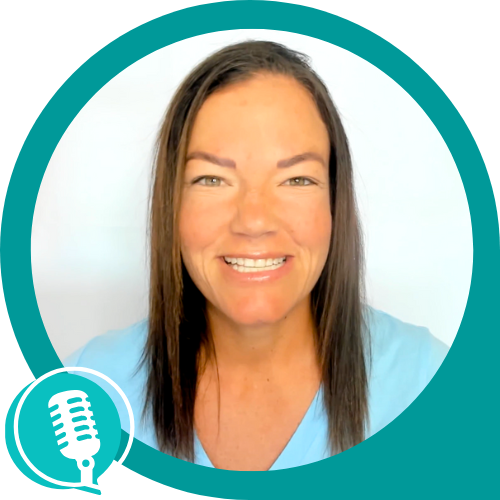
Kristi Kandel
Developer | Mentor | Co-Host of the LRED Podcast
Kristi is a real estate developer with nearly 20 years of experience and over $450M in projects across the U.S. Today, she focuses on helping locals step into development and build in their own communities.
She’s the founder of I&D Consulting, Local Real Estate Developers (LRED), and co-founder of Elevate, a community-driven sports and wellness concept.
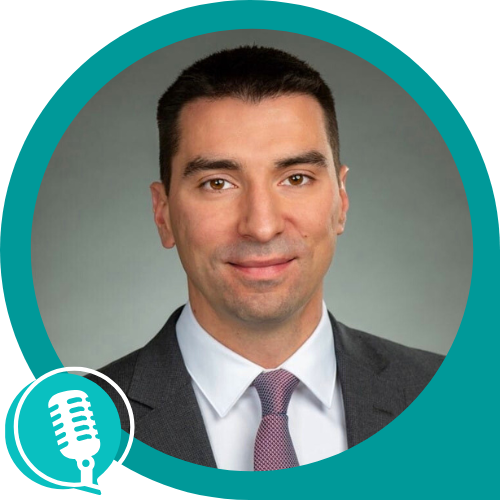
Raphael Collazo
Commercial broker | Author | Co-Host of the LRED Podcast
Raphael specializes in retail and industrial properties, bringing a problem-solving mindset from his background in engineering and software. As a commercial real estate advisor and developer based in Louisville, Kentucky, he works directly with investors, tenants, and cities, bringing a real-world view of how deals come together.
🔗 Related Episodes
Community Development Over Capital: How Rachel DesRochers Builds Where It Counts | EP #45
A powerful reminder that you don’t need perfect capital to start. You need resourcefulness, creativity, and the willingness to move.
How to Start Real Estate Development: Steph Weber Bought the Land First and Built the Plan Later | EP #41
A real look at taking your first development deal from idea to execution without having everything figured out.
Small-Scale Development: How She Left Her Corporate Career and Built a Tiny Home Village | EP #39
Another path from traditional career to building a community-driven development project.
About the Guest
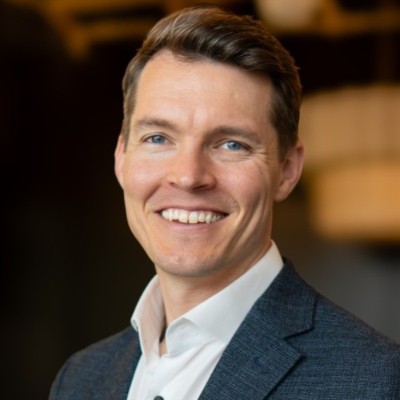
Evan Holladay is the founder of Holladay Ventures, a development company focused on affordable and attainable housing. He has worked on over 1,300 units and leads projects nationwide that combine housing with community-driven services and partnerships.
Connect with Evan
🌐 Website: http://www.holladayventures.com/
📸 Instagram: https://www.instagram.com/evanholladay/
💼 LinkedIn: https://www.linkedin.com/in/evanholladay/
Full Transcript
Raphael Collazo (00:42)
Welcome to the Local Real Estate Developer Podcast. I'm your co-host, Raphael Collazo. I am a commercial broker, investor, and developer located here in Louisville, Kentucky. And I'm here with my co-host, Kristi Kandel, a developer extraordinaire. So good to see you as always.
LRED (00:57)
Hey, good to see you. Yeah, I'm a developer investor and I teach locals how to become developers in their community. And today I'm really excited about our guests because I met him back in 2020 when I joined his affordable development mastery group and just absolutely love everything that they're doing across the board with their own projects and with education. So Evan Holladay, welcome to the show.
Evan (01:19)
Yes, thank
you for having me, Kristi and Raphael as well. Super excited to be here.
Raphael Collazo (01:24)
Yeah, we're excited to dive into your background because, mean, you've been able to do a lot of stuff in a relatively short period of time. So we're really excited to kind of unpack that a little bit. But usually when we first get started, we'd like to learn a little bit more about your background. what, you know, tell us a little like, you know, 30,000 foot view of who you are and also what got you into the development space.
Evan (01:47)
Yes. So I really found my passion for real estate development in college. went to university Louisville, thought I wanted to be a doctor and quickly realized that science and chemistry was not my thing at all. but there was this big student housing development going on on campus. And I just knew, I was like, all right, that something with that is calling my name. gotta be a part of it. And I figured out a way to get connected to the developer, and through a mutual relationship, got an introduction.
Raphael Collazo (01:55)
Mm-hmm.
Evan (02:14)
basically got enough people out to his groundbreaking to impress him. And that's how got my foot in the door to development. But he threw me into leasing. So I was like, all right, I got my foot in the door, but I want to do what he's doing. I want to put it all together. I want to see what it's like on the other side. And at the same time, I volunteered for a nonprofit called Family Scholar House. They do amazing work in Louisville, Kentucky. Now they're, I think, nationwide. But they do affordable housing for single parents.
going back to get their college degree. And they give them the support, the community, the network to get a better higher paying job and hopefully get a better life for them and their kids. And I mentored some of the kids in that program and it just like completely opened my eyes to being like, wait a second, I can help people and I can build stuff at the same time. Like that is exactly what I want to do. So I just dove all in at that point. I threw an entrepreneurship program at the university.
We started a modular housing development company that was take houseboat manufacturing plants and retool them to build modular housing instead of houseboats. It was the same box. You just put on a foundation instead of water. And we won some competitions and we're like, wait a second, this is actually like a real thing. Like we could really run with this. And at the same time, I was looking for partners who we could work with, who had the balance sheet, the capital.
Like we were very energetic and excited, but we also knew we were very green and knew that we needed somebody with the things that we didn't have. So we went out and looked for that. And one of the groups ended up saying, well, how about you come work for us? And so right out of college, I had the opportunity of a lifetime to be able to work for a proven developer and work under their wing and be able to go from, you know, sourcing deals to closing deals. We're literally doing A to Z.
learning from their multi-million dollar mistakes. So I don't make those same mistakes. And while I was there over six years, I was able to work on over 1,300 units, cutting my teeth, doing new construction, tax credit, affordable housing developments throughout the Southeast. And then eventually started Holladay Ventures really with the goal and the intent of figuring out how do we do things differently? How do we take affordable housing
that is so badly needed across our country, but let's layer on that service, that component of engaging the community and helping our residents hopefully one day get out of affordable housing and doing it a way in which our residents can be proud of where they live. And we incorporate sustainability and placemaking into our design. And each one of our communities is intentionally designed and developed from the very beginning. And that's been over six years now and we've been, you know, very, very busy.
and working on a lot of really fun, exciting projects with a lot of impact. But yeah, that's a little bit about me and what we're doing.
Raphael Collazo (04:55)
That's amazing. Yeah, I know. mean, and to your point, being able to work under a group that had the experience and you have the opportunity to learn all the nuances of the business, give you, I'm sure, a lot of confidence as you went off on your own to start your venture. And as a result, you've obviously had a significant amount of success in a relatively, in a very short period of time. Six years is almost nothing, which is pretty amazing what you've been able to accomplish thus far. ⁓ And you said you started out in Louisville. What made you decide to
Evan (05:20)
Yep.
Raphael Collazo (05:23)
to go to Nashville? mean, was it mainly because of the economic opportunity or what was it about Nashville that kind of attracted you?
Evan (05:30)
Yeah, I want to touch on quickly to what you said about like the apprenticeship model. Like it's so, it's not talked about enough. You know, everybody's like, go start your business. It's like, well, sometimes especially like in commercial real estate where if you want to do things at scale, if you want to do a hundred plus unit deals, sometimes it makes a lot of sense to learn from those who have done it before and be able to work hand in hand with somebody. You know, it was, it was me putting in my time and my hours learning from
Raphael Collazo (05:36)
Mm-hmm.
Evan (06:00)
people that have the proven track record. And that's what helped give me the jumping off point to be able to do it on my own because I had been a part of almost $250 million worth of development at that other company. And the reason for Nashville is really I was covering the territories of Tennessee and Louisiana more specifically. I was looking throughout the Southeast, but I really found my sweet spot in Tennessee and Louisiana.
when I was at that other company and I was like, know what, Nashville is an amazing city, a great people, really up and coming city. And I just loved being there and loved the people. And I knew also, I was like, I could probably get a lot more done if I was living in my market instead of constantly, I was commuting like every other week, ⁓ which I enjoyed. But also I was like, I think I'd rather live here. So, and the other thing I want to touch on too, was like, you know, the reason Christie and I got connected was at some point,
Raphael Collazo (06:41)
Mm-hmm.
Evan (06:52)
starting Holladay Ventures, we also realized we're like, our big mission, our big hairy audacious goal is to solve the housing crisis. And we know that Holladay Ventures, one developer cannot do this on our own. And so we have been striving since day one to figure out how do we make a real dent? that a big piece of that is empowering others to learn the craft. It's a lot of development groups like they're very secretive, you know, put up these big walls.
of like, we're not going to tell anybody how this is done. We'd rather keep all the deals to ourselves. And it's just hard to break into. There's so hot, such high barriers to entry to getting into development in general, but then even affordable housing is like another 10 layers above that. And so we wanted to break down those barriers. And that's why we created affordable development mastery back in late 2020. And we're able to work with Christie and others who wanted to make an impact through their work and do well by doing good.
And that's been an amazing, rewarding experience for me too, and just being able to share our knowledge and experience, know, something I sometimes take for granted, things I know, being able to pass that on to others has been really rewarding work.
LRED (07:57)
Mm-hmm.
Yeah, so true in that to where, know, the same way I started working with developers and learned on their dime and did hundreds of projects across the country and went, okay, so now I fully understand all of the facets of development. So now I had the confidence to go and do the same. But also, like you mentioned, affordable housing and the light tech credits on top of that and all the nuances that then go into that and property management and ongoing ⁓ compliance. was like, okay, hold on.
Evan (08:25)
Mm-hmm.
LRED (08:28)
this affordable housing crisis, but also at the same time there are so many more layers, I don't want to figure it out myself. So remember hearing you on the, I think it was the bigger pockets podcast and I went, he knows what he's talking about, okay cool, let's go learn from someone who's already done it before.
Evan (08:34)
Yeah.
Exactly.
Raphael Collazo (08:45)
That's amazing.
LRED (08:46)
So
when you started your company, what was your, because it's always interesting to go, okay, what was your catalyst? What was the thing that went, okay, I've learned enough, I'm now willing to take that leap. What did that look like or what pushed you?
Evan (09:01)
Yeah, that's a great question. I have always been entrepreneurial. I've always wanted to do my own thing, you know, since selling toys and candy at the street, you know, growing up. But I went into this opportunity knowing that at some point I will do my own thing. I went into it looking at it as an apprenticeship. the interesting thing was I had friends in the commercial real estate space.
that were making sometimes two, three times as much as I was. Like I was not getting paid that much, but I knew that I was building priceless experience and resume and knowledge and exposure that I would not have been able to get otherwise had I not been on the ground, like doing the deals, being part of the deals. And it eventually hit a point where I was leading the deals A to Z. knew...
I always had the cap on of like, what would the owner say? And I got to a point where I was like, I know what they're going to say. I know how they're going to react to this. And I can take action on that without even really having to confer with them or get their advice. And later on top of that, you know, the really, I think the timing for me was, was like, the level of impact wasn't quite there that I saw that we could have. The company I worked for was very much about making the cookie cutter box.
development over and over again, which is great for creating units and solving the housing crisis in terms of number of units created. But I saw there needing to be much more beyond that. It's the housing plus the services plus the wraparound nonprofit partnerships, plus the sustainability and the place making that I think really creates better outcomes. And I think the housing is a start, but I think there's so much more that we could be doing. And that's where it just hit a tipping point for me.
And it, but it wasn't easy. was like, I really created the entity for holiday ventures, like almost a year before I actually left. so in my head, I knew I was leaving, but I just wasn't ready to take that jump. and what I did was I actually, so I had a podcast and that helped me. I considered it like my MBA. had over 200 guests. It was amazing experience. Got to interview some of the smartest, brightest people I know, and get, you know, free hour of their time.
and built my name and my brand of adding value to others. And it was extremely powerful tool. And through that podcast, I met some amazing entrepreneurs and I noticed, I was like, these five guys are crushing it. What do they all have in common? They all hired the same life and business coach. And so I was like, all right, I need to at least talk to this guy. So I had him on the podcast and we started talking and I was like, okay, I need this guy in my corner.
And it was the biggest investment I ever made in myself at that point. And I was scared. was like half of my available cash. just paid for this coach and it was the best decision I ever made because he gave me the confidence in myself. Like I knew I wanted to leave. I just didn't have that full confidence in myself. So we set a target of when I was going to leave and how we were going to do it. And what were the five things that I needed in my head to have?
ready to go by that six month target. And I just carried them around in my back pocket every day. And I looked at them, you know, 10 times a day and it was just constantly top of mind. And that's what helped gave me the confidence. I actually left five months and nine days from that, you know, six month target. So it really did work. It was scary, but it happened exactly when it needed to happen. And, you know, it was scary looking back because it was like, I didn't, and especially in the moment, I was like, I didn't.
I never had the experience of working on my own by myself. I worked for a big name development company with a reputation, with a long list of successful deals, with a big balance sheet, with a massive team around me. And so now here I am going, I'm working by myself from my one bedroom apartment, trying to figure this out on my own with no real reputation or capital, but we're able to make it work.
Raphael Collazo (13:00)
That's amazing. I really appreciate you sharing insights regarding a coach because it's unbelievable the impact someone can have, like a third party can have on your life. In particular ones that are able to have a little bit different of a perspective than you have because you're in your day to day constantly. And so sometimes you get these blinders on as to what you feel like the world is in front of you. And if someone like a coach and I may actually know the coach you're referring to.
But he is an impressive gentleman and obviously he's been able to help a lot of different people in the real estate space and really beyond that. And ultimately, it's led you to where you are today, which is pretty awesome. regarding that transition, because I think that's a hard part for a lot of people. I was in technology for a long time and then got into real estate brokerage and I had to make a similar transition when we started our firm a little bit earlier this year. But what was the first...
project you all took on independently yourself and how did you put the pieces together? Because to your point, you were at a company that was an established company. They had a quote unquote reputation. Although you did put in the work to get projects from start to finish and you've obviously, you also see a built your name for yourself through the completions of those projects, but you didn't probably have the same pieces in place.
that this particular company had at the time, but how did you kind of fill in the gaps for that first project and how did get it off the ground?
Evan (14:23)
Yeah, so kind of went down dual paths. So before I left and started Holladay Ventures, my wife and I were already working on creating Airbnbs. So we started with house hacking in our own house, you know, had one bedroom that we closed off, rented that out, covered our complete housing costs, then took that saved capital and sold a car and went down to one car as a family. And that led to buying a triplex.
Completely got renovated that knew nothing about, you know, renovating a house had never done it before. You know, my wife, we were actually dating at the time we weren't even married, but we believed so much in both our partnership and investing in real estate that we just dove all in. And this was all while I was still working my W-2. And so building other forms of cashflow while also figuring out, you know, at some point how I was going to leave.
And then as I was leaving, I also had the opportunity to purchase a 10 unit. So I basically went from house hacking to a three unit to a 10 unit. And I partnered with a partner on the 10 unit. were 50-50 partners, both brought half of the capital needed. But we took the refinance from the threeplex, put it into the 10 unit. So we basically did the burr method a couple of times. While we were also, once I left, then I immediately started looking for deals.
that I knew how to do from my previous W-2, which was the bigger new construction tax credit affordable housing developments. So I found about three deals within the first couple months that I lined up, but those things take like two plus years to get done and you don't get paid and you need usually like $2 million at least to spend capital before you even start making money on those deals. So I knew I needed a partner. So I was able to find a partner group.
that was a market rate developer that wanted to get into affordable housing. So we came together and we said, hey, let's figure out a partnership. So we became 50-50 partners. They brought the capital, the guarantees, and I brought the experience and basically the sweat equity. I was the one doing all the work and they were kind of like just a mentor or like a guidance or like we'll check in. And that relationship worked out really, really well. I did have other partnerships that I tried to work on at the same time.
But I ended up getting burned pretty badly and I learned what a bad partnership looks like. I actually just put out a YouTube video yesterday about this because I don't want other people to make that same mistake of going into a bad partnership or getting too far down into a partnership before realizing that you're not aligned or they're taking advantage of you. But this original partnership I mentioned was phenomenal partnership. It ended up going on to be our first closing on the
Raphael Collazo (16:42)
I don't know.
Evan (17:06)
tax credit, new construction side, but it took us about two years to get to that point. So we were house hacking on the side. And then also we got into multifamily syndication. We bought a 65 unit in Louisville, Nightingale Lane, I believe it was. Yeah, so it had some form of affordability to it, but that was the first time I ever raised capital from individuals.
we did a capital raise, send out an email. had no idea what to expect. we ended up raising 20 or 1 million in 24 hours, from one email, but I just took the relationships we built from years of the podcast and social media and not asking for anything. And then finally, you know, a couple of years in finally asking for something and building that trust. And my community was able to reciprocate through wanting to be a part of our deals.
And so that was a huge vote of confidence, but I was super nervous going into pressing send on that email. But that deal was another way. And then we did a few other acquisitions, but it was basically trying to learn, trying to learn new business models that were more short-term, like bring cash in the door, while we were also planting seeds for bigger deals that would take years to come to fruition and need lots of money upfront, but would long-term be where we're headed.
LRED (18:24)
Love all of this because people hear where you're at now and go I could never do that So the way you broke down you did what everyone else says you house hacked you Airbnb You got a triplex you you rolled that and you you stack that while to get the cash flow while building the relationships and the bigger Projects that do take two three four or five years to get to a money standpoint So that was incredibly helpful, and I know we'll give a lot of people listening like okay
Evan (18:32)
Yeah.
LRED (18:51)
And then I have many conversations on partnerships and people going, oh, I don't know. Just this morning I was on a mentor call and we were talking about collaborating. I'm like, she's because she said, oh, that deal's too big for me. I'm like, I bet there might be a larger developer company out there because I know what she brings to the table from the sweat equity side. I'm like, collaborations aren't that bad. You can get that money person who can come in and you can put in the sweat equity for it.
a partnership that did go south. Can you briefly just touch on that because people are scared of partnerships in some ways, but then sometimes just also get into it blind and didn't know what they didn't know ahead of time. So the more we can share on that aspect too is helpful.
Evan (19:33)
Yes, most definitely. Yeah, definitely recommend everybody check out the YouTube video. We go into way more detail. But really, what happened was we were suggested to connect. It was a situation. was a successful investor who had been on the multifamily market rate acquisition side wanted to get into the affordable development side.
And so I had that knowledge, experience, expertise. had the capital and the balance sheet. I was like, great, let's do some deals together.
And he came highly recommended. And so was like, great, like let's, let's move quickly. Like time is money. We got to get going. And so we ended up getting two deals under contract and then another piece of land that he had owned. And over the course of eight months, had through community relations, community entitlements, you know, rezoning work.
and getting started on aligning the public funding, we added roughly about $3 million of value. And we had a draft partnership agreement, but there was always this like hesitation on his end of like getting it fully signed up. And, you know, and I don't know the full, I don't know his situation. I don't know what was going on on his end, but we had, you know, COVID happened and it was a big curve ball for everybody.
But he basically got scared with COVID and was like, hey, this changes everything. We were going to be 50-50 partners on everything from economics to decision-making. And he wanted to completely throw that out the window and say, no, I want complete control and decision-making. And I want 70 to 80 % or somewhere in that ballpark of economics. And I was like, man, we've been working together for eight months. And this is supposed to be a 15-year partnership.
We haven't even started the deal yet and you're already renegotiating, heavily renegotiating. And that's what I just knew. was like, you know what, like it sucks that I have to walk away from the value I've created and that sunk cost of my time. I spent like 500 hours roughly on those three deals, but I just knew, was like, I'm never going to be, I'm never going to trust him. He's clearly doesn't trust me already. And that's where I just realized, I was like, you know what?
sometimes it's better to walk away knowing that it's going to be a tough decision, but you're going to be better for it in the end. And it was a valuable lesson. Unfortunately, it wasn't the last time I had to learn that lesson, but we definitely have learned to not make that mistake again. And that's why we made the video was like, just, want other people to not get in too deep. So I think the biggest lessons were like, get to that fork in the road early in the partnership before like, it's okay to work.
toward a deal without anything formal at the beginning, but just don't let it go too long. Like you have to have that fork in the road. And it's a crucial conversation. Like that's where you figure out if it's a real partner or not. And if they're open to it they're, you know, they're, eager to get things in writing and they're eager to discuss roles and responsibilities and dividing and conquering and trusting each other and how you will communicate with each other and getting all that nailed down as soon as possible. Like those are good partners.
And so the partner I mentioned earlier that we did our first affordable development on, you know, we've gone on to do our second development together because that was a really, really great partnership that we trusted each other and we built that mutual trust from day one.
Raphael Collazo (23:28)
That's amazing. Yeah. And you can, you kind of alluded to the whole idea of the, you know, partnerships. I mean, I'm still learning myself. I've just gotten into a few developments myself with a couple of different partners. Luckily, I've known these partners for quite some time and I kind of knew them on a more personal level through either us being in a mastermind together or us being in the, in the space. And I see how they've been operating in a certain way. And I liked the way that they do business and it just kind of naturally flows into that.
Evan (23:55)
Mm-hmm.
Raphael Collazo (23:56)
into that. you know, to your point, partnerships can be rife with issues, but you have to kind of have those difficult conversations early on to really get an understanding of where the alignment occurs. And I'm definitely not an expert by any means, but it's definitely in any business, you're going to eventually have to collaborate with other people. And so it's just something to consider as you're going through the process. So yeah, no, so one thing I'm
kind of curious about now. that regarding that that first project, you you were kind of the point person as far as getting the project up and running. Can you talk walk us through maybe the economic not necessarily the full economics of the deal, but you know, how did you get it from where you were at starting out to end ending it? And was that during that whole COVID experience as well when when that took place and maybe share a little bit about that experience?
Evan (24:44)
Mm-hmm.
Yes. So, you know, fortunate enough where it was actually from the podcast that I had, that I got a mutual connection to this developer. They actually reached out to me. said, Hey, we heard your monumental podcast with X, Y, and Z guest. You know, we'd love to sit down and talk. We have a potential opportunity for affordable housing. and so we sat down and talked and it was like the very first meeting. They're like, Hey, we have this opportunity. We'd like to partner with you on it. You know, how can we make this work?
They're very mission driven, but they were full market rate developers or acquisition group. So they've done like 6,000 units to that date. Very successful group, guys in their mid late 40s at the time. And I literally was one month into starting Holladay Ventures and this connection fell in my lap through a podcast, which side note, that's why I tell everybody like.
put yourself out there, like get on podcasts or create content. Like it is so priceless in value. But that relationship led to, they had a relationship with a nonprofit who had about 4.4 acres, a whole city block in Nashville, less than a mile from literally the downtown of Nashville, just prime real estate. And it was a recovery center that had been operating there for over 60 years.
Raphael Collazo (25:42)
Mm-hmm.
Evan (26:01)
basically had amazing value in their land, but their buildings were becoming like just falling apart. Like they needed to be torn down and replaced and they knew that. So they were like, well, we don't know how to do that. Maybe there's a developer out there that can help us. But they were constantly getting calls from, uh, from Markery developers who were just like, Hey, we'd love to buy your land, but we'll pay you a top dollar, but you need to move off the site and we're going to buy the whole block. And you know, so you guys got to leave. And they're like, well,
the downtown location is where all of our clients are for recovery. This is supremely important to our mission to stay in this location. So no Markery developer wanted to agree to that. And so really it was kind of a win-win that came about where we said, hey, we can get creative. We're both mission aligned. Let's figure out a way in which we can build you new building and build affordable housing that can then be a bridge for your graduates to get affordable.
long-term housing options right on the same campus or right nearby so they can literally walk to their recovery classes or their meetups and and also be able to do it in a way in which we leverage the value of their land to pay for their new building and get them a portion of the revenue from the apartment so they can have another form of financial sustainability long-term. And so it was kind of like playing Tetris with the site at first, but we were able to make it work.
And yes, it was during COVID. This was like, you know, we started the company in 19 and literally six months in COVID happens. We're just like, shit, like what do we do? Like did I pick the worst possible time to start a business? But you know, within that like three months in we're like, all right, let's pivot. We figured it out. Like we got our design team to go at risk with us so we could still keep moving on the plans. And we just got creative and we ended up starting winning some grants, got the funding we needed.
But basically to go back to answer your question about economics, early before we even knew we had a deal with the nonprofit, we were, know, again, going back to transparency with your partner, we were talking economics and we were talking decision making. And so it was a 50 50 deal. They would bring the capital, the guarantees. There was a loan guarantee fee within that. But really, for the most part, it was a 50 50 deal.
in terms of decision-making, they trusted me implicitly on the affordable. I would say that trust was built over time, you know, it built through seeing them, seeing my actions on the deal. Uh, but it, got to a point where they're like, Hey, whatever Evan says, like he's the expert. We trust you. Uh, we trust your recommendation. And, know, we, we went through some curve balls on that deal even before closing, but then even after closing, we closed December of 21 and two months later, we bought out our lumber package.
for 2.1 million over our allowance. So, and our contingency for the entire project for a two and a half year construction project was 2.3 million. So, know, literally two months in, we are in pretty much in the hole. And there were more occurrences of that throughout, with delays and pricing and escalations and inflation. was just, it was a lot of curve balls and interest rates.
Raphael Collazo (28:50)
Thank
Evan (29:08)
skyrocketing on us during the historically elevated rates of interest rate rise. And we had a floating construction rate. So throw that into the mix. Thankfully, we had some really great public financing partners at the local and state level. And we were able to work with them to go back and get additional grant funding, additional tax credits, additional tax exempt bonds, and basically pulled together all the funding to offset all of the cost. ⁓
Raphael Collazo (29:33)
Wow.
Evan (29:35)
It basically overcame about 10 million of additional costs on that development through grants and credits.
LRED (29:42)
How many times did you find yourself like this?
Raphael Collazo (29:45)
the
Evan (29:45)
my gosh.
We just stabilized the deal like six months ago. And I would say all the way up until stabilization, it was just like a roller coaster ride. This one in particular was just, there's a lot of moving pieces. It was a very complicated deal, but it was a very rewarding transaction where we could help a nonprofit. We took them from 50 beds previously, and these were like not ideal situation, like center block wall, tiny rooms, like
Like I said, like the building needed to be torn down. So we took them from those 50 beds. Now they're in 132 beds and a state of the art brand new five story nonprofit facility that they're able to help. And they just hit, they're pretty much at max capacity now. So within a year and a half of being in that building, we've now got them to basically more than double their capacity of service. Within two weeks of moving to their building, they were able to receive two new grants totaling $2.3 million.
of new funding for new services that they had never offered before. And that all came about because of the momentum and the added space and the added capacity of their new building. It's just like the energy there is better. The people are excited for work. The graduates are excited. It's just like there's, and I joined the board somewhere in that process about two years ago. So I've really been able to see from the nonprofit's perspective how much this has been a game changer for them. So this is something now we're like,
And we just won a national award, Affordable Housing Finance Reader's Choice Mixed Use Development Award just this week, actually, in Chicago. And thank you. Yeah, it's a huge honor. And to be able to win that on such a meaningful project has been amazing. But now we're like, hey, this could be a model for development across the country, whether it's recovery or even just any nonprofit or faith-based group that wants to expand their services.
Raphael Collazo (31:18)
Congratulations. huge. ⁓
Evan (31:37)
wants to create better financial sustainability long term for what they do in the community and symbiotically provide affordable housing. So that's what gets me most excited is like there's so much potential here to do this across the country.
Raphael Collazo (31:49)
That's amazing. No, I mean, and to your point, and I'm sure we'll talk a little bit more about some of the other projects you're taking on, but that whole service-based component on site to create kind of a very positive environment for the residents, because ultimately you want to create that environment. hopefully, like you alluded to at the beginning of the podcast, I'm assuming you want people to come into these environments, feel like they're at home, have a positive experience, and then ultimately move on to...
somewhere else that they could make their home as well. So that's pretty awesome. mean, obviously you're a very motivated individual. You could tell that you seem like someone who gets something in their mind and you will not be denied when it comes to what you want to accomplish. I guess where's that rooted in? Like, how do you stay motivated when you start experiencing some of these major setbacks that probably take a lot of people out? So.
Evan (32:39)
Yeah, I think, you know, I saw this quote, it's something along the lines of saying like, most entrepreneurs who are successful, you know, some of them say there's like some strategy or skill, but they said really, it's like 90 % of them just say like, not being willing to give up, just constantly moving toward the goal and not being willing to take no for an answer. And I think that's what's led to the success we've been able to have.
Raphael Collazo (32:57)
Mm-hmm.
Evan (33:09)
But being able to learn that from, started with my mom and both my parents. My mom was a serial entrepreneur and everything she did had some level of impact involved in it. You know, she wasn't starting a business to make money. She was starting a business to have real impact in people's lives. Every single one she did, she had a catering business, a film business. She started a nonprofit film commission of Cincinnati, bringing big films like Rain Man to Cincinnati.
It's just amazing work she did and I got to see that firsthand growing up. And so I knew that anything was possible because of her and my parents raised me that way. And they also raised me to really genuinely care about others and love others. And so that's what, you know, I've been trying to do ever since. And, you know, I lost my mom when I was 24 and seeing everybody show up to her to her ceremony.
It was just, it was amazing, it was powerful. was like really, really touching because I saw so many people from so many parts of her life all come out of the woodwork. like people she hadn't talked to in decades and they just showed up and they're like, your mother completely changed my life or helped me in X, Y, and Z way. And it just like, it kind of shattered my glass to be like, hey, I only have one life and I also don't know when my time's gonna come.
So I need to take advantage of every single moment I have and also take advantage of the skills I have and the knowledge I have and the motivation I have and do good with
Raphael Collazo (34:36)
That's amazing. Yeah, the familiar, and I'm sorry to hear about your mother. But it's amazing to see the people that can have that type of impact in your life. all it takes is you or anyone really loving someone to that degree and being a good model for them. And it's a ripple effect, where now you are out in the world doing the work that is meaningful to a lot of people. And I guarantee you, you've had probably a similar ripple effect.
with other people that you come in contact with. that's great to see.
Evan (35:05)
appreciate that.
Raphael Collazo (35:05)
Yeah.
LRED (35:07)
Yeah, the not giving up and having that bigger why. We talk about it a lot of, know, things are gonna get hard and if you're only doing it for money, don't be a developer. But if you have a bigger why, if you have a bigger purpose, that's gonna drive you. I mean, affordable housing is no joke. It is very complex. But it's also what interests, like that's why it brought me in, because you've solved that and I love creating systems and frameworks that are scalable. So I kinda wanna jump ahead a little and go,
Evan (35:17)
Mm-hmm.
LRED (35:33)
into what you're looking for in the future to do that and what types of groups you're talking to and looking for in general to potentially talk to and collaborate with to maybe take this to scale.
Evan (35:46)
Yeah, great question. Yeah. we, we have really stepped into figuring out where are there, you know, we, think we all know a lot of people know listening to this podcast know that there's, there's one, lot of nonprofits that have been doing amazing work. And there's been a lot of faith based groups that have been doing amazing work that are already in the community that have land similar to that recovery center, Samaritan recovery community that we partnered with, but they just don't know what to do with it.
They don't know how to develop. They don't know how to finance. They don't know how to put the deal together. They don't know how to create the vision. They have an idea, but they don't know how to get there. And I think that is a golden opportunity for the nonprofit to say, hey, wait a second. Like we can do something powerful. We can do something amazing. We can do something that can create impact for the next hundred years. And so we're, we're talking to at the national scale.
multiple different faith-based groups, as well as nonprofits, both at the local level. Sometimes it's just, this nonprofit's been here, we're working with one right now. It is an early learning center here in Nashville. It's been around for 100 years and doing amazing work, but yet their building is like 45 years old and it needs to be torn down. But they provide early learning center services and childcare.
for lower income families that would otherwise have no opportunity for that or wouldn't be able to afford it. And so how do we do that at scale? That's what we're working on right now is figuring out like the really, like you said, like the framework, like we're trying to make it so that, you know, every case is different, but you can figure out 80 % of the process of, you know, how do you educate? That's a big piece of what we do is education because there's so much nuance and uniqueness to how we finance our deals or.
certain rules we have to follow and how our partnerships work. But we're trying to document everything that has worked in our partnerships in the past and pull that all together to make it a more seamless process, both for our internal team, so they understand what the process is, and also for our external partners like our nonprofits, their attorneys, and all of our external other partners to make it so that way we can create impact in each development.
And really what we want to strike the balance of is like I mentioned earlier, like the company I worked for previously, they were very much about like building the same box, which serves a purpose. But we want to be strike the right balance of like, you know, scalability and predictability with also uniqueness and impact in each individual development and putting placemaking into each development. So there is characters of uniqueness that play to whatever our partner.
wants our needs are and also our community in which we're serving as well.
Raphael Collazo (38:32)
So regarding that model, is is it tip and you know, is that in this case with the early childhood development center, is it one where you would work on a development 50 50 and then just create a new structure for them on site and then have it kind of all tie into the overall development and maybe add in additional services depending on what you know, you all come up with as far as an agreement is concerned. Is that, that, is that typically how you approach?
the process of the first stage is trying to find a nonprofit or some form of religious organization that you can team up with. Is that correct?
Evan (39:09)
Yes, that's right. So figuring out groups that are interested in redeveloping their campus and then figuring out the right balance of economics is a part of the discussion, but it's also there's so much more like there's decision making. But a lot of the nonprofits we work with, the biggest thing they're concerned about or one of their biggest priorities is continuation and expansion of their services. So trying to figure out like how do we
Raphael Collazo (39:18)
Sure.
Sure, of course, yeah.
Evan (39:32)
build them a new facility leveraging the value of their land in the public funding that we can assemble to be able to expand what they're doing and give them a bigger footprint without burdening them with any debt.
Raphael Collazo (39:44)
Yeah. yeah. Fair enough. Yeah. And to your point, kind of ties in. It's a symbiotic type of relationship as well, because now you can create an environment to where now the residents on site can use their services and it creates this whole ecosystem of rising tide, lifting all boats. So that's phenomenal. It's a very unique model. never, I've honestly, I've never heard of anyone who's really taken that approach. So that's very, very fascinating.
Evan (39:50)
Right. Right.
Right.
Yeah.
Yeah, I think you hit it spot on. you know, it's one thing to build the housing, but if you have the third place, like a coffee shop or a nonprofit or a makerspace, or we're working on another development where we're creating affordable housing specifically for artists, you know, if you can make it intentionally designed and developed for your community, for your residents, and you give them the support, the services.
Raphael Collazo (40:19)
Okay.
Evan (40:37)
the retail, the nonprofit that they need to help support their family, then it will just, it'll create a much better community where people want to live in your community longer. And hopefully by the time they leave, they leave in a much better place than if they were to just live there for one year. And, you know, just, you know, maybe moving on to the next opportunity. So.
Raphael Collazo (40:58)
That's amazing. Yeah, Christie's constantly talking about the third place, the third space. So, no, I agree.
Definitely. Well, Evan, we really appreciate your time. I know you're a very busy person and I'm really thankful to be able to finally connect with you. Like I said, we've talked a little bit offline since you've, you know, you've been in Louisville. I know a lot of, a lot of people that you know, and I've heard of you and I knew a lot about the stuff that you guys are doing. So it's a true honor to meet you and I'm looking forward to staying in touch over time and, uh, you know, keep on doing what you're doing, man. It's really awesome.
Evan (41:29)
Thank you. Yeah, I really appreciate being on the show.
Raphael Collazo (41:31)
Definitely. No. So if people want to learn more about you, your background, a little bit, you know, just even more about how they can support the mission, what's the best way to be able to do that?
Evan (41:41)
Yeah, great question. On all social media, Evan Holliday, H-O-L-L-A-D-A-Y. YouTube is probably where you can get the most in-depth content. And then if you're interested in our development work, it's HollidayVentures.com.
Raphael Collazo (41:50)
Hmm.
Awesome. then do you go ahead. Yeah.
LRED (41:54)
And maybe can you speak a little more to your affordable development mastery
that's coming up?
Evan (42:00)
Yes.
Yeah. Glad you brought that up. Yeah. Affordable Development Mastery. are relaunching in Q1 of 26. So this is the program how Christie and I originally connected and basically take any developer that is impact focused that wants to do their first affordable housing development and do exactly what we do at Holladay Ventures. We take you on a 12 month crash course, taking you from A to Z and bring in we have
mastermind calls, we have an in-person mastermind event, we have guest speakers that come in, you'll able to tour properties, you'll get the underwriting, the pro forma, the exact documents we use for our partnership agreements, like we talked about MOUs and partnership agreements. And so this is really like us opening up and saying, this is how Holladay Ventures does it, we wanna teach you exactly the same thing that we do.
LRED (42:48)
Yeah, and I can speak from experience. It is one of the most solid programs that you could ever do. If you truly want to get into this, this is probably the absolute best place you could go. yeah, I appreciate everything that you guys had done in that program and also the caliber of people who are then attracted to it that I still stay in touch with today. So it's an amazing program. It's got an amazing impact going on. So across the board,
Raphael Collazo (43:05)
.
LRED (43:13)
If you're a non-profit, if you're a faith-based organization, if you're a developer looking to get into it, don't hesitate to reach out to Evan and his team. They're a wealth of information.
Raphael Collazo (43:21)
Yeah, and if you don't mind
sharing, I'm sure we'll connect with your team later and we'll try to get links as well so we can include those in the show notes as well. So if you guys are watching this, then feel free to go in the description and you can access all that.
Evan (43:34)
Yeah, I really appreciate the kind words, Kristi.
Raphael Collazo (43:38)
Yeah, of course, man. And we're really looking forward to seeing where you go. I mean, it's only the beginning and it's already made you've already made a lot of impact. So we're really looking forward to keeping in touch and seeing the impact that you continue to make in that space. So, Evan, really appreciate your time. Thank you again, really for taking your time today. For those of you guys who are watching this on YouTube, please like and subscribe. It makes a huge impact on our ability to broad our audience. And we obviously greatly appreciate the support. If you guys listen to us in a podcast format, whether that's Apple Podcasts or Spotify.
please, please, please leave a five-star review. The more people that listen to the podcast, the more people hopefully will get impacted and be inspired to take on their first real estate development project. So thanks again so much for tuning in, and we'll see you all next time.
Get the tools behind the episode
Access the Developer Vault with templates and real resources
©2025 I&D Consulting. All Rights Reserved.
©2025 Local Real Estate Developers. All Rights Reserved.