ADU Development in San Diego: How Brian Koons Built from House Hack to Infill Developer | EP #37
Real estate development, ADU and infill housing, and building disciplined projects in high-cost markets
Most people see expensive markets and stop.
Brian saw a way in and built from the ground up.
This is not a typical development story.
This episode breaks down what it really looks like to start in development without big money, especially in one of the toughest markets in the country.
Brian Koons shares how he went from the military to house hacking to ADUs and small-scale infill, learning through real deals, real mistakes, and real execution.
If you are trying to move from learning to doing, this episode will show you what actually matters and what will trip you up.



Get the tools behind the episode
Access the Developer Vault with templates and real resources
Episode Summary
Most people look at a market like San Diego and assume it is out of reach.
Too expensive. Too competitive. Too complicated.
Brian Koons looked at the same market and saw something different. He saw an entry point.
His path into development did not start with a big deal or a perfect plan. It started with house hacking. Using a VA loan, he bought a fourplex, lived in one unit, and reduced his living expenses. That first move gave him something more valuable than cash. It gave him flexibility.
From there, things accelerated quickly.
Brian started attending meetups, asking questions, and analyzing deals. He did not try to understand everything. He focused on asking the right people the right questions. Within months, he was not just investing. He was stepping into development through ADUs and small infill projects.
What made the difference was not just action. It was repetition.
Working inside an ADU-focused design and development firm, Brian was exposed to hundreds of projects. He saw what worked, what failed, and where people made expensive mistakes. At the same time, he was doing his own deals, stacking experience faster than most developers ever get.
But it was not smooth.
He shares the reality most people do not talk about. Projects that take years longer than expected. Teams that slow you down. Decisions that cost hundreds of thousands of dollars. In one case, the wrong team and wrong design approach delayed a project for years and cost nearly a million dollars in lost time and opportunity.
The biggest lesson is simple.
Your team and your project matter more than your deal.
Choosing the cheapest architect or skipping early due diligence does not save money. It costs you time, holding costs, and redesign fees. Development is not about moving fast. It is about setting the project up correctly and then pushing it forward every single day.
Brian also breaks down why ADUs have changed the game.
They have lowered the barrier to entry and allowed everyday property owners to become developers. But that access comes with risk. Without the right guidance, people make costly mistakes on what is often the second largest investment of their life.
That is where community comes in.
Being around people who are actively doing deals, asking questions, and learning from others’ mistakes can save you years and significant capital.
The takeaway is not to go big.
It is to go intentional.
Start with a project you understand. Build with the right team. Stay involved. Solve problems as they come. And focus on learning, not just winning.
Because in development, the people who last are not the ones who move the fastest.
They are the ones who keep going.
What You'll Learn
- How house hacking can lead into development
- Why ADUs are a powerful entry point
- How to find and structure early partnerships
- The real cost of choosing the wrong team
- Why due diligence upfront saves time and money
- How to build experience without blowing up your first deal
Bold Truth
The wrong team and the wrong plan will cost you more than any bad deal.
Timestamps
0:00 — Intro
https://youtu.be/8B1gFT_jn_M?t=0
0:42 — Brian’s background and military path
https://youtu.be/8B1gFT_jn_M?t=42
2:19 — Entering real estate through house hacking
https://youtu.be/8B1gFT_jn_M?t=139
5:00 — First deal and early learning curve
https://youtu.be/8B1gFT_jn_M?t=300
8:55 — Learning through real projects
https://youtu.be/8B1gFT_jn_M?t=535
12:58 — First development deal
https://youtu.be/8B1gFT_jn_M?t=778
17:57 — Why real estate is forgiving over time
https://youtu.be/8B1gFT_jn_M?t=1077
22:04 — Partnering on early deals
https://youtu.be/8B1gFT_jn_M?t=1324
23:57 — Development risks vs flips
https://youtu.be/8B1gFT_jn_M?t=1437
25:45 — Biggest mistake: wrong team
https://youtu.be/8B1gFT_jn_M?t=1545
28:26 — Managing timelines and holding costs
https://youtu.be/8B1gFT_jn_M?t=1706
31:21 — Pushing projects forward
https://youtu.be/8B1gFT_jn_M?t=1881
34:30 — Staying motivated through challenges
https://youtu.be/8B1gFT_jn_M?t=2070
37:34 — Advice for new developers
https://youtu.be/8B1gFT_jn_M?t=2254
41:53 — Start small and reduce risk
https://youtu.be/8B1gFT_jn_M?t=2513
43:54 — Community-driven development
https://youtu.be/8B1gFT_jn_M?t=2634
47:30 — Future projects and strategy
https://youtu.be/8B1gFT_jn_M?t=2850
Meet the Voices Behind the Mic
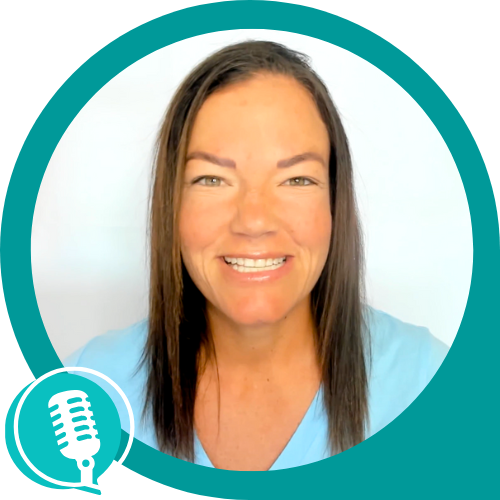
Kristi Kandel
Developer | Mentor | Co-Host of the LRED Podcast
is a real estate developer with nearly 20 years of experience and over $450M in projects across the U.S. Today, she focuses on helping locals step into development and build in their own communities.
She’s the founder of I&D Consulting, Local Real Estate Developers (LRED), and co-founder of Elevate, a community-driven sports and wellness concept.
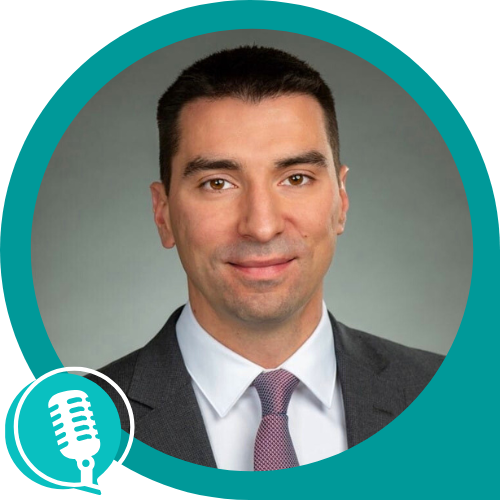
Raphael Collazo
Commercial broker | Author | Co-Host of the LRED Podcast
Raphael specializes in retail and industrial properties, bringing a problem-solving mindset from his background in engineering and software. As a commercial real estate advisor and developer based in Louisville, Kentucky, he works directly with investors, tenants, and cities, bringing a real-world view of how deals come together.
🔗 Related Episodes
Community Development Over Capital: How Rachel DesRochers Builds Where It Counts | EP #45
A powerful reminder that you don’t need perfect capital to start. You need resourcefulness, creativity, and the willingness to move.
How to Start Real Estate Development: Steph Weber Bought the Land First and Built the Plan Later | EP #41
A real look at taking your first development deal from idea to execution without having everything figured out.
Small-Scale Development: How She Left Her Corporate Career and Built a Tiny Home Village | EP #39
Another path from traditional career to building a community-driven development project.
About the Guest
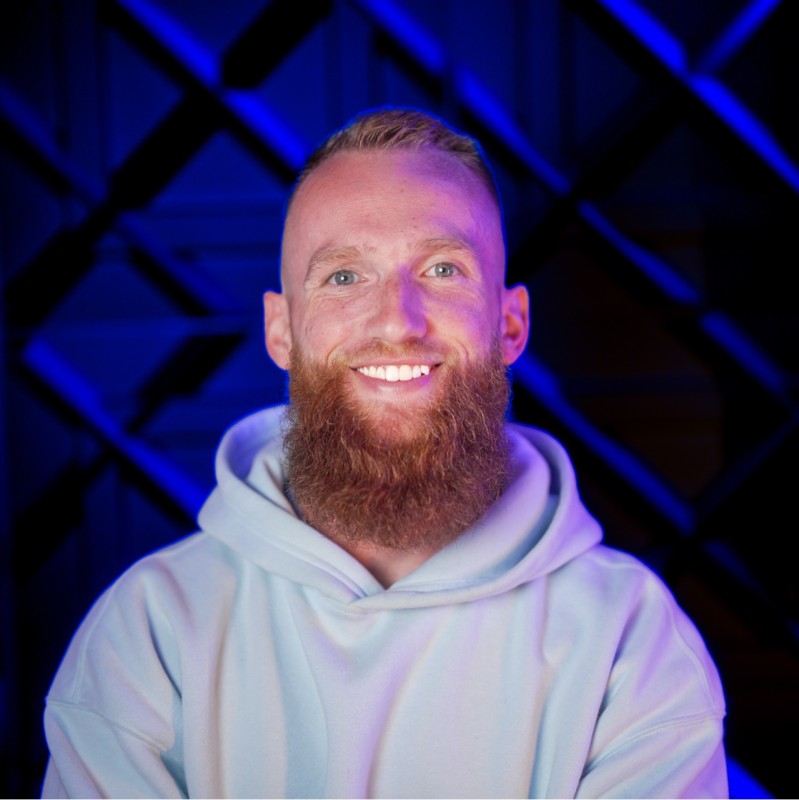
Brian Koons is a San Diego-based developer focused on ADUs and small-scale urban infill. After serving in the Marine Corps, he transitioned into real estate through house hacking and quickly built experience across hundreds of development projects. Today, he develops his own deals, helps investors place capital, and teaches others how to enter development the right way.
Connect with Brian
Full Transcript
Raphael Collazo (00:42)
Welcome to the local real estate developer podcast. I'm your co-host, Raphael Collazo. I am an investor, commercial broker, and real estate developer located here in Louisville, Kentucky. And today I'm here with my co-host, Kristi Kandel, developer extraordinaire. And I believe you're still in Florida, but you'll shortly be in our neck of the woods. So I hope you're having a great day and it's always good to see you.
Kristi Kandel (01:03)
Yeah, that's right. I am still in Florida, but I'm about to do a trek up to the Midwest for about a month and you know, the coldest time of year. But yeah, I'm a real estate developer investor and I teach locals how to become developers in their community. And today's guest does the same in a really awesome way in one of the most expensive markets that you can do it in. So I'm really excited to bring Brian Koons on and kind of talk more about what you're doing and what you've been up to. So Brian, welcome to the show.
Brian Koons (01:30)
Thank you for having me. I'm excited to be here. Yeah, I mean, you hit the expensive part right for sure. It's over in San Diego in California. It has been a very fun time getting into this space and being as active as I have been, because I've seen so many people get into real estate development because the expensive barrier that it was of just basically all of this urban infill
You know, they leveled the playing field so much more when they allowed these changes in the accessory dwelling unit, the ADU space, and it allowed more people to get in and kind of get their feet into this development thing. And through that, there's been a lot of learning, a lot of experience from so many different parties. It's been, it's been really fun to see. It's been a very interesting past several years.
Kristi Kandel (02:19)
Yeah, I can attest to the California market. I started my career in Florida, but in 2010, I opened our California office and I spent a huge chunk of my career developing single tenant projects, shopping centers, industrial multifamily, cutting through all the red tape during entitlements, permitting, construction management. And yeah, California is whole other beast. So to some extent, when people in other states go,
Oh, it's taking so long to get permits. I'm like, really? How long? I like, oh, it's two weeks to get something back. I thought I would get it the same day. And I'm like, dude, if we got something in two weeks in California, we would be screaming from the mountains like, yeah, winning. Right, right? So one thing we like to do before we get into the details of your projects, which I totally want to do, is to maybe give a little background on who you are and how you even got into real estate in the first place.
Brian Koons (02:47)
you
I'd be a billionaire at this point.
Yeah, for sure. So a little bit probably unorthodox. I actually grew up in Ohio. I grew up, you know, turned 18. Really, we're out in Ohio.
Kristi Kandel (03:16)
me too. ⁓
Fredericktown, so it's like an hour north at Columbus between Mount Vernon and Mansfield.
Brian Koons (03:22)
Okay.
Yeah. I'm like 20 minutes outside of Cleveland. Um, so that was where I grew up and got to experience all the cold weather, uh, you know, all the, all the fun. And I ended up joining the military when it turned 18. So I joined the, uh, the Marine Corps and I went to Virginia for a little while. I went to North Carolina for several years. I was actually a tuba player in the band. Uh, so I played the tuba for my first enlistment. And then in 2019, I came over to San Diego to be a drill instructor. And that was.
Kristi Kandel (03:25)
Okay.
Brian Koons (03:52)
this next stage of my life where I didn't really know what I wanted to do. still, at that point, I didn't even know what real estate was. Really, I didn't know what a duplex was at that point. I had no idea. Moved over here and then somebody, when I was at drill instructor school, basically told us this little snippet on house hacking. He was like, use your VA loans, zero money down, like live in one unit while you live here and you you've run down the others. And that's the kind of the thing that stuck with me. And that was in 2019.
spent a year being a drill instructor, which is a very time intensive job. So I did not really have time to explore this, this real estate thing very much. but then when COVID hit, I ended up being able to get put on like basically a supplementary job to being a drill instructor. So significantly more time in my day, as well as getting kicked off base because they needed our rooms to quarantine recruits in the barracks. So I got the housing allowance. So my income increased as well as the time increased. And that was in,
you know, the end of April, basically, when I, had to move off base. And then in middle of May was like, kind of when I got settled down and I was like, all right, like this is like, let's do this thing. so I reached out to like one of the guys I found on bigger pockets and I was like, Hey, I want to do this house hacking thing. And within, so that was like middle of May and then June 5th, I was an escrow on a four unit over here. didn't know what I didn't know at the time, but like low interest rates and all these like factors that had no.
No, nothing to do with me being a solid investor. Really set me up for success there, got into my first deal. And then I still had some money saved up because I was, you know, in, I didn't put any money down with the VA loan. From there, just continuing to meetups and things like that. And started exploring what my options were. And very quickly, just somebody said the right thing to me about ADUs and real estate development. And I was like, yeah, you build at 300, you sell at 700. That math makes sense to me.
way more that goes into it now in hindsight, but that was like the functional click for me. and then, just, you know, a month or two went by and I was just kind of like, you know, still going to meetups and stuff, trying to figure out what I wanted to do. And then I met a buddy, two buddies actually that we got together and one of them, his dad was a contractor and he was like, Hey, we'll make sure he's, make sure we don't crash and burn. And in November, we bought some land over in, in San Diego. And that same month.
that we went into escrow on it, we were expecting to put four units on it. They already had conceptual drawings done and everything. The bonus ADU program in San Diego came out, which if you aren't sure what that is, it's essentially where statewide you're allowed to put one ADU or two ADUs on a property. City of San Diego, you're allowed to put unlimited ADUs on a property and you're only limited by how much actual floor area or how much actual square footage you're allowed to build in whatever unit mix we wanted to. So we ended up going to escrow expecting to put four units.
And just reading a bunch of code over the next month, month and a half while we were in escrow, we were able to double the unit count and build eight units. And so my brain just exploded and I was like, this is like the coolest thing ever. And I literally like make the joke all the time. I felt like a Jehovah's witness trying to preach the gospel of ADUs. Cause I'm like, this is amazing. Like, why, why are people not doing this? Like Jesus. And so from there, you know, for the next like year or so, I just kind of became like the ADU guy. started reading code. I started looking at deals just all the time. And then I got out.
of the Marine Corps to start, and I started working at a design and architecture firm specifically centered around ADUs in San Diego ended up being like the largest ADU design firm. Uh, at the time we had about 500 ADU projects while I worked there. Uh, so I ran development for them for a few years, just basically every project that would come on, I'd help them underwrite, help them determine feasibility, help, uh, you know, determine scope of work and kind of see all of these learning lessons of all the projects come through.
while doing all my own projects at the same time. So, yeah, I picked up several deals throughout that same time period. And so I just got this absurd amount of reps in such a short period of time at the very beginning of this thing. So all the learning lessons, of the gotchas, all those things just put me in a really unique, really fun experience spot. And then about eight months ago, quit that job and I've just been going full time in my own developments. We help people place capital in ADU and
Small urban infill development deals in San Diego now, and I teach it. So that's kind of my, my, my shtick in a long, long storm.
Raphael Collazo (08:02)
That's amazing. No, and obviously, first off, thank you for your service. And that's amazing that you were able to kind of leverage some of the programs that are available to our veterans to be able to get into some of these, these projects, especially in California, because it's the price points of some of these, these deals are just astronomical. And that's how I got started actually, in investing is house hacking myself, about a fourplex here in Louisville and ran out the other three and reduce my living expenses. And that's what gave me the courage to take a leap away from my previous
career to jump into commercial brokerage full time. And my first year, I think I made 13 grand. So, you know, I couldn't have survived had I not had that fourplex. So it does give you flexibility to be able to take on new and interesting opportunities if you have that baseline. just always interesting to hear other people's perspective. And then one thing I want to want to extract from that too, is that you got experience.
Kristi Kandel (08:39)
Mm-hmm.
Raphael Collazo (08:55)
You know, learning by transacting, right? You, you learned by being in a, in a, in a business that that's what they did. And you were responsible for making sure that those projects ultimately got to where they needed to be. And you get to learn with other people's dime. And that's why I feel like has what has made, I'm sure Christie, a phenomenal developer, because she's been able to do that for many, many years in a variety of different capacities and different companies. And now she could take on her own projects and advise other people based on that.
Kristi Kandel (09:13)
Mm-hmm.
Raphael Collazo (09:22)
And in my case with being in brokerage, gives it's enabled me to see what a good opportunity is, identify gaps within the value chain so that I could maybe add value in some way and getting an understanding of how the market works so that I know what average lease rates are. know what type of tenants are looking in the four in the market, et cetera. So I think just going back to that whole piece, kind of one, one extraction of value for the listeners is to.
surround yourself or get in situations where you can learn without necessarily right off the bat. mean, if you can spend some of own money, that's great. But if you can do it to where you were learning on with other people's money, that's also very helpful as well. So I appreciate the insights.
Kristi Kandel (10:04)
Yeah, I totally agree
Brian Koons (10:04)
Yeah.
Kristi Kandel (10:05)
that learning while getting paid and having pretty much the risk is on everyone else, but we're getting that crash course. So like for me, I was literally developing 30 family dollars a year. So we were evaluating 50 deals, going through entitlements, permitting, construction management of all of that in hundreds of towns and municipalities and utility districts and DOT in California. I'm like,
everyone says development is super hyper local and this and that, but there's commonalities and there's questions that if you can ask, you can define the project to where it's not this big black hole that you go into. There's actually ways that you can systematize and streamline. So yeah, I would say that experience I had was better than any college degree experience and any money I paid towards that. And I got paid to do the other stuff. So that's a cheat code right there, people.
Brian Koons (10:48)
It's
so true. mean, when I got out, it's funny because I was getting out of the military because I knew I wanted to be a developer. I just saw this company that was, functionally it was a design and permitting company for ADUs. And I was like, hey, you're a developer for other people. Let me figure out how we do it for ourselves. That was the whole pitch when I came in. then we grew, I think I was the fifth employee when I got there and we grew to 45 at the time at one point. so it like...
It never truly took off there because it was always just putting out fires, doing wherever I needed to kind of fill in. But with all those reps, a thousand percent like that was, I don't think there's anyone else that got an experience like that in this space while also being a developer. Cause a lot of people, like there's other companies that have that many reps, like when you're actually like actively doing your own projects. So every deal I ever looked at or every project that was like always like.
Kristi Kandel (11:29)
Mm-hmm.
Brian Koons (11:39)
What would I do on this thing? And just like, you start to like really get this like, this really cool mindset. And then also too, it makes it to where you, for them, they're like, my God, like this dude's actually like doing stuff. He's not just like the sales person. And so it was like, yeah, was very, very different experience. And I think that it is like, yeah, I've met people who have went to school. They have, you know, masters in real estate.
Kristi Kandel (11:40)
Hmm?
Yes.
Brian Koons (12:04)
And I'm like, that's really cool if you're trying to buy a thousand unit apartment complex, but like, you're too scared to buy a flip. Like it doesn't matter. like, gotta take, you gotta take the risk. You have to, you know, take experience. really it's to me, it was like, it was just asking people that were smarter than me. It was like, Hey, like, is this a good deal? Like they have no skin in the game. They'll tell you if it's a shitty deal. Right. So that was a huge part of it, but yeah, I, I thousand percent agree.
Kristi Kandel (12:08)
Right, right.
Right, right, right.
Raphael Collazo (12:29)
That's awesome. So talk to us a little bit about that first project, because I feel like that's the disconnect for a lot of people when they first get started is that initial jump, because they can analyze all day long, they can read a bunch of books, they can listen to a lot of podcasts and get inspired. But then when it comes time to take the leap, that's where the disconnect occurs. And so can you kind of share with us how you were able to get over the hump when the initial
project and then maybe some of challenges you faced as you were going through the process.
Brian Koons (12:58)
Yeah. Yeah. So I'll take you through the first two, because I feel like for a lot of people, the hardest deal, at least from what I've seen in the space, the hardest deal is not the first one. It's the second one. It's once you've maxed out your debt to income. It's once you've spent that money. It's like, how do you keep going? Because at that point, you have the bandwidth to do it. You have the drive, the excitement, the bandwidth, but you don't have the capital most of the time. So that was really for me, the first deal was obviously it was this four unit complex in San Diego.
It was like $1.2 million. So it was like really expensive. To me, like I grew up in Ohio, housing prices are not that expensive, but I didn't really care about the price. I was looking at the percentages on things. And so for me, like I was looking at duplexes. My, basically my goal at the time, obviously interest rates were way lower at the time, but all I wanted to do was live for free. That was my goal. It was like after everything, after I underwrite it, live for free. And duplexes just like, they weren't hitting the numbers that I wanted.
And then I moved up to triplexes and it was like starting to get closer. And then I realized like, why don't you buy for you like kind of buy in bulk and it comes, goes down at price. And so for me, it was like, didn't, I literally didn't even know what like debt to income ratio was, which is how much house you can afford. had no idea about like, I just had no idea. Right. All I knew was like, Hey, this makes sense. I reached out to some literally, I looked at bigger pockets and it was like the number one rated like agent in San Diego. And I reached out to him.
And it was like, Hey, like, can you like teach me how to do real estate stuff? And he was like, yeah, I got, he sent me like eight hours of like master classes, his broker, you know, just webinars that he did watch those. And I was like, I got this is easy. He gave me like a little underwriting tool. And so I would just start analyzing deals. And we threw in probably about like 10 offers over the course of like two weeks. And because interest rates were so low, it was, you know, my, was like pre-approved. had the lender set up.
And I would just send him these deals after I underwrote them. And because I was like actually underwriting them, not just like, you know, sending a deal and be like, can you underwrite this? Like pretty much every single one. He's like, yep, you're pre-approved. You're good. Like it just, it was always the way I was like underwriting was conservative enough to where it supported it. So yeah, we just continued putting in offers until, until somebody accepted it. And that was the one that I ended up getting. And from there, that was now the tough part because I got into the first deal, but I had no debt to income ratio remaining.
to be able to qualify for anything. I had some money saved up, but I didn't really know what to do. I was like, I'm ready for the next one, but I couldn't qualify for anything. And that's where, you know, kind of the only logical thing in my brain for some reason was to do development, because that's like the easiest next step. Not always the easiest next step, but I just, I'd met people who also had similar desires and similar knowledge base. And so when...
I talk to people a lot about kind what you mentioned about like learning on other people's dimes. I like that from the perspective of the job that I was in, but to go out and like raise money for a deal that I'm going in as the operating arm on, that's one of the scariest things that I could ever recommend for somebody to do is go just raise money and do it. But partnering with people who also are learning and figuring it out and cutting the cost down per person.
that I think is probably the best way to get into it. And then finding the unique advantage of like a mentor or somebody who's been there done that and either bringing them into the deal to become like the oversight, the operator and kind of like the person that makes sure you don't crash and burn or just bring someone in, pay them on a consulting basis, pay them a thousand bucks to take a look at the deal before you buy it or to go walk the site with you. I think that that's one of the best ways is you find either if you have the capital,
Yeah, just go find an operator who actually has like a legitimate track record, not like this guy who popped up and he's like, yeah, I've done a bunch of units before. And either partner with him or be like, hey, can you just take a look at this deal? pay you on an hourly basis just to make sure you're at these key milestones that we're doing things the right way and then figuring it out. And I think that that's the best way is you just, you don't need to know everything. You need to be able to ask the person who knows what to do and then...
you just go execute. And so that's what I try and like tell people now is like, don't, for me, it's like, I don't know every answer, but I know the questions to ask and who to ask that to, to get the right answers. And how you were mentioning, Christie, like development is so functionally similar anywhere you're going and anywhere you're doing it. It's just that question you need to ask about, you know, what's the FAR, what's the, you know, what soils issues are there, whatever, like you just ask the expert in that market, not this market, but the question is the same question.
so yeah, so I guess like, hopefully that answers the question of kind of the process, how I got into it and just having the, having the, being able to take the risk I think is so many people get bogged down by trying to understand every step of the process when I'm like, dude, just ask it the key points of like, is this a bad deal to people who have done deals before? And as long as it's not a bad deal, like you, you gotta try to like lose a lot of money. Like you have to go out of your way to lose a lot of money. You may not make as much as you think, but like, you're not gonna, you're not gonna crash and burn.
if you ask the right people at the right times.
Kristi Kandel (17:57)
Yeah.
Raphael Collazo (17:57)
Well,
and.
That's one of the great things about real estate is that the likelihood of you losing everything is obviously mitigated in some degree. mean, we've had situations in the past where we've gone through a crisis, but for the most part, it tends to hold its value relatively well. So even though you may get into a deal and if things don't go the way you were hoping for, at some point you end up selling before your business plan is executed and maybe you lose a little bit of money on closing fees and stuff like that. But at the end of the day, you're not going to lose your entire shirt.
So I think there's some benefit to investing in real estate for that reason. It's more forgiving, especially with time. That's one of the things with real estate. Time forgives a lot in the space. So regarding that project, so you bought this fourplex with an owner loan. So you were going to be physically living on site. So you were saying that you add ADUs to that property, and do you have enough space to be able to do that?
Brian Koons (18:54)
No, yes, good question. So no, so I bought that one. I could have put an ADU on it, but it's just, it's a little bit tight to really try and have a good unit and then it pushes you to the five plus anyway. So it kind of like, it basically just wasn't worth to do it there. But what I did do is I took the money that I had and I partnered with two other people who sit very similar. They're like, Hey, I've never done development. I want to do development. have some capital saved up. One of the guy's dads was a contractor in the area has been for like 25 years. He was like, my dad will make sure that we like don't crash and burn on it.
And then we started looking and we found something. We bought it. It was like a 50 % land loan because it was was vacant land at that point. Not raw land. It had utilities connected to it because it ended up, it used to be like a house that was on it they demoed it. So putting the money on that, just split costs going through permitting. And that was the one that we were going to build. Hilariously, that was our first deal. We got it permitted for eight units. It was actually two parcels that were like right next to each other. So it was going to be four and four.
And our idea was that, like we'll sell one of the lots because it was like, right, you when COVID was doing the thing, we doubled the unit count is great. So we were like, let's sell one of the lots. Let's use that money to build the other. The issue is that we submitted one plan set and in California and San Diego, takes a while for permits. So we were like, shit, like we would have to resubmit the plan sets and resubmit two or like, let's just look at selling both together. And so.
Hilariously through my boss at the company I worked at, because that was when I was working at this company. It was about a year and a half after we bought the land. So we bought it in like the very beginning of 2021. And in the middle of 2022, when I was working at this company, my boss actually connected me at like a real estate meetup to this guy who was a 1031 guy. I was like, oh, like I'm actually buying some land or I'm selling some land. So I'm actually probably going like need to leverage your services to go into the next deal. And he was like, oh, cool. Where at? I was like, oh, know, Logan Heights. And he's like, oh, I'm
on Martin Avenue. And I'm like, yeah, he's like, I'm buying that. So he was like actively an S girl on the piece of land. And I told him, was like, well, actually, like, we're looking at selling the second one because of, you the situation is like, instead of trying to split it, like, let's just sell both and move on to the next deal. I was like, do you want to buy it? And he was like, yeah. So he literally like he had a fund that he was like raising and picking up these deals in. So we ended up buying both lots. And we ended up just rolling all that money into a few other deals.
Yeah, but yeah, that was how we did it was we just, you a couple partners moving into a deal together, learning together and you know, the wins and losses together and everyone was in it to figure it out.
Raphael Collazo (22:04)
That's great. I honestly that that's the only way I've done it so far is teaming up with people that I know like and trust in my own market. And it's usually just one or one of another person. And they usually have a different skill set. And we team up to buy these projects and take them on. And obviously, there's benefit there because you have someone that you know, like and respect that has a different skill set to you, at least that's what you'd hope for in in the partnership. And then also you have someone to help.
you know, carry some of the financial burden of these projects, because to your point regarding development, it's not uncommon for you not to make money from a property for a while. So there's one building right now that we own, it's been vacant for about a year. And it's just, you know, there's carrying costs associated with it. Now it's in a path of progress, it's going to pay off in the long run. But there's a lot of investment that goes into these types of projects. And so, yeah, it's, it's, it's definitely good to team up and
It helps you sleep a little bit better at night. You're still going to be a little stressed, but that's just part of it.
Brian Koons (23:04)
Yeah, that's so true. I've talked to people all the time that like money is not the same from an investor. Like the person who invests in a flip is not the same person who's going to invest in a development deal or should invest in it. Because yeah, you you dump money in for so long and it's so tough. it's actually like it's crazy. You were mentioning before on, you know, when we were talking about how it's kind of hard to lose money on deals.
Kristi Kandel (23:16)
correct.
Brian Koons (23:29)
The development play is like the one where if you're not careful, that is the one that like, if something's not feasible, that's the one where it's like, if you do a flip and like you, you just, go over budget or something, right? You still have an asset there. Like you can still sell it. so, but the, raw land and the, the, the vacant land space, that's where it's like, it's pretty, pretty scary. And so for us, like the play in San Diego and kind of in California and a lot of places, honestly, is not.
Kristi Kandel (23:41)
Mm-hmm.
Brian Koons (23:57)
always just raw land development. It's actually buying a distressed asset that you can renovate and then add additional units to. And what that does is that gives you multiple exit strategies at every stage to where you can kind of like pivot based on market and adjust where when you buy like land or, you know, some of these people here are buying these small, you know, small multifamily, but their play is to demo it and then build these giant massive like overdense projects.
And I'm like, bro, you got what you overpaid for the land and you got one exit. It's like, if things go well, like cool, like you make a bunch of money, but if things don't go good, you're not the only one who's going to lose money.
Kristi Kandel (24:36)
⁓
Right. And the development cycle is so long. it's in other markets, it could be, you know, 12 to 18 months, but in California, mean, you could be three to five plus years. And especially if you're going to demo and rebuild, mean, we've built plenty of hydrogen stations in California and between, yeah, San Diego is its own interesting animal.
Brian Koons (24:58)
it is.
Kristi Kandel (24:58)
So
yeah, I love the idea of buying that distress. We talk about it all the time, the adaptive reuse and the fact you already have the utilities there, the infrastructure in California, something that's huge is our permit impact and connection fees, tap and connection fees, like all of those from utilities and permits and transportation and park fees and all the fees really add up to where if you can have existing, can have some of those fees already offset because they've already been paid, but yeah.
Yeah, that's a whole other animal. So with those first projects, was there a key challenge that you're like, we hit this hurdle, none of us really were aware of, sometimes you're just gonna hit the hurdle because it's part of development that you guys were able to take and kind of learn how you worked as partners and then come up with a way to overcome that.
Brian Koons (25:45)
Yeah, that's a really good question. For me, the thing that I've really learned is you have to pick the right team. That is the number one thing. The team will make a break and whatever money you think you're saving by choosing the cheaper designer or the cheaper architect or the cheaper contractor, you will pay for in holding costs, in time, headache, and redesigns or issues. And so that was, I think, the main mistake.
that not only I've made, but I've seen obviously being in the space now for so long, like there's so many people that are just, they're sticker price conscious. They're not price conscious, they're not value conscious, they're sticker price conscious. And that is literally one of the most dangerous things. And I say that as an example of picking the wrong team and then building the wrong project. Those are the two things that I think I've learned. And by wrong project, I mean more so
that either I don't understand it or going back to the wrong team, I didn't pick the right team to design it and to build it. And I have a, like, for example, I have a project that it wasn't the first one. was another one that we were single family. were going to add eight ADUs to it. And it took us over three years just to get the permit. Picked the wrong team, designed the wrong project, had to go through redesigns, took us longer for issues and things like that. And so yeah, it took us like there were
building it out now, but it took us, we bought it in July of 2022 and we just started framing. And now we have other projects and now kind of what we're averaging, cause obviously we do, we have a good amount of more volume now. We're averaging on the last several projects between seven and nine months from start to finish, which is like crazy different. So for me, like that's a very simple math equation of how much was holding costs of 5k a month and holding costs for an extra two, almost two and a half years.
which is a decent chunk of change, the lost rents, the market fluctuations, and then also the value that I likely could have extracted differently had I built a different project that actually made more sense in the market. So that just in that, I probably lost a million dollars, like just in those couple of things. And that's just one project where other ones like, you know, similar type things. And that's really what you start playing with when you start getting into these bigger builds. But that's why I like working with the right team, like
my kind of like value proposition for people is like, I've like, I've seen enough projects now. It's like, I'm to help you build the right project and choose the right team and push the project forward where a lot of people will kind of like just put it on their, their design team or their, whoever's managing it to do it. But it's like, I don't know if it's probably similar for you, like with architects and designers and all these like vendors squeaky wheel gets the grease. Like if you're not actively like
Kristi Kandel (28:24)
Mm-hmm.
Brian Koons (28:26)
It's due on Friday, checking in, Thursday, like, hey, just making sure you don't need anything for resubmittal tomorrow. It's going to get to Tuesday, Wednesday, Thursday to the next week. And then you're going to say like, oh yeah, that was due. And then you follow up and then they don't get back to you for two days. And then they're like, oh yeah, it's actually like due. And so all of sudden, in an extra week or two, every single time there's correspondence stacks up and all that's like, that's literally like a direct dollar for holding costs on most projects.
Kristi Kandel (28:34)
Mm-hmm.
Mm-hmm.
It's so true. When I built, we were doing so many development projects and I had my team. And so we built our own development software and into it, I built all these steps for those followups that you said, okay, you sent it to them to release them. Like, you know, within this amount of time, make sure they got it and that they're starting and that they're agreeing to the end date. And then halfway through, Hey, how's it going? Do we need to have a check-in meeting? Do we need to bring everyone together, coordinate where the points of connection are, blah, blah. And then towards the end, like you said, following up, Hey, it's coming Friday. Can I help you with anything? And like those constant
reminders and then even teeing up the jurisdiction to go, hey, we're going to submit this. I know it's going to go on your portal or whatever, but heads up, it's coming. And all of those little things, those, there's no expediting. The expediting is you making everyone aware it's coming. So it's on their mental plate to where they, at least hit the deadlines that you've set and they don't extend.
Brian Koons (29:39)
Yep. I thousand percent agree. Yeah. That's like, that's what I use the term, like pushing the project forward rather than just like going through permitting. and it is, it's really like, those are the, probably the two highest leverage points is like, number one, set up the project for success day one. So that's getting the surveys, getting the studies that you need paying for those costs upfront. Where so many people, they'll try and skip the boundary survey where it tells you where the lot lines are. They'll try and skip the soil study because they don't, you know, they're like, that's like six grand. don't know. Like it's, you know, it's expensive.
But for me, for example, like I have, my partner had a five unit project he's actively building right now that they, and what's crazy is they actually did a soil study, but because he didn't specifically like say exactly where they're building at, they didn't bore all the holes in the right spots. Long story short, he spent about $70,000 exporting, importing dirt to and re-compacting to make the project buildable.
And it's like, so it's like, there's these little things and yeah, people try and skip these surveys and studies. They'll draw it, submit to the city. They'll get structural engineering, architecture, title 24, all these like different people that charge you money to do their thing. You submit to the city and then the city says, Hey, like you need this thing. We need you to do this thing. You go back and do it. And now everyone's changing and charging you money to do that. And then, by the way, now it costs more holding costs, takes more time. And then you resubmit. So it's like, it's, you know, it's my
architected the company I worked at called it Go Slow to Go Fast. It's like setting the project up and then yeah, pushing things forward, holding people accountable, which is like, it's not easy. It takes time. And that's like for people like us, like that's why we get paid money. We're the puppet masters, we're the orchestrators. But that's like the two highest leverage points is like get everything done upfront, make sure you can do what you're trying to do and then stay on top of people.
Kristi Kandel (31:02)
Mm-hmm.
Raphael Collazo (31:21)
Couldn't agree more. And that's something I've had to learn myself. Just because you have a contract with a vendor, it doesn't mean the vendors are bad people. It's just because you have a contract with a vendor that stipulates everything doesn't mean it's going to get done to the degree that you expect it to be. so ultimately, it's your project. So you're the only one who truly is responsible for making sure it gets done. And you can't just assume that everyone
is going to have everything lined up and buttoned up and that you're going to hit every metric that you're wanting to throughout the project. You are the, you have to champion it yourself and you have to know what's going on at all times. You can't just feign ignorance because that's going to cost you time and money. And you know, if it's your money and you you're okay with losing it, that's fine. But if, soon as you start raising money to do the deals, then it creates this whole difficulty. And from a, from a, from a fiduciary standpoint, you got to make sure that you're being a good steward of the people that you're representing. So.
That's some great advice.
Brian Koons (32:15)
No, it's
very, yeah, no one's going to love your project as much as you do. And that's like for us like that. Yeah, go ahead.
Raphael Collazo (32:21)
Yeah. that's not, again, that goes back
to, I mean, they're not bad people. Like vendors are great. I mean, without them, the project doesn't move forward. it comes down to the fact that you still have to be the leader. You still have to be the champion of the project. And so you have to understand what's going on at all times.
Brian Koons (32:37)
Yeah, that it's so accurate. Yeah. It's, it's, you know, that, that one centerpiece I, the way, kind of the visual I use is like how an escrow company is kind of like in that middle point, they're working with the agent, they're working with the lender, they're working with the owner, they're working with all these people and like getting documents and doing all these things like that, that person who like owns the thing. And it's like, you know, not that you can hire out ownership, but yeah, it's like, you need someone that is like, not the person that's directly tied to the workload that
that can push things forward. And yeah, I see that a lot is where it's really easy to get into a deal. And I see, you even people in my market, they're really good at getting into a deal, but it's the execution afterward and people get, you know, they accidentally, I think they see that development makes a lot of money. So they say, my God, like, if I just keep getting deals, I keep making more money. They don't realize that there's a lot of this backend and when things start to slow down and expand and you start making your investors a little more unhappy.
and you start not catching mistakes and things, it starts to add up quite a bit. So the R model, I've seen the first way, which is where you basically oversell and undercharge to where you can't retain and maintain the capacity. The other way is you make sure that you're intentional with your pricing model, with your team, and so you can do a really, really good job. And I think that that's really the way that
aside from ego where it's really cool to build extra units and say, I'm building this X amount of units, I'd rather build half the units and make twice as much money all day long.
Raphael Collazo (34:09)
Sure. definitely. So, you know, how do you keep motivated doing what you're doing? Because there's going to be times when you're in the thick of it and things aren't going the way that you hoped they were going to go. And you have to find a way to get around the obstacles. But I'm just curious as to what your driving force is, what's your motivation to kind of keep going in this business?
Brian Koons (34:30)
Yeah, that's
a good question. mean, I've definitely, you know, I've had my issues with projects and partnerships and things that I've had to deal with throughout the process. And to me, think the biggest thing is just it really comes down to you have to have the resolve to know that like, this is just the space. Like things happen, shit happens.
Having the opportunity that I had to work with so many developers, homeowner, like a mix of homeowners, newer investors, experienced developers, large multifamily investors, like all coming into this like singular space. The best developers are the ones who just look at a problem and solve it. It's not the people who try and argue and they say like, architect, you took two extra weeks and that cost me a lot of money. Like, why are you, you you owe me this money or like...
The city charges, you they've increased fees a little bit because it's just like, that's just what they can do. And then going and spending three weeks or a month or two months arguing with the city to try and reduce the fees by a thousand dollars. The best ones and the way that like for me, I, you know, I think one of the main ways that I maintain my composure at this point is literally, it's just like, it's, it's just the job. Like it's just, if things come up, it will go over budget. It will go over time. It will.
You will have issues, you will have issues with the people you're working with. And it's like, it's just, that's the thing. Like that's for me, it's like, I have no real skill sets. Like I played a tuba and then I yelled at people for a living. Like that was, that was my entire background. Like I have just gotten into a space where people don't like reading municipal code. So I've found that if I just read a bunch of stuff and then like look at deals, like I can create value and then orchestrating the issues. Like so many people.
it's very difficult for them to deal with continuing issues coming up and managing a bunch of stress and things like that. Where it's like the people who just like, they just solve the issues. Those are the ones that for me, that's a good developer. That's somebody who just handles issues, solves them and moves forward. So.
Kristi Kandel (36:31)
Mm-hmm.
But exactly, like
to, developers are just problem solvers. I like to joke and say, have a PhD in MIH, make it happen. Like you're just gonna solve the problem. As a developer, you put the vision, you build the team, and then your whole goal, because they're all experts in that, is when the issues come up.
that you all get together and you understand how to find the right solutions to make that happen. Because of what I've found, like you have your architects, your engineers, your brokers, your people on all ends and the cities, they're looking at your project in a silo. Very few people put that ownership hat on and think about the whole picture, think about from the business mindset and they just don't have exposure to it. But also thinking about what's the exit strategy, what's the end tenant, what's the operations of that going to look like.
And so it's just our job to help them kind of understand that. And I'm sure you found this too, but I just really pushed on my team to say, hey, the earlier you let us know there's an issue, the more time we have to solve it and the less money it's going to cost. If you hide something until the end, our options are going to be incredibly limited and it's probably not gonna be the result that we want.
Brian Koons (37:43)
So accurate. That's such good advice.
Raphael Collazo (37:44)
you
measure twice cut once, I always say it's very important to just calm down. And it's funny too, because obviously I'm in the brokerage space as well. so setting expectations for people on the front end is always very helpful. Like we have a project right now we're working on where we're doing a tenant fit up for a building that we own. And the tenant periodically swings by and they'll look in the windows and they'll be like, well, it doesn't seem like there's anyone out there right now. There's no work going on. It's like, what?
Kristi Kandel (37:47)
Yeah.
Raphael Collazo (38:13)
well, these are all the things that are happening on the back end before we can even start going down this road. it's just kind of funny. We actually met with him this morning and kind of walked through the base plan. said, OK, well, here's the final plan. Once you sign on the dotted line, any changes we make, it's going to be on you guys. And so kind of having that conversation as well. So it's just funny. It's just part of being in the business. But regarding that, mean, so.
Brian Koons (38:37)
Yep. That's so true.
Raphael Collazo (38:43)
You know, do you, I guess, what are one of the main pieces of advice you give to newer developers that are looking to take on their first ADU project?
Brian Koons (38:51)
Yeah, good question. So I think for me, seeing so many people who have gotten into the development space, that's really what I talked about at the beginning. It lowered the barrier to entry to where somebody could have bought a property 10 years ago, they could get into their first owner, occupy with a little money down and have ADU potential on it be able to add ADUs. For me, the biggest thing is you have to really understand what your goals are.
from the start in getting into the space because I see a lot of people, I'll give an example, I see a lot of people who come to me, they've owned a property for 15, 20 years, and they say, I wanna do an ADO on this thing. And they have a ton of equity, they are ready to go, but the issue is that they're trying to shove a round peg in a square hole. That property that they've owned doesn't actually have...
true ADU potential because the ADU laws didn't really exist when they bought it. So I have to, I call myself a professional bandaid ripper. That's kind of my thing. Cause I'm like, I have to kind of walk these people through like, Hey, like you could do this, but like, if you have the funds to buy or develop, you should take this, sell it, or refinance, out a HELOC, whatever, and go buy something that actually makes sense for development.
where I think a lot of people getting into their first deal, it's not, to me, it's not a very difficult space from the perspective of like, just, you ask the person, what can you build? And then you like have other people do it. Like it's almost comically, if you do it right, if you do it wrong, like a lot of issues, but like, if do it right, it's actually one project is a very comically little amount of work. Cause you're all, you're just hiring out everyone else to do like the stuff. Then you're just basically just sending us some emails every like couple of days.
where if people are getting into their first deal, yeah, I think it's, just, have to get in, like, you have to ask the people like in your market that are actually doing it, that have been around the block to validate that you can do what you're trying to do. Ask the right questions and things like get in a community that's there. They're popping up a little bit more. And so it's like, it's like your community is a great place to start of like, just get in the room with other people doing it. Cause we're saying it's, it's very functionally similar.
anywhere you're doing it, whether it be in San Diego or it in Ohio, it doesn't matter. And so I think that it's very similar to like any of the the other, I think industries in real estate of flipping or whatever. It's like, just get into the deal. Just, just get into the deal. You know, be around the right people and learn through the school of hard knocks. Don't, don't try and just like out, don't.
I've been in this for like six years, day in and day out, reading municipal code every single day. And there is still so much shit that I don't, I just, I'm like, I don't even, I have no idea what that is. Like I gotta, every time. So it's like, you will never out learn the industry, your, even your local market. That's just city of San Diego for me. so yeah, I think that that's for, people getting in, it's like, get around the right people, get into a deal. And then I would not try and swing for the fences on the first one. I think that's another thing that I learned.
Kristi Kandel (41:51)
Yes.
Brian Koons (41:53)
is like you can learn 75 to 85 % of what you need to learn on a garage conversion ADU as you can on a 30 unit development project. Like it's, you'll learn so much of the same stuff. The margin of error is probably going to be about the same on a percentage basis. But do you want to, you know, a 10 % you know, error rate on a hundred thousand dollar project or a $10 million project. And so that's like, I think where I've learned differently.
Kristi Kandel (42:01)
Mm-hmm.
Brian Koons (42:22)
from me. I don't think I would have done it differently. think that's just kind of who I am. I just swing for the fences, I don't think that that's... I don't have a family. I have very little expenses and I can swing for the fences on those things and not everyone has that. So I would definitely recommend getting around the right people, getting into a deal, and learning the process. Don't just... Yeah.
That would probably be the best advice that I have.
Kristi Kandel (42:49)
Yeah.
Yeah, love that. Just getting into doing it, knowing that breaking even is actually okay. But even those smaller projects, happen faster and it gives you your, okay, here's how it happens. Here's how it goes. Here's the right team partners all around that you can.
work with. I agree when people come to us on local developers and they're like, hey, you know, we're looking for a mentor or whatever. We're looking at this or this and, they, know, and ADU, especially on the West coast where the price points are so much higher. It's like, that is the best way for you to really cut your teeth and go great, drop it into a property where you already have investments. You're going to get the full development experience. And it's not, like you said, you're not going to have all of that risk and exposure out there. So
Along that line then, so obviously we're local real estate developers, we're empowering locals to do stuff in their community that are projects that are actually missing and needed and clearly housing is a big one. What does community driven development mean to you and what you're working on, what you're doing both with the physical structures, but then also what you're building with your teaching and coaching programs to get more people into it?
Brian Koons (43:54)
Yeah. So yeah, for me, when I got into this space, it was at a time where it just, the flood gates open. We called it like the wild west in, especially in city of San Diego. And it was really cool because the whole ADU thing, what it did was it democratized access to real estate development. That's really what it did. It basically took the model of Uber and Lyft and put it into real estate. It said, Hey, like you already have a car.
Let's just give you a platform to be able to leverage that you can go drive around for people. It's very similar. It's, Hey, you already have a property. Let's give you a platform. They'll write the regulations that allow you to build on the property. And so they, they functionally had went away from just these big conglomerates that are building these massive projects. like, no, dude, you can, you know, you can do a garage conversion, basically the size of a room. I've done like 200 square foot garage conversions before. Like it's crazy. and so that to me is the.
coolest thing, but because of that, there's so many people that they are getting into a space that is, if you don't do the right things, ask the right questions, use the right team, aside from the property itself, for most people, it is the second largest investment they'll ever make in their life, getting into the ADU space. so to me, it's cool because the community can now, all of them can be developers. The issue is that
they don't have the experience of an experienced developer to avoid the mistakes. And so they get caught on these issues. I mean, we had a company very recently, I think like last year in San Diego, that they took on too many projects. They did this very interesting thing with how they got financing for the people, but then they went under. And a lot of these people lost like upwards of like $35 million, got basically just poofed into thin air, which is crazy.
but it's because there's just things that they don't know. So I think that the community style, the people who have been in it who really want to teach, you guys, I love doing it. There's a couple other people in San Diego that have very pretty established communities of people actively doing stuff. And so for me, that's what I've really tried to do is take my...
The experience that I got, the very unique like just amount of repetitions in such a short period of time at the timing and help people just avoid as many mistakes as possible through the process if they want to go through it themselves. Or for me, the other section, like that's kind of where the other section is, is like if you just want, if you know development makes sense, if you have a property or you want to invest in it, like, but you don't want to do this stuff on a day-to-day basis, you want to leverage somebody who's actually like, like, hey, you can come drive my resume.
kind of thing like that's where we kind of fulfill on the service based side and the investment side. So yeah, I think it's really just the fact that the whole community can now be developers. Anyone who owns a property can now be a developer, but it's having the people around you that are actively doing it who have gotten the battle scars to be able to help you prevent them. Cause it's like, know, everyone's going to get battle scars on their first project.
But it's like how many and it's like, if everyone keeps doing their first project, just, it's, it's going to hurt more than it should. so that's kind of the, been the goal with the community, is to help people avoid the mistakes that have cost me and so many other people, hundreds of thousands of dollars, if not more, per project and yeah, be the, the, the true like premium company. I mean, my goal is to be the number one development company in San Diego.
Kristi Kandel (47:11)
Mm-hmm.
Brian Koons (47:30)
And that doesn't mean the biggest, means the best. That means the one that you go to when it's like you want it done right, you want it done efficiently, you want it the right project built, and you want someone who's actually had skin in the game to have the learning curves. And to me, that's the best way that I know how to give back and help people avoid the mistakes and actually get housing built.
Raphael Collazo (47:48)
Yeah.
That's huge. to kind of wrap a lot of this in together is that, you know, it satisfies a huge need. I mean, we have affordability crisis in this country, and I think it's not going to change anytime soon. So we need people like you that are willing to take on these novel and creative approaches to help satisfy the demand for housing. And so I think that it's commendable what you're doing. And we're excited to continue to follow along with your story, because it's only just getting beginning. So that's really exciting.
Regarding that, was curious, what are some of your future projects that you're excited about? mean, is there, you know, maybe even talk a little bit about how you've been able to help other people kind of accomplish a similar type of objective when it comes to ADUs? Do you have, you know, consulting or anything that you do in that regard?
Brian Koons (48:35)
Yeah. So in this space, when I started the question, because of the amount allowed to be built with this unlimited program, the question that so many people asked was just how many units can I put? And over the course of seeing so many projects and doing my own projects, I realized that the right question is not how many units can I put? It's what should I build? Because your goals can be different, your amount of capital, your risk tolerance can be different.
Raphael Collazo (48:59)
Mm-hmm.
Brian Koons (49:01)
The market, the area can be different, the street can be different. So I've kind of shifted my model a little bit. Over time, I was asking the same questions in the beginning and now we've moved to a slightly less dense model targeting a little more of the more single-family home neighborhood type feel, not just the real urban dense area where you can do these big multifamilies.
where we can go in and we can add what I call it tasteful development. It's not just density, but it's going in, adding a good product that's needed that falls in line with the spirit and intent of what the ADA regulations are, not just the one that makes my spreadsheet look the prettiest for investors. And so that's for me where we've kind of transitioned to on our own investment thesis.
Raphael Collazo (49:45)
Mm-hmm.
Brian Koons (49:51)
So when we pick up deals, we help people place capital from 1031s, maybe off their high income returns and stuff like that in development, which is a super tax advantaged asset class. then essentially just doing, fulfill the role of being a development manager for the homeowners, helping them underwrite, helping them determine the right scope of work, helping them push projects forward, not just hiring an architect and hoping for the best.
So that's for me, I mean, we have probably about 40 units, like in active construction right now with another 40, 50, you somewhere in the pipeline. And that is, mean, for me, it's just, growing the company and helping people build good projects and avoid as much of the headache as possible. And yeah, as, we continue to grow the, the company and my goals, yeah, just to be the, the best in the business, be the go-to for, for anything ADU.
Kristi Kandel (50:47)
I love that. So how can people reach out? What's the best way? it LinkedIn, Instagram, website? What's the?
Brian Koons (50:52)
Yeah, so LinkedIn is just
Brian Koons and then Instagram is the other way, the builder Brian and either one of those shoot me a message and I will get back to you.
Raphael Collazo (51:02)
That's awesome. Yeah, we'll be sure to include that in the show notes. If you guys are watching this on YouTube, go ahead in the description. You'll be able to access those handles. And the same goes if you're listening to this in a podcast format, whether that's Apple Podcasts or Spotify. So Brian, really appreciate your time. It's a fascinating discussion. And I know we talked a little bit offline about ADUs. And in our market, we've been trying to adopt some legislation and some things that other markets are trying to do to incorporate
improve density within our market because we're facing an affordability crisis here as are many cities around the country and I'm sure it's going to become a more prevalent issue over time and I'm looking forward to seeing how you help other people in your particular market and who knows if in the future there's not opportunity for you know something to maybe even have a conversation about ways that to be able incorporate something in our market because it's definitely a definitive need and maybe there's a model there that you can
expand other markets. So really looking forward to continuing the discussion. But obviously, we greatly appreciate your time, Brian. If you guys are watching this on YouTube, please like and subscribe. It makes a huge impact on our ability to reach a broader audience. And we greatly appreciate the support. Along with that, if you guys want to listen to us in a podcast format, whether that's Apple Podcast or Spotify, please, please, please leave a five star review. The more people that leave a five star review,
Brian Koons (52:03)
Absolutely.
Raphael Collazo (52:24)
the more reach we achieve and the more reach we achieve, ultimately more and more people can get inspired to take on their first real estate development project. So thanks again so much for tuning in and we'll see you next time.
Get the tools behind the episode
Access the Developer Vault with templates and real resources
©2025 I&D Consulting. All Rights Reserved.
©2025 Local Real Estate Developers. All Rights Reserved.