From Burnout to Building Again: How Alan Underwood Took Imperfect Action Into Development | EP #33
Real estate development, ADU investing, and rebuilding a life through disciplined action
What if the lowest point in your life became the reason you finally started building?
This is what happens when you stop waiting and just take the first step.
In this episode, Kristi and Raphael sit down with Alan Underwood to unpack a journey that goes far beyond real estate. From owning restaurants to losing everything and rebuilding from scratch, Alan shares what it actually takes to move forward when life forces a reset.
This is not a perfect success story. It is a real one. Entitlement struggles, failed assumptions, and learning development the hard way.
If you are on the edge of starting or stuck in overthinking, this episode will push you to move.



Get the tools behind the episode
Access the Developer Vault with templates and real resources
Episode Summary
Alan Underwood’s story does not start in real estate. It starts with entrepreneurship, long hours, and building businesses from the ground up.
His early experience came through restaurant ownership, where he and his wife did everything themselves. From demolition to construction to operations, they were fully immersed. Looking back, that was his first exposure to development, even if he did not realize it at the time.
But success in business did not mean fulfillment. Over time, burnout set in. Life compounded that pressure with personal loss. Within two years, Alan lost multiple close family members. That weight, combined with stepping away from a business he thought would define his life, pushed him to a breaking point.
From there, everything reset.
He stepped into real estate without a clear roadmap. Like many new developers, he started by showing up. Local meetups, small deals, and eventually taking on a 100-unit apartment project that, in hindsight, was far beyond his experience level.
That decision became one of his biggest lessons.
He learned firsthand that development is not just about numbers. It is about relationships, politics, timing, and often things completely outside your control. Entitlement alone is part process, part relationships, and part luck. And when one external factor shifted, like access to utilities, it stalled an entire deal for years.
Instead of quitting, he adjusted.
Alan recognized where his strengths actually were. Not in entitlements or design, but in relationships and capital. That shift led him into raising funds and partnering with experienced operators, particularly in ADU development in San Diego.
This is where things started to click.
Rather than forcing himself into every role, he focused on his lane. His partner brought decades of construction and market experience. Alan brought capital, relationships, and vision. Together, they built something that aligned both financially and with the community.
But the most powerful part of this episode is not the deals.
It is the mindset.
Alan’s guiding principle is simple. Be there. That clarity shapes how he approaches business, health, family, and investing. It removes the noise and forces consistent action.
And that leads to his core advice.
Imperfect action beats inaction every time.
He has seen both sides. People who wait for the perfect deal and never start. And people who take one imperfect step and build momentum that changes everything.
The difference is not knowledge. It is movement.
What You'll Learn
- Why imperfect action is more valuable than perfect planning
- What entitlement really looks like in real-world development
- How to identify your actual role in a deal
- Why partnerships matter more than trying to do everything yourself
- How adversity can reshape your direction and clarity
Bold Truth
You do not need certainty to start. You just need to move.
Timestamps
0:00 — Intro
https://youtu.be/JtP3TnOEXIA?t=0
0:41 — Podcast introduction
https://youtu.be/JtP3TnOEXIA?t=41
1:27 — Alan’s background
https://youtu.be/JtP3TnOEXIA?t=87
2:07 — Entrepreneur journey begins
https://youtu.be/JtP3TnOEXIA?t=127
6:46 — Restaurant experience and burnout
https://youtu.be/JtP3TnOEXIA?t=406
9:46 — Transition into new ventures
https://youtu.be/JtP3TnOEXIA?t=586
16:37 — Entering real estate
https://youtu.be/JtP3TnOEXIA?t=997
19:43 — First development attempt
https://youtu.be/JtP3TnOEXIA?t=1183
25:03 — Entitlement challenges
https://youtu.be/JtP3TnOEXIA?t=1503
28:48 — Utility and infrastructure lessons
https://youtu.be/JtP3TnOEXIA?t=1728
30:34 — Learning through adversity
https://youtu.be/JtP3TnOEXIA?t=1834
34:01 — Motivation and purpose
https://youtu.be/JtP3TnOEXIA?t=2041
36:59 — Imperfect action vs inaction
https://youtu.be/JtP3TnOEXIA?t=2219
41:08 — Community-driven development
https://youtu.be/JtP3TnOEXIA?t=2468
45:22 — Angel Flight West impact
https://youtu.be/JtP3TnOEXIA?t=2722
52:02 — Future vision and goals
https://youtu.be/JtP3TnOEXIA?t=3122
Meet the Voices Behind the Mic
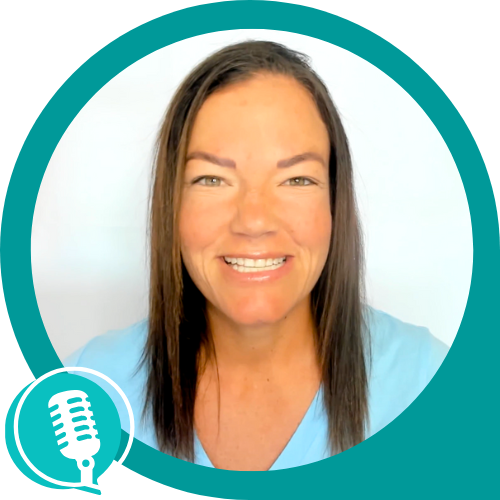
Kristi Kandel
Developer | Mentor | Co-Host of the LRED Podcast
Kristi is a real estate developer with nearly 20 years of experience and over $450M in projects across the U.S. Today, she focuses on helping locals step into development and build in their own communities.
She’s the founder of I&D Consulting, Local Real Estate Developers (LRED), and co-founder of Elevate, a community-driven sports and wellness concept.
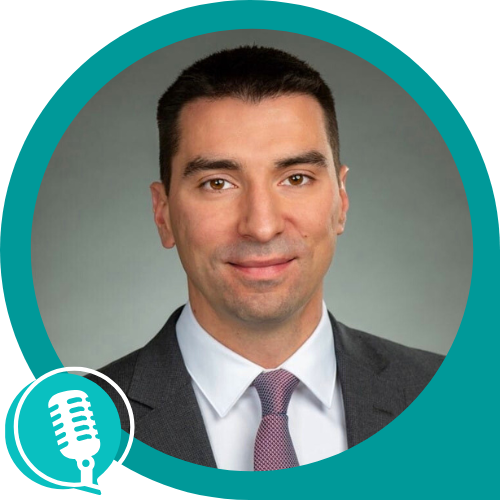
Raphael Collazo
Commercial broker | Author | Co-Host of the LRED Podcast
Raphael specializes in retail and industrial properties, bringing a problem-solving mindset from his background in engineering and software. As a commercial real estate advisor and developer based in Louisville, Kentucky, he works directly with investors, tenants, and cities, bringing a real-world view of how deals come together.
🔗 Related Episodes
Community Development Over Capital: How Rachel DesRochers Builds Where It Counts | EP #45
A powerful reminder that you don’t need perfect capital to start. You need resourcefulness, creativity, and the willingness to move.
How to Start Real Estate Development: Steph Weber Bought the Land First and Built the Plan Later | EP #41
A real look at taking your first development deal from idea to execution without having everything figured out.
Small-Scale Development: How She Left Her Corporate Career and Built a Tiny Home Village | EP #39
Another path from traditional career to building a community-driven development project.
About the Guest
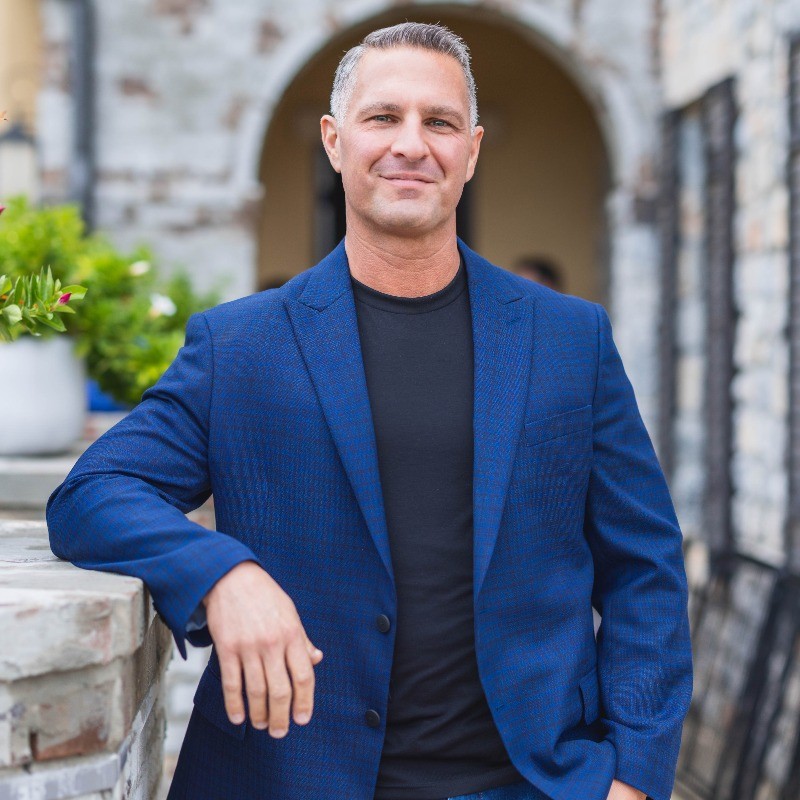
Alan Underwood is a real estate developer, high-performance coach, and fund manager. He focuses on ADU development in San Diego and helps entrepreneurs build clarity, discipline, and long-term vision. He is also a leader with Angel Flight West, supporting life-changing missions through aviation..
Connect with Brian
Full Transcript
Raphael Collazo (00:41)
Welcome to the Local Real Estate Developer Podcast. I'm your co-host, Raphael Collazo. I am a commercial broker, investor, and real estate developer located here in Louisville, Kentucky. And I'm here with my co-host, Kristi Kandel. Excited to see you as always.
Alan Underwood (00:54)
you
Kristi Kandel (00:54)
Hey, good to see you. Yeah, I'm a real estate developer, investor, and I teach locals how to become developers in their community. And today we have a phenomenal guest on who's got a wealth of experience across many different areas. We actually met on LinkedIn, just reaching out and connected with each other and had a conversation. It was like, wow, you have an amazing story that,
you know, if even one person hears it and it impacts their life in a positive way and helps create some change, then it's worth it.
We were able to set up a time and Alan Underwood, welcome to the show.
Alan Underwood (01:27)
Thank you, Kristi. It's so delightful to be with you again and Raphael to spend a little bit of time with you as well.
Raphael Collazo (01:35)
Yeah, and
just to also mention, Alan is a Sun Devil, so I'm actually thrilled to have him on the show, because I'm a former Sun Devil myself as well.
Alan Underwood (01:44)
There's nothing wrong with that. Good to connect with another devil.
Kristi Kandel (01:44)
Love it.
Raphael Collazo (01:47)
There you go.
Well, Alan, we really appreciate your time today. And I'm really excited to kind of dive into your background and learn a little bit more about what you've been able to do over the last several years. But to start out, what we typically like to do is learn a little bit more about the person that we're talking to. So if you don't mind kind of sharing a little bit about your backstory and then maybe even touch on what got you into the space.
Alan Underwood (02:07)
Perfect. Yeah, I would love to. So my name is Alan Underwood. I am a high performance coach. I'm a real estate developer and investor like both of you. I'm fund manager, a keynote speaker, and passionately the wing leader for Angel Flight West in Arizona. We can talk about that later. Really, I'm like a lot of your listeners. I'm a husband. I'm a father.
I'm an entrepreneur who's had some big wins. I've also had some painful losses. And this season of my life, I just have a deep desire to continue to learn and grow and help others in that journey. A few years ago, I co-founded the Momentum Capital Group, where we help investors build wealth through a really innovative strategy of ADU development in San Diego.
And in my coaching practice, I work with founders, CEOs, pilots, other high performers who are looking for clarity, who are trying to figure out what are the consistent steps that they need to take towards attaining their biggest visions and creating the legacy that they can be proud of. But the real story, I guess, my claim to fame is that not too many years ago,
my life completely changed after losing both of my in-laws and my dad all in a two-year period, walking away from a very successful business that I thought would be the forever path and wasn't, and ultimately found myself at the point of nearly ending my own life. And through coaching, prayer, faith,
contribution and a whole lot of hard work. I've had to rebuild everything really in the last five years. And, you know, that really has prepared me to help the people that come to me looking for help with whatever they are dealing with in their life. There's a pretty good chance that I've been there. I've built businesses. I've walked away from businesses. I know success and failure. I've been married for 26 years and we have eight kids and two grandkids.
You know, so done a lot of really exciting things. So the aim of the work that I do is really to help people across the bridge from where they are to where they want to be. And my big vision is pretty simple. I want to edify the lives of others. I have hang on the wall of my office, a quote from a dear friend who I lost earlier this year. And he said, do as much as you can for as long as you can for as many as you can.
and in an airplane if you can. And that's what I'm trying to do.
Raphael Collazo (04:45)
That's amazing. Yeah. That's, that's pretty powerful words. And obviously that, you know, kind of leads you to wanting to inspire and to help others. And I'm a, I've always been a big advocate for coaching. I've had coaches throughout my life and they have changed the trajectory of, my life for the better. And sometimes they, change the trajectory and it's, it's the trajectory that you thought you were supposed to be on, but it ended up being something completely different. And at the time it may feel like you're taking steps back, but it ultimately leads to.
new and bright opportunities. so, you know, I commend you for your work as a coach because I know how valuable that can be.
Alan Underwood (05:17)
you
Thank you. appreciate that. There's two things that I love almost as much as flying. They're very close seconds and that either happens when I'm delivering a keynote address or if I'm on a coaching call and there's a moment where you say something and you can see it in the person's eyes. You can watch their countenance change and their life has completely changed forever. And that affects not only them, but their business.
their marriage, their family, know, potentially generations. And, you know, that is such a feeling of joy and fulfillment for me. Probably the most addicting drug that I've ever experienced. So not that there's been a lot of those, but that one is the most addicting that I've experienced.
Raphael Collazo (06:07)
It's a positive drug.
It's a positive drug that you definitely want to seek more of for that exact reason, absolutely.
Alan Underwood (06:15)
Made it through ASU without trying a lot of the negative ones. So we're in good shape there. Yeah. It's isn't true for a lot of fun devils, right? We're just going to throw it out there.
Raphael Collazo (06:19)
That's good. It's hard, There's a lot of vices. Yeah, no, 100%. And it's just wild to
see how much has changed just over the last, you know, I graduated in 2013. I mean, it's just even since I've been back, it's been kind of exponential growth in Phoenix.
Alan Underwood (06:37)
Absolutely.
Kristi Kandel (06:38)
Yeah, I absolutely love that. And with the coaching, the mentorship, you know, the reason that you're able to be such an impactful speaker and mentor and coach is that you've been there. You've lived it and you're authentically being able to relate with people and they go, you have been here. You get it. You get this hard right now and to work through it. So great. That's incredibly awesome. And I know we've talked before and on other pods and on
just in general, but your background is very interesting from the entrepreneur. You've always been an entrepreneur in the different realms and getting into your first business with, know, where you're like, wait, I think we actually kind of did development with that. And then kind of going through, so maybe just a super quick, like, hey, here's the business or the entrepreneurial side that gets you from where you started to now.
Alan Underwood (07:09)
Yeah. Yeah.
Yeah, that's great.
Well, the first I'd say real business because there were other ones. Like when I was a kid, I sold greeting cards door to door. You know, didn't know at the time that was a business. not that one wasn't very successful. I'm sorry to say it didn't lead me to financial freedom by selling greeting cards door to door. but the first, guess, real step out and do the entrepreneurial thing was my wife and I decided to open a pizza restaurant.
And in order to open the pizza restaurant, we had to find a commercial space that would work. We found that in an old bar. Well, half of it was an old bar. The other half was a wool store that had gone out of business, and we had to remodel those spaces. And so, you asked that question, Kristi, what I was seeing in my mind is a picture that I have of my wife who...
is five foot two, 110 pounds. And I can see in my mind her wearing these construction goggles, a dust mask, and holding a sledgehammer as we're knocking out this old nasty bar so that we can build our dream. That first restaurant, we did all of the tenant improvement work on our own with the exception of maybe the electrical work, but concrete work, plumbing, framing.
You know, down to, built the tables, the countertops, all of that stuff. And looking back, it would have been faster and higher quality probably to hire somebody to do that. But I didn't know that at the time and it was a great experience. And, you know, that led to several other restaurants, the same thing. Eventually we were hiring out the work and the last one that we did, we built from the ground up. And I didn't know at the time that was development.
It was just what needed to happen for the business to grow. So yeah, early on I got a taste of what development was. Over the years I've had other opportunities to do that in various businesses. I owned car dealerships and now on a fairly large scale in San Diego we're developing. So I've had some real wins along the way with development.
I've got to experience education that you can gain when everything doesn't go just the way that you'd planned. So I've had both sides of that coin.
Raphael Collazo (09:41)
That's awesome. So what made you decide to transition to, well, I know you're still dabbling in various different things, but from the restaurants to other business and then ultimately to the development side, I mean, how was that mindset shift to get?
you know, full force into there. you know, previously, I had a small catering company myself in college and out of college, I thought I wanted to get into the restaurant space. I managed a restaurant for a bit. I, one of my mentors kind of allowed me to do that. And as I was trying to establish a brick and mortar, but then I pivoted thereafter. So I've always kind of had a soft spot for the restaurants industry. That's kind of been my background before then. So I'm kind of curious as to what that thought process was for you to shift from there. And
what got you full force into what you're doing now.
Alan Underwood (10:27)
Yeah, great question. Well, the first part of that mindset shift is when we started, my wife and I were doing it together.
you know, anybody that I'm coaching that even brings up the idea of getting into the restaurant business, I would dissuade them pretty hard from doing that. um, you know, we worked together, you know, 18 hours a day, and that was fun as our family grew and she wasn't there. It was a lot less fun to be away from her and from the kids for that long. And, uh, we had an offer, uh, somebody that wanted to buy, uh, all five restaurants that we had at the time.
That seemed to me like a pretty good way to step out. To be honest, I didn't have a plan after selling it. In fact, I was driving home and my dad called and he said, Hey, I hear that you're unemployed now. And I said, yeah, I guess I am. And he said, well, what are you going to do? And before he asked me that question, I hadn't even thought about that. I was just so excited to sell this thing I've been building.
that I really hadn't thought about the next step yet. Um, which seems so funny to look back now because we worry so much about what the next step is going to be, but I had no idea. And he asked if I would be interested in managing a car dealership. I didn't think that could be too much different from selling pizza. So, you know, I accepted that invitation and learned two really valuable lessons fairly quickly lesson.
Number one was that cars make a lot more money than pizza, which was a revelation to me, but probably shouldn't have been. And the second thing was, is that I hated being an employee. And so I immediately started trying to figure out how I could get back into the entrepreneurial space. that led to, starting my own car dealership. So I actually opened caddy corner from the dealership that I was managing.
for my dad, which led to some very interesting conversations around the dinner table. know, one of those being, you my dad at one point said he didn't want to be competition. And as a really probably egotistical and self-assured young entrepreneur in the car business, I just replied and said, well, dad, I don't think you're going to be any competition for me at all. And that turned out to be true.
I put them out of business in two years and then took over their location. So, which also led to some great conversations around the dinner table. But, you know, that, that was, it wasn't necessarily a mind shift, I think it was just, here's an opportunity and leaning into it a hundred percent and then recognizing, learning from it and evolving. With the car business,
You know, the shortened version of that sounds pretty good. started my own car dealership. The reality of that is the only space that I could find happened to be Caddy Corner from where I was managing for my dad and his partners. but it was a junkyard. had been a junkyard for probably 30 years. And so the first step was I left working in the office, managing a very successful car dealership to back into construction mode.
And I remember just the thousand square foot building of that junkyard required eight 40 yard dumpsters to just empty out the stuff that was inside of there. And I literally had former employees coming over and laughing at me while I was doing that. And then to.
you know, their delight and my horror that junkyard actually caught fire while we were doing the remodels. So I had gone from this very successful, stable career as a manager to a junkyard on fire. And, that pretty much was the first year because, you know, we timed the market perfectly and opened in May of 2007. anybody that was doing anything that required a loan in 2007 knows just how fun that was.
You know, what a lot of people may not realize with the car business is you're not really selling cars. You're selling loans and the car happens to be the collateral. And it was nearly impossible to get anybody alone, even people with great credit. And so that required a ton of innovation. There was a lot of prayer. And also at one point, candidly, I was fairly certain that my family would be homeless and living under a bridge. So my income went from like,
Somewhere between $100,000 $200,000 a year to the next year's taxes, it was $7,000. And I thought I had made the worst mistake of my life. Thankfully, it turned out okay, but it was a rough start.
Raphael Collazo (15:13)
Yeah. People don't, people don't often talk about that. Like the shift from that to what you ultimately, what happens the first year. I tell people all the time, cause I used to, I used to be in technology. was in software development and consulting and I was making, you know, well over 150,000 a year. And then I go from there to making 13,000 my first year. And it's just kind of a shock to the system because you, have, kind of wrap yourself up in this idea of, well I'm a.
Alan Underwood (15:33)
Okay.
Kristi Kandel (15:40)
Mm-hmm.
Raphael Collazo (15:41)
you know, successful person doing this things and I'm making a certain amount of money and it becomes kind of wrapped up in your identity. And then all of a sudden you come to this new profession and, or in your case, starting a new business and it is kind of, you know, drinking from a fire hose, trying to figure out how to make this all work and the results don't come immediately. It is a flywheel type of effect. And so you could put in a ton of effort, but you're not going to see the immediate result. And I mean, obviously the first year I'm sure was, was emotionally
Alan Underwood (15:54)
Thank
Raphael Collazo (16:10)
And at times could probably have been spiritually draining, but your willingness to continue on with that is kind of what sets people apart in entrepreneurship. It's like you've got to be willing to
go through those times to get to the other side.
Alan Underwood (16:26)
Yeah, grit is a huge component of success. You've just got to be able to hang in there when things aren't going all your way. And the next part of the story of those cartilageships, again, seems like, not seems, it was, we did a great job. We grew a million dollars year over year, every year for the next 13 years.
Got to the point where we had multiple locations. We're doing over $16 million a year in sales. was traveling with my family. and, know, ultimately what led me into real estate and development, you know, it wasn't a real conscious decision of like, yay, it's time to access this business. But, you know, I alluded to losing three parents in two years. And, you know, that combined with several.
other things that were happening at the same time completely crushed me. At the lowest point, I was looking at a handgun in my truck and considering ending my life. And I found someone that was willing to pay me $100,000 for the business, which looking back, it never would be what I would consider now to be a great deal. at the time, and what I've
Well, people is the value that I placed on my own life was the cost of a nine millimeter round, which at that time was 27 cents. And so when you, when your self-worth is at that point, nothing else in your life has any value whatsoever. So, you know, I can look back now and say, wow, we had 30,000 Facebook followers. We're 4.9 out of five stars on Google and Facebook and everywhere else. had.
great following of repeat and referral business, multiple repair shops, employees that have been with us, you know, in some cases almost from the beginning of the business. And there was so much of value there, but I just, couldn't see it. And the coach that I work with now, shout out to coach Trevor McGregor. I love one of the things that he says and that has helped me to.
look at problems that I face now, but also problems I've had in the past is that every problem is a problem of perspective. And my perspective was so skewed at that time that I just couldn't see the opportunities anymore. It was all problems and I needed to make a change. That led to really going almost back to zero again and looking around me and going, how am I going to provide for my family? And
I knew a lot of people that were doing real estate and I thought, these people seem to be doing okay, maybe I can figure that out. So I started going to local real estate meetups and that led into opportunities to flip houses and eventually led into attempting for my very first development experience outside of what we've talked about with the other businesses.
I'm trying to develop a hundred unit apartment complex from the ground up, which I honestly didn't know that that was a big deal. It just happened to be the first opportunity that I had. I've since gained a little bit of wisdom and recognize that I absolutely had bitten off more than I could chew with that opportunity. And because of that, I still am working on it, you know, three to four or five years later.
Thankfully, there have been some better successes in other areas like what we're doing in San Diego.
Kristi Kandel (19:52)
I love what you said there. Every problem is a problem of perspective. And it's so, so true. So it's now in my notes and I have that officially written down because when we are able to look at things from a different angle and understand the, get out of the heat of whatever we're dealing with, it really is that. So awesome. Okay. So you go through that and you started getting into flips in the hundred unit. Can you maybe give us a little bit of background? did this?
How did this easy 100-unit deal just fall on your lap and you're like, yeah, let's do it. What did that look like?
Alan Underwood (20:24)
Well, I purchased about five acres of land that I intended to build a car dealership on.
And so after exiting that business, I didn't want to build a car dealership. And I thought, you know, maybe I'll build a shopping center. So I met with my attorney, um, with a land attorney and just said, Hey, I've got this piece of ground. Here's what my ideas are. You know, help me understand what the path is from where I am to getting this done. And he took a look and he's like, Alan, first of all, you don't want to do.
a shopping center here. No, Ralph, actually, I do want to do a shopping center. I already told you what I wanted to do. Your job is just tell me how to do it. He's like, well, what you have is a piece of property that zoned R5. It's zoned for high density residential, which is 99 % of the people that are coming to me in Maricopa County are looking for what you have.
You don't want to do a shopping center. You want to do an apartment complex. I was like, okay, well, I know nothing about that. he's like, well, let me introduce you to somebody who has done that and you get their ideas and then we can revisit it. So introduce me to somebody that he'd worked with a developer. I sat down with him and I was so amazed because over lunch, she asked about the dimensions of the property and where it was and the zoning.
And like magic, he pulls out a napkin and draws exactly what we should build. Here's the setbacks you're going to need. Here's how tall you can, it needs to be. Here's how wide the roads are going to have to be, you know, all the things. And that, in essence, I was able to take that to the architect and say, Hey, what do you think about this? And he's like, that's exactly what we can do. So this guy knew what he was doing. you know, looking back the.
actually, I did have the conversation. I said, well, you know, what would you do with it? He's like, well, what I would do is I would get it entitled, which I didn't even know what that meant at the time. I didn't know what entitlement meant. So I asked him and he explained that was the process of getting permits. He's like, and then I would sell it as an entitled piece of property because I don't want to build it. I okay, what would it cost for you to get the entitlement? And he said it.
He thought it would cost a couple hundred thousand dollars. I said, okay, so, he had told me he would buy it. He would buy the property, which would have gotten me out of it then. I'm like, okay, once it's entitled, then what happens? And then he gave me a number that was like three times what he would offer for without entitled. And it was only going to cost a couple hundred thousand dollars. And I thought, well, that sounds super easy. I can, I have a couple hundred thousand dollars.
And you already told me what I need to do so I can do that. and yeah, that was the first lesson is entitlement is like 35 % politics and knowing the right people and having the right conversations. It's probably another 35 % of just knowing the process, what the city is going to accept.
and all that. And then the other 30%, I think, is just raw luck because even with the political stuff and knowing the process, the winds of change can blow you in whatever direction they want. And I didn't have political connections. I didn't know what I was doing. And so I was relying on the 30 % part, the raw luck. And that just didn't work out for me. But it did get me into conversations and into rooms with people that were developing.
It opened my eyes to different opportunities and also helped me discover what my own gifts are. My gifts are not spatial creativity. It's not understanding the legal zoning. It's not really the political side, but I happen to be pretty good at connecting with people that have disposable income that they want to invest. so my area of focus became
You know, I put together a fund and raising capital to support other developers. But the really great thing is because I've been through the process of flipping houses, I understand what that takes, what the risks are, what the rewards can be because I had tried to do development on my own. I understand that I had to get an education on lending and entitlement. And so all of those pieces helped me to be in a place where I had the knowledge experience and.
at least enough understanding to where I could speak the same language as the developers I was meeting with and understand the risk profile of what I was looking at so that when I went to a potential investor, I was knowledgeable. that's really what got me into this space. there's still so much to learn, right?
There's so many different asset classes that you can develop and none of them are exactly the same in the process. but I'm enjoying what we're doing in San Diego and, and love some other asset classes as well. But that's really what got me into development was trying to figure out how to do a hundred unit apartment complex from the ground up with no experience, not enough money to do it and no political connections.
Raphael Collazo (25:36)
So are you still working through the entitlement process, or is it kind of on pause right now based on some factors at play? Like, what is?
Alan Underwood (25:45)
Yeah, I'm getting a doctorate in education with this one piece of property, which just means you're really getting your butt handed to you over and over again. So I actually had it under contract to sell to a developer that was going to build an apartment complex. It all looked good. We were going to come out profitable, which was great. And then Maricopa County, which controls the highway that
borders, one part of this property decided that they were going to hand over this particular roadway to the city of Mesa. Part of that meant they were reducing the number of lanes from three to two, which is fine. The part that wasn't fine is my connection to the sewer for this apartment complex development is on the other side of that highway and they will not issue a trenching permit until they finish their project, which they anticipate being two years, which means it's probably five.
Raphael Collazo (26:39)
Yeah.
Alan Underwood (26:39)
And so that killed the contract. And so now I'm back to looking at different options for what can I do with this piece of property? Or am I just land banking at this point and in five years, I'll have another opportunity. So I continue to be provided a great education in development and patience with this particular piece of grant.
Raphael Collazo (27:01)
Man, and
you definitely underscored the importance of luck in some of these situations as well, because how could you have known that this particular thing was to happen unless you were deeply rooted into that area and knew that that may have been coming down the pipe? And that could have very well just been something that came up in a dock somewhere that someone made a decision and now it's affecting the way that you're able to dispose of this property. So yeah.
Alan Underwood (27:26)
Yeah.
Raphael Collazo (27:27)
We always tell people when taking on your first projects, if you can find stuff that's already entitled, it's way better to deal with. Because you think that being able to get in there and provide, get the entitlements you need, of course you're adding value, then you're adding in more risk into an opportunity, especially when you're first getting started. It's just best to try to see if you can find something that's already kind of, it's somewhat simple to be able to get up and running.
Alan Underwood (27:35)
Yeah.
Yeah, and I think also that if you're investing in a deal, part of your due diligence should be how long has this particular person been operating in this market. Just like with the stock market, for example, time in the market is way more accurate predictor of success than timing the market ever will be.
Raphael Collazo (27:57)
Mm-hmm.
Alan Underwood (28:17)
And we've seen that in multifamily development and syndications in the last couple of years. There are some people that did really great when the market was in their favor and now they're struggling. But if you look back at their track record, they probably got in while things were going up and didn't do things like rate locks and other simple measures that would have protected the syndicators and operators and developers that are doing good. Probably are the guys that have been in that same market for
10, 15, 20 years and weren't relying on those big ups or big downs for their success because they've already been through it. And that's so true also is, you know, looking, if you're going to be developing, you may just have to pay the price of time, you know, to get that kind of experience. And, you know, I'm way smarter now about this whole process than I was five years ago. I would approach this property differently. I probably would sell it when I get that first offer.
And that person probably could have built it already and been successful with it. But I certainly would look at factors very differently, like where is the sewer and what's it going to take for me to get to it, which I didn't even think of when we closed on the property.
Kristi Kandel (29:30)
That is one of my, I hate to get those calls, but I'll get them because we have a consulting arm and it'll be a developer coming and going, wait, I didn't know that I couldn't get utilities for this property, especially if it's an infill development ⁓ and just checking the power, gas, telecom, water, sewer, making sure that they're there where their points of connection are. And also do they even have capacity? I've told this story a few times where.
Alan Underwood (29:43)
you
Yeah.
Kristi Kandel (29:55)
We had a project in Southern California where I got pulled into the project when they were already into construction and they didn't even have water rights. So I ended up going down the rabbit hole of who even gets the, has the water rights, which is Nichols family, who then has these long-term 99 year leases to these other people who then lease it to developers to do the actual developments to even get the right to have water in California, let alone then all the impact permit and connection fees. it's, it's yeah.
Alan Underwood (30:04)
Any more?
Kristi Kandel (30:21)
There's definitely a lot
Alan Underwood (30:22)
Yeah.
Kristi Kandel (30:22)
of nuance to that. So if you have the right partners and advisors, but you don't know what you don't know, so then it can become very painful lessons.
Alan Underwood (30:31)
My dad always used to say that education is expensive no matter how you get it. And so I suppose I could have gone to school and gotten a degree in construction management or something and paid a lot of money for that. I happened to be paying it on the other side of my life where I'm just paying for it with experience.
Raphael Collazo (30:50)
Well, and I think, too, one of the benefits of real estate, and this is why I'm obviously a huge advocate for it, is that time tends to be on your side. And that if you're able to stay in the market long enough, it'll cover up some issues that you came across. I guess it's more of a forgiving investment than maybe some alternative investments as well.
So one of the curiosity that I have is regarding motivation. And the reason we ask this is because regardless of whatever entrepreneurial endeavor you're pursued, you're going to face challenges. You're going to face obstacles. You described the moment in your life that was one of the lowest points of your life. And it's understandable that that being the case with the death of your close family members, I guess, how do you stay motivated? How do you keep yourself?
getting up in the morning and just keep getting up and trying to just fight for the next day. Because I think that anyone who pursues anything entrepreneurial, it can't just be money. It has to be something a little bit more deeply rooted. And so I'm kind of curious as to what that is for you.
Alan Underwood (31:57)
Yeah, such a great question. And something that a lot of authors have talked about over time, right? You need to have
I Napoleon Hill and thinking grow rich cause that the burning desire, you know, all that's something I work on with my clients as well as what is your why? Why are you pursuing whatever it is you're pursuing a promotion at work or sale of a business is, you know, what is the motivation behind it? And for me, the funny thing is, is it's the same thing that brought me to my lowest point is actually now the strongest motivator. And what it brought me to that point was the pain.
of the recognition that my dad, my in-laws were not going to be there for the most important events of my life, their grandkids' lives. They were gone. And that's also what saved me was the thought of if I had taken that next step and picked up the gun, I wasn't going to be there. And so now, you know, the screen protect the...
screen of my phone is very simple. It's two words, be there. And that is my why. It motivates the health journey that I've been on the last couple of years. It motivates my financial journey. It motivates how I time block. It motivates my coaching. Those two words inform every decision that I make. And it's with one simple goal is I want to be there. I want to be there for my wife and for my kids, for my grandkids.
for my clients, for my investors, for my business partners. I need to be there. And so if that is going to be true, then now I can back into what are the consistent efforts that I need to put in on a daily basis. Obviously in life, sometimes you can't control things and that's okay. But I can control a lot of things. When I get up in the morning,
and decide to go to the gym or not to go to gym, I control that decision. And my decision, I'm going to be there. I decide what I eat, what I put in my body. I decide what I listen to and what I think about, what I read, the friendships that I have, the relationships that I maintain, the investments that I make. So I'm going to control the controllables. And ultimately, that's the tip of the spear for me is I'm going to be there.
Raphael Collazo (34:09)
Mm-hmm. That's amazing.
Kristi Kandel (34:10)
Yeah, I love that. I've been thinking about that since we've talked about that before and I absolutely love that. now you're into your deals, you've clearly gone through your own. What advice would you give to people who are getting started to where, you've learned on the backside of it, but you've clearly found it as a good, a great tool for what you're proceeding forward with. So what advice would you give to people who are on the fence, who are thinking about getting started?
to kind of help them make that decision.
Alan Underwood (34:43)
Imperfect action beats inaction every time. I just had this conversation with a friend, way more knowledgeable than I am. He writes,
investment models for syndicators all over the country. And for the last four or five years, I've been having the same conversation with him is, man, I want to get into real estate and I've, I'm helping all these other people. He has a great W-2 job. He saved up a bunch of money to do it, but he's perpetually stuck and underwriting the deals to the point where he doesn't take any action. Well, the very first deal that he underwrote five years ago,
if he had purchased that deal, there's a good chance that that doesn't work out. But there's an even better chance that moving from indecision to decision launches him on a path that would mean he probably has a portfolio of real estate now, or he's involved with other deals. Complete opposite of another conversation that I just had this week in Florida, was with a young man who's in his 30s.
has a portfolio of over 30 rental properties. He just purchased a cabinet business that's making him over a million dollars a year. And up until six months ago, he was in the army making $3,000 a month. And so nobody has an excuse. And I talked to him about that as what made the biggest difference. He goes, my first property was a disaster. You know, it just didn't go that well. But it
It moved me from the place of wanting to be in real estate to being in. He's like, and then I've just continued to be in. And so that first step, don't be afraid of failing. You probably will. My first house flip was not a great success. We had the wrong contractor doing it. Ultimately, the market turned just enough to where we couldn't sell it. So it turned into a rental and eventually we did get it sold, but certainly didn't go the way that we planned.
but it got me into the business and I just kept going.
Kristi Kandel (36:42)
Yeah, you know, I was listening to the podcast where I think it's Monica or Manique Lame climbed. Was it half tome? I'm probably totally butchering this anyway, but she lives in Tahoe and my friend actually manages her vacation rental. But she what they asked her, they said, what even made you think that you could attempt to do this? And when you went out there, like, how did you even train and practice or get your mind wrapped around it? And she's like,
When I went out and tried to climb it the first time, she's like, I knew I wasn't ready, but I needed to know where my points of failure were so I knew where I could then go do the work and get prepared so I could actually achieve this goal in the future. It's where it's like, we think about sports and we know we're not gonna win every single game, but yet we look at other parts of life and business and real estate and think, well, if I fail this one time, that's it, I'm a failure, I was never meant for this, I need to go back to a W-2. It's like.
Alan Underwood (37:09)
Yeah.
Kristi Kandel (37:32)
Now, of course we're going to fail, like you said. It's just where our weakness is and you only find those out if you take action.
Raphael Collazo (37:40)
Yeah. Yeah. Yeah. And I interesting you mentioned this particular topic because I just made a post about this today on LinkedIn that I've had. think that the perspective when it comes to investing, sometimes you get caught up in this analysis paralysis. And I've had clients in the past that look at opportunities constantly and they're constantly looking for that one in a million type of deal or they're looking for that home run deal and they end up sitting on the sideline forever.
Alan Underwood (37:40)
Yeah, so true. Okay.
Raphael Collazo (38:08)
And some of my most successful investor clients are looking for doubles. They're looking for doubles, they're looking for singles, but their mindset is if I buy a double deal every year and then I have a client who sits around on the sideline and they only buy home runs and maybe that comes along once every four or five years, if you look over a 20 year period, that client who waited for the home run deal may have four great deals and they may on paper look phenomenal.
Alan Underwood (38:14)
Hi.
Raphael Collazo (38:36)
but then you look at the other gentleman or other lady that bought 20 properties over that period
of time. And as we mentioned before with real estate, it's a very forgiving investment class. And so, they could very well be in a much better spot than the other person because they didn't make bad decisions and that they didn't buy deals that didn't make any sense on paper, but they weren't looking for...
just that one in a million home run type of opportunity. If it made enough sense on paper for them to get in and be able to do what they needed to do as far as their business plan is concerned, then they took the leap versus just waiting on the sidelines. And so I think, you know, if you map it out, I mean, I think that approach where you take on those types of opportunities is probably the better one, but to each their own, as they say.
Alan Underwood (39:24)
Yeah, no doubt.
Kristi Kandel (39:24)
That reminds me of another
story where they were some kind of pottery class and they're like, okay, this group, group A, you have to just make the best pot ever. And group B, you just have to make as many pots as you can. And they get to the end and they see, it's like, okay, well, the group that was tasked with making the best, most perfect pot, theirs were only okay compared to the ones who just did so many iterations that they became so good at the trade and the craft to where it was like, okay, to where if you put the reps in,
That's how you get better.
Alan Underwood (39:54)
Yep. Yep. So true. And you know, the one of the biggest lessons I think that you have to learn, whether it's in sports or investing or developing, whatever it is, is you really don't need to know how to do it.
You just need to know what it is that you want to do. get, know, in fact, my theme for last year was clarity of vision, consistency of effort. So, you know, with your friend, she knew that she wanted to climb the mountain. She didn't know how it would go the whole way, even what exactly she would encounter, where the failure points would be. But she had a clear vision and she got started.
And then she learned along the way. And ultimately that leads to success. Same thing with developing real estate investing, whatever it is, transforming your health. Everybody wants to know how it's going to go from start to end. And the reality is, is nothing in life ever goes the way that you think it will from start to end. Even deals that go good didn't go the way that somebody expected. Maybe they went better than they expect them to go, but there's never anybody that
put together a spreadsheet and said, this is exactly what's going to happen and had it be exactly that way at the end of two, three, four or five years. And so we have to get past the idea of how do I do it and just get really clear and focused on what do I want to accomplish? And then what is the smallest step that I can take towards success in that direction? And as long as we keep taking those small steps, eventually it will work out.
Raphael Collazo (41:22)
That's amazing. That's phenomenal advice. Small positive consistent action over time adds up to massive results, the compound effect. That's great. So, you know, one of the things I'm curious about is that, you you've learned to do the fact that you're working on projects in San Diego. You reference the ADU component of what you're doing. You know, one of the big things that we're pushing for with this podcast is to inspire other developers to take on
developments within their community, whether that's them just driving by a building that they see as abandoned on their way home from work and thinking, why not me as the person who can change this particular building? And hopefully that changes block by block by block. And so I'm curious as to number one, why did you guys decide to do the ADU route? And then what does community-driven development mean to you?
Alan Underwood (42:16)
Yeah, great question.
Well, the decision for me was easy as I met an expert in the space. My business partner, Christian, as his family's been doing construction in San Diego for 40 years, so we go back to time and market. He was a real estate agent and became a broker and is now a top 1 % broker. So he had expertise in construction and development.
in real estate in a very specific market in San Diego. He had property managed 300 properties or more. And so he knew how to manage the properties. And for the last eight years before I met him, he had been doing ADU conversions on his own.
What that meant to me is I had just met someone who had a very unique skill set in a very specific market with a very unique opportunity. And I think that's difficult to replicate. And for me, that spells investment. so having met him, my question to him was, hey, why, you know, are you bringing investment? And if not, why not? And he said that he had some
you know, people invest with him, some family friends, but that he really didn't know how to do that piece, the, you know, organizing an investment or a fund and that he didn't have time to do it. And I was willing to make the time to do it and I knew how to do it. And so at first with me, I just saw an opportunity that I was interested in investing in for some very specific reasons and then invited some other people to join me now.
I'm still not an expert and there's no way that in a couple of years I could gain the knowledge experience that he's had for an entire lifetime of doing it. But I don't have to, I have a different skillset. And so I bring what I have to the table. He brings what he has to the table and it's made for a great partnership. Now, as far as the community, what's allowable in San Diego,
in some cases, isn't good for the community. But that's another thing I like about our partnership is because he grew up in San Diego, he has a love for the city of San Diego and wants to preserve that. So while we're adding density, we're doing it in a way that complements the neighborhood, doesn't destroy a neighborhood. Our typical build, we're adding two to four additional units to a property.
There are other developers that will come into a single-family neighborhood and add 11 to 20 units on a property that traditionally was a single-family neighborhood. Well, that really doesn't serve the community. And long-term, the sewer, the power, the water, none of those things were built for having multi-family developments in these neighborhoods. And that's going to be a long-term problem.
I don't want short-term problems with the neighbors in the neighborhood and I don't want long-term problems for the city of San Diego. So that's how we approach it differently so that we're complementing the community, not altering it dramatically.
Raphael Collazo (45:19)
Make sense. you're solving a problem which obviously is exacerbated in lot of larger cities, which is housing. We just don't have nearly enough units to be able to support all the demand for it.
Alan Underwood (45:26)
Yeah.
Yeah, there's a huge housing shortage. And that's another thing when you're looking at an investment is why does this investment exist? And for us, that's easy. There's a shortage of somewhere between 70 and 90,000 units. That has to be answered in some way for the city to continue to thrive.
Kristi Kandel (45:45)
Now, we've talked about your real estate stuff, but I would like you to talk a little bit about what you're doing with flying and what you're, just to let people know more about this, because I think that that's something that it touches all of us. So I would like to put little bit of, shine a little light onto that.
Alan Underwood (46:03)
Thank you for giving me that opportunity. So Angel Flight West is a nonprofit that was started 40 years ago by a group of pilots in Santa Monica, California. Now, as any general aviation pilot will know this, probably not as well known outside of the piloting community, but pilots will
typically will very often fly for what we affectionately call the $100 hamburger, which simply means that we have, we know how to fly. We have an airplane and we will get in that airplane and fly to a lot of small airports, have a cafe at the airport. So it might cost me $500 to fly to Sedona to get lunch, but that's my $100 hamburger.
These guys realized there was something better that they could do with their time and their money. And so they started providing free flights for people in need of medical care who happened to live outside of the LA area. Fast forward 40 years, we now have over 2000 volunteer pilots across the 13 Western states. We do four to 5,000 flights every single year. We have done over 100,000 flights in the last 40 years.
All of that is done without any cost to the people that were flying. So I'll give you two examples. The first was my first flight, young man named Bradley, diagnosed with Hodgkin's lymphoma at the age of 14. His family lived five to six hours away from the children's hospital. And three times a week, his mom was driving him in to get cancer treatment at Phoenix Children's Hospital and then driving him back home.
My flight with Bradley is an hour and 15 minutes. It's life-changing for lot of reasons. You eliminate the cost of transportation, which is the number one barrier to healthcare in America, which most people don't know. You're reducing the stress on the family. You're reducing the time that it takes for them to get treatment, and you improve their ability to recover by minimizing stress, reducing the travel time.
That was my first flight. Another similar story, I was invited to participate in a meeting for the pediatric care committee at Yuma Regional Medical Center. Yuma is four hours from Phoenix. So any kids with major issues are going to have to travel to Phoenix, four hour drive each way. And I was sitting next to a lady whose name is Stacey.
Stacey at the end of my presentation talking about angel flight blast just said, I wish I had known about that. And afterwards I got to ask her why she had made that comment. And the reason for that is her daughter, Addie had been born with a congenital heart defect and Addie got a fever and they started driving to Phoenix Children's Hospital so that she could see her cardiologist. And they only made it halfway when Addie passed away.
Now our service is not emergency. I don't know if we could have arranged a flight, but what I do know is that my flight is an hour, not a four hour drive. And if we had been able to arrange a flight, she would have been at the hospital and maybe she survives. And, you know, we're in development investing. we think in numbers and going into leading the Arizona group of angel flight west, I thought in numbers, I need to raise more money.
schedule more flights, recruit more pilots. And that also sounds really good until you have a mom sharing her experience of losing her daughter on the side of a road. And my goal since then has just really become one thing is I don't want to have another mom say I wish I would have known. you know, another big part of my why, which I alluded to doing as much as you can for as long as you can and for as many as you can.
is at that there may be one child, know, one victim of domestic violence or abuse, one military veteran, that our service can make a meaningful difference or maybe even save a life. So the missions that we provide are free flights for people with non-emergency care needs, far from home. We do free flights for victims of domestic violence and abuse. We can get them up to a thousand miles away from whoever's farming them.
We do free flights for active and retired military personnel. We do blood and tissue donations. We fly missions in support of natural disasters. And we have this really fun category that's any other compelling human need, which I think just means we're pilots. We want to fly. If there's some reason you need to get from point A to point B and we can figure out how they fits into the charter of this nonprofit, we're going to do it.
Raphael Collazo (50:35)
That's amazing. So with that mission, you guys, is it a chapter within the broader organization? you said you have 13 different states that you guys cover. Are there chapters in each respective location?
Alan Underwood (50:51)
Yeah, so each state has its own wing. Larger states like California have multiple wings, Southern, Central, Northern California. And then we also have sister organizations across the country. So Angel Flight is the only aviation nonprofit that operates nationwide. So wherever your listeners are, if they have a family member or loved one who's traveling for care or
If they're having to travel long distances to be with someone who's receiving care, there's an angel flight organization that can help. It's zero cost to the family. It doesn't cost the healthcare providers anything. Our pilots and Angel Flight West donate over $10 million a year in time and cost to use their airplanes to support a nonprofit that lives on a budget of two to two and a half million dollars.
Oftentimes when I'm speaking at real estate conventions and conferences, I'll speak about Angel Flight West because it's the only investment I'm aware of that as soon as you invest a dollar, you're going to earn a 4X return on that investment. And that doesn't even include how you're going to feel about making a huge impact in somebody's life. But our pilots make a return on that investment that triples or quadruples it.
Raphael Collazo (52:04)
That's Well, that's some phenomenal work you're doing. So I really commend you for doing that. And I'm excited to hear the feedback we receive from the audience regarding that. And hopefully, at least one person that listens to this, if they gain some value from being able to reach out to the organization and benefit from the services you all offer, that would be well worth it. So we obviously appreciate that.
Alan Underwood (52:23)
Couldn't agree more.
Raphael Collazo (52:26)
Yeah. So, you know, what what's in store for the future? What what is your five year to 10 year time horizon look like? And I know someone who is as high performing as you, I'm sure you've kind of mapped it out and you know that things may shift over time. But I'm just kind of curious as to what you see the next five or 10 years looking like for you.
Alan Underwood (52:43)
Yeah, really great question. I believe that the biggest impact that I can have, the biggest difference I can make in the world is by helping others become the best version of who they can be. So I'm focused on growing my coaching and mentoring business.
And then on the real estate side, there's a pretty clear path to a hundred million dollars in owned real estate. It's not quick. that means, that means I need to develop four to five projects a year for the next 10 years. And I'm okay with that to make that a wealth building machine and income and impact, through coaching. And we'll see how that evolves. you know, I, had our first two grandkids within
you know, the last year or so. So we've had a 200 % increase in grandkids and that's turning out to be super enjoyable. And, you know, I would like to be in a place where in the next five or six years that the primary focus becomes mentoring and coaching my kids and grandkids and the secondary focus becomes everything else that I'm doing.
And maybe if there's a tertiary focus, it's flying by airplane in support of Angel Flight West. So we're the top three over the next 10 years. Obviously things can shift, but you know, leading with impact, building generational wealth and helping others to do the same in all those areas.
Kristi Kandel (54:08)
Absolutely love it. I think anytime your your Y is bigger than just, I want to grow my portfolio to X stores or to X numbers. Like I think that's that's where we set ourselves up for success.
Alan Underwood (54:21)
Yeah,
I agree.
Kristi Kandel (54:23)
So just for anyone who's listened from the different angles, whether it's from a coaching, whether it's from potentially being an investor, because they're like, yeah, you're someone I want to partner with, or with Angel Flight West, or anything else, what's the best ways for them to find out more and reach out to you in those different ways?
Alan Underwood (54:41)
Yeah, very great. I've made that very easy. So you can go to my website, theallenunderwood.com. And there are links there if you are stuck in life or wanting some help getting to the next level, whether that's real estate business, know, whatever area of life you're focused on.
There's a link there to schedule a discovery call with me as a coach. If, if anybody decides to do that, and I mentioned your show, um, we'll, you know, I don't do this often, but like we're approaching Black Friday. So, you know, I'll keep, I'll keep their rate at my 20, 25 rate and not at the new rates that will be coming out in 20, 26, uh, provide a significant discount because of their connection with you, which is valuable to me.
If they're interested in anything angel flight related, there's a link there where they can learn more. can schedule a call with me for investing or they just have, even if they're not looking to invest with me, if they have questions about investments that are making, I love connecting with people and making a difference. That's my number one core value. And so if I can be a resource in any way, connecting with me is pretty easy through my website.
Raphael Collazo (55:53)
amazing and we'll make sure to include that on the show notes if you guys watch this on YouTube go ahead in the description and access it and the same thing goes if you're listening to us in a podcast format so well Alan we really appreciate your time I really did gain a lot of value from this discussion and I'm really looking forward to staying in touch and yeah I'm really excited to hear the feedback from the audience regarding the today's discussion because I'm sure we'll have great great feedback so again really thank you for your time go Devils
Alan Underwood (56:21)
That's right. Next time you're in town, look me up and we'll do that $100 hamburger thing. We'll put you in the airplane and take you to Sedona.
Raphael Collazo (56:28)
I'll take you up on that. I've
been to Sedona several times. Absolutely gorgeous landscape. There is definitely a different energy in Sedona. It's a beautiful, beautiful place, but I'll definitely make sure to reach out to you next time in town. Should be in town relatively soon, so maybe we'll be able to connect and that'd be a lot of fun. Definitely.
Alan Underwood (56:42)
I look forward to that.
Kristi Kandel (56:44)
I was going to say my
brother's moving out early February, so I'm going to have some trips out there myself. We'll have to come see you.
Alan Underwood (56:52)
That would be so fun, Kristi, I can't wait.
Raphael Collazo (56:55)
Well, Alan, again, really appreciate your time. Thanks again for all the insights you shared. If you guys are watching this on YouTube, please like and subscribe. It makes a huge impact on our ability to reach a broader audience, and we greatly appreciate the support. Along with that, if you guys are listening to us in a podcast format, whether that's Apple Podcasts or Spotify, please, please, please leave a five-star review. The more five-star reviews we get, the more people can explore and find the podcast, and ultimately, the more people that find the podcast.
Hopefully they get inspired to take on their first real estate development project. So thanks again so much for tuning in and we'll see you all next time.
Get the tools behind the episode
Access the Developer Vault with templates and real resources
©2025 I&D Consulting. All Rights Reserved.
©2025 Local Real Estate Developers. All Rights Reserved.