From Flips to Workforce Housing: How Rachel Chwaszczewski Is Rebuilding Communities from the Ground Up | EP #8
Real estate development, workforce housing, and building scalable community impact through partnerships
What if the real opportunity isn’t the next flip, but the entire neighborhood?
Rachel shares how thinking bigger changed everything.
Rachel Chwaszczewski didn’t start with big developments. She started like most people, flipping houses and figuring it out along the way.
But after getting hit hard in 2008, everything shifted. She rebuilt her strategy around workforce housing, long-term impact, and working alongside cities instead of against them.
This episode is for anyone ready to think bigger than a single deal and start seeing what’s possible at the community level.



Get the tools behind the episode
Access the Developer Vault with templates and real resources
Episode Summary
Rachel’s story starts the way a lot of real estate journeys do. She got exposure early, took action, and jumped into flipping houses in her twenties. Alongside her husband, who had a construction background, they built momentum quickly.
Then 2008 hit.
Like many investors, they lost almost everything. That moment forced a reset. Instead of chasing high-end flips, they came back with a completely different strategy. They diversified, focused on rentals, and leaned into workforce housing, a space most developers overlook because the margins look smaller on the surface.
What they found was the opposite.
By focusing on volume, efficiency, and real demand, they built a model that was both profitable and impactful. Their first projects were in struggling neighborhoods, starting with a duplex that most people would have walked away from. As they renovated more properties, they began to see something bigger happen.
The neighborhood started changing.
Other owners took pride in their properties. The city started paying attention. Infrastructure improved. And what began as a few deals turned into a ripple effect across the entire community.
That’s when the shift really happened.
Rachel started building relationships with inspectors, code enforcement, and city officials. Instead of treating the city like an obstacle, she approached them with curiosity and collaboration. That opened doors to pilot programs, redevelopment opportunities, and eventually larger projects like a 36-lot mixed-use development that had previously failed under a grant-driven model.
Her approach is simple but powerful. Ask better questions. Stay persistent. And bring the right people to the table.
She also shares one of the biggest mindset shifts in this episode. Nonprofit is a tax status, not a business model. That realization led to the creation of her Affordable Asset Accelerator, designed to help nonprofits become self-sustaining instead of relying on constant grants and donations.
Throughout the conversation, one theme keeps coming up.
This work is not easy. It is not fast. And it is not always profitable in the way people expect.
But it matters.
Rachel reminds us that development is not just about buildings. It is about people, relationships, and long-term impact. And if you are willing to stay pleasant but persistent, there is far more opportunity than most people realize.
What You'll Learn
- How to transition from flipping houses to community-scale development
- Why workforce housing can outperform higher-end strategies
- How to build relationships with cities, inspectors, and local officials
- The real reason many grant-funded projects fail
- How to think about development as a long-term community play
- Why persistence matters more than having all the answers
Bold Truth
You don’t need all the answers, you just need to stay in the game long enough to find them.
Timestamps
0:00 — Intro
https://youtu.be/h6u9BXX6srI?t=0
0:48 — Rachel’s 30-year real estate journey
https://youtu.be/h6u9BXX6srI?t=48
2:27 — How she got started in real estate
https://youtu.be/h6u9BXX6srI?t=147
3:40 — First flip and early strategy
https://youtu.be/h6u9BXX6srI?t=220
4:45 — Losing everything in 2008
https://youtu.be/h6u9BXX6srI?t=285
5:50 — Pivot to workforce housing
https://youtu.be/h6u9BXX6srI?t=350
7:04 — Neighborhood transformation strategy
https://youtu.be/h6u9BXX6srI?t=424
8:44 — Working with cities and municipalities
https://youtu.be/h6u9BXX6srI?t=524
10:30 — Designing efficient workforce housing
https://youtu.be/h6u9BXX6srI?t=630
12:58 — Transition into consulting
https://youtu.be/h6u9BXX6srI?t=778
14:05 — Building relationships with inspectors
https://youtu.be/h6u9BXX6srI?t=845
16:00 — Why developers should work with cities
https://youtu.be/h6u9BXX6srI?t=960
18:29 — Moving into larger developments
https://youtu.be/h6u9BXX6srI?t=1109
20:13 — Fixing a failed 36-lot project
https://youtu.be/h6u9BXX6srI?t=1213
23:19 — The power of partnerships
https://youtu.be/h6u9BXX6srI?t=1399
25:18 — What keeps her motivated
https://youtu.be/h6u9BXX6srI?t=1518
29:24 — Advice for new developers
https://youtu.be/h6u9BXX6srI?t=1764
32:00 — How to work with your city
https://youtu.be/h6u9BXX6srI?t=1920
34:02 — Pleasant but persistent
https://youtu.be/h6u9BXX6srI?t=2042
36:00 — What community-driven development means
https://youtu.be/h6u9BXX6srI?t=2160
38:00 — Affordable Asset Accelerator (AAA)
https://youtu.be/h6u9BXX6srI?t=2280
Meet the Voices Behind the Mic
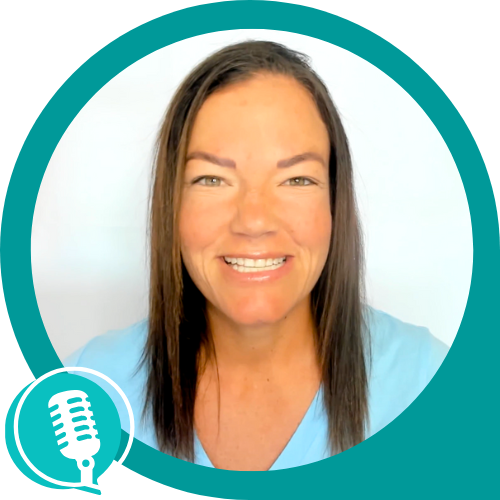
Kristi Kandel
Developer | Mentor | Co-Host of the LRED Podcast
Kristi is a real estate developer with nearly 20 years of experience and over $450M in projects across the U.S. Today, she focuses on helping locals step into development and build in their own communities.
She’s the founder of I&D Consulting, Local Real Estate Developers (LRED), and co-founder of Elevate, a community-driven sports and wellness concept.
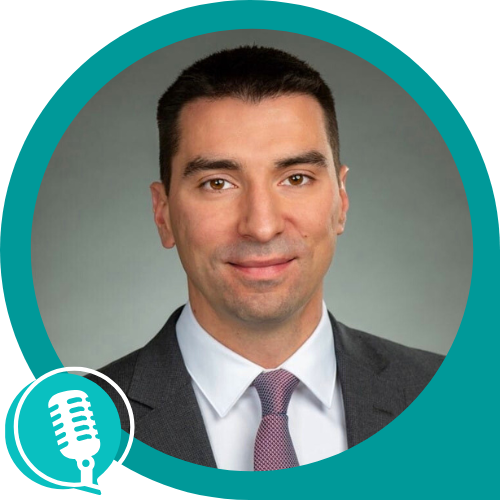
Raphael Collazo
Commercial broker | Author | Co-Host of the LRED Podcast
Raphael specializes in retail and industrial properties, bringing a problem-solving mindset from his background in engineering and software. As a commercial real estate advisor and developer based in Louisville, Kentucky, he works directly with investors, tenants, and cities, bringing a real-world view of how deals come together.
🔗 Related Episodes
How to Become a Local Developer: Katie Neason on Infill and Taking the First Small Bet | EP#29
A great companion episode on local infill, city relationships, and taking practical first steps in development.
How to Start Real Estate Development: Steph Weber Bought the Land First and Built the Plan Later | EP #41
A real look at taking your first development deal from idea to execution without having everything figured out.
Small-Scale Development: How She Left Her Corporate Career and Built a Tiny Home Village | EP #39
Another path from traditional career to building a community-driven development project.
About the Guest
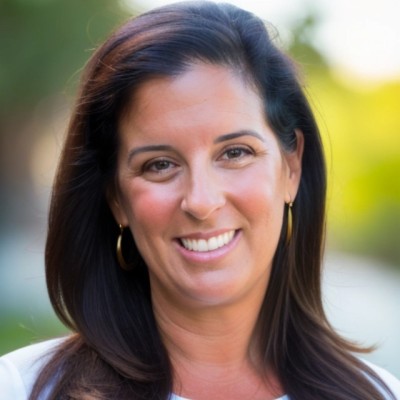
Rachel Chwaszczewski is a real estate investor, builder, and consultant with over 30 years of experience. She specializes in workforce housing, infill development, and helping municipalities and nonprofits create sustainable housing solutions. Through her work, she bridges the gap between private investors and community-driven development.
Connect with Rachel
🌐 Website: https://intentionalpropertyadvisors.com
📸 Instagram: https://www.instagram.com/intentionalpropertyadvisors/
💼 LinkedIn: https://www.linkedin.com/in/rachelchwaszczewski/
Full Transcript
Raphael Collazo (00:00)
Welcome everyone to the local real estate developer podcast. I'm your co-host, Raphael Collazo I'm a commercial real estate broker, investor, and aspiring developer here in Louisville, Kentucky. We got connected to my co-host, Kristi, relatively recently, and we ended up deciding to start a podcast that profile different development projects and people doing cool stuff around the country to help us inspire other people to pursue development as a route to take. So Kristi, it's always great to see you. How you doing?
Local Real Estate Developers (00:23)
Yeah, great to see you.
I'm Kristi. I'm a real estate developer investor. And now I teach locals how to become developers in their own community. And today's guest is amazing. was introduced to her from a mutual friend who said, you guys are doing a lot of the same types of things. You have the same mission and alignment. You should just talk. And we had a conversation. It was like, yes, yes, we are very much aligned. So Rachel, welcome to the show.
Rachel Chwaszczewski (00:48)
you
Local Real Estate Developers (00:50)
Do you maybe want to give just a super short history of who you are, what you do, and then we'll dive into some of your projects?
Rachel Chwaszczewski (00:57)
Sure, sure. My name is Rachel Chwaszczewski and I have been in real estate for over 30 years. I started at 18 and just kind of worked my way into where we are right now, which is making a local impact and working with local municipalities to try to help with the workforce housing situation that we have. And so we've been doing that for about 20 years at this point.
Do we have a construction company, a property management company, a consulting company, a strategy company that works on strategic asset development for nonprofits and municipalities? So we kind of try to help in any way we can based off of our experience and kind of where we are with what we're doing.
Raphael Collazo (01:40)
That's amazing. Yeah. So, so you, kind of have quite a long history in the real estate space. And I'm sure through that timeframe, you've, you've done a wide range of different projects. And so what I thought we'd kind of touched on is, you know, talk a little bit about what got you into the space to begin with. And maybe if we can highlight one of the first projects, I know Kristi had mentioned offline that you had been involved in, you know, to your mentioned workforce housing.
Rachel Chwaszczewski (01:45)
Yes.
Raphael Collazo (02:06)
subdivision development, affordable housing projects. So maybe we can profile one of your first projects just to kind of give people perspective on, especially if they're looking to aspire to do something similar, how they can get into that space. So if you don't mind kind of sharing a little bit about maybe, you know, what got you into the real estate space to begin with, and then ultimately your first project, whether that's affordable housing or subdivision or whatever that was.
Rachel Chwaszczewski (02:27)
Okay, so I got into real estate because I was exposed to it. I worked as a copy girl at a title company, like right out of high school while I was going to college. And it was during the refi boom of like the 90s to that, like early 2000s. And so I was in college, but I didn't really know what I wanted to do. And, you know, I was the copy girl and got bored very quickly and started just doing other things like, Hey, can I help?
And then within like about a six month timeframe, because of the volume that they had, they were like, hey, how would you feel about going to school and becoming licensed? We'll send you. So that's kind of how I got into it. And then during that time, I was exposed very heavily to people that were like the original flippers and developers and things of that nature. And I just started talking to them.
I would see what was coming through my desk because I was their account rep and they were really, really kind and kind of just gave me any advice. And so I decided that I was going to try flipping on my own at like really like in my twenties. I met my husband like right as I started to do it. He happened to be in construction. And so kind of together we had every element that you needed covered.
and we ended up buying our first house that we lived in. It was a foreclosure. We did a FHA 203K loan. So that's like where you actually get the funds in the loan to fix up. And then we were hooked. We did really well on that house and we just kept going from there. weathered and so primarily we did fix and flips in the very beginning prior to the 2008 recession. And so
We did like higher end houses, Chase Shiny things, all the things. And then we really got crushed during the 2008 recession very badly. We lost almost everything. And it just became very obvious that the strategy that we were using was not going to be, you know, something that we could rely on long-term because we had been through this and it was jarring, to say the least.
So when we came back and decided to do real estate, one of the very first things that we decided was we were going to diversify. So not only did we do kind of like higher end flips and my husband was a builder. So that sort of opened the flood gates for a little bit more on the spec house side. So after the recession, we came back with a different strategy. We did rentals and we did, we focused more on affordable workforce housing because that market is so large.
And from a capacity perspective, a majority of the population, that's their price point. And so it lent itself to a very easy exit strategy. And it's ignored a lot, right? From a developer perspective, a lot of people do not focus on it because the numbers appear smaller. But our experience has been that percentage-wise, it's actually higher. You just have to do more volume versus, you know,
sort of these big luxurious fix and flip type situations. So our very first one that we got into was a rental that we ended up keeping and it was in an area that was struggling, but had a lot of potential. There were a lot of older homes, but very solidly built like brick and or block structures.
And this particular home had been left open to the elements for X amount of years. It literally like everything was falling in when I walked in and I was like, wow. And I, my husband sent me on my own to go check out this property and I'm like, where is he sent to me? And I remember walking up to the property and being like, what is happening right now? Like literally just every element, every mold, insulation everywhere, walls falling down. It was a total nightmare.
And so we were like, all right, we'll buy it. And we renovated that and it was a duplex and we renovated that duplex and that became our first rental. And from that same investor, he was trying to exit the area. We ended up buying like three or four more and we started to notice that there was an impact in that particular neighborhood and the community. Other people were taking care of their homes in a different way, right? Like flowers and sort of that ripple effect.
So then we started investing in doing spec houses simultaneously in that area. And then at that time in our careers, we had been speaking with on a pretty regular basis, the head of neighborhood services in the municipality that we were working and just kind of sharing like boots on the ground, what really happens versus, you know, like policy and how that shakes out.
Local Real Estate Developers (06:54)
Mm-hmm.
Rachel Chwaszczewski (07:04)
in the streets, like when you're actually trying to execute on these things and what that looks like. And so we started this great relationship with them and talking to them and they decided to start a pilot program in this particular area that was geared towards helping tenants and landlords keep their properties up to a certain level. It was really basic, you like it was like you had to have a smoke detector, the windows had to be operable, you had to have working electricity.
They were not asking for anything over the top, just like basic safety things. And so the pilot program became a huge hit and the actual results of it were astounding. And so we were really excited to be part of that project.
Raphael Collazo (07:48)
Yeah, that's amazing. Yeah, it's kind of cool to see that, you know, obviously having gone through the kind of a somewhat traumatic experience of 2008 and recalibrating and saying, okay, well, you know, this is this isn't mean we're knocked out. This means that we have to rethink how we want to approach this process moving forward. And then ultimately, you guys have gotten into the space that seems to be kind of the the strategy that you guys are going to employ as long as you can, which is great because I have a contact here. We're one of the biggest affordable housing
Rachel Chwaszczewski (07:56)
Yes.
Yes.
Raphael Collazo (08:17)
And they started out with just flipping homes. And over time, they started doing bigger projects and they started doing more affordable housing with light tech projects and even historical tax credits and all these other things. And now they got like, I think almost 20,000 units nationwide. it's, it's, but slowly, but surely over time, they just stuck to one strategy for 30 plus years and we're able to navigate some of the challenges and now they're where they're at. it's part of the process.
Rachel Chwaszczewski (08:32)
Nice.
awesome.
Yeah, for sure.
Local Real Estate Developers (08:44)
I love it.
So as you're getting into this and now you're thinking about where to go from a development and a workforce housing and kind of how to pull it together, what happened between that and maybe some of the current programs and consulting? Or maybe do you want to speak to some of the earlier projects about that? What's the best way to?
Rachel Chwaszczewski (08:45)
No, no, no, go ahead. Go ahead.
Yeah, well, I think it was a natural progression, right? Like we started in that neighborhood. We saw the effect that we had on the neighborhood. And one of the other things that we did that was instrumental also was we got the Department of Transportation involved because one of the main issues were the streets. There were potholes everywhere. The sidewalks were all messed up. And so just through consistent, persistent calling.
the SCDOT got involved and they ended up fixing the roads and the sidewalks. And that had a tremendous impact because that brought other investors in, right? Other people started taking notice and they were like, hey, we're gonna start buying these duplexes and fixing them up. So the ripple effect was wonderful. And just to see that whole neighborhood even continue now to just grow and be elevated from where it was. And so...
We kind of just took that strategy to whatever area we decided to invest in. And so we also went to another area in the same municipality that was walkable to the downtown area that the municipality was putting a lot of money into and making it like the shops and the walkability and the fountain and the park and all the things. And so that area started to take off too. And then a lot of investors.
came in and started doing work and for a while it was really good and then you started having people kind of enter the space that didn't really understand the area and that kind of had a little bit of a negative effect in our opinion, but Not to say that you shouldn't keep doing and keep going and keep and keep growing in these areas It's just I think a balance and an understanding of the market that you're in and the demographic that you're serving so
And then that just kind of led to larger parcels of land that we would subdivide down and then more interest in how could we make our floor plans very functional and efficient because we build in that like thousand square foot to 1500 square foot space. And so the plans that we were buying, we didn't really care for because they were they were not they really weren't efficient. We were living in that amount of space, right? Like you need closet space, you need storage.
and they were not set up. we started actually redesigning everything and making it super functional and super efficient. And just to give you an example, one of the things that we do in, and this is a 1200 square foot house, the master bedroom has a double vanity, its own water closet, a linen closet in the bathroom and a walk-in closet, like a huge walk-in closet. So those are not things that you typically see in your smaller affordable housing, workforce housing.
Local Real Estate Developers (11:31)
Okay.
Rachel Chwaszczewski (11:36)
but it makes a difference. And so that had an impact on our sales prices and our overall sort of niche that we were creating. And it kind of gave us an idea of what people were looking for. And then that just kind of kept spinning out from there. we applied some of our theories to our rentals and the way that we upfitted those. now we just kind of sort of started sharing. We got asked a lot, you know, like,
How do you do this or how do you do that? And we were talking to people a lot. And then someone said to me like, hey, you've done a lot. You guys know a lot of stuff. Maybe you want to consider consulting. And that's kind of how we got into it was someone that I had spoken to at my son's baseball game and gave her advice. And she ended up being able to pull out one of her rentals, like over $100,000. And she came back to me and was like, you know.
I would never have thought of that on my own. Like you need to share this with people. And so that's kind of how the consulting started. So we do work with individuals one-on-one. And then from that, just kind of the relationships that we have inside of the different communities that we work in, we started talking to people and saying, you know, during our regular construction stuff and some of the redevelopment that we were doing, we realized that there was a need to kind of take a look at the existing structure.
Local Real Estate Developers (12:55)
Thank you.
Rachel Chwaszczewski (12:58)
and how we could take tried and true investor strategies and kind of apply them in a different way to help the municipalities and nonprofit housing agencies become more viable and self-sustaining and self-perpetuating versus being very grant and donation reliant.
Local Real Estate Developers (13:11)
Yeah, you made some some good points when it comes to that, that that with the
city or the county puts out and they say, here's here's what we would like. And they don't necessarily on the Ram understand the ramifications of that. The business side of that. We've had other guests on that that talk and they're like, it's almost like there needs to be a translator and someone who comes in and says, it's great. You want this, but here's here's how it actually works. And then helping create a format and a framework.
to apply it in a way that actually works in that community, which is what I love about what you're doing and working on now, which is so similar to different pilot programs that we're working on in communities. So how did you initially get engaged with the jurisdiction to kind of come in and maybe start giving them ideas, build the trust? so what were some of the first things that they pulled you in on and what are some of the things you're working on now?
Rachel Chwaszczewski (14:05)
Yes. So our initial sort of introduction came via the inspectors and that were on our different jobs, whether it was a Renault or a new build and kind of establishing those relationships and then them kind of saying, Hey, you should talk to so and so, or, you know, there's this home. We got called a lot back when we were actively doing renovations. We've kind of transitioned into a lot of new construction at this point, infill lots, things of that nature.
And so, but back then we were doing a lot of renovations and if a home was condemned or the home was going to be demolished by the city, they would come and say to us like, hey, do you think this is salvageable? Do you want to buy it? And so that kind of introduced us to code enforcement and that whole side of it. And a lot of it, a lot of our success really truly has come from establishing these relationships and having a really good positive relationship.
with the inspectors and the code enforcement people. And we still talk to them today about various things. They're brought, if we're doing a feasibility meeting on something, they'll come in and they are very knowledgeable, oftentimes more than us because they have that very specific silo that they work in. And they're more than happy to share their knowledge and expertise. It's really, a lot of times though, those relationships are established in a negative way because...
you know, they might be getting negative feedback from an inspector or something of that nature. And I think that's part of the reason that sometimes people have issues, right? Is like that conflict piece and just kind of, but at the end of the day, our approach was they are the end all be all, they are the inspectors, they are the ones, right? And unless we could legitimately say this is not part of the code, we were like, okay, we'll do what you want. Because you have our permit.
And so just establishing those open lines of communication led to us being introduced to the head of neighborhood services. And then she was just very curious really. And like you said, Kristy, like what is really happening versus the policy that we're making? And I am a huge proponent of, I believe the policy should be made in conjunction with people who actually do the thing. Like people should be brought into these meetings so that when things are decided,
there can be a conversation, like a real conversation that encompasses everything from the execution to the monetary implications of some of the things. And I'll just give you an example. One of the things that they did across the board was if you have a multifamily, you have to have amenities. And so we function in an area that doesn't necessarily allow us to give amenities because of the price point and we're trying to keep it affordable.
And so we've had conversations around that. Like we need more cost effective ways to implement what you're asking us because it's just not feasible to do a six foot white vinyl fence in an affordable housing area. Like it's just not feasible, right? And so having those kinds of conversations and asking for variances and explaining and rationalizing, I think has been incredibly helpful.
and just those relationships and understanding that they're there to help as well and not going in from an adversarial perspective.
Raphael Collazo (17:17)
Yeah, no, that's huge. That's very good point. Because I think there's a lot of times where people have a mentality that it's me against the city or me against other people, when in reality, it's like, we all want the same thing. We're all trying to reach a goal that's going to deliver value to the community. maybe we have different views of how that may take place. But at the end of the day, think we're all, hearts should, at least your heart should be in the right place. And so I think if you come from that perspective, you're able to navigate whatever.
Local Real Estate Developers (17:38)
you
Raphael Collazo (17:44)
impasse that you may have face. So that makes sense. Yeah. So more a curiosity front. you know, cause making a transition from, you know, flipping houses to then doing some of these affordable housing projects to then doing, you know, subdivisions and some larger projects. How has that jumped? Because I mean, you know, obviously you're constantly trying to find ways to do what you're doing currently. And then maybe you're saying an opportunity that's outside of
Rachel Chwaszczewski (17:46)
Yes, 100%.
Local Real Estate Developers (17:58)
Okay.
Raphael Collazo (18:10)
the, what you're used to and you say, well, let me see if this, if we can make this work. Like, can you talk a little bit about this, that first project that you made that jump
into? And I'm not sure if, you know, the, the scope of the subdivision development, but I'm just kind of curious as to what made you decide to take that jump. And then some of the lessons you learned that were slightly different from what you were doing before.
Rachel Chwaszczewski (18:29)
Yeah. So I think, I think just kind of recognizing the, the length of experience that we have had, right? Like taking a step back. I stepped out of construction and my husband started running it. So it gave me a moment to pause and kind of think about all the things that we had accomplished and what I really enjoy doing, right? That gratification of giving someone a home.
Raphael Collazo (18:42)
Mm-hmm.
Rachel Chwaszczewski (18:51)
and them taking ownership is really a driving force for what we do, whether it's an apartment or a multifamily that we've done or a single family that someone's buying from us, whatever it is, people respond in such a way that it's really, it's wonderful. And so one of the catalysts while working with the nonprofit was there was actually a development that
didn't get off the ground. It was worked on for five years. We were in the beginning with them and actually had the land and working with the head of neighborhood services and it was a great project. But due to the grant cycle and the grant requirements, they literally could not get this development off the ground. The infrastructure was so expensive because of what was being asked for as well as the vertical build because of the requirements rate for the grant.
So right now I'm in the process of undoing all of those things and making it a viable project and hopefully keeping it from an affordable housing perspective. We're literally in the middle of doing all of that right now. And so that is, I guess would be considered a mid-size development. It's got 36 lots and it's mixed use. It's single family, town homes and duplexes. And it's actually in the neighborhood that we started where we had that pilot program.
Raphael Collazo (20:02)
Yeah. Yeah.
Rachel Chwaszczewski (20:13)
kind of started as we were working and things of that nature. And it's just very exciting to take something that was such an important part of what the municipality was doing and trying to do. And then ultimately they weren't able to take it because of that grant cycle. And now to be able to come back in and say, let me do this from an investor perspective instead of a nonprofit perspective, which is vastly different.
right, the way that we approach things and, you know, cost effectiveness and all that kind of stuff. So it's been really, really interesting. And the reception has been phenomenal, even from the municipality. Like people are super excited. They want to help. They came to the feasibility study meeting with like a list of things that we could undo that were no longer required. you know, engaging everybody, like it's not just about me and what I know. It's about the people that
we encounter on a daily basis and are part of our team and who know their own specific thing and are able to all come to the table and say, like, okay, let's make this happen. And that to me is beyond exciting to be able to see something that everybody thought was not going to get off the ground to kind of make that a reality has been very exciting.
Raphael Collazo (21:25)
Yeah,
and you alluded to the grant process. So there's a grant involved with making, I guess, the project work or how it had that play out. Sure. Wow.
Rachel Chwaszczewski (21:33)
There was, it was completely grant funded, but
because it was completely grant funded, they actually couldn't afford to do it. Yes. Yes. Yes. And it's, mean, like that's the environment they function in, right? And they understand that environment. And it's not always like that. They do a lot with a little of the nonprofit housing agencies. They really do. They're phenomenal.
Local Real Estate Developers (21:37)
All the strings that are attached grants that you go, good intentions, but.
Raphael Collazo (21:44)
It sounds nice in theory, but then you start working through it and you're like, well.
Mhm.
Rachel Chwaszczewski (22:01)
But at the end of the day, sometimes just a different optic makes all the difference. And that's kind of what we do is we come in and we say, okay, this isn't gonna get done because of X, and Z. There's nothing we can do about that. from our side of it and our optic on the situation looks vastly different and let's take a swing at it and let's see if we can make this happen. So.
Raphael Collazo (22:22)
Mm-hmm.
That makes sense.
Local Real Estate Developers (22:24)
So as you're,
you you alluded to different people and partnerships and things. And I know you've had different ones over the years. What as you're doing this project and now you're still working through it to try and find a way to make it work. How have partnerships played a role both on the public side, the private side, other groups you might pull in other, like just people you might be looking to even in other markets to go, hey, how do we, how can we.
problem solve and make this work because what I found a lot with with development and I would work on projects in one city and they would be a little stuck on how to move forward. And when I was able to say, well, I know we're doing this here in Palm Springs and you're all stuck, but over in Cathedral City, here's what we did. And then in Dio, here's what we did and able to kind of help them brainstorm because a lot of times the local officials might only know their community. And if we can give them other ideas, it can help. So I'll.
How have partnerships worked and evolved in this one so far?
Rachel Chwaszczewski (23:19)
It's been really interesting just to have other people's opinions and other people's ideas brought in, right? Like as an investor, it was always just my husband and I, and we had total control over everything. So that has been a transition for me, but I was sitting in a meeting literally with like 15 other people that I would say collectively knew way more than I did. I was probably the least knowledgeable person in the room. And I was like, yes.
This is exactly where I want to be because all of those people had such extensive experience and knowledge in their given areas, whether it was infrastructure or it was, you know, the, the road department or whatever it was, like just sitting with all of these people who are as committed and excited to see things happen has been wonderful. And just talking to different other developers, like in different areas, you know, you see different things, you hear about different things. and you're like, wait,
I think I can apply that over here. And so it's really interesting. And I do think it does take a village and this is a community effort, right? Like it's not just about me or my husband's experience. It's about collecting all the people that we know that have the same or similar experience that are going to be able to feed into what we're doing because everybody is as excited about it as we are. So that's super exciting to see just that traction and other people.
Local Real Estate Developers (24:40)
Thank you.
Raphael Collazo (24:42)
Absolutely.
Rachel Chwaszczewski (24:44)
kind of getting it and like, yes, okay, maybe we can do these things.
Raphael Collazo (24:49)
Yeah. And there's no better way to be able to inspire people to do it than by you doing it and showing it. And that's why these mediums, in my opinion, are so important is because it allows you a platform to tell people about what you guys are doing. Because at the end of the day, other people can do it. I mean, there's other opportunity for people to take advantage of in their own community. And hopefully the goal, like I said, like we said with this podcast is to inspire people in their own community to see a building that's
dilapidated or whatever and just say, know what, let me, let me take, take a swing at that or a house or a couple of houses in a row. Then they may, may have an opportunity to be able to convert it to, to give someone a home, you know, take advantage of that. It may really add, add value to your community in that respect. So that's awesome. So what, what, gets you up in the morning? Like what keeps you motivated to keep doing what you're doing? Because it can be tough sometimes, like, you know, it's not always rainbows and butterflies. So
Rachel Chwaszczewski (25:18)
Yes. Yes.
Yeah, 100%.
No it's not.
So I think a couple of things happened, right? Like internally, I came to just understand through the plethora of experiences we have had, like all of the times that I literally have like been in the fetal position, crying in the middle of a house, like legitimately those things happen, right? But we've always come out on top and maybe the success did not look like how we initially intended it to look, but.
we were able to pull out of whatever that experience and pivot or just kind of make it success. And sometimes success looks like, I Kristi, you and I have talked about this before, sometimes success is breaking even. Like it really is. Or sometimes it's like exiting with the least amount of money lost. Like not everything is a home run. Not everything is, you know, a slam dunk. Sometimes things happen, particularly with renovations, right? Like you just don't know. But I would say that
thing that gets me up honestly is I realized that I really like the challenge of it and I really enjoy creating something that is tangible and that actually impacts people in a real way. Like I get to see it. I get to sit at the closing table and have people say to me, I never thought I would have a house. Thank you. Like, and so those kinds of things and knowing that you are having that kind of direct impact is, is just.
Local Real Estate Developers (27:05)
me.
Rachel Chwaszczewski (27:05)
It's exciting.
Like it really is. get excited. I'm like, okay. Because it matters, right? It's our small little way, but all of those small things, right? They add up to big change. And especially like what you guys are doing in the local developer, it's important, like you said, for people who would maybe otherwise no one would know about me, right? Like, except for this very small community that I work and live in.
Local Real Estate Developers (27:12)
early.
Rachel Chwaszczewski (27:32)
But it is something tangible that allows you to create a life and a lifestyle that you desire while having an immensely positive impact on your community or whatever community you are working in.
Local Real Estate Developers (27:40)
Thank
That's honestly my favorite part as well is that
we're creating something that is a benefit and a need. And the stock that came up, we've talked about is that we have somewhere around 19,500 cities that have permitting departments in the US. And of that, over 16,000 of them have a population of less than 10,000 people. Which means if you can flip a house, which we all feel at this point with the education that's out there and the information,
that we could we could flip that house and impact one life. But you could take that in your community and you could actually flip that commercial building. And maybe you've created three new businesses that have jobs on the first floor and you've got a couple of housing apartments above. And now you've impacted, I don't know, 20, 30, 50 lives. And with with our small communities, like you said, you can go in and build relationships. The city isn't the enemy. The inspectors aren't the enemy. It's just a matter of most people just haven't realized we we can.
We can build a relationship with them. can work together and we can collaborate to find that solution. Because in a lot of our smaller cities, mean, there will be an older building and the city managers might say, hey, well, we actually have access to a Brownfield grant and we'll give you a TIF and we'll give you X, Y, and Z to, we'll help apply for this infrastructure grant to get the utilities in. And these are all things that have happened on our projects or with people we're mentoring.
And it's incredible to go, whoa, not only are we not fighting the community, but they're helping us do it. And in the end, then like it just creates that community bond and sense of pride because you're all choosing to live there. And then now you're choosing to work together. And that's, that's, mean, it was awesome. So with that, what type of advice would you give to people who are aspiring to get in, who might be on the cusp of thinking bigger, but still kind of really like, I don't know. It's probably still too big for me.
Rachel Chwaszczewski (29:24)
Yes.
Yeah, I would say one of the biggest things that I regret is not talking to people sooner and getting other people's experience. Like in the beginning of our careers, had the couple of gentlemen at the title company in the very beginning, but we pretty much did it, a lot of it alone. And I think we would have been farther faster had we started bringing in people who had accomplished the things that we wanted to accomplish or were doing.
tangential things to what we were trying to accomplish. So I wish I had established those relationships and found a mentor or some sort of, I don't know, something that would have given me more of a direction than kind of like trial and error constantly. But I think, you know, you're going back 20 some years, sorry, like I didn't have access to things like we do now. But like, truly think, but finding the right ones, right? Like they're,
Local Real Estate Developers (30:13)
Mm-hmm.
Raphael Collazo (30:21)
.
Local Real Estate Developers (30:23)
Anyway.
Rachel Chwaszczewski (30:26)
You got to be careful. Anybody that's like, you can make a million dollars in 90 days. Like you need to run the other way. but, talking to people who are realistic and give you like, we always people we would say after we had these meetings, people would ask us like, can I ask you some questions? And we were always very like upfront and realistic and like, listen, and even with our coaching program, I'm like, we start with the why, because things are going to get really, really tough.
Local Real Estate Developers (30:30)
Good.
Rachel Chwaszczewski (30:53)
And you need to understand outside of the monetary gain that, you know, the shiny flashing things, like you need to understand why you are doing this because it does get hard, like we talked about before, and there are difficult things. There are a lot of decisions that need to be made. You need to, you know, just kind of, I don't know, be able to make those hard decisions. And so I wish I had had and looked for a mentor or someone who was
Local Real Estate Developers (30:59)
Mm-hmm.
Rachel Chwaszczewski (31:21)
doing what I did, wanted to do sooner. So.
Local Real Estate Developers (31:22)
And I think that's a part of where we're at now is that the development
Raphael Collazo (31:24)
Yeah.
Local Real Estate Developers (31:26)
has kind of been, it's been gate kept and partially because you only need to work on a couple of projects and you get some really great returns. And so there isn't a lot of education out there and each city is different. Each county is different. There's different overlays in the way things work that most people don't have the, a ton of experience to give back in the first place.
But by getting more information out there and sharing the stories, we're hoping to help start that and get more people to not just accidentally fall into it or do it because their parents did, but to get in on purpose.
Rachel Chwaszczewski (31:54)
Yes. Yes.
Raphael Collazo (32:00)
Yeah.
Rachel Chwaszczewski (32:00)
Well,
that's it's funny from an education perspective. One of the things that we've been working on on the consulting side was writing a book about how to engage with you with your municipality or your community and start those relationships because they are so integral to your success. And like, how do you engage? What is the language that you use? Who do you talk to? How do you find opportunity zones and things of that nature to just try to give people?
Local Real Estate Developers (32:15)
Mm-hmm.
Rachel Chwaszczewski (32:29)
a framework or a blueprint of, you know, this is a good place to start, right? Like there's so much more to know, but this is a really good place if you don't know what you're doing and you need help and you want to have those conversations and you want to find opportunity in your community, where do you look? Who do you talk to? What do you say? And so that is something that we're actually almost done with it. And I'm very excited about because it is, it was integral. Those relationships were a hundred percent integral to our success.
Raphael Collazo (32:57)
Yeah. Yeah.
Rachel Chwaszczewski (32:57)
So, and even where we are right now.
Raphael Collazo (33:00)
That's amazing. Yeah. Finding opportunity to connect with people that can help you to the next step. Like someone that's a little bit ahead of you that has already done a little bit of what you're trying to do, just tagging along and trying to see that. And obviously the city side of things is extremely important. A lot of that you don't really know until you get out there. And what I've found surprising too is sometimes just going down to the per I I've been to the permit office a bunch of times and I act like I don't know. I I obviously don't know everything, but I'll act like I'll ask so many questions.
that to most people would seem like, you really don't know anything. But in reality, it's like, I'm just trying to verify stuff because I want to make sure that things are done properly. And so, you know, I'll act like the person doesn't know anything in the room. And I'm happy to do that because I know that I'm going to do it right that next time because I know that I asked the right questions. So it's there. Don't ever feel like you can't go down to the city and just hang out for a couple hours and just go talk. You know, the one of the guys who the people who handle like the zoning, I remember.
Rachel Chwaszczewski (33:35)
Yes. Yes.
Raphael Collazo (33:56)
one of our guys that handled the rezone for one of us. I was down in his office all the time asking him questions and you know, so. ⁓
Rachel Chwaszczewski (34:02)
Yeah, yes. My motto, honestly, and this is
across everything, but specifically in this arena, is pleasant but persistent. Persistence is really the name of the game, right? Like once you actually take your first step and take action, and the way that you do not become paralyzed by the fear and the unknown and all of the things that are really wrapped into what we all do is you just need to be persistent.
Local Real Estate Developers (34:08)
Mm-hmm.
Raphael Collazo (34:10)
Mm-hmm. That's a great point.
Local Real Estate Developers (34:30)
Okay.
Rachel Chwaszczewski (34:31)
I
don't know the answer to this question, but I'm gonna find it. And then that question is gonna lead to another question. Then I'm gonna find the person I need on that. Like it really is just the persistence of getting the answers wins the day every time. It's not fast, it's not sexy, but it the job done, right?
Raphael Collazo (34:43)
Well, people, yeah, but, people also invest
in people like that. Like, you know, I, I, you know, and I'm sure you get reached out to a lot. know Kristi does as well. Like there's a lot of people who reach out to you asking for advice and unfortunately, a lot of people don't take advice and go run with it. And so, you know, when you see someone who comes to you for, advice or ask a question and then they go do something and they come back and said, Hey, well, I did this, this, this, this, this, this is the result I got. What am I missing here? I'm like,
Rachel Chwaszczewski (34:50)
Yes.
Raphael Collazo (35:12)
Ow, this is great, you know, because I feel like my time is valuable now. My time with
Rachel Chwaszczewski (35:14)
Right.
Local Real Estate Developers (35:17)
Mm-hmm.
Raphael Collazo (35:17)
someone who I'm pouring into is going to be of value versus me just speaking into the wind and just, you know, it's never going to actually, nothing's going to come from it.
Local Real Estate Developers (35:21)
I literally do like cartwheels or jumping jacks and it like flips inside when I go, my gosh, you
took action.
Rachel Chwaszczewski (35:28)
Yes, yes, it is very exciting.
Raphael Collazo (35:29)
Yeah, it it changed, it changed
the dynamic completely in a relationship. And someone understands that if they tell you something, something's actually going to happen. makes it makes a big difference. So, yeah. So, so as we mentioned with the podcast, one of our, you know, the vision of the podcast is, is, is obviously the, change the communities with all the projects that you ultimately take on. So what we like to ask near the end of the podcast is what does a community driven development mean to you?
Rachel Chwaszczewski (35:33)
100%.
Yes, 100%.
I think a community driven development, really like the word community is the most important, right? It's the coming together of all of these different people, private, nonprofit, the city or the community you're in, like all of these different stakeholders coming together and giving their unique optic to create a solution that we haven't found yet, right? Like that to me is...
So important and for me, I think it is the change that we need in order to address the crisis that we are in. So.
Raphael Collazo (36:27)
Mm-hmm.
That's amazing. Great point.
Local Real Estate Developers (36:28)
that I couldn't agree more with that.
as we're looking forward and we've talked about different pilot programs that we can drop in different cities, what future projects are you most excited about and things? it could be frameworks you're working on with communities or actual projects that are happening, but what are you most excited about that potentially could create a bigger impact or a scalable model in your community and then in other communities?
Rachel Chwaszczewski (36:56)
I would say it's probably our affordable asset accelerator that we created. And it is based off of, it's for a specific nonprofit in our area. We had a relationship with them. The head made an offhanded comment that just stuck with me. And I was like, I think I can figure that out for you. And so again, just like based in curiosity, right? Like we were talking about going to the zoning and things of that nature, just.
kind of asking all these questions and then realizing that yes, I can, like we can create this thing for you. So this program, we call it the AAA, is built to make the nonprofit housing agency self-sustaining and self-perpetuating based off of their current asset allocation. And so it's multi-tiered, there's a lot of things happening, but at the end of the day,
successfully executed, removes them from their donation and grant cycles and makes them a fully functioning nonprofit based off of what they're doing internally, which to me, I think is incredibly exciting and very timely given everything that's happening right now. And I think it could be a game changer for a lot of municipalities and nonprofit housing agencies.
Raphael Collazo (38:07)
Yeah, it seems like an amazing opportunity to be able to help obviously those organizations that ultimately their mission is to help. So, ⁓ and, the goal here is, that to scale? you trying to scale this in other markets across the country as well? Yeah. Sure. Yeah. ⁓ I know, I know. I'm just, yeah. Yeah.
Rachel Chwaszczewski (38:14)
Yes.
Yeah, that would be lovely to do on right now. Yeah, absolutely. We absolutely would love to do that and
talk to whomever is curious to see if their their current asset base is something that they can trigger this program with. But yeah, it's it's it's happening here where we are and then hopefully we'll be able to take it elsewhere to people who really want to make that change. But it's a long.
Local Real Estate Developers (38:41)
And that's where I love our conversations because what you guys are learning and doing with
the nonprofits up in Columbus, Ohio, we're working on starting a working with the faith based organizations to leverage their current assets, whether it's the actual church buildings or extra land that they have to help them.
create more revenue that can help build out more of the services that they already provide to the community while leveraging their current stuff and by putting the business hat on for them and really being that translator of here's how we can do that to better serve our community. Because if we're leveraging our faith-based organizations, we're building the affordable housing and workforce housing, we're also including in there some commercial aspect to where some of the community can be the local business owners. So we're not just putting
places for people to sleep at night, but we're helping create workplaces for people to work. And now you've really created that synergy. And then that's a scalable framework as well that we can take to other areas that I think more and more nonprofits, cities, faith-based organizations are realizing, wait, we can be part of this solution. And it's up to people like us to maybe put them all at the same table and then kind of see what magic happens as a result.
Rachel Chwaszczewski (39:54)
Yes, a hundred percent agree. And I had someone say something to me recently that, and this went back to the mindset shift that was happening within the nonprofit that we're working with, right? And she said to me, nonprofit is a tax status. It's not a business model. And I thought that encapsulates the whole discussion for what we're doing, right? Like they are meant to still function and still be run and still be able to
Local Real Estate Developers (40:13)
you
Rachel Chwaszczewski (40:22)
be mission driven and have that impact. But that is not what that role calls for. And very rarely do you have, let's say, a real estate investor who's the executive director of a nonprofit housing agency, right? So you need to, going back to the community, you need to find the people who are making that impact, like with the faith-based organizations and things of that nature, and bringing your knowledge and your skill and your vision and this optic that we all have for what could actually happen.
to the table and hopefully people start to get it and they're like, I see what you're doing. Let me jump on board. But I think it's a mind shift. Part of it is, you know, they've been doing it this way for so many decades, right? Like to ask them to think outside of the box, which I think as real estate investors is something we do on a daily basis. So for us, it's like, okay, this isn't working. We're going to pivot and do this. That is like moving a slow moving iceberg.
Local Real Estate Developers (40:51)
Mm-hmm. Yeah.
in the
Thank you.
It's so true, so true. ⁓ once you get them in the room, and we've got groups that are like Habitat for Humanity, who has different programs that can help with financial literacy and different other things that can all be incorporated. when you're able to pull them in and think that way, then it becomes very exciting. part of our, we've had a couple group meetings now, and it's very cool to start to see them connect the dots, because now
Rachel Chwaszczewski (41:16)
in a different direction. So that's part of it.
Local Real Estate Developers (41:41)
And development is long and it's complex. So having the right partners and they can be partners of all types in the room, in the trenches, doing it together, makes it so much more enjoyable and makes it flow a lot better.
Rachel Chwaszczewski (41:53)
Yeah, yeah, it's awesome.
Raphael Collazo (41:53)
Definitely.
Well, Rachel, we obviously appreciate your time today. It's been really insightful. I do say this with reality. I think we're going to gain a lot of value from the discussion that we've had today. Now, one of the things we like to do at the end is just ask a little bit about you and how people can get in touch with you if they want to learn more about you.
Rachel Chwaszczewski (42:14)
Yeah, so our website is intentionalpropertyadvisors.com and you can reach me directly at rachel at intentionalpropertyadvisors.com. know, that's really the easiest, quickest way to get a hold of me.
Raphael Collazo (42:27)
Yeah,
and we'll make sure to include it in the show notes. So if you guys are watching this on YouTube, it'll be in the show notes. And if you guys are listening to a podcast format, it will also be in the description as well. So, well, Rachel, really, thank you so much for your time. I'm looking forward to staying in touch. That's one of the cool things about these podcast mediums is you get to meet a lot of new people. And I know you and Kristi obviously have a connection, but I'd love to continue to stay in touch and who knows what the future holds.
Rachel Chwaszczewski (42:37)
Thank you.
Local Real Estate Developers (42:46)
Yeah, we've connected virtually, but one thing I'm excited about all of this
is we've got some people are saying, hey, let's just get a meetup. So potentially there's going to be some kind of meetup maybe in the Atlanta area, depending where people are geographically. But yeah, just to get all of us, change makers, developers in the same room, sharing ideas and just growing this and you never know what'll happen.
Raphael Collazo (42:56)
Yeah.
Mm-hmm.
Absolutely. That's awesome. Well...
Rachel Chwaszczewski (43:07)
Yeah, I love it. I will be there for sure. It was nice to meet you
as well. I really appreciate you guys having me on. I love what you're doing.
Raphael Collazo (43:13)
Absolutely, Rachel. Yeah,
and we'll make sure to notify you once everything's up and running and everything as well. again, Rachel, thank you so much for your time. If you guys are watching this on a YouTube channel, please like and subscribe. makes a big impact on our ability to broad our audience. Along with that, if you guys are watching or listening to this in a podcast format, whether that's Apple Podcasts Spotify, please leave a five star review. It allows us to get a much broader reach to the rest of the community. And we obviously greatly appreciate the support. So thanks again so much for tuning in and we'll see you all next time.
Get the tools behind the episode
Access the Developer Vault with templates and real resources
©2025 I&D Consulting. All Rights Reserved.
©2025 Local Real Estate Developers. All Rights Reserved.