From College Student to Real Estate Developer: How Renzo Sanio Built His First Vacation Rental Community | EP #62
Real estate development, purpose-built vacation rentals, and launching a ground-up development out of college.
One question changed Renzo Sanio's life forever.
The answer led him from studying physics to developing his first purpose-built vacation rental community before most people finish their first job.
Most people assume you need decades of experience before becoming a developer.
Renzo Sanio proves otherwise.
In this episode, Renzo shares how a college case competition sparked an obsession with real estate development, how he found his first development site on Zillow, raised capital without a track record, and navigated everything from permitting and financing to construction delays and change orders.
Whether you're preparing for your first project or already in the middle of one, this conversation is a realistic look at what development actually feels like and why persistence matters more than perfection.



Get the tools behind the episode
Access the Developer Vault with templates and real resources
Episode Summary
Renzo Sanio never expected to become a real estate developer.
He entered Virginia Tech studying physics, believing that would become his career. Everything changed after switching into construction management and joining a real estate development case competition. During one conversation with a professor, he was asked a simple question:
"What do you build here, and why?"
That question changed everything. From that moment forward, every building he passed became a puzzle. Why was it built? Why here? What made this use the highest and best use for the property? That curiosity quickly became an obsession that ultimately shaped his career.
Renzo's team went on to win the national Mulroy Real Estate Challenge by proposing a $320 million mixed-use development in Asbury Park, New Jersey. More importantly, the competition gave him confidence that he could actually become a developer.
Instead of waiting ten years, he decided to start immediately.
After interning with a four-person development company in Austin, Texas, Renzo realized he wanted to own projects rather than simply work on someone else's. While still an intern, he began searching for development opportunities with his own savings and eventually identified purpose-built vacation rentals as the best opportunity for a first project.
His search wasn't random. He first researched local short-term rental regulations, narrowed his geographic search, spoke directly with county staff, and developed a clear acquisition strategy before ever looking seriously at properties. Eventually, he found four adjacent lots on Zillow that perfectly fit his buy box.
Finding the property turned out to be the easy part.
Next came raising capital without a track record, assembling the right partnership with longtime friend Rajan Chida, securing financing, managing construction, working through tariffs that delayed windows, handling change orders, and learning firsthand that every development project experiences unexpected setbacks.
One of Renzo's biggest lessons is that development rewards preparation, but it never guarantees certainty. No amount of planning eliminates every challenge. Instead, developers succeed by solving problems one at a time while continuing to move forward.
Throughout the conversation, he compares development to a full-contact sport. Projects will test your patience, resilience, leadership, and ability to make decisions under pressure. Those difficult days aren't signs you're failing. They're simply part of becoming a developer.
Looking ahead, Renzo dreams of developing high-rise towers, but he understands that every large project begins with mastering smaller ones first. His vacation rental community isn't the destination. It's the foundation.
The biggest takeaway is simple.
You don't become a developer by waiting until you feel ready.
You become one by taking the first step, solving the next problem, and refusing to quit when the project gets hard.
What You'll Learn
- How one question can completely change the direction of your career.
- How to develop a clear buy box before looking at properties.
- Why your first development deal doesn't need to be off-market to be a great opportunity.
- How to raise capital without an established development track record.
- What construction delays, change orders, and permitting really look like on a first project.
- Why resilience and problem solving matter more than having the perfect plan.
Bold Truth
Developers aren't the people who avoid problems. They're the people who keep solving them.
Timestamps
0:00 — Intro
https://youtu.be/OUBLXWlf9Ck?t=0
0:41 — Meet Renzo Sanio
https://youtu.be/OUBLXWlf9Ck?t=41
1:31 — From Physics Student to Developer
https://youtu.be/OUBLXWlf9Ck?t=91
3:38 — The Question That Changed Everything
https://youtu.be/OUBLXWlf9Ck?t=218
6:05 — Winning a National Development Competition
https://youtu.be/OUBLXWlf9Ck?t=365
13:38 — The Internship That Changed His Career
https://youtu.be/OUBLXWlf9Ck?t=818
16:08 — Why Vacation Rental Development?
https://youtu.be/OUBLXWlf9Ck?t=968
18:38 — Building a Buy Box Before Looking at Properties
https://youtu.be/OUBLXWlf9Ck?t=1118
18:58 — Finding the Land on Zillow
https://youtu.be/OUBLXWlf9Ck?t=1138
22:06 — Raising Capital Without a Track Record
https://youtu.be/OUBLXWlf9Ck?t=1326
23:18 — Choosing the Right Business Partner
https://youtu.be/OUBLXWlf9Ck?t=1398
28:01 — Development Is a Full-Contact Sport
https://youtu.be/OUBLXWlf9Ck?t=1681
30:08 — Breaking Ground and Construction Delays
https://youtu.be/OUBLXWlf9Ck?t=1808
32:11 — The Biggest Lesson from His First Build
https://youtu.be/OUBLXWlf9Ck?t=1931
35:03 — Can AI Prevent Change Orders?
https://youtu.be/OUBLXWlf9Ck?t=2103
36:37 — Staying Mentally Tough Through Setbacks
https://youtu.be/OUBLXWlf9Ck?t=2197
38:18 — Dreaming Bigger Than the First Project
https://youtu.be/OUBLXWlf9Ck?t=2298
41:10 — Advice for Future Developers
https://youtu.be/OUBLXWlf9Ck?t=2470
43:13 — Where to Follow Renzo
https://youtu.be/OUBLXWlf9Ck?t=2593
Meet the Voices Behind the Mic
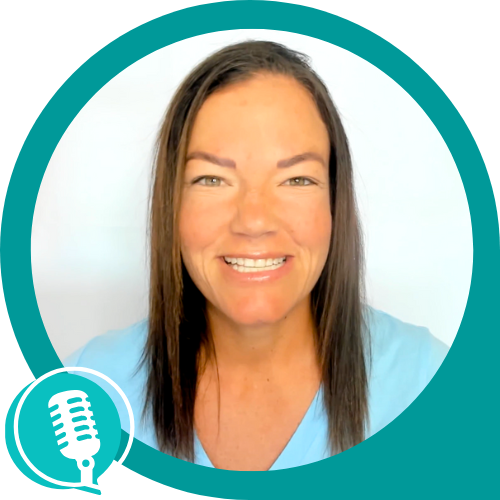
Kristi Kandel
Developer | Mentor | Co-Host of the LRED Podcast
Kristi is a real estate developer with nearly 20 years of experience and over $450M in projects across the U.S. Today, she focuses on helping locals step into development and build in their own communities.
She’s the founder of I&D Consulting, Local Real Estate Developers (LRED), and co-founder of Elevate, a community-driven sports and wellness concept.
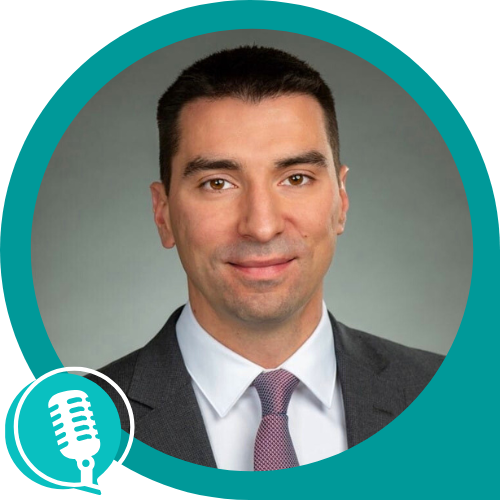
Raphael Collazo
Commercial broker | Author | Co-Host of the LRED Podcast
Raphael specializes in retail and industrial properties, bringing a problem-solving mindset from his background in engineering and software. As a commercial real estate advisor and developer based in Louisville, Kentucky, he works directly with investors, tenants, and cities, bringing a real-world view of how deals come together.
🔗 Related Episodes
How to Become a Local Developer: Katie Neason on Infill and Taking the First Small Bet | EP#29
A great companion episode on local infill, city relationships, and taking practical first steps in development.
How to Start Real Estate Development: Steph Weber Bought the Land First and Built the Plan Later | EP #41
A real look at taking your first development deal from idea to execution without having everything figured out.
Small-Scale Development: How She Left Her Corporate Career and Built a Tiny Home Village | EP #39
Another path from traditional career to building a community-driven development project.
About the Guest
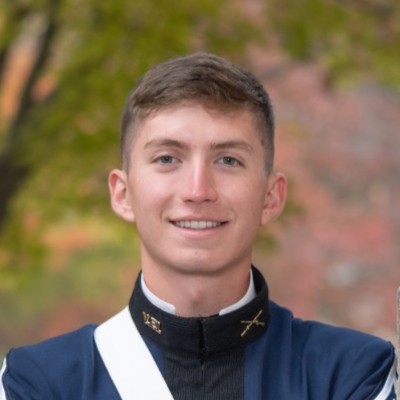
Renzo Sanio is the co-founder of Royal Oak Group, where he develops purpose-built vacation rental communities throughout Virginia. After winning a national real estate development competition at Virginia Tech, he launched his first ground-up development immediately after graduating and is building a portfolio centered on thoughtful design, hospitality, and community impact.
Connect with Renzo
🌐 Website https://royaloakretreat.com
📸 Instagram https://www.instagram.com/sanio.renzo/
📸 Royal Oak Retreat https://www.instagram.com/royaloakretreat/
💼 LinkedIn https://www.linkedin.com/in/renzo-sanio/
Full Transcript
Kristi Kandel (00:41)
Welcome to the Local Real Estate Developer Podcast, where we share stories of locals who are doing awesome projects in their communities. And you just might think that it's possible that you could do one too. I'm Kristi Kandel, one of your co-hosts. I'm a real estate developer investor, and I teach locals how to become developers in their own community. And today I am super stoked to have our guest on the pod. We actually had his partner on last year at one point. And we've been following them on social media and just really loving what they are doing.
So I'd like to welcome Renzo to the show.
Renzo Sanio | Royal Oak Group (01:12)
Super, super pumped to be here. This is an amazing experience for me. First podcast ever. So thank you for being an amazing host.
Kristi Kandel (01:18)
Yeah.
This is awesome. So one of the things we like to do when we start is give people a little bit of background on who you are and where you're at. And so maybe some background on how you even first got interested in development.
Renzo Sanio | Royal Oak Group (01:31)
This could be like a 15-minute like monologue. but I actually started college as a physics student. I yeah, and I I just graduated college, so I'm about a year out of school. And physics was like a perfect fit for me, or at least so it seemed coming out of high school. And it wasn't until I realized that all my work was gonna be invisible for the most part. and I wasn't the
Kristi Kandel (01:33)
Ha ha ha ha.
I didn't even know that. Okay.
Renzo Sanio | Royal Oak Group (01:55)
write a student, but I had a passion for it. And I wasn't gonna be Einstein and I wasn't gonna be a high school professor for the rest of my life. So it was after that freshman year where I had to think, all right, what am I gonna do? And that's when I picked up a construction degree. Did like a complete 180 because I wanted to see like the product of my work in the physical world. And like construction just made sense. But what I didn't know is that
There wasn't enough creativity in the construction space to satisfy my brain. Like I wanted to be there from the start. And that's enough like enough questions asked and that's like where you learn about the job of a real estate developer. They're the people that birth buildings and that's what I wanted to do.
Kristi Kandel (02:36)
And and then get to what I loved is that from the the start, like you're designing what the building looks like. You're designing where windows are. You're d and like we're not architects, we're not engineers, but we're designing where the parking space is and the landscape and the the playground. And it's like wait, what? We gonna do that?
Renzo Sanio | Royal Oak Group (02:51)
It's so like multifaceted and it's hard to answer the question what do you do? Like what does your day look like? Like I I still don't know how to answer that question because every day truly is different and that's I always thought that was such like a I hated that answer when I would speak to developers. But now doing it, I can say it's like so true.
Kristi Kandel (03:05)
Yeah, yeah.
Yeah, one hundred percent. My sister I I laugh because my sister would ask me all the time. She's like, So what do you do? And I'm like, I solve problems, I create cool things, and I I never really actually understood and it's like, we we actually we make our communities better by providing spaces that people can live, work, or play in. And it's that that part is so cool because I mean, growing up, did you ever or at what point did you realize how communities were actually formed or built in the first place? Or
Renzo Sanio | Royal Oak Group (03:38)
It was it was a conversation I had with my my con or my real estate professor. I was a sophomore at this point and I had didn't done my first real estate class and the professor was soliciting interest for a real estate case study competition. And it was held exclusively for seniors, but that lit a fire under me. I was like, okay, no, I I I should be on that team. as just like a sophomore with one year and I did get on that team.
but he asked a question at the end of our discussion, which really like changed the course of my life. He he said, The point of this whole competition is to answer one question. You're gonna be given a parcel of land somewhere in the United States, and you answer the question, What do you build here and why? What do you build here and why? And then on that walk home, from having that discussion, it's about a 20-minute walk home. Every building I looked at, I asked myself, why did this get built here?
Like how did this get built here and why? And and that's like the job of a real estate developer is to first answer that question when looking at a piece of dirt. And and I think, yeah, you can spend your whole life trying to figure out that question.
Kristi Kandel (04:39)
That is such a good thought-provoking question because then it makes you start thinking and then and then you go, interesting. Okay, well then I see this and that and this makes sense. But then I'm sure you saw stuff on the way home that you're like, why would why is this here? it seems a little bit out of place or something too.
Renzo Sanio | Royal Oak Group (04:53)
Hundred percent. Like it it there's so many things that go into answering that question, like financial markets, the physical conditions, the zoning, what the community says. And that's like the most interesting part about development is is how many things have to come together for a project to be built.
Kristi Kandel (05:03)
Mm-hmm.
Yep. I like to say it's like being a detective, playing a poker game, also a chess match and just kinda compiling it all together because there are so many stakeholders. So like you said, I mean you've got if you're buying the dirt, you're finding a property owner willing to sell to you at a price and terms that you want. You're also working within the city to go, okay, well what zoning, which basically what is allowed to go in this area, both by right or with a conditional use. and then also with the local community because even
You'd like to think, I'm a property owner, I can own the dirt. Well, your neighbors have something to say about that. as well as like where are the utilities at to the property and how big is it? Are there rivers on it? Are there power lines or above ground or below ground? And it's once you start breaking that down, you're just like, whoa. So as you as you switch degrees and you start to go into that in in college, how what was what was the college and training and courses like? And did you get any boots on the ground experience to intern or do stuff like that?
Renzo Sanio | Royal Oak Group (06:05)
It was the best experience ever. I really think Virginia Tech has like the best real estate like development program in the country. so like circling back to that case study competition, it was a national competition and our team won. and our school, Virginia Tech, actually has either person placed first or second three to the last four years. and so we
Kristi Kandel (06:18)
Mm. okay. Tell us more.
Okay. So when
they gave you the dirt, did you guys all have the same piece of property so they could compare between schools?
Renzo Sanio | Royal Oak Group (06:35)
So all 24 teams have the same piece of dirt. And so you submit your it's essentially like a pitch, like an equity, like an equ you're like kind of like wanting to raise equity for your deal. That's like how the the competition is. So you have like a 20 slide deck, and then you submit that deck to get into the finals, and then once you're in the finals, you go to to Philly. it's hosted by Villanova, the Mulroy case study competition or the Mulroy Real Estate Challenge. And
Kristi Kandel (06:37)
Okay.
Okay.
Okay.
Renzo Sanio | Royal Oak Group (07:00)
Then you have like a twenty minute presentation that you give to like their industry board and eventually like they they vote on you. So that's that's the competition. and then there was an there's another question in there.
Kristi Kandel (07:10)
Well, like what was the project itself and how did your and maybe what was the project first and then we'll go into like your team you had with you?
Renzo Sanio | Royal Oak Group (07:17)
Okay, so the the piece of land was in Asbury Park, New Jersey. it was right on like the last developable developable like lot on the whole strip. So it was right on the water.
Kristi Kandel (07:26)
Okay. And did you
guys, did your team know anything about this market to begin with? Yeah. Okay. Okay.
Renzo Sanio | Royal Oak Group (07:33)
no. Not at all.
I think we had like one one of the girls on our team had visited there for leisure 'cause like she was from Jersey, but most of us didn't know. I think the Villanova team had an advantage because they were like closer to it. and so they were able to actually like go to the site and like see it and I thought that was so cool. Like I I would still love to go to the site 'cause I think it remains undeveloped, but
Kristi Kandel (07:40)
Okay.
Ha ha ha ha.
Renzo Sanio | Royal Oak Group (07:58)
The cool part is that this parcel was submitted by one of the Villanova alumni who was thinking about how to approach building it. So it was a real site. And that's the cool thing about the the case study competition is that each of the sites that you're like putting together your proposal for are the are sites that developers are actually thinking about how to approach it. And so we proposed a $320 million mixed use building.
Kristi Kandel (08:05)
Mm.
Renzo Sanio | Royal Oak Group (08:23)
We had 150 keys, I think 90 condos, and then some like ground floor retail. And it's been about three years since then. And I think winning that competition, it was a realization to me that like, okay, I might be okay at this. I should, I should double, I should double down and and really dedicate myself to it. And since then, and I think even before then, like I really have been obsessed about real estate development.
Kristi Kandel (08:37)
Mm-hmm.
Renzo Sanio | Royal Oak Group (08:47)
And that's like a joy to be able to say because I don't think a lot of people have that like fiery passion about s about the thing that they do.
Kristi Kandel (08:56)
One hundred percent. I think there's a quote that that someone said, Died at twenty-five, not buried yet. And it it's I mean it's a little morbid, but it's also like how many people are sleepwalking through their life and just kind of accepted, Okay, this is what it is, living for the weekend and like, yeah, but you're you're still alive right now.
Renzo Sanio | Royal Oak Group (09:12)
Yeah, that's it's I think that's a lot of people's reality. and I I think I think encouraging people to to really like listen inwards is the first step that I took to to open myself up to becoming obsessed about something like this.
Kristi Kandel (09:25)
I love that. So as you're as you're on the team, how d how did the people get chosen for the team? Were you guys all friends ahead of time? guessing you weren't, with the age difference, but h how did they pick the team members and how did you guys figure out what role each person was gonna play? Because we know that development is a team sport and then having the right partners.
Renzo Sanio | Royal Oak Group (09:44)
So we had a the best faculty advisor we could we could ask for. His name's Je Dr. Jeff Roberts, and he's at UAMherst now. sadly left the the Virginia Tech program, but he is truly missed like every day. and I'll say this: the year that he left, his team at U Amherst won. The the following year. So after that happened, it made us like ask ourselves like,
Kristi Kandel (10:03)
Okay, okay.
Renzo Sanio | Royal Oak Group (10:07)
Were we really special or is it really just Jeff? but Jeff does a great job at at building a team. he selects students, plenty of people apply, and then he takes you through like team building exercises at the start where you kind of audit what people are strong at. we had four members on the team. One had done market analysis at I think Call Years the year before.
Kristi Kandel (10:27)
Okay.
Renzo Sanio | Royal Oak Group (10:29)
we had a my my good friend Jonathan Braun. He yeah, I just name blast him. I don't know. You can go look him up. Jonathan Braun, he's he's amazing. He was like doing a lending internship earlier. And then the the second girl on the team was a varsity soccer player. So she just knew how to be a team member. I was also the least prepared out of everybody because I was a sophomore. the only thing I had in me was like this passion to like
be the best and like learn the most and to to like win. but I think one thing that kind of separated me from everyone else is that I was in the Corps of Cadets at Virginia Tech and one of the big things that I wanted to get out of my college experience was to learn discipline and leadership. And so being a part of the senior military college taught me those things. and so that's that was my best contribution to the team. And so
Kristi Kandel (11:03)
Okay.
Renzo Sanio | Royal Oak Group (11:15)
My thought was if we just put more hours into answering this question than any other team in the country, we would win. And so we all lived out of one apartment for seven days. We had one person leave the apartment to bring food to us so we could maximize the amount of time on the competition. And we because of Jeff, we practiced our pitch more than anyone else. I would fall asleep listening to a recording of a perfectly recited pitch.
Kristi Kandel (11:24)
Okay.
Renzo Sanio | Royal Oak Group (11:39)
about like my specific part so I could memorize it. And and I think that's really what separated us was just the amount of time that we put into our our presentation.
Kristi Kandel (11:48)
I mean, honestly, that that truly is like if you are willing to do the work and you're willing to work harder than anyone else, you can do and be whatever you want. That that really is. Because a lot of people will talk and say they want to do something, but their actions mean they'd actually they don't want to do it. and if you are just willing to take action and to put in the reps, yeah, that's it is that simple.
Renzo Sanio | Royal Oak Group (12:09)
Hundred percent. I think it's like Kobe Bryant ha is the greatest example of that. he's the first person to show up on the basketball court and then like the last person to leave after everyone's left after practice. So we could all we could all learn something about the Mamba mentality.
Kristi Kandel (12:21)
Yeah, that relentless work ethic and just drive to to be the best. Yeah. I I completely agree. well that's that's amazing. so after you finish that, you're still a sophomore, so you then your next two years did were you able to intern with developers or what did you do outside of schooling, if anything, to finish college?
Renzo Sanio | Royal Oak Group (12:41)
So because of my commitment to the army, I'm in the Army Reserves. And so your junior year, you have to be sent to Fort Fort Knox to essentially it's like a 35 day leadership course. And based on how you perform there, you get ranked like the worst cadet. Or I shouldn't say the worst cadet, just like the lowest performing cadet to like the number one. They give you like a number. and so that took up my only other summer. And so I had one summer to do a real estate internship. And I went to Austin, Texas.
I worked on a four-person development team. two of them were hokies and we were working on about nine hundred million dollars of pipeline taking them through different entitlement phases in downtown Austin. And like how lucky was I to be able to do that? I I after becoming like obsessed with real estate development, I actually got to sit next to real estate developers and work on actual deals. Like I really felt like the luckiest
kid because that's what it feels like to me still is like a game. I felt like the luckiest kid like going into the office, so that was an awesome experience.
Kristi Kandel (13:38)
I love that. Okay, so you you do that, you get the experience, you you have a degree. Was it always at that point it was I'm gonna be a developer or what was that final switch to go, okay, here I'm gonna go find a project now and and to get to that first one?
Renzo Sanio | Royal Oak Group (13:54)
You're such you're so good at asking questions. Yeah, I was so every day I would go into the office, I was like looking at the models that we would do and seeing how much the fees that we would bring in for these projects were. And that changed me because we were four people and the fees were only going to one person, the owner. And the four of us were putting in I would say like the same amount of output.
Kristi Kandel (13:56)
Yeah.
Renzo Sanio | Royal Oak Group (14:17)
There was just one person whose money we were playing with. he owned the whole process. He owned all the risk, he owned all all the upside for that reason at the same time. And it was then that I I made felt like I made the decision for myself what person I wanted to be on that team in the future. And I didn't want it to be ten years from now. I wanted it to be right after college. And so it was while I was in Texas.
that I started looking for how I can invest my my first forty thousand dollars into a real estate development. and I'm not proud of like I I won't I won't share with you how much work I was dedicating to that as compared to my internship work, but I was definitely taking up some company hours to to figure out how I could do my my own deal.
Kristi Kandel (14:59)
I I would be willing to bet though that what you that you still gave the the output to that team and that developer to make their project happen while you were also just concurrently doing your own. Like based on what you said about being the best, you probably were doing in, you know, two hours what someone would do in eight hours or sixteen hours already.
Renzo Sanio | Royal Oak Group (15:09)
It was yeah.
There's a little
bit of like longer hours on the team. Yeah. So, yeah.
Kristi Kandel (15:21)
Yeah, so as you're as you're looking for it and and the reason you do need to start early is the fact that development takes a long time. Like we were joking offline, but it's serious. Like development it teaches you patience. but you have to build that pipeline because you don't get paid right. You find the dirt, you're not getting paid. You entitle it, you're not getting paid. You permit it, you're not getting paid. You build it and it's open, you're not getting paid until those first dollars start to trickle in if you keep it or if you sell it, but then you still have to list it and wait for someone to buy and go.
Through due diligence to buy it from you. So, so knowing that that is 12, 18, 36 months or longer down the road, you do need to start that pipeline early. So, as you were evaluating, how did you pick which market you were going to start in? and then how many deals did you maybe go through until you landed on the one that you're like, all right, let's do it.
Renzo Sanio | Royal Oak Group (16:08)
I went back to like the fundamentals of development, which is like finding that development spread. Like what's the difference between your yield on cost and like the cap rate that you can sell at? And that's different based on whatever asset class you're building and location and all that. But I think the larger the deal, the lesser the spread you're okay with. And the smaller the deal, the larger the spread is. And
I don't have a lot of money compared to like doing these like big apartment towers. And so the development spread that I found greatest was in building vacation rentals, specifically like purpose built vacation rentals.
It's operationally intensive, you know, it's a hospitality asset, and we would be self-managing. So that was like another way for us to add value to the deal without having to give it to somebody else. And so and there was great evidence of other developers being very successful at it. There's one specific developer in in Waco, Texas, who built for 2.1 million and sold for seven. And that's like the the IRR on that is like what like over 200%.
Kristi Kandel (17:03)
His his was a crazy success
story to where even if you did half of that you're like, all right, cool. But like his his really showed you what building a brand around it and along with having that the asset to go, this is what it could be.
Renzo Sanio | Royal Oak Group (17:16)
Yeah, yeah. And like the the name of the acid for those that aren't familiar is is Live Oak Lake and the the developer is Isaac French and he really is
like prolific in this industry and he he's him. You know, he he did it. And and our thought was if we could just replicate half, like you said, half of what he did in Texas in our market, we'd be successful. And I think like people aren't all that much different in Texas than they are in Virginia. Like we all want the same thing. We want all want like a cool experience to go out with like our loved ones and relax. And there's plenty of signs that made the Shenandoah Valley in Virginia a great market to invest in.
with DC being like the biggest work from home city in in the United States, we felt like we'd be able to attract a lot of like remote workers. I think a a
more than like thirty percent of the wealthiest zip codes in the United States are found in Northern Virginia. And so we had like a good amount of disposable income to tap into. And then it was like where Raj and I were from. I I wanted to be able to manage something close to where I was. As much as I loved Austin, Texas, my home base is in Virginia. And so being able to like be there, visit the site, meet with the contractors was all incredibly important to me. So
A lot of indicators pointed towards Virginia, but it doesn't mean that this product that we built wouldn't work in many locations because everyone really is looking for a wellness experience in their backyard.
Kristi Kandel (18:38)
One hundred percent. Okay, so you decided build in your backyard. It's what we talk about a lot of local real estate developers, because it's like development is already hard. So why not take out part of the learning curve by being a local and understanding the market, having resources around you, and being able to be there, like you said, throughout the process. So how did you how did you find this specific property and what did putting in that offer look like?
Renzo Sanio | Royal Oak Group (18:58)
It was it was just found on Zillow. I think it was listed for over six a hundred and sixty days.
Kristi Kandel (19:02)
it wasn't off market and
like you had to
Renzo Sanio | Royal Oak Group (19:05)
Dead easy. No, I was just like searching through Zillow. And there's our biggest risk in short-term rentals is is getting our short-term rental permit. You know, like everyone wants to regulate these short-term rentals. and so understanding what that legal environment looked like was phase one. Doing like a legal diligence like on the whole market. And so that kind of limited the areas that we could search in. And so, like, okay, easy. I'll just like draw these like boundaries in Zillow and only look in these areas. And then
even in those areas that the legal environment seems like something we could navigate, there were still specific pockets in the county that we would have a a terrible time trying to get a permit for. And so talking with the county, they kind of like pointed us in a certain direction. So then it kind of made our our target even smaller. And so when there was a parcel for
single family zoned lots that were all right next to each other. Isaac built seven. I we wanted to do half of what he did. So like four was like, okay, we could do this. And it landed within our budget. And so it wasn't but a week before we submitted our first offer. the thing was is that I didn't have all the money to put up for the land. And so it was during that that moment that I saw the land that I knew I had to start talking to people to to invest in it. And that's when I made a call to my friend Raj.
Kristi Kandel (20:55)
I love that. So just to
Like put this in bold and highlight the you had a very clear buy box. You understood how to reverse engineer to figure out, hey, I need to look up where short term rentals are allowed at all and then narrow the box, talk to the jurisdiction to understand and the nuances that you might not just see from that and then narrow it even more. So like you said, you weren't wasting your time looking at hundreds or thousands of properties. It was, this one hits the exact spot. We can get to a number that we can make the deal work in. I can't do it all myself, but let's go ahead and get the right partners involved.
get a deal and then make sure we have that and then we can move forward, which is awesome. Like that is how you don't spend your wheels and waste a bunch of time on dead deals or ones that can't ever get off the the start line.
Renzo Sanio | Royal Oak Group (21:38)
100%.
But that's also not to say that it was like it's easy for me to explain that in just two sentences, but the story has like history. There were about four parcels before that that I was like trying to raise far more capital for. I was like trying to raise a quarter million dollars for one at one point. and it was about like a three month process up until we landed on this one. So and I just throw that in there because it can be discouraging when somebody's listening to this and it was like, he just like got lucky and found it.
Kristi Kandel (21:58)
Mm-hmm.
Renzo Sanio | Royal Oak Group (22:04)
There's like a there's a process, yeah.
Kristi Kandel (22:06)
Luck is when preparedness meets opportunity. So and I I like that you did say the the prior ones and raising capital. So were you running into an issue where the numbers worked but you couldn't get people to invest in you because you hadn't done one yet or they weren't quite familiar with the product or what was the reason those didn't work out?
Renzo Sanio | Royal Oak Group (22:23)
I was really hungry to get a deal done and so we were looking at parcels where it would feel like built like put a thing as square peg and a round hole. we were trying to mix yeah, that that that's really what it what it ended up being. And so no wonder like raising capital for it wasn't clear. Also, unproven track record makes it a little bit tricky. but I I really believe that it was because of the the parcels that were up for sale.
They had their own they had some hair on them.
Kristi Kandel (22:51)
Yeah, that's a development term that if we call it a hairy deal, it means it is not straightforward. There are many nuances and you have to get them all right. And we we say in development, it's like you're juggling 10,000 balls at once and the the hairier it is, the harder it is to to put them all away. So very, very true. So you talked about Raj. can you give a little background on how he landed on him as a partner for this project and then how you guys teamed up to to move it forward.
Renzo Sanio | Royal Oak Group (23:18)
Raj and I so Raj is my business partner now. We we've been working together on on our first deal for over a year now. But our friendship began when I saw him come on the tennis court as a freshman while I was a sophomore. so I'm a year ahead of him and that's really when we first met was on the tennis court in high school. And it wasn't that year but the following year that we became doubles partners. So
Kristi Kandel (23:41)
Okay.
Renzo Sanio | Royal Oak Group (23:42)
our team was pretty good in high school and Virginia Northern Virginia is like a competitive like tennis environment. And so like yeah, we we like grew together as like doubles partners but never friends like beyond the tennis court. It was like we were there to do business and then like as in tennis and then and then move on after that. We were we were different grades. but it wasn't until I was in Austin, Texas working my internship.
He was in Dallas working an internship with JP Morgan and he put up a story post on his Instagram at a bar that I would go to on the weekends. And I was laying in bed, I think it was like a Friday night, probably like eleven o'clock. But I my friend was in town and I I'm just hearing about it now. And so I got out of bed and like took a scooter down to downtown Austin to go meet him.
And I should send you the photo, like so you could see it. But like we we see each other, like we take a photo. And that was like really what like that was our first like touch point since like the tennis court. I was talking to his friend who was in Austin, also working for JP Morgan, but in the Austin office. And after work, I'll be talking his ear off about like purpose built vacation rentals, like this is the way that like we're gonna make it out, like
Kristi Kandel (24:29)
that's awesome.
Mm.
Renzo Sanio | Royal Oak Group (24:50)
It's so feasible to do like just one deal and like have the cash flow from that, like give us enough money to like not work and it was like going in one year, out the other. And he was like
Kristi Kandel (24:57)
Damn, it's not sticking. Like come on, bro. Like this is the future.
This is there's so much potential. Yes. It's like, you're not my people. Okay. On to the next.
Renzo Sanio | Royal Oak Group (25:03)
You've definitely had conversations like that yourself where you're like, This is Yeah. ⁓
but one great thing that that Nikhil did was he he said, you know, I may not be the right person for this, but my friend Raj is. I was like, I mean, I know Raj. He was like, yeah, Raj is my childhood friend. And so like once the right deal came along, I gave Raj a call and it and it wasn't that long where I I just explained to him, like, hey, let's put this land under contracts. We can s we have some we have a reasonable path to get financing.
and construction at and at where construction costs are based on my conversations with some contractors, this deal makes sense. And I was putting up my money for Ernest. And so there's no risk to him if we if we didn't close on it. And so he was like, yeah, let's let's do it. So that was that was really the start.
Kristi Kandel (25:52)
And why did you pick him? Was it just he just had the money or you knew from team building and how you put your college development teams in in place that you had the right synergies or how how did that come?
Renzo Sanio | Royal Oak Group (26:03)
I think trust is a is a huge part of it. I knew Raj. We we knew each other from like from five years at this point. He he also loved real estate. I don't think you can raising capital from someone who loves real estate is easier than someone who doesn't understand it. and I think a combination of those two things, at this point Raj was selling shoes that
This is that was his thing. He was also just starting to grow on social media, gr trying to get to like I think like I forget what it was, like ten thousand dollars a month in sales, selling shoes. and so the social media aspect, knowing about like Isaac's success, was a key part of this whole play. I think Isaac says that when he went to sell this the media assets
were worth around two million dollars, or at least that's how the private equity company that was buying the project valued it at. And that really spoke to Raj. I think he'll still talk about like that the value that media can bring to a business. and it just it just makes sense when you when you understand what is the what are the things that add value to a deal.
Kristi Kandel (27:05)
Yep, exactly. And I I love that you you brought up tennis and sports. I actually reposted a story last night just because they were saying how athletes make such better friends and business partners because you see the best and the worst of people. You see it when someone wins and you see it when someone loses and how they react. You also see it in how they show up every day to practice and their work ethic. And they're just like you're in the trenches with them. And so I I think it creates amazing leaders, I think it creates amazing
Teammates and when you have that level of trust and you understand who a person is, you're you have a really good idea when things hit the fan because a development project will blow up on you two, three, four times in the process, and you will be like, crap. And you need someone beside you who's like, Yeah, crap, let's put our heads down, let's figure this out, and let's just keep moving forward. And you don't want them to fold or crumble and go, what do we do? You want that teammate beside you to help carry you through because you can't always be the person lifting them up.
Too.
Renzo Sanio | Royal Oak Group (28:01)
There's nothing I could add to that. That's that's well said. Yeah, we'll just leave it at that. That was perfect. I think yeah, develop like business is a contact sport, a full contact sport that runs around the clock. And to build on like what you said about deals blowing up, like the first page of a real estate textbook that I read said there's gonna be five points throughout your development, five days throughout the process of your development that you're gonna wake up.
Kristi Kandel (28:10)
Mm.
Renzo Sanio | Royal Oak Group (28:25)
And the whole fate of the project is gonna be determined by the end of that day.
That's certainly been true for our projects. and I'm sure it will continue to be, but that's part of the reason why I like the job. It adds a level of excitement and danger ⁓ that that wakes you up for sure.
Kristi Kandel (28:39)
Mm-hmm.
Right.
It does. And it's like you get to put your best problem solving hat on. And we we talk about it with all the guests. It's like I you get to be a professional problem solver. And so when those obstacles and those hurdles come up, it's not, why did this happen to me? It's I knew this was going to happen. I put myself in this position because I know I've got the right people around me and the right skills to go solve this problem. So first it will sucker punch you and you go, crap. Because I'm sure it norm it I'm not sure. I know for sure it comes also
when there are other things in life happening too and you're just like this is not good timing. Well it is never good timing and life never gets easier. You just get better at dealing with the hard stuff and it is solving those problems. I'll tell you what, those those days where everything's going wrong suck a lot, but when you figure it out and you get that victory, there is no feeling better than when you came out on top and you go, yes, we found a way to keep making it happen and go forward.
Renzo Sanio | Royal Oak Group (29:33)
Yeah, it's yeah, the highest of highs and lowest of lows. ⁓ but it really is like a game. And that's what makes this whole thing fun is playing the the real estate development game is it it's just that. And I think if that's like some experience that you wanna have in life, like to be able to like like pump your fist like when you get that entitlement or like you close on that loan or you like close on the land, it those are
Kristi Kandel (29:37)
Yes.
Or you get that short term
rental permit that you knew you could get, but just in case you still had to get the yeses on that vote.
Renzo Sanio | Royal Oak Group (30:04)
Yeah, it's just it's such a joy. so that's yeah, thanks for bringing that up.
Kristi Kandel (30:08)
Yeah.
I I love it. I I agree. The whole reason you like development is exactly why I I love it. I love the entitlement puzzle. I love the all right, we gotta we gotta solve these problems or figure something out that nobody has before. Like those are the cool things. so so you guys ended up building the first short term rental and the whole process from that start to finish, from when you got the dirt to when you were able to get that final CO and then get your first renters in. How how many months or just over a year was that?
Renzo Sanio | Royal Oak Group (30:36)
we started ground up. I think we closed on the loan in February. So we bought the land in January, closed on the loan in February, started going vertical in March, and then tariffs happened and it delayed our windows.
Kristi Kandel (30:48)
I forgot about that. yeah.
Renzo Sanio | Royal Oak Group (30:52)
Yeah. And and so like that was a change order that we didn't expect. Like we ended up having more change orders later on in the process, but that yeah, that was like our first project delay. You're like where you get into the deal and you're like, All right, it's gonna get built in seven months and everything's gonna go perfect and how often does that happen in in real estate development? Yeah, never. And I I I asked or the builder said
Kristi Kandel (31:08)
Never.
Absolutely never.
Renzo Sanio | Royal Oak Group (31:15)
Yeah, like l we'll get to break ground in in March and we're projecting projecting to like finish here, but but things always go wrong in development. And like for me in my life, thing I was able to really calculate through decision making and and like kind of like push the outcomes that I wanted like very clearly. Development's not like that. And so because of my history, I thought like, delays, that's not gonna happen on my projects.
Kristi Kandel (31:32)
Mm-hmm.
Renzo Sanio | Royal Oak Group (31:40)
No, things are why would things go wrong? I
Kristi Kandel (31:41)
Yep. I'm gonna
plan ahead. I'm gonna have all these contingencies. I'm gonna have the backup plan. Like there it will go wrong, but we'll make up time. We'll get there.
Renzo Sanio | Royal Oak Group (31:50)
There's some things that you just can't control. and so yeah, we we went through that and so that was our first project. and and we we got delayed about three months because of you know the different like tariffs and schedule delays that just happened. But we got our certificate of occupancy in December. So about like a nine month construction process, which hey, can't complain.
Kristi Kandel (32:11)
Yeah, yeah, that's still good, all things considered, and everything that you guys had gone through. But and I I will say so when those things happened, did you learn things that you could carry into the next build? Because you have three more lots to build on, right? So so how like what efficiencies and what lessons learned with you will you and the contractor have already that's gonna save you so much?
Renzo Sanio | Royal Oak Group (32:22)
my gosh.
beyond the things that we can't control, the the biggest thing that I'm gonna take away from this first project is thinking through specific design elements. and being crystal clear clear in the scope when you're sending out like the invitation to bid. it's like the most obvious thing, like give clear instructions, get great results. But when you're young and you just wanna take the project off the ground, you may not
think through all the things that are missing or are unclear. And the builder just is also kind of incentivized to just like, hey, let's like close on this like contract and let's start and I can just give you change orders at the end. What they're not telling you is that like like I'm not preparing for those change orders, but they are. and so
Kristi Kandel (33:07)
And and even if
they're not, like it's there's so many times like it's you just don't know what you don't know. They don't know what you don't know. They have certain assumptions, you have certain assumptions. and just an easy example. I had some friends building new construction duplexes in in Naples, Florida. They had it all buttoned up, they had all the the electrical and this and that. When it came down to it, they said, well, for these luxury builds, we never include the electrical fixtures. AK the things that you know get powered to the power.
In the ceiling and give you light in a room were totally missing. Okay, well, if it's a 5,000 square foot home, that's an extra twenty thousand dollars of fixtures that was completely missed from the budget. Contractor knows they never provide it. Developer and builder says has never built a house before and doesn't understand that that's even a question they should ask, and that's a twenty thousand dollar hit to their budget. Now they knew going into the next duplex next door when they were going to include that into their numbers, but it's it's things like that where I don't necessarily think that contractors are.
Are being misleading, and there are plenty of bad ones who are. But there's sometimes it's just that gap in assumptions. And I over the years, it's also why we have very long due diligence reports, or why some bid sheets are so detailed and extensive, because you figure out what was missed in one, and you're no, no, no, I want you to think about that. So for us to put this in, like, did you include all the drywall screws? Did you like all the tiny little things that can truly add up as line items that you go, or
Yeah.
ordering stuff ahead of time. Like we had a big issue with getting transformers and switch gear on projects when when that stuff was happening and like it would be a year to get switchgear that normally took us six weeks. That's a huge impact on a schedule. So we're actually negotiating deals with utility providers to say, Hey, I need you to order this. Allow us to order these ahead of time. and I know you don't order transformers until we pay the contract and we're here, but your transformer is a year out and I can't power my project without it. So like there's all sorts of things that you learn later.
Yeah.
Renzo Sanio | Royal Oak Group (35:03)
Hundred percent. Hundred percent. I that's actually where I think is like a great application of AI because you can have AI read all those documents and identify those scope gaps before they become change orders. And that's actually what my friend is doing an AI startup for. Specifically that identifies scope gaps to identify change orders before they happen. we're I'm working with him and we're about a week into it.
Kristi Kandel (35:07)
Mm-hmm.
Renzo Sanio | Royal Oak Group (35:25)
And we're looking for people to to use it and apply their data for it. So that may be like an interesting product that can be shared amongst many people in your community, hopefully.
Kristi Kandel (35:33)
Yeah, for sure. I it's the number of people that have been on that could could use that and I know it's it's already been nice t for me even to to plug it and be like, what questions weren't even asked? And sometimes I check my brain at first. I'm like, I send it to AI first and then I have it come back and I'm like, Okay, well actually and then I use my experience. But it's those those scope gaps are so huge. And 'cause even the contractors too, just go back to them, their estimator is different than the person in the field. And so they're making certain assumptions. So even the person building it
might go, well, I know you need to do this, this, and this to make this work. But the estimator bid exactly what the project is, so the person building it might not even be the same person seeing that scope gap too. So love the fact that AI is is growing to where it is because it's our industry in general is pretty archaic. And I think it's very ripe for disruption. So I'm I'm personally very excited to see where we take this.
Renzo Sanio | Royal Oak Group (36:23)
percent especially like with change orders being like and like miscommunication I think is like the biggest part in in where
Kristi Kandel (36:28)
Mm-hmm.
Renzo Sanio | Royal Oak Group (36:31)
AI can can pick up on those misalignments very quickly. So I'm I'm excited for that too.
Kristi Kandel (36:37)
Yeah, I love that. So as in general, how do you approach it? when you get that roadblock or that obstacle and you go, Okay, I know I need to push through, or it's just that really long grinding part of a project, how do you personally stay motivated to keep pushing through to go, Okay, this this is worth it. This is what I signed up for. This is not the fist pump, yay, we achieved something day. This is the I'm getting sucker punch day.
Renzo Sanio | Royal Oak Group (37:00)
I think back to two things. One is like my personal experience, and two, my personal experience in the army, and two is a book that the army told me to read. and so the book is called Harvard Business Reviews Ten Must Read Articles on Mental Toughness. And so there's ten separate articles, but the one that stands out in particular is the appropriate way to respond to crisis. And in summary, it tells you to be a firefighter.
And so when a crisis happens, you have two choices. You can either do the number one thing, like the first thing, just taking the first step towards the fire and then taking the next. And then taking the next. But identifying that first step and just focusing on that. I think I think about that and and not shying away from those problems, just making small progress.
Kristi Kandel (37:37)
Mm-hmm.
Renzo Sanio | Royal Oak Group (37:44)
And then the second part is my freshman year in the core of cadets. The whole philosophy was let's break you down and then build you back up. And and when you get sucker punched, it does feel like those times when you're like a bald cadet being yelled at by caffeinated like juniors who remember how terrible their freshman year was and and just want to instill that pain in you. and and so being able to carry that experience with me forward.
Kristi Kandel (38:00)
Yeah.
Renzo Sanio | Royal Oak Group (38:07)
has given me like a little bit more resilience because of it. but I think that's really all it is because each each situation is different. The thing that's common amongst all of them is how they get solved. And it's just one step at a time.
Kristi Kandel (38:18)
So true, so true. So as we're looking forward, you've got currently you've got your your four parcels that you can build out into the vacation rental community. What what is the next five to ten years? Like if you're you're dreaming, your vision, you're like, hey, here's here's where you wanna take this. if you know, if if money and time were no object, here's where we wanna go. What does that five to ten years look like?
Renzo Sanio | Royal Oak Group (38:39)
Be I want to build towers. That's always been my goal, especially since leaving that office in Austin. The buildings are like so beautiful, and they are so similar to what we're doing right now. We're working with one contractor, one designer, one contact, well, multiple count contacts of the county, but you're interacting with one county and then one lender and then one equity investor. You're but you're
playing with the same team just at a different scale and and that's why I I have the confidence to able to have set that goal for myself because I'm getting all those reps in right now. The thing that's different is how much money I have to to like put on the line to to play the game. And so like the pre-development budgets that we were like investing with down in Austin were about like two and a half million.
Kristi Kandel (39:02)
Mm-hmm.
Renzo Sanio | Royal Oak Group (39:22)
for like those towers across like legal design and so getting to the point where I
Kristi Kandel (39:27)
Yeah, everything before
a shovel gets in the ground, spending two and a half million, and the deal could still not work. Like that is why the developer then gets paid tens or hundreds of millions of dollars on the back end because they're willing to risk significant dollars ahead of time.
Renzo Sanio | Royal Oak Group (39:41)
Hundred yeah. And that that's why I wanna get to the point where I can like risk those pre development dollars myself without having to like lose somebody else's money. So that's that's really like the the ultimate goal. But I I love the idea of like building a tower, but we're s we're starting with short term rentals.
Kristi Kandel (39:55)
Yep.
Yep. But just like you said, I mean this is this is the way to get the reps in. It's the exact same process. It's you you get more time and more money the bigger the projects were. and it it just and truly the bigger the projects are, the more risk everyone knows involved. But people also want to be part of that. Because those those are iconic projects. Those are those are things that you go, I built that and people are like, Whoa,
built that. and you're still hurting cats, you're still solving problems. You just get to do it on a bigger scale and as long as you've got the level head on your shoulders, I mean you'll figure it out. I that's fully achievable. There's no reason you can't to go do that.
Renzo Sanio | Royal Oak Group (40:31)
I love I love that word iconic 'cause that not just building a tower, but building an iconic tower. I want I think we're we're making like the project that we're doing in in Virginia iconic and I want every other like project that I touch to be iconic. And the marketing piece is like such a huge part of that, which is why Raj and I are like like peas and carrots. Like w we really got something good going on. and so I'm excited for what the future holds.
Kristi Kandel (40:43)
Mm-hmm.
Yeah, you guys have an awesome dynamic and are truly like that's that's a great partnership that I can see from the outside. So what what advice would you leave someone who's listening, who's maybe on the fence or maybe, maybe started their first project and it's kinda hitting those first roadblocks? What what advice would you give someone?
Renzo Sanio | Royal Oak Group (41:10)
Ooh. I I feel like the first thing that I was gonna that came to mind isn't the most encouraging, but but I don't know if development is for everyone.
Kristi Kandel (41:18)
Correct.
Renzo Sanio | Royal Oak Group (41:19)
it it definitely seems glamorous and even after my first project, coming like the first week after it was like done, the thoughts that I had circling through my mind were like, Man, I don't know if I could go through that roller coaster again.
Kristi Kandel (41:31)
And this, guys, this is coming from someone who said he is so passionate about real estate and development and understands the hurdles. Yes, we all question life and our sanity and like are are we really willing to do this again?
Renzo Sanio | Royal Oak Group (41:45)
And because of that, I think that could serve as encouragement to other people because you're gonna have those feelings. but there's there's couple truths that are inherent to your being that that won't change. And with time, those feelings will will will subside and your your core tenets are gonna are gonna be what prevails and those are gonna be the reasons why you continue. So for me, be encouraged that
Projects don't always go well. Like our in Austin, three out of the five deals that we would do pre-development on would survive, meaning like forty percent of them die. And that's two and a half million dollars of pre dev that kind of just gets punted away. ⁓ and that's that's that's the game.
Kristi Kandel (42:25)
Mm.
Yeah, you gotta have the stomach for it. And it's really fun when you it it's it can be a really fun game, but yes, it is not for everyone. So well, Renzo, this was awesome. I love having you on. I love following what you guys are doing because it's just you you are inspiring so many more people to get in the game and we're changing what a developer looks like and we're helping locals understand that hey, you can do it too. And and you don't have to go build that massive apartment complex or or skyscraper. You could start small and you could start with something that you
know you're you guys created a space where people can have a vacation and they're gonna have memories that last them a lifetime like you're building spaces that change people's lives that's the cool part that's that's amazing so where can other people connect with you and follow along as you guys go
Renzo Sanio | Royal Oak Group (43:13)
They can follow myself and Raj at Sanyo.renzo on Instagram and then cheetah.rajan on Instagram. And then our property is called RoyLoke Retreat. So can find us at RoyLokeretreat.com or RoyLoke Retreat on Instagram.
Kristi Kandel (43:29)
I love it. Well, thank you so much for coming on. we really appreciate it and love sharing your story. And for those of you listening, if you could leave us a five-star review on Apple, Spotify, or YouTube, it really helps grow our audience and our impact that we can all have in other communities to help improve them and make them better. So this has been the Local Real Estate Develop Developer Podcast, and we'll see you next time.
Get the tools behind the episode
Access the Developer Vault with templates and real resources
©2025 I&D Consulting. All Rights Reserved.
©2025 Local Real Estate Developers. All Rights Reserved.