From Builder to Developer: Lance Cox on Townhomes, Red Tape, and Building in Montana | EP #22
Real estate development, townhome communities, and fighting through red tape to build locally in Montana.
What if building in your own backyard meant taking more hits than anyone sees?
Lance’s story is a reminder that local development takes grit, patience, and a plan B.
Lance Cox did not come into development through a polished corporate path. He grew up in construction, worked on large-scale projects in California and at Disney, then came back to Montana to start building in his own market.
In this episode, Lance breaks down the difference between being a builder and being a developer, how his first townhome project came together, and what happened when a later subdivision got dragged through years of delay, policy shifts, and market changes.
This is for the local who wants the truth. Not just the wins, but the stress, the pivots, and the mindset it takes to keep going when the project does not go according to plan.



Get the tools behind the episode
Access the Developer Vault with templates and real resources
Episode Summary
Lance Cox’s story is the kind of story more aspiring developers need to hear because it is not built on hype. It is built on reps.
He grew up in construction in Montana, working for a local developer and learning how projects actually get built. From there, he left the state, worked for Centex Homes in Southern California, saw what large-scale production housing looked like, then moved into commercial construction and consulting work at Disneyland. That chapter gave him scale, systems, and experience. But it also made one thing clear. He wanted to come back home and build in Montana.
When he returned, he did not just want to be a builder. He wanted to be a developer.
That first big opportunity came through a five-acre parcel that he and his partner believed could work for townhomes. At the time, townhomes were not the hot product in Missoula, which made the project feel risky. But they moved forward anyway. They phased the infrastructure, got creative with financing, and found a local bank willing to work with them because the relationship was there and the numbers made sense.
What made the deal stronger was not just the vision. It was the backup plan.
Lance had a real plan B. If sales did not work, the units could cash flow as rentals. That mattered. It gave the lender confidence and gave the team options. And once construction got moving, the project found its footing. Buyers could walk through units in different stages of completion, and eventually the development sold through without a single finished unit sitting on the market.
But the next project told a different story.
This time, the team bought 20 acres with a plan for 152 entry-level townhomes. They were trying to build something their market actually needed. Something more attainable. Something that could help people move from renting into ownership. But the city pushed back, changed the rules, forced the project through subdivision instead of the faster path they had planned, and triggered a four-year delay.
That delay changed everything.
What would have been an affordable entry-level product became much harder to deliver. Costs went up. Rates changed. The market shifted. Some partners wanted out. Others wanted to pivot. Lance had to navigate not just development risk, but partnership risk and timing risk too.
And then there was the HOA side of things. Lance shares openly about how they tried to set their community up the right way by planning ahead for roofs, paint, and long-term maintenance. But even with good intent, HOA governance becomes its own challenge once residents take over and no one wants to deal with the hard decisions.
The biggest takeaway from Lance’s story is simple.
Development is not about forcing one idea no matter what.
It is about reading your market, having options, and staying flexible enough to survive the parts you cannot control.
If locals want to build where they live, this is the kind of resilience it takes.
If locals do not learn how to build through the setbacks, someone else will build their town for them.What You'll Learn
- The difference between being a builder and being a developer
- How Lance phased and financed his first townhome project
- Why a strong plan B matters before you ever close on a site
- What HOAs really look like after the project is built
- How city politics and moratoriums can derail a timeline
- Why flexibility matters more than forcing the original plan
Bold Truth
If locals do not learn how to build through the setbacks, someone else will build their town for them.
Timestamps
0:00 — Intro
https://youtu.be/ZJ78Xg7KyQk?t=0
2:03 — Lance’s background in construction
https://youtu.be/ZJ78Xg7KyQk?t=123
5:14 — What Disney taught him
https://youtu.be/ZJ78Xg7KyQk?t=314
10:34 — Why he came back to Montana
https://youtu.be/ZJ78Xg7KyQk?t=634
13:29 — The first townhome development
https://youtu.be/ZJ78Xg7KyQk?t=809
16:45 — Funding the deal and banking relationships
https://youtu.be/ZJ78Xg7KyQk?t=1005
20:40 — The original sales strategy
https://youtu.be/ZJ78Xg7KyQk?t=1240
23:14 — Why investors were not the whole plan
https://youtu.be/ZJ78Xg7KyQk?t=1394
25:14 — Setting up the HOA
https://youtu.be/ZJ78Xg7KyQk?t=1514
31:00 — What HOA owners forget
https://youtu.be/ZJ78Xg7KyQk?t=1860
33:35 — The second project and city resistance
https://youtu.be/ZJ78Xg7KyQk?t=2015
37:04 — Four years lost to delays
https://youtu.be/ZJ78Xg7KyQk?t=2224
39:12 — How outside forces change local deals
https://youtu.be/ZJ78Xg7KyQk?t=2352
42:00 — When partners want different things
https://youtu.be/ZJ78Xg7KyQk?t=2520
44:32 — Advice for first-time developers
https://youtu.be/ZJ78Xg7KyQk?t=2672
48:26 — Why every deal needs a plan B
https://youtu.be/ZJ78Xg7KyQk?t=2906
52:09 — What community-driven development means
https://youtu.be/ZJ78Xg7KyQk?t=3129
57:48 — Where to connect with Lance
https://youtu.be/ZJ78Xg7KyQk?t=3468
Meet the Voices Behind the Mic
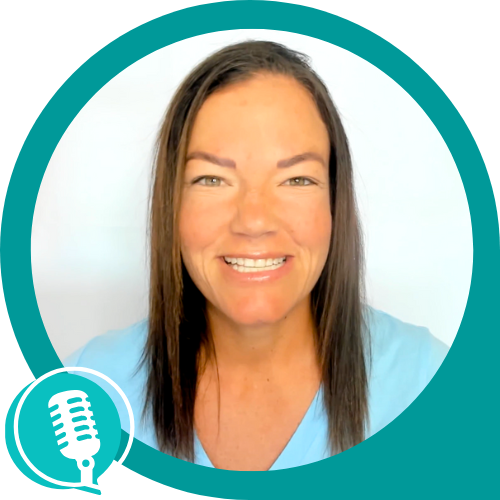
Kristi Kandel
Developer | Mentor | Co-Host of the LRED Podcast
Kristi is a real estate developer with nearly 20 years of experience and over $450M in projects across the U.S. Today, she focuses on helping locals step into development and build in their own communities.
She’s the founder of I&D Consulting, Local Real Estate Developers (LRED), and co-founder of Elevate, a community-driven sports and wellness concept.
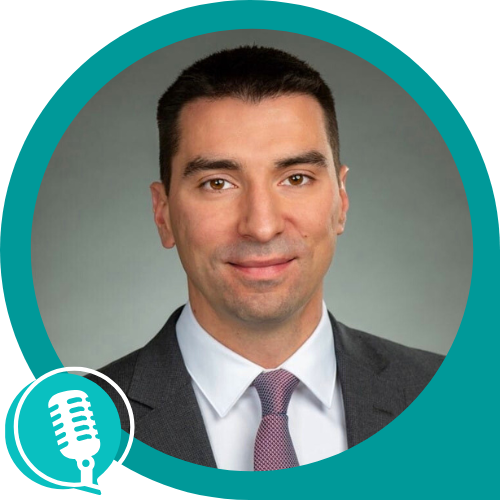
Raphael Collazo
Commercial broker | Author | Co-Host of the LRED Podcast
Raphael specializes in retail and industrial properties, bringing a problem-solving mindset from his background in engineering and software. As a commercial real estate advisor and developer based in Louisville, Kentucky, he works directly with investors, tenants, and cities, bringing a real-world view of how deals come together.
🔗 Related Episodes
How to Become a Local Developer: Katie Neason on Infill and Taking the First Small Bet | EP#29
A great companion episode on local infill, city relationships, and taking practical first steps in development.
How to Start Real Estate Development: Steph Weber Bought the Land First and Built the Plan Later | EP #41
A real look at taking your first development deal from idea to execution without having everything figured out.
Small-Scale Development: How She Left Her Corporate Career and Built a Tiny Home Village | EP #39
Another path from traditional career to building a community-driven development project.
About the Guest
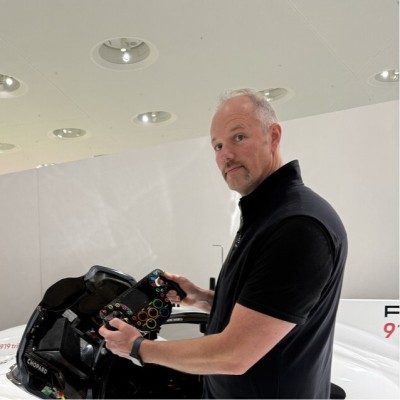
Lance Cox is a Montana-based builder, developer, and entrepreneur with experience spanning residential construction, large-scale production housing, commercial work, and Disney consulting. Today he focuses on creating projects that fit the real needs of his market, from entry-level townhomes to higher-end community-driven development.
Connect with Lance
🌐 Website: https://www.lmcox.com/
📸 Instagram: https://www.instagram.com/lmcoxinc/
💼 LinkedIn: https://www.linkedin.com/in/lancecox/
Full Transcript
Raphael Collazo (00:41)
Welcome to the Local Real Estate Developers Podcast. I'm your co-host, Raphael Collazo. I am a commercial broker, investor, and aspiring developer located here in Louisville, Kentucky. And I'm here with my co-host, Kristi Kandel, developer extraordinaire located here in Southwest Florida.
LRED (00:57)
Hey, yeah, Kristi Kandel. I'm a developer investor and I teach locals how to become developers in their own backyard. And today we have a guest, Lance Cox, who was in a real estate group that I was in. And when I found out he was a developer, was like, hey, let's get him on. So Lance, welcome to the show.
Lance (01:14)
Thank
you. Thank you guys.
Raphael Collazo (01:15)
Awesome. No, well, well, you know, we were talking a little bit offline that you're located in Missoula, Montana. Is that correct?
Lance (01:21)
Yes, sir. Good old Western Montana.
Raphael Collazo (01:23)
That's amazing. Yeah, I I mentioned you a little bit offline. We used to work in a previous career and the company that I was a part of used to recruit heavily out of Montana, the University of Montana. So it was really cool to see, you know, people that have those experiences in that area. I need to go one day. I'm really excited to check out, hear great things about the scenery and the outdoor space in Montana.
Lance (01:43)
Yeah. People like to vacation up here. And so I say, well, you might as well invest up here and write your trip off, right? Come check on your property.
Raphael Collazo (01:49)
There you go. I'm sure we'll
LRED (01:50)
true story.
Raphael Collazo (01:51)
get into
this. We'll probably get into that some of that I'm sure as we get into it. out of curiosity, I know you have met Kristi through a group you're in. for those who are listening that maybe don't know your background, if you can share a little bit about your backstory, that'd be great.
Lance (02:03)
Yeah, sure. So I grew up in construction here in Montana, working for a developer, slowly moved on, went out of state, worked for some bigger players. I worked for Centex Homes for a while in Southern California. Our division down there built 1600 homes a year. So it was wild going from one of the larger Missoula developers that we'd build, you know, maybe 20 things a year to 1600. So it was wild to see that,
The differences, similarities, but just the production and things that they did from there. You know, when the housing bubble burst, kicked me out of residential construction. So I landed in commercial, I built high schools and college buildings for a while and then moved over to consult at Disneyland, five or six years as an employee or a consultant. And then I moved back to Montana and had been developing real estate and being an entrepreneur and get involved with other businesses ever since.
Raphael Collazo (03:00)
That's amazing. How was the Disney experience? mean, it's kind of fascinating that because they are just, I mean, the scale at which they develop all these different parks and and all the other real estate that they own outside of just the parks.
Lance (03:13)
Yeah. Yeah. It was, it was, it was interesting. You know, I went in and I'm like, well, I know construction and then they're right off the bat. They're like, well, you're going to, you're going to learn the Disney way, which is different. Their contracts are very interesting. I remember reading the contracts and, and in it, it was like, if you don't have an approved change order, then you've donated your time and materials to the Disney company. And I was like, Holy cow. like, you guys enforce this. And they're like, they're like, well, I mean, you know, if we need to, but they're like, no, I mean, we work with contractors. know the deal.
You know, they know how we work, but I was like, I don't know who would want to sign this contract, you know, but people want to do this. So you just have to learn the Disney way. Right. Uh, but yeah, I mean, we did some complicated things. I had some fun projects for all over the place in different areas of the different parks and the resorts and, uh, all the way down to the, putting flames on top of, of, uh, roofs. So it's like, well, I'll probably never get to do that again. But if someone's ever like, I need that done. Well, at least I know how to do that.
But, you know, and then I finished with a, with a club 33 project. could Google that one. It's tells you all about it out there, but, but it was, it was very fascinating, you know, a very different type of work and, and you're planning around things that in everyday development, you don't actually have, you know, but we still had to deal with the city and, you know, getting through there.
LRED (04:29)
You
I'm curious what you thought of your experience of working in SoCal and then coming back to Montana and the differences. Because I came from the Midwest and then most of my career was California, so I know all the red tape and loveliness out there. So just curious of your opinion.
Lance (04:48)
Well,
so it's fascinating. So I had a lot of people that when I moved back to Montana, I forgot about how slow paced everything was, you know, to where like you go through the grocery line and people are talking to you and they're bagging your groceries really slow. And I remember my wife was like, can they hurry it up? Well, I want to get out of here, you know, and I was like, this is just the difference. You know, it's just, is what it is. and so I thought, coming back to Montana,
development is going to be a breeze compared to California, you know, and turns out Missoula is a very difficult place to develop and other parts of Missoula or other parts of Montana are, are very different. So we've got some areas that's, that might feel like the wild, wild west of there's no requirements. You can almost do anything you want. And then you get to other places and it's very, very difficult. You know, I mean, here in Missoula we had, we had a project, one of my partners just bought myself and the other partners out, but
It took four years to go from purchase of that to our final plat for just our first phase. And I thought, man, that is crazy. I that outpaced California, you know? And there's a lot of stories in and amongst that, but some of the things that they would do just left me scratching. And a lot of the other developers here and some guys were like, I'm going to go outside of Missoula because it's so difficult. So it's surprising that just our little bubble is very difficult, but...
LRED (05:53)
Bye!
Lance (06:10)
You know, California definitely prepped me for it a little bit more than I thought it would.
Raphael Collazo (06:14)
Yeah, and it's interesting you say that because obviously, you know, from an outside perspective looking in, you would think that, you know, in Montana, maybe it's a little bit easier to get things done than other states like California. But to your point, developments all localized. So there may be a scenario where in Missoula, it's a very difficult place based on a variety of different factors, but maybe, you know, 50 miles away in another city, they're a lot more lenient to do certain things. And I've noticed that in different markets that we operate in where certain
Lance (06:40)
And that's how it was built.
Raphael Collazo (06:43)
areas of town are much more difficult to deal with than if you're focused in on another subsection of just the same city, because depending on how it's all broken down. So it just kind of goes to show the importance of understanding the local market dynamics, because it's really going to be able to, what's going to enable you to get things done. And whether or not that takes a month or three years, it's just, you need to understand that. So.
Lance (07:08)
Yeah. Yeah. And like, see that pretty well between even the city and the county, you know, and, and they don't, it's not like they have perfect boundaries and, know, they're going all over the place. And so you look at a piece of property and like, Oh, okay. You know what to expect. And then you look it up and you're like, Oh, this is an unregistered part of the county. I can do whatever I want. We're going to cross the street. You're like, nope. That's city and you're that's toast.
Raphael Collazo (07:12)
Yeah
LRED (07:30)
You
Raphael Collazo (07:30)
Oh, yeah.
Yeah. In our local market here in Louisville, we have like the major, the main city, and then we have sub-cities. when you are, you you may get a directive or approval from, for do certain things from the city of Louisville, but then when it goes down to the local level of the city within the city, then it may be a little bit more difficult to get things done. And so, you know, to your point, you could be on one side of the street and be in that, you know, smaller city. And then all of a sudden you go across the street and you're in a different...
different, not necessarily different rules apply, but different people you have to get on board apply. And depending on what the, that local areas agenda is, then obviously it could drive what can be get done. So yeah, it's funny because you, and you, you see it all the time. I'm sure you do too, where you're driving down the street and you see a building that's been vacant for a while. It's like, I wonder why no one's done that with anything with that building. It's in a great spot. And then you're like, I'm pretty sure I probably know why nothing's been done.
Lance (08:23)
Yeah. Yeah. It, it, that's, that's our city in a nutshell, you know, but like between fifth district or some weird zoning overlay here. And it's like, well, okay. That's why you got what you got.
LRED (08:28)
You
Do you find, just out of curiosity, is it environmental protection for just what that is? Is it just local politics and people wanting their community to be a certain way or something else?
Lance (08:46)
I think for my city, it's a little bit of both for sure. You know, I've got a development that's near a river and there was a, you know, a new rule that says, you guys can't put a house within 500 feet of the edge of the river. And I'm thinking, well, if you're down at river level, I can understand why the people concerned about the fish said, Hey, we need to be farther away. We can't just put decks right on the edge of that river. But like my development sits several hundred feet above.
And that's certainly not going to have any of the same effect, but, you know, that wasn't really taken into consideration. and, but we do have a lot of politic things in my particular little city. we get a lot of people just vote in everything in the world. And so it gets more difficult. you know, and it's a challenge. Our city is challenged from that standpoint.
LRED (09:35)
Will you go to planning commissions and stuff and just sit in to kind of see what the pulse is or do you have a good enough pulse at this point that you know what's happening and who has what agenda?
Lance (09:45)
Yeah,
so I do go to some on occasion. My engineers go a lot. They keep us abreast of what's going on. There's times where they ask us to come in and voice our opinions. And when you feel like your opinion is not ever listened to or matters, then you tend to just after a while be like, I'm not even going to bother doing.
Raphael Collazo (10:05)
Yeah. So out of curiosity, so you you have a lot, you've had a lot of construction experience in your lifetime. You worked in different capacities and on different teams, both on the smaller end and then obviously on these larger teams for these large corporations. What was the impetus for you wanting to kind of branch out on your own? And maybe if you could talk about the first project you took on, because the people that are listening to this podcast oftentimes are people who are either still at their job and they want to take on the first development.
Or B, they're wanting to make that jump into a more entrepreneurial endeavor, that's, know, whatever that is, whether that's, you know, starting your own business and then also maybe buying a piece of real estate to then, you know, develop yourself, however that is. So if you could share some insights, that'd be great.
Lance (10:50)
Yeah. Yeah. Well, for me, this may sound terrible to some, but I just got tired of California, you know? And so I was like, I was like, I want to go, but I didn't know where I necessarily wanted to go. And I had, I grew up working for a developer and I watched him grow. he, he not only developed.
There were some subdivisions and apartments and single family and rentals, but he built a huge real estate rental portfolio. And so was like, I want to duplicate what he did because that was very successful. and he, my neighbor at the time, Rick, he worked for this guy and that's how I became. And then those guys started developing together. So was really great to watch Rick's, know, ascension through the development game. so years later, Rick's son-in-law, Brian.
We became business partners. were like brothers and we started talking about what business opportunities we could do together. And so eventually he called me one day. He's like, he's like, Hey, look at this five acre parcel. He's like, I found it. thought, this would be great for apartments or maybe townhomes. And so I was like, well, and I was just getting familiar again with the Missoula market, you know, and I was like, I like, I kind of feel like apartments at the time. This was back in.
2016, I was like, I feel like we're getting, you know, maybe a little built out in apartments, you know? So I liked the townhome option, but townhomes were not, they were not hot at the time. You know, they were just not a lot of people were building them. And when we laid out the parcel, was like, okay, this is going to be 56 townhomes, which was quite large. And so, you know, we had a Ted up here at Townhome,
gosh, I can't think of what it is, but a townhome exemption declaration process, right, instead of going through subdivision. You know, you still go through a lot of the same things, but just some of the, has some fewer requirements. But anyway, so we're like, let's take this through the townhomes and through the TED. And so that's what we ended up doing. And the project went really well. We...
You know, it just, was just the right thing at the right time in the market, you know? And we were a little nervous because no one had done a town home development that large. But, uh, but, you know, that was, that was for me, what brought me back, you know? So I, I was consulting full time at Disneyland looking like, what do I do as my next step? Um, didn't want to be in California. And so just, you know, it was just the reality of just the right project at the right time with the right person and moved on back. So.
LRED (13:01)
Mm-hmm.
Lance (13:24)
got me, got a big jump, you know, moved halfway across the country again, so.
LRED (13:24)
that.
So when you were doing that, I was just talking to someone the other day and they were trying to figure out how does that look? Do they build it all at once? Can you maybe break down how you did it, whether it was in phases and what type of construction loan and permanent loans and kind of how that part broke out in that?
Lance (13:46)
Yeah,
we ended up doing the infrastructure in two phases. And that was partly, definitely a funding thing, you know, because I was, I was new going on my own. Brian had been out on his own and he'd had some success too. But, but also here in Montana, you know, if you go from a five acre parcel and then you create these 56 lots.
As soon as that next year cycle comes around, you're paying property tax on 56 lots, right? And you go from one lot to 56 and the original lot was a very low tax because it had a single house on there that was somebody's old farm, right? So very low tax basis. And all of a sudden it's like, well, your new lot is, you know, each lot was probably equivalent to what that one lot was worth times 56. So I was like, we definitely need to phase this.
We weren't entirely sure if we should do fewer phases. So infrastructure wise, we did it in two phases, but I thought, well, maybe we should actually do it from a tax filing, like a lot creation, maybe in three or four phases. You know, that way we're just limiting, because we didn't know how fast the product was going to move either. You know? so that was kind of how we went into it. you know, funding was something that, you know, that was a hurdle that we had to get over because I was, while I had plenty of experience.
You know, I check off all the boxes. I didn't have a huge pile of capital, neither did Brian. You know, we talked to all sorts of private lenders. talked to local real estate investors, a bunch of different things. know, Brian's father in line and up being part of what helped that happen. But the really the big thing that helped us there was a new bank. Well, I shouldn't say a new bank because it's a it was a local Montana bank, Stockman Bank. They're not they don't operate outside of Montana, but they.
We're new to Missoula to our area. And so they came in and they just said, Hey guys, we're really aggressive. want to grow the market. So we met with them. And the funny thing when we met with them, they were like, here's all of our requirements. put this much down and we do this and that. And, and I said in the meeting, I think I probably hurt the somebody's feelings, but I said, you guys said you're the most aggressive, but you want the most down. You give us the highest rates. That's not the most aggressive. And, and,
Raphael Collazo (15:55)
you
Lance (16:01)
It kind of fizzled out the meeting. And then we went back to them probably three, four weeks later and we said, Hey, if you guys do want to be aggressive, here's where we are. We need a loan or closing dates coming up. Do you want to do it? And they did get creative and they did something that banks wouldn't do, letting us do some double pledging and things. And so I was like, okay, you guys are aggressive, you know? but they are also a really conservative bank, you know, like, like in a lot of cities you see, you see banks that are just like,
you know, fire sailing off a property that they got back from another developer, right? And so one day after, I mean, I've been with this bank ever since my office is actually in their building on the second floor today. And so I have a good working relationship with them. But one day I went down and I was like, how come you guys never call me and be like, Hey Lance, we have a fire sale property opportunity. Like, why am I never on the call list? And they said, because we don't ever have any properties to fire sale. And I'm like, oh.
Yes, because you have to put so much down, you know? So, I, all in good, all in good fun. But, but realistically they're, they are a conservative bank, but they want to make sure that they're protecting the person, you know? And so, but I've, I've met with plenty of lenders that are on the other side, especially private money guys. like, we'll give you money, whatever you want. Here's your interest rate. And you look at it it's like, do they really care if I, or fail? I'm sure they don't really want a property back that's underwater.
But at same time, they're probably thinking, well, if I get it back, I'll just sell it to another guy with the same term, as much money. so, so that was, you know, really eye opening, going through the different types of lending options and things. that was my, my funding experience.
Raphael Collazo (17:42)
Yeah. Well, it's interesting you say that because to your point regarding funding, I mean, that's an important piece of the puzzle in any project. And oftentimes you talk to a lot of different banks and on the private lending side, what my experience has been is that a lot of times they invest in the person they kind of talk to. They get a feeling for what your background is, your reputation in town. And over time, once you build a relationship with them, they just fund. They say, OK, well, do you believe this is a good idea? OK, well, let's move forward.
It takes time to earn that trust, but I feel like in those situations, it can be that way. I've noticed that to be the case also in local, like regional banks that obviously you deal with on a regular basis. I work a lot with some local bankers that I've sent deals to through my brokerage activity, but also I've funded some of my own deals through the bank. Obviously, I've built that relationship and paid off, well, not paid off notes, but I'm paying notes. Since that relationship has been cemented,
I can send opportunities to them whenever and they, even if the opportunities, it's a vacant building, they'll be like, okay, Rafael's involved, okay, let's see if we can make the deal work and can kind of figure out from there. Because I've shown in the past that I was able to kind of turn that into an opportunity for the bank. So, yeah.
Lance (18:55)
Yeah. Yeah.
That's really important. think, I think people underestimate how important those banking relationships are. think a lot of people are just like, they're just a bank, you know? But like, I just did a transaction. I think we closed on a couple of months ago, but it was the bank told me, they said, this is the first time we've ever done this. And when I took the opportunity to them, they're like, they're like, I could be done. You know, they're like, it's not something we normally do. I'm like, I know.
But it's me, let's get it done. And so it took a little while to get it done, you know, and there was a lot of extra, you know, lawyer drafting of paperwork and things to be had, but they did, they got a deal done that I don't think any other bank would have done. And they told me they're like, if we didn't have this past history, they're like, there's no way we would have done this long. And so that was really valuable.
Raphael Collazo (19:21)
you ⁓
Yeah, that's awesome. regarding that townhome development, how did you guys phase out the project? And did you guys do pre-sales, like do the concept drawings, and then you kind of put it out to the market place and say, hey, here's what we're trying to do. We have people put down like a thousand bucks to hold their spot in line or something like that, or how did you approach that process?
Lance (20:40)
Yeah. part of our initial start was getting a little bit of private money from Brian's father-in-law. He invested in, and he's like, I want to own some of those as rentals. So that gave us a great little start. But we thought like, can list these things. So this is back in 2016, or maybe we listed some in 2015. think we started listing them in 2016 though. And back then,
We had two floor plans and we listed them at 223 and 226, I think. And with the interest rates back then and buying power, literally anybody could buy one. didn't matter what your job was. You could be a single mother. You could work at a gas station. Doesn't matter where you, what, what economic life in your, you were in. You could buy one of these townhomes, you know, and you fast forward today and that town, these towns are now selling for 465. And if you're in that same spot.
that same job, you can't go get a loan now. It's really unfortunate. back then we were like, man, we should be able to sell these things. No problem. So our realtors out there pitching it, trying to get more first-time home buyers, because that's really what we thought our target market was going to be. We're like, we're going to get first-time home buyers. People can't afford a house, but they can afford townhome. And we drew
investor attention, you know, because they would cashflow. And so we picked up a couple more investors and I was like, I was like, at some point I remember telling my realtor, like, we don't want to be a hundred percent investors and we don't want to be even too high of investors. Cause like, you know, then you have situations where some of the lenders look at these townhome developments, kind of, you know, there's not a crystal clear line between condos and townhomes and you know, you get too high in condo ownership and then.
And then sometimes it's hard for a first time home buyer to get a loan. like, well, these are all investments. And that's a whole different, you know, ball of wax. But, so I was like, I told our realtor, I said, we should probably start telling investors no, so that we can find some first time home buyers. And so we're, we're turning along with construction with our investor units and, in our first phase. And we finally got our first, homeowner.
under contract. And then we got a second. But it took a long time. We really thought we could pre-market everything. there was, I think we got our first buyer, we were probably, I want to say we were right around the installation or drywall stage when they went under contract. So it was not very early on in the game. Once we had units built, then we were able to pre-sell some things.
Which was pretty easy because we were building so many units at once. We were turning over 22 to 24 units a year and we were staggering all the trades. So a person could come on site and they could be like, hey, I want to see what this looks like. They could see a foundation here. They could see a framed one here. They could see mechanical over here. They could see a finished unit there. So was really nice from a sales standpoint because we didn't need a model. We talked about, do we do a model?
And we didn't need one just because there was always something to look at. And so once we had that up, then it was easier. And then it was like, all of sudden the switch flipped and we couldn't sell. We were selling so fast, we couldn't build fast enough and we didn't have enough inventory. Like realtors would call me and they're like, hey, we know you're building over there. you have any? And I'm like, sorry, everything is either spoken for or under contract or whatever. And we never had a single of those 56 units get built.
And then go on the MLS and sit there. Everything, everything built and closed, you know, our market today is not the same. see people building town homes and they're sitting, you know, and there's all obviously different reasons why. But back then it was, it was initially really hard. And I remember we met with our very first homeowner on site. he was moving to Missoula for a new job and,
We met with him and his mom and we were walking around the neighborhood and they were a little leery about being like the first people to buy outside of investors, but they felt comfortable and worked out great. It didn't go to per plan for us when we thought we could pre-sell everything, not even remotely close.
Raphael Collazo (25:05)
Yeah, well, mean, go ahead, Chrissy.
LRED (25:07)
I was going to ask, so then with this and you have the overall development, you created an HOA out of that, right? Or how did that work?
Lance (25:14)
We did. Yeah,
we had shared property, right? So the townhome exemption basically created a road, sidewalks, little park, some common area that was not owned by the city. You know, the city doesn't own the road. So they've got all the easements, you know, to be able to drive and do what they need to do.
but it is all technically owned by the HOA. And so we had to set up an HOA. And so was kind of interesting when we set up that HOA, we thought, well, how do people like HOAs? And I had lived in places, especially in California that had HOAs and while, and I even lived in a condo. So I had seen kind of a big window of like what HOAs were like. And so we made ours a little bit different because we thought, well, people like to...
They like for the outside of their houses to look nice and for the neighborhood to look nice. And so while every person owned their own individual town home, you know, it wasn't like a condo where it was like, you know, studs in or anything like that. You have a shared lot line, but you physically own everything on your lot. But we decided at the time we're like, well, we ought to put in the HOA that
we're going to set money aside for like roof replacements and painting so that in the future, 20 years or 30 years, you don't have somebody with a bad roof. And then they have to come in on the other side and go to their neighbor and say, Hey, we need to replace the roof. I've got money, but you don't, how are we going to deal with this? Because, you know, when you have a roof playing the interweaves shingles, you can't just cut a line down the middle. Right.
And we thought, well, if we re if we put money aside to repaint those in 20, 30 years, then we're 15, whatever it is. It'll just keep property values up. Things will look nicer, you know? And so, so we wrote ours a little different and it's interesting. You fast forward. 10 years now, you know, and they've gone through different property managers. I'm not involved anymore, but they call me for like questions or things still. And I repeatedly tell them I'm like.
I'm pretty sure you guys are still having, cause I told the property manager, I'm like, you need to do these analysis of how much money needs to be set aside and when you need to raise the HOA fees and things like that. And they're not doing it right now. So at some point, you know, and I told him, I'm like, you guys either need to go in and change your what's in the HOA and say, we're no longer going to set money aside for this, or you need to up the fees because you don't have the money set aside that you're supposed to be planning for. I've.
repeatedly told this to them, you know, every year, but I was falling on deaf ears, apparently. But, um, but, you know, it also took me a long time to get off the board because nobody wanted to jump on the board. And I think, I think right now I got a call from a lady, maybe a month or two ago, and she was new to the neighborhood and didn't know how things worked. And so she's had a of questions and I think the board was down to one person. So then she hopped on to help me, you know? And so.
Raphael Collazo (27:59)
Well.
LRED (28:04)
Mm-hmm.
Lance (28:24)
You know, it's, was like, at some point the board might just get dissolved, you know, but the problem is they have common property, you know, so you can't, like it has to be maintained somehow. It's not going to come in and, you know, take over those things either, you know, and there's a common waterway and some bridges and, know, or pedestrian bridges. so, you know, it has to exist. There's no way to.
Raphael Collazo (28:46)
Are there
third party like HOA management companies? Okay. It's kind of interesting. So I'm assuming they didn't want to consider doing that. Or I guess in that case, they still have the board is required because they're the ones who are making the decision on what to do.
Lance (28:52)
Yeah.
Well,
no, they, they, they've hired, we hired a third party HWA manager from day one and they still have one different one than when we started with, but they still have, yeah. But there's only two members on the actual board that are met that are, you know, current residents of the HWA. Yeah.
LRED (29:17)
Yeah, my
first two properties were townhomes, but that was in a community in Tahoe that was built for it had 330 units. So we were we had the homeowners that were on the board and then we had enough property density that we could have an in-house GM and everything. But then across the street, we had I think there's eight fourplexes. And so we're dealing with that in Nevada. We're constantly having turnover of who the H.O.A. management company is to keep us in compliance and basically
basically
begging the owners to please be on the board. We have to officially do these notes and things. But yeah, each owner owns their own building. But at the same time, you've got the shared parking lot. You have snow removal, you have landscape, have when the utility is when something happens. So it's very interesting. I personally try and stay away from ownership of that when it comes to residential. So I'm down to one, but I love the concept of how you set it up to say, the roof, because that came up
up a ton where there was in the first development there were four owners. So four townhomes per overall structure. And yeah, if only one person has the money for the roof, it's like, who else is gonna pony up? that's, we did have the exterior paint on there, but the roofs I don't think were. So that was another like, how do you do that?
Lance (30:32)
Well, and
what's interesting is every year or so I used to go to the, um, you know, the HWA meetings every year and we'd have new people. And so they would ask, they're like, well, why is there money going to this with money going to that? And I would explain it to them. Like, this is what the purpose behind it is. And I also told everyone like, guys, remember, like there's 56 votes. If you don't want to do this, you can change it. You can do something different. And then they're like, okay, let's vote on it. And everyone would vote to keep it in.
But again, like nobody wants to set more money aside for it. And I'm, you know, and it's kind of interesting because like some people that call me with questions, it's like, they think the HOA is other than themselves, you know, you know, they're like, well, if this doesn't get done right, I'm going to sue the HOA. Like that's fine. You're suing yourself and your neighbors. It's not like an external city. It's not an external, it is you and everyone else who lives there, you know? And it's like,
LRED (31:20)
Yes.
Lance (31:26)
If you don't want to have money for this in the future, then don't charge yourself for it. But some people will be there for many years or decades. And so they're probably sitting there going like, yeah, this is nice. I want to set that aside. But they're going to run into a sub problem at some point where they're going to be like, we don't have this one. So they're going to be like, well, we voted out. Or there's going to just be this huge charge to everybody.
Raphael Collazo (31:50)
special assessments and everything. Yeah. Yeah. Well, and that's why it's so
important to and I know on the residential side, you can potentially get access to this. But when I'm working with owners, you know, I've sold a good amount of office condos in the past. And every time we look at office condos, I'm like, you need to talk to the condo president and get access to the financials just to assess the health of the association because you don't want to be in a situation where you're saying, yeah, our condo fees are 250 bucks, but then they don't have
nearly enough to cover any future capital expenditures that are going to be coming up because their actual operating expenses are higher than what they're collecting. And then you're stuck with a condo that, you know, in five years, now there's this huge special assessment because they have to redo the parking lot and the roofs, you know, was damaged and needs to be replaced. And it's just a really bad situation for you to be in. So I always encourage people to carefully review the financials to ensure that you're not getting yourself in those situations. sometimes
Lance (32:39)
Yeah. ⁓
Yeah.
Raphael Collazo (32:46)
to your point, they may say, wow, these fees are little higher. And it's like, well, there may be a reason for it. We need to look at the financials to kind of give us a picture of what's going on.
Lance (32:54)
Yeah, it's like people think that the money that they're paying is going into somebody's pocket or, yeah, yeah. But it's like, no, this is, this is for you. It's for the future, you know, but anyway.
Raphael Collazo (32:59)
Yeah. That's much fun, yeah.
LRED (32:59)
a slush fund.
Raphael Collazo (33:08)
Yeah, that makes sense. So, you know, obviously you went through that process where you had, you know, kind of a realization early on, you said, look, we're not going to be selling these all to investors because to your point, it may cause complexities going forward. If you want to, you know, have new homeowners come in to buy the properties, you know, the banks tend to kind of view townhomes and condos in some similar light. I'm sure there's some nuance to each one, but for the most part, you determined that it was probably a better move to try to see if you could focus your
attention on new homeowners. And ultimately, although you had a slow start, you were able to kind of hit the ground running. And ultimately, you've completed the development. After that project, I mean, what was your thought process? Like, was your thought? Did you just say, wow, this is so great, let me go ahead and jump right into another townhome development? Or did you pivot and try another project?
Lance (33:53)
Yeah, well that's what we wanted to do. Yeah. I mean, it was great. So we're like, should absolutely find something else. And, and our realtor found another project brought to us. And so along the way, so this is kind of funny thing. Like I would always say to like my realtor, my engineer, I'm like, why do you guys, you know, instead of charging your full fee, why don't you be like a part equity owner and something. And, and my engineer was like, he's like, I'm too analytical for that and blah, blah, blah, you know. But in the next project, our realtor did jump in.
You know, and so, um, so he was actually part of it. And so, so we got a, we bought 20 acres this time. Um, and we, we knew that our project was, um, you know, one, when you go through something and you learn things and you're like, okay, we need a little bit wider streets. We need a little bit larger lots, you know, things like that. So, so we had a much lower density. You know, we did 152 units on 20 acres. So quite a bit lower density.
And so we're like, okay, I remember we bought that in October of whatever year, 2019 or whatever, or 18, I think it was October 2018. And we're like, okay, let's get rolling in here in a year. We'll be making these products and selling them at this price point. And again, we were targeting entry level and we also had some private investors and they have a manufacturing business and they're like, one of the biggest
challenge that we have is finding affordable places for our people to live. So they are like, we really like the townhomes, we really like entry-level product and say that they hopped in as our fourth part of the partnership. And so we start cruising along and it's like, okay, this is great. We use the townhome exemption declaration before, let's do it again, right? So it starts going through the city and the city says, well, whoa, hold up. You guys want to do that on a 20 acre parcel? You want to avoid?
a subdivision, and we were actually meeting all the subdivision requirements except for one or two, but we were putting in normal width roads and like, there was nothing out of the ordinary. You know, we weren't requesting to do any like weird variants or anything. We were just trying to get it done quickly. And they came together and the city's like, okay, we need to have a meeting. They're like, there's, you cannot use this town home exemption declaration to build 152 units. That's just too much.
And my attorney got a good chuckle out of it. And he's like, no, we can totally do this. And they're like, well, where, where, how are you allowed in our rules to do this? And so we met with the city and we showed him here's two different avenues that we can do this. And the city decided to call a moratorium on towns after that. And guess what? They changed those two rules. So we were forced to go through subdivision and my attorney said, well, if you want us to the city, you're going to win this case.
But we're like, well, we're not going to do that. We want to move forward with them. So we ended up restarting everything in subdivision. And so it basically, took four years to get a final plat on that subdivision, which we could have been building product four years ago. Now, had we been building product four years ago, we would have been done or nearly done with that subdivision today. And instead we're like in phase three.
The product that we would have been selling back then would have been way cheaper. And again, anybody could have purchased it and afforded it back then. Now that same product is in the high fours or low fives. And all of a sudden people are having trouble affording it, especially with interest rates being where they are. So completely different, you know, place from where we started to where we are. it's, you know, in that nobody predicted the market. And while
There were times where it's like, well, know, property values are going up, so this isn't so bad losing time. But you get to the back end of the project, it's like, wow, we wanted to build a product that was cost effective for people to buy, and now we can't. So it's still an entry-level product, but with affordability and rates where they are, it's just a completely different place than where we started back then.
LRED (37:54)
Are you finding the sales are slower or do you have to pivot more towards investors or even build to rent or?
Lance (37:59)
Yeah, sales are definitely slower. Several people in the neighborhood are renting. They rent very well, which is nice. I'm building some right now and I've rented some of mine. Some of my partners have rented theirs. But I know some of my partners would have rather sold than to rent. But the market being slow, they're like, we don't want to sit on them. We'll just rent them out and sell them when the market gets hot again.
Raphael Collazo (38:21)
Yeah, well, it just goes to show the light, the long tail form of how development works. It's not, I mean, in theory, if you have everything go perfect, then maybe you could try to predict a timeline. But to your point, you had a situation where you had a completely, you know, unexpected event happen where the city kind of changed up the rules on you. And now you had to contend with what was presented to you all. And so I think it kind of goes to show that, you know, it's one of those things.
when you're taking on a development like you're talking about where you're taking a parcel of land and having to potentially entitle the property, provide the infrastructure, and then ultimately phase out the project that it can take multiple years. this real estate environment is definitely cyclical. So there's some scenarios where you may be in a phenomenal environment when you come in, and then there's a shift in the way that the Fed operates. now the rates have ticked up more than what it was expected. with all the...
geopolitical things that are happening. It's creating some uncertainty in the marketplace. It's possible to predict. It's one of those things where that's why I think your experience helps because you could say, even in those scenarios, I'm accounting for a lot of this stuff, trying to come into it. You can't eliminate risk altogether, but when you have a lot more experience like you have, can try to mitigate some of that risk going into it and then hopefully come out on the other side in a good enough situation.
Lance (39:40)
Yeah. It's kind of interesting how much local development is affected by national or international or other things that are so far beyond our control, you know, whether that's material prices or interest rates, you know, but yeah, even locally, some things are so far out of your control.
Raphael Collazo (39:50)
Mm-hmm.
Yeah. Well, yeah, I mean, you talked about that, you know, them changing up the rules on you.
And I've heard of cities do something similar in my in my market as well, or it's, you know, they're really against a certain thing. And they kind of, I don't say rig, but they, you know, they, they, they, do things to where they try to deny you your ability to operate, even though the legislation itself allows for you to
LRED (40:02)
Mm-hmm.
Yeah.
Raphael Collazo (40:23)
to operate. We actually had a situation where one of my clients, he wanted to open up a rental car business in this particular property. And the zoning allowed for it, but there was a comprehensive plan that was created years before. And the city manager was trying to say, well, we're going to go off what the comprehensive plan says. We don't want to go off of what the actual zoning is to allow for that particular use. And so they denied our claim to be able to operate on site. And so we had to appeal to the board that allows for these
for these determinations. it was pretty close. We were sweating bullets. We were in the audience. obviously, I wasn't the one presenting. But we had an advocate for us on the stand, essentially providing insight as to why we believe this was the way that it should be operated. And there was a board of, I believe, five people. And we got a three to two vote. So we barely got approval. Even though it was clear as day,
in the zoning laws that allowed for that to operate, the business operate to operate on site, it came down to literally one vote to allow us to do it. So it was kind of, you know, I think sometimes people think that this world of business and real estate is black and white when in reality, it's a lot of color, and you kind of have to work through the situation.
LRED (41:30)
Yes, yes, yes.
Lance (41:34)
Mm-hmm.
Raphael Collazo (41:36)
So that's it.
LRED (41:37)
So you mentioned partnerships
within the second one, and clearly you hit some challenges that were pretty intense. How did those partnerships and how are they working out so far? Are they glad they did it? they understanding that this is where the shifts are and where we need to go through phasing and then also whatever you're hanging on to, renting or selling. How has that worked out so far?
Lance (42:00)
Yeah. Well, so, so in those particular ones, it got challenging at a certain point for sure, because we had, we had people that wanted an exit if an exit was possible, you know, while some of us were like, no, let's keep going. so ultimately, we ended up, know, we had one partner said, I'll buy the group out. And I had been thinking about buying the group out.
but I was also looking at other subdivisions and so I said, okay, that's fine. You take this one. I'm going to go run after some other things. but outside of that, I was also in some other partnerships with different groups, developing homes in different parts of town. and those ones went really well. one, one was a development on, on a golf course and we built quite a few homes and everything worked out really well. And we just got to the point where we ran out of lots to build on together.
And, you know, they haven't, they have future phases. I think they've got another hundred and somewhat lots to go in, in future phases that they're, that they're working on creating. So, you know, that's a partnership that I see coming back around and continuing to work. but I think, you know, I think the opportunities there, the, one of the hard things that we ran into with this last one was you start.
with a plan of like, here's where we're going to go. We're going to build entry level product for people. And then after a while it was, I think it was kind of around the time where was like, well, this is not so entry level anymore. Then part of the group's like, well, let's not build entry level product then. If we can't build it, let's just sell a lot or whatever. So while we were all sailing in one direction, all of sudden people wanted to go in different direction. And that was tough. So we ended up figuring out how to deal with that.
You know, mean, with, with real estate, like you can't, when you buy a piece of real estate, right? You can't really have a preconceived notion of like, this is the only thing I'm going to do with it because the market changes, you know, it's kind of have to be constantly open to what is the best use of this product today. And if that changes down the road, then you're asking yourself, what's the best use of this project? And maybe you're like, well, you know, let's just say like townhomes aren't doing well, but single families are. So maybe you do some, some boundary line.
Raphael Collazo (43:47)
Mm-hmm.
Lance (44:04)
relocations and you create lots or maybe you change your next phasing so that you have more single family or whatever. But, you know, there are times where you just have to make a shift. And so I think some of my partnerships, they've wanted to shift in the same direction as me, which has worked out and other ones haven't. And so it's just been a matter of, well, what, what, what works and what doesn't, you know? And, and I, we also, you know, like we started building for another developer, they're an out of state developer and we started building vertically for them.
And when we started with them, the market was in a different spot as today and they're like, yeah, we're going to, we're going to go, we're going to go fast. We're going to put up all these different products. And, and they started real fast out of the shoot. But again, the market shifted really bad and the product sat and so it's changed what they wanted to do. And so now I'm looking at, we're looking at building some different product with them now, just because the market is, is different than where it was, but that.
but that partnership still moving forward as of now, which is great.
Raphael Collazo (45:02)
That's awesome. So, you know, after going through all these experiences, it looks like you have been in different phases on different townhome projects. You've done some higher end residential development and, you know, you're you're you've shifted in a variety of different capacities. What advice would you give to people that are listening to this podcast about development as a whole? So if they're looking to start their their first project, what advice would you give?
Lance (45:13)
you
Well, I probably start with, know, what are your, there's obviously a lot of different possibilities, right? Like I always describe real estate like a train station, you know, it's like, there's always a new deal coming in. And, but you get all these different types of train cars, you know, it's like, are you doing apartments? Are you doing tiny homes? Are you doing towns? Are you doing a luxury like,
There's all these different possibilities of things that you can actually develop and then you got commercial stuff and strip most like, you know, and everything's going up and down and when one thing's hot, something else is not. And so I think the biggest thing is just understanding what for your local market, like what is, what is the current thing?
but trying to figure out what is the next current thing, or where is it heading? Where are you in that curve? Because you don't want to buy something all of a sudden that's overbuilt. And I think the other thing is having a good plan B with that property. So I've talked to people that are like, this is a great development for multi-million dollar custom homes. I'm like, okay, yep, agreed. There's a market for that right now. But if things go sideways, what are you going to do with that?
And if the only thing you can do is build multi-million dollar homes, you're sitting on that sucker for a while. Right. And the same thing goes for anything else. So I think having a property that I think having a plan where it's like, okay, this lot gives me a lot of different options and those options are good. You know, that that's nice. You know, there's a piece of property here in town that I tried working on the owner privately. I figured out, found out who he was. He's an outstate guy, played professional football.
Raphael Collazo (46:41)
Mm-hmm.
Lance (47:03)
I worked on them for a while to try to buy it and, he finally listed it for sale. So it's funny as I got ahold of this guy, contacted him, talked to him. I introduced him to another fellow that lives up here that plays professional football. And when the guy finally decided to, that he was ready to move forward with the project, he didn't call me. He called the guy that I introduced him to that played professional football and they listed it for sale. I was like,
I was like, geez guys, you could have just called me and you don't even need to put it on the market. Like, let's go. And so I said, well, let's start getting this under contract. so we're writing it up, because I had already done the numbers a couple of years ago. I knew right where we were. He now listed it. So we had this little gap difference of like where I was originally a couple of years ago and where he was today. And I'm like, yeah, let's just find our sweet spot and move forward. And as we were writing up, I said to my friend who I introduced him to,
Raphael Collazo (47:30)
you
Lance (47:52)
I said, we should just check the zoning real fast, just to make sure. And so he pulls up the zoning. And when those two years, the County changed the zoning to where we could no longer build what we planned to build. And they changed it to a zoning that for what you now have to build. There's no infrastructure. It's going to sit for a long time. And I was like, my gosh. And so I called the County. said, and they just rezoned it like.
It was like a couple of months, like, boop, rezone. And I was like, my gosh, I'm like, is there a way to undo this zoning? What it was? Cause if so, I'll buy it and do this. And the guy at the County, he laughed on the phone. He was like, you know how long we've been working on this? And I'm like, well, I said, I've been trying to buy this parcel for a couple of years. I didn't know that this was going through. And he's like, well, he said, we sent letters to the owner. He would have known.
LRED (48:28)
You
Lance (48:48)
I don't think he was paying a lot of attention to what they were doing, you know, because he's like, he could have requested to kept his zone. And so anyways, he's still sitting on that parcel today. It's going to take a long time for him to sell it now, you know, but, that was kind of a funny thing, but anyway, sorry, I got a little sidetrack off the, off your question, but yeah, like I think finding out what works in your area, you know, having something that is more than just apartments or more than just, know, whatever it is.
Raphael Collazo (48:51)
Mm-hmm.
Mm-hmm.
Lance (49:16)
having something that works with a plan B is I think key because the market shifts and you can't control it, you know, and you can't just keep on with your preconceived notion of I'm building this and just keep shoving it out there. Cause at some point, if you're wrong, you're so far wrong that there's no recovery from it. Right. One of the things, so in our, in our very first development with those 56 townhomes, when we went to the bank and we were going through our final loan approval process,
Raphael Collazo (49:35)
Yeah, contingency planning.
Lance (49:44)
The banker, and he was an older guy, very, very well seasoned in the real estate game. And we're sitting at the table and he looks at me and he says, so what's your plan B if this doesn't work? Because no one had done a town on development this large ever. And I said, my plan B is we'll just rent them all out. And he looked at me with this like look, and he was like, what are you talking about? And I said, look at the numbers. And he looked at the numbers and he's like, you could actually rent all of these and they'd capital from day one. was like.
Raphael Collazo (49:58)
Mm-hmm.
Lance (50:14)
Yep. And he says, that's the best plan B I think I've ever seen. You know, because most of time we can't just do that, you know? And so anyways, they ended up getting our loan and moving on with life. But I think that's, you've got to mentally be able to think outside the box, mentally be able to pivot when you need to pivot, but your property needs to be able to pivot, you know? And yeah, but I kind of felt bad for this guy that...
Raphael Collazo (50:15)
Mm-hmm.
Yeah.
Lance (50:41)
got locked in with his land that got rezoned and it's like, geez, like you had a great shot there and now not looking so good.
Raphael Collazo (50:47)
Yeah, it happens.
Yeah. It definitely happens. I've had a client one time where we were going through the process of listing their property and it was on a nice hard corner in a good thoroughfare. Historically, the property had been zoned, a particular zoning, and there was this blanket rezoning that occurred a couple of years before that he was unaware of, he said, and ultimately it negated the uses that would have ultimately been the highest and best for that building.
He was, you know, we provided him with an analysis and he was kind of taken aback about what we were presenting him. And I said, well, this is the situation. Unless you get this property rezoned, given the area it's in, it's an area where there's a lot of, you know, it's very difficult to get stuff rezoned. Let's just say that it's a very tight knit community and they don't, they're not, there's a lot of nimbyism in the area. So the likelihood of it getting rezoned is pretty low. And so it's like, you're either here or you are don't selling the property. I mean, it just is what it is. So.
Lance (51:48)
Yeah.
Raphael Collazo (51:48)
Sometimes
it's a hard pill to swallow, but it's what the reality is.
LRED (51:52)
You know, you've mentioned a few times that you wanted starter homes and different things about community focused. What would you say for you and your market? What does community driven development mean for you specifically and the types of projects that you're doing and that you're going to choose to do in the future?
Lance (52:09)
Yeah, well, I do like the entry level product. know, mean, you know, giving people opportunity to get into a house or a townhome, you know, being able to get into the real estate game. I mean, it's very meaningful. It was meaningful to me when I bought my very first condo in California, you know, this tiny little box of 1200 square feet. was so expensive. And I'm like, how can I afford this? know? And so, you know, it's, it's always been something that, that I.
that I've liked. mean, you we'll build the multimillion dollar customs and I really enjoy those. love working with clients, but, you know, it just being able to help somebody move it out of rentership and into homeownership is just, it's rewarding. Right. And so, so I like that. And so we, so we do, we'll, do a bit of that type of neighborhood. mean, right now I've got a subdivision that is all super high end stuff. And then we've got, you know, our
our entry level stuff, but so I'll keep, I'll keep looking everywhere in some bigger markets, right? Like you can, you can build your niche. Like, I only do town or only do whatever it is, you know, but in my market we're small. And so you've got to be a versatile builder. You know, I mean, that's just the reality of, of what it is. Cause you can't just carve out a giant niche, you know, in a small market. But, you know, I think the whole community piece like
Every community needs something. needs something different. When I first moved back to Montana, when I was looking at the standalone development with my partner, I went and met with some property managers and one of the, met with these two twin gals one day and I was talking to them about, you know, what if we had the go plan B and rent these out? Cause I was nervous about that. And they're like, no problem at all. said, really? And they said, yeah. They said Missoula is over 50 % renters. And I was like, really? It's that high. she was like, yep. And I, and it's still.
way over 50 % renters. And granted, like we do have a university here, you know, but, and so that maybe sways it a little bit, but the reality is like, we have a lot of renters in a town that you would just think like, there's a higher home ownership here, you know? And so, you know, building for what your community needs as part of it. One of the things too, like when I worked at Syntex Homes, one of the things they taught us was,
You know, they're like, we're not here to just build a house. We're here to build a community. You know, we, we want things that go together, things that are planned well thought out, you know? So I've driven by people's developments where they build the exact same house every time they paint them all the same. And it's truly cookie cutter, like perfectly cookie cutter, right? And so when we started, we had two plans, we ended up making three plans, but I was like, I don't want this to look cookie cutter.
You know, so I was like, so I went to my partner. said, do you care if I spend a little bit more money on the outside of these things to make them look different? So like we'll do two gable hips and then we'll do a hip roof and then two more gable roofs and then a hip roof. And then we went rotating down the street and then we did some where it all siding. We did some with rock. did some with metal. Like, you know, so when you drive down, like, yeah, there's only two or three plans, but it, and then we had, I don't know, we probably did.
16 or 18 different colors throughout instead of just one or two. And so when people would come through, while it was very similar floor plans and starter, they didn't feel cookie cutter. know, people would tell me that all the time and the investors liked it too. You know, they did. But, you know, and when we sold them, like if one had stone on it and one had siding, obviously the stone will cost more, but we didn't even charge more for the stone. We were just kind of looking at holistically with the whole community of like, how do we
how do we make this feel, you know, like, more of like a, Hey, this is your first home and it's truly a home. And it's not just like this cookie cutter thing. Cause you know, you go from the renter world to the home ownership world. And if you went from, if you went, cause you know, like a lot of rentals, they are totally copy and paste and you're in this big giant unit and outside everything looks the same. And so I'm like, I think they'd appreciate going to something that has
more of an individualistic feel than just repeat, repeat, repeat, repeat. So I guess for me, community driven, it's kind of a broad from building what your community needs, but also building something that has a community sense rather than just, oh, I'm just here to build one house.
Raphael Collazo (56:32)
Yeah, it's being deliberate about the way that you approach development versus just saying what what's going to give me the best ROI, as I feel like that's a lot of there's a lot of people that are are attracted to development for the financial aspects. But I think there is at least there should be at least a, you know, corporate response or for lack of a better word, corporate social responsibility, where it's like you're delivering a product to the marketplace, but you're also wanting to be you want you just bored for you to consider.
how this product is gonna be received by those who ultimately live there because they're the ones who are gonna be using the space. And the hope is that you deliver something that is ultimately gonna be a net positive for the area versus something that's just kinda, you you can do it for the dollars and cents. it's good that you're taking that approach when you're taking on development projects. So, well, Lance, we obviously greatly appreciate your time. I think there was very helpful the discussion and I...
It's great to be able to talk to people from all across the country because you do get more and more perspective about ways that people can take on projects. And, you know, the more and more we talk to people, then hopefully you start seeing some similarities between the way things people do things. And maybe you can take that and apply it to your own development. So I was going to ask you regarding if people wanted to learn more about what you do, wanted to get in touch with you, what's the best way to do that?
Lance (57:48)
Yeah, I mean, we, you know, we do have a website, obviously in social media is out there. We've got a Facebook page and Instagram page. I think, I think our Instagram is Alan Cox, Inc. but, but I mean, you know, that's, that's a fine way, but if somebody really has some questions, I mean, I would reach out either through like the website connect link, or think we've got our business phone on there, or just a direct message on Instagram.
Raphael Collazo (58:12)
Yeah, and we'll make sure to include that in the show notes if you guys are watching this on YouTube go in the description You'll be able to access that and if you guys are watching this on Spotify Apple podcasts or any other medium feel free to do on the description as well and you'll be able to gain access to that so
All right, well, Lance, again, thank you so much for your time. We greatly appreciate all the insights you shared. I know that our audience is going to gain a lot of value from it. If you guys are watching this on YouTube, please like and subscribe. It makes a huge impact on our ability to reach a broader audience, and we greatly appreciate the support. Along with that, if you guys will listen to us in a podcast format, whether that's Apple Podcast or Spotify, please, please, please leave a five-star review. It helps us reach a broader audience, and ultimately, we want to be able to make sure that
people who listen to this podcast and get inspired to take on developments in their own communities. So thanks again so much for tuning in and we'll see you all next time.
Get the tools behind the episode
Access the Developer Vault with templates and real resources
©2025 I&D Consulting. All Rights Reserved.
©2025 Local Real Estate Developers. All Rights Reserved.