From House Flips to a $450M Sports Development with Beth Underhill | EP #57
Real estate development, sports mixed-use projects, and scaling from small business ownership into large-scale community development.
Beth Underhill never planned on becoming a developer.
But one relationship, & years of entrepreneurial experience led her to a 103-acre mixed-use sports development in Ohio.
Beth Underhill shares how her path into development started through hospitality, entrepreneurship, landscaping, and small real estate projects before eventually stepping into large-scale mixed-use development.
In this episode, Beth breaks down the realities of partnerships, contractor issues, financing large developments, and learning how to build the right team around a project. She also shares how local market knowledge and strategic relationships helped shape a 103-acre sports and entertainment ecosystem north of Cincinnati.
This episode is for aspiring developers trying to understand how smaller experiences and relationships can eventually lead to much larger opportunities.



Get the tools behind the episode
Access the Developer Vault with templates and real resources
Episode Summary
Beth Underhill’s development journey did not begin in commercial real estate. It started in hospitality.
Before stepping into development, Beth worked in hotels, catering, entrepreneurship, fitness, and construction alongside her husband as they built a landscaping and outdoor living company from the ground up. Over time, that business began working for developers on larger commercial projects, exposing Beth to how communities are shaped through real estate.
At the same time, she started noticing something else.
The landlords, developers, and owners always seemed to control the bigger picture. Whether it was leasing space for her fitness studio or working on commercial projects through construction, Beth realized development sat at the center of everything.
That curiosity slowly turned into action.
Beth and her husband began fixing and flipping homes while learning hard lessons around contractors, timelines, and private money partnerships. Some projects went well. Others came with expensive mistakes and unreliable vendors. But instead of walking away, they used those experiences to build confidence and transition into commercial real estate.
Eventually, Beth partnered with a group acquiring purpose-built student housing properties. Through those deals, she gained exposure to larger commercial transactions, investor relations, pitch decks, and capital raising. More importantly, she found partners whose strengths complemented her own.
Then came the sports complex opportunity.
A local group approached Beth looking for help with a proposed field sports facility north of Cincinnati. As conversations evolved, the vision expanded far beyond sports fields. The team realized the project needed hotels, restaurants, retail, wellness, multifamily, and entertainment components to fully support the ecosystem they were creating.
Today, the project has grown into a planned 103-acre mixed-use sports development with an estimated $450 million buildout.
Throughout the conversation, Beth gets honest about how difficult development can be behind the scenes. She talks through the realities of finding financing, navigating TIF incentives, building relationships with family offices and private equity groups, and figuring things out project by project.
One of the biggest themes in this episode is that development rarely follows a straight line.
Beth did not wake up one day and suddenly become a developer. Every business, relationship, failed contractor, lease negotiation, and partnership added another layer of experience that prepared her for larger opportunities later.
The biggest takeaway from this conversation is simple: you do not need to have the entire roadmap figured out before starting.
You just need to stay close to the work long enough for bigger opportunities to reveal themselves.
What You'll Learn
- How Beth transitioned from hospitality into real estate development
- Why working around developers helped shape her vision for larger projects
- Lessons learned from early house flips and contractor mistakes
- How partnerships helped accelerate larger commercial opportunities
- What it takes to structure a $450M phased mixed-use development
- Why local knowledge matters in large-scale community projects
Bold Truth
Most developers do not start as developers. They grow into it one project at a time.
Timestamps
0:00 — Intro
https://youtu.be/doPVeF_BTr8?t=0
1:27 — Growing up in Ohio
https://youtu.be/doPVeF_BTr8?t=87
4:39 — Starting in hospitality
https://youtu.be/doPVeF_BTr8?t=279
6:02 — Building a landscaping company
https://youtu.be/doPVeF_BTr8?t=362
7:15 — Getting exposed to developers
https://youtu.be/doPVeF_BTr8?t=435
8:14 — Learning through fix-and-flips
https://youtu.be/doPVeF_BTr8?t=494
9:22 — Contractor issues and lessons learned
https://youtu.be/doPVeF_BTr8?t=562
10:02 — Transitioning into commercial real estate
https://youtu.be/doPVeF_BTr8?t=602
11:15 — Entering student housing investments
https://youtu.be/doPVeF_BTr8?t=675
15:28 — The sports complex opportunity
https://youtu.be/doPVeF_BTr8?t=928
18:42 — Expanding into a mixed-use ecosystem
https://youtu.be/doPVeF_BTr8?t=1122
22:10 — Hotels, retail, and wellness concepts
https://youtu.be/doPVeF_BTr8?t=1330
25:02 — Financing a $450M project
https://youtu.be/doPVeF_BTr8?t=1502
27:45 — Working with private equity and family offices
https://youtu.be/doPVeF_BTr8?t=1665
31:27 — TIF incentives and funding tools
https://youtu.be/doPVeF_BTr8?t=1887
33:52 — Using social media in real estate
https://youtu.be/doPVeF_BTr8?t=2032
37:42 — Sharing projects publicly vs privately
https://youtu.be/doPVeF_BTr8?t=2262
42:24 — Documenting the development process
https://youtu.be/doPVeF_BTr8?t=2544
44:24 — Vetting partners and building teams
https://youtu.be/doPVeF_BTr8?t=2664
50:53 — Finding your role inside partnerships
https://youtu.be/doPVeF_BTr8?t=3053
54:22 — Final thoughts and biggest lessons
https://youtu.be/doPVeF_BTr8?t=3262
Meet the Voices Behind the Mic
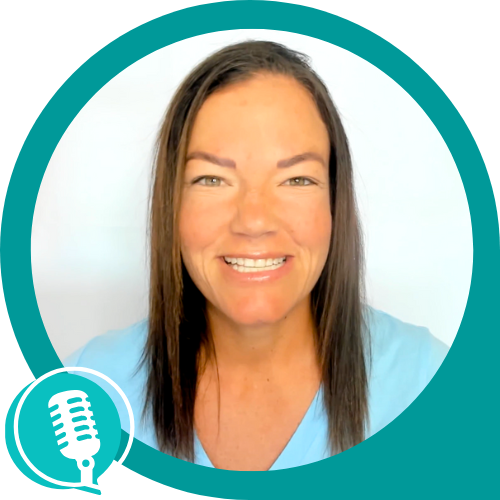
Kristi Kandel
Developer | Mentor | Co-Host of the LRED Podcast
Kristi is a real estate developer with nearly 20 years of experience and over $450M in projects across the U.S. Today, she focuses on helping locals step into development and build in their own communities.
She’s the founder of I&D Consulting, Local Real Estate Developers (LRED), and co-founder of Elevate, a community-driven sports and wellness concept.
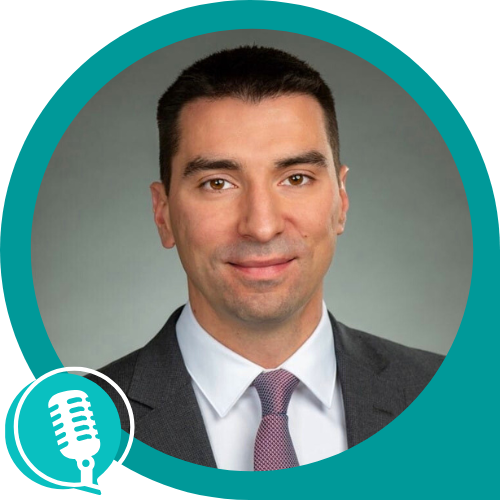
Raphael Collazo
Commercial broker | Author | Co-Host of the LRED Podcast
Raphael specializes in retail and industrial properties, bringing a problem-solving mindset from his background in engineering and software. As a commercial real estate advisor and developer based in Louisville, Kentucky, he works directly with investors, tenants, and cities, bringing a real-world view of how deals come together.
🔗 Related Episodes
How to Become a Local Developer: Katie Neason on Infill and Taking the First Small Bet | EP#29
A great companion episode on local infill, city relationships, and taking practical first steps in development.
How to Start Real Estate Development: Steph Weber Bought the Land First and Built the Plan Later | EP #41
A real look at taking your first development deal from idea to execution without having everything figured out.
Small-Scale Development: How She Left Her Corporate Career and Built a Tiny Home Village | EP #39
Another path from traditional career to building a community-driven development project.
About the Guest
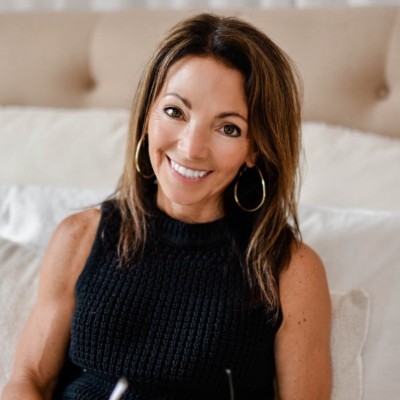
Beth Underhill is a real estate investor and developer based in Cincinnati, Ohio. Her background spans hospitality, entrepreneurship, residential investing, student housing acquisitions, and large-scale mixed-use sports development projects. She is currently helping lead a 103-acre sports and entertainment ecosystem north of Cincinnati.
Connect with Beth
🌐 Website https://www.investingwithbeth.com
📸 Instagram https://www.instagram.com/investingwithbeth/
💼 LinkedIn https://www.linkedin.com/in/bethjanuzziunderhill/
Full Transcript
Raphael Collazo (00:41)
Welcome to local real estate developer podcast. I'm your co-host, Raphael Collazo. I'm a commercial broker, investor and developer located here in Louisville, Kentucky. And I'm here with my co-host, Kristi Kandel. Great to see you as always.
LRED (00:53)
Hey, great to see you. Yeah, I'm a real estate developer, investor, and I teach locals how to become developers in their community. And today we have a special guest that I found from a different mastermind group that I joined. And when she started sharing her background, I was like, my gosh, like there's a lot of synergy in the types of projects we're doing today. And the fact of where she's located now is a state that I grew up in. So without further ado, I'd like to welcome Beth Underhill to the show.
Beth Underhill (01:17)
Thank you
so much for having me. I'm delighted to be here and can't wait to just dive into more about my story and our synergies and all the good stuff.
Raphael Collazo (01:27)
No, so and you're located in Cincinnati, Ohio. We just found out off the off air. So that's exciting.
Beth Underhill (01:34)
correct.
I am a native of Ohio, born and raised. I originally grew up near the Cleveland area, went to school at Bowling Green State University, which is Toledo, and then decided to go further south because I wanted to, you know, some warmer temperatures. I just didn't go south enough. I met, yeah, met my husband and I'm like, he's a lifer of Cincinnati. I think I'm staying here. So
LRED (01:51)
Yeah.
Raphael Collazo (01:57)
Cincinnati is a great market. It's a large metropolitan area. It seems like there's a lot of activity there for a variety of different capacities. I'm just an hour south of you here in Louisville. And we make it up to Cincinnati at least a few times a year.
Beth Underhill (02:10)
Yeah, I would totally agree. The market itself is strong. We have a lot of Fortune 500 companies here, which does attract a number of people. But we also have the sports, the arts, the entertainment, and so forth. And really, I think it's been named one of the most desirable cities to live in here and there over the last three, four years, something like that. So I fell in love with it. It took me a while.
I used always root for the Cleveland Browns, the Cleveland Indians, and so forth. And my daughter, has grown up a huge Bengals fan, finally said to me one day, she's like, mom, you have lived in Cincinnati longer than you ever lived in Cleveland. Don't you think it's time you convert? And I was like, And then once Joe Burrow came to the Bengals, I was like, OK, I will convert for that reason. But I still root for the Guardians when it comes to baseball. So yes.
LRED (02:56)
Yes. Yes.
I mean,
the Cavs are making a tiny bit of a run right now. They just collapsed in game one, but hmm.
Raphael Collazo (03:05)
Yeah.
Beth Underhill (03:06)
⁓ they embarrassed us. mean, my goodness, that was
awful. I went to bed like heading into the fourth quarter thinking we're up, you know, we've got this. And then I wake up to some overtime nightmare. I'm like, you've got to be kidding me. So, well, well.
LRED (03:12)
Yeah, we all did.
So true. So
I grew up in central Ohio and we could have picked the Cleveland Clowns or the Cincinnati Bungles and instead we picked the Clowns who have like zero win seasons, one win season. I'm like at least the Bengals can be 500. And yes, I'm a big fan of Borough too.
Yeah, that whole market right there, I mean, you're on the water, you have the major sports teams, and isn't there some stat like right there that how many states you can drive to within a certain amount of time, and like, it's just so centrally located over there.
Beth Underhill (03:40)
Hmm.
So
easy. And when I think of just access to an airport that can get you in and out and really centrally located that I can get to New York, Florida, or even in California within a reasonable time frame, I'm like, I don't know. I would be very, I'm so spoiled. I don't know how I can move, but we'll see. Life always takes you different places, so we'll see what happens.
LRED (03:54)
Mm-hmm.
Raphael Collazo (04:13)
Well,
the airport is in Kentucky. So I just thought it's always a running joke. It's always a running joke between people from Cincinnati and Kentucky. It's like, technically the airport's in Kentucky, but it's much closer to Cincinnati than it is Louisville. But obviously, we're thrilled to have you on the podcast. Obviously, Christie has connected with you offline through a group that you guys are a part of. I'd love to get a take on.
Beth Underhill (04:16)
I know, I know. It's the craziest thing.
Mm-hmm.
Raphael Collazo (04:39)
your background and what ultimately got you interested in real estate development.
Beth Underhill (04:43)
Sure, sure. So my background started, I actually was in the hospitality world. know, growing up working, you know, Sister's Chicken, Burger King, places like that. And then heading off to school, I was a bartender and worked at a hotel and eventually made my way to become the director of catering for a small boutique hotel in Finley, Ohio, which Kristi, I'm sure you're familiar with, Finley.
LRED (05:06)
yeah.
Beth Underhill (05:07)
When I moved down here to Cincinnati, I kind of kept that going and worked for a large flag hotel and quickly realized that working in a boutique hotel, I had so much autonomy. I could do whatever I wanted to do. And then once I went corporate, I'm like, I can't do this. I just I am not a rule follower. No way. No how. So I started looking at like, how can I
kind of break my way into things in which I have more control over. And after meeting my husband, he had said, know, I really like to get back into landscaping, construction, something along those lines. And I'm like, all right, you know, I'll help you build your business. So we started off building what is now a 27 year old business. And it originally started off as
landscape installation, we were doing smaller things like paver patios and whatnot and then pivoted actually into more of a construction company where we build outdoor living spaces and we basically take essentially whatever's on the inside of your home, kitchen, living room and so forth and we basically put it on the outside, put a roof structure over top of it and essentially you have more living space.
Throughout that period of time, however, I kind of caught the bug of entrepreneurship and small business ownership. And I started a catering business. I also had an internet-based business for women's golf apparel and accessories, a fitness studio. But throughout all that, of course, I was always helping my husband. I had a lot of fun with each of them.
LRED (06:38)
And she said she kind of caught the entrepreneur bug.
Beth Underhill (06:43)
But throughout that, our construction company, one of our very first projects was the installation of the landscape for a large outdoor mall here in the Cincinnati market. And as we were kind of doing that, we got to see the whole development and so forth. And I always thought in the back of my head, like, wow, wouldn't it be really cool to do something like that? One of these days,
one of these days and and so as our our journey progress we continually were introduced to people that were developing and so forth and through my fitness journey i actually met a gentleman who is very very well known here in the cincinnati market and he builds a lot of multifamily so my husband and i sat down with him one day you know just picking his brain trying to understand you know and we're talking about multifamily as in
you know the hundred fifty plus units and so forth and and he runs a very solid business and then through just are our journey with art outdoor living space company we have done quite a bit of work for developers and so one in particular who on develop this massive area took a taken just i mean essentially a spot that
was so run down and just like helped to revitalize an area called Oakley, which is near Hyde Park in Cincinnati, if you're familiar with those at all. so sat down with him and we're like, how'd you get into this? What did you do? Like, tell us more about this. so simultaneously as all this was happening, we were starting our real estate journey.
with fixing and flipping single-family homes. We were watching enough of Chip and Joanna being very successful, and we thought, you know what, if they can do it, like, we'll be Chip and Joanna of Cincinnati, like, why not? But what we quickly realized is that there's a lot of contractors out there that don't work like we do. And so we're like the type that we start a job, we stay on the job until we finish the job.
LRED (08:26)
You
Beth Underhill (08:44)
and we were just having so many contractor issues with you know once it would come in and promise us you know the sun the moon and the stars and then take some money and not show up and we're just like goodness gracious and we had private money partners so they were all involved and whatnot and i mean luckily like we got through we got through it all we we renovated some amazing properties we actually added on additions and popped roofs off of of of some
ranches and second stories and so forth but that's when I pivoted we just decided we're like you know we've had enough of this let's pivot into commercial real estate and once we made the pivot I ended up meeting up with five guys and and I always say it was me and five guys that you know we started in our commercial journey and we began acquiring purpose-built student housing and within that there were a few of us that that realized like hey we really
We really mesh, we work well together. And one in particular, he always had this vision of development. And I was like, my gosh, like someone after my own heart, like we've been kind of stumbling, you know, across, you know, all of these people that are, you know, I just felt like development, like, like throughout all the layers, like just, just was always there, right? It was, it was, it was something that kept speaking to me, didn't know how I was going to do it, figured at some point in my life, it will.
it will reveal itself and then sure enough it did. so within the last year and a half, we actually are working on two development projects. yeah, and that's just how I'm at where I'm at. And more in the pipeline, more potentials in the pipeline, I should say, but really trying to, again, navigate those and figure out how they fit into everything else that's going on.
LRED (10:31)
Yeah, I think one of the key things that you mentioned was that you had started companies that ended up getting hired by developers. And because we were like, how do we get in? And that's why I love hearing everyone's story, because you got exposure to them to go, that's how you work. Like I had a somewhat similar from a signage background. So we were putting up the signs for CVS Pharmacy, for Chase Bank, for all the national tenants. And we were working with the developers of the shopping centers of the properties. And it was like,
Beth Underhill (10:48)
You
LRED (10:57)
this is how our communities are formed, like this is what you guys are doing and I'm this small little tiny piece. Okay, how do I do what you do? Because you're the top of the food chain and that looks way more cool.
Beth Underhill (11:02)
Mm-hmm.
Exactly. know, my fitness studio, first time I was really exposed to leasing a building. And so I'm like, huh, okay. I see who has all the cards, who makes all the money here and so forth. And fitness is a very challenging industry to make money because people are so fickle and they drop off and so forth. so you're always trying to acquire new members and whatnot, but you still had to pay the rent.
right? And there were CAMFEs and etc. etc. And so I was like, huh, okay, I want to be in their shoes someday. And that's really too, as part of, you know, one of our developments, there's going to be retail, you know, parcels and whatnot. And so I'm thinking in the back of my head like, hmm, okay, now I get to be that person. so yeah, it's, it's, you know, someone once said, when you kind of look back at your journey, and you start connecting the dots, you see
how you got to where you are today. But you don't realize the dots until you're looking back and saying, OK, now I get it.
Raphael Collazo (12:08)
Yeah, and also to your point, it's that you started.
questioning the fact that as I'm in this space and I'm having to pay all this rent and all this cam related to just maintaining the existing facility, you start doing the math in your head, you're like, wait a second, if there's a multi-tenant center and we've got seven spaces and some they're paying similar rent to me, then you start reverse engineering and saying, wow, this could be a pretty interesting proposition. And obviously,
Beth Underhill (12:36)
Mm-hmm.
Raphael Collazo (12:38)
that's the kernel of the idea and then as you start getting into development you start realizing some of the challenges that you're ultimately you know maybe weren't aware of at the beginning but as you continue to progress through this this this
this process, ultimately are able to get to the other side and maybe you've learned your lessons on this project and now the next one becomes a little bit more refined. And granted, you're going to face similar type of challenges or maybe different challenges on that project. But over time, you start building this knowledge base of things to consider as you're going along. And ultimately, before you know it, you've gotten a couple projects under your belt and you're a full-fledged developer. So it just takes that first idea that turns into action and
then you pivot where needed.
Beth Underhill (13:22)
Yeah,
totally agree. And you know, one thing I will say is, like for this first project, we've been well for both of them, I should say we've been very blessed to have architect firms and contractors who are helping to educate us, right. So they're guiding us. And, and that's just like, it's priceless, right? You I do find that in within this industry, there are a lot of people that
want to help right and want to see you succeed. I mean obviously the architect has a vested interest in seeing the success because they get to put their name on it right and put it in their portfolio and so forth. And the same thing with the contractor like this is you know a big deal for a very local contractor to be able to you know take on this development and so you know they're there to help and so I love that because
we're learning as we go and they're able to provide you know what they've experienced previously, what they're seeing out in the market and and just help us as we move through them as we move through this as newbies.
LRED (14:25)
And we talk about this a lot, like the strategic partners that you need as a developer are your architects, your engineers, your contractors, your lenders, your attorneys. And these are all people that one, yes, they have a fee for service, but two, that's their expertise. As a developer, you don't have to know everything. You just have to know how to put a team together, be a problem solver and go, cool, I'm going to drive this ship. And I know that my whole role is when it blows up or obstacles come that I get to work with a team and find a way forward.
It's to where those partners are meant to be there with you and they won't always be the right ones and you might go through a couple, but you know when you've got the good ones on board to where you're like, okay, you're a team player and all of your prior business history, like all of that parlays into the experience now. where it's not like it wasn't relevant, it was very relevant into what you're doing today.
Beth Underhill (15:02)
Mm-hmm.
Absolutely. Absolutely.
Raphael Collazo (15:16)
So go ahead, go, Kristi. No. So talk a little bit about that first project that you have taken on and maybe what drew you to that opportunity.
LRED (15:18)
No, go for it.
Beth Underhill (15:28)
Sure, so this one has been a little while in the making actually. So, and actually like it goes so far back it's kind of crazy. So when I had my catering business and this was in the early 2000s, you know.
I told my husband, like, look, I can only do this business. We were doing it out of my, I was doing it out of my house, which was crazy in and of itself. But, and that's ultimately what led to like us making a decision, like, okay, we either put it someplace or we need to close it down. One of the two, was, it was getting out of control in a good way, but I also just had my daughter. And so I was like, I don't know how I can continue to go down this path and try and raise our daughter. So we hired,
someone to come in and that would, you know, watch watch Gia, my daughter, for X number of hours per week. So fast forward, that same individual ended up marrying this gentleman and this gentleman brought this particular project to me somewhere around 2022. So he came to me with this idea. He said, hey, my I've got a couple partners and we're looking to build a field sports facility.
and you know, do you know of anybody that could help us? And I said, well, let me take a look at what you got. So sign an NDA and so forth. He sends over all the information that they have. And I'm like, OK, this has merit. I might be able to start making some introductions, in which I did. So started making a few introductions to some individuals. One in particular happened to be my very first landlord.
for the fitness studio. I'm still friends with him today. He owns a ton of real estate and so forth. And I'm like, Wayne, you know, can you sit down with with BJ and Pete and maybe just give some guidance direction and so forth. so he did. So that was kind of our first and then I started making more introductions and so forth. Then as they began looking for land, they continued to consult with me on
where do you think this could, know, would make the most sense, you know, around the city and so forth. So we pinpointed a few areas that we liked and finally they asked the question. They're like, do you think you could help us secure the financing for this? And I'm like, oh my gosh, like we're talking about a, you know, know, a hundred thousand dollar project, you know, something like that. I'm like, well, okay. And BJ, which was the one that came to me initially, he'd been watching me on
social media, Like seeing the acquisitions of my partners and I with purpose-built student housing properties. And these properties were not like anything to sneeze at. I mean, they were like $13 million properties, $22 million properties, and so forth. And so I was like, well, I said, how about if I take this to my one team that, and it's kind of the four of us that have branched off, I said, how about if I take it to them and let me see what they think?
So I took it to them and there was a lot of excitement because we have soccer players and field sports, know, individuals and so forth. you know, so for a while it became this thing that we just kicked around. finally, Pete and BJ and myself, I guess, because, you know, they'd spoken with me about it, identified a property and they were able to get it under contract. And so it became more reality. And so I went back to our guys and I'm like, look,
LRED (18:40)
Okay.
Beth Underhill (18:42)
Like, this is under contract, this is reality. Either we're going for it or we are not. Well, we quickly figured out that it probably was going to be harder to find financing just for the facility itself. And having 103 acres, like, what else are we going to do with the rest of the space? Like, clearly we have to do something more. And as, you know, I mean, my experience, my daughter played club volleyball, so I was used to
traveling around to various locations, hotels that were near the sports facilities. And some were like, depending on where we were and how big the tournament was and so forth, we were either by these mega complexes and you had hotels all around it, or we were just by some really big gym of some sort and you had to travel to go find a hotel.
And so, you know, we all started thinking, well, okay, this sports, youth sports is huge. It's becoming bigger. Why not build an ecosystem around it? We're going to need some hotels. We'll probably need some restaurants, retail, office, and so forth. So we actually developed this ecosystem and started pitching that. And it quickly, you know, started gaining traction, especially with the city. The city's desire was
you know, in our five-year plan, this is what they told us, in our five-year plan, we want a hotel. Like, okay, beautiful. Like, we can give you a hotel because we're gonna be hosting tournaments April through October, and we're gonna need some place for all of these families to stay when they come in because these tournaments are primarily on weekends. So it just started taking a life of its own, and as we started thinking more on it and speaking with more people, you know,
It is what it is today. Currently, right now, we're working to close on the land. And that is scheduled for the first part of August. And then once we close on that, we're off to the races. We have some LOIs from a variety of hotel, different hotels. Obviously, I don't want to mention those just yet. And then
You know, even have a brewery that would like to come aboard, know, ice cream parlor, you know, just pizza place and so forth. And then, you know, as we start to think of this ecosystem, we're like, okay, what can we do, you know, more so to really ensure that any type of business, type of retail, type of restaurant, you know, supports the ecosystem that we're trying to build. So, you know, we don't want anything that's random.
that doesn't necessarily fit. My desire is I'd really love to build a longevity clinic of some sort there, which would go very well with hand in hand with what's happening with sports and all these kids and whatnot. And it's not just going to be about soccer. I mean, we will have a field house, so there's options to have cheerleading competitions and things like that.
So yeah, that's kind of where we are going. The other project we're working on is in Atlanta, and that is 150 unit mixed use multifamily.
LRED (22:13)
OK, so staying with the one in Cincinnati, one thing that you said at the very beginning is that they initially reached out to you because of having a connection. Now, are you a real estate agent, a broker or anything? Yeah, they came to you and said, how do we find the land or where is it at? Which which makes a ton of sense because you are the local. saw you as a investor who was already doing these multifamily and then also as a local who understands the market and
Beth Underhill (22:21)
Mm-hmm.
None. No.
LRED (22:40)
understands
what's missing and what's needed, which is a big thing we talk about too, to where locals know what you need. You know what's missing. You know what areas need to have it. And you have different connections to that. With that, did you guys, because you said you talked to the city and got their five-year plan, how did you know to do that? Or did you have prior connections and relationships?
Beth Underhill (22:59)
So one of the partners, Pete, actually, who's done a lot of the legwork, he has a few connections. I think through his discussion with the broker that actually was helping to secure the land, we were able to find out that information. brokers do know a lot about the areas in which
you know, they're representing. And so that was a key piece of information. And there was already a market study, which interestingly enough, the group that did the market study the first time around, we just engaged them to help us with kind of furthering that market study and really honing in on, even though we have some LOIs from hotel flags and so forth, we really have to hone in on like, what's going to be the right
you know, hotel for this particular spot. You know, you could put almost anything there if you wanted to, but what's going to do well? And so, so anyway, so yeah, it came from just knowledge, local knowledge of what's needed, what's wanted by the city, what the city has expressed, because the city will put out their plans. And so you can easily find out like what it is that they're looking to do. And that was how we were able to
capitalize on it and interestingly the one thing that you do say, know, I myself am local, Pete is local and so is BJ for that matter, but the rest of my team is not and so they rely heavily on Pete and myself to let them know like, hey look, you know, this will work here but this will not work there, you know. So it's, I think it's always important to
understand your backyard, if you're buying in it, if you're selling in it, if you're developing in it and so forth. you know, so that's why sometimes some developments take a long time to get off the ground because out, you know, if a developer is not familiar enough with the area, they need time to study it and be able to really discern, you know, exactly what they're doing and if it makes sense. So.
Raphael Collazo (24:56)
Definitely. No, couldn't agree more. So one thing I'm curious about is this is a ambitious development. I know this is what Chris, it's Kristi. It's funny because I see some of the similarities between what Kristi is doing and ultimately what you're doing as well. How, how has that process been regarding the, financing piece? Because I would assume if you bring it to just any old lender, you say, Hey, I'm going to buy this 103 acre parcel and I'm going to put a sporting complex on it. I mean,
Beth Underhill (25:01)
Cheers.
Raphael Collazo (25:24)
not every lender is really going to understand what the implications of that are. So if you could talk through that piece and then maybe also about, is this something you're going to phase out over time and how does that look like?
Beth Underhill (25:35)
We will be phasing it and we have three different phases, obviously the acquisition of the land, the horizontal piece of it, the infrastructure and so forth, and then at least having the one hotel and then the we call it TPS, Total Performance Sport. So TPS and one hotel, that is the goal for phase one. After that, it's multifamily build out.
the retail, the restaurants and so forth, then continuing on as we go to kind of round it all out. Ultimately, we'd love to have a grocery store on on premise as well. We find that that would be really ideal for the families that are coming and going and so forth. They don't have to travel too far for things like that. So that's the goal. All said, know, projected estimate $450 million project, which is
like daunting, right? I mean, I'm like, are you kidding me? $450, you know, maybe I can get my head around that, but 450 million? No, I cannot, you know. So anyways, we have spoken to so many banks are really kind of the last place that we're going to. It's family offices, it's private equity. You know, there's groups out there that are specifically looking
LRED (26:34)
is
Beth Underhill (26:52)
to invest in these sort of things. They want to get into the game, but they're not the ones that necessarily want to be responsible for developing it. So yeah, just in all of our relationships and so forth, and we have one gentleman on our team, his name is Brad, and he's fantastic at just creating relationships wherever he goes.
He's constantly, you know, just through his networking capabilities and so forth, bringing in new groups to speak to all the time. And ironically, you know, some of it's too just letting people know what we're doing and telling them, if you know of anyone. My daughter, she graduated two weeks ago from the University of Kentucky and we happened to be sitting, you know, we're sitting in Rupp Arena waiting for graduation to begin. My husband is sitting next to a gentleman.
He lives in the same city that we're building this, because this is just north of Cincinnati. And they began talking. And he's like, my wife is doing this. And next thing you know, he's like, I'm an investment banker. I've got friends. Let's talk. And I received an email. I sent him a follow-up email. Received one back early this week. And he's like, send me what you've got. I'd really like to take a look at this and share with my friends and so forth. And then we have other partners who are other.
partners that we've just, again, met throughout the course of our real estate journey who know individuals that are interested in land banking. So where they will buy the land for us, we still control it, of course. And upon exit from a recapitalization event, such as the refinancing of TPS in one hotel, then we finance them out and give them an equity multiple contingent upon how many years that
that they've held onto the land. We even went to the sellers. We said, hey, look, this is an opportunity for you if you'd like. They were like, no, we're ready to move on. We're ready to part from it. But there are plenty of sellers out there. And interestingly enough, as I started sharing this story with someone else, he's like, hey, I've got 243 acres down in the Carolinas. Would you be interested in coming?
down there and doing something similar, I will hold on to the land. So you just never know where that financing piece is going to come from. we've been chasing it. And that's really what you have to do with these particular projects.
LRED (29:11)
Yeah, it's uncovering so many
stones. I just got off a meeting with a regional bank down here who can do up to 75 million for ours, but they can bring in the chase as the Wells Fargos and so they can get creative on on certain aspects and they know the market and they know the community. And then they were able to break down the components of our project and go, OK, that one. Yes, that one. Yes, that one's tough because of this. That one. We've got to make sure that there's other money makers for that to offset this and like just able to break that down.
Beth Underhill (29:19)
you
LRED (29:38)
Yeah, it's just it's figuring out who who are the people and it's just talking because I feel like every conversation just leads to one or two or three or four more to where it's like, Okay, and then we get to meet awesome people along the way to go. Okay, here's how we put the puzzle together to where we know It's a puzzle. We know it's hard. We know it's complex. But alright one step at a time
Beth Underhill (29:47)
Mm-hmm.
Mm-hmm.
Yeah, exactly,
exactly.
Raphael Collazo (30:00)
Yeah.
Yeah, well, and interesting enough, I have a friend here locally who's pursuing a large grocery store development. So he's got about 15 to 20 acres of land. There's going to be an anchor that's one of the big grocers. And in order to get that site graded and properly set ready to go, because of course, Kroger wants to be all the way in the back of the development with the best visibility. But that means you got to get all the entire parcel ready. You can't just
you know, mix and match. So ultimately, it's going to require them to grade the site and make sure that everything's set up. So that in and of itself is a $20 million investment. And so they've actually gone to the county and they're working on trying to establish a TIF that would help with the initial, you know, investment to be able to do that, such that they're able to facilitate that project. Because again, it's probably going to be about $150 million project and without getting the site properly
Beth Underhill (30:38)
Mm-hmm.
Mm-hmm.
LRED (30:43)
Mm-hmm.
Raphael Collazo (30:57)
graded and my buddy doesn't have $20 million to grade understandably. So trying to figure all that out has been a challenge. But again, it's just one of those things where having conversations with
Beth Underhill (31:00)
Right, Yeah.
Raphael Collazo (31:08)
especially people locally and whether that's the mayor or the whoever the constituent the agencies that kind of handle some of the stuff to just start that process and maybe there's options out there to secure those types of pro or to establish some type of program to help with some of this stuff too and I'm not sure if that's something you guys have already explored.
Beth Underhill (31:27)
We have actually, we do have TIF funding lined up. So we're still honing in on the actual, like there's a lot of back and forth because with TIF funding, it's, you know, everybody has to agree on what things are valued at in order to like say, okay, well, if we all agree that X, Y and Z are gonna be valued at these numbers, then this is what the TIF will be. So, but we will have,
some tiff funding for the horizontal which is great you know it's it's what we would need to kind of launch but yes i mean you explore all options we've explored you know pace funding we've explored on usd a funding so so that's been interesting i mean even that you know we've even looked at like okay what are the banks that like to
that kind of support that USDA funding and should we be banking with them and creating that relationship with them just so we're kind of ready to go and show that we're a player. And so we've done that. And then yeah, and then it's just staying in touch with people that you never know. I mean, I had someone just out of nowhere email me and he said, hey, my buddy has a fund and they're looking for development opportunities.
comes to me like two weeks ago. I received this email. It's like eight o'clock at night and I'm like, what's that mean? So hop on a call with him. Next thing you know, we're talking to this gentleman and yes, he has this fund and their minimum is $40 million. And so we're like, well, we can easily get to that. But it's just a question of do all the economics make sense with what they want from.
fees and and so forth and and so we're working through that but it's a very viable opportunity and so you know you just again you just keep talking to people and seeing what what stones you can turn over.
LRED (33:10)
You know, something else that came
up in my call earlier with the bank is that the SBA is raising its limit from 5 million to 10 million come July, I think. ⁓ The caveat being you cannot have any foreign investment. And that includes our friends to the north, the Canadians, which are big investors in a lot of Florida deals. ⁓ But the way it's phased, could structure it to where you could have access to that. And then depending on the phase, then take foreign investment from from another avenue. ⁓ So just
Beth Underhill (33:18)
Okay.
Hmm.
Mm-hmm.
Okay.
LRED (33:38)
something and yes the the SBA and because we also got into boutique hotels and things like that to go those are tougher and that's why those deals are dragging on but depending on what it is that could be another option to add 10 million to the capital stack.
Beth Underhill (33:51)
Mm-hmm.
Mm-hmm.
Raphael Collazo (33:52)
Fascinating. I guess a question I have for you is one of the interesting things and probably a big reason for your ability to connect with a lot of people the way you have is by the way that you've been presenting yourself to the marketplace, right? I'm assuming over time you've been documenting the things that you're doing in this space. So tell us a little bit about what was the impetus for wanting to start to do that? Because a lot of times,
And I've met a lot of people that are hesitant about putting themselves out there because it's not the most comfortable thing in the world. So if you could share some insights about that, that'd be great.
Beth Underhill (34:31)
Sure, it is not the most comfortable thing and honestly it's not even something I always like to do. And I'm not sure why. Some days I'm like, okay yeah, I need to be out there on social media letting everybody know. And then other days I'm like, goodness, social media, it's such a challenge. And maybe because, you
I'm older and I'm in my 50s. And so for me, like none of this comes naturally, right? It's just something that like, it's that you have to do it, not you want to do it sort of mentality, but I'm getting better at it. And I will say this, the places that I like to be are on like LinkedIn, for instance, where I just feel the audience is a little bit different than Instagram. And so nothing against Instagram, but.
you know when you're on there and your daughter's posting pictures from graduation and you're trying to post about real estate investing and educating people on financial literacy and this that the other thing it's kinda like I don't know you know am doing the right thing or not. Facebook has been good though for I sprinkle in like my business you know in between Facebook posts and so forth and and that's been been helpful and and then I think just you know
being on podcasts like this, you know, I do have people that reach out to me and say, I heard you on a podcast. And I had somebody randomly last night that texted me and said, I saw a YouTube video of you and I'm all the way out in California. And we're thinking about going from co-living to student housing. And I understand that you know, student housing. And I'm like, and she's like, I just randomly reached out on the chance that you would respond to me. That's what she said. And I'm like, texted her right back. I'm like, sure, like let's talk. And she's like,
And I'm like, why not? Like, I don't know. I will say this, maybe to a fault, but I put out my phone number to people. Like, if it's on, you know, podcasts or places and so forth. I'm like, just text me. Like, can't hurt to have a conversation. No, they do not. They do not.
LRED (36:23)
because so many people don't actually take action. You could put that out there and you could be scared
that you're going to be inundated. And I'm like, that would be a great problem to have. But most people just won't even do that.
Beth Underhill (36:32)
Right.
No, they do not. They do not. but I think the thing that I have learned from this is that there's a credibility that you earn and people like see that. And so it's important, right? I I have always told myself, I kind of want to be like a...
Raphael Collazo (36:35)
Well.
Beth Underhill (36:53)
as famous as some of these individuals who've never been on social, not famous, but as successful as some of these individuals who've never posted on social media before. So I figured like, maybe I can get to that place where, you know what, it's not even anything I have to worry about. I mean, I see very successful developers in and around this area and other areas where it's it's reputation and it's not about like what you're posting. And so,
so I feel like I can get to that point to where I can bypass some of it. But for now, I'll be honest with you, like it's helped, because the gentleman who reached out to me about the, Hey, I have a friend that has a fun. He found me on Tik TOK like three years ago and we've stayed in touch, you know, so you just never know where something is going to come from. And again, it's like looking back, connecting the dots and seeing like, okay, you know, I had to do it for a period of time, but maybe I don't have to do it further. Yeah.
LRED (37:42)
I'm a fan of trying to get the companies to then take over to where it's not just that single person. It's like, okay, cool. Now here's a front of local developers. Here's the team and what's happening at Elevate. So it's like, yeah, we'll do what it takes to get it going, but I don't need to be the front person as soon as it's able to run on its own. By all means, please go.
Raphael Collazo (38:01)
And I think.
to especially in the industry, the commercial real estate industry, it seems like people are less willing to put themselves out there for one reason or another. I I think that the industry itself tends to be little antiquated in the adoption of different technologies. And I can speak from a broker's perspective. I'm always kind of flabbergasted by people's unwillingness to kind of consider putting themselves out there. Because again, you could have a lot of success, you've
there's a lot of people that it's evidence that they've had a lot of success over time in the development space, but we're also going into a new time. It's not like it was a long time ago. So I think there needs to be some thought put into how do I present myself to the new marketplace that's transitioning. And we're going to be going through a pretty significant wealth transfer over the next several decades. So the people that ultimately will be adopting some of these properties or
Beth Underhill (38:40)
Right. Right.
Thank
Raphael Collazo (38:59)
or these businesses are going to be of a generation where this is a more commonplace. And so I think it is beneficial for people to consider. And again, it doesn't necessarily have to be anything ridiculous, right? mean, again, you're taking more of an educational approach to the way that you present the information on these platforms. And I do the same thing. And so.
Beth Underhill (39:09)
Absolutely.
Mm-hmm.
Raphael Collazo (39:23)
It doesn't necessarily, you don't necessarily have to put yourself out there like some of these influencers that are flying around and jets and all these crazy, you know, doing all these crazy things. Like it's not really your target audience. So just, just think who you're talking to and, know, just put yourself out there. Don't, you don't necessarily need to dress it up like crazy. I think that oftentimes inhibits people from just getting started, but I think it is important to consider.
Beth Underhill (39:45)
Mm-hmm.
LRED (39:45)
Mm-hmm.
Raphael Collazo (39:48)
as part of your future strategies, regardless of what you end up doing.
Beth Underhill (39:52)
I agree. One thing I will say, something I've seen, especially in the multifamily space, instance, multifamily has struggled, right? There are a lot of people who three, four years ago closed on this, closed on that. And then guess what? Bank took it back because their strategy, their business plan, the financing and so forth wasn't as sound as it could be. And so you've seen people kind of
Raphael Collazo (40:06)
Mm-hmm. Yeah.
Beth Underhill (40:21)
like go into hiding a little bit and have to like, okay, let me, let me rebrand myself and come back as, X, Y, and Z. And I know for me, like, especially with this development, I am very hesitant to put anything out until I feel like we are at a point where I can say this is happening and we've got X, Y, and Z lined up and it's moving forward. And at that point, you know, I would love to be able to.
LRED (40:22)
Okay.
Beth Underhill (40:45)
share and document the journey because I think it's only going to help, you know, gain exposure and and whatnot. And, you know, I even shared with my team, Kristi, something that you had mentioned in terms of doing like a portion of equity for crowdfunding for, you know, local community. And I could totally see the community getting behind, you know, this sports, you know, ecosystem and so forth and to do something like that. But we're not ready for that yet. Right. So
LRED (40:50)
Mm-hmm.
Mm-hmm.
Yep.
Well, and once
you are the partner that I have that has the platform, it can work for anyone. You just need to raise more than four million of equity. So happy to connect you when it gets to that point.
Beth Underhill (41:20)
Mm hmm. Yeah,
absolutely. Absolutely. So I think sometimes too, like timing is everything with with what you want to put out there and and how it and the optics of it too, right? I mean, there's some people that will gladly tell you everything that's going on. Then you find out that really nothing is going on. And so I don't know. ⁓
LRED (41:40)
Yeah, and I found
with with ours early on it was it and just in general it's it's good to some extent for people to see behind the curtain to go there's you see a shovel in the ground there are years and years of work that that went into that to even get to that point. So just by.
Sharing those as you get more comfortable and and you can't share lifetime like if we're in negotiations with the LOI We don't have stuff signed yet. I cannot give you an up-to-date like we can we're working on it We're finding it, but we're not messing up this part of the transaction But so I think just kind of but but sharing other stuff to be like yeah, we met with the economic development office We met with different we joined the chambers and the alliances we did this or that we did these community Outreach and and to kind of share that
that stuff along the way to be like, there's a lot happening that you can't see and I can't show you because it's happening with phone calls and in-person meetings.
Beth Underhill (42:26)
Okay.
Raphael Collazo (42:32)
Yeah, documenting your your experiences. I think it's Gary V that talks about to document not to just create interesting new content. I mean, we've done we have a project here locally that we've been working on since we acquired it in September. And we've been working through it. We got a couple commercial tenants that we signed, and we're going to eventually take on apartments upstairs. But it took us almost three and half months to get the permits just to start work. And the tenants and again, this is not a huge building. This is only 12,000 feet, the downstairs is like 5700 square feet. And our tenants
LRED (42:36)
Yeah.
Raphael Collazo (43:02)
we're
inquiring like why is it why isn't anything happening it's like well there's a lot happening you're just not seeing it i'm having a down the door of the water company and the sewage department the sewer department everything just try to keep all these pieces moving the building building code enforcement all this other things that are happening at once but it's all on the back end and it's a lot of just constantly following up where are we at with this plan once we get responses back we don't want to be the ones holding up the process so we're doing everything we can quickly to get it back out there
Beth Underhill (43:29)
you
Raphael Collazo (43:31)
and you know we talk about some of these things and I think that's very helpful for people because again you alluded to the know the chip and Joanna you know
information content, right? So sometimes it's like, oh, here's a house. Oh, we walk in the house. Oh, this is what we're thinking about is design. And all of sudden, the contractors are on site, and it all gets done. And then in a 30 minute episode, there's a brand new house that's ready to go. And it's, you know, that could have taken six months. I mean, in theory, maybe it takes longer, because maybe they have a couple other projects, their, their crews are over there, and they can't get over to you until this date. And that pushes one contractor that was going to be there at that time back. So now you've got a month delay based on the fact that you couldn't
get the the drywallers on site on time. So it's it's a there's a lot of moving pieces to these these types of projects and just documenting it is is you know I I wish I would have found something like that when I first took on my first project you know.
LRED (44:24)
Yeah. So one of the things I want to touch on, because you talked about partners from a different asset class and going into this, people are scared when they go from the smaller residential into bigger commercial deals and partners, and they're used to doing it on their own. they're like, how do I know if I get the right partner? Maybe touch on that and how you vet partners, how you decided to peel off with a couple and maybe do a different venture and just some insights on how people might cross that hurdle.
Beth Underhill (44:49)
Sure, think
it's so important to vet your partners. As they say, date before you get engaged or get married. And so you have to really do the same with these partnerships. I've been in some interesting partnerships, for sure, especially as we were going through the fix and flips. We had one partner who was completely hands off. He's like, here's the money, go do it. I'm hands off. I'm a pilot.
I don't have time for this, but I want to be involved. just want to know what's going on. He wanted to be involved in the sense that he wanted to do this, these flipping houses, renovations, and so forth. Another partner who had to have his hands in everything, and that was interesting because he claimed to be, I'm an electrician. I can handle doing X, and Z. Well, come to find out some of his electrical work he did on one of the houses had to be redone because
because he was cutting corners and I'm like, my goodness. So you just never know. Everybody talks a good talk, right? And I think some of it's gonna be intuition. Some of it's gonna be if you start working with someone and you see quickly that your values, your visions are not aligned, then exit. It's better to cut the ties.
quickly as opposed to drag it out and then make it more complicated. I think you can see the red flags early on in my opinion and I think just by having enough conversations and ensuring that you've got something on paper so that everybody has clear expectations of who's doing what and who's handling X, Y, and Z and how the partnership is set up and so forth.
like some of the things we didn't do early on especially with me and five guys. I don't think we had like clear roles. mean when I first was brought in they're like Beth we need somebody to help with marketing and investor relations and I'm like okay I can do that sure you know and we need a website I'll go build one you know at that point you know we didn't
at that time we did not have you know capabilities that you you could go into a chat gbt or something like that and build a website boom there you go hey guys so we needed a logo we needed business cards we needed all kinds of things and so I took care of all that and I remember the first time they're like okay Beth we need a pitch deck for
this particular asset that we're looking to acquire. I'm like, what the heck is a pitch deck? And how am I going to do that? So there's me Googling and then next thing you know, I'm staying up late with Canva and whatnot, learning all the things. you start to see everybody's role over time and who's doing what, who's providing value and who's not. some people think that
because I'm able to maybe sign on the dotted line, then my part's done. And it's like, no, no, no, no, that's not how it works. So yeah, the four of us that did end up kind of peeling off, it kind of happened naturally, to be honest with you. It was one of those things where every time we were on a call, it felt as though the four of us were always, you know.
the ones conversing anyways. And so you start to see like, okay, naturally, this makes sense and so forth. So yeah, that's been good. I have had other partners with other ventures, other things. Some have worked out, some have not, and that's okay. mean, it's funny that you mentioned the people who are like, I just want to go it alone. I get that.
right, because sometimes I feel like I can go faster if I'm by myself, but I don't have quite the man, the, the, like the power that comes behind, you know, having, for instance, I mentioned Brad, Brad is excellent at, you know, capital raising and, and, know, just he can go up and talk to anybody. Right. And so you want someone like that on your team. BIF is, is awesome with operations and whatnot. So.
great you know that's where his strength everybody has their superpowers and so combined you know we are so much mightier than what I would be individually by myself and and that's just how you have to see it and I know that there's some people that just don't work well with others and there's nothing you can really do about that and if they want to go on their own they just have to realize they're going to go at a much slower pace and that's just that's just a fact so
Raphael Collazo (49:06)
Yeah.
That's a big part of the discussion on this podcast is teaming partnerships because for some of these projects, it's really hard to get done by yourself. Not to say it's impossible, but it may require you to team up at a minimum with strategic partners and being able to manage those relationships, which is another piece of the puzzle. But oftentimes I may need bringing in capital partners or other partners that operate different functions within the business that can ultimately get you to the finish line.
Beth Underhill (49:24)
Mm-hmm.
Raphael Collazo (49:33)
So it's very helpful context you shared.
Beth Underhill (49:37)
Thank you. Thank you. Yeah, it's it's been a journey, to be honest with you, because really a lot of my, like my catering business, I just had someone, one person helping me, you know, I knew him well enough, you know, I knew his strengths, he knew mine, he liked to do like anything related to the meats and so forth. I liked all the baking and whatnot. So that was easy with the golf business. It was just, it was me. And then I ended up having an assistant. But you know, in those situations, like you're kind of directing them when you actually have partners who are kind of
who are responsible for big components of these multimillion dollar opportunities, you can't afford to have anyone that is not pulling their weight. Because if they're not doing their job, guess what? The project doesn't move forward as fast, as quickly as you want it to. And sometimes you find maybe two of the partners have to help pull along that.
that one particular individual. I think just understanding everybody's strengths and weaknesses is important. The guys always like to say, I'm like their mom. I just keep everybody, I'm like herding cats, keep them all moving in the right direction. And we make a joke, I keep everybody out of orange jumpsuits. Like if there's somebody that wants to do something and I'm like, no, no, no, no, that is not something we are gonna, I'm like, no.
LRED (50:46)
You
Too close to the line, too close.
Beth Underhill (50:53)
That's great. That's great you keep us out of the orange jumpsuits. like, okay. You know, I mean there was one day I showed up on a call. I had a fireman's hat on. I'm like, I'm putting out fires with you guys all the time. Like I'm tired of doing that. So they got a kick out of it, but it's, you know.
LRED (51:09)
it's stuck and then they're like maybe we shouldn't let these fires happen and we should
Beth Underhill (51:12)
Right, exactly. Exactly. And
it's interesting too when you are the only female with men and the dynamics. And so it took me a while to find my voice. ⁓ But once I did, they're like, OK, she has a voice. And yeah, she's laying down the law. yeah. Yeah. It's a good thing.
LRED (51:25)
Mm-hmm.
Mm-hmm.
And we respect her and she is saying, yeah, yeah, exactly. And I appreciate
what you said earlier or that they roles can morph and that from the start, like especially for these multi-phase, multi-year developments, you don't know 100 percent how it all will shake out and who can do what. And so one thing that I've done from the beginning is just explain it is starting with us, but it will grow and evolve and there are going to be other players in there and we need to like we kind
have an idea of where people's strengths are. And we need to know at times, though, someone's portion of it might be super heavy and it might be 90 percent of the work. And that means we're all jumping in. And then when it goes back to where, OK, we've got this and and because it is phased, you can you can kind of strategically go about it and go, OK, and each step of the way and just reminding each other like this is a this is a checkpoint, like we haven't officially dialed in the exact final roles and responsibilities. So this is
everyone's still not that you're competing, but you're still understanding and getting an idea around the workloads and what's involved to go, okay, so when we do make this official and break this down, then it makes sense. And everyone goes in eyes wide open like, yeah, that makes sense based on the value that everyone's bringing and the time you can continue to put forward. But then also putting in different parameters to say, hey, here's our checkpoint every six months. We're going to see, are these roles and responsibilities working or did someone have a life incidence and there
Beth Underhill (52:32)
Mm-hmm.
LRED (52:55)
they shifted and so now we need to switch around a certain part of the operation. So just having those as the constant checkpoints on paper to go, okay, like this isn't something that, I'm pissed at you this week, we're gonna do, this is our six month meeting, everyone come to the table, is this working, is this aligned, do we need to adjust anything? Great, cool.
Beth Underhill (53:03)
Okay.
Right.
Yeah. Yeah. I've had, you know, those situations where like January, come January, February, March, that is a very heavy season for me. I handle all the K ones for the investors, the tax returns. mean, I don't physically do the tax returns. Obviously we have a CPA, ensuring that the CPA has everything that they need. And, and it's, mean, it's like constant emails back and forth, back and forth and whatnot. And especially,
Now we're in a really good cadence because we've had these assets now for several years and so therefore, there's no new investors, it's clockwork. But the first couple of years, especially after shortly acquiring them, I'm pulling my hair out like I didn't even know what I was doing and managed to get through it. So it worked out, but that being said, it's, yeah.
It's where like, okay, you know, we know not to bother Beth as much in January and February, but we can after things have settled down, you know, and I was very happy to report this year. I mean, we were on time with everything and it was like, gracious, like how often does that happen for most investors? It doesn't. So I was pretty, I was pretty tickled about that.
LRED (54:20)
Mm-hmm.
Raphael Collazo (54:22)
Amazing. Well, Beth, we really appreciate you coming on the podcast and sharing your insights about the projects you're working on. And I'm really excited to follow along with the sporting complex. It's really not far away from us, maybe an hour and half, two hours away. So once you guys break ground and start moving along, I'd love to maybe even swing by and check it out, because it seems like it'd be a really cool profile to do or something.
Beth Underhill (54:47)
Mm-hmm. Yep. Would love to have you join us. So hopefully, yeah, I will definitely keep you in the loop. And obviously, I'm in touch with Kristi. So we'll be tracking each other and seeing how our projects are going. So.
Raphael Collazo (55:00)
Yeah, well, and Kristi's from Ohio as well. So always an excuse to go back to Ohio and check out new projects.
Beth Underhill (55:03)
I That's right.
There you go. And I love visiting Florida, especially the West Coast. So yes, my favorite.
Raphael Collazo (55:10)
Thank
LRED (55:11)
Yes.
Raphael Collazo (55:15)
Well, great. Well, Beth, we really appreciate your time, and we're really looking forward to keeping in touch. If you want to learn more about you, learn more about, or just get in touch, what's the best way to do that?
Beth Underhill (55:24)
I'm
going to share my phone number again. 513-470-1078. free to text me. You can also email me beth at investingwithbeth.com. You can check me out at investingwithbeth.com. I'm on LinkedIn under Beth Januzi Underhill and then on TikTok and Instagram at investingwithbeth.com.
LRED (55:49)
Awesome. Thanks so much for coming on and sharing this. There were so many insights and nuggets of wisdom you shared that I know the listeners will get something great out of this.
Beth Underhill (55:56)
Thanks so much for having
me. really appreciate it.
Raphael Collazo (55:59)
Absolutely. We really appreciate your time, Beth. For those of you guys who watching on YouTube, please like and subscribe. It makes a huge impact on the ability to reach a broader audience, and we greatly appreciate the support. Along with that, if you guys are listening to us in a podcast format, whether that's Apple Podcasts Spotify, please leave a five star review. The more five star reviews we achieve, the broader the reach we achieve, and ultimately more and more people get inspired to take on their first real estate development project. So thanks again so much for tuning in, and we'll see you all next time.
Get the tools behind the episode
Access the Developer Vault with templates and real resources
©2025 I&D Consulting. All Rights Reserved.
©2025 Local Real Estate Developers. All Rights Reserved.