From One Empty Building to a $40M Downtown Revival with Jason Duff | EP #26
Real estate development, small-town revitalization, and turning one building into a community-wide movement
What if the future of your town wasn’t waiting on investors or the city… but on you?
This is what it actually looks like to step up and lead.
Jason Duff didn’t start with a big fund or a perfect plan. He started with one empty building and a belief that his town could be more.
In this episode, we break down how he turned a $5,000 purchase into a $40M downtown revival. Not through theory, but through persistence, partnerships, and learning everything the hard way.
If you’ve ever looked at a vacant building and thought “someone should do something about that,” this episode shows you how to become that someone.



Get the tools behind the episode
Access the Developer Vault with templates and real resources
Episode Summary
Jason Duff’s story is what real development actually looks like when it’s done by a local who cares.
He didn’t wait for outside capital. He didn’t wait for permission. And he definitely didn’t have everything figured out.
He bought his first building at a sheriff’s sale for $5,000. On paper, it looked like an opportunity. In reality, it came with a leaking roof, mold everywhere, and no tenants.
That first deal quickly turned into stress, uncertainty, and a lot more capital than he expected. But instead of walking away, Jason leaned in.
He started knocking on doors. Talking to business owners. Listening to what people in his town actually wanted. And one insight kept coming up. They needed places to gather. Places to eat. Places to experience something again.
So he went after a tenant he believed in. A pizza shop 45 minutes away.
They said no.
Then no again.
And eventually, yes.
That one partnership became the spark.
From there, Jason didn’t try to do everything himself. He focused on partnerships. He handled the real estate, the buildout, the risk. His tenants focused on running great businesses. Over time, those partnerships deepened. Operators became owners. Tenants became long-term collaborators.
And that’s where things really started to scale.
Today, Jason and his team have renovated over 60 buildings, launched multiple restaurants, added housing, and helped generate over $40 million in reinvestment in a small town most people would overlook.
But what makes this story powerful isn’t just the scale. It’s the approach.
He didn’t rely on public incentives. He didn’t wait for perfect conditions. He built momentum one project at a time, while bringing other locals along with him.
He also reframes what a developer actually is.
Not just someone who builds buildings.
But someone who leads.
Someone who creates belief.
Someone who brings people together around a shared vision.
And maybe most important, someone who doesn’t stop at the first “no.”
If you’re sitting in your town waiting for change, this episode is your reminder.
You don’t need permission.
You just need to start.
What You'll Learn
- How to turn one small deal into long-term momentum
- Why partnerships matter more than trying to do everything yourself
- How to find and secure tenants when no one believes in your market
- The real challenges of your first commercial project and how to push through
- How to work with your city instead of fighting it
- Why small towns are one of the biggest opportunities in development today
Bold Truth
Your town doesn’t need saving. It needs someone willing to lead.
Timestamps
0:00 — Intro
https://youtu.be/-scfTnILXLI?t=0
2:57 — Jason’s background and Small Nation
https://youtu.be/-scfTnILXLI?t=177
5:49 — Why small towns matter
https://youtu.be/-scfTnILXLI?t=349
8:38 — Early challenges in development
https://youtu.be/-scfTnILXLI?t=518
11:32 — Buying the first building
https://youtu.be/-scfTnILXLI?t=692
14:17 — Finding the right tenant
https://youtu.be/-scfTnILXLI?t=857
17:15 — Turning no into yes
https://youtu.be/-scfTnILXLI?t=1035
20:25 — Building partnerships
https://youtu.be/-scfTnILXLI?t=1225
23:11 — Scaling beyond one project
https://youtu.be/-scfTnILXLI?t=1391
26:29 — Commercial development challenges
https://youtu.be/-scfTnILXLI?t=1589
32:37 — Lessons from early mistakes
https://youtu.be/-scfTnILXLI?t=1957
38:02 — Building community ecosystems
https://youtu.be/-scfTnILXLI?t=2282
43:42 — Advice for new developers
https://youtu.be/-scfTnILXLI?t=2622
50:01 — The future of small towns and AI
https://youtu.be/-scfTnILXLI?t=3001
Meet the Voices Behind the Mic
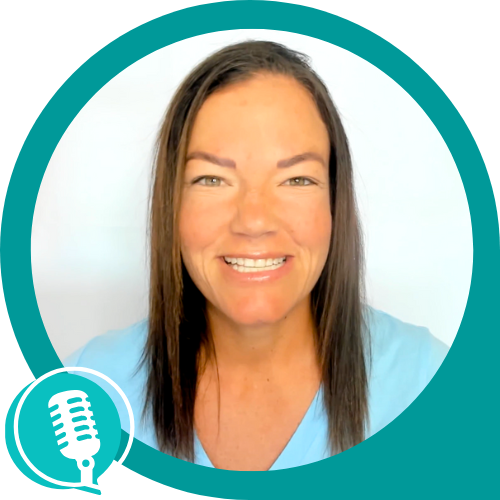
Kristi Kandel
Developer | Mentor | Co-Host of the LRED Podcast
Kristi is a real estate developer with nearly 20 years of experience and over $450M in projects across the U.S. Today, she focuses on helping locals step into development and build in their own communities.
She’s the founder of I&D Consulting, Local Real Estate Developers (LRED), and co-founder of Elevate, a community-driven sports and wellness concept.
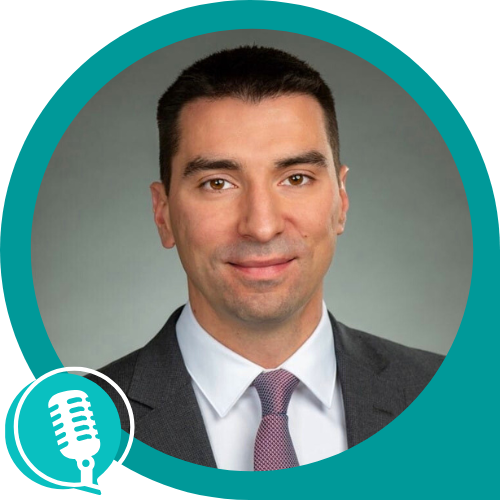
Raphael Collazo
Commercial broker | Author | Co-Host of the LRED Podcast
Raphael specializes in retail and industrial properties, bringing a problem-solving mindset from his background in engineering and software. As a commercial real estate advisor and developer based in Louisville, Kentucky, he works directly with investors, tenants, and cities, bringing a real-world view of how deals come together.
🔗 Related Episodes
How to Become a Local Developer: Katie Neason on Infill and Taking the First Small Bet | EP#29
A great companion episode on local infill, city relationships, and taking practical first steps in development.
How to Start Real Estate Development: Steph Weber Bought the Land First and Built the Plan Later | EP #41
A real look at taking your first development deal from idea to execution without having everything figured out.
Small-Scale Development: How She Left Her Corporate Career and Built a Tiny Home Village | EP #39
Another path from traditional career to building a community-driven development project.
About the Guest
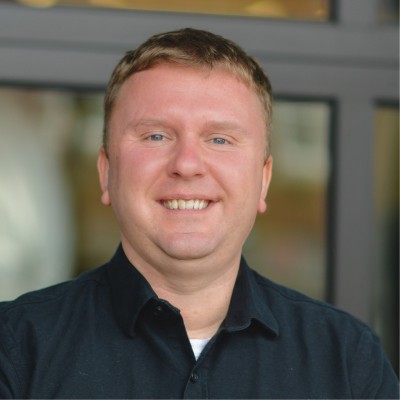
Jason Duff is the founder of Small Nation, a company focused on revitalizing small towns through real estate, entrepreneurship, and community-driven development. He has led the transformation of downtown Bellefontaine, Ohio, helping drive over $40 million in reinvestment and creating a repeatable model for small-town growth.
Connect with Jason
🌐 Website: https://smallnationstrong.com/
📸 Instagram: https://www.instagram.com/smallnationstrong/?hl=en
💼 LinkedIn: https://www.linkedin.com/company/smallnation/
Full Transcript
Raphael Collazo (00:42)
Welcome to the Local Real Estate Developer Podcast. I'm your co-host, Raphael Collazo, here with my co-host, Kristi Kandel, who's tuning in from Brighton, Cheery, Florida. It's a little bit chilly up here in Louisville, but excited to see you.
LRED (00:55)
Hey, yeah, good to see you. It is that time of year where I get to partially make some people jealous if they would like warm weather still. But yeah, so I today we have an awesome guest. I'm originally from Ohio, like most of you know, and we have someone who is from Ohio and has done some incredible things in his community from every level. So we're going to go ahead and introduce you because you've got an amazing story to share. So Jason Duff, welcome to the show.
Jason DUff (01:25)
Thanks, Kristi, and thanks, Raphael. It's awesome to be on the show today. We unfortunately do not have mountains and beaches in Ohio, but what we do have is an incredible amount of awesome historic building stock and a lot of small businesses. And it seems like Ohio on the national level has been in the news a lot lately because people are looking for affordable places to move.
and to start businesses. And so I'm just really excited to be a guest on your show and excited to unpack some of the lessons that I've learned about development. I've made about every mistake in the book and I continue to make mistakes every day. But for your audience, I'm really happy to plug in. But let me just take a little bit of a moment and introduce myself. Would that be okay with you guys? Let's do it. So I'm Jason Duff. I'm the founder of Small Nation.
Raphael Collazo (02:11)
Mm-hmm. Yeah.
LRED (02:11)
Yeah, for sure.
Jason DUff (02:16)
Small Nation is my company. are a for-profit social enterprise that invests in places, spaces, and dreams for small towns and entrepreneurs. How that all came about did not happen overnight. I've had a very incremental journey as an entrepreneur, but I had a family that was very entrepreneurial. Growing up, my parents and grandparents had small businesses. My dad had a business in construction materials where we sold really exciting things like lumber.
concrete and stone. Calm down. know you guys are getting excited about that. then, see, Kristi, I knew you'd be excited about that. Well, the other thing is, if you weren't excited about that, my mom had a Hallmark shop. So growing up in the 80s and 90s, those were the Curio cabinet collectible years. So all those folks that have their cherished teddies, their precious moments.
LRED (02:50)
mean, those make me really excited, but I think they're pretty boring to everyone else.
Jason DUff (03:12)
And I often, one of the most common questions I get as a real estate developer is how do you find money to fund your first deal? And I let them in on my secret. It was my Beanie Baby collection that paid off. No, okay. Do you have sound bits like ba-bum-ching? Like we need some sound bites here, some sound clips. No, in all seriousness, you know, was kind of that.
LRED (03:27)
Man, you're going way back, way back.
Hurry.
Jason DUff (03:39)
that environment of growing up to parents that really inspired me. if you want to flip out your very traditional conservative small business parents, you decide and tell them you're going to go to a liberal arts college and you're going to be a music major. So that was actually my career path. I'm a first generation college student. And what happened is that four years that I was away from the area and the community that I grew up, a lot of things changed.
The big box stores started building shopping centers kind of anchored on each side outside of the historic downtown. My mom, unfortunately, because of the business and economics in like the early 2000s into the economic crisis of 2007, 2008, she had to close her business. And coming right out of college at that time, I had a lot of energy and new ideas, but what I lacked and really didn't know
is like, how do you buy that first building? And there are a lot of empty buildings that line the main street of the town that I started in, which was Belle Fountain, Ohio, a town of 14,000 people in a county of 46,000 people. And here around the country and specifically in Ohio, that's considered a rule. That is small town.
And 15 and 20 years ago, there were not a lot of developers that were taking an interest in those communities. So the buildings could be purchased for a very low amount, but it took a large amount of capital to revitalize them. So that's really in terms of a nutshell, the 30 second plus commercial of a little bit about me, my company and how I got started.
Raphael Collazo (05:17)
That's great. So curious about that, because, you know, what was the impetus for wanting to focus in on those smaller communities? Is that just a function of your experiences growing up? And you saw these communities not being focused in on as far as investment. I mean, I kind of I'm kind of curious as to what your thought process was there, because, you know, someone who's looking from the outside looking in, you would think with some of these smaller communities, it's probably a little bit harder to make certain things work as well. So
He probably took off with the initial bite you took was probably one that was, you know, had had a little bit more of a, you know, uphill battle.
Jason DUff (05:53)
you've got to kind of dive deep and focus on what your weird and your superpowers are. And because I grew up in a family that sold construction materials, I would always admire like driving through towns of seeing these old brick masonry buildings with these beautiful, know, leaded glass windows and these materials that I knew if I was going to go out to market to build something new today.
it would be really expensive and really special to do. So my heart kind of fell in love with those buildings. And the great thing about youth is when you're young and starting out, people will forgive you when you make mistakes. So I had enough courage to like knock on a lot of doors to say, you know, what are your plans for your building and would you be willing to sell it? And it was interesting. There was kind of two different feedback that I would get from that is one like.
LRED (06:30)
you
Jason DUff (06:45)
there are these people out there called building hoarders that really do just hold buildings and they set vacant and empty. But there were also a lot of people that like would strike up a conversation with me and share like, well, you my father owned this building and we used to have our hardware store here. the reason why I bought this building and there was a department store here called Montgomery Ward. And, you when I was a little girl, I got my first Easter dressed here. Like these stories started coming out. And that's when it's like was.
part of my superpower, like being a storyteller. Like I was involved in music and theater in college. And so taking the right brain skills that I had of the creative side and then finding more people to surround myself with that were more left brain oriented, we started like falling in love with the people that own the buildings or the businesses that were either occupying them or wanted to occupy them. And then I needed to bring those left brain skills in to
actually see if these deals could pencil out, how to get access to capital, how to work with architects and engineers to really look at the codes and the things that were specifically impacting what the future plans of that would be. And then you got to do the hard work and you got to find tenants and find entrepreneurs that have good ideas that need properties like this. So those are a little bit of the early days kinds of things. And did I know all of this? No, I wish there was a podcast.
in a resource like what you have created that I could listen in to you understand that this is not just one and done. Like there is layers of due diligence and there's layers of people and team members and resources that you need to really bring these projects alive.
LRED (08:24)
Yeah, it's so true. And when you're touching on the small towns, that really, I grew up in Fredericktown, so it's about an hour north of Columbus. It has maybe 2,500 people. And I've lived in small towns across the country in the various places. And I've realized we're all kind of have the same things. We've got people who, we've got the history, we've got the buildings, we've got the people. But one or two guys own the town because no one else even thinks that that's an option or that's something that they can do.
And I think we have around 16,000 communities in the US that have a population of less than 10,000 people. So to me, if you can flip a house, you can flip that downtown commercial building. You just need to know how. And like you said, that's why we created the podcast to share people's stories of how they've done it, just to normalize it and go, hey, it's not like, hey, do these steps one through 10. It's do these steps, come back, reassess. Do these steps, come back, reassess. And you're figuring out a puzzle.
But it's completely possible if you get the right people around you. And what you've done in your community is what we hope that our local developers do in theirs, and that they start with one project, but then it leads to another and another, and it sparks someone else in the town coming in and going, I want to do this too. if you can do it, I can do it too. And then it creates that ripple effect. So yeah.
Raphael Collazo (09:39)
Yeah, for sure. And also too, to kind of to both your all's points regarding, you know, taking down projects in your own backyard, because you have unique knowledge that people outside of your market don't necessarily have. And that is going to be a part of your superpower because you know, the people in town that are, you know, your neighbors, your people you go to church with, all these different other people that could maybe help you accomplish whatever your goal is. And being able to leverage those relationships is really, really a huge, huge deal. So
I was kind of curious, you know, kind of going back to that first decision you made to say, Hey, I'm going to focus in on this particular area of town. And I want to start now going door to door and, having conversations with owners to see if I can make something work. Can you kind of talk a little bit about that process? And then maybe, you know, the first project that you were ultimately able to get, get done and maybe some of the hurdles you faced along the way.
Jason DUff (10:33)
Sure, yeah, about 16 years ago, 80 % of downtown Bellefountain was vacant and empty. But what I remember growing up is when it was vibrant, when there were great places to eat. We had three department stores in the downtown. There was four different pharmacies, kind of all within walking distance. And it was a place that people would convene. They would meet up. This is where you would get all your clothes.
Those are the memories that I had. If you go back another 50 years, there was even bigger memories of when JCPenney was there or Sears and a lot of those, what I would call national and international brands that all started on Main Street. But when it's vacant and empty, what happens is the apathy. What happens is blight and crime. And you start to see that people, that negativity kind of feeds on itself. And so,
When I would ask people, what would you want to see in these empty buildings? One of the most common things that came up is, man, we'd like to see more restaurants, like more food and dining options. And so I don't know about you guys, but I love food and I love to travel to other towns to enjoy their coffee and ⁓ check out the great local restaurants and then find out what, within those local restaurants, what they're known for, like what's unique and special.
LRED (11:40)
Mm-hmm.
Jason DUff (11:49)
And that keeps me wanting to go back to those towns. It also helps me describe why I visit those towns and I tell other people about it. And so pizza was one of those things that I would travel hours away to eat in a really unique pizzeria. And I learned of Michelangelo's pizza that was owned by Michael Shepherd and his employee, Brittany Saxton. And at the time,
I would travel 45 minutes to eat in one of their pizzeria locations. And at that same time, there was a building in our downtown right across from the county courthouse that was listed for a tax sale, a sheriff sale within our community. And I decided to attend the sheriff sale auction. The minimum bid at that time started for $5,000. It was 10 % of what was owed on the property or the value of the property.
And I happened to go with my checkbook that day. And why I didn't have a lot of capital when I was first starting out, I had in my mind that I had $5,000 that I could gamble at that auction. And there was probably about 20 or 30 people that attended that. And I happened to be the one to have the courage to raise my hand and ended up buying a sheriff's deed at a sheriff's sale on a three-story, 12,000 square foot building in a downtown Bell Fountain. Now, when I got the keys to the building and got the deed and walked
LRED (13:10)
And was that for
5,000 or did you end up for more than that? And just to pause, this exists. Literally a year and a half ago in another small town in Michigan, same thing happened. No one bid on it and properties like that were going for five and $10,000. So it is possible even today.
Jason DUff (13:12)
$5,000. $5,000.
Raphael Collazo (13:14)
Wow.
Jason DUff (13:30)
It is and also it's been virtualized. So let's just say you aren't able to attend a share sale in person, you particularly here in the state of Ohio. They virtualized all of that process and made it a lot easier for opening the floodgates for a lot more investors that may be interested in those kind of deals. But when I got the keys and I walked in the property, we had a beautiful water feature.
Every time it rained, the water from the third floor came all the way to the basement. And then we also, do you guys appreciate nice art? Inside of the building, every color of mold that you could imagine on the walls had formed naturally. And so I had to find the positive ways to like respond to these problems. Luckily, I knew some folks that knew more about commercial construction than I did.
and we were able to do some of those emergency repairs, but that $5,000 investment quickly turned to needing buckets of capital that were $25,000, $50,000. And I still, after owning it and working on those emergency repairs, after about six months to a year, did not have a tenant. So what does that create? That creates stress. creates financial pressure. I'm like wondering, like, what did I do? This could be awful. And I will tell you also, let me just be real for a minute.
it felt very lonely because there weren't people, including my own family, as I did this that really supported me with this. And in fact, there were a lot of negatives around that and my relationship with them on this. But I happened to see and want and believe there could be a bigger vision. But let's circle back to me traveling to that pizzeria. Because I went and talked to those owners, I showed them pictures of these 1890s tin ceilings and the potential of this property.
LRED (14:58)
Mm-hmm.
Jason DUff (15:15)
I flipped through the pages really saying, you consider having a third location? And they were very quick to say immediately, no, no. Felt a little defeated, but I waited a few more weeks and went back and ate in the restaurant. And at that time I had a little more information that I was armed with. I knew the trap.
LRED (15:35)
And was this before
or after you bought the building? Okay, so you had the building, you identified your tenant and you're like, I want them and so now you're working that anger. ⁓
Jason DUff (15:38)
I had owned the building.
I want a really awesome brick oven pizzeria in our town.
I wanted that sit down dining restaurant. And so I went back with more information. I knew the traffic count. I had surveyed and really got some social media data. I posted an empty picture of the building and I asked one question, what do you want to see here? Now, there were a lot of comments that were rolling in. We want to see a new Macy's. We want to see.
you know, name that national chain or that business that we all know is probably not coming to a small historic downtown. But one of the comments was, was that sit down dining restaurant and better pizza. And so I went armed with that kind of community feedback or what I would call my quick and dirty market research. And that was when I pitched them again. And do you know what they said? No. And this is my coaching to all of the developers that might be listening is that no, it's just a delayed version of yes.
You just have to keep rephrasing and asking the question other ways. And I wish someone had taught me that earlier in my career because it takes a lot of courage, it takes a lot of confidence. And just because you hear a no, whether it's a zoning board, whether you're working to pull a permit, whatever you're doing, there's going to be friction points in your life. You have to find a way to overcome those. And the third time that I went back,
LRED (16:45)
Mm-hmm.
Jason DUff (17:00)
I was walking through the restaurant, touching many of the tables in the restaurant, and the owner came up, he said, you just don't give up, do you? We were laughing about that. He said, how do you know so many people in my restaurant? And I said, because they're driving 45 minutes because we have nothing like this of what exists in, you've created, have anything like that that exists in our community. And that's when he said, maybe I should come down and take a tour with you of that building. Well, we fast forward today. 600 Downtown Brick Oven Pizzeria.
When Michael got everything started, it was his mentee, Brittany Saxton. At the time that I met Brittany, she was 23 years old. She was a mom of three kids or two kids at the time, three later on. But she was the assistant manager that Michael believed in and supported her in starting the 600 downtown brick oven pizzeria. Fast forward today, Brittany is a seven time world pizza champion. She's been on the Food Network twice.
and she creates some of the best pizzas in the country in the first historic building because we partnered up and we partnered up in a way that I specialized in the build out of helping her design the right layouts for the tables, design the kitchen, make sure that she doesn't have to worry about a single grease trap, doesn't have to worry about a single plumbing issue. We take care of the real estate in our partnership and she is the tenant that executes on really, really awesome pizzas.
then not only did we start out as landlord tenant, but she also needed access to more capital because she didn't own the real estate. So that's where point we designed a little private money lending of equity that I could take out of the property. And then later on this partnership, we had been in business together 10 years together as a tenant, as a private money lender. She said to me, like, I love working with you. I want to grow and I want to own real estate too. And so she gave me an opportunity to buy into her business.
I also gave her an opportunity to buy into the real estate. And since then, that partnership has spurned out three or four other buildings that we have bought and collaborated together. And it also gave me a roadmap and template to finding other partners on real estate deals in other towns and other communities that we've just kind of grown this whole small nation movement to all these other towns in Ohio. And I wish someone earlier, instead of just trying to...
control all of the real estate, why don't you partner up with people so they can build and they can win and they can accomplish their goals too.
Raphael Collazo (19:24)
Yeah, that's great. love the mentality regarding you getting out there and identifying tenants. I'm actually doing that with two buildings we own here in Louisville. One we actually found a tenant. The other we're still actively looking. it's pretty powerful, the messaging, understanding that you may talk to 50 different groups. And you may really, really want a group. You just got to continually ask in a different way, continue to build that relationship, foster that relationship, because you just never know.
if something's going to actually take place thereafter. And in your case, you were able to convince them and showcase what the value was because I'm sure and maybe they had been to that area in the past, or maybe they had some preconceived notion about what that area was because of their, you know, previous experiences and places around the country are always changing and shifting.
just because an area was a certain way years ago doesn't mean it is the case today. And especially if you have someone like yourself who has a vision.
who has a drive to see it change. Sometimes it's as a tenant or someone who wants to operate within that space, it's good to be able to team up with someone like you to make it work. I'm glad that you shared that story because a lot of people probably would have gone to that pizza shop, walked in, asked if they wanted to move in there and they said no and they said, okay, well, thank you and have a good day. And they would not have continued on and tried to really make it work.
Jason DUff (21:19)
Well, appreciate that. And if you fast forward today, like we have renovated 66 buildings in the town of Bellefonte, Ohio. Started seven new restaurants. There's been several new coffee shops, all really awesome craft beer bar. And then we've renovated about 40 upper floor loft apartments. Most of those have all been market rate and then some short-term rentals, Airbnb's, but it's been kind of a...
case study because we've done a lot of this development, I should say all of this development, without using public capital stack. you know, a lot of developers, and there's nothing wrong with it, these can be great programs, but historic tax credits, state and federal new market tax credits, or public funding sources. We've tried to prove in Bell Fountain that we can do this with traditional bank financing coming from two community banks and one credit union.
and designing these systems so that they can be sustainable without that public money and support. And so I've tried to use a lot of the capital to do a lot of testing of what kinds of business models work in those towns that are 25,000 people and under. So every town needs, you know, sit down dining restaurants, and then we need to cluster specialty retail on each side of those restaurants. And then
think of appropriate places for where coworking should go, where offices should go. And then if we can activate those upper floors with getting people living in that neighborhood, just imagining what can be created in building out sustainable traffic patterns where people want commerce, where they focus on tourism, like all those kinds of things. we've broken down a lot of this into
free case studies that I'll make sure in the show notes that we get this but for you guys but we have a success tab on the smallnation.com website that I've broken a lot of these down into things that can be ripped and duplicated because what I love to do is travel to other towns learning kind of their secret sauce and then trying to deduce down what is the authentic version of some of these models for the places that I'm investing in and working in.
Raphael Collazo (23:26)
Yeah, I'm sure we'd really appreciate you sharing all that information because I'm sure that there's going to be people who are listening to this podcast that are going to gain some value from it. So we appreciate your willingness to do that.
Jason DUff (23:36)
Awesome.
LRED (23:36)
Yeah,
that's a great blueprint there. And you're speaking to exactly who we're talking to and what they're trying to do in their communities. And I kind of want to go back a little bit. One, you focused on partnerships. And that is the biggest key. think too early, we think we need to bootstrap it ourselves. need to be the one running the full show. And we need to know everything. And that's the beauty of development is that the projects are larger. And there is more meat on the bone.
by you partnering with the operator, you're now de-risking their operations to where, yeah, they're not getting maybe as much money, but the risk has gone down and partnerships are actually enjoyable. When you get the right partnerships and everyone does the things that are light to them, it can be super enjoyable. So that's something that development gives you for business and partnerships in life and it can bring that all together. And then the other thing I wanna go back on is when you said,
about the no and just because it's a no now and a no today doesn't mean it's a no forever. And whether it's zoning boards or whether it's tenants or landlords and trying to get properties, I always like to ask the question why. I want to understand why you said what you said and it could even be if I get an interpretation from a city and they say this is what our code says and I dig into the why behind it and if I can find an equivalent or
a better solution that actually gets to the core of that problem. And it could be the same whether the city needs something to happen or maybe a property owner says, no, I can't do seller financing. And you find out why and you go, well, we can actually structure the deal this way to give you what you want. And yes, you can do seller financing. And same with the tenant and de-risking. And I think if we're willing to take that no and go a few steps further, you can really start to solve some great problems there.
Jason DUff (25:18)
Agreed.
Raphael Collazo (25:20)
stuff. So so regarding, you know, the the the first deal that you did, you were able to kind of work through that process. How, because because I'm at the reason I asked this is it's pretty fascinating, because we're actively in the same situation right now, we have a building, we started demo on and we're going to be trying to identify a restaurant tenant, and we're going to actively be in the process of developing the kitchen or whatever use within the space to support their use. So
I mean, how did you, I guess, go through that, evolve through that process? And on the funding side, as we know, build outs can be quite pricey, especially when you start dealing with kitchens. There's a lot of different things that go into it. I was just kind of curious as to how you were able to put those pieces together and how in the partnerships you kind of leverage to make sure that you were able to get them open and get them functioning.
Jason DUff (26:12)
The first one is always the hardest because if you haven't done a commercial projects ever, ever, there is a jump from going, doing a residential rehab to doing a commercial project. And some of the quick, you know, things that were surprising to me and also challenging to me is that when I first started out, I wasn't aware that there are a lot of codes and rules that only apply to commercial renovations where the residential process, you can hire your trusted cousin
that's really good at framing. And you may know someone in your network that does electrics and has done a lot of homes to putting in their electrical systems. But when you move to commercial, there are commercial building codes that are designed to protect the safety of those commercial properties, but you also need plans, drawings, and permits. And for a few years, when I started buying more buildings, I was pretty famous here amongst the state building inspector.
as having the most stop work orders and red tags on my projects than anyone else. And part of that reason is I didn't know that those rules were out there.
LRED (27:11)
Thanks
Can you explain what those two things are just so people know for sure?
Jason DUff (27:19)
So I
was really excited to start putting in this new retail shop. I'd found a tenant that wanted to put a flower shop in. the other tenant about concurrently is I found a hair salon that wanted to put in six booth stations and two new washing stations for hair and dryer. And I'm like, we are guns a blazing sign these great leases. She's got the equipment ordered. Man, we're getting momentum here on Main Street and filling these spaces up. And then one day,
walked up to the project and there were these gigantic red stickers that said, stop all work. And I'm like, well, what are these? And I thought it was a joke. It's not a joke. The state building inspector came in and shut my projects down because I did not know you have to hire a licensed engineer or a licensed architect to design plans and drawings looking at the use of the space. So what the intended use, whether it is for office, retail, assembly,
There are different use categories that are governed amongst the occupancy permit that you need. And then also there are building requirements with your electrical systems, with your plumbing systems, with the amount of HVAC air exchanges that happen within the space. And that requires architects and engineers to design stamped drawings that then get submitted to your local building authority and potentially your state building authority.
And not only will you have plan review that happens with that, you have inspectors that come out to your site. And a lot of the training that the inspectors have is they see the worst case of the developers that have caused extreme safety hazards in towns. And they just assume that you may be that worst case scenario. So it was kind of very combative and very like, I'm like excited. I just got my capital, my loan, my tenants are ready to go.
But then you talk about friction points when you get everything stopped. It's like I never had to deal with any of this in residential. So it is a big step up to get to commercial. But the point and the question that you had about kitchen. I got the first pizzeria opened up and I started building vendors that I trusted that would help teach me for where the gaps that I had that I needed to know. And I also then started to get realistic.
budgets of what kind of money I need to set aside for these commercial plans. And then not only budgets, it's the time. Your schedule just gets extended out. And so you've got to budget the time of who's project managing, know, wouldn't it be great if your contractor would do all of these things? But the reality is you cannot afford in most cases in a small town project to hire a full set of GC to do all of the coordination, all of the
Raphael Collazo (29:43)
Mm-hmm. yeah.
Jason DUff (30:02)
the work you have to get your hands dirty in there and be the translator between some of the subcontractors, the architect and engineer and the tenant. And I will tell you, it is more of an art than it is a science because you can have your little checklist of all the things that have to happen, but it seems like every day you get new information, you have to make minor pivots and tweaks to successfully see that project happen. And so for us,
I think it's been my body of making a lot of mistakes over the years and then bringing people and surrounding myself with a team that is really good at navigating those hurdles that tend to pop up.
Raphael Collazo (30:40)
and improvising and figuring out solutions, which I know Christy has done a lot of in her career. I mean, you feel like you hit a brick wall and all of sudden it's like, well, maybe if we go around this brick wall, we have to think through how we can potentially do this. that's interesting to hear you say that.
Jason DUff (30:56)
That's right.
LRED (30:57)
And
you're speaking the truth there when we are in smaller towns, you can't, you do have to get dirty a little. And especially on your first projects, you're going to. And as your projects increase in size and as you gain experience, then you can have full blown contractors and they can manage that. But you should go in eyes wide open knowing you're going to be really involved in the project and you're going to learn a lot. And it's, you're going to know the players in your community that you're working with too. So it's.
It's, I don't know, it me crazy. think it's a really fun experience where it's a little bit of detective work, a chess match, a poker game, kind of all put into one.
Jason DUff (31:35)
Those are great analogies. And I do think like, it's like anything else, you get better the more that you practice it. But I think your first few projects, you know, I often joke that I've spent enough money to have a second college degree for some of the extra time and heartache and money I had to put into a project to learn those skills. But I always encourage people is if you're really interested in getting in this industry.
you know, talk to a mentor or see if you can shadow someone that has been through that commercial renovation process. And I will tell you at Small Nation, we have let a lot of people, quote unquote, intern with us through these experiences and particularly in your own market. Like we get other developers around the table in our downtown and in our markets saying, you know, we cannot take every building on in town, but the more people that are investing their capital, putting their knowledge and know how
it makes the whole ecosystem not only more valuable, but more vibrant and then more sustainable because why we have done 66 buildings in one town, we're working to transition a lot of those properties to the owner operators because I want them to a share in the risk, but also share in the reward of what is happening there. And so you sometimes have to get enough control of the monopoly board to like shape the ecosystem.
or the direction that you want your downtown or your community to go. But your hope is, that there will probably be, and you want to see other developers, when you get that momentum and that energy going, you want to see others start to invest in that ecosystem and that town too.
LRED (33:09)
Well, and I like the way you're saying shifting ownership because when the tenants aren't just a tenant, but they also have ownership in it, it just makes it stickier and they have deeper roots there to make sure it stays successful. and I just, like that across the board too.
Jason DUff (33:24)
Thanks.
Raphael Collazo (33:26)
So, you know, one of the things that I think would be helpful to know is, is what, what drives you, what's your motivation? Because I feel like a lot of times in this business, you're, you're, you're, in the midst of just dealing with things that are difficult and the results that you're achieving aren't what you're expecting. You're putting a lot of effort and you're not getting a lot out of it. And that could be somewhat of a demoralizing experience, especially if it's an over extended period of time. And you kind of described how.
you were in a period early on that was a lonely period because you've just spent money on this building that's falling down almost, right? You've got the roof leaking, you've got mold everywhere, and you're constantly shelling out money without really having any tenant to speak of when it comes to helping offset some of the expenses. I guess how do you keep the light in the darkness, as they say, to kind of continue on? And that would be kind of helpful to share.
Jason DUff (34:22)
Yeah, well, I think what motivates me the most is I love transformation. So I like to identify things that people sometimes believe are hopeless or underrated or, man, that's a really tough project. They should just tear that down. It's kind like an onion. like to unpeel the onion to learn more facts and more information. I also, I have been a student of Warren Buffett and Charlie Munger.
And I've really enjoyed playing the role of contrarian sometimes. you whether it's like, oh, you know, 15 years ago, everything good only happens in the big cities. Well, I believe that small towns build great things and I grew up in a small town. I like to show you, you know, there's a different face to this and a different experience to that. Or like, I love to go into communities where their arguments are, I think we should tear down all these historic buildings to build more parking garages.
when in fact what we need to do is teach people to enjoy the art of walking around and experiencing their town and making it safe, fun and creative to do so. And so I do think part of that is just the intellectual curiosity of going into a new town or market, doing a lot of listening, asking a of questions, you're doing an inventory of what their points of pride are and what the assets are.
And then, you know, working to use a little bit of creative ideas with their branding, with their marketing, doing some renderings, thinking about what their business mix needs to be. because I kind of grew up in retail and now I'm a partner in several restaurants, like I am not afraid to dive in to that coaching, do that support if someone wants to be coached and if they want to be developed. And that's the other thing I'd say is a big thing is no matter how much financial success you achieve, no much.
how many awards that you get or how many projects you get in your portfolio. Every day I am wanting to learn and I am wanting to be better. So it's a big credit to many of you that are listening on this podcast because you're working on your personal and professional development. And I try to surround myself with other people that believe in that same mantra and that same mission. And so what I will say, what keeps me excited is I am surrounded now with dozens of incredible entrepreneurs.
that are locked hands in hand with me of helping Bell Fountain win. And we're also, you we're bringing in other mayors and city council folks and chambers and main street groups. We probably have two to three groups a week that we are bringing to town to do curated trainings where they get to drink the coffee, eat in the restaurants, experience the shops, stay in the Airbnbs. And it's not just reading a case study. It's not just marketing.
Like I want you to feel and experience the authentic version of this town. And we are excited to show it off to people. And that's the thing. It's like it feeds on itself. I love Walt Disney and kind of I've looked into a lot of his early years when he was building Disney World. And I think that's kind of there's some elements that we, every economic development person and developer listening.
LRED (37:09)
Mm-hmm.
Jason DUff (37:27)
I am deputizing you right now as the chief marketing officer for your town. And what I find in a lot of towns is that they don't do a good job of that. So maybe as the developer, you should create the city website. You should maintain and develop the city's social media. You should be the one out there giving and developing the videos, the content, bringing in the influencers that putting the awareness on the cool things that are happening in your community. And are you going to benefit?
Yes, you are, because it's your projects, your tenants. When you help your tenants make more money, when they are more profitable, it will immediately benefit you and every bit of the real estate that you have around you. And so I think what to answer your question, I am locked arms with these incredible doers, peoples, creators. They get started in the beginning, just setting out a vision, one project, but you start to see if it's like, you know, it's what we do. We're building on each other's strengths. And then when you've got a model,
and it's going well, other people are gonna come to your town and they're gonna wanna learn from you. So charge them. mean, develop another business where you're sharing all of the knowledge and advice you have as a consultant, as an advisor, as a coach. And I think that again is really, really powerful. If I could pay someone that would have helped me speed up my model and my time and the mistakes and the lonely nights, the tears.
We could go into a whole podcast about how lonely this is, but if I knew I could work with someone that would do it with me or advise me of their life experience that I could have gotten that knowledge, that is 100 % what I would have done. And I think you're already taking a big step of listening to the podcast. It's now like, what do we need to do to dive deeper and really unlock these deals and really get traction on what I want to see in my town and community?
Raphael Collazo (39:19)
Great point. Yeah, hopefully this is a catalyst for people to take further steps because to your point, mean, there's always there's always information out there. I mean, especially now, the great thing about the Internet's democratized information and you can access all these different great, you know, sources. And obviously, we we we decided to pursue this as a potential podcast opportunity because we felt like there wasn't really a whole lot out there for local developers to.
learn how from other local developers about different projects that they're taking on, lessons learned, et cetera. But that's just the starting point. The hope is that now you see that building on the corner that you've been driving by for three years, and it's been dilapidated. And you're like, I really want to see something there. Now it's going to the auction. Or now it's teaming up with someone locally. Maybe you're
You know, you've got some, some funds, but you want to team up with someone who's a little bit more experienced. Maybe you're the money person and you come in and you try to work with them towards changing that building into something new and you put in blood, sweat and tears. And now you've got a project that you can be proud of. And now you have a proof of concept that you can then take on and do something else with. And to your point, I really appreciate you sharing that, you know, monopolizing the board, as they say, right, picking up different projects.
and the areas that we're focused in on, like I'm trying to get to know all the different owners in that area because it's a team effort to try to change an area. So you have to kind of have those conversations and say, what are you guys thinking about doing over in this area? And is there anything I can do to help support that? Because if we all come together as owners of these areas and really push towards revitalization, things can change relatively quickly.
LRED (40:59)
Yeah, and a lot of times people are just missing that leader. And that's really what a developer is, is the leader and the vision carrier. And if you can get people excited and galvanized around you, then you're kind of, you're definitely waking up something and then it goes, yeah, let's go do something cool together. And if you think we can do it and you're getting us and you're rallying the troops, like, yeah, let's go do that. And the same way that you've done that with bringing in, I love the real life case study.
Raphael Collazo (41:02)
Mm-hmm.
Mm-hmm.
LRED (41:26)
because it's people can come in, they see it, they touch it, they feel it. That's the full experience thing. and if you can do it in this town, then we can find a way to do it in ours. But it takes more than just the city leaders who are the ones wanting it. We need the locals who are listening on this pod to be the ones that say, hey, I want to step up and I want to do that. I want to become that leader. And I guarantee I've did a small stint in government, ran for county commissioner and then sat on the planning commission and
From the inside, we are looking for the people who will take action on the outside, who will go do it. And in these smaller communities, we've talked about this before, local government actually wants to work with you. And they will help you and hold your hand through the process. Just ask the questions and be involved and just know that it's gonna be a process. even though, like you said, you had basically paid for another college education through this.
How much further though did that exponentially take you and your career overall and the impact that you're making in your community?
Jason DUff (42:25)
That's right, become a small town champion. Or the word small town can be interchanged with neighborhood, community. And I will also say there are so many small town champions. It may be the group of ladies that are championing the flower pots and getting those planted. It could be someone that's leading up the local tea ball organization or leading your church choir. Whatever those things are, we need more of that.
LRED (42:32)
Mm-hmm.
Raphael Collazo (42:32)
Mm-hmm.
Yeah.
Jason DUff (42:52)
But where I think as a real estate developer, we can play an active role in building out the tax base for our community. I mean, I will share like part of what I get really excited about is putting in raising $40 million of capital to put in one downtown that's generated 200 plus new jobs. Think of all the real estate taxes that are now benefiting our schools, the income taxes that benefit our city. Like I want to see our communities and cities win.
And it's all based on the economics. Like it is not the federal government's gonna come bail us out or save us. Like we have to be and develop these self-sufficient systems and bring outside capital from other areas into our communities, into our projects to really keep them sustainable. it is life work, it is meaningful work and it can also be very profitable work. And that's why I am not bashful about wanting to celebrate people making money.
because money is a tool, is energy, it is ways that you can give back your time, treasure and talent to make and live a significant life. And so you can see, I'm pretty passionate about this and I do also wanna share with your guest, I have completed 100 episodes of our Small Nation podcast and I appreciate other guests and podcast leaders like you guys are of doing that because it is a
Raphael Collazo (44:06)
Congrats.
Jason DUff (44:11)
huge time investment, but what I gained from that of interviewing other experts, it enriched me in how I can talk about things and understand concepts. And on the Small Nation podcast, we've interviewed lots of people around economic development, lots of entrepreneurial stories. Some of our first few projects like Brittany Saxton, we unpack her whole life story and that those early days in the projects. But I think
for lot of your audience listening to some of those and those topics might be really beneficial to where they're
LRED (44:45)
Yes, for sure. And then on that line, what advice would you give for some who are like, okay, I took the leap. I went to the auction, I bought the building, I'm under contract. What advice would you give to them who are just cutting their teeth on the first one?
Jason DUff (44:59)
Yes, don't get beat down. It will be hard and you're gonna hear, like we've talked about earlier, a lot of no's. You're gonna hit those friction points. But I would also say continue to surround yourself with people that provide advice and coaching and don't hesitate on considering partnering up. I will share that partnering is just like a marriage. It's really asking the tough questions up front.
It is really kind of talking about, because the statistics are not good. Most partnerships fail. Most small businesses, you know, after year two, over half of them are gone. Year three and four, it's almost like 80 % are gone. So like, what can we learn about in our investment activities and our tenants and our choices of business partners that help us make sure that we're in those statistics of winning? And it's going to be messy. I'm just going to share with you, give yourself permission.
You're not gonna have every answer. You're not gonna make every decision perfectly. But I also say having a level of comfort of taking risk and it is assessing what your risk tolerance is. And I will share early on my risk tolerance was very, very high because I didn't have much to lose. Well, now I've built a really nice portfolio and I've built a really great team.
I'm a little more risk adverse in the size and the scope of some of the projects we take on because I really do want to protect what we've worked really hard to build. I don't accept every tenant. I don't accept every deal. And so I can be a little bit more picky and choosy. I would just say it takes courage. Build up your bank account with extra courage. Surround yourself with people that will be real with you, but then also will support you when you need it.
LRED (46:30)
Mm-hmm.
Jason DUff (46:43)
and continue to develop in your education.
Raphael Collazo (46:47)
That's great. No, that's great advice. And especially about the partnership, because I feel like to your point, although you have friends that you deal with and you would love to maybe do business with some of your friends, think that obviously there's some friends that are going to be phenomenal business partners, but also you just got to be willing to sit down and have the tough questions. Because when you hit a situation where there's an unforeseen circumstance that happens in a project and you think one way and your partner thinks another way, that's really where the friction lies.
LRED (46:50)
Mm-hmm.
Raphael Collazo (47:14)
You know, obviously, I've been lucky in that I've had good partnerships as far, but I'm not naive to think that there's not that possibility in the future that you could run into someone that although maybe initially you guys are on the same page as the the interest diverge that could create some friction. So it's definitely important to sit down and make sure that you guys, especially on the big, big items that you guys are on the same page and you have an operating agreement for how you're going to actually operate within the business.
Jason DUff (47:40)
That's right.
Raphael Collazo (47:43)
That's awesome. So what are some of the future projects that you're really excited about? Obviously, you've described this big push that you've already had in your local community. You're talking about evangelizing or bringing in other people from other parts of the country to kind of see what you're doing and see if you could replicate somewhat similar opportunities in their own communities. Is that kind of the next step for you to try to see if you can branch out into other parts of the country? I mean, I'm kind of curious.
Jason DUff (48:10)
Yeah, well this week we're really excited because our new wedding and event venue, the Maxwell, is opening up and it is an 1890s church that my partner Brittany Saxton and I actually bought and went 50-50 on buying a church that had closed a few years ago, fully renovating it, putting a beautiful new fireplace in, a nice pergola in back, and it is in walking distance of all the great shops and restaurants and Airbnbs.
And many of our restaurants are very excited because there's a catering prep kitchen that we've installed in the basement. So having these third spaces and these additional venues, those support a whole ecosystem of entrepreneurs in your community. Think of the florist, think of the graphic designers, the wedding planners, all of this. That could be your tenants in your town too. And so that's really exciting. And maxwellevents.com.
is the website for the venue, but we're really excited. We're doing a style shoot today, actually getting professional photography and video. The other thing we're exciting about is that our axe throwing tenant, Axe Quacks, is adding on four duck pin bowling lanes. Have you guys been duck pin bowling before? So they are minute... Yeah, they are miniature bowling lanes that...
LRED (49:19)
In Columbus, yes, but please explain.
Jason DUff (49:26)
Really, if you think it looks just like a traditional bowling lane, but it's about one half of the size. So it's great for kids and also great for seniors. It's kind what I would call the game that is social for all ages. But adding these four lanes in, think about how that's going to be another experience in addition to axe throwing and arcade games and all the other things, the great things that Axe Quacks has.
We're really excited to see that get brought online because that's more reasons to visit Downtown Bell Fountain and stay in Downtown Bell Fountain. those are two projects this week. I would say on the consulting side, we are wrapping up our work with Circleville, Ohio this next week. Circleville is known for the largest free show in the world called The Pumpkin Show. And they just had that. And it really is something special in the Midwest that I think
Tens of thousands, if not hundreds of thousands of people go to this, but we're really excited to be partnering up with them to enhance that brand and all the great things that are happening there in Circleville. But no, I love to travel to other towns around the state and around the country to coach and work with developers and entrepreneurs and mayors. And hopefully some of the people listening today are like, hey, I want to learn more about Jason and this small nation company. And it's super easy to do that. Our website is just smallnation.com.
And also, you can connect with me on LinkedIn. You can shoot me a Facebook message. I am even on Snapchat and TikTok. I can take all the messages every way. no, I really, passionate about this work. I'm passionate about the great things that you guys are doing as well. And just appreciate being a guest on the show today.
LRED (50:53)
You're everywhere.
I love that. Well, we will definitely include your contact information in the show notes. Is there anything that we haven't touched on that you want to make sure that we share with our audience, whether it's about what you're doing or something that can help them that we or question we should have asked?
Jason DUff (51:19)
Well, there were great questions today and a lot of great content. I think the things, I always love the question, what keeps you up at night? The thing about really, know, entrepreneurs and developers in general, I always have a little bit of this low level anxiety of like, what should I be doing to innovate or what can I be doing to improve my learning and my skills? I will tell you the topic and we could probably do a whole nother episode on it that I am really pumped and excited about is how
generative AI is going to really completely change our world and the way that we interact with it. There is a lot of great tools and systems and strategies that I think for a small town developer and working to coach and mentor your tenants on how to leverage these tools, but then also understanding the way that AI is going to shape and change that we all do business.
there is a lot of evidence that the analog world is going to be more and more desirable. And I am bullish about historic downtowns and the kinds of experiences that we can create on Main Street that's really going to capture that trend. And so I would just say continuing to develop your toolkit of what you have as an arsenal as a developer, leveraging tools and technology, but also understanding
people are gonna want to unplug and work on their health, their wellness, their mental health. And so is there a way that your real estate projects can embrace and support that as well?
LRED (52:43)
I couldn't agree with you more. That's exactly where we've gone with our projects and what we're focusing on in communities for that reason. The in-person community building, health, wellness, entertainment, bringing it all together, I agree, that's the future. And I used to be worried a little bit about how our communities were going to change. I'm like, wait, we actually can be the ones who are leading the way to make sure that as humans we...
The smaller tasks are taken care of by technology and AI and we get to come together and we get to build community. So yeah, I couldn't agree with you more on that one.
Raphael Collazo (53:17)
Well, Jason really appreciate your time I know that the audience is gonna gain a lot of value from this discussion I'm really excited to hear the feedback from everyone So and we'll make sure to include all the the the links that you are gonna be sharing in the show notes if you guys are watching this on YouTube Please go ahead and access that information and the same thing goes if you're listening to a podcast format whether that's Apple podcast or Spotify We'll make sure that that's available in the show notes. So Again, Jason really thank you for your time. We do appreciate everything that you've been able to share today
For those of you guys who watching on YouTube, please like and subscribe. It makes a huge impact on our ability to reach a broader audience. So we greatly appreciate the support. Along with that, if you guys are watching this or listening to this in a podcast format, whether that's Apple Podcasts or Spotify, please leave a five-star review. The more five-star reviews we get, the broader reach we receive, and the more people can listen to our podcasts and learn about the many facets of real estate development. Hopefully that inspires them to become local real estate developers themselves. So thanks again so much for tuning in, and we'll see you all next time.
Get the tools behind the episode
Access the Developer Vault with templates and real resources
©2025 I&D Consulting. All Rights Reserved.
©2025 Local Real Estate Developers. All Rights Reserved.