From First Commercial Deal to Community Development: Sisi Payne’s Next Level | EP #13
Real estate development, commercial redevelopment, and scaling into purpose-driven community projects.
She didn’t wait for permission. She figured it out in real time.
This is what it looks like when someone decides to build anyway.
Sisi Payne didn’t start in development with a perfect plan. She started by solving a problem.
What began as a search for a coworking space turned into a full commercial redevelopment, including a restaurant, event space, and multi-use concept inside a 10,000 square foot building.
This episode is for anyone who feels like they don’t “look” like a developer yet. It shows what happens when you take action, learn in real time, and stay in the game long enough to create something bigger than you imagined.



Get the tools behind the episode
Access the Developer Vault with templates and real resources
Episode Summary
Sisi Payne’s story is not about waiting until everything is figured out. It is about stepping into something before you feel ready and building the plane while you’re flying it.
She started like many investors do, with fix and flips and small multifamily projects. Over time, she realized she was drawn to something bigger. Not just owning real estate, but transforming it.
That shift led her into her first commercial deal. What she thought would be a simple coworking space quickly turned into something far more complex. After purchasing a 10,000 square foot building using her existing business financials, she ran into a reality that every developer eventually faces.
Nothing is simple.
Permits led to new requirements. New requirements led to unexpected costs. A simple food concept turned into a full restaurant once she learned what was required to operate legally. That meant installing a grease trap, redesigning the space, hiring an architect, and coordinating contractors she didn’t even know she needed at the time.
And it didn’t stop there.
While renovating, the building experienced major mechanical failures. HVAC systems, water heaters, flooding. Costs stacked. Timelines stretched. Permitting delays pushed everything out over a year. At multiple points, this project could have stopped.
But it didn’t.
Sisi stayed in it. Not because it was easy, but because she made the decision to figure it out.
What’s powerful here is not just that she completed the project. It’s what she built along the way. A multi-use space that included a restaurant, coworking, event areas, and tenant mix that served a corporate business park in a growing area.
Then came the next lesson.
Letting go.
After stabilizing the asset, outside investors approached her. At first, she resisted. Like most first deals, it felt personal. But through mentorship, she reframed it. Buy, build, sell. Use the capital to go bigger.
She sold the project and rolled that experience and capital into her next phase. A multi-phase community development in Milwaukee, partnering on a church-led project that includes housing, senior living, and long-term community impact.
That is the evolution.
From doing everything yourself to understanding the power of partnership. From thinking small to stepping into projects that shape communities.
And through all of it, her message stays consistent.
You don’t need permission. You need movement.
What You'll Learn
- How to transition from residential into commercial development
- What really happens during a first commercial redevelopment
- How to navigate permits, contractors, and unexpected costs
- Why partnerships matter as projects get bigger
- When to hold and when to sell a deal
- How to scale into community-driven development projects
Bold Truth
You don’t become a developer when you’re ready. You become one when you decide to figure it out..
Timestamps
0:00 — Intro
https://youtu.be/Z18I_JsNeI4?t=0
1:35 — Sisi’s start in real estate
https://youtu.be/Z18I_JsNeI4?t=95
2:54 — Moving from residential to commercial
https://youtu.be/Z18I_JsNeI4?t=174
4:41 — Buying her first commercial building
https://youtu.be/Z18I_JsNeI4?t=281
7:30 — Why the coworking space turned into a restaurant
https://youtu.be/Z18I_JsNeI4?t=450
11:20 — Unexpected costs and redevelopment challenges
https://youtu.be/Z18I_JsNeI4?t=680
14:30 — Permits, delays, and learning in real time
https://youtu.be/Z18I_JsNeI4?t=870
17:24 — Impact on the surrounding community
https://youtu.be/Z18I_JsNeI4?t=1044
19:52 — Deciding to sell the property
https://youtu.be/Z18I_JsNeI4?t=1192
23:59 — Transitioning into larger development
https://youtu.be/Z18I_JsNeI4?t=1439
26:32 — Structuring partnerships in development
https://youtu.be/Z18I_JsNeI4?t=1592
31:04 — Staying motivated through challenges
https://youtu.be/Z18I_JsNeI4?t=1864
34:47 — Advice for aspiring developers
https://youtu.be/Z18I_JsNeI4?t=2087
40:16 — Future projects and long-term vision
https://youtu.be/Z18I_JsNeI4?t=2416
Meet the Voices Behind the Mic
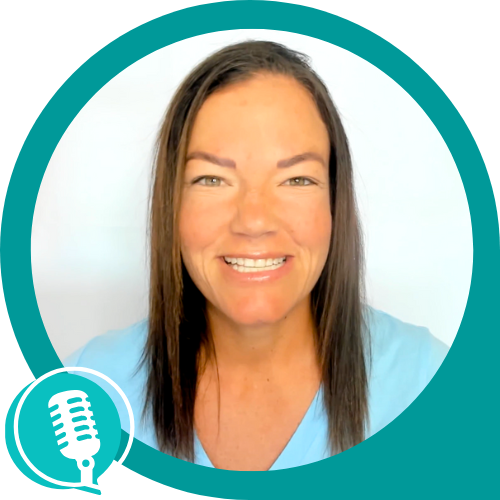
Kristi Kandel
Developer | Mentor | Co-Host of the LRED Podcast
Kristi is a real estate developer with nearly 20 years of experience and over $450M in projects across the U.S. Today, she focuses on helping locals step into development and build in their own communities.
She’s the founder of I&D Consulting, Local Real Estate Developers (LRED), and co-founder of Elevate, a community-driven sports and wellness concept.
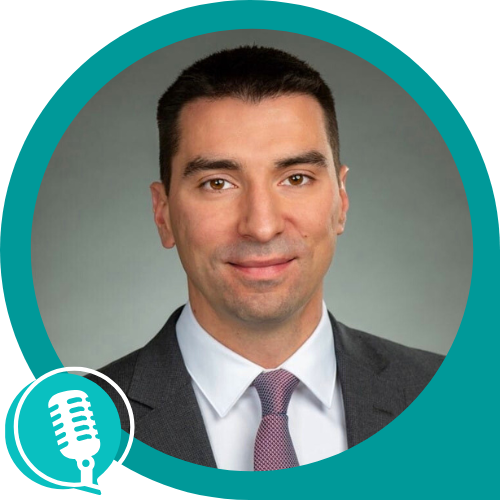
Raphael Collazo
Commercial broker | Author | Co-Host of the LRED Podcast
Raphael specializes in retail and industrial properties, bringing a problem-solving mindset from his background in engineering and software. As a commercial real estate advisor and developer based in Louisville, Kentucky, he works directly with investors, tenants, and cities, bringing a real-world view of how deals come together.
🔗 Related Episodes
How to Become a Local Developer: Katie Neason on Infill and Taking the First Small Bet | EP#29
A great companion episode on local infill, city relationships, and taking practical first steps in development.
How to Start Real Estate Development: Steph Weber Bought the Land First and Built the Plan Later | EP #41
A real look at taking your first development deal from idea to execution without having everything figured out.
Small-Scale Development: How She Left Her Corporate Career and Built a Tiny Home Village | EP #39
Another path from traditional career to building a community-driven development project.
About the Guest

Sieria “Sisi” Payne is a real estate investor and developer focused on commercial redevelopment and community-driven projects. She has transitioned from residential investing into large-scale development, with a focus on partnerships, impact, and legacy building.
Connect with Sisi
📸 Instagram https://www.instagram.com/sisi_thedeveloper/
📸 Instagram https://www.instagram.com/siorcocktails/
💼 LinkedIn https://www.linkedin.com/in/sieriapayne/
Full Transcript
Raphael Collazo (00:42)
Welcome to the local real estate developer podcast, a podcast that's dedicated to helping people pursue real estate development projects in their own community. My name is Raphael Collazo. am a investor and commercial broker located here in Louisville, Kentucky. And I'm here with my co-host, Kristi Kandel, who's also a developer extraordinaire.
Local Real Estate Developers (01:02)
Hey, yeah, I'm a developer mentor and I teach locals how to become developers in their own backyard. And today we have a guest who I think I found you on Instagram and just loved your energy, loved what you were putting out. And then we chatted on the phone and I was like, my gosh, you need to be on the podcast and share your story because people need to hear this. So Sisi, welcome to the show.
Sisi (01:19)
Okay.
Thank you, thank
you so much, Roque, for having me.
Local Real Estate Developers (01:28)
Yeah, thanks for being here. maybe why don't you give the audience some background on who you are and maybe not getting into the first project, but just kind of how you got interested in development in the first place.
Sisi (01:40)
Okay,
so hi you guys, my name is Sisi short for Sieria. I'm from originally Milwaukee, Wisconsin, but I'm here in Atlanta, Georgia now five years. So I got my start in development by first starting doing fix and flips, buying holes, just all things real estate. And then it landed me into development where I found that that's the space that I love redeveloping and then also developing. So taking something old and making it look new again.
Raphael Collazo (02:08)
That's awesome. So by that, you mean, you typically operate in the residential space or are you also doing different multifamily projects or just kind of curious as to the scope of that?
Sisi (02:18)
Yeah, so I started in a residential space with just doing single families. Then I started purchasing multi-families and redeveloping those, fixing and flipping, selling them, and I still hold some of those properties. And then after maybe seven years, then I went into the commercial space and I bought my first commercial property. Thank you.
Raphael Collazo (02:38)
That's amazing. Yeah. No,
I, no, I, I'm, I'm fascinated to hear, you know, maybe a little bit about that, progression, because I think that, a lot of the people that listen to this particular podcast, they are people who are aspiring developers. So they have a vision probably similar to the way you had it, except you, executed it, right? You, went through what you said, Hey, this is what I want to do. And I'm to go ahead and pursue it and make it happen. So
Can you kind of walk us through maybe that, that first jump and maybe, maybe we can advance a little bit. Cause I know you started in flicks fixing and flipping and you started getting into multifamily. What was that initial jump to the next stage, which was the commercial space? What was that first project like?
Sisi (03:11)
Bye.
So the space that had me jump into commercial, well actually when I moved down to Georgia, my goal was to have my own office space where I would operate my own business. At the time I was moving my coworking business from Wisconsin to Milwaukee, I mean to Atlanta. So I wanted a building where I can just rent it out and operate my business. Well, down here in Georgia, they're like, well, why do you wanna lease when you can just buy and I'm-
Well, can I buy and it was like, yeah, you can buy your own commercial space like that easy. And I was like, okay, so I probably looked at almost, my God, almost a hundred buildings because I just wanted to look and feel a certain way. So it was hard finding something that fit exactly my business model. So I got my commercial real estate lender. He connected me to a lender and I ended up purchasing the property.
So when I got in the property, was a 10,000 square foot building and it kind of fit the need of what I wanted. But then it come to coworking space, turned into a restaurant and I ended up opening a full service restaurant, which is crazy. Cause that's how I got into redeveloping commercial. So I basically redeveloped the whole building. I mean from walls to plumbing to HVAC to floors, I'm talking about grease trap $30,000.
basically redeveloped the whole building, right? So I kind of learned everything there is to kind of learn about real estate from permitting to construction to just everything. And I'm like, wow, you know, that's doing it yourself is something school can't teach you, right? You have to be in the field actually on the grounds doing it. And that just kind of how I got there, which is redeveloping my own property myself.
Local Real Estate Developers (04:54)
Okay, so you just said you you were going to find a space to run your business and then like well instead of leasing it by the building and I know that there's a lot more to it. What did it take? What did it take for you to just even wrap your head around? it you know, was it a couple weeks? Was it was it working with a broker and then talking to like how did how did the details of that because I know a lot of people would go what my mind's blown. So maybe like a little more in depth on that so they can go. Oh, that's the process.
Sisi (05:05)
Bye.
Local Real Estate Developers (05:24)
she
went through. Okay.
Sisi (05:26)
Yeah,
so and I know, it's a lot up to the story, but if I go back a little bit, so I own a home health care company. I've been owning my own home health care company for over 10 years in Wisconsin. So obviously like the financials, know, that business, that history.
all that paperwork and document, because what my lender told me, it's all paperwork, right? As long as you're paperwork in order, you kind of can achieve anything. So he was like, looking at the financials, my history, my business, I use my business to purchase that commercial property. So they was like, you know, use your business and you can purchase this commercial space. long as you operate your office, you know, your business in that space, you can lease the rest out. And that's kind of how that happened. So I kind of
winning it just being eligible that way. And then that's what landed me into getting this phase.
Raphael Collazo (06:19)
Yeah. Yeah. That's a really smart way to approach it. And I actually advise a lot of my business clients to kind of think about that, especially if they have a business that they know they want to be in a certain area for a long period of time, because to your point, it's almost like the terminology house hacking, where you buy a fourplex or another type of duplex or whatever, and you live in one of the units and rent out the others. The same can apply for business where you buy a building, you occupy a portion of the space. You can qualify for owner user financing, which
you know, obviously can be a little bit easier to manage versus investment property financing, especially in this time where the cash flows are kind of interesting. And then again, you could, you could lease it out and help cover some of the mortgage. And it creates that opportunity for you to, you know, own your building and also, you know, own a piece of investment property as well. So it's pretty smart move on your part to do that. you know, one of my questions are you, kind of alluded to it in your previous question or your previous answer, but
You know, how did you go from coworking, right? You see this building, say this could potentially work for what I'm trying to do. But then all of a sudden you're like, through this process, you started getting into it. I'm, want to kind of hear that the progression to you now having a restaurant on site. Cause that's a big jump. That's not a small, you know, not a small shift. So.
Sisi (07:30)
Yes!
Yeah, so right. was crazy again. So now I got the building. I have it. I'm ready to do what I originally planned. And I'm like, okay, I'm.
going to go apply for the business license and open up the coworker space. And I'm like, I just want to have like pastries and donuts and coffee and just offer small stuff. Never thinking about restaurants. So when I went to the permanent and zoning and all that office, it was like, no, you can't just have coffee and pastries and it's not that easy. They're like, even if you have donuts, anything that you're going to have to wash a plate off and it's going to go down the drain, you need a grease trap. Something I didn't know about because I wasn't in a restaurant space. ⁓
I'm
like, a grease trap? Okay, that's nothing. I can do that. And he's like, okay, it's $30,000 to get a grease trap. And I was like, $30,000? And at this time, I'm just so excited. Cause again, I come from a fix and flip world, right? So I'm just excited to be just remodeling and taking it to bring it to making something nice. I'm just on this little journey and that stopped me in my tracks. And I'm like, okay, wait.
Local Real Estate Developers (08:18)
Yeah.
Sisi (08:35)
This is finna stop everything, cause I don't wanna have a coworking space in this type of square footage without food. Cause then I'm not gonna get the memberships I need, people not gonna stay, they're gonna go somewhere else for food. So I was just like, alright, forget it, I'm gonna put the grease trap in. So once I put the grease trap in and done, I mean I asked the business license, I said okay, so once I put the grease trap in, I'm just being funny, I'm like, well can I rent it out to like Ruth's Chris if I don't want the coworking space?
no more and I was like, yeah, it can be a full service restaurant. Because once you take these steps of doing like the five things, plumbing, water, zoning, grease trap, it can be a full service restaurant. then once that kind of went off and I'm just such a creator and a risk taker, it led that into me opening just a full service restaurant with food and liquor. it just turned into a whole other vision that God gave me. And I was just like, wow.
Raphael Collazo (09:25)
Yeah, that's awesome.
Local Real Estate Developers (09:26)
And for context
on the building, this a single story building? it two floors? What's the layouter?
Sisi (09:32)
So it's,
yep, it's four levels. So it's a four story building. So you got the first floor, got the second floor, third and fourth, and then you have a back to the building. So yeah, it was just designed to where the owners who owned the building for like over 30 years, they still stayed as my tenants. So they kept the downstairs space. Then the second floor, I made the restaurant. Then the third floor I had as my healthcare office. And the fourth back to floor, was a pathology lab. So it was just...
all kind of stuff going on in here.
Raphael Collazo (10:04)
Amazing. Yeah. So, so what was the makeup of the coworking space versus the restaurant? Did at some point you just decide to just get rid of the coworking space altogether and now it's just the restaurant?
Sisi (10:13)
Yeah, so I kind of didn't get rid of it. So I was like, okay Well, we still can do our like business over brunch is what I had like to call it where I can have guest speakers come in Talk about because my vision was having people come in and talk about different big real estate Financial just all different educational pieces while now we're eating brunch because we have the food piece So that piece kind of like what we did have a couple little like business over brunches
Raphael Collazo (10:22)
All
Sisi (10:39)
But because it was such a full service restaurant, again, and I'm getting myself into something I had no idea restaurants go through, it was like, wait, we need to hold on on this. We need to focus on really getting the customers in the door experience start to end. And it wasn't just a restaurant, too. I also created to where in the back we had a hair salon, we had an event space, we had like conference room. I mean, it was like a different type of design that most restaurants didn't have.
think that's why we went viral for everything I did develop into the restaurant as well.
Raphael Collazo (11:14)
That's awesome. Yeah. So it literally became like a coworking space for business because you have the airplane, you have the restaurant, you've got the event space. I mean, that's pretty, novel idea. And that's, I'm sure has led to the success that you've, you've described. you know, what are some of the challenges that you faced with that project? Because I feel like that in and of itself has so many moving pieces. So how did you kind of navigate some of those initial phases of the project? And then.
Sisi (11:18)
Hooray!
Correct.
Raphael Collazo (11:41)
Maybe at the end on the operational side, because I, you I do a lot in the retail space. I used to run a restaurant myself, uh, more on the management side. And then I had a catering company in college when I was going to Arizona state. So I kind of understand some of the challenges. Inherently restaurants face. So I'm kind of curious about number one, talk a little bit about the, the, the challenge you had to overcome when you first were taken on this project. And ultimately the operational side of the restaurant side would be interesting too.
Sisi (11:54)
Yeah.
Yeah, so let's go into some of the challenges because there's so many. I can write a book about it just with this one project. Yes, yes. So let's go all the way back. So now after I know it's going to be a restaurant, so now those challenges start to come into one. I have to hire an architect for the plan design to even get approved because now I want to have this over here and now we need to build a stairs that wasn't there. We need the wheelchair ramp coming around so.
Raphael Collazo (12:13)
You should.
Sisi (12:36)
I needed an architect. Okay, those architectural plans, $10,000. Okay, on the architectural plans, now we need you to add trees and landscaping around. That's more money. So the money just started to just trickle up. Then, okay, I do one thing and now they say, oh, who's your designer? I don't have a designer. I'm my own designer, which wasn't a problem, because I'm like a creator and I'm in design. And they like, okay, well, who's your general contractor? General contractor, I didn't know I needed that. I just wanted to have.
a conference room over here and this over there. Nope, you need contractors. They're hiring contractors. Get in plumbing companies, get in HVAC. Two months after I put the grease trap in, the downstairs, the first floor, the tennis that was there 30 years, they had a flood in the middle of the night at 2 in the morning. The water tank started leaking. Now they hadn't put no new hot water tanks, no new HVAC. The building was 10,000 square feet, so I had six.
six HVAC units, four water tanks, three of them went out. Water tanks went out. The bathroom flooded. I had to redo their floors while remodeling my upstairs. I mean, it was just things after things. And then the permit, I could not get the CO to get in the restaurant. That was like my hardest trial. It took a year. People don't know how long it take just for permits to get pulled.
and the plans to get changed and having an architect to go back and change the design. So it's like all this stuff that I've like learned and went through, which was a failure at the time. But now again, it's a success because now I know what to do differently. So those was like some of my biggest challenges. And then even knowing then I'm like, Ooh, I maybe should have had a business partner, no business partner, everything that I was doing.
Business-wise, operational-wise, was all just me. And I was just like, okay, wow, wait. I hear why people have multiple partners in the restaurant space. It's three and four owners. So I got to be able to transfer the move to the operational piece like you're referencing. Yes, people don't really know what it takes in that restaurant field until you actually own it. I mean, it's a lot from payroll to supplies to expenses. I mean, it really is a lot running a restaurant. And I really.
was able to experience a lot of those challenges.
Raphael Collazo (14:54)
Yeah, no front of house, back of house, inventory control, know, fluctuations in pricing for inventory can affect your margins. Like it is a, it's a brutal business, but it's a, I've always loved food. I'm always been a big food person. So obviously I, I passion to help people in the restaurant space, but, to your point, I mean, you, you, just, it's awesome to see this where you just like, you know what? I think it's a good idea. I'm going for it. I don't, I don't care. I'm to learn.
And I'm going to experience this and ultimately it's going to, we're going to get, out on the other side. That's a great attitude to have.
Sisi (15:24)
Yes, no risk, no reward. I feel like every day we wake up, we step out in this world, it's a risk, right? So why not take a risk on yourself? So for anybody watching this, I just encourage people to bet on yourself, take a risk. You know, don't know what you don't know. So I feel like the best educational piece, college and school can only teach you so much, but actually getting out there on the field and taking some losses, unfortunately, is what's gonna teach you. So that's just my piece from that.
Local Real Estate Developers (15:51)
I love that perspective and yes, agreed 100%. But how did you get to that point? mean, you're diving into this. You have all these unknowns come up. I'm sure at some point you were like, my gosh, I wanna throw my hands up and possibly quit. But clearly you persevered through. So what's that motivation? What's that driving force that makes you go, no, I'm gonna figure this out. I'm gonna do this.
Sisi (16:14)
So I
feel like for me, just think, just having that risk taker spirit and background and just my kids has always been something I'm like, okay, I have to do this for them. I need to do this.
So they can see, cause I didn't have no one that looked like me that came from where I come from growing up. So I didn't have like role models and mentees and mentors coming from where I come from. So I'm like, I want to set that example for my kids and my children and for other people who are like me in the same position. Like how do I do it? So I feel like, I don't know, God kind of used me as that vessel to be the one to do it. So people can see you can do it. Cause I think a lot of us never vision of, you can own a commercial building, a 10,000 square foot building.
we only sometimes stop at residential because we think you know have to be a millionaire or a billionaire to even own this type of things or do these type of things like own a restaurant so I kind of feel like I'm just the chosen one but I'm also just always been that hard worker that risk taker and the person that like I want to see for myself the crazy serial entrepreneur that's like I want to see for myself and just not giving up again you just got to keep going because I feel like if you can make it this far you can make it even farther
Raphael Collazo (17:26)
Absolutely. Yeah. And to your point, just this, just that attitude to say, Hey, you know what? I may not know this right now, but I'm going to figure it out. Like that, that's the, that's the true entrepreneurial mindset. ⁓ cause you're right. mean, you don't know. No, no one knows everything. Like it's, you know, I think in the more you start, the more you learn, the more you realize you don't know. And it's kind of like a dichotomy almost, you know, but, obviously having that attitude is, is, is very helpful for sure. And so.
Sisi (17:33)
See you guys.
Yes.
No.
Exactly.
Raphael Collazo (17:53)
You know, I think one of the, one of the things that we like to talk about in the podcast is the impact that, know, these types of projects can have in the community. Have you seen, I guess, community impact as a result of this project? And maybe if you could describe it a little bit.
Sisi (18:06)
Yeah, so community impact, I will say, and you speak in reference to like around in the community where I developed the space, how it affected. Yeah, so I was so right before, right when I bought the building across the street, the hospital, was West Wellstar Hospital, a real big hospital in Georgia. They had one of their office spaces there and they were closing down. So literally.
Raphael Collazo (18:13)
Correct.
Sisi (18:29)
The week after I purchased my property, Porsche was buying the old hospital across the street. So it's kind of like a battle, but there also was a sign.
This is going to be a booming area. Porsche going to build this world class, which they just grand opened, I think at the end of this year. So they built this world class Porsche dealership. I knew the direction of what that area was going to turn to. Now it was already a good area because it's right by the battery. I mean, the battery, the parade stadium, not sure if you guys are familiar with Atlanta, but the baseball stadium, five minutes up the road, the battery that they just build, new apartment. So it really just was, it just was a
growing in development area. And on that space, was like an all corporate area. So I put a restaurant in the middle of like a corporate business park development, which they needed more food spaces. So I was able to market to the hotels and tell the hotels, hey, when your guests come in town, if you send them my way, we can give them discounts. And you know, they like the reward programs.
Raphael Collazo (19:18)
Mm.
Sisi (19:30)
We had a chiropractor office right next door. We gave them discounts and then they were able to instead of order Uber eats all the time now they got chef cook meals that they could just walk next door and You know eat so I think it really changed it really had a good impact on the community It wasn't like bass because it wasn't a nightclub, right? So we didn't have like this crazy traffic or no noise issues or anything like that So we were a we have ballet services. So ballet did all the
kept the traffic under control. just, was a good setup, but it was different because most people wouldn't put a restaurant inside an office building, but it just was that new development style that made it so different. And people loved that because it was such a different Pistons model.
Local Real Estate Developers (20:14)
Well, and that led to your eventual exit on this one, To where maybe tell us some more about what kind of opportunity came up once you had that built.
Sisi (21:02)
Yeah, so once I had this build, I got the restaurant operating. It's five years now. It had been five years since I owned the property. So obviously the value had increased and what I did, the redevelopment helped increase the value. So I had people reaching out even a couple of years ago and they like, you know, do you want to sell the property? Want to sell the property? And I was like, no, I'm keeping this for my kids. Like I'm never selling this property. This is my first one. I always just had it in the back of my mind. I'm going to keep it.
But then I had some investors that again, because Porsche was across the street, now you got all these automotive people that want to be right here by Porsche. So these guys, they were very persistent. They was very like, okay, we want the restaurant. They kept coming to look at the restaurant. They kept coming to look at the space. And they like, we want to open an auto broker dealer downstairs and then we can keep the restaurant upstairs.
So they just kept, pinging on it. And then I started facing some challenges with the restaurant, know, with the economy and people not spending anymore and just different things started to unfold. And I was just like, okay. And I had my business partner who's in real estate development. He was like, look, Sieria, can't attack, you know, I know you treating this business like your baby. This is not your baby. You got to buy, build, sell. Buy, build, sell is all you need to have in the back of your mind. Build it, you buy it, you build it and then you sell it.
Okay, you're right. He was like, we got some bigger development projects happening, which is the one in Milwaukee I'm going to tell you guys about. And he was like, you know, you can take this money and, you know, do these different things. So anyway, fast forward, it kind of finally lead into the sale of the building, which happened in March. So March 12th, I sold my baby to some developers. I mean, to some, you know, they own hotels, they own auto broker, they owned a lot of different businesses.
And I sold this to them and they also was like, well, we want to hire you on. We want, we don't want this relationship to end. We want you to be our restaurant consultant and help us turn this into like a Mediterranean restaurant. So I sold it. I'm going to work with them and yeah, that's and I'm on to the next project.
Raphael Collazo (23:05)
That's awesome. So you took it through the whole entire life cycle. You took it from the acquisition phase to the redevelopment phase, the stabilization phase, and ultimately the sale. And to your point, I mean, I think, you know, lot of, and I'm, I'm, I'm guilty of this too. Like, you know, I'm not as, you know, I have several properties I own currently, but I remember my first property when I owned it, I've owned it forever. And then this last year I ended up selling it to take on a new project, which is ultimately going to be a development.
Sisi (23:14)
Yeah.
Raphael Collazo (23:31)
And I remember that even though I really wanted to sell it, cause it was, it was, I was pulling my hair out as a fourplex and, and like kind of a college area. I was just pulling my hair out on it, but I was like, there's still this nostalgia where it's like, man, like I put so much time and effort and energy into this thing. And I know that, you know, it, you know, I, it, it, was once it was done, I was like, okay, I'm glad that I was able to get it done. And I use its capital to move on to something else. But obviously, you know, at the time it's definitely something in your head. You're like, wow.
Sisi (23:44)
Yes.
Mm-hmm.
Yes
Yes, agree
Local Real Estate Developers (24:04)
Yeah, I remember the same just after just before and just after COVID the first two townhomes I had ever bought in Lake Tahoe, we ended up I ended up selling and it was so hard to let those go because it's like like the bigger developments I could let go I wasn't attached to but I'm like those are my babies I put like a lot of time and effort in and people had great memories there but yeah realizing that okay this is a business and if we truly want to do our bigger mission our bigger ideas then we we do need
Sisi (24:18)
you
Thank
Local Real Estate Developers (24:32)
to let them go. So you kind of alluded to your next projects and what's next. Do you want to tell us a little bit more?
Sisi (24:40)
Yeah,
so my friend who's been a developer for years in Milwaukee, he's been developing like a lot of apartment buildings for like over 20 years. He's been my mentor and I watch him develop and be in that real active development space and I have been telling him like, okay, what can I do with the money to make sure I invest it correctly and do a bigger project? And literally like right when I got the call that I was gonna close, he was like, Sieria, I got a good deal for you. And I was like, what? And he was like.
It's a development happening. It's a church. They're trying to build a new church. They're trying to build a camp. They're trying to do senior living. They're trying to do a memory care. Montide family is just a whole, they got like 15 acres. So I was like, okay, okay. And he was like, I said, are you going to be the developer on a project? I'm only going to do it if you're going to be the developer on a project because I want to co-develop with you. I don't want to just be an investor because initially they just wanted an investor. And I said, I don't want to just invest. Like if I invest, I want to be a part of it.
to a part of it, I want to be on the team, I want to do everything. So he was like, okay, we're the opportunity presented for you to co-develop and also be an investor. So a two part. So yeah, we closed on the land, we got the acquisition of the land. So now we're in the beginning stages of the pre-development and we're going to be building single family homes that will go, a camp.
Memory Care Center, independent living apartments, which my health care company will be able to utilize that because we find housing for our members. So it's a big development space that I'm very happy about because it's in my hometown and it's like a give back to my city. And it's working with a church, so I also thought that was big as well.
Raphael Collazo (26:24)
Yeah, that's awesome. So it's a multi-phase project. I guess how are the pro how is the project laid out? Is it a, you know, three year timeline? You start off with single family and then, you know, do other, does that look?
Sisi (26:36)
Yeah, so they're gonna do it in phases. So right now we're gonna start doing the homes first, because those are easier to sell. So they're gonna start selling the lots and doing the homes, building that first, and then we'll go next into the multi-unit apartment. And then just different phases. So it's different phases. So yeah, it could definitely be an easily up to three to five year project, just with the different phases.
Raphael Collazo (26:59)
Yeah, no, that's awesome. And, and, to your, the point that, you know, you're making a lot of these developments to the larger ones. Like you have, you always have to phase them out because you get them to cat flow. You stabilize, do whatever that phase is. And then ultimately you go onto the next one and then you continue on until you can actually have the final product. So.
Sisi (27:09)
Yes.
Yay.
Local Real Estate Developers (27:20)
And since this is a larger one, how many partners do you guys have and just generally how was that structured and put together?
Sisi (27:27)
So
it really is only two partners. It's the church and it's me as as partnership on the deal. So I actually only have a 10% ownership in the deal, which is still good for that type of development. So I bought in for a 10% investor as far as partnership. So it's the church and it is me.
Raphael Collazo (27:39)
Mm-hmm.
Sisi (27:44)
And then just on the developer side, I'll be the co-developer alongside my friend who's the actual developer of this space. But I think, know, obviously they're going to probably raise capital and funding and get more people involved, but just in the acquisition phase, was only two.
Local Real Estate Developers (27:58)
And then you had talked about partners earlier and how you would do that in the future. I completely, just, I always talk about it now. like, I would only do things as a partnership because it's so much more fun and you can offset the responsibility and you can figure out, hey, these parts I love. It gives me tons of energy. And then finding that partner who can pick up the other side is so huge. How did you go about vetting the partnership and both with your co-developer and with the church and kind
Raphael Collazo (27:58)
And
Local Real Estate Developers (28:24)
And what do you look for in partners in general? that could, you know, a lot of times in our fix and flips and our smaller multifamily, we go, we can do it alone. But if you want to get
Sisi (28:33)
Mm hmm.
Local Real Estate Developers (28:34)
into development, it's a team sport. So maybe what's your thought process behind partnerships too?
Sisi (28:38)
Yes, I'm
a big big firmly right now I'm saying been the powers and partnership the powers and partnership partnership partnership So just knowing what I know now any business Ventures that I'm do moving for I want to do partnership. So like I mentioned earlier even just was selling the restaurant So the restaurant has not even though the rest the building is gone. I'm still we're not see your ATL No more. We see your cocktails and we literally been doing
everything, catering, corporate events and all that. So I actually was able to find a partnership with that. And I love, so now I have a partner that helps me. I do the drinks, she do the food. So with catering, you need those two to align. So that kind of introduced me into that first step of partnership and gave me that excitement. Like, my God, see, I wish I would have did this in the beginning. And then with real estate, the developer is my friend. We've been friends, so I trusted him.
And then the guy, the church, I mean, they didn't know each other, but I mean, he's a developer and he's an active developer in the area. So I'm sure they was vetting developers in the area and they came across him. And I mean, his track record is just what it is. He'd been developing apartment buildings, multi-family for a year or so. They trusted him. So.
Me, I flew home to go and actually meet the church. I went and sat in the service because I wanted to get a feel of who am I investing in? Who am I partnering? I want to kind of know the person. So I went and sat in church service, got a feel of the church, got a feel of the people, the aura, the energy, the spirit, and the line just before I made my final decision. Like, is this what I want to do?
And I kind of just, you know, vetted it. just, you know, it's still good to vet whoever you're going to go in partnership with. Everybody not going to work in partnership, but I think, you know, really spending time with whoever you're going to partner with to make sure it's just a good partnership.
Raphael Collazo (30:29)
Absolutely. Yeah. No, I mean, I've taken on so historically that, you know, I, my first investment was a fourplex, in kind of a college area here in Louisville. And then, I didn't really invest at all because I was, I transitioned from my previous career was, which was in engineering into brokerage commercial brokerage. So for the first four years of brokerage, didn't invest in real estate. And then the last year I bought three properties with partners. So, you know, it was kind of like a, just nothing to all of a sudden just
You know, jumping full force into it. And I've learned to your point with partnerships, it's, finding the people that like to do the things that you yourself are maybe not as good at, but making sure that those people too are just high integrity. Like, you know, you know, you can rely on them. You know, they, if they tell you something, you believe them and it's, and it's going to actually work. Cause that helps streamline the communication. Because if there's ever a situation where there's, there's miscommunication or maybe there's, there's lack or.
Sisi (31:03)
Mm-hmm.
Raphael Collazo (31:24)
perceived lack of integrity. That's where things kind of go sideways. it's hard. Sometimes you just go through those experiences and it doesn't work out and you you learn from those experiences.
Sisi (31:28)
Yes, agree.
Yeah.
Local Real Estate Developers (31:36)
You live and learn and you decide on the next ones, hey, I'm gonna ask these questions or I'm gonna look at this track record and go, cause you're not gonna win them all. But you will learn and that's something that you've said throughout. You're like, I'm gonna figure it out, I'm gonna learn from it. It's better than the high school and college education because that's how, knowledge comes from learning that stuff but wisdom, true wisdom comes from taking action and just going, I'm gonna fail way more than I'm gonna succeed.
Raphael Collazo (31:42)
Mm-hmm.
Sisi (31:45)
Yeah.
Local Real Estate Developers (32:04)
And that's okay because those winds that we get and that ripple effect that we're creating, that's the awesome part.
Sisi (32:11)
Yeah.
Raphael Collazo (32:12)
So how do you stay motivated with all these things that you got rolling? Like how do you keep the motivation? I mean, I could see the aura, right? You got the aura about you. I was just kind of curious, like what drives you? What keeps you going? What keeps you wanting to pursue these types of projects?
Sisi (32:28)
So yeah, I think it goes back to again, coming from where I come from, know, the Midwest, Wisconsin, Milwaukee, just not having the opportunities like I'm in a bigger city now, you know, not having the opportunities that you have growing up, again, people that you want to be like and look like growing up. So it's like, and then not going back to where you came from, where you overcame. So it just was like that. Like I just want to work hard.
so I can be able to provide a life, know, build a legacy for my kids, which was very important, you know, not coming from a family with wealth and legacy and not really knowing the importance of that. I just wanted to be that one that did that for my kids, you know, so giving them something that that I can leave to them. Like my mom, when I leave here, all the stuff that I've done, which I really need to write my book, people will know like Sieria left a legacy, her legacy will live on.
because of the things that she did, being a philanthropy, giving back and community service, not just making money, because life ain't about making money. Money is easy to make. You can do that. But it's about really giving your heart, giving your time, giving your energy, connecting with the right people, doing the right things in life. And that's why good things just come to people like that, right? Your spirit, your aura. So staying motivated is just, I got to keep going back to my kids. feel like if I didn't have children,
probably wouldn't be as motivated because I feel like, okay, you know, what will be pushing me or driving me, especially in times like this in this economy and the way the world is, it's just such a hard life right now, you know, and it's hard. And this is why we, a lot of people just going through what they're going through because it's like, you don't have nothing to be motivated by or look forward to. So I just have to keep resorting back to them that they my push and my drive. And they're the ones that's keeping me here because I can't say it's making money.
and having a lifestyle or materialistic things is just the last thing on earth, which, you know, a lot of people want to get money to do those things. But for me, I love being able to help people, put people in position, help people, see people win, help other people be happy, help other people fulfill their dreams, you know. So just not having that, not having what I had is what really drive me. So that's what driving me is just being a help to others.
Local Real Estate Developers (34:40)
Yeah, preach girl, I love it. I love it. That's that's exactly it. I have I just I have so many people are like, if I just if I just won the lottery that then I'd be happy like it doesn't matter the money is never going to fulfill you or make you happy you go you get to go out there and create that community around you create that example create this the the feelings and the places and spaces that bring us alive and bring us together. That's what matters that right there
Sisi (34:41)
Sorry, I'm trying to freeze.
And now.
And.
Yeah.
Local Real Estate Developers (35:07)
I love
that. And I guarantee you, you've already, like, I'm sure people tell you all the time what an inspiration you are and, you know, potentially they've gone out and done their own things and been able to take even if it's the smallest risk because of what you've done and that has to also light a fire and keep you going.
Sisi (35:18)
Smile.
Yes, it
does. really does. that, yes, hearing those stories, because you don't think people watch. You know, a lot of us is in the field, we're working, we're acting, we don't think paying attention. Like, people pay attention. They pay attention a lot, and they see you, and they see what you're doing, and they know, and they can feel your energy probably while you reached out, like you said, and they just see you. They see you. So people know who's really, you know, just doing the thing. And hearing those stories, and people will tell you,
because of you, because of the podcast I listen to, because of that speech you gave. And it's just those little nuggets that be like, okay, let me keep going. Because I'm doing what I'm doing so somebody else could be doing what they're doing. And that fulfills me. We only own this earth for a short amount of time. And I just think the one things and the spaces, the things that we love to do and helping other people, I just feel like that's amazing.
Raphael Collazo (36:13)
So, so yeah, and part of that too is, know, inspiring other people to kind of take on that, that, that mantle like to pursue development. So I guess one of the questions we have is, you know, for those who are listening to this podcast, I'd say a good percentage of those who are listening or aspiring developers. So there are people who want to ultimately take on a development project of their own. mean, what, what advice would you give to those people that are, that are kind of hesitant about taking on that next step, but
you know, ultimately want to pursue maybe a similar path to what you've kind of been able to accomplish.
Sisi (36:45)
The first thing I think, don't be too crazy like myself and trying to do it on your own. I really do think connecting with some people who've done it, who are doing it, and who have a lot of developments under their belt.
go and mentor those people. I'm a very serial networker. Like I'm always out at events and real estate conferences and those seminars and workshops. Like I think spend time there getting that educational piece, but then also networking and connecting with the people, the type of developers that you want to be like, cause there's so many different areas of real estate and development and different types of development. So I think really.
Connecting first and building up your resources and network of the people that's doing what you doing and then try to shadow them go try to Shadow people walk some development sites really learn all that you can learn and then try to partner with someone because I mean even like now You know with economy and everything with banks They're not given the funding out like they once was to people who are really new developers So you gotta work with someone that have different developments under they build and go co-develop
excuse me, so you can try to, know, before you even try to do it on your own, because I think it's just gonna be harder. But if you're aspiring, you never did anything, you ain't fixed and flipped, buying whole nothing in a real estate space and you wanna go straight into development, I think spend some time educating yourself on the importance of everything with development.
Raphael Collazo (38:08)
Awesome. Yeah, I know. Teaming up with people is huge, especially to your point. If you don't necessarily have that, that experience, like you're not a contractor or anything like that, being able to team up with someone to help with that process is huge. And if, even if that means that, you know, you, you, you don't get as big of a piece of the development, it's always, it's always better just to kind of be able to learn from that person who can help you make sure that you can navigate those waters early on. That's a great advice.
Sisi (38:34)
Yeah.
Local Real Estate Developers (38:35)
I know people now are some are saying, oh, you should never work for free or you should never. I don't know. I'm, if, you have the ability and the extra time to even put some time in to, to go learn, um, it does, mean, it's cheaper than a college education. And at the same time, if you're, if you're gaining someone else's 10,000 hours, I'm, I'm kind of a big fan of maybe potentially doing that. And I'm sure there's ways in the, even a code of element, maybe you tell them, Hey, I'm going
to work it out to where I'm gonna be your, like, I'm gonna do everything. I'm gonna be your boots on the ground. I'm gonna go, everything you tell me to do, I'm gonna go do it, knowing you're not gonna know all the ropes, but maybe there's a way to get in small and get your feet wet and really get that experience because it's so worth it in the long run. I think a lot of times we're short-sighted and we go, this one deal, this one return, but if we were to look at partnerships and deals in the way of, let's think about this being a, what if this was a multiple,
project in a 20-year partnership type of structure to where we're looking at not just one outcome but the outcome over the long run and what that could turn into and that might be better in the long run. don't know.
Sisi (39:49)
Yeah,
and that's why I love what you're doing, Kristi. When you told me about building that space for the developers, just don't see even here in Georgia a lot of people doing it. And I'm out active, and I know a lot of developers and builders and real estate companies, but people are not bridging that gap where they're coming together, they're putting everyone together. And you you even thinking about the conference of getting people together. So I think even having people who are the experienced developers come together and now they can offer like...
maybe boot camps or workshops or whoever can, I think that's another way that we need for other people who's trying to come in the industry. Cause you see like every developers you kind of see they just develop, cause it's, mean, it's a lot of work. It's not easy. So they don't have as much time, but it's just, think coming, bridging a gap with all the developers together to, you know, now create that network where people could kind of come into and learn. So I think that's amazing what you're doing.
for the developers.
Local Real Estate Developers (40:43)
Yeah, and that's why we really want to be able to create that place because everyone's, someone who could learn from me and my projects is going to be different than someone who can learn from you, is someone different than Kenneth, someone different than Garland. And it's just like, and we'll all hear things different. We'll all be like, wow, that's super cool. So I, by creating that, we're normalizing it and we're making it so yeah, even someone like me could go do that from a small town in Ohio and you from the Midwest and roughly
and his area and it's cool and inspiring to go, all right, we can do this, we can make a difference and if we put other builders in the same room together, what kind of energy are we putting there? What kind of ripple effect and what kind of doors are gonna open that we can't even think about today by doing that?
Sisi (41:23)
Yeah.
Yeah
Amazing. Yeah.
Raphael Collazo (41:31)
Definitely. you know, along with, you know, you, you've continually just kept pressing the envelope with new projects and pushing forward. And you kind of alluded to this project with Milwaukee that you're going to be taking on any other projects that you're actively looking at or working on that, that are up note. And how do you, where do you see yourself in the next call it five to 10 years?
Sisi (41:53)
Yeah, so now that I'm going like full fledged and my goal is to start developing here in Georgia where I'm at I want to develop more like senior living centers again because I'm in the health care space and I feel like The baby boomers like it's just so much need in a hair care health care space is like a real estate It's a booming industry, but not enough places For the seniors to go and live or not enough houses for people to you know, the parents to stay in
So I really want to develop in the senior care space, senior living apartments, senior homes, not really nursing homes. So that's one of my goals. I also have a builder friend in Texas who want me to come and help with some development projects that they got going on down there. Texas is a wide open market right now with the development. So he's developing mansions, like building mansions and selling them for like two and $3 million. So that bill is kind of interesting. He's the active builder.
And then just more development in my hometown. So I think like the next five to 10 years, I'll just be having more developments under my belt and just really fully active development. I actually want to kind of learn more about the building space. So I do want to learn more about the building side of things. I'm kind of already in a design and that's just for fun. But I think I want to take it seriously because I really, everybody like, Sieria, you need to design. So I know I can really design.
the start to end of the whatever projects and be hands on on that piece as well.
Raphael Collazo (43:17)
awesome.
Local Real Estate Developers (43:18)
Do you see your kids showing
any interest in this just out of curiosity or are they still a little too young to?
Sisi (43:24)
Yeah, I think they're a little too young But I'm actually going on like a speaking tour this year where I'm going and speaking on panel Stages where we're kind of doing like workshops teaching women how to like, know, just everything business and entrepreneurship So this will be my first year I'll take them on a roll so they can kind of like see what mommy is talking about and doing so I think Once they kind of see that then they might have a feel of it But I don't know it takes a lot. You got to really have a little
You know, getting it fixed and flipping and seeing something ugly and turning it to, everybody don't see the vision. You gotta have an eye for that real estate stuff, because people be like, I ain't no way I'm gonna do those type of things, you know? So.
Raphael Collazo (44:02)
Mm-hmm.
Yeah. No, you've got to see the vision and then also you'd be willing to go through the turmoil that takes you there as well. Because there's some people who start a project and they're like, my gosh, it seems like the world's falling apart, but it's like, you'll get through it. You'll get through it. Get to the finish line, you know? So that's awesome. Well, Sisi.
Sisi (44:08)
Yay.
Yanks. Yeah.
Yeah.
Raphael Collazo (44:25)
We really do appreciate your time. I've, I've, gained a lot of insight from this discussion and I'm really looking forward to staying in touch. know, you know, Kristi has alluded to the idea that we're going to be trying to coordinate meetings for developers from across the country to get together and make this into a more formal type of, ⁓ annual or biannual type of, event, but really looking forward to staying in touch and really following along with your journey. If you want to learn more about you, maybe be able to get in touch or, you know,
Sisi (44:27)
Yeah.
Yeah!
Okay.
Yeah.
Yeah.
Raphael Collazo (44:54)
whatever else, how could they be able to do that?
Sisi (44:56)
Yeah, so you guys can follow me on Instagram at sisi_thedeveloper So I kind of got all my different business and creator of all things all on that page I'm also on LinkedIn as my my real name Sieria S I E R I A P A Y N E I'm on the LinkedIn and then with my catering and restaurant vision You can also follow us at SeaYork cocktail. So we do a lot of things over there as well
Raphael Collazo (45:24)
That's awesome. And we'll be sure to include that in the show notes as well. So if you guys are watching this on YouTube, go ahead in the description. If you guys will listen to a podcast, again, it'll be in the description as well.
Local Real Estate Developers (45:34)
Thank you so much for sharing your story. I love your energy.
Sisi (45:37)
Thank y'all, thank y'all so much for having a nice meeting you, Raphael. And yes, I definitely, you know, like I tell Kristi last day in touch, we have each other number and text. So I would love to get your contact information and see how I can be a me here in Georgia for you guys, so.
Raphael Collazo (45:37)
Yeah.
yeah, no, and obviously Atlanta is such a big market and really we're kind of in the same, we're not too close, but about seven hours away driving. So it's really not that far. And, you know, I'm looking forward to kind of staying in touch and seeing if there's opportunities in the future to be able to collaborate on different things.
Sisi (45:53)
Yay.
Yeah!
Yeah.
And in Wisconsin, because that's, yeah, from there and we right there. Yeah.
Raphael Collazo (46:07)
Wisconsin too. Yeah.
Yeah, no, I need to go. I need to make it to Wisconsin. I've yet to go to Milwaukee, but that's definitely on the list of places that I want to go check out.
Sisi (46:13)
Yeah. And then you
can come and see the development and see some other development opportunities because it's like the Midwest. You our markets is a little different and also better. It's a gold mine up there.
Raphael Collazo (46:24)
Absolutely. No, yeah, I mean, it really is.
And I'm very bullish on the Midwest and I'm really excited about what the future holds. you know, who knows, maybe maybe in the future, once the development gets underway, that could be like a site tour we do. There's future stuff. So.
Local Real Estate Developers (46:36)
Mm-hmm.
Sisi (46:37)
Yes.
Local Real Estate Developers (46:39)
And in December,
not that you want to go to Milwaukee when it's cold, but I do my road trip back to Tahoe and I take this crazy detour through the Midwest to see all families, so you know. ⁓ perfect, perfect. ⁓ Awesome.
Sisi (46:43)
Okay.
Yeah, and I'm there for the holidays. So yes, that is perfect. Yes.
Raphael Collazo (46:56)
Well,
well, Sisi really thank you so much for your time. really do appreciate it. And we're really excited to hear the feedback that people have from this podcast episode. So if you guys are watching this on YouTube, please like and subscribe. It makes a huge impact on our ability to reach a broader audience. Along with that, if you guys are watching or listening to this in a podcast format, whether that's Spotify or Apple podcasts, please leave a five star review. The more reviews we receive, the broader reach we get. And ultimately we get to spread the message of
Sisi (46:57)
Thank you.
Raphael Collazo (47:21)
Aspiring people or inspiring people to be able to develop their first commercial project. So thanks again so much for tuning in and we'll see you all next time
Get the tools behind the episode
Access the Developer Vault with templates and real resources
©2025 I&D Consulting. All Rights Reserved.
©2025 Local Real Estate Developers. All Rights Reserved.