How Self-Directed IRAs Can Help You Raise Capital for Real Estate Development | Kaaren Hall | EP #64
Real estate development, self-directed IRAs, and unlocking retirement capital to fund development projects.
What if your next investor already has the money?
They just don't know they can use it.
Most developers think raising capital means finding new investors.
Kaaren Hall explains why one of the largest pools of available capital is already sitting in retirement accounts. She breaks down how self-directed IRAs work, how developers can legally accept retirement funds into their projects, and the common mistakes both investors and sponsors should avoid.
Whether you're raising money for your first development or looking for another way to diversify your own retirement investments, this episode introduces one of the most overlooked funding tools available to local developers.



Get the tools behind the episode
Access the Developer Vault with templates and real resources
Episode Summary
Most developers spend their time looking for new investors.
Kaaren Hall believes they're overlooking one of the largest sources of capital already available.
After losing her job during the Great Recession, Kaaren unexpectedly became an entrepreneur. Rather than searching for another position, she founded UDirect IRA Services and built a business around helping investors take control of their retirement accounts through self-directed IRAs. Seventeen years later, the company has helped more than 11,000 investors self-direct over $1.3 billion into alternative assets, with real estate making up the majority of those investments.
The conversation begins with entrepreneurship itself. Kaaren shares the reality of starting a company during one of the worst economic downturns in history and why simply showing up every day eventually created momentum. Her advice is refreshingly practical. Problems are inevitable, but successful entrepreneurs keep moving forward and solve them one at a time.
The heart of the episode focuses on self-directed IRAs and how they can become a powerful capital-raising tool for developers.
Many people assume retirement accounts can only invest in stocks and mutual funds. Kaaren explains that retirement dollars have been allowed to invest in alternative assets, including real estate, since 1975. That means developers don't always need to find new investors. Sometimes they simply need to ask a different question:
"Do you have an IRA or an old 401(k)?"
She walks through how investors can transfer retirement funds into a self-directed IRA, invest those dollars into development projects, and continue growing their retirement savings outside of the traditional stock market. The process is far simpler than most people realize, but it requires understanding the rules around prohibited transactions, disqualified parties, and how retirement accounts differ from personal investments.
Beyond the mechanics, Kaaren offers valuable advice for anyone raising private capital.
Transparency matters.
Every project encounters setbacks, and investors don't expect perfection. What they do expect is honest communication. Rather than hiding problems, developers should address them early, explain the situation, and present a plan for moving forward. In many cases, investors become stronger partners because they're included in solving the challenge instead of discovering it after the fact.
The episode also explores partnerships, raising debt versus equity, financing commercial real estate, and why developers should treat every investor relationship with the same level of professionalism and trust.
The biggest takeaway is that raising capital isn't always about finding more people.
Sometimes it's about helping the right people understand that they already have capital available.
Once developers learn to recognize retirement accounts as another funding source, they dramatically expand the number of potential investors who can participate in their projects.
What You'll Learn
- How self-directed IRAs can fund real estate development projects.
- The simple qualifying question every capital raiser should ask potential investors.
- The difference between debt and equity investments inside a self-directed IRA.
- Common mistakes developers and investors should avoid when using retirement funds.
- Why transparency builds trust with investors during difficult projects.
- How retirement accounts can become a long-term source of private capital.
Bold Truth
Your next investor may already have the capital. They just don't know they can use it.
Timestamps
0:00 — Intro
https://youtu.be/RSt6ZI5D6Tw?t=0
0:41 — Meet Kaaren Hall
https://youtu.be/RSt6ZI5D6Tw?t=41
3:39 — Why She Started UDirect IRA Services
https://youtu.be/RSt6ZI5D6Tw?t=219
5:13 — Becoming an Entrepreneur During the Great Recession
https://youtu.be/RSt6ZI5D6Tw?t=313
8:46 — Lessons From Early Partnerships
https://youtu.be/RSt6ZI5D6Tw?t=526
11:03 — Raising Capital for Your First Development Deal
https://youtu.be/RSt6ZI5D6Tw?t=663
13:18 — Why Transparency Builds Investor Trust
https://youtu.be/RSt6ZI5D6Tw?t=798
16:22 — What Is a Self-Directed IRA?
https://youtu.be/RSt6ZI5D6Tw?t=982
17:46 — The Simple Question Every Developer Should Ask Investors
https://youtu.be/RSt6ZI5D6Tw?t=1066
19:10 — How to Open and Fund a Self-Directed IRA
https://youtu.be/RSt6ZI5D6Tw?t=1150
22:10 — What Custodians Actually Review
https://youtu.be/RSt6ZI5D6Tw?t=1330
27:20 — Using Retirement Funds to Buy Commercial Real Estate
https://youtu.be/RSt6ZI5D6Tw?t=1640
30:43 — Rules Developers Need to Know
https://youtu.be/RSt6ZI5D6Tw?t=1843
33:11 — Managing Cash Flow Inside a Self-Directed IRA
https://youtu.be/RSt6ZI5D6Tw?t=1991
36:23 — Accepting IRA Dollars as a Deal Sponsor
https://youtu.be/RSt6ZI5D6Tw?t=2183
41:10 — Debt vs. Equity Investments Inside an IRA
https://youtu.be/RSt6ZI5D6Tw?t=2470
45:18 — Why Every Developer Should Learn This Tool
https://youtu.be/RSt6ZI5D6Tw?t=2718
46:29 — Advice for New Developers
https://youtu.be/RSt6ZI5D6Tw?t=2789
47:46 — Where to Learn More About Self-Directed IRAs
https://youtu.be/RSt6ZI5D6Tw?t=2866
Meet the Voices Behind the Mic
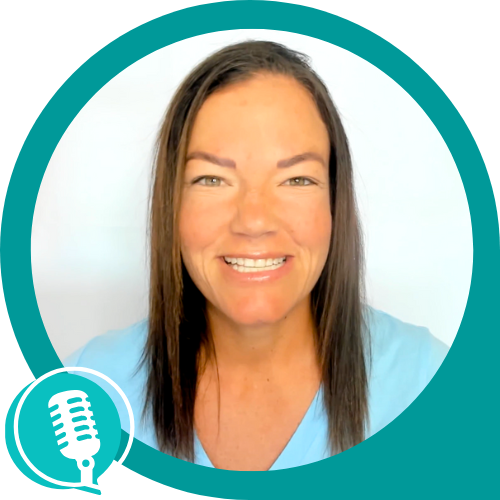
Kristi Kandel
Developer | Mentor | Co-Host of the LRED Podcast
Kristi is a real estate developer with nearly 20 years of experience and over $450M in projects across the U.S. Today, she focuses on helping locals step into development and build in their own communities.
She’s the founder of I&D Consulting, Local Real Estate Developers (LRED), and co-founder of Elevate, a community-driven sports and wellness concept.
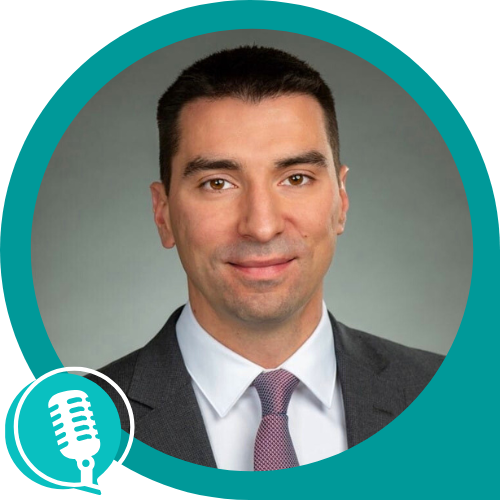
Raphael Collazo
Commercial broker | Author | Co-Host of the LRED Podcast
Raphael specializes in retail and industrial properties, bringing a problem-solving mindset from his background in engineering and software. As a commercial real estate advisor and developer based in Louisville, Kentucky, he works directly with investors, tenants, and cities, bringing a real-world view of how deals come together.
🔗 Related Episodes
How to Become a Local Developer: Katie Neason on Infill and Taking the First Small Bet | EP#29
A great companion episode on local infill, city relationships, and taking practical first steps in development.
How to Start Real Estate Development: Steph Weber Bought the Land First and Built the Plan Later | EP #41
A real look at taking your first development deal from idea to execution without having everything figured out.
Small-Scale Development: How She Left Her Corporate Career and Built a Tiny Home Village | EP #39
Another path from traditional career to building a community-driven development project.
About the Guest
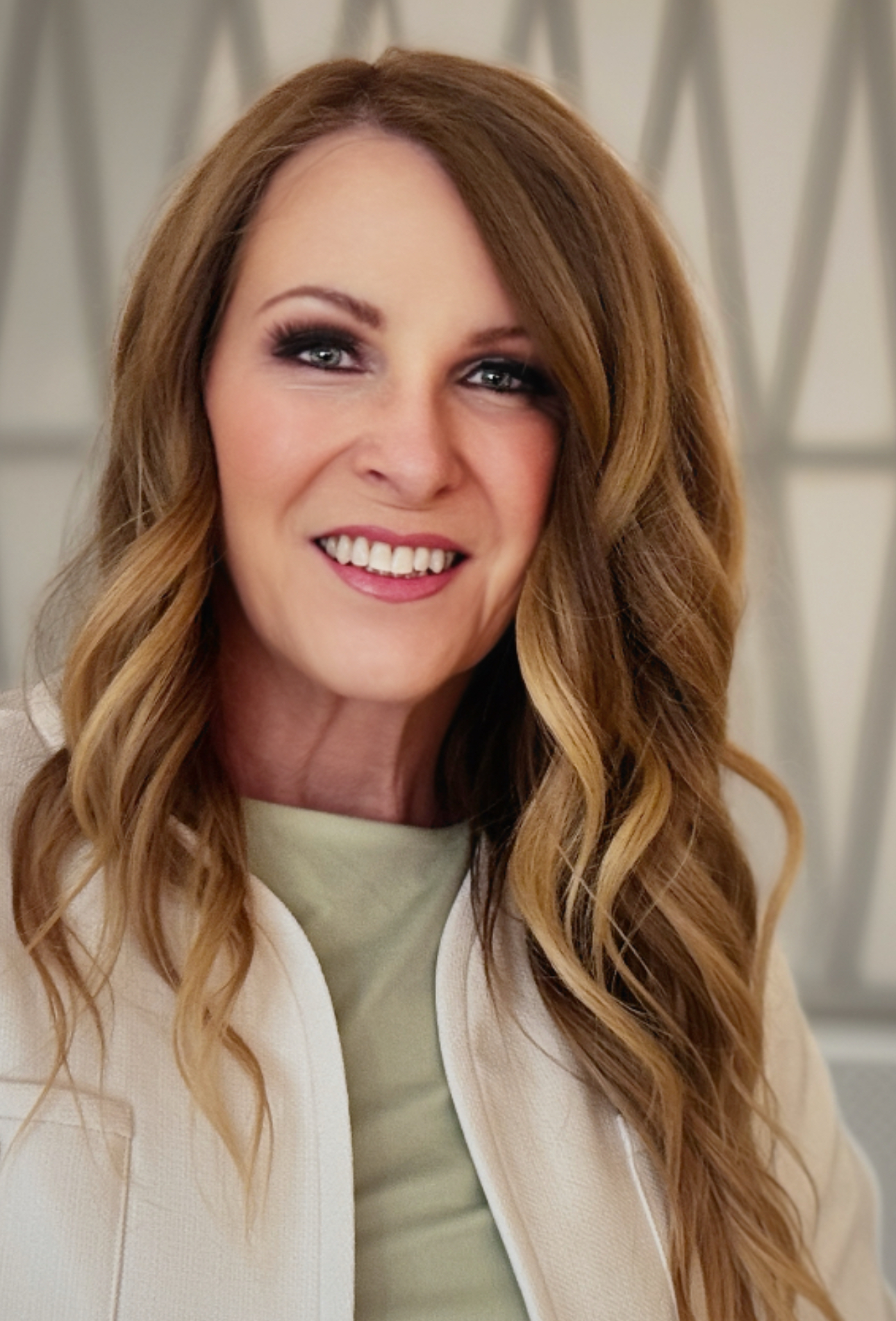
Kaaren Hall is the founder and CEO of UDirect IRA Services, a self-directed IRA custodian that has helped more than 11,000 investors direct over $1.3 billion into alternative assets. She is a nationally recognized educator, speaker, and author specializing in self-directed retirement investing and private capital.
Connect with Kaaren
🌐 Website https://www.udirectira.com
📸 Instagram https://www.instagram.com/udirectiraservices/
💼 LinkedIn https://www.linkedin.com/in/kaarenhall/
▶️ YouTube https://www.youtube.com/channel/UCWAycexbDjYjHh8R8goug0A
Full Transcript
Raphael Collazo (00:41)
Welcome to the local real estate developer podcast. I'm your co-host, Raphael Collazo. I am a commercial broker, investor and developer located here in Louisville, Kentucky. And I'm excited to be here with my co-host, Kristi Kandel. Always great to see you.
Kristi Kandel (00:53)
Yeah, great to see you. And I'm a real estate developer investor and I teach locals how to become developers in their community. And today I'm excited. Actually, Raphael, we are about to host two more cool events for our project Elevate Southwest Florida. And this Saturday we have an awesome community event where we basically have a free fitness and sports pop-up. So we've got pickleball, volleyball, basketball, five free fitness classes. One we just added was aerial aerobics. So we're literally going to teach people
how to do it like it just looks crazy cool and we're like yes please come on so pretty pretty pumped on that so that's our Saturday morning event this week and then at the end of July we have basically the same thing in the evening but we'll make it pickleball tournaments beach volleyball tournaments and try and get the food trucks the the drinks the music out and have have something awesome in the summer for the community so pretty stoked on that
Raphael Collazo (01:41)
Yeah, no, it's exciting to see. I've seen some of your all's videos and story updates and everything. And it's a great thing that you've brought to that community. So really excited to continue to see it expand.
Kristi Kandel (01:52)
Yeah, and we're going to need to do a follow up at some point on your project too. then because that leads into our local developer meetup that we're having at the end of August. And we'll get to see your space.
Raphael Collazo (02:01)
Yeah. Yeah,
yeah, it'll be it'll be ready by then. I know we talked a little bit offline about something a little challenge we face, but as with all challenges, you can overcome them. So we're working through it. But yeah, it's going to be excited to kind of explain some of the hurdles we've overcome on the project. And ultimately, it's going to be a great, great opportunity for for us long term. But but yeah, we're excited about that. The
the event in Louisville later in August. And if there's any interest on anyone who's listening to the podcast, go to the description. We'll make sure to include a link in there so you can access a ticket.
Kristi Kandel (02:36)
Yeah.
I think it's what the 27th through the 29th of August doing it in your
Raphael Collazo (02:40)
That's correct.
Kristi Kandel (02:41)
hometown. We've got some pretty awesome people who are coming out with Katie and Cece and Evan, but then we also have a bunch of other developers coming in from across the country and as well as your local people. So pretty, pretty excited to get everyone in the same room and talk about what we what we do every day and get more people going in it. So yeah. So check the show notes, everyone, and we hope to see you there. And today I'm very excited.
because this is the guest we have on and what she's going to share about is something that I learned about a few years ago. But when I share this with other people, they're like, what? You can do that. So it's really awesome to be able to have her on to tell more about what this is and how it can help you actually raise capital as a developer in your community. So I'd like to welcome Kaaren Hall to the show.
[email protected] (03:25)
Kristi, thank you so much. Really excited to be here.
Kristi Kandel (03:29)
Thanks for coming. So one thing they like to do is give a little bit of background on the guests of who you are, where you're at, what you do, so they can kind of get to know you a little bit.
[email protected] (03:39)
I'm the founder of Udirect IRA Services. We've been around 17 years now. I founded the company in 2009. And since then, we've helped about 11,000 people or more self-direct their IRAs. We've got about 1.3 billion under management. And we help people take their money from their current retirement account, move it into a self-directed account, and invest in alternative assets. And that includes just a boatload of assets, not just real estate. But real estate is...
Primarily, at least the underlying asset of almost every asset that our account holders have. I mean, there are other asset classes, anyway, so it's a great tool. And like you say, people don't know this, even though you've been able to self-direct your IRA since 1975, like, wow, right? Like before
Kristi Kandel (04:22)
Yeah.
[email protected] (04:23)
you were born, you could do this.
Kristi Kandel (04:26)
Right exactly and yet we don't know
about it I feel like every year I come across something new and I go I didn't even know this was out there like I didn't even know this was an option so That it does make me a little bit curious. You said in 2009 you founded it What what made you go? I'm gonna start this company at the the entrepreneur in me just goes wait what I want to know more
[email protected] (04:44)
Yeah.
huh. Yeah. So it became an accidental entrepreneur like so many of us. but I, it was the great recession. I went to work for a self-directed IRA company and they had recession issues and they fired some of their highly compensated people. I got to be one of those lucky girls. And, so I lost my job while I'm a single mom with a mortgage and two kids like, huh, okay. Okay. You know, they say,
When God closes the door, he opens a window, right? But it's hell on the hallway. So that's how it was.
Kristi Kandel (05:12)
No.
[email protected] (05:13)
But then what I decided is the only way out was through. And just you walk right through that. And there's some more metaphors like burning the ships, right? Because I didn't have any of the choices at the time. I couldn't make mortgages. I couldn't sell houses. I couldn't do any of the other skills that I have. also, I have been a radio announcer. I'm in Orange County, California, and all that's up in LA. So what am I going to do?
I knew how to do this, found a trust company to work with. Finally, after interviewing some, decided to go forward and opened our doors August 31st, 2009 and started opening accounts at that time. And I've been a public speaker. In fact, and I've written this book with BiggerPockets called The BiggerPockets Guide to Self-Directed IRA Investing, catchy title. And so it's been a good run.
Raphael Collazo (05:56)
Yeah, yeah, they say the necessity is the mother of invention, right? You kind of
[email protected] (06:00)
100 %
Raphael Collazo (06:00)
are forced into a situation and you just figure it out. And
[email protected] (06:03)
Yeah.
Raphael Collazo (06:03)
I feel like there's a lot of people that probably are listening to this in particular, if they've decided to jump into something entrepreneurial, that that's probably a similar type of experience regarding that early phase of their career. So I'm kind of curious about that.
early phase in your career. And then if we could talk a little bit about the mechanics of the self directed IRA, that'd be helpful. But yeah, talk a little talk a little bit about how how do those early years formulate for you? mean, I'm assuming you had some connections maybe with the fact that you were operating in the space previously. But I'm also kind of curious as to how you were able to scale in the early years that your business
[email protected] (06:40)
Yeah, your assumptions are exactly right. All the contacts and all the friends that I had made realized the situation I was in. And they're like, this is my girl Karen, open an account with her. Thank God. And I spoke at all the local real estate investor clubs and, and, you know, the Southern, the California market, Northern and Southern California, but especially Southern California, we're just kind of one group in a lot of ways. And so we all supported one another during those times when everybody, everybody in real estate was having a fuss and
So was just part of a big bandwagon. Now lot of those people are household names as a result. But what I did, just my favorite thing is people say, well, what's your business plan? And it's like, just keep swimming like Dory. Like what can you do? And my son was in football, high school football, and it's just suit up and show up and whatever, just deal with whatever comes your way. Like, I don't know, maybe your building catches on fire. You just go to work, right?
and you just deal with it, we just deal the heck with it. And that is, think, the definition of an entrepreneur.
Kristi Kandel (07:36)
Yeah, 100%. I like that one when we say just keep swimming so many times. The other one is I like to quote the great Kelly Clarkson, what doesn't kill you makes you stronger.
[email protected] (07:44)
Yeah,
Raphael Collazo (07:46)
That's a good one,
[email protected] (07:47)
I heard that song once. Yeah.
Kristi Kandel (07:49)
Right? Once or twice? Yeah,
yeah. Well, we'll say that. We'll bounce it around and be like, okay, we're in it right now. Right now, this is not sustainable, but we are just gonna keep doing one more thing that pushes it forward and it's gonna figure itself out. It does.
[email protected] (08:02)
And it always does, that's the miracle. Like
Raphael Collazo (08:02)
Mm-hmm. Yeah.
[email protected] (08:04)
it seems eternal when you're in it. And then things do get better. that's, hopefully you encourage somebody who's in the middle of some kind of gigantic, hairs on fire kind of a situation, it will get better.
Kristi Kandel (08:16)
Yeah, that is so the thing. I just saw something the other day on Instagram and it's just like the thing that you thought was going to take you out now isn't even like a blip on your radar anymore. It's just so intense when you're in the moment. But if you look back, we literally have a proven track record of you make it through everything like it's all going
Raphael Collazo (08:32)
Mm-hmm.
Kristi Kandel (08:32)
to work itself out. It's going to find a way. just yeah, keep going. There we go. Motivational inspirational for the day. So as you when you started your company, did you want to like some one of the
questions we get is about partnerships.
[email protected] (08:46)
my.
Kristi Kandel (08:46)
when you, yeah, so when you started this company but then with the OMI I'm sure there are plenty of other stories. Did you form a partnership in-house or was it more so partnering with the trust company and then figuring out the team from there and how did you go about finding them and getting people that you were willing to at least try it with?
[email protected] (09:05)
Yeah, I found the trust company after interviewing banks and other trust companies. I was a referral by someone who is a pension administrator and an attorney. So two guys, their friends, and they said, hey, talk to these people. And I did. that worked through. mean, the partnerships, I mean, we'll go have a drink next time I see you. tell you the whole story. But
Kristi Kandel (09:21)
Hahaha
[email protected] (09:21)
basically, when you get into a partnership, have to really, the best thing to do is to really create the ground rules. But when you don't know, you don't know.
So try to create ground rules first, like who's boss. I had some partners and I needed some seed money and they came in and they were lovely. mean, you know, they saw my situation, they wanted to help, it wasn't a lot of money to them. It was everything to me and they brought in capital, I was super grateful. But then they kind of decided that they were kind of running the show and it's like, but you're kind of not. So I had to just kind of bring things in.
We would have meetings, but now these were gonna be on Zoom at my convenience. And if you can make it great, otherwise it's gonna be recorded and things like this. And then they wanted reporting, which I gave them five reports a month, which is extraordinary. Like 60 separate reports a year is a lot of reporting for
Kristi Kandel (10:12)
Yes.
[email protected] (10:13)
a brand new startup. But I did that, and when I wrote them their checks, I was proud to do it because, look, wow, look what we're doing. And it really...
It did take off pretty fast because of the recession, because of the great need for capital for deals when you couldn't find it elsewhere. So it took off. then five years in, long story short, one of the partners, one of those people died, which was crazy. And I know, and you don't usually expect that. We didn't expect it. But that culminated into a conversation about, this has been five years, let's wrap this up. you know, and we did that. And then we just honored the agreement, bought them out.
And it was perfect. Then I owned my own company 100 % and I learned a lesson. Now there've been other partnership things, but that was the initial one. And thank God for them because it got me off the ground. I needed some seed capital and they had it and everybody won.
Kristi Kandel (11:03)
I mean, that right there is literally what every person trying to do their first development is likely going to deal with or go through because the biggest question we get is, I'm going to do it in my community. I'm going to put in the work, but I don't have the money. I don't have the 100, 200, $500,000. And so being able to come up with it, and we tell people all the time, it's like, you don't need a grand slam on this first deal. What you're doing is you're getting the experience to know how to run your business. And development is a business. And you have all the different people and partners
And yes, you're not going to have as much of a return because you've got different capital partners involved at first as you're proving yourself, but you're going to gain the experience to know, hey, here's how I'm going to structure it going forward and what I need, because now you know what you need to finish the deal. I it's just, I feel like that's just so common with business and development across the board.
[email protected] (11:52)
Yeah, and
I think that's when you're raising capital and maybe you've got to like, like even have gone to the extent of getting like a like a reg D offering or something where you're raising some major capital. mean, then all the rules, the rules are laid out, and they know that they're passive investors, but you still answer to them. You you still they're still your partners, every single one of them. When you're raising capital, everybody you borrow money from as a partner, you know, in some way, right?
Raphael Collazo (12:17)
Yeah.
[email protected] (12:18)
So you just,
you have to be prepared for answering to them and maybe not 60 reports a year, but you want to report to them.
Raphael Collazo (12:26)
Well, and to your point having that mentality where it's like, you know, you are obligated in some way to the other person. And so you have to be willing to put in to be able to, to, to meet whatever expectations there are. And if you're not willing to do that, that's okay. Sometimes the expectations of another person aren't in line with what you're willing to do. But in that case, you probably shouldn't get into partnership with someone about that. And also I've been in partnerships on different deals we have locally. And I think the biggest thing that we've found is that we just need to
have open and honest communication. And if there's any conflict, it needs to be addressed immediately. Because otherwise, you have situations where things fester, and it's not a good situation for anyone. And you're going to make mistakes. I feel like that's probably like anything. You're just going to have challenges. But as long as the other person on the other side is willing to work with you, that's half the battle.
[email protected] (13:13)
What if I can
add to that too, it's when you make a mistake, talk about it right away to your partners.
Raphael Collazo (13:17)
Mm-hmm.
[email protected] (13:18)
or something goes wrong because something's going to go wrong. Don't think, you know, just put your pride aside and talk about it. Don't worry what you're going to look like. Tell the truth. And the sooner you do it, the better because if
Kristi Kandel (13:27)
Yes.
[email protected] (13:29)
because this is how Ponzi schemes happen because someone's embarrassed and they're pride. They don't
Kristi Kandel (13:32)
Yeah. Yep.
[email protected] (13:34)
want to talk about, we have a problem because maybe one of your investors has the answer.
You know, maybe the answer is you actually need more capital to get over the hill. But if you're not discussing that with your investors, then you're not going to solve the problem. And then later when it does blow up in your face because your pride is getting in the way, then you're really going to have a problem. the earlier you disclose issues to your investors, the better it's going to be for everyone, in my opinion.
Kristi Kandel (13:58)
Yes, 100%.
Raphael Collazo (13:59)
Yeah.
Kristi Kandel (14:00)
And I say this all the time with contractors too, because it like, and we just had a networking lunch yesterday and I was talking to some different contractors and like the issue never goes away just because you ignore it. It only gets bigger and worse. So they're like, they really harp on their guys to bring it up to the property owner or the developer, whoever it is that they're working with. Cause you're like, it's never going to go away. It just costs you more time and more money. The longer you let it go and you lose trust. And I think that's the bigger thing is that your reputation and the trust that you've built
That's everything in this industry and so Yeah, swallow swallow your pride check check your ego and go. Hey guys, we're gonna figure this out But here's the current challenge that we're up against because nothing goes perfect And if someone has enough money to give you money, they understand this they have done something to earn that much money They know it's not perfect. They didn't hire they didn't give you money because you're gonna go flawlessly execute They gave you money because when stuff hits the fan, you're gonna go figure it out
[email protected] (14:56)
And it always does, doesn't it? Something always hits a fan. And it's so normal. And you just say, hey, fan hit. And they're like, I'm alive.
Kristi Kandel (14:59)
Yeah, many times, many times. Yes.
[email protected] (15:05)
I've had something hit the fan for me too. I totally get it. Let's fix it. Let's go. And put your pride aside. And they're going to understand 99 % of the time in my experience. But I love it. Yeah.
Kristi Kandel (15:14)
Yes.
Yeah, we tell people all the time, like your deal is going to blow up three to five times in the process, like at minimum, at minimum. And you're going to be like head in your hands going,
[email protected] (15:24)
No.
Raphael Collazo (15:21)
Yeah.
Kristi Kandel (15:24)
what is happening? And then you go, and now we're going to go figure it out.
Raphael Collazo (15:28)
Yeah. Well, and it's also to your point regarding ego, I feel like some people think, well, if I tell them that something went wrong or I made a mistake, that they're going to lose faith and trust. And oftentimes, it's the opposite. It's like, if you come to people and say, hey, this is the problem we're facing, this is what we're going to do to try to fix it, I mean, as an investor, I would be thrilled about that. Because OK, well, obviously,
We knew from the beginning, you have a nice spreadsheet, you have your nice pro forma. At the end of the day, we knew that it's not going to be exactly as we laid it out. So the fact that you're willing to come to us and talk to us about what's happening and how you're going to fix it, keeps that line of communication open. And I think half the battle with any type of business is just communication.
[email protected] (16:12)
And when you're honest
like that, you earn their respect. It's like you said.
Kristi Kandel (16:14)
Yes.
Raphael Collazo (16:17)
Definitely. Well, and I'm kind of curious about the some of the mechanics regarding the
[email protected] (16:21)
Yeah.
Raphael Collazo (16:22)
self-directed IRAs because that's an area honestly that I haven't explored a lot of I know several of my clients who have leveraged a self-directed IRA to buy property, but I'm kind of curious if you could kind of elaborate a little bit on it and then maybe we can dive into the mechanics of how it could apply for the audience.
[email protected] (16:39)
Yeah, I just I just love this question. Well, let's start off with that. This is a forty nine point one trillion dollar pool of money. OK, so that's that is how much is in American retirement accounts, at least as of earlier this year. It's greater than the national debt. So if you think there's no money out there, you're so wrong because like, know, like you're saying, Kristi, people don't know that their retirement accounts can get involved in things like the projects that you're working on, all these development projects. And anyway, I'm thinking about
the possible
Kristi Kandel (17:08)
Yeah.
[email protected] (17:09)
returns on development, how great it can be. and, all, know, pitfalls, ups and downs, all good, good, but the good side is can be so good. So love it. But if you want to invest and take advantage of development projects, it's, you can using a retirement account. And as a capital raiser, you just ask a simple question. When you're telling something, someone about your project, they're getting all pumped when you're talking about what you're doing. You say, well, by the way, do you have an IRA or do you have a 401k with another?
or a plan with an old employer. And they go, yeah, you know, they used to work over here and I've got this plan over here, have I moved it yet? Great. That money can be in my deal. And you'll blow their mind. What? You've got to be kidding me.
Kristi Kandel (17:46)
Mm-hmm.
[email protected] (17:47)
But literally, this is when IRAs were created by the ERISA law in 1975, it said an IRA can invest in anything except life insurance contracts and collectibles, right? So that pretty much means anything. are like three exceptions, life insurance contracts and collectibles, right? And a couple other things.
They don't even know it and you've always had this
Kristi Kandel (18:06)
Mm-hmm.
[email protected] (18:06)
power for all these years. So that is a very simple qualifying question as a capital raiser or as a developer looking for capital. Do you have an IRA? Do you have a 401k with the previous employer?
Kristi Kandel (18:16)
And then once they do that, okay, cool. What does that look like to even figure out how to get the money to transfer it? And probably from both sides to go from the capital raiser, but also the person who might go, shoot, I've been listening to all these developer stories. I really liked what Deidre was doing. I'd love to invest in her deal. How do I do that?
[email protected] (19:10)
Yeah, when I first got into the industry, I had first learned how to spell IRA, right? know, mean, they were saying so much to learn, but it's a real, so I made it as simple as possible for myself. It's a three-step process. You open the account. Today, that's a digital form that maybe takes 15 minutes. It was a lot more brain damage before, but it isn't today. It's a simple digital form. And by the time you're done filling that form out, if you're moving an IRA, you've already put that information in.
So by the time you hit submit and you've opened the account, we're already starting the transfer process. So you open the IRA, it's a digital form, then that's step one. Open, the second step is fund. And so you fund it by transferring an IRA. If it's a previous employer plan, you have to, you set up the IRA, you've got an account number, you call your previous employer's plan administrator, say, hey, I need that money moved to an IRA. They say, great, give me the account number and an address. You give it to them.
They move the money over, the check is made payable to your new self-directed IRA, and they put it in the mail. So this is, know, snail mail is gonna happen. So you have to allow for some time. So a rollover takes longer than transfer for that reason. IRA to IRA transfers a week, a rollover, you know, two weeks, it takes. Now the third way to get money in an account, it's like it's a rollover transfer, but it's also a direct contribution. So every account has,
slightly different rules about how much you can put in and the taxability or the tax treatment of that money. So it depends upon your age, your account type and your income, how much you can put in. So there are three ways then to get money in the IRA. So you've got it opened, you funded it now somehow. And while you're doing all that, you're choosing your investment. Maybe you started off with the investment, but now we're looking at that asset. So it's not you, the human that's the investor, it's
the human that owns the IRA, the IRA is the investor now. So that's how it's titled as the IRA, as the owner of that asset. And so we review that you give us the documentation and now everything's, know, elect, you know, digital and online. You give us permission to move your money and then we'll disperse this as you direct, you know, there, hence the name, right? You direct IRA services. So that's what we do. We can send a check.
We can wire, we can ACH, you know, we don't do carrier pigeon anymore. We let that go, but we do almost everything else. I mean, as far as like parts, easy, open fund invest. How do you get money in? Roll over transfer contribute. It's not hard. It's what our brains do to us. Like, this sounds so hard. It's not. It's, that process is easy. My opinion is that the hard part is, and the real part where your brain should be is the due diligence on the deal.
Kristi Kandel (21:50)
Yeah. Yeah. And what I found good ish was that there was and I guess to what extent do you guys review the actual terms? guess what are you reviewing if I if I say, hey, I'm going to self direct into this syndication or into this joint venture deal. Are you just making sure that their paperwork is in line, but not necessarily look at the content of of what's in it and the returns and things?
[email protected] (22:10)
Our
obligation is just to look to make sure that it's titled correctly. And we're looking to see if it's a prohibited transaction, but it's self-directed. So all the responsibility of the asset and the deal is on the account holder. Our responsibility is to move the money accurately and in a timely manner. Our responsibility is to make sure that the IRA owns the asset. obviously, we definitely are taking next steps.
I mean, if it's me, I'm going to go pretty deep on that. If you bring a deal to me as a CEO, I'm probably going to go deep on that and say, hey, is there UBIT or UDFI in this deal, which is advanced class. can talk
Kristi Kandel (22:42)
Yeah.
[email protected] (22:43)
about that. Yes, these accounts are income tax deferred, but they're two special taxes because don't they love to tax us? That can apply. So I want to see if you're going to give me the deal to look at, is there UBIT or UDFI in this deal? And it doesn't mean it kills a deal. It just means you better know that.
going in because you're going to need to file a 992.
Kristi Kandel (23:02)
Can you super high level explain what those are?
[email protected] (23:06)
Yeah, I mean, super high level. Here's where you read about it. So you can, if you want to go deep, it's the IRS's website, IRS.gov. Like how easy is that? Right? It's six, you know, six digits in a period, IRS.gov. And you look up publication 598. So it's 598, Pub 598. We'll give you the whole thing. But what you really want to do when you're investing is bring your advisors in.
Talk to your competent tax professional. Hey, look, I'm opening this IRA and I'm going to make a contribution. Is my contribution tax deductible? How does this fit into my tax strategy when you're contributing? And then you also want to make sure that you're, as an investor, that your tax professional understands you, but in UDFI tax, it's the same as any other tax-free entity, like a charity would file the 990T, which is what an IRA would file if this tax is owed.
Now, sometimes you can take deductions. Your tax professional will get in on that. It doesn't have to be a deal killer. If your asset sponsor is doing a cost seg, that can really help you if there is a tax. So it doesn't have to be the end of the world. You just have to know what you're dealing with and how you're going to deal with it. You don't want to be surprised later on. had someone call me one time. They got a letter from the IRS for back taxes because they never filed a 990T. He had no idea. Smart guy. But now if you're listening to this podcast, now you're one of the ones who you know.
and you know to look for that. And we're always here to provide a free consultation. We have a schedule-as-link on our website. Definitely take advantage of that with all your questions because we're here. We'll answer your questions for
Raphael Collazo (24:38)
So you're saying with that if a deal sponsor is presenting an opportunity with you they have to follow a specific process with that deal so that it isn't taxable for the people that they're raising money from or is it just a particular election that they make?
[email protected] (24:53)
No, I hear what you're thinking, but it's not like that. So when somebody
submits a deal to us, we're not saying if it's a good or bad deal, whether or not there's tax in there is for the account holder to determine. If they ask us to, you know, hey, is there UBIT or UDFI in there, we can look at it for you. But I mean, we're not advisory. I think that's the bottom line. We're not going to tell you if it's a good or bad deal. You as a self-directed IRA investor have a lot of responsibility.
And it's not like everything else is someone's going to do it for you. This is self-directed. So when I named the company U-Direct, this is such a good analogy. I was going hiking with my friends. And as I was heading toward this little place, you'd love it, Kristi. And we'll go there when you come see me. I drove right past a U-Haul. And I'm trying to
Kristi Kandel (25:36)
Ha!
[email protected] (25:36)
think of a name for the company. U-Haul U-Direct, a similar concept. Like U-Haul, they don't put your furniture in there. They just give you the vehicle. They just want you to bring it back unbroken.
and that sort of thing. it's sort of similar. We give you the vehicle, you put your stuff in there. What you do with it is your responsibility. We just, if you break a law and then it's quite an analogy actually. So we're not going to,
Kristi Kandel (26:00)
And I think.
[email protected] (26:01)
yeah, go ahead.
Kristi Kandel (26:02)
Yeah,
I was going say, think with that, it's just making you aware that just like when you form an entity and you go, well, what kind of entity should I get? Well, your attorney is going to have a different perspective than your CPA. And it's all based on how your whole portfolio is set up. it's just a matter of just don't blindly assume that it's tax deferred. Just make sure that you engage your CPA and that they see in the documents and go, hey, we'll just make you aware that this is a possibility, that this will come up in the process or
just that each year when you file your taxes, I have questions of mine that I always will ask. And it's just one more thing to make you aware, but it's not, it's not anything crazy or scary. I self-direct into syndications. I also do private money lending. I self-directed into a flip, which I would never do again. But it's all of those, it was so seamless because when you think about getting a loan from a bank, you are literally giving them to your firstborn child.
and you are trying to convince them to get the money. Whereas if you're pulling it and you're self-directing it in, it's on you to make sure it's the right deal, it's the right people involved that you want to be in, but it's so seamless and user-friendly that, and at any point in time you finish the investment and you go, hey, I don't want to self-direct anymore, then you just roll it right back into Vanguard or another account and you go, cool, just make me money in the stock market.
[email protected] (27:15)
Exactly. mean, I couldn't say it better. So there you go. I'm done. That was perfect.
Raphael Collazo (27:20)
great. Well,
well, and I appreciate that context. So maybe if it's okay, let's walk through a few scenarios and see how it potentially could work for the people that are listening. So, you know, let's say that someone does have a 401k or some other, you know, IRA that they want to transfer into being a self directed IRA. If they're looking at let's say a commercial property, maybe it's a vacant property and they want to be able to buy it.
fix it up, put a tenant in there, and that becomes kind of a long standing asset for them over a period of time? I mean, would that be something they could do? And how would that really function? And
[email protected] (27:58)
Okay.
Raphael Collazo (27:58)
is it one that you can couple with bank financing? And also, you know,
[email protected] (28:02)
Yes.
Raphael Collazo (28:03)
if we could kind of elaborate on that.
[email protected] (28:05)
Okay, for you, Director, our average account size is 209,000. Okay, so we'll start there. So if it's a commercial building, it's probably going to cost more than $209,000 typically, right? I'm just
Raphael Collazo (28:15)
Mm-hmm. Yeah.
[email protected] (28:16)
saying. So can you get bank financing? You can. This is when people create a syndication or something where they can raise capital from others because you've got X amount of money, but you probably need OPM, right? Other people's money to get into that deal. So.
You can take on like partners, but then there gets to be a place where the SEC says, no, no, no, we need to approve this. you need to know where that line is. so you've got $209,000. You want to get into a commercial building. Say it's a, I don't know, like a five unit apartment building or something. So maybe, I don't know, we're talking about small numbers there considering the number, say a five unit building.
You don't have enough. Maybe you bring on a partner, but you've got your IRA and you need some leverage. An IRA can take on leverage, but it's a special kind of loan. You do not go to a regular bank for this. It's a commercial loan called a recourse loan. And I'm sure a lot of your listeners know what I'm talking about. And by the way, if anybody would like a list of non recourse lenders, they're not easy to find. we do, we'll give you that list, email us info at udirectira.com. We'll shoot you that list. Very happy to do that. So.
So you get a non recourse loan. And of course, the lender is not so much looking at your FICO score as they are as they're looking at the cashflow of the property, like what's the asset going to cashflow? And if it's say it's a five unit building, they're going to be looking at, well, they're going to want rental agreements in place before they fund that thing. So they want to make sure for their security that this thing is going forward. So you can get debt. Now, when you have a loan that
That tax that might pop up, pops up because it's called a UDFI, unrelated debt financed income tax. So your IRA has invested in a deal and took on debt in order to do that. So say for example, you're 30 % leveraged. So your IRA had this much, but you took on 30 % debt. So that means that now you get some proceeds, whatever it may be. 30 % of those proceeds were earned by that IRA because of leverage. And so it's that 30 % that's subject to the UDFI tax.
And this is when you bring your tax person in, since we don't give tax advice, and you discuss what that's gonna look like. It doesn't have to be brain damage because when it's real estate, usually there are deductions and you just file a nine, like we do a 1040 and IRA does a 990T. It's not a long form. And you're working with competent tax professionals. They know what that is. They'll file it, boom, you're done. So, and you deal with it. If there's any tax due, your IRA pays it.
Kristi Kandel (30:43)
And then is it simple to list because there's certain things that you can't benefit from directly, like you couldn't use it to buy a house that you then live in or something. Like can you maybe go through that line?
[email protected] (30:56)
One of the things so many people like said general contractors and you probably know a lot of GCs right there GCing on a deal and they want to put their IRA in their deal because they want to say hey look invest in my deal I'm invested in my deal and and and make sense, but your IRA cannot invest In a deal where you have a where you you know so many things personal benefit for for one where you know, you would
not only are you earning personal money from the deal, but your IRA is actually earning, that's not okay. So you can't have personal benefit. You can't have indirect benefit, for example. You also cannot provide services to the plan, which is how the tax code is written. The tax code for those that like chapter and verse, it's IRC for Internal Revenue Code 4975.
is where you'll find prohibited transactions for IRAs. It's elsewhere, but that's where it's mainly. And so as a GC, you can't provide services to the plan, which is the supervisory services. So your retirement account can't go in that deal. But there are people you can't invest your IRA with, and it's yourself, your spouse, your kids and grandkids, your parents and grandparents are disallowed, plus...
any 50-50 business partner or anybody who's a fiduciary to the deal. But the people you can invest with are like your brothers and sisters and your nieces and nephews, your cousins. It doesn't mean just family. It just means where they are in the family tree. So think of it like if you're gonna pass away on your family tree, who would get your estate? These people up and down the family tree would be in line, right? And it's kind of one way to think about it. But yeah, so there are disallowed parties that you cannot do business with and you are the number one on that list.
So your IRA doesn't make a loan to you. You don't have personal use of a property that your IRA has invested in. It's arm's length. Everything is arm's length.
Raphael Collazo (32:43)
And how does it function with the proceeds generated from that transaction? So for example, if you buy an investment property and let's say you do have enough cash in the deal, or you have enough cash to where you can buy the property outright and it's just a straight investment property. How does that work for cashflow, ongoing expenses, that sort of thing?
[email protected] (33:07)
Okay, so you're saying that you've taken the IRA out of the deal?
Kristi Kandel (33:11)
No, say it's the IRA,
but say you didn't get a loan. like maybe you picked up a commercial property for 500,000. It was already stabilized. You've got two tenants in there. And so that's that's now cash flowing. So your IRA owns it completely. And it's collecting money. But then you know that, I've got a fifteen hundred dollar expense that just came up, but I'm also collecting in
[email protected] (33:31)
I see.
Kristi Kandel (33:32)
five thousand of rent.
[email protected] (33:34)
So
maybe somewhere I just had a little brain fog there. So I totally get it. So expenses, yeah. Proceeds, okay, all expenses of IRA-owned assets have to be paid for by the IRA, except maybe like an account, anything that's due with the account is pretty much okay, or certain one-time fees. But like your account fees you can pay personally, but everything else the IRA has to pay if it's about the IRA-owned asset. So like a new roof, IRA pays for that. You know what I mean? If your IRA owns the building entirely.
But also with proceeds, now you've got proceeds and your IRA is paying proceeds to the investors. I just want to throw out there that sometimes asset sponsors, being human beings, will sometimes cut those checks to the person and not the IRA account. So if you are that IRA investor, never, never, never cash that check. Just say, hey, hey, asset sponsor, so appreciate you sent this money. Could you, I'm going to send you the check back, just cancel that thing and reissue the check to my IRA. Because if you...
you know, if your IRA, if say your IRA was an investor in the deal, and now you've got to check personally, if you cash it, at best, it's a withdrawal. At worst, it's taking, you know, a personal distribution or personal possession of or having personal benefit from your IRA asset. So you want to make sure that all the checks are made payable as they should be. But then they go, you know, then then your IRA disperses the funds as they would normally in any other deal.
Kristi Kandel (34:55)
Yeah, so it all just functions.
[email protected] (34:55)
But with IRAs, it's a text on my table today.
Kristi Kandel (34:58)
Yeah, so I ran my flip through like equity trust or and my other stuff So basically once the funds were over there and say I needed to pay the electrician or something I submitted a request online and said hey I need to pay 1569 33 to this electrician gave the contact and it was just like putting in a check through like a Wells Fargo or a chase bill pay and then they they in their system cut a check and paid my vendor and then
[email protected] (35:21)
We do the same. It's electronic.
Kristi Kandel (35:22)
yeah, and then with my private money lending I basically I gave the initial
$100,000 loan the person paying me back was able to set up automatic deposits So literally every single month, there's a deposit that comes back to that account So I never physically touch it but I can see it just like any other bank portal or investment portal and I see the money going out and coming back I just personally don't ever touch it
[email protected] (35:47)
Yeah, we also have a portal and with those same functions. yeah, I guess maybe I'm just thinking about the olden days when we had checks because it's
Kristi Kandel (35:57)
yeah.
[email protected] (35:59)
an analogy. But I mean, sometimes we do use them, but you're right now, now money's electronic. But yes, we have a really robust
Kristi Kandel (36:04)
for the most part.
[email protected] (36:05)
portal and there even on our portal, you can do things to like invest in cryptocurrency through the portal. You can also invest in precious metals through the portal.
And we don't sell investments or participate in that, but it's a service. So because we don't sell assets, but just saying the portal is very robust.
Kristi Kandel (36:23)
And then as a plan sponsor, so for what we're doing with Elevate, I mean, it's $140 million plus projects, so we're gonna have accredited investors, we're gonna have crowdfunding, we're gonna have all sorts of complexity. That will also include, we'll be taking people's IRA dollars. what I found interesting is that I could technically work with as many custodians as I wanted to be like, hey, we're all raising capital, and I'm basically just going to put on a, like, tell my people who are investing, like, I'm not
endorsing anyone, but here are self-direct IRA firms that you can then vet and see who you want to work with because it's you directing your dollars, so you're to have to work with them. So I found that, I don't know, I guess I thought as a sponsor I would need to just partner with one group and it's like, no, actually we don't need to do that because it's up to the person investing to figure out what company they want to do.
[email protected] (37:12)
It is, and we also have things like if you're an account holder, if you refer a friend, say for example, you've got people investing in the same deal, then we give you a break on your fees. know, once your friend has opened an account with us and it funds, then we'll give you a break on your fees. you know, we give incentive for referral in that way. Yeah.
Raphael Collazo (37:31)
Great.
Well, yeah, and curious about the book itself. I'm kind of curious about that. How did that come about? Because I've written a few books myself. I'm kind of curious as to what gave you the inspiration to write the book.
[email protected] (37:45)
Yeah, I got really lucky in so many ways, but I started the book 10 years before it got published. Just, you you start writing it and I was inspired. There's this awesome attorney out there, you might know him, Gene Trowbridge. He's like, Kaaren, you should write a book. It's like,
Raphael Collazo (37:58)
Yeah.
[email protected] (37:58)
yeah, so Gene told me to do this. It's like, yes, Gene, I will write the book. So I started writing the book and many iterations of it. And then my friend Amanda Hahn, who, you we started our businesses around the same time and she had just published her first book with BiggerPockets and
And through her recommendation, BiggerPockets nudged me and said, hey, you know, we'd like to publish your book. thought that'd be kind of nice. So I gave them the manuscript and they kind of held on to, yeah, no, we're not going to do it, you know. So that guy happened. And then that lingered for a couple of years. And then one September, you know, recently they hit me up and they said, yeah, September, we want to publish your book in November. So, you know, we want your whole manuscript in November. Okay. So.
I got it done and gave them everything. And it was a really fun process working with their editors and going back and forth. They were so helpful. And then they would ask me questions. They were like, in other words, to help me flesh out something. Then
Kristi Kandel (38:55)
Mm-hmm.
[email protected] (38:55)
they would ask a question. I'd simply answer it. And that would be in the book, you know. So that's how it was written. then where I would have handed them initially was a storybook with people's stories of what they had been doing. But what they decided to do is
Ours was the first in the Bigger Pockets guide of guidebooks. So it started as a guidebook. it's more of a, they took the stories out. As you see, it's not a big thick book, but it's a good reference book. Like how do I do that? What's UDFI? Like it's the basics in there. So it's the first in their guidebook series.
Kristi Kandel (39:28)
Very cool. Well, now you got me curious though about the stories. I'd love to hear some of them to kind of see what people have done.
[email protected] (39:36)
Yeah, I mean, it's projects like you're talking about, like construction. So one of them is these developers purchased a duplex in LA, but it was zoned R4, right? So they thought, huh, money, forced equity here. So what they did, they brought in a bunch of self-directed investors through Udirect.
And they proceeded to rip down that old building, you how you do, and build a fourplex. And so same property, everything, but now you're getting, it's a brand new building, it's LA, high demand, and now you've got four units pumping off rent. And so that was the situation. with their stories, obviously we all have stories how our deals go, and ended up turning that into a pretty nice cash cap for those IRA investors.
who are enjoying that fruit of that. So that's just one developer project that I can think of that was especially good for the investors.
funded mainly by self-directed IRA people.
Raphael Collazo (40:35)
Yeah.
It seems like a great tool for individuals who are looking to fund opportunities. So in particular sponsors like, know, because that's an area that I've never really even considered. You know, we recently started raising money for just a small deal we're looking at here locally. And that process in and of itself is a pretty, you know, elaborate process, especially as you start involving other people that you don't necessarily know friends and family, it's just like, hey, they're investing just because they know, like and trust you. But when you start
[email protected] (41:03)
Yes.
Raphael Collazo (41:03)
incorporating people that don't know you. mean, a lot of it, you have to kind of make sure that you've got your T's crossed and your I's dotted. So kind of interesting.
[email protected] (41:10)
yeah. Well, and
just you bring up a point. mean, you can an IRA can be a debt or an equity investor so that IRA can lend money. So if an IRA lends money on your deal, there's no UDFI tax. If my IRA owns lends money to you, to your deal, then then I'm as an IRA owner and my IRA that has given you a note does not have to pay UDFI tax because I'm a note I'm a debt investor, not an equity investor.
Does that make sense? So that is a great
Raphael Collazo (41:37)
Yes, it does.
[email protected] (41:38)
way. So you can be both a debt and an equity investor in a deal. So if you're raising capital, of course, friends and family with self-directed IRAs, you've got those disallowed people you have to watch for, but it's kind of the same thing. Friends and family might be kind of a way to say it. Your sphere of influence is
Kristi Kandel (41:53)
Mm-hmm.
[email protected] (41:53)
great with self-directed IRAs. And it's a simple question. Again, do you have an IRA? Do you have a 401k with your old employer? That's a conversational question. They say, yes. Well, guess what?
What are those dollars doing now? Like, how do you like how the stock market just dropped? It's like, would you rather invest inside, and the stock market's not bad, but would you rather invest in assets that are tangible, you can touch, and that are more under your control? Do we have a better idea of them? So it's usually a good sell.
Raphael Collazo (42:20)
Yeah. you could still, and to
your point, you could still invest in the stock market too, in a self-directed IRA, correct? I mean, you could have exposure in the stock market, but now you open yourself up to other asset classes, real estate, gold, all that stuff. Yeah.
[email protected] (42:31)
Well, yeah, self-directed
sort of implies not the stock market. mean, the self-directed part is not market correlated. So they're kind of two different things.
Raphael Collazo (42:42)
Okay.
[email protected] (42:42)
have your market assets and your non-correlated assets as two different assets.
Raphael Collazo (42:46)
But
Kristi Kandel (42:47)
But that's a good.
Raphael Collazo (42:47)
in theory, could you invest
in it? Yeah. Go ahead.
Kristi Kandel (42:50)
A business,
you can be an investor in a business. like say someone's starting up a company and it doesn't have anything to do with real estate, you could be a seed investor into their HVAC company or something.
[email protected] (43:01)
You can, and as an IRA investor, perhaps you want to be a debt investor in that because if you're an equity investor
Kristi Kandel (43:06)
Mm-hmm.
[email protected] (43:07)
and it's an active business, that'll throw off the UBIT tax, unrelated business income tax. And so you could look at that tax. Not to scare anybody away, just go in as a debt investor.
Kristi Kandel (43:18)
Yeah. Yeah.
And same thing a lot of times, we don't necessarily want to give capital away or equity away in our deals. So if we were to just, and it's literally just saying, hey, I'm raising a million, but it's debt only, here's the terms of that. You're basically giving a note. And then that way you have all the equity on the upside. They have less risk. So it's a little bit easier maybe to sell to people outside of that sphere of influence to go, hey, don't even worry about the equity upside or the fluctuations. You're giving us a note and here's how we're going to do it. And then you could avoid the bank that way.
And you could correct me if I'm wrong, but could he do two types? Like say he wanted to raise 600 of debt, but another 300 of equity people. Could he do that? All from retirement dollars?
[email protected] (44:00)
You know, if you want to talk to a lawyer about structuring the deal, that's one thing, but you could, you could, you know, I mean, mean, yeah, yeah, yeah, sure.
Kristi Kandel (44:05)
Okay, yeah, like, not to able to talk to you, it is possible. Avoid the bank audio.
[email protected] (44:10)
And your IRA, if you know, I mean, technically could be both a debt and an equity investor in a deal like that, if it made sense.
Kristi Kandel (44:18)
Yeah, very cool.
And I know that was like, and I think this is the reason most people, they start to hear stuff and they're like, okay, that sounds like a cool vehicle. It also feels like a lot, but the biggest thing I would say to people is just start, start small and just understand it. Like even if you were to invest 25, 50, a hundred grand into, from your retirement into something, instead of going, cool, I'm going to put the full 500 or whatever into it. It's just like buying your first house. You don't understand necessarily the nuances
[email protected] (44:44)
Yeah.
Kristi Kandel (44:45)
of what you're going to deal with with the agents, with the inspections.
with getting a mortgage, with insurance, but it's just all steps of the process. And once you do it once, then you go, now I understand it. It's taken away this chunk of knowledge that I didn't know, and then it allows you to go into it further. it's just one more avenue that we wanted to share with you guys to let you know, here's what's possible, and then go do more research, talk to more people. And what I found super interesting is once I realized this was another vehicle to use, the more people I talked to, like, yeah, I knew about that.
blah blah blah blah. Like, well you never told me. But it's just
Raphael Collazo (45:18)
Mm-hmm.
Kristi Kandel (45:18)
one of those things that you're unpeeling an onion to go, oh, oh, I'm now mentally ready to hear this and understand how it could apply. just one more tool on your tool belt.
[email protected] (45:28)
Yeah, and a great tool that helps you build for the future. mean, nobody is going to say, gosh, I'm so sorry, I saved for my retirement. Or that, you know, we definitely want to wealth in so many different ways, but this gives you the freedom to do it. You're not just locked into one asset class, which is the stock market. You want to be able to spread the risk around and invest in assets that you, again, like people that you know, like and trust, right?
things and also tangible assets, know, things you can touch like houses and buildings and metals and things.
Kristi Kandel (45:59)
So, so true. So as a business owner, and I know you've also invested into some real estate stuff and just across the board with, you know.
what you're doing, what advice would you give to a developer who is just getting started, who's now going to take on, they're full on business mode at that point, they're wearing all the hats in the business, what would you give them to just kind of keep them motivated, keep them going, just as they get started?
[email protected] (46:29)
Yeah.
I have a really good bookkeeper. Yeah. You want to know where that money is and what it's doing and it's going to the right places. You want to be talking to that person. I think that's, would be my first hire. It was my first hire as a bookkeeper. So that you understand that because in a project you've got money going all over the place. Am I right? You know, to all, to all different kinds of people, investors or, you know, tradesmen.
You just need to keep track of that. if you're going to manage the deal, how else do you do it if you're not looking at the numbers? So that's where I'd start. yeah, and so that you can really track that. And there so many systems now. mean, when I opened UDirect 17 years ago, most of what exists today didn't even exist then. What we can do and how we can systematize and just make it so stinking easy. And really with a self-directed IRA, I know there are nuances. We'll talk you through it if you've got questions.
I've talked about some worst case scenarios that rarely happen, but just to tell you about what could happen. But we're always here to answer your questions. But it's easier than a bank loan. It's more straightforward. It's really person to person as opposed to entity to entity, in a sense. And it is investing with people you know, like and trust because it's your IRA and their deal. And you typically have met the person.
when you're going forward with it. So it's a more kind of a grassroots kind of thing.
Raphael Collazo (47:46)
Definitely. No, no, we're and I'm excited to hear the feedback from this episode. This obviously is the first time I've heard. I've heard of self-directed IRAs, but I haven't really dove into the mechanics of them and thankful that we were able to do so today. And I'm again, like looking forward to hearing the feedback that people have on this episode. And, you know, if people want to learn more about your offerings and how to get in touch with you, if they have any questions or would like to schedule a consultation, what's the best way for them to do that?
[email protected] (48:14)
Yeah, our website probably that's where you can schedule a consultation. Just click the button and pick, you know, there's a calendar that'll pop up. You pick a time that works for you and then ask all your questions. I mean, that's what we're here for. And then discuss opening your account and all the other details and we'll cover those with you. That's really the best way, but we're all over social media. So if you want, I do a lot of like talking head reels, where I talk about little aspects of self-directing, like little bite sized chunks. And that's, you'll see that primarily.
on Instagram. So you can follow us on Instagram at Udirect IRA Services. That's a good click to make and then you'll see all kinds of information. And it's just there at your convenience to review in like 60 second sound bites.
Raphael Collazo (48:52)
I love it. I love that. you know, we did, Kristi does a phenomenal job of making sure we get clips out too. So we have a lot of that as well and it's very helpful. So I'm looking forward to following you on Instagram and making sure we include all those links in the show notes. So, well, we really appreciate your time. It was great to meet you and we're looking forward to staying in touch throughout the coming months and weeks and everything else.
For those of guys who watching this on YouTube, please like and subscribe. It makes a huge impact on our ability to broad audience and we greatly appreciate the support. Along with that, if you guys are listening to us in a podcast format, whether that's Apple Podcasts or Spotify, please leave a five star review. The more five star reviews we achieve, the broader reach we achieve, and ultimately more and more people will get inspired to take on their first real estate development project. So thanks again so much for tuning in and we'll see you all next time.
Kristi Kandel (49:39)
Sweet.
Get the tools behind the episode
Access the Developer Vault with templates and real resources

©2025 I&D Consulting. All Rights Reserved.
©2025 Local Real Estate Developers. All Rights Reserved.