How Danni Gallagher Helped Build Thousands of Retail Locations and Lead Development at Scale | EP #60
Real estate development, retail rollouts, and leading national projects from idea to open doors.
What does it really take to build and manage thousands of retail locations across the country? Danni Gallagher shares the behind-the-scenes lessons most people never see.
Danni Gallagher has spent nearly two decades helping lead retail and healthcare development programs for some of the biggest brands in the country.
In this episode, she shares how she went from studying architecture to managing construction, design, national rollouts, acquisitions, remodels, and high-performing teams across CVS and now Sevan Multi-Site.
This conversation is for anyone who wants to understand how development really works at scale and why the same fundamentals matter whether you are building one project or one thousand: relationships, problem solving, adaptability, and the right team.



Get the tools behind the episode
Access the Developer Vault with templates and real resources
Episode Summary
Danni Gallagher did not start her career thinking she would spend decades in retail development.
She studied architecture and began on the design side, focused on how buildings came together. But once she moved into national retail, she started to see the full development process differently. It was not just about drawings, plans, or construction. It was about taking a site from idea to execution while coordinating real estate, design, entitlements, permitting, construction, operations, vendors, developers, consultants, and city officials.
Over nearly two decades at CVS, Danni worked her way from construction manager to executive leadership. She helped manage projects across Florida, California, New York, and markets throughout the country. She saw CVS grow through new store development, major acquisitions, remodels, consolidations, design changes, and national rollout programs.
One of the biggest lessons from her career is that even the largest companies do not have development fully figured out. National retailers may have playbooks, prototypes, systems, and large teams, but every project still comes down to people solving problems in real time.
A prototype sounds simple until the site, jurisdiction, landlord, operator, streetscape, drive-thru layout, acquisition history, or market condition changes the plan. Danni explains that development at scale is rarely about repeating the exact same process over and over. It is about knowing what needs to stay consistent and what needs to flex.
She also shares why relationships matter so much in national development. Preferred developers, architects, engineers, contractors, sign vendors, consultants, city staff, and internal teams all become extensions of one another. When projects move across multiple states and jurisdictions, the strength of those relationships can determine whether a deal moves forward or stalls.
For local developers, this episode is a reminder that the same principles apply at every level. Whether you are renovating one adaptive reuse building or managing hundreds of retail locations, development still requires clear communication, trusted partners, and the ability to keep going when things get hard.
Danni also talks about career growth, mentorship, leadership, and why every opportunity can become part of your foundation. She did not always know where each step would lead, but looking back, each role gave her the experience she needed for the next one.
Her biggest advice is simple: when development gets hard, keep going. There will be moments when your stomach turns, the project feels impossible, and you are not sure how it will work out. But the people who succeed are the ones who put their head down, solve the next problem, and keep moving forward.
The takeaway: development at scale is still development. The projects may be bigger, the teams may be larger, and the brands may be national, but the work still comes down to relationships, problem solving, and not giving up when the process gets messy.
What You'll Learn
How national retail development teams manage projects across multiple markets
Why prototypes rarely stay exactly the same in real-world development
How CVS used developers, consultants, and internal teams to execute at scale
Why relationships matter with developers, architects, engineers, contractors, and city officials
How to think about team structure, leadership, and project delivery
- Why every hard project teaches you what to ask on the next one
Bold Truth
Development is never as simple as the playbook. The real skill is solving what changes.
Timestamps
0:00 — Intro
https://youtu.be/tFN4Nr-6RsA?t=0
1:16 — Meet Danni Gallagher
https://youtu.be/tFN4Nr-6RsA?t=76
1:37 — From architecture to retail development
https://youtu.be/tFN4Nr-6RsA?t=97
3:50 — How retail development evolved at CVS
https://youtu.be/tFN4Nr-6RsA?t=230
4:16 — Growing through acquisitions and new stores
https://youtu.be/tFN4Nr-6RsA?t=256
8:56 — Managing changing prototypes and operations
https://youtu.be/tFN4Nr-6RsA?t=536
9:35 — Why national retailers rarely have one prototype
https://youtu.be/tFN4Nr-6RsA?t=575
11:51 — Development comes down to relationships
https://youtu.be/tFN4Nr-6RsA?t=711
13:11 — Working with preferred developers
https://youtu.be/tFN4Nr-6RsA?t=791
15:36 — Why every deal has a caveat
https://youtu.be/tFN4Nr-6RsA?t=936
17:00 — Team structure inside national development
https://youtu.be/tFN4Nr-6RsA?t=1020
21:07 — Choosing strategic partners
https://youtu.be/tFN4Nr-6RsA?t=1267
22:48 — Building the right local project team
https://youtu.be/tFN4Nr-6RsA?t=1368
24:06 — What opens the door for new vendors
https://youtu.be/tFN4Nr-6RsA?t=1446
26:10 — Why you should never burn bridges
https://youtu.be/tFN4Nr-6RsA?t=1570
29:16 — What local developers can learn from national brands
https://youtu.be/tFN4Nr-6RsA?t=1756
32:12 — The hidden complexity of remodels
https://youtu.be/tFN4Nr-6RsA?t=1932
35:20 — The biggest surprise in Danni's career path
https://youtu.be/tFN4Nr-6RsA?t=2120
38:34 — Lessons from public hearings
https://youtu.be/tFN4Nr-6RsA?t=2314
43:06 — What's next for Danni
https://youtu.be/tFN4Nr-6RsA?t=2586
50:13 — Final advice for aspiring developers
https://youtu.be/tFN4Nr-6RsA?t=3013
Meet the Voices Behind the Mic
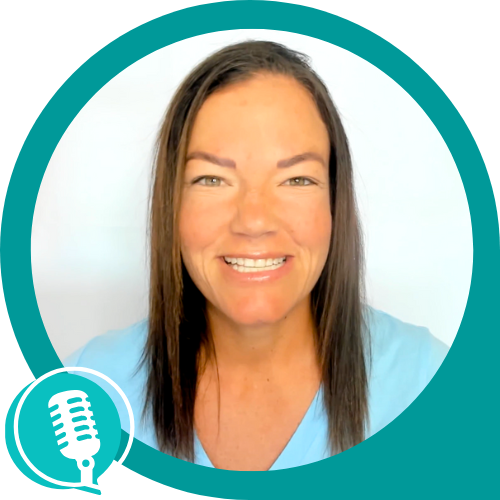
Kristi Kandel
Developer | Mentor | Co-Host of the LRED Podcast
Kristi is a real estate developer with nearly 20 years of experience and over $450M in projects across the U.S. Today, she focuses on helping locals step into development and build in their own communities.
She’s the founder of I&D Consulting, Local Real Estate Developers (LRED), and co-founder of Elevate, a community-driven sports and wellness concept.
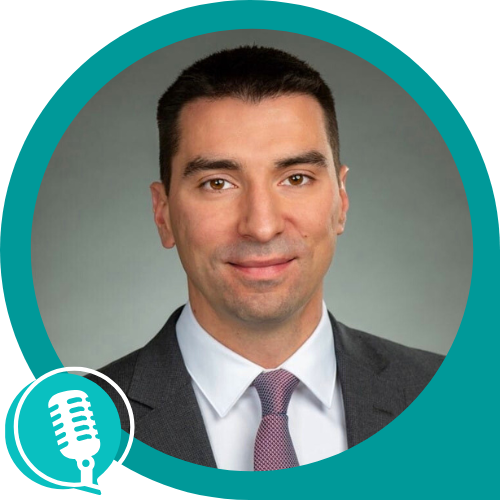
Raphael Collazo
Commercial broker | Author | Co-Host of the LRED Podcast
Raphael specializes in retail and industrial properties, bringing a problem-solving mindset from his background in engineering and software. As a commercial real estate advisor and developer based in Louisville, Kentucky, he works directly with investors, tenants, and cities, bringing a real-world view of how deals come together.
🔗 Related Episodes
How to Become a Local Developer: Katie Neason on Infill and Taking the First Small Bet | EP#29
A great companion episode on local infill, city relationships, and taking practical first steps in development.
How to Start Real Estate Development: Steph Weber Bought the Land First and Built the Plan Later | EP #41
A real look at taking your first development deal from idea to execution without having everything figured out.
Small-Scale Development: How She Left Her Corporate Career and Built a Tiny Home Village | EP #39
Another path from traditional career to building a community-driven development project.
About the Guest
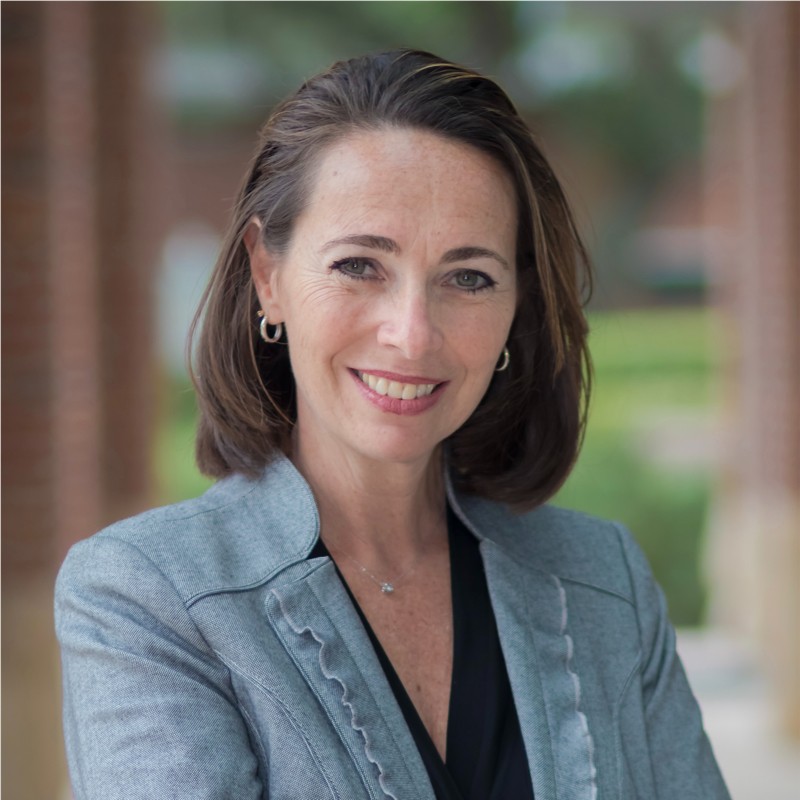
Danni Gallagher is a senior development and construction leader with deep experience in national retail, pharmacy, healthcare, grocery, and multi-site development. After nearly two decades at CVS Health, where she helped lead construction, design, remodels, acquisitions, and national rollout programs, she now serves as Senior Vice President at Sevan Multi-Site.
Connect with Danni
🌐 Website: https://sevan.com/
💼 LinkedIn: https://www.linkedin.com/in/danni-gallagher-baa219b7/
Full Transcript
Raphael Collazo (00:41)
Welcome to the Local Real Estate Developer Podcast. I'm your co-host, Raphael COllazo. I'm a commercial broker, investor, and developer located here in Louisville, Kentucky. And I'm excited to be here with my co co-host, Kristi Kandel. Always great to see ya.
Kristi Kandel (00:53)
Hey, good to see ya. Yeah, I'm Kristi Kandle. I'm a real estate developer, investor, and I teach locals how to become developers in their community. And today I am so excited for our guest. She is one one of my first mentors that I had in the industry. so it's awesome to see this come full circle. I have a tremendous amount of respect for her and I can't wait for you guys to hear her story. So Danni Gallagher, welcome to the show.
Danni Gallagher (01:16)
Hi, thank you so much. I'm excited to be here. It's kind of fun. I it's been a little while since we've been able to connect, so it's it's great to catch up.
Kristi Kandel (01:24)
Exactly. So I know background on you, but why don't we start by just giving the audience a little bit of background on who you are, where you're at, and and kind of what your what your role was and is in development.
Danni Gallagher (01:37)
Sure. so I started in on the architecture side. went to school for architecture, kind of came up through an actual, you know, design firm, but I've been in the retail space pretty much my entire career. I've had little little odds and different pieces where I kind of stepped on a bit, but for the most part it was within retail. And then about gosh, about twenty f twenty five years ago, I I had an opportunity to
join a national company on the retail side and so I I kind of signed up as a project manager and had sort of had my eyes open to a whole different concept of like what it is that we were doing. It wasn't just about the design component of it, but taking it all the way through the process. And so for the next for the last twenty some years I've really just spent it on the on the national side, on the national retail side.
so I worked for I started with with a little bit of time with Office Depot and then I I switched over to CVS Health. At the time it was CVS pharmacy and we hadn't yet combined with all the other entities and components that CVS eventually did. and but grew up through that, so held multiple different positions over the last eighteen years at that organization.
And and now as of the first of the year, I actually took a new position. So I'm with Seven Multi-Site now. And as I'm a senior vice president over two of what they call their sectors. And so I'm I'm really focused in on pharma and and healthcare, which kind of makes sense based on the last eighteen years, but then also on some grocery and retail.
And so those two areas are keeping me busy. So I'm taking everything that I did for one national retailer and now I get to do it for multiple across across the nation. So it's pretty it's pretty interesting. I've I've definitely done the path of like building on your career so every little piece becomes a part of the foundation. And and it's amazing what you kind of reach back into that bag and say, Okay, I I actually have some experience with that or I can do that or
You know. I've seen that. I I can get behind it. So so yeah, that's my that's kinda my journey right now.
Raphael Collazo (03:50)
That's amazing. So, you know, regarding your experience at the national level for a large pharmacy slash retailer, kind of curious about what your thoughts are just on the evolution of that industry. 'Cause it you know, you mentioned eighteen years at at C V S. how did you see it evolve over time and maybe talk a little bit about, you know, the initial, you know, phases of your career and how it's how it's changed over time.
Danni Gallagher (04:16)
Yeah, sure. When I joined CVS, I I started as a construction manager and so I had a region. I was in the Florida market, had a region, it was expanding. So we had a preferred develop we actually had three preferred developers at the time in the Florida market, and we were just we were just growing and a lot of it was organic growth. we had we had done a a huge acquisition and C V S
was is a company that acquires so they grow not only organically but then also through acquisition to really add to the the fleet. so we were as a retailer as a store based pharmacy we were growing we had just bought the Echards stores in the Florida market but then we were also growing pretty rapidly with new development with new areas that we were moving into.
and Florida still remains a strong market for CVS today, even for growth purposes. the the interesting part is when you reach a certain point as a national retailer with a certain offering, you you really have to always be reassessing your footprint and ensuring that you're in the right markets and the you know, the markets and the demographics change as as the course of history changes. And so, so we were always sort of, you know, on top of that.
But so I started construction and I had this opportunity to through acquisitions, I had this opportunity to work out West. So CVS took me to California for a while and then we did special projects in New York and so I started playing much more on the national level. and that provided me some opportunity for growth internal to the company. So eventually I became a a regional director for construction.
And then and then that grew and into a different director level role, senior director role, and then eventually I became a vice president. as a vice president of construction, I had multiple teams spread across the country. So those director roles that I had had previously then reported into me, and then the project managers under them and so on. So we built an internal team and then we had external resources.
that would help us across the national footprint. and so through the course of my career we spent a lot of time really just on the on the retail sector, really focusing in on are we in those right demographic you know, in those right markets? Has a demographic changed? We were, you know, we had footprint where we had chosen the site. We had some that we had acquired. So we were looking at, you know, the term left on those locations, you know, were we still were we still in the right
Point it, you know, main on main intersection. or did we have to do things like consolidate locations into one to allow us to, you know, expand or grow into a different direction as the as the geography was sort of moving on us. So we as we had new markets that we were moving into. during the course of my 18 years, CVS also
acquired several different organizations including Aetna. So we had the insurance business coming in. and then what was what was also happening sort of in the last I don't know six or seven eight years of my career there was I was able to eventually become the leader for our design. So our programming and our design. and that allowed me to become much more of sort of an end-to-end type. So I had my real estate partner
who would, you know, source deals, re they'd work with our development teams, they'd they'd identify locations either for new or or for acquisition and then we would our teams would come in and pick it up and we'd go from programming through design efforts, do all the entitlement piece right, work with the developers as we as we got things ready, and then our construction teams would pick it up on the back end. So
It gave me a little bit longer stretch for my career, for what I was doing. but it also, you know, it it tied things together a little bit better and actually has has helped with the role that I'm playing now as I work for other other organizations and help them solve for various different opportunities that they have when they're looking at national rollouts or national programs that they have to to execute. So
I don't know, that was a long long winded answer, but I kind of climbed the ladder at C V S and as I did I had this opportunity to take on more and more and get that, you know, that national perspective of just how we deal with all those components.
Raphael Collazo (08:28)
Yeah.
You're right. And it and it is it is a nuanced thing and and to your point, I think for the the general layman who's just driving down the street, like they may or may not understand the nuance that goes into these decisions and how a lot of these decisions are made over many, many months, if not years. So it it it's it's beneficial that you provided that as as insight. One thing I'm curious about, which go ahead, Kristi. Sorry.
Kristi Kandel (08:56)
I was just gonna say with that, we know that development takes years to get done and you're acquiring. You're also taking information from operations. I know we had floor plans change all the time. what what did that look like from your guys' perspective when you're taking feedback from operations for switching things? You've you've got maybe new acquisitions that are coming in and new locations, maybe you're consolidating. how did that flow or go internally? Because then that had to be relayed to to us the developers to go
Okay, we're we're mid-entitlements or we're mid-permitting, or we have these land contracts. So maybe just more from your perspective. Because I always say development is juggling like 10,000 balls and eventually you put it all in, but there's a lot that happens in between.
Danni Gallagher (09:35)
Yeah, yeah. I
would tell you that being a national retailer, one of the things that you think about is like, okay, it's a prototype, right? So you have this great prototype and you're gonna repeat the same thing over and over and over again. And I'm not entirely sure that there's a lot of organizations that have been successful around that. Maybe Walmart early in the days because it did out everyone did kind of look the same. Maybe some of the others or some grocers that lay things out.
we used to laugh because we you know, we had no we had ten thousand stores at one point, eleven thousand maybe, and we probably had nine thousand prototypes. Like I mean it just was like everything was different, right? So it it's you pick up the prototypes of the ones you've acquired, you pick up, you know, then there's the there's the one offs that you go into the center and there's, you know, controls the jurisdiction.
Kristi Kandel (10:08)
Right.
Danni Gallagher (10:20)
you know, wants certain things certain ways and so it changes the building. You got a streetscape, so that throws things off. You can't put the drive-thru where you want it. Like, I mean it just goes on and on. so it was always a juggle. It was always a juggle. It always is. I mean I'm still doing it today. it's it's kind of interesting because I think the very best individuals that work in that space recognize that their their role is more about
How do they influence those various different entities that are are a part of the conversation? Whether it's the operator who's trying to tell you, like, no, that's that can't work that way, right? Or the jurisdiction who's setting, you know, controls on on whatever it might be, or the landlord who's, you know, he's got a vision and th they want it a certain way, or she thinks they're gonna come in and we're gonna we're gonna lease it out and you're one of multiple, right? So they're trying to juggle that.
it's yeah, it's a lot of different components all coming in. And so the role that we play often is just how do you influence it into this space so that you end up with, you know, this asset that that eventually is key to the community or you know, fits all of these components or you know, whatever the optimal piece was. We we would always try to draw a line in the stand, like, okay, pencil's down, right? If it's in development and it looks like this.
And we always were like, So okay, this time we're we're pencils down, we're not gonna change anything. And then sure enough, like somebody would convince, like, we we really just need to incorporate this one new thing and we'd be like, Okay So
Kristi Kandel (11:51)
Yep.
Yep. I I mean you just basically you
This that's the thing we talk about all the time at with local developers is that it's relationships. That's what it comes down to. When you are juggling so many stakeholders that have so many different agendas and end games, it comes down to relationships. And the more that you can build trust with them, the more that when you need to come in and say, Hey city, we can't do this or hey landlord, I hear you, but at this point, like this is this is what it is. Know that we are doing the best we can. It it truly just comes down to relationships.
Danni Gallagher (12:00)
Yeah.
It does. It absolutely does. We used to, we used to have a lot of different conversations around, you know, who who to stop like when you used your developer like you know, our developers, our our national developers at CVS side and a lot of a lot of the other retail you're just an extension of the team, right? And so oftentimes you're acting on our behalf from the national perspective, you know. it corporate looks at you and says, Okay, you know, I'm
you're our extension to go get this done. And at the the so we're you we're relying on your relationships truly, right? As you're the as you're developing for us. And then also ours to come in and say, we've got this pull behind us. but a lot, you know, a lot of times there's there's just hard and fast rules like, you know, this is this is the way it is. So but the relationships go a long way in making things happen for sure.
Raphael Collazo (13:11)
So out of curiosity, just as as a layman, with with some of these preferred developers that you're working with, are are they operating kind of on projects all across the country? And if so, how are those how are they able to leverage some of those relationships on a local level? Because we talk about on the podcast all the time the you know, the the risk associated with just getting proper entitlements or getting the right people and stakeholders on board to make sure that the project can get to completion. I'm just kinda curious as to how you guys
or navigating those waters and especially because you guys are all over the country, so maybe there's you know, additional insight you also can th that you additional insights you could share.
Danni Gallagher (13:50)
Most of the time, and I I mean I see this today with multiple different national retailers, just because I have this opportunity to work with multiple, but I'll I'll go back to the CBS days as well. It helps to regionalize your teams. And so because you you do gain a subject matter expertise in that region or that geography. so my California team would look a little bit different than my New York City team and
Definitely different than my South Florida team, right? Like and so they're all navigating kind of a different situation each time. So it helps that you have you have people in or local to those geographies or that can get there fairly easy. We did the same with our development side. and so it wouldn't be uncommon to take a national developer and have them have multiple geographies, but if they did, they had
more l localized teams to those geographies, right? So, and then other times we would say, okay, you know, this is our this is our development company and they are focused on the Texas market. And then, you know, they would have teams in Texas, they would be focused on, you know, our development in Houston and Dallas and San Antonio, whatever it might be, right? So we'd we'd kind of point them in the direction for the growth and then they'd have those teams and they'd be working that local or you know local level for us.
a lot of times, and again it goes back to those relationships, a lot of times we would have the developers work together to move into new markets. so if we could leverage a relationship or if a third party development team had a location that we wanted, we were using our brokerage system to be able to negotiate with them in order to secure it.
and every deal's a little different. Grill and leases versus, you know, Bill to suit versus you know, you can go on and on, right? So ⁓
Kristi Kandel (15:36)
I just
started laughing because I'm like, yeah, there's like rules of thumb, but there's always a caveat and always is something like, but if this then that I know when I when I started my company and like especially when we had the hydrogen stuff rolling out and my team would come in and they're Kristi, what's what's this? And I'm like, Well, it's this, but if this happens, then this, that, and the other, and if it's this, then this, that, and the other. And they're like, Can you just give me an answer? I'm like, that is the answer. Like you just have to be a professional problem solver and understand that everything is going to change and
Danni Gallagher (15:44)
Yeah. Yeah.
Raphael Collazo (16:01)
That is actually the answer. Yeah. A hundred percent. Mm-hmm.
Kristi Kandel (16:07)
And you just get to roll with it and figure it out.
Danni Gallagher (16:09)
Yeah,
yeah. We were so I was I was in the I was in a location yesterday, I was doing site rides yesterday and we were talking about how great it is to standardize stuff. And when you work at a l you know, it with smaller organizations sometimes they're just they don't have the ability, they don't have the bandwidth to really get to like a prototype standard.
And I I did start laughing. I was like, even the big guys, you know, they get it they got a standard and they roll it out and they give you a playbook and at the end of the day they change eight things in that playbook based on whatever it is that they see. so it it happens. It's always like, yes, you're a problem solver. Like, let me get in there and figure out like how we're gonna get this done. So
Raphael Collazo (16:50)
Yeah.
Danni Gallagher (16:51)
And you do it
Raphael Collazo (16:51)
Absolutely.
Danni Gallagher (16:52)
times however many you're you're getting at, right? The b the big groups just play at a bigger level and the smaller groups just play at a smaller. Like it's the same it's the same conversation. It really is.
Kristi Kandel (17:00)
Mm-hmm.
Yeah, they don't magically have something else or the it's it's just it is the same thing. Yeah. ⁓ so as we were setting up teams, what I found interesting when I came in was I was like, wait, you have a real estate manager, we have a real estate manager, you have a development manager, we have one, you have a construction, we have one. and then even getting into systems and and processes, we had our own internal ones, but then you guys had a system that got rolled out at one point as well that a lot of the national tenants ended up using.
Danni Gallagher (17:08)
Yeah, yeah.
Kristi Kandel (17:31)
Maybe can you speak a little bit to how that that structure was is set up with national tenants and and the thinking behind that because sometimes you could think, Okay, well that's double work, but at the same time we don't know what's happening internally and there's lots of conversations that you guys would have and and same like you weren't in every single city meeting or every single property owner meeting.
Danni Gallagher (17:48)
Yeah. Yeah. It
you really do have to think of the teams as a as an extension of each other. it's the way it's it's kind of what I found to work the best and it actually creates great teams because you are kind of working it as an extension, regardless of like whose name is on it, right? So I would tell you when I first when I first came in, when I first switched over from architecture from really being on the services side into playing at the corporate level.
One of the things that I struggled with was that like multiple the duplicity of the roles, right? So why if I'm a construction manager in Europe, why do we both have to go to the site? But what I what I eventually understood pr pretty quickly is that we're both coming at it with different information w and we're both the objective is to get it built or, you know, to get to whatever point. However, we are both tasked with different things along the way that we have to partner to get it there together.
I think when national groups look at it that way where they have that development arm, it it increases the breadth of their reach, right? and some choose to bring it internal, some choose to not duplicate all the roles, some outsource individuals, and and there's a lot of different ways to solve for how that team is built or that team structure is there. but when you like look, when you're trying to
When you're trying to roll out four hundred new locations a year, you got to you've got to be resourceful on how you build that team because you'll just, you know, you'll crater the the little team that you have internal or you know, whatever it might be look up to. So I I and the role that I had when I was, you know, as VP at at CVS, the one thing that was always a challenge was how what levers do I have to flex up or not?
So, you know, can I can I pull in the developers? Can I pull in the consultants to be extensions of the team, which thereby I could move faster, I could move into different jurisdictions, I could segment off a piece. and then the other component was always having that far being able to look far enough ahead to say, you know, I've gotta I've gotta have twenty more locations ready to go on a remodel program.
But I've got to keep the team that's doing new development separate because I need them focused. I can't get them, you know, caught off guard with something else. So you're kind of running different groups along the way. and you know, our our development piece of it was was al you know, I think at the end I was I was at C V S I was getting to the point where I was like, gosh, some of these deals have been around as long as I have. They take a long time to get done. And so,
So that was always fun too, 'cause you're like, you know, you finally see I've I've worked on this as a project manager. So Yeah. Anyway.
Kristi Kandel (20:25)
Yeah.
Raphael Collazo (21:07)
Well and and out of curiosity, w we're talking about team structures. How do you guys identify strategic partners to partner with? Because I feel like that's a in and of itself is a challenge, especially when you're entering new markets and you're trying to determine whether these individuals can actually get you to the finish line. So if you could elaborate a little bit on that thought process and obviously not just with CBS, 'cause obviously you're working with other groups at this point at as well. So I'm kinda curious if it if there's any similarities between the two.
Danni Gallagher (21:34)
Yeah, so at C V S I think, you know, the I would say the development partners were were established, you know, back in in C V S's heyday of growth, right? So when they were trying to roll out four hundred new sites, they had twenty some partners across the country and they were all relationship driven. As things refined through the years, those those teams that stayed on
were really the ones that had like the, you know, the best the the I'd say the best support for CVS within those those geographic markets. And it and where we were going, right? We were across the country and then we, you know, we scaled back from a national footprint standpoint to say, okay, less organic growth, let's move into really taking care of the fleet, right? 'Cause at some point you got ten thousand stores, you don't
you don't necessarily need to grow at 400. Now you need to take care of what you have. You need to re-evaluate. And so you're using those partners, those relationships, and they carry over time. Like anything else, you see people spit you know split off and then those relationships go with a new organization or new so so it evolved. but it's it's really big it's back to those relationships. And my role
Kristi Kandel (22:48)
Yeah, and from the
Developer side, I would say we like for us to remain a preferred developer, for us to remain, we needed to go out and build those deeper relationships with the best architects, the best engineers, the people that we didn't have to babysit, because if we were babysitting, we wouldn't be able to deliver as top high quality of of service. So it was it behooved us to make sure we had the best teams in the market. And if somebody was on the team that was not an A player, it was like you gotta be cut fast be to because that was a reflection of us on our reputation.
Danni Gallagher (23:10)
Yeah.
Yeah. It's well
and that's it, right? I mean, you're you're constantly looking to again, you're you're sol you're problem solvers, right? And so as you're pulling all these pieces together, I mean just think about the entitlement process, right? You've got so many layers that you have to go through and you're you're constantly trying to solve so that you get, you know, to you get to your permit standpoint and you can get this thing under construction. And I think about that all the time. Like you're they're they're looking to make sure they have the best vendors. Am I pulling
Do I have somebody who has capacity? Can they, you know, can they be flexible? Because my retailer's changing their mind 38 times, right? And so you gotta Yeah. Yes, exactly. That's right. Yeah, that's exactly it. That's exactly it.
Kristi Kandel (23:51)
Mm-hmm. Because if they're gonna throw a temper tantrum when we change the prototype for the seventh time, like nobody's got time for that. We need to suck it up and go, We knew this was coming. Let's make the change. Let's go.
Danni Gallagher (24:06)
It's so it I I would tell you from the the national side it it really is kind of getting in, you know, and it there's new ones. I'm not saying there's never new ones that are introduced into it, but there's usually a catalyst that allows for somebody to be introduced into programs. you know, there's a new relationship built, there's a new person in play, there's a new something that's c that's caused it to you know, somebody is screwed up and they're out, right? And so that opens up the opportunity for somebody else to step in.
right place, right time, a lot of a lot of the time. And my role today, it's it's kind of interesting only because now I am now I am playing I'm back on the services side. I'm playing a different role as I come in. And so I'm working with brands like like Amazon and Walmart and, you know, grocers, Sprouts and Kroger and right. So as you think about like my role today as I'm solving that team dynamic.
Kristi Kandel (24:37)
And some
Danni Gallagher (24:59)
for those organizations. So I've become that resource to say, how do I flex up? How do I bring how do I bring this in so that my teams can supplement and then I can I can shift but you know, I can step in when you need me and I can shift back when you don't need me. what I've what I've kind of figured out is all of those all of those big groups, right? All of those big names
have all of the same problems. Like nobody has figured it out. Like we are literally all still dealing with the same thing. We might have better processes or systems. Some might have, you know, key talent that are really playing a specific role in a market. But at the end of the day, it's, you know, it's still you get back to the basics of I still gotta get this thing done. I still gotta solve these problems. I still gotta work through all these components and you know the process is still there. So
I go back to I'm pulling on my relationships. I'm like, you know what, I got a great sign vendor. my gosh, let me l you know, let me let me pull in who I know. Like let you know, I've these guys, these these merchandisers, they worked wonders for me. Like let's pull them in. They can move through and get, you know, get us through this this inspection period. So you you definitely pull back all your resources in in each in each role you play.
Kristi Kandel (26:10)
Yeah, and the the thing that's super interesting is and I'm really glad someone told me earlier. No, I was not into burning bridges, but also at the same time, they're like, be careful because right now, like I started as I jokingly say the redheaded stepchild in the sign company, but then you become the developer, so you're closer to being the one of the top dogs. And then they're like, That dynamic is gonna shift throughout your career. One day you're hiring people, the next day you're asking for a job. And if you were a jerk in one position, yeah. The industry is very small. ⁓
Danni Gallagher (26:36)
Yeah. It is.
Kristi Kandel (26:40)
Yes.
And we've seen that play across a couple different national tenants I've worked with where I'm like, and karma, yeah, you're getting that. ⁓ but vice versa, y yeah, yeah.
Danni Gallagher (26:46)
Yeah, yeah. I'm all I'm all about karma. I feel I feel like it's gonna come back
around on a lot of things.
Kristi Kandel (26:53)
Yes,
yes. And and on the flip side, it's like when you have delivered and you step up and been A players, that then also works. And like I I spent a lot once I got to California before I start my company on family dollar stuff. And so the different architects and engineer teams and land use attorneys and and people that I met along the way, when I started my company, like that was so amazing for me to then be able to go, and and I would work with people and be able to pull them in. I'm like, no, I have the ringer for this market and then it made me look like a superstar. But it also we had the age
team that knew how to work together because your architect and engineer and contractors all need to play nice in the sandbox and if you already know people's dynamics and like this person works this way but I figured out how to work with them like it just makes the juggling of 10,000 balls easier.
Danni Gallagher (27:35)
Yeah, no, it r it really
does. And and I'll I'll go back to one of my favorite stories and and I I know you probably know this, but when I when I was on the architecture side, my two biggest clients were a go figure, Office Depot and CVS. And so when I switched over and joined Office Depot, I worked for and with a gentleman who eventually came to work for me.
at C V S as as as lead on our architecture engineering side. And so that dynamic of like all three of all three of my organizations and like how, you know, people kind of switch around, has come back multiple times. Like you, you know, and he we used to say like, just don't ever burn that bridge, right? Like you just you just never know. You might you it might come back.
you know, you might have to cross it again at some point. So it's always it's always interesting. But to your point, building the team, I think it's been it has been one of the the best things that I've ever learned is that as you put together people with different skill sets and different personalities and and, you know, different strengths and weaknesses or opportunities or however you look at it, like you really build a more well rounded team if you get that diversity there.
because then you've got each other you're leaning into each other on something that look, I know you can do that better than I can. And you know, at the end we're all gonna look good when when that team is successful. So it's one of my favorite things about what I do now. more so than even just what the outcome is. And I still love seeing the finished product. I still love walking the job sites, but I love developing the teams that and the people that get those things done.
Raphael Collazo (29:16)
That's amazing. No, I mean i it's fascinating to hear the perspective from someone who has that level of experience with some of these nationals. because again, as as a as a local developer, you know, you know, most of the projects we do are local to here and they're mostly adaptive reuse projects. And we're having the same type of conversations and building the our vendor list and you know, having them navigate the the waters of of getting entitlements and you know, dealing with or or co coordinating with different sub
contractors to ensure things are getting done properly and there's always gonna be snags that occur and you kinda have to navigate those waters. So it's it's interesting. I mean I you know sometimes I think there's a lot of people out there that think, well you've got these national companies and everything seems so streamlined, everything seems so organized, but in reality it's it's it's a people business and and we're constantly having to navigate the same challenges. So I I think if anything it's a beneficial for the listeners to hear that you know even if they're facing challenges in their own projects that you know this is not a unique
Danni Gallagher (30:04)
Yeah.
Yeah, it's it's very true. I mean at the end of the day, I'm it doesn't I'll go back to it doesn't matter how big the project is or how big the tenant is, you know, it's the same it's you're dealing with the same steps and the same and sometimes I'll just I'll go even on the other side of that. Sometimes the na from a national level or from a corporate level, we put more things in
the way to getting things done, right? And so it's good until it becomes difficult. And then you like, you gotta peel it back and say, okay, let's get back to the fundamental part of like what do we want to get done here? I think about adaptive reuse, it's one of, you know, I love those projects. There's they're super creative. You gotta be in there thinking outside the box. You've got a space that's really unique to that location. You're not gonna find that repeated across the country 20 times.
And you always end up with like you know, a phenomenal project but but there's a lot of steps and you throw that at a national retailer and you got some that'll do really well and you got others that, you know, twenty years later you're still working on that project. You're like, Come on, guys So but those are you know those are the ones that, you know, they they're fun.
Raphael Collazo (31:23)
Well, and it's also too, which is another layer of complexity when it comes to the the nationals, is that you have the so many different segments within the organization. So you have the operations team that you know, granted they they they should try to consider what's going on on the construction side, but oftentimes it's like you talk about changing a floor plan last second. So it could be this team has decided, well, this will be the most efficient or the the better way to approach the store layout because that's gonna increase sales and that's great, but then maybe you're already in the midst of in
getting everything done on the construction side and now you throw a curveball at your team and sometimes I'm sure there was some frustration where it's like, again, we we literally just went over this a couple of weeks ago or a couple of months ago and now it's another thing we have to modify. And as you know with construction, sometimes it it it's not as easy as just flipping the switch. You have to go through the a whole rigmarole of trying to get that executed. So
Danni Gallagher (32:12)
Yeah, yeah.
I think when when I look back at some of the more difficult projects, it's not necessarily the level of complexity for construction. as a as a retailer, most retailers when they remodel, regardless of how big the remodel is, they don't close. And so if you if you think about the the component of I've got to do an internal expansion of a pharmacy or
you know, at a clinic or I've got restroom and ADA remodels, I've got, I'm gonna change the merchandising layout, I've got front registers that need new de new technology, right? You are trying to execute all of those things in a very fast period, you know, a short amount of time.
And with a lot of great vendors but they're all third party, right? You gotta bring in the technology guy and you gotta get to work with like the local, you know, supplier cabling and you got I it's just it goes on and on and on. And so those projects aren't super glamorous, but and the number of changes that are happening while you're trying to still operate the store and sell a product and
supply, you know, supply of pharmaceuticals to like a, you know, from a from a healthcare perspective. So you got all of these elements that you're constantly working through. when I look at my career, I think about that segment of time, like where like that was our focus and think, man, that was probably some of the biggest pick, you know, the biggest or the heaviest lift to just get through that period of time because you are constantly like juggling all those pieces as you go through it. So,
Yeah, we and we came up with all kinds of things I could you know, I think there's trauma associated with it at the end that you're like, my gosh, I hate it So
Kristi Kandel (33:52)
Right.
Raphael Collazo (33:54)
P P S D.
Kristi Kandel (33:56)
Like
that's like giving me flashbacks to when we we helped Coffee Bean and Sea Leaf get nitro in their stores. And it was it was you would think, okay, we are literally just adding a tap that can pour a beverage. Okay, well that equipment didn't exist at all. And so we ended up working with UL and NSF to take a bunch of components to get them all certified together, but it couldn't happen in time. so we ended up going to each health department in California and going, how can we get this approved in which way? And then we got all of these components.
But then we had nightwork. And then we had because stores were open. And so now we're working with 170 stores with night work, trying to make sure all the supplies are there, getting the different subs out, and like here is your check that man. Yeah, you're right. It's the heaviest lift for the lowest like dollar amount you're going to spend and so many moving pieces. ⁓
Danni Gallagher (34:36)
Yeah.
Yeah. Well and I think the average person
doesn't think about all those components too. I mean, you know, yeah, you just you like you have like, it's it's so easy, just put a tap in, right? It's a little millwork thing and a tap and you're like
Raphael Collazo (34:48)
No. I was about to say that.
Danni Gallagher (34:58)
Like, you know, I mean we're doing
Kristi Kandel (34:59)
I wish.
Danni Gallagher (35:00)
we're doing one now and it's like, well it there's a sprinkler system involved and there's a you're like a sprinkler system? It has nothing to do with this well, you know, you're changing the grill underneath. It does actually have something to do with it, right? So it's it is funny. There's there are so many caveats to all these simple little projects that we we wanna tackle.
Kristi Kandel (35:20)
So going all the way back to when you started as an architect and to where you're at now, I I would assume you didn't see that s exact career path. what was maybe the biggest surprise to you throughout that as it evolved? Either how development worked or from what you thought you were getting into to where it went? they re
Danni Gallagher (35:36)
Yeah, I
when I so first I I actually never thought that I would be in retail. Like I when I went to architecture school I was, you know, I was gonna be the next great designer. I d I don't know what I was designing, but I don't think it was gonna be stores. Like I don't think that's where my head was at. but you know, you're young, you dream. So I yeah. So I don't know that I even had visibility to
the career that I have now. Like as an as a architect, as an architectural student, as a young architect, as you're go going through, you know, you're you're so focused on on constructibility, like design elements, just, you know, how all these components come together. And it's sort of I don't want to say it's a limiting aspect, but when you when you step back and you think about development and then you step back and you think about all the, you know, the components of playing in that development realm.
Architecture is just one component of it, right? And you it is very important. It's incredibly important from my view, but like it's it's also just one component of it. So I think career wise, and I've said this many, many times, you just never you never pass up that opportunity or that door that opens without at least looking at it and seeing. Because I think sometimes what you find is that, my gosh, this piece that I was doing
Kristi Kandel (36:32)
Mm-hmm.
Danni Gallagher (36:53)
is such a great foundation to launch into a different direction. and so I've been I'm so blessed to have thankfully had those opportunities presented or or discovered those opportunities and then been able to add on them. And even even the role I'm playing today, I mean, this point in my career, I wasn't real sure about making the move back to from a national perspective, from a from a big corporate organization.
into the services side and now, you know, I went from from dealing with one organization's, you know, development efforts to now having a d a series of clients where I get to see and and really help solve. And so each time I've been able to to build on it. but I don't I don't think each time that an opportunity presented, I had full like I maybe now a little bit more so, but younger in my career
I I don't know that I knew all these pieces existed. and so as you kind of as somebody sort of peels it back and is like, well, this becomes something, you discover like, wow, I I love that or or I don't love that, or you know, I mean I the first time I ever had a team report to me, I was I was probably the worst leader that there was. Like I didn't know how to do it, right? So you you kind of have to like peel it back, step back and say,
okay, now I understand, right? The first time they sent me in for the first time I showed up at a town hall meeting to get something rezoned, I don't think it went well. I think you you know, you're trying you're fumbling your way through that conversation going, No, no, you want my you want me to be here. They're like, No, we don't want any national tenants here. I was like, No, no, this is great. Like So yeah, I think it's a
Kristi Kandel (38:34)
Gosh, those first
public hearings were terrifying.
Danni Gallagher (38:36)
Yeah, they're terrifying. They're you know, public speaking aside, like they're terrifying to get up there and try to convince somebody of something when you're not even sure they want, you know, like but but it is it is always an exploration. I think that's that's the thing. And I I will tell you, I love what I do. I I have I have found that the more opportunity I have in the development space
Kristi Kandel (38:40)
Ha ha ha.
Danni Gallagher (38:59)
And it doesn't matter if it's at the national level or a local level, just, you know, watching it go from this inception of these great ideas to something that you're utilizing in in its a built asset in whatever form it takes. it's I I mean I just it's it's like really watching it come to fruition, right? It's like taking that great idea and seeing it come to life. So
I I know not everybody thinks that way. I'm probably, you know, maybe the weird one in the group, but I I love all aspects of it. I'm like, you know, give me the problem. Let me try to figure out how to solve it. So I go.
Raphael Collazo (39:34)
That's awesome. Yeah. And and and I think it it's it's beneficial to hear because there's a lot I mean, I'm I'm an example of that where I didn't even know development was an option. you know, I studied engineering and then got into software development and did that for a while and then f kind of fumbled into brokerage and then you start dealing with all these types of business owners doing different things, and you're like, well, I c maybe I can do that, and then all of a sudden you start going that way, and now you're in a career that you never would have thought would have even been possible, but it just through those life circumstances.
circumstances
that just just so happen and the hope is that through this podcast and what Kristi's doing as well is that more people realize that it's a possibility. 'Cause there's that's half the that's half the battle. It's just getting out of your own head ⁓ because it is possible.
Danni Gallagher (40:17)
Yeah, yeah, exactly.
Yeah. It's listen, I tell so we have we have interns, summer interns that just started and I was having this conversation with our summer interns and I'm like, you know, it's as important to understand whether or not you you like or that you understand what you're being given this opportunity to do. If you come away from this and you're like, I never want to do that again, that's as valuable as I loved what I did.
Raphael Collazo (40:44)
Probably more. Probably more.
Danni Gallagher (40:44)
⁓ because yeah,
probably right, because you don't you don't spiral off down a direction that isn't gonna be an interest to you for the rest of your career. and you know, in certain organizations you can kind of look across the aisle and I tell this to them all the time too. I'm like, don't just let pay attention to what you're being tasked with, but like check out what everybody else is doing around you because that might be something that you're super interested in.
that might be the next step you take in that direction or that's the next class you gotta grab or you know, whatever it might be. So, and I I think, you know, as you I that's the same for us, right? Like it's the same thing. You we've all kind of fumbled through different parts of our career going, How do I take this and move it in that direction? And you know, I think
Kristi Kandel (41:25)
Yeah.
I
I love the Steve Jobs quote. You cannot connect the dots looking forward. You can looking back and just seeing it's like, yeah, that happened for me to get to that, to get to that, and then that. Okay, okay. And and just even like like you said, looking across and seeing if there's other areas of interest. I also one of my co-founders of Elevate, she graduated from UF, took the LSAT, started interning at a law firm. and she was like, I looked at the other people in the office and I looked at what their jobs were, and I looked and saw that they
Danni Gallagher (41:35)
Yeah. Yeah.
Kristi Kandel (41:52)
They
hated their lives and she's like, Hell no, not for me. Like I I can't do that path. I and she would have been just fine, but she was like, That that is not for me. I saw the future and was no
Danni Gallagher (42:03)
Yeah,
yeah. I actually I'll tie this back to development too for a minute, but I tell this to to all of our like project managers and I'm like you're gonna give you're gonna get this opportunity to go do something, right? And I I remember this project sp very specifically, but it was like everything that possi it was South Florida and everything that possibly could have come up through that process came up, right? Like you like to the end where we just couldn't get a CO because you didn't you didn't file
three different applications, right? And I and I was like, look, at the end of the day, what you learned from this is all those components. Now you know to ask the question when you go into the next project. You are so much more valuable, right? And it's it goes it's our careers, it's our projects, it's our opportunities around these things, but like you have to constantly be looking and like, okay, I took this experience, I took this whatever, right? And I applied it to the next one going forward or the next thing phase opportunities. So
Yeah, it is true. It is true. We'll look back on this podcast and say, what is it that we apply?
Raphael Collazo (43:06)
Yeah. Well and that and that leads me to my next
question, which is, you know, what what does the future hold for you? I mean what what what are you excited about? What what gets you jazzed up over the next five years and in your career?
Danni Gallagher (43:18)
Yeah, I so I took so I took this position and I told you I have two two sectors. I I I haven't had to do business development or grow a sector, right? As C V S I had they were all internal. They like came to c they had to come to me, right? So and I was a little I was a little unsure as to like d man, do I really want to go back into that space? what I
What I am finding is that I I am so jazzed about what I'm doing because as I meet these individuals who had the same role that I just came out of, I can I can re I am so relatable on like so many levels, right? Like I can commiserate with them through the agony of like, okay, I see this problem in front of you and we solved it like this when at CBS but like you're down this other path,
But I love I love that the opportunity is so far reaching now. and and that I get to, you know, I get to consult in all of those spaces. And so I don't know that I'll always be the one chosen to like partner with them to to find the solution, but I do know that when you know, when I am chosen, when my teams do come in, I can it's very relatable. It's it's something where
you know, you feel like you're part of that solution for them. So that's a very different aspect for me, just having all the you know, all these big multiple national tenants that we're we're kind of supporting across the board. And even the local ones. I mean, I've met so many incredible people on all different facets of these of these projects that now we're working with. And so I'm like, gosh, I I thought I was well networked, but now I've got an even bigger span. So that's pretty awesome.
So I don't know, I I continue to hope this grows. I you know, this is an organization that isn't necessarily as tied down to all the corporate processes and steps associated. So as I'm navigating through it, I think I can lean into some of the other pieces and, you know, help build teams or help help whatever. So it's it's broadening what I'm doing a little bit, which is fun.
and then, you know, I'm still I'm still trying to just do my own thing locally too as it relates to any of the development that I have in front of me. I've I've we bought a property here locally, just more on a necessity 'cause I had a kid in college. We were like, let's do this and but it's really in a great location and you know the kids graduated from college now, so I'm like, what do we do with this property that makes the most sense 'cause it's not
It's not housing a bunch of boys in a frat house, right? Like so you know, I've got some multifamily in front of me. It's a it's a nice property and it's in a growth market, growth area for Tampa. So I'm like, well that'll that's something. and you know, I mean we're continuing to look across the board and see what else is on there. I'm I'm always ready to like jump in on on like the next big idea. to the point sometimes where I'm like, maybe I should slow down on some of that.
Kristi Kandel (46:08)
Ha ha
ha
Danni Gallagher (46:08)
No.
Raphael Collazo (46:09)
You're talking to the right people 'cause we do we do that constantly. Like I know I know cra Yeah. Mhm. Say yes and then figure it out later. That's that's half the battle. Yeah.
Danni Gallagher (46:11)
It's it's ⁓ we can do this. We'll figure out how in a minute, but we can totally do this.
Kristi Kandel (46:16)
Mm-hmm. Mm-hmm.
Danni Gallagher (46:20)
That's right. That's exactly it.
Surround yourself with those people and you'll get things done, right? Yeah.
Kristi Kandel (46:24)
That's right. Yeah.
Raphael Collazo (46:26)
Mm-hmm.
Kristi Kandel (46:26)
And I think the
most rewarding part, like you had said, is the fact that you can take your prior experience and now you get to benefit so many different organizations and people and it's like, that was all worth it. The blood, sweat, and the tears and the laughs and the the good times like that all comes together and it's it's what I find very enjoyable is the fact that something that used to take me a long time to figure out is right away I'll hear stuff and because of our experience we can go, well here's here's the answer. But that's twenty to thirty years of experience going, here's the answer and it's it's nice.
Danni Gallagher (46:40)
Yeah.
Kristi Kandel (46:55)
that it comes a little bit easier now to go, okay, we don't have to work quite as hard to tie this all together.
Danni Gallagher (46:58)
Yeah. Yeah. I like
I so I have played this role and I and I actually use other people to play this role, but you know, I think a lot of times in our roles or our our the work we do, sometimes you just want the sounding board to like, you know, know that you're not you know, you it's it's less about how they respond, but more about you talking it through out loud to hear that like, okay, I'm headed in the right direction or this this is solvable or you know, whatever it is. So I
I think about that a lot as as I develop things internal to work or personally or whatever, but I'm you know, I'm constantly kind of, you know, checking or gut checking as we go through things, like are we s are we on the right path? Does this make the most sense for what we're doing? I always encourage people like find that person, find that backstop for you so you know you've got something to bounce up things off of.
Kristi Kandel (47:48)
One hundred percent. That is that has helped me throughout every step of my career. I and and I used to think you had to go do it all yourself or the if it for you know, all the different reasons and it's not the case. And the reason we now reach back and we put a hand out is because other people did it to us. And the biggest thing like people are always like, How do I find a mentor? And it's like, Well, literally they're right in front of you, but you need to then be willing to take action because if you show signs of progress, we're gonna keep pouring into you.
Danni Gallagher (47:52)
I
Kristi Kandel (48:16)
If you don't, then then that's it. but if you if you go take action, like we don't have as much energy as we used to. and I remember my mentors telling me that. And now I'm the one saying this, going, yeah, I don't, but here, let me spin you up, give you all the info, and send you out. And then you come back once you get it. And I'm like, this is good.
Danni Gallagher (48:16)
Yes, yeah.
Yeah. Yeah. Yeah. It's too.
Kristi Kandel (48:35)
So as you well one, I'm gonna keep you in the loop on we're doing Elevate Southwest Florida in down in Bonita Springs, but I am in trying to find the location up in St. Pete. we're trying to do St. Pete, not Tampa. but it's it's in Bonita, it's a ten to fifteen acre sports and wellness destination that really is that missing third space and multi-generational and complex as hell and it's it's if it weren't this complex I'd be bored and wouldn't want to do it. but
But
St. P is near and dear to me. And I have like that demographic works so well. So I will keep you posted as we get the land secured up there because yeah, it's it's so big that we get to collaborate with so many awesome groups and people that that is my favorite part. It's like I can't do it all myself. So we get to, yeah, the the people we get to pull in. So I'll keep you posted on that.
Danni Gallagher (49:03)
Yeah.
Absolutely.
Yeah, definitely. Well, and the organization
I'm with now has so many different arms. I mean, we have design inside internal to us, we have construction internal to us. And so, I mean, we've got we've got skill sets across the board. So I love to collaborate and and see, you know, how we can partner on on whatever it might look like.
Kristi Kandel (49:43)
Yeah. That that
would be a fun the like one of the most fun full circle moments to be like, and then we're doing this. Really cool.
Danni Gallagher (49:49)
Yes, it would be. It would be. We can we
can call the sign vendor and say, Hey, we need signage.
Kristi Kandel (49:54)
It all started with sides. goodness.
Raphael Collazo (49:55)
Mm-hmm.
Kristi Kandel (49:59)
so I mean you've you've already dropped a ton of advice. Is there is there any final things you would tell people who are on the fence, who want to get into development, and or and just to to navigate through that process that that you would give to them just any
Danni Gallagher (50:13)
Yeah,
I I mean I I would say like just know you're gonna hit that minute where it's like and hopefully it's only a minute, but like where your gut is like turning and you're not really sure and it's gotten really difficult. and then you just the like the best advice is put your head down and keep going forward because you will get through it. I don't you know, I d sometimes it takes longer and you know it's you pouring more into it but it it does get you get you all the way through. So you just sort of never give up as you're going.
and you know, just never be afraid to take whatever that next opportunity is because I think I think they turn into great things, you know, you just may not have full sight of what it looks like at the start. So Yeah. I and never lose never lose touch with somebody, right? Like at the at the end of the day you never know where you could end up on a podcast.
Raphael Collazo (50:54)
Yeah.
Kristi Kandel (51:01)
Yep.
Exactly, exactly.
Raphael Collazo (51:05)
Awesome. Well, Danni, we really appreciate you t taking the time today to share insights. I know I gained a lot from the conversation. I'm looking forward to hearing the feedback from the audience. if people want to learn more about you, to get in touch, what's the best way to be able to do that?
Danni Gallagher (51:18)
You so I'm at seven, so it's it's mailto:[email protected] you can reach me via email or I'm you know you can find me on my LinkedIn profile. I'm happy to share that. reach out to Kristi, she'll she'll put you in touch with me. Always happy to connect and and on any level, whether it's development or career growth or or if we can help service and support you, that's great too.
Raphael Collazo (51:42)
Definitely. No, we'll make sure to include that in the show notes. so again, d Danni, really appreciate your time. I'm looking forward to hearing the feedback on this episode. for those of you guys are watching this on YouTube, please like and subscribe. It makes a huge impact on our ability to reach a broader audience and we greatly appreciate the support. Along with that, if you guys are watching this or listening to this in a podcast format, whether that's Apple Podcasts or Spotify,
Please leave a five-star review. The more five-star reviews we achieve, the broader reach we achieve, and ultimately more and more people will get inspired to take on their first real estate development project. So thanks again so much for tuning in, and we'll see you all next time.
Danni Gallagher (52:15)
Thank you
Get the tools behind the episode
Access the Developer Vault with templates and real resources
©2025 I&D Consulting. All Rights Reserved.
©2025 Local Real Estate Developers. All Rights Reserved.