Retail Real Estate Development: How Beth Azor Built Millions Without Leaving Her Neighborhood | EP #4
Real estate development, neighborhood retail, and building long-term value through local relationships.
What if the best development deals in your city are the ones you drive past every day?
Beth shows what happens when deep market knowledge meets relentless follow-up.
Beth Azor did not wait for a giant portfolio, a giant team, or perfect timing. She built her path by knowing her market better than almost anyone else and using leasing as the edge that unlocked ownership, development, and long-term wealth.
In this episode, she breaks down how she went from brokerage and leasing into GP deals, retail development, city approvals, and value creation, all while staying hyperlocal.
This is a must-listen for aspiring local developers who want to start with what they already know, use relationships as leverage, and turn neighborhood insight into real ownership.



Get the tools behind the episode
Access the Developer Vault with templates and real resources
Episode Summary
Beth Azor’s advantage did not start with capital. It started with leasing.
For decades, Beth built her career in retail real estate by filling vacancies, understanding tenant demand, and learning exactly what creates value in a shopping center. That knowledge became the foundation for everything that came next. Early on, her boss invited her to invest alongside him, and after initially missing those chances, she finally got in with a $50,000 bank loan that he co-signed. That first taste of cash flow changed the way she saw real estate forever.
From there, Beth started stepping into GP deals herself. One of her first major wins came from seeing land next to a successful deal she already knew well. Because she understood the local demand better than most, she knew the value was there before others did. She raised money, brought in partners, structured the deal, and eventually turned it into a highly profitable Walgreens ground lease, even after navigating a maze of reciprocal easement approvals from surrounding property owners. Her lesson was simple: market knowledge is leverage, and persistence matters when everyone else gives up.
But Beth never planned to become a developer.
That changed when she spotted a strip club on a prime corner in her hometown and realized a city rule change was about to make that property far more valuable. She spent two years cultivating the owners, finally won the deal, and then had to decide whether to ground lease the site or build a shopping center herself. Even though development felt intimidating, the rents she knew she could achieve made the decision clear. The result was a fully pre-leased center with tenants like Starbucks, Verizon, and Blaze Pizza, all secured before construction even started.
She is also honest about the hard parts. She hired and fired multiple project managers. She ran into city approval surprises. She missed a rooftop unit issue for Verizon that cost real money. She got stuck with a CMBS loan that made an immediate sale impractical. But even those mistakes became part of the long-term win, because the property stayed leased, cash flowed, and appreciated into a far better asset than she first imagined.
Later, Beth used the same local advantage to unlock another complex retail play involving Starbucks, an aging office building, and eventually a Wawa approval that another developer could not get. What changed was not just the site. It was her credibility with the city. By showing up, helping local businesses during COVID, and becoming a trusted resource, she built the kind of relationships that made future approvals possible.
The big takeaway is this: you do not need to chase deals across the country to become a developer. You can start by knowing your own backyard better than anyone else, staying in your lane, hiring experts where you need them, and doing the work long enough for people to trust you.
What You'll Learn
- How Beth used leasing expertise to become an investor and developer
- Why local market knowledge can beat bigger players
- How to structure your first GP deal without doing everything yourself
- What can go wrong in retail development and how to recover
- Why city relationships matter as much as capital
- How hyperlocal retail projects can create long-term value
Bold Truth
You do not have to get picked to become a developer. You have to know your market and keep moving.
Timestamps
0:00 — Intro
https://youtu.be/7PAqgqIMm4E?t=0
0:29 — Meet Beth Azor
https://youtu.be/7PAqgqIMm4E?t=29
2:18 — Beth’s women in CRE mission
https://youtu.be/7PAqgqIMm4E?t=138
4:01 — How she first got into investing
https://youtu.be/7PAqgqIMm4E?t=241
7:41 — Her first GP deal
https://youtu.be/7PAqgqIMm4E?t=461
10:46 — Why her friends initially said no
https://youtu.be/7PAqgqIMm4E?t=646
12:05 — Raising money and landing Walgreens
https://youtu.be/7PAqgqIMm4E?t=725
14:26 — Why she never wanted to develop
https://youtu.be/7PAqgqIMm4E?t=866
19:11 — Spotting the strip club site opportunity
https://youtu.be/7PAqgqIMm4E?t=1151
22:28 — How she won the deal
https://youtu.be/7PAqgqIMm4E?t=1348
26:33 — Deciding to build the shopping center
https://youtu.be/7PAqgqIMm4E?t=1593
27:01 — Pre-leasing before breaking ground
https://youtu.be/7PAqgqIMm4E?t=1621
28:18 — Zoning, approvals, and early surprises
https://youtu.be/7PAqgqIMm4E?t=1698
30:40 — Project manager mistakes and Verizon issue
https://youtu.be/7PAqgqIMm4E?t=1840
34:04 — Why national tenants still need scrutiny
https://youtu.be/7PAqgqIMm4E?t=2044
35:25 — The hold strategy and CMBS lesson
https://youtu.be/7PAqgqIMm4E?t=2125
41:02 — Advice for new developers
https://youtu.be/7PAqgqIMm4E?t=2462
44:20 — What community-driven development means to Beth
https://youtu.be/7PAqgqIMm4E?t=2660
47:43 — The hole-in-the-doughnut deal
https://youtu.be/7PAqgqIMm4E?t=2863
53:26 — How helping the city led to Wawa approval
https://youtu.be/7PAqgqIMm4E?t=3206
56:01 — How to connect with Beth
https://youtu.be/7PAqgqIMm4E?t=3361
Meet the Voices Behind the Mic
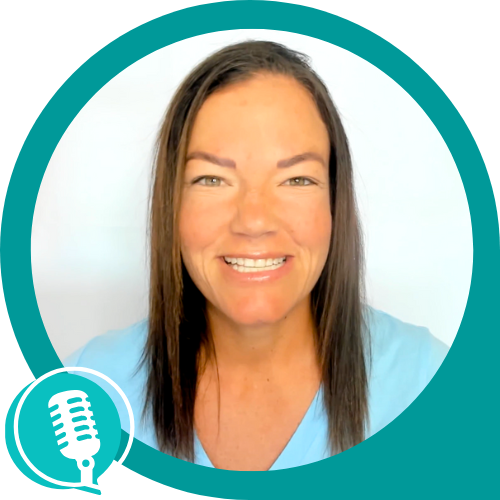
Kristi Kandel
Developer | Mentor | Co-Host of the LRED Podcast
Kristi is a real estate developer with nearly 20 years of experience and over $450M in projects across the U.S. Today, she focuses on helping locals step into development and build in their own communities.
She’s the founder of I&D Consulting, Local Real Estate Developers (LRED), and co-founder of Elevate, a community-driven sports and wellness concept.
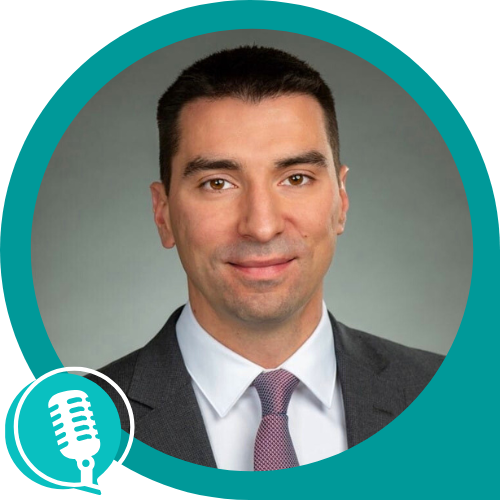
Raphael Collazo
Commercial broker | Author | Co-Host of the LRED Podcast
Raphael specializes in retail and industrial properties, bringing a problem-solving mindset from his background in engineering and software. As a commercial real estate advisor and developer based in Louisville, Kentucky, he works directly with investors, tenants, and cities, bringing a real-world view of how deals come together.
🔗 Related Episodes
How to Become a Local Developer: Katie Neason on Infill and Taking the First Small Bet | EP#29
A great companion episode on local infill, city relationships, and taking practical first steps in development.
How to Start Real Estate Development: Steph Weber Bought the Land First and Built the Plan Later | EP #41
A real look at taking your first development deal from idea to execution without having everything figured out.
Small-Scale Development: How She Left Her Corporate Career and Built a Tiny Home Village | EP #39
Another path from traditional career to building a community-driven development project.
About the Guest
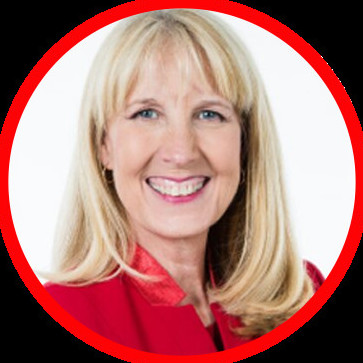
Beth Azor is a South Florida retail real estate investor, leasing expert, and developer with nearly four decades in the business. She owns a portfolio of neighborhood shopping centers, has developed ground-up retail projects, and is on a mission to help more women invest in commercial real estate.
Connect with Beth
🌐 Website: https://www.bethazor.com/
📸 Instagram: https://www.instagram.com/bethazor/
💼 LinkedIn: https://www.linkedin.com/in/bethazor/
Full Transcript
Local Real Estate Developers (00:01)
Hey everyone, welcome back to the local real estate developer podcast where we break down the mindset, strategies and partners it takes to become a developer in your own backyard. I'm Kristi and I'm joined by my cohost, Raphael. How are you doing today?
Raphael Collazo (00:14)
Great, it's a beautiful day outside and we have a phenomenal guest with us today. So we're really excited about the conversation.
Local Real Estate Developers (00:21)
Yes, we are. Beth, why don't you go ahead and introduce yourself and give a little bit, maybe the elevator pitch of everything you've done.
Beth Azor (00:29)
Hi, everybody. Thanks for having me, Kristi and Rafael. I am in South Florida, and I own a small portfolio of shopping centers. I've been in retail for 39 years. Yes, I started when I was five years old. Just kidding. I have developed a couple shopping centers from ground up. Challenging. We'll talk about that. And I'm on a mission to help and encourage women to invest in commercial real estate.
And yeah, I found out a few years ago that the number of investors in commercial real estate for women is 3%. And half of that are women who either inherited the properties or signed on their husbands guarantees. So really, I'm part of 1.5%. Kristi and I are part of 1.5%, which is awful. So we need to change that. So hopefully, some of your listeners will jump in the game if they're not already.
Local Real Estate Developers (01:26)
100%. I remember hearing you on from Bose podcast and I'm just like, my gosh, amazing. First of all, you are right across the state from me. And second of all, that is a mission I can get behind and let's do it by whatever means possible.
Raphael Collazo (01:40)
Yeah. Yeah. And, and for those of you guys who are listening, uh, Beth actually has, I wouldn't say it's symposium, but you have get togethers with women from all across the country that come together and talk about deals and talk about the things that you guys are doing on the investing side. And you do this, I don't know if it's every year, but multiple times a year, if not, um, so it's, it's a really good opportunity for people to be able to just build.
Beth Azor (01:41)
Absolutely.
Raphael Collazo (02:05)
the connections you need to kind of just feel supported in this environment. So kudos to you on that front.
Beth Azor (02:10)
Thank you.
Local Real Estate Developers (02:11)
Yeah, if you want to give a plug to that, we'll plug it at the end of the show as well. I just know it's so important and it's changing lives.
Beth Azor (02:18)
It is definitely changing lives. just last month in March had our fifth annual. We have about 250 women that get together. I do chair fireside chat interviews with eight to 10 women who are current investors anywhere from investing their in their first self storage deal to 4000 multifamily units. These women then graciously go into breakout rooms and show the attendees.
how to walk through a deal, how they found a deal, underwrote, raised money, cetera. And what I'm very proud of and very excited about are women in the audience now are investing with each other. Because you can imagine we have GPs that come, general partners, they're looking for capital. have women that are coming that want to dip their toe in and want to start as an LP limited partner. we're matchmaking.
without that wasn't the intention. The intention was really to motivate, encourage and expose. I'm not, I don't get up and talk about a mastermind or a coaching program. All I want to do is say, you have money, the female power of money over the next as the baby boomers start retiring is going to be immense.
our money should not just be in the stock market, especially for the women that in my world are doing this on a daily basis. It's their business and they're not investing in commercial real estate. So it's a great conference because it's like-minded women, everyone's generous with information, everyone wants to help each other. And it's been very exciting every year to see how many women are meeting each other and investing with each other, which is fabulous.
Local Real Estate Developers (04:01)
Yeah, and I believe you had one of your first mentors that you brought up, which kind of is a segue into our first question I want to get into here. But maybe because yours is a little bit twofold, maybe how did you get into commercial real estate as an actual partner of any sort to then get into development later?
Beth Azor (04:21)
Yeah, so I was so my favorite thing in the light in my life is leasing besides my kids and you know, having fun but work wise, I love filling vacancies and shopping centers and I've been doing that since 1986 and I'm pretty good at it. And so and really if you think about assets and the value of assets without understanding who the tenants are to come into the assets, like you know, appraisers and engineers and developers really wouldn't have jobs if leasing agents couldn't figure out
who would be the match to create value for the asset. So I've been pretty good at that right from the get go. It was just something I loved and I did well at. So while I was leasing shopping centers in South Florida, I had a boss who eventually became my partner because I eventually became the president of the company. But when I was about three years into the company, he came to me and said, hey, I'm going to buy the shopping center. Do you want to put some money in?
And I was making about 80 grand and I was married at the time and my husband was making 80 grand, but we were spending our money. We didn't have any money to invest. And we thought we're maxing out our 401ks. We're doing great. And you we were about 28 years old. And then a couple of years later, my boss came again and said, I'm buying another shopping center. You saw what happened to the last one. We're killing it. You should invest. And again, now I'm probably making over a hundred grand. Same with my husband.
But we had I just bought a Jaguar. We went first class to Hawaii. We had season tickets to all of the pro teams in town. No money. And my boss was like shaking his head like you're a freaking idiot. And then two years later, I'm 32. He comes to me and he says, Look, this is going to be your baby, you're going to lease this property, you need to be an equity partner. You and the minimum is 50 grand and you're making 150 your husband's making 150. Surely you have some money saved up now.
And you know, I hung my head in shame and he said, you are the biggest frickin idiot ever. And he dragged my butt down to the local bank and he co-signed a $50,000 note for me to invest in the deal. And he said on one condition that from now on, every commission check 10 % goes into an investment account that you cannot touch. And if I ever find out that you're not doing that,
you know, I'm going to call the loan or whatever. So but of course, I did that because the minute I invested that 50,000 in this deal, I started getting those distribution checks, which doesn't, you know, always happen right away. But in this case, it was a cash flowing asset, I was leasing the heck out of it, doubling the rents, it was unbelievable. And so I got the taste. And from then on, I think I LP with six other deals with him seven deals. And then I left his company much to his chagrin.
loved being there, but I was the president of a, I took the company from 11, with him took the company from 11 people to 150, but I was now a single parent of a four year old and couldn't be driving an hour to work every day and missing, you know, my nanny was raising my son. So I left kind of semi-retired and thought, okay, I'm going to go do some GPing, which is a lot different than LPing by the way.
But that started my own company that is Azore Advisory and I've had that business since 2004.
Raphael Collazo (07:41)
amazing. Yeah. And for those of you guys who haven't followed along with Beth, which I'm sure you have, if you've been on the social media fronts for a while, but she has a phenomenal channel where she kind of documents a lot of the things that she's done over time. And she kind of shares the stories regularly. So it's obviously a very good resource to be able to reference, but, you know, kind of going back to your time where you made the transition and now you're looking for your first GP opportunity, can you kind of highlight
what that opportunity ended up being and then how you were able to structure the deal such that it became a viable project thereafter.
Beth Azor (08:16)
Do want me to talk about my first development or just the first GP deal?
Raphael Collazo (08:20)
Well, let's start with the GP deal and then we'll jump into development because sometimes with development, it doesn't necessarily have to be ground up. Sometimes it can be identifying an opportunity and then either doing a, you know, an adaptive reuse, or sometimes it's even just flipping it to another developer. So it's, it, it, there's, there's other oper, there's other ways to, to, to modify or, or form fit a community. doesn't necessarily have to be you directly, but it also can be you in another way. So it'd be helpful to start off with the GP side and then maybe jump into.
Beth Azor (08:34)
For sure. For sure.
Raphael Collazo (08:49)
your first ground up.
Beth Azor (08:50)
Sure. So the first GP, so while I was still with my partner in the other firm, we had successfully leased, did a ground lease with a property that was 1.2 acres for I think, 1 point, maybe, no, $800,000. And while I was at the other company.
And I saw that a 1.77 acre piece of land was available next door to this. And when we had listed this other property with a client, I think originally we put something like 500,000 listing price, and we got multiple offers. And we kept raising the price, raising it. So we ended up doing a phenomenal job for our client. But I realized that the demand was much greater than I thought. And I went to my partner and I said,
Hey, we should buy this 1.77 acre lot next door to this thing we just did super successfully. And he said, it's too small for us. So fast forward six months, I'm gone from the company. This is about three miles from my house. I'm driving by it one day and I realized the sign is still up. The land is still available. I called the broker and I said, is this still available? She said, yes.
I said, how big is it? was 1.77 acres and they were asking 1.2, which we had just done a much better deal next door. I'm like, oh my gosh, I'm going to put this under contract. So I call my three best friends who are women and they represent from a tenant perspective, Home Depot, TJ Maxx, Walgreens. My three friends were like the epitome of tenant rep brokers in the retail community. And they had money.
And so I called them up and I took them to dinner at this Cuban place. The window looked out at this piece of land. they're like, why are we here? I go, you see that piece of land out there? They're like, yeah. go, we're going to buy that. And they're like, no, we're not. I'm yeah, I'm buying it. I'm going to put it under contract. And you guys are going to be my partner. No, no, we're not. Women. Love them. So I said, OK, well.
Local Real Estate Developers (10:46)
Not calculated at all.
Raphael Collazo (10:47)
That's right there. That's strategic.
Local Real Estate Developers (11:06)
And to pause
right there, what was the reason for no?
Beth Azor (11:10)
fear they hadn't done it. They didn't know women that did it. Like all the reasons now 20 years later, I'm still we're still dealing with. And again, they're doing this in their everyday life there. She's negotiating Home Depot deals, Costco deals, TJ Maxx deals, like, so I said, Okay, I'm going to find 10 friends that are going to give me 100 grand 1.2. We're going to do two ground leases with two restaurants. We're going to make a lot of money.
I had no idea how to get a mortgage. I hired a mortgage broker. I had no idea how to put together the package to raise the money. I paid someone $5,000 to do a package. I knew how to lease. I knew I was going to get the two restaurants, but I didn't know anything else. So I outsourced it. this guy put together this great package. I started sending it out to my family and friends, which I had not really curated a list. But I just started sending to people that I had.
that I knew in the industry and mostly in the local market. And right away, like five people said, I'm in for 100. And then who do you think came up, came back around and said, OK, once there was co-signing by men, my three best friends came in and they said that they would do it. I ended, I think I raised about 800. I got a loan. I was negotiating with, I think, Taco Bell and Pollo Campero.
for like great rents, we were gonna make a mint and the phone call rings one day and Walgreens is calling me. And this is off-corner. So Walgreens is only back then would go on hard corners at lights and this was one plot away. So I didn't really believe the broker that Walgreens was interested. And at the time, not today, but at the time Walgreens was super A plus. Like if you could get a Walgreens on a ground lease, forget it. So I ended up doing the Walgreens a lot of...
A lot of mess happened with this deal along the way. learned so much. had to get 12 REA approvals from 12 different property owners around to agree to do a pharmacy. I had to pay the supermarket a million dollars, which I ended up pawning off on Walgreens. It was a very complicated path. We ended up making 299% on our money. And all those, and I didn't know about 10, 31s at the time.
So I gave everyone their money, everyone paid taxes and said, where's the next deal? So that was my first deal. And I had a new lawyer I was using because they had done a lot of Walgreens ground lease negotiations. And I think it's very important to hire people that, you know, like I just did a wah-wah and I said, who's the best attorney that has done a wah-wah? So I wanna hire the people that I'm gonna learn from their repetition of doing, but the guy was a jerk.
And when he found out that I had to go get 12 REA releases or waivers, which means that 12 neighbors had in their documents, no pharmacy allowed. And I had to go get all of them to agree. And he's like, forget it, just give up. That's never going to happen. I said, exactly, exactly. So it was a huge success.
Local Real Estate Developers (14:17)
You just said the magic words there, buddy. I'm gonna go make it happen.
Raphael Collazo (14:23)
That's awesome.
Beth Azor (14:26)
You know, we all made a lot of money, but that doesn't always happen.
Raphael Collazo (14:28)
Definitely. But, but, to put to your point, you took a calculated risk because you had literally done the deal next door. So you knew what the market could be. And so you kind of had a pretty good idea that even if you bought this thing at 1.2 and all the stars didn't align at once, it still had that inherent value of more than what you paid for it, because you knew exactly that you could get some of these other restaurant users involved. So
Obviously you had insider's knowledge on that regard in that regard, because that's what you did on a day to day. And that kind of reinforces the idea of people who, when we, we as brokers do this all the time. So why not do it? What we've
Beth Azor (15:02)
It's free.
It's legal insider trading.
Raphael Collazo (15:06)
Yeah. All the deals I bought, so this last year, the first few years in business, I didn't invest because I didn't have any money. I was just trying to get going. But the last year we bought three buildings with partners and we got another one we're looking at right now. So, and that's all through insider's information. Cause some of these buildings, I did the deal two doors down. I'm like, I know exactly what that's sold for. And I have the tenant, what they're paying in lease rates. So this building next door, we could probably replicate something like this. So I think it's just, again, understanding what,
Local Real Estate Developers (15:06)
Right.
Beth Azor (15:25)
Thanks.
Raphael Collazo (15:35)
what you'll need to look for in these types of opportunities, extremely important. And for those of you guys who are listening that may not be familiar with the term that Beth used, REAs, it's called reciprocal easement agreements. A lot of times with these larger development pieces, usually there's documents that dictate how the future development on site looks like. So there's parcels that are carved off and such, and they have to conform to a set of documents that kind of dictate what uses can be available on site, how the...
construction needs to look like, because you don't want a construction of a building that looks way different than the other buildings. So there's some uniformity that you have to follow as well, height restrictions, et cetera. So those documents kind of dictate what can operate on site. And what Beth did is she looked through those documents. There were some issues. She was able to go to the powers that be that control what can be changed within those documents and get approval for them to say, hey, we're allowing for a pharmacy to come on site. And sometimes what you'll find, and that's what Beth found is
These, these bigger corporations will hold you over a barrel and try to get money out of you. had a similar situation with another client of mine. We, we, we had this. Outlawed that we were looking to develop a car lot car wash on and target Meyer and another larger, tenant, was a REIT had the final say and what could be modified on site. And each one of them had a, had a thing. It's like, well, you know, I'd like this or I'd like that. And you have to go back and forth and get it all figured out. But
if you wanted to work it could be very lucrative so just unique unique just wanna highlight that sorry
Beth Azor (17:04)
Yeah.
Local Real Estate Developers (17:05)
Yeah, and
that's a great point because you have the city who has zoning, who has this layer of regulation that they put on top. And if you go into an existing shopping center and has out parcels or a place that's been developed, or just that it's been, that's the importance of pulling a title report and seeing what are the easements and restrictions on the property and digging through that because the master developers will come in and they will put in these restrictions and it's...
It's to protect the businesses that are there. You wouldn't want 10 pharmacies on the same lot. You wouldn't want five gas stations, which is some foreshadowing into another deal. it's so it's as, as the developer, that's where we say you're, you're a detective and you're gathering all of the information. You're also playing a chess match is very strategic on what moves you make when, and it also feels like a poker game at times. So, and, that's the creativity of, of all of it.
Raphael Collazo (17:43)
you
Local Real Estate Developers (18:01)
coming together.
Beth Azor (18:02)
Oh yeah, many of the tenants, the 12 tenants, was Lowe's, Publix, Starbucks, Bank of America, McDonald's, these, and I use Connections, some people knew people, sometimes I knew the people, Shell Oil wouldn't call me back, I sent cookies with sayings on them, I love Shell Oil, after like 35 messages he finally called me back, he goes, okay, what do you want? It was crazy.
It was crazy. but I just kept plugging one at a time and I figured, you know, we'd eventually make it happen when we did.
Raphael Collazo (18:38)
So that was, that was your first deal. Now let's talk about your first development deal, because I'm sure you probably took on a couple more projects and then decided you wanted to.
Beth Azor (18:40)
Yes.
Yes,
I never wanted to develop. I never wanted to develop because I didn't, you know, just like I said, underwriting mortgage brokerage, you know, I could hire someone to do those. If you're going to be a developer. Now I've since hired project managers, but I don't know enough about construction.
Local Real Estate Developers (18:52)
And why is that?
Beth Azor (19:11)
site work, all of these things. I just thought at the time, when I did that deal with the Walgreens, I was 44, 45. And I thought, I'm too old to learn development. And it's so risky. I just believed it was risky. But I love good real estate. And so I was at a town council meeting in 2000 and
16 so you know eight years later and I'd been doing deals or I feel like you said I'd been buying shopping centers cash flowing shopping centers and in this market in my hometown I live in a town called Davie and in this in this town I owned two shopping centers on the street and I also had my kids went to school in Davie I was part of the church council in Davie
And I had a charity in Davie. So one night I was at the Davie town council meeting and I was going to be pitching them money to give some grant money for the charity that I ran for the homeless in Davie. And on that agenda was a topic that they were going to start outlawing strip clubs in my town. So probably as if I was just a resident sitting in the audience, I would have been happy.
But I was, I guess, potential developer sitting in the audience thinking, my gosh, there is a strip club on Maine and Maine, like A plus location. And there in two years, that is not gonna be allowed to be there. So I was beyond excited, way more than getting the grant money for $10,000 for my charity. And the next day I looked up on the tax rolls who owns the strip club. It was called Eden's.
80 year old couple in Jacksonville, four hours north of me, they owned it. I called them I go, so have you heard about what happened at the town council meeting last night? Like, no, go well, your strip club, you're not they're not going to be able to operate within two years. And they're like, no, they didn't believe me. So I sent them the minutes of the meeting. And I started a very long courtship with them saying, you can keep the cash from the strip club and the rent. But I just want to buy the real estate.
And I knew I really wanted to buy the real estate before anyone got wind that this property was going to become available. So I went to Jacksonville, I had tea in their living room. And the whole time I'm thinking, I wasn't thinking more ahead of if I got it, what I would do with it. I just wanted to get the real estate. And for two years, I courted them. And then the strip club closes. I mean, I'd given them offers. had
called people say, do you know these people help me I'll pay you if you get me in there. Like I was trying every which way to get through to these people to no avail. And they were in and out of the hospital because they were old. At one point I had given them an offer and they go no, that's not good enough. I go well, what's good enough? I don't know just raise your price, which of course we're not going to do that. So the strip club closes. It's all over the newspapers that now Davey has outlawed strip clubs. And of course, five competitors come swooping in.
Local Real Estate Developers (22:28)
Mm-hmm. ⁓
Beth Azor (22:28)
to talk to these people. And they called me up, or a young man calls me up and he says, Beth, my name is John and I am the grandson of Mr. And Mrs. Smith. And I'm in charge of picking who's gonna buy the property. I just graduated from West Point. So he's like 25. He goes, I'm gonna come into town and I'm gonna meet all of the, there's five bidders. And I knew everyone that was bidding.
And so I said, let me just be the last meeting that you have. And he actually met at a barbecue restaurant on one of my properties. he had all, got to, I knew everyone because I was in the property and I saw them all going in to have this meeting with him. And so I go in the meeting and I say, so what are you going to do now that you graduated from West Point? You know, we're making small talk. And he says, well, I'd like to be a consultant in Washington, DC. And I said, oh, amazing. Like I said, I think I know someone that does that.
And I said, what's the highest I know nothing about the military. go, what's the highest designation? And he said, General, I go, no, what's the next one? He goes, Admiral, I know an Admiral, I know an Admiral, and he's a consultant in Washington, DC. Because you're kidding. I said, let me and I had a BlackBerry. go, let me get my BlackBerry out. Yeah. And I call Gordon. And I leave Gordon a message to say, Gordon, I'm with a young man. just graduated from West Point. And he would like to be a consultant in Washington, DC, where you are.
Local Real Estate Developers (23:39)
⁓ back in the Blackberry days.
Beth Azor (23:52)
If call me back, if you get a chance five minutes, Gordon calls me back. I hand the phone to this kid and they set up a meeting for the next week. The next day I get the call from the kid and says, my grandparents love you. Obviously I've been working them cultivating the relationship for two years. They would really love to sell to you and not all of these other people. Your last offer was three one. If you pay three three, we'll give it to you. And I said done. And
What else helped me was I have a really smart partner. I have one partner on this deal and he's very smart. And in the early days of us trying to figure out how to get it before the kid got involved, he said, what's the number one priority for them? I said, closing fast. And he said, okay, good. Call them up and ask them for permission to go on site to do the environmental and the survey at our dime. If they end up not selling to us, no problem. We'll eat the cost.
If we have that, then we know that in title that everything's clear that if they pick us, we can close in 24 hours, which I was able to, and they said, how fast can you close? And we had already done the environmental, the survey and the title, said, 24 hours. So we bought it for three, three, talking about market knowledge while we were figuring out what we could offer again, before the grandson was involved.
I'm very close with all of the neighborhood leasing agents of the shopping centers around. And there's a huge shopping center across the street, like a million square feet. had Costco, Home Depot, you name it was there. And I'm friends with the leasing agent there. And I had called her and I said, you know, what are your, hey, what are your latest trends? I'm looking at buying something in the area. And she said, I just renewed a corporate tenant, 5,000 square feet at 40 bucks. And
I knew the site. in the market, we thought the market was in the 35 range at the time. So the fact that she renewed someone. So this is not a new deal with TI, it's tenant improvement dollars, anything, incentives. This is a renewal of a corporate tenant, not a local tenant of 5,000 square feet at 40. So I told my partner, for sure we can get 40 for whatever we do there. And so everyone else underwrote it.
at 30 or 35, but I knew we could do get 40, we ended up getting 60. So, what so again, I'm thinking ground lease, ground lease, ground lease, I don't want to develop. And we were getting offers from Trader Joe's and Wawa, but we were getting offered like a 200 to 250. And but I kept getting calls from tenants that wanted to lease a shopping center. So we had an architect drawout, we could get 11,000 square feet.
Local Real Estate Developers (26:14)
Yeah.
Beth Azor (26:33)
what I thought was 40 a square foot. So we're thinking 440 is way better than 250 even if we had to build the building. And I called my partner and I said, I don't know how we don't build a shopping center, but I've never built a shopping center. I don't know the first thing about building a shopping center. And he goes, don't worry, I'll help. He helped by writing the checks, but he didn't help with me figuring out how to do this. So we ended up saying, okay,
Raphael Collazo (26:58)
.
Beth Azor (27:01)
So we said we're gonna build a shopping center. ended up getting $55 to $65 rents. Our NOI year one was like 580 something. It was all pre-leased before we broke ground. And it was Starbucks, Select Comfort, Verizon, Blaze Pizza, which LeBron James was part of the franchise.
Raphael Collazo (27:14)
Did you pre-lease a lot of that? Wow. That's huge.
Beth Azor (27:27)
And then I had one little 800 square foot tenant that I ended up doing an ice cream after we opened. That was the only space we kept available.
Raphael Collazo (27:36)
Crazy. Yeah. And it just goes to show like to your point inside market knowledge. And then also once you have the site, you know, leveraging those relationships that you have to identify tenants that could be good fits within the center. And you've done this your entire career. So you understand how tenant mix works and you're being strategic about different uses that you operate on site and how they could all kind of blend together. So that creates like a harmonious environment. And so that's a pretty interesting insight there.
Local Real Estate Developers (28:02)
So on, well, go ahead with your question.
Raphael Collazo (28:02)
So.
No,
no, that was kind of kind of going on that you talked about how it was a very interesting process and that you didn't know anything about the whole development process. So what were some of the challenges that you faced as you went through that process of getting the project up and running?
Beth Azor (28:18)
Yeah, so I
needed a zoning attorney, so I hired the best one, which was great because in one of our city council meetings where they were approving the site, everyone was like, you can imagine the town was thrilled with me because I got rid of a strip club. Like the first thing I did within 30 days of owning the property, I demolished the strip club. So the town loved me, I thought, but the landscape lady didn't love me.
And we go to the town council meeting and we have this beautiful shopping center Starbucks is going to anchor it and she comes out of nowhere and she's like, I'm not approving. mean, literally the staff was looking at we meet with eyes as big as saucers because no one was prepared for this woman to come out of nowhere. I wasn't prepared. Thank God. Sometimes you know that my zoning I've used a zoning attorney now for 25 years and sometimes he'll go, you don't you don't need me. This is going to be a piece of cake. I go, Oh, no. Do you remember the first one?
Like I always have him there. So thank God he was there because he, but he's just like, you don't have enough trees. I need more trees. And I'm thinking, okay, ma'am, know, tenants don't like trees. Like we can put trees, but we're gonna have to put them, we can't block their signs. They won't come, right? But she was just nasty out of nowhere. Since then, it does help now that I've built a few properties, even though after that one, I said, I'm never gonna do it again. I've built a few and now at the last,
city council I was in in the town over, they actually said, have you seen what she's built over there in Davie? We should be happy to have her come to our town. So it does help when you do what you say you're going to do and you build something beautiful. so that so one challenge was in the beginning was, we almost like got killed dead in the water because had she made us put 50 trees, the tenants would have not gone forward because they want visibility and signage.
So we overcame that. I hired and fired three project managers. Three. Because I knew what I didn't know, and they told me that they knew what I didn't know. And I learned that they didn't know what I didn't know either. So fired, fired, fired. And then probably the biggest challenge of the whole project, which is why I said I'm never doing this again. then units like childbirth, I have.
I deliver the property delivered Starbucks opens I call Verizon I go your space is ready. No, don't you are least says we don't have to take it till April. So this is like October. So every month, hi, your space is ready. April. Hi, your space is ready. April, March 28. I get a call. Hi, it's Verizon. We're going to come take the space. Yay. Do I need to be there? No, you don't need to be there.
Is there a lockbox? go yeah there's a lockbox. Okay we'll just no problem. 3 30 on you know March 29th. Hi are you nearby? yes I'm 10 yeah I'm 10 minutes away. You might want to come over here.
Local Real Estate Developers (31:13)
That can't be good.
Beth Azor (31:18)
Deep breath, drive over. I walk up and he says, so we've got a problem. I go, what's that? He goes, there are no RTUs on the roof. And I said, what are RTUs? He goes, the air conditioners. I went, there aren't any air conditioners on the roof? He goes, no. I go, does your tenant work letter, the Bible, does it say I was supposed to provide you RTUs? He goes, well, that's the first thing I checked. I called corporate. This is the work letter. This is the signed work letter. Yes.
You needed to have RTU. I go, OK, I will get on that immediately. Let's walk through the space and see if there's any other problems. Mind you, November, December, January, February, March. Six months I've had that space sitting there. My project manager is long gone. I, of course, call him going WTF. And he's like, I don't remember. I call my air conditioning guy that services my other shopping centers. go, go put air conditionings on the roof.
Local Real Estate Developers (32:03)
conveniently.
Beth Azor (32:11)
No permit. Like, you don't know what you don't know. I got in big trouble with the city that I was aiding and abetting an air conditioning company that didn't have a license and permits. Now, he did have licenses, but yes, he didn't have permits. But worse, worse, worse. For every day I delivered past April 1st, it was a two-day rent fine penalty. So I ended up having to...
Local Real Estate Developers (32:29)
Good.
Raphael Collazo (32:32)
my god. Okay. Yeah.
Local Real Estate Developers (32:34)
Yeah.
Beth Azor (32:38)
I think we had a $67,000 credit that I had to give Verizon because I delivered late when the space was ready in October. I called my partner. I said, I will eat that. He goes, absolutely not. I told you I'd help you, and I didn't. yeah. so I had to find out what happened. Even though my project manager is long gone, I'm like, you have to.
You got to, what happened? How did this happen? And what happened was, the tenants are very tricky. And this is why you really need to have people that have dealt with retail, because it's different than residential and self storage and office. The Verizon tenant work letter said that we would do the RTUs, air conditioner units, rooftop air conditioner units, but that they would,
Local Real Estate Developers (33:16)
Mm-hmm.
rooftop units.
Beth Azor (33:31)
They're responsible for hooking up the electric. But I was responsible for having RTUs in good working order. Impossible. That is, you can't have RTUs in good working order without electrical. And Verizon was responsible for doing the electrical. And that was a discrepancy. And my project manager didn't alert me to that so we could solve for that, which we would have solved for that. And then I wouldn't have eaten $68,000. So after that, I said, I'm never doing development again.
which I then in turn did two years later.
Local Real Estate Developers (34:04)
Well, in working with national tenants, I get people all the time who go, yeah, let's work with the big guys. The big guys have full teams and they know what they're doing. And I've done more than enough deals with the national retailers that you do need to scrutinize. And so what we've done is we're like, no, no, no, we need to have a development team involved in the leasing of these multi-tenant buildings because we need to be able to say,
where are those discrepancies and or what's the cost associated? And then a lot of times it's easier just to give a credit and say, you guys do it because there's more risk in the construction as well. And that's just a key point. If you don't know it, bring in people who do. sometimes you still have to manage everyone involved in, sometimes things are still gonna slip through the cracks. And that's just the risk that happens with development, but it's the calculated risk. maybe go into...
So you finally get all the tenants in there. Was that a hold strategy? Was that a, we sold it? What did that look like?
Beth Azor (34:59)
Yeah, yeah, I'm just this is a great podcast because I'm sharing all of my mistakes. So we absolutely were building it to flip it. Absolutely building it to flip it because when's the biggest value in strip center development when you have 10 year leases and the building's brand new. Perfect time. Like 2008, 2000 and
Local Real Estate Developers (35:18)
Yep. And then what year was this again too?
Beth Azor (35:25)
I think actually that might've been, I was confusing the dates before with my other development. think this was.
So yeah, it was 2015 because everyone's renewing now. So it's 2014, like 2014, 15. So we're gonna build it and flip it. Well, my partner who handles the mortgages put a CNBS loan on it.
So what does that mean? It takes about six months to assume it. And if someone, if I sold to someone that would want to put their own mortgage on it, the defeasance, the prepayment penalty would have been a half a million dollars. So we were stuck. Now today in 2024, 2025, we're super happy we still own the asset. Super happy. We've never lost a tenant, knock on wood, all of the tenants remain. They've all renewed. The rents are in the mid seventies at this point.
And we've been cash flow. It's been it's been definitely one of the best assets ever. We're very happy and we're our CNBS loan is just coming due this summer. And we have just agreed to refi it. And it's a huge, huge win and score for us. We're very, very happy. But again, didn't know what we didn't know. And my and I let my partner handle the financing.
We bought it with cash. He wrote a check for, I put in 100 grand and he put into 3.2. He funded the construction. We got a construction loan. And then when we were finishing the construction, goes, okay, we're gonna get a takeout loan and that I'm gonna get paid back for building the shopping center, blah, blah. He's like, look at this great deal. 3.8%, 10 years interest only. I'm like, great. I knew nothing. I knew nothing about CNBS. And so I'm like, okay.
We finished, they're all open, Verizon's open, yay, let's sell it. We're like, yes, let's sell it. Can't sell.
Local Real Estate Developers (37:12)
Well, and that was another great point right there because people think they need millions of dollars in their personal bank account to do a deal. Here you are, incredible broker, had been in the industry for a long time doing your development deal and you only, well, it's a lot of money. You only brought a hundred grand to the deal. The sweat equity part that goes with managing a development project has real tangible value. So to everyone who's learning and trying to become a real estate developer,
That is worth something and you don't need a million dollars to do it. ⁓
Beth Azor (37:45)
Yeah, he
said, my partner said, you don't have to put in any money. I'll do it all. I go, no, no, I always put that in back then. My, my deal was I put in 100 on every deal. Now I put in a little bit more. But I said, No, I'm to put in my obligatory 100. And he's, and he said, Okay, well, how much should how much do you think? And this is the only deal where I just have one other partner, all my other part, all of my other deals, I have multiple partners, 15 20 partners, because I like to get women to invest. So he goes, What do you think your share should be?
I said, I don't know, what do you think my share should be? Now, mind you, I'm calculating 100 grand into 3.3. Like, you know, it's like my share is 2%, but if I could get 5%, that would be great. And he goes, how about 25? I said, awesome. Thank you so much. He goes, now, I don't want you to take any commissions on any of the leases. And, you know, I won't charge you a guarantee fee, because he was signing up, signing all of the notes. I said, no problem.
Local Real Estate Developers (38:28)
Boom.
Beth Azor (38:41)
So we're 25.75 and I've never had to put any capital in any of it after the first 100.
Raphael Collazo (38:48)
Yeah, and that deal and that deal is probably worth maybe double what maybe more.
Local Real Estate Developers (38:48)
That's huge.
Beth Azor (38:53)
It was appraised for the refi at 12.8.
Raphael Collazo (38:57)
Yeah, so probably after construction is probably double what it was raised for before, which is crazy. I mean, that's unbelievable amounts of returns.
Beth Azor (39:00)
Yeah. Yeah.
But it's all about location.
I get calls. I get three to five calls a week. I've got this deal. Can you look at it? Do you want to put money in it? It's $50 a square foot. It's a steal. And I go, what's the occupancy? $40, value add, upside. How many shopping centers around it? A few. And I go on Google Earth, and there's like 30 shopping centers, and they're all 50% occupied.
Two weeks after I closed on this deal, I was at an ICSC conference, International Shopping Center. There's a new name now, but it's our shopping center industry conference. One of the five bidders I competed with walked up to me and said, you paid 300 grand too much for that deal. Literally for a second, I gasped inside thinking, I hope he's wrong. he didn't have the knowledge. Their offices were in downtown Fort Lauderdale. They didn't call the people around going, what are the rent?
I was confident in my knowledge, but they had built high rise, they had built 50 public shopping centers. I'm thinking smarter, richer than me. I hope the hell he's wrong and he was wrong. yeah, so it turned out to be fabulous, but I buy A plus real estate. During COVID where everyone is losing tenants left and right, in all of COVID I lost one tenant. It was a foot massage place.
literally March 25th, she calls, goes, I'm closing. go, you have, we don't even know what's going on. goes, no one's going to want their foot feet rubbed or touched. I'm closing. So, but I lost one tenant because my properties are A plus locations, which means they have, you know, it's great disposable income. They have good sales and they can pay high rents. So I don't look at the value add 50 bucks a square foot properties. It's just so.
So we knew that was phenomenal real estate and we knew to pay up for that. And it's always worked well for me to buy a plus real estate. It's so true location, location, location.
Raphael Collazo (41:02)
That's amazing. So regarding that, because obviously we've gone through a few of these projects that you've kind of described here, what advice would you give to developers or aspiring developers that are looking to do maybe not exactly the same thing you did, but something to that effect where they're looking at some property that may be of value and they can potentially add some more to it. So what advice would you give to people looking to seek their first or, you know?
Beth Azor (41:24)
Well, first of all, you
always need more money than you think you do. It's always going to take double the time that you think it is. So I think time and money, that's what I find that people really miss the mark on. And they need experts if they're like, like I said, now I have a project manager that I love, but she's my sixth one.
So trial and error and finding the right people to help you in the areas that you're not an expert in. I know people that are buying shopping centers or trying to develop and they're trying to lease it on their own and they've never leased a space. They're like, well, how hard, how hard could it be? I, I lease apartments. It is completely different. So hiring brokers, I'm like, why wouldn't you hire a broker? Like they're like, can you help us in St. Louis, Missouri? No, I know nothing about St. Louis, Missouri.
Well, but you know, you but you know, TJ Maxx, but my TJ Maxx guy is not the guy in St. Louis. Like you need to hire a broker. Why I don't want to pay the commission. What? So I mean, if I sold my house, I'd hire a broker, I know nothing about selling a house. And people think that's crazy. Why would you give that commission away? So it's done, right? So I think my advice is, if you don't
I don't have to hire leasing people because I am freaking awesome at leasing space. I am the best at leasing space. I can do that. Everything else, I'm hiring. I hire a bookkeeper. I hire a development project manager. I'm doing a $4 million renovation on a shopping center right now. I am paying $8,000 a month for a project developer, a project manager to help me with the bidding, to look at all of the change orders. I don't know anything about this stuff. I'm on the meetings every week and I'm like, what does that mean? I literally have to stop them and go.
tell it to me like I'm a kindergarten person. They're talking about trusses and in the meantime, I am leasing, releasing spaces, kicking people out and doubling the rents. Because that's what I do. I'm good at what I do. So I think try to stay in your lane. But again, if you're new, you have to learn and you have to learn from people like you guys.
Local Real Estate Developers (43:20)
Thank
Raphael Collazo (43:29)
Yeah. And I think you, you said something very important there too, which I kind of want to highlight because we've had other people in the podcast too, that have kind of illuminated this is know your lane, know what you're really good at and get really good at that one thing and then fill in the gaps for the rest of the spaces. So in your case, you're a killer in leasing. you know, the rents like the back of your hand, you know, all the people that are looking for space, you know, what type of uses could potentially fit in a space. And so
that's what you're going to do 100% of the time. And then you fill in the gaps in the other places. And what you were able to do is, you know, economies of scale or time efficiencies where you can get people together who are in their zone of genius and you create a very successful project as a result. But, you know, if you're trying to do everything yourself, which at first, you know, you may have to do more than you would typically do yourself just to kind of get up and running. But at a certain point, you need to delegate and trust others to help you get to where you need to go. So.
Beth Azor (44:19)
Absolutely.
Local Real Estate Developers (44:20)
In your projects, you kept referencing and go back to using the term insider trading and just understanding your local community and your local market. And here with local real estate developers, we really want to empower people to do things in their community, where they live, where they work, the places that they know and the places that are missing. So from your perspective, what does community driven development mean to you?
Beth Azor (44:42)
Supporting the entrepreneurs in the community, right? Understanding the city's strategy and vision, but helping formulate that because they don't know either, like getting involved. So I'm in the city all the time. I'm meeting with the economic development. They think they want cobblestone streets because they think Starbucks is going to come because they put in fancy lighting and cobblestone streets. Starbucks is not going to come for that.
So helping educate them with the stuff that you know. For me, I know what Starbucks wants. The city economic development person may not. So helping the city grow to be the best it can be. I live in the city. I now own three projects in the city. I just sold one. I knocked down a strip club. I replaced it with a strip center. But I'm involved in the church down the street. My kids went to school down the street.
You know, I was I'm involved in the Chamber of Commerce in my town. So I'm going to be in this. I own a home in this town. I've been there for 30 years. So I'm very proud of the things that we're doing to help improve. Now I'm doing a four million dollar renovation on a crappy old center. It's going to be the best economic deal of my life. But we're spending four million dollars. It's a 1970s building. I own this shopping center and this shopping center. And this was the hole in the doughnut.
I met the guy when he was 76. He turned 91 last year and he said, okay, you can come be my partner. the town, and when I walked into the town and said, I am now an owner of Promenade West, they were like, woo, they were so happy because it was, it looked terrible. And now it's getting a huge facelift. So making your city better, isn't that what it's all about?
Local Real Estate Developers (46:13)
Persistence.
Beth Azor (46:31)
but supporting the community and the entrepreneurs for me in retail. Of course, I like to do Starbucks and businesses like that, but I really like to do the barbershop guy and the nail salon lady and the little cafe that, you know, she started out of a food truck. I want those tenants because that adds color and flavor, no pun intended, to our community.
Raphael Collazo (46:56)
Yeah, no. mean, sometimes the more rewarding deals, and I know you've talked about this a lot on your YouTube channel, is that some of the most rewarding deals are being able to see tenants that started with you evolve and come into two locations, three locations, five locations. And then you're a big reason. I mean, obviously they're hard work, they're blood, sweat, and tears went into building the business, but you've played a small role in seeing that evolution over time. So, yeah.
That's one of the reasons I love retail personally. I do a lot of it. so it's definitely a unique thing that you're offering to the community there. But so one of the last questions we'll ask before we kind of round it out was related to the future projects, which you kind of alluded to Promenade West, which is, guess, your most recent one. Could you describe briefly about that and any other future projects you're kind of excited about?
Beth Azor (47:43)
So that one is the one that was the hole in the doughnut. Like I said, for 15 years, I've been trying to get that. And it was super interesting and complicated because as much as I wanted to be his partner and I wanted to help him, I had to do it without letting him know that once I got involved, I could increase his rent by 20 bucks a square foot. And if I let him know that in the negotiations,
the price would have been higher for me to buy in. So it was navigating, how do I help him? How do I be of value? How do I get him to understand that I should be the one to help? Because he for sure, for five years, I'd call him every three months. And he goes, Hi, Beth, I'm not going to sell to you like every quarter, every quarter. And I realized this is not working. Okay, how can I I have to cultivate the relationship, I need to add value.
So I started saying, hey, I used this painter, he was great, or this paver guy sucked, or have you heard that the town is talking about making more stringent parking formulas we should band together? So I started trying to add value without telling him, I just signed a $55 deal when I know he's signing $35 deals. So it was really interesting how to navigate that and get in at the price that it afforded me to get in.
and then to contribute to the, I'm participating in the $4 million renovation, but I couldn't have done that had he realized what could have been, okay? So.
Local Real Estate Developers (49:10)
Well,
but you were the one getting those leases. So without you, he couldn't probably have gotten those numbers because that was your unique ability. That was your strength. So he actually needed you to realize that extra value, which just more than justifies your equity.
Beth Azor (49:21)
Yeah. So,
yeah. So, and you know, after our first deal where we went, we took an urgent care from 35 to 55 in five minute meeting, he said, what took me so long getting you here? So we raised the value of the center a million dollars in five minutes. So that was fun. But before that, I, and this was, you when I said I'm never doing this again.
a broker had brought me a 1970s two story office building in the town over on a great corner, phenomenal corner. And it had 21 tenants and they all had options up to 2024. And this was in 2016. And they brought me the deal, but it was priced stupid, like at seven and a half million. And I'm like, I'm not buying something for seven and a half million that I have to develop, like not even gonna happen.
and someone put it under contract and their goal was to do a Wawa on, which was a gas station in the Northeast on the corner. And they went to the town and the town had a zoning rule that said no gas stations, no more than one gas station per intersection and there was a gas station across the street. So they dropped the contract and they brought it back to me and I got it and they, I think they dropped it from seven five to six to five five. And I think we bought it at five three.
So I buy the office building and then, you know, my friends in the local community were like, you're buying office buildings now? I'm like, okay, no, this is like a hard corner. This is gonna be retail one day. I don't know when, because I have leases in the building and the building's like, it was terrible, 1970s. So I raised money and I told my partners one of two things. And I knew that down the street, so I had given up on the wall, there's not gonna be a wall because the city said no.
But down the street, there was a Starbucks Chipotle deal that had just gotten killed because they needed REAs and they couldn't get them. I knew Starbucks and Chipotle were out looking for a site a mile, less than a mile away. So I called them up and go, if I can get this site, would you be interested? And they said, yes. So I put it under contract. I called my partners and I said, there's plan A and plan B. Plan A, I figure out how to get Starbucks and Chipotle on the back of the lot.
and hold the front for something bigger in the future and get the city to agree because the building was on the front lot. So while the building's still there, while I still have tenants, while I have to get these tenants out, but I've got a big parking lot in the back, I'm going to build a strip center with a Starbucks and a Chipotle. So Starbucks said yes, Chipotle said no, Starbucks said yes, and the city said yes. I said, or to my partners, we're going to just have a phenomenal site, again, A plus real estate.
but we can't do anything till 24, because I got to get rid of all of these tenants. And we had in the budget a million dollars to pay for the tenants to go away, like I could buy them out of their leases. So Starbucks says yes, I start working on a plan to build a strip center in the parking lot. And I start telling, I call all the office brokers in town, I go come get my tenants, come canvas them, get them out, find spaces for them, I need them out. And we were able to vacate the entire shopping center within a year, and I didn't have to pay a penny.
So I do the deal with Starbucks and we're gonna build a three tenant strip center in the parking lot. And then I told the city that I would demolish the building before Starbucks opened, because I needed the parking for that. So I was able to do all that. So I built the strip center. I demolished the office building, the two-story office building, didn't have to pay the million dollars. And then COVID hit and I sat on that hard corner.
piece of land where everyone on Facebook said she should do a dog park there. And Starbucks, yeah, Starbucks opens, I have an Asian restaurant that's doing over a million eight in sales, I did an ice cream store, which NFL Hall of Fame pro football players wife opened an ice cream and Starbucks is killing it. The three of them are great COVID happens. The city starts calling me to be their ad hoc advisory.
Local Real Estate Developers (53:04)
Huge revenue generator.
Beth Azor (53:26)
person because a consultant because for free like pro bono because the city is losing tenants left and right and they wanted my advice. After my fourth meeting going into the city helping them, I called my very favorite favorite zoning attorney and I said, what do think about me going and asking the city about the Wawa again? And he goes pre COVID zero. What you're doing for the city now, 50%. So I called Wawa. said, you still want this site? They said, hell yeah.
I had the architect put their footprint on the corner. And the next time they called me to come in to help at the end of the meeting, said, I have something I'd like to talk to you all about. And I slid the site plan across the conference table. We were all six feet apart with our masks. And they turned it over and the mayor said, I'd support that. And we ended up getting that approved. Wawa opened this year in December. We just sold it two weeks ago for a 4.4 cap rate, just the Wawa.
We still own the Starbucks strip. I'm about to go to market on that. can you imagine the day that the city council announced that they approved the Wawa? That developer got off and go, what the heck? How did you make that happen? It's in any business, but especially in real estate, relationships and helping people is so important and helping communities because they had people freaking out, the cities did.
And I got the cities to agree to let the restaurants open in the park. Like I was, I was seeing things nationwide because of what I do. And I was going, let that tenant do to go and take out. And they were like, do what? Let them open in their parking. They were freaking out. I'm like, it's okay. This is happening in Chicago. And I was able to help save a lot of their entrepreneurs. And they felt obligated to help me, which is in, it was silly to have that rule. No two gas stations on the intersection. It was a silly old rule.
but that developer was not happy.
Raphael Collazo (55:22)
Well, yeah, but but I think it kind of re and rein re instantiates the point that it's all about the relationships you develop. And particularly when it talks about entitlements, when you talk about things that you need the city to participate in, you need to have these strong relationships and a good reputation within the community to say, Hey, we're going to do something that's that's good in general. So whenever they think of your name, they think of someone that delivers something of high quality. So
Local Real Estate Developers (55:47)
That's awesome. Well, thank you both so much for coming on and sharing your stories. I know so many people will learn so much from that and just be inspired by what you're doing. So how can people actually connect or support you or get involved?
Beth Azor (56:01)
Well, like Rafael said, I have a YouTube channel with 750 videos. You can watch those. If you want to reach me, I would say Twitter or X and LinkedIn are probably the two best ways. You can just DM me and I'm pretty responsive.
Raphael Collazo (56:16)
awesome. Beth, thanks again so much for your time. We'll make sure to include all those in the show notes as well. So people can access it and subscribe to her channel because it really is phenomenal. I mean, I'm not I'm not saying that just because you're our guest, I really have followed along with your journey for a long period of time. And it's helped me a lot in particular on the retail side. So I do appreciate everything you do for the community. For those of you guys who are listening to this podcast, please like and subscribe to our channel. It really does make an impact in our ability to reach a broader audience.
Along with that, if you guys are listening to a podcast format with that Spotify or Apple podcast, leave us a five star review. It really does make an impact. And we're able to spread the message to other people who want to take on local development so that they can change their communities one block at a time. So thanks again so much for tuning in and we'll see you all next time.
Get the tools behind the episode
Access the Developer Vault with templates and real resources
©2025 I&D Consulting. All Rights Reserved.
©2025 Local Real Estate Developers. All Rights Reserved.