How Ray Smith Built a Local Retail Corridor One Restaurant at a Time | EP #15
Real estate development, small-scale retail conversion, & creating a neighborhood corridor people actually want to visit.
What if building a real estate portfolio was less about scale and more about stitching together a neighborhood?
This episode shows what can happen when one local investor keeps saying yes to the next right property.
Ray Smith did not start by trying to master big mixed-use development. He started by buying what he could, learning through failure, and staying close enough to the street to see what his neighborhood actually needed.
Over time, that turned into something much bigger. Ray began converting houses, offices, and overlooked small commercial spaces into restaurants, wine bars, and hospitality concepts that now help shape the feel of a growing St. Pete corridor.
This episode is for aspiring local developers who want a more attainable path. If you have ever wondered how to start small, use private money, work with first-time operators, and build value without waiting on a giant deal, this is a strong model to study.



Get the tools behind the episode
Access the Developer Vault with templates and real resources
Episode Summary
Ray Smith’s story is a reminder that development does not always begin with a polished vision. Sometimes it begins with learning the hard way, then choosing to stay in the game.
Ray got his start in real estate through short sales and Section 8 investing in St. Pete after an earlier chapter in Colorado, where he bartended, snowboarded, and eventually realized he needed to build something more lasting. He found an early opportunity around distressed housing, started buying small deals, and then got hit with one of the biggest lessons of his career when the market crashed in 2009. He let properties go back to the bank, filed bankruptcy, and had to rebuild from the ground up.
That part matters, because it shaped how he approaches deals now. Instead of assuming the market will carry everything, he learned to focus on cash flow, better buying, and more durable ways to create value. That mindset shift eventually led him into small commercial properties, beginning with a modest office that had an apartment above it and then expanding into more mixed-use and neighborhood-scale buildings.
The real breakthrough came when Ray followed a personal passion and opened his own restaurant. Because of his background in restaurant construction and operations, he understood flow, layout, kitchen function, and how people experience a space. Even though operating the restaurant was intense, it gave him something even more valuable: proof that a thoughtfully designed second-generation restaurant space could command premium rent once leased to the right operator.
That insight became a repeatable strategy. Ray started buying overlooked properties in St. Pete, often houses or small buildings with the right zoning and neighborhood feel, then converting them into highly curated hospitality spaces. Instead of chasing generic retail, he focused on local business owners with strong concepts and enough commitment to make the business work. His tenants were often first-time operators, but he looked for vision, some capital, and a concept that matched the neighborhood.
What makes this especially useful for local developers is how practical his model is. He uses private money. He structures some deals like a bank note and others more like joint ventures. He keeps overhead light. He does not build a big employee-heavy organization. And he thinks carefully about how each project can support the next one, eventually creating a walkable corridor of locally loved places rather than a scattered portfolio with no identity.
Ray also talks about what comes next, including commissary kitchens and group-home style housing models that solve real needs while still creating value. That is the bigger lesson here. Development is not just about flipping buildings. It is about seeing what a community needs, finding a format that works, and staying close enough to the ground to bring the right people in.
The strongest takeaway is this: you do not need to start with a giant project. You can build real momentum one property, one operator, and one thoughtful local concept at a time.
What You'll Learn
- How Ray moved from short sales and Section 8 into small commercial development
- Why second-generation restaurant spaces can create premium rents
- How to use private money to keep deals moving
- What to look for in first-time restaurant and retail operators
- How small projects can turn into a neighborhood retail corridor
- Why passion, local knowledge, and patience matter more than scale
Bold Truth
You do not need a giant deal to shape a neighborhood. You just need to keep building the next right thing.
Timestamps
0:00 — Intro
https://youtu.be/V-oj1nBApS4?t=0
0:54 — Kristi introduces Ray and his St. Pete projects
https://youtu.be/V-oj1nBApS4?t=54
1:17 — How Raphael first connected with Ray
https://youtu.be/V-oj1nBApS4?t=77
3:10 — Ray’s path from Colorado to real estate
https://youtu.be/V-oj1nBApS4?t=190
4:35 — Short sales, Section 8, and getting started
https://youtu.be/V-oj1nBApS4?t=275
5:29 — Buying his first investment properties
https://youtu.be/V-oj1nBApS4?t=329
6:20 — Losing everything in the 2009 crash
https://youtu.be/V-oj1nBApS4?t=380
7:22 — Rebuilding with cash flow in mind
https://youtu.be/V-oj1nBApS4?t=442
8:03 — From office buildings into commercial strategy
https://youtu.be/V-oj1nBApS4?t=483
9:14 — Opening his own restaurant and designing the flow
https://youtu.be/V-oj1nBApS4?t=554
11:37 — Launch week chaos and the hurricane interruption
https://youtu.be/V-oj1nBApS4?t=697
13:25 — Leasing the restaurant at premium rent
https://youtu.be/V-oj1nBApS4?t=805
15:06 — Repeating the model with more buildings
https://youtu.be/V-oj1nBApS4?t=906
17:27 — Why not squeezing every dollar matters
https://youtu.be/V-oj1nBApS4?t=1047
21:55 — Private money and building trust with investors
https://youtu.be/V-oj1nBApS4?t=1315
25:38 — Structuring deals with notes and JV splits
https://youtu.be/V-oj1nBApS4?t=1538
28:05 — Converting houses into restaurants
https://youtu.be/V-oj1nBApS4?t=1685
30:41 — Zoning, parking, and restaurant flexibility
https://youtu.be/V-oj1nBApS4?t=1841
33:59 — Working with first-time business owners
https://youtu.be/V-oj1nBApS4?t=2039
36:38 — Building a neighborhood retail corridor
https://youtu.be/V-oj1nBApS4?t=2198
41:12 — New projects: commissary kitchens and group homes
https://youtu.be/V-oj1nBApS4?t=2472
47:10 — Ray’s advice for aspiring developers
https://youtu.be/V-oj1nBApS4?t=2830
Meet the Voices Behind the Mic
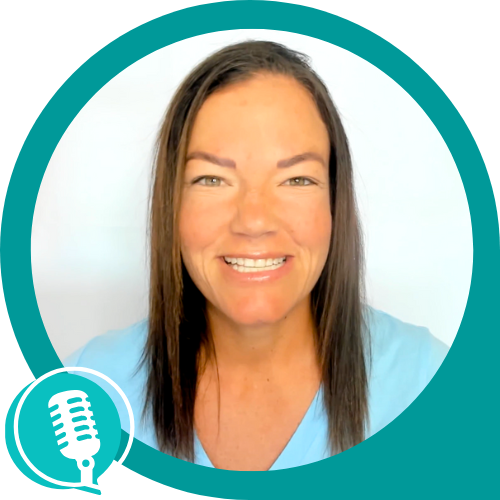
Kristi Kandel
Developer | Mentor | Co-Host of the LRED Podcast
Kristi is a real estate developer with nearly 20 years of experience and over $450M in projects across the U.S. Today, she focuses on helping locals step into development and build in their own communities.
She’s the founder of I&D Consulting, Local Real Estate Developers (LRED), and co-founder of Elevate, a community-driven sports and wellness concept.
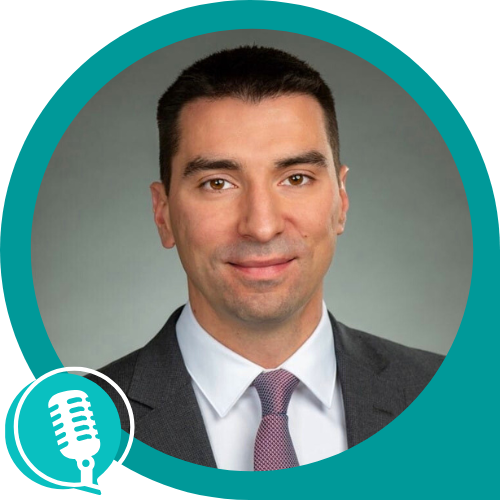
Raphael Collazo
Commercial broker | Author | Co-Host of the LRED Podcast
Raphael specializes in retail and industrial properties, bringing a problem-solving mindset from his background in engineering and software. As a commercial real estate advisor and developer based in Louisville, Kentucky, he works directly with investors, tenants, and cities, bringing a real-world view of how deals come together.
🔗 Related Episodes
How to Become a Local Developer: Katie Neason on Infill and Taking the First Small Bet | EP#29
A great companion episode on local infill, city relationships, and taking practical first steps in development.
How to Start Real Estate Development: Steph Weber Bought the Land First and Built the Plan Later | EP #41
A real look at taking your first development deal from idea to execution without having everything figured out.
Small-Scale Development: How She Left Her Corporate Career and Built a Tiny Home Village | EP #39
Another path from traditional career to building a community-driven development project.
About the Guest
Ray Smith is a St. Pete-based real estate investor and developer focused on neighborhood-scale commercial projects. He specializes in converting small buildings into restaurant, wine bar, and retail concepts, while also using private money and creative deal structures to build long-term value.
Connect with Ray
💼 LinkedIn https://www.linkedin.com/in/raymond-smith-b0104718/
Full Transcript
Raphael Collazo (00:41)
Welcome to local real estate developer podcast. I'm your co-host, Raphael Collazo. I am a commercial broker and investor located here in Louisville, Kentucky. And I'm joined here by my co-host, Kristi Kandel. Nice to see you again.
Local Real Estate Developers (00:54)
Hey, good to see you. Yeah, Kristi Kandel. I'm a developer investor and I teach locals how to become developers in their community. And today we have a fun guest and I actually ate at one of the restaurants in a property that he owns when I was in St. Pete, Florida. And I'm very excited to kind of dig deeper into this. So Raphael, I know I had heard him on your podcast first. Do you want to introduce him?
Raphael Collazo (01:17)
Yeah, Ray's
an awesome guy. We met actually at Tyler Cobble's Mastermind event in Birmingham a couple months ago. so, you know, we got hunkered down. We actually our flights got canceled, I think for you, you got your flight canceled because of the tornado that came through. And so we were kind of just hunkered down at the hotel, chopping it up and, you know, kind of kind of learn a little bit more about what he was doing. And I find it super fascinating because I actually did
of something somewhat similar in my local market. And so he's just been a phenomenal resource for us and a good buddy of mine who's also my business partner, Barikov, he's in his pod. And so, you know, we're constantly asking him questions about different ways to approach the investment process in the retail space. And he's just a wealth of knowledge. And so I'm really excited to have him on the show. Ray, always good to see you.
Ray Smith (02:02)
Yeah, thank you guys for having me. I appreciate the intro.
Raphael Collazo (02:06)
Yeah, yeah. And he came in also, I forgot to mention, he came into Louisville for a race and we actually got a chance to tour around and, you know, we kind of showed him what we were doing. Barrett has this big office building he's developing with an Airbnb on top. And then I have this retail building that was converted into a bakery. And so we walked through the building and everything. It was really cool. You know, cool to hang out. So.
Local Real Estate Developers (02:12)
⁓
Heck yeah.
Ray Smith (02:30)
Well, I'm embarrassed because at the, it's a half marathon. We travel with a group twice a year and we do a half marathon in new cities. And I contracted plantar fasciitis like a month prior. So I had literally was the very first race I've ever walked the entire race before. Still took me 15 minute mile, but it's so hard watching people run by you, you know, when you're competitive. Yeah.
Local Real Estate Developers (02:48)
Hey, but you did it.
the inner competitor and you goes, I know I can do this,
I.
Ray Smith (02:59)
Yeah,
just starting slow is cringing to me. ⁓ But I made it.
Local Real Estate Developers (03:03)
Ha ha!
Raphael Collazo (03:06)
Awesome. what we typically like to do when we first get started is we like to learn a little bit more about the person that in a little bit more about how they got interested in real estate in general. So if you don't mind kind of sharing a little bit about that, that'd be awesome.
Ray Smith (03:19)
Yeah, you know, for me, I was in Colorado at the time. had, which I had mentioned to you, I have a background in doing construction and restaurants. And for a long time, I used to travel out to Colorado, opening these restaurants for a chain called Hopps Microbrewery. And when I would visit Colorado, I just fell in love with it. So I ended up moving out there, stayed there for five years, bartending, snowboarding, doing a bunch of nothing basically. And I was like, I gotta start doing something. I always had like side hustles going on. So.
I was talking to my mom one night and she had mentioned the real estate market and it just kind of sparked. So I met with a lady in Colorado that worked for Keller Williams and ended up interviewing with her. She'd given me the book, The Million Dollar Agent. I read it. I was totally intrigued. Great book. I mean, for anybody to read, it's just a really great book, a great bond. So ended up moving back to St. Pete, 2004 and decided to get my real estate license and ended up actually going with a local
broker instead of Keller Williams. think that was a bad choice, but I stayed there for like six months and ended up finding some guys hustling doing section eight investments. And that's kind of where I got my start in level income housing.
Local Real Estate Developers (04:35)
So were you their agent in helping them get it? Did you invest with them or what was?
Ray Smith (04:39)
Yeah, so basically they were doing short sales back in
2002, 2003 before anybody was doing them. So I would knock on doors and get people to sign contracts, take them to the bank and we would just short sell all day long. But as everybody knows, as the market went south, so did short sales. So it was great. I was a door knocker. I got paid a little bit, but I started buying the properties from the company. They would sell to me once we got them from a short sale.
And that's kind of where I started in the process of doing low income housing.
Raphael Collazo (05:11)
Awesome. So from that point in time, you gained some experience on the real estate side by orchestrating some of these short sales, and then you started getting into the investment space yourself. So you started buying some of these properties. Can you kind of talk to us about the progression into that and then what ultimately got you into the commercial space?
Ray Smith (05:29)
Yeah, I think for me it was just like anything you're seeing how much these these guys are buying these properties for and then how much they're renting them out for and you're looking at the spread and you're like, okay, well, how can I find money? Where can I find money? And at that time, banks were pretty much just giving you money. I mean, if you had a heartbeat, you can get a loan, you know, like, what are they calling like the ninja loans, the no doc loans or whatever they were back then. So like, you know, just show up, sign the docs and you're good to go. So that was basically what happened.
Raphael Collazo (05:52)
Mm-hmm.
Ray Smith (05:59)
But I think the biggest takeaway I took away from the first five years in real estate was I thought the market was always going to go up, right? And that's what I was basing everything on. So for me, I was managing everything. I was doing all the construction and barely breaking even on these deals. So long story short, in 2009, when the market crashed, I had to decide, okay, I have 10 properties. Do I keep these 10 properties or I just let them go back to the bank?
So I let everything go back to the bank. I filed the chapter seven bankruptcy and then just kind of rebuilt from there. I had an insurance inspection business at the time and in 2009 I kept seeing the market lower, lower, lower. I mean, I could buy houses around here for 10 grand all day long. So that sparked my interest again going back into real estate and I started.
you know, buying and that's where a lot of private money came into as well and kind of learning about private money because the banks weren't lending then. So I'm like, I need to find this 10 grand plus 10 grand to fix it up. And then now I'm into these properties for 25 grand where still makes sense for a long time. And now cashflow is something that I need to focus in on. So I don't relapse and do the same thing that I did back in 2004, five, six, seven.
you know, and kind of learned and that was a big learning lesson that I took away from then. And then as that portfolio grew, I needed an office. So ended up finding an office. was an office with a three bedroom apartment on the top of it. And that's what kind of sparked the commercial side of it without even knowing basically, and then ended up buying another office and then another office. And that's kind of how the commercial side kind of came to.
throughout and kind of learning more about the commercial side.
Local Real Estate Developers (07:51)
So when you were buying, when you bought the next offices, were you, I'm assuming your business didn't expand that much where you needed that many locations, did you have tenants in tow for that or you knew who would be leasing them?
Ray Smith (08:03)
So it was
my progression to the first office I had, I think for maybe five years, right? So call it from like 2011 to 2015 or 16. So in 16, I bought another office, which is a mixed use. It was an office on the front and then I had two apartments attached to the back. So for me, I was gonna move my office in the bottom and then rent out the apartments in the back. But as I've told Raphael in the front,
being on a main corridor of Central Avenue, I knew that I had more capabilities with zoning to do something different. And that's where my passion for doing a restaurant came into play. And, you know, we'll go back to that with, you know, the questions that you have, but that passion and doing that restaurant there really, really sparked all the interest moving forward and kind of having a more of a direction of what I wanted to do in that space.
pretty much.
Local Real Estate Developers (08:59)
Yeah, I was trying to figure out where the restaurant connection had come from just previously and hearing different pods, so that makes sense that you had experience with that out in Colorado. So that was a business model you were familiar with and what it takes. Awesome.
Raphael Collazo (09:13)
Yeah.
Yeah. So, so the question I'm sure is related to, kind of getting on the operational side on the restaurant space. I know we had talked about it on the podcast a little bit previously in my other podcast. Kind of interested to hear your progression into the actual restaurant business as an operator, and then your decision to pivot and focus in on the actual retail component from a leasing standpoint, because yeah.
Ray Smith (09:38)
Yeah, I
I absolutely had a blast opening a restaurant because I wasn't in a rush and it was just me, right? I had no chef, I had no partners. So I had to figure this all out from a box, right? So.
For me, that was one of the biggest passion projects that I have done to date because I knew how to run a restaurant. I knew how the flow worked in a restaurant. So for me, those were key components of like, okay, how does this restaurant operate? How do people flow into the restaurant? Where does the kitchen go? Where do the bathrooms go? Where does everything go inside of this restaurant? And once I kind of figured that out and I...
I wanted to do something that had green chili in the menu. And green chili for me was a big thing because of being from Colorado and also New Mexico, both have different styles of green chili. And it's something that never made it really down to the South or the East too much. So I was like, okay, how do I bring green chili into Florida, into this location? So I started going out to Santa Fe, New Mexico.
and figuring out ways. went to a cooking school for three days and started cooking with all the local chefs in Santa Fe and did that like two or three times. Went out, ate food, ate at every restaurant you possibly think of to get to feel like what's real chili? What's the real authentic New Mexican food? And once I figured that out, I ended up going back out with a chef creating the menu in Santa Fe and then coming back to Florida and
Now was on the hunt for a chef so I could start training them how to obviously cook New Mexican food. So once I found a chef, I had met this other lady in Albuquerque, flew her down to St. Pete to help train my chef. So as that progression kind of all happened, we get to the end where, we're about to open the doors and we had a big hurricane coming at that time. This is probably the best part.
Knowing me, I've opened up many restaurants for another chain. So I love the pressure of opening a restaurant. So I'm like, all right, chef, we have to open the doors. I need a date from you so we can get rolling. And he's like, I could see it in his eyes. He was super nervous. And I was thinking back in my head, I'm like, okay, this isn't going to go very well. So four days before we opened the door, he tells me that his dad is having some issues and he needs to go back to Virginia.
I'm like, all right, well, just make sure I'm set up for success and I'll make sure we get through the first week. Well, he never came back. Long story short, I'm in the kitchen holding things together and then boom, this hurricane comes. Well, the hurricane came the next week, but that Saturday, I literally had to shut the door at the line down the road at five o'clock because we ran out of food. So if that's not really a story for, you know, first restaurant tour opening, it's pretty crazy. So.
Local Real Estate Developers (12:27)
Ha!
Ray Smith (12:35)
Hurricane comes and it shuts down all of St. Pete for four days. So I'm holding on to all the pieces, the workers, the managers, the whole nine. And basically I was able to find a chef within that next week, met him, came in. I'm like, can you open in two weeks? He's like, yes, came in, opened in two weeks. And two years from that date, we ran the best, coolest restaurant for two years. It didn't get quite to where I wanted it to go.
There were things I would do differently in the future, but you learn a lot as you go and progress through that So once I learned that and then after that when he closed the doors I ended up throwing it on the market and I knew that I had the only first-gen restaurant kind of around in st Pete at the time so it was able for me to ask a premium and rents and I think it was $35 a square foot at the time and There are really no comparables up here because there really wasn't any restaurant
So I'm like, know people are looking for turnkey restaurants. So let's just start with that. And then we got the $35 a square foot. And then that kind of gave me a baseline for the new restaurants that I started to open up.
Raphael Collazo (13:48)
That's awesome. Yeah, no, and I love that concept too, because it literally is something that I'm doing locally in our market, similar type of concept, not to the degree that him, because he already had a fully functional second generation restaurant space that was ready to go. But just the unbelievable demand for that space in our local market, I'm sure in St. Pete, it was probably somewhat similar. It's fascinating to me because anytime I...
Local Real Estate Developers (13:48)
I love that.
Raphael Collazo (14:14)
I have consultations with people who are looking to either start a restaurant or maybe they have a restaurant they want to open up a second location. They're like, yeah, I'd like to have a kitchen that's already set up because we understand the infrastructure requirements for a kitchen and the costs associated with that. always tell them, I'm like, look, like it is super competitive. And if something comes available, you got to jump on it because if you don't, it's going to be gone the next day. So I think you kind of tapped into a concept that.
is very replicable. If you can make the numbers work on the infrastructure side, because that's the biggest challenge there is to provide what you can so that the restaurant owner can come in and do what they need to do. And sometimes you can find a tenant that's willing to put in a ton of money into their space. But obviously, that's the challenge. But I'm excited to dive into the rest of the other projects. Ray has multiple projects now that have followed somewhat of a similar model.
Local Real Estate Developers (14:42)
Yes.
Yeah, and you just made a good point that it is.
Ray Smith (15:04)
Yeah.
Local Real Estate Developers (15:06)
you can duplicate this model in other markets and it's something that we need to do. And I know I have a couple different sets of friends who were trying to get different restaurant concepts to come into their buildings, but then when they thought about the TI, the tenant improvement costs, the time, the money, versus their other workload that they're doing, because they're also managing these restaurants. And that's what I think I love most about your story Ray is how you're taking the heavy lift off, but in a super creative way. maybe do you want to, some feedback to that?
and
then also get into what that then turned into.
Ray Smith (15:37)
Yeah,
I mean, I think for me, what I experienced leasing out the first building, my restaurant and how easy we leased it out and then just got talking to the broker and just some other people locally.
and just seeing how high the demand was and just kind of figuring out that, not like you said, not everybody has the capital to come in or the vision even to look at a certain space and say, hey, we can turn this house into a cafe or this office into a restaurant or whatever it might be. So for me, I was like, OK, this is an opportunity. Let me find money to buy these properties and then again, renovate these properties.
that way I can demand the rent and Tyler who was our mastermind talks about that it's kind of like you're forcing the rent because you're building in the rent into the property so he was able to me to then again set another record at $40 a square foot and I haven't gone over $40 a square foot yet but I feel like that's that's on the horizon soon it's just it's it's harder because
I learned something valuable, think, too, even in selling properties and renting properties. It's like you won't want to be too greedy. You kind of want to leave enough meat on the bone for the next person. Or when I'm renting, I want someone to be able to be successful. Right. I don't want to squeeze every dime out of the tenant or the buyer. In theory, yes, you do. But also, if your cost basis and you bought things correctly.
you shouldn't have to squeeze and worry about every single dime, but still get a price to where, hey, I'm giving you a turnkey operation to jump into, you know? So it's kind of a balancing act, I think, in both worlds.
Raphael Collazo (17:27)
Yeah. Yeah.
Whenever I talk to people about rental guidance on different spaces, I always talk about a concept called rent to revenue ratio. So you've got to think about it from a retailer standpoint. Typically, you're going to see restaurants paying anywhere between, you know, five to 10 % of their gross revenue associated with rent. You can maybe push that a little bit to maybe 12 to 15%, but then you're really, you know, squeezing the margins on the restaurant side. So
If you do a back of napkin math and say, you know, you're charging a hundred grand for rent over the course of a year for the restaurant, that means they got to generate at least a million to justify that rental payment. And so how many restaurants can generate that kind of revenue? It's, you know, there's, and, know, a small cafe or bakery probably can't do that very easily. Maybe sometimes they can, sometimes they can't, but a full service is going to be able to pay more because they're offering a lot more, you know, drinks and they have more tables, their turnaround times quicker. So.
That type of logic is important to have when you're looking at these spaces because it informs the amount of rent you could likely charge and still allow for the tenant to succeed on site. So just something to consider.
Ray Smith (18:37)
Yeah, I I agree. And I have to work backwards from that too, because I'm like, okay, well, theoretically, how many seats can fit in here? And what's the cost average? Because if I'm building something smaller, they're gonna have to charge a higher price per seat, you know, to make it in this space, you know, so how can they do that? And I'm learning even with the tenants that I have, you know, seeing what they're doing, and seeing how they're kind of taking advantage of the space and maximizing it to basically its highest dollar, you know.
Raphael Collazo (18:44)
Yeah, huge.
Mm-hmm.
Yeah, yeah, and number number seats to your point. And I mean, I'm sure in your market and our market, we're trying to incorporate outdoor seating too. So if you can get like old patio area, now you increase the number of same tables by maybe another 10 tables of four top. So then you're talking about 40 extra people. That's a huge improvement in revenue potential for a restaurant. So just even having a patio can increase the rent that you can potentially charge for the space, which, you know, obviously there's permitting involved and making sure that it's compliant with
you know, everything related to the city. But, you know, again, you pour some concrete patio and you have the proper, you know, ADA compliance and everything. And that smaller investment could potentially lead to higher, you know, price per square foot that you can charge as a result. So always.
Local Real Estate Developers (19:43)
Mm-hmm.
Ray Smith (19:48)
Yeah, so
I had a question. So in Louisville, if you have a patio, say if I'm building a restaurant, probably having a smaller patio maybe because you're only getting so many months out of the year, right?
Raphael Collazo (19:56)
Yes.
Yeah, you're exactly right.
mean, really the patio is going to be used mid to late spring all the way up until probably late fall. And then after that, the patio is not necessarily going to be as used. to that point, we do have some pretty big events that happen throughout the year. Like, you know, we have the Kentucky Derby that comes in every year. So usually the month of May is gangbusters for retail and hospitality.
So that can be a big month for lot of owners. so, you know, a lot of times the restaurant owners, when they start doing their construction later in the year or early in the year, right? December, starting in January, they always want to be open before a Derby, you know, because that's a big economic driver for the area. We also have, you know, various different larger festivals that happen. So depending on where you're located in town, you could be a beneficiary of something like that. you know, having the flexibility to have outdoor patio space can be very beneficial.
Local Real Estate Developers (20:38)
Mm-hmm.
Raphael Collazo (20:56)
If in fact, you are, you know, you're in those types of corridors that support that. So, um, but yeah, but also you got to factor in all the other things associated with, you know, pouring a concrete, um, patio, right? The water runoff. I'm sure the city is going to require, you know, certain things that there may be certain other requirements related to ADA. So all those things need to be considered.
Local Real Estate Developers (21:55)
So you had mentioned earlier, so now we're talking about how the rents and it's the same, I guess one thing on the rents, it's the same concept if you're renting out apartments or if you're renting out to commercial tenants. If you are stretching them so thin that they can't make it, you're going to have higher turnover to where they're going to leave to the next place that has cheaper rent. And then at that point, what's your cost of turnover? So I love the idea of going into this, like
Of
course you want to make money, but at the same time how can we be a partner and create a win-win-win scenario between the landlord and tenant? And I love that part and then earlier you had mentioned I had to go find the money The number one question I get from people is I've got this I've got this component But how am I going to find the the money for a deal? Would you be willing to maybe talk a little bit to how you've you've leveraged private money or other money as you're growing these businesses?
Ray Smith (22:47)
Yeah, sure. was even when I first started doing, back in 2009 when I got back into real estate, I bought a course online. It was called the Private Money Blueprint. Very, very simple program. Like first you start with your spirit of influence, your friends, your family, and then you kind of grow from there. It gives you like a script. You go out. I remember sitting for the first time, sitting in front of my friend. I'm like trying to remember all these little scripts and lines and you know,
Nobody cares at the end of the day, honestly, people want to trust you. And they want to know how much money they're going to make. Is their money secure? Do they trust you? How much am I going to make all the other stuff in between? It's just love because I'd say nine out of the 10 people don't even read into the details. They fully fully trust you. They will give you anything you want. So that's kind of where it started for me. And at my turning point in real estate, I had met a guy on the beach playing volleyball.
Local Real Estate Developers (23:28)
Yep.
Ray Smith (23:44)
And he turned me on to a guy in New York that was converting his IRA company from bonds to real estate. So once I got on with him, I had all honestly all the money I could ever deal with. I was using probably from him five to six million, I think at any given time on small residential 20, 25,000, $40,000 properties and
It's crazy because I don't even use them anymore. I have one deal with them right now. So I was able to along the years keep growing, keep talking to new people, new friends and just kind of you grow this spirit and as people come trusted in you then you just gain that confidence and credibility for people so you can move forward and as you start off small you bring in these larger projects you're like hey guys I'm moving up, I'm leveling up.
this is what I'm doing and then you can get into different structures if you want to JV, if you want to syndicate. I haven't syndicated yet. I kind of like having a bank of say 12, 10 to 12 good solid investors and I would normally bring them in as more of a kind of like a bank where they hold the note and they just get an interest with points on the end. But the last project that I I JV'd on it and just we did an equity split.
on the end on the equity split on the equity and the rents would just split it down 60 40. So I like that option as well because it alleviates me from paying anything upfront. But if I work the numbers both ways, I'm like, okay, if I keep this deal, get the money and pay 10 or 12% monthly, how much am I paying over the course of two years? Or if I'd split it at 80 20, and you know, took 20, they took 80, what do I make? What do they make? So I kind of weigh every deal.
a little differently just to kind of see where the money falls. And you know, because if you're doing a GP LP split, say 80 20, I don't mind doing that. I don't mind going out and just being, you know, putting in, let's say $50,000 investment into these projects and letting the LPs make all the money. I have no problem doing that at all. It just gives me more money. And that the course of three years, you built a pipeline, you know, where they're just constantly popping, you know, hopefully.
Local Real Estate Developers (26:02)
Right, right.
Ray Smith (26:02)
So that's kind how I look at it. And I think it's just been a building block, a building credibility and getting to the point where I am now, where I can just kind of have my bank of 10 to 12 people I can send deals out to. Except I'm always looking for obviously more people. I never turned the cash flow off.
Local Real Estate Developers (26:19)
Yeah.
Raphael Collazo (26:19)
Yeah. Definitely. Yeah. So,
to that, to that point regarding the, you know, kind of deal flow and kind of finding those opportunities. So you had started your restaurant operator for a few years, decided to close up shop, and then you decided to lease out that restaurant space was able to, you were able to lease it out very quickly, which is pretty awesome at a record rate. So after that,
What was your thought process there? And then maybe talk a little bit about what that next phase of that, of your next project was.
Ray Smith (26:52)
Well, so when I bought that building back in 2015, a year later, there was a tenant in the building next to me. It was a small little like old dental office, like 700 square feet, but it sat on two lots up to the corner. And this is on Central Avenue right next to it. And I'd cut down a tree and it was on the lot line. And the owner called me and okay, I heard you cut down my tree. I'm like, well, it wasn't really a tree. It was like a stub. So.
I got to talking to him and he seemed like a pretty good guy. And I'm like, Hey, if you ever want to sell your property, just let me know. So he gives me a call one day, maybe three, four months later. And he's like, Hey, he's like, he's like, I'm really, getting all these offers. People are faxing me offers. I'm like, they're faxing you offers. I'm like, who faxes offers, but I guess he was. I'm like, well, what's the highest offer you got? I'm like, all right, I'll buy your property for that. If you own or finance it for me for the next five years at whatever percent I'll give you, you know, X amount down.
and we'll move on. Okay, deal. So ended up buying that property two parcels from him. So again, move my office into that small little building, right? And then same thing with their warehouse, get the same thing. Owner financing, took the office, rented that out to somebody else. I moved my office into the warehouse. Same thing owner finance it. Now I sublet a lot of the spaces inside the big warehouse. So as I take these offices,
their zone, obviously for whatever. that's next office. didn't really turn into a restaurant until two years ago, the tenants from the restaurant that took over my old restaurant approached me about taking this space. And the reason why 700 square feet worked for them, because one, it was attached to the patio and they could bring the liquor license into that building and create another concept under the wing that they already basically had. But
Local Real Estate Developers (28:38)
Mm.
Ray Smith (28:48)
Back to your point about the build out, it's in such a good area and they really wanted it. So they paid for the entire build out on that particular project. And that came after the two houses I converted prior to that, which I kind of skipped over because I'd bought a house on the backside of first Avenue South. It was a section eight house, but I knew the zoning was the same as on central. And I think that's the restaurant you went to in between days.
Local Real Estate Developers (29:15)
I think so, yeah.
Ray Smith (29:17)
So that was an old section eight house, both units. There's a unit in the front unit in the back. And that one, that was a gut out. Basically what you do with those, you just got them down to the studs and then open the entire thing up. And again, you just kind of design it as if it was your restaurant. The biggest challenge for that one was it had to had two ADA bathrooms, right? The parking is a little more lax on that zoning. I think it was one per 1,000. So it's one spot for the building, one spot for the unit in the back.
and then an ADA parking spot. So I was able to do two spots and then you do a bike rack for the third spot. That's how they give you that third spot a lot of times. So ended up leasing that building to what they call in-between days, which is more like a, I always get it confused. It's like a Japanese kind of speakeasy is what I call it, but it's stocky and know, nine. It's really, they curated it really cool. Like they did a great job.
Local Real Estate Developers (30:09)
It was amazing
as we so like when people worry, okay, if you don't have parking people can't come to the restaurant. there's in st Pete we have all sorts of street parking and things that you can do and you're used to parking and maybe walking a block or two. ⁓ there's or riding your bike or walking there. So, from that standpoint, yeah, that part was super easy and then you walk up and it was the, earlier in the evening. So the patio wasn't being used yet, but the way they had strung the lights. so by the time we came out,
Ray Smith (30:22)
Yeah.
Local Real Estate Developers (30:36)
from dinner you could see how cool the patio space would be to have some cocktails and to hang out and talk to friends and then inside my goodness like from an experience standpoint we felt like we transported. I just went to Japan myself in 2024 and it was so nice to be like we have this place like this in St. Pete and you do you feel like you're there and they've done such an amazing job with that.
Ray Smith (30:47)
All
So he's a,
like that owner was a big music star in Brazil, basically.
Local Real Estate Developers (31:03)
⁓
that makes sense for the records and the music. Okay, okay.
Ray Smith (31:07)
Yeah, I know he played
they play a ton of different music but yeah, he was big into you know vinyl that error of things, know, basically so yeah, he's been great to work with he's been there coming up on his fifth year now Right and then next would be the house Down the road same street. That's called pistol house and they're a flower wine bar so both yeah both of these kind of
Local Real Estate Developers (31:31)
yeah.
Ray Smith (31:33)
All three were first time business owners. They've run this pistol house. They had never run a restaurant before. So I look at their business plan and I'm like, okay. I'm like, it's unique. I'm like, I like you both. You have enough money in the bank. You can buy your FF & E. You can support some months of rent. Right? So you kind of look at all those things. Excuse me. And I took a chance on them and
Local Real Estate Developers (31:38)
Okay.
Ray Smith (32:03)
Since it's, I'm gonna get back into the build of it. So this house is zoning is different than the house down the road. What they call this house is it's a goes from like a commercial traditional to commercial traditional residential. So with this one, they would only allow me to do what they call a mercantile space. And a mercantile space is basically retail zoning. And they'll allow you a small cafe inside the house.
25% of the house. So I was able to build a bar, I think it was like 300 square feet, right? But, and they only allowed me to put six seats on the plant, that's it. Everything else had to be retail. But what I learned from my architect who did other ones is that once you close the permit, nobody really comes back out and is gonna tell you you can't more seating basically. So it has now turned into a wine bar because they do more wine sales than they do flower sales. I think it was like 50% wine.
Local Real Estate Developers (32:37)
Mm-hmm.
Ray Smith (33:00)
7% flowers and the rest may be food. So they have doubled in their first year what they projected. I think they projected about 400,000. They did closer to like 750, which is amazing. Just selling wine, small food, know, no hood.
Local Real Estate Developers (33:09)
heck yeah.
That's awesome.
Mm-hmm.
Raphael Collazo (33:21)
Yeah. Which is some, yeah, 750 for that type of concepts is not, I mean, that's great.
Ray Smith (33:26)
Because when you're
running those small concepts, you have to be hands-on. It has to be like a team effort, husband-wife team, or partner and whatever, two people running maybe front and back, or however that might work, until you can build and see what kind of money you can bring in. Then you can start hiring as you go, front desk, or chef, or whatever else you want to do.
Local Real Estate Developers (33:49)
And do you feel confident bringing on these new business owners and operators because of your background and you know what it is and you can maybe ask questions and or do they ever ask you for help or support or guidance for setting up?
Ray Smith (34:04)
Well,
so let me think. Nobody's really it's funny you asked that it's funny that nobody really I mean, they have their vision, you know, and they know exactly how they want to set up. I have the vision I like in Pistol House, they caught me kind of at the tail end. they gave them allowance for say flooring and paint and a couple other things just so I didn't put in whatever flooring. It's I like finding somebody prior to me finishing.
so can add those touches because I'm already gonna do it anyway. But as far as advice, no, they don't.
Local Real Estate Developers (34:33)
Yeah.
They're like, I've got my vision, I'm gonna
go execute, and you know that you're providing them a space because you've thought through the flow and the functionality and how it could work. you're helping them without them even knowing that you had that extra level of experience and expertise.
Ray Smith (34:54)
Yeah, there's small things they
ask, you know, here and there, but overall, like, they just kind of do their thing and go about what they have to do.
Raphael Collazo (35:01)
Yeah.
Yeah. And you alluded to the fact that when you looked at their financials, mean, at least they had enough to cover the FF &E and they had a certain amount of money in the bank to cover their rent for a certain period of time, which, and again, I think with some of these operating businesses too, like they're all in because that's their livelihood. So it's another layer of value there where it's like, hey, if this doesn't work, it's like, you're not making money. mean, so I don't know. Yeah.
Local Real Estate Developers (35:27)
You're not putting food on the table or paying your bills, so yeah,
Ray Smith (35:29)
Yeah.
Local Real Estate Developers (35:30)
they're gonna make it work.
Ray Smith (35:31)
Well, you kind of have to look at it. You know, my thing is my intuition, gut feeling, I know for me, it's just huge. It's always been something I've relied on and always come back to no matter what. And I can kind of get a good feeling from people. It's somebody that I want to work with. What's my relationship? Because they said like these are my friends, you know, more than my tenants. We have a relationship moving into here. I want to make sure that you're successful so I can
not worry about you basically. So for them and the other ones too, everybody so far has been successful. And for me, I think this could be part of a later question, but it's me building a team of restaurateurs because as I gain new traction on new projects, then I have restaurateurs to pick from.
I'm like, hey, I got a hot property in an awesome area. think it'd be great to expand over here. I'll give you an opportunity prior to it going on the market, or maybe we can work out something. Because if you're doing a larger build out, you want someone maybe to be invested somehow, some way. You want something in it. It's not always best to do the build outs and take people in. I've had success doing it, but...
Local Real Estate Developers (36:42)
Yeah.
Ray Smith (36:51)
because they're putting in some things but not totally all in if they were to go out and find their own building and renovate it and spend hundreds of thousands of dollars, you know what mean? So there's a way there to both sides, I guess, depending on the project and the size of it.
Local Real Estate Developers (37:05)
Yeah.
So it sounds like, and I could be wrong, but it sounds like from a, you're a single or a solo developer, but you've built that team of strategic partners from your private money lenders, from your restaurateurs, from brokers you trust in the market. Is that how you've kind of set up your, you have a team without necessarily having equity business partners or employees? Yeah, yeah.
Ray Smith (37:25)
Employees. I do
not want employees. Like have an assistant, great, but employees I have never really wanted. So I'll hire kind of like the 1039, my property managers, everybody works outside of that. we just kind of, it's like having employees, but not, right? So I think for me, I've never wanted a huge office with all these employees that I have to manage.
I just don't, I don't find that fun.
Local Real Estate Developers (37:55)
We
say employees are the best and worst part of running a business and what real estate does allow is it allows us to have those that we have on a very specific project basis to where they can do that. And you don't have to worry about the whole operations of management of employees too.
Ray Smith (37:58)
Yeah.
Raphael Collazo (38:14)
Yeah. one of the things too, which I know we talked about in the past was the act of you doing some of these projects, especially in close proximity, you start creating a retail corridor. You start driving interest in an area. so can talk a little bit about that corridor and how it's slowly starting to shift into a more of a vibrant retail area and how, you know, what your thoughts are on it.
Ray Smith (38:40)
I think it goes back to like your
local driven community, right? You're kind of building into an area eight years ago that had not much, right? You didn't have comps or sales to really go off of. You didn't have anything to really look at and say, okay, that's what I want to do, but I got to see a vision. I got to see that people are moving this way, right? That's kind of what I see. I can buy stuff cheaper this way. And then I can start just kind of saying, hey, okay, if the sector below
me gets you know $40 a square foot what can I ask for they're getting 60 okay can I go up or people moving this way can I get more restaurants down here I mean if somebody asked to dive in eventually and take that rain to see what we can do because I've just had nothing to compare to and I can't even going down out of our district is a whole nother district and they can just
demand because the flow had gotten there before us, obviously, because as it moved up central, I'll give an example. So beach drive by the water, they can demand say 65, 70, an hour square foot. Your next district maybe gets around say 55.
And then it just goes down as you kind of climb up Central Avenue and then basically cuts off at 34th Street basically. So for me, back to your point is just creating this community vibe to where I can walk out of my door and just walk to any of these restaurants. It's more like family and creating more of like this legacy type feel for me moving forward. Things that I I say now that I want to keep as more of legacy build, you know, and just
just because I love the neighborhood, you know, and just kind of being involved in it. And then again, moving forward, gives me the opportunity to help these people out as they grow and expand. And as I grow and expand, I can work with a lot of these people to do exactly what I want to do, you know.
Raphael Collazo (40:29)
Yeah. Yeah. And I remember you alluded to the fact too, that the vibe of an area is very important because these properties that you have converted, they're more residential looking properties that happen to now also become kind of integrated into a retail use. And that's, I'm sure kind of what people are looking for in that area versus, you know, in a more, you know, traditional retail.
You know, you may want a freestanding building with a drive-through and all these other intricacies, but because of where you're located, and that's why, you know, understanding your market is so important is that for that particular product you're trying to deliver to the market, that's what people are looking for in that area. Is that correct?
Ray Smith (41:10)
Yeah, yeah, for sure. think I think the nostalgia of Saint Pete.
I think coming I think people really love like a grassroots story. Like, yeah, I started at the farmers market, or I had a food truck and then the farmers market and then now I'm brick and mortar, you know, so people gravitate to that style, because that's just how it is. And we're more in the more locals, like, sector of district in St. Pete. So and then being in a house and old bungalow house, I think people just love that because they just go and tell their friends like, hey, we sat on a porch or in a house, it
cool, know, the fireplace is still there, whatever it is that you, I try to keep something if I can in the house, something nostalgic. I'm tearing down a house, not the house, but tearing down the inside of another house I'm converting and I found an old brick. It wasn't a fireplace, but it was probably like a kerosene or maybe fire, old heater stack, but it looked, it's a chimney, it's whole thing, but I'm like, okay, well, how can I incorporate
Local Real Estate Developers (42:10)
Yeah.
Ray Smith (42:11)
this
back into the house somehow. Because you're basically ripping out anything nostalgic in it, know, for the most part. You can get a fireplace or something along those lines to keep, yeah, for sure. But it does create a lot.
Local Real Estate Developers (42:19)
Mm-hmm.
Yeah, the minute we
looked up your properties and we got the vibe, like as locals, we wanted to go there. We didn't want to go to some traditional or some new national tenant brick and mortar, even though we knew it was clean and nice and fancy. There's something about that vibe that it does. It's welcoming, it's unique, it's something different. And you know that the owners who are running the business are there and you're supporting local and it definitely ties all together.
to where that's a unique experience that you're going to share about, whereas if you go to some other high-end or nice restaurant, you're not going to tell anyone about that. So you're definitely creating an experience for people.
Ray Smith (43:03)
I agree, thank you.
Raphael Collazo (43:04)
So one of the questions I like to ask is what does the future look like for Ray? Like what are you looking to do as far as projects? What are you looking to do as far as kind of your strategy for investing in the commercial going forward? Yeah, I'd like to give you a chance.
Ray Smith (43:11)
Cheers.
So I have currently
the, just in that round of commercial, I have four of those restaurants that are up and running. I have four more that I'm building right now. So I have three that I have, well, all of them are buildings. The warehouse that I bought that I mentioned a while back, I bought this in 2015, they allow 25 % of the warehouse to be a restaurant. So I'm taking another chance in the Arch District.
Raphael Collazo (43:31)
four more. Wow. It's amazing.
Ray Smith (43:48)
to build another restaurant to create again another vibe. But this can be a bigger restaurant. It's like 15, 1500 square feet. And then I'll have like a patio outside of like 500 square feet. So can do a full on restaurant bar. mean, whatever. So I'm building that. I have a meeting with the city to go over some details on that. I have another house that I just bought last month up in central Oak Park, which is above 34th. We're rapid. This sits on first Avenue.
north in a community where there are no restaurants, no cafes, nothing. So again, creating that nostalgic kind of vibe. It's a 1950s house, but you can still work around that. The other one that I'm excited about that I have just got the permit for is the commissary kitchen that I mentioned. That's like a 5,000 square foot commissary kitchen in Gulfport. That one
It's kind of dated. It was built in 75 as a commissary kitchen. So I'm basically going in and upgrading everything. So for that, there is such a need for commissary space. And I think I'm just hitting the very bottom of it. And now that I'm getting tenants in there, we're walking the property because you're looking for someone who's growing in the market. And this comes to where let's say I got a guy who's got five restaurants, he doing baking in every single restaurant. Now he's like, he's like, dude, I need a hub.
Right. Okay. Well, let me build you one or because you can't find them. You can't find a hub anywhere. So that's kind of where the commissary kitchen type hubs. This is it's got four coolers, a 12 foot hood, and you can do a small retail section in the front of it. so that's been interesting to kind of go through and just kind of develop and design. and then I bought a house across from in between days on the other side of first Avenue.
which I'm now drawing the plans up and I brought in the chef from my old restaurant. Now they're going have their third concept going in the house over there. But one other thing I fell upon outside of the restaurant world is our group homes. bought a commercial building has 10 units in it. And per the license, you can rent the rooms by the room per license.
So I was renting it to do what they call pad split and pad split that you rent by the room. you heard of pad split? Yes. Yeah. So pad split is just, you you rent by the room. Um, you pay for all the utilities, the internet, you furnish the entire thing. And then this company comes in and they run the front end of it. So they have a website, you become a member and you pay, let's just call it 900 roughly on average per room. But after expenses, maybe you're making 600.
Local Real Estate Developers (46:07)
Yep, yep, but go ahead and explain it just to make sure everyone.
Ray Smith (46:31)
Right. So that became big as we have this housing shortage becoming bigger and bigger. So I was setting this thing up nice. Like it made it really nice. And I got a call, random call one day. This guy's like, Hey, he's like, I want to rent a room. like, let's kind of blow them off. I'm like, because I don't do the rentals, you know. And I was already streamlined focused to do this other thing. He's like, well, how much for the whole place? I'm like, well, I'm like, what are you trying to do? Explain to me where you come. He's like, well, we rent to adult foster kids. I'm like, that's cool.
Local Real Estate Developers (46:53)
Yeah.
Ray Smith (46:58)
Let's talk more. So I met him at his house where he was running adult foster care in his rooms. And then I had another house down the road. I really liked them. I liked the mission. I liked giving back. I've always liked giving back. think that's why I kind of liked doing the section eight, but they, know, to a certain point, this to me would be more giving back. so long story short, ended up signing them up for a five year lease. They handle everything like a triple net.
Local Real Estate Developers (47:27)
Mm-hmm.
Ray Smith (47:28)
across
the board ended up getting the 600 net per room, 11 rooms, sorry, with a rent increase every year for the first three years. So in year three, I'm making 800 a room. So that took a value of say 850 the first year, 850,000 to year three being worth 1.3 million just in those three years. So I'm like thinking, I'm like, well, where can I find more of you guys? So I've been going down a rabbit hole just
Local Real Estate Developers (47:53)
Mm-hmm.
Ray Smith (47:58)
learning all I possibly can if I want to run these group homes, because you can pretty much 10X property. the need is needed everywhere across the United States for, you know, sober living. But how I look at it from a larger standpoint is I would build a hub, say where you have like a pantry, a kitchen, transitional beds. And as people come in, you basically clean them up, figure them out, and then send them out to a home. You know what
Local Real Estate Developers (48:26)
Mm-hmm.
Ray Smith (48:26)
So that's
kind of the next on my agenda outside of doing the restaurant space.
Local Real Estate Developers (48:31)
I love that and I love that we get to do things that yes, they can make money, but things that help the community, help people and give them a second chance and provide some hope where maybe they didn't have it before. And because you took the time to care to help to put them into a new place and give them a chance, they get a new lease on life. So ⁓ I love that.
Ray Smith (48:51)
Yeah, yeah, because
for me, it's like, it's passion, what can I get passionate about? How can I give back to the community? Because the money will come. I mean, obviously, I'm a business, I have to make money. As long as the numbers work to a certain extent, I think there's a way to to get back make money. And I think for me growing up in a low income housing, I've just always been like I said, driven to kind of
be around those people somehow some way, at least the ones that want to give back as well and don't take it in the system.
Local Real Estate Developers (49:21)
Yeah.
Yeah, I
think when we're from that, there's always something like, do we bring more people along and show them what we were able to find? And yeah, I love that. So clearly this is all community driven and it's amazing. And I'm so glad I got to experience a portion of it. What advice would you give to people who have heard this and go, my gosh, this sounds attainable. This is something I could do. What advice would you maybe give to people
starting out to help them on their journey.
Ray Smith (49:52)
Well, I think it's something
like for me looking kind of throughout my career and where I am now, when I had the passion for the restaurant and the passion when it first started, I think that's something that you have to feel going and doing anything you want to do, regardless of it's real estate or life in general. Like how can I be passionate about something and then the money will just follow?
That's how I really, really honestly feel. But because people feed off passion, if you're passionate about something, everybody around you will get the bugger. Like if you're running a company, you're the one leading the team, right? So for me, I think, find your niche, find what it is that you wanna do in the marketplace. And it takes time. It takes failure, just getting out there and just kind of showing yourself and just being a part of the community and going to networking events and just.
putting yourself out there making calls. Like you're not going to be perfect. You know, I just, when you meet the right person or you meet the right company or whatever it might be, I think you'll, you'll find that passion and something. And maybe it might take a while. Maybe you do something. I always tell people you got to do what you, you got to do what you have to do to get to where you need to go basically. So it's like hop on it, make some money, get ahead. And then you can do whatever it is you're passionate about. That was trying to get so many people.
to just get in the real estate game when prices were $20,000. I'm like, I don't care if you hate real estate. I'm like, you're gonna make so much money and then you can do whatever you want to do. But no one...
Local Real Estate Developers (51:35)
Yep. What's
Raphael Collazo (51:35)
Yeah,
Local Real Estate Developers (51:36)
the alternative? You gonna stick in a W-2 for your whole career that you hate and you're making someone else's dream come true?
Raphael Collazo (51:36)
absolutely.
Ray Smith (51:39)
Yeah. ⁓
I'm like, I'll
train you. I'll fund your deals. I'm like, I'm a turnkey for you. And still, I must have tried to train five, five of my friends never worked out.
Raphael Collazo (51:54)
You got to have the initiative really. And you also have to understand how to overcome adversity. Cause I mean, any entrepreneurial endeavor, I mean, you described how your career started in one place and you went through some challenges and you ultimately got to where you needed to go. But that's because of your mentality to say, you know what? I learned some lessons and now I'm going to go apply them to future deals. And now you're in a position where you probably never thought you would be in a positive way, because you were willing to fight through that adversity and get to where you needed to go. And so I think that.
Ray Smith (51:56)
Yeah.
Local Real Estate Developers (52:00)
Mm-hmm.
Raphael Collazo (52:24)
That's the mentality that people have to adopt when they take on any entrepreneurial endeavor. you know, either I hate to say either have it or you don't, but, a lot of times it's that you've got to, you can train that mentality, but you, the person has to make it a reality. No one can make you want something. So, that's how I had to learn that the hard way. Cause I used to coach people all the time in variety of different capacities. I actually had people that reached out to me wanting me to coach them on.
how to become a high performing individual and stuff like that. And I had coaching clients that I felt like I was beating my head against the wall sometimes because they just, I tell them what they needed to do and they wouldn't do it. that's the realization I came to after a while. was like, hey, just because I'm driven to do something like this doesn't mean they have the same desire.
Ray Smith (53:10)
Yeah, I agree. Plus, it goes back to having skin in the game. There's nothing like... Even if you put in $1,000, like something, that could be your life savings though, right? Just something that I know you're committed to doing something. Yeah. So, you're lying.
Raphael Collazo (53:15)
Yeah, it's getting the games huge like when there's an act over your head, you're going to be a lot more motivated, you know.
Local Real Estate Developers (53:25)
Yes. Yes. Yes.
that you're betting on yourself to go make that happen. Yeah. ⁓ so good.
Ray, thank you so much for being on the show. I know this is gonna help so many people. If people want to support you, whether it's an existing restaurant to go to or potentially to reach out in some capacity, what's the best way for them to get in touch with you?
Ray Smith (53:50)
I think right now, like I told you, I'm redoing my socials, everything across the board. So LinkedIn would be a good one if you guys want to put that in the notes. And then obviously my email, if they want to reach out, you can put that in the notes as well. All the other ones, once I get them up and running, because I'm revamping everything and trying to be more social.
Local Real Estate Developers (54:09)
Sounds good. And as you get those, we can always go back and update the show notes too and drop those in as well. So, awesome.
Raphael Collazo (54:09)
You're
Ray Smith (54:13)
Okay. Perfect.
Raphael Collazo (54:15)
Well, Ray, really appreciate you and we're looking forward to staying in touch. And I know we talk about it constantly, Kristi and I, but we're looking to try to eventually do something where we get to get, get people together to talk about real estate development as a whole. So maybe do this as a quarterly thing where we get together in different cities to walk projects and, know, just get people together that want to get into development. And so looking forward to staying in touch in that capacity, there and
Ray Smith (54:39)
Sounds good.
Raphael Collazo (54:41)
For those of you guys who watching this on YouTube, please like and subscribe. It makes a huge impact on our ability to reach a broader audience. Along with that, if you guys are listening to us in a podcast format, whether that's Apple Podcasts, Spotify, or some other streaming platform, please, please, please leave a five-star review. It does make a huge impact, and we'll be able to reach as many people as possible who are interested in potentially taking on our development project for themselves. So thanks again so much for tuning in, and we'll see you all next time.
Ray Smith (55:04)
Thanks guys, a day.
Get the tools behind the episode
Access the Developer Vault with templates and real resources
©2025 I&D Consulting. All Rights Reserved.
©2025 Local Real Estate Developers. All Rights Reserved.