You Can Be the Developer in Your Town: How We’re Breaking the Gatekeeping in Real Estate Development | EP #1
Real estate development, local community impact, and how people can step into building projects in their towns.
What if the buildings you pass every day were yours to reimagine?
This is where that shift starts.
This first episode sets the foundation for what Local Real Estate Developers is all about. Kristi and Raphael share how they each found their way into development and why this industry needs more locals stepping in.
They break down why development feels intimidating and how that perception is often what holds people back. The truth is, most developers didn’t start with massive deals. They started small and learned by doing.
If you’ve ever thought development wasn’t for you, this episode will challenge that belief and show you a different path forward.



Get the tools behind the episode
Access the Developer Vault with templates and real resources
Episode Summary
This episode is the starting point for a bigger conversation. Who gets to shape the places we live in and why most people feel like they are on the outside looking in.
Kristi opens with a simple but powerful idea. Real estate shapes every place we love or hate. The real question is who owns it.
For most people, development feels like something reserved for large companies, big cities, or people with deep pockets. But when you break it down, it is just a series of steps. The same steps whether you are building a small retail project in a town of 10,000 or a large mixed-use project in a major city.
Raphael shares his path, which was anything but linear. From engineering to entrepreneurship to commercial brokerage, his entry point into development came through proximity. Working with deals, understanding how they are structured, and learning directly from people doing the work.
Kristi’s story is similar in one key way. She did not grow up thinking development was even an option. It was something she discovered by being close to it, asking questions, and taking action when the opportunity came. That single decision led to years of experience across different asset types and markets.
The thread that connects both of their stories is simple. They learned by doing.
That is the gap this podcast is designed to fill. Development is not widely taught. It is not easily accessible. And because of that, it feels more complex than it actually is. The goal of this platform is to make it familiar. To take something that feels intimidating and break it into real stories, real projects, and real steps.
They also introduce what listeners can expect moving forward. Weekly conversations with developers across the country. Not just in major cities, but in smaller communities where the impact is often even greater. These are the stories that do not get highlighted, but are just as important.
There is also a focus on the full ecosystem of development. Brokers, lenders, architects, engineers, contractors. Understanding these roles is part of becoming a developer, and the more exposure you have, the more confident you become.
The Developer Vault and community are built around this same idea. Creating a place where knowledge is shared openly, where people can ask questions, and where momentum builds over time.
This episode is not about giving you all the answers. It is about helping you see that this is possible for you.
The takeaway is simple. You do not need to know everything to get started. You need to take the first step and keep going.
What You'll Learn
- Why development feels intimidating and how to reframe it
- How Kristi and Raphael each got started in development
- Why small, local projects matter more than you think
- The five core partners every developer needs
- How to start learning and taking action today
Bold Truth
Development is not reserved for insiders. It is available to anyone willing to learn and take action.
Timestamps
0:00 — Intro
https://youtu.be/eTfFH9PeQ8c?t=0
0:38 — Why this podcast exists
https://youtu.be/eTfFH9PeQ8c?t=38
2:00 — Raphael’s background
https://youtu.be/eTfFH9PeQ8c?t=120
4:30 — From engineering to entrepreneurship
https://youtu.be/eTfFH9PeQ8c?t=270
6:30 — Discovering real estate investing
https://youtu.be/eTfFH9PeQ8c?t=390
8:30 — Transition into brokerage
https://youtu.be/eTfFH9PeQ8c?t=510
10:30 — Kristi’s start in development
https://youtu.be/eTfFH9PeQ8c?t=630
13:00 — Learning development on the job
https://youtu.be/eTfFH9PeQ8c?t=780
15:30 — Scaling into larger projects
https://youtu.be/eTfFH9PeQ8c?t=930
17:30 — Why development needs purpose
https://youtu.be/eTfFH9PeQ8c?t=1050
19:30 — The idea behind LRED
https://youtu.be/eTfFH9PeQ8c?t=1170
21:30 — Why people hesitate to develop
https://youtu.be/eTfFH9PeQ8c?t=1290
23:30 — Learning by doing
https://youtu.be/eTfFH9PeQ8c?t=1410
25:30 — The role of mentors
https://youtu.be/eTfFH9PeQ8c?t=1530
27:30 — How to navigate cities and approvals
https://youtu.be/eTfFH9PeQ8c?t=1650
29:30 — What to expect from the podcast
https://youtu.be/eTfFH9PeQ8c?t=1770
31:30 — The developer ecosystem
https://youtu.be/eTfFH9PeQ8c?t=1890
33:30 — Developer Vault and community
https://youtu.be/eTfFH9PeQ8c?t=2010
35:30 — Final thoughts and mission
https://youtu.be/eTfFH9PeQ8c?t=2130
Meet the Voices Behind the Mic
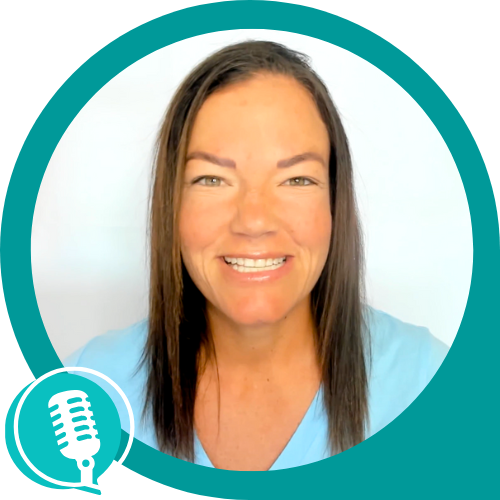
Kristi Kandel
Developer | Mentor | Co-Host of the LRED Podcast
Kristi is a real estate developer with nearly 20 years of experience and over $450M in projects across the U.S. Today, she focuses on helping locals step into development and build in their own communities.
She’s the founder of I&D Consulting, Local Real Estate Developers (LRED), and co-founder of Elevate, a community-driven sports and wellness concept.
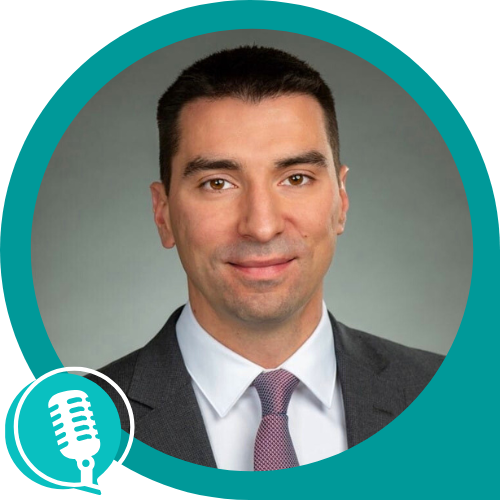
Raphael Collazo
Commercial broker | Author | Co-Host of the LRED Podcast
Raphael specializes in retail and industrial properties, bringing a problem-solving mindset from his background in engineering and software. As a commercial real estate advisor and developer based in Louisville, Kentucky, he works directly with investors, tenants, and cities, bringing a real-world view of how deals come together.
🔗 Related Episodes
How to Become a Local Developer: Katie Neason on Infill and Taking the First Small Bet | EP#29
A great companion episode on local infill, city relationships, and taking practical first steps in development.
How to Start Real Estate Development: Steph Weber Bought the Land First and Built the Plan Later | EP #41
A real look at taking your first development deal from idea to execution without having everything figured out.
Small-Scale Development: How She Left Her Corporate Career and Built a Tiny Home Village | EP #39
Another path from traditional career to building a community-driven development project.
About the Guest
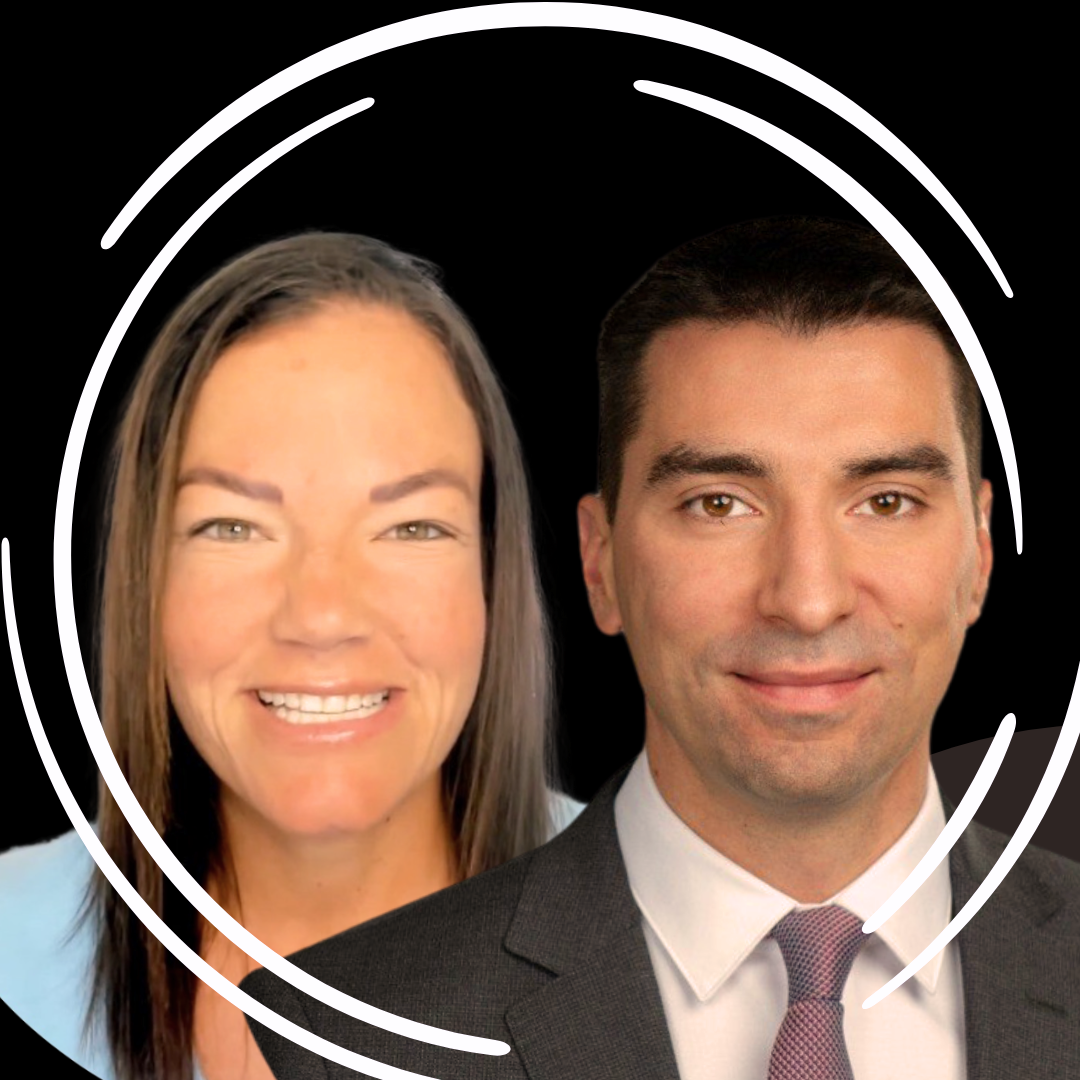
Kristi Kandel is a real estate developer with nearly 20 years of experience across residential, commercial, and industrial projects. She is the founder of Local Real Estate Developers and I&D Consulting, focused on empowering locals to build in their own communities.
Raphael Collazo is a commercial real estate advisor and investor based in Louisville, Kentucky. He specializes in retail and industrial properties and is the founder of Fidelity Development.
Connect with LRED
🌐 Website https://www.localrealestatedeveloper.com/
📸 Instagram https://www.instagram.com/localrealestatedevelopers/
💼 LinkedIn https://linkedin.com/company/local-real-estate-developers
Full Transcript
Local Real Estate Developers (00:00)
Real estate shapes every place we love or hate. The question is who owns it? This podcast is for locals who want to own their future. This is the local real estate developer podcast. I'm Kristi Kandel and I believe the future of your town belongs in your hands. And today I'm joined with my co-host, Raphael. How are you doing today?
Raphael Collazo (00:20)
Hey, Kristi, how's it going? Great to see you as always.
Local Real Estate Developers (00:23)
Yeah, great to see you. Hey, sun's out, it's warm outside. We got true Florida weather. I'm good to go down here.
Raphael Collazo (00:29)
Yeah, we don't have quite Florida weather, but it's definitely been nicer the last few days, which has been good. So I think we're past the cold, cold weather here in Kentucky. So.
Local Real Estate Developers (00:38)
Awesome. Well, this is the local real estate developer podcast. So why don't we jump in and give a little bit of our backgrounds on why we're here and what we're doing. Do you want to go ahead and start?
Raphael Collazo (00:50)
Yeah, sure. So, you know, just to give you guys some perspective on really how this kind of formed, you know, obviously I we've, we've been kind of following each other on social media. really loved what Kristi's been doing on the development side, working with a variety of different people across the country to take down different development projects. And, and really the idea that it's not about, taking down massive projects that you see in the newspaper.
It can be as simple as taking down a building that's been run down and you just want to provide new life to it. So, you know, I think that is a projects or types of projects that people can digest and all it takes is one or two under your belt. And then you start getting more confidence and hopefully over time, you, kind of pursue that as a career track, if that's what you like. But as far as my background, you know, I, I, I not originally from Kentucky. was actually born in Northeast Italy. My mom, dad is,
part of the air force. My mom's Italian and I moved around Europe until I was about 13 years old, went to school in Arizona and got a scholarship to go to Arizona state university to study engineering and I minored in economics. So I was there for four years studying. And, during that period of time, you know, I realized that engineering was not what I want to do long-term. I loved math and science and I always did really well in it, but you know, I was a mechanical engineer to start and all my classmates were gear heads. So they'd work on.
Local Real Estate Developers (02:10)
you
Raphael Collazo (02:10)
engines
on the weekends and talk about how they souped up their different vehicles. And I was like, I have zero interest in doing all this stuff. So I started looking at different options to try to see if I could explore something a little bit more entrepreneurial. I've always been kind of been that way. And so I started a pasta catering company in college, when I was my sophomore year. And over that period of time, I started to do corporate lunches and local events for different student organizations. And after college, I kind of took the leap of faith and
tried to make it work. I managed a restaurant for a bit for a mentor of mine who was a financial services professional in town, but he just happened to own a restaurant. So I managed it for a while and tried to really pursue the brick and mortar out. But I realized pretty early on that it wasn't what I want to do long-term. during that period of exploration, I decided to start looking at different opportunities in the engineering and consulting space and ultimately found an opportunity to company called Fast Enterprises. It's a technology company that implements software system for government agencies. And so I got
Hired on, got trained up in Denver, and then I lived in Washington DC on a big project. And then we got moved to San Juan, Puerto Rico. My dad's half Puerto Rican. So I'm fluent in Spanish and I was able to, you manage, not manage the project, but I was a member of the project that helped replace the financial software system for the Island. And then ultimately got moved to Louisville, Kentucky after Hurricane Maria hit. So, you know, after that transitory career path.
I knew I eventually wanted to kind of do something different. you know, consulting and especially technical consulting is great because it's intellectually stimulating, but the whole traveling constantly and, not having something that you can kind of own and build for yourself was something that was, you know, difficult for me. Uh, and so I decided to look at other options. started getting into bigger pockets and found out about house hacking. So I bought a fourplex rent, lived in one of the units and rented out the other three. And that's what kind of gave me the courage to take a leap of faith into something different.
Brokerage was something I had been exploring for a while. First on the residential side, I didn't really appeal to my personality. And so I decided to just jump full time into commercial. And I've been in the business for about six years now. And first few years were very rough. I told people all the time, I think I made 13 grand my first year in brokerage. But over time, you start building up a reputation. And now we're doing very well. We have our own firm now. I've invested in a couple commercial buildings myself and I'm looking to pursue.
small to medium sized development projects over the next few years. And it's kind of a brief summary. I'm also a podcaster. I've written seven books, been speak on speaking circuits in the past. So just different things. try to expand different avenues of my, professional, into my professional career. So that's kind of my background.
Local Real Estate Developers (04:44)
love it. Entrepreneurs always doing multiple things and it's never a straight line but when you look back, what was it Steve Jobs who said, you can't connect the dots looking forward but you can looking back. That's awesome. So my story also bounces around many locations. I grew up in Ohio and we didn't have a lot of money so owning a house that you lived in let alone being a developer wasn't even something that I knew was an option.
After college, I ended up moving to Florida and got a job at a sign company who was putting up signs for CBS Pharmacy back when they were putting sign or CBS is on just about every corner. And it was through that process, I realized, wait, these guys are not only like building the CBS is but they're building the shopping centers, they're building the communities like, whoa, what is this? And after working with them for about a year, I remember looking at one of the developers one day and going,
Hey, Eric, what's it take to be a developer? Thinking he would tell me go to school, do this or that. And he looked at me and he said, you know, for us, and there in that company was in the Tampa Bay area. He said, we're looking for the right people. We'll teach you the business, but you need to be the right fit for our company. It's like, all right, cool. When are you hiring me? Because we had already worked together for a long enough time. And so three weeks later, I ended up joining their company.
And then shortly after that, so that was 2009, that was when Family Dollar wanted to expand to California. They didn't have any locations out there and we had already worked with them on the East Coast. So they asked us if we'd be their development partner on the West Coast. So our team said, yeah, we'll give it a shot. And I was the only one without a spouse and kids. So I was like, hey guys, I'm the lowest risk person. I'll go out, I'll open our office, I'll make sure it can work. And then you guys can all move out with your families.
So ended up moving to Southern California in 2010. And for the next four years from San Francisco to San Diego, got the chance to develop 30 family dollars a year. So from the time our real estate managers got the projects under contract, I then came in and did the due diligence with the city, hired the architects and engineers, went through entitlements, presented to planning commissions and city councils, did our utility consulting, permitting and construction management. Whirlwind of a time.
60 to 80 hour weeks, but completely worth it because of the experience I was gaining. And then I had done the single tenant one to two acre developments and I started working with a developer then in Newport Beach and we started doing shopping centers and multifamily and industrial. And I quickly realized it's all the same steps. You just get more time and more money the bigger the project is.
And it's if you know the right questions to ask, you can define the project scope from the beginning so you're not hit with these massive curveballs in the future. You'll still have things happen as you go through a development project, but at least you can make sure you're missing the big ones. So then after that in 2015, I ended up starting my development and consulting company. And that then grew 10 years later. We've team members throughout the country.
built our development software. I started investing the profits into smaller multifamily, so short-term, mid-term, and long-term rentals in a couple states. And a couple years ago, I really started to think about how can this evolve into something that's more meaningful? I didn't necessarily want to build another shopping center just to make money. I wanted to start really doing things and projects that had purpose and meaning.
And that's where it originally started with the freedom hacker movement. Let's teach people how to get the freedom of time, money, purpose and relationships that I found. Well, that's a really big net to cast that's really shallow. So why don't we create something that is more focused on what I've done for nearly 20 years and let's create a mentorship program around local real estate developers because we have
over 19,500 cities in the U.S. that have permitting departments. Of that, over 75 % have our communities that have a population of less than 10,000 people. So if you can flip a house in your town, you can be a developer flipping that commercial building. So by creating local real estate developers, and we have our masterclass and our mentorship, and now this podcast, our whole goal.
is to be able to share the stories of development, to take away the gatekeeping that's there and make it to where it's as common knowledge as flipping a house or burying a property or house hacking. So that's where we got to. And then in meeting you, it just seemed like a really good fit to go, all right, I've got my partner. Let's do the podcast and see what happens.
Raphael Collazo (09:25)
Yeah, no, and obviously you do a great job on all the content you've created thus far, and I've had a chance to go back and see it. So I'm looking forward to the movement that we create through this, because to your point, it's extremely important because I feel like there's a lot of people out there that are daunted by the idea of even pursuing anything in commercial. know many people that have 10, 20, 30 doors, as an example, in residential real estate.
that are still very hesitant about taking in, taking on anything in the commercial space. And it's because it's just, there's a lot of unknowns and a lot of not only unknowns, it's just, there's not the amount of information that you would typically see as you would in the residential space. Luckily over the last few years, there's been a proliferation of people that have been producing content that's going to be, that's been helping people. But it's definitely one of those, you know, sections or areas of investment that still needs support. And especially when it comes to local.
development projects, which are more complicated than just a single tenant at least property that you buy. That's a dollar general, for example. I mean, there's definitely some due diligence that takes place when you buy one of those assets, but with development, you've got to your point, you've got the permitting process. You may have to deal with entitlements when it comes to rezoning. may have to, there's also playing, there's the political side and then there's the also the procedural side, right? So it's, there's a lot of moving pieces that you really don't
get an understanding of until you kind of go through the process. And I'm still a novice developer myself. I've rezoned several properties. I've a lot of the strategies that I've employed have meant have been to buy or try to acquire properties that need to be entitled and then identifying tenants to fit the space and then coordinating with them to get them open for business. And so we've done that twice already and looking to do more development, development projects, which would be more adaptive reuse.
Local Real Estate Developers (10:51)
Mm-hmm.
Raphael Collazo (11:15)
and one ground up construction project hopefully in the next two years with two parcels that we own next to each other that have a couple buildings on them. We'll eventually demo and do a larger construction on site. So, yeah.
Local Real Estate Developers (11:26)
I love that.
you said because there's less information out there about development, yet you still did a project. What was it for you that that took you from being a broker and investor of existing assets to going, Hey, let's let's do our first development deal. What what got you over that hump?
Raphael Collazo (11:42)
Well, I think that this is one of the reasons why I'm a big advocate for the brokerage community is because you learn by doing, right? So I'm learning about how these deals are structured. I'm learning about how to identify good opportunities, what good opportunities look like. And I'm dealing with people who are not all, but a lot of my clients are relatively sophisticated. So you learn from them by proxy, right? Or by being by osmosis. I mean, I've built really good relationships with my clients and they deem me to be a
you know, high level professional that they, they respect. And so I'll just have it shoot, shoot a conversation with them on the phone sometimes, and just talk about some of the stuff that I'm doing. And so, you know, that, that sort of thing, when you start getting into it you start understanding what an opportunity looks like and the procedure to try to get something done at some point, it's just taking the leap and saying, you know what, you know, money can be made at any point in time. So even if you, you make an investment and let's say it doesn't go the way you were hoping it to, you're not going to lose all your money.
You may lose some of it, but at the end of day, that's a lesson learned. And think about going to a four-unit university spending $150,000 for tuition. I'd much rather take that money and put it into an investment and pursue and try to see what you can learn from that experience, because that can make you a lot more money. And also, too, make an impact in the community, which is ultimately what we're trying to advocate for.
Local Real Estate Developers (13:01)
100%. I love what you said at the very beginning. You learn by doing to where you can, you get real life wisdom from experience of doing the actual projects. You're never going to know it all. So just jumping in and figuring it out and knowing that you can correct course along the way is so important. Yeah, and I think that that's an area where we can fix the...
Raphael Collazo (13:20)
Yeah.
Local Real Estate Developers (13:24)
the education that's out there, we can help make that better by sharing stories of the people who are doing it in their communities. Not just me and my market, not just you and your market, but having people on who are doing it, sharing their story of how they got in the game and what they're doing now. And what I found out, I just got off the phone with someone a little bit ago, but he went in, he got into development, he realized the future it could create for him. So he started to bring in his friends and family to show them how to do it.
And now he teaches people as well. And I think there's something about when we find this level of freedom that you do gain by being a developer, that you want to share it and you want to help others. And even though it seems scary and daunting, it's much more attainable than what you'd think from the outside.
Raphael Collazo (14:07)
Yeah. And I think in any, any profession, when, when you look at high level professionals, oftentimes if they, you, if you showcase your desire to learn and take action towards those, those goals, they want to pour into you because
A lot of times, you know, on all my, all my experiences, all my mentors, all the people that I've had the benefit and privilege of having as mentors, they, they saw that I was committed to doing this one particular thing and they're like, this kind of reminds his person reminds me of someone that like myself. And when you, when you say to something, to something to someone and provide feedback and advice, and then they go implement it and say, Hey, this is the results that I achieve from it. It makes you. You know, it makes you want to try to help people as well. So, you know, it's part.
part learning, also part of acting and implementing what you learn. And what you'll find too, once you start getting out there is that people want to help you. mean, I, you know, when we talked about rezoning a couple of times and, know, going down to the planning and zoning office for my local municipality, I just, I said, look, talk to me, like I'm a second grader, explain to me exactly what I need to do, how I need to do it. Give me some recommendations if for whatever reason, I don't have contacts for certain things.
And they were more than willing with at the city level to be able to help me with that process. And some people are more helpful than others, but again, it's all about being resourceful and just figuring out step by step how that works. And then the documentation process thereafter so that it becomes a process and we love processes. we, we, we kind of geeked out about it a little bit off the, off the call. So.
Local Real Estate Developers (15:37)
Yes, I totally agree with you on the mentors as well. When I opened our office in California, we didn't have any team partner contacts out there. And over time, one of the civil engineers that we brought in, they specialized in entitlements and understanding that chess game poker match.
detective work that you do to navigate the entitlement process. And he took me under his wing. And I remember going into a, just a pre-op meeting with the city. had all the departments that were sitting around the table with planning and building and engineering and public works and DOT and utilities. And I remember we had this conversation. We explained the project, but then we let the city staff do most of the talking.
And I kept thinking, why isn't this guy speaking up? What is happening? What's going on? And we finished the meeting, because I thought we were supposed to lead the charge and dictate the entire meeting. And afterwards, when we did a postmortem, he said, this is the time where I want the city, early in due diligence, I want them to tell me everything that they want on this project. I want them to...
keep talking with each other because we found out different things that were happening behind the scenes with code revisions that we needed to know for our project. And he's like, they basically just gave us the whole playbook for what they truly want. So now we can come back, we can process this information and we can better site plan this project and better create a project that fits the community in a way that as we go further in the process.
We'll have staff support, but then as we present to planning commissions and city councils and make these requests, they'll see that we truly care about their community and we want to make that positive impact. Not just come in, drop a building, make a million plus bucks and walk away, but we want to improve the community. And over the years, he became the best mentor ever, just really helped my career. And same thing you said, when you then take action,
And then you come back and like, was almost like he was training me in the field and I wasn't an employee of his. I was actually hiring him. But because I took action, I reported, I came back and he would help me every time I hit a new roadblock. It was incredible. And I had a contractor who, who did the same thing. Cause I was also construction managing our commercial projects. And so that was so incredibly helpful. And now fast forward, there's a handful of people that I mentor just
no cost, no charge. I met them through friends and I just started answering some of their initial questions, but then they took action and they report back. And I continue to pour in because I'm like, wait, you're taking action. Like this is awesome to see your progress. And so much so that a couple of months ago, one of the guys, he's about to graduate college, his dad works with a friend of mine and he's like, can we all get lunch? He's like, I just need to meet this Kristi person because I don't understand why you're pouring into my son.
Raphael Collazo (18:14)
Mm-hmm.
Local Real Estate Developers (18:29)
And it explained just that. So yes, to everyone out there, it seems scary and daunting, but it's truly not. And if you take initiative and you take action, there are so many people ready to help you.
Raphael Collazo (18:41)
I couldn't agree more really. regarding the podcast itself, let's talk a little bit about how we want to structure this going forward so that people kind of know what to expect over the next, you know, in perpetuity as we start doing these type of podcast episodes. Do you want to share anything regarding, you know, kind of the guests we plan to have on and maybe some of the higher level topics that we're going to be discussing as well?
Local Real Estate Developers (19:03)
Yeah, so we want to tap into every aspect of development to give you exposure to it. At the same time, we're talking to local developers and their communities, and we'll bring them on as guests to do a weekly interview just to see who they are, what's their story, how they got into development, and what types of projects they're working on. Because ultimately, we want to familiarize and make you just as comfortable with development as you are with flipping a property. So we'll share their real stories.
But at the same time, we'll also bring in the partners that you need for development. So we talk a lot about our five strategic partners being brokers, lenders, architects, engineers, contractors, and there's a whole gamut of other partners you'll have on a deal. But we'll bring in people who touch every part of the development process to help familiarize you all with what it does take to do development so you can hear all the different perspectives.
And we'll go deep on those topics. And if you want to leave comments in the notes to say, hey, I'm here on my project. I could really use help or information on this. Please send it our way. And then we'll get a guest on that that complies and can help with that too.
Raphael Collazo (20:14)
Yeah. Yeah. Yeah. I love that idea. And again, I think our goal is to try to profile different cool projects around the country and not just in big communities, because obviously those always get the shine, right? You got all these big buildings and these larger Metro markets, but also taking on, take seeing projects from, you know, everyday people that are just, they see a project, they keep driving by the same building for years. And they like, man, I wish this was something I wish this was X and they actually take action to be able to
make it a reality. And then this becomes also an income producing asset that they can pass down to their kids or do whatever they need to do with it. And so, you know, we will really want to be able to create that type of environment. And the hope is that we can accumulate types of case studies from different of these different developers and professionals, such that it becomes a repository for our guests and our listeners and our listeners to access in the future. you know, I know we've talked about having what's known as a vault, a developer vault.
where we ask our guests for different insights or types of content that they have that they would want to share with our audience, whether that's a case study or PDF or whatever else at the end of each of the episodes. And so we'll try to over time create a repository that you all can access and over time, hopefully build your knowledge base about the development game and take it and run with it. Because again, that's the reason why we do this. Obviously, we have our own
professional lives, we do our own things, but this is kind of our way to give back and to try to create a community of people that are inspired to take on these types of projects. Because it's important and it's not, obviously if you're in a bigger market, it's great and we're looking forward to hearing about your projects as well, but it's even more so pronounced in smaller communities because those don't typically get as much shine as they should.
Local Real Estate Developers (21:53)
Yep. And we've got also a school community. So SKOOL, Alex Hermosy is a business and platform that he's promoting. So we've got almost a hundred people in that now. So anyone who listens to the pod and wants access to the developer vault, you'll also get access to the community. And then that's where we can share ideas and posts and forums and questions about that as well.
But yeah, it's really just to break this down, remove the gatekeeping, and help everyday people realize that they can do it too.
Raphael Collazo (22:24)
Yeah, absolutely. And, no, again, when we're looking forward to hearing your all's feedback as well. So definitely don't hesitate to reach out. you know, we want to take this time for just a brief minute or 20 minutes or 30 minutes to just kind of introduce ourselves, talk a little bit about the podcast, what to expect and kind of give you guys perspective on our background and how we can provide some insight, but also showcase, people's projects around the country. And so really excited, for this journey.
Kristi, thanks again for reaching out and involving me in this. I think it's going to be really great.
Local Real Estate Developers (22:56)
Yeah, I'm very excited about this.
Raphael Collazo (22:59)
Definitely. So at the end of the day, guys, please follow along. think it's going to be really important and impactful for you all to continue to tune in. Again, we're going to have a YouTube channel. So please like and subscribe. It does make a big impact in our ability to continue to reach as many people as possible. We'll also have a Spotify and Apple podcast. So please leave a five-star review. Again, every time we get a five-star review, it creates that growth in the community.
We get more reach and we ultimately can help more and more people. So please do that. And we obviously greatly appreciate the support.
Get the tools behind the episode
Access the Developer Vault with templates and real resources
©2025 I&D Consulting. All Rights Reserved.
©2025 Local Real Estate Developers. All Rights Reserved.