From House Flips to Community Development: How Kenneth Bell Learned to Build What Neighborhoods Need | EP #3
Real estate development, infill housing, and building projects that bring long-term value to the community.
What if development is not harder than flipping, just a different language?
Kenneth shares how one teardown turned into a whole new path.
Kenneth Bell did not set out to become a developer. He started with rentals, moved into flips, got hit by 2008, and then got pushed into development after buying a property so bad he had no choice but to tear it down.
That first project changed everything. Once Kenneth learned how zoning really worked, he saw that one house could become two, then an assemblage of three parcels could become six homes. From there, he started building a development business rooted in problem-solving, persistence, and community impact.
This episode is for aspiring local developers who want a real-world view of what it takes to go from flipping or brokerage into actual development, without pretending the process is simple, but also without making it sound impossible.



Get the tools behind the episode
Access the Developer Vault with templates and real resources
Episode Summary
Kenneth Bell’s story is the kind of story a lot of local developers will recognize. He started as an entrepreneur, built up a rental portfolio, moved into flipping houses, and thought he had found his lane. Then the market crashed in 2008 and reset everything. Later, when he bought what he jokingly calls the worst flip in history, the deal forced him somewhere new. The house was too far gone to save, so he tore it down. That one painful project became the doorway into development.
What happened next is where this episode really gets good.
Kenneth went to the planning office because that is where he was told to go. He got handed the zoning ordinance and had to learn a completely new language. But once he understood the rules, he realized the lot could hold more than what was sitting there. One house could become two. Then he looked next door, bought another lot, and eventually assembled three parcels into a six-home development. That project became his true introduction to real estate development.
A big theme throughout the conversation is that development is not magic. It is learning how to interpret rules, ask better questions, and move through a process most people avoid because it feels unfamiliar. Kenneth explains zoning in a refreshingly practical way. It tells you what can go on the lot, where it can go, how big it can be, and how tall it can be. Once you learn that, a whole new world opens up.
He also gets into the shift from flipping to new construction. His point is simple and powerful. If you can handle full-gut renovations, you can absolutely handle development. New construction removes a lot of the hidden surprises inside old walls. The bigger challenge is understanding the process, assembling the right team, and knowing which details can cost you time if you miss them.
One of the strongest parts of the episode is his take on community meetings. Kenneth does not treat them as a box to check. He treats them as part of being a good community member. He talks through sending notices, sharing site plans, listening to concerns, and asking one simple question when people object: what could I do to make it better? That posture matters. In his view, development should bring people what they are missing, whether that is housing, food access, community medical space, or other uses that actually serve the neighborhood.
The takeaway is clear. Development is not reserved for insiders. It is a skill set. Learn the language, build the team, listen to the community, and keep moving toward the things that feel unfamiliar. That is where the real opportunity is.
What You'll Learn
- How Kenneth went from flips into ground-up development
- Why learning zoning can completely change how you see a property
- The real difference between construction and development
- How to approach community meetings the right way
- Why team-building matters if you want to grow
- How development can create both profit and neighborhood value
Bold Truth
Development is not harder than what you have done before. It is just different.
Timestamps
0:00 — Intro
https://youtu.be/LXeBni3TAZk?t=0
1:00 — Kenneth’s path into real estate
https://youtu.be/LXeBni3TAZk?t=60
1:47 — Losing momentum after 2008
https://youtu.be/LXeBni3TAZk?t=107
2:07 — The flip that forced him into development
https://youtu.be/LXeBni3TAZk?t=127
3:24 — Learning zoning for the first time
https://youtu.be/LXeBni3TAZk?t=204
5:27 — Why zoning changed everything
https://youtu.be/LXeBni3TAZk?t=327
7:10 — Finding plans and early partners
https://youtu.be/LXeBni3TAZk?t=430
9:00 — How one project changed the neighborhood
https://youtu.be/LXeBni3TAZk?t=540
11:52 — Gentrification, value, and homeowner upside
https://youtu.be/LXeBni3TAZk?t=712
13:26 — How he funded the first development deal
https://youtu.be/LXeBni3TAZk?t=806
15:18 — Flips vs new construction
https://youtu.be/LXeBni3TAZk?t=918
17:30 — How entitlement timelines really work
https://youtu.be/LXeBni3TAZk?t=1050
20:13 — Why knowing buy-right zoning matters
https://youtu.be/LXeBni3TAZk?t=1213
22:43 — How Kenneth approaches community meetings
https://youtu.be/LXeBni3TAZk?t=1363
25:50 — Public comment and real accountability
https://youtu.be/LXeBni3TAZk?t=1550
28:00 — Building community trust as a developer
https://youtu.be/LXeBni3TAZk?t=1680
30:26 — Staying motivated under pressure
https://youtu.be/LXeBni3TAZk?t=1826
32:50 — Why development is a team sport
https://youtu.be/LXeBni3TAZk?t=1970
34:53 — Small misses that can cost you weeks
https://youtu.be/LXeBni3TAZk?t=2093
38:09 — Why you have to walk toward the hard stuff
https://youtu.be/LXeBni3TAZk?t=2289
40:48 — What community-driven development means
https://youtu.be/LXeBni3TAZk?t=2448
44:11 — Puerto Rico housing project
https://youtu.be/LXeBni3TAZk?t=2651
45:38 — Other active development projects
https://youtu.be/LXeBni3TAZk?t=2738
48:32 — How to connect with Kenneth
https://youtu.be/LXeBni3TAZk?t=2912
Meet the Voices Behind the Mic
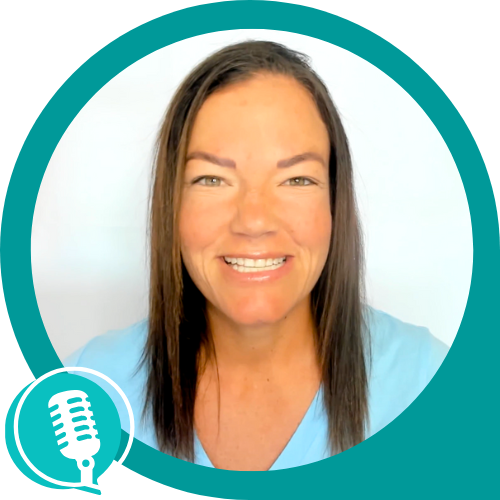
Kristi Kandel
Developer | Mentor | Co-Host of the LRED Podcast
Kristi is a real estate developer with nearly 20 years of experience and over $450M in projects across the U.S. Today, she focuses on helping locals step into development and build in their own communities.
She’s the founder of I&D Consulting, Local Real Estate Developers (LRED), and co-founder of Elevate, a community-driven sports and wellness concept.
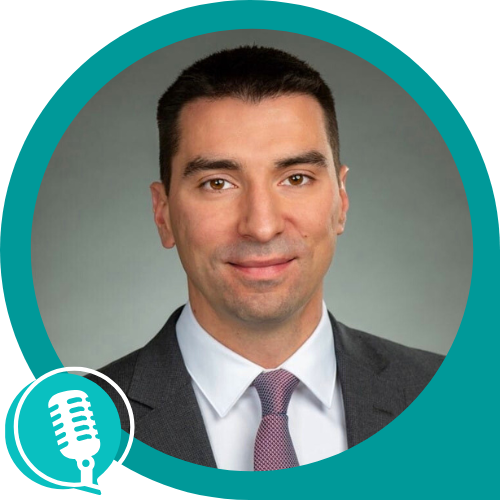
Raphael Collazo
Commercial broker | Author | Co-Host of the LRED Podcast
Raphael specializes in retail and industrial properties, bringing a problem-solving mindset from his background in engineering and software. As a commercial real estate advisor and developer based in Louisville, Kentucky, he works directly with investors, tenants, and cities, bringing a real-world view of how deals come together.
🔗 Related Episodes
How to Become a Local Developer: Katie Neason on Infill and Taking the First Small Bet | EP#29
A great companion episode on local infill, city relationships, and taking practical first steps in development.
How to Start Real Estate Development: Steph Weber Bought the Land First and Built the Plan Later | EP #41
A real look at taking your first development deal from idea to execution without having everything figured out.
Small-Scale Development: How She Left Her Corporate Career and Built a Tiny Home Village | EP #39
Another path from traditional career to building a community-driven development project.
About the Guest
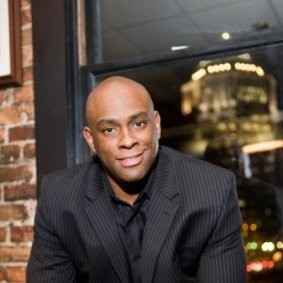
About the Guest
Kenneth Bell is a Charlotte-based developer, entrepreneur, and mentor focused on infill housing, entitlement strategy, and community-centered development. He teaches aspiring developers how to move from confusion to action by learning the language, process, and mindset of development.
Connect with Kenneth
🌐 Website: https://www.nowprodelivery.com/
📸 Instagram: https://www.instagram.com/kbholdings/
💼 LinkedIn: https://www.linkedin.com/in/kenneth-bell-082b1b62/
Full Transcript
Local Real Estate Developers (00:01)
Hey everyone, welcome back to the local real estate developer podcast where we empower you to become the developer in your own backyard. I'm Kristi and I'm joined by my cohost, Raphael. How's it going, Raphael?
Raphael Collazo (00:12)
Great, it's a beautiful day outside. We're expecting our first child here in the next week or so. So I've been trying to prep everything for the new arrival. So real excited. mother-in-law's in town for about a month and a half to help us out. So we're excited.
Local Real Estate Developers (00:24)
wow, that is exciting. Down to the finish line. So awesome. Well, today we have a special guest, Kenneth Bell on, and I actually met him because we were on social media just kind of looking through and we saw what he was doing in his own community. And so we did the Instagram stalking and reached out and said, hey, let's have a chat. It looks like you're doing some really cool stuff. So, Kenneth, why don't we bring you in and how are you doing today?
Kenneth Bell (00:51)
I am doing great. is a wonderful little bit overcast Thursday where I am, but it's a very good day.
Local Real Estate Developers (00:56)
And where is it that you're at?
Kenneth Bell (00:58)
I'm in Charlotte, North Carolina.
Local Real Estate Developers (01:00)
All right, go on. Okay, so maybe you can give a super quick elevator pitch of how you got to where you're at today and how you got interested in real estate development.
Kenneth Bell (01:13)
Well, I have been pretty much, I think, serial entrepreneur since I was a little kid. And I had a regular secular job, but of course, that wasn't enough. So I started in real estate probably back in about 1998, 99, and started and had a portfolio of rental properties and went through that spell and got my lumps from that. And then moved on to flipping houses.
and thought I struck it rich there. And then 2008 happened and everybody got poor, at least I did. And then when everything rebounded, actually I bought possibly the worst flip in the history of mankind and I was forced to tear it down. So that being the case, I kind of got, I got forced kicking and screaming into construction, which led me to learn about development and that property that
I had to tear down, I actually took down one house and was able to put up two. And then had a buddy next door who owned the property next door and his was in worse shape than mine was in. So I figured out I could take his property down and then buy the property next door and get four. So my first development was kind of by accident, but I did an assemblage of three parcels and got six homes out it. So that was my introduction to real estate development. And I kind of haven't looked back since then.
Local Real Estate Developers (02:32)
on.
Raphael Collazo (02:34)
Yeah, that's amazing. I think, you know, kind of what you're the process by which you're describing is, you know, how a lot of people kind of stumble into development. know I'm in my case, I am not fully into development as yet. We've started to acquire different properties. I've done some entitlement and rezoning and got some commercial tenants in a building that we recently acquired as well. But a lot of that is done just by somewhat accident where you find a good opportunity and, you kind of have some constraints for whatever reason you say, okay,
Well, what's the highest and best use for this and how we can make it work. And at some point you just got to have to take a leap of faith and kind of figure it out as you go, because, you know, no one's going to really hold your hand through that process. you know, kind of, guess regarding that first project, I mean, what were some of the challenges that you faced? Obviously determining that this building was not a viable building anymore was probably a punch in the gut. But after that point, I guess, what did you, what steps did you take to kind of make sure that you were able to round out the development so that it became a profitable never.
Kenneth Bell (03:25)
Yeah.
Well, it was kind of a walk in the dark for a little while, just because I'd been a house flipper and I'd owned real estate, but I'd never really built and developed. And I didn't also know the difference between construction and development at the time. So I just happened to go down to the planning office just because that was where I was told to go. And the guy basically said, here's the zoning ordinance. I'm like, well, what's the zoning ordinance? He's like, these are the rules.
As I got into the rules, that's where I understood really, you know, what could be done there. And even though I had a single family house there before, I just kept reading a little further and I'm like, this looks interesting. And fortunately for me, I was able to kind of understand what they were trying to put forth there. And then just by saying, okay, cool, well, I had one house here. I could fit two houses here.
Well, that's more money than, you know, two houses are better than one house. And then, then also to my buddy next door, I looked at his lot and his was in worse shape than mine. So I knew we had to his down and he was willing to sell it to me for basically what he got it for. So I was able to get that and then looking at it, I was like, well, if I had a few more feet, then I could do two more. So I looked at the person that had the adjacent line on the other side. He was absentee, lived in Pennsylvania. I reached out to him. He was willing to sell. So it kind of.
you know, came together. But I think the biggest part was really understanding. I'd never thought about zoning before, you know, and zoning a lot of times is painted for people in broad strokes. They're like, it's residential. Well, there's nine residential districts in Charlotte that allow for many different things. I didn't realize that to that point. So that I think was kind of the clicking to me like, this is the rules for what you could do.
And just because something exists there, that doesn't mean it's the highest and best use for what can be done there. So that's...
Local Real Estate Developers (05:27)
So you said that understanding
the zoning code, like that made sense to you. Was there anything in your background that gave you that? Like, because a lot of times people look at the zoning code and they're like, this is Greek to me, like what?
Kenneth Bell (05:39)
I think my background, I started out in college looking to be an architect and then I went on to engineering. And even though those things weren't necessarily put forth in either discipline, I think just the way it was explained and understanding, know, when the word setback made sense to me, setbacks, side setback, rear setback, those made sense to me. And then basically, when the gentleman told me, said, hey,
These are the rules for what you can do. Unfortunately for me, then there was no Google, there was no chat GPT to go just figure it out. And your local library probably didn't give you the tools you needed. I just had the zoning code and I called and asked a guy a lot of questions and I was down there a lot to figure out and understand things. But once I did, I understood that really zoning is just telling you, hey, where can you put something on the lot?
What can it be? That's basically what they're telling you is that. And once I understood that, even though the terminology was different, once you understood the terminology, you could see basically what they were trying to get across. And after that was done, it was fairly simple as far as the execution after that. And then the construction piece, there are a lot of people that built homes. So that construction piece wasn't as difficult really as the development piece was. And understanding like the rules, well, how wide does this lot need to be to be compliant? How many square feet does it need to be?
If it's this wide, how much of it can I build on? How tall? All of those questions.
Local Real Estate Developers (07:10)
So when you were trying to figure that out too, to me it sounds like you have a couple of different partners. Clearly you had a contractor who needed to build it, but also the architect. Can you maybe dive into that a little bit more and how you found those partners?
Raphael Collazo (07:10)
Yeah.
Kenneth Bell (07:22)
In really the contractor part, had just because I'd been doing so many fix and flips before, I had general contractors that I had before and some of them built houses. So that part wasn't really that difficult. And as far as the architecture part, I really didn't use an architecture at that point. I went online because I understood the zoning. Once I understood the zoning, I said, okay, I have a lot that is 50 feet wide.
and I have side setbacks of five feet and inside of my maximum width is 40 feet. And then I knew my front bed setback. So actually I found this guy online. Rick Thompson, Lake Duda, he was an architect, but he had these plans that were like already done. They're pretty much box plans. So they're, they're good. So it was great. You know, if you were on a site, you could, you could put a square footage range you wanted in. He had narrow house plans or whatever.
And then he happened to be in the mountains of North Carolina. So I was like, hey, you know, I'm looking for something to fit in this box. He's like, oh, I got this plan, this plan, and this plan that will fit inside that box. And that was pretty much it. And so then I was using plans that I was paying, I don't know, like 13, 14, hundred bucks for. They weren't really very, very expensive plans, but they worked because I understood the box they needed to fit in. So in that particular instance, he was an architect, yes, but these are plans that he sold in...
in mass quantities or whatever. And we got to be such good friends, like if I needed him to move around a bathroom or something, he'd charge me a couple hundred bucks to do it. I still talk to him today and that was, gosh, a long time ago, 20-some years ago, yeah. So.
Raphael Collazo (09:00)
Yeah. And what's
funny is it's interestingly enough, at least in my community, I'm living in Louisville, Kentucky currently, some cities actually have pre-approved plans. So for the case, in our case, we're really trying to push for urban infill within our community. so over the last several years, they have gone through the process of creating specific plans for ADUs. So if you go to the city...
Kenneth Bell (09:23)
Yeah.
Raphael Collazo (09:25)
and ask them for those plans. They'll just give you the plans and they literally fit exactly what you're allowed to do. So you can just take it, give it to whoever you need to get it to. And then you can eventually, you can just essentially build whatever building on your property that is within these constraints or these confines. And so that could save you 10 or 15 grand in architecture fees. So there's so many resources out there.
Kenneth Bell (09:27)
Yeah.
Yeah, actually, I've got some students there
in Louisville that are utilizing the land bank and they're doing some infield development there. So I've heard Louisville's are really, really.
Raphael Collazo (09:56)
Yeah, no, it's, been good. And the city over time has become much better to work with. mean, there's still some zoning ordinances that are, that are a little bit more difficult and the process can take a while, but that's how it is in every city. I mean, you're going to have challenges in those regards, but you know, regarding that project, what, was the impact of that project on the surrounding area? Because what you, I'm sure you've found with doing these different projects is that over time you become almost not necessarily a market maker, but you start to shift the perspective of different areas.
Kenneth Bell (10:06)
Yeah, it's part of the course. Yeah.
Raphael Collazo (10:25)
And over time, it creates this momentum effect. So if you can kind of share a little bit about maybe some of the impact that you had based on that project.
Kenneth Bell (10:32)
Yeah, that particular project. So the area, the West side of Charlotte is where I did most of my investing. I had other guys that were investors over there too. And at the time, like infield development wasn't really a thing. It just wasn't a thing in Charlotte. And I remember people that really trusted me as a real estate investor tell me I was crazy. Kenny, no one is going to buy. This is in a predominantly black low income neighborhood.
near HBCU that probably when I was in college here, like you wouldn't be over on this side of town. And I'm from New York and they're just like, ah, you wouldn't be over on that side of town. So at the time when I started, people told me I was nuts. said, Kenny, no one's gonna pay $350,000 for a house over there. Well, the going rate on that street right now for a house is about 900,000. Yes, about 900,000.
And we, I took a chunk of, and these six houses were all contiguous. So really, and now in that same neighborhood I've done, don't know, maybe 16, 16 or 17. But at average sale over there now, like I have a single family is gonna go on for a million 50 in the same neighborhood, which is nuts. ⁓ So it made a huge impact on the neighborhood.
Local Real Estate Developers (11:46)
Wow.
Kenneth Bell (11:52)
And also to...
I'm a person that cares about gentrification because I'm a black person. I understand what happens in these neighborhoods. And also though too, I'm a proponent of people learning instead of being run over by things. So there was a young, not a young woman, she's an older woman actually in the neighborhood. So I built six houses on one side of her and four houses on the other side of her. Her name was Mrs. Crawford. And...
I, one day I was at her house. stopped by just to say hi to her and a guy that I played basketball with for, I don't know how many years is walking up to the front door. was like, left. What are you doing? He's like, this is my mom's house. What do you mean? am I doing? I said, this is your mom. And I didn't know that that was his mom at the time. but she literally just sold her house probably about maybe three or four months ago. When I started in that neighborhood, her house may have sold for 35 or 40,000.
maybe. And it was still in some of the disrepair. The community kind of helped to do some things because her husband had actually just passed away and got older. She had over 400,000 bucks worth.
Local Real Estate Developers (13:05)
Wow, see that's the impact that this can make.
Kenneth Bell (13:08)
So
yeah, so she will not have to worry about money for the entirety of the rest of her life. The entirety of the rest of her life. So I think that gentrification and people's education around it should be slated towards how you can profit from it as opposed to how to get run on your body. But yeah.
Local Real Estate Developers (13:17)
That's awesome.
Yep. 100%. Well,
and speaking about dollars and profit, so you had been doing the fix and flips, but when you went into new construction, one of the questions people have, they're like, how do I get the construction loan? How do I get the stabilized loan? What does the funding look like? How did you end up structuring that first deal?
Kenneth Bell (13:50)
Well, honestly, if you do fix and flips and you go usually with hard money lenders, the structure is pretty much the same. The difference is, is that you are going to go from a ground up situation. And since you're going from a ground up situation, it's a little bit different. You're going to need to have a contractor. When you're doing fix and flips, I think they more key on your experience, not necessarily your general contractor's experience because
with fix and flips, some people get work that's permitted, some people don't, some people do work themselves, it just really depends on what the work is. It's not very, you know, it's not very scripted. You're building a house, there's gotta be permits pulled. There's gotta be somebody with a license somewhere to pull some permits. So I think that was one difference is that you're gonna, they're gonna key a little bit more on your general contractor. But I tell people it's like with anything else. There was a time when I hadn't done any of the things I've done.
There's a time when I never built a single family. There's a time when I never built a dual unit. There's a time I hadn't done townhomes. There's a time when I'd never entitled something. You have to move forward and kind of figure out how to navigate things. I tell people to, the people I teach, I tell them collaboration is just a huge key to moving forward. If you've never done new construction before, partner with someone that has, even if it's just for the knowledge to understand, well, hey, this person I can put on as experience.
on my loan app with me, and maybe I have to give away some of my profits possibly, but I'll be able to make this happen. So that process of understanding construction, it takes some time. No, the first time I built a house, like my GC probably got over me a little bit just because I didn't know any better. But as I'm paying attention and understanding the process, like that didn't happen again. You know, that didn't happen again.
What I teach people too, and I talk to people about too is, in God we trust all what others must be verified. So if I'm asking you to build me a new house, then I want to see a new house that you've built. I want to see it. I want to talk to someone you've built a new house for. And if you can't show me those things, then no, I'm not going to have you practice on me. I'm not going to be your practice partner. Yeah, so I don't allow people to practice on me.
Local Real Estate Developers (16:01)
Facts.
Kenneth Bell (16:06)
So it's a lot of it is common sense, but that difference between moving from fixing flips to new construction. And it depends on the type of fix and flips you do. Like if you do those, those to the stud renovations, like except for the outside walls, you've really done and you've done twice the work because you tore all the old crap out. Then you got to new crap back in there as opposed to just building it one time. And I tell most people, if you've done fixing flips for a while and you know, there's always that.
Local Real Estate Developers (16:21)
Mm-hmm.
Mm-hmm.
Kenneth Bell (16:35)
clenched moment when they open the walls and are like, God, please let there be some lumber under this thing. Let there be some wood. Let there not be an indy barrow ground or whatever is going to jump out and destroy my budget under this house. And new construction, you just don't have that. It's just, all right, we're going to build it. That's what it is. So you mean you're saying the band seal's not been eaten by an army of termites? Nope, that hasn't happened. There's not water damage from this? Nope, hasn't happened.
Local Real Estate Developers (17:00)
Yeah.
Exactly.
It's your clean slate that you're to build from it. Yeah, we tell people all the time too. If you can do a fix and flip, you by all means can do a development project and it's cleaner, it's more cut and dry. The only thing at that point you worry about is what's in the ground. But it's, you know, there's other tests and things due diligence you can do around that part. So yeah, what about the timing of a project? So your fix and flip schedule versus doing a development project that
Kenneth Bell (17:21)
Definitely different due diligence for sure.
Local Real Estate Developers (17:30)
Let's say it does take a little bit of zoning, whether it's administrative or a full hearing.
Kenneth Bell (17:35)
Well, it depends upon what you're doing. If you're gonna do a project that takes some entitlement, it's really gonna depend on the complexity, the support you have. And the big thing is you being on top of your process. That's one thing that I tell people, like you have to understand the process to know what the process is. So I recently did an entitlement here in Charlotte. And so you have to have a meeting with the zoning board.
Tell them what you want to do. They'll actually put your application out there. They post the signs. Then you have a community meeting. Community meeting, you're required to meet with the community, have meeting minutes. You're required to listen to people that have opinions that are dissenting against what you want to do. Then you have to then submit all of that stuff back to the Zoning Commission.
You have a meeting at which anyone that's descending against you can come and meet with you. Then you have after that, then you have a city council vote on your actual petition. And there are factors that go into whether your petition will be approved or not. One thing they're very big on, if you try to, some people try to skip over that community meeting and not really involve people, that is a quick way to get your application denied. It's a quick way to get it denied.
Another thing too is the attitude or whatever that you're not at least willing to listen to the opinions or the things that other people have to say. So those are big parts, but then also just understanding that, you know, until you have that meeting and you submit those minutes, like you're on hold. And some of these commissions don't meet, but so often, so you need to make sure you understand the deadlines and say, Hey, if I want to be in for the next vote.
I've got to have everything in by this day because you miss a date and you could be 45 days later and take longer and longer with your project. Also, depending upon what it is, if it's a variance, it's a little bit different process, of course. Or if you have buy right zoning, even for development, I try to tell people understand highest and best use that's buy right and doing something in an infield setting. You don't have to go through the entire change. You can just do what a lot of people don't understand.
Like what you can do. I've got two projects in particular in Charlotte that I did a quadruplex on one and a triplex on another one and I'm surrounded by single family homes. And they're like, Kenny, how did you do that? I was like, I just knew what the zoning was. It's allowed, just nobody happened to be doing it. I just happened to do what was allowed.
Raphael Collazo (20:13)
Yeah. And, and, and I always tell people, and I'm obviously not nearly as experienced in, as Kristi in the development space, but I always kind of recommend people try to not go through the entitlement process if you can avoid it. But if there's a value add, right. If you, we, did this recently with the property that we ended up acquiring here and kind of a growing corridor in Louisville. And it was a property that was zoned in our local resort zoning ordinance is called office residential. So it allows for different office users and residential uses, but that's the whole strip of that little section was converting to commercial.
Kenneth Bell (20:24)
Bye.
Hmm?
Raphael Collazo (20:42)
And so the precedent had already been kind of set by the buildings that were ultimately being converted and turned into commercial uses. And so we felt really comfortable saying, okay, well, you know, the likelihood of us getting the zoning through the different system would be a lot easier than would be, you know, trying to convert a residential home in the middle of a residential neighborhood into a commercial lot. You know, it's a lot different type of experience. And so we were able to go through that process. But to your point, sometimes you can look into the actual code and
see what the acceptable uses are and maybe the highest and best uses in there or and you can maybe fit exactly what your proposed development is on site and you don't have to go through the whole hassle of going to you know, the zoning board or even with variances and waivers there may be a different people that you have to go in front of to try to get certain things taken care of so you can modify the use and maybe it's a little bit easier than going through the whole zoning process but still it's an additional layer of things that you have to go through before you can even break ground so
Kenneth Bell (21:25)
Thank you.
Yeah. And I tell people too, that just because something does not have a residential zoning, doesn't mean that there are no residential uses allowed. Like for instance, here in Charlotte, B1, which was our standard business district, had a residential density of 22 units per acre. So if you had a B1 property that was owned business, you still had a residential component to it. So if you don't know your uses, you may not know that, oh, it's a commercial district, but I can do this. I've got a mentee in Cleveland, Ohio.
Raphael Collazo (21:58)
Hmm.
Local Real Estate Developers (22:04)
Mm-hmm.
Kenneth Bell (22:08)
And it's an industrial district, but it has a residential component. You can do residential. If you don't look at your zoning, you won't know that I don't have to rezone. I can just do residential by right.
Raphael Collazo (22:18)
Yeah. And you could do, and you have a special, special exemptions, conditional uses and stuff like that too, which adds another layer of complexity that you can then capitalize on. Cause if you can get a proper conditional use for an additional type of user that pays more in rent on the, let's say on the commercial side, I mean, that's value add from day one. So.
Local Real Estate Developers (22:38)
Yeah, it's such good stuff. I kind of want to go back a little bit when you were talking about the community meeting, because that's really important to what we're doing is that we do bring the communities along and that the people that we're helping empower to become developers, that they're doing it in the town they live in. So how, maybe talk more about how you approach the community meetings. How do you prep for it? What does that look like? Is it awkward? Are you standing giving this presentation? Are you at a round table? How do you get people to show up? What does that look like?
Kenneth Bell (22:43)
Yes.
Mm-hmm.
you
It depends really on the community. You have to kind of take the temperature. Usually what I'm going to do is try to go to a community center in the community and have the meeting. So I've done meetings at community churches. I've done them at libraries. I've done them at local eateries and neighborhoods and everything. So what happens is you're going to send. So usually what happens in your rezone application depends on where you are. You're going to get the address and you have to send notice to sometimes it's
Every residence within 500 feet, sometimes it's thousand feet, depends on where you are. So you pull a list or they'll send you a list saying, these are all the residences, these are all the people you need to notice to. So we send a actual stamp letter that announces our time for our actual meeting, what we're gonna be discussing, the parcel that we're gonna possibly be doing rezoning, and usually what...
do is I include, if we have one by then, we include a site plan and we include also some elevations. So invariably when people come, I just kind of introduce myself as a developer and tell them a little bit about the project and say, hey, this is what the project is. And the purpose for the meeting is we want to become part of your community. And we want your feedback about this particular project and understand
Are there things you like about it? Are there things you don't like about it? And basically get feedback from them. And you get a plethora of things. You get some people, and it doesn't matter if you were putting a machine in and gave out million dollar bills, someone would have a problem with it somehow, probably. But you're gonna get different people that have different thoughts about different things. And I learned that some of them may not make very much sense to me, but they're important to that person.
So if it's something that we can bridge, then we'll find a way to bridge that. And sometimes that may be possibly more or different buffers. That has been the adding of additional parking. That has been adding some green space or adding a park, a portion of the development that actually the park with the rest of the residents neighborhood could use.
putting a fence near someone's property. But it just really depends on what it is. But it's very important because if I go into that meeting with city council and these people, you know, stand up and they say, well, you know, we asked for this and this and this and this and this and that and the other. And if I've just ignored everyone, then it looks like I've ignored everyone. However, if I've had...
Local Real Estate Developers (25:44)
And that's
really important point right there that you have this community meeting and part of the accountability with that is as you're at the actual public hearing for Planning Commission, City Council, County Commission, not only do you present your project, but they open it up for public comment. So you can't lie, because if you ignored what people said, they certainly are gonna use their three minutes to tell your governing board exactly what did not happen.
Kenneth Bell (25:50)
Mm-hmm.
Nope.
Next.
Yeah.
And you have to supply the minutes from your meeting also. So if there are questions that are answered and for me, it's not really a strategy. It's just, just what I use. If I have someone that has a complaint about something, my very first question to them all the time is what could I do to make it better? What can I do to fix the situation? And a lot of people don't have solutions for what they want. They don't know what they want. They just want to complain about what's happening here. I don't like this. I just don't like it.
And I'm gonna say, what can I, what could we do to make it, you know, and some people say, we just don't build it. I was like, that's not something I can do. I can't do that. But what would make you feel better about it? So some people say, Hey, I'm losing my privacy. Okay. Well, would, so right now we have a class A buffer that is 20 feet and it requires this many trees. If I went to a class B buffer that required or put taller trees over there, that make you feel better?
And at least now I've offered them a solution to what they say the issue is. And if they still refuse, then when we get to the meeting, I'm like, you said this was the issue. I offered you something to help fix this issue. So I think it's very important and it's very important to you want to be a good community member when you're developing. You're going to be there for a while and you want people to have a good feeling about what is coming to their neighborhood.
I think people do have the idea sometimes, and it's very difficult as a developer sometimes, because people ask for things that are just ridiculous too. mean, I've had people ask for, they're two blocks down from my project and they want a fence. And I'm what? exactly. But I think the community meeting portion is very, very important.
Local Real Estate Developers (27:47)
Nice ask, but no, no, you don't get offense. Money doesn't grow on trees yet. I haven't found those.
Kenneth Bell (28:00)
And I'll be honest with you, especially if you're going into a neighborhood that's gentrified, you know, I will, I will be honest. It is easy for me to go into some neighborhoods because these are people that are just like me. Like I came from these same places. So it's not a very difficult thing for me to interact and relate with the people. And some of the concerns that people have most of the time in these neighborhoods is everyone wants a little bit of control. That's what every, every one, everyone seeks a little bit of control.
And if you can give them that, then I think that makes things a lot easier. We had a development we did, Patriarch for the family passed away. And so I guess different heirs are selling off pieces. So the other heirs, there were some family kind of infighting and everything. And I did research on the Patriarch and everything. He was a really great guy. So what we did is we named the development after him.
and we named two of the streets also after him in the neighborhood. So we're like, this is gonna live as far as, they called him Belvie. So we called it Belle Vie Farms is what we called it. So that was something that we could do at the time to kind of, you know, do what we could to help some of the hurt feelings about, because some people just didn't want the land to be sold because it had been in their family for long, but it already been sold. So they didn't want it to be anything but what it was.
Raphael Collazo (29:24)
Yeah. That's nice to hear. And it kind of reinforces the idea that at the end of the day, you're going to be integrating into a community. So you want to make sure that you, when people hear your name or the things that you're affiliated with, they get a good feeling about the fact that you're moving in and helping out in certain, certain respects. And you can't satisfy everyone. think anyone who's tried to do anything of scale realizes that at a certain point you're going to run into people who are just unreasonable about things, but
Kenneth Bell (29:36)
Mm-hmm.
Raphael Collazo (29:50)
You shouldn't ever have an attitude of saying it's me against them. It's about how can we together get to where we want to go? Because that's the only win-win opportunity there.
Kenneth Bell (30:01)
And the fact that hopefully you're doing something to improve the community. So they should get benefit from this, whether they want to or not. They're probably gonna get some benefits from this, whether they think they're gonna get benefits or not.
Raphael Collazo (30:05)
Mm-hmm.
Yeah. So I guess one of my questions is, you know, obviously you're going through the process of getting all these developments going. You've got a lot of things kind of pushing you in a bunch of different directions, which can at times get overwhelming. I mean, I know a lot of us are involved in a lot of different things. So how do you keep kind of a level head and how do you stay motivated to continue along with what you're doing? Because it can be difficult at times.
Kenneth Bell (30:26)
Yeah.
Yeah, it is very difficult. One thing I love what I do, and I think that's one thing, like I don't really consider what I do work necessarily. And because of that, think it it keeps me going in a different kind of way. It doesn't really seem like it's hard. No, there's a lot of stress that's involved, but I know the stress that I have is stress that I've put on myself. And I think also to just...
Also too, there's no real mountain top. You can still keep climbing to wherever you wanna climb to and you can keep moving forward. I think also too, understanding what your strong suits are and what they're not. When I was young, and I didn't know any better, you think you can do everything. And even though you can do everything, it doesn't mean it's necessarily the best idea. So I think also putting...
a proper team around you and proper resources around you to do the things that even if you do them well, that may not be best for you to do. So I know for myself, I am very good at finding and looking at deals and looking at what the future product will be, negotiating what needs to be negotiated for the actual deal to happen. And then usually after that, after we do that in the planning phase, I'm gonna let...
the general contractor, you know, do the building. I'm gonna let the civil contractor do the civil work that needs to be done. I'm gonna let the people that handle my finance make sure that the money is the way it should be done and things like that. can focus on that and try to orchestrate it from a kind of another place. But for that, you're gonna have to have some trust in other people's abilities, number one, which is difficult at times. And you're gonna have to make sure you have a process in place that manages everything.
And it's difficult when you have, like you said, so many things going on in different places. And I might have one development that's a couple of luxury homes, and then I might have another development that's 35 townhomes. And those are two very different beasts. And depending upon what you have going on with them, then it's different. And I have another project that's like an entitlement that is going to take months to get done before we even think about moving in dirt anymore.
Local Real Estate Developers (32:31)
you
When you were talking about your team just there, I'm assuming it didn't start that way where you had the separate team members for that. What a lot of new developers I've talked to struggle with is that they're so used to doing it all themselves and wearing all the hats. What advice would you give to someone getting started to help to allow them to know that development is a team sport? If you're going to do something, maybe some tips on how to build that team.
Kenneth Bell (32:50)
No.
I think the very important thing is number one, understanding your strengths and be honest with yourself about your weaknesses. And that's very difficult for people to do, especially men. I think to be honest with yourself about your weakness. Like my weakness, I am like ADHD to the 35th power. And it's a superpower because I can, I don't know, I just know who I am. So.
Local Real Estate Developers (33:30)
Isn't every entrepreneur...
Kenneth Bell (33:34)
On the one hand, it's a benefit because I can oscillate between different things and not get flustered or whatever. But it's also I oscillate between different things. I'm like, this project, we're here, here, we're here, we got this, we got this over here. So understanding that I needed someone to that even though I could, you know, manage five projects at one time, my efficiency may be hurt because I'm not focusing on
you know, what needs to be a priority at the proper moment, things like that. And then also the details of certain things. once you get into this, like the details of the simplest thing can be just so like, gosh, I totally forgot about that. I have one of my mentees called me today and he's like, Kenny, have you ever had to do a hydrant test? I'm like, yeah, you gotta do a hydrant test. You gotta do hydrant test when you're doing units of this height and
over this height in contiguous units. So if the hydric pressure is not enough, then what happens is when the fire department gets there, that they don't have enough pressure to push the water high enough to put the fire out at taller, taller structures. So in Charlotte, I think it used to be if you were over so many feet tall and you had this many contiguous structures, you gotta get a hydric test. So he'd never done that before. He's gotten so far down in his process.
And he just didn't know to do this Hydro test, which costs like 150 bucks, it's not anything, but it's going to probably cost them six weeks because he just didn't know to do that. So the details sometimes are going to be like, for me, I already know before I got to get that Hydro test done. So I'm just like, heck, let's go ahead and get the Hydro test done. Actually, the guy that does the runs the test, I text him this morning. was like, hey, you doing Hydro test here, Charlie? But those details are the things sometimes that if you're not on top of your game, some of those details can cost you.
Local Real Estate Developers (34:53)
Yeah.
Kenneth Bell (35:20)
And I tell everyone that there is nothing more expensive than time. Nothing at all. And I can't buy any better.
Local Real Estate Developers (35:24)
Okay.
And that's where,
right, right, and that's where a lot of it is, you're not gonna know all the steps start to finish from the beginning. And that's where you had said earlier, get someone in on the deal who understands the process because it's that learning curve that you're trying to cut off. You don't need the whole profit in the first deal. Heck, if you break even with your time and money, you're still winning because of how much you learned.
but the headaches it's going to save you, you're not gonna be burnt out later by getting that mentor, getting that person to bring you along in the deal is so valuable. I mean, I'm looking at a storage facility that hits everything in my buy box and has a development play on it. And I could 100 % do this myself with the two partners I have. I don't want these storage operations learning curves. So I'm bringing in my partner who owns multiple locations.
Kenneth Bell (35:50)
right
Yeah, I don't do that.
Local Real Estate Developers (36:14)
saying, hey, help with this part, because I would much rather give up a piece of it now to skip the learning curve to make sure it's a well-oiled machine, so I want to do more.
Kenneth Bell (36:25)
All right.
Raphael Collazo (36:25)
Yeah. And you
learn as a byproduct of that. you know, I think, you know, previous to you, I, I, I'm also an engineer. was an engineer in college and got into software development, did that for a long time and then got into brokerage and my first few years in brokers, I made like no money, but I think that
Local Real Estate Developers (36:28)
Mm-hmm.
Raphael Collazo (36:41)
I've learned more in those first two or three years about what it takes to structure deals, what it takes to finance the deals, what it takes to identify good opportunities that that in my opinion was some of the more valuable insights I've had in my entire life. And even though I monetarily didn't convert into money that I could use, it will over the next 20 or 30 years. And so I think taking that perspective and understanding that maybe you have to take a step back in theory to take 10 steps forward.
is a perspective that every entrepreneur has to have because at the end of the day, to your point, if you can shrink the time it takes you to learn stuff, it's obviously going to benefit you immensely over a relatively short period of time.
Kenneth Bell (37:21)
I 100 % agree. And I also tell people too that you're going to have to fight human nature really if you want to be in development. For most of us, if we see something that is confusing, we don't understand, it's going to seem like it's going to be hard, we walk the other direction. More than likely, if you see that, that's exactly what you need to walk towards. You exactly need to walk towards like, OK, I got to go figure out this, and I've never done it before. I tell people when they come in, it's like learning a new language.
You know, and you have to learn this language. If you don't learn this language, you're probably not going to function very well, but you have to learn the language. You've been thrown in this country, you have to learn this language or you're not going to survive. And sometimes, yeah, like people run up against things all the time. I'm like, well, you have to go figure it out. There are certain things that you just have to go figure out.
Raphael Collazo (38:09)
Yeah.
Local Real Estate Developers (38:09)
I like to tell people
you're a detective while playing a chess match, while also playing a poker game. And it's like all of those hats that you're doing. And to me, that's the most fun part. like you, I love the challenge of getting through entitlements once it's done. like, building permits, those are black and white contractor. Like then you just gotta, you gotta make sure everybody still does what they're supposed to. But the brain part, the challenging part, the poker game, that part's over.
Kenneth Bell (38:28)
Yeah.
Yeah.
Raphael Collazo (38:35)
Yeah,
yeah. And I think going back to what Ken, it's Ken, Ken, you said about, uh, you know, overcoming those instincts because depending on some professions too, I mean, obviously have a lot of friends that were in the engineering space and they're very analytical and they kind of want to control every little thing that's going on in a project before they move forward because they say, okay, well, we can literally control everything and development. You're not, you're not going to be able to do that. I mean, I can't
Kenneth Bell (38:48)
Mm-hmm.
Hmm?
Raphael Collazo (39:00)
And I, and again, I'm not nearly as experienced as you guys on the ground of construction front. I've done several projects related to kind of adaptive reuse, but more so engaging with tenants to try to get them in a spot and redeveloping a structure. But, you know, I can't tell you how many times we've run into stuff where it's like, I could, you could never have planned for something like this to happen. So you had to be willing to take the risk and calculate it. Obviously. I mean, you, don't want to just go in blind, but you have to kind of just say, look, there's, there's.
Kenneth Bell (39:17)
about this particular instance.
Raphael Collazo (39:27)
I can get it 80 % of the way there to get an understanding of what the project could look like, but the other 20 % is just, you know, working through it. And over time you'll build the calluses, you'll build the callus to, to know if there's anything else that comes up that you could potentially account for. So.
Kenneth Bell (39:28)
Yeah.
Some things you can't really do.
Yeah, some things
you cannot mitigate. You can do your best you can. And I tell people you want to be as learned as you can or not want to deal. But if it was 100 % sure thing, then everybody would be doing it. If there was no chance for you to miss the shot, then everybody would be shooting.
Raphael Collazo (39:50)
Yeah.
Absolutely.
So, so quick question about, know, obviously you've been involved in so many different projects from ground up construction projects to townhomes, to multifamily, all these different things. What do you believe is kind of your definition of what a community driven development is? Because obviously that's what you're doing in these different communities. You're bringing in opportunities for people to live in or, and I'm not sure if you've also been involved in the commercial front to be able to develop properties for.
businesses as well, but you're really changing the landscape of the areas that you're in. So how would you define the developments that you're doing? Because we want this to fill our podcast to be community centric. We want people to understand that by you taking on these projects that you in fact are making a big difference in the communities that you're targeting. So if you could share a little bit about what you define as a community driven development, that'd be great.
Kenneth Bell (40:48)
Well, I think your job as a developer really is to bring people what they're missing. ⁓ So there's a project that I'm trying to do in Charlotte and it's in a gentrifying older black neighborhood. And so I bought a parcel that bookended some city-owned property. They weren't doing anything with whatsoever. And I had the idea of doing a mixed use.
Raphael Collazo (40:53)
Mm-hmm.
Kenneth Bell (41:14)
income driven development, but I wanted to add a commercial element because it's a food desert. There's no grocery store anywhere near this and unless you're in mass transit, you can't go there. So don't know if you guys have ever been to Penn Station in New York. Okay, down in the basement, there's the whole food court and everything down there. You got fresh butcher there and everything. they, you know, it's...
Local Real Estate Developers (41:35)
Mm-hmm.
Kenneth Bell (41:43)
It's kind of frou-frou, but at the same time, you can go there. If you're in transit, you can go there and get groceries to get home. Well, I had found a local butcher. I had found some other food purveyors that would be willing to set up almost like a marketplace in there because the issue with grocers is grocers are demographic driven 100%. And in certain demographics, that's why their food doesn't.
We're like, we're not putting a grocery store there. Wegmans isn't coming over here. Harris Teeter's not coming over here. Whole Foods is definitely not coming over here. So I was trying to cobble together basically the needs that would suit the community. Also, we wanted to put in community medical, a pharmacy play spot. So these were the things that I knew that the community itself needed and that we had the space to develop.
Local Real Estate Developers (42:09)
Mm-hmm.
Mm-hmm.
Kenneth Bell (42:35)
But at the same time, by putting those things in, you're going to add more value to the community and add more value for the community too. So I'm always trying to think about like what's needed, not just what I want to put there, but what's needed and what will help. And if you're an infield developer, you're going into identifying areas. That's where these places are to develop. I'm sorry, that's where they are.
If you're going into an area where everybody already wants to live and all the houses already built up, then there's probably not going to be much room for you to do any in-field development. So that being the case, there's a reason why those communities fell into disrepair. There's a reason why the income structure in those areas are what they are. There's a reason why you can buy the land and afford to in-field development because values have been driven down.
So what can I do as a developer to turn that tide and give not just housing, but other things that people possibly may need that makes the neighborhood more inviting and where people want to stay there. So for me, community, that's what I try to do that.
Local Real Estate Developers (43:43)
really respect and appreciate that approach.
That's phenomenal. That's exactly what this is and the way you're going in and positively impacting these communities. Not just going in to make a profit, not just jamming your idea down the throat, but going, hey, this is what the community needs. I know how to do it and I'm going to put the pieces together to do that. That's awesome.
On that front, do you have any projects right now that excite you or people you're working with that you want to share?
Kenneth Bell (44:11)
I do have a project that I'm working on. So there is a program called the CDBG program. So this program is one that came up from the hurricanes that happened in Puerto Rico. So we are looking at a site there for 156 homes for people in Puerto Rico. I'm really, really excited about that. The people there are so excited about, you know, having a viable place to live.
And if you haven't been to Puerto Rico and seen like how bad things were post-hurricanes, it would probably be very difficult for us Americans to imagine, even if you've been to some of the worst cities in the United States, you can't, you just really cannot imagine how things were there. So that's a project that we're trying to get done. We're trying to raise some funding for it. It's a pretty big project. said, 156 homes, a lot to do, but I am super excited about that project.
I'm also have been working on my first hotel project. So that's more of one of those things. I'm really excited about doing it. Hotel project. So that's one project I'm working on. I'm also working on a infield development of 35 townhomes that are going to be in gentrifying neighborhood that I think would be a really, really good thing for the community. Working on that. We've already got that entitled.
We're working through our civil plans right now to get our final approval to move some dirt around. So I think that's a very good project. But those are the ones that I have right now. I have another project, like I said, that we've put an offering yet on, but it's going to be contingent on us doing a pretty sizable entitlement change. So we're going to the least dense district that exists to possibly one of the most dense districts that exists. So it's going to be kind of a hurdle, but I think...
Local Real Estate Developers (45:57)
You
Kenneth Bell (46:01)
There's some reasons why I think it's possible to get it done. that project, we haven't really locked it in yet, but I'm excited about the challenge to do that. I've never jumped that many districts before. Like I'll be jumping, I don't know, like nine districts. So we'll see if it works or not. I think it can. I don't know. I have some reasons that they get my work. We'll see.
Raphael Collazo (46:21)
Yeah, I know. And, know, to your point with regarding the district changes, I mean, again, if there's a precedent being set, and I'm assuming you've already done all the research and everything to determine, okay, well, there's there's probably a reasoning why this may actually work at this particular property. And so I think you'll you'll do great there. then
Kenneth Bell (46:37)
Yeah, have
some things back here that maybe no one else is thinking about it. I'm thinking about it. I'm not an idiot. yeah.
Raphael Collazo (46:42)
Yeah.
Okay. Information's king, information's
king. And I want to commend you too on the project in Puerto Rico. I'm actually out Puerto Rico. And was actually in Puerto Rico when Hurricane Maria hit, because I was working there on a big project for the island called Suuri. And it was like a tax software project. So, you know, I go back all the time and it's definitely areas of the island where we're still kind of dealing with some of the impacts of the hurricane even to this day. So it's obviously great to see that you're doing some great work with, with.
Kenneth Bell (46:55)
wow.
Okay.
Yeah.
I'm
really excited about that. I'm really, really excited about that project. And I did not really, I've traveled to a lot of Caribbean countries and I look at the Caribbean a little different than most people do. Most people just look at the beaches and things like that. I've traveled to Caribbean countries and I know how people actually live in these countries. And I did not know that about Puerto Rico. I did not know Puerto Rico was as bad as it was. And I was like, whoa. Yeah, San Juan and yeah.
Raphael Collazo (47:24)
Mm-hmm.
Yeah. I think people stay in in, in San Juan. You go to San Juan, you go to the beaches, you go to the hotel
area, you go to the really, you know, prominent areas, but when you start getting outside and not everywhere, obviously, but there's a lot of places in Puerto Rico, they're gorgeous. I mean, my family's from the middle of the island. My wife is from Vega Baja, which is probably 30 minutes, east or west of, of San Juan, which is also a beach town. Very nice. But there's definitely communities around Puerto Rico where
Kenneth Bell (47:41)
Yeah.
Yeah.
Right? Yep.
Raphael Collazo (47:57)
You know, the infrastructure has been greatly affected. The way that the construction is there is slightly different, especially in poorer communities where they didn't build cement block houses. You know, built stick built houses in an environment where there are natural disasters that happen every once in a while. So it's just, it's unfortunate, the discrepancy in some, some respects. So I, you know, again, just, just commending you on that project. Cause it's definitely one that I'm sure the residents are going to appreciate. So.
Kenneth Bell (48:02)
Yeah.
Nope. Yep.
Right.
Raphael Collazo (48:21)
Well, that's awesome. Well, first off, Kenneth, thank you so much for your time. We obviously greatly appreciate your, being a guest on the show and we're really excited to see how this podcast can really help build a community of developers that are excited about helping their community members with different projects that they deliver. But if people wanted to learn more about you, wanted to learn how to, you know, either connect with you or learn more. I don't know if you also offer mentorship or anything like that, but if, but if people wanted to connect with you, what's the best way to do that?
Kenneth Bell (48:36)
Hmm?
Thank
The best way is probably going to be either via Instagram and it's at KB Holdings. I also have a YouTube channel as well. I think it's also at KB Holdings, but I try to tell people that it is very possible for you to develop. I think that real estate is the lowest rung for the possibility of generational wealth.
And I think that the more people that are involved in real estate, it just gives you an opportunity to do things that most people probably wouldn't have the idea that they can do. I have lived a very, very blessed life as a result of real estate. And I don't take that for granted. And I love it. I tell people all the time, it's my crazy girlfriend. I will never break up with her. I don't care how she acts. Ever. I'm never breaking up with real estate. We're together forever. I care how crazy you are.
Local Real Estate Developers (49:35)
you
Kenneth Bell (49:39)
I try to get people on that same type page. Yeah, on Instagram you can reach out to me. I do offer mentorship programs. But I really, like I said, I'm super excited about people learning about real estate, learning about development, and learning about the difference between it and possibly other disciplines as well. People think it's really hard and it's different, but I wouldn't say it's hard.
Raphael Collazo (49:59)
Well, anything you don't know about is going to be hard when you first start. mean, it's just what it is. It's just that the idea of not knowing is kind of scary to people, but...
Kenneth Bell (50:01)
Yes, true, 100%.
Raphael Collazo (50:08)
It's just like any other skill. I I talked to a lot of people that operate as residential agents and they're interested in doing commercial deals in the commercial side. And a lot of them are intimidated by the idea of doing them. And I'm just like, it's really no different. I mean, you just got to learn the systems and processes and understand that the client you're trying to serve. then ultimately you form fit, you're offering to meet what the requirements are and then you're good to go. But it just takes that jump, that step. So yeah, that's great. And we'll make sure to include all the
Kenneth Bell (50:29)
Right. Yep.
Raphael Collazo (50:34)
the references that you talked about, like the Instagram, YouTube channel as well, and the show notes as well, so people can have access to that.
Kenneth Bell (50:40)
Well, I really appreciate you guys having me on. I love talking about this stuff. I can sit and talk about it all day long. I think this is a great platform. I think this will be beneficial to a lot of people in a lot of different levels. So I applaud you guys for taking the time out to do this. And I think it's going to be a great thing for both people that develop real estate now as a community and then also people that are looking at developing real estate.
Local Real Estate Developers (50:40)
Thanks.
I agree more. Well, thank you so much. I really appreciate you coming on. I've loved our conversations. I can't wait to stay in touch and see all the different things you continue to do. Thank you so much.
Kenneth Bell (51:14)
All right,
thank you guys.
Raphael Collazo (51:16)
Well, thanks again, guys, for tuning in. It's obviously great to see the amount of people that are going to be engaging with this content. Again, if you guys like this,
podcast, please like and subscribe. It makes a big impact on our ability to reach a broader audience so we can spread the message of development from a community different standpoint. Along with that, if you guys are watching this on YouTube, please like and subscribe. We'll be able to reach much more, many, many more people and it's going to be a great movement that we create. So thanks again so much for tuning in and we'll see you all next time.
Get the tools behind the episode
Access the Developer Vault with templates and real resources
©2025 I&D Consulting. All Rights Reserved.
©2025 Local Real Estate Developers. All Rights Reserved.