From Real Estate Sales to Local Development with Craig Kincheloe | EP #23
Real estate development, local infill strategy, and turning market knowledge into community-driven projects.
What happens when a local stops waiting for the “right background” and just starts building?
Craig’s story is proof that reps, relationships, and real market knowledge can open the door to development.
Craig Kincheloe did not come from Wall Street or a big development firm. He built his path step by step, starting in real estate sales, learning through cycles, and eventually taking on his first true development deal in Tampa.
In this episode, Craig shares how mentorship, local expertise, and persistence helped him move from flipping and brokerage into rezoning, land strategy, and new construction. He also breaks down what really happened on his first project, including city pushback, approvals, and how he found a safer and smarter path forward.
This episode is for anyone who wants to get into development but feels like they do not have the perfect resume, the perfect timing, or all the answers yet.



Get the tools behind the episode
Access the Developer Vault with templates and real resources
Episode Summary
Craig Kincheloe’s path into development did not start with a polished plan or some big institutional backing.
It started with curiosity.
When he was younger, Craig got a glimpse of the lifestyle of a real estate developer and realized that was the world he wanted to be in. He got licensed young, stepped into mortgage and new home sales, and began learning real estate from the inside out. That early experience gave him something valuable. He saw how markets move, how builders think, and how quickly things can change when the cycle shifts.
Then 2008 hit.
Craig watched the housing market change fast. What had felt endless suddenly reversed. Instead of staying in one lane, he adapted. He moved into short sales, loss mitigation, flipping, and brokerage. He learned how to solve harder problems, how to be creative when markets tighten, and how to keep moving even when the path changes. That stretch of his career gave him reps. And those reps mattered.
But development was always the goal.
His first real development opportunity came through an expired listing. At first glance, it was just a house. But Craig saw more than that. He saw multiple exit strategies and a possible rezoning play that could unlock real value. He structured the purchase creatively, giving the seller immediate certainty while also offering them a share of the upside if he succeeded. That gave him room to move without overcommitting to a single outcome.
Then came the real work.
Craig had never taken a project through rezoning before, so he started asking questions and leaning on people who had done it. A mentor helped him understand the process, identify the right city contacts, and frame the case the right way. The city staff was not initially supportive, so Craig had to do the hard part. Gather data. Document traffic. Show safety concerns. Build a real argument.
And that is where this story gets so good.
He was not just asking for a zoning change because it would make him more money. He was able to prove that reorienting the lots would actually make the site safer and work better for the neighborhood. That clarity helped get the rezoning approved unanimously. Later, after the new house was built, a car ended up in the exact area where the old home would have been hit, confirming the safety issue had been real all along.
From there, Craig navigated COVID, shifting builder demand, and changing market timing. Instead of forcing the wrong move, he stayed patient, used his local market knowledge, and sold the lot at the right time while keeping the second lot free and clear. It was not just a win financially. It was proof that he could do this.
Craig’s story is a reminder that development is not reserved for people with the fanciest title or biggest platform.
It is for the local who pays attention.
The one who keeps learning.
The one willing to take the next step before everything feels perfect.
What You'll Learn
- How Craig moved from sales, mortgages, and flips into development
- Why local market knowledge creates a real advantage
- How to think through multiple exit strategies before buying a site
- What rezoning actually looks like when city staff is not on board
- Why mentors can shorten your development learning curve
- How to stay patient and strategic through shifting market cycles
Bold Truth
You do not need the perfect background to become a developer. You need reps, resourcefulness, and the courage to start.
Timestamps
0:00 — Intro
https://youtu.be/twf4xUKxnuA?t=0
1:50 — Craig’s path into real estate
https://youtu.be/twf4xUKxnuA?t=110
3:47 — Starting in mortgages and homebuilder sales
https://youtu.be/twf4xUKxnuA?t=227
7:29 — What the market crash taught him
https://youtu.be/twf4xUKxnuA?t=449
11:44 — Creative selling in a changing market
https://youtu.be/twf4xUKxnuA?t=704
16:45 — Why local market knowledge matters
https://youtu.be/twf4xUKxnuA?t=1005
18:01 — His first true development project
https://youtu.be/twf4xUKxnuA?t=1081
20:20 — Structuring the purchase creatively
https://youtu.be/twf4xUKxnuA?t=1220
23:14 — Finding mentors and learning rezoning
https://youtu.be/twf4xUKxnuA?t=1394
27:10 — The city pushback and safety argument
https://youtu.be/twf4xUKxnuA?t=1630
29:23 — Getting the rezoning approved
https://youtu.be/twf4xUKxnuA?t=1763
35:17 — Timing the market after COVID
https://youtu.be/twf4xUKxnuA?t=2117
39:33 — Turning one project into a major win
https://youtu.be/twf4xUKxnuA?t=2373
42:52 — Staying motivated through hard seasons
https://youtu.be/twf4xUKxnuA?t=2572
46:07 — Advice for aspiring developers
https://youtu.be/twf4xUKxnuA?t=2767
50:46 — What community-driven development means
https://youtu.be/twf4xUKxnuA?t=3046
53:21 — Craig’s future vision
https://youtu.be/twf4xUKxnuA?t=3201
55:28 — Where to follow Craig
https://youtu.be/twf4xUKxnuA?t=3328
Meet the Voices Behind the Mic
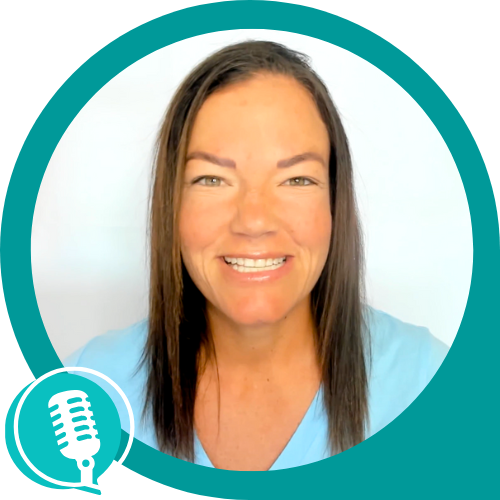
Kristi Kandel
Developer | Mentor | Co-Host of the LRED Podcast
Kristi is a real estate developer with nearly 20 years of experience and over $450M in projects across the U.S. Today, she focuses on helping locals step into development and build in their own communities.
She’s the founder of I&D Consulting, Local Real Estate Developers (LRED), and co-founder of Elevate, a community-driven sports and wellness concept.
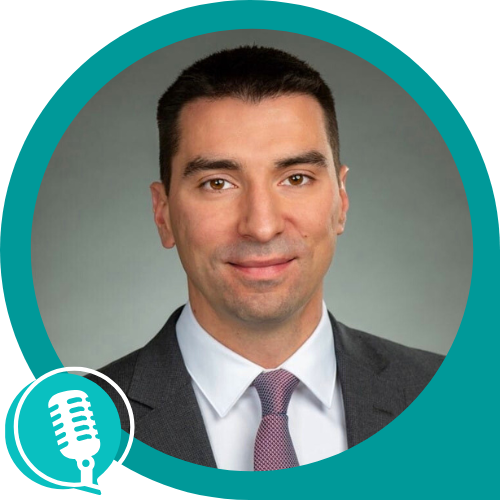
Raphael Collazo
Commercial broker | Author | Co-Host of the LRED Podcast
Raphael specializes in retail and industrial properties, bringing a problem-solving mindset from his background in engineering and software. As a commercial real estate advisor and developer based in Louisville, Kentucky, he works directly with investors, tenants, and cities, bringing a real-world view of how deals come together.
🔗 Related Episodes
How to Become a Local Developer: Katie Neason on Infill and Taking the First Small Bet | EP#29
A great companion episode on local infill, city relationships, and taking practical first steps in development.
How to Start Real Estate Development: Steph Weber Bought the Land First and Built the Plan Later | EP #41
A real look at taking your first development deal from idea to execution without having everything figured out.
Small-Scale Development: How She Left Her Corporate Career and Built a Tiny Home Village | EP #39
Another path from traditional career to building a community-driven development project.
About the Guest
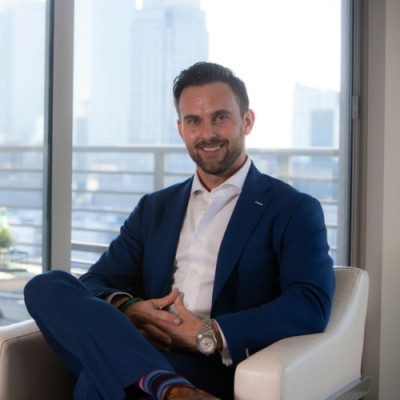
Craig Kincheloe is a Florida-based real estate broker, investor, and emerging developer with a background spanning mortgages, new home sales, short sales, flips, and brokerage. He now focuses on using local market knowledge, rezoning strategy, and community-centered thinking to create value through development in Tampa and beyond.
Connect with Craig
📸 Instagram: https://www.instagram.com/craigkincheloe/
💼 LinkedIn: https://www.linkedin.com/in/craigkincheloe/
Full Transcript
Raphael Collazo (00:42)
Welcome to local real estate developers podcast. I'm your co-host, Raphael Collazo. I am a commercial broker, investor, and developer located here in Louisville, Kentucky. And today we have a phenomenal guest. And I'm also here with my co-host, Kristi Kandel, the real estate developer extraordinaire located in Florida. I know you spent time between Florida and Nevada. So it's always great to hop on a call with you.
LRED (01:06)
Yeah, great to see you. Yep, Kristi Kandel. I'm a developer, investor, and I teach locals how to become real estate developers in their own backyard. And today we have a special guest, also from Florida, who I came across recently, who has a really cool story, a deep background into real estate, and then a cool story about his first development project and how that all evolved over the years. So Craig, welcome to the show.
Craig Kincheloe (01:30)
Thank you for having me. Appreciate it.
LRED (01:33)
Yeah, so we'd like to start off and maybe just get some backstory on how you started because I know when we first started talking, I was like, like, that's super cool how you initially got introduced into what even development was and then where that took your career in college and everything. So maybe maybe just a little background on that.
Craig Kincheloe (01:50)
Yeah, yeah. So I was getting ready to graduate and I went over to a friend of friend's house and it was at the time the nicest house I had ever been in and the neighborhood was incredible. He had all these fancy cars out in the driveway and I asked the obvious question, you know, what does your dad do? And he said he's a real estate developer. And at the time I had no clue what that meant. I did not know. And I asked, he's like, well, he kind of buys land and you know, have you ever seen like strip plazas with stores in them and stuff like that? That's kind of what he does. said, okay.
Cool, and I put that in the back of my mind and that's my first little thought of, I think I want to become a real estate developer. And then I went on to college a year later and met a buddy who crossed the hall and his dad happened to be at the time the largest private residential developer in Fort Lauderdale. And I saw the lifestyle that they had and all this stuff. And I was like, yeah, this is definitely what I want to do. And so it took me about a year or so later. And then I got my real estate license while still in college.
And I came up with an idea of when I work with the National Home Builder and work my way up to become a division president. And then by the age of 35, go off on my own and do my own thing. That was the plan.
Raphael Collazo (02:59)
That's awesome. So, you know, kind of that, that progression that you talked about, I know there's a lot of people and I'm somewhat in a similar boat in the sense that, you know, I saw the opportunity in real estate as a long-term wealth building tool. You know, was, was your initial thought, did you, were you in a previous profession before that, or was it something that right out of college, you just decided to run right into real estate?
Craig Kincheloe (02:59)
Yeah.
Yeah, no, I mean, it was right out of college. In fact, I actually, I'm the only person in my family that doesn't have at least a bachelor's degree or higher, actually dropped out of college. So I got my license in college and then shortly thereafter, I was a full-time student. I moved back home because I was attending Florida State in Tallahassee and I moved back to Tampa after getting my license and then.
Raphael Collazo (03:33)
Thanks, guys.
Craig Kincheloe (03:47)
ended up, there was a weird situation with the state and the testing, like there was a lawsuit and there was like a two or three month period where people in the state couldn't take the tests, which is bizarre. So I ended up becoming a mortgage broker and got my mortgage license and did that for about a year and a half because it was not easy to get a job with a home builder back then because this was 2003, 2002, 2003 when the market was booming and I was just, you know, some young 22 year old that, you know, hadn't even finished college. So I ended up doing a mortgage.
mortgage gig for about a year and a half and then finally after many interviews and attempts I got a job with a home builder. So really most of my adulthood I've been in some form of real estate.
Raphael Collazo (04:29)
That's awesome. So, so talk a little bit about those early years with the, uh, with that developer. mean, what were some of the lessons you learned from those experiences and maybe some of the ways that you improved going forward. So, I mean, obviously there's, there's, there's ways that certain people do things great and there's other ways that people don't do things as great. So kind of curious about your thought throughout that time period.
Craig Kincheloe (04:49)
Yeah.
Yeah. Yeah. So it's kind of understanding like I was a corporate job. So it's understanding what your employer wants. Right. And so at the time I thought like sales is like it. You know, I was in new home sales at that time was my role. So I was really focused on sales sales sales. But really what was most important to them was having a great package of paperwork and making the process smooth.
for compliance purposes because sales were happening no matter what because the market was so hot. So I had to like, was like one of the worst with paperwork and I became one of the best with paperwork because I knew that that was important to them. So I'm like, all right, I'm going to focus in on paperwork even though this is a sales position. Didn't make sense to me at the time, but that's what they want. I'm going to give it to them. So I learned like, I learned, you know, they're just understanding how the games played, understand the rules and how you win. And then I kind of just, you know, played.
the game that way. One of the coolest parts was I got to be involved in like six new developments from back then we were doing what's called prairie building. There was no streets, no electricity, no running water, no streetlights, nothing. And we were building homes. It was crazy, but that's because the demand was so high, the builders didn't want to wait for all the infrastructure to come. And so I learned kind of how to fly by the seat of your pants sometimes as well.
LRED (06:08)
So the local cities were allowing homes to be built without the infrastructure?
Craig Kincheloe (06:13)
The county was, Yeah, it's pretty wild.
LRED (06:15)
Wow.
Raphael Collazo (06:16)
How does that even work? I'm assuming you had to bring some of that to those sites, correct?
LRED (06:17)
Yeah.
Craig Kincheloe (06:20)
Yeah, exactly.
lots of generators. know, lots of generators. I mean, the roads were cut in, but they just weren't paved. But it was it was a wild time. It was yeah, it was I've never seen it done again again in my life in the last 20 years. But but that's what we were doing back then.
LRED (06:38)
I I heard that was crazy times, but yeah, wow.
Raphael Collazo (06:38)
That's amazing.
So you
would provide the generators in the interim as the infrastructure was catching up to the development? Is that how works? Wow. Crazy. I mean, it's...
Craig Kincheloe (06:48)
Correct. Yeah. Yeah. So obviously there was
no deliveries or anything like that, but we were, you know, in some of these, you know, anywhere between block to frame stage before we got, you know, utilities to the, to the neighborhood.
Raphael Collazo (07:02)
That just goes to show what you can do. You you think that something can't be done, but in reality it's like, if there's a will, there's a way. So that's amazing. you know, talk about, I guess, the next stage of that process where you've, worked with this home builders for a variety of different projects. I'm assuming when eight hit, there was some shift in the way that you guys were operating as far as, you know, developing, like, what was that shift like? And.
Craig Kincheloe (07:10)
Yeah.
Raphael Collazo (07:29)
you know, how did you guys pivot? Or maybe is that the point in time where you decided to kind of branch off on your own? If you could elaborate a little bit, that'd be great.
Craig Kincheloe (07:36)
Yeah, definitely a massive shift. At the time, just thought every year is a bigger year and a bigger year and a bigger year, even though people older than me, my parents are telling me, hey, there's economic cycles and this and that. But when you're young and naive. So what happened was I ended up leaving one home builder because we were growing so much, the builder that was doing the Prairie building. We couldn't keep project managers. We were turning over things so much.
And at the time, my colleague and I both left around the same time because we saw the writing on the wall that, I mean, we couldn't even deliver one building and we were on our fourth project manager and there was 38 buildings to go. And this is going to be a disaster. And it was, and it was all in the news, this project years later with all these construction defects and all these issues and things of that nature. So I'm really glad that I saw the writing on the wall and left. So I went to another home builder.
and did sales and then the market started to shift as you mentioned and I got to learn a lot of creativity on how to sell during a down market, which is really cool. And they created a new role for me called portfolio manager where I oversaw the sales and marketing of all the neighborhoods in the division. And what I focused on primarily was all the inventory homes because everybody was canceling their contracts. We went from having maybe 10 to 20 inventory homes to having 130 inventory homes. Yeah, it was wild.
And so we transitioned to selling the payment and not selling the price. And we were doing, you know, three, two, one, buy downs, two, one, buy downs, all those different things. started then emotionally staging the properties with just little things like, you know, towels and just dishes and things like that. Not real furniture per se. We tried all a lot of different outside the outside the box things.
And the cool thing about it is, is we sold 120 homes in like half the time that they were hoping we would sell them in by utilizing these techniques. So I was able to learn that these work and apply those later on. So once I sold all those, they did away with my position and they just stopped building. They stopped releasing homes. And so I saw 400 employee team in our division there go down to about 50.
in about eight months, which was shocking for me as a young guy at that time. And I saw really good, talented people get laid off that was with the company for 20 years, because that home builder was a very well-run organization and they did not have high turnover. People stayed there for a long time. And I saw things, we had to have police officers outside our corporate office because people were so upset at getting laid off and stuff like that. So it opened up.
my eyes to cycles, you economic cycles for sure.
LRED (10:27)
Yeah. Yeah,
I can totally relate to that when I started my career in Florida in 07 and it felt like every quarter we were laying more people off and thankfully, partially due to my effort, but also the types of programs I was involved in. I knew unless our corporate headquarters in Chicago shut down, I would still have a job, but I watched every single person, including my boss get laid off and I didn't matter how long they had been there, but that's when it really taught me
You know, you're truly just another number and it's just the bottom line that matters in the end. And I'm glad that that was an early lesson because it catapulted me into starting my own businesses in the future. But yeah, those are good lessons. And I'm kind of glad I didn't see your glory days of that because I remember friends tossing around, yeah, we'd make $90,000 bets because we'd go make that the next month. I'm like, what?
Craig Kincheloe (11:17)
Yeah, no, was
wild. mean, we were order takers. mean, literally, we would have people sleep in their car the night before we would do lot releases because they wanted to get be first in line to be able to get a lot. I mean, it was insane. We would have fistfights of people saying, I was in line before you, cut at me, this and that. We had to change the way we did sales when we would come up with these new problems that we were encountering because the market was just so insane.
LRED (11:21)
Yeah.
And you had mentioned some of the buy downs. we had another we had a mortgage or lender on previously and I think you were kind of insinuating some of the stuff that he's referring to that developers can do with subdivisions. But can you maybe explain a little bit more the nuance of those buy downs and what that actually meant to where you were able to hold the price but what that looked like?
Craig Kincheloe (12:03)
Yeah, yeah. So the most real estate agents and even especially like the consumer, they don't realize that builders have a very unfair advantage when it comes to financing because on a resale home, seller is limited to how much they can contribute to buying down the rate for a buyer. Depending upon the loan product, it could be three, six, depends, percent of the purchase price. But builders can go and they can buy off the books.
what they call like blocks of mortgage money and they can buy it at a discounted rate. And basically they just have to use this block of money within a specific period of time. And so they can blow away any resale in terms of selling payment and they can make a hundred thousand dollar home, brand new home, more expensive, that's more expensive than a resale for the same or less payment just based on interest rates alone.
So they're able to do that. Plus the max contribution is higher for builders than it is for resale. So between buying the bulk mortgage money at a discounted rate and having a higher max seller contribution, mean, literally we could get somebody, you know, 3% or more lower than the prevailing rate and still pay all their closing costs, making it, us such a competitive advantage over somebody that might be considering a resale. And they're doing that today.
I mean, that's why a lot of my friends that are new home sales right now are making bank. I mean, they're doing really well when you have more than 50% of real estate agents last year didn't sell one home. 70 plus percent sold less than three homes. But these builders now are just continuing to be able to sell because of these selling of the payment and the special financing.
LRED (13:24)
Mm-hmm.
And I think that's important for the people who are getting into it. I know I've talked to a couple of people recently that they're like, hey, I could build 20 homes or I could build 10 homes. And understanding that you as the developer, you have loan products out there. So talk to those lenders because you have loan products that can then help you get your future buyers and get them good rates. So just being aware that that part of the business is out there so you can ask more questions too.
Craig Kincheloe (14:13)
Yeah, people, mean, we all know that rates are powerful driver of the real estate market. But like just recently I sold a home that was built in 2022 new, it sold for 630 and it just closed a few weeks ago for 457. I mean, that's a 37% decline for three years. And in just in just the last in just the last nine months, it went down 13%.
But the wild thing is the price had gone down 37%, but the payment was still $450 more per month at the prevailing rate. I mean, that's unbelievable. You know what I mean? So that's the power of rates. The rate is 3%, and now we're at 6.5. Even a 37% decline, it's still a significantly more expensive home to own today at a lower price.
Raphael Collazo (14:53)
Mm-hmm.
Craig Kincheloe (15:12)
So that's just people gotta think about interest rates and as you mentioned, builders, developers, how can they partner with banks to make their project more affordable for the consumer? Exactly, I understand. I think that the first one.
Raphael Collazo (15:24)
Exactly. No, hundred percent. Cause I mean, I think that the fixed costs of
developing has gone up too. I mean, you've got construction costs have gone up, labor costs have gone up. a lot of people that are taking on development projects right now are trying to math it out. And they're just like, I can't make this work without having some other variable that comes in that maybe, you know, affects some of these numbers. if there's a way they can maybe make it work through what you're describing, then maybe that's a way they can make the project work. Cause I,
I take coming from my perspective, do predominantly or exclusively commercial real estate. A lot of people that are looking to take on development projects right now, I've had a couple that have just been on the sideline because it's just not, it's not worth it. They just can't make it. They can't make the numbers work, which is unfortunate, but again, it's just part of the environment that you're in. And this is part of real estate. It's a cyclical type of industry, similar to a lot of different industries. And you just got to be able to learn how to navigate and get creative when times are a little bit more unpredictable. So.
Craig Kincheloe (16:22)
Yeah, it's constantly being able to reinvent yourself in this space if you're gonna be in it for a long period of time. That's at least my personal experience. That's what I've learned and I've done. Well, I've been in real estate for a long time. I've done a lot of different things in the real estate space. I haven't done the same thing throughout my career because the cycles and you gotta kind of navigate.
Raphael Collazo (16:25)
.
Yeah, well, you know, one thing I'm kind of curious about is, you know, obviously the purpose of this podcast, particularly is related to encouraging or inspiring people in communities around the country to take on real estate development projects, because we feel, know, Kristi, Kristi and I feel that a lot of people believe that real estate development is unattainable. They kind of view.
Real estate development when they see, you know, in newspaper, you see these, you know, massive projects that are getting taken on by, you know, large entities. And most people think, well, there's no way that I could ever do something like that. But real estate development doesn't necessarily need to be something of that scale. It could be something like, hey, we see this building that's in a area that it's up and coming. That building itself needs to be renovated. And I can try to see if I can find a tenant to operate out of the space or.
Maybe you want to turn it into an Airbnb or whatever you think is the highest and best use for that particular property. that's very achievable for really anyone, even if you're working a full-time job. If you do the analysis right, if you put your team in place and you can operate the business thereafter. So I guess my question is, what was your first development project? And maybe talk a little bit about some of the challenges you faced early on.
Craig Kincheloe (18:01)
Yeah. So when 2007 happened, I decided to exit the new home building industry because my income was going to be at best one third of what I was used to making. And I decided I didn't want to stick that out. And I had a really cool niche where I was working with investors buying up all the builder inventory at the end of the, or really at the beginning, the very beginning of the downturn. And we had a very creative way of structuring it so that the comps weren't low for the builder.
and things of that nature. But that was a very short niche that lasted about 12 months for me. Did really well with that. And then I was like, well, what do I got to do now? What am I going to do? So I got into short sales and started a loss mitigation company with a couple of partners and they were flipping short sales using Florida Land Trust. And I said, well, what do we do this as a service? We'll still do the investment arm, but what do we do as a service to real estate agents? So we did that. We had a good little ride on that. And then I got back into
real estate itself as far as like the broker side. And then I started flipping a lot of properties myself, short sales. So it started with, were flipping them without doing any work. And then the banks say you got to hold them for 30 days. Then it became 90 days. So I was like, all right, well, we're going to hold it for 30 or 90. Let's do some renovations. So I started flipping a lot of properties that way. And as you said, this was kind of a side hustle for me.
You know, so that's what I started doing. Got my feet wet with that and started enjoying that. And then, you know, from there we did do some where we sold them to builders and we knocked them down and kind of built a, you know, a little bit of a Rolodex of contacts and stuff like that. So I had about 65 to 70 flips underneath my belt back then. But I still never had done any new development from the ground up. And that's really what I wanted to get into. And I was trying to
figure out how to do that transition. It's a little bit of a transition to go from flipping to development. And so it took me a little while, but I was just, at the time I was prospecting what's called expired listings. And those are properties that are listed on the market for sale and they leave the market not selling. And I called this one and it was weird because there was like three photos and you could tell it was like somebody was walking through the house but didn't want nobody to know they were taking photos of the house.
and so the people said, yeah, you know, that we didn't even know it was listed for sale. We got a letter in the mail. We buy your house. We signed a contract and then they put it on the market without us knowing and we got confused. And so it's a sad story, but it ended up with a happy ending. they thought the house was going to close. They went and bought another house. They were going to lose it. So I kind of came in and saved the day.
And basically the build, reason why builders weren't buying it is because they always, they all wanted to buy its subject too. Cause you had this rezoning, right? In order to really get the value out of it, you needed to rezone it, split the lot. So I basically made them an offer. They needed to sell fast. said, listen, I can't pay you based on what, you know, you know, what it would be worth if I can rezone it, because who knows where I'm going to get a rezone, but here's what I will do for you. I'll close on it now.
with what it's currently worth as it is. I'll make you a partner and if I get it rezoned within a specific period of time, I'll give you X percentage of the upside. So this way you get your money now, you get to move forward with the purchase of your house in the other state where you're relocating to, and you can still potentially get some of the upside. so I closed on that, there was a house on it and everything like that.
I already had four exit strategies. I could have bought it, renovated it and flipped it. I could have, you know, I could move into it, renovate it, move into it. I could renovate it and rent it out. So I had four, three viable exit strategies and a possible fourth, which is the redevelopment, which is the perfect scenario. I like to have three or more exit strategies when I'm buying a property. so long story short, I bought it and I ended up moving into it. Did minor renovations, moved into it for about a year and a half.
LRED (22:18)
you
Craig Kincheloe (22:42)
or so while I was doing the rezoning and I got it rezoned and approved right before COVID, which was a whole interesting dynamic in and of itself. So January, 2021 is when I got it approved. But even when I went through the process, I didn't know what to do. I had never done this before.
LRED (22:59)
Yeah, let's, let's break that down. This is my, so going through entitlements and zoning, this is my jam. It's like what I call a chess match, a poker game, detective work, all coming together to kind of figure it out. yeah, let's get into the weeds a little bit of what that even looked like.
Craig Kincheloe (23:14)
Yeah, so I mean, I just started asking friends like, hey, you know, here's what I'm looking to do. You know, who do you know that I could talk to? And I got a couple different names. And one name was John Lum. You know, I knew the name. I knew of him. He was a big developer during the last boom. His company did a lot of multifamily development, lot of townhome development in South Tampa. And he had gotten kind of
somewhat out of that as far as building and now he was just doing kind of entitlements and development and then he would either partner or sell it to somebody to build it and take it through. I think he, in development, I've realized there's kind of like phases of life in the development career and some people get to a point where they've had a lot of success and a lot of stress, having a lot of debt out there and going through cycles and they're like, you know what, enough of this, I'm gonna go and I'm gonna
do a little bit less stressful angle of the development side. And so that's where he was at in his... Yeah, yeah. I've started to realize that over the last couple of years and talking to the developers that have been around the game for a little while. It's interesting. But then you still get the younger developers and they're just go, go, go.
LRED (24:12)
100%.
Well, and
that's where the people with experience, I used to wonder why people were teaming up with me when I'm young. And I'm like, it's because I had the energy and the drive that they used to have. they just like, it can be exhausting after a while. And literally we were talking offline, but the new development I'm working on in Southwest Florida, there's someone that literally is like a mini me in her early 20s. I'm like,
I get why people wanted to work with me because if that was who I was, okay, got it, got it.
Craig Kincheloe (24:54)
Yeah, no, it's really cool. love to see that because, you know, it's to see the different, I don't know, we're gonna call it generations or different, you know, phases of people at their career. And, you know, really, I think it takes all different people in all different phases, a lot of times to have a great project. And so he was at that phase, and he liked to help other people. And really, there was nothing in it for him. I didn't make him any kind of equity partnership or
He didn't ask for anything. And so I just went in and met with him and, and, you know, he kind of, you know, outlined the process and gave me names in the city who I would need to speak to and, and, helped me fill out some of the paperwork and told me what I would need and what to expect. And, you know, just really like a mentor. and so, you know, and I didn't even tell him until after the fact, like, you know, that this was like, you know,
a goal of mine, you know, I was I 38 when I got this finalized and approved and it was been a goal of mine for nearly, you know, since 20, 21 years old. So it's been a long term goal of mine and it really wouldn't have been possible without him helping. So I think, you know, hindsight, I would have told him that at the beginning, but he was generous, you know, enough just to help me. And then he got me connected with a guy that he works with as like a consultant. He used to work at the city.
to also give me guidance on how to strategize and put forth my case. he's even older in the game. And at the time I was partly annoyed, but partly grateful because he had me do all the work. I'm like, painting this guy and I'm doing all the work. But then I was like, that's good because I'm learning the process and stuff like that. It took me a minute to realize that.
And so, and you know, I had my own ideas of strategy, which, you know, added to it and, know, several of them were good and, and, and he agreed and we, we, and we implemented them by getting the data, you know, to see if it backs it up. but the cool thing about it is, is like, you know, the city was not on board with it. so it required extra preparation, extra work, you know, for me to learn parts of the process that I wouldn't have necessarily needed to learn if.
The city was 100% on board with it.
LRED (27:10)
And what was some of the city pushback like what did they not like about it and maybe describe what's the size of the property and what were you trying to do and then what did they not like about that?
Craig Kincheloe (27:18)
Yeah, so it was one parcel is 110 feet wide by 110 feet deep. And basically it was zoned RS 60. So I wanted to split the lot to build two homes, but I needed to get it rezoned to RS 50. Most of the overlay for that area was RS 60, but there was also some, it was on the corner of a very busy road. I mean, it's a neighborhood setting, busy road. And there was also some RO across the street.
two ROs across the street, residential office. One was like a guy lived there, but he also ran an HVAC company out of it. And then the other one was a law office. And so I just felt like we were right on the periphery of the changes of the zoning. And then I felt like we had RO across the street that they should have been more flexible. So what we did was,
We and this was where Steve came into it. I had the idea of it, but he's the one that said this is going to be our our main winning argument. And that was reorienting the lots from the busier side of the road, which is what the current structure is faced to a less busier road. And so we weren't rezoning. We were reorienting. That's what he said. He said, don't don't don't say rezoning, say reorienting.
So that's what we did. And then I got all the data for traffic pattern flows, car accidents. And at the time I was happened to be living there and my desk faced the intersection. So I had photos of car accidents there, multiple ones. And then when we were planning this over the next several months, I would walk out there during rush hour and take photos of how far the traffic was backed up and all this stuff.
So we had a really good, you know, I guess case to put forward and he presented it just because everybody knows him and all that stuff. And so we got it approved unanimously. Every single member of the city council voted to approve the rezoning. So I was pretty stoked about that.
LRED (29:23)
Was it primarily because you were able to show a life safety concern and say, hey, we're reorienting, it's life safety, it's this and that, you had the proof because you live there, you're already house hacking to some extent, and then they're okay.
Craig Kincheloe (29:35)
Exactly. Yep. That's 100%. That was it. ⁓
Raphael Collazo (29:38)
Did you
have to because it's interesting you mentioned that the Metro Council you presented to the Metro Council. So depending on the municipality you're in, like the way we have it here in Jefferson County, Kentucky, which is a global proper is you have a planning commission you present to your case, then planning commission will present or give a recommendation to Metro Council to then vote. So sometimes what ends up happening is you could present to planning commission. They could pass along to Metro Council that
they would like to see this approved, but ultimately it's Metro Council's decision whether or not it happens. And so there's a political aspect involved as well where you sometimes have to, you and obviously there's, can't, you know, curry favor with your Metro Council member. Obviously that's somewhat unethical, but at least informing them about what you're trying to do and then trying to showcase that you're accounting for residents' concerns helps the cause because ultimately the Metro Council member
is obligated to their constituency. So if they get a lot of letters from people complaining about the potential rezone and the potential development on site, they could still vote down the rezone, even though planning commission has gone through the process of approving it. So I'm kind of curious as to how that works on your all, how that worked on your all's end. Did you have to contact like your Metro council member for that district and kind of explain what you guys were planning to do, et cetera, to try to get them on your side as far as getting the rezone done?
Craig Kincheloe (31:02)
Yeah, yeah, just exactly that. mean, first we presented it to the people in the zoning department and all that. And then they do their own research. And then before we present to the city council, they actually go first and present their case as they see it, which was against it. And they lay out all the reasons why they're against it and why it's not compliant, et cetera, et cetera. And then we go after them and we present our case in terms of
Raphael Collazo (31:17)
Hmm. Okay.
LRED (31:17)
Thank you.
Craig Kincheloe (31:28)
So the guy that I hired, Steve Michelini, he had been there for a number of years and all had relationships. I know that he spoke to some of the people in it, know, in the city, not just the councilmen and women, but also just in the different departments and everything like that. And he had a pretty good feeling going into it. He's pretty good. mean, the nice thing about working with people like that that have so much repetition, they're
you know, usually pretty good on predicting the chances of success going into it, even though, you know, may on paper look like the odds are against. And so, you know, he felt pretty confident going into it. You know, obviously there's never guarantees, but he felt pretty confident based on all the conversations that he had with all the different departments and different people in there. And I think that
Raphael Collazo (32:02)
Mm-hmm.
Craig Kincheloe (32:23)
The perception is reality, right? And I think we painted a pretty clear perception that this is for the safety of the neighborhood. I mean, and it really was, it's a much safer setup now than what it was beforehand.
LRED (32:32)
Mm-hmm.
Raphael Collazo (32:32)
Mm-hmm.
LRED (32:39)
And I think that's
a key point. staff is going to, I sat on the planning commission out in Tahoe and if staff presented something and said they're in support of it, but it went against the ordinance and the guidelines, then they would actually get reprimanded both by the county commissioners and by the different chairs of the planning commission. So staff does need to technically follow the letter of the law. If, even if you give a good argument, but they can give you that.
feedback to go, this makes sense, but I'm not allowed to present a report that has common sense in it. I have to do a report that matches code. And then that gives you the chance to do the official argument. whether it's Planning Commission, City Council, they are either appointed or elected officials that are people who live in your community. They're your business owners, they're your teachers, they're your retirees who have lived there, grown up there and know that community. So.
Yeah, it's that discretionary approval part where they can just decide if they like it or not. And then, yeah, that's where having your experts and getting that argument and almost being like an attorney and creating your case to where they can make that decision. So that's awesome.
Craig Kincheloe (33:46)
Exactly. Yeah. No, and I love that because during the short sell days, I did a lot of work, a lot of affluent people and, you know, it wasn't the case where somebody lost their job. Always. Sometimes it was the case where we had to be strategic and put forth our case to the lender as to why they should work with us or restructure or, you know, forgive a deficiency judgment or whatever. Right. And it's just being strategic. It's like putting forth your case, using as much data as you have to support.
LRED (34:05)
Mm-hmm.
Craig Kincheloe (34:16)
what you're trying to convey.
LRED (34:18)
And not just
saying because I can make more money this way. That argument never flies.
Craig Kincheloe (34:21)
Yeah, exactly. Yeah,
Raphael Collazo (34:22)
They don't care. They don't
care. Yeah. So.
Craig Kincheloe (34:24)
yeah, exactly. And the funny story is, is after the first house was built, maybe seven, within a year, there's a car literally went through the front yard. And literally, I kid you not, the house is here, the car was here, literally touched the house, but didn't like go into the house. And
LRED (34:47)
Would it have hit
the old house where I was at?
Craig Kincheloe (34:49)
It would have. Yeah. Yeah. So it would have hit, it would have hit the master bedroom of the old house. Actually, it would have been worse. This was like an office downstairs office in this house. you know, so it's, you know, proof point, you know, it was, it is a valid concern and it is safer now with the way the house is oriented. There's no doubt about it. And a specifically getting in and out of the driveway is way safer now. Yeah.
Raphael Collazo (35:17)
That's awesome. so once you got the reorientation approved, we're going to be clear about the reorientation versus the rezone. how, what was the next phase? How did that look like? Because you said you got that done in January and I'm assuming you started construction shortly thereafter. And obviously COVID hit. Can you kind of talk to us about the next phase of that construction process?
Craig Kincheloe (35:37)
Yeah, so once we get the rezoning approved, I ended up splitting the lots and I didn't end up splitting them evenly. I made the one off that's not in the corner lot a little bigger because it's a more valuable lot not being on the corner. And I was maybe thinking about building a house for myself there and I wanted to have more flexibility on floor plan design. So what I did was, so I got it approved in January, it maybe took me a month.
or so to split the lots and get a new parcel IDs and address and all that good stuff. And then COVID happened like a month or two later. And then so the builders stopped buying lots and just focus on what they had and completing everything because the level of uncertainty, mean, none of us lived through a pandemic before where we couldn't leave our houses and stuff like that, right? And so, and even in the city of Tampa, I mean, there was a...
For the month of March, most of the month, it's very restricted on where we could leave and where we could go and things of that nature. So I was like, I'm not gonna sell this now, I'm gonna wait and see. No, I didn't predict what was gonna happen next. So all these builders stopped buying lots and then all of a sudden, Florida became the hotspot where we became...
you know, the restrictions were pretty much removed fairly quickly. And, you know, people in other states were migrating here or primary or second home. And so all this demand just started flooding in. And then there was a period of time of a few months where builders weren't buying lots. So then the real estate prices just went through the roof and I decided to ride it as long as I, as long as I could. And the thing I like about the asset class about real estate is
I tell people it's like insider trading for the stock market. You if you're in the business every day, you know, you have a good pulse for what's going on in the market. so it's legal, legal insider trading. And so what I did was I waited to sell it until I thought we were at or near the peak of the market. And so I, the cool thing about it is I was going to build a house myself, project manager and do all that stuff.
myself but I was so busy with my brokerage business that I'm like time to money it's just not going to really make sense. And so I ended up selling it to one of my past clients which is another reason why this to me this story is like so special. It's this this guy came to me at like 25 years old. He was single at the time. I helped him buy a townhouse and then he was got engaged. He was going to buy a single family home.
I convinced him to buy another townhouse in the same development and he got his fiance on board, less expensive. So now he owns two properties. He has very low, very low interest rates. So I helped him rent out one of them. He's making like five or $600 a month on one, moved into the other one. And then he was going to rent out the other one. So I helped him in three and a half years or so accumulate, almost become a millionaire off of real estate.
off of the initial purchase was 5 % down. It was pretty wild. So they get married, they have one child, so they got a growing family now. So I pitch it to him. I'm like, listen, the average price of house back then in the neighborhood was probably about 1.6 million. The average square footage of the home is around 3,100, 3,200 square feet. I'll let you build whatever square footage you want here. We could build you a 22, 2300 square foot home.
and we can get you in for under a million in a neighborhood that otherwise you would never ordinarily be able to afford. And you got all the best schools in the city, super great location, convenient to everything. And so he liked that idea. So I basically partnered with a builder that's more of our affordable builder here in the city. And they built like a 2,300 square foot home. And I got a good premium on the lot. Didn't have to pay commissions.
LRED (39:12)
Mm-hmm.
Craig Kincheloe (39:33)
had them pay all the closing costs. I acquired the property for only $235,000 in February of 2018 and just that one lot I sold for $420,000 with no commissions and no closing costs. And then I made a commission on the build instead of building it myself, but it was completely hands off. I didn't have to deal with it. And then I own another lot that was free and clear that's worth, at the peak it was worth over $600,000. Now it's probably worth...
you know, around 500, 525, somewhere in that range. So, you know, $235,000 initial investment. And I probably spent around 10 grand on the demo, six grand on trees. And then, you know, you got your surveys and miscellaneous costs that are, you know, nominal in the grand scheme of things, maybe another four grand. So it was a really good project for me, to say the least.
LRED (40:25)
Yeah, and just to highlight what you said, the legal insider trading and that's, that's literally why we say to locals and in your community, you know what's happening, you know what's going on, you know what's missing, what's needed, you know what the demand is. Because just when you see a headline, it's like, XYZ is happening in the market. It doesn't mean it's happening in your market. It's hyper local. So you have that information. Every time I go into a community, it's I want to talk to locals and just
Raphael Collazo (40:26)
Thank
LRED (40:52)
hear them talk and whether I go on a bike ride with them and then all of a sudden I'm like, whoa, the information you just dumped on this community that goes back 30 years that I would have never found out or known otherwise was huge and pivotal.
Craig Kincheloe (41:04)
Exactly. Exactly.
And that's why it's, you know, it's hard to, it's hard for, you know, whatever private equity hedge funds and stuff like that. It's hard to do certain real estate things that scale nationally because it's so local in nature, unless you get plugged into the local community with people like you just mentioned that are going to give you the information that you're not going to find on chat, GPT, you're not going to find on Google, you know, you're only going to be able to get that information from locals that have been there.
LRED (41:27)
Mm-hmm.
And it honestly
takes so much effort. We were talking earlier about how we want to impact these communities and not just big developers in primary markets, but we have over 16,000 communities in the US that have less than 10,000 people. Private equity is not coming to those. You, as that local person, can be that developer. If you can flip the house, you can flip the commercial building. So yeah, think it's just kind of removing the gatekeeping, destigmatizing what development is in that.
It doesn't have to happen to us. doesn't have to be national tenants for Sounder Throws. It can be us, the local people saying, hey, here's what we want to do in our community and see, and let's go build it.
Craig Kincheloe (42:09)
Yeah, absolutely. And I love when I see people buy, you know, another house in their neighborhood, or they see it and they think it's a good deal. And whether they know what they're going to do with it initially, you know.
flip it or whatever. like that. I mean, it's I think it's good when you have, you know, local people reinvesting in the neighborhood.
LRED (42:28)
Yeah. So you probably clearly hit some rough times. had COVID, you had a pandemic, you had different ups and downs. When life throws the punches and the curve balls that it's inevitably going to throw and it will keep throwing, what keeps you motivated? What keeps you going to go, okay, I just one more step forward, one more step forward because this too shall pass at some point. But what are some of your drivers that help you keep your mindset right?
Craig Kincheloe (42:53)
Yeah, well context matters, right? And so, you know, the older you get, the more context you have and it makes things easier when you hit a hard patch because you've dealt with hard patches before and you know that hard patches don't last forever, right? And same goes with good, good, good patches, right? You know, so, you know, I've learned to really be appreciative and grateful for the good patches and then realize that the hard patches are not.
going to last forever and also realize that there's going to be more opportunity. You know, so I've kind of learned how to reframe certain things. You know, if it's a problem, you know, I reframe it as this is an opportunity. If I can solve this, there's going to be a financial reward on the end, either directly at the end of when I solve this problem and or beyond that. And now that I have new knowledge and new insight to solve this particular problem.
Right. And, you know, the harder the problem is generally the bigger the reward is. And because the less people either know how to solve it or want to invest the time and energy into solving it. Right. And so, you know, and just like I saw before, like, you know, when, when, you know, the builder, you know, my transition from the new home industry was, it was really good and then really bad.
and then good again. So I definitely have had the ups and downs. Speaking to when I was younger, I didn't save as much for a rainy day. I thought when you, year after year after year, your career is like this, you just think, not naively, I just think that that's just normal. That's all that I've experienced, right? So I've learned that over the years.
And trying to foresee the problems ahead and position yourself to be in the best position to help solve those problems. Because during the short sales, I made a lot of money flipping short sales, but I would have never had to work again a day in my life if I would have bought those properties and kept them for five to seven years even, just five to seven years. So I learned it was very difficult to get access to bank funding.
during the downturn and raising capital wasn't the easiest either. And I wasn't as savvy to that back then either. I just use private lending, you know, short, know, short money and just turning it over, turning it over and turning it over. So, you know, now I have enough context to realize, you know, this hard time. Number one, it's not going to last. Number two, there's opportunity behind it. And I'm going to be learning some new skills dealing with this as well.
Raphael Collazo (45:28)
That's awesome. That's some great perspective to be able to share with people. I know those who are listening, many are first timers that are looking to take on their projects. So I'm sure providing that context is helpful. you know, after this experience of you going through the development process, you know, what advice would you give to those who are in that position where maybe they are, you know, working a full time job and they're wanting to start taking on a development project or maybe they're, you know,
full time in real estate in there. Like, you know, instead of me operating just as, you know, maybe a broker, I can also maybe take on some of those projects. What, what one or two pieces of advice would you give to them?
Craig Kincheloe (46:07)
Yeah, a few things. Also with the hard times too, I'm very romantic about stories and now it's cool. I can be in the moment of a really not great situation and be consciously thinking, man, this is going to be a great story. When I get on the other side of this, this is going to be a great story to tell somebody else. And people learn from that. People don't learn as much. People learn from your successes, yes.
They learn more, I believe, in how you navigate through the hard times, in my opinion. So, yeah, so back to the question, proximity is power. So get around people that are doing and have the things that you wanna have. So if you wanna learn about development, try to get around people that are actively doing it as much as you can. Find out ways to add value to them. Find out what they value.
because not all those people value money. Some of it, they just want to continue to be part of other things, but they don't want to be all in on it, right? So if you can help them do some of the parts of the project that they don't want to be involved in, that's one way to add value. And other way is just like, some people just like to give advice on what they've learned, because it's not like...
A lot of these people that have done development projects and stuff like that, it's not like they're on the speaking circuit, speaking and selling coaching programs and all this stuff. No, these people are developers. They're not product people, they're not this, they're not that. So they're not necessarily sharing their knowledge a lot of times with people. So just asking and explaining to them and saying, I could use your help on this.
What are your thoughts? How do you see this? So that's another thing. So proximity and then, you know, not getting over. For me, it's like easy to get, even though I know a lot about real estate with development, you have to go into the knowing that you you don't, you're going to be surprised. You're not going to have the answer for everything. And you got to, the sooner you can get comfortable with that, the faster you're going to get into doing development and doing.
you know, actions and stuff like that. For me, a lot of times I get paralyzed if I don't feel like I know all the answers to everything. You know, that fear of failure, fear of looking stupid. And so what I've learned now over my career is, you know, generally I'll figure out a way. Somehow I'll figure out a way. It may not be the way I'm thinking I'll figure it out, but I'll figure out a way and just trust the process.
trust myself, trust the people that I surround myself with, that at the end of the day, know, whatever happens, we'll figure out a solution to it.
LRED (48:48)
Yep. 100%. I mean, I've done hundreds of projects. There is still going to be something that comes up, whether it's based on a jurisdiction, just the area geographically, whatever it is that comes up. with development, it does take longer. There is more time involved and you have time to problem solve. if you can just put your thinking head on and problem solve and like you said, ask the right people and bounce it off. That's the
That's what development is, is you are figuring out how to make this all come together and there is no exact black and white path. And you get to be creative. Yes, yes, and yes to all of that. And that if you sit on the sidelines and you wait until it's all perfect, your development project will never get started. And I was just explaining to someone the other day, the project that you start with is never the project that you end with.
You have an overall concept plan, but it's going to evolve because there's so many stakeholders that will be part of it. And you just have to be able to roll with the punches and go, okay, how do we make this work? How do we make this happen? And eventually it all does come together.
Craig Kincheloe (49:48)
Yeah, absolutely. And the more you do, it's like anything in life, it's reps, repetition. The more you do it, the better you're get, the more efficient you're gonna get at doing it. And so the longer you wait to get into action and to try to read more books or talk to more people and this and that, really the true learning is always in the doing. It's always in the doing. So just try to get into action.
LRED (49:53)
Mm-hmm.
Craig Kincheloe (50:13)
and into doing as quickly as possible because it's going to shorten your learning curve.
LRED (50:17)
Yep, 100%. So you kind of touched on it with being the local experts and having the insider knowledge and reorienting things so it's safer for the future, people who live and own the homes on the lots that you did. with local real estate developers, we make a huge emphasis and push on how do we impact our local community more than just the person doing the deal and how can we make that positive impact and the ripple effect?
to you, what does community-driven development mean from that standpoint?
Craig Kincheloe (50:46)
Yeah. So I realized the impact when back when I started it, when we were doing the prairie building. mean, this, these, this was just cow pastures. This was nothing here. And then, you know, two years later, I can drive through the neighborhood and there's kids riding their bicycle, people walking their dog, you know, people going for a jog. And that
is just a tangible way to realize that this isn't like just a house. You know, this isn't just a street or a building or this or that. No, it's really like a living organism. Right. And so. So for me, I learned that really early on and seeing that firsthand, not everybody gets that experience. So for me, that lesson was taught early. And, you know, you know, for the
project that I just gave you where the rezoning, know, I, know, they were a past client that I happened to sell it to. So, you know, I got to know them personally. I know like the ups and downs that they've gone through. I've know, I know like how this house has really helped their family. So like, you know, but as far as just like a whole in terms of development in the community, you know, ultimately, you know, it comes down to like lifestyle and, know, adding value and making people's lifestyle.
more enjoyable and better. And so anytime you can do a development that does that. Now it's tricky because you can look at the project from so many different perspectives and the different people have different opinions on what perspective they're looking at, you know, the project. So I think you have to get a clear clarity on, you know, who is your avatar, so to speak, who is your ideal person or people.
that you're doing this development project for. And then you got to listen to them and get feedback from them and try to, you know, try to give them, you know, as close to what they, what they want. And then sometimes if you get really good, you can anticipate their needs, you know, based on feedback and stuff like that. But for me, development is, it's, it's a vital part of enhancing a community. It's a vital part of not only enhancing the community, enhancing people's lives for sure.
Raphael Collazo (52:57)
That's amazing. Yeah, no. And I think that what people realize over time too, is that it's a community effort to develop too. It's not just one person doing all the developing. There's a variety of different people that are operating in different capacities, whether that's residential development, retail development, industrial development, that all kind of blends together to create the broader community. So just being a person in that ecosystem, you're adding positive.
Craig Kincheloe (53:17)
Yeah.
Raphael Collazo (53:21)
and creating a positive impact in your community. So one thing I'm curious about is what does the future hold for you? mean, what's your long-term vision, long-term goal in the development space and really beyond?
Craig Kincheloe (53:24)
Yeah, absolutely.
Yeah. So I've learned to have my vision to be a little bit flexible, you know, with cycles and the economy and all those things. I mean, we just got hit by the work, you know, a hundred plus year storm here in Tampa that's changed the real estate landscape in certain areas dramatically. And, uh, you know, so there's always, you know, natural disasters, economic, you know, legislation changes.
right? know, condo legislation in Florida changed and that's changed the condo market significantly. But so as far as my thing right now, I want to do more development, you know, but it's finding the right projects, you know, ⁓ I've done a lot of research over the last few months on trying to get a good handle on how many homes are going to be that have sold are going to be torn down in some of these areas. And then doing additional research on what plans are filed and I'm trying to
LRED (54:07)
I'm going to talk about the What do you think of school? What do you think the schools? What do you think of the history? What do you think of history of
Craig Kincheloe (54:25)
projected out how many homes are gonna be sold over the next two years based on month, based on 18 month projection, two to three months for design, three to four months for permitting, and then 10 months or so for building. So I'm trying to plan all that out and just become a local expert on my real estate market. The more knowledge I have in the real estate market, the better I know where to spend my time and my money investing in the area. So I'm constantly studying the market and trying to see where the next opportunities are.
I still have my brokerage and that's still a big part of what I do. I still help people buy teardowns, source a builder and do all that stuff and things of that nature. more of the same in terms of brokerage and then get some more experience with some buddies in the development side as well. And then potentially start to raise capital. That's what I've wanted to start to do because I knew
LRED (55:17)
you
Craig Kincheloe (55:17)
been through
a downturn once already, and I know how to make money in a downturn if I have the capital. So that's one of the skills that I want to learn over the next few months.
LRED (55:28)
Love it. So how can people follow along, support, connect? I know you have a newsletter because I get it now, but what's the best way for them to stay in touch with what you're doing?
Craig Kincheloe (55:37)
Yeah, absolutely. Yeah, so I have a newsletter if you want to send me an email or send me an Instagram message. I'd be more than happy to, you know, to get you guys send that out. And then Instagram is one place. It's just my name, Craig Kinchlo, is a great place to connect with me as well. And I would say that, you know, Instagram and then recently I got on a TikTok, but I would say Instagram is the main spot.
LRED (56:01)
We'll make sure we include those.
Raphael Collazo (56:04)
That's all.
Craig Kincheloe (56:04)
Absolutely.
And you can email me as well. And then as a resource, I built out a hurricane guide this last year that's pretty helpful. At least that's what people have told me. So I can provide that specifically for people in Florida as well.
LRED (56:11)
Yes.
100 percent. The more resources like that we can have, the better.
Raphael Collazo (56:21)
and the
Yeah, the Caribbean too, which know we talked a little bit
about Puerto Rico and other places as well. So. You're awesome. Well, Craig, we really do appreciate your time. It was really insightful in, share what you shared today regarding rezoning and all these different processes you went through to take on your first development and then provided context to the Tampa market. And we're really looking forward to keeping in touch and, you know, going forward, the cool thing about what we're trying to do, is to kind of create a community of people.
Craig Kincheloe (56:27)
Yeah, yeah, absolutely.
Raphael Collazo (56:52)
that are taking on development projects all across the country. And so the hope is that over time we continue to, you know, connect people from all across the country that are doing cool and innovative things. And hopefully this becomes a, you know, an ecosystem that can benefit people all across the country. So we obviously greatly appreciate you being a part of that network. And, we're looking forward to staying in touch. for those of you guys who are watching this on YouTube, please like and subscribe. It makes a huge impact in our ability to reach a broader audience. And we greatly appreciate the support along with that. If you guys are watching this in a podcast format.
Please, please, please leave a five-star review. Again, it makes our ability to reach a broader audience easier. And obviously, our goal long-term is to make sure we build a community that is going to benefit the real estate community as whole. So thanks again so much for tuning in, and we'll see you all next time.
Get the tools behind the episode
Access the Developer Vault with templates and real resources
©2025 I&D Consulting. All Rights Reserved.
©2025 Local Real Estate Developers. All Rights Reserved.