From Rubble to Rebuild: How Mike and Dawn Miller Brought The Beached Whale Back After Hurricane Ian | EP #18
Real estate development, post-disaster rebuilding, and bringing a beloved local landmark back to life.
They bought a beach icon just months before Hurricane Ian destroyed it.
What came next was not just a rebuild. It was a lesson in grit, creativity, and local leadership.
Mike and Dawn Miller did not go looking for a disaster recovery project. They bought The Beached Whale as a real estate play, got hit by Hurricane Ian just months later, and suddenly had to decide whether to walk away or rebuild.
Instead of quitting, they stayed visible, opened a temporary tent and food truck operation, fought through insurance gaps, town approvals, and parking challenges, and became one of the first local teams to push a full rebuild forward on Fort Myers Beach.
This episode is for aspiring local developers, business owners, and anyone trying to understand what it really takes to rebuild in a hard market when the path is unclear and the community is counting on you.



Get the tools behind the episode
Access the Developer Vault with templates and real resources
Episode Summary
This episode is a real-world look at what development means when the stakes are personal.
Mike and Dawn Miller came to Fort Myers Beach from a long background in commercial real estate. They built a large warehouse portfolio in Columbus, Ohio, then moved to Florida and found what looked like a strong island real estate deal: The Beached Whale, a turn-key restaurant with real estate value built in. They bought it, renovated it, and were getting ready for season. Just three and a half months later, Hurricane Ian wiped it out.
At first, the easy answer was to sell the land and move on. But Dawn had fallen in love with the business, the staff, and what The Beached Whale meant to Fort Myers Beach. When she saw the destroyed building on national news, she knew it had to come back. That moment changed the project from an investment into a mission.
What follows is where this conversation gets especially valuable for local developers. Mike is honest about the realities. Insurance did not make them whole. The old building had to be leveled. The rebuild required a new design, updated engineering, code compliance, floodproofing, deep pilings, and a full approval process through town. Plans alone took roughly a year and a half to assemble, submit, and get approved.
Then came the friction points that define real development. Parking became a major issue. They were short on required spaces, and the rebuild could have stalled there. Instead of backing down, they got creative. Mike reframed paid public parking within walking distance as usable non-exclusive parking, a move that helped them win approval and also opened the door for other local businesses trying to rebuild.
What makes their story even stronger is that they did not disappear while the permanent project was being figured out. They created a temporary version of The Whale with a food truck, umbrellas, a tent, drinks, and live energy. That kept staff employed, gave locals a place to gather, and reminded the island that this brand and this ownership group were still here.
At the same time, they doubled down on the island. They acquired Sandy Bottoms and a former fire station property, with plans for a second restaurant concept and a pizza-and-subs operation with e-bike delivery. Those moves show something important: community-driven development is not only about one building. It is about believing in a place enough to keep investing in its future.
The biggest takeaway is this: rebuilding is not just construction. It is problem-solving, visibility, patience, and staying committed long enough to give your town something to rally around. Mike and Dawn did not just rebuild a restaurant. They helped create momentum for Fort Myers Beach to believe in itself again.
What You'll Learn
- How to think through a rebuild after catastrophic loss
- Why insurance rarely covers the full path back
- How to navigate local approvals when your project becomes a precedent
- What creative problem-solving looks like in real development
- Why maintaining a temporary presence can protect momentum and community trust
- How to expand carefully while rebuilding your first major project
Bold Truth
Sometimes the real development win is refusing to disappear after the storm..
Timestamps
0:00 — Intro
https://youtu.be/sxYI7SYf-bA?t=0
0:59 — Kristi on Fort Myers Beach and why this story matters
https://youtu.be/sxYI7SYf-bA?t=59
1:43 — From copiers to commercial real estate
https://youtu.be/sxYI7SYf-bA?t=103
2:44 — Why they bought The Beached Whale
https://youtu.be/sxYI7SYf-bA?t=164
3:55 — Buying the property just before Hurricane Ian
https://youtu.be/sxYI7SYf-bA?t=235
5:22 — The decision to rebuild instead of sell
https://youtu.be/sxYI7SYf-bA?t=322
6:05 — What rebuilding actually required after the storm
https://youtu.be/sxYI7SYf-bA?t=365
8:29 — The truth about insurance after disaster
https://youtu.be/sxYI7SYf-bA?t=509
11:21 — Why the rebuild has taken nearly three years
https://youtu.be/sxYI7SYf-bA?t=681
12:24 — Public hearings, town approvals, and local process
https://youtu.be/sxYI7SYf-bA?t=744
13:55 — Solving the parking problem creatively
https://youtu.be/sxYI7SYf-bA?t=835
16:43 — Partners, plans, and self-funding the project
https://youtu.be/sxYI7SYf-bA?t=1003
19:14 — Staying motivated through a long rebuild
https://youtu.be/sxYI7SYf-bA?t=1154
20:46 — Whale 2.0 and keeping a presence alive
https://youtu.be/sxYI7SYf-bA?t=1246
22:30 — Why they doubled down on Fort Myers Beach
https://youtu.be/sxYI7SYf-bA?t=1350
23:50 — The vision for Sandy Bottoms
https://youtu.be/sxYI7SYf-bA?t=1430
24:36 — Shared staff and phased openings
https://youtu.be/sxYI7SYf-bA?t=1476
25:57 — The fire station project and e-bike delivery
https://youtu.be/sxYI7SYf-bA?t=1557
27:47 — Advice for aspiring developers
https://youtu.be/sxYI7SYf-bA?t=1667
31:17 — Real estate, tax advantages, and owning your building
https://youtu.be/sxYI7SYf-bA?t=1877
32:21 — What community-driven development means to them
https://youtu.be/sxYI7SYf-bA?t=1941
34:06 — The new island business alliance
https://youtu.be/sxYI7SYf-bA?t=2046
37:43 — Future vision and baby steps
https://youtu.be/sxYI7SYf-bA?t=2263
Meet the Voices Behind the Mic
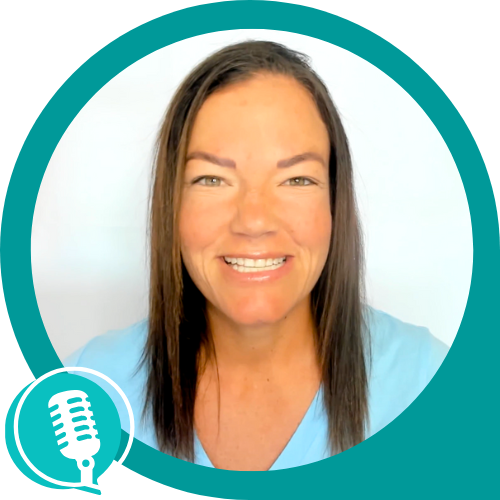
Kristi Kandel
Developer | Mentor | Co-Host of the LRED Podcast
Kristi is a real estate developer with nearly 20 years of experience and over $450M in projects across the U.S. Today, she focuses on helping locals step into development and build in their own communities.
She’s the founder of I&D Consulting, Local Real Estate Developers (LRED), and co-founder of Elevate, a community-driven sports and wellness concept.
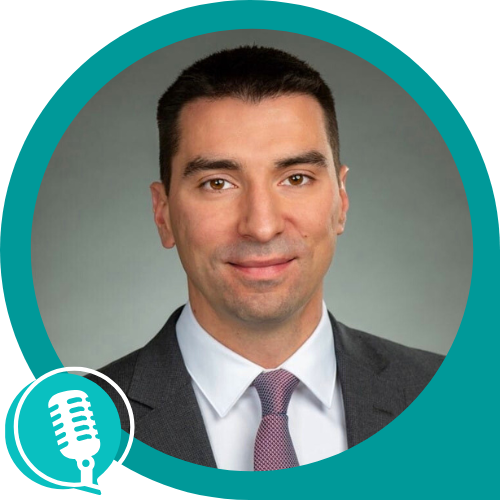
Raphael Collazo
Commercial broker | Author | Co-Host of the LRED Podcast
Raphael specializes in retail and industrial properties, bringing a problem-solving mindset from his background in engineering and software. As a commercial real estate advisor and developer based in Louisville, Kentucky, he works directly with investors, tenants, and cities, bringing a real-world view of how deals come together.
🔗 Related Episodes
How to Become a Local Developer: Katie Neason on Infill and Taking the First Small Bet | EP#29
A great companion episode on local infill, city relationships, and taking practical first steps in development.
How to Start Real Estate Development: Steph Weber Bought the Land First and Built the Plan Later | EP #41
A real look at taking your first development deal from idea to execution without having everything figured out.
Small-Scale Development: How She Left Her Corporate Career and Built a Tiny Home Village | EP #39
Another path from traditional career to building a community-driven development project.
About the Guest
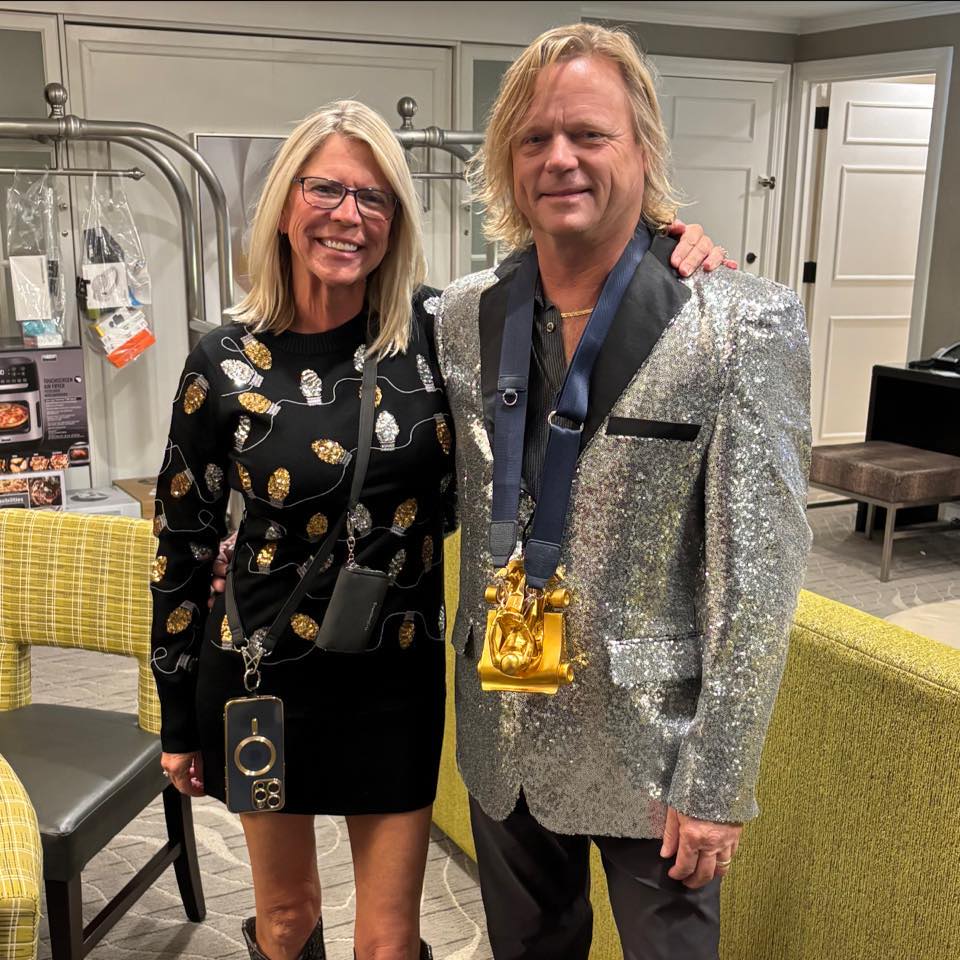
Mike and Dawn Miller are Fort Myers Beach business owners and longtime real estate entrepreneurs with deep experience in commercial property. After Hurricane Ian destroyed The Beached Whale just months after they acquired it, they committed to rebuilding the iconic restaurant and investing further in the island’s future through new hospitality projects.
Connect with Mike and Dawn:
🌐 Website: https://thewhalefmb.com/
📸 Instagram: https://www.instagram.com/thewhalefmb/?hl=en
Full Transcript
Raphael Collazo (00:41)
Welcome to the Local Real Estate Developer Podcast. I'm your co-host, Raphael Collazo. I am a commercial broker, investor, and aspiring developer located here in Louisville, Kentucky. And we're excited today to be here with Kristi Kandel my co-host as well. And she's located in Florida today. Excited to see you, as always.
Local Real Estate Developers (00:59)
Yeah, good to see you. I'm Kristi Kandel I'm in Fort Myers Beach, Florida, developer, investor, and I teach locals how to become real estate developers in their community. And today's guests have a very special place in my heart because they are also here in Fort Myers Beach. And we were ground zero for Hurricane Ian in 2022. And Mike and Dawn Miller have an incredible story of resilience, rebuilding and providing hope to all of us here in our community. So welcome to the show, guys.
Mike And Dawn Miler (01:29)
Thank you. Hello.
Local Real Estate Developers (01:32)
Nice. So maybe if you could start off and give us a little bit of background of who you are and where you started in the Midwest and then what brought you to Florida in the first place.
Mike And Dawn Miler (01:43)
We started many years ago back in Columbus, Ohio in the real estate business. We started out actually in the copier business and exporting used copiers to third world countries, diversified into commercial real estate. About our first building in 1996, we still have it, 54,000 square feet. Then we've grown to about 1.6 million square feet of bulk warehouse in Columbus, Ohio that we lease out now.
And back in 18, we moved down here to semi-retire and then got into the real estate restaurant business down here.
Raphael Collazo (02:13)
Also, that's a big jump. you know, having my previous experience, I was, I studied engineering in college, but then I had a catering company while I was in college. And then right after college, I decided I wanted to go jump into the restaurant space. managed a restaurant for a little while and thought I wanted to open up a brick and mortar location. And, you know, it's a phenomenal industry, but you know, obviously there's some challenges with it. What made you decide to want to get into that space?
And obviously, being entrepreneurs yourselves, I'm sure it was just kind of that itch, but I just was kind of curious as to what your thought process was for wanting to open up a restaurant and bar.
Mike And Dawn Miler (02:44)
Really, we didn't have a desire to do so at the beginning. I was just looking around for any type of commercial real estate that we could get a pretty good deal on on the island of Fort Myers Beach. And one thing led to another, and we tried to make a couple of purchases. It didn't work out. So then we came across the beached whale and the owners wanted to sell and we negotiated a price and I basically got it for almost a million dollars under the real estate value. And it came with a turn
key restaurant and liquor license and running running bar.
Raphael Collazo (03:13)
was called the Beach Whale. That's amazing. That's a great name. I love that. So out of curiosity regarding that, so you started off looking at it as a real estate play. Obviously, you have experience in that space. When you realized that this was also a viable business opportunity, was it just something from day one you're just like, well, let me just go ahead and try to see if I want to run this business, or were you actively looking to lease out the restaurant space to another user?
Mike And Dawn Miler (03:16)
Yep.
I'm
the GEDM and I said you know let's give it a try and let's see what happens you know what what can go wrong you know well other than a hurricane
Local Real Estate Developers (03:46)
And when you when you bought that maybe give us some context for when you bought it compared to Hurricane Ian that visited us
Mike And Dawn Miler (03:55)
Well, we acquired it three and a half months before Hurricane Ian destroyed it. And we did a lot of renovations, fixing it up, getting it ready for season. Season down here starts around October 1st. And on September 28th, Ian decided that he wanted it a little bit more than we did.
Local Real Estate Developers (04:11)
Yeah. And for some context for people listening, so Hurricane Ian came on September 20th of 22. It was, it basically leveled our community. And from that point forward, you know, we turned into a huge rebuilding. I said from the beginning, this is a seven to 15 year rebuild. And quite honestly, Hurricane Ian is why local real estate developers exists at all.
Because as we saw the outside developers and corporations coming in and gobbling up the properties, just felt with everything I know about real estate development, it needs to be our locals who are the ones doing it. Because that's where the pride and the sense of ownership and community all come from. So then in hearing stories like you guys, when you said, hey, we're going to rebuild, that you can't really...
put into words the emotion impact that has on the locals. So maybe if you guys can give a little bit of context around, Mike, I know you had stayed and Dawn, you had seen it and came in shortly after the storm was over. Maybe some context around your decision on, hey, are we done or are we going to come in and double down?
Mike And Dawn Miler (05:22)
Well, I'll go ahead and answer that one. So Mike was done. He was ready to sell the land and just, you know, we could sell it for more than what we had paid. And I had fallen in love with the running the restaurant, doing the marketing. I was really enjoying what I was doing. And I fell in love with our staff. So after Ian, when I saw on the news that they had showed the Estero Boulevard and the whale
both before and after. So I seen that it was gone on the national news. That was kind of the moment I knew the whale had to come back. It was an icon that made national news after this tragedy. So it just gave me a sense of purpose to bring it back.
Raphael Collazo (06:05)
That's amazing. kind of to that point, so you've made that decision. How is the process of actually getting it back up to where it was before? Because I'm assuming post-hurricane, I actually was in Puerto Rico during Hurricane Maria. I was living there at the time. And I know post-hurricane, were a lot of FEMA personnel that were on site. There was a lot of contractors that ultimately had a lot of work that they had to do in order to get the
the, you know, all these different buildings fixed and repaired. So how was that process, especially being in Fort Myers, where it's not necessarily the most easily accessible place to get to from a contracting standpoint. So was it difficult to try to coordinate with local contractors and other groups to try to get the building, you know, set up again? And how did that, I guess, how did that process work? I'm curious.
Mike And Dawn Miler (06:53)
Well, what happened is, know, our building, there was about three additions to our building. was originally built, I believe, in the 60s, early 70s. And three of the four additions were completely missing off the building. And that goes to show for what new construction is today, I guess. And, you you look at the old building and it had basically collapsed in on itself. The pilings let loose from underneath from the center and collapsed the whole building. So we had to have it completely level.
Raphael Collazo (07:01)
Mm-hmm.
Mike And Dawn Miler (07:18)
and um have got to do something yeah and um so we we did so we had to grade it down we ended up um uh we contacted contracted with a gentleman of Fowler Construction and they had built a um place called Wahoo Willies on the island and with a thatch roof and everything and literally it was it did not move absolutely did not move during the hurricane so we decided to go with them immediately
It's been almost three years now and we should be able to open end of September, beginning of October. But it's a long drawn out process from, know, we've never built anything in our lives. I'm a firm believer on buying someone else's misfortune. You you buy an existing building, it might cost a hundred bucks a foot to build, you buy it for 50. You know, it might be an older building, but you know, you can always fix it up. And that's what we were looking at on this. To give you an idea, I we've never even built our own house before. We've always bought a spec home or...
or someone else that didn't take very good care of it. And so we made it to what we wanted. And with that, just takes a lot of time and the contractors have been doing a great job. I'd like to see a lot more get done on the island right now.
Local Real Estate Developers (08:29)
And maybe some too, we had touched on it previously, but of how insurance works as far as just to help with the misconception, I think that, okay, well, you lost your building, so insurance must have covered the full cost to rebuild, right?
Mike And Dawn Miler (08:45)
I wish that was the real world. That never happens. I don't think in any one situation they got rebuilt 100%.
You know, the insurance companies, they've got stop losses they've got to do. They've got to ensure that, you know, and they'll drag it out two, three, four years because they can invest that money and not have to give it to you right away and just prolong it out and they'll make interest on that money to offset their losses. And then they want to negotiate. know, for instance, my house, we had seven and half feet of water in the house. It's a cat five home.
Most basically all the windows are compromised in it. They don't want to replace any of the windows. We've got a couple that have been smoked, know, the fogged up and things like that.
But as for the commercial real estate, we had it insured for X amount of dollars and we didn't quite get the maximum amount. And they just basically said, hey, you know what? You can sue us for the rest of it, but we're gonna continue to fight on where was wind and where was flood insurance? Where do they come in? Where do they go out and everything else? And it was gonna be a battle that was about a half a million dollars, but it was a battle that wasn't gonna be worth fighting.
It's just a matter of, we're, you know, you know, built the 70s. It's obviously not a code compliant building today. And so the insurance company only insures you based on what was pre-existing. So, you know, we had to, you know, we have different elevation certificate heights. So even though we have a kitchen and a bar on the first floor, we have to have them completely flood proof, all made out of concrete. Our building, we put 103,
pilings 45 feet in the ground to hold this building up. And we went ahead since we're doing all this we put a third floor on it which we did not have before.
Raphael Collazo (10:25)
Wow. Yeah. Well, it just goes to show the insurance, how, in theory, how it's supposed to work. But in reality, they're going to do everything they can and not have to pay. And it's unfortunate situation. And now it's probably even more, it's even more worse. You know, I know in Florida, I've heard many just horror stories about insurance pricing going through the roof here. And I'm located here in Louisville, Kentucky. We've had a lot of issues with tornadoes and other natural disasters that have affected other parts of the state that ultimately
manifest themselves in higher premium prices. the insurance companies never lose, right? They always find a way to make it so that they come out on top, which is unfortunate, but it's a reality for how we live. so what you mentioned is out of curiosity. So that three year timeline, was that I mean, I'm curious if you could break down why I guess, why did it take two and a half to almost three years to get to the point now where in September, hopefully you guys are up and running for this next season?
of people coming down to Fort Myers.
Mike And Dawn Miler (11:24)
Well, one of the reasons too is that one of the reasons why we it's taking so long, you know, we didn't expect the hurricane to hit us. So it's not like we had a set of plans ready to rebuild this entire superstructure that we built. We're looking at, you know, we hired the art about a couple months after the hurricane, we hired the, the contractor, the architect.
from there, you we sat down with the architect and said, here's our square footage of the work we can build. Here's our land. We need to, start putting this together. And it's, probably took a year and a half just to get the plans together, submitted and approved through the town of Fort Myers Beach, as well as any other community you go to. You know, they want to know, you know, all the engineering's and the wind loads and stuff like that, where you really don't have that in Columbus, Ohio, you know, you're not worried
about wind loads and, cause you're not expecting a, you know, a tornado to go through there. So you don't build buildings tornado proof. Well, you do.
Local Real Estate Developers (12:24)
So to that point with
the town process, how many public hearings did you need to go to? And I know you have a really good story on how to overcome some of those challenges, but maybe speaking a little bit to the process of how the town part and any interactions with staff and public hearings went.
Mike And Dawn Miler (12:42)
Well, with the public hearings, know, we lack of a better term. We were the first out of the gate to build a new building. And other than like pre E and Margarita Bill came in beautiful facility. I highly recommend coming down and visiting. But, you know, lack of a better term, we darn near got castrated. You know, they wanted to know while we're doing our our, you know, going through the town.
Raphael Collazo (12:59)
you
Mike And Dawn Miler (13:05)
We had to submit all of our plans. couldn't just do a concept.
They wanted all of our plants. We got about 90 % of it done, started submitting them, and we had to go in front of the LPA and town council, and they wanted to know about our parking. They wanted to know about our height. Why do we want six feet higher? And was basically to help our third floor tiki hut, the whole top floors of tiki hut, to be able to hide some of the HVAC units so we don't see them indirectly from the street.
then one of the biggest issues we had was parking. right now we need about, we were 56 parking spaces short. We only have 18. But we're in the downtown district where it's a lot of walking and traffic. Where in my opinion, we don't need it, but they were insisting that we had to go out and try and find additional parking.
So we had left that meeting and we had to go to the final meeting. And what I did is I took the radius of 500 feet around our building and said, when we went in meeting, I said, I took care of the parking spaces. I go, now have 911 parking spaces. That is how many paid parking spaces they are within 500 feet of our building. And I consider those non-exclusive.
So what we had is we pretty much had a new term in the town that a lot of people have started using is non-exclusive parking. where I go, all my patrons can park there. So they got to pay 10 or $20, but they're still my patrons.
Local Real Estate Developers (14:34)
And that should count as my parking and I should be able to operate. that's, that's where getting creative and really thinking so many times throughout a deal, you will, what you start with is not necessarily what you end with. And at different points that as you're going through a development, it's going to blow up. You're going to be like, what? Seriously? This rebuild that we all know we need is going to blow up over parking spaces. And then you get creative and you find a way. then now.
What I love about that, we can get more into later, but that set the precedent to allow other locals and small businesses to be able to rebuild,
Mike And Dawn Miler (15:08)
Yeah, we were able to help a lot of other people be able to commercial properties, be able to rebuild their some of their plans are going in now to be able to get this done because you know, we took the grunt of everything and now they realized, okay, let's just get this, you know, let's get the island built. We still have to do it to code and do it properly. But we can do things in a much quicker way and hopefully get this brick and mortars back up and operational.
Raphael Collazo (15:38)
That's awesome. Yeah, yeah. And I think oftentimes with the city, mean, there is the letter of the law that references probably, hey, you need X, Y, Z amount of parking spaces. But to your point, it should be specific to the area that you're located in. Because if you're in a downtown district and you have a bunch of people that are walking around, I mean, to your point, you don't necessarily need to have that many parking spaces. And that's where the human element comes in. I know maybe in your local market, I'm sure the people
in the local municipalities, they want to see their community operate in a positive way. And so if you can get an advocate in the department to kind of be there as a sounding board, or even on our case, we have a planning commission where we can advocate towards a committee of different community members that have been appointed to make decisions on planning and design and everything like that, that also helps to kind of grease the wheels to get some.
things done, which I know is easier said than done oftentimes, but I think it just goes to show how important it is to present the information in a way such that you can try to get people who need you need to get on your side on your side so you can get things moving.
Local Real Estate Developers (16:43)
And it's,
Mike And Dawn Miler (16:43)
Right.
Local Real Estate Developers (16:44)
yeah, it's not that the cities
don't and towns don't necessarily want to help you, but they only know what they know. ⁓ and so if you're able to, if you guys collaborate together, you can help think outside the box and go, okay. And, the, different people I mentor, or consult with it's why did the city or county say that if we figure out their, why maybe we understand that that primary, reason and we can find another path to get there. So if we just keep asking why, as opposed to, okay, it's done.
Raphael Collazo (16:50)
Mm-hmm.
Local Real Estate Developers (17:10)
So yeah, that's awesome. as you guys were going through this, I know you found the right construction partner because you saw what they did at Wahoo Willys and that structure lasted. And it was very evident as you would ride your bike or drive up and down Estero Boulevard, was which contractors did a good job pre-EN and which ones did a bad job. And it's like definitely not hiring them.
But so along with the contractor, what other types of partnerships did this take to go through, whether it's from the design team, the contractor, banks and construction loans and that part, what did it take to bring this together? Because it's, yeah, like you said, a three year process and it's an awesome new build that is coming.
Mike And Dawn Miler (17:54)
Well, for the most part, the architect, the contractor, and then they got us onto a design firm for doing the interior designs and finishes. They're doing a phenomenal job. But other than that, that's all we had. We're self-funding this.
because I don't even want to try and find out what the cost of wind and flood insurance is going to be. So we decided we're just going to pay for this all out of our pocket and get this thing built and make sure it's another great viable place for locals and tourists to come to.
Raphael Collazo (18:24)
Yeah, I'm excited to see once you guys get up and running. I'm sure you guys will have a phenomenal response from the community and ultimately people who come visit the island. And you said the season for what is between late September to probably early March, is that correct? Or is that like a six month period or maybe a little less?
Local Real Estate Developers (18:24)
Mm-hmm.
Probably mid-October to end of April.
Mike And Dawn Miler (18:44)
Well, we start to kind of come back
in October.
Raphael Collazo (18:48)
Hmm. Yeah, that would make sense. People who want to come down to Fort Myers to kind of avoid the cold weather and everything. I can see that being an attractive thing. And I hear Fort Myers also has phenomenal fishing and there's a lot of deep sea fishing opportunities as such. So. It's pretty awesome. yeah. Yeah. So one question I had was related to because obviously we've talked about this process taking.
Local Real Estate Developers (18:58)
Sorry.
Fishing, boating, paddle boarding, all the dolphins.
Raphael Collazo (19:14)
multiple different years. So how do you guys stay motivated to continue on with this process? Because for a lot of people, and to your point, I'm sure in your previous experiences, you talk about buying property that capitalizes on someone's misfortune or whatever, right? You're finding an opportunity, you're buying at a discounted price. And at that point, you have a property that you can work with and you can lease out and it's
relatively short timeline as far as getting the property performing again versus something like this, which is, you're dealing with obviously the emotion of having it be destroyed in a catastrophic event. And then you have to go through this whole process of bringing it back to life. again, it's been two to three years. So how do you guys continue to stay motivated to bring this project back to life? it hasn't, you haven't decided to kind of, you know.
close up shop and say, you know what, let's just not have to deal with a headache.
Mike And Dawn Miler (20:46)
So I'll answer that one. So about six months after Ian came through and our building was gone, we decided to open our bar with a food truck and we had umbrellas and it was very, very minimal. And eventually we had a tent. I can't remember how big that was. And we operated under that for a good year until we needed to shut down to build.
Raphael Collazo (20:55)
Mm.
Mike And Dawn Miler (21:10)
And then we moved that tent down to our other property and was open there for quite a bit. Unfortunately, Debbie took the tent, but Hurricane Debbie took the tent. But, you know, being able to do that has certainly been helpful. Also kept some of our staff employed, but yeah, even this past, you know, over every weekend we're open. But on the day one of hurricane season this year, we started something new.
which I was trying to figure out a way that we can ward off hurricanes. Like I hear Tampa gets to ward them off and they all turn and come to us. So we came up with what we call Joe Boo Fest and we gave him rum and cigars and tokens and basically in return for him to keep the ward off the hurricanes from our islands. So that was a great event. But for me being able to put
Local Real Estate Developers (21:42)
yes.
Mike And Dawn Miler (22:02)
my time and my devotion into something like that has been very helpful in the waiting process.
Raphael Collazo (22:09)
That's awesome. So and you guys have been able to maintain at least a presence of what you all are trying to accomplish on site. So people don't necessarily forget about the restaurant or the experience. But again, it kind of continually reinforces to the community and also people who visit that this is coming soon, kind of trying to maintain the momentum of what you guys are trying to do. That's great.
Local Real Estate Developers (22:29)
Very much
Mike And Dawn Miler (22:30)
Correct, yes.
Local Real Estate Developers (22:30)
so
because the longest time our restaurants and bars were food trucks and tents. And just knowing that we had somewhere at all to go and that we weren't alone here and that there were places to gather, that was a huge morale boost for sure. So you had just talked there about location number two. So you come down, you're three months before the hurricane, you buy, you acquire a restaurant bar that's running, it gets wiped away.
Raphael Collazo (22:35)
Mm-hmm.
Mm-hmm.
Local Real Estate Developers (22:58)
you decide you're going to rebuild and then it sounds like you double down. I know you actually ended up tripling down. So what was that thought process of, well, we're doing this. are fully invested here. What led to the two and three?
Mike And Dawn Miler (23:02)
you
Well, what happened is, you know, we got wind of another property coming available. The building is still standing. Obviously the windows were knocked out of it, but we were able to build it under the 50 % rule. So we went ahead and we acquired it. Matter of fact, we acquired it a day before it actually hit the market. So we were able to get the inside track on it and that worked out well.
Local Real Estate Developers (23:36)
And that was your bread and butter of getting an existing building that was an adaptive reuse to where you go, wait, I'm gonna buy it at a good rate. I'm gonna add value to it. And then there we go. And what's the plan for that one?
Mike And Dawn Miler (23:50)
That'll be sandy bottoms. end up putting a, 4,000 square foot tiki head out front of the building. the building's 4,000 square feet and we're going to build a 4,000 square foot tiki head out front.
and we've got the most of the plans together already, but we decided to go ahead and mothball it just to ensure that and make sure the whale opens up with, you know, I know we're going to have hitches and glitches, but you know, we don't want to open up two good restaurants at the same time. We want to open up one great restaurant, then wait about six months. Then we got all the kinks out, then slide into the other one.
Local Real Estate Developers (24:27)
And is the thought with that you can probably use a lot of the same staff or at least maybe management to some extent to work both of those.
Raphael Collazo (24:27)
And.
Mike And Dawn Miler (24:36)
Yeah, same, we have our same GM, same head chef, and he'll oversee the other chefs at the facilities. And it'll be a good transition. So we don't have to have multiple of the same people. then we acquired a third place called the Station 31 Fire Department. We bought that, it took about two, what about six months ago we acquired it. And the...
Fire Department's building a new building and the building is standing as well. So we went ahead and acquired it and that was a sealed bid sale. we weren't the high bidder, but we ended up acquiring it somehow. So it worked out very well.
Raphael Collazo (25:11)
I probably saw what you were doing with the other buildings and they decided maybe that you were a good fit for as far as an owner is concerned. So that's pretty cool. So I'm curious with that, how close are these buildings together? And I've never been to Fort Myers, so don't know how relatively close everything is, but I'm just kind of curious in relation to you're the beach whale, like where are the other buildings?
Mike And Dawn Miler (25:32)
The island is seven miles long. On the north end is all the, you know, the happening area and you know, where the partying is. And the south end is where the nice quiet area is. So the beached whales on the north end, that may be only a quarter mile away is Sandy Bottoms. Then maybe an eighth of a mile from that is the fire station. And that's going to be station 31 Pizza and Subs.
Raphael Collazo (25:54)
Okay.
Local Real Estate Developers (25:57)
And you have something unique you're doing with the fire station, which if you've never been to Fort Myers Beach, when we are in season, it can take you an hour and a half, two hours plus to get off the island to go a mile and a half. It's like LA traffic. So whether people are walking, using the bike lanes, using the trolley, just transportation in general is a nightmare. So what was your plan with the fire station one?
Mike And Dawn Miler (26:21)
well, when we open up to avoid a lot of that, we're going to do right now. It's going to start out as only carry out and we're going to do e-bike delivery.
They allowed electronic e-bikes to be on the sidewalks. So we'll be able to go up and down the sidewalks and deliver pizzas, subs, and salads. And then if we get additional parking in the near future, what we'll be able to do, we're trying to work on some land right now, is the whole lower level like the fire trucks used to be, we'll make that a whole sit-down restaurant bar. It'll be overlooking a, what was it, is it 10 or 13 acre huge complex of condos that hopefully are gonna be built someday.
Raphael Collazo (26:29)
Hmm.
Local Real Estate Developers (26:58)
Yeah.
Yep. Yep.
that's awesome. I personally am incredibly excited for all three of those. The Sandy bottoms place that you bought, we had talked about that. That used to be where I'd go for, take everyone for breakfast that came in town. And we would always, I've got a corral of e-bikes downstairs and be like, no guys, we don't drive. We drop on the bikes. Then that's how we get around when we're here.
Raphael Collazo (27:00)
minute.
Mike And Dawn Miler (27:20)
That was the Tuckaway Cafe and Royal Scoop Building before we acquired it.
Local Real Estate Developers (27:22)
Yep. Yep.
Raphael Collazo (27:24)
Awesome. regarding this process, because I'm sure you guys have learned a lot through this because it's not for the faint of heart. So what type of advice would you give to people, not necessarily to do this particular project, but overall as far as development is concerned, what type of advice would you give to people who are looking to do community driven projects such as yourselves?
Mike And Dawn Miler (27:47)
Well, the only thing I can really say at the end of the day is no risk, no reward. That's what it is at the end of the day. If you want to buy a piece of property, try and buy it right. It's a different scenario if.
Let's say I have my business I'm running and I need to get into a larger building and it makes sense for me to acquire a building. You know, because the one thing they don't make anymore is real estate. So, you know, if you're going to be an owner-occupant, I highly recommend owning your own property. Like I said, I've owned my own property since 1996. And in 2018, I ended up shutting down my export copier business. But anyways, you know.
Raphael Collazo (28:12)
Mm-hmm.
Mike And Dawn Miler (28:29)
If you take the risks, you hope to get the rewards. But if you're very cautious and you're concerned about a lot of things, we started taking a lot of risks when my wife and I were dating. We didn't have a whole lot. I mean, I only had like a.
$1,800 car, you know? And the funny thing is, is when I went to buy my first building, I didn't 24, 25 years old, it was a 54,000 square foot warehouse building on 10 acres. And my dad looked at me and goes, Mike, are you sure you can afford this? And I looked at him and I said, no, but the bank said I could, so who cares? I go, man, what am I going to lose? My credit? I go, I've got decent credit. I go,
Raphael Collazo (29:09)
Hmm. ⁓
Mike And Dawn Miler (29:15)
I own an $1,800 car. I go, doesn't matter. I go, they can't take my house. I don't own one. you know, everyone's got their own scenarios. You know, you've got family to be concerned with. that's so there's certain times that, you know, you take risks and certain times, you know, you don't.
Raphael Collazo (29:35)
That's a great advice, really. Because I mean, think that's something that a lot of people, I don't know about overlook, but they, they, they put a lot of emphasis on the potential downside of a scenario, which is, think, smart. I think you need to kind of understand what the downside risk of something is. But oftentimes, you don't consider what the opportunity is in there as well, as much as you would the downside. And I think the only way to your point that you can advance yourself, especially when you don't have
Local Real Estate Developers (29:35)
Yeah.
Raphael Collazo (30:03)
because everyone starts off somewhere and if you're starting off with not a lot of resources, you have to find a way to continually push the envelope to try to advance the cause. I think that, again, it's a balancing act. But to your point, when you're younger and you don't have the responsibilities, that's the time to take as much risk as you can. And if things don't go your way, which again, things happen in life, you have an opportunity then to go back to the drawing board and kind of move forward. So yeah, I think that's good advice.
Mike And Dawn Miler (30:30)
Also, one
other thing is, if you own your own business, I would highly recommend trying to get your own building. Even if you're like, well, I'm in this little spot and I'm making really good money, why would I bother? Well, go ahead and acquire a larger building. Maybe you only use a portion of it. You're still gonna probably be paying the same amount of what you'll be doing in rent, maybe a hair or more.
Raphael Collazo (30:52)
Mm-hmm.
Mike And Dawn Miler (30:57)
Then you take 49, because you have to be 51% occupancy on an owner occupant building, take the other 49 or 50% and lease it out to someone else. And next thing you know, you're not paying anything for the building and someone else is making the payments for you. And you end up, and you know, that's what we've done over time. And we build a very nice portfolio.
Raphael Collazo (31:11)
Mm-hmm.
Local Real Estate Developers (31:17)
Yeah, it's just like we talk with house hacking where you buy a duplex, live in one side, have someone rent the other. It's that exact same concept when you step into commercial real estate. And like you said, if you're the business owner, why not business hack and have that building and split up your costs? there's real estate comes with so many more benefits, which we just got another huge advantage in the bill that was just passed. So, you know, as far as tax advantages and different things that come along with that. So,
Yeah, looking into real estate and the different benefits across the board, which then roll into, so I mean, we look at the numbers and I know, Mike, you've done this, you've said how you look at deals, if the numbers work, you do it, if it doesn't work, you don't do it. But then on the flip side, there's that community driven development aspect where there's some heart and there's some passion that comes into it that goes along with the decision to spend the cost and go. And clearly you guys are invested in Fort Myers Beach, but.
What exactly when you're saying community driven development does that mean to you guys and the impact that you're having on your neighbors and community members and team members and employees?
Mike And Dawn Miler (32:21)
Well, I kind of hoped he would answer this one, but you know, I definitely am the one that's more passionate about what we have, what we're working on. I grew up coming to the island and again, after Ian, my sense of community like exploded and I get, I'm driven by how I can give back to the community and I spend.
most of my time where I hadn't worked since the, I don't know, late 90s. I've been a stay at home mom. And now I spend all my time trying to figure out a way to get our island back to what it was before. And I'm not just saying for me. So last night we had, I formed a business alliance with all the restaurants and hotels on the island where we're working together to get
people back out here in the off season so that it helps out because so many of these people are barely surviving with all of the increased costs we've had with hurricanes.
Local Real Estate Developers (33:20)
Mm-hmm. Yeah, it's interesting. People will say, what? Like they'll come visit and it's, know, May, June, July. And they're like, where's everyone at? And it goes from being the most busy happening place to going to shoulder season where you go, we're literally a ghost town. And a lot of tourist communities do run into that. I know in Tahoe, we had the same thing and ended up the community came together, like you said, and said, hey, what can we do to create activities and events?
that draw people in during the shoulder season. So that way the employees have stable employment, the business owners can at minimum at least try and break even and hold that through. So that's incredible with the Alliance. Can you maybe tell us more about that? And then that way if people want to try and support in any way possible what they could potentially do.
Mike And Dawn Miler (34:06)
Yeah, so we're in the like really beginning stages, but it is called What's Up FMB. And eventually we will have a website where anybody who wants to visit the island can go to that site and they can find out where to stay, where to eat, what's going on this day, this week, this hour. You you'll be able to find out all of that. And we're all working together, you know.
In so many industries, see people where they, it's, know, they're all looking out for themselves, but, you know, we're so close knit on this island that I just, I don't see how it's going to ever go back the other way. But yeah, so we have a Facebook page and we're working. Now we have a behind the scenes page too for the, for just the business owners, but you know, we have the forward one where everybody can come and see what we've got going on. But again,
beginning stages, our first event is Mullet Madness. That's coming up August 1 to 3. And then you'll start to see more. I might get shaved on the sides here. Yeah.
Local Real Estate Developers (35:00)
I keep seeing stuff for that. That's going to be great.
Raphael Collazo (35:03)
Do you have to have a mullet to be in attendance or is a mullet optional? There you go.
That's awesome. No, when I think, I think too, doing things like that is huge because at the end of the day, you know, a lot of people think that businesses are in competition with one another, but when you talk about building an ecosystem, especially in hospitality and retail, mean, a rising tide really does lift all boats. So if you have a vibrant retail community that draws in a lot of people, there's, there's a
cross pollination effect that occurs. So it really is a smart move on the part of you all to try to continue to foster that ecosystem. Because again, that's how you're to be able to continue to have people come to the marketplace, even outside of those key times of the year. I know, located here in Louisville, Kentucky, we're obviously big on the Kentucky Derby. that's like one of our biggest, probably the biggest event in the city, huge economic impact, but we've tried to diversify in a different...
areas to help continue to have people come to Lule outside of the peak time, which is the first few weeks of May. So it's a smart move, really. one thing I was curious about too is that you've, go ahead.
Mike And Dawn Miler (36:07)
You know what?
No, I was just going to make a quick point to give you an idea of the like.
how much of the business owners are into everything is right catty corner from the whale is margaritaville and There are 254 room unit place with so, you know, let's say double occupancy make it an even 500 people and I was talking to the owner and I said hey Tom I go, know if I get my regular business plus 10% of yours, that's an extra 50 people a day I'm gonna be buried He looked at me and went Mike you're gonna get 20 to 30 percent because no one's gonna sit here and even though we have
Raphael Collazo (36:22)
Hmm.
Local Real Estate Developers (36:40)
Hmm.
Mike And Dawn Miler (36:45)
three or four, we four restaurants on the property, everyone's gonna go out and venture off and they're gonna try your place. They may try your place once, they might try Wahoo, Willy's, Nervous Nellie's, they're all gonna try different places. They're not gonna stay at the resort. So what happens is, we're gonna continually get an influx of people, especially in season.
Local Real Estate Developers (37:05)
Mm-hmm.
Raphael Collazo (37:06)
That's awesome. Yeah, so to that point, now you guys have started a community initiative to try to create kind of a page or the location that people can go to that are interested in going to Fort Myers and they can do all this research. And hopefully as they come to Fort Myers, they can take advantage of all the events that are taking place. Outside of the two buildings that you guys are actively working on that is like a two to three year timeline, what...
What does the future hold for you guys in the long run? Are you guys going to continually just operate within the retail space? Are you guys looking to do more hospitality, hotel? What's your long-term vision for the next, call it five to 10 years?
Mike And Dawn Miler (37:43)
Our long-term vision is getting one restaurant open. It's baby step.
Raphael Collazo (37:48)
that. That's a great, great answer because I feel like sometimes you get caught up with
just looking 10 years in the future without really focusing in on what's immediate.
Mike And Dawn Miler (37:57)
My ultimate goal is to, you know, acquire more properties. But, you know, right now we just want to get what's going now and we'll see what the future is going to hold. You know, we've still got all of our real estate up north. So, you we're one of the, very fortunate enough because we still have a very good income stream coming from all the warehouses up in Ohio. We also own two manufacturing plants in Nashville, Tennessee. So we've got a good income stream coming in where, you know, we can withstand the longevity of time to get these things built.
Raphael Collazo (37:59)
Go ahead, Mike.
That's amazing. Yeah, it's kind of, you know, it's very fascinating to me because I've talked to people who own have owned warehouse property for many, many years. And it's just amazing the run up in value and the demand for warehouse, especially the last decade. It's just unbelievable. I'm sure people when they I'm sure when you bought back in 1990s, you didn't expect the amount of demand that would have occurred 20 plus years later. So it's pretty, pretty amazing.
Mike And Dawn Miler (38:51)
Well, I'll give you an idea. The most I ever paid for a peak for a warehouse was $12 a square foot. That was a 519,000 square foot building. And the lowest I paid was a 221,000 square foot building for $4.80 a foot. And it needed a whole new roof.
Raphael Collazo (38:59)
What?
It's amazing. No, but it's just fascinating to see how these trends occur over time because, it's just it's unbelievable.
Mike And Dawn Miler (39:16)
Yeah. And they just continue
as building materials cost and as they go up and the real estate land goes up, your property values, you know, I think over the over the last since I think 17, 18 on up, they've at least doubled, if not two and a half to three times.
Raphael Collazo (39:37)
Yeah. Well, and think with too, with the advent of on demand for retail in general, mean, you talk about the distribution needs for people all across the country. I mean, it's just unbelievable. And I have friends, I have a friend of mine who works strictly in the cold storage space. That's another space that I've been learning a little bit more about. And it's just unbelievable the demand for produce and meats and whatever else. And they have these massive facilities that have these very specific type of refrigerator.
know, units on site and the amount of money that people are paying to just occupy the space. It's unbelievable, it's pretty awesome. So, well, that's awesome. I'm glad that we were able to kind of touch base on your all's, you know, vision for the future and ultimately the fact that you guys are bringing back really an institution for Fort Myers Beach. And I'm sure a lot of people that are residents of the island and also people who are visiting in the future.
are gonna benefit from that effort of you guys. And I'm excited once I actually get down to Fort Myers Beach, I'm sure I'm gonna be stopping by to partake ⁓ in the festivities. I will, yeah, I'll have a mullet when I get down there too. I'll be able to. yeah, I'll just make sure to the sides.
Mike And Dawn Miler (40:36)
Yes, come and visit us. Yes, please do.
Cut your hair now.
Local Real Estate Developers (40:45)
We're gonna hold you to that.
I love that. So what are some good ways for people to one, like find the whale, but also Sandy Bottoms and the other ones and the business alliance. What's the best ways for them to get a hold of you? And then we'll make sure we include that in the show notes as well.
Mike And Dawn Miler (41:00)
Well, anybody can reach me by email at dawn Miller at the whale FMB calm. But, you know, we're on Facebook at that's the whale FMB and Sandy bottoms FMB station 31 FMB. And then of course, the the business alliances what's up FMB that that means Fort Myers Beach for those who don't know I did. I thought everybody knew that until I was asked.
Raphael Collazo (41:24)
Mm-hmm.
Local Real Estate Developers (41:26)
I know they're like, wait, what does this mean? FMB? No, Fort Myers Beach. mean, yeah, yeah, exactly. Awesome. We'll make sure we include all those in there. And then this should come out a couple weeks before the soft opening. Are you still looking and tentatively scheduling a, was a 928 soft opening?
Mike And Dawn Miler (41:29)
Thank
that's what our schedule is, but it is not our contractors. He's like, it's going to be later. They're blaming me right now for changes.
Raphael Collazo (41:52)
you
Local Real Estate Developers (41:55)
Yeah, that crunch hour, like the last couple months and everything that's being jammed in there. Yeah. Sending you all of the good energy and everything you need and no hurricanes and keeping everything aside. But yeah, so we'll say looking at a September, October soft opening, ready for season. yeah, we're just so thrilled and excited to have that one go. I know it's going to create such
even more spark and energy in the community. So awesome.
Mike And Dawn Miler (42:25)
Yes,
it will.
Raphael Collazo (42:26)
Well, Mike, Dawn, really thank you for your all's time. We're really excited to hear the feedback from our audience regarding this episode. I think there's going be a lot of value that they gain from the discussion. If you guys are watching this on YouTube, please like and subscribe. It makes a huge impact on our ability to reach a broader audience. And obviously, we greatly appreciate the support. Along with that, if you guys will listen to us in a podcast format, whether that's Apple Podcasts Spotify, please, please, please leave a five-star review. Again, the more people we can reach with our message of
inspiring people to take on commercial real estate development in their community the better. So we obviously greatly appreciate the support. So thanks again so much for tuning in and we'll see you all next time.
Mike And Dawn Miler (43:04)
Thanks for having
Get the tools behind the episode
Access the Developer Vault with templates and real resources
©2025 I&D Consulting. All Rights Reserved.
©2025 Local Real Estate Developers. All Rights Reserved.