From Architecture to Missing Middle Housing: How Garland Harris Is Rebuilding Houston One Block at a Time | EP #5
Real estate development, missing middle housing, and creating neighborhoods where people can live, work, and grow.
What if the future of development is not bigger buildings, but better neighborhoods?
Garland shares how design, density, and patience can create real community change over time.
Garland Harris did not come into development through the usual path. He started in architecture, learned hard lessons in construction and real estate, and eventually realized that if he wanted to shape what got built, he needed to become the developer himself.
In this episode, he breaks down what it looks like to build missing middle housing in Houston.
This conversation is for aspiring local developers who want to think beyond single projects and start understanding how one smart development can help shape an entire corridor, block, or neighborhood.



Get the tools behind the episode
Access the Developer Vault with templates and real resources
Episode Summary
Garland Harris knew early that he wanted to design. What started as a fascination with architecture in middle school eventually led him through architecture school, a master’s in community development, and a long stretch of jobs across design, construction, homebuilding, real estate, and even a season of being broke while trying to figure out his next move. It was not a straight line. It was trial, error, and persistence.
The turning point came when Garland realized architects do not always control the final product. Developers do. Watching designs get stripped down for cost reasons pushed him to think differently. If he wanted to influence what got built in neighborhoods that mattered to him, he needed to understand development from the inside out.
That shift led to his first project, and like most first projects, it came with pain. The team did not fully understand the city’s rules, submitted plans that got rejected, and had to go back and learn what was actually allowed. Instead of quitting, they studied the rules, adjusted, got the project approved, and kept going. That experience became the foundation for how Garland now approaches development: deep due diligence, strong code knowledge, and designing around what works in the market instead of what looks good on paper.
Throughout the episode, Garland gets practical. He talks through surveys, deed restrictions, sewer access, easements, floodplain issues, right-of-way requirements, and how small misses in due diligence can become expensive mistakes later. He also explains why many new developers underestimate soft costs, overestimate bank flexibility, and come in with unrealistic timelines. His perspective is blunt, but it is grounded in real experience.
What makes Garland’s work stand out is not just the product type. It is the strategy. He is using missing middle housing to fill real gaps in Houston neighborhoods, while also paying attention to price points, rental realities, and long-term neighborhood viability. He is not trying to force luxury pricing where it does not belong. He is trying to create projects that serve real people, help stabilize communities, and eventually support the next layer of growth, including small-scale commercial for local entrepreneurs.
He also shares where this is going next. More triplexes, more fourplexes, more small-format housing, and a bigger vision through French Town Village, a courtyard-based project designed to create a stronger neighborhood feel. Underneath all of it is the same belief: this is a long race. There is still a lot of work left, but that is exactly why it matters.
The takeaway is clear. You do not change a neighborhood with one flashy deal. You do it by learning the rules, building smart, staying patient, and showing up long enough to shape what comes next.
What You'll Learn
- How Garland moved from architecture into local real estate development
- What missing middle housing looks like in the real world
- The due diligence items new developers miss most often
- How to set comps in neighborhoods where the product does not exist yet
- Why pricing, density, and code knowledge matter more than hype
- How neighborhood-scale housing can create opportunities for future small business growth
Bold Truth
Real community development is not about chasing one deal. It is about staying in the neighborhood long enough to shape the market.
Timestamps
0:00 — Intro
https://youtu.be/KeGds1d13Yo?t=0
0:49 — Meet Garland Harris
https://youtu.be/KeGds1d13Yo?t=49
1:05 — How architecture first pulled him in
https://youtu.be/KeGds1d13Yo?t=65
2:32 — Seeing development for the first time
https://youtu.be/KeGds1d13Yo?t=152
3:46 — Why he shifted from architecture to development
https://youtu.be/KeGds1d13Yo?t=226
5:24 — The leap from safe job to first project
https://youtu.be/KeGds1d13Yo?t=324
7:09 — First deal mistakes and learning city rules
https://youtu.be/KeGds1d13Yo?t=429
9:34 — Budget modern design and cost-efficient building
https://youtu.be/KeGds1d13Yo?t=574
11:14 — Why he teaches people how to read plans
https://youtu.be/KeGds1d13Yo?t=674
12:26 — Funding challenges and missing comps
https://youtu.be/KeGds1d13Yo?t=746
13:34 — Deed restrictions, right-of-way, and due diligence
https://youtu.be/KeGds1d13Yo?t=814
17:03 — Garland’s due diligence checklist
https://youtu.be/KeGds1d13Yo?t=1023
18:48 — Utility maps, easements, and floodplain issues
https://youtu.be/KeGds1d13Yo?t=1128
20:02 — Why development timelines are never as fast as people think
https://youtu.be/KeGds1d13Yo?t=1202
22:20 — Soft costs, lenders, and real capital needs
https://youtu.be/KeGds1d13Yo?t=1340
25:35 — How they funded early projects
https://youtu.be/KeGds1d13Yo?t=1535
28:14 — Tiny houses, comps, and setting the market
https://youtu.be/KeGds1d13Yo?t=1694
31:17 — Buying early in the path of growth
https://youtu.be/KeGds1d13Yo?t=1877
36:30 — Tracking city growth through business journals and permits
https://youtu.be/KeGds1d13Yo?t=2190
38:06 — New code changes and what they mean for density
https://youtu.be/KeGds1d13Yo?t=2286
47:26 — What community-driven development means to Garland
https://youtu.be/KeGds1d13Yo?t=2846
54:30 — Future projects and French Town Village
https://youtu.be/KeGds1d13Yo?t=3270
58:25 — Why this is a long race
https://youtu.be/KeGds1d13Yo?t=3505
59:31 — Garland’s density calculator resource
https://youtu.be/KeGds1d13Yo?t=3571
Meet the Voices Behind the Mic
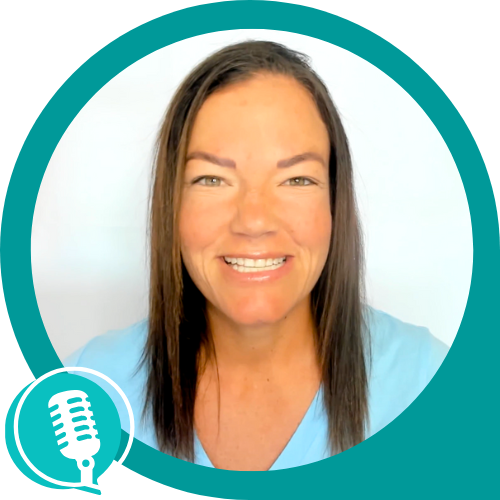
Kristi Kandel
Developer | Mentor | Co-Host of the LRED Podcast
Kristi is a real estate developer with nearly 20 years of experience and over $450M in projects across the U.S. Today, she focuses on helping locals step into development and build in their own communities.
She’s the founder of I&D Consulting, Local Real Estate Developers (LRED), and co-founder of Elevate, a community-driven sports and wellness concept.
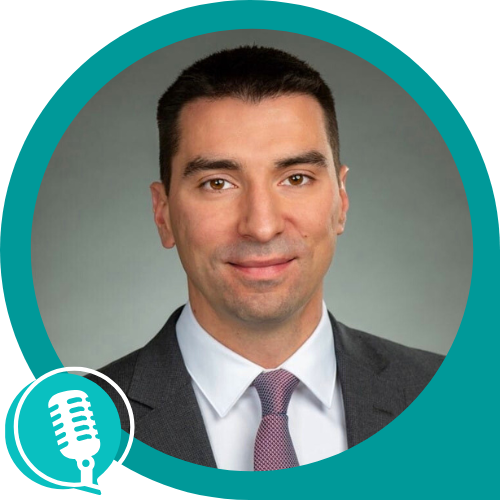
Raphael Collazo
Commercial broker | Author | Co-Host of the LRED Podcast
Raphael specializes in retail and industrial properties, bringing a problem-solving mindset from his background in engineering and software. As a commercial real estate advisor and developer based in Louisville, Kentucky, he works directly with investors, tenants, and cities, bringing a real-world view of how deals come together.
🔗 Related Episodes
How to Become a Local Developer: Katie Neason on Infill and Taking the First Small Bet | EP#29
A great companion episode on local infill, city relationships, and taking practical first steps in development.
How to Start Real Estate Development: Steph Weber Bought the Land First and Built the Plan Later | EP #41
A real look at taking your first development deal from idea to execution without having everything figured out.
Small-Scale Development: How She Left Her Corporate Career and Built a Tiny Home Village | EP #39
Another path from traditional career to building a community-driven development project.
About the Guest
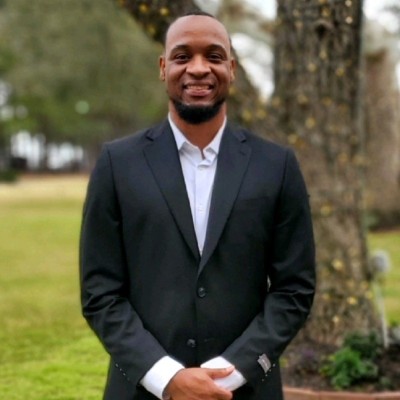
Garland Harris is a Houston-based designer, developer, and educator focused on missing middle housing and neighborhood-scale development. Through Middle Housing Design Co., he helps create modern, cost-efficient housing that supports long-term community growth. He also shares what he is learning through courses, coaching, and his content platforms.
Connect with Garland
🌐 Website: https://middlehousingdesign.com/
📸 Instagram: https://www.instagram.com/neighborhooddeveloper/
💼 LinkedIn: https://www.linkedin.com/in/garland-harris-jr-18b10848/
Full Transcript
Local Real Estate Developers (00:00)
This is the local real estate developer podcast. I'm your co-host, Kristi Kandel, and I'm joined today with my co-host, Raphael. How are you doing?
Raphael Collazo (00:09)
great it's beautiful day outside and ⁓ we're getting right up in the main which is kinda crazy can't believe it's
Local Real Estate Developers (00:16)
Yeah,
the first part of the year just flew by. Well, on that note, so today we have a special guest, Garland Harris Jr., who is joining us. I met him through the social media, I think it was Instagram, and we connected. And he has quite the story to share of where he started with his background in architecture and then in housing development and what he's doing now. So let's go ahead and bring Garland in. How are you doing today?
Garland Harris Jr (00:45)
How you doing guys? Thank you for having me on.
Local Real Estate Developers (00:48)
Yeah.
Raphael Collazo (00:49)
Absolutely.
Yeah, no, we're excited to have you. So, you know, as part of the, the, the first part of the interview, we like to ask a little bit about the background of the individuals we're talking to. So if you don't mind kind of sharing a little bit about your backstory and maybe how, what inspired you to get into local development.
Garland Harris Jr (01:05)
Yeah, so I knew I wanted to be in the field of architecture ever since I was like in the seventh grade. That's when I met my first like actual architect and my daddy ran a mobile detailing business. So he had a client in the Galleria area.
who had an office in the Galleria overlooking the Galleria and one of the towers and I walked in with my dad one day to get the keys. was in like, don't know, seventh grade, that's what, like 11 or 12, something like that. And I saw these like pictures of like renderings on the wall, like hand-drawn sketches and stuff. And I was just like, hey man, what do you do for a living? And the guy was like.
I'm an architect. I was like, what's an architect? He was like, basically I get paid to draw for a living. I was like, man, you mean I can get paid for something I get in trouble with at school every day? I won't do that. So ended up, so that became like my fascination. I'm going to mute this computer for a second because it's super loud right now. But that became like my fascination for the, for the next, you know, just pretty much all of my life.
In the 11th grade, I got to watch a grassy field near my house turn into a full master plan community and that's what sparked my interest in development because I thought it was a quick way for me to make a lot of money and Have a bunch of fine women on my arm. That's all I wanted at 18 years old. Okay so I ended up going to college at purview playing football up there and studying architecture, which was extremely tough and I graduated with a master's in architecture
Raphael Collazo (02:32)
you
Garland Harris Jr (02:46)
I'm gonna start with a bachelor's in architecture and a master's in community development, but I got out of school doing like the height of the housing crash. So it's hard to find a job. I ended up working for a landscape contractor, counting plants. That was my first boring job. Then I ended up ⁓ signing on with an architecture firm who was doing townhouse development. And ⁓ that's where I...
That's where I got my first like taste of development and things like that. I ⁓ created this ADU for a project that we were working on and the client loved it. And then two days later they came in and stripped the design down and I asked the principal of the firm. was like, why did they do that? He was like, ⁓ they probably went and priced it. So it was too expensive and decided to scale back on it. And that's when I realized that they lied to me in architecture school.
architects don't control design, developers do. And that's what sparked my interest into development. And I saw it as an opportunity to rebuild neighborhoods because that was a mission that was very close to my heart that I feel like the Lord gave me. And we started in 2019 with ⁓ a project in a neighborhood that I now live in. And we just kept going ever since.
Raphael Collazo (04:13)
It's kind of interesting to hear your take on the way that you got inspired to get into really the real estate space through architecture. Again, I feel like for different people, you know, it's a different ⁓ ride into the industry. I know for me, I was in the engineering space for a while and had nothing to do with real estate. had no idea about what real estate could potentially offer. And it just so
it's just kind of an happenstance. I started doing research into, you know, different career paths, ⁓ kind of like five or six years into my working career. And I just found that there's an option to be able to help people on the commercial real estate side. And so that was, that's what brought me into brokerage and ultimately now investment and, hopefully into development as well. So there's different paths that people follow. And, you know, in your case, you had an interest in architecture, worked for an architect for a while.
And then realize through that experience that, you know, although architecture is a piece of that, you know, the developer is the one who has to kind of put it all together and ultimately make the project work out. So you were able to kind of make that jump into that space. That's pretty cool.
Garland Harris Jr (05:21)
for sure.
Local Real Estate Developers (05:24)
So when you had seen that and clearly as an architect and they strip out your design and I've been that developer stripping down designs and doing the value engineering and going, man, this is just a sidebar. I've worked with so many architects and when I talked to them and especially for national retail tenants who have the big box, they have their prototype, the creativity is gone. And they're like, the whole reason I got this degree, I don't even get a big creative. I'm just, you know, making it apply to code in these places.
When you saw that and you knew that wasn't for you, but then you were like, wait, I want to be the developer. What did that crossover look like? How did you take that leap to going, okay, well, I've got this safe W2 here. How did you get into your first development deal and take that leap?
Garland Harris Jr (06:12)
Yeah, so ⁓ that was not my only job. ⁓ So since then, so yeah, like I said, I worked for the landscape contractor. Then I worked for the architecture firm or the residential design firm. That's really what they classify themselves as. Then I worked for a national production home builder. Then I worked for like smaller firms that were doing like beach houses.
Then I was a road tour for about two years. Then I ended up broke for a little bit. So then I ended up working for the Houston Astros doing field security, which was fun because that's how I fell in love with baseball. Cause I would always tell my friends, man, you couldn't pay me to watch baseball. There's somebody to watch baseball and I fell in love with it. So after that, I ended up working for a semi custom home builder.
Local Real Estate Developers (06:58)
Do it.
Garland Harris Jr (07:09)
So not full custom, but not full production. ⁓ And then that was my last job before I actually got full time into running my own design firm. So I've had a ton of jobs. So that journey was a lot of ups and downs. Okay, so. ⁓
Local Real Estate Developers (07:24)
You mean it wasn't a straight
shot? said, I want to be a developer and then the skies opened up and it perfect, perfect clean path.
Garland Harris Jr (07:28)
⁓ yeah, I
not worked that way, not at all. Like ⁓ I said, I was broke like in 2016, 2017, because I left that production builder, that big corporate job with good paying benefits to try to be a developer and failed. ⁓ So I got my real estate license, tried my hand at selling real estate. ⁓ I had a few successes here and there, but you know.
I have lot of respect for people who are great at that because I wasn't that great at that. ⁓ But the first project we did was one of my friends, she had bought the land and she had bought me this, she bought me the land and she had this idea for what she wanted to do.
At the time, we didn't know that you needed to understand all of the city's rules behind what they allow you to do versus what you want to do. So we submitted a project. got rejected. We were crushed, but we didn't give up. We went back, learned our rules, found a way to successfully do the project, got it done. When we built that one, then the neighbor behind us who owned the other 10,000 square foot lot loved the project, sold her the lot. We repeated the project.
And then we just started doing other things. We started doing some flips and then we started building some duplexes. Then we started building some townhouses and it kind of just the design firm grew with the development firm. And it became a way ⁓ for us, number one, to prove that building modern homes, is what we do a lot of, was not as expensive as a lot of guys told me it was. So that was one of the other things too that intrigued me.
I would see people building in the neighborhoods that we're building in now, but all of the homes they built were basically basic. ⁓ So we were like, I would always ask the guys, how come you don't build something that's more, you know, contemporary or modern? And they would always be like, ⁓ well, you know, that stuff's expensive. And I'm like, it doesn't have to be. So we figured out a way to build stuff that looked cool, ⁓ that was creative.
but still was cost efficient for us on the build side. ⁓ So one of the main things that we, I call it budget modern. That's what I call it. You know, we do a lot of things like people think that a lot of our projects have flat roofs. They don't. We just have a parapet wall and there's a roof behind it. You just can't see it. That's the whole point. ⁓ We use all stock window sizes. We don't play with any custom window sizes at all. If we can't go pick it up at Home Depot, we not gonna use it. ⁓
And not to say that we buy from Home Depot, we don't. well, I'll take that back. We have, when we've had stuff stolen off a site. we did it. One time we had 20 windows stolen from us the day after we got them delivered.
Local Real Estate Developers (10:22)
Ha
Garland Harris Jr (10:28)
So we went over to Home Depot and just picked up replacements instead of calling in the insurance. But yeah, we that journey to get there, there was a lot to learn. There was a lot of bumped heads. There was a lot of costly mistakes. There were a lot of things that we. There just wasn't people out there to help us, so that's one of the reasons why we offer.
like coaching programs and courses. I'm actually doing a course this weekend on how to read plans because I get tired of going out to job sites and seeing stuff built wrong. I'm like, did you not look at the plans? Like, I don't know how to read those. How you build it?
Local Real Estate Developers (11:08)
Now I looked at them, I didn't know how to read what I was seeing.
Garland Harris Jr (11:14)
What's wrong with you? So yeah, that's kind of like, I guess the journey in a nutshell. wanted to, like our tagline is making places beautiful. So we wanted to build stuff that in neighborhoods that people didn't think nice houses should go in. We wanted to build stuff that was nice, but it didn't cost 1.5 million when we were done with it. Not to say there's nothing wrong with building $1.5 million homes. I got a friend in Dallas who does that.
Raphael Collazo (11:38)
Definitely.
Yeah.
Yeah. And it just serves a different market, but the market that you're trying to serve is one that that would just not be approachable for. But again, you're able to serve that community great greatly. And obviously it's made an impact ⁓ in a big way. So one thing I was kind of curious about was during that first project that you took on, what were some of the challenges that you face? You kind of alluded to one, which is a big one for a lot of people is the entitlement side. So just confirming that you can actually do certain things or if in fact your design.
is not in line with what the expectations are for the property. How do you go about getting the proper approvals and everything from the city to make sure that you can do it? Were there any other challenges you faced in particular when it came to the actual construction piece?
Garland Harris Jr (12:26)
Funding's always a challenge. We didn't have any comps. So, you know, it was a challenge to get a lot of these projects in the beginning funded. We talked about learning the rules for the city. So now we're experts. Like just yesterday I was on the phone with, on a call with the permitting department.
and I offered to come in and train some of their people. I was like, I know your rules better than you guys, like your own employees. I was like, I'd come in and train them. And he was like, yeah. I was like, but not for free. Y'all got to pay me. I don't do any. I'm not a whole put of slaves. I do not work for free at all. So they didn't like that part. I was like, well, maybe we can work something out. You know what I'm saying? We'll figure it out. So yeah, we became experts in the rules. You know, we read.
In the city of Houston, their rules are pretty much all contained in chapter 42 So we're an expert in those rules. We're expert in the parking rules We're an expert in the infrastructure design manual, which is like 600 pages I haven't read all 600, but I probably read about a third of it so we we got to the point where if We know everything we could prevent us from having those challenges again some of the other things ⁓
And ⁓ deed restrictions are big in Texas. ⁓ They supersede city rules. So if a property is deed restricted, we can't do whatever we want to do on it. So that was another hurdle and lesson that we learned not just from that project, but from other projects when we were starting to try to scale a little bit. ⁓ We also learned that ⁓ all lots are not created equal. ⁓
We learn things like the city has right-of-way whips that they want to maintain, and so that sometimes ends up with you losing land and a right-of-way dedication. Or ⁓ certain streets.
Local Real Estate Developers (14:25)
And just for
to do, do you want to break down the right away and what that means with the different roads and ultimate widths and things?
Garland Harris Jr (14:30)
yeah.
Yeah, so right away, so you have your street and then you have the property that the city owns. So most people think it's just the street, but.
There's the little grass and the sidewalks, any drainage ditches or anything like that. The city owns all of that too. So they call that their right of way width, which is always bigger than what the actual street is. So in the city of Houston, our minimum right of way width is 50 feet. If there's commercial on the street, then it's 60.
In other cities, it's a lot easier for you to know if there's commercial on the street, but in a city that doesn't have zoning, there's no way for us to know whether or not there's commercial on the street or not because we don't know what Joe Blow built up the street 30 years ago. ⁓ So that becomes a challenge for us at times. So now...
We have an entire due diligence process that we go through before we even close on lots. We offer it to our design clients too. Some of them, they can get a little frustrated. I'm like, listen, would you rather spend a boatload of money, find out that you can't do the project later, or would you rather spend a little bit of money upfront, do the time and the research that you need to determine whether or not you can do what you want to do? know, case in point, I had a guy reach out to me yesterday,
city cracked down on ⁓ duplexes being built in areas that were restricted. So there's areas where the deed restrictions will say no duplexes at all.
before the permitting department didn't stop those unless somebody in the neighborhood called them in. Which means you were already under construction and the last thing you want to do is get stopped in the middle of construction and ⁓ we've taken over projects from other firms that have had that happen. And so ⁓ I had a guy that sent me a lot and he was like, I was like, hey man, your deed restrictions say that you can't build a duplex. And he's like, well there's a duplex built like ⁓
10 houses down from me. went and I looked and I was like, yeah, that was built like four years ago. So it was like, you know, we had a new mayor come in two years ago. That mayor said, we're not going to allow these anymore because we get in trouble with the state if we allow stuff that violates the restrictions. And so he was, you know, upset, you know, rightly, but I was like, hey, man, this is out of our hands. So it's just little things like that that we learned to always do our due diligence, because those are mistakes that we made.
Local Real Estate Developers (17:03)
What do you find you're doing for due diligence on housing projects? ⁓ Like a general list of, we always want to check these and clearly each site will be a little bit different.
Garland Harris Jr (17:03)
We'll be
Surveys, ⁓ we never buy a property without a survey. That's my number one rule, because that came from a painful lesson. We bought a property at auction one time, ⁓ and ⁓ it was a flip. And we modeled the house, and when we got ready to sell it, we found out that ⁓ our fence was encroaching on our neighbor's property by like five feet.
and we couldn't move the fence because then we wouldn't have three feet off the face of our meter to meet the city rules. So we had to go and buy the five feet from the neighbor next door. ⁓ So that became our number one rule. Never, ever, ever buy a property without a survey. And it has saved us a million times. we're going to check surveys. We're going to check title reports to see if there's any restrictions. ⁓ We're going to check utility.
⁓ maps to see if we have access to sewer and water even though we're building in the city you might not have a sewer line there because they might not have ever built it and we had that happen recently on a project we didn't check it during the due diligence period but it worked out well for us because there there's sewer lines on the cross streets from us but there's not one in front of the property
So we just went to the neighbor next door, offered them a thousand dollars to get an easement so that we connect to the sewer line that's running behind their property. ⁓ So luckily we were able to get ahead of that upfront. But yeah, checking utility maps. ⁓
Raphael Collazo (18:35)
.
Garland Harris Jr (18:48)
checking for easements, checking building lines, checking flood maps to make sure it's not in the flood zone. Our city has crazy flood rules. They want us to elevate above the 500 year floodplain. Most cities only want you to elevate above the 100 year. After Harvey and all of the flooding that Harvey caused, they decided, well, we're going to make it 500 year now over the 100 year.
And ⁓ that has led to some projects being extremely tall. We have one, the tallest one we've done so far is 10 feet. It 10 feet off the ground. Yeah. So basically you just walk underneath the house with no problem. Yeah.
Local Real Estate Developers (19:24)
Yeah. Yeah. I live in
Florida where Hurricane Ian nailed us. They just wiped us out in 2022. And I was just riding my bike the other day and every single new build now, especially if it's in what we have the VE zone, it's, the most likely to flood zone. But they're elevated to 14 feet and some are going up to 20 feet. And it just, you're like, Oh, the house starts way up there. You need an elevator just to get in. But.
Having been through multiple, a couple more hurricanes last year, if you're the homeowner, you're very grateful that you still have property left and you just have some cleanup afterwards.
Garland Harris Jr (20:02)
Yeah, yeah. So flood zones are always, and then the city has other, like, requiring drainage plans for everything in the flood zone. So that adds more time to the project. we always, like, well, I have a lot of new developers and they want to go buy stuff in the flood zone because the lot's cheap. And I'm like, yeah, it's cheap for a reason. And they're like, oh yeah. So I heard on Instagram, somebody told me I could buy the lot.
and I could be building in two weeks. Where? Not in Houston. I'm like, the fastest we've been able to get permits on projects is two months. That is the fastest we've been able to get stuff done. And that's for if we're just building one house or one duplex. If we're replating anything or if we're doing one of the other new sections of the code that the city has offered up that now allows us to build triplexes and fourplexes or.
Raphael Collazo (20:33)
Mm.
Garland Harris Jr (20:53)
our tiny house community, the courtyard project that we're building, all of that stuff takes longer. So, you know, I'll have people that come in with unrealistic expectations. I'm like, this is not flipping. You don't buy a house today and start working on it tomorrow. Even in flipping, you don't do that. You buy the house. You still got to go through permits, especially all the stuff you see on HGTV. I'm like, oh, yeah, we started the next day. That is not true. That is not how that work. So, yeah, it's the same thing in new construction, guys. Oh, yeah.
about a lot. You think I could be building by next month? Hell no. What are you thinking? No sir. We just gotta design your plans. I'm like we gotta go through engineering, then we gotta go sit in permitting. We gotta fight with them about sidewalks. I'm not not a fan of building sidewalks. I think it's the city's responsibility but that's a whole nother argument.
Raphael Collazo (21:43)
They try to push off.
Yeah, they try to push off a lot onto the developer. So I get it.
Garland Harris Jr (21:47)
⁓ yeah, we were talking about that
last night with some city officials about the drainage requirements that our city has.
And I'm like, you guys are requiring us to do all this stuff and you want homeowners to maintain it. You want them to maintain pumps on the ground. I'm like, they don't even change their air filters. You think they're going to maintain a pump they can't see? That's a pump. These pumps will be like, we had one project where they wanted us to install a lift station. A pump alone was $25,000. I was like, come on, man. That doesn't even make any sense. Like, y'all got to give me a different option.
Raphael Collazo (22:20)
Yeah. No, you're right. A hundred percent. But also to your point regarding people who are starting to get in development, and I'm pretty green when it comes to development, but I'm starting to get more into it. My background's in commercial brokerage and I've just started to buy some properties and we're looking to do some development projects. But just through people that I've interacted with that are interested in getting into development,
There's this, these misconceptions about, you know, the timeline that you can get a development up and running. A lot of people don't factor in soft costs into their analysis. So they'll just be like, yeah, well it costs me a hundred dollars a square foot to build, but they don't think about the engineering work. They don't think about the architects, MEP. They don't think about, you know, all the permitting and any other process you have to go through with the city that maybe you have to involve an attorney with, like it create, it can add a significant amount of costs. remember
For one project that we did, we had to rezone the property and just the cost to rezone was probably like 20 or 30,000. With all the different people we had to involve to be able to present a development plan that the city would approve. And that's even before closing on the property. So if that didn't go the way we were hoping it would go, then we would be out of pocket on that amount. it's, it's, you know, obviously it's, it's a lot different than what people probably perceive from day one.
Garland Harris Jr (23:33)
Yeah. yeah. I know
for sure I have people who will come in and they'll be like, yeah, the bank will fund my plans and permits. I'm just like, they're not, they're lying to you. Most of them, they're going to reimburse you. And they're like, what do mean? I'm like, they're going to make you pay for all of it upfront. And if you have permits, then they'll give you a loan and they'll just reimburse you everything on the backend. You still need that money upfront.
Yeah, so I and you know the the amount of people I've run into who think that they can do development with no money down is astounding to me because I Always tell them there's two reasons why neighborhoods don't get developed The people who see the value in it don't have the money to invest in it The people who have the money to invest in it don't see the value in it The equation is you need people who see the value and people who have the money
Raphael Collazo (23:59)
Mm-hmm.
Garland Harris Jr (24:25)
If you don't have those two things, you don't see projects getting done. I always tell people, say, if you could do a development with no money down, we would not have vacant houses in any of our neighborhoods. Cause anybody off the street could just walk up and just say, I'm gonna put this property under contract and the bank's gonna give me everything I need to get it done. And yada yada yada. It's like, that's not how it works. And so a lot of people don't factor in.
all of that soft cost that comes into a project like our last project, well our current project, I have to go back and look at the spreadsheet, but I think we're at like 50 grand on our soft costs to build a fourplex. So this is all out of pocket. This is not anything, the bank hasn't even came into play yet. Well, they're coming into play right now, but they even come into play yet. I don't know what that is. They just started.
Local Real Estate Developers (25:16)
So maybe
to that extent, because you were saying on your first property with the getting the funding because you were one of the first to the neighborhood and the first one doing it. How did you guys go about financing that? Was that hard money? Did you get a construction loan or what did that look like in the early days?
Garland Harris Jr (25:35)
So like our first...
So my friend, her family, they all funded that first project. So they basically did it with cash. Me and one of my other friends, when we built a duplex, ⁓ it was like right at the beginning of the pandemic. So we actually had cops in the area. ⁓
It was like one or two comps. But what happened was the comps were at like 280 for a duplex, which is what we had projected when we bought the lot. But then construction prices shot up because of the pandemic. So then we were like, we're arguing with the bank back and forth because we're like, hey, 280 is not going to be our number. We're going to be at like 340. And they were like, oh, no, no one's buying anything at that price point, yada, yada, yada.
By the time we finished the project, we sold each duplex for 360, way old above the original 280. But we didn't make like, it wasn't like we made more money, because it cost us more to do the project with the construction costs. I think when we bought the lot, we budgeted our construction cost to be at $85 a square foot, it ballooned to 105. So yeah, like those little things that come into play, but.
Like our tiny house project, since there's no cops for it, ⁓ because technically those units aren't, you know, at a price point. Technically, they're at a price point where they would sell for, pull my calculator up. think it's like, ⁓ so it's 250 divided by 9.55. So they'll sell for like 261 a square foot, which is way higher.
than anything in the area. I think anything in the area is like around 180, 190 square foot right now. So the first two tiny houses are funded with cash. The next nine will now have a lender in place because we now have a comp for it. We actually already have offers on the units. ⁓
So once those close, now have comps that we've set in the area that we can go off of and use for other projects. So it's same thing like building our triplex's and quads. Nobody's built a triplex or a quad in the Houston area in like 40 years because our rules didn't allow us to. They just made it extreme. They didn't specifically say you couldn't. They just made it so hard that it made it difficult. So the city made it easier. ⁓ And now, you know, that was the biggest thing.
these things because how do we get comps and we kind of created our own comps and kind of fed them to appraisers and they gave us the values that we wanted which was like six well around six hundred thousand for triplexes and around eight hundred thousand for fourplexes and you know some guys oh you should have went for hire like no maybe all we need to do is set the comps get the project out there
and we want them at numbers that work for house hackers. ⁓ So if they're in there making money, they're going to tell their friends and then they're going to buy more of these from us. So more of them will get billed and then the prices will go up. But we don't want to go too much because then the rental rates won't work. ⁓ So yeah, the main thing that I would tell anyone, you need money to do development. And if you're in an area where you don't have comps, you're
you're probably going to have a tough time getting lending. it would be best to ⁓ number one, try to set your pricing at a really aggressive price. So if you're in a luxury market, you can just set the price high and build something that's super nice and then hope that somebody comes in and buys it.
I don't like playing in that market because that's a lot of money to play with. So at our end, we try to set the price as low as we can. So the tiny houses, 250, that was lower than anything else in the area. A lot of our duplexes, we try to be in the high threes to low fours or mid fours.
I feel like five over once you get over five, six hundred thousand, that's way too much money in our area. You need you know, you need grants that are over three thousand dollars a month in some of the areas that we're building in and they're not there. They're like two thousand dollars a month. So three to four hundred thousand works. But yeah, it's kind of the strategy where it's like, OK, what are we doing on the back end with our pricing? And then how can we fund this with cash? You know, and that might equate to us just building
the smallest thing that makes sense in the market. So there's a low risk, know, high reward project. And when it sells, then we're like, all right, cool. Then we can start pushing the boundary a little bit.
Raphael Collazo (30:19)
Yeah, that's, that's a great point because to your point, whenever you're moving into an area where you don't have the comps to justify whatever project you're trying to take on, it's going to be a huge challenge from a lending perspective to get the funding you need. So, you know, taking on a project that is manageable with the cash that you have available in your network. So maybe you could raise the money from private means or, know, you have a team member who fronts the cash and you, you provide the brain power and the execution.
as a good starting point. then once you've kind of done this project, this type of project once or twice, now you kind of set the market. So you drive the growth in that, in that corridor, which is great. I mean, that that's a market mover right there. So.
Garland Harris Jr (30:57)
Yup.
is what has happened in lot of neighborhoods. We've if if we were the first or if someone else was the first like the area that we built our duplexes in there's one of our one of our one of our other developed ways.
Raphael Collazo (31:07)
.
Garland Harris Jr (31:17)
But he's one of our friends, let's put it that way. So we were the first two building in that area, you know? So our duplexes all went like in the twos and threes, but now in that area, duplexes go in like in between four to 600,000. And now there's a bunch of guys over there building, but they're buying their land at like twice what we bought ours at. Like we bought a 9,000 square foot lot for 55,000 in 2019 and built two duplexes on it.
lots in the area around the same size for over $120,000 now. It's the same thing like one neighborhood that we've been in for a long time, Fifth Ward. The first lot we bought over there, which happened to be stolen, we didn't know until after we closed, we bought it for $30,000. The last lot we bought over there last year that we're building our fourplex on, we bought that one for $135,000. So you see how much the values have went up.
in that area, you know, and a lot of times we're the first things in those areas. Like we're the first fourplex in that area. ⁓ One of my clients, we designed a duplex for him down the street from where we're building our fourplex. He was the first duplex in the area. He sold in like five days at five hundred twenty five thousand dollars. And when he put it on the market.
You know, I gave a strategy. was like, OK, 525 is what you want. Put it on the market with the renderings. And then see if you get a bite.
So what he did was he waited until he had finished. He put it on the market and he got a contract in five days. So we were shocked. I was like, man, somebody willing to pay $525 over here? Man, let's find some more land. So it just depends on the area. And then the other main thing is we also are bullish on our locations. A lot of our neighborhoods that we pick, they're close to downtown.
or they're close to the Texas Medical Center, which if you don't know anything about the Houston area, we have the largest medical center in the world. ⁓ And it's expanding. So the largest medical center is getting bigger. So ⁓ it's a collection of not just hospitals, it's research centers, it's schools, it's all kinds of different things they got going on down there. It looks like another downtown with all of their high-
Yeah, so always joke with people and tell them Houston has like five downtowns because you got the actual downtown Then you got the Galleria with all their skyscrapers. Then you have down a medical center with all their skyscrapers. Yeah
the energy corridor, they got a bunch of skyscrapers out there and that was like far out. Like that was in the suburbs. You'll just be driving down I-10 and then all of a sudden you just see a bunch of skyscrapers. You're like, where the hell am I? Is this downtown? No, downtown is 30 minutes that way. So yeah, with that.
Coming into those areas, you know, and setting those markets is a challenge, but we're we believe that we're not just going out and buying land in random places and saying, we're going to build some duplexes here and sell them for this amount of money.
No, we're like, OK, this area is close to the medical center. We think people want to live in this area because they work in this facility or they're getting treatment at this facility. So they want to come and stay here, you know, in Airbnbs or something like that. Or we're close to U of H, who has done ⁓ a massive expansion of their campus, ⁓ which is right next to downtown Houston. So we have all of those things that play for us like the Fifth Ward. There's a massive project being built out there called
the East River Project. It's owned by a company called Midway. Midway is the developer of the city center, which is all the way on the west side of Houston, which is one of the most successful mixed use developments in the country. It might be one of the most successful in the world, I don't know, but architects from around the world, urban planners, they all come down and study this development. And that same company owns 120 acres in Fifth Ward.
and built a golf course already with downtown views and they got this massive mixed use project that they're working on. So my little lot in Fifth Ward is five minutes away from their golf course. So I'm like, oh yeah, okay, we're gonna build a fourplex here and we're gonna sit on it for five years. We're gonna wait for them to finish up their project because I know my fourplex that's worth probably 900 to $950,000 today will be worth about 1.3 million in five years.
So there's little things like that that we track these things with the business journals. So that's a great tip for people. You need to sign up for the business journal, pay for a subscription.
You don't have to pay for the nationwide one, but you could pay for the one that's local because the business journal is going to tell you about everything that's going on in the city. ⁓ So that's how we found out about the East River project. We knew about it back in 2012. So we were buying land back then ⁓ in the area. We were already scouting stuff out because we knew that there was a massive project coming into the area. So the four dollars helps.
Raphael Collazo (36:30)
Well, yeah, you, you, you, you, it's the path of progress, right? You see these, these economic drivers moving into an area and you say, huh, it's probably a good idea to buy something in that path. So over time, as things start to change, you're obviously going to benefit from that growth. And that's a great point regarding the business journals. I, I'm a big advocate for reading local business journals or newspapers that advocate, ⁓ business stuff. I also like to advocate to on the, on the permitting side.
We have like a back and Louisville. don't know if it's the same in Houston, but you, you have to, when you file permits with the city in particular, when it talks about like facade changes or, or new construction, they'll usually have a portal that you can access that just, that shows like the permits that are being filed. So sometimes you can see.
Garland Harris Jr (37:13)
So, probably search.
Raphael Collazo (37:15)
Yeah, the permit search. yeah, so sometimes
you just, I just dig through that in an area that I'm interested in and I'll say, Oh, look, there's a commercial renovation happening. I wonder what that is. You know, so like you start just getting some insider information because people aren't willing to do the research and you say, Oh, okay. Well, maybe, maybe there's some more, maybe there's some more to this area that because of the fact you see all these different moving pieces, you know, the zoning too, if you see a strip of seven properties being rezoned in a small area, you're like, huh, I wonder why, you know,
Garland Harris Jr (37:23)
Mm-hmm.
Well,
zoning goes further than that. The thing that's coming nationwide is a massive ⁓ changes to the International Residential Building Code. The International Residential Building Code, which pretty much every city either follows or takes it and adopts it as their own. Like North Carolina.
Raphael Collazo (37:44)
Hmm.
Garland Harris Jr (38:06)
basically took the International Residential Building Code and they create their own version called the North Carolina Residential Code, NCRC. I know this because I have tons of projects out ⁓ there. So there's massive changes that have already happened in several cities that we're actually leading a change in Houston to do it too, where cities are going in and changing the IRC or their residential code from covering one to two family and expanding it to more units.
So North Carolina expanded theirs to four. ⁓ Memphis, Tennessee expanded theirs for an elective code so cities can opt into it. But they expanded it to one to six, I believe. Oregon expanded theirs to one to four. Dallas, Texas just expanded theirs this past weekend to one to eight.
So that's another thing to pay attention to because now you're going to have lots that might have been zoned for single-family that cities are going to allow you to up zone it to build say a fourplex. So now that lot becomes instantly more valuable. Case in point, the lot that I've been talking about that we're the fourplex on at $135,000, it doesn't make sense for me to buy it and build townhouses on it because it's too expensive. But
and $135,000 for me to build a fourplex on, it makes sense because the value that I can get out of that fourplex is more than what I can get out of the, well, I take that back. It does actually work for us with build three townhouses on it too. Cause the townhouses we could probably sell them for like 400,000. So.
that end up with a total project, they'll end up with total sales of probably around 1.6 million on all three townhouses if we sold them individually. So it still works. But now you have guys who are, you know, I tell all my clients, I'm like, those of us who are buying land and planning to build these other sections that the city has created that these other guys haven't caught on to because the ordinance is extremely complicated, ⁓ which is an advantage. I was like, we're getting our land at prices that are going to be cheaper
than what these other guys are gonna be getting theirs. Because by the time they catch on, those land prices will start to creep up and they'll be like, man, how did you guys make?
Local Real Estate Developers (40:14)
Mm-hmm.
Do you know what year
that the residential building code will be across the board that people will adopt or is it out and then it'll take every jurisdiction years to?
Garland Harris Jr (40:32)
Yeah, it's always handled at the state and the local level. So it's nothing federal. I mean, if the federal government stepped in and came up with a mandate.
I'd be surprised. doubt that they'll get that. It's all handled at the state and the local level. So like, we're not even going to go to the state of Texas and try to get them to change it. Because we don't think we have an opportunity with them. We think we have our best chance with the city council in just presenting to them. Really our main barrier is just the fire marshal. That's the one person that we have to get on our, well, fire marshal and public works, but public works, sometimes I question like,
those people jobs that is, but we'll get to that later. It's like, you shouldn't even be employed. Okay.
Raphael Collazo (41:20)
You got to
worry. got to worry about capacity. That's important. They want to make sure they can support the load. I'm just kidding. Yeah. Yeah. But, you're to your point, but yeah, it's into your point too. Sorry to interrupt you. I, you know, regarding, you know, the local level and the impact of the municipality on what projects can be undertaken. You know, I know in our, I've talked about this on other podcasts at our local level.
Garland Harris Jr (41:27)
Yeah, yeah, maybe that's what it is. So yeah, but yeah, that's one of the tips that I would look at.
Raphael Collazo (41:49)
We recently had an ordinance that passed that allows for additional dwelling units to be developed on historically single family home lots. It wasn't the case. Along with that, they had issued a kind of a blueprint for three additional dwelling unit designs that you could just take the plans and then give it to a contractor and they can build it. And that's up to code from, you know, an approved will be approved by the city. So saves you five, 10, 15, whatever that number is.
in soft costs associated with that design piece. So, you know, the cities oftentimes will want to incentivize certain types of development in town. And if you know your local Metro council person, and you can get into some of those meetings and get an understand and get, get a feel for, you know, what's most important. Cause again, you can kind of get a feel over time. What Metro council wants to see what residents want to see. And then ultimately you can maybe benefit from that, from that information. So.
Garland Harris Jr (42:45)
some of it isn't residents, some of it is just what the cities are like saying. So I'll say too, the larger cities make it lot easier to figure out what they want because they...
They publish everything online and then on top of that, are most of their meetings are now held virtually. So you can go to those meetings and you don't even have to physically attend the smaller cities. It might they might not be as advanced. So you might have to actually go and know somebody. But I mean, most of the stuff that we learn, we just read ordinances. It's like, OK, cool. We can do this. Cool. And then we just submitted the projects. And then from there, I argued with them because we were the first to submit a lot of these projects.
city didn't have their rules figured out. I mean, they're arguing with them like their parking rules, they like our fourplexes and triplexes, they were trying to apply to commercial parking rules. So I had to go in there and argue with them. I was like, if the the infrastructure design manual classifies my driveway as a residential driveway and gives me the residential driveway sizes, why are you giving me the commercial parking sizes? And then they were looking at it they're like, okay, you're right. I'm like, come on, man, common sense.
Local Real Estate Developers (43:52)
Well, and that's a big thing when it comes to when you're working with, whether it's ⁓ during entitlements and zoning or whether it's during permitting is knowing that you can push back on the local jurisdiction to go, hey, this doesn't quite make sense. Maybe there's a different way to go about doing it. ⁓ We do also joke in this business that common sense is not common. ⁓ But ⁓ you can push back. just because the city does give you something back,
Garland Harris Jr (44:20)
Thank
you.
Local Real Estate Developers (44:21)
Definitely ask
why. There's been so many times that we get to the bottom of what was your initial why? Like why is this code here in the first place? What was it solving? Great, we're not gonna solve it that way. We're gonna solve it this way. And then that gives the city cover to say, yeah, we can make this deviation a variance because you're doing the intent of the code too.
Garland Harris Jr (44:41)
Oof. Ooh, she said the V word. That's a bad word. I have so many people that be like, yeah, I'm like, okay, well, they won't allow that. Well, can we file a variance? No, it's not how variances work. ⁓ People think that a variance will just allow them to do what they want. I was like, no, that's not how it works. You have to show cause for why, and you have to have a compelling case, and then there's no...
Local Real Estate Developers (44:44)
Hahaha!
you're putting together a whole argument
there.
Garland Harris Jr (45:10)
Yeah,
Raphael Collazo (45:10)
Yeah, waivers and variances.
Garland Harris Jr (45:10)
yeah, so we had a project in another city, Rosenberg. ⁓
It's a small suburb outside of Houston. I hate Rosenberg. Their permitting is terrible. ⁓ So there's a couple of small cities around the Houston area where their permitting is pretty good. But this one, they're it. Whoever they got, they'd be better off run by toddlers, but it is what it is. Anyway, we had a 30 foot wide lot and it was on a corner. So they have a five foot setback off the side and then they have a 15 foot setback off the street. So we
Raphael Collazo (45:31)
thing.
Garland Harris Jr (45:46)
went to them and asked for a variance and we said, hey, with the 15 foot setback off the street and the five foot setback off the adjacent property, I only have 10 feet of space left to build a house. And I can't build a house that's 10 feet wide and meet all of your requirements because I can't have a 10 foot deep garage. doesn't work.
So we were able to get a very, the street that we were on, we had 20 feet off of the property line to the actual pavement, because there was like a wide ditch there. And then the street dead end like a block down. So it was a very low traffic street. Like there was nothing else around it. So we were able to get that variance successfully approved because we were able to prove to them that, I can't build a 10 foot house here. And even if you reduce my building line,
to five feet I'm still 25 feet away from the edge of your pavement and they were like okay yeah that makes sense all right cool we'll approve it but we couldn't just come in and just say I know you guys have like a 30 foot height restriction but I want to build a three-story house so I'm gonna apply for a variance no that's not
Local Real Estate Developers (46:57)
You can,
you're just donating money to your architects and engineers in the city.
Garland Harris Jr (47:02)
Exactly, exactly. Yeah. So that's what that's the thing that I always tell people. I said, just because you apply for a variance doesn't mean you're going to get it. And the variance is in a, I guess, a pass to do whatever you want. You you're not you're an adult. You're not a child. You don't just get your way just because you scream and holler on the floor. That's not how this works. OK, you just stick in line with the rules and you'll be good to go.
Local Real Estate Developers (47:26)
You've dropped so many good technical nuggets in there and hinted around setting markets and redeveloping neighborhoods and whatnot. ⁓ One of things we like to ask is what does community-driven development mean to you in the sense of ⁓ the projects you're doing, the areas that you're in, the places that you're transforming, what does that mean to you?
Garland Harris Jr (47:52)
For one, even ⁓ though I didn't grow up in a lot of the neighborhoods that we're rebuilding, ⁓ we spent significant time in them. We know the history and the value of the communities. We know how much they're in desperate need of not just development, but development from people who actually have planted themselves in the community.
I see a lot of people who come and develop in these communities and they're just looking for a deal to build, make their money, get out of there. They don't care about what the development looks like. They don't care about.
You know how it affects the growth of the city or things like that. They're just like, I got this lot for a good price. I want to build this and be done with it. We try to put more thought in what we're doing. That's why we're, that's why we're so, that's why we, that's why I'm so, I would say me, that's why I'm not interested in building like say 600k duplexes in the area when I know that the rents don't work. Cause I don't want people to end up in foreclosure. So I'm like, okay, it would be best if we built them at this price point because the numbers
work at this price point. You we could build a triplex at this price point because the numbers work because for us, it's not just one lot. It's the entire community and we can show that. I mean, we can show that just by the fact that we have several projects that are like next door to each other. So it's like, yeah, we got this lot. We got that one. We got this one. We got this one. We built in here. We built in there. ⁓ You know, I had an engineer, one of my engineers sent me ⁓ an email and he was asking about a project on the street.
And I was like, uh, which one? He was like, what do mean, which one? I was like, we are like five projects on this street, bro. You gotta give me an address or some, a project number. He was like, oh, this one. I was like, okay, yeah. He was like, you got five projects on this street? I was like, yeah, we have a lot of projects on a lot of different streets. So for us, you know, when we say community focus, even though we're operating in several different neighborhoods, we have built up a network where we're all collaborating.
on the projects. We're sharing information with each other like
these triplexes and fourplexes that we're building, other guys that we know who are building them. We're sharing like, hey, I got my appraisal back at this. Where'd you get yours? I got mine at this. OK, cool. You know, and we're we're setting our pricing based off of what we know works for the area and not just what benefits our pockets. ⁓ And so, you know, again, there's nothing wrong with people who do that development as a business, as I tell people all the time. We are out to make money because we have to make money. If we don't make money, we don't have a business. Plain and simple. I don't get people that
that call people greedy and stuff like that, cause they making money. I'm like, they gotta make money. That's the only way our business survives. It's like if the business that you work for doesn't make money, you don't get paid. You see how that works? Like, so yeah, so for us now the next turn is we're trying to focus on the commercial.
because we know that there's enough rooftops being built. Even if we don't build any more rooftops, we know that there's enough people that we have inspired to come into the area and build more rooftops that now we can take advantage of their work and now come in and start playing with some of the commercial along these corridors. But we're finding that that also involves us going to the city and getting more rules changed because most cities do not have codes that allow small scale commercial.
They don't even, it's like a, so you know how we have a missing middle for housing? We have a missing middle for commercial too. And we need to, man, maybe I need to coin that. You know what I'm I know Optics coin the missing middle. Yeah, yeah, yeah, yeah. I actually said it last night. I said it at a meeting last night. But yeah, I was like, we have a.
Raphael Collazo (51:30)
Mm-hmm.
There you go. I like it.
Local Real Estate Developers (51:40)
You said it here first.
Raphael Collazo (51:46)
Thank
Garland Harris Jr (51:51)
A missing middle for commercial, live work units, ⁓ accessory commercial, what do they call them? Accessory commercial shops or something like that. Pop-up shops, know, ⁓ mini marts, things like that. And not the mini mart like what you're thinking of. We're talking about like a...
a mini market where multiple vendors can come in and sell things. So those are little projects that we are trying to explore now. So now that involves us learning all of the commercial rules and trying to figure that side out. And that's going to be a challenge because there's a lot of stuff that it's like the number one thing is all commercial projects in the city of Houston carry an automatic detention requirement. So if I'm buying a five thousand square foot lot, I don't have enough room to put detention on that lot.
Raphael Collazo (52:12)
Mm-hmm. Yeah.
Garland Harris Jr (52:39)
So it's like, how do we get the city to take live work units and push them back under the residential code? Cause they were under the residential code in as late as the 2015 iteration. And then for some reason, the code council decided to push them to the IBC in the 2018 iteration and 2021. So I'm like, who the hell switched this? Like why? So now, you know, it's little things like that. So when we're talking about community, we're not just thinking about
like the residential that we're building, we're thinking about, okay, where can we start planning some commercial ⁓ and how can we help the small businesses in the area grow? Because there's a gap between a lot of the minority businesses that we deal with. They don't meet SBA lending requirements. don't meet, they don't make enough money to afford a traditional strip mall. So how can we build something that they can afford?
Local Real Estate Developers (53:18)
Mm-hmm.
Raphael Collazo (53:35)
Yeah.
Yeah. And there's a huge demand for that. I'll tell you that. I mean, I do, I do a lot in the retail space. That's kind of my, I'd say 80 to say six, 70 to eight or 70, 80% of what I do is either retail or industrial in our, my local market of, of, of Lowell and that carve out of entrepreneurship. There's just so much demand. I mean, we have people who are looking for like infrastructure, restaurant spaces that has all the infrastructure in place. Cause it's super expensive to build out. ⁓ so if you can provide a small space where there's
just a hood and grease trap and everything like that, but you can provide it to them at a reasonable price. I it could be a very attractive proposition for a lot of different entrepreneurs. And that's just on the retail side. Obviously, you talk about markets, you talk about all these different entrepreneurs that just have a good idea and maybe they have a product they want to sell and they want to be able to present it to the marketplace. I mean, it's a great, move on your part. So, so yeah.
Garland Harris Jr (54:28)
Yes, sir. So that's how we're community
focused.
Raphael Collazo (54:30)
Yeah, absolutely. Absolutely. So, you know, regarding some of the future projects you have planned, is there one in particular kind of stands out to you that you wanted to kind of touch on briefly?
Garland Harris Jr (54:40)
⁓ So we are doing a part two to our tiny house project as we have said in our YouTube videos multiple times.
The tiny house moniker is just a marketing name. We have an acre of land across the street from that project. So we're going to do a part two, but we're not going to call it tiny houses. We're going to call it a French town village because the area that we're building in, that's what it's known as French town. It's known as French town fifth ward. So now we're going to do ⁓ another like community with it, but we're going to do.
some duplexes, going to do more of the little smaller houses. But we're going to build everything around courtyards and we're to build out basically a little village. I would love to be I would have loved to be able to add some live work units to them. But right now, the city doesn't understand. And it's tough to build one so they could understand it. So it kind of had a catch 22 with that because I would love to have that. But yeah, that's probably like the
in terms of the biggest project that we're excited about. We have a lot of the little four plexes and triplex that we're building. We have about five. Let me see. So we got Teten, Newberry, that's two. And then there's two four plexes there and there's one there and there's one in Fifth. So we have like five of those under construction, but we have 11 permitted right now.
And then we have more sitting where we have more that are either in permitting or in development. So we're very excited about all of those and bringing all of that to the market. We're hoping that the same thing that happened in Portland when they changed their rules to allow more of the missing middle to be built and how much the market flocked to that. We're hoping that the same thing will happen here in the Houston area. So we're creating stuff that's.
Local Real Estate Developers (56:28)
Mm-hmm.
Garland Harris Jr (56:38)
innovative, that looks good, that's attractive, that offers amenities that you can get in larger apartment buildings without living in a large apartment building.
Local Real Estate Developers (56:49)
Mm-hmm.
And I think that all kind
of comes with time that just the same way the missing middle is now finally the focus and we're now getting up zoning and we're getting these different things in place. It will then start to translate to, hey, there's places where these people are sleeping at night. They need to work and play somewhere. And we need to, you know, we're a country built on small businesses. ⁓ So we need to be able to create these places that.
Yeah, they're different, but it makes sense. And it's just one of those where we just keep asking the questions and, you know, as city council and different elected leaders change and go and really getting them to help drive that home to where it's the long game. So we have these other developments in the meantime while also working on some bigger initiatives. And eventually it'll all come about. And, you know, an overnight success in 10 years.
Garland Harris Jr (57:44)
Nah, I mean, we, I was driving through, I usually go on the weekends and tour a lot of the projects that we're working on and get footage for them and put it up on YouTube and Instagram, stuff like that. So I remember going to some of the neighborhoods and just looking around, it like, man, we still got a lot of work left.
Raphael Collazo (57:44)
Thanks.
Garland Harris Jr (58:05)
but we've already done a lot of work. Like five years we've done, well, six years. In six years we've done a lot of work, but we haven't even scratched the surface. And I'm like, man, we still got a lot of work left to do. it's not a, I know people, it's not a sprint, it's not a 100 meter dash. It's a very long race.
Raphael Collazo (58:25)
Yeah. Well,
well, I think, I think too, that's the reason why we thought this particular podcast could be so impactful for so many people is because I think when people understand that you could start.
on some of these projects that they don't have to be a hundred million dollar development. could start in a S on a small project. And over time you scale to where you're at right now. And in five years are going to be in a completely different place than you are today. But that's all started with that one project and you deciding to take a leap. hopefully
The people who are listening to this get inspired by what you're you're doing and say, Hey, why can't I do that in my own neighborhood? So, you know, obviously we appreciate that. So kind of to round out the podcast, what we usually like to do is we like to ask our guests to provide something to what we call the developer chest. So it's just a repository of resources that we typically offer to our listeners. You know, typically people provide.
either helpful PDFs or if they have some other materials that they've used in the past to help them on their project, at least our guests. So I don't know if you have anything in particular that you'll be willing to share.
Garland Harris Jr (59:31)
I have a density calculator we built. A density calculator. Yeah, so I got tired of doing the math for density calculations. Yeah, so I opened up an Excel sheet and built a calculator for it. And I just type in a number of units and the lot size, and it tells me what our density is. And then we can go in there see if it's over whatever the city's cap is.
Local Real Estate Developers (59:32)
Even.
Raphael Collazo (59:34)
You have a what? that's cool.
No
Local Real Estate Developers (59:43)
I love that.
Raphael Collazo (59:59)
I like that a lot.
Local Real Estate Developers (59:59)
That's awesome.
Raphael Collazo (1:00:00)
Yeah, I know that that'd be super helpful. I'm sure that people would really appreciate that. So we obviously greatly appreciate your willingness to contribute.
Garland Harris Jr (1:00:07)
Cool.
Local Real Estate Developers (1:00:09)
And then so how can people support you follow you in your journeys you mentioned something about either coaching or doing something to ⁓
Garland Harris Jr (1:00:19)
Yeah, metal housing design coal on pretty much YouTube, Instagram, Pinterest, which I need to post more stuff to Pinterest. keep forgetting to post stuff there. Pinterest is, I still get leads from Pinterest. was like, okay. yeah, Pinterest is cool. so yeah, we got,
Local Real Estate Developers (1:00:29)
Pinterest? I forgot about that one.
Raphael Collazo (1:00:35)
I bet you do, yeah.
Garland Harris Jr (1:00:41)
or our website, middlehousingdesign.com. You just Google us, we'll pop up with Google certified. I love saying that. So we have, yeah, we have coaching programs, we have courses, ⁓ we have eBooks, we have a lot of educational materials to help people. ⁓ We have our...
Local Real Estate Developers (1:01:03)
And is it primarily
focused on ⁓ housing developments to be able to get in? Okay.
Garland Harris Jr (1:01:06)
Yeah.
So we don't teach anything that we don't do yet. So once we get into the commercial and we've learned it, then we'll come back and start teaching people because that makes more sense. So yeah, like we have our U-Build experience coaching program where people get to follow one of our
Local Real Estate Developers (1:01:14)
Yep. Yep.
Garland Harris Jr (1:01:21)
projects for four months. So that's coming to an end for the current session and we'll be opening it back up. We wanted to open it back up in May, but we're still fighting and permitting with our fourplex. So we're delaying the program until we get an answer from city on it. Cause they were, were, had an issue with our parking layout. And I had to go in there and.
and kind of nudged him in the right direction. ⁓ We also have a podcast, Million Dollars Worth of Real Estate, where we interview ⁓ guys who are doing a lot of different projects. So the last guy we had was one of our design clients. He kind of started out like us. He started out doing flips, and now he's got projects everywhere. ⁓
So yeah, we've interviewed guys who work in the production home building business. One of our next guests is a young woman building the first 3D printed home community in the Houston area. yeah, these are, and it is a crazy thing. tell people, I'm like, hey, I know all these people. These are all my acquaintances. I don't say friends, because I'd be like, if you ain't been to my house, we ain't really friends. You know what saying? We're acquaintances.
Raphael Collazo (1:02:37)
Mm-hmm. Yeah.
Yeah.
Garland Harris Jr (1:02:40)
But yeah, I know these people. That's what I tell people. So I'm trying to think what else we have. I said that, yeah, courses and all that. ⁓
Local Real Estate Developers (1:02:46)
Awesome.
Garland Harris Jr (1:02:50)
And then of course like stock plans, if anybody wants to buy plans from our website or if you want us to design stuff, we do do stuff outside of Houston. Usually if I'm able to go through and review zoning rules, if I got to physically go, I probably won't take on the project. But if I can go look online, you know, that's how I got into the North, into the Carolinas, they have most of their stuff online. Okay, cool. Tennessee too, they got a lot of their stuff online too. So I able to do a couple of projects out there too.
Raphael Collazo (1:03:19)
definitely. Yeah, Louisville too. So maybe you'll find your way up here at some point, but, ⁓ Hey, I will. Yeah. Yeah. And, and for those of you guys are listening, we'll include all those links on the show notes as well. So you guys can access them and get connected with Garland. Cause I mean, he's doing some really cool stuff and, the Houston area. And I'm looking forward to following you on Instagram and follow along with the journey. And I'm looking forward to keeping in touch. I mean, that's part of the reason why these podcasts can be super helpful is because we get to connect with people like you who are doing really cool projects in the future in the, in the Houston area or other
Garland Harris Jr (1:03:23)
Hey, tell us when I come.
Raphael Collazo (1:03:49)
to the country and who knows when our paths may cross in the future.
Garland Harris Jr (1:03:53)
You already talked about that retail
aspect. That's something that we want to learn more about, you know? I was like, I was...
Raphael Collazo (1:03:57)
Yeah. Well,
if I can ever be of help, let me know. mean, again, even just for insights, because I'm, you know, I, heavily into retail and industrial and I've, and I've built connections with regional and national tenants on the, on the, the retail side. So it, it, takes time to build those relationships, but it's always fun. mean, I've just enjoyed it and that's kind of my, what I've, my, my investments have been in the retail side predict particularly. So it's, it's a lot of fun.
But Garland, first off, thank you for your time. I know you're a busy man, so we definitely appreciate your willingness to share your insights today. For those of you guys who going to be watching this on YouTube, please like and subscribe. It makes a big impact and will really reach a broader audience. Along with that, if you guys are listening to this in a podcast format, please leave a five-star review. It makes a huge impact. It makes us so that we can reach as many people as possible. And we obviously greatly appreciate the support. So thanks again so much for tuning in, and we'll see you all next time.
Garland Harris Jr (1:04:51)
Thank you guys.
Get the tools behind the episode
Access the Developer Vault with templates and real resources
©2025 I&D Consulting. All Rights Reserved.
©2025 Local Real Estate Developers. All Rights Reserved.