The Mindset Shift Every Developer Needs: How to Break Through Fear and Take Action | EP #16
Real estate development, mindset transformation, and overcoming limiting beliefs to take action.
What if the only thing standing between you and your first deal is how you think?
This episode shows how to break through it.
Most people don’t fail in development because of money or knowledge. They stop before they start.
In this episode, Christine Knapp breaks down the real reason why people stay stuck. It’s not the deal. It’s the beliefs they carry about what’s possible.
If you’ve ever thought “I’m not ready” or “I don’t have what it takes,” this conversation will show you how to shift your thinking and actually move forward.



Get the tools behind the episode
Access the Developer Vault with templates and real resources
Episode Summary
This episode flips the usual development conversation on its head.
Instead of starting with deals, financing, or construction, it starts with the one thing most people avoid. Your mindset.
Christine Knapp shares how she discovered this through her own experience building a business from nothing. She noticed something that shows up in real estate development all the time. Two people can have the same opportunity, the same resources, and the same potential. One moves forward. The other stays stuck.
The difference is not skill. It is belief.
One of the most common limiting beliefs Kristi and Raphael hear from aspiring developers is simple. “I don’t have the money.” Christine reframes this immediately. That is not a fact. It is a belief. And beliefs can be changed.
The shift starts with understanding your why. Not a surface-level answer, but a real connection to what the project means for your life and your community. When that why becomes strong enough, it overrides the excuses that keep people stuck.
From there, the conversation moves into something more practical. Awareness.
Most people are not even aware of the thoughts that are holding them back. They just feel stuck. Christine explains how to start identifying those beliefs, writing them down, and actively replacing them with something new. Not fake positivity, but intentional rewiring.
There is real science behind this. Your brain filters what you see based on what you focus on. Just like noticing a car everywhere after you start thinking about it, your mind will either find reasons you can succeed or reasons you cannot.
And that shows up in development.
One person sees a roadblock and stops. Another sees the same roadblock and looks for a workaround.
The difference is not the deal. It is the lens.
The conversation also dives into imposter syndrome, which almost every developer faces at some point. Christine offers a simple but powerful approach. Look at the evidence. Most people already have proof in their life that they can succeed. They just ignore it.
Then comes the piece most people overlook. Action.
You do not need to solve the entire project today. You need to take one step. Then another. Breaking a project into small, manageable actions builds confidence and momentum over time.
Because real development is not about one big moment. It is about consistent movement.
And when things get hard, which they will, the answer is not to stop. It is to reconnect to your why, lean on your community, and keep going.
That is how developers are built.
What You'll Learn
- How to identify and break limiting beliefs
- Why “I don’t have the money” is a mindset problem
- How to build confidence through small actions
- How to reframe fear and uncertainty in development
- Why your why determines whether you finish a project
- How to handle imposter syndrome as a new developer
Bold Truth
You don’t become a developer when you close your first deal. You become one the moment you decide to act.
Timestamps
0:00 — Intro
https://youtu.be/6Sf1J7yOjL8?t=0
1:04 — Why mindset matters in development
https://youtu.be/6Sf1J7yOjL8?t=64
3:41 — Limiting beliefs explained
https://youtu.be/6Sf1J7yOjL8?t=221
5:24 — “I don’t have the money” mindset
https://youtu.be/6Sf1J7yOjL8?t=324
8:21 — Rewiring your thinking
https://youtu.be/6Sf1J7yOjL8?t=501
11:00 — Science behind mindset
https://youtu.be/6Sf1J7yOjL8?t=660
15:48 — Using negative emotions as fuel
https://youtu.be/6Sf1J7yOjL8?t=948
19:55 — Building self-awareness
https://youtu.be/6Sf1J7yOjL8?t=1195
22:38 — Identifying your beliefs
https://youtu.be/6Sf1J7yOjL8?t=1358
25:27 — Imposter syndrome
https://youtu.be/6Sf1J7yOjL8?t=1527
27:11 — Breaking goals into steps
https://youtu.be/6Sf1J7yOjL8?t=1631
31:28 — Building resilience
https://youtu.be/6Sf1J7yOjL8?t=1888
35:57 — Why community matters
https://youtu.be/6Sf1J7yOjL8?t=2157
Meet the Voices Behind the Mic
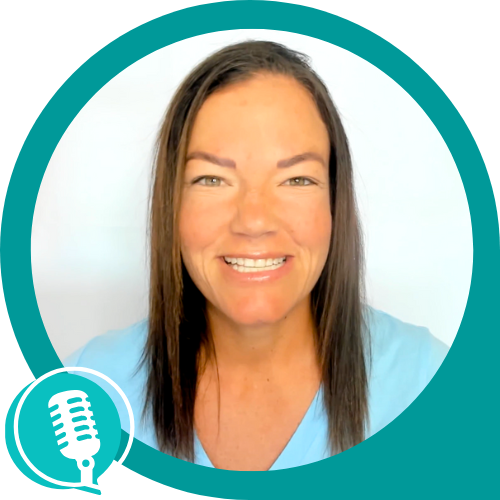
Kristi Kandel
Developer | Mentor | Co-Host of the LRED Podcast
Kristi is a real estate developer with nearly 20 years of experience and over $450M in projects across the U.S. Today, she focuses on helping locals step into development and build in their own communities.
She’s the founder of I&D Consulting, Local Real Estate Developers (LRED), and co-founder of Elevate, a community-driven sports and wellness concept.
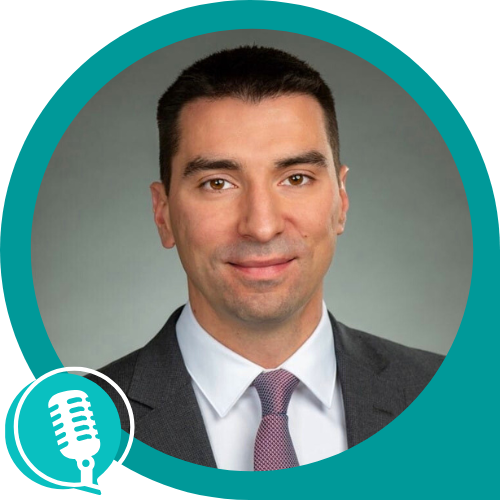
Raphael Collazo
Commercial broker | Author | Co-Host of the LRED Podcast
Raphael specializes in retail and industrial properties, bringing a problem-solving mindset from his background in engineering and software. As a commercial real estate advisor and developer based in Louisville, Kentucky, he works directly with investors, tenants, and cities, bringing a real-world view of how deals come together.
🔗 Related Episodes
How to Become a Local Developer: Katie Neason on Infill and Taking the First Small Bet | EP#29
A great companion episode on local infill, city relationships, and taking practical first steps in development.
How to Start Real Estate Development: Steph Weber Bought the Land First and Built the Plan Later | EP #41
A real look at taking your first development deal from idea to execution without having everything figured out.
Small-Scale Development: How She Left Her Corporate Career and Built a Tiny Home Village | EP #39
Another path from traditional career to building a community-driven development project.
About the Guest
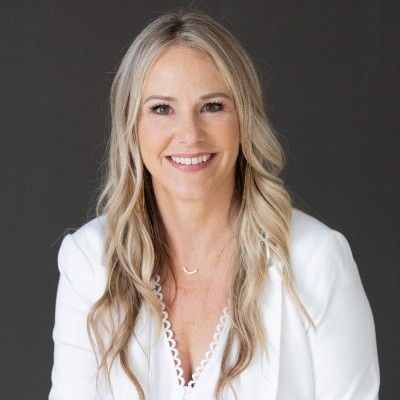
Christine Knapp is a transformational mindset and neuro coach who helps individuals break through limiting beliefs and take action. She works with entrepreneurs and professionals to rewire thought patterns, build confidence, and create meaningful change in their lives and businesses.
Connect with Christine Knapp
🌐 Website https://coachingwithchristine.com/
📸 Instagram https://www.instagram.com/christinethebraincoach/
💼 LinkedIn https://www.linkedin.com/in/christine-knapp-coach/
Full Transcript
Raphael Collazo (00:41)
Welcome to the Local Real Estate Developers podcast. I'm your host, co-host Raphael Collazo. I am a commercial broker and commercial investor here located in Louisville, Kentucky. And I'm here with my co-host, Kristi who's an all-star developer and someone who really is passionate about helping people take on their first and really subsequent commercial real estate development projects. So Kristi, it's always great to see you.
Local Real Estate Developers (01:04)
Yes, great to see you. Yeah. And as you said, I'm a developer, mentor, consultant, and I really am focusing now on teaching locals how to become developers in their own community. And today we have on a special guest who is a transformational mindset coach. And when we think about development, there's so many facets to it that are complex and challenging and that we need to be mentally tough and strong as we're getting into and going through a project. So we thought it would be a good time to just
bring on an expert and maybe get some tips out there and share some tools with you so as you're getting started and as you're working through your deal you have something to rely on. So Christine, welcome to the show.
Christine Knapp (01:42)
Yes,
hi, thank you. Thank you very much. I'm excited to be here.
Local Real Estate Developers (01:45)
Yeah, can you maybe give some background on how you got to here and became and what your why was for becoming a coach? Because clearly you saw a need, so maybe some background on that.
Christine Knapp (01:45)
So I, yeah, go ahead.
Yes, absolutely. So, yep, as you said, I'm a transformational mindset coach. I am more specifically a neuro coach. And the reason that I got into this business, this field is because about 10, 11 years ago, I started a magazine. And when you start a magazine, much like starting to develop real estate, you're creating something from nothing. And
In that field, I noticed a difference in the actions that people took to make their magazine flourish. So there was a big difference between someone who had a very flourishing magazine with 60 pages and tons of advertisers and a lot of great content versus someone who kind of was always around, you know, 20 page publication.
and just not flourishing and not making the money that they wanted to make. And so I started coaching within that franchise. I had a franchise. And so I started coaching within that franchise and tried to help the individuals who wanted to make more money, but really couldn't get out of their own way and realized it was all mindset. was all what was going on between the ears. What's going on between in your mind about what's possible for you to create. And this is going back to
know, this aligns with real estate. What's possible for you to create in your community? If you don't believe that it's possible and you don't necessarily believe in that you have what it takes, then you're always, then a person will always self-sabotage. They'll get in their own way. They won't make, they won't take the steps. They won't create the activity. They won't move forward, like climb up that ladder one step at a time to make sure that
they get to the top and they get to finally manifest and create and bring into the world the vision that they have for, in this case, and their community. And the case from 11 years ago, it was a thriving publication. So to create something from nothing creates, there's a certain thought process and there's mindset blocks that we need to overcome in order to do that.
Raphael Collazo (04:00)
No, I couldn't agree more and it to your point. mean, although they are two different things I feel like the mindset piece of whether it's taken on development project or starting a new venture like your magazine There's some a lot of similarities there. So maybe we can unpack You know that thought process of what made you decide to push through or to get into that Space and how you had to overcome some of those challenges maybe an ornament and maybe you didn't have the same those challenges But I'm assuming like any entrepreneur there's gonna be
Christine Knapp (04:03)
Thank
So.
Raphael Collazo (04:28)
where you're taking on something that you're not comfortable with and it's going to be uncomfortable.
Christine Knapp (04:32)
Right,
right. So my personal story is a little bit different because I succeeded really fast. So I succeeded fast because part of a lot of it was because I had to, because I was a single mom and I needed to have a thriving business to pay my bills. So that external motivation pushed me and drove me because it was like, if I didn't make this successful, I wouldn't have the lifestyle that I wanted. Now, what I think
The trap that I think people get caught up in is not being able to recognize when they have a belief that is holding them back. So they might make a lot of excuses about why they can't succeed. whether it's, it's, you know, what are some common roadblocks that someone might run up against just even initially when they're thinking about developing a property? Can you give me?
Local Real Estate Developers (05:24)
I mean, one of the most
common questions we get is, where am I going to find the money? I can't find the money, so I can't do a deal. So I can't even get started or try.
Christine Knapp (05:29)
Okay, perfect.
Raphael Collazo (05:29)
Mm-hmm.
Christine Knapp (05:33)
Yep, that's a limiting
belief, right? That's a belief that's like, I don't have what it takes. The money isn't available. The money is available because if you look around and you've helped other developers succeed, so right there's a limiting belief. And so that's a shift right there that has to occur. That like, wait a minute, no, no, the money's available and there's a part...
in the individual that has to say, I'm going to find it and I have what it takes to find the money. I have what it takes to find the money.
Local Real Estate Developers (06:08)
So how would you,
yeah, how would you work someone through that so they say, okay, I don't have the money, I don't have the connections, I don't have the people with money so I can't do it. So how would you take them, is there a step-by-step process, how would you take them to a point where they could maybe believe, if I have a project that works, I will find the money?
Christine Knapp (06:24)
Mm-hmm, mm-hmm,
mm-hmm. So yeah, so that's a very good question. So there's a step-by-step process and everyone comes to the table with different limiting beliefs. So with my clients, I meet everybody where they're at. It starts with trusting the vision that they have. So if they're having...
So it's like if you have this calling and you have this desire on your heart to do it, there's a reason for that. It's because you need to do it. There's a reason for it and there's also, so people will be motivated to take action when they are fully bought in and fully embody the reason that they're doing it. So when you're, a person's why,
has to become bigger and more impactful than their reasons for not, their excuses for not doing it. So the first thing I would do with franchise owners in that situation or with my clients, if they're stuck in that way, is to say, what would this bring to you? So if you were to develop this property, how will it change your life? How will it change
the meaning that you are giving to your purpose in your community and what you're able to do and the lives that you'd be able to impact by developing this piece of property and changing this city block. And so when they can get focused on that why, so because where we put our attention, where we focus, that energy just expands.
So if you are focused on the reasons why you can't do something, well, you're not gonna do it. You're gonna run into roadblocks left and right, and your mind is gonna interpret a roadblock. So here's the roadblock. Somebody who is bought into their why and believes that, and is really focused on making it happen will see this roadblock and go, okay, I'm gonna pivot and I'm gonna find another way.
A person who is not bought into their why doesn't believe that they can do it will see the roadblock and they will allow it to stop them.
Local Real Estate Developers (08:37)
Yep, that's
so true. like at the beginning of what we talked to everyone about, your purpose, your why, your reasoning for the project needs to be strong, it needs to be clear. And that way when you do hit the tough times and you hit that roadblock, then you go, well, because of this outcome and what's going to happen as a result, I'm willing to then try and find a way around it and go, everything's figure outable. And how do we go about doing that? So part of your, so what's the,
of what's the science behind this because it can sound a little woo woo wee but I know that there's there's real science behind that right so maybe some background on in context on that
Christine Knapp (09:10)
does there is science? Yes.
Okay, so here's a perfect example. So everyone, you too have gone car shopping. Everyone listening to this has shopped for a car, probably at some point, right? I'm gonna say 99% of the listeners have shopped. There might be a situation where they live in a city and they never shopped for a car. So you go, you shop for a car, you're looking at the Audi, you test drive the Audi, you're thinking, you're comparing between the Audi and the Volvo or the Audi and the Ford and...
Have you noticed that after you test drive that vehicle and you're thinking about it and you're researching it, you go out on the road and you start and you're driving, you're like, my God, look at all these outies. Like, I didn't realize that there were this many outies out there. How did this, can't, couldn't, it couldn't have just changed just because you started shopping for an Audi. It's that your brain started, got focused on the Audi and now that's what you're, it's the reticular activating system. Now that's what your brain picks up.
That's what you see. Like our brain is so powerful. It's almost scary because a negative thought takes us down a path of negativity. The simple, most simple positive thought takes us towards a path of growth and expansion. and when you, people who really understand the power of their thoughts will be very careful what they think. And they'll achieve a lot of success because they're careful what they think.
So that would be the most simple example that I can give. I actually have one more example. if you've ever moved, so we're talking about real estate, right? So most people have moved in their adult life and a place, you know, a place where everyone has to go, there's two places most people have to go. They have to drive to the grocery store and they have to drive to the gas station. Okay. So most people will get to the grocery store at some point or their local restaurant, right? So you move and you're thinking, okay,
What is the best route to get to this grocery store or this restaurant? What's the best route to get there? Now you're in a new location, you're thinking about the best route, the fastest route when it comes to traffic, rush hour, things like that. So when you first drive there, you have to consciously think about the turns to make. You have to think about the route. After you've done that route numerous times,
You can hop in your car, you know you're going to the grocery store, you know you're going to the restaurant, you can talk on your phone, you can get that phone hooked up to Bluetooth, you can talk the entire time. Never once think about where you're going and you show up at the grocery store and you walk in the door. You never gave it a conscious thought. Your brain wired the route to the grocery store. And that's how fast your brain can wire your thoughts, wire your path to success or your path to not meeting your goals.
Raphael Collazo (11:55)
Mm-hmm. Yeah, there's a famous quote by Henry Ford, who I think he said, you can't. Right. Yeah, exactly right. So it's one of those things where you're going to essentially validate whatever you think. So if you think that you can't do it, then you're right. You can't do it. But if you think you can do it, you're going to find a way to make it happen. I'm not sure of.
Christine Knapp (11:59)
Yes, whether you think you can or you think you can't, you're right. Yes, that's one of my favorite quotes.
Yes.
Raphael Collazo (12:17)
you know, mainly related to motivation. Cause I think a lot of people end up relying on willpower and motivation to get things done. But to your point, having a powerful why, and even sometimes as bad as it sounds like having a negative emotion associated with the alternative outcome. Cause that's something that I, when I was looking to transition away from what I was doing before, cause my background is engineering and technology. And I wanted to jump into commercial brokerage and investing.
And I looked at my life in 20 years. So I saw a project manager that was doing the work that I would have been doing for 20 years. And I just was like, man, I cannot see myself in that position. So there's this negative association with me. And I'm like, I got to find a way to make this work for me. Right. So that motivation for me was like, it's kind of rooted in negativity, but in reality, it's like, that's what drove me to want to do ultimately what I ended up doing. So
Christine Knapp (12:59)
Yeah, absolutely.
You know what, that is a great point. The reason that people create transition in their lives, there's two reasons usually. There's usually an external, there's an external force that someone maybe loses their job, they get laid off. Something happens in their external world that forces them into that transition, or they get so uncomfortable with their current life.
their current status becomes more uncomfortable than the idea of change. So I coach people, people seek coaching when their current status is so uncomfortable that it's more uncomfortable than the idea of making the effort to change, to change their lives and change their future. Otherwise people stay in their safety zone.
Local Real Estate Developers (13:55)
Yeah, mean, my...
Yeah, and I think it's a common entrepreneur story, at least for your first, like, really...
successful maybe company or companies, your drive is sometimes from something or someone made a comment that you're like, what? No, I'm going to go prove you wrong. And we come from that space and we charge. mean, same way. There was a reason that I kept plowing forward over time. And then for me, the change and that actually the catalyst that made me start my company in 2015 was I remember being, I was able to kind of fast forward it just like you
Christine Knapp (14:13)
Yes.
Local Real Estate Developers (14:33)
said,
Raphael, and I was in Manhattan Beach, California, and we were around millionaires and billionaires, and I'm looking at them, they've achieved all of these statuses of success that growing up in small town Ohio, I'm like, if you have all the money, and if you know all the famous people, and you've got all of these things checked, and you've got the mansion on the beach, then that's good, and you'll be happy, and you've achieved it all in life. And quickly realized, I'm like, wait, no one's
They literally have everything that I thought was success and I realized maybe my ladder is just on the wrong tree because I don't want what they have. So then my why became stronger of like, don't know exactly what I want, but I don't want that. And I do know that I enjoy real estate enough that I want to go create multiple businesses from it, but I don't want to end up like that. I want to be filled with purpose and joy and I want to be passionate about what I'm doing.
And I think we have a lot of people who are curious about development for all of those reasons. When they're looking into maybe doing something in their town that's developing a property and running a business, it's because what they were told to do, the American dream of, hey, go to college, get this great paying job, get the house and the white picket fence. And they're like, that's not actually what I wanted. I want community, I want connection, I want relationships. I want to make a difference.
want to be another cog in the wheel or another number at my employer, I want to do something that matters. And I think that's a lot of the people who are very curious and starting to get into development in their communities.
Christine Knapp (16:05)
Yeah, that makes total sense. That is for some of my clients, that's a process I might take them through is to say, how do you currently wake? What do you, how do you feel every day when you wake up? So, so one of the reasons that I quit my corporate job in 2023 to start this coaching, to just do coaching, was because I used to wake up and just feel heavy. I used to feel the weight of the world on my shoulders for also for personal reasons too. So I made a lot of changes in my personal life and I thought,
I spent a year where I thought, is, I kind of was a little curious. I got very curious and I said, what are the things that are causing me to feel this way, this negative way? And then slowly worked one by one to change that, to change what was happening in my external world so that I could wake up every day and feel peaceful and excited about what I do every day. So that's another great motivator too. Yeah.
Raphael Collazo (16:58)
Yeah.
Yeah. And, you know, I don't want to put any words in anyone's mouth or anything, but also the fact that it's like, it's okay to sometimes have harness those negative emotions because sometimes people think, I have all these negative emotions about my current state, or maybe they have in their past, they have these negative emotions attributed to stuff that happened in their life that they're, you know, frustrated about and they don't, they want to force themselves into a new position. It's like,
Yeah, sometimes it's good to harness those negative emotions to push you forward. You talk about people that say, oh, you're not going to amount to anything, or maybe you went through a period of time where you didn't have the resources that now you have. So a lot of those can be drivers for people to push them forward. I think I often hear people talk about lamenting about things that happened to them. I'm like, well, you could look at it two different ways. You could look at it one, it's like I'm a victim and there's
things that happened in my life that I'm not happy with, and I'm essentially gonna just focus in on those and just not really try to change my trajectory based on what had happened. And then you have another person who could say, you know what, that happened to me, but in reality, it made me who I am, and also, it's what drives me. So you can dig deep in the well when things are not going your way, you could say, you know what, it doesn't matter what comes in front of me, I'm gonna dig deep and make it work, you know? So.
Christine Knapp (18:17)
So
you have an incredible amount of resilience and determination. like your level of resilience and determination, honestly, it's like that's exceptional. So not everyone has that. And so they just stay stuck and they can't figure out how to move forward. And it's because like you gave a couple of examples of things that people might hear when they're growing up or in their community that will...
those thoughts become beliefs and people can walk around with beliefs that are very negative about themselves or about what's possible. And then that's where neuro coaching comes in. So if you can't find the resilience and the determination to just do it and to decide, you know, I'm gonna let this go. I'm gonna let go of what these thoughts and these beliefs that are no longer serving me so that I can create a life I want.
some people it's just, it's really hard. And so an example, like a way that I encourage people to try to work through that is to take a piece of paper, draw a line down the center, write down all of the negative thoughts that you have about what's possible and about, you know, maybe even there's probably a lot of self belief that is not helping them, negative self, negative belief about themselves.
And then on the right side, write the opposing statement, right? Write something that's positive and the opposite of the negative statement, because that's what we want to do is create some, because our brain neuroplasticity, our brains wire quickly. And so we can write down positive statements and start to read. You can read those out loud or you can speak them into like a voice memo on your phone and start listening to that in the morning.
you know, when you wake up and at night and that will start the brain rewiring process for people to
Local Real Estate Developers (20:01)
And the positive
statements, those are.
Maybe not where they're at right now, but where they want to be they want to believe that this is true And so by writing it down and then by reading it I know we had talked previously and yeah Just the the voice memo thing and maybe just play it at night before you fall asleep and let it work in your subconscious and in the morning when you wake up and Then you can go wait then one day you just go wait. I I do have this skill set I can be a developer. I can transform my community. I can bring my neighbors together
Christine Knapp (20:43)
Right, it's where they want to be. That's right.
Mm-hmm.
Yes.
Yes,
that's how it works. It's amazing. I've seen it happen in so many individuals who've tried this process. And the way, and there's one clue to know that you've really hit the nail on the head is if it feels really uncomfortable to speak the positive statements. If it feels really uncomfortable to speak the positive statements, to even write them down, then you know you've hit the belief. And that's what needs to unravel so that you can wire in
Local Real Estate Developers (21:23)
You
Christine Knapp (21:35)
what you want. We're reprogramming our subconscious. Our subconscious runs 95 % of our decisions, actions, and behaviors. So that's why a lot of people get stuck looking outward. They see a lot of reasons why they can't succeed, but it's their subconscious that's seeking it because they've got some bad wiring from their lived experiences.
Raphael Collazo (21:58)
Definitely. So I guess one question I have is related to how do you make that a conscious thing for you? Because I feel like a lot of people, it's a default setting where as soon as something happens that fits that criteria, whatever you're describing, it's an automated response. So I think the first thing probably you have to do is acknowledge that this is happening to begin with. So is there like a technique that people can, I mean, obviously more so related to, now I'm
Christine Knapp (22:08)
this deal.
Yes.
Raphael Collazo (22:26)
kind of bought it to the forefront, but I don't know if there's anything in particular that you recommend people do outside of just writing those feelings down.
Christine Knapp (22:31)
Right, so you're right. So then you have to go one step backwards before we get to the point where we can write those thoughts down. And that is simply to get curious about, get curious about yourself, get curious about why you have the reactions, why do I have the thoughts that I have, why do I believe this? So just generating, creating self-awareness.
Raphael Collazo (22:35)
Mm-hmm.
Christine Knapp (22:55)
And so sometimes I work with clients that come to me and they know what their thoughts are. They know where they're stuck, but they need help getting to the next level. Some clients come to me and they're stuck and they don't know why. And so I have to really work, we have to work on generating a self-awareness, like a third party curiosity about themselves without judgment.
Local Real Estate Developers (23:15)
And that's where I know people have started to use chat GPT and different AIs to almost be their therapist or their sounding board to go, hey, like, I don't feel comfortable talking to someone else about this. Can you help me walk through? And I think honestly, any tool you use that helps you do some reflection and get introspective to go, okay, I have this belief. And there's so many beliefs that I had to dispel from childhood of the.
Christine Knapp (23:23)
their purpose.
Local Real Estate Developers (23:43)
of the smallest things to someone like me in small town Ohio, I can't be a developer, I can't go live in California, I can't go travel the world and go to a different country every year. And by pulling back that layer, yeah, and saying, well, why? Why can't I? And instead of, I can't, how could I make that happen? Yeah, because then once you start to think about that, then you get curious and like, how might that be possible? How might we be able to get that work around?
Christine Knapp (23:59)
Right. You got curious.
And some people might even just start with, where did this come from? Where did this idea come from? Why do I think this? then they have a different, this other person has an entirely different life and has achieved entirely different things. What do they think? why, you know, just even answering the where, but you don't need to answer the where. Although a lot of people do know instantly where they got ideas, you know, the limiting beliefs that they have.
Raphael Collazo (24:34)
I couldn't agree more. you've essentially started to identify what those potential limiting beliefs are by writing things down on and then on the other side, talk about ways that you want to be able to improve your thought process behind whatever those limiting beliefs are. What's that next step look like? So let's say I'm an aspiring developer. keep driving by this building.
that I've been wanting to develop, been sitting decrepit, I want to turn it into a mixed-use building, have retail on the bottom and apartments on top. But I constantly struggle with the imposter syndrome, as they say, regarding like, who am I to take on this particular project? But I've done the work at this point to identify what those limiting beliefs are and how do I make those changes so that I can then take the next step into making it work.
Christine Knapp (25:14)
okay.
Okay, so one trick that I like to use because I still struggle with imposter syndrome sometimes because every next level, if you have imposter syndrome, every next level that you get to, those thoughts will come rushing back if you have imposter syndrome. And so what I like to do is I like to say, you use the example of like, who am I? Who am I to do this? Ask yourself, where's the evidence to support the negative thoughts that you have about yourself? What does the evidence show in your life?
Because 10 times out of 10, the evidence is that you've succeeded and that the evidence supports the exact opposite of the negative beliefs that you're having. So first, looking at the evidence, then, you know, and I don't know if this would address your question, but it starts with having that goal that...
maybe that goal, this is what you want to have created by the end of the year, and then breaking it down, start with the end in mind, and breaking down the goal into quarterly and monthly and weekly and daily tasks, just bite-sized chunks, because success does not happen overnight, not at all. It takes years. Christy, you mentioned you had to unravel a lot of limiting beliefs.
I've been on this journey since 2012. I used to have a fear. I used to think it's not safe for me to speak publicly about anything. I had to rewire my brain. It's safe for you to speak and be seen, Christine. It can be journey, but it's one foot in front of the other. It's like picking up the phone and making that phone call. It's the simplest task.
Local Real Estate Developers (26:56)
Yeah, making that most
important next step to just go, what can I do to just take one more step forward? And like you said, if you map it out and then you've and I've always been on where I have my goals in my head and I will tell you what every single goal that I have written down, I have actually achieved and the power of writing it down. But that friction for me to go, I don't want to write this down. I don't want to track my goals. I don't want to track my my quarterly goals and my daily habits. That just seems
Christine Knapp (27:02)
Exactly.
Mm.
Local Real Estate Developers (27:22)
Like I'm better than that. I will tell you what once I did it. I actually started getting the growth was incredible from there
Christine Knapp (27:30)
There's some neuroscience there too, because when you write it down, there's an act, there's something about taking your hand and actually writing out a goal that like makes it more permanent in your brain. And you get focused on it because you wrote it down, it stopped being a thought that was just swirling in your head. But then tracking too, when you track the steps that you take, your brain sees what you're doing. Again,
what we're focusing on, you're showing your brain that you're doing this action and your brain is like, well, this is good. You're taking these steps and you're starting to get results and you get focused on taking steps instead of just swirling with thinking about what you should do.
Local Real Estate Developers (28:11)
Yeah, and that belief.
Raphael Collazo (28:11)
hopefully.
Local Real Estate Developers (28:13)
that belief sets in and you go, I'm making progress. getting there. Now I believe even more that I can do it and I can achieve that. And even the smallest thing, like if I go to my daily task and I look at it when I'm ready to turn the computer off and I go, I said I was going to do that and it will get me to go back because I like to check boxes. So I will get back and I will go do the thing because it was there. So it's like that extra motivation daily as well to be like, okay I mean, I said I was going to do it. And I'm a person who does what
Christine Knapp (28:16)
Yes.
Local Real Estate Developers (28:40)
she says she's gonna do, so I guess I need to go do that before I turn it off.
Christine Knapp (28:43)
Okay, and you just said something very interesting. Your belief, your identity is I'm a person who does what I say I'm gonna do. So that is part of your identity, like that drives you. And so you're taking action to meet this identity that you have for yourself. So real, change, like when I work with my clients and we're rewiring some bad neural pathways, like they're shifting at the identity level from becoming someone who.
In your example, like I'm from small town Ohio, who am I to have two homes and to build a real estate empire? There are people from your town that have that identity. I'm from small town Ohio and I can't do that. But you changed your identity to say, I can do whatever I want and I'm going to decide what it's going to look like.
Local Real Estate Developers (29:30)
Yeah,
Raphael Collazo (29:30)
Yeah, and also too, mean, to your point that you had kind of alluded to at the beginning that you can't eat an elephant in one bite. So the idea that you're doing a big goal, if you were to just look at that big goal and say, I mean, there's no way because you don't really think about the steps that it takes to get there. And so, you know, one of the most profound concepts that I learned when I was, you know, in my early twenties was this book called The Compound Effect by Darren Hardy. And it talked about the idea of small positive actions.
Christine Knapp (29:46)
Mm-hmm.
Mm-hmm.
Raphael Collazo (29:58)
add up over time, add up to huge results. So all it takes is you doing one thing a day. like if you make, as an example, if you're in a sales role, you're making 10, 15 calls a day, extrapolate that over a year. talk about, you maybe talk to a thousand people from those thousand people. Now you can work backwards until you get to what you ultimately want to do. So, you you realize very quickly that these people who have accomplished great things did so over a long period of time by having specific habits that they followed on a daily basis. And so.
Christine Knapp (30:01)
Yes.
Raphael Collazo (30:27)
You know, just because you yourself aren't at that level yet doesn't mean you can't get there. It just means that you need to change the way you do things on a daily basis to get there. It's, and that's, that's really an empowering thing, at least for me, it was where it was like, Oh, like it's not a, uh, you know, it's not you just being blessed by something that drops out of the sky. It's that I actually have command over my life and I can drive whatever results I want to achieve in my, in my life by taking action consistently over time.
Christine Knapp (30:58)
Yes, exactly. You recognize the word in the field of psychology is agency. You recognize that you have agency over your life in every facet. And there's something so powerful from taking that big goal and breaking it down into just these little bite-sized chunks. When your brain gets focused on just making the phone call, driving down the road, making that contact, that's manageable.
Raphael Collazo (31:04)
Mm-hmm.
Christine Knapp (31:23)
You can, you rack up these small wins and the small wins build confidence.
Raphael Collazo (31:29)
Mm hmm. Absolutely.
there's a book too, I would recommend the Checklist Manifesto. It talks about that exact concept where they highlight all these very complicated processes. And when they implemented just a simple checklist, the efficacy or how often mistakes were made were reduced immensely. So they talk about like the checklist, the pre-flight checklist, it helped reduce the amount instances of errors by over 100%. Same with surgical.
errors where they leave tools inside of people. like, if you have a pre surgery checklist, you're able to mitigate that issue almost 100%. It's it's unbelievable. So to that point, you know, if you have a list of tasks that you're going to perform a day, now you can actually, you see it and now you can execute versus just keeping it in your head and it you know, it can just kind of float away when when you start getting to so
Christine Knapp (32:17)
And one thing I'd like to add is that there's been a lot of research on how humans build habits. And the recommendation is to start with a 10% improvement, 10% improvement. So if someone breaks their task list down, and for the first time ever they're working with a task list and they put 10 things on it, even that could be intimidating. So start with two. Start with two things, or that would be 20%, right?
Raphael Collazo (32:38)
Mm-hmm.
Christine Knapp (32:43)
Start with maybe just one thing a day that you can do and now it'll build quickly.
Raphael Collazo (32:49)
So let's talk about the next phase in the process now. So you've kind of gotten to a point where you yourself are starting to believe that this is something you can actually do. In our case, let's say in this example, we've gone down the street and we've identified a building and we decide, you know what, let's go ahead and put this thing under contract and let's make it work. So you start going through the process, you get all the team members in place to be able to.
Christine Knapp (33:00)
Mm-hmm.
Raphael Collazo (33:16)
to handle the buying of the building, financing of the building, and construction people to start walking through and give you perspective on what the construction budget is. You ultimately close on the building and now the real work begins. So everyone's really excited when things are just getting started because it's this ethereal type of idea where it's like, this is going to look great once it's all done. But now you're starting to get into the meat and potatoes of the construction process and inevitably problems start to occur. I guess, how do you work with
people regarding that resiliency piece. When things aren't going your way, how do you manage that without folding in those difficult times?
Christine Knapp (33:46)
Mm-hmm.
So I think there's three tactics to use. So number one, get dialed in again on your why. Remember why you're doing this. Get super focused on bringing your vision into reality. Number two, accept. So this is kind of a two-step. Accept the fact. Go into it knowing there's gonna be problems. But hopeful, but.
Raphael Collazo (34:00)
Mm-hmm.
Christine Knapp (34:17)
and then look for evidence in your life that shows you can handle it. Because anytime I've ever worked with someone who feels just down and frustrated about something that's happening in their life, they have a long list of times that they have succeeded and overcome something that didn't go their way. your brain...
is the brain is wired to keep us, our brains are wired to keep us safe. And anything that is outside of our safety zone, our brain is going to throw up red flags and make us feel afraid to move forward. This is a carryover from millennia ago. It's not this safety feature of our brain to keep us safe. It's not really serving us much in the modern world, but we haven't evolved past it. Well, we're starting to evolve past it, let's say.
But recognize, okay, my brain is trying to keep me safe. My brain is focusing on everything that's going wrong and making me wanna stop. look at, this is the reason that I'm doing it. Remind yourself of why you're doing it. Remind yourself that you have what it takes by looking at the evidence for everything, all the little things that you have traversed in the past.
Raphael Collazo (35:25)
Definitely. No, that's great. And is there often a community piece as well where you kind of lean on people that not only lean on people, but you can maybe talk to people who've done something similar. know Kristi helps a lot of people across the country that are taking on these types of projects. And sometimes it's just nice to hear, hey, like people go through this stuff because if you've gone through something for the first time, it does feel like the world's ending because you've never, you don't have a frame of reference. yeah.
Christine Knapp (35:52)
Yes.
Yeah, yes, absolutely. Community is so important. It is so helpful for people to understand that what they're going through is normal. So any time that your fear can be normalized and you realize, wait a minute, this isn't just me, this happens to everybody, like that alone can take the pressure off.
Local Real Estate Developers (36:13)
100 % I mean that's that's a big driver for why having this podcast We we have people on that are sharing their stories and they're not straight like great It was a perfect project the whole way there's challenges that they overcame and hearing hearing the different stories and the resilience just really does Thank you. Oh, okay. I'm not in this alone. I remember early in my career I was When we were doing shoot at the time like 30 family dollar deals a year and I remember there were there was a
Christine Knapp (36:22)
Yeah
Yes.
Local Real Estate Developers (36:42)
public
hearing. were in Rialto, California. No, it wasn't a public hearing. We were at a city meeting and they were making us underground the overhead power lines. So we were undergrounding power and telecom. Well, power alone is $400 a linear foot to put underground and telecom was $150 a linear foot per provider. So we're looking at like $700 a linear foot for a very tight budget and project already. And I was just like, wait, we have already spent close
to like somewhere between one and two hundred thousand dollars to get the deal to a point where all of a sudden the city issued us a condition of approval that sure well we'll approve your project in zoning but you have to do this and we're like my gosh you just added hundreds of thousands of dollars onto our project that just killed it and so we're thinking we have lost all this money we have lost all this time we can't do we said we were gonna do the deal we've got money baked in with the the property owner that's non-refundable
Christine Knapp (37:27)
Yeah.
Local Real Estate Developers (37:38)
And I just remember looking at Vasanti and I was so worked up and anxious and she's like, that's fine. We'll figure it out. She's like there are paths and ways around this to make it happen. I'm like What do you mean? And it's because she had 30 years of experience and proof that we're going to figure it out So so when you do hit those and to me honestly just seeing her calm and her presence about that made me go Okay, like you I mean you clearly have more experience than me. So if you think that we can find a different path
Christine Knapp (37:52)
Bye.
Local Real Estate Developers (38:05)
forward and make it work. Okay, I trust you. Let's go figure it out.
Christine Knapp (38:09)
can
I point something else out too? So she had figured it out. So it didn't frighten her. But for you, it was the first time you were met with this particular. So again, it's the first time. So your brain was throwing up all kinds of red flags because your brain didn't have evidence that it would be possible. So even just recognizing that the first time someone goes through or does anything, it's scary. I mean, your brain is wired to make you want to stay small and stay safe.
Local Real Estate Developers (38:17)
Mm-hmm.
Christine Knapp (38:39)
But there's just a decision that you go, I'm going to just face this. I'm just going to go through this. It's going to be okay.
Raphael Collazo (38:45)
No, I couldn't agree more. And it's oftentimes easier said than when you're actually going through it. But to your point, really is important to reinstate that is that people have for many years have gone through the same thing. So there have been scenarios out there where people have overcome these obstacles and there's ways that you yourself can do the same. So yeah, I I think that's really good perspective to have with.
Local Real Estate Developers (38:58)
this.
Awesome.
Raphael Collazo (39:10)
with our audience, because as we had mentioned, Christine, mean, a lot of the people that listen to this podcast in particular are aspiring developers. So there's individuals who are working in nine to five, and they want to take on their first development project. Some of them have been maybe in the residential space for a while, done some flips, maybe have some single family homes, and they want to buy their first commercial property and look to do some form of like adaptive reuse or maybe ground up construction. And so these are mindset shifts for people.
ages, right? So I think having this type of perspective, from a more general standpoint that can be applied more granularly by people can be benefit.
Local Real Estate Developers (39:40)
Mm-hmm.
That's awesome. So, and I know you gave us a resource that we've gotten the vault and it's seven questions every aspiring developer needs to answer. So guys, go into the vault and check that out because it really tactically breaks down and helps you think through. And it's a great tool to use in combination with our vision resource to go, what do I want to do and why? And really pulling out those triggers and emotions. So when it does get tough and you realize, there's complexity here. I want this, I want to keep pushing.
forward and here's the tools. So we do have that. And then if people want to learn more, what's a good way for them to follow along or reach out?
Christine Knapp (40:21)
So in the resource that you recommended, there's a link to check out my website, which is coachingwithchristine.com. I'm on Instagram as Christine the Brain Coach. And there's also a link to directly scheduled like a free 30 minute chat with me just to explore what would coaching look like or, and maybe they want to move forward, maybe not, but maybe they might even understand what the beliefs are that.
we could unearth what some of those beliefs are that are holding them back. And I have a newsletter. I have a mindset newsletter. if you don't mind, maybe I can give you guys the link that you could drop in the show notes too. Yeah, awesome. Great. Yep, that would be it.
Local Real Estate Developers (40:53)
Yeah.
Raphael Collazo (40:54)
Yeah, we'll include all that in the show notes as well.
Yeah, no, we'll make sure to include that. So if you guys are watching this on YouTube, please go in the description. We'll make sure to get those links included below. And if you guys are listening to a podcast format, again, go to the description and we'll have those links available so you can access and maybe schedule some time with Christine to see if she can help you with whatever limiting beliefs you may have. So. Well, Christine, greatly appreciate your time as always, it's really insightful and it's good to reinforce the ideas that of of mind state, because I think.
Christine Knapp (41:21)
Yeah.
Raphael Collazo (41:27)
Oftentimes we get caught up in our day to day and we allow some of those thoughts to creep in. And it's always important for us to kind of reinforce the idea that we ourselves are capable of immense things. And it's not, there's nothing that can hold you back outside of just your own mental state. So.
Christine Knapp (41:43)
That's right.
Success starts and ends with mindset. Yes. Awesome. Well, thanks so much for having me. I really enjoyed this conversation and I'm excited for you two and what you're doing and how this group is going to change the face of so many cities and towns in America and make so many places such a better place to live. So we need more of that.
Raphael Collazo (41:47)
I couldn't agree more. ⁓
Yeah, we appreciate it. And this
mission obviously is one that Christy and I are both passionate about and we're looking forward to seeing what comes of this podcast. And ultimately, we'll have more meetings and get togethers as well in the future to be able to foster more inspiration for development across the country. So again,
Christine Knapp (42:19)
Yeah.
awesome.
Raphael Collazo (42:25)
Christine, thank you so much for your time. If you guys are watching this on YouTube, please like and subscribe. It makes a huge impact on our ability to reach a broader audience. Along with that, if you guys are watching or listening to this in a podcast format, whether that's Apple Podcasts Spotify, please, please, please leave a five star review. Again, it helps broaden our reach. So more and more people who are looking to get into commercial real estate development or any type of adaptive reuse and other types of ground up construction projects have a resource that they can go to.
and hopefully be able to take on their first and subsequent projects thereafter. So thanks again so much for tuning in and we'll see you next time.
Get the tools behind the episode
Access the Developer Vault with templates and real resources
©2025 I&D Consulting. All Rights Reserved.
©2025 Local Real Estate Developers. All Rights Reserved.