How to Build With the City, Not Against It: Anne Pollack on Zoning, Due Diligence, and Local Development | EP #27
Real estate development, land use and zoning, and learning how to turn local vision into approved projects
What if the difference between a stalled project and an approved one is not luck, but understanding how your city actually works? Anne Pollack breaks down the local rules, relationships, and reality behind getting projects done.
Anne Pollack joins Kristi and Raphael for a real-world conversation about zoning, due diligence, and what land use actually means for developers. She explains how small oversights can become expensive problems, why city staff relationships matter, and how the best projects usually come from understanding what a community already needs.
This episode matters because so many first-time developers underestimate the entitlement side of the business. Anne makes it clear that land use is not just legal paperwork. It is the foundation for knowing whether you can actually build what you want to build.
This one is especially valuable for aspiring local developers, flippers, brokers, and investors who want to move into development without getting blindsided by zoning, title, easements, or city process.



Get the tools behind the episode
Access the Developer Vault with templates and real resources
Episode Summary
Anne Pollack’s story is a reminder that development does not begin with construction. It begins with understanding the land.
Anne is a land use and real estate attorney based in St. Petersburg, Florida, and over the years she has helped clients navigate everything from zoning questions to entitlement strategy to complicated title and easement issues. Her path started in California, working with small cities and towns in the Bay Area, where she learned firsthand how local governments think about planning, approvals, and regulation. When she later moved to Florida, that experience became the foundation for a land use practice rooted in solving real development problems.
One of the clearest takeaways from this episode is that land use is, at its core, a simple question: can you do what you want to do with the land? But what sounds simple gets complicated fast. Zoning, setbacks, height limits, title restrictions, utility easements, HOA declarations, comprehensive plans, and political context all shape the real answer. Anne explains that developers often focus on what they want to build before they understand what the property and the city will actually allow. That gap is where expensive mistakes happen.
She shares examples that make this real. A property owner discovers too late that part of his site is effectively tied to a neighboring parcel through prior zoning. Another client thought they owned a strip of land until a survey revealed they did not, leading to months of title research, trust tracing, and negotiation just to secure the land needed for a small addition. These stories are a strong reminder that even “small” projects can carry major complications.
Anne also explains why first-time developers should stop seeing city staff as the enemy. Planning staff, zoning officials, and local departments are often the people who can help you understand how a jurisdiction actually works. Reading the code matters, but sitting down with staff early matters too. Cities have comprehensive plans for a reason. Those plans reflect where the community wants to go. Developers who understand that and align with it tend to have a much smoother path than those who try to force a project into the wrong place.
Another strong point in the conversation is compromise. Great projects are rarely approved exactly as first imagined. There is usually negotiation, redesign, and tradeoff. The win is not getting every single thing you wanted. The win is getting a project approved that still works, solves a need, and fits the community.
That is what makes this episode so valuable. It reframes development as a local, relational business. The people who succeed are not just the ones with money or big ideas. They are the ones willing to ask better questions, dig deeper in due diligence, and build with purpose in the places they already know.
What You'll Learn
- What land use actually means and how it affects your project
- Why early due diligence can save months of cost and confusion
- How comprehensive plans and zoning codes shape what gets approved
- Why local consultants and city staff relationships matter so much
- How to think about compromise when a project hits resistance
- Why community-driven development starts with understanding local needs
Bold Truth
If you want to build in your community, you need to learn the rules of your community.
Timestamps
0:00 — Intro
https://youtu.be/-7Jm_J5urks?t=0
2:56 — Anne’s Path Into Land Use Law
https://youtu.be/-7Jm_J5urks?t=176
5:26 — What Land Use Actually Means
https://youtu.be/-7Jm_J5urks?t=326
8:11 — Why Due Diligence Matters
https://youtu.be/-7Jm_J5urks?t=491
10:53 — Comprehensive Plans and Zoning
https://youtu.be/-7Jm_J5urks?t=653
13:32 — How City Relationships Shape Approvals
https://youtu.be/-7Jm_J5urks?t=812
16:43 — Why Entitlements Feel Like Litigation
https://youtu.be/-7Jm_J5urks?t=1003
19:18 — Why Local Expertise Saves Time and Money
https://youtu.be/-7Jm_J5urks?t=1158
22:13 — A Real Example of Development Complexity
https://youtu.be/-7Jm_J5urks?t=1333
24:58 — How Conditions Can Change a Deal
https://youtu.be/-7Jm_J5urks?t=1498
31:29 — Coastal Development Challenges in Florida
https://youtu.be/-7Jm_J5urks?t=1889
34:12 — Safety, Resilience, and Market Reality
https://youtu.be/-7Jm_J5urks?t=2052
36:57 — Parking, Infill, and Knowing the Rules
https://youtu.be/-7Jm_J5urks?t=2217
42:56 — Paying Tuition Through Experience
https://youtu.be/-7Jm_J5urks?t=2576
48:07 — What Community-Driven Development Means
https://youtu.be/-7Jm_J5urks?t=2887
50:23 — Why Small Local Developers Matter
https://youtu.be/-7Jm_J5urks?t=3023
51:58 — How to Reach Anne
https://youtu.be/-7Jm_J5urks?t=3118
Meet the Voices Behind the Mic
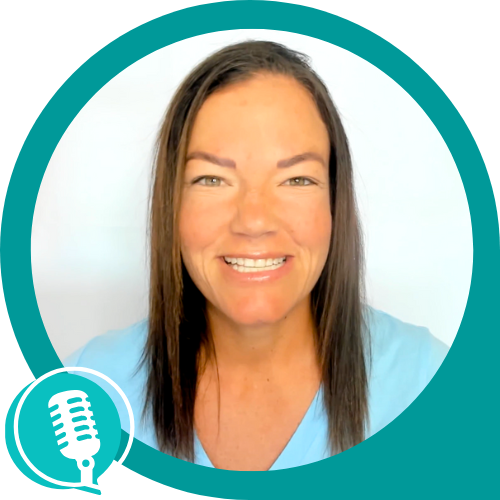
Kristi Kandel
Developer | Mentor | Co-Host of the LRED Podcast
Kristi is a real estate developer with nearly 20 years of experience and over $450M in projects across the U.S. Today, she focuses on helping locals step into development and build in their own communities.
She’s the founder of I&D Consulting, Local Real Estate Developers (LRED), and co-founder of Elevate, a community-driven sports and wellness concept.
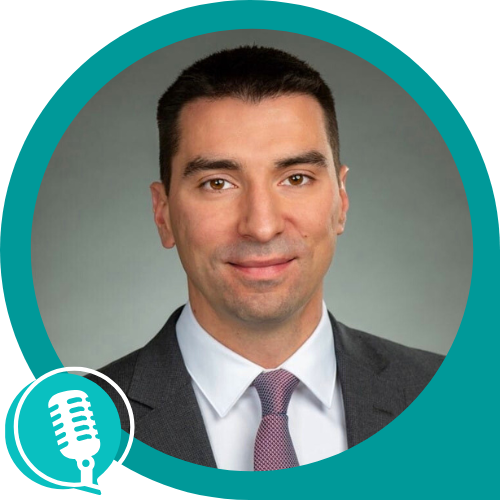
Raphael Collazo
Commercial broker | Author | Co-Host of the LRED Podcast
Raphael specializes in retail and industrial properties, bringing a problem-solving mindset from his background in engineering and software. As a commercial real estate advisor and developer based in Louisville, Kentucky, he works directly with investors, tenants, and cities, bringing a real-world view of how deals come together.
🔗 Related Episodes
How to Become a Local Developer: Katie Neason on Infill and Taking the First Small Bet | EP#29
A great companion episode on local infill, city relationships, and taking practical first steps in development.
How to Start Real Estate Development: Steph Weber Bought the Land First and Built the Plan Later | EP #41
A real look at taking your first development deal from idea to execution without having everything figured out.
Small-Scale Development: How She Left Her Corporate Career and Built a Tiny Home Village | EP #39
Another path from traditional career to building a community-driven development project.
About the Guest
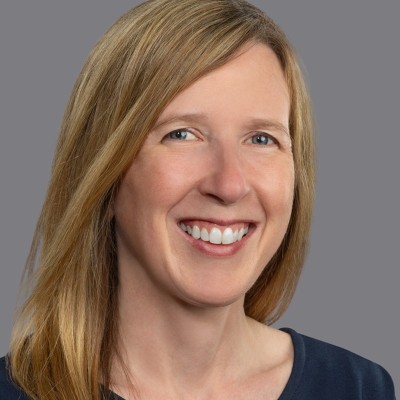
Anne Pollack is a Florida-based land use and real estate attorney with Trenum Law in St. Petersburg. She helps developers, investors, and property owners navigate zoning, entitlements, due diligence, and approvals across a wide range of project types.
Connect with Anne
💼 LinkedIn: https://www.linkedin.com/in/annepollack/
Full Transcript
Raphael Collazo (00:42)
Welcome everyone to the Local Real Estate Developer Podcast. I'm your co-host, Raphael Collazo, located here in Louisville, Kentucky. And I'm here with my co-host, who's also located in Florida, Kristi Kandel. How you been?
LRED (00:54)
Hey, good. Yeah, I'm here in Southwest Florida. I'm a real estate developer, investor, and I teach locals how to become developers in their community. And today I'm excited about our guest because she is also located here in Florida, just a couple hours north in St. Pete. So Anne Pollack, welcome to the show.
Anne Pollack (01:11)
Thank you so much for having me. Glad to be here.
LRED (01:15)
Yeah, so you have an interesting background in that you are a land use attorney, which is something hugely important in real estate development. do you maybe want to just start and give a little bit of background on you personally and how you even got into the field in general?
Raphael Collazo (01:15)
heavily.
Anne Pollack (01:31)
Sure, absolutely. Well, I'm currently an attorney at Trenum Law, which is a mid-size firm located in St. Petersburg, Tampa, and Sarasota, Florida. But I started out in California as a municipal law attorney working for a firm that represented lots of small cities and towns in the San Francisco Bay Area. And I loved it. It was great. I worked with a great group of people and really learned a lot.
But ultimately through some family things, we ended up moving to Florida. And at that point, the cities weren't really hiring and some of the firms that did city attorney work weren't really the right fit. Land use was the thing that I did most of. I mean, I think that's, at least from my perspective, that's what cities seem to do most of. So I started looking for a position doing land use in Florida.
I got a job with a great firm, midsize, I will say a small firm, 10 to 12 attorneys and worked there for about 10 years, learning, experiencing, coming into my own really as an attorney. And at that point, about 2013, I was trying to figure out where my future was. And at that point decided that it would really make sense for me to...
leave that firm and join two women that had started their own firm from another big firm. And it was an amazing experience. It was the absolute best thing that I could do because it taught me so much. I was with another attorney who was a primarily transactional attorney and one attorney who was primarily environmental. we, together with the Land Use, we had pretty much everything.
LRED (03:10)
Perfect. Yeah.
Raphael Collazo (03:11)
One stop
shop.
Anne Pollack (03:12)
It was, it was great. We represented big clients, we represented small. And as the work got busier, my clients would call me with real estate questions and real estate transactions. And my partners were busy, so I had to learn it. So I kind of learned that on the fly. And I went from being really a land use attorney to a land use and real estate attorney, which I felt finally comfortable saying and telling people and advertising myself as.
LRED (03:37)
Yeah.
Anne Pollack (03:41)
And we had that firm for about 10 years. At the end, my partner and I decided that really it was time to get back to just doing the work and not also doing all the admin. Being the IT guy.
LRED (03:54)
Which we know, we,
Raphael and I both run multiple companies and we completely understand what you mean because you eventually get to a point where you run a business and you're like, I'm spending most of my time not doing the thing that I started this business for and that I love and it's giving me gray hair and wrinkles and not so enjoyable.
Anne Pollack (03:58)
Thank
Raphael Collazo (03:58)
Mm-hmm.
Absolutely.
Anne Pollack (04:11)
Exactly.
Raphael Collazo (04:12)
And especially compounded on the legal side because you've got a lot of compliance things you got to worry about and everything too, which is even more cumbersome for sure.
Anne Pollack (04:19)
There
was a lot. We had opened up a title company so that we could expand and do more work on the residential side. And while that was great and didn't have quite so many regulatory wrinkles as being a lawyer, it still had its own. So one of my partners had retired and the other and I decided that it was time and started looking around to see where the best fit would be. And ultimately it was Trenum. And fortunately,
They have a long standing St. Pete office and it's someplace that we really wanted to stay. This is an amazing town. It's so fun. It's really come into its own in the past 10 years. Before it was always considered, you know,
the place where granny would live, you know, and nobody else. And now it's the place that everyone wants to be. So we're excited to be here, to be doing the work here. But really we do stuff all over the state. So keeping very busy.
Raphael Collazo (05:13)
That's great. No, that's, that's the unique experience that you have, especially having run your own firm and understanding what, what that side of the equation looks like. And, know, obviously that's been, I'm sure helpful for you as you started to, you know, transition into this new role and you've, you've continued on with what you were doing before. Now, I'm kind of curious about, you know, the, initial phase into land use, you kind of described your experiences at the city level. Was that something that you just happened to get a
job out of law school or was that and you got inspired to do that during law school? Because I always feel that the attorneys that I speak with kind of learn through the experience at law school what they really don't like more so than anything and then decide whether or not to pursue a particular discipline based on maybe a class they had or maybe some other intern experience that they had. I'm kind of curious about your initial foray into
you know, working with cities, was that something you knew right away you wanted to do? Or is that just something you took a chance on?
Anne Pollack (06:13)
It's really more the latter. took a chance on it. I wanted to be an environmental attorney. The environment has always been my passion, kind of the cause that is most important to me. And I was always planning to become an environmental attorney, but the jobs that were there were maybe not the right thing. And when I got a job position at a firm out in Oakland,
It was just, it was such a good place. It was mostly women, which was fantastic, especially that being 25 years ago, was, the office was mostly run by women, really strong women with exceptional experience and longstanding practice working with, as city attorneys across the area. And the practice was so varied. I mean, while land use was sort of,
the primary thing that we always had to deal with. There was lots of other things that I had to do and I was learning about. for instance, one of the issues that I was put in charge of was dealing with the motions that people would put against the police officers in the cities to get their background and their record so that they could use that record in their own criminal cases to.
prove that the police officer wasn't a good person, guess, I had to defend the city against those. it kind of starting being in the courtroom and doing something that was quite different from what I originally planned to do. but ultimately I've always been one who loves maps and I love surveys and I just that that whole bit of planning really I took to it.
And so it was an easy decision when I came to Florida to focus on that.
Raphael Collazo (07:56)
That's great. yeah, for sure. So regarding land use, think there's just to give you some perspective on the audience that is listening to the podcast. So we tend to attract those who are, number one, interested in development and oftentimes, too, those that have aspirations to get into development. And so I think there's usually a disconnect between people wanting to take on that first project because people are frankly just
scared about what not necessarily scared, but they they're so much out there that they could potentially, you know, have pitfalls for that they have concerns about taking on something along those lines. And I think a lot of times, too, people think that development, they see these massive skyscrapers, and they don't realize that development could start on a small plot of land, it could start on just by looking at a building that's decrepit and could needs and needs new life. So and maybe as much more approachable than what people think.
Anne Pollack (08:31)
They don't know what they don't know.
Raphael Collazo (08:52)
And I feel like land use is one of those areas of the equation that is extremely important and oftentimes requires a little bit of experience to kind of understand what you can and can't do with certain parcels. even further than that, the likelihood of being able to accomplish some things on site. So I'm curious if you could kind of explain what land use is and then maybe a little bit more nuance when it comes to things to consider as you're going through the process.
Anne Pollack (09:19)
To me, land use is at its core what you can do with the land. Can you do what you want to do with the land? It is a very simple core concept, but how it works in practice is where the complications arise. So you have, I want to build a duplex, okay? So you want to build a residential building. You want it to have two units. You want it to be on this property.
Well, does the zoning allow a residential building? Does it allow two units? Where can you put that building on the property? What are the height limitations? These are all kind of the zoning related things. How far back from the property boundaries can that building be? But then you look at title considerations. Are there any easements on the property that you have to deal with? Does that easement for the electric utility
blanket the property and you don't know where it is. Is there an easement that runs straight through where you want to go that provides access to the property next door? Are there declarations for property owners associations or homeowners associations that would have restrictions on what you can and can't do? How you can get approvals for those things? Just on and on until you get to that point where you know, okay, this is actually what I can use this property for.
And then you can move to that next step of actually doing it. So I help with that initial due diligence. Can you do what you want to do? What needs to change? And then I help with the processes to get those changes. So perhaps that property you want to build that residential lot is currently zoned to allow commercial development and not residential development.
and you have to get a, you have to rezone it or you have to get some other type of approval depending on what the local jurisdiction might want. Or you can build that duplex, but because of that giant tree in the backyard, you can't, you don't have enough room. So you need more space. want to butt the setbacks. You want to push into the setbacks. That's like,
on a really simple level, those are some of the concerns, but they can get really complicated. I have a client with a property that turns out half of the property was part of the zoning for the other property next door. So he has less available land left to build his, even though he has the whole property, he only has the rights to build half of that because half of the other
Raphael Collazo (11:34)
you
Anne Pollack (12:01)
the other piece, those entitlements that he could build on sort of essentially are with the property to the north. It's like crazy. It's but it's these kind of odd things that you find out when you're doing that due diligence that you just figured it's it's not an issue. And so what I really recommend is that you do a deep due diligence on the property that you're looking to develop, whether or not you're building ground up or you're
changing a use or doing something different to something that's already there or expanding it. You need to really look upfront and figure out if you can do what you want to do because the problems with finding out later could be really disastrous or they could just be minor, but they might cost you a ton. have plenty of clients who've called me when it's later and it ends up costing them more than if they had reached out initially.
LRED (12:56)
We talk all
the time, the earlier you can find things out, the more time you have, the less money you're going to spend. And you kept talking about it there with due diligence. That is the biggest one because we'll have people come in who say, hey, I bought this property. I wanted to do XYZ with it, and now the city's telling me I can't. Cool. What initial research did you do? Oh, I just wanted to build it, so I bought the property because it was only 50 grand.
Okay. So I think the biggest step for people jumping into it is to go, yes, it's property that you own, but there are bigger rules set within a community. And maybe even going back at the overall community master plans and how that's set up in general. If you want to speak to that and just say how the cities do come up with the master plans and where they want commercial, industrial, residential and.
Anne Pollack (13:48)
Yeah, in Florida and in a lot of other states, there's different levels of regulation for land use and zoning. There's, course, some state regulation, but most of it is local. There is a comprehensive plan that every jurisdiction has, and this is I call it the Constitution of Land Use. It's the the wider level planning that the city would like to have for its communities.
and it provides an overall level of density, is the amount of units, residential units you can build on a property, or intensity, floor area ratio, which is a term used to describe how much building space you can have for a commercial development. So this tends to provide this overall level of what you can and can't build on the property.
LRED (14:34)
And who at the cities and counties are putting that together and voting on it and approving it? Just so that way as a community member, know, if I don't like this, here's how we could help change it.
Anne Pollack (14:45)
So typically it's the city or county's planning department that oversees the the comprehensive plan and that the underlying zoning regulations which are underneath if A change is needed. It would typically be processed through them ultimately who decides on that change varies but usually it ends up being the the City Council or the Board of County Commissioners who makes the final decision and so
When you have that overall level of comprehensive planning, underneath it you have the zoning rules, which are something like the statutes. They provide the details that you have to comply with. And then at the lowest level are the building code rules that you have to comply with. So you have these different levels of regulation, all of which need to be consistent with each other. So if you have a zoning that isn't consistent with the comprehensive plan,
you're not going to be allowed to do it. You're going to have to amend the appropriate regulation to ensure that you can do that. And so part of what the important due diligence is, is not just saying, can I do this? No, I cannot. This is the process to get it changed. It's to look more broadly at where the property is and who's around it.
and what sort of maybe political ramifications are going to come in from you deciding to change this. Maybe putting in a duplex in this property doesn't seem like such a big deal, but the neighborhood itself is a single family neighborhood and they are not going to be okay with you coming in and changing the zoning to allow two units. Again, that's a very like minor example, but in a city like St. Pete,
you might want to put in something a lot more intense in an urban area and it might to a developer's mind make sense. It's an appropriate height, it's an appropriate density, we need lots of housing for our people, we've got tons of people moving in here, the market is good, the demand is good, the property would be perfect, but then you've got this neighborhood nearby that
you might not like it, or there's a historic building next door that people are concerned this building will overshadow or damage. All of those things end up becoming part of the presentation that you're putting forward to the deciding body and a lot of the information that you have to be ready to address when you're trying to get these approvals.
Raphael Collazo (17:25)
That's a great point.
Anne Pollack (17:25)
It's a lot
like, to me it's a lot like litigation. There's deadlines, there's applications, there's a lot of paperwork, and there's a lot of people often that you're having to convince that this is the right decision for the community.
LRED (17:40)
think to call it a chess match, a poker game, being a detective, I'll bend to one.
Raphael Collazo (17:46)
Well, and that's where I think a great land use attorney helps a lot too, because I work a lot. I'm a commercial broker here in Louisville and I deal in a lot of different municipalities. And I have clients that are constantly looking for different opportunities that may require a land use attorney. we found opportunities that we didn't necessarily know much about this particular property, but then we talked to one of the land use attorneys and they said, yeah, six years ago, they tried to get this done over here and this is what happened.
I can tell you with almost certainty that what you're trying to do is probably not going to work here because there's going to be some issues. So they save you a little bit of heartache. Now you can still decide to go through the process and the motions to eventually get that done. And you may very well succeed, but at least you have some framework to understand what the challenges are. And I feel like when you first get started in the business, that's why we always encourage people to kind of seek out land that's already entitled and have a good understanding of the building codes because
one modification to a building could trigger an additional layer of complex building codes. So just making sure you have someone who understands some of those processes so you're not getting yourself in over your head. I think that going back to that point that you described regarding, it's not just about the mere fact, can you do it? But it's also getting understanding what that process looks like. And then maybe also some of the hurdles that you may face through the process.
Anne Pollack (19:06)
I would say also what's important to recognize is that you are likely going to have to compromise in some ways. It's very rare that exactly what a developer wants to do can get approved. And if you are going into this thinking that I'm a property owner, I should get what I want. Everyone at the city is against me.
Raphael Collazo (19:13)
Mm-hmm.
Anne Pollack (19:32)
it's going to be very difficult to move forward because relationships are really very key, first of all. So having a good relationship with city staff and to some extent, you know, if you do have those relationships with officials, that's, that's always a great thing. But I think the relationships with city staff are most important. And if you can understand where they are coming from, that they are following the rules, that they are trying to,
get the best product here, that there is going to be some back and forth. And I tell my clients, you know, we can fight things the whole way and we can ultimately lose and sue and mediate and settle and go back all over again and try again, because that's usually what litigation in land use leads to, just a do-over.
where they can deny you for a different reason. So if you want to do it more efficiently, you might have to understand that your project might look a little different than what you originally envisioned, but ultimately you're gonna get through it and you're gonna have a good product anyway, a good project, and hopefully an approval, which is what you really want.
Raphael Collazo (21:23)
What do what do just out of curiosity in St. Pete, how long does it take for a property to go from one zoning to another? And I know that's kind of a loaded question, because I'm sure there's other factors at play when when you talk about presenting a development plan. But I'm just kind of curious as to what the timeline currently is, because I know it's different in different municipalities.
Anne Pollack (21:43)
Yes, it's definitely very different and different municipalities do things differently. St. Pete is actually a unique situation where they have zoning districts throughout the city that they have planned to be where they are and they really do not rezone much. You take the zoning that you get and that often comes where developers really have to figure out how to make their project fit into the zoning because the city is
not going to change it. You're in the downtown core, you have a certain high level of height and development rights that you can build to. If you want more, then you have to follow these other rules. If you want to do different things, maybe you get bonuses, maybe there are different things to do. But they're not generally going to rezone the property unless there's a specific reason. And when they do rezone, it's often an entire area.
because this area is changing and the city recognizes that it needs to change the zoning on the area to allow new development coming in, but it's not as much site specific. They typically do site plan approvals. So you have your zoning and you design your project to meet that zoning. But if you are above a certain level of square footage, or if you want some of those bonuses like extra height or extra
FAR, then you go through the site plan process and it's kind of similar to a zoning in that you're getting approval by a board for your project, but not quite as, quite the same. That, that's about two to three months. In a lot of other jurisdictions, the process can be eight to 10 to 12 months. And certainly, when you are doing these zonings, which are site plan based, where you have a
a site plan that is going to define what you can and can't do on your property rather than having a standard zoning district where all the rules are written in the code already. That's going to take longer. It's going to be more expensive, but it's going to give you the flexibility that you might need on this parcel that you're developing. And in exchange for that flexibility, you know, your setbacks are a little smaller or your roads don't quite meet what typically would be required by code or your parking is less.
In exchange for that, the city or the county also gets some ability to modify what you're doing to add conditions to protect the concerns that they see might happen as a result of your development. So with a standard zoning, everyone just sticks with what the code allows or doesn't allow and all those rules with a site plan zoning, you have more flexibility, but the county or city also has more ability to step in.
And partly because of all of this detail, it ends up being a lot longer of a process. And that's why, you know, for a starter developer, I would totally agree that it works. It's most sense to find a product, a project that has a property where the entitlements are already there and you can fit, fit in with it. It'll save you a lot of money. I save you a lot of time.
LRED (24:53)
Yeah, I've spent a lot of my career in California and those conditions of approval, those COAs can sometimes be pages and pages and pages and pages long. And one thing that we, when we work with developers in the major cities is that...
You don't just accept those as is. You need to look at those conditions. You need to work with your design team, your attorneys and everyone and go, what does this condition actually mean? Whether it's a dollar amount, a timing, a cost, a future resale of the property. And so many times, because sometimes the city, it's not that they're trying to add $500,000 of cost to your project. They're trying to protect something. And then when you bring up, hey, this actually adds this money. It impacts the deal in this way. What were you trying to achieve?
So that way we know how we can help you solve this and give you what you wanted out of the condition without killing the deal Which to me is a it's time-consuming but it's also kind of fun when you're because you're you're working with the city you're working as a developer you're thinking about the Intentions and users and kind of putting that whole puzzle piece together But that's in the major markets you need a full team around that like you guys said with when you're first Getting started, you know start with the smaller projects and maybe you get a handful
of conditions and you can talk through with your city staff. But if you were to have more complex projects, then you can have these experts who can help you understand the ramifications.
Anne Pollack (26:16)
And
in some cases, you might need them when you're going through rezoning or some big process. You might need a traffic engineer to help understand what the impacts on the roads are going to be. You might need an environmental engineer. If you have wetlands or some other, you're taking down a lot of trees, grand trees. These consultants can be expensive, but they can be helpful. And depending on the project, you may need them. An engineer, a civil engineer,
LRED (26:23)
Mm-hmm.
Anne Pollack (26:42)
can design your site for you and may have the some level of planning expertise to help you put things where they should go to meet the code, to meet the zoning code, to meet the building code and that sort. but what I would get back to based on what you said is that relationships are really important. And if you're just starting out, go meet with your local zoning official.
you know, planner and talk with them and get your education a little bit there. Learn about what you can and can't do. This is what I do when I'm going into a new jurisdiction. You know, I can read the code and I can look at the applications, but ultimately it's sitting down with the planner and understanding how things work in their jurisdiction. That's very helpful.
Raphael Collazo (27:29)
Yeah. you know, in our local market, and I'm not sure if it's similar in some areas that you all cover, there are sub markets within our metro area that have their own layer. So in our case, like if you're going to rezone a property in one of our, there's I think 12 independent kind of municipalities underneath the Louisville metro area. And so if maybe the zoning in that particular property is
whatever it is, let's say it's a residential zone, you want to convert it to commercial, you could go to Metro and get it approved for whatever your use is. But then there's another planning commission or another mayor of that municipality that has the final say about whether or not it's actually going to go through. sometimes when you don't consider that, you may think that, I have to worry about is this piece, but there's also another piece that you also need to consider. sometimes just going to the source and having conversations with people at the local office can save you a lot of time and heartache.
Because I've seen situations where people have taken down a project or try to take down a project. They get the approval from the city, but ultimately what they're trying to do on site is not something that that local municipality wanted. And I remember in one case, this gentleman, they ended up buying like a $1.2 million building and it was a good restaurant. wanted to convert into like a smoke shop. They got the zoning at the Metro level, but then the local level, they axed it and they got a stop work order. And then he was just stuck with the building.
And it was just really unfortunate situation, but it's just because he didn't do his due diligence and he didn't involve someone like yourself who would have been able to tell him from day one that this is going to be a challenge. And so now he's just sitting on the building.
Anne Pollack (29:01)
Um, St. Pete is located in Pinellas County and Pinellas County is kind of unique in Florida in that it has its own county-wide comprehensive plan. So it's an additional level of regulation. And again, all of them have to be consistent. So you may think, well, um, I just need to change the zoning, but no, you need to change the zoning and you need to change the St. Pete comprehensive plan and you need to change the county-wide comprehensive plan. And all of a sudden you're adding on.
costs and time and having to get more jurisdictions to support what you're doing and maybe it makes sense and maybe everyone's very supportive and it won't really be as complicated as you think but you don't know that until you ask the questions and that's why meeting with them is always a first step and even I who've been doing this for 20 something years like I want to meet
with the local officials, the local staff first.
LRED (30:00)
There's so much that they'll say and then
just shine light on that they will they say these nuggets that help you understand the internal politics that I help you under there they attend all of these public hearings as well the community members come in and comment and I was a planning commissioner for two years so I got to see the the inside of it to some to some extent and you really do by talking to the the staff and to the city managers or to whomever is available in your community getting that pulse of how it's
actually working is so huge. I know in one city we were working on a project and you would think that the hierarchy would be based on titles when in all actuality it was the senior engineer in public works who literally ran the city and if he didn't like it then you didn't get what you wanted which was a little bit insane. That was the craziest example to be like wow interesting what happened behind the scenes but understanding that by talking to people early and
Talking to them, but then also making sure you're using local consultants whether it's a land use attorney a civil engineer and architect because they're working with multiple developers So they're hearing multiple things. They're seeing different angles and property owners So just more people you talk to the better for sure
Anne Pollack (31:10)
I would also say using local consultants can also save you money because my clients that have used out of state consultants, while they may be the greatest architect since sliced bread, the greatest civil engineer, they don't know the local rules. And so you end up spending more on your attorney working things out and working things through. Whereas if you had a more local
engineer or planner or architect, they might know the rules already and understand the nuances. And that all goes into their contract while I'm charging you hourly.
LRED (31:46)
Mm-hmm.
I've seen that a lot too where I'm like, you didn't actually have to pay the attorney that much money if you had done it that way, the way you just said it. pay the attorney, that's fine. They need to make money too, but you didn't need to. So question just about projects in general, and I don't know if you have an interesting project that you worked on that was kind of complex. I know there's some projects that'll do this. like, okay, we kind of knew what would happen. then somewhere it really stretches you and you get that win and you get that
approval and you're like, heck yeah, that's what I'm going to remember. Do you have any examples of specific projects that would be cool to share?
Anne Pollack (32:23)
One of the most interesting ones that I did was for a multifamily development with institutional lending and a big firm that was coming in to build it, but building it in the coastal high hazard area, which is the area in Florida identified as the land that will be affected by a level one hurricane, basically where the
the waves come in and will be affected. And there are significant restrictions on building in the coastal high hazard area, which is another thing to be looking at, especially if you're building in a coastal area in Florida. The area was getting more and more built out. The neighbors were getting stronger and stronger in their opposition to new projects. And despite some of the rules that provided that,
transportation was not an issue that the city council could deny a project based on because the rules said that we had to pay for our transportation impacts with cash basically. The neighbors determined that evacuation would be their ticket to a successful denial, let's just say it.
LRED (33:24)
Yeah, and then Luffy. Yeah.
Anne Pollack (33:35)
Even though you are paying for your transportation impacts, that doesn't mean that the people are going to be able to evacuate when the hurricane comes and therefore you should deny it. And so that was a, it was a new argument that really hadn't been brought out before. It involved a lot of analysis of the codes and whether or not they could be used as something to deny a project. Since then,
LRED (33:43)
Mm-hmm.
Anne Pollack (33:58)
The cities around here have adjusted for a lot of what they can do in the coastal high hazard area. St. Pete, for instance, a few years ago had a rule that you couldn't increase your density in the coastal high hazard area, period. That was it. They went through a long effort to decide, well, yes, you can. We're going to let you. 40 % of St. Petersburg is in the coastal high hazard area.
LRED (34:15)
you
there.
Anne Pollack (34:25)
And if you want to keep growing, if you want to handle the people that are coming in, then you need to allow development in those areas. But what they did was ensure that that development should be resilient to storms, have plans for evacuation, should have plans for reintegrating back into the building after the storm. So all of that has been really a good
learning experience as we continue to determine like how and what is the best way to develop a particular property.
LRED (35:01)
Yeah, life safety tends to be the, you talk about that and then now, okay, hold on, everyone's gotta cross the T's and dot the I's and like you said, it's not that it's...
all or nothing. It's just how can we think about this differently to solve this in a different way that because in the end, we don't want to put anyone's life in jeopardy. We don't want to, to, you know, jeopardize any of that. But at the same time, we can't have an argument that doesn't necessarily have legs be the reason that we don't progress forward.
Anne Pollack (35:30)
There's a balance, I think, between those types of concerns that a city might have. And then separately, there's concerns that might be affected based on the market. So for instance, parking is one of those big issues where local governments tend to have parking requirements that often are beyond what the market might require for a building. And providing parking can be such a challenge.
It's so expensive to build a parking structure and finding the space for surface parking is very difficult, especially when you're doing infill development to make that work. And so that trying to find that happy medium, whether you need a variance from your requirements with the city or you design your buildings differently to lower your parking requirements. Ultimately, you're looking at what the market is requiring. Does your apartment building really need
two spaces per unit? Does your office building really need four spaces per unit? You know, what do you really need to ensure that your tenants are happy, that your owners who are buying are happy? And hoping that you can work that out with the local government if they have strict rules about parking.
Raphael Collazo (36:45)
Yeah, had to do something similar for what we had. have two projects were taken on here locally and that required a rezone. And part of that process was identifying where the parking spots were. this is an infill project. that, to your point, that's a challenge. we had to actually, you know, luckily they allowed us to have some bike racks as they counted some of those towards the
LRED (37:04)
Mm-hmm.
Raphael Collazo (37:06)
the parking total, which helped alleviate some of that. And part of the reason that was available was because it was an infill project. that's interesting. And again, this the type of stuff you can learn.
LRED (37:12)
The number of times I've
added bike racks to a project or motorcycle stalls.
Raphael Collazo (37:19)
Yeah. Yeah, well, it's just stuff you just learn just by doing
and you're like, Whoa, okay, I guess I can do that. And you know, good, good side engineers going to help you with that. I mean, that's that's our, our engineering team was kind of just okay, well, this is how we can make this work so that you can comply with the requirements from the city. So
Anne Pollack (37:38)
Yeah, it's about knowing the rules and knowing your ways around them and knowing when there are no ways around them and that you're stuck with it and you just got to figure it out yourself.
Raphael Collazo (37:42)
Mm-hmm.
So out of curiosity, from the land use side, what would be, I guess, your advice to newer developers? And again, this is the of the demographic that we're targeting within our podcast is, what would your advice be to those newer developers who are looking to take on their first project and maybe are looking to consider a project that may require some entitlement modification or any other host of different.
considerations.
Anne Pollack (38:16)
Well, I would say do not be afraid of hiring an attorney. Again, as we discussed earlier, sometimes getting an attorney in early is ultimately going to save you time and money than doing it later. And they can help make the process smoother. I think they should consider that the small projects can have just as many complications as big projects.
Raphael Collazo (38:19)
Mm-hmm.
Anne Pollack (38:42)
that an easement that runs through your property could be kind of the life or death of a project. And just because the property is only an acre doesn't mean that getting that easement removed is not gonna be a hugely complicated issue because maybe the easement was drafted and recorded in 1938 and everyone's dead and how do you find the owner? And we had a project recently where
We thought we owned the property, but it turns out we didn't. And in fact, owner of the entire area, this entire industrial area had sold off pieces of property back in the 50s and sold off this strip that was ultimately planned to be a railroad for the industrial developments. And this one little piece he did not sell. And the property appraiser
who maps out the property boundaries and provides the amount that the property is valued at for assessment, had shown this little strip, this little alley strip, as being owned by my client. And they didn't get a survey before they closed on the property. So when they were doing the survey for the construction work, they discovered that indeed they did not have ownership. And we had to...
spend a lot of time figuring out how to get ownership of that property. We went back to the owner. We found the basic title information. We learned that they, it was a trust. The trust went to a second trust. The trustee of the second trust had died. There was no further information on where that would go. We had to find her heirs. I mean, this took months.
and months and months. And all they wanted to do was add a little bit of addition of their building into this area. Finally, the only way we could contact them was through Facebook Messenger. I sent her a Facebook message and months later we heard back and then we had to negotiate to buy the property. it was just like if you had done more due diligence and this was a bigger company, if you had done more due diligence, including getting your survey done upfront,
you would have found this all out. could have maybe had to resolve the same problem, but we would have resolved it months and months earlier. So recognizing that little problems might be end up being little, but they might end up being big. So the more, you know, upfront, the better off you're going to be. the less you are going to have wasted on something that is just going, maybe spiraling.
LRED (40:58)
you
Yep.
Anne Pollack (41:23)
and you're also getting.
LRED (41:23)
I think that's key because I hear
a lot of people say, we'll just figure it out later.
That's where I think the importance of what you're saying is drill deeper. If you don't know the outcome, if you don't fully understand it, drill deeper upfront and early and often, and you can save yourself so much hassle in the long run. And if you don't understand something that comes across, make sure you have an expert like yourself or someone who's working on your project to explain it. And if that expert can't clearly explain it to you, like you're a five-year-old, then might need to try another expert because not everyone, I mean, there's
There's so much good, so many things that are out there that if, just keep asking questions until you get it done. Even if you think I'm annoying them, I'm nagging, if you don't understand it, just keep asking until you do.
Raphael Collazo (42:10)
Okay.
Anne Pollack (42:10)
That's how you learn,
especially when you're starting off. Having problems, being that investigator, solving issues, I I really like that the most. An easy project is a little more boring for me. I projects where new problems are happening and I'm learning because then next time I have the answer and I know what to do. And I think for a developer who is going through a particularly challenging project,
LRED (42:12)
Mm-hmm.
Right?
Anne Pollack (42:35)
you know, they're paying for their education and their education will be very valuable later on when they're doing their next project. They won't make those same mistakes. They'll understand where to look. They'll know who to call and it will become an easier project next time.
Raphael Collazo (42:49)
Yeah, I always tell people that you're going to have some tuition to learn the business a little bit. And it's good. mean, you take those experiences and you take them with you. And hopefully, in the future, you allow yourself to mitigate some of those downside risks. And hopefully, that leads to more opportunity in the future. So definitely insightful there. So regarding, I guess, your
LRED (42:53)
Mm-hmm.
Anne Pollack (42:53)
Mm-hmm. Yeah.
Raphael Collazo (43:12)
You know, I, Kristi, correct me if I'm wrong. I think a big part of what we're trying to do with the podcast is to kind of inspire the community members in all different communities around the country to create community driven developments or create projects that are, um, you know, going to be coalesce well with, yeah, exactly. Coalesce well. Yeah.
LRED (43:33)
buy locals for locals, as opposed to development happening to our community.
Part
of the reason behind this is we have 16,000 communities in the US that have a population of less than 10,000 people. So we're not talking about our big cities. We're talking about smaller towns where if you can flip a house, you can take that commercial building, you can revitalize the first floor and have offices, you can have housing above, and now instead of impacting one family, you've impacted 50 lives. So it's helping them understand that they can do that in their community. So from your perspective,
and I think where you're going with that, how what, from what you've seen, especially in St. Pete's revitalization, is what does community-driven development mean from your perspective?
Anne Pollack (44:14)
Well, I think it means understanding the community and what they actually need, what they're looking for, what the neighborhoods are wanting, who's coming, where does the city see itself? Looking at those plans that the city may have could be very valuable if you are.
It's not just something that is regulating against what you want to do. It's actually providing the vision for where the city wants to go. if so, so reading that and understanding that meeting with city staff so that you understand what the city is going through, what they're looking for, what the public officials have said that they are looking to support. That's pretty important. And then I think
having a good sense of what the area is that you're in. And do you have a vision? Does your vision just look like finishing it, selling it, getting your check and getting out? That is not community driven development.
I mean, maybe if you're lucky it is, but it probably isn't. It's probably thinking about what the community needs in this area, how you can provide that. And if you are providing something that doesn't work in this area, maybe this isn't the right area for you. Maybe there is another area. Maybe your type of project is well needed, but it's needed in a different place. And so popping something in is not necessarily going to...
support the community and as a result the community may not support it and so you might have a harder time getting it approved because chances are if you're bringing in something that is not already planned for it's not considered the thing that they want and if you have this vision for something that's different you need to work to show them how that vision is it can be a reality and can be beneficial.
So understanding that vision better, really thinking it through and thinking how you're going to present it to the community and to the staff, working with your local consultants to help you present that vision. That should, I think, lead to something that's beneficial and successful on all sides. community-driven development doesn't always mean that
amazing little project that you described, it might be something more simple, but it is working with that community as opposed to against it to just do what you know you can do and get in and get out.
Raphael Collazo (46:56)
Yeah.
Anne Pollack (46:57)
Those are the most fun too.
LRED (46:58)
I like that a lot
because you just gave them two ways to think about it. One, if you don't know exactly what you want to do, read the community plan and understand, here's where they'd like, they go, man, the community's showing us, we need more grocery stores in this area of town. I'm gonna go see if I can figure out how to put a grocery store there. Or if you have an idea, instead of saying, I wanna put this idea on this property, maybe go meet with staff first and say, hey, here's my vision, I'm really passionate
about this idea, where could this fit within your community? And you could take either approach to figure it out depending on what you're doing. Maybe you want to just say, I want to help the community, let me read the plan and figure it out, or got this cool idea, so yeah.
Raphael Collazo (47:39)
And I think too, when you talk about that, I think it goes back to the root of motivation because I feel like there are quite a bit. And again, there's different types of people in all different environments, but I do run into people sometimes that have those perspectives of just kind of like dollar signs. They see an opportunity and they say, I'm just going to go in and I'm going to add value to this building and put some carpet down and paint a little bit. And then I'll jack the rent up by 300 bucks for the units, for example, in multifamily.
And I feel like although you can have success doing that, it's not a net positive for society, in my opinion. I feel like being rooted in a place to want to help and add value to the community is ultimately what we're trying to do is to try to rally more people who have a passion for seeing their communities become a better place for everyone and having them be the stewards of that.
because I think that's the best way for us to be able to advance our communities. At least that's the way we can control the advancement of our communities.
Anne Pollack (48:38)
I think it's fantastic. I love that you're doing this. So many people need sort of that kick in the pants to just do it. You know what your community needs. You have that vision. You have those skills. Do it. Just go ahead and give it a go and work with the right people. Find the right people. Ask who are the right people and give it a try. Those are the best kinds of projects.
Raphael Collazo (49:04)
Definitely.
Anne Pollack (49:08)
They touch your heart and they often touch, you know, they benefit your pocketbook. you know, those are the successful ones.
Raphael Collazo (49:16)
I agree more. So what's the future look like for you and your business and your clients? What I guess what is the next five to 10 years look like?
Anne Pollack (49:25)
I would say that this is a little bit of an unknown time. Florida has been doing very well since the pandemic, much better than a lot of other places in the country. And that continues to occur, but things are definitely slowing a little bit. so developers, I think have to be a little more thoughtful.
Raphael Collazo (49:34)
Mm-hmm.
Anne Pollack (49:48)
than they were in the past about where they're planning on developing. What does the pro forma really show for how this project will work? Are the lenders really willing to give you the money to do what you want to do? And so what I'm seeing is some fewer institutional big projects happening and more local investor groups that are
finding ways to get funding or working with one or two man teams to do development themselves. And this is...
LRED (50:23)
Mm-hmm.
Anne Pollack (50:26)
really fun because I'm dealing with a lot of different projects. As a land use attorney, I don't focus in one asset class. I can help you get an industrial zoning just as well as I can help you get residential or office or commercial. So I'm seeing lots of little projects as these local developers and investors decide that they can do it themselves. And probably because they're smaller, they are finding ways to be able to do it. So I see
LRED (50:52)
Mm-hmm.
Anne Pollack (50:55)
Um, you know, I see the big stuff coming back. think we're in a maybe a little blip right now. Uh, but the definitely I've seen a lot more small developers and investors getting involved. And I'm, I'm excited about that because I think that will just continue and they will grow as they're learning and doing more and more projects. will become stronger and better developers going forward. So I'm hoping to.
to keep working with them and grow that in the next five to 10 years for sure.
LRED (51:29)
it.
Raphael Collazo (51:29)
That's great.
No, I really appreciate that because obviously that's part of the reason why we're doing what we're doing. it's encouraging to see that there's more smaller quote unquote users taking on these types of opportunities. So that's great to hear.
Anne Pollack (51:35)
and
LRED (51:45)
Awesome. So as we're wrapping up here, how can people, if they want to reach out, if maybe they're in the area and they want to hire you, or if they just want to follow along, what's a good way to reach out to you or follow along?
Anne Pollack (51:58)
I'm most active on LinkedIn, so you can find me there. You can pull up my website, www.trenum.com, and you can find my link there. Those are probably the best ways. Always you can send me an email at apolic, p-o-l-l-a-c-k at trenum.com. But I'm there for you and happy to help how I can.
trying to spread the word about what's going on. I'm involved in a lot of organizations. And that was something I was thinking about is another good way for developers to grow their contact list is by joining different real estate organizations. Everyone is a little bit different, so you can pick and choose depending on what you might need. Currently, I'm president of the Real Estate Investment Council, which is a
commercial real estate focused organization in Tampa that provides networking and really high level speakers. And it's just a great opportunity to learn a little bit and to network with your colleagues and other high level folks in the development industry. So that would, you know, I'll see you there if you come to those events. But there's lots of organizations that...
would be great depending on what you need.
LRED (53:13)
I couldn't agree more in that the more that you get active in your community in the different groups and go try them out. You don't have to fully commit. Just try it out, see what's a fit. But it really does come down to the relationships and the connections you have with people that can help you move the needle. I'm fully behind that.
Raphael Collazo (53:31)
Definitely. No, I appreciate the insight there. And we'll make sure to include all your social links in the show notes as well. So if you guys are watching this on YouTube, go ahead in the description. You'll be able to access it. And the same goes for Apple Podcasts or Spotify. Well, and we really appreciate your time. And I'm really looking forward to staying in touch. Like I said, I'm here in Kentucky. with Kristi being down in St. Pete and all the different stuff she's got going on, at some point, I'm going to have to come visit. So I'm looking forward to potentially.
keep in touch and maybe even connecting when I'm in town.
Anne Pollack (53:59)
That's
good. I've done a project in Louisville. So, you know, you just never know where things are going to happen.
Raphael Collazo (54:02)
Nora?
Hey, yeah, just don't hesitate to reach out. do a lot of stuff here in Kentucky, Indiana. We're stretching into Ohio and Tennessee as well. So we're just kind of, somewhat of regional firm now, but yeah, no, we're really looking forward to staying in touch. And that's one of the cool things about podcasting in general is you get to meet people from all across the country and you just never know what opportunities lie in the future.
Anne Pollack (54:14)
very excited.
Get out there, keep meeting people. It's the best thing you can do for what you're doing.
Raphael Collazo (54:28)
Definitely.
Definitely. Well, and again, I really do appreciate your time. We're really thankful for the insights that you've been able to share. If you guys are watching this on YouTube, please like and subscribe. It makes a huge impact on our ability to reach a broader audience and we greatly appreciate the support. If you guys like this podcast also, and you listen to us in an Apple podcast or Spotify format, please leave a five star view. The more people that leave a five star view, the broader the reach we receive and ultimately more and more people can be inspired to take on their first real estate.
development project. So thanks again so much for tuning in, and we'll see you next time.
Anne Pollack (55:02)
Thank you.
Get the tools behind the episode
Access the Developer Vault with templates and real resources
©2025 I&D Consulting. All Rights Reserved.
©2025 Local Real Estate Developers. All Rights Reserved.