From Family Land to Complex Deals: How Josh Bryan Navigates Land, Entitlements, and Real Development | EP #20
Real estate development, land brokerage, and turning raw land into buildable opportunities.
Most people think development starts with building. It actually starts long before that.
This episode breaks down what really happens before the first shovel hits the ground.
This episode is a real look at what it takes to move land from “just dirt” to a viable development deal.
Josh Bryan walks through his path from growing up around family land to stepping into brokerage and development. He shares what it actually looks like to navigate entitlements, assemble teams, and get projects across the finish line.
If you’ve ever looked at land and thought “there’s something here, but I don’t know what to do next,” this episode will give you clarity, direction, and a much more grounded perspective on how deals really come together.



Get the tools behind the episode
Access the Developer Vault with templates and real resources
Episode Summary
This conversation is a reminder that development does not start with buildings. It starts with understanding land, relationships, and timing.
Josh Bryan grew up around land in Texas, where development conversations were happening at the kitchen table long before he ever thought about entering the industry. But his path was not direct. He started in advertising, stepped away from the corporate world, and eventually found his way back into real estate through the family business.
That perspective matters, because it shows that you do not need a perfect path to get into development. You just need exposure, curiosity, and a willingness to step into something that feels unfamiliar.
One of the biggest takeaways from this episode is how much of development happens before anything gets built. Josh breaks down the importance of entitlements, understanding what can actually be built on a site, and assembling the right team early. Civil engineers, land planners, and city relationships are not optional. They are foundational.
He also shares a detailed case study of a complex deal that took over a year to complete. Between interest rate spikes, shifting development plans, multiple landowners, and changing partners, the deal required constant adaptation. Plans changed. Buyers dropped out. New partners stepped in. And through all of it, the project only worked because of persistence and communication.
That is the reality of development. It is not linear. It is not clean. And it rarely goes according to the original plan.
What stands out most is Josh’s approach to working with cities and communities. Instead of pushing against them, he emphasizes collaboration. Bringing a thoughtful plan to the city early, understanding their goals, and aligning with the broader vision creates momentum instead of resistance.
For aspiring developers, this episode simplifies what can feel overwhelming. You do not need to do everything yourself. You need to find the right people, trust them, and focus on putting the pieces together.
The biggest takeaway is simple. Development is a team sport. And if you stay in the game long enough, keep solving problems, and keep moving forward, deals will come together.
What You'll Learn
- How land actually becomes a development opportunity
- Why entitlements and city relationships drive everything
- How to build the right team from day one
- What happens when deals fall apart and how to recover
- Why local knowledge gives you a real edge
- How to think like a developer before you ever build
Bold Truth
Development is not about having the perfect plan. It is about staying in the deal long enough to figure it out.
Timestamps
0:00 — Intro
https://youtu.be/LxlATuA50-M?t=0
1:50 — Josh’s background and family land roots
https://youtu.be/LxlATuA50-M?t=110
7:52 — Finding purpose and building legacy
https://youtu.be/LxlATuA50-M?t=472
10:46 — Starting a business during COVID
https://youtu.be/LxlATuA50-M?t=646
13:00 — Early development challenges
https://youtu.be/LxlATuA50-M?t=780
19:14 — Building the right development team
https://youtu.be/LxlATuA50-M?t=1154
22:13 — Working with cities and consultants
https://youtu.be/LxlATuA50-M?t=1333
24:03 — Why local relationships matter
https://youtu.be/LxlATuA50-M?t=1443
29:19 — Case study: complex land deal
https://youtu.be/LxlATuA50-M?t=1759
31:00 — Interest rates and deal shifts
https://youtu.be/LxlATuA50-M?t=1860
33:30 — Coordinating multiple developers
https://youtu.be/LxlATuA50-M?t=2010
34:18 — Managing changing plans in real time
https://youtu.be/LxlATuA50-M?t=2058
35:02 — Why city alignment matters early
https://youtu.be/LxlATuA50-M?t=2102
37:02 — Staying in the deal when things get hard
https://youtu.be/LxlATuA50-M?t=2222
39:16 — How to find the right land broker
https://youtu.be/LxlATuA50-M?t=2356
41:07 — What a good partnership looks like
https://youtu.be/LxlATuA50-M?t=2467
43:19 — Future vision and mentorship
https://youtu.be/LxlATuA50-M?t=2599
45:40 — Advice for new developers
https://youtu.be/LxlATuA50-M?t=2740
Meet the Voices Behind the Mic
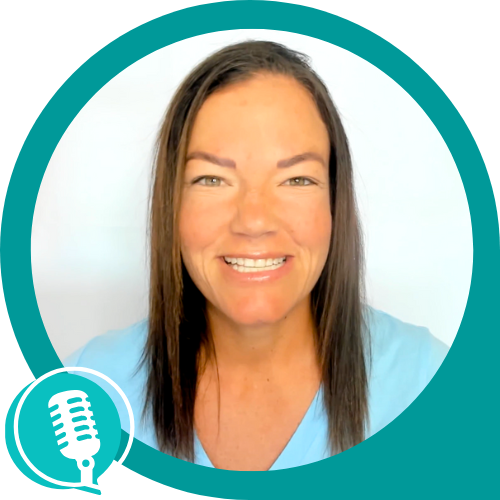
Kristi Kandel
Developer | Mentor | Co-Host of the LRED Podcast
Kristi is a real estate developer with nearly 20 years of experience and over $450M in projects across the U.S. Today, she focuses on helping locals step into development and build in their own communities.
She’s the founder of I&D Consulting, Local Real Estate Developers (LRED), and co-founder of Elevate, a community-driven sports and wellness concept.
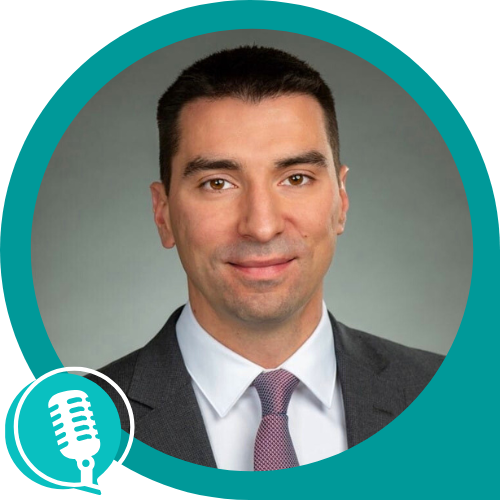
Raphael Collazo
Commercial broker | Author | Co-Host of the LRED Podcast
Raphael specializes in retail and industrial properties, bringing a problem-solving mindset from his background in engineering and software. As a commercial real estate advisor and developer based in Louisville, Kentucky, he works directly with investors, tenants, and cities, bringing a real-world view of how deals come together.
🔗 Related Episodes
How to Become a Local Developer: Katie Neason on Infill and Taking the First Small Bet | EP#29
A great companion episode on local infill, city relationships, and taking practical first steps in development.
How to Start Real Estate Development: Steph Weber Bought the Land First and Built the Plan Later | EP #41
A real look at taking your first development deal from idea to execution without having everything figured out.
Small-Scale Development: How She Left Her Corporate Career and Built a Tiny Home Village | EP #39
Another path from traditional career to building a community-driven development project.
About the Guest
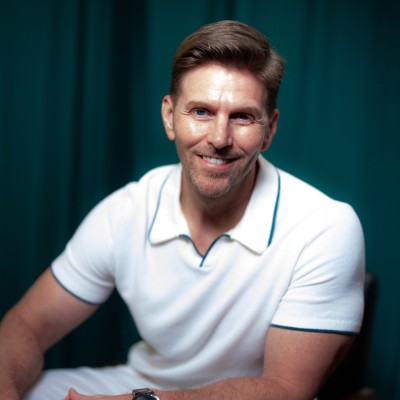
Josh Bryan is a land broker and developer based in Texas, specializing in land strategy, entitlements, and development partnerships. With roots in a family land business, he helps owners and developers navigate complex deals and unlock value in raw land.
Connect with Josh
🌐 Website: https://bryanhaggardland.com/
📸 Instagram: https://www.instagram.com/joshbryancre/
💼 LinkedIn: https://www.linkedin.com/in/josh-bryan-535a136/
Full Transcript
Raphael Collazo (00:42)
Welcome to the Local Real Estate Developer Podcast. I'm your co-host, Raphael Collazo. I am a commercial broker, investor, and aspiring developer here in Louisville, Kentucky. And today I'm here with my co-host, Kristi who's an All-Star Developer herself, and we're excited to host a phenomenal guest of our own. So, Kristi, great to see you.
LRED (00:59)
Hey, great to see you. Yeah, I'm Kristi Kandel a developer investor, and I teach locals how to become developers in their own backyard. And today we have a guest that I met through another friend after hearing him on a podcast. But we have Josh Bryan, who's here today, who's a land broker and got into development in the family business and has done some really cool things. So welcome to the show, Josh.
Josh Bryan (01:22)
I appreciate y'all having me. I appreciate it. Looking forward to it.
Raphael Collazo (01:25)
Yeah, absolutely. So, you know, one of the things we like to kind of ask our guests because real estate people, people get into it from a variety of different avenues. And so one of the one of the things we thought we would ask is what got you inspired to get into the commercial real estate industry as a whole? And then also we'll dive into maybe your experience in the development space, which is something that we obviously focus on here on the podcast. So if you don't mind kind of giving us a little bit about your backstory, I think that'd be awesome.
Josh Bryan (01:50)
Yeah, absolutely. Again, thanks so much for having me. I actually grew up just outside of Plano, or I'm sorry, outside of Dallas and Plano, Texas. And our family really had moved here back in the 1800s, which they started off as farmers, right? So as the generations kind of moved along, all the roads ended up really leading to a lot of the property that we had. by nature, you almost become
developers because of the fact you have to start paying for roads, you get calls from home builders and different types of uses to buy your property. So you really have to become really astute in those types of developments. So I was really raised around that type of conversation.
We would sell some tracks of land to a developer. The conversations around the kitchen table were often, you know, revolved around development and things like that. So I was very fortunate to be able to grow up in the business. remember us being able to be fortunate enough to build some shopping centers. My uncle developed some neighborhoods, built some homes, things like that. So every time we would drop by a piece of property, we would always be checking on how development was going.
you know, if a sign was out, we'd have to call property management and kind of figure that out and things like that. But just very fortunate to be able to grow up in the business. Now, for me, I didn't necessarily want to be in the business at an early age. was really involved with, you know, involved with sports during high school.
I was involved in some artistic things. I liked to draw and paint and things like that. And then I went off to TCU and really got my degree in advertising public relations. So that was such a fun experience just being over in Fort Worth and meeting really a melting pot of friends over there. And my avenue really wasn't in real estate at that point. I graduated in 2003, it seems like forever ago, and hopped right into the
the advertising industry. I started off really on the agency side. I worked with a group called Southwest Media Group and our main client was Dillard's. And we would really act on behalf of the client to go buy radio spots, television spots, things like that. So I had a little bit of sales history really in my back pocket before I got into real estate.
I hopped over on the advertising sales side and ended up representing really the television stations and radio stations and sold advertising that way. But really I kind of looked at my life and I was 27 at the time and it was 2007. Just remember that number. And I looked at my life and I said, look, there was a corporate environment that I didn't really ever mesh with. I was kind of thought outside the box a little bit. went against the grain every once in while, whether that's good or bad. But
You know, I looked at my life and I said, well, you know, kind of want to do a little something different. just, I looked around and I saw there was a corporate ceiling. lot of the people that were surrounding me wasn't necessarily happy. They'd been there for 20 or 30 years. So I went back and I talked to my uncle about our family business, which, know, like I said, we were in the development business. We were in the land sales business. We had some investment properties and things like that. And said, look, you need to kind of figure out what you want to do. So.
He encouraged me to go talk with some home builders, some residential real estate agencies. And at the end of the day, it really didn't mesh with any of those particular companies. But I came back. I said, look, I'd like to learn the business from you. My dad was involved. My uncle, it was a family business.
you know, a partnership that we've had for quite a while. And when I got into that business, I was really kind of plugged in right away. I didn't necessarily knew. It was kind of deer in headlights at first. Basically what you're you're drinking from a fire hose at that point. But what my uncle did was he would actually place everybody in the single room when we would meet with city staff to sell a piece of property to a developer or we would go develop a piece of property.
he would surround us with all the main consultants in that room, which later on, little did I know, I would actually start implementing my own business, which was, I was very fortunate to be able to have that experience. But I just kind of started off at the bottom. I did property management. I leased some houses for us. I leased office space for us, industrial space, things like that.
I got my real estate license in 2008, which that's when the market completely blew up. And I didn't know what I didn't know. I just kind of went through my daily routine the way I was supposed to and try to thrive in that current environment. years after I ended up partnering with a buddy of mine from TCU and we ended up doing deals, gosh, it was probably five years. We would do a lot of tenant rep. We would do...
franchise site selection. We represented a medical office building developer who we would go find the site. And his main business was a dentistry. We actually were able to get him to a point where he would retire from that.
and he would go buy land and build say three or four buildings and sell the condo shelves or we would lease them out and then sell them on a cap rate. Those worked out really, really well for us. And then in 2020, I had been married by then with my wife, Kristi, and we had kind of built a life with each other by then. And we found out probably the second week of March that we were pregnant.
And my whole life just changed. My everything changed. My viewpoint changed. My why changed. And I really started thinking before my son Liam was born, kind of what my life wanted to be. And my why had kind of grown beyond myself. And I came back over to the family partnership on the brokerage side and started a land brokerage tranche. And from there, we've worked with built to rent developers, multi-family developers.
Single family homes has been a big deal here in Dallas, Fort Worth, obviously, and the single family side has done really, really well. And mixed use master plans and things like that. But that's kind of how I got into the business and where I am now. Kind of a very slippery slope on a very winding road to get where I am now, but I'm very blessed to be able to be where we're at.
Raphael Collazo (07:52)
Yeah, that's amazing. And it kind of goes, it's kind of indicative of a lot of the people we talk to is that it's kind of a winding road to get where you're going. And some people know right away that this is what they do when they decide to jump into it. you know, I know for myself and I know Kristi has had a windy road as well to get where she's ultimately gotten to now. I mean, it's kind of an industry where, you know, there's so many different things you can kind of pursue and you just, you know, find your niche. And over time, you built something of significance, especially in your case where you're deciding to.
really focus in on trying to build that legacy, which is, I would imagine why most people do what they do, right? You're trying to build something for the next generation and build something that's greater than even yourself. So that's amazing.
Josh Bryan (08:31)
I think that's important. That's what I came up with really for the slogan. My wife and I sat down in 2020 and we're like, why do this? Why start this really in a pandemic? Because I really started this in May. It's one of the best businesses to start when there's tough times. That's what we always say, but I guess I'm crazy. But had a great clientele and some great experience support.
LRED (08:43)
A recession, pandemic.
Raphael Collazo (08:45)
You're just a glutton for punishment, it seems like.
yeah.
Josh Bryan (08:59)
Especially at home, that's a big deal, right? When you have support at home. My wife is a huge encourager. So that was a major thing, especially being pregnant, you know, during those times. But we made the slogan, building Texas legacy. So that's the main slogan of our company, which kind of just lies basically in that legacy portion of we want to build somebody else's legacy. We want to build our own. We want to help.
really shepherd those things for other families and developers and things like that. So I think that was really one of the main themes that we really wanted to drive home and what we do as a brokerage and really as a family partnership. So that was just something on the side of it. But yeah, my wife and I talked about that and that's kind of what we came up with.
Raphael Collazo (09:39)
Yeah, that's funny. And then those conversations are real. mean, my previous career, was in engineering and got into software development and consulting. And I did that for a long time, was traveling around the country. And when I had that conversation with my wife about the... And my girlfriend at the time, now my wife, pretty much said, hey, I want to leave my well over six figure job to take on a fully commissioned role. It was definitely an interesting conversation. But ultimately, to your point, having a supportive spouse that says, you know what?
I think it's great that you're betting on yourself and you're trying to make it work and you try to mitigate as much risk as you can. But at the end of the day, entrepreneurship is a true meritocracy. It's like you get out there and you try to create opportunity for yourself and others and that's how you're able to succeed.
Josh Bryan (10:22)
You gotta feel forward.
LRED (10:22)
That's right.
Raphael Collazo (10:23)
Yeah, fail forward.
Yeah, as long as you fail forward, right? You used to make it scuffed up, but eventually you're going to get to where you're going to go.
LRED (10:26)
Yep.
Fail forward, fail quickly. So speaking to that, so you're starting a new business during COVID. What were some of the early challenges? Because I'm sure you ran into different roadblocks and things, whether it was in the partnership, securing clients, the different projects, what were some of the early challenges of starting?
Josh Bryan (10:46)
When it hit, was like a freight train. Everything stopped. If you remember, there were no city meetings. Everything was done virtually. We were able to save quite a bit of deals that we had on a contract by just working out extensions. But construction financing had froze. So we had to really put everything on the back burner. And I had so many otherwise out for...
property at the beginning of the year that just ended up dissipating. So that first year was really, really tough. We were lucky enough to have two or three really big closings that year. So that kind of got us being an entrepreneur, you're always kind on the edge. Yeah, you have to have cash reserves for certain things, but
We were really lucky to be able to have two or three main clients that had some pretty big closings were able to get things across the finish line. But a lot of people weren't able to do that. you really had to start cutting back. And one thing I did during COVID, which was in a developed my business today. So I had a friend of mine who was in the construction business that we went to high school together. This comes back to the development world being very, very small.
And we would hop on Zoom calls every day with, because they specialized in multifamily development and just, you know, garden, stick and brick stuff, three story. And that was right before the suburbs in Dallas really started gaining a lot of momentum on multifamily. And we would hop on Zoom meetings every day with a different multifamily developer and take them on a Google tour of all the sites in DFW and try to activate that way. And we were pretty successful on doing that. But
since we couldn't meet with anybody and he was a business development manager, we were able to combine efforts. And that goes back to my...
really partnership with consulting or consultants is really put the same people in the room and we can all benefit. But that's how we got a lot of stuff done for the next couple of years through the pipeline was getting a lot of that synergy going between developers and understanding what sites were available and just giving them a tour virtually, which was very interesting. But that's kind how we got through that. The next 12 to 18 months.
Raphael Collazo (12:46)
That's amazing. Well, know, regarding that, so I'm curious as to know with this new venture, are you also taking on development projects for your own? Are you really strictly focusing on your brokerage area?
Josh Bryan (12:59)
So
we have two tranches. We have a family business where we'll go, we can't go buy tracks and entitle them. We can do horizontal development. We can do vertical development if we want. We've actually zoned a master plan community over in Sherman, Texas, real close to TI where they're building a $30 billion plant. We got lucky because they announced it right the tail end of when we were planning that. And we were able to sell that. So we.
We've got experience on the entitlement side, putting districts together, whether it's PIDs, MUDs, and things of that nature. Really relying a lot on our consultants, for some of those tougher things to put those things through. And then we've got our brokerage side. we do a little bit of something different, and we can also help family and family partnerships out if they don't necessarily want to.
have a developer come in and take up the time to be able to entitle the piece of property, we can help them do that as well, just more on the consulting side and really get that teed up for somebody to be able to take that down a little quicker. So we have a couple little facets of our business that we can help people out with.
Raphael Collazo (14:04)
That's awesome. Yeah, I just made a post today actually about entitlements because I personally have done so with a couple of my investment properties. I took the property right through the entitlement process. Obviously, added value through that. And it can be a tricky road to navigate and each municipality has its own way of handling the process. And some are more difficult to deal with than others. so you really have to understand, have that local knowledge to be able to make sure you navigate those landmines that could potentially become available. And to your point, having the team
in your corner who does this on a regular basis that does it in the municipalities that you're ultimately operating in because they themselves oftentimes have the relationships as well to help you get what you need to get done done. And it's amazing too, because to your point regarding buying land and tiling it and then selling it, know investors that do that. They'll buy pieces of land, get them entitled, minor plat them into smaller lots, and then individually flip them, at least in the retail side.
the developers or the investors that I know are retail centric. yeah, I mean, the way that you can make money with these types of opportunities, I mean, there's so many different ways to do it.
Josh Bryan (15:09)
I always love to tell it's like you don't necessarily have to touch the dirt. There's several different phases of development, right? You come in and it's raw land, you get it teed up, you get all the engineering taken care of, you plow it, you can sell it to a developer, you can develop it yourself at that point. But knowing what you can build is a huge aspect to it because especially in today's market where a lot of the builders are going land light, they've got land bankers and things like that but...
Everybody wants to know what they can build. What size lots can I get? Where are the utilities located? Do you have an OPC? I can opinion a probable cost for your civil. Well, all that takes time and money to put together. then especially if you have offsite utility problems where, hey, I've got water a mile away, I can solve the problem. I just need to be able to get time.
And really trying to match that timing up with that you've got these families and family partnerships that own some of this land and markets that you guys work on, right? Because they're secondary markets and they're kind of on that outer rim where it's not necessarily a residential sale, right? You can't close in 10 days. You really got to spend a lot of money to be able to know what you can do.
LRED (16:14)
Mm-hmm.
Josh Bryan (16:20)
on that piece of property. Otherwise it's just not a good transaction. It's not a goodbye. You got to be able to know what you can do on the property. So it's really trying to communicate, make sure everybody's in the same lane a little bit. And I think that's a huge aspect to what we do is try to relay that communication to both clients, developers, and try to make things work. That's important. Yeah.
Raphael Collazo (16:39)
Yeah. And it's an assemblage too sometimes too, where
you have a piece of property and it's like, well, if we get this other piece next door, then maybe it makes it much more viable as an opportunity. And I actually had a recent conversation with an owner that owns a piece of property in a very high growth corridor, but the lot itself is kind of narrow. It's only about an acre and change. And I'm like, well, if we can talk to the neighbors and maybe get like six or seven acres, I mean, it's a pretty high, dense traffic, a lot of activity.
I mean, you could probably get a retail developer interested in taking on that development. so having conversations with different property owners to potentially assemble sites to your point, utilities can be a problem if you have to run sewer to a site. I was talking to my civil engineer the other day, like, it's like $100 to $150 a linear foot in our market. I don't know how it is in other markets, but there's like, yeah, this particular site is 1400 feet away. So you do the math and figure out what the cost just to bring the sewer to the site is. And it's like, well.
Josh Bryan (17:23)
there.
Raphael Collazo (17:35)
And that creates this dynamic where you have to factor all this in. And that's why people like you who understand this process, you probably come in, ask the right questions, and figure out, oh, these are the challenges we're going to face before we actually can sell this property or develop this property or whatever that is.
Josh Bryan (17:50)
Absolutely and sometimes there's some cost reimbursements from the city, right? There's some impact be reimbursed reimbursement So having them those conversations up front is just vital to be able to not only bring a site to the market But to understand what you can do what the hurdles are because I always say you got to find the eel in the deal first Before you bring it because somebody's gonna find it anyway and you don't want to waste all that time because as we all know it
LRED (17:53)
Mm-hmm.
Josh Bryan (18:12)
It could take six to eight months to get through what you need to as far as approvals, at least here in Texas, right? And especially, it becomes very hyperlocal as well. So you don't wanna be able to waste that time and money. You wanna be able to.
Raphael Collazo (18:17)
Mm-hmm.
LRED (18:17)
Mm-hmm.
Josh Bryan (18:24)
kind of face those hurdles up front, just so somebody can make a proper decision and you can properly price the site. But yeah, that's vital to get in front of the city to be able to see if there's opportunities for reimbursements. If there's a district you can possibly put on there as far as maybe a residential or a mud or a pit to be able to get some of those cost reimbursements back to the developer over time so it helps on their capital. So those are the types of things we really want to find out.
LRED (18:50)
Yeah, and it sounds like you really help when, whether it's the property owner or someone who wants to acquire the land, you can help fill in the pieces to go, hey, you need a civil engineer for this, here's an architect for that. Can you maybe describe a little bit about the team that you help assemble and then how you carried it on to where you go into these city meetings and you bring the team or to planning commissions or city councils? Maybe go into that detail a little bit.
Josh Bryan (19:14)
So first and foremost, when you're wanting to get a meeting with the city, it's really good to have those in place, not going in just by yourself. Because if you say, if you contact the city and say, look, I've had my civil engineer take a look at this particular site. And we found out that it's in the future land use plan for mixed use development. We understand that the master thoroughfare plan is going to bisect the site.
showing that you've done your homework, it's a lot easier to get the meeting. And then when you bring somebody to the meeting, I usually like to bring a civil engineer first and foremost for that pre-development meeting. they'll have, city will have their own civil engineer, they'll have fire, they'll have their planner, tree mitigation, things like that, just go through the process of developing the site. They'll bring it up and they'll talk about the utilities, the challenges, the...
the plans surrounding your development that you might not know about just yet. Somebody who submitted an application that's not necessarily on the zoning agenda yet. So those conversations are vital, but
Typically the team that I like to surround myself with from the initial out go is really your civil engineer, your land planner to be able to put together a kind of a high level fat pen sketch to present to staff so they understand what type of use you're looking at. We'll look at the future land use plan first and foremost, pencil in the highest and best use, put that concept together.
And then we have something tangible to be able to take to the city and say, hey, this is what we're thinking. What's your take on the site? What are you guys envisioning for it? So it's more of a collaborative approach to what we do as opposed to, hey, well, this is in the middle of a field. We want to do 400 units of multifamily here. we know it's for future land use as a state residential. It's probably not going to work. So we really want to be collaborative with the city.
let's take a look at and talk to the city civil so they're on the same page and really dissect some of those notes. Have your land planner really put together that plan. If we can, we'd like to get a survey as soon as possible.
Just so we know what we're looking at. If the landowners don't have a survey, I really recommend having a survey there and really have everybody else teed up, you know, ready to go as far as if you need to do a flood study, you need to get somebody to take care of that. You know, your phase one, your DO tech and those types of things. You need to have all those consultants ready to go for development. So we'll have those on hand when we take a site to market just so they're ready to get things done if needed.
Raphael Collazo (22:13)
That's amazing. Yeah, no, and to your point, mean, having those relationships already cemented also helps, especially if they've done work in the market that you're ultimately operating in, because they'll typically have relationships with the people at the city or the county or whatever that could potentially help expedite the process as well. And I appreciate your point of collaboration, because there are some, you know, there's a, I'll just give an example of a site here in our local market. We have this like,
historic, but it's a mall that was kind an iconic mall for many years and it's fallen into a of disrepair and they're actively trying to sell it now. And it's in the middle of a very kind of affluent, but very eclectic type of area of town. And so the thought process is it's got to be something that's going to have tinges of historical charm and whatever else. That's probably something that would actually work there. But there's a developer that's trying to come in and put a grocery anchor tenant and have these like gaudy, you know,
brand new looking buildings and it's like, bro, you're not even going to make it past the preliminary planning commission meeting. And it's just, it's silly. It's sad because they're going to spend, I don't know how many hundreds of thousands of dollars into all these different development, you know, things they have to do. then ultimately they're probably not going to go through because the neighborhood is going to be in an uproar and it's not going to work. So this type of stuff, having these thoughtful conversations with the city and saying, look, we want to, we want to be able to deliver something that the community actually
values and seeing here and activate this land so it can become something that the county and city obviously benefit from as well. What can we do to be able to make it so that everyone benefits from this engagement? I think that's a much better approach because you'll probably have a lot more support from the people that are ultimately going to have to make the decision, especially in smaller counties. I'm sure a lot of it's even staff level type of approval, would imagine. Then maybe correct me if I'm wrong, but I'm not sure.
how it operates in your market.
Josh Bryan (24:03)
It depends. If it's in the city, usually you have to go through, know, PNC and council to get most stuff done. Some of the preliminary plots now are just getting done staff level at that point. But, you know, I think it's important. Like I think what you said was hyper local, really kind of focusing on that. So usually when we have a civil engineer, it's great to be able to, number one, be specialized in that product type. ⁓ And that's with any consultant, right? You know,
Raphael Collazo (24:16)
Mm-hmm.
Mm-hmm.
Josh Bryan (24:29)
If we want to do a multifamily deal, we need to understand the constraints and things of that nature to understand what we want to do there. And number two, have a relationship with the city. Because if they've already done projects in the city and they have a good reputation, that's another thing, right? Things will go a lot smoother. And then the dialogue will be a lot more open because they've already done things. They've already kind of gone. They know the hot buttons. They know what buttons to push, what buttons not to push.
LRED (24:41)
Mm-hmm.
Josh Bryan (24:52)
And being a broker, know, Raphael, you know this, you've got to be the lead on everything when you're, putting all this stuff together. And there's a lot of brokers that don't want that responsibility. just put a sign in the ground and they say, okay, well, let's just figure it out. But in order to save everybody time and money, I think that it's, it's important to be present in those meetings and really spearhead those conversations and, really have those back and forth. But yeah, I think the hyper local aspect to it. And that's what developers tell us all day.
If you've worked with developers saying, in and say, hey, look, do have a civil engineer that works well in Fort Worth? Or do you have a civil engineer that works well in Salina, Texas, which is a really fast growing market? And we have that. So that's what's good to be able to provide value, not only on the landowner side, but a developer coming into the market. And we can kind of piece that team together for them to.
LRED (25:41)
So true. Every new market that we branched into, it was, how do we find that civil engineer that knows the general area? Because we were bringing in a national tenant, so the architect didn't truly matter. They're pulling the prototype plans, putting some gingerbread on. But that civil engineer who knew the dirt, who understood the city dynamics, because even if you're coming in, even if a project is zoned right,
Raphael Collazo (25:41)
Okay.
LRED (26:02)
there could be different opposition and you want some kind of boots on the ground to hear, know, what are the neighbors saying? What's the community saying? Is this good? Is this not, you know, and your civil engineer probably is tied into other organizations within the community and they're talking to people. So it's those conversations. it's like everything that we talk about in development, it's not transactional. This is 100% relationship based and having a great relationship with your consultants will
who then have those great local relationships goes a long way. And the same when you're talking with the city and having the pre-application meetings and going in. Just like the neighbors don't want development to happen to them, they want it to happen with them, so does the city. And when they see that partnership and they see that you did your homework before coming in, that's so beneficial.
Josh Bryan (26:50)
It does, and they're impressed that way because they get a lot of tire kickers coming in and then people that don't know what they're doing. You oftentimes see, cause we track every planning and zoning agenda item, just to try to know the market. It's very Bob Mackle, it's very super hyper local. But we try to understand what is being passed, what's being approved, what's being approved with some of those contingencies and things like that. And try to understand the pulse of council and the pulse of staff.
LRED (26:55)
Mm-hmm.
Josh Bryan (27:15)
And we don't want to do anything to really ruffle that feather because say they cut off multifamily. Well, we don't want to go in and try to do a mixed use development with multifamily because it's just not going to happen. We've had consultants come and say, look, they just, the spigot is off. It's done. But at the same time, you want to build something that everybody can be proud of. Right. That's, that's that legacy aspect that we all are striving for.
So a developer drives by a site and looks up and says, look, it's something you and your family can be proud of. You can take your kids by there and say, look what dad did or look what mom did. And it's a cool aspect to our business, but we got to be able to be in unison with the city and not so much adversarial. think a lot of people get into this adversarial relationship and look, it just doesn't work out for anybody. I think it's best to just be, you know,
I would say harmonious with the city at that point and try to understand their goals, right? So what can this site do for the general area? How does this solve your problem for the comprehensive plan? Maybe it is a different use than you planned for, but how can that strategically be placed where it solves the rest of the problems surrounding it, right? So just having those open conversations and especially if you have a...
I always recommend getting, if you need to get an entitlement consultant and your engineer can be that too. We've had a lot of business development managers with engineering firms be entitlement consultants that are great because they're super hyper local. But that's always good to have that in the room as well to be able to understand the dynamics between cities. We've had.
several different specialists in different parts of the market where you take this side, you take this side, let's, you you have the relationships with staff and you've done multiple projects and things like that. So pairing them up with your civil too is really good.
Raphael Collazo (28:57)
That's awesome. So one thing I was kind of curious about to get a little bit more, I guess, granular and maybe a recent project that you've worked on and how you were able to overcome some of the obstacles. And just maybe it's an interesting project you worked on. I don't know if you're willing to share a recent example, just to kind of provide a little bit more color to what we've been discussing thus far.
Josh Bryan (29:19)
Sure. We did put together a site in Anna, Texas. It's the fifth fastest growing market in the country right now. And this is more of a complicated deal that took a lot of twists and turns. So we ended up putting it on the market in, let's see, was 2022, something like that. We had a lot of offers for it. It was a 64 acre site right on I-75.
in White Street, which is a main thoroughfare through town. the owners didn't know what to do with it. It all zone commercial. was a very deep site. And we took a look at it and said, look, really, the highest and best use for this is going to be some type of residential in the back, a higher dense residential product with more of the retail synergy upfront. And we ended up putting on the market, got some offers, and then the ownership decided to
Hey, look, why don't we take it off the market for about a year? Let's shoot for a higher price next year. And in a brokerage, you have to be patient with it. And I agree, because the market really was in hyper growth mode at that point. So the next year, we found out that, hey, look, we've got a neighborhood kind of being built behind us. We got wind of that saying, OK, well, that's why it's good to know the market. Well, so we don't have any opposition.
no matter what product type it is. So we don't have any opposition. Let's just go ahead and start working on getting the back half sold because it'll create some synergies for that retail frontage, right? So we brought in one developer who was a built to rent developer, a national developer, great group, have done over a dozen deals with them. And we put it on a contract. We went through really the preliminary due diligence period, submitted application for zoning.
and the interest rates just spiked overnight, it felt like. So all your construction financing is, it's now so much more expensive to build. Nobody wants to take as much land as they initially wanted to. So we had a conversation with the ownership and said, look, they're having a tough time. Really, everybody's having a tough time getting anything, the pencil down. Pencils are down, basically. So the ownership was actually 11 different owners, all equal shares, all friends.
So having that conversation on a conference call was very, very interesting. That's why it's good to have communication between all parties at all times. So in constant communication and things like that. So basically what had happened was this group, we said, hey, look, instead of doing all built to rent, why don't we split it up? We'll do built to rent and then we'll do multifamily. We'll do a multifamily sign in, a built to rent site.
And we also had a problem with the master thoroughfare plan. It was actually bisecting the site with a six lane road, which is huge because developers have to pay for it. So we had to work out multiple avenues. So we went through and we got zoning and we got that approved. Well, the multifamily developer the night after zoning couldn't make it pencil at the end of the day. So their investment committee said, hey, look, we can't do it. There's no way we can do it anymore. We'll have to terminate.
So we worked tirelessly on trying to find another developer to plug in. And through this Build to Rent Developers relationship, my relationship, I happen to know the gentleman as well, we plugged in another quality multifamily developer who had the same architect, which was great. So they could basically take the same plan and plug it in. We rushed to get the contract done. We had three development agreements. So we had one with the underlying landowner that had the frontage.
and then between the other two developers that would develop the entire site. And then we had another one with the city. So we had to coordinate all those development agreement and cost shares and percentages and things like that. And we finally got that penciled in and we finally closed that. I think it was roughly almost a year, year and a half to be able to put all that together, but.
Those are just the different dynamics, access points were changed around, rating permits and who's going to masquerade the site. All those question marks had to be addressed and then going through the development agreement with ownership who are just plain land investors. They don't know anything about development. They have never developed a site in their life and trying to put all these pieces in place with zoning, roadways and everything else was just a, it's a learning experience for them. But at the end of the day,
You have quality development in the back that provides housing that's much, needed. And then you're able to activate the front at a later date with quality retail development because we put into the PD, which is the plan development zoning, really requirements for a lot of this quality development that we would have. So it'll be a true mixed use development that we are putting together.
I mean, it's a long, drawn up process, but I think adding something to the market that everybody can be proud of is vital. So that's just one of those instances of really maneuvering several different aspects of a deal to make sure it all works. So that was just a very high level of that year and a half. was pretty long, but we got it through.
Raphael Collazo (34:17)
That's amazing.
LRED (34:18)
⁓ yeah, juggling
all the different balls and having things switch. I know when I bring in new team members and they start to see all the balls that we're juggling and it's like, yeah, all that work you just did with that, we're actually gonna completely blow up that plan and go with this. And now we have to do X, Y, and Z and they're just like, what? And it's when you have that many different potential tenants and uses and things, it's gonna.
happen. And to me, that's the fun part when entitlements are done, I think it gets a little boring and a little black and white and like, okay, these are the nuts and bolts of it now. But yeah, juggling all of those different interests and then shoot throwing in 11 landowners that you're educating along the way. Those are big ones to celebrate in the in the end when you hit the different milestones for sure.
Josh Bryan (35:02)
And I got a note too, I think the most important for any brokers listening out there, the most important thing or any landowners or developers as well is we met with the city first and we put together a plan that showed all these different uses from the get-go and we got their support right along. Cause we would have never ever reactivated it that way if we had city pushback at that point, if we didn't see a path forward. So we were able to put that together and really, and we marketed it very, very quickly to be able to put those.
Raphael Collazo (35:02)
Yeah.
Josh Bryan (35:31)
those uses together. So that was something that we really wanted to hone in on before we move forward with any applications.
Raphael Collazo (35:39)
Definitely. No, you're right. And to your point, if the city had said absolutely not, it kind of leads you to believe, OK, well, you maybe it's not a path we want to pursue and spend all this time and energy and money to get what we want to get done done when the city itself is going to be really a nightmare to deal with. So it's good to do that. And I think it's it's important the the insights you shared with that in that story and that, you know,
everything could look great when you put it on paper, but over time, you have to actually implement the business plan and things happen that you can't foresee. mean, you talk about COVID when you had all these different LOIs out and then all of a sudden there's a massive shutdown in the economy and everything falls apart. You talk about interest rates spiking, which was somewhat unprecedented in our history where you had such a large spike in interest rates. So all these different pieces of the puzzle you have to manage as a broker in your case.
to make sure that you can get the deal ultimately to the finish line. And I mean, it's a challenge. It really is. And it's not just looking at a site and saying, it'd been really nice to see a multifamily property there. It's all the pieces that you need to put into place and make sure you're managing over time to ensure that it can ultimately become a reality. And that's where you as a broker, especially an experienced broker that understands what it takes, can quarterback the opportunity to the finish line, which is ultimately your job, your role.
Josh Bryan (37:02)
And you gotta be a realist, right? You have to be honest with people and you have to be a realist, but you also have to be positive. Say, look, this becomes a challenge we can try to overcome if we can, rather than let's just give up and let's just toss our pens out the window and we're done.
Raphael Collazo (37:09)
Mm-hmm.
Josh Bryan (37:18)
Well, no, hold on. Let's try to be creative and try to figure some things out. And that's where you become kind of a therapist at the end of the day for all parties. Like, hey, let's just get on the call and let's try to figure this thing out. Everybody spends so much time and effort to do this. And let's just, let's, I've had so many calls where you have to talk people off the ledge every single time. just give me another day to be able to put, maybe put some ideas together and try to.
Raphael Collazo (37:21)
Mm-hmm.
sure.
Josh Bryan (37:41)
to save some of these because at the end of the day, are developments we believe in, right? And if they come together, they really can cause some change, which is good. It's just keeping everybody out of their own heads, if you will.
LRED (37:53)
Oh yeah, it's a, there's a lot of mindset that goes into that for sure. And the stamina that it takes to just constantly go, no, this is a, this is another hurdle. It's a challenge. We're going to problem solve them. We're going to figure a way out. Um, and shoot, know sometimes you get hit with what you think is the death blow and I'll just go on a hike or I'll go snowboarding or I'll do something to allow the thoughts to go. And all of sudden you go, Oh,
I remember something similar and you call up a different consultant or a different person. It's like, what if we tried this angle or strategy and maybe that's not it, but it gets the brainstorming going and it's like, okay, there's always a way to figure it out. It's just figuring out the right pieces or order.
So to that extent, we've talked about the city angle, we've talked about the consultants, to the people who might either own property and they're like, man, I've got this land, I inherited it, I bought it, I'm not sure what to do with it, or someone who goes, you know, maybe I don't wanna do an adaptive reuse, maybe I like this idea of doing rezoning or subdivisions and selling to where I don't deal with construction at all. How can that type of person, one, find and vet?
brokers like you who do the land brokerage. But how can they educate themselves and come to the table to where they're a true partner to you, even if they are green? And like what type of attitude or approach can they come to you with to to be a good partner with land broker?
Josh Bryan (39:16)
always think that if you look and you see who's got the most property, I always look for who has the most listings in the market, who's mostly involved in a lot of these. Read through the Dallas Business Journal, find out who's been really in that particular market because I always say it's very hyperlocal.
And anybody who's tracking the market on a daily basis in your neighborhood is going to be able to advocate the best for you, period. I mean, they're going to know every single development going on every single corner. And if they're tracking those and they're tracking the sales and they know the numbers and they know the supply and demand, which is a big aspect of trying to figure out what your use is on your site. And they know city staff and they're, constantly up at say the city council meetings and things like that. That's a very important aspect to it.
Secondly, just to kind of go off of that, I would go to city council meetings and just sit in on those and see what type of relationships you can develop because a lot of the local brokers are there. They're with their development clients and you'll know and be able to meet a lot of the players in the market just to be able to learn what's happening.
I think that's vital. Up in some of these northern markets in DFW, a lot of the land brokers are up there every city council meeting because they have clients either shelling or they've got clients that are going through certain aspects of the development phase. I think that might be an important aspect to it. Just really creating those relationships within the market and the first place how it goes, just start sitting in on some of those city council meetings and finding out who the best broker is and who can advocate for you.
the best because of their knowledge and experience in the market.
LRED (40:52)
Okay, so they go to these meetings and they find you and they go, Josh is the guy for this area. What? How can they then what is a partnership with you look like and how like what what should they bring to the table and things like that?
Raphael Collazo (40:57)
you
Josh Bryan (41:07)
Well, first of all, we want to understand what their goals are for the property rights. So we'll set up a meeting and we'll sit down with them and say, okay, well, what are you thinking for your site? We want to be able to respect anybody's family, anybody's vision. And then we'll really try to cross reference that with, well, because not everything is zoned in Texas and a lot of the markets we work in obviously aren't zoned. So we'll cross reference that with the other future land use plan and we'll come up with a concept for them.
and present that to city staff. And we'll really kind of go over everything with city staff to make sure that that's kind of aligned. But we'll work in unison with the family partnership. And I always tell, and this is what we've done for a lot of our property that we haven't even sold yet, but we put together, we haven't necessarily zoned it, but we still have it ag. But we put together just a...
great site plan for what it could be. got city staffers behind it and if anything ever happens to somebody in the family you're able to expedite that sale on maybe a smaller piece to be able to sell that in the event that something does happen. So that's always good to have in place no matter what on any piece of property that you own that's kind of outside that I would say that rim of development because you the growth is coming.
So we can put that together for them as well. So we can formulate joint venture opportunities. We can take our family partnership and we can do joint ventures with people. You can always ask for that. You know, have somebody do the heavy lifting on the entitlement work and.
There's an entitlement lift when you finally do sell the property, which is above your basis of your land that you guys can work out with a JV on another family partnership who specializes in these things. And there's just a lot of different ways that you can go about putting together a plan and then ultimately selling it or sitting on it for quite a while, but just to ensure that something's in place to be able to protect you and really create longstanding value.
Raphael Collazo (42:51)
That's amazing. No, I'm excited to hear feedback from this podcast regarding this conversation and ultimately people who are looking to do some making some moves in your market in particular. So I'm interested to see that. One thing I'm curious about is what's the future hold for you? mean, what is your long-term vision for your company? Do you have any aspirations to continue on and take on your own developments as well? I'm kind of curious about that aspect of what your vision is.
Josh Bryan (43:19)
Yeah, absolutely. think, you know, as we grow and we evolve, you ever read the book 10X is better than 2X? As we evolve and we take on different roles, we become more mentors to brokers that want to get in the business. So I love that leadership aspect. love
Raphael Collazo (43:25)
Mm-hmm. Yes.
Josh Bryan (43:35)
the potential of being more of a teacher and teaching other people how to do this stuff. And then taking on more of a principal role with our family partnership on the other side as well. And really helping out other families, you know, in the meantime, you know, I mentioned that, that JV opportunity, there's a lot of families that call us and say, Josh, I, I don't want to tie up the property for 12 months with somebody who's just going to take up time and we're just not going to get as much money as we could. And what we can do is we can add value to them and.
and really create a partnership with a lot of the families out there to ensure that they do get the value for their land. They're equally yoked with another family partnership as we have. again, I've been very, very fortunate to be able to have family that have done this for a long time. And my great, great grandfather really put this in place for everybody else. So I'd like to be able to give that opportunity to other people. I really would in some shape or form. What does that look like 10 years from now? I'd love to be able to grow the brokerage where
You know, we're really a mainstay in the Dallas-Fort Worth area. We're a small boutique brokerage right now, but I'd to be able to see the brokers be able to replicate what they're doing with other young brokers, teach them how to teach others. So that's one of my goals, and that's what I'd like to provide, you know, as an example to our kiddo, right? It's not just about real estate. It's about, you know, teaching people how to grow personally, professionally.
know spiritually all those types of things. So think that's that's something that's really important to me.
Raphael Collazo (44:57)
That's amazing. No, no. And to your point, it's purpose. mean, I think in any business that anyone starts, you have to start with a why and then build from there. And the fact that you are also interested in being a leader in your community and try to foster other success. mean, it's just, you know, I'm sure it's going to bode well for you long term. And I'm really excited to follow along with your all's growth. And I'm sure now that we've had this podcast, part of the reason we did this is to obviously, you know, tell people about
teach people about development, inspire people to take on their own development projects in their local market, but also to meet amazing people across the country that are doing cool things and ultimately being able to connect and stay in touch and share ideas over time. So we're looking forward to doing that.
Josh Bryan (45:40)
And I have to say, if you're a developer out there, you don't have to do it yourself. It's very overwhelming when you first get in to say all these moving different pieces, they're talking about civil engineers, they're talking about planners. Let them do their job because they're really, really good at what they do. Trust in what they're gonna do, but go just find the right people to lock arms with. I think that's the most important part because I'm never the smartest guy in the room at all.
Raphael Collazo (45:44)
Hmm.
Josh Bryan (46:07)
If you surround yourself with the best people in the business, they're gonna make you shine. They're gonna make you do, they're gonna create a lot of success for you. But don't be overwhelmed. Keep it very, very simple. Fill in the slots like a basketball team. You've got different guys, right? That you try to fill in. I just encourage everybody just to keep it simple and don't be overwhelmed and ask a lot of questions.
LRED (46:30)
love that. love that. how can people connect with you, support you? What's good way for them to reach out after hearing this?
Josh Bryan (46:37)
You can find me on LinkedIn or you can go to bryanhaggardland.com and reach out to us there. we've got an example meeting. You can email us. We'll be happy to meet with you any time and answer any questions obviously and help how we can.
Raphael Collazo (46:50)
That's amazing. And we'll make sure to include that in the show notes. If you guys have watched this on YouTube, go ahead in the description, you'll be able to access those links. And if you guys are watching this or listening to this in a podcast format, whether that's Apple Podcasts Spotify, again, go to the description and we'll make sure to include all that information in the show notes. So Josh, thanks again so much for your time. It's really an honor to meet you. And I'm really looking forward to staying in touch. next time I'm in Dallas, I'm definitely going to be looking you up and trying to see if we can maybe get together. That'd be great to continue to foster relationships with people across the country.
Josh Bryan (47:20)
Absolutely. Yeah, I really appreciate you guys having me on. Really appreciate the opportunity.
Raphael Collazo (47:24)
Definitely, Well, thanks again, like I said, so much for stop for stopping by and being a guest of ours on the show. If you guys are watching this on YouTube, please like and subscribe. It makes a huge impact on our ability to broaden our audience. And we obviously greatly appreciate the support along with that. If you guys are listening to a podcast format, whether that's Apple Podcasts or Spotify, please, please, please leave a five star review. The more people that we're able to engage with, the more people we're able to inspire to take on their own developments in their local market.
the better I think our world is going to be. So we obviously greatly appreciate all the support and we'll see you all next time.
Get the tools behind the episode
Access the Developer Vault with templates and real resources
©2025 I&D Consulting. All Rights Reserved.
©2025 Local Real Estate Developers. All Rights Reserved.