From Land Flips to Subdivisions: How Brian Wied Built a Lean Development Business Across Multiple States | EP #10
Real estate development, rural land subdivision, and using data-driven strategy to turn raw land into profitable projects.
What if the next great development deal is not a building at all, but just dirt?
This episode shows how Brian went from simple land flips to intentional subdivision plays with lean systems and real upside.
Brian Wied did not start in real estate as a developer. He started in geology and environmental consulting, spending decades helping others navigate complex contaminated sites, remediation, and regulation. That background gave him a unique perspective on risk, land, and what it actually takes to get projects done.
Then he discovered land investing. What began as a simple alternative investment quickly turned into a business.
This episode is especially helpful for aspiring developers who want a practical entry point and Brian gives a very grounded roadmap.



Get the tools behind the episode
Access the Developer Vault with templates and real resources
Episode Summary
Brian Wied’s path into development is a great example of how adjacent experience can become a real advantage.
He spent 25 years in environmental consulting, working with the EPA, the military, regulators, and private developers on some of the most complicated sites imaginable. From contaminated land to remediation strategy, he built a career helping people solve difficult land problems. That meant he spent years watching developers take on projects that many others would run from.
Then in 2019, Brian made a pivot.
He found land investing through direct mail and took a chance on his first deal, a small parcel in Oklahoma. He was nervous enough to consider backing out before closing, but he followed through, sold it for a profit, and got hooked. What started as an alternative investment quickly turned into a business.
From there, Brian built a system around data, direct mail, and lean operations. He buys land in multiple states, works with local external teams, and uses VAs and software to keep overhead low. That lean model matters. Instead of building a large internal team, he relies on strong local partners like surveyors, title companies, contractors, and agents who know each market.
What makes this episode especially useful is how clearly Brian explains the shift from flipping land to developing it. He realized that the sum of the parts was often worth more than the whole. So instead of just reselling larger parcels, he began subdividing them. His early Louisiana project is a perfect example. He bought a 14-acre tract, worked through the subdivision rules, created eight lots, and sold them quickly. That deal showed him how simple subdivision could add serious value when the county rules, lot design, and demand all lined up.
He also shares one of the smartest market selection tools in the episode: the comprehensive plan. Brian treats county comprehensive plans like a cheat code for developers. If the county has a clear vision, updated maps, and a pro-growth stance, it tells you not just where development is likely to happen, but what kind of product they actually want. That makes it easier to walk into the county office with a real solution instead of just a speculative idea.
Another important layer in this conversation is due diligence. Brian breaks down how a Phase I environmental report works, what it should actually tell you, and why developers should not panic when something gets flagged. Instead, he explains how to ask better questions, understand the real level of risk, and work with consultants and regulators to figure out what is actually fixable.
The big takeaway is this: development does not have to begin with a giant building or a massive team. It can begin with one piece of land, one clear checklist, one county that wants growth, and one developer willing to do the homework.
What You'll Learn
- How Brian moved from environmental consulting into land investing and development
- Why subdivision can create more value than a simple land flip
- How to use county comprehensive plans to choose better markets
- What a Phase I environmental report actually does
- How to build a lean, remote-friendly land business with local partners
- Why external teams can be more flexible than heavy overhead
Bold Truth
Raw land looks simple, but the developers who win are the ones who know exactly what questions to ask before they buy.
Timestamps
0:00 — Intro
https://youtu.be/sJmnXWUiDaQ?t=0
1:49 — Brian’s geology and environmental consulting background
https://youtu.be/sJmnXWUiDaQ?t=109
3:43 — How environmental consulting connects to development
https://youtu.be/sJmnXWUiDaQ?t=223
7:33 — What a Phase I environmental report actually is
https://youtu.be/sJmnXWUiDaQ?t=453
12:06 — How to think about environmental risk without panicking
https://youtu.be/sJmnXWUiDaQ?t=726
15:51 — Why Brian shifted from consulting to land investing
https://youtu.be/sJmnXWUiDaQ?t=951
18:49 — His first land flip and why he almost backed out
https://youtu.be/sJmnXWUiDaQ?t=1129
22:30 — Why subdivision became the next logical step
https://youtu.be/sJmnXWUiDaQ?t=1350
24:02 — How he picks markets for land and development
https://youtu.be/sJmnXWUiDaQ?t=1442
27:19 — Why comprehensive plans are a cheat code
https://youtu.be/sJmnXWUiDaQ?t=1639
28:17 — How to approach counties like a real developer
https://youtu.be/sJmnXWUiDaQ?t=1697
29:36 — Lessons from his first subdivision in Louisiana
https://youtu.be/sJmnXWUiDaQ?t=1776
30:57 — How he structures his internal and external teams
https://youtu.be/sJmnXWUiDaQ?t=1857
34:08 — Why lean businesses can scale better
https://youtu.be/sJmnXWUiDaQ?t=2048
38:40 — What keeps him motivated now
https://youtu.be/sJmnXWUiDaQ?t=2320
41:15 — Advice for aspiring developers
https://youtu.be/sJmnXWUiDaQ?t=2475
45:25 — ADUs, re-entitlement, and future development plans
https://youtu.be/sJmnXWUiDaQ?t=2725
48:12 — Brian’s due diligence checklist in the Developer Vault
https://youtu.be/sJmnXWUiDaQ?t=2892
Meet the Voices Behind the Mic
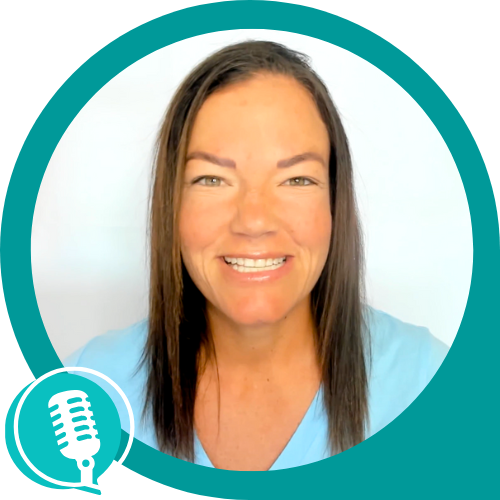
Kristi Kandel
Developer | Mentor | Co-Host of the LRED Podcast
Kristi is a real estate developer with nearly 20 years of experience and over $450M in projects across the U.S. Today, she focuses on helping locals step into development and build in their own communities.
She’s the founder of I&D Consulting, Local Real Estate Developers (LRED), and co-founder of Elevate, a community-driven sports and wellness concept.
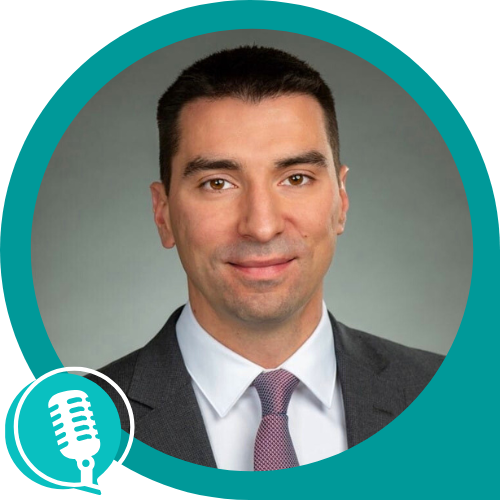
Raphael Collazo
Commercial broker | Author | Co-Host of the LRED Podcast
Raphael specializes in retail and industrial properties, bringing a problem-solving mindset from his background in engineering and software. As a commercial real estate advisor and developer based in Louisville, Kentucky, he works directly with investors, tenants, and cities, bringing a real-world view of how deals come together.
🔗 Related Episodes
How to Become a Local Developer: Katie Neason on Infill and Taking the First Small Bet | EP#29
A great companion episode on local infill, city relationships, and taking practical first steps in development.
How to Start Real Estate Development: Steph Weber Bought the Land First and Built the Plan Later | EP #41
A real look at taking your first development deal from idea to execution without having everything figured out.
Small-Scale Development: How She Left Her Corporate Career and Built a Tiny Home Village | EP #39
Another path from traditional career to building a community-driven development project.
About the Guest
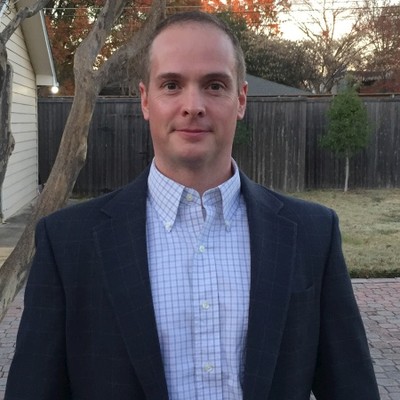
Brian Wied is a land investor, developer, and environmental consultant based in Dallas, Texas. With a background in geology and more than two decades in environmental consulting, he now helps investors navigate land due diligence while building a multi-state business focused on land flips, subdivision, and development strategy.
Connect with Brian
🌐 Website https://landonthehorizon.com/home
📸 Instagram https://www.instagram.com/landonthehorizon
💼 LinkedIn https://www.linkedin.com/in/brian-wied-p-g-3b69337/
Full Transcript
Raphael Collazo (00:41)
Welcome to the local real estate developers podcast where we get to interview people from all across the country that are doing really cool projects. I'm your co-host, Rafael Collazo. I am a commercial broker and investor located here in Louisville, Kentucky, but we operate regionally, which incorporates Indiana, Ohio, and Tennessee. And I'm here with my co-host, Kristi Always great to see you.
Local Real Estate Developers (01:01)
Yeah, great to see you.
I'm Kristi Kandel. I'm a developer, a consultant, and I also am a mentor and teach locals how to become developers in their own community. And today we have a guest that I met from a different real estate group that I'm in. And when I reached out and it was like, Hey, do we have any developers in this group? And was able to see Brian and his experience. And he has quite the, quite the array from environmental consulting, which he'll be able to drop some great nuggets, but then also his own
land development and subdivisions and some new projects he's working on. So, Brian, welcome to the show.
Brian Wied (01:39)
Yeah, thanks
for having me. Glad to be here.
Raphael Collazo (01:41)
definitely.
Local Real Estate Developers (01:41)
And then
can you maybe give a little bit of background on where in the world you're at and just how you initially got into the industry in the first place?
Brian Wied (01:49)
Yeah, so I'm sitting right now in Dallas, Texas. Been here since 2008. Lived all over the place. But my background is in geology. So I got a geology degree because I like dinosaurs and being outside when I was a kid and didn't want to be in an office. So I got that degree and ended up in environmental consulting like a lot of geologists do and ended up in an office anyway. But I also got to do a lot of outside stuff. So I satisfied that that part of it.
I spent 25 years in that business working with the EPA, the US military, and private developers that would take on these, what we would see in the consulting world is these extremely risky endeavors of taking contaminated land, doing something with it. I can explain how that happens, and then developing it. so I was on the side early on, kind of on the field work side, and eventually more on the regulator side, the expert side.
sitting between the developer and the regulator and trying to figure out how to navigate all the complex laws and remediation standards and things like that so they can get something built. And kind of fast forward to 2019, I got into land investing, which for me was easy because you just buy land through direct mail marketing and then turn around and sell it. And I was like, wow, this is a way easier way to make money than environmental consulting with all its regulations and people and stuff.
And so, you know, as I got through land, it just was apparently more and more obvious, like, well, gee whiz, you can do something with it, right? So might as well subdivide it, re-entitle it, build something on it, whatever the case may be. And so it just sort of grew from there. So now I do land full-time, I do development full-time. I've since left environmental consulting and the W2 side, and now I have my own company.
where I'm a real estate investor and I do environmental consulting for real estate investors. And so that's my specialty now.
Raphael Collazo (03:43)
That's awesome. So do you operate around the country? Because I know, mean, obviously there are state specific programs, but there's also, you know, a lot of it is governed by, you know, the federal government. Is that correct?
Local Real Estate Developers (03:44)
⁓
Brian Wied (03:54)
Yeah,
all over the United States, Alaska, Hawaii, and then even spread out into Brazil, Australia, Saudi Arabia, parts of Europe. So that's my little, I can't see it right there, my little Saudi Arabia plaque for my last job there. So yeah, I've worked all over the world. In Brazil, we took a former explosives factory. turned it into a national park.
And just recently in Saudi Arabia, we were doing the Gulf War remediation program. So from the 1991 Gulf War, we're remediating the coastline from oil contamination that washed up on the Saudi Arabian shore. And then part of that too was building research centers and national parks. So big billion dollar developments out there.
Raphael Collazo (04:34)
Wow.
That's awesome. you know, and I'm somewhat familiar on the environmental side, more so on the acquisition and disposition on the real estate side. I'm in the commercial real estate brokerage space here. So oftentimes you get the phase one, right, as you acquire a property. And if there's additional layers of complexity, that's where we start involving different companies to help potentially remediate or...
We have Brownfield program here in Kentucky. I'm sure it's there's programs around the country to help mitigate some future risk for owners as well. So those types of programs can be super helpful because to your point, it allows you to mitigate some of the potential risk for owners and it makes things fundable. Cause I know a lot of banks are kind of hesitant about moving forward with the site if they're, if they've deemed any type of contamination on site, let alone one that's, you know, potentially even more. I mean, I'm sure an explosive factory.
it's pretty hard to find, I'd imagine. ⁓
Brian Wied (05:27)
You'd be surprised.
Yeah, but that's very common. And there's a lot of environmental rules and regs and even local regulators that are really helpful. Like they want you to develop this property. And there's a lot of property where, not to get in all technical, but like they're not responsible for the contamination. The contamination migrated onto their property. And so there's different names for these things. You might call it a municipal settings designation or a classification exception area. It basically means
Local Real Estate Developers (05:38)
Mm-hmm.
Raphael Collazo (05:48)
Mm-hmm.
Brian Wied (05:56)
you didn't do it. And so you kind of get those buy-ins in that, know, from the regulator, basically, the devil's in the details. So there's lots of nuance to like how much contamination is there and then let's talk about it. But you can get those buy-ins from the regulators like, yeah, if you do this, this and this, you can build on it. And by the way, that's a great opportunity because you can probably get that really cheap by virtue of the fact that it's contaminated land and most people will run from that. So yeah, so.
Local Real Estate Developers (06:21)
yeah, man. Early
in my career, we were doing all the CVS's in Florida. And where did they go? They went on Hard Corners. What used to be on Hard Corners? Gas stations. And I remember one of the first projects I did, I want to say they were four to six years into remediation and millions and millions of dollars. But CVS was bound and determined to get a location there. And so we went through all of that. And then out in California, we're building the hydrogen fueling station. So first of all, we're adding hydrogen to existing gas stations.
But then we also built out the hubs and the infrastructure. So one of our projects we did was at the East Bay mud site up in Oakland Which was an old army base. So we had an old contaminated army building the dirt was completely contaminated and so we had to work with all the different regulators and and updating and Figuring out a way to get there. So yeah, the added levels of complexity are are there for sure
So Brian, when you're going in, just to kind of talk about this side, because as developers go in and they might go, okay, I got a phase one, the lender said I needed this phase one, maybe explain what that is and then we can go into, okay, well when a phase one recommends something, should they freak out, should they just walk away and go, this is too scary? But maybe talk on those two things.
Brian Wied (07:33)
Yeah,
yeah. So I would parse it in two different categories. So there's like number one, you know, you got contaminated land and that's the play, right? And so that's like a separate category. So I'll focus it on like, you're just a real estate investor. You want to develop this property and by the way, like I got to do this phase one side assessment. So that's like the other category, right? And so in that light.
It's more like you're just focusing on like all the billion things that you have to do to make a profitable deal and get through all of your construction stuff, development stuff, what have you. The phase one is kind of sometimes an afterthought like, this is a box to check. My lender absolutely requires it because they don't want the property to be contaminated. I back out and they're stuck holding the bag, you know, after all that. And so you do the phase one side assessment and it should be. And this is why I think the services that I offer.
are uniquely tailored for real estate investors because I understand that process. And I understand like you don't want to go, you don't want this to be the front and center thing of what you're doing. You want it to be done quick and easy, giving my recommendations or not and get out of the way so I can do my deal. And so that's how the phase one should take place. So I can go into the details of a phase one if you like, just kind of the high level. But basically.
Local Real Estate Developers (08:43)
Yeah, let's do a high
Raphael Collazo (08:43)
Yeah,
Local Real Estate Developers (08:44)
level just
Raphael Collazo (08:44)
just high level,
Local Real Estate Developers (08:44)
so that way people are aware and can recognize when it comes up. I've heard of that before.
Brian Wied (08:50)
Yeah, yeah, it's basically a very simple process and it doesn't usually cost very much, but there's three things that generally comprise of phase one. And so I typically do them in this order. So once I get the order from somebody, I do a desktop research of the property. And so you pull all the federal, state and local records on the property. And what those records have is if there was contamination reported on that property or on adjacent property.
it'll be in those records. So before I even see it or step foot on it, I've got all these records that show, you know, what is there and what is around there in terms of environmental liability. And so the second thing is to actually go physically go to the property and walk around it. And then you're just looking for signs of contamination. So maybe on the aerial photos before I get out there, I noticed there were some old 55 gallon drones in the corner.
You know, I want to see, they empty or full? Is there dead grass around it denoting that something leaked into scaling the grass? Things like that. So I'm looking for signs of some sort of contamination or maybe a vent pipe for an underground storage tanks, stuff like that. And so the third part of it would be interviewing people that are knowledgeable about the property. So I've done the record search. I've walked the property. I've looked around. Now I actually know something about the property. Now I can talk to somebody and say,
Hey, Kristi, you've been at this property as the site manager for 10 years. Have you ever seen anybody dump anything here? Have you ever seen weird things contamination wise? And so I take all that information from the interviews, the site walk and the record search and I put that into a report. And then just to boil it down, the crux of the report is this thing called a rec, recognized environmental condition.
And so you got different types of wrecks, but basically it means like, Hey, I saw something or I saw something that could lead to something that could be an environmental liability on this property. And so that that's the observation is the recognized environmental condition. And then I would develop a recommendation about that. so typically what, what my clients would ask of me is to put that recommendation in a separate memo, like after the phase one report.
Just so it doesn't get circulated around and people are like well it says do this. Why didn't you do this? You know?
Local Real Estate Developers (11:04)
and or ask
for a draft copy of the report first before it's fully published. That way you can talk about it and you can understand what's happening with the property.
Brian Wied (11:10)
Very good.
Yeah. Yeah. But just like the investing world, if I don't understand that report, you know, if your kid has a lemonade stand, if you don't understand it on a lemonade stand level, then you need to ask questions and you need to make sure that you understand it at that level, just like anything else. Right. And so again, not to pitch my services, but like that's how I write my report. So like when you get it into your point about the draft report, if there are any questions, it's very clearly stated in there.
Local Real Estate Developers (11:25)
Yes. ⁓
Brian Wied (11:41)
One of the environmental consultants, and I've been guilty of this past, are notorious for putting out there these waffle worded statements because they think it protects them or gets them out of some liability. And you're like, what in the heck am I even reading? What does this mean? So I know what those statements are. I've seen them. I've written them. And I avoid them at all costs. if you see those in your phase one reports, ask questions and get to the bottom of
Raphael Collazo (12:01)
you
Definitely. Yeah, no, I think that having a, a, person, reputable environmental professional that you work with is huge because, you know, I've, I've been involved on both the acquisition side on my personal investments and the, disposition with, with, clients. And there are times, I mean, I've traded many properties that had potential concerns for environmental, know, issues and.
Oftentimes, the environmental engineer comes in and helps facilitate the understanding from the lending side about what the remedies are, like how we can mitigate some of these potential concerns. Because most banks understandably are risk averse. And if an underwriter sees that there's a potential red flag when it comes to environmental, that could be a huge deal and could kill otherwise salvageable opportunity.
If all parties involved in the deal don't understand the implications of, what's taking place on site, because just because there's a 55 gallon drum on site, you have to clearly understand what the scope of the potential contamination is so that you can determine, okay, what's the best remedy and is that going to kill the deal? Or maybe it's not going to kill the deal.
Local Real Estate Developers (13:20)
Yeah, and it comes into risk tolerance too.
Brian Wied (13:21)
Yeah, it's very good point.
Local Real Estate Developers (13:23)
for the developer. So the whole time you're going through the development process, you're mitigating risk. And I might be an incredibly risk averse developer. Brian might be like, I'm good with risk, I'm a gambler, I'm good with this. And so what is not good for me might be okay for him. just as you're getting the reports and as you're understanding, okay, here's what's happening. And like you said, ask questions. And we say that all the time. If you don't understand something, go back to the engineer, go back to the architect, go back to
environmental consultant and just have them explain it to you until you do understand. What would you add to that Brian?
Brian Wied (13:57)
No, I can't agree more. I would say to Raphael's point there that when you do find stuff and the banks get all nervous about it, if you have somebody that understands the language and can talk to the regulators, you can negotiate with the regulator or again, the devil's in the details, but you can maybe even get a letter from the regulator saying, this is the exact problem. And if you do these things, you're good and give that to the bank or show that to them and demonstrate.
have the mitigation strategy that's going to work for that given property. That can go a long way, but a lot of phase one providers out there are really low cost, really quick in and out, and they don't even call regulators or have that experience. So just finding someone that has that experience.
Local Real Estate Developers (14:38)
And then for that whole process from a timing standpoint, should they expect, that a two to four week thing or what's your typical timing? Because that does involve physically going to a site.
Raphael Collazo (14:39)
So.
Brian Wied (14:49)
Yeah, for me, a phase one, and like five acres or less, I think two weeks, you can turn around a phase one, a draft report for somebody. I think that's very reasonable. If you start to find stuff, that's where the phone call happens. It's like, well, I need to call this person, call that person. And that's where you would work lockstep with the developer, because they might want to just bug out, or they might want to dig deeper and see what.
what to do. But for a site with no issues, two weeks to a draft report and then another week or two to get it finalized and done, that sounds perfectly reasonable to me. That's kind how I work.
Raphael Collazo (15:24)
Awesome. No, it's great to provide that context. So I guess one of the questions that I have is, you know, there's a lot of people that are likely listening to this podcast that have been in a position similar to what you were in, where you were actively working in maybe an industry adjacent to development or not so adjacent, but, you're advising developers, you're, you're in, you're dealing with people in private industry and they see, Hey, you know, this is some potential, this is possible for me because I'm seeing these people do it. And, know, I'm,
I feel like I'm just as smart or I feel like I have just the same amount of credentials as these people that are doing this. And maybe I can maybe take on something similar myself. And so I'm kind of curious about your, life cycle of your, progression to that point, because obviously you've been working in the environmental space for a long period of time. I'm assuming during that time, you were also probably either investing
in real estate or doing something similar on the side to kind of help you get in a position to where you could make that jump. So I'm kind of curious the progression there and then what made you decide to take on your first, you know, project. So in this case, let's talk about the land like development play.
Brian Wied (16:30)
Yeah, sure, sure. I was always doing something with real estate, but not much, nothing of substance until about 2019 is when I got serious. yeah, to your point, even guys I used to work with, we used to go out to lunch and talk about that all the time. Like what we do for a living is so damn complicated, you know, because there's a guy, not to digress, but there's a guy here in Dallas that basically goes around and collects old pallets from people and then
refurbishes them and sells it to somebody else. And he's got people that does it for him. He just sits back at home all day and he's got guys that drive around with trailers picking up old pallets, dropping a few more nails in it and selling it. And we're like, why are we so educated? You get all these degrees in college and all this experience. And we just bust our butts working so hard and these guys are out here doing this. And so that's always been like in the back of my mind. And then the developers, just from the consulting company standpoint, like
the management at the consulting firm was really leery. They saw those developers as like swinging from the vines, taking crazy risk. And some developers want you to have a little equitable stake. it's a remediation job and they want you to remediate the property, they want you to kind of get buy-in on some of that equity. And so that was always kind of a tough negotiation point. That's why we did so few of them, because we would never do that. But that's another story. So yeah, the progression was...
Yes, I'm seeing like probably the hardest, most complicated stuff that you can do with real estate. And I'm also on the other side, seeing other people that are doing the most simplest, easiest things with real estate. And so you start to like kind of meet in the middle. And what for me, what put it all together was I met somebody that was buying and selling land. And we had a nice long conversation about it. And like everybody else, I was like, no, this is is below. Like you can't be doing this.
And I looked into it and looked into some courses and apparently it's a thing. It's a niche investing thing. And so I took a course and the course was kind of insidious and that you go through the steps throughout the process. And like by the end of the course, you're already in escrow to buy your first property. It was kind of sneaky how it snuck up on you like that. And I was like, okay, so I went ahead and I bought that first property in Oklahoma for like 10,000 bucks and sold it for 20,000 bucks. Long story short.
And so I was hooked at that point, going from complicated to simple. And so that's how it took off in 2019.
Raphael Collazo (18:49)
That's awesome. And so, you know, you, you go, so we can walk through this just kind of, I would like to hear the, stories of how you progress to certain places. So you put that property under contract. I'm sure it's somewhat luckily at the price point, obviously it's in 10,000 is not an insignificant amount of money, but it's also not something that if something were to go wrong, it's going to be catastrophic. So, but you went into this con contract, you sold it for 20. You saw an opportunity there for you to be able to build a business around it.
And at that point, I'm assuming you started getting into the mailing of different owners to try to acquire properties where you've strictly focused. Go ahead.
Brian Wied (19:26)
Yeah. So,
yeah, it was actually kind of funny, you know, in that to be perfectly honest, I wasn't looking to start a business. I was actually looking to like augment investments, like find another alternative investment than just buying index funds or some of the other, you know, usual stuff that people do. And it turned into a business. Like once I did the first, once I bought and sold the first two properties, I took a step back and I realized I started a business. didn't even.
wanted or needed, but it just kind of took off. I've always had that entrepreneurial mindset, I think. And so it just, I glommed onto it and didn't look back. So yeah, when I bought the first property, was pretty nervous about it. And was actually, I didn't do this, but I was thinking like, man, how can I get out of this deal before I buy it? Because I'm afraid I'm going to lose money. And I went ahead and I talked to some people and I read some books and blogs and things like that. I really went deep into this.
And I stuck with it and I ended up selling it. I'm glad I didn't back out of the deal, but like I was that nervous for the first deal. Like I had no confidence. I didn't really have a lot of people mentoring me or telling me what to do. So I ended up sticking with it and making money on that one. Again, the second one was a similar kind of profitability. And from there I started the LLC and, you know, started putting the pieces of the business together and the systems together that, like you mentioned, direct mail marketing.
It's a really data-driven business. So what we do is we pull tens of thousands of records from DataTree, from one of the main data providers out there. And we have programs. I'm actually now, we're writing software for our pricing to price the mailer. And we send out blind offers, open offers. It just kind of depends on the geography and the person that we're sending mail to. And we're using AI a lot.
to basically try to figure out how to send mail or what price to send mail at and who to send mail to. mail is a very high expense cost of the business, so we try to reduce down the amount of mail that we send. So I kind of blabbed on about that a little bit, but that's how it progressed into a business. It was sort of insidious. I was looking for like a secondary investment, like an alternative investment scheme, and then it became a business.
Local Real Estate Developers (22:14)
So then once you did that and you started that, did you get into development before leaving your W-2 or did you start to get into development of the land you had? Like how did you go from flipping land to, hey, maybe let's take it a step further.
Brian Wied (22:30)
Yeah, so that was a natural progression because the land business has also changed. There's a lot more people doing it, so it's a lot more competitive out there. And so what I saw with my team was that if you can buy larger parcels of land for X dollars per acre, there's a lot of places where you can sell it lot cheaper. The sum of the parts is worth way more than the whole. So it became an obvious solution of like, okay, we need to buy bigger tracts of land, subdivide it and sell off the pieces.
Pretty simple. And so the first project we did was just a simple little 14 acre project in Louisiana. And we found the minimum setbacks and the road frontage and all that information you need and the minimum development we needed without having to put in sewer lines. And so for this case, it was eight lots. So we divided this 14 acre into eight, you know, three and a half to one acre lots. They're different sizes and it just flew off the shelf. Like, like we just sold really, really, really quick.
And so from there, like, okay, I can see the potential now of subdividing. And that turned into doing some land clearing, putting in more development.
Local Real Estate Developers (23:37)
So you're in Texas. You said something about flipping in Oklahoma. Now you found 14 acres. That sounds like you were doing a housing track in Louisiana. How did you pick your market and how did you decide, okay, because I know sometimes you can take a track of land and you can subdivide it and you can have commercial, residential, industrial. You can have a bunch of different uses. So how did you pick Louisiana and how did you pick that product too?
Brian Wied (24:02)
Yeah, so just for the record, I do Oklahoma, Louisiana, North Carolina, Idaho, Kansas, a lot of different states I work in.
And I used to pick land, and I still do this to some degree, I picked land that I think I would buy for recreational use for hunting land or riding a dirt bike on, going fishing on, know, putting up an RV, something like that. So, for example, like I don't buy the, we call them the desert squares. You know, if you go out to Arizona, they take these large tracts of land and it just looks like a bunch of desert squares. They carve them up into little, you five acre plots. I don't know what that is. Like, I don't know what to do with a five acre piece of sand.
So I don't buy that stuff, you know, because I can't see the value in it, but I can see the value in 40 acres in Oklahoma or, you know, 20 acres in Texas or something like that. Like I can see, look at a piece of land and see I would do this with, I would do this with this piece of land and that helps me to sell it. So that's kind of how it started and where it's kind of still going. But where I've changed is if you look at where I buy land now, the common denominator in each geography is that
It's within a county that has a very progressive, forward-looking, comprehensive plan. And that's my biggest advice to developers is that if you have a county that has their act together and you look up like, I don't know, whatever county comprehensive plan on Google, if it's up to date and if you call them and you talk to them, I'm a developer, I want to buy land in your area, how hard is it to subdivide that kind of thing? If they're easy to get along with, really, really good area to start with right there.
Local Real Estate Developers (25:37)
And they will tell you if you pick up the phone and reach out, they will tell you. We are anti-growth, anti-development or no, we're trying to get business, we're trying to get people.
Brian Wied (25:37)
in that comprehensive plan.
Raphael Collazo (25:42)
Mm-hmm.
Mm-hmm.
Brian Wied (25:48)
Yeah, because because like right
now I'm hearing a lot of land folks because it like for example, if you look at a major city Dallas, St. Louis, wherever, think of it like a big donut like the middle of the donut hole. That's your dense urban area and the meat of the donut is like an hour to two hour drive outside the city. Well, that's been typically where we buy our land and in that area, the sales of that has slowed down and what people do have been doing is just like randomly picking, you know, 20 40 acre lots in that donut.
subdividing it and it's like, well, I built it, why won't they come? You know, and so it's, there's not a lot of thought that went into some of these projects from what I understand. And so if you look at that comprehensive plan, it gives you a recipe, it gives you a step-by-step guide into what they want you to do. And so like, for example, the first thing I'll look at in a comprehensive plan is their zoning map. So they'll have their today's zoning map and their vision for 2040 or something, 2030.
And if you look at those side by side, you'll see the green space, you'll see all the ag land. And then the future that will start to turn into residential lots, commercial land, industrial land. They're telling you where they want you to develop and what they want you to develop. Like we want you to rezone this as commercial because it's on this corridor and we see growth here because we're building a factory down here. You know, and so if you get into those comprehensive plans and if you want to put them in AI or something.
and tell it to tell you what's in there. It's so easy. ⁓ It gives you the recipe for attacking that county. That's your acquisition plan right there. So that's what we're doing.
Raphael Collazo (27:11)
Thank
Local Real Estate Developers (27:11)
Mm-hmm.
Raphael Collazo (27:19)
Yeah, that's brilliant. Cause I, I, I constantly talk to people about reviewing zoning laws, zoning codes, uh, comprehensive plans, and then even going deeper. there's in our county, for example, we're in Jefferson County, Kentucky. We have even sub cities within our overall County. They're at their own independent city and they themselves have their own plan for how that little city will, will operate. oftentimes too, the way that our zoning laws work is that
Metro Louisville will provide a determination, but the final approval goes to the city that it belongs to. So if you're an example and you're at St. Matthew's, which is a city within the broader Louisville market, Metro Louisville could say, yeah, we want to, you can rezone that to commercial, but if the St. Matthew's committee decides, you know what, we don't really want that use over there. They can vote you down and it overrules what Metro did. So I've seen situations where one famous case happened just down the street from over here.
They had this smoke shop that tried to buy this building and based on the zoning, right? It's a commercial zoning. They were able to do it, but there was an overlay that was put over by the city, Jefferson town, which is another sub city in this particular market. And they specifically outlawed that use. And so this guy ended up buying a building for like 1.2 million.
It was a restaurant. ripped out all the restaurant equipment, spent like a fortune ripping it out. had like 250 to 300,000 infrastructure that he ripped out. And then he got a stop work order on the building. And now he's screwed. Like he's literally just sitting on his hands because he can't do anything about it. But that's because of there, there are layers to this that you have to really understand. And to your point with land, it's even more important because there's really no improvements. You're, making a play on what
the potential of a space or the potential future of the area will be. So ⁓ very important.
Brian Wied (29:13)
Yeah, just just think in the future with the end in mind, like if you walk into that
county office and say, I bought land here in accordance with your comprehensive plan, I want to do this, this and this. You look like the savior of the day. Whereas you look like a total dope if you walk in there and say, I'm going to subdivide this and they're like, what do you move? Like we have that set aside for that's not even close what we want to do. You know, and yeah, yeah, you're spot on.
Raphael Collazo (29:24)
sure.
Yeah. So one of the things we like to ask is with one of the early projects, what are some of the challenges you faced kind of implementing your plan?
Brian Wied (29:44)
Yeah, so we kind of the first one is always a little sloppy out of the gate. Of course, we bought the land and while we had an escrow to buy it, then we checked the subdivide rules. And so that that dictated like we did a bunch of are you sure kind of calls to the county to make sure that they would allow us to do that. And so, you know, there was a little bit of that going on.
The business that I run in land, like the way we started was a cash business. So I use my own money to buy land. I buy it. I don't wholesale it. I buy it and then turn around and sell it. And so that's kind of not the opposite, but it's not the typical thing that a lot of real estate investors do. It's always other people's money. And so for me, one of the bigger challenges was to wrap my mind around that. I personally don't like debt for flipping. I like debt for appreciating cash flowing assets.
And so for me, was the toughest part is funding.
Raphael Collazo (30:38)
Definitely. Yeah, I can definitely see that. So yeah, just in case you were to buy something that now is not performing for whatever reason, if you don't have, if you have no debt on it, you can sit on it. Obviously you to pay the taxes or whatever, but that's a minimal expense compared to taking out a loan and then having, you know, especially private money. I mean, that, that'll hurt you pretty bad. So, yeah.
Brian Wied (30:55)
Exactly. Yeah.
Local Real Estate Developers (30:58)
So for that first project that you did, how much did you buy that one for and what was that subdivision process like to go through it? And you used other people's money for that portion?
Raphael Collazo (30:59)
Yeah, so so regarding that.
Brian Wied (31:09)
No, no.
No, so we ended up, I had a partner that backed out of that deal because he wasn't so sure about it. I ended up buying it myself for about 179,000. And so that was a cash just out of pocket expense right up front. We paid maybe 2,500 bucks for the surveyor to survey up the property and flat it out. And then we paid maybe 500 bucks in fees to the county.
for them to process it. And that was it, pretty much. We had new APNs and we had eight lots where we once had one. And so, this was it.
Local Real Estate Developers (31:43)
I'm laughing because I'm so used to California and that
process would never happen for like that's insane. So that's awesome.
Brian Wied (31:51)
Oh, yeah, I've got a California story, yeah, this was Louisiana. It was a parish out of County in Louisiana. So was very simple, but yeah, then this is before we were really using AI. went on fiber or upwork. I think it was fiber and we hired an artist to take our plat and actually like draw renderings of the different plats with horses and like house on there and everything. It looked really good.
And we use that for our marketing and we got a real estate agent and she just sold them all, knocked them all out.
So not a lot to say on that one. was a very quick process, but what ended up happening too, we had like two, three and a half acres, acre and a half, acre and a half and an acre, different size. Someone bought our three and a half acre. And even though the rule said that we could take this one 14 acre and make it eight properties without having to put a sewer line, they bought our subdivided lot and then subdivided it. And so they subdivided our subdivide in the six lot and put mobile homes on there. So it was kind of a...
Raphael Collazo (32:54)
And that didn't trigger sewers because you weren't the one subs abiding.
Brian Wied (32:54)
Bet you they knew, yeah.
Well, I don't know if they put in a sewer. I don't think they put in a sewer. They might have, and I didn't catch it, but yeah, they were able to subdivide it, make money off our property. So.
Raphael Collazo (33:08)
That's awesome. Yeah, maybe because
mobile home, I don't know if the mobile home was a permanent structure or not or something. Maybe that's how they were able to get around it or something.
Brian Wied (33:14)
Yeah, yeah,
I didn't look and see if they put in a zebra lion, but they could have.
Raphael Collazo (33:18)
Yeah,
no, it's fascinating because, know, obviously I, I have, we've had some clients in the past that owns large tracks of land and, know, in theory, you could sell all the land at once, but if you are deliberate about how you approach the process and you subdivide, and maybe that means you got to coordinate with the city to, maybe add a private road to access. And maybe that means you got to do some sewers if that's something that you're interested in, but
over time that if you do the math and you figure it out and you say, wow, you can actually add significant value to this land. And now, you know, could sell it as a retail track to a national tenant or, whatever else. So it's, you know, all that analysis definitely is worthwhile in doing. But so, you know, regarding your, your strategy thus far. So you've obviously done this replicated this process over time. And I'm sure now you're starting to get into larger subdivisions and considering doing other developments.
Brian Wied (33:50)
Yeah.
Raphael Collazo (34:08)
What type of partners are you typically teaming up with? mean, what, how does your team, what's, what's your team structure look like? And maybe if you can touch on each of the members, that'd be great.
Brian Wied (34:18)
Yeah, yeah. So my first hire on my team was someone that I just hired to sign documents because I was actually living outside the US and I was doing this while I was in Saudi Arabia in the Middle East. And so I needed somebody that could run things for me back here. And so was like, all you need to do is sign the closing for me. I'll give you power attorney. And she turned out to be like the star employee. Like everything I gave her, she just did that and more, that and more, that more. So I just keep feeding her. She keeps doing more.
Raphael Collazo (34:26)
Hmm.
Brian Wied (34:44)
So I got really lucky. hired a great person and she runs a lot of the operation right now. So that's the key hire right there. And then every geography that we go to, we build like an external, I call it an external team. So like I want a title company, a realtor, a surveyor, a civil contractor, like all these people, you know, I want to get them on board. I want to take good care of them as long as they take good care of me, pay them quickly.
make a good relationship with those people and keep working those areas, keep giving them work. Eventually they might give you some leads here and there, which every now and then happens. And so I build those external teams and I just keep using the same people and treating them, you know, again, well, as long as they treat me well, I treat them well and keep them on my team. I do use VA's offshore for some data work. So there's like the brute, I call it like the brute force data work.
So we do pay Filipino VAs to do some of our data scrubbing for us, things like that. And so that's the shape of the team. And then as far as like partnering, early on, I would take on equity partners from time to time for funding. So that would be like, you fund the deal and I'll do all the work. And then at the end we'll split profit in some, know, profit sharing plan, if you will. And so that's very expensive, you know, if it's not obvious, like you're going to give somebody a substantial
equitable stake in the deal like that. And so it's over time looking for ways to find cheaper money basically. And so yeah, using banks, lines of credit, things like that when I need to is what I do now. I was talking to Kristi before the call a little bit about a future development I'm thinking of. And so yeah, right now I'm looking for a partner for land that I already own and I want to build multifamily. Actually, we're
kick around some other ideas too, but yeah, I want to build something on there as well.
Raphael Collazo (36:34)
Yeah, that makes sense. Yeah. And to your point, I mean, you're operating in these states that you're looking at at a relatively high level. So you need to have those professionals on site that can execute when an opportunity presents itself. And it seems like you've kind of highlighted some of the mainstays that you really need to think about, especially if you're operating out of market. mean, you need to have people that are reliable to lean on.
Brian Wied (36:58)
Yeah, but taking a page from the corporate world, know, having external teams is to me like the way that I like to run a lean, mean machine. Like I have my employee, I take great care of her. She takes great care of me. You know, we watch each other's backs, but you know, all the big corporations, whether it's Caterpillar, John Deere or Boeing, where they can, they have the golden handcuffs on their key employees that work for them. And then they have teams of contractors that do a lot of work externally.
And so that kind of model, even though I do it on a micro scale compared to them, that's always appealed to me because if you're in a period like right now, sales are slowed down. Like I don't want to lay anybody off, but I can just not give my contractors work because I don't have any work. And so I can shed my costs very quickly that way without having to lay people off or ruin relationships, things like that. So that's the kind of model, the business model that I like to follow. And I scoff at anybody that thinks you need to build these big complex teams, but that's just me.
Raphael Collazo (37:56)
Yeah, yeah. mean, and I'm sure there's some industries where that's required. But to your point, if you can outsource a lot of the, you know, certain functions within your business and you have that ability to toggle, that gives you a lot more flex, limb, you're, much more nimble as a business. So.
Brian Wied (38:11)
Yeah.
Local Real Estate Developers (38:13)
I completely agree on that approach and that's how to where you can scale up, scale down and that's how we tell people it's like you're being hired on a project by project basis and then there isn't the pressure to get in on a bad deal just to do a deal to cover overhead because that can get super heavy and pretty dangerous. So as you're going through these projects, some of these can take longer, some of these maybe at times could get monotonous. do you stay motivated
and what gets you and keeps you excited about real estate these days.
Brian Wied (38:45)
Yeah, that's a question. mean, for me, like, as time goes by, I think I've become less hireable back in the W-2. So I burn the ships as far as going back to work. So I'm motivated to make whatever work at this point. I laugh at that. But but basically, I like I always like to learn new things. So like the minute I stopped learning something, I want to move on to something else. That's just my tendency. And so like we were talking about before the call, the ADU thing just got me all excited, like, okay.
The ADUs are now making it so like where once it was hard to do real estate in blue cities, dense urban areas where it's very expensive, very competitive. Well, now you get this force multiplier that allows you to buy a single family and turn it into, you know, a duplex, a quadplex, a, you know, 10 or whatever. And so like that's got me excited. Like, like the fact that there's so much real estate out there and so many different plays and ways to go about it.
One of the things about land is land is so simple. It's just dirt. Like if you can't mess this up, right? So like you can only grow from there and learning about all the different ways in which you can grow. You can mess it up by the way. I'm not gonna say that, but learning all the ways you can grow from there is exciting to me. That gets me out of bed.
Raphael Collazo (39:50)
Mm-hmm.
Yeah, no, to your point, land, land, although simple can be complicated, especially as you start getting into, you know, the environmental concerns, there's wetlands, there's, know, blue line streams, maybe that you got to factor in like all these, ways you can lay a development. so a lot of times I have some clients sometimes it'll be like, I'm thinking about doing like a land development. like, that's fine. But you got on, you got to understand some of this terminology before you go down that road, because you know, if you have a lot that's already, you know, prepped and ready, like a, like a, like a, ready to
build lot, then great. You just start your, you know, fire permits and start construction. But a lot of the times you have to prep the land to get to that point before you can even do anything. And that's a whole different process in and of itself. So, that's, that's awesome though, that you shared that. you know, one of the things that I'm kind of curious about is, you know, obviously a lot of the people that listen to this podcast are aspiring developers. people who are in a similar position to what you were several years ago,
Brian Wied (40:32)
Mm-hmm.
Raphael Collazo (40:48)
And they're looking to take on their first project. you know, obviously they're listening to this podcast as a way to gather knowledge and insights from people like you who have taken the step into investing and developing. So I'm kind of curious if you have any particular advice you'd be willing to share with the audience regarding, especially related to either land acquisition in your case, or maybe even development as a whole.
Brian Wied (41:15)
Yeah, sure. I I run into a lot of folks too that are looking to do their first deal. It's very admirable. And I was in that same boat for a while as well. education, obviously, is king. The more you can listen and learn. The education resources out there, it's hard to get through all of them. There's so many of them out there. Some of them can be very expensive. Some of them can be kind of hollow, if you will.
But looking for the ones that have money back guarantees or mentorships where you can kind of ride herd and learn those are good. That's kind of what I did. The other thing is, to when I started the whole real estate thing, when I was in consulting, I would say no to just about everything. Like I'm in my career, man. Like I'm going up the corporate ladder. I don't want your newsletter. I don't want your damn email. Stay out of my inbox. Like no, no, no, no, no.
And I said, I turned a corner in 2019. I said, yes, it's just about everything. was like, okay, newsletter, newsletter, newsletter, email, email, email. I was getting all that stuff in my inbox. Most of it was absolute garbage. And I just went through and just started getting rid of the garbage until I found stuff that actually worked or appealed to me. And I dug a little bit deeper. And so that's how I did my educational process. And I just went through and said yes to everything. Started to filter through what I thought was was not good. And that's how I found that that way. So if I didn't start that.
It's kind like going through the forest. You're going to go through the zigzag up and down in the mud, but you're going to spit out the other end where you need to be, but you can't see it. That's what it was like. And so you got to get your hands dirty. You got to get in there. The other thing too, is there's a lot of conferences out there. And when you're at those conferences, there's Limitless, there's Brandon Turner's group. There's just all kinds of different real estate conferences that are out there. And when you're in the room in the crowd with other people that are doing it,
Raphael Collazo (42:43)
Mm-hmm.
Brian Wied (43:02)
The excitement and the knowledge drops that you get out of those conferences are just unquantifiable. Like there's so much there. So get out there and meet people and do those meetups and start talking to folks.
Raphael Collazo (43:14)
Couldn't agree more. mean, the fact that you're able to interact with people who are already doing it. think that's oftentimes it, helps solidify the idea that's already kind of from ferment or creating in your mind is that, Hey, I get to meet someone who maybe is, on just on the first deal of their journey. Or maybe I talked to someone who's done it a few times and they can assure how they were able to do it. And now you have these contacts with people that you could then touch base with and you know, over time, potentially take on your first, your first deal and.
I mean, that's kind of how I got into brokerage and investing was through just going to meetups and meeting other people in the industry and, you know, just kind of letting people know about my interest level in this, in the space. And ultimately I was able to find an opportunity, but that's all because of the willingness to get out there and have those conversations. know, our, our hope with this, you know, podcast in this medium is that over time, we're able to build something where we can have people meet and congregate in the future as well. So, hopefully it becomes a resource for people in the future.
Brian Wied (44:09)
Thank you.
Local Real Estate Developers (44:11)
Yeah, get more rooms of like-minded people doing development. Yeah, yeah. And it's probably going to start with a small room, but everything has to start somewhere. it's just, I know I love all of the developers we're meeting so far in your stories.
Brian Wied (44:12)
Awesome. That's great. That's the way it's done.
Raphael Collazo (44:25)
Mm-hmm.
Brian Wied (44:25)
I'll just
say this, this is an example and maybe I'm dense, but like I did a phase one for somebody in California, okay, for a single family house, had no idea like how this guy was gonna make money on this house. He's paying like 650 for it and it was just a dump of a house. And I said, okay, I'll do the phase one. So I did it later on on social media. He says, I'm taking the single family house in Orange County. I'm turning it into 10 units.
I'm like, okay, that's how he's doing it. And I didn't even know what an ADU was. This is this is not that long ago. I'm embarrassed to admit. And then I'm at a conference and again, somebody is bringing up this thing called ADUs. It's kind of like a carousel of people smacking in the face. Hey, this is the thing that you need to learn right here. And so if I didn't go to the conference, I would not have learned ADUs. I wouldn't be in that space right now. So case in point.
Local Real Estate Developers (45:14)
Well yeah, so to that with future projects you're excited about, which we were talking about before, what part of ADU's is intriguing to you and what are you thinking about doing from that aspect?
Raphael Collazo (45:14)
amazing.
Brian Wied (45:25)
Yeah, so there's a couple of different ways. Like number one, though, and this has always been in the works, but like re-entitlement. So where you have a housing shortage, which there's, I've heard estimates of like four to five million houses short across the United States. And I know those are big broad averages and whatnot, but there's a housing shortage, believe it or not. So developers are needed. So find out where there's that need and find out where there's property. You know, that's,
already like single family or maybe it's a duplex and maybe you can turn it into something bigger, more stories or whatever it is. So looking for those kinds of plays where you can re-entitle property and like we were saying earlier with the comprehensive plan, be able to go into that office of that county or that city and say, have a problem and I have a solution. I know what your problem is. Here's what I can do. Help me re-zone this property and I'm going to give you some more units.
that kind of a thing. So that's in a nutshell what I'm looking to do.
Raphael Collazo (46:20)
Yeah, yeah, and you'll be surprised a lot of these municipalities around the country already have, you know, things that are available to people who are looking to bring additional units on site. Here in Louisville, we have our mayor issued a declaration that he was trying to get 15,000 new units within the next several years. And obviously that comes with city incentives that comes with they we created a, you know, approved plans from the city. So you can literally select these templates that have already been approved by the city.
So that saves you maybe 10 grand by having to engage with an architect or an engineer or whatever else. You can literally take these plans, submit it to the permit office, they approve everything and you can start construction the next day. If in fact, you tell them, you know, what the property and make sure that falls within the setback requirements and all this stuff, right? But as long as it checks those boxes, you can go and start construction tomorrow. So that's a great way to, you know, save some money and also shrink the timeline to deliver those units.
that ultimately are needed within the community. there's a lot of programs in these different cities that incentivize development of residential units. So you can obviously have it that way as well. So definitely. So, you know, obviously, Brian, we do appreciate your time. mean, we're very thankful to have learned a little bit more about the things that you got going on in your space. And I'm excited to hear.
Brian Wied (47:25)
Yeah, yeah, lots of opportunities. It's great.
Raphael Collazo (47:40)
some of the insights that people gather from this discussion. One of the things we like to do near the end of our podcast is we like to ask our guests to contribute something to what we call the developer vault. It's just a resource repository for our listeners that are interested in learning about real estate development as a whole. I know we talked a little bit offline about what you're working on, but I thought I'd give you an opportunity to kind of share just a high level, you know.
idea of what you're going to be sharing.
Brian Wied (48:12)
So I'm a pragmatist. like, I'm more of a like, let's get into the details kind of guy. So I developed a, just a simple due diligence checklist, the high level checklist that I look for when I buy land from both an environmental and an investor standpoint. So I kind of combine both worlds into one. And I know everybody's got their checklist or everything, but this checklist is designed to kind of make you think about what you're getting into and what you're buying so that you can kind of stepwise through it, check off the boxes. And if you can't check a box, then you go.
you know, ask the, if it's something you can fix, see if you can fix it basically. So that's what I had to offer.
Raphael Collazo (48:47)
That's awesome.
Yeah, that'll be great. And I'm sure if you guys are listening to this, we'll make sure to give you an access link to the vault so you guys can access that freebie. So thank you so much for that contribution, Brian.
Brian Wied (48:58)
Yeah. Yeah. Perfect.
Local Real Estate Developers (48:59)
So
as people are listening and they're like, wait, he has a company where he helps first time developers and then you've obviously got your other stuff going on. Where could people connect with you to either hire you or to follow your journey and what you're doing with flipping and development and things like that?
Brian Wied (49:15)
Yeah, so for environmental consulting, my company is OroGen Environmental Consulting. So for you geologists out there, OroGenic is like a mountain building event. So OroGen is my company. okay. So OroGen Environmental Consulting, OroGenEC.com is my website. And Brian at OroGenEC.com is my email there. So you can reach out, ask me environmental questions. I can do phase ones, phase twos.
with regulators, can do your English to English translations and what the heck they're trying to say to you, you know, it help you through that process. Got a lot of experience there. And then on the land side, you can reach out to landonthehorizon.com. So that's my domain is land on the horizon. We're on Instagram and actively posting, actively selling property. And you can get an idea of the kind of property that we deal with there and the subdivides and neighborhoods and things. So, yeah.
Raphael Collazo (50:07)
Well, Brian, we really appreciate your time. We're looking forward to staying in touch. But I guess in the meantime, again, thank you for your time. those of you guys who listening to this podcast, please like and subscribe. It makes a huge impact on our audience. If you guys are watching this on YouTube, please leave a subscription and leave a five star review. It really does make an impact. And we really do appreciate the support. So thanks again so much for tuning in and we'll see you next
Get the tools behind the episode
Access the Developer Vault with templates and real resources
©2025 I&D Consulting. All Rights Reserved.
©2025 Local Real Estate Developers. All Rights Reserved.