What If You Didn’t Wait for Approval? How Krista Nightengale Activates Communities Fast | EP #12
Real estate development, tactical urbanism, and transforming overlooked spaces into community-driven momentum.
What if you didn’t wait for zoning, approvals, or perfect plans?
What if you just showed people what was possible first?
This episode flips traditional development on its head.
Krista Nightengale shares how Better Block helps communities test real development ideas in just 120 days by activating spaces with temporary projects that drive real, lasting change.
If you’ve ever felt stuck waiting on approvals, funding, or buy-in, this conversation will challenge that mindset and show you a faster path to momentum.



Get the tools behind the episode
Access the Developer Vault with templates and real resources
Episode Summary
Most developers are trained to think in years. Entitlements, approvals, capital stacks, and long timelines.
Krista Nightengale and the Better Block team operate on a completely different timeline.
120 days.
That’s all it takes to go from idea to real-world activation.
Better Block is built around a simple but powerful concept. Instead of debating what a space could become, they test it. They work alongside communities to temporarily transform empty lots, streets, and corridors into activated spaces that people can experience firsthand.
And that changes everything.
Because once people see it, touch it, and live it, the conversation shifts from fear to possibility.
The process starts with listening. Surveys, community input, and understanding what people actually want. Then comes design. Not theoretical design, but something grounded in budget, feasibility, and what can actually be built quickly.
Then comes the part most developers skip.
The community builds it.
Over a few days, residents, volunteers, artists, and local leaders physically bring the space to life. Benches, gathering areas, pop-up vendors, food, music. What was once overlooked becomes a place people want to be.
And then comes the real test.
Do people show up?
Do they stay?
Do they spend money?
Do they connect?
Because that’s the data that actually matters.
Krista shared a powerful example of a food park in South Dallas. A neighborhood many said wouldn’t support that kind of concept. But when they tested it, over 5,500 people showed up and vendors sold out.
Not because of a report. Because of real behavior.
That project didn’t just activate a space. It influenced policy. It helped shift conversations around parking requirements and what communities actually need to thrive.
And that’s the deeper takeaway here.
Development isn’t just about buildings. It’s about alignment.
Alignment between what a community wants, what a developer builds, and what a city allows.
Krista’s work sits right in the middle of that.
It reduces risk. It creates buy-in. It accelerates momentum.
And maybe most importantly, it gives locals permission to act.
Because you don’t need to wait for a full capital stack or final approvals to start shaping your community.
You can start smaller. Faster. Together.
What You'll Learn
- How to test development ideas in real life before committing capital
- The 120-day framework for activating underutilized spaces
- How temporary projects reduce community resistance
- Why parking requirements often block good development
- How to turn community input into real momentum
- Ways to activate projects without waiting for full approvals
Bold Truth
You don’t need permission to start shaping your community.
Timestamps
0:00 — Intro
https://youtu.be/I5WlVZ7Qqwo?t=0
3:33 — What Better Block actually does
https://youtu.be/I5WlVZ7Qqwo?t=213
6:27 — How projects get started
https://youtu.be/I5WlVZ7Qqwo?t=387
8:55 — Testing ideas in real time
https://youtu.be/I5WlVZ7Qqwo?t=535
11:54 — Real community impact examples
https://youtu.be/I5WlVZ7Qqwo?t=714
14:45 — Challenges with cities and buy-in
https://youtu.be/I5WlVZ7Qqwo?t=885
17:18 — Role of community organizations
https://youtu.be/I5WlVZ7Qqwo?t=1038
20:14 — South Dallas food park story
https://youtu.be/I5WlVZ7Qqwo?t=1214
25:29 — Post-COVID community spaces
https://youtu.be/I5WlVZ7Qqwo?t=1529
28:12 — Parking challenges explained
https://youtu.be/I5WlVZ7Qqwo?t=1692
30:53 — Overcoming community resistance
https://youtu.be/I5WlVZ7Qqwo?t=1853
33:49 — Empowering locals to act
https://youtu.be/I5WlVZ7Qqwo?t=2029
37:09 — Advice for getting started
https://youtu.be/I5WlVZ7Qqwo?t=2229
40:30 — Future vision for Better Block
https://youtu.be/I5WlVZ7Qqwo?t=2430
Meet the Voices Behind the Mic
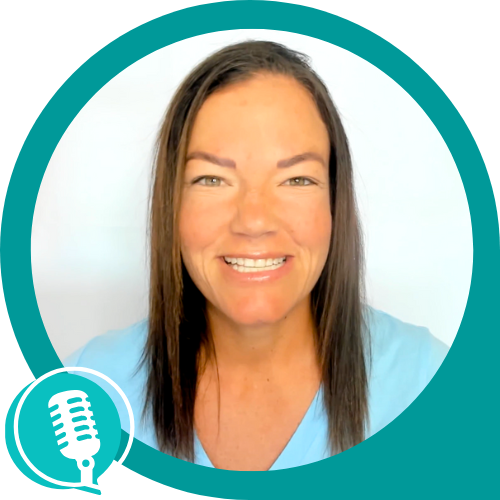
Kristi Kandel
Developer | Mentor | Co-Host of the LRED Podcast
Kristi is a real estate developer with nearly 20 years of experience and over $450M in projects across the U.S. Today, she focuses on helping locals step into development and build in their own communities.
She’s the founder of I&D Consulting, Local Real Estate Developers (LRED), and co-founder of Elevate, a community-driven sports and wellness concept.
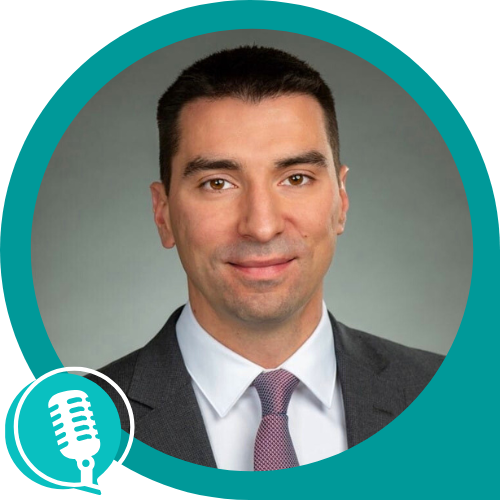
Raphael Collazo
Commercial broker | Author | Co-Host of the LRED Podcast
Raphael specializes in retail and industrial properties, bringing a problem-solving mindset from his background in engineering and software. As a commercial real estate advisor and developer based in Louisville, Kentucky, he works directly with investors, tenants, and cities, bringing a real-world view of how deals come together.
🔗 Related Episodes
How to Become a Local Developer: Katie Neason on Infill and Taking the First Small Bet | EP#29
A great companion episode on local infill, city relationships, and taking practical first steps in development.
How to Start Real Estate Development: Steph Weber Bought the Land First and Built the Plan Later | EP #41
A real look at taking your first development deal from idea to execution without having everything figured out.
Small-Scale Development: How She Left Her Corporate Career and Built a Tiny Home Village | EP #39
Another path from traditional career to building a community-driven development project.
About the Guest
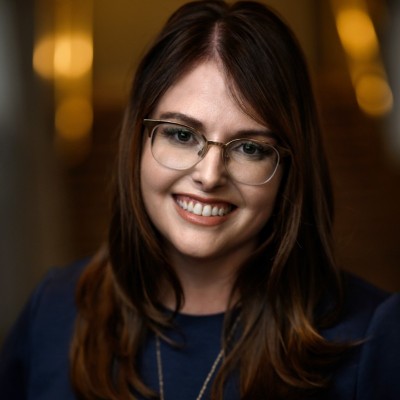
Krista Nightengale is the Executive Director of Better Block, leading community-driven placemaking projects across more than 100 cities. Her work focuses on helping locals activate spaces, test ideas, and create lasting impact through real-world demonstrations.
Connect with Krista
🌐 https://www.betterblock.org/
📸 https://www.instagram.com/betterblock/
💼 https://www.linkedin.com/in/krista-nightengale-758426b/
Full Transcript
Raphael Collazo (00:41)
Welcome to the local real estate developer podcast. I'm your co-host, Raphael Collazo. I'm a commercial broker and investor here in Louisville, Kentucky. And I'm here joined by my co-host, Kristi Kandel, who is an awesome person and developer. And we're looking forward to interviewing our guests today. Who's also as phenomenal as Kristi is.
Local Real Estate Developers (01:00)
What a great intro yes, I'm I'm Kristi Kandel I'm a developer mentor and I teach locals how to become developers in their own backyard and Today we have a guest who I was introduced to might be a year ago at this point but phenomenal guest who has a different take on development that actually helps activate and inspire communities and get them United behind the types of developments that they could get into so we have Krista Nightengale with better block here. Hey Krista welcome to the show
Krista Nightengale (01:02)
Thank
Hi,
how are you all doing?
Local Real Estate Developers (01:31)
Another day in paradise.
Raphael Collazo (01:34)
Yeah,
a little bit of heat wave on the East Coast, but we're toughen through it.
Krista Nightengale (01:37)
Yeah.
Local Real Estate Developers (01:39)
Awesome. since I kind of hinted that this isn't typical development, Krista, do you maybe want to give us a little bit of background on what Better Block is and how it started and then your role in it today?
Krista Nightengale (01:51)
Yeah,
absolutely. Well, thanks for having me here and talking about Better Block and some of the work that we do. So Better Block is an urban design nonprofit. We are based out of Dallas, Texas, but we do work all over the country and we have done a few international projects, including in Australia and Ireland. And basically we are under the umbrella of placemaking and tactical urbanism. So
just going out and working alongside neighbors to reimagine different spaces within their communities. So the work began about 13 to 14 years ago when our founding director and his neighbors walked out into a street here in Dallas and they said, what can we do to make the street better? And they wanted to add cafe seating, they wanted to add flowers, it was a one way street, vacant buildings.
They wanted to just think about how can we bring the street back to life and how do we get businesses to be interested in some of these storefronts. But they quickly found that there were ordinances from the 40s that prohibited a lot of the things that they wanted to do. So there was one that said it was $1,000 to add sidewalk flowers. There was one that said, I believe it was like area times market value times 85% times 12% to add sidewalk cafes. And then there was actually an ordinance from the 40s that said it was illegal for people to gather on a sidewalk.
And so they realized if you want to kill street life, this is everything that you would do, but that it was not their goal. And so for one weekend, they basically just took over their neighborhood and they took over that block and they painted bike lanes with kids paint and duct tape, knowing that if they got in trouble, they could remove it very quickly. And they brought out some seating, they brought out some lighting and then they had these empty storefronts and they invited some of their friends to come pop up for the weekend. And they said,
Let's just see, you've always talked about wanting to create this or that business. Let's just see how people respond to it and see if it's something that they might be interested in. While they did all of this, they printed out those ordinances that they were breaking and they posted them in the windows and they invited city staff and they said, we cannot have the street life in this activity that you see here today because of these ordinances that are standing in the way. And they weren't sure how folks were going to respond.
But over time, they did end up changing a few of those ordinances. The street was changed from a one-way into a two-way. Of course, the importance of that is as a motorist on a one-way street, you can just drive and you can kind of shut off your brain. There's nothing coming at you and you don't have to pay as much attention. So you might miss the businesses. You might miss the pedestrian train across the street. So when you turn it into a two-way, you create friction.
which means you're slowing down the cars, which is better for business, better for people. So they ended up changing those ordinances. They ended up changing the street. And one of those businesses that popped up that weekend still exists today and has a great business just down the street. Several of the storefronts have filled up over time. My favorite coffee shop is there now. And it was just a really fascinating pilot demonstration.
And what they realized is that there is a ton of power in the community being the ones to say, not only here are the problems that we see in our neighborhood, but here are some solutions and we've actually tested them out. Here's the feedback we received on that. And this is how the community would like to move forward with this space. So that kind of started the idea of the Better Block. And we kind of open sourced the concept. A few folks have little branches here and there.
but in around 2016, the group got a capacity grant from the John S and James L Knight foundation to start the nonprofit arm, which is the Better Block Foundation. And so, at that point I was, working, my background is actually as a journalist and I was working at the, local city magazine here in Dallas. And, I was doing some stuff on editorial, but I was also doing some community engagement things.
And this urban planner, Patrick Kennedy, proposed this idea of taking down a highway between downtown and the neighboring community. And this was the first time I had ever considered or thought about how planning had been used over the years, what redlining was, where these highways were tearing through communities, what impact that had had. And it was this massive thing. And I wondered how could someone with a journalism degree
possibly go about impacting anything like this. Because I was a journalist, because we were covering the stories in Dallas, I knew about Better Block, because it was a weird thing that was happening around town. And we were writing some stories about it. And the more I started learning about it, the more I thought this idea of the community being the ones to say, these are some of the things we would like to see, and then to actually prove that out. I thought that was really fascinating. And that could be a way that someone with a journalism degree could actually go about.
impacting some of the streets and some of the way that the communities are designed. So I moved over to Better Block almost 10 years ago. We have worked in more than 115 cities at this point. We've got a pretty tried and true process that we go through. you know, every day, you know, candidates, whenever they apply for jobs, they want to know what a typical day at Better Block looks like.
There is no such thing because every day we're just kind of doing some weird stuff and getting to make it up with community members and have a lot of fun as we go.
Raphael Collazo (06:58)
That's awesome. seems like an amazing organization that really takes pride in, vicar, invigorating the communities that they ultimately try to serve. So, you know, question that I have regarding that process is how do I guess, what, is a tip? Not, and I know it's not necessarily typical because all different projects, all projects are different, but I guess how is, how does that process work? Does someone just directly reach out to you and say, Hey, I have an idea of what I'd like to see on this particular.
Krista Nightengale (06:59)
Thank
Yes.
Raphael Collazo (07:25)
property or site or whatever. And then at that point, what does, what does that look like? And once you decide that's a project you want to pursue.
Krista Nightengale (07:30)
Yeah.
Yeah, so folks reach out to us at a lot of different stages. Sometimes it's a community member at the very beginning saying, hey, there's an empty lot here. We'd like to think about what it could be. And sometimes municipalities reach out to us and say, we've been working on some master plans of this area. We've got an idea for this space, but we want to test it out to see if that's truly what the community wants to see. Sometimes some things are pretty far along and it's just kind of figuring out is this actually going to work or not.
so when folks reach out to us, we'll have a conversation about the space, about the ideas, kind of what the concepts are. and once we, have decided to move forward, once we've got a site selected, then that begins a 120 day process. we found that 90 days was too short to actually get through all the permitting and all the things you have to get to. but 120 days, it's kind of a sweet spot where we can get everything done. but it also gives the community this quick win at the end and gives them.
something to work toward and work toward to, but then kind of ignites this phases afterward. So those 120 days break down into four different phases. The first phase is kind of the speed back, gathering information, understanding and getting a lay of the land. Generally, we're not working in our own neighborhoods. So we are outsiders and we are coming to these communities and asking these questions. And so before we begin, even
starting the conversation, we always make sure that we've got funding secured, we've got all the permissions that we need so that we're not over surveying and under delivering. So that first phase with the surveys, we put those out there, we're asking what works, what doesn't work, what do you love about your space, what would you like to see here? We also look at previous plans, we look at current plans, we're just trying to really get some background on the space. Once we have all that in, we then analyze the surveys.
And then we go into the design process, which is the second phase. The design process, we start out with a super simple block map, kind of reflecting what the community had said they'd like to see. Once everyone's good with that, we then go into 3D modeling. As we put together the 3D model, we think through a few things. One, is it what the community said that they would like to see in this phase? The second thing is, is it within budget? Because again, we do not want to over-promise and under-deliver, so we want to make sure whatever we put out there is a realistic thing that we can do.
And then the third thing we're really looking at is, you know, is it something that the community can help us build in the course of, you know, four days? So there's a lot that kind of goes into that piece. Once that design is set, we're about 60 days out. My team works on the permitting, the insurance, you know, just getting all of the nuts and bolts kind of detailed stuff together. But we also create a core team of community volunteers.
And we have different roles. have different, you know, we have estimated number of hours that folks will have to work. But we put together this core team and they're the ones who bring the heart and soul to the project with the food, music, entertainment, the things that make it special and unique to them and to their neighborhood. Once that is done, we're on about day 116 or so. And that is when we're on the ground and we host several community workshops.
Everybody gets to come out, we build, we paint, and we just bring the whole space to life. That's probably the most fun, those four days, because it seems hectic and just wild, but you kind of take a space that maybe folks have overlooked in the past, and all of a sudden it becomes this jewel within the community. And it's really fun because everybody gets to kind of take part in that. A tool that we use in our work is called Wikiblock.
This is an online library of street furniture designs that anyone anywhere can download from our site. You can then take these designs to a fabricator who has a CNC router and then you can get them cut out and then you can build it without any glue screws or nails. So it's a way for the community to play a role in instantly activating their space. And sometimes we're doing simple things like benches and then sometimes it's complex things like barns.
And so it really depends on the project and what we're looking for, but it's just a really fun way for everybody to kind of build together. So that all takes place over the course of about four days. And then after that, we demonstrate and we kind of do a big event as the opening piece of it. And it's, it is a big event. It's fun. You know, folks are coming out, they're getting to kind of experience the space.
And ultimately our goal with that is to get people to see it in a way that maybe they haven't seen it before and also to get their feedback. And we do ask questions and we have them respond to surveys on site, but we're also just watching, seeing how people kind of interact in the space, how they move things around and what that looks like. And so that demonstration really helps fuel where and what this should be in the future and what that looks like. Then we'll put together a report.
We share that out. Sometimes the recommendations we have are on the site itself. Sometimes the recommendations are on, you know, what kind of businesses should be there. And sometimes it's on the process we went through to get the project done and how it was to work with the city and what that looked like and are there some things we could do to make things a little easier. And then sometimes it's just on community organization. Like should there be a CDC here? Or should it be a bit or a bit or, you know, should there be something like that in place as this community looks to what are the next steps?
Local Real Estate Developers (12:48)
And when you're working with communities and engaging with them, is it typically the cities that are reaching out? Is it a local person who would love something done or a business owner? Who do you find are the people reaching out, starting this engagement?
Krista Nightengale (13:04)
Yeah, everyone.
It is really fascinating. We get tons of emails every day and sometimes it's community members. A lot of churches have been reaching out lately and kind of asking, how do we better incorporate ourselves into a community? What does it look like when our parking lot is empty throughout the week? How can we engage there? And cities are reaching out. Usually it's economic development or the planning department, transportation.
We have a current project with the Arts Council. So it's kind of, you know, there's a lot of different folks who reaching out. And then sometimes, you know, developers are reaching out and sometimes it's corporations that are there in the area and finding ways to get their employees more involved in the community and looking for assets for their employees as well.
Raphael Collazo (13:50)
So just to kind of summarize, so someone would engage with your all's services. You would be able to come on site, go through a particular process that you guys have developed over time and refined over time to be able to deliver a kind of a concept of something that could potentially work for that particular community. You gather feedback and at the end you go over the results with the municipality or whoever your, you know, target person is. And then from there, their goal at that point is to.
make the development work, is that correct? Or they may iterate and then, you know, now they've already got the community, hopefully got the community buy-in because you've engaged all the people in the area with this particular development. So when they go through the process of maybe submitting a development plan or, you know, going through the construction process, there's already kind of that excitement or that buy-in from the neighbors as to what that could potentially be. Is that correct?
Krista Nightengale (14:44)
Yeah, the goal is to kind of have people on the same page. But it's also to test it out. Like maybe the idea isn't good. Maybe it's really not something that the community wants and that also is part of it. And so whenever we do these projects, we're always having to tell ourselves too, like we have to be open to that feedback. We have to be open to the idea that one, it just may not be what people want. Or two, maybe we need to make some tweaks and make some changes and rethink kind of how we're operating in this space.
We did one of the very first projects I worked on. It was a really fascinating moment when we had been doing all this planning and there were two different voices in this community. The one who had been there for a very long time, she had seen how liquor stores had really negatively impacted the community. And then there was another woman who was younger. She had moved in more recently and she had some young kids.
And we were talking about a beer garden and just the way this beer garden was being perceived by these two different folks and what that looked like. And it was one of those things where we were talking about, they were open to the idea of the beer garden, but one wanted it next to the playground. And one thought that that was not a good idea. And with the way that we go about our work, we're always testing, we're tweaking, we're trying things out. Day one, we were able to put the beer garden farther away from the playground.
Day two, we moved it closer to, and it allowed them to kind of test it out and to test the what ifs and test the fears and test the concerns. And we always talk about how temporary erases the fear of permanency. And so with these projects, a lot of what we're looking at, a lot of times we are looking at reallocating car space to people. And in most of the cities we're working in, they're very car centric. And so that can be a very scary.
Concept in theory, but in reality once you get to kind of experience it and you know touch it feel it and see what that means it opens folks up so there's a project we did last year in a town in Colorado and You know this it was an interesting project because the community that we were asked to work with There was a lot of distrust between them and the city and the city had hired us to do the project
And there had been a lot of pushback to any initiatives or concepts previously. And the part of town is really beautiful. It's this really old commercial corridor, one block long. There's a train stop and they were told with this train stop, you're going to get all this industrial activity. And that hadn't really happened. And part of the reason was, you know, there was a bar on the corner.
and a barber shop and they were both super successful. They'd been there since the 70s clients, know, folks knew them. They came there. They don't have to do any advertising. Like they're really successful, but the rest of the businesses, the buildings were either vacant or the businesses were struggling and they just didn't have that built in clientele from the 70s. And so it was really interesting because these two were not excited about doing a project and were very hesitant about it. And so.
You know, one thing we really focused on was honoring the history of that area and kind of some of the pieces that were really important to them. So they had mentioned that there had been a town or there had been a dance hall in one of those buildings at one point. So we brought the dance hall out into the street and created a dance hall as part of kind of that train stop. The railroad track was really important. And so we wanted to kind of pedestrianize the area a bit more. And so we did super temporary.
crosswalks that looked like train tracks, but we did them with duct tape because we could take it off at the end if we needed to. But it was fascinating because as soon as we put down those crosswalks, the cars were slowing down and yielding to the pedestrian. So it was an instant change in that way. And then the most radical thing we did is we did take 16 parking spots and we turned it into a Wooner, which is just the Dutch term for kind of slowing down cars and creating this
movement throughout the space that forces the cars to slow down a bit and The big thing that they were concerned about in that community is they have wild turkeys that just kind of roam the area And they keep getting hit by cars. So we're like, okay. Well, we'll do a Wooner. We'll slow down this traffic It's gonna be good for business But it's also good for the turkeys because now folks will actually be looking out for them And as we were going through this process, this one was a super temporary project We this demonstration was only going to be up for two days
And we were going to do a street fair on the second day to kind of test out this idea. a farmer's market work here? What other kind of businesses might be interested in this area? What would that look like? And as we were working through this, the barbershop, I started to get to know the owner there. And we were talking throughout the week. And as we were getting to the day of taking away the parking, I told him, hey, I'll come in early. I'll help direct people.
you know, we'll kind of work through that. After about an hour, maybe two hours of kind of showing people where to park and where they could go, he came out and he said, they're fine. They've all figured it out. There's parking around the corner. And it's one of those things where maybe that parking wasn't as obvious beforehand, but you through this process, they're like, oh yeah, there is parking around the street. And then as we got through the fair, we had the big day and he was open that day for work and lots of people were just stopping in throughout the day to say hi.
And we went in at the very end and we're like, okay, tell us how did we do? What did you think? And he said, you know what? I'm 86 years old. I'm a little set in my ways, but sometimes it's just seeing something to understand. It's not that bad and it could be fun. And I think that's a big part of our work is just giving people that opportunity to test something out.
Raphael Collazo (20:48)
That's awesome. So out of curiosity of the, you know, a hundred plus projects that you guys have been involved with, what, do you know, a percentage of the ones that have kind of gone with the same concept that was originally proposed or versus the ones that kind of pivoted altogether and did something completely different.
Krista Nightengale (21:06)
Yeah.
Yeah. I wish I had a clear answer to that and I don't, we are doing an impact study from our past 10 years. ⁓ so we'll have some more information on that, but pieces of each project remain and what pieces remain is totally dependent upon the communities. so like we did a project, in Akron, Ohio, where it was looking at a street, in a neighborhood where there was a lot of, a lot of folks were leaving the schools were being consolidated. The businesses were empty.
Raphael Collazo (21:14)
That's great.
Krista Nightengale (21:35)
so we proposed, you know, making some road changes, but then they also discovered they had music as a history. then, we had this really great core team and they put together this incredible project. What ended up happening is our block captain for that project. actually quit her job. She started a CDC after five years, she'd brought in a million dollars of infrastructure changes and implemented those street changes we proposed permanently. she had brought in 14 new businesses, upgraded 13 facades.
She's no longer in that role because she's been elected to council, but the CDC kind of continues on. There was another project where we did a food park and the lot itself where we did the food park, looks like it did beforehand. But the results of this food park is we discovered that the community wanted healthy sit down options in this neighborhood. We were able to change the mobile food vending ordinances here to allow for healthier options.
And two of the businesses that popped up as part of that food park now have brick and mortars across the street from where that food park was. So it's, you know, each project and then, you know, we had a couple last year, we did one in Detroit, where we were kind of showcasing what three city of Watts could look like, but also trying to address some of the streets and the speeds on the streets.
They ended up being able to use some of that for data they used in a grant application. got 12 and a half million dollars to install it permanently. We did a project in Pittsburgh last year where it was the same thing. They were already working on this big revitalization plan for downtown Pittsburgh, but they had this one little lot that they were looking at and they wanted to make it the backyard of downtown Pittsburgh, but they wanted to test out what could be there and how the community would perceive it and how that would be received.
So we tested it out. They did some work on it, some activations for about six weeks. They were able to kind of incorporate that into this bigger ask that they made. And they ended up getting, you know, $600 million for all of downtown, but 30 million specifically for that space. So it's, you know, it can, we always tell people with these projects, you know, use them, you know, with the community sometimes. And it's so unfortunate. It's so frustrating that sometimes outsiders saying the same thing you've been saying over and over again.
they'll listen to the outsiders, which is so frustrating. We experience it here at home, but we always tell community members, like, use that and let's work together and see what are some of the things you want to make sure are being heard. But then it's also just this great way for people to really test out these concepts and these ideas and to see, you know, what could be impactful and useful and most beneficial for the community.
Local Real Estate Developers (24:03)
So just real quick because you've said CDC a couple times, can you maybe explain what that is in case there's someone in their community who's like, I want to go start one.
Krista Nightengale (24:12)
Yeah. So
I think each city is a little different on what mechanisms there are and what they allow. So in Akron, the CDC is a community development corporation that she was able to begin. There's also PIDS, public improvement districts, business improvement districts, along the same lines of like neighborhood associations and things like that. So I think there's a lot of different mechanisms kind of just depending on what part of the country you're in and what's there. But there are different ways.
that communities can organize and to kind of work towards some things.
Local Real Estate Developers (24:43)
awesome.
Raphael Collazo (24:44)
Yeah, no, and I guess, you know, one of the other questions that we typically like to ask is a project that kind of stood out to you. I know we kind of talked a little bit offline. Kristi had shared a particular instance where you, the project that had, that you kind of found fascinating. I wonder if you could kind of profile that one in particular, the one we were, yeah. Go ahead.
Krista Nightengale (25:02)
Yeah.
Yeah, yeah,
there's been a few over the years. I would say probably that food park that I was mentioning, it was a big one for us just because that it was in the South Dallas neighborhood. we were told when we started it, it was kind one of the first things coming out of COVID. And the concept for this one, it's a higher crime neighborhood.
but we realized that a lot of the folks in the area would normally go to the fair and operate at the fair. And that's how they, you know, would make some money throughout the year because of COVID that hadn't happened. And so we wanted to test out this idea of a food park and just see if it was something where one, they could recoup some dollars. and two, if the idea of a food park could work in this area. And so, it was a pretty empty lot that we were given to work with. there was a
pretty known drug house like kind of behind it. And so that was an element that we were kind of like, okay, we don't want to turn our backs on anything. So how do we create a space that kind of formalizes some areas and allows for everyone to come to the space and feel comfortable. And so it was up for a month. And you know, we were told no one would come to this part of town for a food park. But the community had said we want healthy sit down options. And so we're like, let's just test it out.
So we got a lot of vegan and vegetarian options there in the space. And one thing that was really interesting is the community had said in the surveys, this is what we want. But then they proved it with their wallets by selling out those options when they were there. We had seating and shade, which are the two things people always ask for. We had music and food. And since it was one of the first things that people were allowed to do, kind of out.
coming out of COVID and you know they could be outside and it could be safe. It was really special you know it was just really beautiful to kind of see everyone gather there and just see folks come together and a sharing community. And during those four weekends that it was open we had more than 5,500 people coming through and it just really proved out the concepts that you know folks will come to this part of town, are excited about it, they want healthy options.
And then now I think, you know, being four years later, I'm seeing a couple of those, test spots kind of open up across the street. and seeing what they're working on is just really, really exciting. and it also kind of has tested out some other ideas. You know, one thing is we've been working on parking reform here in Dallas and one of the restaurants had a really tough time opening because of parking. have a.
3,000 square foot space and for our old code, they had to have one parking spot for 100 square feet. And so they needed 30 parking spots, which just aren't there. And so that, you know, it it led to this much bigger conversation. The conversation was already ongoing, but it was a real life example of how, you know, parking had impacted folks and what that was doing in our neighborhoods. And so, yeah, it was just one of those things where it kind of just started all of these conversations and
and these different things and have led to lasting impact, but not in the literal sense. that, you know, that lot is what it was before, but there's been all of this other stuff that's happened since then.
Local Real Estate Developers (28:10)
And didn't that parking reform just happen to where it got passed?
Krista Nightengale (28:14)
It's dead. Yeah, about
a month ago. Maybe five weeks ago at this point. Yeah.
Local Real Estate Developers (28:18)
Is there still
hope for that business too, or did he end up shutting down?
Krista Nightengale (28:22)
Nope, they opened up. and, you know, I think the work around that they ended up coming up with to open was they basically had the parking for the entire center that was there. so it was difficult for anyone else to come in, but now their parking numbers have been greatly reduced. So now there is parking available for other businesses to come in as well. So, you know, now hopefully we can continue to build off, having that restaurant there and having more things kind of coming into the area.
Raphael Collazo (28:49)
Yeah, no, and parking is a big issue. A lot of times when you propose, you know, any type of development, you know, I know in our market, we have to, we have to allocate a certain amount of spaces per, you know, surface area of the property. if depending on the use, it may require additional parking and, urban infill projects, it makes it really difficult because you don't have the land to just kind of say, yeah, we can allocate this amount of space for parking. So.
hopefully that induces or incentivizes more infill type of developments to take shape and to not have the similar types of issues when it comes to restricting the parking.
Krista Nightengale (29:27)
Yeah, we have a t-shirt that says it's hard to find parking in great places. And by that we mean, you know, the places we love to go and the places we love to be are designed with the human in mind. And so those places become very popular for that reason. And then people say, well, we need more parking. And then once you start to have the parking, you kind of kill the whole reason why people wanted to come there in the first place.
And it's just, one of those things where until you get to experience what the space may be rather than a parking space, it's scary. And you know, that it feels like you're taking something away, but truly when we rethink the use of some of those spaces, it's so much more can be done and make the world just a bit more pleasant with how we use that space.
Local Real Estate Developers (30:12)
And I love when we...
We there's a couple of city leaders that and community leaders have encountered where they said, let's create a parking problem. Let's create the places that people actually want to gather and we'll spend time and let's have a parking problem and we'll figure it out at that point. ⁓ as opposed to, Nope, let's, you just can't operate. So as, as you're going through these and you know, there's clearly, even though it's a shorter timeline, it's, it's in theory, less intense than a development, but there's so many challenges that you're getting. And like you said, when the city hires you and the
Krista Nightengale (30:26)
Yeah.
Local Real Estate Developers (30:42)
community pushes back. What are some of the types of challenges that communities need to overcome to get to a point where they can hire you, but then also finish the project?
Krista Nightengale (30:51)
Yeah.
You know, the challenges we see, I will be honest, property owners are sometimes a challenge. how involved they are with the community and then what uses that they will allow. We do projects in higher crime neighborhoods because we have seen that this type of work can impact crime and reduce it.
And property owners in those areas are concerned about the concept and the idea and what they may be on the hook for afterward. so we have to talk with them pretty intensely about what the concepts are and what the project could be. And then we always, we have agreements that we do with property owners. We always take out the liability because that's always the first question. But that's usually the first hurdle for a lot of communities is the property owners and kind of getting buy-in.
And I have found most of the communities that reach out to us, most of the places where we work, you know, the first question we ask is, you want to do a project, you know, because we're not going to do something in a neighborhood that's like, nope, we don't want it. That's totally fine. And I don't think we've ever been told no. And what I can remember, communities are excited to do things together and they're excited to rethink their spaces. So it's finding those permissions. It's usually that.
hold up, which begins with the property owners. And then sometimes, you you can face pushback from the city side of things as well. And one thing, I'll just keep putting it out there because I would love to find a way to make this happen. We'd love to develop a permanent kind of a universal permitting process that would allow for right of way demonstrations or lot demonstrations in this kind of way. That reduces the need to hire someone like us. We would like to not exist ultimately, like if we do our jobs well.
we're not needed. So that's what we're trying to get to. So trying to find ways for it to be easier for communities to be the ones to test out some ideas and to try some different things. Those are usually some of the hurdles that we face. Other than that, my team's pretty good at finding ways around some of the different things. Again, because we are doing temporary demonstrations.
we do, we are able to overcome some of the more traditional hurdles. And I was telling someone the other day, know, better block secret sauces that we do. Like at the end of the day, we are creating something alongside the community. They will see something happening. And they took that to mean that our secret sauces were temporary. I was like, no, no, temporary is just the tool that we get, that we use to do. So it's, it's a tricky thing because more and more lately people have been wanting permanent things.
And, you know, that's obviously a much longer process that is a lot more, a lot more money. And so it's a tricky way to kind of figure out how do we ensure there's a phase two and phase three that comes in after us. And that's kind of all part of that 120 days is figuring out who can take this to the next level afterward should the community like it.
Local Real Estate Developers (33:47)
And that's why I loved when I heard your idea because what we're trying to do is empower the locals to take on the projects. And now you're kind of giving them that kickstart, that jumpstart of your proof of concept is proven and we'll help guide you through that process if you need it. But really getting those locals inspired. So that's why I love your story and your mission and what's happening because you need that initial community buy-in and you need to give people that idea to go, this is possible and someone like me can do it.
Krista Nightengale (34:12)
Mm-hmm.
Yeah, and I think a big part of it too is we're fighting for something. know, like a lot of these projects, it's what is the idea, what is the concept, and people get really excited about fighting for something.
Raphael Collazo (34:14)
Yeah.
Yeah, true. Yeah, absolutely. yeah. And to your point, I think the fact, the fact that you do it so quickly too, is very helpful because sometimes it's easy to get motivated for something when it's early in the process. But then, you know, if you're talking about a full long, long-term development, it's a multi-year project, know, know, thing, anticipate or, enthusiasm begins to wane over time. so your concept of being able to deliver something from soup to
Krista Nightengale (34:33)
Okay.
Thank you.
Raphael Collazo (34:54)
soup to nuts and 120 day period. granted, it's not a permanent, you know, development, but it gives the community a complete clear understanding and a visualization of what actually can take place on site. So that now it's not, you know, as scary maybe as, as you make it seem, because if you see something as a rendering or you see it on paper, sometimes people think, well, how is this going to impact? You know, parking or congestion or, know, people being down the road and just causing a scene. Right. So I think it.
Krista Nightengale (35:10)
Mm-hmm.
Mm-hmm.
Raphael Collazo (35:23)
helps manifest something that could potentially be a reality. And then once you have an op, a lived experience with that, I think it helps reduce some, maybe some of the friction that maybe some opponents to the project may have. And I'm sure a lot of times you have full on buy-in, but there, I'm sure there's plenty of people that, you know, show up to the, the, the projects as well that initially maybe were, were pessimistic about it, but then ultimately they, they, gather the buy-in as a result of just having that lived experience.
Krista Nightengale (35:51)
Yeah, it's tricky. We just kicked off a project where the community's been over-surveyed. And there are several folks who are a little bit cautiously cynical about what's actually gonna happen with this and what is the point. And we're able to say, well, in 120 days, you'll see it. The survey and the answers you're giving us here today aren't just gonna go into a...
plan that's going to sit on the shelf somewhere. Like you're going to actually see the results of this in four months. So, you know, if you want to be a part of that, that's awesome. Like let's do it. And if you just want to come at the end and kind of see it and give feedback on that, that's also great. You know, with whatever level you want to engage and let's do it, but you will see some action happening.
Raphael Collazo (36:38)
So one of the questions I have, and usually we, we usually provide this question to people who are aspiring developers, but in your case, it would be, I mean, maybe inspired community members that want to take on a project like this. What advice would you give to those individuals about, you know, how to manifest something similar to what you're describing, you know, obviously helping your help is obviously immensely helpful in this process, but how can people in their communities, if maybe you, because you have projects all over the country.
Krista Nightengale (36:48)
you
Raphael Collazo (37:07)
You can't do everything. You can't do all the projects around the country. So what advice would you give to those individuals who want to follow a similar type of path in their own communities?
Krista Nightengale (37:16)
This is the cheesiest answer in the world, but it's the answer I always give, which is just do it. So I think, you know, a lot of times what we see with folks who are reaching out to us, they have an idea and they know how to go about it. And there is just a bit of a fear or a hesitancy around the what ifs. And so we always, you know, if they've got a solid concept and they've got community buy-in and they've got a way to do it, we always encourage them to go out and just make it
We just launched something called Better Block University where we had folks apply to be a part of it and they're going to go through and learn our process and at the end have a small grant to do a mini Better Block. But we realized that this fear of doing and being the first time that they go out and do something maybe in a street or in a lot or you putting something out there and there's a little bit of a hesitancy to that.
So we had them come to Dallas and we just went out and we did an intersection intervention. And it was our way to get them out there doing something so that the next time it wouldn't be quite so scary. And we find that just encouraging people to go out there and try it helps them at that next step. So don't be afraid to do it, make it happen. We've also got, you know, our WikiBlock resource is a great resource for
just different elements and things that you can add to a space to make it a bit more friendly and more humane in the area. So that's something to check out as well.
Local Real Estate Developers (38:43)
And that's an awesome resource that she shared with us. that is going in our developer vault for everyone to have as well. When you're, so as far as bringing the community together to do these, how do you go about, and is it during the survey process, but how do you go about getting the actual members to volunteer their time to participate?
Krista Nightengale (39:00)
Yeah, so it is a bit of the survey process. We always ask, you know, do you want to be involved with this and at what level, but also who else should we be talking to? We also, you you tend to know the super volunteers in the community, so they'll, we'll find them, they'll find us pretty quickly. But I will say our process tends to bring out some new folks. it's, so if we don't, we always say the whole thing is community engagement. So if we don't get you during a survey,
You might become one of the core team members. If we don't get you there, you might be reached out to to be a vendor or be a musician or be an artist for the actual demonstration. If we don't get you there, you might happen to come across it while everybody's out there installing everything. We get so many people stopping that we now do hand flyers where we can run out to their cars and give them a flyer and say, this is what's going on, come back. And the number of people who turn around and then come back and pick up a paintbrush. It's really fascinating.
But if we don't get you through any of that, then the event part, where you think you're just coming for an event, but really we're trying to engage you in this whole process and kind what could be in the possibilities. So it's a really fascinating process where we're trying to meet folks where they are and kind of bring them out in different ways. I have a background in journalism, so sometimes we'll do some old school stalking to try to find people and see who's really vocal in the different neighborhood groups.
Local Real Estate Developers (39:53)
You
Krista Nightengale (40:22)
who's talking and is that someone that we should be engaging as part of the process as well. So go about it in a few different ways.
Raphael Collazo (40:28)
That's awesome. No. So, you know, obviously you've guys got, you guys have been involved in a hundred plus projects around the country. you know, one of the things that I'm kind of curious about is what's, what, what are the, what are the next steps? Like what, what is the goal of the organization over the next call it five to 10 years and how can people help with that vision?
Krista Nightengale (40:50)
Yeah, I would say, you know, some big picture things is we do our projects and, you know, to brag on my team, I think they do them very well. And so we've got that, but I think what we want to start doing a bit more of is sharing some of our lessons learned and kind of, cause we do see a lot of things are pretty universal. Obviously communities are unique, but the issues that we see, especially in car centric neighborhoods where they've all been designed kind of at the same, you know,
king in mind, then it's like, okay, how do you start to rethink that and bring it back for the people? So we want to find ways to kind of share more of that. And then to break down some of those barriers that we see that are pretty universal. So the permitting issues, kind of addressing some of those things, doing more things like VBU, where we can teach other folks to go out and do this stuff. Cause I would say ultimately, you know, in five to 10 years, we would love to not exist. We would love for communities to know they can go out and do these things.
We would love for this to be a process that's baked into every development so that the community is part of the process and can kind of help shape what things are going to look like. So I guess in 10 years we don't exist because we aren't needed. Maybe that's where we're headed. yeah.
Raphael Collazo (41:59)
Yeah. Or you exist in a function of teaching, right? You create the
platform. You reference BBU. Is that an online platform or are you guys also administering curriculum on site?
Krista Nightengale (42:11)
It's on site. Well, we brought everyone to Dallas for the first one and then the next three are online. So yeah, it's what we hope to continue the program or a nonprofit. we're looking for funding for next year. So we're working toward that. But yeah, we'll kind of see where that goes and where the our class our first 15 kind of what their projects end up looking like.
Local Real Estate Developers (42:35)
And were those private sector members, was it public, was it also a mixture of city officials and private?
Krista Nightengale (42:42)
Yeah,
it's a mix of all of the above. So we've got five people from North Texas and the other 10 are from all over the country. So yeah, it's really exciting to kind of see what they're coming up with.
Raphael Collazo (42:53)
Yeah, and it'll be interesting once you do the impact study on the projects you guys have done. I'd love to see some of those results that come back from that. And obviously that's a, you know, a proof of concept that you can then take to people and say, hey, to get involved in BBU, this is the type of impact that we've had as an organization. And we want to try to see if we can replicate this en masse because
Krista Nightengale (42:57)
Mm-hmm.
Raphael Collazo (43:16)
There's only so many projects you all can take on as a team. And if you can empower others to take on projects in their own community, now that's where you amplify the results over time. So, pretty cool to see.
Local Real Estate Developers (43:26)
I love that. I'm all about creating scalable frameworks that we can implement and it's you guys are putting together the data and the real life to where we can do that and can take it to communities. And you had mentioned, you know, just being able to have it in set, like a set permitting thing where they pull it off the shelf and say, Hey, if you do it to these standards, we're going to approve this type of work, which we do that in other aspects of our codes. So we, you know, I can totally see a path to getting there. And then we true.
are empowering our people to go do that. I love it. I love everything about what you guys are doing.
Krista Nightengale (43:57)
Yeah.
Well, thank you. Yeah, we have a lot of fun with it. And it's really just because we're honestly just so privileged to be able to work with the communities that we get to work with. And I'm always so lucky that folks want to work alongside us and trust us when we say, hey, we're going to create this beacon. And they're like, I don't know what that means, but all right, we're here for it. So it's a lot of fun.
Local Real Estate Developers (44:20)
Awesome. So as far as helping support you guys going forward in a couple different aspects, are there ways that people can volunteer to be on your team? Because I know getting capital to actually hire people can be difficult, but then also are there ways for people if they believe in it to provide donations and different things, how are ways that everyone can help? And maybe it's sharing with their audiences too, but what are the best ways that people can help support what you guys are doing?
Krista Nightengale (44:47)
Yeah, so on our website, folks can sign up to volunteer. Let us know what part of the world you're in. And whenever we have a project in that area, we'll send a note and say, hey, we're looking for volunteers for an upcoming project. That's always great. We've got our donation page up there as well, which we always appreciate support that way. And then, you know, just if I am exploring this permitting idea, so if anyone has come across a really great city,
that's doing something interesting. I've talked to folks in Nashville and Philly and Austin. So they're doing some interesting things. So if you've got some ideas along that, let me know. Ultimately, what I want to do is put something together that does not put a ton more work on city staff. So trying to figure out that balance there. But I think those are the main things. And then if anyone does download any Wicky Blog furniture and puts it out into the neighborhood, just let us know about it so we can share.
Raphael Collazo (45:42)
Yeah. And, and, and we'll, we'll be sure to include all your social links and website and everything as well in the show notes. So people can kind of keep, keep along and follow along with the journey. And, know, if it's your point, if they're located in an area where there needs to, there, there's some projects you guys are actively working on, they're interested in volunteering, that could also be an option as well. So.
Krista Nightengale (46:02)
Absolutely.
Raphael Collazo (46:03)
Well, Krista, thank you so much for your time. was really insightful to learn about what you guys are doing. And it's really a very novel and impactful way that you can inspire and, and, and. Impact the communities that you're ultimately serving. And I'm really interested to see the impact study once you guys are done with that. So if you, if we want to follow, do a follow up maybe in the future and maybe go through that impact study, I think that'd be kind of cool. But
Again, really, really thank you for your time. For all of you guys who are listening on this podcast, if you guys are watching this on an Apple podcast or Spotify, please leave a five star review. makes a huge impact on our ability to reach a broader audience. Along with that, if you guys are watching this on YouTube, please like and subscribe. We've definitely had an increase in our subscribership and our viewership. So we obviously appreciate all the support, but continue to have it continue to come on because again, we'll help spread the message to as many people as possible. So thanks again so much for tuning in and we'll see you all next time.
Get the tools behind the episode
Access the Developer Vault with templates and real resources
©2025 I&D Consulting. All Rights Reserved.
©2025 Local Real Estate Developers. All Rights Reserved.