How Josh Green Built Infill Townhomes and Proved You Can Develop While Keeping Your Day Job | EP #11
Real estate development, infill townhome rentals, and creating community-centered housing in overlooked markets.
What if the smartest way to become a developer is not quitting your job, but building alongside it?
This episode shows how thoughtful local infill can create real impact without waiting for perfect timing.
Josh Green shares a grounded, honest look at what it takes to become a developer without pretending the process is fast or glamorous. From property management and multifamily consulting to teaching real estate development and launching his own company, Josh walks through the path that led him into community-focused infill projects in Utah.
At the center of the conversation is his first ground-up deal, a 20-unit townhome rental community in Cedar City. He breaks down why townhomes made sense, how he found local partners, what it took to raise capital for a smaller overlooked market, and why strong property management may be the least exciting but most important part of the whole deal.
This episode is especially valuable for aspiring local developers who still have a W-2, want to start smaller, and are looking for a realistic way into development that fits both their finances and their actual life.



Get the tools behind the episode
Access the Developer Vault with templates and real resources
Episode Summary
Josh Green’s story is a strong reminder that development careers are often built in layers.
He first got interested in real estate as a kid, mowing the lawn at a rental house his grandparents owned next door. Later, his first real estate job was in property management and leasing for a big developer in Utah. That gave him direct exposure to operations, but it also showed him quickly that while he valued the experience, that was not the lane he wanted to stay in long term.
From there, Josh moved into multifamily appraisal and consulting, where he spent more than a decade studying values, underwriting deals, and working alongside developers across Utah and surrounding states. That work gave him two things: a deep understanding of market fundamentals and a front-row seat to the creative side of development. He saw how developers could take a piece of dirt and turn it into someone’s future home, and that stuck with him.
Eventually, he went back to school through the University of Utah’s Master of Real Estate Development program, later teaching there as an adjunct, and then joined a local infill developer where he helped work on roughly 1,200 units. His role was largely on the finance side, but the bigger lesson was seeing how projects really come together. A few years later, he took the leap and launched his own company.
That leap was exciting, but also sobering. Josh is very clear that the timing was hard. Interest rates rose, capital became tougher to raise, and the timeline from concept to actual income was longer than he expected. That honesty is what makes this episode so useful. He does not pretend the path is easy. He explains that if someone wants to develop, it is perfectly fine to keep their day job and build on the side while they learn, assemble a team, and get their first deal moving.
His first ground-up project is a 20-unit townhome rental community in Cedar City, with another 16 units next door in the pipeline. He chose townhomes intentionally. They fill the gap between apartments and single-family homes, appeal to renters who need more space, and are more straightforward to build than larger multifamily products. He also chose Cedar City because the fundamentals were strong, but the market had been overlooked in favor of more obvious growth areas.
One of the best lessons in this episode is how Josh thinks about partnerships. He knows his strengths are in market analysis and underwriting, so he partnered with an architect who could lead design and entitlement. He brought in a contractor with local reach and a management company with stronger systems and marketing tools than smaller local players. That team approach helped the project move forward, lease up, and attract residents from outside the state relocating for work.
The biggest takeaway is this: community-driven development does not have to start with a giant project. It can start with one overlooked market, one infill site, one strong team, and one willingness to stay patient long enough to build something people will actually remember living in.
What You'll Learn
- Why townhome rentals can be a strong infill product type
- How to build your first development while still keeping a W-2
- What to look for in an overlooked but growing market
- How to find partners to fill your skill gaps
- Why property management can make or break a project
- How Josh is pivoting into land entitlements as the market shifts
Bold Truth
You do not have to quit your job to become a developer. You just have to start building with the right people.
Timestamps
0:00 — Intro
https://youtu.be/kVr8tfgv1EQ?t=0
1:10 — Josh Green’s path into real estate
https://youtu.be/kVr8tfgv1EQ?t=70
2:45 — Property management, appraisal, and consulting background
https://youtu.be/kVr8tfgv1EQ?t=165
4:06 — Why Josh chose independent development
https://youtu.be/kVr8tfgv1EQ?t=246
5:24 — The hardest part of going out on his own
https://youtu.be/kVr8tfgv1EQ?t=324
7:21 — Building a capital network from scratch
https://youtu.be/kVr8tfgv1EQ?t=441
9:08 — Using LinkedIn and local events to grow visibility
https://youtu.be/kVr8tfgv1EQ?t=548
10:06 — Why Josh loves townhome rentals
https://youtu.be/kVr8tfgv1EQ?t=606
11:20 — Why Cedar City was the right market
https://youtu.be/kVr8tfgv1EQ?t=680
12:48 — What surprised him about the tenant profile
https://youtu.be/kVr8tfgv1EQ?t=768
14:23 — Finding local partners for construction and management
https://youtu.be/kVr8tfgv1EQ?t=863
16:46 — Why property management matters so much
https://youtu.be/kVr8tfgv1EQ?t=1006
19:52 — How to stay motivated through a long timeline
https://youtu.be/kVr8tfgv1EQ?t=1192
22:12 — Why it is okay to keep your day job
https://youtu.be/kVr8tfgv1EQ?t=1332
23:55 — Playing to your strengths and building the right team
https://youtu.be/kVr8tfgv1EQ?t=1435
25:01 — How the architect partnership worked
https://youtu.be/kVr8tfgv1EQ?t=1501
27:11 — What community-driven development means to Josh
https://youtu.be/kVr8tfgv1EQ?t=1631
30:05 — The Impact Development Collaborative
https://youtu.be/kVr8tfgv1EQ?t=1805
32:13 — Future projects and land entitlement strategy
https://youtu.be/kVr8tfgv1EQ?t=1933
34:45 — Josh’s Developer Vault contribution
https://youtu.be/kVr8tfgv1EQ?t=2085
Meet the Voices Behind the Mic
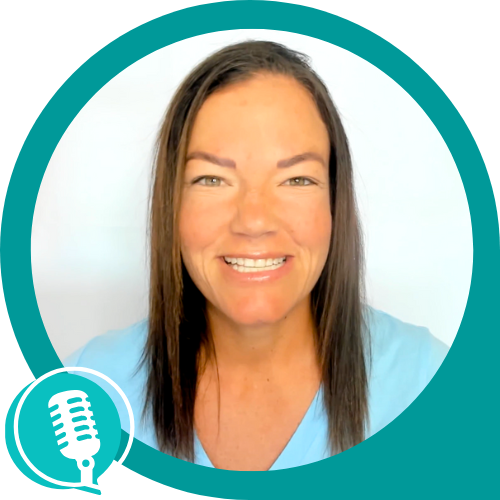
Kristi Kandel
Developer | Mentor | Co-Host of the LRED Podcast
Kristi is a real estate developer with nearly 20 years of experience and over $450M in projects across the U.S. Today, she focuses on helping locals step into development and build in their own communities.
She’s the founder of I&D Consulting, Local Real Estate Developers (LRED), and co-founder of Elevate, a community-driven sports and wellness concept.
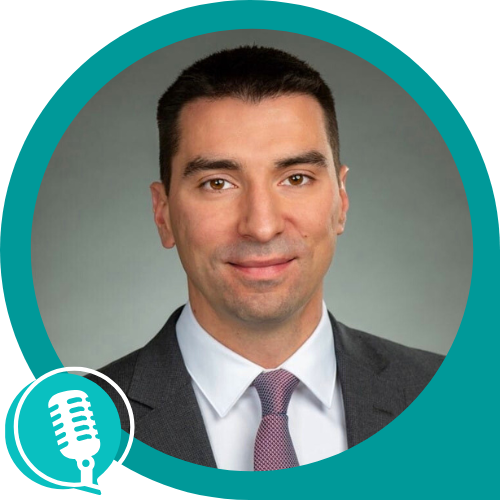
Raphael Collazo
Commercial broker | Author | Co-Host of the LRED Podcast
Raphael specializes in retail and industrial properties, bringing a problem-solving mindset from his background in engineering and software. As a commercial real estate advisor and developer based in Louisville, Kentucky, he works directly with investors, tenants, and cities, bringing a real-world view of how deals come together.
🔗 Related Episodes
How to Become a Local Developer: Katie Neason on Infill and Taking the First Small Bet | EP#29
A great companion episode on local infill, city relationships, and taking practical first steps in development.
How to Start Real Estate Development: Steph Weber Bought the Land First and Built the Plan Later | EP #41
A real look at taking your first development deal from idea to execution without having everything figured out.
Small-Scale Development: How She Left Her Corporate Career and Built a Tiny Home Village | EP #39
Another path from traditional career to building a community-driven development project.
About the Guest
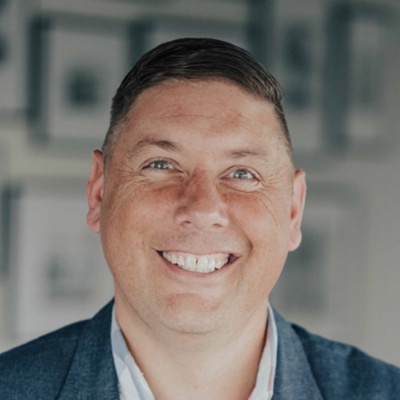
Josh Green is a Utah-based developer, educator, and founder focused on infill housing and community-driven real estate projects. With a background in property management, multifamily consulting, development finance, and teaching real estate development, he brings both analytical and practical experience to the work of building housing that fits real communities.
Connect with Josh
🌐 Website https://www.alchemydev.com/
💼 LinkedIn https://www.linkedin.com/in/joshgreen/
Full Transcript
Raphael Collazo (00:41)
Welcome to the local real estate developers podcast. I'm your host, Rafael co-host, Rafael Collazo. I'm a commercial broker and investor and actually getting into development myself here in Louisville, Kentucky operate kind of regionally. And I'm really excited to be here with my co-host Kristi, who's an all-star developer herself. So Kristi, you want to introduce yourself?
Local Real Estate Developers (01:00)
Yeah, so I'm Kristi Kandel I am a real estate developer consultant and I also teach people how to become developers in their own backyard. And today we have a guest. I believe I found Josh Green on LinkedIn because he made a post that drew my attention and I was like, yes, you are speaking my language. You are talking about local and community development and doing it the right way. So we reached out and started talking and I absolutely love what you're doing and wanted to share your story and have
you tell more about it on our podcast. So Josh, welcome to the show.
Josh (01:32)
Yeah, thank you so much for having me. Yeah, we did have a great chat. I think we connected on a lot of different things. And yeah, I'm happy, excited to be here.
Raphael Collazo (01:40)
That's awesome. Well, first off, I know you're located in Salt Lake City. So if you don't mind kind of telling us a little bit about your backstory, you know, what kind of got you into real estate, I think that'd be helpful.
Josh (01:51)
Yeah, I'll try to be quick. I got interested in real estate as a kid. My grandparents owned the house next door to us, and I mowed the lawn. it like blew my mind that someone was paying them money to live there. And so it's always kind of stuck in my mind. I did a few other different things. My first real estate job was in property management and leasing for a big developer here in Utah.
And that was great kind of boots on the ground experience, but I learned really fast. That's not where I wanted to spend my career. I kind of stumbled into a multifamily appraisal and consulting, which is where I spent about 11 years of my career. And so I've worked on every type of multifamily housing you can imagine all over Utah, into Wyoming, Idaho, kind of surrounding states.
Half of what we did was appraisal and valuation and the other half was consulting and working with developers, which was super fun. And I liked that a lot more than the appraisal side and having people mad at me all the time that their value wasn't as high as they thought it should be. so, yeah, at a certain point I just decided like that's where I want to go. That's the route I want to be.
And so I went back to school. The University of Utah here has a Master's of Real Estate Development program. I enrolled as a student. That was a great experience, made a lot of good connections. I'm an adjunct there now. I teach two courses up there in the program, which is super fun.
Got recruited to go work for local infill developer here in Utah after I graduated. Was there for about four and a half years. I think in the time I was there, we built around 1200 units. Everything from single family for sale up to 200 plus unit apartment rental communities. My role there was really on the finance side, debt and equity underwriting.
And I guess it's been about three years ago, four years ago, maybe now, I decided to take a shot at doing my own thing. And so I've got a development company and we've got a handful of projects that we're working on right now.
Raphael Collazo (04:02)
That's amazing. You've been all over the map as far as the real estate career profession is. That's great though, because it gives you probably unique perspective into how to look at different opportunities because you have those, you know, appraisal side, you got the underwriting side, you've got, you know, even the real estate development background with your curriculum that you went through and everything. So that's great to hear that.
Josh (04:05)
Yeah
Yeah.
Raphael Collazo (04:23)
what made you decide to make that transition? Like what was the logic behind deciding now want to go out and do my own thing? And then maybe kind of touch on a little bit on the first project that you took on.
Josh (04:35)
Yeah, I mean, yeah, it's a really good question. I first got interested in development just from the consulting side. I'm kind of a numbers guy. I'm an Excel guy, finance. But I also have this creative side that likes to create and build things. And to me, it felt like the developers were doing that as they were taking something that was just a piece of dirt.
they were creating something from ground up that didn't exist before, that was, you know, became someone's home. And I just thought that part of it was really cool. And yeah, you know, I've always wanted to be an entrepreneur, do my own thing. And so, yeah, at a certain point, you know, I just kind of realized that I've gone kind of as far as I can working for someone else. And if I, you know, want to really
go for it. I need to just quit and do my own thing. And so we did a couple like, you little value add apartment buildings. Our first ground up development is we'll be finishing next month. We're leasing up right now. It's a 20 unit townhome rental community in southern Utah. And yeah, we're just leasing up and we'll have our last CBOs by the end of next month. So
Local Real Estate Developers (05:40)
That is awesome. So as you were going through your first project and now you're working for yourself and you have your company, what kind of challenges did you face either through entitlements permitting, building your team, construction?
Raphael Collazo (05:41)
That's exciting.
Josh (05:54)
It seems like it's mostly been market-based. In retrospect, I probably left at a time where I maybe would have been better off to stay working for someone else just with interest rates, everything else kind of in flux. And so the hardest part has just been finding deals that work that we can get capitalized. And we've been lucky to get one off the ground. We've got a couple others that are close.
But yeah, that's been the biggest challenge that and then, you know, if you're going development full time and that's your income, your livelihood, it takes a really long time to get from, you know, conception to, you know, where you're actually, you know, making money from the project. And so that was something I hadn't really factored in. And so, you know, I tried to keep the lights on, I guess, through consulting and education and some of those things.
But yeah, those have been the biggest challenges is mostly capital raising and just kind of fighting against the market to get something done.
Raphael Collazo (06:49)
That's awesome. are the people that you are typically working with on the capital side, are they people that you just develop relationships with over time or is that, are those people that, you know, are in a mastermind or something like that? I'm just kind of curious more so than anything.
Josh (07:02)
Yeah, no,
good question. So the company that I worked for, we worked a lot with big private equity groups, big funds that were doing big projects. those relationships didn't really transfer over to what I'm doing, which is it's building in a small town, a small size, only 20 units. It doesn't fit what those institutional groups are looking for. So.
we kind of had to go back to square one and start building up a network of a different type of investor that was more, you know, kind of doctors, dentists, know, people, entrepreneurs, and build our investor base that way, kind of from scratch.
Local Real Estate Developers (07:36)
And as you're doing that, because that's a common question that most developers have is they had a couple calls earlier today, they're like, I don't have any money. How do I do this? How did you guys go about building that network from scratch within your community and having that credibility?
Raphael Collazo (07:37)
Yeah. So out of curiosity.
Josh (07:51)
Yeah, good question. think, you know, the team, had some good credibility through our past experience. you know, I had the kind of the finance, the market analysis side. I'm pretty good at finding opportunities. And then the rest of the team were all experts at what they did. And so we could in...
To a certain degree, we could kind of lean on that past experience and getting people to see that we had actually done some things. It was still, for a lot of those people, that was one of the first questions that came up. It's like, well, that's great, but how many of these have you done on your own? And we were just honest with them. We haven't done any on our own. This is our first one. And we just had to get people that were comfortable with that.
Raphael Collazo (08:30)
Yeah. Yeah. And I'm sure your background and experience and you, you, have to create that, that, that vision and that opportunity. And I mean, I've only ever raised a little bit of money and most of it's been through friends and family, but creating like a plan of attack and showcasing that you've thought through this process and kind of pitching it and being okay with hearing a lot of nos because most people are going to say no. And, know, it's, it's, it's funny. Cause one of my buddies, when we were looking to do a project over here, we, thought, yeah, we're going to be able to raise.
Josh (08:50)
you
Raphael Collazo (08:57)
however much we were trying to raise, like no problem. We created a list like 50 or 60 people and literally only got like three or four to buy it. And we're just like, man, like this sucks. Like this constantly, you know, you know, and even people who have said, yeah, if you guys find a good opportunity, let me know about it. And then you put it in front of them. They're like, like, you know, that's when the rubber meets the road, you realize who actually is going to make it happen.
Josh (09:07)
Yeah.
Yeah,
that's hard. so, you know, because of that, I've been focusing a lot on LinkedIn. try to be really transparent and share the challenges I'm going through and successes too, you know, and just things that I've learned over my almost 20 years of...
being in real estate. We also do local events here. My business partner and I kind of started out as a joke. We both love tacos and we love real estate and getting people together. So we created this event called Taco About Real Estate where we just order a bunch of tacos and get people together. And that's been really awesome for us. We built this really great community around that.
And part of the reason we did that was just to expand our network and let more people know what we're doing, how they can get involved if they choose to. But yeah, I've spent a lot of time on just kind of networking and letting people know what I do.
Raphael Collazo (10:11)
Yeah for sure. And it takes time to your point. So that's, that's awesome. So, you know, regarding that first project, I mean, what was the, the, the reasoning behind the product types you chose? What was the reasoning behind the ultimate, you know, the, the, type of number, the, the, the number of units, cetera, if you could walk through that and how has that impacted the area that you've ultimately decided to work in?
Josh (10:36)
Yeah, great questions. If you go to my LinkedIn page, you'll see right across the top, I love townhomes. That's the product type that I try to build. And there's a lot of reasons for that. think with where housing prices are right now, we can build a brand new professionally managed unit that's still, you
significantly less expensive than it would be to buy something, to buy the exact same thing next door. And so I think there's been a lot of demand towards that type of rental housing. There's a big population that's kind of, they've grown out of more traditional smaller apartments. They've got a partner or a spouse or a family or a dog now and need some more space. And so townhomes work really well for that.
They're pretty easy to build comparatively. You know, it's much easier to build than, you know, say like a five over one podium apartment building. It's just way less complicated. You can finish a building and lease it up while the rest of the project's still being built, which is kind of nice during construction. So yeah, I love townhomes.
I guess we picked this area specifically, kind of my market analysis background, because we could see the fundamentals of Cedar City, Utah. It's in southern Utah. There's a university there. It's the fastest growing university in the state. There's a lot of things happening with jobs. And it's just been overlooked by developers and builders in favor of St. George, which is a little bit further south.
has a little warmer weather and you know it's kind of a vacation type community and so that's kind of our perfect scenario is we can find a place that has good fundamentals but where it's really been underserved or overlooked and so yeah we found a piece of property to build 20 town homes on and we got that one going and then we bought the property next door to do another 16 which hopefully will start this year but yeah that's that's kind of it.
Local Real Estate Developers (12:33)
Love
townhomes there. They're a great mix of Products that you can put into a market to where it's it's not a single-family house. It's not apartments You have the option so like if you're doing this townhome build to rent scenario You could always conduit off and then end up selling them off individually later and have that be a great starter home Which is still probably cheaper than a single-family. There's just so many things that you can do with that And I love the fact of hey we picked this community that's kind of been over
looked and that's so how would you say bringing a product like this into the community how do think that that's impacting it already because you do have at least up and maybe you've heard from tenants or from different city people how do you how do you think that this will help the community
Josh (13:17)
Yeah, good question. Well, we're finding out that you try to do the best you can to figure out or guess who your tenant is going to be. And we were being surprised here because almost all of our tenants, they're moving from out of state to Cedar City for work. And that's not something we expected. We thought maybe we would get people from
Not so much locals because we're building a product that's kind of more expensive and different than what they're used to seeing down there. It costs more in rent. And so we didn't think we'd be getting a whole lot of locals relocating there. But we did think we would pull from like St. George for affordability. And we're not seeing that, but we're seeing all these people come in from out of state that are relocating for work.
And I mean, that's 95% of our tenants are in that boat. And then, you know, we did think with the university being there and there being a real shortage of student housing, we knew we didn't want to operate as student housing and rent by rent them furnished and, you know, bedroom leases, know, semester length leases.
But we did design it so that it works well. They work well for roommates. And so we have one unit is occupied by three students that they went in together. They all signed together a one year lease. I think with summer, we'll probably start seeing some more of those type of tenants here.
Raphael Collazo (14:42)
That's awesome. That's great. So so regarding that that project, so it's a project that's outside of your market. How far away is it relative to where you're currently located?
Josh (14:53)
It's about three hours away from where I live.
Raphael Collazo (14:55)
Okay.
Yeah. So, so that probably necessitated you having to strategically find partners on site to be able to, or on site in the, the market itself to help with the, the build. And obviously you're going down, I'm assuming all the time. And there's probably times where you're like, man, I don't really don't want to make this three hour drive and then have to drive back again. And, know, but it is what it is, but I'm kind of curious about that process of you finding those partners and how you were able to vet them and make sure that you were able to get them.
Josh (15:23)
Yeah, really good question. ⁓ So I happen to have a friend that lives down that way that he and I both left our jobs about the same time. He went to start a custom, semi-custom home building company in southern Utah.
Raphael Collazo (15:24)
on the same page.
Josh (15:39)
He and I have always gotten along really well together. And so he was my first call, know, hey, can you come up, you know, 40, 40 minutes from St. George, where you are to build this, these 20 units for us. And that's worked out really well. They've been really great. They're it works out well for them too, because they're trying to expand into Cedar City where we are. And so that's been a really great partnership.
it would have been hard, extremely hard to do without having that connection already and their operation already going in that area. We also knew that we wanted to have a bigger management company manage this for us than, you know, there's a handful of management companies there that are local. We wanted to have someone that was
maybe like the next tier up, I guess. And so we interviewed about four or five different property management companies. Not all of them were willing to go down to Cedar City because of that three hour drive, right? We settled on one Redstone residential that they have a presence in St. George already. And so it was easier for us to kind of share staff and stuff between the other property there. And that's worked out extremely well. Yeah, they've been doing really well there.
Raphael Collazo (16:47)
That's great. Yeah. And I'm sure that's a big piece of the puzzle too, because, know, obviously you could manage it yourself, but being that far away, it's really hard to make sure that it's done efficiently. And I, know, I can speak just having been in the business, like property management is a tough business. So there's a lot of, there's a lot of, people in a lot of, you always hear the saying, it's like, no one's going to take care of the property the same way that you will, because it's your property. it's like, you, you've just got to find the strategic partner.
Josh (17:04)
Yes, yeah.
Raphael Collazo (17:16)
that's willing to kind of make sure that they accommodate what you need and hopefully it works out and it seems like you guys found that so that's good to hear.
Josh (17:24)
Yeah, it's probably the least sexy job in real estate, but the most critical to the success of a project. Yeah.
Raphael Collazo (17:30)
⁓ yeah. Well, operations. Absolutely.
Yeah. Cause you can, you can build something beautiful. could be the most beautiful property in the world, but if you don't manage it right in three, two couple of years, you're going to, you know, be in a situation where the thing, you know, doesn't perform like it needs to. So.
Local Real Estate Developers (17:45)
And that's where it makes a ton of sense where you said you interviewed them like this is a long term partnership that you want them to be effectively managing this property. So making sure that before you agree to something that you're getting what you think is the right people on your team. So as you were vetting, because I know a lot of people have questions on out of state investing, out of market investing. What were the types of things you guys were looking for in a property management company that gave you a comfort of and clearly it's still playing it out.
It's still playing out, but what were you looking for that gave you peace of mind to land on this group?
Josh (18:18)
Yeah, just experience. mean, you know, we all the groups that we interviewed had a lot of experience. They're all good at what they do. We were looking for someone that had the technology, you know, one piece. What you'll find in this market is there's a whole bunch of kind of smaller management companies.
you know, maybe the real estate offices that happen to do a little bit of property management and they just don't have the same or they're not implementing the same type of tools on the marketing and tenant management, all those things as some of this next step up is. And we've really seen that play out, especially on the marketing side. think one of the reasons that we're getting so many people from out of state is we have a great online presence that other communities for rent in that area don't really have.
And so if you're, you know, you're moving to Cedar City from somewhere else, we're really easy to find. We have a professional looking website with all the information there. You can see it's professionally managed. You know, there's virtual tours, just things like that that are common, you know, where I live closer to Salt Lake City, but not so much in this market. And I think that's made a huge difference in definitely in the bringing in the out of state tenants.
Raphael Collazo (19:32)
No, and that makes complete sense. you know, regarding the, the, process, because you obviously have talked about, you know, the, the stress that's comes along with developing a property and, know, if, this is your only day to day thing, and I know you have a consulting on the side, which helps supplement some of the income. I mean, it can be a multi-year project. It's not, this isn't something that you have an idea. see a plot of land, you say, okay, I'm going to go build this townhome. And then in six months, you got the thing up and running and you've got people signing leases.
I mean, this is a long drawn out process. So through that, how do you stay motivated and maybe any advice you would give to someone who, you know, maybe has that mentality where they thought that it would be a lot simpler than what it is. And maybe you could share some insights as to how you were able to navigate those, those setbacks, I guess.
Josh (20:57)
Yeah, no, it's a good question. I think you just have to know what you're getting into before you make the jump, right? If you want to get into a development and you're expecting, you know, fast money, that's not it, right? It's a more, a long-term and patient career choice. And yeah, you've got to be able to figure out how...
how you're going to feed your family, you know, during the time it takes to get a project off the ground. You know, we started this one, you know, shortly after I quit my job. And, you know, now three years later, we're just getting to where we're moving, we're moving tenants in. Right. And so, yeah, you know, and I think I talked to a lot of people that, you know, they want to go out on their own. They want to do their own thing. But
It's also perfectly fine to like keep your day job and to do some of these things on the side, right? That's a totally fine way to go about it. And in a lot of ways, it would have been easier for me to do that, right? To keep a day job and kind of that steady income while trying to do some of these things on the side. And so I think you really just need to know what you're getting into and know that that's what you wanna do.
You know, for me, it's again, it's just fun to create something that wasn't there before. you know, now I can take my kids down there. We can walk through the buildings. You know, they can they've seen it when it was a pile of dirt. And now they're seeing it when, you know, a building they can walk through and interact with. And and that's really satisfying to to be able to do that, that creative side of it.
Raphael Collazo (22:27)
Yeah. And the impact you have on the people that live there now, I mean, you've got families and people that are there that now use the thing that you built. So it's a positive impact in their lives.
Josh (22:38)
Yeah, no, it's funny that you mentioned that because we did a groundbreaking when we got the project going and I had that thought in my mind of like, geez, someone's gonna spend their next Christmas here in this place that we're building and create their family memories in this place that we're building. Yeah, that's really cool to think about.
Local Real Estate Developers (22:59)
That's been one of my favorite parts of building, whether it's residential, commercial, industrial, whatever it is, you're realizing, wow, we're creating jobs. We're creating places for people to sleep. We're creating places for people to make memories. And I agree, to me, that is the most fun part. And I love that you touched on that you're advising people that maybe stay in your W-2, because that's a question we get a lot is, I keep my job and can I do development? And one of the analogies that I like to
is think about all the steps that it would take to flip a house and you're doing that in maybe a 30, 60, 90 day window. It's very much so all of those same steps but that's spread out over three years. So the reality is you can do a development project while working at W2 just knowing that you're gonna have some longer days. how do you maybe describe or share with the people you talk to about how they could make that possible and maybe how having partners in the deal to where you're each kind of doing
a little portion of it.
Josh (23:55)
Yeah, that's exactly the direction I was gonna go with it is, you know, it's kind of too much for one person to do on their own. I mean, it can be done, but...
it's definitely more efficient, you get more done, you're able to do more if you have other people involved. so, you know, the older I get, you know, the more I realize, you know, I just need to stay in my lane and like do what I'm good at and then find people that I trust and I like working with that are experts in what they do. And so,
You know, even going after this full time, having that team is critical of people that can, you can trust to do what they do best and get things done. And so, you know, if you're working a day job and you want to do this on the side, I think that's a critical part of it is, you know, kind of assess, you know, what are my skills? What am I good at? How can I bring value to this project?
And then also like, what am I lacking? Like, what do I need to go, who do I need to go find to kind of fill in the gaps and do some of these things while maybe I am occupied with my day job. And so yeah, I think having a great team is like critical, regardless if you're keeping your day job or going full time, having that critical team.
Local Real Estate Developers (25:01)
was it the contractor partner that you brought in? So it's you and him or are there other partners involved in this one besides the people who brought the money?
Josh (25:09)
Yeah, you know, the main partner is a friend of mine that's an architect. And so he was critical on the design entitlement side. was kind of he and I. And then we brought in a contractor, just a third party contractor on this one. We're just paying them their fee. I think down the road, you know, maybe we'll be interested in being a partner and part of the deal. But yeah.
Local Real Estate Developers (25:33)
Okay, so you and the architect came in and partnered up and then went through the process together. So when you were going through the entitlement and the permitting part, did the architect partner take the lead on that end of things then?
Josh (25:44)
Yeah, yep. And part of what we do is we try to find property that's already zoned for what we want to do and try to play within the box, fit within the box, instead of trying to do a rezone or ask for variances. so, yeah, this site was already zoned for what we wanted to do. The density was already allowed. And so it was a pretty easy, relatively process. There are still challenges, but...
But yeah, that's what he's good at, right? That's not my expertise. And so he ran a lot of that.
Local Real Estate Developers (26:21)
Awesome. So the architect partner came in and helped do the entitlements, do the permitting part. You did the underwriting, then bid it out and found a contractor. I'm curious on the contractor component, did you use someone who was local in that community or did you find them from where you're at? So they had a three hour drive. I'm not sure the size of the community to know did they have a...
Josh (26:41)
Yeah, I mean, we did talk to contractors that were local there. But I had a friend that we, you know, we worked together on other projects in southern Utah. And he had just left to start his own home building company, Custom and Semi Custom Homes. And he's about 45 minutes away in St. George. And so it was it was easy for them to just
bring their sub base. They found some new subcontractors that are local to where we are in Cedar City. And yeah, it's worked out really well so far.
Local Real Estate Developers (27:13)
awesome.
Raphael Collazo (27:14)
That's awesome. So I guess one of the questions that we like to ask is related to community driven development. Cause the whole purpose of our podcast is that we want to empower people who are listening to know that they can also make a difference in their community. And you don't necessarily have to have, you know, build the next big skyscraper. could literally be a building that is been dilapidated for awhile and you decide you want to just take advantage of that and maybe build a mix or
renovate and put a mixed use in there or something like along those lines. So it can be a project that doesn't have to break the bank, but to empower them to take actions so they can impact their computer name one building at a time. you know, what, what does a community driven development mean to you? And then I guess how does the future projects that you plan to take on, how do you envision them shaping the communities that you're operating in?
Josh (28:04)
yeah, great questions. And Christine and talked about this on our kind of introduction call about this kind of infill community type development. And yeah, I feel really strongly about it. And in a lot of ways, it would be easier to go raise money to do like a big project, right? A big subdivision or a big apartment community.
But I really feel like you have kind of more of an impact by building smaller stuff within existing communities.
And in a lot of ways you have, you know, a bigger impact on those communities by building small and really learning what people, what's missing and what would add value to that community and people living there. And so that's really my approach. You know, I love infill development, building within existing communities and finding exactly like you said, either, you know, a rundown building that we can renovate and repurpose into something else. we did that with a coworking office
building in a suburban area of Salt Lake that turned out really well. But yeah, I mean, I think, you know, we talked to about, you know, strong towns and some of these other things that are, you know, really call for a swarm of local developers, right, to build out their own community. And I think that's really what we need. You know, the housing problem is bigger than...
there's a lot of pieces to that solution, right? And some of that is, know, bigger home builders and bigger developers. But I think a bigger piece of it needs to be kind of the smaller community driven infield type developers, right? They know what their community needs. They know what they want, you know, as residents of that community and what would be at value to them.
So that's, know, what I like about what you're doing is you're kind of taking on some of that education and coaching and helping people learn how to do that. And frankly, like there just needs to be more of that more education and more training around how do you help someone improve their own neighborhood through their own efforts instead of waiting for someone else to come and do it or having someone come in and do something that doesn't fit with their vision of the community.
Local Real Estate Developers (30:05)
Yeah, and we've talked about the different education aspects where you've got.
Raphael Collazo (30:05)
Yeah, no, a hundred percent. And I think that the
reason.
Local Real Estate Developers (30:09)
the
colleges and their courses, but more for private equity or for more institutional stuff. And then you don't really have a lot of, let's get the mom and pop, let's get the boots on the ground going. And I know you've talked about doing some stuff locally and potentially even putting stuff in your college, some courses. Can you maybe talk more about that and what you hope to try and build there too?
Josh (30:34)
Yeah, we have a local group here that's called the Impact Development Collaborative that we put together. As I was out talking to people kind of in my situation, like I said, it's hard for one person to do everything. so,
It was a way for us to get together and share knowledge, help each other out, bounce ideas off of each other. We've got that going, which has been really great. But then I love teaching and I get to do that at the University of Utah just during the fall is the only time I'm there teaching. I really want to do more of that and so I'm working on putting together
some courses, know, kind of hands-on courses based around my skill set and my strengths, right? So underwriting, market analysis, finding off-market deals.
and hoping to get those started here pretty soon and have them be in person kind of smaller groups and have it be more like a workshop type thing where we can work through things together. You actually get tools that you can take away from the course and knowledge and experience that you can apply in whatever you're doing.
Raphael Collazo (31:39)
That's awesome. Yeah, the more resources that are available, the better. And obviously, you know, the fact that you're willing to do that at the university level is very helpful. And, you know, I think that if more people took that approach, it would be beneficial for everyone. And, you know, that was one of the impetus, the impetus for wanting for us wanting to start this podcast. And I know, obviously, Kristi's been doing a lot of this work for many years already. But having a medium where we could
have people like you come on and share your story and talk about all these different projects that people are doing in their communities. And all it takes is one idea, right? All it takes is one spark to just be like, wow. Like maybe this would work on that building that I saw on 15th street on my, on my, in this pot, you know, on my property. So
anyways, so I do appreciate that your willingness to share your insights there. So one of things that we're going to go ask near the end of the podcast is, you know, what are, what are some of the future projects you're looking to do? If there's any in particular that really catch your, catch your eye.
Josh (32:37)
Yeah, I mean, we've got a couple more townhome rental projects in the works. Same kind of idea, right? Looking for overlooked areas to build where there's good fundamentals and good demand and then looking for infill properties that we can go in and build townhomes. so.
We've got one of those coming up that we're just kind of gearing up with our attorneys to get everything in place to where we can go start raising money for it. We'll keep building in Cedar City where we have these existing project. And then beyond that, we're in kind of a weird time in the market where a lot of things are hard to make work. And so we're doing a little bit of a pivot and looking at more land developments, land entitlement.
I get calls from a lot of home builders and they're kind of dying for finished lots or paper lots. And so I think we're making a little bit of a shift in that direction, at least temporarily, because we see a need there and demand there on more kind of land and entitlement side.
But yeah, I long term, I would love to keep building townhomes for rent and build a portfolio for my family and for our investors. yeah, that's where we're headed.
Raphael Collazo (33:41)
Yeah,
no. And to your point, sometimes, you you utilizing a separate strategy, especially when the demands there, right? Sometimes there needs to be a shift in perspective for a period of time. And then you obviously keep your eye on the ball as far as continuing to develop townhomes, but land entitlements to your point. I mean, that's a very unique and seems to be a lucrative way to approach it, especially if you already have the relationships with the home builders that are looking for sites and you just have to find the sites that fit their needs and entitle them properly.
get them subdivided and flip them to other larger developers.
Josh (34:16)
Yeah, definitely.
Raphael Collazo (34:17)
Well, yeah. So, know, one of the near the end of the podcast, one of the things we like to ask is we have this concept or this, this, uh, this, uh, concept called the developer vault. So it's a repository that we have created to essentially allow our listeners to access resources that could benefit them in their endeavors. And usually we ask our guests to contribute something to the vault. I was just kind of curious, uh, what you'd be willing to share today.
Josh (34:45)
Yeah, for sure. So I was thinking with this Impact Development Collaborative group that we have here, I built a tool and did kind of a training recently on how do you know how much you can pay for a piece of property, right? How much can you pay for the land and make a deal work? And so I built kind of a simple little calculator to help you walk through that process, building something for sale or for rent.
how you kind of back into what that number is, what you can pay for a piece of land and still have a deal work. And so, yeah, if that's useful to your community, I'd be happy to add that to the vault.
Raphael Collazo (35:20)
Yeah,
I think it will be for sure.
Local Real Estate Developers (35:24)
Very much a common question that people go, okay, well, I found this property, now what? I was just talking to someone earlier, there's literally a church property that's for sale, and he's like, I'm so curious, I keep walking past it, I don't even know, like the broker's asking this, but I don't know what I can pay for it. So kind of walking him through some steps to gather the inputs to put in, but then how does he go through the underwriting? So yeah, that would be very valuable.
Josh (35:49)
Awesome.
Local Real Estate Developers (35:49)
Awesome, as we're wrapping up, how can people support you, connect with you? You've got a lot of things going on. I know we're gonna stay in touch because hosting, whether it's workshops or college courses or something like that, we just need to do these across the country more. So how can people support you, follow you, participate if they're local in what you're doing?
Josh (36:11)
Yeah, the easiest place to get a hold of me is on LinkedIn. I'm pretty active there. yeah, I try to post a lot of content and things that I'm working on or things that I see going on in our market, sharing some of my skills and things. You can find out about our events that we do there as well. yeah, occasionally we do have projects where we're looking for partners and.
Yeah, LinkedIn is the best place to get a hold of me. And then I like to take those offline as quick as possible and set up a Zoom call or phone call or meet up somewhere. But that's the easiest place to get a hold of me.
Raphael Collazo (36:44)
Yeah, LinkedIn's great. And we'll be sure to include your links in the show notes as well so people can access it and try to get in touch with you if they have any questions or want to connect with you in any way. So, well, Josh, obviously we greatly appreciate your time. I got a lot of value from this discussion, so I'm really looking forward to hearing what feedback we get from the audience. For those of you guys who are listening, if you're listening to this in a podcast format, please leave us a five-star review. It does make a big impact on our ability to reach the largest audience possible.
If you guys are watching this on YouTube, please like and subscribe. It does really make an impact, and we obviously greatly appreciate the support. So thanks again so much for tuning in, and we'll see you all next time.
Get the tools behind the episode
Access the Developer Vault with templates and real resources
©2025 I&D Consulting. All Rights Reserved.
©2025 Local Real Estate Developers. All Rights Reserved.