From Starting Late to Building Big Through Infill Development with Michele Correa | EP #24
Real estate development, infill housing, and building a new career later in life through persistence and partnerships.
What if the thing that knocked you down became the moment everything changed?
Michele’s story is proof that it is never too late to build something meaningful.
Michele Correa did not start in real estate. She spent 37 years in her family business, raised a family, and built a life that worked. Then a broken leg forced her to slow down long enough to ask a bigger question. What comes next?
In this episode, Michele shares how she got started in real estate in her 50s, what she learned from her first duplex and a long rezoning battle, and why partnerships and persistence matter more than having the perfect plan.
This episode is for anyone who feels behind, overthinks the next step, or needs proof that you can still build something big from exactly where you are.



Get the tools behind the episode
Access the Developer Vault with templates and real resources
Episode Summary
Michele Correa’s story will hit home for a lot of people listening to this show because it does not start with a traditional development background.
She started in accounting, then spent 37 years working in her family’s photography business. That path gave her flexibility, let her raise her kids, and helped her build a strong work ethic. But deep down, she still wanted something of her own. Then a broken leg forced her to sit still long enough to really think about retirement, ownership, and what she wanted the next chapter of her life to look like.
That pause changed everything.
Michele had already been interested in real estate for years. She had read the books, seen how wealth is built and protected through real estate, and understood the long-term power of owning assets. But like a lot of people, she had kept it on the back burner. Once she finally decided to move, she got educated and started taking action.
Her first project was a duplex in Alberta. It was not in her own province, but it worked better from a landlord and cash flow perspective. She partnered with someone aligned in values, used home equity to get in the game, and learned by doing. That project gave her confidence and a real-world foundation.
Then things got more complicated.
Michele stepped into a bigger infill and multifamily opportunity in New Brunswick. What looked exciting on paper turned into a two-year rezoning process, repeated redesigns, shifting requirements, rising holding costs, and changing financing rules. The project grew from 24 units to a possible 55, but the ground kept moving under them. Eventually, Michele and her partners chose to sell the project rather than force a deal that no longer made sense.
That part of the story matters.
Because this episode is not just about wins. It is about what happens when a project drags on, the municipality does not fully understand the downstream impact of its decisions, and you have to keep recalculating in real time. Michele is honest about the cost of that learning curve, but she also shares the biggest lesson clearly. Get educated, ask better questions, and build the right team around you.
She also makes a strong case for partnership. Not just bringing in money, but finding people who align on values, time horizon, standards, and how the project should be run. For Michele, community-driven development means thinking beyond the spreadsheet. It means designing projects that fit the neighborhood, work for tenants, and actually improve the places people call home.
Her story is a reminder that there is no perfect timeline and no perfect path.
You do not need to start early.
You do not need to know everything.
You just need to start, stay persistent, and keep figuring it out as you go.
What You'll Learn
- How Michele made the jump into real estate later in life
- What a first duplex taught her about learning by doing
- What really happens during a long rezoning battle
- How to think about partnerships, alignment, and decision-making
- Why community-driven design matters in infill development
- How to stay in the game when projects get hard
Bold Truth
It is not too late to build something big, but you do have to start.
Timestamps
0:00 — Intro
https://youtu.be/tQeiUVpH75E?t=0
1:04 — Michele’s path into real estate
https://youtu.be/tQeiUVpH75E?t=64
4:16 — Why she chose real estate
https://youtu.be/tQeiUVpH75E?t=256
6:20 — Her first duplex project
https://youtu.be/tQeiUVpH75E?t=380
8:48 — What went right and wrong early on
https://youtu.be/tQeiUVpH75E?t=528
11:51 — The New Brunswick infill project
https://youtu.be/tQeiUVpH75E?t=711
16:32 — Why team and partnerships matter
https://youtu.be/tQeiUVpH75E?t=992
19:29 — Michele’s role as a managing partner
https://youtu.be/tQeiUVpH75E?t=1169
21:08 — Raising capital through true partnerships
https://youtu.be/tQeiUVpH75E?t=1268
24:04 — What keeps her motivated
https://youtu.be/tQeiUVpH75E?t=1444
25:56 — Stress, sleep, and staying steady
https://youtu.be/tQeiUVpH75E?t=1556
28:06 — Difficult conversations in development
https://youtu.be/tQeiUVpH75E?t=1686
29:49 — Advice for first-time developers
https://youtu.be/tQeiUVpH75E?t=1789
32:39 — What community-driven development means
https://youtu.be/tQeiUVpH75E?t=1959
36:21 — Future projects and U.S. expansion
https://youtu.be/tQeiUVpH75E?t=2181
38:12 — Why community matters so much
https://youtu.be/tQeiUVpH75E?t=2292
42:43 — Keeping it real in real estate
https://youtu.be/tQeiUVpH75E?t=2563
Meet the Voices Behind the Mic
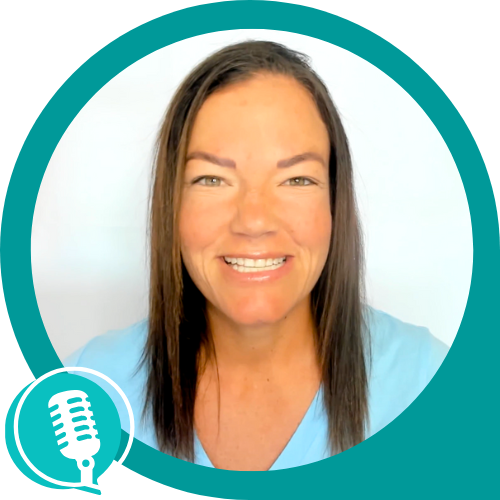
Kristi Kandel
Developer | Mentor | Co-Host of the LRED Podcast
Kristi is a real estate developer with nearly 20 years of experience and over $450M in projects across the U.S. Today, she focuses on helping locals step into development and build in their own communities.
She’s the founder of I&D Consulting, Local Real Estate Developers (LRED), and co-founder of Elevate, a community-driven sports and wellness concept.
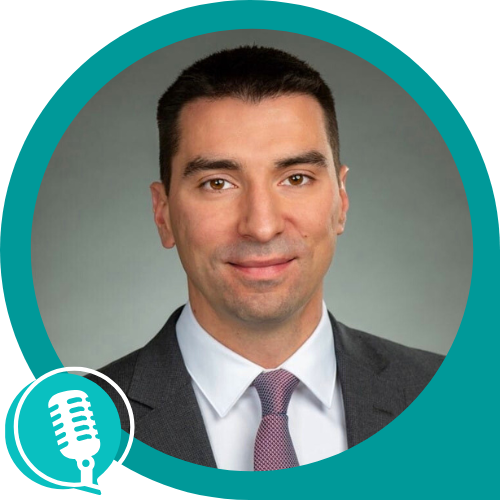
Raphael Collazo
Commercial broker | Author | Co-Host of the LRED Podcast
Raphael specializes in retail and industrial properties, bringing a problem-solving mindset from his background in engineering and software. As a commercial real estate advisor and developer based in Louisville, Kentucky, he works directly with investors, tenants, and cities, bringing a real-world view of how deals come together.
🔗 Related Episodes
How to Become a Local Developer: Katie Neason on Infill and Taking the First Small Bet | EP#29
A great companion episode on local infill, city relationships, and taking practical first steps in development.
How to Start Real Estate Development: Steph Weber Bought the Land First and Built the Plan Later | EP #41
A real look at taking your first development deal from idea to execution without having everything figured out.
Small-Scale Development: How She Left Her Corporate Career and Built a Tiny Home Village | EP #39
Another path from traditional career to building a community-driven development project.
About the Guest
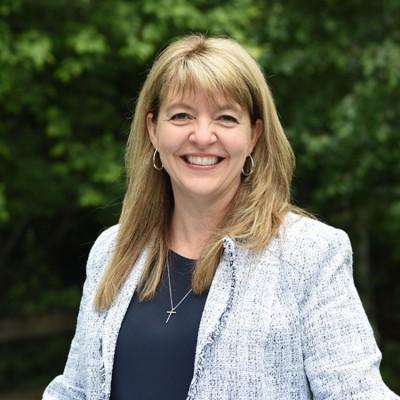
Michele Correa is a real estate investor and developer based in Vancouver, BC. After 37 years in her family business, she pivoted into real estate in her 50s and now focuses on infill, multifamily, and community-driven development projects across Canada, while also expanding into the U.S. market.
Connect with Michele
🌐 Website: https://www.correaequitypartners.com/
📸 Instagram: https://www.instagram.com/correaequitypartners
💼 LinkedIn: https://www.linkedin.com/in/michelecorrea/
Full Transcript
Raphael Collazo (00:41)
Welcome to the Local Real Estate Developer Podcast. I'm your co-host, Raphael Collazo located here in Louisville, Kentucky. And I'm here with my wonderful co-host, Kristi Kandel, located in Southwest Florida. And it's really great to see you. I feel like we haven't spoken for a little bit, just through different travels that we've had. And I'm really excited to get back into the swing of things with the podcast.
LRED (01:03)
Yeah, it's been a while and I've kind of been missing me. So ⁓ good stuff and good to see you and good to catch up a little bit. So yeah, I'm Kristi Kandel. I'm your other co-host, a developer investor and I teach locals how to be developers in their community. And today we have a phenomenal guest, Michele Correa, who's joining us, who has an amazing background that will, I think, be very relatable to a lot of our audience and a great story to tell.
Raphael Collazo (01:06)
Mm-hmm.
LRED (01:30)
So Michele, welcome to the show.
Michele Correa (01:32)
Thank you, thank you for having me, I'm excited.
LRED (01:34)
Yeah. So what we like to do is we like to start and just kind of give a little bit of your background and say, Hey, who are you? Where are from? and just kind of go from there.
Michele Correa (01:44)
All right, so I am Michele Correa, as you said. I am from Vancouver, BC and Canada, so up north from where you are. And my background, I went to school, actually, I became an accountant when I graduated out of high school. And because I wanted to own my own business one day, I always had that entrepreneurial spirit. I didn't know what that business would be, but I knew I wanted to have my own business one day. And I wanted to also be able to support myself, you know, should I get married, have kids, and if something ever happened to my husband, I didn't wanna be working at McDonald's, so.
So I went into accounting and was going to work from home with my accounting when I had kids. However, they changed the rules right when I graduated, of course, and it made it so that all the things you had to do, you'd have to do it full time to make it worthwhile. And I just wanted to work part time. So I stayed working in my family business. My parents have a photography store and all the things, photography, developing pictures, custom framing, portrait studios, school and sports photography, all of that. And ended up staying and working with them for
37 years because it allowed me to be a stay at home mom who also could go to every sporting event pick up her kids Drop them off at school pick them up from school do my work late at night before you know working from home was the thing So did that for 37 years and then I hit my 50s and I'm like, okay I'm getting closer to retirement and my husband makes you know great money So we're gonna be fine, but I just wanted more and I wanted something of my own So I helped my parents build their store and I had a lot of say but it still wasn't mine
and I thoroughly enjoyed working with them, but I thought it was time for me to do something on my own. And then I broke my leg and had a lot of time on the couch to think about retirement and what I wanted. And had always had a real estate kind of in the background. And I thought, you know, now's the time to do it. And I have a really, really close family friend who had started a real estate education company. And so I jumped in and got educated and hit the ground running. And five years later, here I am.
Raphael Collazo (03:32)
That's a long story that now has come to this point. That's amazing. That's great. And it's cool to see because one of the great things about this podcast is you get to understand the people that, well, obviously we're interviewing is that no one has the same background. I feel like everyone kind of has their own trajectory that led them to where they're at today. And ultimately they're doing something that gives them meaning and purpose. it's really exciting. It's really great to hear the preliminary story that you started.
Michele Correa (03:33)
I talk fast too.
Raphael Collazo (03:59)
from. So take us back to that day when you were sitting on your couch and you had broken your leg and you decided you wanted to make a change. Why real estate? Why not just start another business that's maybe ancillary to what your parents are doing? You'd been doing it for 37 years. So maybe I'll be alight in that.
Michele Correa (04:15)
Yeah, well, I had read
Rich Dad Poor Dad way back when, probably when it first came out and I thought, oh, this is amazing. I really want to do this. I could see the benefit of real estate, but busy, busy, busy, busy, kids and all activities, husband travel a lot, working full time, kind of a perfectionist A type personality. So didn't have time to, I wanted to learn it to do it right, right? So I thought, you know, it's on the back burner and Tim, the fellow I was talking about, kept saying like, Auntie, you got to invest in real estate. I'm like, yeah, yeah.
think it's great and I'll get to it, I'll get to it. And was in the to-do pile, right? And so when I had actually a minute to pause and start thinking about it, I thought, you know what, like all the wealthy people have either made their money in real estate or they hold their money in real estate, right? And I knew that it was, you know, they're not making more land. Everyone always needs a home to live. And I also living in Vancouver, I've seen a lot of rentals that are really run down and really...
not good places to live and it breaks my heart that people are living in these places. So I also wanted to have, you know, that part of me also wanted to be able to fix places up really nicely so that people were proud to call them home.
Raphael Collazo (05:20)
That's amazing. That's great. Great reason for wanting to do that. back to that point. So what made you, how'd you identify that first project? I mean, we kind of alluded to it a little bit before the podcast when we were chatting a little bit before, but I'm kind of curious if you could share a little bit about that first project you took on.
Michele Correa (05:37)
So my first project was a duplex and it was not in the province that I live in. It was in Alberta, the province next door. And everyone's like, well, how come you're not doing it in your own backyard? Right. And that's the topic of the podcast. I said to Kristi, am I a fit because I don't do it in my backyard. Right. And the reason I don't is because the landlord laws in BC are very one sided towards the tenants. So makes it very, very difficult to operate a business. And it's so expensive to live here that it's very hard to find something that will cashflow.
I'm not a charity, so I can't afford many properties if I have to keep putting money into them. And then just gamble on appreciation. So through the education community that I was in, there was a guy who had a deal and we got to know each other, had same values and goals. And he said, do you want to partner together? And so I had a lot of home equity because I live in Vancouver. So my home had appreciated substantially. And I said, sure, I'll jump in because I learn by doing. And I like to learn as I'm going, right? Because you can learn all you want.
from a book, until you actually do it, it's totally different. So we had a duplex and we renovated upstairs, legalized the basement suite and had two great units for tenants to rent out. And we actually just recently sold that one five years later and did very, very nicely on it. So, and then I put that money into an infill project.
Raphael Collazo (06:48)
Yeah. No, I mean, that makes sense. So was it all butterflies when you went through that project? Because I'm in the midst of it right now. mean, my background's in brokerage. I was similar to you. I had a previous career before this. I was in IT consulting. And then I got into brokerage. And I did brokerage for a while. I made like no money my first few years. Then ultimately, started buying some real estate with some business partners. And now we're in the thick of two projects. And I can share with you it's
Michele Correa (06:54)
You
You
Raphael Collazo (07:13)
It's getting pretty like, I don't know you can see my hair starting to fall out, but it's just part of the process. So I'm kind of curious if you had any challenges on that project or if it went as expected.
Michele Correa (07:14)
You
LRED (07:17)
Hahaha
Michele Correa (07:17)
Yeah.
that one actually wasn't too, too bad. we did have a few challenges. Every project I've had, I've had multiple challenges and we, Christine, I did another podcast on one of my very challenging projects. but nothing ever goes according to plan. And I, that perfection is part of me had to really come to terms with that and know that I like that quote from Marie Forleo, that everything is figure outable. And so I.
keep that top of mind that I can figure this out and I can do it and there's always a solution. I used to say I was a great problem solver, but then the universe kept sending me problems. So now I say I'm a great solution creator because then the universe can send me solutions. But yeah, there is, mean, nothing ever goes according to plan. And that particular one though was probably a good foray into real estate investing. Cause if some of my other ones that I've had had been my first one, I don't know if I would have continued.
But that one actually wasn't too too bad. Yeah, minor problems.
LRED (08:16)
Yeah, we've had I would agree with you on my first couple. And then you get that one that just punches you in the face or like in your like, if that was my first project for me, it was my Reno fourplex that I got with a good friend out there. And it happened right in the heart of COVID and everything that could go wrong, literally went wrong. And you're just like, interesting, I probably would have stopped this residential investing if this happened all the time. So
Michele Correa (08:36)
Mm-hmm. Yep.
Yup.
LRED (08:42)
So you said after this first duplex, then you went to an infill project. Can you describe what that was and how you found that and how you got into that one?
Michele Correa (08:50)
So there was quite a few steps in between that process. My main goal strategy when I started was to do the long-term buy and hold in multifamily because I have three adult daughters and I'm kind of building an empire for them and the next generation. And so I wanted to go into the multifamily. So my first kind of development project was way back out in New Brunswick and my realtor brought me 19 units on it.
And there was also two and a half acres with a couple of vacant lots that were kind of part of the parcel. And she said, the owners have plans to develop 24 units. And I thought, oh, wow, that sounds really cool. I built three custom executive homes. I thought, you know, how different can that be? Right. I didn't know Kristi yet. So took on the project thinking, oh, this is going to be so fun. We're going to build 24 more homes for people. There's a big housing shortage in Canada, like in the U S and this is going to be great.
Raphael Collazo (09:38)
.
Michele Correa (09:43)
flew out to New Brunswick and met with the planning department and met with the building department and everything's great and they're excited about it and my. So that was a lot that project. it took us two over two years to get two little vacant pieces of land rezoned into the big parcel. And they were they were just vacant pieces that were zoned for duplexes. So by
lumping them in with the big rest of the project we were able to, at first we thought we could build 37 units and then it was 42 units and then it became 55 units between having a bus stop up front and a whole bunch of other things. So the project went from 24 units to 55 units. However, it took two years just to get the land rezoned. They kept changing their mind as to the plans. We redid plans four times, which of course costs a lot of money.
LRED (10:32)
Mm-hmm.
Michele Correa (10:32)
We
had to dig up their sewer line because they didn't know where it was and they didn't want us building on top of it. So we dug up their sewer line and paid for their surveys and everything else they needed in the format they needed, not the format we gave them. Yeah, true, true, true. And this was the time, so this was in 21, 22 when interest rates, know, our HELOC went from 2.95 to like over seven. So our holding costs were getting huge. And so in the timeframe that we thought we would be finished the building,
LRED (10:44)
True, true, yes.
Michele Correa (11:01)
we were just at the point to start building. So we had our plans. We finally had everything sorted out and figured out. then our Canadian CMHC up here is kind like, guess, your Fannie, Freddie Mae down there. So it's the government and backed insurance. They had a new program called MLI Select to encourage multifamily development. And it was a great program. And at the time you could get 100 points and you needed the maximum points to get the good rates and stuff by just being energy efficient, which
in the building codes today, it doesn't cost you a lot more to get a hundred percent energy efficiency. So that's what we had underwritten it as and built it by. And then just before we're about to start hitting the button, they changed it. You can only get 50 points with energy efficiency and the other 50 points had to be with affordability. And unfortunately the affordability rates had been set in 2019 and had not changed. And in that particular province, they were very, very low compared to a lot of the other provinces.
LRED (11:30)
Yeah.
Hmm
Michele Correa (11:56)
So it just, the numbers just weren't exciting. I'm like, I just, don't feel like we can invest, you know, $14 million when they just keep changing the rules and, we're trying to land this plane and the ground keeps moving on us, you know, over the last two years. So my partners and I, decided to sell the project. So it was ready to go. Everything in Big Rezone, the permits, everything was all done and we decided to sell it.
Raphael Collazo (12:19)
Yeah. And what you find out to your point is that sometimes you have this idea of what the project's going to look like, and then you have to find a way to pivot. And we had a similar issue with what we were, project we were taking on here, where we were going to do a brewery. And then we involved the brewer and all of their stuff and we were all excited. It was going to be a multimillion dollar project. And then the brewer backed out and then we realized, oh, we don't know nearly enough about brewing. So it's probably a bad idea for us to move forward.
Michele Correa (12:38)
Hmm.
Exactly. Yeah.
Raphael Collazo (12:44)
You know, that's the type
of stuff that you hear about. people think, it's all rainbows and butterflies when it comes to these types of projects, but you're constantly having to pivot. You're constantly having to find ways to accommodate certain stakeholders, depending on, especially on the entitlement side. can be very unique depending on where you're at. Each municipality is different. So it's great to hear, I mean, great to hear the insights.
Michele Correa (12:51)
And now.
LRED (13:02)
Mm-hmm.
Michele Correa (13:03)
It is. one thing that,
yeah, one thing we discovered and, you know, growing up in Vancouver, I knew that builders gladly paid for all that pre-work that was done. And Ontario, they gladly paid for all the pre-work was done out where we were. Nobody would pay for the pre-work that was done. And so, you know, we made some money, but not the money that we thought we were going to make by having had, you know, done the two and a half years worth of work and gotten it to the point where it was. So that's now a question I ask when I go into a, as I
Raphael Collazo (13:12)
Mm-hmm.
Mm-hmm.
LRED (13:19)
Hmph.
Yeah.
Michele Correa (13:31)
even have thought to ask that question before because why wouldn't they pay for all that work, right? But yeah, not every municipality, not the developers in that town or builders in that town won't necessarily pay for all that work upfront. So good question to ask.
Raphael Collazo (13:35)
Mm-hmm.
LRED (13:35)
Mm-hmm.
Raphael Collazo (13:42)
Yeah. And municipalities leverage
LRED (13:43)
Mm-hmm.
Raphael Collazo (13:44)
what you want to do. And that's where the entitlement process can get dicey sometimes because, you know, let's say that you, to your point, you wanted to build a certain amount of units. If that triggers a situation where, let's say the traffic patterns is affected and they're concerned about the, the, the in, in, in flow and outflow of the traffic, maybe the required you to put, they'll require you to do traffic study. And maybe that may trigger them, you having to put in a light as an example. This is just throwing it out there, but they're probably going to make you pay for it. And they're probably going to make you
LRED (14:01)
Mm-hmm.
Mm-hmm.
Michele Correa (14:09)
Mm-hmm.
Raphael Collazo (14:12)
add another entry and entry and ingress egress and you may have to remove certain like if you have certain egresses and ingresses on a major roadway maybe they'll tell you that you have to stop get rid of those and then reroute it somewhere else so it can get pretty it can be pretty complicated once you start you know expanding the project so
Michele Correa (14:12)
yeah.
Definitely.
Yeah, no.
LRED (14:30)
Yeah, I know so
many of our developments, would get them going. And because of all of that, we would have to put in a pork chop or basically make it a ride in, ride out, or to close a driveway. And the minute you do that, especially if you're working with national tenants or ones that need a certain amount of things, you've just killed the deal. Or there were some where we're building hydrogen fueling stations. going into existing gas stations doing a partnership.
Raphael Collazo (14:47)
Mm-hmm.
LRED (14:53)
the minute the city tried to close driveways, which in California they try to close them all the time, especially in San Diego, the minute they close, we're guys, you just killed the deal because there's no way this gas station owner, which is built on quick in and out easy access is going to let us shut one driveway. And we would literally show them reports of if you close this driveway, this is what's going to happen to the revenue and the tax dollars. And it was never an easy win, but eventually over time, you would most likely work them into understanding the business side of things.
Raphael Collazo (14:58)
Mm.
Michele Correa (15:22)
Well, that's the problem. A lot of the people in these departments and on council and stuff, they haven't often run a business or they're not developers, they're not builders. They don't know the costs that go into all these things and how their decisions to make something pretty affect everything else down the road, right? So it's definitely a challenge and you have to get to know the right people.
LRED (15:22)
It's, yeah.
I was just talking to someone earlier and I'm like, a huge chunk of my career has been spent educating. And in the sense of I'm educating the city staff, the property owners, the different team members, because to most people will, they'll function in their silos. And that's what they're the expert at. And then as the developer, we're the one putting the vision together, building the team and the ones who's going, wait, wait.
that this decision right here impacts this, this, this, and this downstream. you're not going to know all of that from the start, but if you have the right strategic partners around you, you have the right team members and mentors, then you can hopefully start to mitigate some of these things along the way. But just even knowing and sharing these details, like it just helps someone go, oh, I'm gonna think to ask that in the future.
Michele Correa (16:27)
Well, exactly. yeah, like I said, I wished I had known you back then. The project probably would have gone a lot differently. But it is so true how you have to have the right people on your team and surrounding you. I had a great engineer out there. He was a structural engineer and a master builder. So he had a lot of really good insight and a lot of really good knowledge and connections in the city because I wasn't living there. It's really important to surround yourself with the right team and the right people and just get to know people. Because like you said, sometimes
They're not trying to make it difficult, but they just don't understand the ramifications of their decisions. So it is a big education piece for sure.
LRED (17:00)
Yeah, so go ahead.
Raphael Collazo (17:01)
So, go ahead.
No, I was just curious, you know, about that's the next project. And then you kind of alluded to the first project you had was in Alberta, the next one was in New Brunswick. Are you just agnostic regardless of the region? Are you kind of tailoring into, you know, particular region? I'm just curious.
Michele Correa (17:15)
⁓
So I started in Alberta and it was great. And then New Brunswick was a hot place to invest for quite some time. However, I've stopped investing out there because the government has changed quite drastically out there and it's not as landlord friendly anymore. And just a lot of the buildings are very, very old and have a lot of challenges as my dollhouse. If you ever listen to that episode, you'll hear. So I've come back to Edmonton. And part of the reason coming back to Edmonton is I wanted to be closer to where I was.
The four hour time change was very difficult to get a hold of people. And it was also two flights to get there. And so I wanted something closer to home. And the city of Edmonton just did a blanket rezoning. any lot that has the square footage, you can now put an Apex on it without having to go get rezoning. So it's made development very, very easy there compared to where I was before. And Edmonton is one of those places that has figured out that they can't.
LRED (17:47)
Mm-hmm.
Michele Correa (18:06)
rely on just one industry to grow like it used to be just reliant on the oil and gas and the economy would go like this all the time. Whereas now it's so much more than just oil and gas. So it's a good place and it's got a lot of, they call it in migration now from other places in Canada. And now it's more than just jobs. Like people are just moving there, not even just for jobs because it is still one of the few affordable places in Canada to buy a nice house, right? So you have snow for a lot of the year, but that's okay.
Raphael Collazo (18:10)
Mm-hmm.
Michele Correa (18:33)
So I started doing, so it's kind of in between there. had done a lot of multifamily in New Brunswick, some more multifamily in Alberta, but those have been sort of my main kind of provinces in Canada. Now I'm working on infill projects in Alberta right now.
LRED (18:47)
And with those projects, and you've kind of talked about some other partners, how have you, and I know you've worked on multiple facets and roles throughout, how has your role in development morphed as you've gone and what types of partners have you pulled in on your team?
Michele Correa (19:05)
So partners are super important and I learned that the hard way. have had some partners that were not aligned with how we wanted to, you what we thought was acceptable to run out to tenants and I was not willing to be a slumlord. don't, yeah, don't end up with those partners. So it's really important at the start of a project to align your values and your goals, both in what you expect this project to be, how you will handle difficulties that will come because difficulties will come.
And also your timeframe. You you don't want to partner on an infill project that you're planning to hold five, 10, 15, 20 years with someone who wants their money out in a year. So all those things are really important to do upfront. And I started out my career sort of as the money partner and learning as I was doing and then became the managing partner because everyone runs out of money at some point. And now I kind of do both because things have refinanced. I've sold things coming in and out. So I'm both the managing partner and the money partner on various deals.
So all of these development deals, am the managing partner on, and I've partnered with people within that real estate community that I was talking about who want to learn how to do it. And so they get to learn alongside me. And a few of them actually just want to invest and don't want to have to worry about it. And they know me, they like me, they trust me, and they know that I will make this project happen. But all of them right now, I'm on the managing partner side.
Raphael Collazo (20:55)
That's great. So regarding that, curiosity just more so is part of the people, we've interviewed a wide range of people, people who have just taken on smaller projects that they take on themselves. You refer to your first project utilizing your HELOC. That seems to be a very approachable process for people to follow. regarding the money raising side, that's an area that I'm starting to do myself. We've raised a little bit of money for a project we did recently and actually paid out our investors.
But it was a small deal versus I'm sure the deals that you're doing are much larger in scope. mean, how do you organize that, especially because I'm assuming the regulatory environment in Canada and the US, although there's some similarities, there's probably a lot of differences as well. So I'm kind of curious about that piece. Like how have you started going through that process of capital raising?
Michele Correa (21:45)
Mm-hmm.
Well, because all of my deals were joint venture partners, so they have a stake and they have ownership there on title if they're the money partner. So that's how that, you we can avoid getting in trouble with the SEC. You also want to make sure that you're not, you know, advertising a guaranteed return of investment on your social media and that kind of thing, because that'll get you in big trouble and then you end up in jail. So most of my deals are with people that I know. So I have never worked with someone that I don't know.
Raphael Collazo (21:54)
Okay.
Mm-hmm.
Michele Correa (22:12)
Mainly because that scares me that I don't know who they are and what they stand for and the values that they have. So it's been kind of not a challenge to avoid the regulatory bodies because we are partners, we own 50-50, they're on title and all that kind of stuff. So it's not running into any of those issues.
Raphael Collazo (22:28)
Mm-hmm.
Yeah, so it's not a truly, I mean, it could be passive for one party, they're owners of the property. Got it. Yeah, that makes sense.
Michele Correa (22:37)
They're involved, like we make all our decisions together and they can be
as involved or as little as they want. Like most of them, I blind copy them on my emails or sometimes copy them on the emails if they want to have a say. And they know everything that's going on. We make all the decisions together. And I mean, obviously if I need to spend $500 or whatever, then I don't need to go to them. But we all work on it together so that it's a partnership, a true partnership. Yeah.
Raphael Collazo (23:01)
sure.
LRED (23:02)
And are they all people that you met from your the one real estate group or just because what? Everyone's biggest hurdle when they get in they go. I don't have millions of dollars. I can't do this blah blah blah blah. Yep, you can let's pull back the curtain and go okay. Well, here's how you found your first you were the money person you use the HELOC. How did you find the person with the money after the fact and maybe vet them or
Michele Correa (23:12)
Mm-hmm. Mm-hmm. Yep.
Yeah, so the majority of the people have been through this real estate. So it's called Trust Your Talent. And it's a community that is kind of like any other community I've been to. It's all people kind of cheering each other on and everyone has that win-win attitude and the people that don't kind of weed themselves out fairly quickly. And so the majority of the deals have been through that. And some have been with family friends and people that I know or have been introduced to other people who want to do some investing or private lending or that kind of thing.
But the majority of my partners have been people in the community who are trying to do the same thing. They're trying to, you know, build that long-term wealth and retire from their jobs. And, and they, they are educated sometimes of just starting in their education, but they understand real estate and cause it's, it's not the normal way we're taught in school. Like, I mean, I have an accounting degree and I wasn't taught any of that. And that's a financial degree. Like, and I'm like, what? Like I wish I'd known this so much earlier, but it's not the way you're taught in school. If we're taught in school to go to, know,
LRED (24:08)
So.
Michele Correa (24:19)
go get a job and work until you retire and be an employee, right? So it's a very different way of thinking. So it helps to surround yourself with people with that mindset, because if you're trying to bash your head against the wall, trying to get people to understand it, it's just, it's going to waste your time and it's frustrating for you. It's frustrating for them. And you want to be in with people that are all in with you and where you're going.
LRED (24:33)
Yeah.
Raphael Collazo (24:43)
Yeah, I couldn't agree more. mean, that's great that you're able to find a group of people like that that have that similar mentality because you can't teach motivation. You can't teach drive. I feel like that's just an innate quality, whether that's from, I don't know if it's nature or nurture, but it just is what it is. And I'm kind of curious about what keeps you motivated. I think everyone, especially when you're in it long enough, you're going to face challenges that kind of
put you in a thought, in a mode or a mindset of why do I keep doing this? Especially when you're in the trough, right? So I'm kind of curious as to what keeps you going.
LRED (25:13)
Hahaha!
Michele Correa (25:13)
What?
Yep.
LRED (25:19)
Besides
being a glutton for punishment.
Raphael Collazo (25:21)
Exactly.
Michele Correa (25:21)
Yes, yes. Well,
as we as we talked about before, some people call me very persistent and determined. And like I said, some some people make me call it stubborn. If you tell me I can't do something, I'm going to say yes, I can. So that's part of it is I've always been a very determined, persistent, personality, and that I will figure it out. And it's there's always a way to get something done.
Raphael Collazo (25:35)
Mm-hmm.
Michele Correa (25:45)
But I think my motivation is you have to have a really strong why, right? And you hear that and everyone's like, it's woo woo. You need a why, but you do. Like if you don't have that strong why, then when you have to get up in the morning and face some of these challenges, why would you keep doing it? Why would you do that to yourself? Right? And so I think my daughters and my family and our retirement and the charities that I support are my big why. And so that keeps me going even when the times are.
challenging shall we say and you get up in the morning and you're just dreading getting to your desk or dreading making a phone call or You're like how the heck am I gonna get out of this situation or how are we gonna fix this and You know it every day is different and and I always had I've learned to sort of think Get through this week because next week it's gonna be much better right it's that roller coaster that you're up and down up and down upside down sometimes and
Raphael Collazo (26:32)
Hmm.
Michele Correa (26:38)
Every day you will get through it and you will survive. You're not going to die. Nothing's that serious that you're going to die. And I've I've also learned through a lot of personal development and things too, when you feel that in your stomach and you're like, this is really scary. That's when you need to lean in and go forward, because that's you're usually just at that breakthrough of something really amazing happening. But you just got to get through that part first. Yeah.
LRED (27:00)
So,
Raphael Collazo (27:01)
Yeah.
LRED (27:01)
so true. My uncle always used to say, he's like, never too high, never too low, this too shall pass. And I wanted to be like, but when I'm excited, I wanna go, yeah, and screaming around the room. But then when it sucks, it really sucks. And it's like, you know what, you're right. And I started to, like you said, it comes in waves. And when you recognize and go, whoa, today is not my day. Tomorrow might not be either. It might go, but it doesn't normally go very, like super long. To where if you can just acknowledge and recognize, hey, today sucks.
Michele Correa (27:09)
Hahaha
Yeah.
Mm-hmm.
LRED (27:27)
just flat out sucks. And sometimes just acknowledging it helps and then you get a good night of sleep and you come back, you get a fresh start. But yeah, just good bad right around.
Michele Correa (27:36)
Good night of sleep is key. Kiki. Everything looks different
in the morning when you've had a few hours sleep. Yeah.
LRED (27:41)
Yes, I'll ask myself
when I start to get super stressed on something and I go, I had four hours of sleep last night. I should not be making good decisions. That was not, nope, let's sleep it off.
Michele Correa (27:48)
Mm-hmm. Yep.
Exactly, exactly. And often if you just kind of pause, like I'm that huge, know, I have to fix everything. I'm going to help everybody. You my kids, when they're growing up, they're teenagers, they'll be like, they'd be telling me their problems. And I'm like jumping into, I got to fix it for you mode. And they're like, mom, we just want you to listen. We don't want you to fix it. You just need to listen. And so I've learned again to kind of just sometimes back off and just listen. And sometimes whatever it is is just
someone needing to vent something, someone needing to say something. Sometimes it is an actual challenge or an actual problem that needs to be solved. But I've learned that just kind of pausing for a moment first really, really helps the situation instead of just diving in without all the information or diving in, solving the problem that you think it is when it's actually not really what the problem is or what the issue was or how the person was feeling, that kind of thing. So that often helps too.
Raphael Collazo (28:45)
Yeah, yeah. And being in your head about certain things, especially when you have to have difficult conversations with people, I've noticed a lot of times you make up scenarios in your head that are worse than what's actually taking place. So you think, my God, this is going to be catastrophic. And then you're like, all right, time to the bandaid off. You give them a call, you have a conversation, and it's like, OK. Like, guess it's not as bad. Maybe they have a poor response, but not to the degree that you were expecting. And you're like, OK, like we can handle this. Like, it's not a problem. So.
Michele Correa (28:51)
Mmm.
100%.
Exactly, exactly. And then you
didn't die, right? So you're still alive.
Raphael Collazo (29:13)
Yeah, no, no one's dead.
No, no one's dead at all. And honestly, too, it's kind of nice because then you don't have to think about it anymore. It's like, OK, I had the conversation. Now I'm not in my own head going through this process and having to deal with what my brain is making up by itself. Yeah.
LRED (29:21)
Right.
Mm-hmm.
Michele Correa (29:29)
and getting worse and worse and worse in your brain and when it's really not that big a deal usually and yeah,
LRED (29:33)
Yep,
Michele Correa (29:34)
100%.
LRED (29:34)
that's a really great point because the yeah, the I would I try and do now again when I acknowledge and I go ooh, like I failed that feeling in my stomach and I go, okay, I'm about to have a difficult conversation and then I will make myself smile because that does things and I go, I'm about to grow as a person right now. And, and then you're reframing it in your brain and you're like, yeah, this conversation is gonna be tough, but I'm about to grow as a person and most likely the person on the other end will grow as a person.
Raphael Collazo (29:47)
I
There you go. That's a good attitude.
Michele Correa (29:50)
Exactly.
LRED (30:00)
and neither of us are gonna die from this. And then you do nip it in the bud so you're not constantly thinking about it wasting more time. Work in progress though.
Michele Correa (30:06)
Exactly. Well, and
you can't control what other people think or do or say, right? And that's something I've, it's taken me over 50 years to figure that out, but you can't control other people. The only person you can control is yourself, right? So they are going to think what they want and they are going to do what they want. And really you have to do what you can do. And that's the only person that you can control.
Raphael Collazo (30:24)
Definitely. No, I couldn't agree more. So you've obviously been involved in a variety of different projects in multiple different provinces. So it's really cool experience that you've had and you've been able to stack some of those experiences on top of each other to take on new projects. And I'm sure you continue to learn along the way. What are some of the, you know, maybe one or two pieces of advice that you would give to someone who is looking to take on their first or maybe even their second development project?
that you wish you had known when you first started.
Michele Correa (30:57)
take Kristi's course. I've been diving into it and I'm like, man, this would have saved me a lot of hassle at the beginning. So I get educated, right? Development is not, it's not the same thing as renovating a basement suite. There is a lot more challenges to it. It's very rewarding and it's very exciting to see what you can create. And for anyone who's got that kind of creative bent to them, it's a really cool process to see what you can make happen and say, you hey, I did that, right?
But getting educated on development is a huge part of it because you need to have the right knowledge. again, you're not going to know it all. Every municipality is different and you're going to learn different things with each project, but you need to have that basic knowledge and then surround yourself with a great team. So make sure that your partners are on board with the project and where you're going and your architect and your engineer and your realtor and your planner.
your contractor, anyone that you're having to deal with is on that same page. Because if you have one of the people that's not going in the same direction, it really hurts the projects and it makes it go not so smoothly. like I'm mid of infill projects I'm doing in Edmonton right now, the builder that I'm working with is fantastic. This is all they do is these eight unit infill projects. And so they've got their systems down pat. it's, it's like almost cookie cutter, right? And you can.
LRED (32:04)
Thanks.
Michele Correa (32:10)
You can adjust the plans and things like that if you want to. Like they give you some plans at the beginning and I went through them and I always look at plans as to how a tenant will live in and go in through the project because I find too many places are just built. However, it's, know, to build it the cheapest way, right? Instead of actually thinking about how people are going to live in it. And so I go through and I make sure that there's, you know, storage and closets and the flow and that you can get furniture through doorways and that there's places to put the furniture in a living room and put the TV and all this kind of stuff. And the plans were so well done.
LRED (32:18)
Hmm.
Michele Correa (32:38)
The only thing I changed was I made a front hall closet so they had somewhere to put their coats and shoes. So they really know what they're doing. So working with someone like that makes it so much easier if you can find those unicorns out there that really, this is their passion, this is what they love, this is all they do. I had found another project where I could amalgamate some lots and I wanted them to build something bigger and they're like, no, won't. This is our bandwidth, this is where we're staying. So I'm like, okay.
This is good. We're going to keep doing this part, right? ⁓
LRED (33:06)
Yeah, I love that they know
this is their lane of excellence and they yeah, we're not straying.
Michele Correa (33:10)
Exactly,
exactly. And now they've even brought projects to me, right, because they, you know, they like working together and they know that I can get it done and I can, you know, find the partners and go. So it's a really good partnership that way. So getting educated and surrounding yourself with the right team is is is critical for sure.
LRED (33:26)
So huge. You've mentioned a few times between how you think about the tenant use, not being a slumlord, and just in general what you're doing to improve the communities you're in. And I know some of the future projects you're working on, but what does community-driven development mean for you?
Michele Correa (33:44)
So too many times developers come in and they swoop in and they have no clue what's going on in the community or what the community needs. And it doesn't help. Yes, you get the project built and yes, they'll make their money and go, but then what happens to the community after they leave, right? So we're very, like the ones that we're building, of course they're in single family neighborhoods. And so we're very conscious in the design of them.
they look like a kind of a single family home or duplex maybe, right? They don't look like a multifamily building, right? So we're making sure that they fit into the neighborhood. The recent ones that we've got, parking has become a bit of a challenge in Edmonton and actually it went to council and they were starting to try to limit on interior lots, whether these could be built or not. But council for now has passed it. Yes, they can still be allowed because they need that density and they need that thing, but parking is an issue. the recent ones we've
design, we've been able to put some, an extra garage, so five units instead of four, and then also some on-site parking right on the property itself so that you don't have as many cars out in the neighborhood. So it's just kind of, you know, thinking of the landscaping, thinking of the design of the project, thinking of how it's going to fit into the neighborhood and the people living there so that they're not really upset that these are coming and that they fit into the neighborhood and that you're providing what people want. So you don't want to build.
LRED (34:39)
Nice.
Michele Correa (34:57)
you know, depending on the neighborhood that you're in, you want to build to fit that neighborhood. You don't want to build something really extravagant or something really that does not, you know, is really low class compared to what's in the neighborhood. So it's always thinking about the community, the people that are going to be living there, the people that are living around it and how it's going to affect them too. And yeah, it's kind of sort of the community development part.
Raphael Collazo (35:17)
Yeah, which is definitely understated a lot of times with a lot of people. I'm not saying everyone, because a lot of people, think, especially the people that listen to this podcast, their idea of wanting to get into development is to just improve one block at a time, because they live in the area and they want to see it succeed and grow and be a great place where they can raise their family and do all these different good things in the community. you see a lot of these out of state investors or out of country, in some cases, investors that come in and
LRED (35:20)
Mm-hmm.
Michele Correa (35:30)
Mm-hmm.
Mm-hmm.
Mm-hmm.
Raphael Collazo (35:46)
They have this spreadsheet that they look at and they say, okay, well, we got to do this and that. And yeah, it's all numbers and they don't really consider their neighbors. I mean, there's a development that they proposed over here. That's just like this gaudy retail development in this very historic neighborhood. And it's like, it's never going to go through first off, like the neighbors are going to go crazy. but yeah, just the mere fact that that was even proposed just goes to show. No, they had no, no inclination as to what.
Michele Correa (35:50)
It's just numbers. Yep.
That doesn't fit.
Yeah. Yeah.
Well, it just shows they weren't paying attention or thinking about the community.
LRED (36:10)
Mm-hmm.
Michele Correa (36:13)
Yeah.
Raphael Collazo (36:14)
would actually work in that community, which is unfortunate, but it, you know, they're probably going to have to face the consequences and they're probably going to be out a couple hundred grand with all the engineering work, renderings, all the things that they proposed and it just is what it is, you know, so.
LRED (36:21)
Hmm.
Michele Correa (36:21)
Mm-hmm.
Yep.
Yeah, no, you have to, you have to pay attention to where you're building, right? Each community is different and each community has its own personality and you want to make sure that you're fitting in with that personality. What you're going to build in, you know, one province or one state, it's not the same as what you're going to build in another, right? And actually the neighborhood I grew up in, in, in BC here, they're potentially, the city is potentially rezoning to allow, um, four units on them. And I'm very excited about that because there's a lot of, I love that neighborhood. I mean, I have so many happy memories growing up in that neighborhood, right? It is that.
Raphael Collazo (36:39)
and
Michele Correa (36:54)
that personal connection that I'd love to do something closer to home. And they've got a lot of really big lots with the old 1970s basement entry homes with the bedrooms upstairs and the basement downstairs with the lane in the back. And they're still all the same. And I look at this neighborhood and like, Oh, I could do so much in this neighborhood. So I'm hoping that that goes through. I'm keeping an eye on it to see kind of for the future. Cause I think it'd really cool to build some duplexes or fourplexes there with like garage, you know, a lane house in the back and stuff and, really help that revitalize that neighborhood.
LRED (37:03)
Mmm.
Raphael Collazo (37:25)
Yeah, that'd be amazing. I including that, mean, including that project or that idea, what other future projects are you working on or planning to work on?
Michele Correa (37:34)
Yeah, so right now I am renovating some, an old sort of historic home in New Brunswick that's lots of challenges and problems and keeps me busy. And then building the eight fill units. I've got six of those on the go in Alberta and partnering with Christie to work on a big elevate project in Southwest Florida. That's super, super exciting. And hopefully you can bring it up to BC at one point. And then also expanding down into the U S market because I'm to kind of
diversify and not just have all my eggs in the Canadian market. expanding down into the U S market, starting with short-term rentals, because I love hospitality and I love entertaining and that kind of stuff. And then I will get into the multifamily and development down there also after having finished Christie's course. Yeah.
LRED (38:15)
Ha!
Well, and
it's the hospitality and events and everything and just clearly your wealth of experience and awesome personality, but it's with what we're doing with Elevate, it's not housing, it's not where you work, it's that third space where we bring the community together and combine sports, wellness and entertainment, which means we not only get to bring in a ton of people to collaborate to develop this, but the operations of these are going to be phenomenal with all of the local operators and vendors and local events and pop-ups.
Michele Correa (38:32)
Mm-hmm.
LRED (38:47)
It's very, very, very exciting.
Michele Correa (38:47)
It's the community,
which is so exciting, right? And I think that's part of one of the greatest things that I've gotten out of real estate investing is the community of people I've surrounded myself with, right? Like it just, you are your network and your network is your net worth and all those things that you hear. And it's so true when you are surrounded by people that inspire you and push you to grow and are in that, you know, going that same direction and that same path, and you can have that community. It's just so, so important. And I think that's missing a lot, especially since COVID.
In our world and in our digital age, that community feeling and that community togetherness. And my girls are always like, you talk to everybody, mom. And I'm like, well, everybody has a story to tell, right? And everybody wants to be heard. And so to be able to come in and have a small part in developing that community, even though it's kitty corner, farthest part, probably as far as you can get from where I am in North America, I'm so excited about it because it's getting that community. And I know that
LRED (39:26)
Mm-hmm.
Michele Correa (39:39)
that it's replicatable to do it in so many other communities and get people back to just talking to each other and being together and hanging out and not just texting and being online where it's just not the reality. So it'd be nice to have that community feel again.
LRED (39:46)
Yeah.
Yeah.
Yeah.
And we talk all the time, but it's like, we'll talk to different, whether it's a city or an investor or a different partner. And they start off and they're like, yeah, okay, that's good. And the more you tell them about the idea, the more it brings out the kid in them, the kid that wants to have fun and just enjoy life. And they get a little hopeful, right, play and they get hopeful when they realize, oh wait, you guys actually know what you're doing too. Like this could happen. And then it's like,
Michele Correa (40:12)
And play!
Hahaha
LRED (40:20)
I want to play a role in this. even if it's a small part, I want to play a role and everyone's starting to, to realize that. And if you think about it like that, you're in, you, you can do a massive project and it's not one person doing it, doing a tiny lift. You're literally having a bunch of people come together, doing a tiny lift that makes a massive project happen. And that's, that's the most exciting part because that to me means that we're building something that is going to last.
for a very long time because you've got so many stakeholders who are in it and who are committed to the long-term success of this because we're bringing exactly what everyone wants. it's by far the biggest, most complex project and 1000 % worth it. like we've also talked about the project that we're starting with is not going to be the final one that ends up being built and that's there.
Michele Correa (40:57)
Mm-hmm, 100%.
LRED (41:11)
but it's going to be exactly what was needed and the doors and windows and opportunities that are going to open as a result. It's gonna be iconic.
Michele Correa (41:18)
Yeah. It's, it's, I'm really excited.
So yeah, no, it's a kidding.
Raphael Collazo (41:24)
I'm excited to visit as well
and you know, in any way we can support you guys from our market. That'd be great too. So looking forward to it.
Michele Correa (41:30)
Yes.
LRED (41:30)
Yeah,
the goal is build the flagship, Southwest Florida and St. Pete's. now you've shown, hey, here's the model that works. Here's how you can scale it. Two completely different demographics, but still two communities coming together and then going, cool. Now we have the framework. So whether it's a franchise model and in some communities where we have heavy deep roots and it's like, great, we're bringing one to Canada and we're going to be part of the ownership model.
Whereas in other areas it's, we're going to teach you how to do this and structure this in your community and let's push play and go. And always letting the locals be the ones operating and being the lead in the community because that is the heart and soul of what we're doing.
Michele Correa (42:05)
And I love that, you know, that you've been really pulling the community and finding out what they want. Cause again, you don't want to build something that they don't want or will use because that's kind of a waste of everybody's time. Right? So I really love how you've been pulling the community and figuring out what they want and you know, what would they use? Will they use pickleball? Will they use volleyball? Will they do this? Will they do they want this? Do they want a dog park? You know, because there's no point in building what people don't want. If they, if what is it? If, if you build it, they will come, but you have to build what they want.
LRED (42:16)
Mm-hmm.
Exactly.
Michele Correa (42:33)
So it's really great how you're really focusing in on the actual community. And like you said, the demographics of that community, because what works in one community is not necessarily what's going to work in the other community, right? And just having fun playing.
LRED (42:33)
Right.
Mm-hmm.
And just wait till we...
Yes, playing! Like one of my friends in California told me, she's like, I don't mean this in a bad way, but you just, you seem like a little kid with how happy and excited you are. I'm like, yeah, yeah. Like, when did we, why did we have to become adults and get boring and stop playing?
Michele Correa (42:49)
Yes.
Yeah, yeah.
We got so
serious and for so many years I was just like so serious and focused and you know on my head down and I think after I hit my 50s I was just like you know what life's short and I'm gonna play and I'm gonna have fun and yes I'm serious and I you know get what done what I need to get done and all the all the things but I've also allowed myself to have fun and to try new things I just took up golf a few weeks a few months ago so and it's lots of fun and now my next thing I'm gonna take up is pickleball because I thought well if we're gonna have build pickleball course I gotta take up pickleball right so
LRED (43:08)
Mm-hmm.
Mm-hmm.
Mm-hmm.
Yeah!
Michele Correa (43:30)
But just having fun again. I'm playing like when you were a kid, you know, we used to be outside all the time riding our bikes and running around and doing all kinds of things instead of sitting at a desk all day, right? So you gotta have some fun.
LRED (43:40)
I have my
corporate face on, I'm boring and now...
Michele Correa (43:43)
Yeah,
exactly. Life's too short.
LRED (43:47)
You
Raphael Collazo (43:48)
That's awesome. Well, I'm really excited to follow along with with that journey for Elevate. And obviously, we're looking forward to keeping in touch with you, Michele, because, I mean, it seems like you're doing some great work. And when you do come stateside, don't hesitate to reach out. You know, obviously, we'd to be a resource to you guys in any way possible. Yeah.
Michele Correa (44:02)
For sure.
I've always wanted to visit Kentucky, so I'll
have to get out there.
Raphael Collazo (44:07)
Yeah, Louisville, it's
a great little market. mean, I'm not originally from Louisville, so I was kind of a transplant. I remember when they first told me I was moving to Kentucky, I didn't have the same thought. was just like, I didn't know anything about it. was like, oh, I don't know about this, but then it worked out. It's a really cool city. it's definitely a, yeah, it's been a great place to live for the last eight years. So really, really happy to be here.
Michele Correa (44:12)
huh. I've heard good things about that market.
Yeah, I've heard really good things about it.
Raphael Collazo (44:31)
You know, how can people support you? How can people connect with you? How can people learn more about what you do?
Michele Correa (44:36)
They can find me on my social media. the I'm at Korea equity partners. So C O R R E A equity partners dot com is my website and that's my Facebook and Instagram. My handle on LinkedIn is Michele Correa and it's Michele with one L I C H E L E C O R R E A. And if they go to my website they can sign up for my newsletter to see kind of what I'm doing. I send out one that one a month because I don't have time to do more than that and just kind of
Raphael Collazo (44:38)
Mm-hmm.
Michele Correa (45:03)
put what we're up to and the things I've learned and the trials and tribulations, I keep it real. I don't just make it all sunshine and roses. You will hear the good, the bad, the ugly flip right now that's anything that could go wrong with it has gone wrong with it. And it's just every, it's another one of those gifts that keeps on giving. if you want to hear more about it, you can read about it every month and stay in touch that way. And I'm always open to reach out and have a conversation.
I don't sell anything, I don't do any of that kind of stuff, but I'm always love to, you know, helping people on their journey and, if I can put them in the right direction or connect them, I'm a big connector. I love to connect people with the right people. Then I'm definitely always happy to have a conversation. And I love talking about real estate with anyone whose eyes don't glaze over when you start talking about it. So yes, yeah, exactly. Yeah.
LRED (45:46)
And they do, you know right away, are they gonna nerd out with you or are they done?
That's awesome.
We'll definitely include all of that. Then you gave us a resource to put in the developer vault. Do you want to maybe describe that a little bit?
Michele Correa (45:59)
Sure, so through all my education expenses, call them, all the learning experiences that I have, I've developed kind of a way to ask questions that are not just yes or no answers, that will get you to kind of where people's values are, where their mindset is, whether they're good partner for you, whether they're good an investor partner for you. And so I put together just a little kind of...
resource guide, guess, you want a little package, a little PDF booklet that has all these different questions and things. It's kind of the mindset behind asking the questions. And so I'd love to share that with anyone who wants to do that. And I'm sure I guess you'll link that or whatever, but that's a free resource to kind of kind of start you thinking it's by no means all the questions you need to ask. And you're not going to ask all of them at every setting, but it just gives you kind of a framework to kind of take a look at and say, okay, yeah, this is kind of a question I can ask. you know, so that you're not just getting yes and no answers. And I learned
early on, especially an accountant and I was like, okay, this is what I want and I want this, this and this. So of course he's like, yeah, sure, we can do that. But then he wasn't the one actually doing the work and they didn't actually provide that. But I, you know, I told them what I wanted instead of asking them how they can help, how we can work together, how they can help me and what they provided. Right. So I've learned to flip the script and, and ask better questions. So happy to share that.
Raphael Collazo (47:11)
I can relate to that very well. I can relate to that. That's awesome. I'm looking forward to seeing that in the Developer Vault. So if you guys are listening to this in a podcast format, go ahead and access that. We'll make sure to include all that in the show notes and also all her social links as well. So if you guys would like to connect and reach out to her directly, please do so. It'll be a great opportunity for you guys to learn from someone who's doing it in real time. So really.
Michele Correa (47:13)
Yes.
Real
time, in real life, and I keep it real. I'm happy to share. Yeah, keeping it real. That's about it. What you see is what you get.
Raphael Collazo (47:38)
That's great. That's your tagline, keeping it real. That's awesome.
Well, Michele, we really appreciate your time. This has been really helpful for me. I know, and I'm really excited to hear the feedback that we receive from our audience. So if you guys are watching this on YouTube, please like and subscribe. It really does make a big impact on the channel. If you guys are listening to this in a podcast format, whether that's Apple Podcasts or Spotify, please, please, please leave a five star review.
It makes a huge impact in our ability to reach a broader audience. And we obviously greatly appreciate the support. So thanks again so much for tuning in, and we'll see you all next time.
Get the tools behind the episode
Access the Developer Vault with templates and real resources
©2025 I&D Consulting. All Rights Reserved.
©2025 Local Real Estate Developers. All Rights Reserved.