From Laying Brick to Raising Millions: How Austin Tunnell Built a Real Estate Development Business from the Ground Up | EP #47
Infill placemaking and building a long-term development business from scratch through partnerships and persistence.
What if the path to development wasn’t clean, fast, or predictable?
What if it was just showing up and figuring it out anyway?
Austin Tunnell didn’t come into development with a clear path. He started laying brick for $12 an hour, trying to figure out what he actually cared about & where he fit in.
This episode breaks down what it really looks like to build a development business from nothing. From early projects that stretched him too far to raising $3.5M and navigating entitlement battles, this is the unfiltered version.
If you’re in the early stages or questioning whether you can actually do this, this episode will hit.



Get the tools behind the episode
Access the Developer Vault with templates and real resources
Episode Summary
Austin Tunnell’s story doesn’t start with a big deal or a clear strategy. It starts with uncertainty.
After leaving a stable career as a CPA, he didn’t jump straight into development. He went the opposite direction. He chose to learn from the ground up. Literally. He moved to Oklahoma and started laying brick for $12 an hour, learning how buildings actually come together before ever trying to develop one.
That decision shaped everything.
Through that process, he wasn’t just learning construction. He was developing a point of view. Traveling through Europe and experiencing walkable, multi-generational communities made him question why most American development felt disconnected. That question became his “why.”
But having a vision doesn’t make the path easier.
His first real development project was a six-home pocket neighborhood. It was too big. Too early. And full of things he had never done before. Design, construction, sales, financing, all happening at once.
It was stressful. Messy. And exactly what he needed.
That project forced him to figure things out in real time. It also led to his first investor, someone he met through a simple landlord relationship, not credentials or a polished pitch. That pattern continues throughout his story. Relationships opened doors that experience alone could not.
As his business evolved into a vertically integrated design, build, and development company, the complexity increased. Building a team. Learning leadership. Figuring out where he actually added value versus where he didn’t.
One of the biggest shifts came in development itself.
Instead of chasing short-term returns, Austin started focusing on long-term, walkable infill projects that actually add to a community. His current project, Townsend, is a 1.1-acre mixed-use development with townhomes and commercial space. It took three years just to get through entitlements.
That process alone shows what development actually requires. Navigating city politics, working through departments that don’t always align, managing community feedback, and staying in the game long enough to get approval.
On the capital side, he raised $3.5M from individual investors. Not institutions. Not big funds. People who aligned with the vision. That shift toward values-based capital changed how he approaches deals entirely.
But none of it came easy.
He talks openly about missed timing, projects that barely broke even, and the reality that even a “perfect” deal can fail if the market shifts. That’s why he now structures projects differently. Phasing development. Managing downside risk. Avoiding decisions that could take him out of the game.
The biggest takeaway is how he thinks about development.
It’s not about winning one deal. It’s about staying in long enough to build something meaningful.
What You'll Learn
- How to break into development without experience or capital
- Why starting from the ground up gives you an edge long-term
- How to find your first investor through relationships
- What it takes to raise millions for a development deal
- How to navigate entitlements and city politics
- Why phasing projects protects you from catastrophic risk
Bold Truth
You don’t win in development by being perfect. You win by staying in the game.
Timestamps
0:00 — Intro
https://youtu.be/IRulo06oiXc?t=0
0:57 — Austin’s background
https://youtu.be/IRulo06oiXc?t=57
2:30 — Leaving a CPA career
https://youtu.be/IRulo06oiXc?t=150
4:00 — Discovering development through travel
https://youtu.be/IRulo06oiXc?t=240
6:00 — Learning from the ground up
https://youtu.be/IRulo06oiXc?t=360
8:00 — Early uncertainty and career shifts
https://youtu.be/IRulo06oiXc?t=480
10:00 — First development project
https://youtu.be/IRulo06oiXc?t=600
12:30 — Finding the first investor
https://youtu.be/IRulo06oiXc?t=750
15:00 — Building a team
https://youtu.be/IRulo06oiXc?t=900
17:30 — Leadership challenges
https://youtu.be/IRulo06oiXc?t=1050
20:00 — Transition into development
https://youtu.be/IRulo06oiXc?t=1200
22:30 — Raising $3.5M
https://youtu.be/IRulo06oiXc?t=1350
25:00 — Structuring the deal
https://youtu.be/IRulo06oiXc?t=1500
27:30 — Managing risk in projects
https://youtu.be/IRulo06oiXc?t=1650
30:00 — Entitlements and city politics
https://youtu.be/IRulo06oiXc?t=1800
33:00 — Working with local governments
https://youtu.be/IRulo06oiXc?t=1980
36:00 — Community pushback
https://youtu.be/IRulo06oiXc?t=2160
39:00 — Phasing development
https://youtu.be/IRulo06oiXc?t=2340
42:00 — Choosing the right partners
https://youtu.be/IRulo06oiXc?t=2520
45:00 — Final advice for developers
https://youtu.be/IRulo06oiXc?t=2700
Meet the Voices Behind the Mic
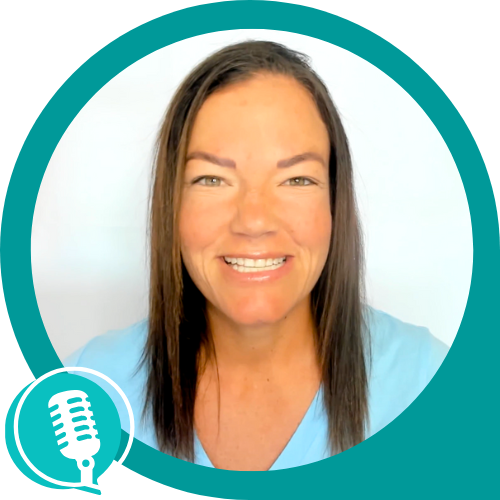
Kristi Kandel
Developer | Mentor | Co-Host of the LRED Podcast
Kristi is a real estate developer with nearly 20 years of experience and over $450M in projects across the U.S. Today, she focuses on helping locals step into development and build in their own communities.
She’s the founder of I&D Consulting, Local Real Estate Developers (LRED), and co-founder of Elevate, a community-driven sports and wellness concept.
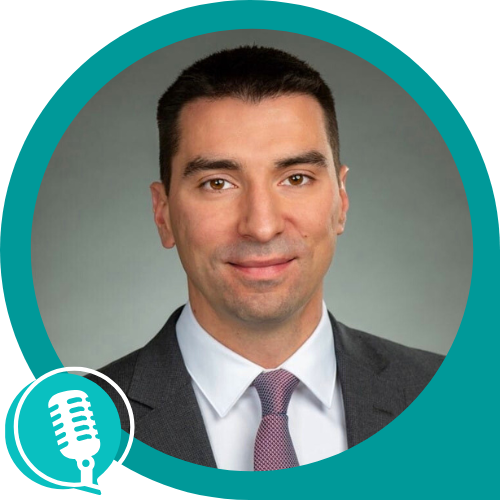
Raphael Collazo
Commercial broker | Author | Co-Host of the LRED Podcast
Raphael specializes in retail and industrial properties, bringing a problem-solving mindset from his background in engineering and software. As a commercial real estate advisor and developer based in Louisville, Kentucky, he works directly with investors, tenants, and cities, bringing a real-world view of how deals come together.
🔗 Related Episodes
How to Become a Local Developer: Katie Neason on Infill and Taking the First Small Bet | EP#29
A great companion episode on local infill, city relationships, and taking practical first steps in development.
How to Start Real Estate Development: Steph Weber Bought the Land First and Built the Plan Later | EP #41
A real look at taking your first development deal from idea to execution without having everything figured out.
Small-Scale Development: How She Left Her Corporate Career and Built a Tiny Home Village | EP #39
Another path from traditional career to building a community-driven development project.
About the Guest
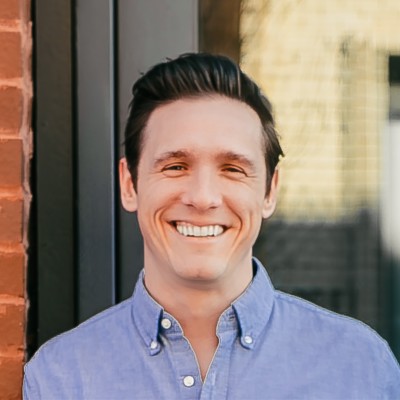
Austin Tunnell is the founder of Building Culture, a vertically integrated architecture, construction, and development company. He focuses on walkable, human-scale infill projects and long-term community-driven development.
Connect with Austin
🌐 Website https://www.buildingculture.com/
📸 Instagram https://www.instagram.com/austintunnell/
💼 LinkedIn https://www.linkedin.com/in/austin-tunnell-2a41894a/
Full Transcript
Raphael Collazo (00:41)
Welcome everyone to the local real estate developer podcast. I'm your co-host, Raphael Collazo. I am a commercial broker, investor, and a local developer here in Louisville, Kentucky. And I'm here joined by my co-host, real estate developer extraordinaire, Kristi Kandel. Always great to see you.
Kristi Kandel (00:57)
Hey, great to see you. Yeah, I'm a real estate developer, investor. I teach locals how to do development in their own community. And today we have an amazing guest who I heard him on our friend Bo's podcast. And I was like, yes, this is our people. And just hearing your story of your background, and then all the way through to what you're doing now and the impact you're having in your community. I was like, I need to reach out and talk to you because you have a great story. want to share what that's about and just kind of dig into it more. So
Austin Tunnell, welcome to the show.
Austin Tunnell (01:27)
Thanks, really glad to be here and be talking with you.
Kristi Kandel (01:31)
Yeah, so we like to start off by kind of going into a little bit of the backstory of like who you are and how you got here. So maybe go into that a little bit.
Austin Tunnell (01:41)
Uh, yeah. So I am the founder of building culture and we've been operating for nine years now as a vertically integrated architecture, construction and development company. And I would say we're like newer on the development side. We've been operating as design builds for a while building some pretty cool stuff, some houses, some small commercial. I really specialize in, uh, we specialize in traditional masonry brick masonry methods. Cause I had actually apprenticed for master Mason back in 2015 when I was doing a
career transition from being an accountant and a CPA. That's what I did my first year and a half out of college and realized I needed to make a change because I did not care about any of the things I was doing and I needed to find something I cared about. And cities and development and architecture was not on my mind because I didn't know anything about it. I grew up in the suburbs of Houston. I was used to that. And but it was when I kind of took a break and was traveling and saw some other
places. spent a couple of years with the Peace Corps in Uganda. went to Panama and was introduced to the idea of traditional neighborhood design and new urbanism and just designing for people. And then I also traveled around Europe. I went to Italy and I backpacked around Spain and Portugal for a few months. And it was just kind of it was so eye opening. And I just remember the question of why don't we build like this anymore? Why does nothing where I grew up look like this? Why isn't life like this? Where grandparents and kids are
out together, walking around, having cafe coffees all the time, and just completely different lifestyles. So that was my first why that really has led me down this entire path 14, whatever, 13 years later.
Raphael Collazo (03:21)
Amazing. Yeah, I know. And candidly, I'm half Italian. I was actually born in Northeast Italy. My mom is from Veneto, which is close to Venice. So I go back regularly. And I often ask myself that question when you start going to some of these smaller communities around the, I mean, in my case, it's mostly northern Italy. to your point, you have these multi-generational environments where people are kind of either living adjacent to or near their family. There's a lot of walkability.
And it does have a different feel when you're in those types of communities. So that's really cool that you got inspired to take on what you were doing at the time based on those experiences. So it's really cool that you did that. Now, having gone through that experience, I'm kind of curious as to how was that jump? Because there's a lot of people who listen to this podcast who likely have done something similar in their career. I know I was in IT for a long time and then jumped into commercial brokerage, which was a completely different career path.
you know talk a little bit about that transition point because it is scary it's not a an easy thing to do
Austin Tunnell (04:23)
It's it's so scary and what's interesting about just the development world or the built environment world, which is very large because you could be like a real estate developer. You can be a broker. You can be an architect. You could be a contractor. You'd be a craftsman. Like there's just so many ways to be there's advocacy and stuff like all these things are important. Um, and so there are a million ways to kind of get involved. And my jump was I did have that financial background, so I kind of had development in my mind, but I still didn't know anything about like real estate just because you're a CPA doesn't
mean you know anything about anything, let alone about real estate or performance, I had to put deals together. But I did become convinced between kind of my travels and reading some books for over a few years, just like, okay, I know I don't just want to be like a spreadsheet developer, like, let me just go do any strip mall or something. And so I wanted to learn from the ground up. And so the vision has certainly evolved and expanded more than I could have ever even imagined. Because when you're getting in, you don't know anything.
But I did know like I want to learn from the ground up and my path, was deciding like, do I want to go back to school and get an MBA or you know, some real estate development, find it or go to construction management or go join a crew or something and learn how to build my hands. And fortunately, when I had left my job and moved down to Panama, I had, I met this master Mason, literally master Mason. He's from Georgia. He's from the U S he just happened to be down there for a week. And he, he,
the way he talked about building, I'd never thought about building before, building these not just multi-generational cities, but multi-generational buildings. He referred to our architecture as a disposable architecture. And it was kind of like, oh, he's kind of right. It is disposable. Everything we build last 50, 75 years. then I was traveling and seeing things that had been built 500 years ago or 2,000 years ago, like the Pantheon in Rome.
When I got back from the Peace Corps and decided this is what I really want to do, I called this guy up and said, can I come learn from you? Because he was like laying, I was like, let me come lay brick with you and learn how to do this structural masonry stuff. And, and that's how I literally started. That's why I ended up in Oklahoma because he'd moved to Oklahoma. So I, in 2015, I moved down or up to Oklahoma, I guess, and had a five week engagement with my wife who I'd met in the Peace Corps. We moved out to the middle of nowhere, Oklahoma.
And it happened to be a new, new urbanist town. Like there was like 40 houses when we moved in 2015, which is now Carlton Landing and fairly well known among kind of like a certain, you know, new urbanists and, and, and traditional neighbor designers and stuff. And so was really lucky that I was learning how to build with this traditional materials, literally doing, I mean, I was not in an office. I was literally laying brick, digging footings, putting on roofs, doing trim. This guy was a true craftsman. I mean, just unbelievably talented. And I got to learn from him for two years also while being
able to live in a new urbanist community that I'd been reading about. And it was like those two combined. So it was like the craftsmanship, the ingredients, buildings be the ingredients. So like really quality craftsmanship with really quality recipe of how those things can go together. And my wife and I just had the best time living in Carleton Landing because we didn't have any best friends because we were like younger than everyone else.
But at same time, we had tons of friends. knew everyone. We never had to make plans for four years that we lived out there. was like we would just on weekends, we would just end up at the coffee shop, like the local kind of pub and people would be there and we'd hang out and there would be six month old babies and know, 80 year old grandparents and everyone in between. And that was kind of the first introduction to this like, my gosh, the way we build shapes so profoundly our everyday experience that I just became like incredibly convicted about it. And so the vision went from just
You know, buildings and ingredients to place making and combining those two things. And so for anyone listening, it's like, there's just so many ways to get involved and it is hard. and there's no right path, but you're not going to get there. If you don't like take the next step and explore. I've made, and I'm sure you guys have like, just make it learning the way the path is really learning what the path is not in a lot of ways. And just kind of like you, you start course correcting until you finally kind of land on a direction you realize like,
this is it. And I'm still constantly course correcting, but I will say kind of the vision and the values stay pretty consistent, or at least the values in particular. And then it's like, how does that express itself in this business and all of that? And as we grow the team.
Kristi Kandel (08:44)
Yeah, that's so true in the course correcting. I mean, the different things you were saying, you're like, I landed in this place and we were living here, which happened to be the right community while working, while accidentally finding this contact in another country and coming back and moving there in the States. Steve Jobs said, you can connect the dots looking back, you can't when you're looking forward. And it's so true. I've just over the past week, looking back at some of the things that have fallen into place and that were 20 years ago in the making. it's just like,
wow, so all of that led to why this is now possible. it's just, it's really interesting where we see it's where you do jump in and you do course correct and you figure out, okay, well, and what you're course correcting from isn't necessarily that there's one right path. It's that there's many paths, but what's right for you. And that's why it's such a big field and a little bit intimidating to get into, but at the same time, there's so many different avenues that you just wait and see what lights you up and what kind of hits your vision and inspires you.
Austin Tunnell (09:27)
Yeah.
I love like the what lights you up I think is so important that I didn't know how to do growing up like What am I actually interested in? No one really had asked me that and so when I started asking myself when I realized I wasn't interested in counting I remember asking a question what am I interested in and I realized I don't know I have no idea and that's why just
And so it was like going to Panama and I like, that wasn't the thing. Peace Corps wasn't the thing, but all of these informed this. I love Steve Jobs in a lot of ways. He's been quite inspiring to me about how he thinks. And I love that connect the dots quote.
Raphael Collazo (10:11)
I appreciate the context you shared regarding that path because everyone's path is different but ultimately-
once you find what is your you're good at and what you're meant to do for the lack of a better word, because I don't know if any of us are meant to do one thing per se, but I think there are some natural talents and natural inclinations. And over time, as you start to get good at something, you just have a natural instinct to continue to want to improve and grow. And especially when you have a positive impact on the lives of others, then it really just lights up lights you up. And, you know, similar to you, I mean, I had a similar type of revelation.
during that time period of my life and making the switch, although scary and the early days are not easy, which I know we're going to probably touch on a little bit on your side, it's definitely worth it in the end when you look back. But at the time, it's definitely going through the crucible, as they say. And maybe talk a little bit about that experience, because I think that would be helpful for context.
Austin Tunnell (10:58)
Absolutely.
⁓
I felt like I was wandering the dark for many years and and sometimes I mean running your own business is just Extremely difficult and then the moment you start like feeling good at something. I mean there's there are some people I know that are running like a one person They're self-employed and that's a great path I'm not there's nothing against that path, but it was more like what I want to do That's not possible, which I realized, you know, and so then you like start growing a team you realize well, I'm an
Absolutely horrible leader. I'm an absolutely horrible manager. I have no idea how to Lead a team ⁓ Gosh and then you know all the memes out there of like being self-employed is like, you know one day you're like on top of the world and then it's just like getting pummeled in the face like the next in like in the same day and and So I felt particularly before I kind of found the masonry thing I felt lost and then even doing while I was apprenticing for two years. It was like I knew I was on the right like
Kristi Kandel (11:36)
You question everything about life and it's just like, my gosh, like, ugh.
Austin Tunnell (12:00)
Overall trajectory path, but it's like I was not like I love laying brick I'm not like a craftsman at heart and that took me a while to figure out cuz I was like I kind of put on this persona of a craftsman and like like I'm a craftsman and you know in a builder and it took me many years to kind of get up like I'm actually not the personality of a builder I don't actually I believe in these things but like I actually need to shift to Something else but while growing a team that can like do all of these things so like I'm really just now in the past few years I feel like
coming more into my like, okay, this is what I really love. And here's where I can see what I really enjoy and I'm also really good at. And now I'm trying to grow a team of other exceptional people where everyone's kind of in the right seat kind of thing. And then I'm also spending more of my time doing the things I'm really good at and I love, which when you're self-employed, that sounds great, except no, you actually have to do a bunch of things you don't want to do because no one else, like you just, someone has to do it. So I'm still, you know, spending a lot of time.
doing things I don't love, but at least I have like even more clear vision than I ever have of where I want to be going and including with my time.
Raphael Collazo (13:05)
Yeah, that's super profound because it's somewhere I'm currently at myself when you're trying to grow a team. And to your point, it's not easy. It's not easy trying to not only manage yourself because that's the starting point. You manage yourself, you manage your time, you manage your performance. But then when you incorporate team members, now it becomes a whole different set of skills where it's like now you have to water the pot essentially and try to get them to grow.
And obviously vetting people, trying to get understanding whether or not the motivation's there, because not everyone's going to be on the right seat. And so it's been a challenge for me, I must admit. But I think it's how it is. It's just part of the process. Yeah.
Kristi Kandel (13:45)
think it's a challenge for everyone and every new
company that I start, it's like, okay, cool. There's a new group of founders and leaders. There's a new group of people that we're going to employ under and bring it up. And it's learning how to communicate with each type of person in each group. And it's like, wow. And some days you just want to go, F it, I'm done.
Like literally, if we're being honest, and then you remember your why, and that's why so much, and like especially development, like this is not a flip of a house that's 30 to 90 days and you're done. Development is the long game. So your why, your purpose, like you said, your vision hasn't changed, but the course and the way you're taking gets you there. It has to be strong enough that it goes, okay, I'm gonna put this in perspective and go, yeah, today sucked, or this sucked, but.
Austin Tunnell (14:07)
Yeah.
Kristi Kandel (14:30)
The bigger goal is there and we get to be working towards that as opposed to being in a W-2 doing something else and just go, okay, I'm gonna eat the glass right now like Elon Musk would say and we're just gonna plow forward.
Austin Tunnell (14:40)
Yeah.
I think that's so good that what you said about like finding that why, because one of the things that I've learned too is like growing up in 21st century America and you know, like I had a stable home, but you know, thinking like, life's about a comfort and you know, just kind of doing the things and getting a good job and getting your 401k in place. And then, you know, marrying and having, and the problem with that is life is really hard.
No matter what, whether you're in the job you love or a job you like, life is really hard. Bad things will happen, whether to you or people you love. The work is hard, whether you're working for someone else you don't want to work for or you're working for yourself, like it doesn't like it is hard. And so you have to find meaning, I think like that, like you have to find meaning. And that's where it of comes back to like learning to follow your interests because you can't help what you're interested in. Like that's not something you can control.
And of course you got to be able to like learn to make money doing it and stuff. But I've just found that so important for my life as things have happened both in business and outside is it's the meaning and the why that lets you get through the hard times. Because what happens when happiness isn't there? Because it's not always going to be there. And if you're if you think life's about just like being happy, being comfortable, well, good luck. You know, and of course, I used to think that. So I mean. And I'm still learning to accept this, you know.
Raphael Collazo (15:56)
I think most people think that.
Kristi Kandel (15:57)
I don't think it's...
Raphael Collazo (15:59)
think it's a default to just seek comfort and seek happiness. But I think shifting of perspective that happiness isn't an emotion. mean, happiness is like your state of being. you grateful for what opportunities you have in front of you? And even if you're going through the thick of it at the time, stepping back and putting it into perspective is very important. And it's not easy. I think
you the whole idea of even taking some time in the morning and meditating or just having some alone time where you think through these types of things it helps kind of realign you because to your point I mean there's periods of time in your lives where you're going to have peaks and troughs and you can allow yourself to just you know get into a mindset that doesn't allow you to navigate those waters so I think it's very important to say
Austin Tunnell (16:47)
Absolutely.
Raphael Collazo (16:49)
But regarding that evolution, so you were there with the Mason for a few years. And then I'm assuming at some point you realized, OK, well, I've gotten a base understanding of some of these principles, these building mechanics. And I want to try to flex in another direction that maybe aligns more with that quote unquote meaning that you've described. mean, could you tell us about that second phase where you decided to go into the career that you're in now?
and maybe talk about some of those early years and how you were able to generate opportunity because that's the hardest part when you get started is no one's just knocking on your door to work with you oftentimes. You got to get out there and find opportunity, right?
Austin Tunnell (17:23)
No.
Absolutely. Yeah. And, you know, luck happens to those who are like looking for it. I guess, you know, there's a lot of different sayings around that, but, know, you're not going to, get lucky sitting in your house, reading a book or thinking or writing. I don't mean it's not good to reflect. Like I absolutely think that's important, but I really do believe that action produces information and action produces, the potential to get lucky. And I feel like in my life and most people I've been unlucky many times where I'm literally going, my gosh, if I had done this,
Raphael Collazo (17:49)
Mm-hmm.
Austin Tunnell (17:54)
Literally the exact same decisions one year later and I would be sitting on X amount of money versus losing You know, like I've had those things where I'm just like what? But I've also had these incredibly lucky things whether it was meeting the the Mason and Panama or meeting my wife and the piece where she's a first person I met off the plane and another one here is the reason I'm saying this is as I'm apprenticing in Carlton Landing learning masonry making $12 an hour
Raphael Collazo (18:01)
I don't know.
Austin Tunnell (18:19)
At 27 and 28 years old, my wife was cleaning houses so that I could like do this and we could survive. She's amazing, obviously, that she did this with me. And while I was doing that, we ended up moving to garage apartment in Carleton Landing, because we couldn't afford it at first, because we were in a $400 a month rental, often a tiny crappy town with a bunch of meth addicts for the first six months. And we saw the great apartment.
garage apartment going, we're like, what if we went and asked them if we could, you know, if they were going to rent it out, were their plans? And my wife, we met them and this is, it's like an amazing part. We called it the garage Mahal because it was just like a garage, you know, apartment above a garage. And it was just amazing. We're like, how much is it? And I can't remember what it was. And he just, the guy said what it was. And we were like, okay, well, nice to meet you. You know, we can't afford that. And he was just like, how much can you afford? And we told him and he's like, well, you mow the yard.
you know, there's a little like a real small yard. said, yes. And he said, all right. And so that's how we kind of got in there. And the reason this is important is my landlord, that person ended up becoming my first investor. And, and, and of course it helps because like he sees me putting work in my wife, putting work and we're working really hard. And, and then I taught myself design. And this is kind of an important piece because I thought I didn't have an artistic bone in my body, even the first like year of doing masonry. But then when
I'm kind of like, what am I going to do after this? Like, I don't really know how to read other people's blueprints and stuff. Like I was learning how to build. So I understood what we were building and I could like kind of start piecing together. But like, I didn't know like how to just go build someone else's house, you know, or something like that. And so I started like designing in earnest just cause like, oh my God, I don't know what I'm going to do after this. And it turns out.
I could design and a lot of that's just from learning the materials and I was working with masonry. We weren't using steel so that limited kind of like proportions on windows and arches and buttresses and we were using natural stone and timber and kind of this so it kind of put parameters around it and and then I started designing like simple buildings but what I realized is these simple buildings were really beautiful and when I say simple it's like most of my buildings are rectangles you know and that's like a lost art of building a rectangle with without a
insanely complex roof system. And so then I realized I could design. And so then we were doing design and build with kind of our first pocket neighborhood project that this investor invested in. It was a six home pocket neighborhood, three lots we split into six surrounding like a central courtyard. And so that was kind of my first foray into place making. By the way, that was way too big of a project to bite off first because I had never actually built a house on my own. And you're like building a house in your old, but not just one, you're building six and you're doing the interior design. You're figuring out how to sell a house and work with realtors and all the things you just don't know.
And so it was a horribly stressful years, but we also built something really cool and beautiful at the end. And there was a market crash in the middle of it and all kinds of stuff, but I ended up making it through. And so that was kind of like, was like, okay, we're design built. And that was the really the heart of it. And it's gone from there. And that was the first little mini development, like not a syndication, but an investor, you know, learning bank loans, things like this. And then it's just grown out of that. And from there.
Raphael Collazo (21:23)
That's amazing. That's amazing. So now to where you're at, mean, I'm assuming now you have, I mean, what's your makeup of your team? Does it incorporate architects and engineers, or are you outsourcing some of those functions? And then you have team members that handle project management. Maybe you have subs, not subs, but contractors that you employ as well. How's your team made up now?
Austin Tunnell (21:44)
Yeah, we've got now eight people and four of those are remote people, four in person. And, you know, I would almost describe this like really as like a startup in some ways, even though I've been doing this for 10 years now, because we've been doing so many things like building, then design build, then master planning, and then kind of like learning how to syndicate and learn to put all that together. And so when you talk about eight people across all these things, that's not that many people. If we were just building homes and eight person team, you know, we could be, you know, have
Lots of people and positions and systems. so I'd say we're, we are actively building this. So like I am focused on development and still very involved with design and putting what are we doing and all of these things, relationships with city counselors and staff and how to get projects entitled, raising money. and then I've got a partner that I brought on four years ago, who is a licensed architect. So now he, we are a licensed architecture company because of his license, but then we, we designed together and we both have.
We're very complimentary. We're like different, but like very complimentary. like designing is so much fun now. Um, and then we've got a superintendent, we've got a construction staff and we've got another architect who is remote and, and then my wife helps out some, then a graphic designer. And, uh, I think over the next five years, we'll, we will probably be growing to 20 people or something like that. I just not like I have a head count of mine. I'm trying to get to 20 people or $20 million of revenue. Really the vision is.
what kind of team do we need to support the projects that we want to do? And so that's becoming clear now, now that we've embarked on Townsend, which is our first kind of like large scale infill project. And it's on 1.1 acres in a downtown walkable district. And when I say downtown, don't think high rises, think one and two and three story old main street buildings. But, you five years ago, it had five restaurants. And today, just five years later, there's like 35 restaurants and counting and...
some multifamily going in. So that's where we're developing. And just 1.1 acres when you're placemaking and building in a walkable, more urban setting, we've got 18 townhomes, two live work units and 13,000 square feet of like mixed use commercial that we're doing. So we broke ground on that in December and are about to the masonry on it next week. So we're really focused on that. But of course you also in development, you know, it took us three years to get entitled on one acre. It's like you might as well build a three-year unit apartment complex.
which I get why developers do this because this is so hard. I had to fight so many battles. My team had to fight so many battles. But thankfully we got it through. We raised the money. And then we've got two other projects we're kind of like an early development on of a similar scale of 30,000 square feet and another 1.1 acre project actually. And so that's really the vision is to be able to do these great high quality human scale projects in kind of like walkable urban areas and really trying to
focus them rather than saying, we're just going to everywhere indiscriminately. And maybe this changes in five years, right? But like for now, it's like, we were kind of selected two to three places in the Oklahoma city Metro where there's already kind of like growing interest. There's some commercial, but there's residential and stuff too. And we're saying, Hey, we can compound here. Walkable real estate supply and demand goes in the same direction. The more supply, the more demand because
the better a place gets, the more services that it can have. And it can support a school, you you can support more stuff. And so I really believe in walkability and the value proposition of that, but it is a longer term mindset. If you're trying to flip and sell an exit in five years and hit a 20 % IRR, you know, I've learned like don't invest in this project with us. That's not what we're doing. But what also the thing that I've learned is it's really cool because as I've started to be more confident about telling people what we're doing and why we're doing it,
We're actually tracking the values aligned investors that we want. And they're not trying to like, it's not, of course it's an investment, but it's not only an investment. There's more values there. And there's a longer term mindset, which then allows you to do more quality, which isn't like we're doing a luxury finishes because, we don't, it's more like we can actually put real quality in that actually has a good ROI on it because you're holding it longterm.
But then also you're just like putting something way better into the community. So I really kind of hate how real estate's gotten to this super short cycle. I think it's extremely destructive. I don't mean I wouldn't sell a project in five years. We might sell a project because it made sense, but that's not our mindset going in.
Raphael Collazo (26:28)
Mm-hmm.
Yeah, you're not designing it to be sold in that time frame. You're designing it so that you can hold on to it into perpetuity in theory. if an opportunity presents itself to be able to capitalize on the situation and also use those funds to take on another value-based project, then it gives you that flexibility. obviously, let's appreciate that you share that.
Kristi Kandel (27:02)
Yeah. And so as you're, as you're going into your, your current infield project, can we maybe break that one down a little bit more, just to kind of help people see, okay, we're, we said downtown sounded scary, but then you're like, no, one, two, three story downtown, which is very much like the communities are our local developers and listeners are, are in, how did that one come about? How did you, how did you find it? How was it structured? And maybe just some more details about that to, kind of remove some of the barriers to go, maybe I could do that in my town.
Austin Tunnell (27:31)
Yeah, I
I've been warned multiple times in business, like don't ever have a business partner. that's like the worst idea ever. And like from lawyers, they'll say like 99 % of business partnerships fail. And that's might be true. And you know, we've talked about like, I've hired the wrong people. They weren't partners, but I've hired wrong people. I've even partnered with wrong people. But at the same time, when you find the right partner, it changes everything. It's not one plus one equals two. It's one plus one equals.
10 or 20, the capability of what you're able to build is unbelievable. So one having Matt, who's the partner that I mentioned come on, who's the licensed architect, we work so well together. That's really transformed what we've been able to do. And then from the development side, there was a guy that I had met when I was building Carl Delaney, he visited one of our brick houses. He was like, this is super cool. We were like, hey, we're about to move to Oklahoma city. And it was 2019. Cause I was ready to kind of move out of there and move to the city where we could like,
build a business more, know, and then COVID happened and that was a whole nother roller coaster way down all horrible few years. But we had kept in touch and he was like a little bit of a mentor, like we didn't meet like that regularly, not in a formal way per se. And then he is focused about developing and accumulating land in this kind of like walkable area. It's called downtown Edmond. And he just one day in 2023 came to me and said, I'm about to put together a final parcel.
out of five, like I have four and I really need this one because it gives Ali access. I can't develop it. Like I've got too much going on. Will you develop it? You know, a partner develop it and I can fill in any gaps of your knowledge, which is perfect because I hadn't put together like a full syndication or deal before. And so he's there on the front end to help me with operating agreements even and syndication stuff. And then it was like, okay, now go raise the money. It was like, huh?
And of course he had secured the land, so brought some money in, and then it was up to me to raise the rest of the money, which was really hard, but it was also really good because then I was forced to go raise the money. then raising money is not fun, so unless you're of like forced to do it, or kind of like come from that background because you were in PE or something, you're used to it, like that was not where I was coming from, coming from design and build and all this other stuff. it was like out of necessity. A lot of things I've learned have come out of necessity. And so that has been partnership.
Kristi Kandel (29:43)
What was the
raise or roundabout like just.
Austin Tunnell (29:46)
5
million and basically brought like a million and a half to the land or something. So was like, you know, raising three and a half million dollars, which is not easy, especially in 2023, 2024, 2025, you know, so I guess 2024 and 25 is when I was raising. So it wasn't a fun time, but I also learned a lot in your first one's the hardest one kind of thing. So we've got ended up with 30 investors in the deal because we did a reg D five Oh six C, which I think is super cool for small, small and medium developers.
Because historically, you know raising money was a very much like what's your Rolodex? Who do you know? You can't even announce something legally online, you know or something which most people don't even know that but with the 2012 jobs act and you had this carve out that you can Go on social media or go host an event and announce what you're doing just by basically filling out a piece of paper this reg d506c and that's really cool because then it enables It can get rid of the middleman like no institutional
person's going to invest in what we're doing. And that's fine. I don't want institutional money. Even private equity would be pretty hard sell. think family offices, that's really interesting. And that's something I'm increasingly interested in. Like how do I work? I think their interests are way more likely to be aligned. They already think generationally, all this kind of stuff. And then, and then just syndicating from high net worth individuals where they might only be putting in a hundred thousand dollars, maybe even $50,000, a hundred thousand dollars, $200,000.
but then you're working directly with someone and then it becomes a little bit more relational too. And so it's something I've been thinking about with this idea of like, is institutional capital? Why can it be so destructive in some ways, even though at the same time, I believe in free markets and how important it is. Capital is just so important for doing anything. But in real estate, when it's just an institution of money and they're building in Louisville or Oklahoma City, they don't care about your town. They don't care about my town.
they might not have ever even been there unless it was just to like, you know, look at the road and you know, what's around it. You're a line item on a spreadsheet. And I understand why they are making these decisions. They're managing pension funds and people's endowments. And so they are trying to maximize IRR and that is it and minimize risk. And they do not care about anything else. I even went to a capital raising workshop for institutional money and they were like, whatever you do, don't make your slide deck look pretty. Do not put anything in there about values or beauty or you know.
Social community like don't do it like it would be better for the text to be running off the side and just like Here's like the bullet points and so like okay That's not for me and what's just been so cool about the the raising from individuals is I meet people on X I meet people on Twitter of course I meet people locally, but they are actually like values. It sounds weird to raise money from someone online. I'm not like just
trying to build a business that I'm not online because I'm trying to raise money. I'm online sharing what we're doing and then it attracts people. And of course, I'm new into this. I'm not trying to speak on this as an expert, but it's more like, oh my gosh, this is so cool. And then it's like, here's exactly what we're doing. And here are like our return profiles and here's the risk. And people are like, I love this. I want to see more of this happen. Maybe it's because it's in their own town. And so just having more local capitalized projects, I think is amazing, but also just having values aligned capital from elsewhere is really
really valuable.
Raphael Collazo (32:59)
That's amazing. You know, and if you could talk a little bit about that, process for capital raising, mean, how did because this is something that I'm sure a lot of people that are listening to this podcast probably have aspirations to do, especially if they want to take on more and more projects, because at some point you could use your own capital. But at a certain point, you just run out of options in that respect. And if you want to make more impact, there is a piece that has that of the the of the equation that is to go out and find other like minded people.
that have passions that are similar to yours, that are interested in investing in projects that are similar to the ones that you're looking towards to do, and ultimately execute an opportunity for all parties. So I'm kind of curious as to how you orchestrated that, know, because three and a half million is a pretty daunting sum, especially if you haven't had to do that before. So I'm kind of curious if you could share some insights there.
Austin Tunnell (33:50)
Yeah, it was very stressful. And the other thing on top of kind of the regulations that have changed, the other thing that has changed and it's about to change a whole lot more with just some more AI, but even even software and things like this that allow an individual and a small team to kind of manage investors. Cause you, if you imagine me trying to get out 30 K ones at the end of the year, doing everything manually, tracking stuff, sending distributions by what check or something like what you would have had to do five, six years ago.
10 years ago, I don't know, you we're only like the big guys had access to like sophisticated stuff. It would be impossible. But even, even so, and there's tons more coming out, but you know, even like Epfolio, but on the, on the real estate investor side, it's like, I discovered that it was like all my investors, they have a portal that they log into just like they would on their E-Trade account. They're all in there. I can drag and drop my K-1s literally from the CPA, like download the information, send the...
CPAs, I drag and drop K ones without having to like name things. I just drag and drop and it goes to their portal because the AI is reading it and putting it in there. And like, this might sound like weird detail to be adding in a podcast, it's like, you like little things like this are so important when you're a small business, because otherwise managing 30 investors would be like a full-time job, but instead we're able to be looking at two other projects, you know, in the future. Um, but in terms of actually capital raising, like my only like advice that I could give.
Kristi Kandel (34:56)
Yes.
Austin Tunnell (35:10)
Not from someone super experienced, but at the same time someone that's been through it
The best time to do is when you don't need to raise money. You know, and you hear that like, I'm not the first one to say that, but I actually do think like your local community. And it was hard for me because I'm not from Oklahoma. I'm not from Oklahoma city. So I was new here. If I had been where I grew up, that would have been a very different story. So like it was kind of doubly hard for me there. And that's why social media was extra valuable because I actually had had a following on building culture from the stuff we were doing. And we had like, not like a huge fan base, but like a little fan base. And so then it was like, when we were announcing, we're doing this project.
there was real interest, which just shocked me. It never had even crossed my mind. I literally remember when I posted on, think it was X and I hadn't even been on X long. was when Elon Musk was threatening to take it over. Like, huh, sounds fun. I'll get on X. And I posted and like the, and I did it out of terror cause I ran out of people to talk to locally just cause my Rolodex wasn't very big. And so it was just like, oh my gosh, I'm having to this. This so embarrassing. Oh, like cringe.
Raphael Collazo (35:56)
.
Austin Tunnell (36:10)
And I post and I don't remember. It's not like I raised all the money then it took me a year and a half, I think, to raise the money in total. But it was like. I just getting anyone DMing me like, well, this is really interesting. What's the deal? was like, Whoa, seriously? And then when you get that like first check, you're like, my gosh, I just raised money on social media. And so once again, there's no like one way to do it, but for small developers, especially people doing interesting things, share about what you're doing, share about why you're doing it, share your vision, share your values.
Be doing that and then when you ensure about your work too and then when you actually do a larger project or anything you need to raise money for man You know like you can do it I would also recommend people starting small when they can You know like do a four plex if you haven't done anything before like don't try to put something massive together like it can be incremental
Raphael Collazo (36:49)
Mm-hmm.
Yeah, no, I couldn't agree more. That's a piece of advice that I've given several times to different aspiring developers because all the projects we've taken on thus far has been myself and another partner. And we're doing four projects and the average price point is between 300 and 400,000. So that's very approachable for a lot of people. if there's a downside, if there's an issue that happens on the project,
then you're not knocking yourself out of the game right away. So I think that that's a good thing to say, a good thing to share, I should say, is that maybe starting small to start, just to get your feet wet, get an understanding of the types of projects that are out there and get a string of few wins together probably helps your case when you go out to the marketplace and say, hey, look, these are some of the projects we've worked on. Here's what we learned from the projects. Here's some challenges we faced. Here's how we overcame them. It just kind of helps bolster your
your value proposition as a perspective developer and ultimately someone who's going to be asking others to take a chance on them.
Austin Tunnell (37:55)
Totally. And sharing mistakes is not bad, you know, like mistakes is how you learn and as long as it doesn't put you under, like that is what wisdom is. It's making mistakes because you just don't know what you don't know, you know, and I don't go in wanting to make mistakes, but it's now I'm just more aware of like, I know there's things I don't know. How can I minimize downside risk? Things like that, you know, because I've had enough things go wrong kind of being cavalier without realizing I was being cavalier.
Raphael Collazo (37:59)
No, no, I, I, yeah. Yeah.
Kristi Kandel (37:59)
You
Raphael Collazo (38:08)
Mm-hmm.
Austin Tunnell (38:23)
And once again, the timing could have worked out and it could have worked great. And I'm actually so glad mostly in retrospect, multiple times, the timing was wrong because that's where the lesson came. Or if I had just succeeded, I would have been like, I'm, I'm so smart. Look at what I've done. You know, and, it's more like, wow, that was, you know, you realize in real estate very quickly, I think you can have the perfect project, the perfect plan, whatever. If you hit the market at the wrong time,
Everything can not work. So like what are you going to do and try you can't minimize against all risk? But what are you going to try to do going in recognizing? What happens if cap rate isn't this what happens if the interest rates aren't that what happens if the the houses don't sell immediately so for example with Townsend I've been stuck with a bunch of spec homes I couldn't sell before and then I had to sell them and then a year later they sold for I Basically broke even on them and then a year later they sold for like three and a thousand dollars more
You know, that was very painful lesson. was like, my gosh. So I broke even with all this work and someone lived in it for a year and then made, you know, all this money off of it. and so with Townsend, we broke it into three phases. Could we do it faster and make more money if we did it that way? Yeah. But we're also like, I recognize that this is a somewhat high risk project in that, like when you're doing something different, when you're doing neighborhood development, there aren't comps, know, like, unless there's a bunch of people doing great development around you, which generally there is not, you know, it's like, where are the appraisals coming from? Where are the comps? And so you're having to take.
Measured risk and so i'm not going to go about out and build 12 spec townhomes and just hope it works out based on our assumptions going in even though of course I believe this is a viable project or we wouldn't be doing it But we're doing a commercial in phase one because I know I can get this leased up and like worst case scenario is it's just the leases are a little bit lower than I wanted and phase two could get delayed and we're going to be using that to pre-sell homes at phase two we want at least 50 of the pre-sales before we actually go build
You know, so it's not that I have everything worked out. We can still make mistakes, but at least I recognize a lot of things can go wrong. I would rather move a little slower, make a little less money and protect catastrophic outcomes.
Kristi Kandel (40:29)
Take the hits, just not the death blow. It's so true. And that's why we talk a lot about the fact that when locals are doing it in their community, most likely it's not going to be a primary or secondary market. And you are going to be setting the comps. You are going to have to figure out how the appraisals work. There's so much that's not there that traditionally could be. And that's why having that extra investment in your community of going.
Austin Tunnell (40:31)
Yeah.
Kristi Kandel (40:53)
This is for the longer term and maybe we are going to hold on to it longer if we can, depending on where the money came from and where you need because you do need money to survive and live as well. So then for this project, so there's already so many challenges and obstacles that you've discussed and come across. Was there maybe one in the entitlement, the permitting, dealing with a contractor part that you had to overcome?
Austin Tunnell (41:18)
Yeah, thankfully we were built and this is one of kind of part of our strategy is and when we're looking kind of like growing walkable areas I want to see the zoning already kind of changed if i'm going in saying like we're just gonna do a straight pud because this is zoned r1 for like single-family detached with 7 000 square foot lots And there's a bunch of neighbors around uh, you know i've been in planning commission meetings when we're doing some master plans for other things We're just like people are like livid that we're building like trying to build like some nice
really nice, a beautiful neighborhood with maybe like a couple of fourplexes or something. And people would think you're like trying to, you know, drop a nuclear bomb or something. Yeah, yeah, it's just, it's crazy. So we're looking for like, where are the politics? When I say politics, I mean, the development politics already shifting, but just because development politics are shifting kind of from a,
Kristi Kandel (41:56)
destroy the whole community.
Raphael Collazo (41:57)
take their
first born child.
Austin Tunnell (42:09)
maybe the planning department might be like on board with like, want this walk. And you know, lot of planning commissions, not planning commissions, but planning departments and planning commissions across the country are starting to kind of update their thinking about certain areas and having more walkable, complete neighborhoods. But that doesn't mean it makes its way into the engineering department, into the building department, into the fire department, into the trash department, you know, like, and, or the city councilors. And so there's all this stuff out there. So I've learned to, you know,
we had to, I guess you could say get political where it was like, well, now I know all the city councilors cause I've met with them and not everyone loves me, but some of them really do. I want to say like some of them do really like us and, and, on board. And so I'm like watching who gets elected. And right now we've got a really great city council or city council, even if it's not everyone, it's like, I know three people who are very reasonable and we're going to be able to get this past. I'm going to have to ask for this variance, but this is really minor. It's not going to destroy the project where we have had trouble.
Kristi Kandel (42:51)
Hmm.
Austin Tunnell (43:05)
Although I will say like the fire department has even been really reasonable with us on, some stuff recently, which I've been grateful for because that can destroy a project really quick on urban infill settings of your hose reach, um, things like that. And so we sprinkled our town home so we could get a 200 foot hose reach versus 150. And that sounds technical, but once again, that can, that 50 fit is what the difference between actually is doing the project and like basically having to do a completely different project. Um,
And so I think developing relationships and we've run into roadblocks where we've just had to go around. We've had to go around. We've had to go above. Go to city managers, you know, like and it's not fun. I didn't get in this because I want to fight at the same and that's not my first like, hey, I'm coming in here like and I will say like I backed up for a while. I got really mad because of all the obstacles and some of the things that people were doing and saying that was making this very difficult. It's like we're the ones taking all the risk and
And I'm trying to come take a step back from that of like coming in wanting to be aggressive, wanting to fight and just like knowing that these obstacles are going to be there and just figuring out how to navigate them as best as we can. And once again, it comes down good relationships and, and, being trusted. we still have a lot of trust to build because we are newer to Oklahoma city and this is our first project in downtown Edmond. And so I'm looking forward to future years too, but once again, it's a long game.
You know of and that's why local development is such a local good development such a local thing because relationships do matter like that is kind of the heartbeat of all of this and and not just the relationship with the city but the people around you and the neighbors and getting support so I think being That's the great thing about being a neighborhood developer is at least a lot more people are are likely to like you There will definitely be people that still hate you but
Raphael Collazo (44:26)
Mm.
Mm-hmm.
Yeah, no, but I think that kind of lends itself to that idea that of local development, right? Because you have a lot that you've kind of described a phenomenon where you have an area of town that maybe is kind of the hot spot. There's a lot of interest in the area. And all of a sudden, these out of town folks come in and they have no ties to the community whatsoever. And they propose these developments that don't really fit in with into what the neighborhood wants. And then their idea is just they want to ram it through.
to get to the other side and the reason they're trying to accomplish this particular development the way it's set up is because they're trying to maximize the economic pieces of the puzzle and it creates some animosity with local residents understandably and not to say that every developer does that because there's developers like yourself that want to actually bring a project that's going to be unique to the area and it's going to be kind of blend in with what's going on over there and it's going to add overall
positive experience to those residents who are nearby and walk and from walkability standpoint, but you're always going to have individuals too that are just the concept of NIMBYism where people don't really want to see change. They want to just kind of have everything be the status quo because they don't want to have any type of disruption in the way that they're living their lives. And when you talk about the political piece, mean, sometimes the loudest voices are those people that are frustrated about change.
whatsoever and as a council person or someone in politics, those are your constituents. So you kind of have to play cadence to some degree. Now, some council members are more willing to kind of put their neck on the line to try to get some of these projects done, but that's not always the case. it's definitely more nuanced than people oftentimes give it credit for. it's obviously. absolutely.
Austin Tunnell (46:33)
people don't realize how powerful city councils are. Like everyone thinks about the federal government and then the state
government after that. But it's like your local city council determines the direction of your city far more. ⁓ I would say then than any of these other things. I don't mean state and federal is not important because it does have effects. And like you said about the, the, though your constituents, if you've got 50 people coming to a meeting, angry and yelling at you, that's pretty scary.
Raphael Collazo (46:45)
Mm-hmm.
Austin Tunnell (46:59)
Like as a city counselor, it's just like, whoa, and no one's there to show up to be like, yes, you know? And so you have to have a lot of conviction as a city counselor and to have conviction, you really need some knowledge. Like you can't have conviction about something if you really don't know much about something and like kind of take a stand for doing the right thing or make a courageous decision. And so that's the other reason relationships are kind of important is, is, is to, I don't mean like go and educate people like in a, I don't know.
But I mean it in a positive way because they really need to understand why and why it's important or you're going to get people yelling at them. They're just going to, you know, cave really quickly because why would you stand in the face of 50 people and 50 people, might be managing a hundred thousand constituents across the whole city, but it's like, there's 50 people in front of you yelling at you, even if that's like only what 0.5 of the population thinks they're the ones yelling at you. And so it just feels like a big deal. And I can, I can at least appreciate it because I've well,
Just being up there at Planning Commission and City Council and just, I've been in standing rooms at Planning Commissions really angry about the plan we're proposing. It's like, it doesn't feel good.
Kristi Kandel (48:02)
I've been a planning commissioner and presented to probably hundreds of planning commissions at this point and seeing all the sides, it's, yes, your planning commissions, your city council members, your county commissioners, those are all people who live in your community who are either appointed or elected officials that live in the community. So yeah, it's just a matter of building that relationship, getting to know them and say, hey, here's the intent of this project. Like I want to work with you guys and educate.
And then also a lot of times like having neighborhood meetings is just a checkbox and it's like, okay, cool. I noticed that I had this neighborhood meeting for people showed up. Cool. Done. But if the neighborhood, especially in smaller towns, doesn't feel like you actually tried or to engage them into to bring them in, then they are going to be scared of change and scared of the big bad developer and the outsider. it's, it's remembering that while this is development and it's numbers and we're building places, it's all about people and it's all about relationships and it's.
It is, I find education as a huge component of it to go, here's the why behind it here. And you pull out the curtain a little bit and you see if they can see their passion and the impact that you're working to have in the community and the potential outcome that can be there that can help them. Then you're never going to win them all, but it does, it does help sway things a lot to go, Hey, they can now make an informed, educated decision to, to speak for or against your project or to vote for or against it.
Austin Tunnell (49:25)
Absolutely.
Raphael Collazo (49:26)
Well, one thing that I'd like to maybe ask you is, know, regarding the audience that we are kind of tailored towards is those individuals who are, you know, aspiring to get into development or maybe they themselves are taking the leap and have actually started to dive into, you know, their own projects, whether that's on the residential side, commercial side, mixed use, but their focus areas in their local communities. What
you now that we've kind of shared a lot of great insights what is maybe one piece of advice that you would share to those individuals that are are kind of at that stage in their in their career when it comes to real estate development
Austin Tunnell (50:00)
I it was probably a number, one that just pops to mind is, cause I had touched on it earlier, is this idea of partnerships. And if you're starting a business together, boy, you really do need to choose the right partner and, and understand like, what is the exit path and all of these things. Because that's, that's the main company. But if you're doing say a project or an SPV, you know, where it's one project.
but you really can't do it on your own. Like maybe you're a really development mind and you know all the numbers, but you don't know anything about design or architecture or construction or vice versa. If you're an architect, you kind of understand all these things, but you know nothing about numbers. You know, I would actually encourage people, you can't just choose anyone. Yes, it's still a business. Yes, it could still be very painful if it didn't work out, but like you're gonna have to take some risks and...
that kind of the idea of the power of one plus one, like these deals are, there's a time limit on it. The exit path is built in. If you're like, well, let's not do another deal together. You don't want to do it with someone with low character or something like that where you're worried about for, don't just mean go indiscriminately do something, but if you find some values aligned people that have different skills, I would actually say, don't worry so much about the split that you're going to make less money that.
What, oh, what if, what if we don't agree on something? And I do think it's important to have conversations upfront and talk about roles and responsibilities. And is there someone that has kind of the, you know, I'm going to make a final decision if, if we're kind of split and you want someone that's going to be collaborative, all these things, I'm not saying to just not be careful at the same time. When you're doing a development project, there is an exit path. So if it like, it doesn't naturally work out where you're like, I probably wouldn't do another deal with this person.
but you get the project done, you get the experience, you do make a little bit of, it's going to set you up for the next thing. And so like to not be so scared of that. And the reason I say it is just cause I've been advised so many times not to do partnerships and I've had partnerships where I won't do another one again. And it was painful because once you're in it, you're like, well, I've need to get through it. And at the same time, when I look at like where I am now and I look where I was, whatever, 15, 16 years ago,
particularly 10 years ago when I was laying my first brick 10 and a half years ago, you know, I've partnered with people that I'm not partnered with now and I'm still grateful for that because it literally got me to where I am. And so the path isn't going to be easy. It's not going to be, you know, care for it. then hopefully along the way you also find some great partners. So that's just like a piece of advice that I've never really, I don't really hear many other people say.
Raphael Collazo (52:18)
Mm-hmm.
Mm-hmm.
No, I appreciate that context. And I'm sure Christy can as well. Because I mean, we've always advocated for partnering, but being strategic about it. And I know Christy probably could share a little bit more about that piece than I can, just because you have more experience.
Kristi Kandel (52:45)
Well, even speaking about all my mentors were like, don't get partners, don't get employees. And I'm like, but that's kind of what a business is. so, but what they were saying is they were thinking, speaking from their prior experiences. And it's like, yeah, you actually do need people. You need the who's not the how's for being partners. And I have found that when you do find the right ones, like sometimes you just gotta go through the bad to know.
okay, here's how we're gonna set up this team for the future. And that's how you create your bigger and better companies that actually fulfill you. And so you're gonna start, probably your first companies aren't gonna be super successful anyway. And then as you grow and go, you're like, great, I can now take all these lessons learned to walk into this next partnership. And I think the more seasoned that each person in the partnership can be, the more you're going to actually be a little more forgiving and a little more give and take to go.
Look, we know these aren't always gonna be perfect. We know there's gonna be times where our communication's freaking off, but how do we get back to baseline? How do we figure out how to right the ship now and to swallow our pride and our egos and to then go forward? And it's all of those conversations that then allow you to go, whoa, we just grew as individuals, as teammates, and now that we've gone through this, now we can go even further together.
There's no magic button for that either. No crystal ball of knowing who's, you know, trust your gut to make sure everyone's ethical, but we're also going to be human. We're all going to screw up and, and as long as you can get back to that baseline. So.
Austin Tunnell (53:56)
you
Right.
That's really good about the more seasoned it really is. And I'll just give one last kind of thing. Like I recently had one of a partner and one of the partnerships that we're working on.
You know, I always say, if you're having to look at the operating agreement for something, you're already in trouble. You know what I mean? Like, I'm not saying you need to have the operating agreement in case something goes really wrong, but, and so don't mean it's not important. It's super important, but at the same time with the right partners, you never look at the operating agreement. I had a partner come to me and say, that I kind of brought in on something to help with an area that I had a weak spot on and call me not long ago and said, I don't feel like I'm earning the amount of promote you gave me essentially.
Kristi Kandel (54:20)
Mmm.
Yes.
Austin Tunnell (54:44)
this that I had given up mine to this and so why don't we just do like half of that and I was just kind of like You saying that to me means a thousand times more to me than the money and it says so much about you and and and and and it was like why don't we just keep it and if later on down the road when the projects finished and all that and you still feel that way then cool or maybe I need to like give it a you know, but but just Thank you. And like those are the kind of partnerships
that you actually can have. There are people out there like that. And when you find those people work, it's so much more fun. You've been doing it by yourself.
Kristi Kandel (55:20)
Yes.
Raphael Collazo (55:20)
Yeah.
100%. Yeah, you're doing it for the long-term vision, the long-term goal. I've got a couple partners that, for example, we each have our own specific roles. each of our roles would require, like if I were to hire someone to do the things that I'm doing, obviously you'd collect fees. And we both came on together and said, look, guys, we're not taking any fees. We're just rolling everything back in the thing. Like, I'm going to put in all my effort. I'm going put in all my time. Whatever it is, we're not counting. This is for a 10-year project.
That's the same mindset we have and it's worked out great so far. But I really appreciate what you said about the project by project partnerships because that is a more finite relationship if you want it to be, right? So if maybe that project goes well enough, but maybe the synergy wasn't there, you have the opportunity to then decide to go your separate ways and it's not going to behold you to this one person.
over a long period of time. Whereas if you have like your design and build business, you want to make sure you have someone that you're going to be with for a long time because I mean, you're 10 years in, you're probably going to be in another 20 years. I mean, you have to really like the person you're working with. You have to like respect them and they have to be able to contribute in a meaningful way to the partnership. And that's a much more long-term commitment, which I appreciate you saying that.
Austin Tunnell (56:34)
Totally.
It's more like getting married when you're doing that. then it's a divorce and it's a messy divorce and it's painful and you're arguing.
Raphael Collazo (56:37)
You are, it's a marriage, it really is.
Kristi Kandel (56:38)
Yeah.
Raphael Collazo (56:43)
Yeah, yeah,
definitely.
Kristi Kandel (56:46)
Such true facts. man, you gave us such so many great 10 bits advice like just experience I love conversations like this and you can tell that that Yeah, that was just such a good conversation So how can people follow along support you and your projects? Just see what's happening. Maybe hire you if they're in the area for stuff. How can they do that?
Austin Tunnell (57:07)
Yeah, you could, you know, our main website is building culture.com. We really need to revamp our website. So if you want to like actually follow what we're doing, the best place is probably building culture, Instagram, just at building culture or my personal X account, like at Austin tunnel tunnel with an extra L. Um, those are probably the where I'm kind of sharing my perspective of what we're doing, thoughts, things like that. Um, and then I do have a podcast as well, the building culture podcast, which I've kind of taken a little bit of a break from for a little bit, uh, really busy.
But I've had some really cool guests on there too, particularly in the New Orbanist community and stuff like that.
Raphael Collazo (57:41)
That's awesome. Yeah, we'll make sure to include all that information in the show notes. If you guys are watching this on YouTube, go ahead in the description and same goes for Apple podcasts and Spotify. So Austin, obviously we greatly appreciate your time. Thanks again so much for stopping by and we're really looking forward to keeping in touch. You know, we're really excited to continue to build this community and, you know, hopefully we get to meet you in person and at some point in the future. So.
Austin Tunnell (58:03)
Well, Raphael, Christie, thanks so much for having me on. appreciate it. And, you know, on, on a reverse podcast, I do the one, all the talking, I would love to hear more from you guys. And that's what's so cool about this community is like people are across the country, but it's like, it somehow feels like a small community because like you recognize other people with the same values and you relate to being business owners and development. It's just hard. And, and, and so it feels like a kind of a tight knit community. So I would kind of be shocked if we didn't meet up at some time. So, you know,
Raphael Collazo (58:31)
No, yeah, no, absolutely.
And we will have an opportunity here in the near term, actually. We announced a recent meetup that we're going to be doing for our podcast. And then also just make it into a more regular occurrence. So there's going to be many opportunities, I'm sure, for us to connect. And we're really looking forward to keeping it. we will. No, absolutely. No, who knows if one of the meetups doesn't end up being in Oklahoma City. It's a big, big, big location. So definitely excited to keep in touch.
Austin Tunnell (58:45)
Awesome. If you're in Oklahoma city, let me know. I'll show you around.
Yeah, yeah.
Raphael Collazo (58:56)
Again, really appreciate your time, Austin. Thanks again so much. For those of you guys who watching on YouTube, please like and subscribe. It makes a huge impact on our ability to reach a broader audience and we greatly appreciate the support. Along with that, if you guys like this podcast and you're listening to us in a podcast format, whether that's Apple Podcasts or Spotify, please, please, please leave a five-star review. The more five-star reviews we receive, the bigger broader reach we get and hopefully you get inspired to take on your first real estate development project. So thanks again so much for tuning in and we'll see you all next time.
Get the tools behind the episode
Access the Developer Vault with templates and real resources
©2025 I&D Consulting. All Rights Reserved.
©2025 Local Real Estate Developers. All Rights Reserved.