From Wall Street to Boutique Hotels: How Marc Weisi Built a 16-Unit Hotel in Puerto Rico | EP #17
Real estate development, boutique hotel conversion, and leveraging incentives to build in Puerto Rico.
What if your next deal is not in your backyard but still feels familiar?
This episode shows how to step into a new market without starting from zero.
Marc Weisi did not start in hospitality. He started with house hacks, multifamily, and slowly built his way up.
Then the market shifted. Deals stopped penciling. And instead of forcing it, he pivoted into something new. A boutique hotel project in Puerto Rico.
This episode breaks down how he found the deal, raised capital, navigated a new market, and delivered a 16-unit hotel in under a year. If you are thinking about expanding beyond what you know, this will show you how to do it without guessing.



Get the tools behind the episode
Access the Developer Vault with templates and real resources
Episode Summary
Marc’s story is a reminder that development is not about staying in one lane. It is about knowing when to evolve.
He started like a lot of investors. Corporate job, steady income, and slowly building a portfolio on the side. His early moves were simple. House hacking. Small multifamily. Learning the basics without taking on unnecessary risk.
From there, he expanded into syndications. First as a limited partner, learning from experienced operators. Then stepping into the general partner role and raising capital himself. That transition is where things start to shift. You are no longer just investing. You are responsible for the outcome.
But the real turning point came when the market changed. Interest rates climbed. Costs increased. Multifamily deals became harder to justify. Instead of forcing deals that no longer made sense, Marc stepped back and looked for where the opportunity was moving.
That search led him to hospitality.
It started with a small A-frame development project with a partner who already understood short-term rentals. That gave him just enough exposure to understand operations, design, and what makes a hospitality asset work.
From there, Puerto Rico became the focus. Not because it was trendy, but because it checked key boxes. It is part of the U.S., which reduces legal complexity. The government is actively incentivizing development, offering tax credits that can return up to 40 percent of project costs. And most importantly, there is a clear gap in both tourism infrastructure and housing.
The deal itself came through relationships, not listings. An off-market opportunity introduced by a local connection. That theme shows up throughout the episode. If you want to operate in a new market, you need people who are already there.
Once they acquired the property, the real work began. The building was essentially a shell. Full renovation. Plumbing, electrical, roof, interiors. Everything had to be rebuilt.
Instead of trying to do everything themselves, Marc focused on assembling the right team. Designer, GC, local partners, and operators. That decision allowed them to complete the project in about eight months, even with the added complexity of building on an island.
The challenges were real. Material delays. Import logistics. Labor shortages. Permitting processes. But those are not unique to Puerto Rico. That is development.
What matters is how you respond. Marc stayed focused on solving one problem at a time, while keeping the bigger picture in mind.
Now the project is operating, outperforming expectations, and moving toward refinance.
The takeaway is simple. You do not need to be an expert in everything. You need to know how to find the right people, adapt when the market shifts, and stay in motion when others freeze.
What You'll Learn
- How to transition from multifamily into hospitality
- Why market shifts create new development opportunities
- How to find and structure off-market deals
- What it takes to build in a new geography
- How to assemble a team when you are not the expert
- How incentives can reshape your development strategy
Bold Truth
You do not need to master everything. You need to know how to move when the market changes.
Timestamps
0:00 — Intro
https://youtu.be/hKNSI44zu6w?t=0
1:49 — Marc’s background and Wall Street career
https://youtu.be/hKNSI44zu6w?t=109
3:14 — Getting started with house hacking
https://youtu.be/hKNSI44zu6w?t=194
5:34 — Learning through syndications
https://youtu.be/hKNSI44zu6w?t=334
7:44 — Transition to larger deals
https://youtu.be/hKNSI44zu6w?t=464
10:30 — First hospitality project
https://youtu.be/hKNSI44zu6w?t=630
11:52 — Why Puerto Rico
https://youtu.be/hKNSI44zu6w?t=712
14:57 — Incentives and tax credits
https://youtu.be/hKNSI44zu6w?t=897
17:34 — Finding the deal off-market
https://youtu.be/hKNSI44zu6w?t=1054
21:16 — Project size and numbers
https://youtu.be/hKNSI44zu6w?t=1276
22:29 — Building the team
https://youtu.be/hKNSI44zu6w?t=1349
25:56 — Structuring the partnership
https://youtu.be/hKNSI44zu6w?t=1556
27:58 — Financing and refinance strategy
https://youtu.be/hKNSI44zu6w?t=1678
30:10 — Marketing and direct bookings
https://youtu.be/hKNSI44zu6w?t=1810
30:57 — Permitting and local process
https://youtu.be/hKNSI44zu6w?t=1857
33:38 — Construction challenges
https://youtu.be/hKNSI44zu6w?t=2018
35:38 — Staying motivated
https://youtu.be/hKNSI44zu6w?t=2138
38:06 — Operations and guest experience
https://youtu.be/hKNSI44zu6w?t=2286
44:02 — Future plans and expansion
https://youtu.be/hKNSI44zu6w?t=2642
Meet the Voices Behind the Mic
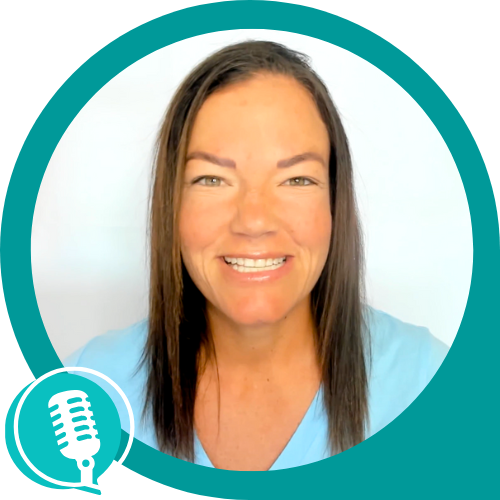
Kristi Kandel
Developer | Mentor | Co-Host of the LRED Podcast
Kristi is a real estate developer with nearly 20 years of experience and over $450M in projects across the U.S. Today, she focuses on helping locals step into development and build in their own communities.
She’s the founder of I&D Consulting, Local Real Estate Developers (LRED), and co-founder of Elevate, a community-driven sports and wellness concept.
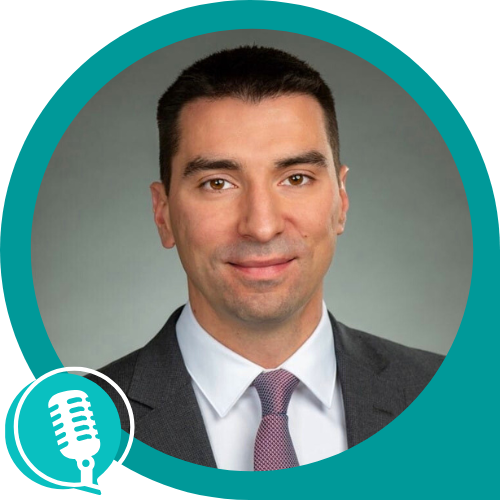
Raphael Collazo
Commercial broker | Author | Co-Host of the LRED Podcast
Raphael specializes in retail and industrial properties, bringing a problem-solving mindset from his background in engineering and software. As a commercial real estate advisor and developer based in Louisville, Kentucky, he works directly with investors, tenants, and cities, bringing a real-world view of how deals come together.
🔗 Related Episodes
How to Become a Local Developer: Katie Neason on Infill and Taking the First Small Bet | EP#29
A great companion episode on local infill, city relationships, and taking practical first steps in development.
How to Start Real Estate Development: Steph Weber Bought the Land First and Built the Plan Later | EP #41
A real look at taking your first development deal from idea to execution without having everything figured out.
Small-Scale Development: How She Left Her Corporate Career and Built a Tiny Home Village | EP #39
Another path from traditional career to building a community-driven development project.
About the Guest
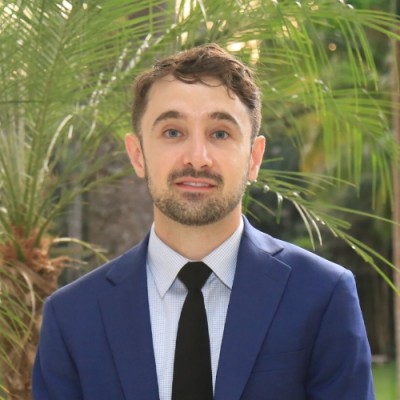
Marc Weisi is a real estate investor and developer who transitioned from multifamily into hospitality development. He focuses on boutique hotel projects and is actively investing in Puerto Rico, where he is building and operating short-term rental and hospitality assets.
Connect with Marc
📸 Instagram https://www.instagram.com/marc_weisi/
Full Transcript
Local Real Estate Developers (00:41)
Welcome to the local real estate developer podcast. I'm your co-host, Kristi Kandel I'm a developer investor, and I teach locals how to become real estate developers in their own backyard. And I'm joined today with my co-host, Raphael
Raphael Collazo (00:54)
Hey, Kristi, great. Always great seeing you. My name is Raphael Collazo. I'm a commercial broker and investor located here in Louisville, Kentucky. And today we have a phenomenal guest, Marc. I don't remember exactly how we connected. believe it was through Instagram. A few years ago, we just got connected. I had a previous podcast that I had him on and we talked a little bit about his background, his story. And one of the reasons why we wanted to invite him on our podcast today is because he's been taking on a hotel development project in Puerto Rico.
And I thought it would be a great way for us to learn a little bit more about some of the nuances of that type of project. And I'm sure there's going to be a lot of interesting insights we garner from the conversation. So Marc, it's always great seeing you.
Marc Weisi (01:35)
Appreciate you both having me on. Yeah, this is a real pleasure to speak with you again.
Raphael Collazo (01:39)
Yeah, no, no, the pleasure is all ours. But I guess for those who don't know about you, why don't you go ahead and share a little bit about your background and what got you into the real estate space?
Marc Weisi (01:49)
Yeah, absolutely. So I'm one of those people who started off in a regular W-2 job working in corporate America. My field was working on Wall Street my entire career. So graduated school, started working on Wall Street, worked my way from kind of back office roles to eventually front office roles. And all throughout that time, I had kind of been studying, self-studying or self-educating on asset ownership, on investing.
what it takes to build up a portfolio and to have your portfolio support your quality of life and your cost of living. And so, you know, I arrived upon the Little Purple Bible, as many call it, Rich Dad Poor Dad. It talked about the merits of investing in real estate. And so I started to dig in, started to talk to people that I knew that had invested in real estate and kind of caught the bug from there. And so around 2016 is when I finally pulled the trigger and started to
buy my own place. At first it was just a house hack and I think that's a starting point for a lot of people and from there it kind of snowballed. I bought another place the following year and it became a thing where every year I was trying to see if I could buy at least one or two properties and learned a ton along the way. Started off in really condos in the northeast just because that was the most attainable and then you know it snowballed from there into small multifamily.
eventually larger multifamily through joint ventures and syndications, and then eventually now more recently into hospitality.
Raphael Collazo (03:14)
That's awesome. Yeah, that's a story board that I've heard from a lot of people where you start off with a condo or a house that you rent out rooms to. And I started out with a fourplex. I bought a fourplex and ran out the other units. And so it's a very attainable way for people to get into owning real estate because you can qualify for the residential financing. And if you do the house hack piece, you eliminate the mortgage. Thus, you compound your ability to potentially purchase in the future. So that's a
really smart way to approach the process of getting into investing, especially while you're retaining your job, which is great.
Marc Weisi (03:50)
Yeah, absolutely. think getting started while you have a job actually can be a huge level of support. mean, as we all know, getting started in real estate, you're going to make mistakes. It's not a matter of if, it's just when. And so having that safety net of that additional income coming in, and hopefully you're managing your finances, you're saving more than you're spending. And having that is kind of a safety net for the occasional surprises that pop up with real estate investment. So I was able to kind of get started at a low.
Local Real Estate Developers (03:57)
Mm-hmm.
Marc Weisi (04:17)
level in terms of the risks and issues that I faced were manageable and then kind of scaled as my comfort level went up.
Raphael Collazo (04:24)
sauce.
Local Real Estate Developers (04:24)
I
absolutely love that because so many times people will go, real estate, it's all risky in development. It's risky. it's like, yeah, but you can take calculated steps to where you're mitigating your risk. You're learning early on smaller projects to where if something does go sideways, it will cost you, but it doesn't have to wipe you completely out, which is great. Awesome. So you got started into investing. You went into syndications. Were you a limited partner or a general partner on those?
Marc Weisi (04:52)
I have done both. I think my first few investments were, yeah, they were LPs and my thought process there was I will learn while I earn, hopefully. If the deal goes well, you know, I'll be compensated and then I'll also be able to have access directly to a general partner. And in my case, I tried to find general partners that I could, you know, could learn from and that were open to teaching throughout the process. And I was fortunate to be a part of a couple of masterminds at that time where the people running those masterminds were
really venerable people that had a ton of experience. And so I was able to kind of do that for a number of years, a couple of years before I finally decided, okay, I've got what it takes now to go out and raise capital for my projects.
Raphael Collazo (05:34)
That's awesome. So what was that jump to raising money? Because I think that's another piece of the puzzle that a lot of people have questions about is that, you know, how do you get the funds to take down some of these projects? Can you kind of talk a little bit about how you were able to, you know, leverage your network so that you could start taking on larger projects?
Marc Weisi (05:52)
Yeah, totally. think part of my, I guess, early success with that, it didn't come easy. I think, you know, don't come from a family that has tons and tons of money set aside for real estate. And frankly, I don't really even have anybody in my family that had invested in real estate. So it was something new for me. But I think some of my early successes with raising capital just came from the fact that I was very public about what I was doing with my friends and family. You know, I certainly wasn't posting on social media or anything like that.
but I was telling people, this is how I'm spending my weekend. This is what I'm putting my time and energy into. And so it kind of helped in terms of people changing their perception of Marc as the finance guy or friend or whatever it was to Marc who's now doing real estate. And so I think bringing people along in your journey early is really, really helpful. If you feel comfortable posting about it, absolutely go that route. But just the more that people know that what you're doing and associate you with.
real estate, think the easier those conversations will become.
Raphael Collazo (06:50)
That's true. So you say really, just making sure everyone knows what you do and you constantly talk about it and give people an opportunity to potentially team up to take sounds on these projects if in fact there there's interest there. So that's great. So you talk about a little bit of an evolution into getting into larger projects. You start off with condos in the Northeast, you evolve to small multifamily. And I'm assuming a lot of these projects you're taking on yourself. Then you start getting into a limited partnership role, which would mean you'd put up some capital.
Marc Weisi (07:02)
Exactly.
Raphael Collazo (07:17)
in a larger fund and ultimately they purchase property and over time you would get compensated either with cashflow and if they just sell in the future then you ultimately benefit from the appreciation that occurs. And then you decide to get into general partnership where you're the one managing the deal, running the deal and ultimately you have a little bit more upside in a scenario whereby you're able to execute on that business plan. Did you start out strictly in multifamily and then what was that evolution to the next phase which is now what you're doing in Puerto Rico?
Marc Weisi (07:44)
Yeah, absolutely. And I will say that I'm still a believer in the long-term prospects of multifamily. think that there's, in my opinion, no better proven strategy to generating wealth over the long term is multifamily real estate. I think this country really still has a tremendous need for housing. And so I think that's going to continue to be a really good place to put your capital over the long term.
But yeah, I I started off like I said in condos then small multifamily and then eventually the syndications and I think it was just by nature of the fact that I was familiar with you know, I had rented before I seen that there was a need in my local market and then eventually Decided to look further and further away as I built up my comfort level with that Into markets that I could get comfortable with and where I could find partners that could that could come on and and be the local boots on the ground
And so I think that was a very, very early thing that I did that others can kind of borrow from is wherever you're investing, if it's your own backyard, that's great. You know that market really well. Or if you're deciding to look further afield, you know, outside of your own state, I would say definitely find partners who are experts in that area, as we all are familiar with. You know, real estate is a super specific, it's a hyper local investment class. And so you want to make sure that whether it's you or somebody on your team,
somebody is an absolute expert on those markets. And so, yeah, so that's what we did. As time went on, you know, in 2022, I believe it was when the Fed started talking about raising rates and then, you know, we had a kind of unprecedented run up in their hikes. It made the prospects of investing in multifamily a little bit more difficult. made new deals start to pencil a little bit less. And so there was a really wide bid ask spread. The difference between what
buyers were willing to pay and what sellers were willing to accept became very wide. And so around 2023, 2024, that started to take place. Inflation had, as we're all familiar during that time period, anybody who was investing, inflation had really increased the cost that it takes to run these multifamily projects, whether it was insurance or taxes or labor, the cost of materials, everything kind of went up. And so I started to look at it. At that time, I was still
generating my W-2 income, still had some capital to put to work myself. And I was like, okay, let me talk to my network, see who's doing what and see what's working for those folks. And at that time, it was a really good time to be in hospitality. And so I started to look into that. And then kind of over time arrived at, I didn't start off looking at Puerto Rico, but that became the end goal in around 2024.
Raphael Collazo (10:20)
That's awesome.
Local Real Estate Developers (10:20)
How
did you go and land on hospitality specifically? Did you run Airbnbs? Did you have other, and are you going to be the operator of that, or did you find a good operator?
Marc Weisi (10:30)
Yeah, great question. So a friend of mine came to me in 2023 with an opportunity to buy some land in Pennsylvania, Eastern Pennsylvania, a market that I know pretty well just from having grown up in this area and having gone there for, you know, growing up on vacation, things like that in the Poconos, it's called. And so he came to me, he was already an expert in that area. Again, that same concept, partnered with experts. And he had been doing Airbnb for as long as I had been doing long-term multifamily.
And so he was definitely an expert in that asset class. And he came to me with an opportunity to buy some land. He had a partner who was a builder. And so we built an A-frame together and he is running that, you know, that's all third party managed. But that gave me some definite hands-on experience in terms of what it takes to one, do development. That was the first kind of development project I was involved with. And then number two, what it takes to run operationally on the short-term rental side. And so that kind of, you know,
gave me a sense of comfort in terms of, maybe I can start to look into this myself.
Raphael Collazo (11:27)
That makes sense. And you kind of alluded to the island of Puerto Rico. So now that's where you've ultimately made your investment. mean, what are some of the things about the island in particular that kind of attracted you? And we talked about this offline. Obviously, I'm half Puerto Rican. I've lived in Puerto Rico. I'm very familiar with a lot of parts of the island. I'm kind of curious as to what your thought process was about the investment of the potential, the investment potential.
Marc Weisi (11:52)
Yeah, no, it's a great question. I think when I say that I'm investing in hospitality in Puerto Rico, it catches a lot of people like, okay, know, practice some years up, like what's going on there? It's certainly a little bit more, I guess you could say exotic than maybe investing in, you know, in Louisville and multifamily or something along those lines. So I think it was a gradual thing where, you know, us as real estate investors, at least me, I'm sure it's probably the same for a lot of people, is when I go somewhere, right, whether it's vacation or travel.
I'm always thinking about real estate. I'm, literally, I'm one of those people where if I travel somewhere, I go to open houses or I, you know, look at what's available in that local market. And so, I had started going to Puerto Rico just out of a sense of, you know, enjoyment, really loving the Island, loving the people there, around 2023. and so I was going back and forth and it was one of the places that during COVID, it was a little bit earlier. when I first went there, it was, it was open and you know, they were welcoming, travelers. And so.
Having gone there and having, know, again, just being enamored by real estate, I was like, okay, there seems to be a lot of opportunity here for housing development. There's a lot of rundown housing. And so I started really, you know, trying to build my network up in the local market to try to understand how things became that way or how this opportunity came to be. And so I started talking to, you know, investors, other local investors, attorneys, brokers, you name it, property managers.
and starts to learn about some of the intricacies of the market there. And I concluded that there's a really big opportunity. Number one, I think the thing that jumps out to most people as they start to dig in on the Puerto Rico story is it's part of the U.S. Most people, know, many people, I should say, don't understand that, don't understand that Puerto Rico is part of the U.S. It's a territory. And so, you know, a lot of the same regulations and things like that apply to Puerto Rico. A lot of the same property rights extend there.
Whereas if you were to say, invest in Mexico or somewhere else in Central America or the Caribbean, it's a different animal entirely. It's all different set of laws and things like that. So that gave me some comfort, the fact that it was part of the US. And then also, I think the number two thing that attracted me was the number of incentives that are in place, particularly for development and then more specifically for hospitality. Tourism is a sector in Puerto Rico that
has not really ever been a huge part of their economy compared to a lot of the Caribbean peers like Jamaica or Dominican Republic. They have much bigger tourism sectors as a relative sector of their economy. And Puerto Rico, for many reasons, never really had that. And so now the government in the last 10 years or so is sort of playing catch up where they're trying to incentivize more of that tourism because they have all the things that those other islands have.
They have beautiful beaches. have an amazing rainforest there. Actually the only rainforest in US exists in Puerto Rico. They have the fact that a lot of people there speak English. So yeah, all of those things make it really attractive. And so now the government is putting a lot of incentives in place for developers like us to come there and to build, to provide housing for people who want to travel.
Local Real Estate Developers (14:57)
Okay, you have just totally made me excited about this market ⁓ and I need to look into it. I can't wait to hear the rest of your story here.
Marc Weisi (15:00)
Yeah.
For sure, yes. So there are number of different incentives in place. know, one of them that exists, for example, which blew my mind when I first heard about it and I was like, okay, is this real? Is for hospitality. If you apply for something called Act 60, which Act 60 is a really a body of laws, not just in hospitality, but part of that legislation is basically providing hospitality development.
an incentive in the form of tax credits. So in this case, it provides 40% back in tax credits for development of hospitality assets, so hotels, and also bed and breakfast, smaller bed and breakfast. And that covers your purchase price, your construction costs, as well as your first year of operation. So all of those numbers combined, the government is saying to you, if you're able to do this, and you have to check certain boxes,
then we'll give you a 40 % of that total figure back in the form of a tax credit.
Raphael Collazo (16:01)
And can that be used and maybe we'll dive into this once you start talking about the project, like can that be used as part of your capital stack when you're funding the deal or is that something that happens post that's not really taken into consideration?
Marc Weisi (16:14)
Yeah, it happens post. So you will still have to come up with a capital yourself. And that's kind of the only thing that is a big hurdle on the island is the capital market is not as deep as it is in, the states. There aren't as many banks there, commercial banks that are willing to lend on, you know, development or even commercial real estate in general. And so that's the biggest hurdle for folks who are getting started in Puerto Rico is a lot of these deals happen via just cash as
You know, it often happens throughout the developing world as well. A lot of these are purchased cash and then the actual construction costs are cash as well. But what's great about it is banks are willing to lend against that tax credit. So if you get this project up and it's viable and you're able to find a bank to secure financing, they'll actually take that credit, you know, against the leverage that they're able to provide you.
Raphael Collazo (17:02)
Yeah, that's great. That helps a lot in the process. you talked a little bit about your interest, just natural interest in Puerto Rico, just from having gone there and experiencing the culture and everything about it. And you just enjoyed it as an island. But then you kind of talked a little bit about the fact that as a real estate person, you're constantly looking for those types of opportunities. What
was the impetus for taking on this particular project with this building? Like what was the, I guess, how do you get to that point?
Marc Weisi (17:34)
Yeah, that's a great question. So I had been looking at a number of different projects over the course of probably a year and a half and passing on a lot of stuff. A lot of stuff just didn't make sense. There, one thing that's a little bit unique to Puerto Rico and I imagine much of the Caribbean is there's not as efficient of a market. It's very fragmented. Something like above 90% of all transactions happen off market. So for all intents and purposes, the MLS, there is an MLS, but it's really not.
as widespread in its use as here in the States. And so this was an off-market opportunity that came to us through a local relationship that I had built. So it was an owner of a hotel in this particular neighborhood that I built up a friendship with and actually stayed at his hotel. That's how kind of the relationship started. He was aware of his neighbor who was selling their property and he initially was like, hey, if you want to take a look at this, we can tour it together.
This was my idea for this project and, you know, happy to kind of assist in that introduction. And so went down there, walked with a couple of partners, walked the property and we decided to kind of move forward. And it was a very old school kind of interaction with the seller where, you know, we walked the property. We had run the numbers already and we went into, in his case, he has a little bodega that he actually still runs to this day. So like a true mom and pop owner.
And we kind of told him what our vision was for the project and how we thought it would improve the community and what commerce we thought it would bring. And then we were able to come to terms and actually shook hands and went from there.
Raphael Collazo (19:02)
That's awesome. That's a unique story. So it was a off market. I know in Puerto Rico, there's this thing called Clasificados Online, which a lot of people use as far as just selling anything you can imagine. So I don't know. that something that you were looking online periodically to see?
Marc Weisi (19:20)
Yeah, totally. Clasper Gados is, yeah, that's pretty much the, I would say, almost like Craigslist ⁓ on Island.
Raphael Collazo (19:25)
Yeah, literally. mean,
it's like they sell you could you could find anything for sale on classic. got this online. Everyone goes everyone goes to it.
Marc Weisi (19:33)
Totally, and they have bandit signs posted everywhere throughout the island for the classificado. So everybody uses it from buying a lawnmower to like we're seeing here, like housing. yeah, so I had been combing through that. I had been combing through Facebook Marketplace. I had been using the MLS that does exist there, as well as talking to people on my network. One thing that I always try to do when I'm looking at projects in a new geography is I try to meet other investors in that local market.
Raphael Collazo (19:36)
Mm-hmm.
Mm-hmm.
Marc Weisi (20:37)
My sense is that you know while you can hear the story from local brokers, which is a great You know source of information you can hear the story from property managers from any you know group of people I think investors are knowing other investors in that market is really invaluable Because you can kind of get the unadulterated the good the bad the ugly and there's usually no hidden agenda there So that's one of the things I try to do for the island as well. And so, you know
Having built those relationships, this deal came about through one of those.
Raphael Collazo (21:07)
That's awesome.
Local Real Estate Developers (21:08)
Right on. And then what was the size of the steel? Like how many rooms and is it on the beach or where is it located?
Marc Weisi (21:16)
Yeah, so it's in San Juan, it's in the capital city, which is where most of the tourism actually flies into. There are two other smaller airports, but I think 90% of the air traffic comes into the capital there, as well as all the cruises, kind of, well, most of the cruises come into San Juan. the original purchase was 450.
We had to pay a finder's fee. So I think our all-in with closing costs and everything was around 550 purchase price. We ended up putting in another 600 ish. So we're all in around 1.1. And that was based on the fact that, you know, what we got was essentially a shell. It was, you know, there was a building there, but we had to redo all the plumbing, all the electrical, new roof, new parking lot, you know, all of the interior renovation as well.
So it was quite a big value add. So I would say, you know, it wasn't a pure development, but it was definitely a redevelopment play there.
Raphael Collazo (22:08)
Definitely. Yeah, so let's talk a little bit about that. you were able to come to terms on the property. You ultimately took possession. What was the next phase of the process? How did you leverage your relationships to find the construction professionals that you started to work with? And then maybe we can even touch on some of the challenges you all faced post-close.
Marc Weisi (22:29)
For sure. So our vision was to create a 16 room boutique hotel. There were already some partitions in this building. So we kind of had already kind of a natural floor plan there. We changed a few things, but ultimately we were able to get 16 rooms out of it. They're varying in size. They're basically comparable to a lot of the hotel type of studios that you would get in most major hotels. But in terms of how we got started,
One of the things that I believe in is I think that we all have our own proclivities, own individual zones of genius. So for me, I know my area and I definitely know a of my areas that I'm not an expert in. And so I try to find people to add to the team that can fill in those spots, whether it be partners or vendors that we can work with. And so one of the things that we did early on was we hired a designer. So in hospitality, matters, I would say even to a greater extent,
than long-term multifamily. The actual layouts, the finishes that you put into these units, people are coming there for a couple of days and they wanna be really, really comfortable. And so you wanna make sure that you're able to present them with something that they're not getting at home. Something that's not just clean and comfortable and safe, but has a real look and feel to it. That's gonna make them choose your place over any other short-term rental or hotel or Airbnb that's out there.
And so we hired somebody that I had had in my network. It was a wife of a friend who's also in hospitality and they do some hospitality up here in the Northeast together. And so I was familiar with what their projects look like. And, you know, so we formed that partnership from there. It was a number of steps in terms of finding the right contractor. Again, I relied on those same people within my network that I built. So in this case, there was a very
experienced investor on the island that's very public about what he's doing. And I had built a good relationship with him and I asked him, hey, if you were me, if you were starting off on the island and you're comfortable, you know, with a lot of this stuff, but having the right GC, you don't, you know, you're starting off, who would you work with? And so he gave me a number of references. And I think that's another really good tidbit for people who are investing in new geography. Again, goes hand in hand with having those other investor contacts, asking them for referrals.
They've already done all the vetting. They've learned the hard way, who the good and not so good folks are to work with. so thankfully it all worked out. And it's actually the same GC that we're working with now on other projects together. But so that was it. So it was getting the designer, getting the GC on board, having our vision really ironed out in terms of what we're looking to do, putting in place a plan. And everything that you hear about investing in, I guess to a large degree, a lot of the...
Caribbean in general is island time. People are on the island time. Things take slow, they take longer. People are not as, I would say, urgent as we're used to in the States. Thankfully, that wasn't our experience. We had a GC who was really on it. He had his guys there six, sometimes seven days a week. And we were able to bring this project to fruition in about eight months, which is one or two months a little bit longer than we thought, but still.
you know, people who are familiar with the island, they're like, wow, it's really amazing what you're able to get done in that time.
Local Real Estate Developers (25:44)
That's phenomenal. you talked about some of the players on your team. Are you the sole general partner of this and you brought in consultants for that or how did you structure your partnerships?
Marc Weisi (25:56)
Yeah, so we have a three partner group or team on this project. So I have two other partners, one based on the island. I'm soon going to be based on the island. And then we have another person who's based here in Northeast. And so we kind of approached it as a joint venture, the way that we structured it, because it wasn't all of our own capital. We raised private debt to close on the purchase and then do the renovations, as well as brought a bunch of our own equity to the table. And so we were able to kind of approach it that way.
Raphael Collazo (26:25)
That's awesome. So the thought process there behind it is that you had your own capital that you kicked in the deal and then you had private debt, which would be just going to someone saying, I'll give you 12 % on your money for this whole period. Because in theory, what the logic is, is that you buy the building, perform the renovations, and then you refinance using the credits that you've accrued and whatever other equity that you have within the deal. So ultimately, you should be in a position at year one, at the end of the year, to be able to get out the private debt.
Now you guys are full owners of that property, is that correct?
Marc Weisi (26:55)
That's exactly the approach. Yeah. Yeah. So, folks, think for a lot of folks, they were new to Puerto Rico and they were maybe even some of my investors were new to hospitality because all the projects I had ever brought them in the past were long-term multifamily. And so there was a lot of education that went on behind the scenes. But I think once they got comfortable with the fact that they would, you this was debt. So they're a little bit more secured in terms of the capital stack relative to equity. They would have a lien against the property. They were basically our bank.
and we had all of the legal documents drawn up that way by our attorney. Once they got comfortable with that and they got comfortable with the amount of the capital that we were actually putting in the deal, the fact that we had so much skin in the game, and a lot of these people had been repeat investors with us. And so we were also offered a few sweeteners as well, like they can bring their family down and stay with us. So I think once they got comfortable with all that stuff, were, thankfully, we were able to raise the capital.
Local Real Estate Developers (27:45)
That makes a ton of sense. Yeah. So as far as the banking and the debt portion, like, did you guys get into a stabilized loan and does that work how we're used to in the States or is it a little bit different?
Raphael Collazo (27:45)
It's awesome.
Marc Weisi (27:58)
Yeah, great question. So we're working on that process now. We've been up and running. This is our third month of operations and I'm happy to say that we're exceeding our expectations by quite a wide margin. So happy about that. We're right now interviewing a few of the local banks, including actually a contact Raphael that you and I have in common. And so we're hoping that in the next three to six months, we'll be able to secure that refinance, pay back our investors and kind of move forward from there.
In terms of the actual debt, yeah, it works in much the same way as debt would from a local bank or even the national bank here in the States. There are three main lenders on the island. So it's not as deep, like I said, of a capital market, but there are a ton of also credit unions on the bank that if you have those relationships or you know somebody that has those relationships, you know, that's an opportunity as well. But a lot of the same terms and a little bit higher of a rate than you would get in the States, but otherwise all the same.
Local Real Estate Developers (28:49)
Yeah.
And then did you guys do any sense of it is hospitality? Did you do any type of social media and building a brand around that?
Marc Weisi (28:59)
Yeah, yeah, that's a great point. So I think marketing is super key in hospitality relative to maybe long-term rentals. You know, you can build the nicest hotel, the nicest offering that is in the market, but if people don't know about you, then it really doesn't matter. And so we had a friend come in, actually another contact that I had grown who's an expert in social media, and he came in and did some of our early campaigns. We're now transitioning into
a different person to kind of keep things fresh every week, kind of start posting and things like that. But we're able to generate a lot of interest just off of that initially, which I was happy about. Now it's getting to the point where we're really starting to build up our direct bookings, which is really the key. And that's the goal for a lot of hospitality operators to not have to work through a lot of the OTAs, the online travel agencies like Airbnb, Expedia, because what happens is those are all middlemen. And so essentially they control
Local Real Estate Developers (29:37)
Thanks.
Marc Weisi (29:50)
the relationship between the guests and you. And so, you know, it's not always fun dealing with them and it's not always as profitable dealing with them because they take a cut for that service. And so that's what we're kind of focused on right now is building up that direct booking pipeline where we can offer people a better rate than they would get on the OTAs and we're able to control that relationship.
Raphael Collazo (30:10)
That's awesome. So kind of back to the process of getting the building up and running, what were some of the challenges that you faced? having lived on the island, I actually was on the, I don't know if you're familiar with SURI, Seasetem only, so I was on the SURI project to help replace the financial software system for the island for the couple of years there. so I got a little bit more familiar, not necessarily on the building side.
the permitting process or anything like that, but I did get familiarized with the way things work over there as far as permitting and really just the things that go on within the local government. maybe talk a little bit about that process, like getting the permits you needed, trying to navigate that process, and then ultimately, what are some of the challenges on the actual construction phase, which was obviously a bit more, I'm sure, intensive as you start doing adaptive reuse projects.
Marc Weisi (30:57)
Yeah, absolutely. that's interesting to hear that you worked as part of the SORI project. actually use a lot of, know, obviously we're communicating with them fairly often and we use their maps and things like that. We were first acquiring the property to make sure that everything was copestetic. but so from from there, we from the very initiative, we basically once we onboarded our GC, we tried to get up to speed on what the permitting process was.
And thankfully he had done a ton of projects, bigger projects, so he was very used to the whole permitting process and he had a ton of contacts there locally, which always helps no matter where you're investing is having local contacts at the building department or whatever it is in your local jurisdiction. So he was able to take a lot of that on. He got something that's in Puerto Rico, it's called the permiso único. It's basically, I guess you could say like a single permit that covers a lot of different things.
for commercial property. So it is a painstaking process, but thankfully it's not a million different permits that you have to get at different times. So we were able to get that done fairly early in the project and have the inspectors out and give it the okay and so on. We also were working with the Department of Tourism, which I think helped a lot. As I mentioned, the government there is very supportive of hospitality projects. And so by getting them in the fold early on,
Actually, even before we had this project, we were having meetings with them. They were able to kind of push some things along as well. So I would say working with, you know, those local authorities, local agencies and trying to, you know, make them your friends to the extent possible, it always makes your life a little bit easier. In terms of some of the challenges to the construction, there were a lot. I wasn't as involved with the construction. Thankfully, one of my partners took that on and owned that and he was on site much more often.
FaceTime with us and things like that as needed. But some of the early issues that I was involved with were just the sheer logistics of getting materials. A lot of this stuff we could buy on island, thankfully, but a lot of stuff also just wasn't available on island. So we had to try to find it either in the States or wherever it was coming from. And then it would start a complex process of importing. And some of those shipments unfortunately got held up. And so we had to...
learned basically from scratch how this process works with the help of our attorney. But thankfully, like I said earlier, our team was really experienced, whereas this was our first hospitality project on the island. We had a lot of people holding our hands at every step of the way saying, okay, this is how you prepare for that. This is how you can mitigate the issues once they do pop up. And so we were able to ultimately manage it. Going forward, I think we know a lot from having done this project that will help save us time in the future.
you know from buying on island who the right suppliers are things like that and then avoiding those issues with the holdups so the materials acquisition that was one part of the logistics another part was just labor on the island there's just not as plentiful of skilled labor as there is in the states where if you have a project you know you have any number of different GC's that are willing to quote on stuff and you know are consistent actually show up so yeah so you know we had
days there where, you know, keep in mind the timeline of this coincided with the new administration coming in. And so a lot of the ice raids and things like that really impacted the island. The island of Puerto Rico, many people don't know this, but there's quite an influx of Dominicans that come to the island looking for work, looking for opportunities. And that's kind of their first way point sometimes into the States. And so, you know, there were a number of people, you know, at that time that were really worried about being
Local Real Estate Developers (34:14)
Mm-hmm.
Marc Weisi (34:34)
you know, taken by ICE and kind of deported and things like that. Thankfully, our crews weren't as affected by this. We had maybe a few people that didn't show up on a day-to-day basis because they were afraid, even though they were legitimate, they were just afraid of being caught up in this whole wide net of deportations. And so we had a little bit of slowdown of work on that, but we were able to figure it out. We were able to kind of pivot, thankfully, with the help of our GC. But those are the biggest issues was materials and labor, which I guess is, that's the game in construction.
Raphael Collazo (35:02)
Yeah, Kristi's familiar with that for sure.
Marc Weisi (35:04)
Hahaha
Local Real Estate Developers (35:05)
Oh,
yes. I've done tons of construction projects and yeah, yeah, just getting people to show up. Yeah. To getting people to do what they say they're going to do. I mean, that seems like it should be easy, but it's not. Yeah. So as you guys kind of hit your, different challenges and roadblocks, which your every project's going to have it where you get that. What was your driving motivator?
Raphael Collazo (35:12)
Mm-hmm.
Marc Weisi (35:12)
you
Local Real Estate Developers (35:30)
or what were the things that you guys would do to stay motivated through the tough times and the unknowns and the uncertainty of working there.
Marc Weisi (35:38)
Yeah, I think for me, it comes back to the why. Why are you doing this? I mean, obviously, you know, we're all in business to make money and that matters a lot. But also, you know, I try to use as my North Star on every project, I try to use a couple of other motivators besides money. For me, it's, you know, what improvement or what vision we had for this project in terms of the local community. had, you know, been there for a number of months prior. I was very familiar with the local market and
I knew what a difference this project could make in this one or two block radius in terms of jobs and commerce and things like that. So I tried to use that as, okay, this is going to make a real difference for people there. Also, frankly, I think a really big motivator is the fact that we had outside investors in this project. And I think there's no stronger motivator than having somebody else's money ⁓ in your own deal. Obviously, I don't want to lose my own money, but it's even...
Raphael Collazo (36:26)
Mm-hmm.
Marc Weisi (36:30)
more sacrosanct, even a higher level of care that you have for other people's money. And so, you know, that was a really strong motivator of just wanting to see this project come to fruition. So in the days where it got really hard, I just kind of fell back on, okay, I think this is going to make a really positive impact on the community. And, you know, other people's money are behind this. And so I got to make sure that I do everything within my power to safeguard the responsibility that I have with that.
Raphael Collazo (36:53)
Yeah, that's a great attitude to have because I know that that's something that people say, but in reality, that's not always put in practice. And I think that's an important thing to say is that at end of the day, if you have other people's money or fiduciary to that person, you got to make sure that you're ultimately doing what's right by them. So that's great. So so you've gone through. So let's try to do another step back just to kind of get a feel for the next phase of the process. So
Marc Weisi (37:10)
with.
Raphael Collazo (37:18)
Obviously, you got through the construction phase, had a phenomenal GC, it seems like you had a partner who understood the construction process as well that was able to be on sighting provide, you know, feedback as to what this could look like. Once you guys got to the point where now you're guys are ready to open, I think another challenge with hospitality is the high touch points of it just being some it's not like a multifamily property where you lease out the space and
you know, if you get a call because of a toilet or whatever, it's, it's every periodic versus hospitality where it's, you're constantly having to touch that unit and make sure that it's getting turned over. And if there's any issues that they're addressed immediately. So how have you guys been able to manage that and to ensure that, you know, people want to come back and, and, and stay at your location.
Marc Weisi (38:06)
Totally, yeah, I think the operations piece is the most crucial piece of hospitality. I mean, again, you can have a great product, but if people have a bad experience or a bad impression of it, they're not gonna come back. And so that comes with a lot of care and a lot of attention to detail, a lot of processes and automation and things like that. So what we tried to do very early on was say, okay, what can we control for in terms of the guest experience? What technology can we leverage?
Who can we leverage? know, can we add somebody to our team that can manage this? In our case, we had a general manager start with us very early on in the process. And now we have a virtual GM. We've gotten to the point where now we have a virtual GM that's able to manage a lot of the operations from afar with help of the cleaners that are there every day. But yeah, to answer the question, I think it starts with the design phase. So one of the things we did was we did the contactless check-ins.
So we're able to send guest codes that are able to check themselves in. We have a gate that provides access to our parking lot. Obviously we're always available via phone and chat if there is a guest that has an issue. And we're very responsive. mean, our response time is within five minutes with guests. And so we have around the clock coverage that way. But then, it also takes, I mean, you're gonna plan for a lot of this stuff and you're gonna hopefully mitigate a lot of the headaches before they become headaches.
But also you're going to have to think on your feet and we're in the problem solving business as we talked about before the interview. So you're going to have to think on your feet and develop processes as you go as well. You can't think of all the possible different situations that are going to pop up in hospitality. And so we've been able to be really adaptable and with the help of our GM, our cleaners, and a number of other kind of service vendors that we've brought on board and technology that we brought on board.
we've been able to kind of thankfully keep our ratings really high and keep guests for the most part really happy. Anytime that we encounter something new, we try to think about, okay, any problem is acceptable one time, but what's absolutely unacceptable in my opinion is to allow the same thing to repeat. And so we try to come up with long-term solutions so that we can avoid it ever happening to a guest again.
Local Real Estate Developers (40:01)
Mm-hmm.
Raphael Collazo (40:10)
Definitely. And is that is that a third party? Go ahead.
Local Real Estate Developers (40:10)
⁓ so true. You had me laughing through this
because I run a couple of Airbnb's, or have them in, Nevada, Ohio and Florida. And it, you, you definitely, dial things in like, here's exactly how we communicate automated messages. Here's how quickly we'll respond to the custom one-offs. Here's a house manual that gives you, hopefully answers every question you have, but sometimes just getting them to open the link is hard. ⁓ and then there, you just have the people or people.
Marc Weisi (40:34)
You
Local Real Estate Developers (40:38)
And they're going to be special. And sometimes you really questioned humanity. But then you remember that you are here to improve the community that you're offering it and you're showcasing an area that they're choosing to come travel to. So you do want it to make it a good experience for them. And ultimately, so that kind of leads in. So in Tahoe, we have a ton of international travelers. What do you see as your common tourist base in it? Are there any communication issues?
Marc Weisi (40:42)
Hahaha
Local Real Estate Developers (41:03)
And then tying into that with the 24 seven response time, are you leveraging virtual assistance?
Marc Weisi (41:10)
Yeah, great question. So our mix in terms of the travelers that we accommodate, there are a lot of people from the states that go there. A lot of them have either family, you we have a large, large Puerto Rican population in the U.S., obviously, and those people often go back, as Raphael was mentioning, with his own experience. And so that's really great. And we provide accommodations for a lot of those folks. And then there are a lot of people that also are just now discovering Puerto Rico.
through COVID, like I was saying earlier, Puerto Rico was one of the places that you could go, you don't need a visa. They were welcoming travelers with open arms. And so since then, the growth of tourism has really taken off. And so a lot of our folks are just mainlanders that are coming to the island. And then, yeah, we do have a portion of people, I don't know what the ratio is, but we do have a pretty large portion of people who are international travelers, particularly right now, Europeans.
That kind of surprised me. We get a lot of Spanish speaking Europeans. think with the dollar being a little bit weaker, probably helps their travel plans. There are a lot of direct flights from Spain, actually, to Puerto Rico. So that's been an interesting one. As far as language barriers, I wouldn't say that's been an issue. Thankfully, everybody on our team speaks Spanish and English. There's kind of an uneven mix there amongst travelers. So some people respond in Spanish, some people in English, but either way, we're able to manage it.
Raphael Collazo (42:13)
Mm-hmm.
That's awesome. And do you have someone on site? I was curious about the operational piece. Do you have someone on site that you have as a GM that kind of manages the whole process and then maybe front desk attendants or anything like that? Or how does that work?
Marc Weisi (42:42)
Yeah, great question. I'm sorry, I missed this earlier responding to that question. So we have three cleaners. We have my one partner that lives locally who can step in as needed. And the cleaners, I should say, are trained on a lot of the day-to-day stuff. So if somebody has a problem with a remote or needs a refresh on their room and needs whatever they need, needs some guidance, they're well-trained in terms of responding to those things. We have a virtual general manager who's based in Venezuela.
So she speaks both English and Spanish and is kind of running the day to day. She's full time. And then also soon enough, I'll be living locally as well. So we don't have necessarily somebody at the front desk right now. We haven't, thank God, you we haven't really needed that yet. But our cleaners do live locally. So if there ever is an emergency, whatever the case may be, they're able to kind of run over there and...
We also have a number of friends and other local investors that we're able to kind of leverage handyman and those types of relationships from as well.
Raphael Collazo (43:38)
That's awesome. Well, it looks like you've thought through a lot of the stuff, which is great. mean, obviously that showcases that this, you you've thought through the process and you ultimately were able to deliver something that seems to be functional. And hopefully you guys are able to, you know, refinance out and then, you know, go from there. But so what's the future look like? What are some of the, I guess, future projects you're looking at or where do you see this going from here?
Local Real Estate Developers (43:42)
Mm-hmm.
Marc Weisi (44:02)
Yeah, so as I mentioned, I'm gonna be moving to the island myself. I really love it there. And so gonna be dedicating myself part-time to building up my real estate presence there. I wanna do a lot more. I hospitality has been great and I definitely would do future hospitality projects. I think I need a little bit of a break, because this last 12 months has been kind of a sprint, which has been great. We've all been drinking from a fire hose, but I think I need probably maybe, I don't know, six months to kind of come back to my next...
hospitality project. But in terms of longer term, I would like to be a small part of helping solve a problem on the island, which is long term housing. You know, there is a real need as there is in the the States. There is a real need for long term housing and affordable long term housing. There are a couple of other investors that have are starting to do this as well. But there's a lot of there's a lot of housing stock that's in disrepair that needs to be back brought online.
Raphael Collazo (44:39)
Mm-hmm.
Marc Weisi (44:56)
And I think those opportunities exist. So I'd like to, you know, basically put my efforts behind trying to find some projects where I can, you know, take something that's not in use currently and bring it back to life and do flips that way. So that's where me and a few other partners are kind of focusing our efforts for the, for the near term.
Raphael Collazo (45:13)
That's awesome. That's great. And to your point, it's sorely needed. mean, Hurricane Maria, there's a lot of buildings still that are in a state of disrepair that were greatly affected by the hurricane. I was actually on the island when the hurricane happened, and it was kind of nuts. I mean, it was a pretty unique experience, to say the least. So yeah.
Marc Weisi (45:31)
God bless you. Yeah, I can only imagine. I've seen, like you said, some of the housing is still in the shape that it was back when that happened. So I can only imagine living through that. But it speaks to the resilience of the Puerto Rican people. That's one thing that I would say that I really appreciate about the Puerto Rican culture is that they have a real sense of community and really support one another. They've been through a lot just throughout their history. And so, they really rely on each other. And there's that sense that the entire island is
is one big community. mean, from the moment that you fly into Puerto Rico and people touch down on the ground, you know, there's usually a lot of clapping and things like that. So that's the beginning of your experiences, you know, just being welcomed by these people. And so I definitely want to play a positive role in that, you know, in that ecosystem.
Raphael Collazo (46:04)
Mm-hmm.
God bless you, man. That's great. That's good to hear. I know the island definitely needs it. And I'm looking forward to hopefully interacting in the future too. Because I know that's one of my goals eventually is to try to give back in some way to the island. So hopefully we can cross paths in the future as well.
Marc Weisi (46:26)
That would be awesome. Yeah, looking forward to it.
Local Real Estate Developers (46:29)
You have now potentially made me an investor and down there as well. it's like we were saying offline, most likely will be moving to one of the islands in the Caribbean. like, maybe, maybe it's actually Puerto Rico. I don't know, but I'll be doing more research now.
Marc Weisi (46:32)
Hahaha
Nice, nice. Well, anytime you're always welcome. Just give me a holler and we'll host you.
Local Real Estate Developers (46:49)
sounds phenomenal. So you've got this project, you're really focusing on the community driven aspect. I love how you've gathered the locals and the team and the affordable housing. mean, this is incredible. So are you pausing or just not continuing any future stuff in the states and it's all focused down there? Or how are you juggling that?
Marc Weisi (47:09)
Yeah, so I mentioned that I'm gonna be spending a lot of my time focused on stuff on the island. I will also be kind of taking on a new role with a private equity firm based in New York City. So in my own backyard where I grew up and it's a good friend of mine that started this firm and they're growing really quickly. And all of their projects for the time being are focused in the States. And so they're doing a lot of different really interesting stuff. So I'll kind of have one foot in,
the island stuff and then one foot in the mainland, which will keep things a little bit interesting. So yeah, I'll continue to kind of work on projects through that private equity fund here in the US.
Raphael Collazo (47:47)
That's awesome. Well, Marc, thanks for your time. I always enjoy speaking with you. It's been a little while since we've had a chance to connect, it was very insightful, this particular conversation. So one thing I wanted to ask is, if people want to learn more about you, maybe even connect with you, if they're looking to invest on the island, what's the best way for them to do that?
Marc Weisi (48:08)
Absolutely, yeah, I'm an open book. I always say that if I've gotten anywhere in life, it's by standing on the shoulders of giants, which that's a quote that I definitely try to embody. A lot of people helped me along early on in my journey, and so I wanna try to pay that forward. I don't have all the answers, but maybe I can point you in the right direction as far as somebody or something that does. So people can reach out to me on my Instagram, I would say is a really good spot to start.
Marc Marc underscore lacy we isi Frankly, they can email me to at mark Marcy at invest with maple calm and I'm always happy happy to make time and speak with them
Raphael Collazo (48:44)
That's awesome. Yeah, we'll make sure to include that in show notes. If you guys are watching this on YouTube, it'll be in the description. If you guys are listening to this podcast format, again, it'll be in the description as well. Well, Marc, thank you so much for your time. know Christy and I got a lot out of it. And I know that our audience will as well. If you guys are watching this on YouTube, please like and subscribe. It makes a huge impact on our ability to reach a broader audience. And we greatly appreciate the support. Along with that, if you guys are watching this in a podcast format, whether that's Apple Podcasts or Spotify,
please, please, please leave a five-star review. It does make a huge impact on our ability to reach a broader audience so that we can continue to spread the message and hopefully get more people inspired to take on their first commercial real estate development project. So thanks again so much for tuning in and we'll see you all next time.
Get the tools behind the episode
Access the Developer Vault with templates and real resources
©2025 I&D Consulting. All Rights Reserved.
©2025 Local Real Estate Developers. All Rights Reserved.