From Zero Experience to a Boutique Hotel Development with Hannah Corbacio | EP #25
Real estate development, adaptive reuse, and transforming a historic bank into a boutique hotel and wedding venue
What if your first deal wasn’t safe… but bold?
This is what happens when you stop waiting and just start building.
Hannah Corbacio didn’t start with rentals or flips. She jumped straight into developing a boutique hotel.
In this episode, she shares how she and her husband took on a 24,000 square foot historic bank building with zero development experience and turned it into a multi-million dollar project.
If you’ve been waiting until you feel “ready,” this episode will challenge that completely.



Get the tools behind the episode
Access the Developer Vault with templates and real resources
Episode Summary
Hannah Corbacio’s story is the opposite of how most people think you’re supposed to get into real estate.
No rentals. No flips. No gradual ramp.
She went straight into developing a boutique hotel.
Coming from a marketing background, Hannah had no experience in construction, development, or hospitality. But she had one thing that matters more than all of that. She was willing to take action.
It started with a simple observation. Her small town needed a hotel. There was consistent demand from weddings and visitors, but nowhere for people to stay.
At the same time, she and her husband were already thinking about getting into real estate. Not because they had it all figured out, but because they kept learning, listening, and surrounding themselves with people in the space.
Then opportunity showed up.
A local competition pushed them to stop talking and actually put a plan together. That forced them to create a full business plan, projections, and a real concept. What started as a small idea quickly turned into something much bigger when they found the building.
A 200-year-old historic bank in the center of town.
They walked it. They felt it. And they knew.
From there, everything moved fast. Negotiating directly with a national bank. Figuring out due diligence without knowing what due diligence really meant. Bringing in engineers, contractors, and anyone willing to answer questions.
And hitting resistance everywhere.
People didn’t take them seriously.
Vendors brushed them off.
The community questioned the project.
But instead of backing down, they leaned in harder.
They built a 50-page business plan. They asked more questions. They kept showing up until people started to believe they were serious.
That persistence led to funding through a private investor, structured as a partnership where each side focused on their strengths. Their partner handled construction and development execution. Hannah and her husband focused on operations, marketing, and building the brand.
Today, the project is under construction. A 24,000 square foot building being transformed into a boutique hotel, wedding venue, and future expansion into a spa and additional experiences.
And here’s what stands out.
Hannah didn’t wait until she knew everything. She didn’t wait until she felt ready. She moved forward, learned as she went, and adjusted in real time.
Because the truth is, you don’t learn development by studying it.
You learn by doing it.
If you’re stuck overthinking your first deal, this episode is your reminder.
You’re not waiting on knowledge.
You’re waiting on action.
What You'll Learn
- How to go from zero experience to your first development deal
- How to find and evaluate an adaptive reuse opportunity
- What due diligence actually looks like when you’re learning in real time
- How to structure partnerships based on strengths
- How to raise capital through relationships and visibility
- Why taking action beats overthinking every time
Bold Truth
You don’t need experience to start. You need the willingness to move..
Timestamps
0:00 — Intro
https://youtu.be/O_QDxl_WQ50?t=0
2:50 — From marketing to real estate
https://youtu.be/O_QDxl_WQ50?t=170
5:31 — Finding the hotel opportunity
https://youtu.be/O_QDxl_WQ50?t=331
8:33 — Discovering the building
https://youtu.be/O_QDxl_WQ50?t=513
11:04 — Negotiating the purchase
https://youtu.be/O_QDxl_WQ50?t=664
14:14 — Due diligence challenges
https://youtu.be/O_QDxl_WQ50?t=854
16:49 — Funding the project
https://youtu.be/O_QDxl_WQ50?t=1009
20:29 — Structuring the partnership
https://youtu.be/O_QDxl_WQ50?t=1229
22:39 — Splitting roles and responsibilities
https://youtu.be/O_QDxl_WQ50?t=1359
24:05 — Community involvement
https://youtu.be/O_QDxl_WQ50?t=1445
25:10 — Facing local skepticism
https://youtu.be/O_QDxl_WQ50?t=1510
29:33 — Taking action vs overthinking
https://youtu.be/O_QDxl_WQ50?t=1773
32:41 — Scaling beyond the first project
https://youtu.be/O_QDxl_WQ50?t=1961
34:01 — Vision for the hotel
https://youtu.be/O_QDxl_WQ50?t=2041
Meet the Voices Behind the Mic
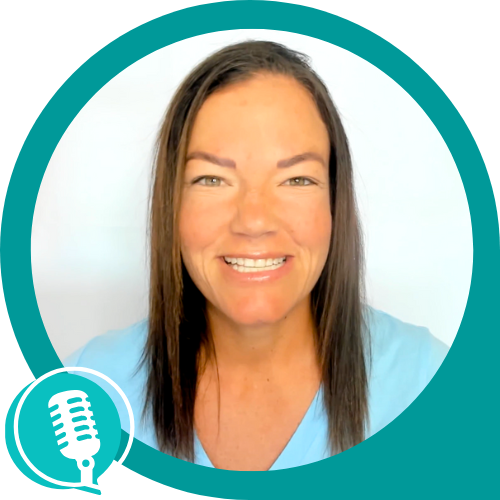
Kristi Kandel
Developer | Mentor | Co-Host of the LRED Podcast
Kristi is a real estate developer with nearly 20 years of experience and over $450M in projects across the U.S. Today, she focuses on helping locals step into development and build in their own communities.
She’s the founder of I&D Consulting, Local Real Estate Developers (LRED), and co-founder of Elevate, a community-driven sports and wellness concept.
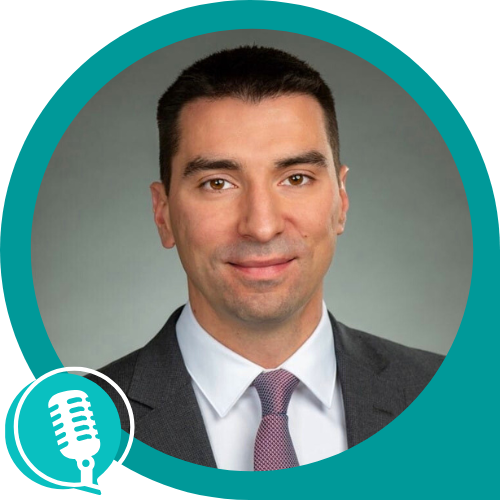
Raphael Collazo
Commercial broker | Author | Co-Host of the LRED Podcast
Raphael specializes in retail and industrial properties, bringing a problem-solving mindset from his background in engineering and software. As a commercial real estate advisor and developer based in Louisville, Kentucky, he works directly with investors, tenants, and cities, bringing a real-world view of how deals come together.
🔗 Related Episodes
How to Become a Local Developer: Katie Neason on Infill and Taking the First Small Bet | EP#29
A great companion episode on local infill, city relationships, and taking practical first steps in development.
How to Start Real Estate Development: Steph Weber Bought the Land First and Built the Plan Later | EP #41
A real look at taking your first development deal from idea to execution without having everything figured out.
Small-Scale Development: How She Left Her Corporate Career and Built a Tiny Home Village | EP #39
Another path from traditional career to building a community-driven development project.
About the Guest

Hannah Corbacio is a first-time real estate developer and entrepreneur based in Pennsylvania. She is leading the development of The Rosalia Hotel, a boutique hotel and wedding venue created from a historic bank building, while also running a marketing agency.
Connect with Hannah
🌐 https://links.hcdigitalagency.com
📸 https://www.instagram.com/hannahcorbacio
💼 https://www.linkedin.com/in/hannah-corbacio-digital-marketing-53aa44182/
Full Transcript
LRED (00:41)
Welcome to the Local Real Estate Developer Podcast. I'm one of your co-hosts, Kristi Kandel, and I'm a developer, investor, and I teach locals how to become developers in their own community. And today I'm excited because we have a guest that I actually met recently in person. And when she told me about her project, I was like, what? That's amazing. You need to be on the pod. So, Hannah Corbacio is joining us today. Welcome to the show.
Hannah Corbacio (01:06)
Hi, thanks for having me.
LRED (01:08)
Yeah. So what we like to do when we first bring someone on is just give them a little back story of who you are, where you're at in the world, just a little background, and then we'll dive into what you're doing.
Hannah Corbacio (01:12)
Mm-hmm.
Mm-hmm.
All right, perfect. So my name is Hannah, of course. I'm located in Pennsylvania. And we are, of course, working on our first hotel project, which has been all brand new to us because our background is actually we have a marketing company. So that's the world that we come from. And this has kind of been our first step into real estate, into hospitality, into a hotel. So all brand new, which is keeping us very, very busy. But yeah.
That's what we're up to.
LRED (01:48)
Right on. So
how marketing? Was that the career path that, I know I want to be in marketing and you did that for college or?
Hannah Corbacio (01:55)
No. I went to school to be an occupational therapist and I did that for about six months afterwards. So I didn't last in the normal nine to five world very long. But so I left there and then I tried to do my own occupational therapy business on my own. ⁓
LRED (02:14)
Mm-hmm.
Hannah Corbacio (02:15)
And then I pivoted when the online world was becoming so popular and I saw people doing online coaching and online therapy. So I switched online. I hired a company to teach me how to do that. And then I ended up working for that company to do marketing and sales. And then that was my introduction to that world. And then I became their social media coach. So any like business coaching clients that came on board, I taught them how to do social media for their business. So I did that for a little bit and then I left and did.
my own marketing company. So no, that was absolutely not the plan at all, but...
LRED (02:47)
I love that because what I just
heard is that you're an entrepreneur. You said, I don't want to do the nine to five. I don't want to be stuck in an office. So I'm willing to step out and take the risk to go, let's take on a challenge. I mean, was that scary making the move or you're like, no, I'm choosing quality of life and what I want.
Hannah Corbacio (02:52)
Yeah. Yeah.
Yeah.
It was very scary. I remember when I first invested in that business coach, felt like so much money. It was $5,000 and I felt like, oh, it was, was really overwhelming. Um, so it was definitely scary, but I just felt like at that time, like there was nothing to lose. I mean, we didn't have children. had student loans, but we were renting an apartment. I'm like, worst case scenario, I could just go back to a nine to five job. I can, you know, force my parents to let me back in. Like, you know, I had
up plans if need be. So was scary but I also felt like it was it was the right move.
LRED (03:36)
Yeah, I
love that so much. I'm pretty sure I just posted a video the other day about failure and how it's just like, you know, just go do it anyway. And part of the reason like when we're younger, we do have less to lose. So we're like, why not go try it? And then we get to a part where we start to collect the stuff and the things and we're like, Oh, well, now I have things to lose. Now I have things to protect. And then you start playing prevent defense. And it's like,
Hannah Corbacio (03:48)
Yeah. Yeah.
LRED (04:00)
wait, why did I stop living? Like, hold on, life is so fun and enjoyable. So I remember when I had turned around and I was like, Hey, who are you? Like, let's talk during this break. And you told me about what you're doing. Like, I freaking love that. you've proven you're an entrepreneur, you've proven that you want to take the risks. You know, let's dive in more. How did you find this project? And why the flip from marketing to real estate? How did that pull you in?
Hannah Corbacio (04:02)
Yeah.
Huh.
Yeah
I don't even know, honestly. So our area was in need of a hotel for forever. It's always been in talk. It causes problems because we'll have people that get married locally. There's nowhere to put them. So there's always just been a need. And this hotel, yeah.
LRED (04:40)
So how big is
your town? Maybe describe that too, because it...
Hannah Corbacio (04:44)
It's small.
I come from a small town. It's technically a city, but it is a very small city. I don't even know our population, honestly. I should really know that. But it's small. It's very much small town vibes here. ⁓ But
LRED (04:53)
Yeah, yeah. I grew up in a
small town in Ohio of 2,500 people. So yeah, there is no place to say you're staying on their couches and how, you know, like all of that.
Hannah Corbacio (04:58)
Okay.
Yeah,
yeah, so it's just always been a need. And you know, we do a lot in our community. We sit on a lot of boards and there's always just talk of like, okay, what do we need to expand to help this local economy and hotel is always brought up. So we knew that demand was there. At the same time, we were really thinking about investing in real estate. Like that was kind of our next goal, make money with marketing, put that money into real estate. that was kind of the long term plan.
LRED (05:28)
What
was it that pulled you guys into thinking real estate at all in the first place too?
Hannah Corbacio (05:32)
I don't remember how we got introduced to it, back, so my husband's in the military. We lived in Oklahoma for a little bit. I just remember that's when I really got into the real estate world and I would like force myself once a day. I had listened to a real estate podcast or read something real estate related to start like creating that education. I don't remember exactly what started it, but something was like, hey, you could, you know, set yourself up for.
LRED (05:38)
Okay.
Hannah Corbacio (05:56)
Retirement with real estate and things like that. So I was like, okay I'm liking how this sounds so then that's kind of what Dope us in and then I have a couple clients that are in the mark I'm sorry in real estate like I had a real estate investor social media client So, of course, I would pick his brain all the time and then we had another client that was for a different business But he also invests in real estate and then he kind of pulled us in he's like come to our real estate meetup So it just kind of grew from from there
LRED (06:12)
Mm-hmm.
Hannah Corbacio (06:24)
That was kind of our introduction, we still didn't own any, I still don't own any long-term rentals yet. But so our goal was, okay, we want to start investing in real estate. And then this is kind of a weird story, but around that same time, our local community launched a shark tank competition. I know, and I just wanted to be involved. I just felt like it sounded so fun. So I was like, how can we get involved? So we entered with a hotel concept, but like,
LRED (06:29)
Yeah.
Hmm.
Yeah.
Hannah Corbacio (06:54)
really small like a micro hotel like five rooms. So if you won the competition you got $100,000. So our thought process is like maybe a little naive but I'm like all right well if we win it'll be a free micro hotel. 100,000 bucks great and then we'll go from there and then that drastically changed because we found the building we have now.
LRED (06:56)
Okay. Okay.
Hannah Corbacio (07:14)
And that obviously changed the whole scale pretty drastically, but we just fell in love with it. It's such a cool building, but it has to be in here. And then we pivoted and then it became a much larger project. But that's what like really forced us to not just like talk about it, but really take tangible steps, which was really fun.
LRED (07:32)
I love that. how did you find this space exactly? Were you working with brokers? Did you just like, was it listed?
Hannah Corbacio (07:39)
No.
So we were just kind of chit chatting. So like two weeks into the competition, they kind of dropped the bomb of like, if you want to win, you have to be 100 % opening, which we all wasn't really aware of before. So we kind of had a conversation where like, are we taking this seriously and really going to do it? And my husband and I were like, yeah, let's do it. So then that, that night we're like, okay, let's start thinking of any buildings that would would make sense. And I really wanted it in a certain footprint because
I wanted it to be in the downtown space of our city. So there wasn't really a ton of options there. And my husband just said, he's like, you know, I used to bank at this building with my mom when I was a kid. It was really cool. I had never even been inside. didn't even know it existed. And then literally the next day he was driving to go to work. He's like, remember that building I mentioned? It has a for sale sign in it. So we're like, okay. So we just called them up and we took a tour and that was it. It was kind of like, I feel like it was a little bit like fate.
LRED (08:35)
Yeah, yeah, you know,
Hannah Corbacio (08:36)
Yeah.
LRED (08:36)
like you can just feel a know and you're like, this is lining up like this makes total sense. Okay, so you did what did you negotiate directly with them and just use their agent or what? did that go?
Hannah Corbacio (08:39)
Yeah, yeah, it's cool.
We did have a realtor we were working with. So it was owned by Santander Bank. originally it's called the Miners National Bank. opened in originally 1828 and then they rebuilt it for their 100 year anniversary in 1928. And then Santander owned it the last couple of years, which is like a very large multimillion dollar company. And we were able to get the contact of
LRED (08:58)
Okay.
Mm-hmm.
Hannah Corbacio (09:17)
the main head honcho that makes the decisions. So, but I was told he will only talk to the investor, he won't talk to the realtor. So I called him directly, like seriously, it was like profusely sweating. ⁓ And then we kind of negotiated with them. So we had a realtor, but also we were negotiating, but the realtor was also really helpful too. But it was a lot of back and forth. They were really not easy to deal with.
LRED (09:30)
I love it.
Yeah, and there's
a lot of times on our deals because as the developer, as the end operator, you know what you want out of this and having a middleman doesn't, kind of sometimes the message gets a little skewed. So it's nice to have them do the paperwork part, but sometimes it's like, hold on, let's negotiate one on one. I want you to know who I am. We're in this deal together. So yeah, so as you were negotiating through.
Hannah Corbacio (09:52)
Yeah.
Yeah, yeah.
Yeah.
LRED (10:07)
Did you put in terms that, we're not going to close until we finish certain due diligence or permitting or what types of negotiations were going back and forth?
Hannah Corbacio (10:17)
Yeah, the biggest thing was the price. So they had price it a bit high. And in our area, again, we're a small town. Cost of living here is just a little bit lower. And their headquarters are in Boston. So I'm negotiating with someone who's in a totally different market. So we're like, that price point just isn't, it's not doable. I'm running the numbers and I just can't make it work with that price point. So the big thing was price.
LRED (10:24)
Mm-hmm.
Hannah Corbacio (10:42)
And then once we got it down to something that was reasonable, then the next part was figuring out the due diligence. I will say though, like at this point in time, I actually got cut off. I didn't know this could happen, but I was just booking tours left and right. I'm bringing everybody in. I brought in engineers, brought in contractors, and eventually they were like, we are not letting you back in until you have due diligence.
So at this point, like we really had done a lot of work in terms of like that due diligence window. I didn't even know what due diligence meant at that time. So it was all brand new. So I feel like we had a pretty good idea of the building of construction costs, but we still obviously wanted like a true due diligence. And then we negotiated back and forth on that. That was a lot of negotiating as well. But yeah, that was the two big things. How long we would have a due diligence period for and then the price point.
LRED (11:21)
Mm-hmm.
Okay, and then do you have a list or a handful of things that you did as part of the official due diligence?
Hannah Corbacio (11:39)
Yeah,
LRED (11:40)
Or, and how did you know what to even ask for, what to do?
Hannah Corbacio (11:45)
don't know. We just bugged the crap out of everybody, honestly. I owe so many people so many free stays because these poor engineers, contractors, I just kept walking into their office. I'm like, please just answer one more question. So I just asked anything we could possibly think of. But the big thing was how do we come across construction costs? So bringing in multiple contractors to get multiple opinions, make sure we're not missing anything.
That was a big thing to try to get like a little bit better idea of that make sure we're not like totally off by a million dollars and it tanks the whole the whole Business and then the other thing was just like the behind the scenes like it is an older building So we were worried about like structure anything like mold The roof so the big things that we didn't get to do during like our when I just booked a million tours was like Those behind-the-scenes things like it's a structure. Okay, it's the roof. Okay
LRED (12:35)
Mm-hmm.
Yeah, where you're physically
touching and getting in and feeling and seeing. Yeah, exactly. I mean, and what you said there is we talk about it all the time in our mentorship program. And even with guests on the pod is that ask questions if you don't understand just ask and you're saying you're you're bugging them. But in reality, they don't have a project if you don't go forward. So it part of their job is to work with you early on to help you figure out is this a deal? They're the experts at those things. And then
Hannah Corbacio (12:41)
Yeah. Yeah. Yeah.
Yeah.
Mm.
LRED (13:06)
by
you talking to them. And what I'm sure they appreciated is when you were asking the questions, then you were taking action because a lot of people will spend their wheels and waste their time. they're like, no, like you're asking the right questions. You're moving this forward. We know this is a deal. So yes, we're going to respond. And yes, we're going to work with you and help figure this out because we only win if you win. And that's where it's really fun building that development team where it's like, yeah, we're all in this together.
Hannah Corbacio (13:12)
Yeah.
Mm-hmm.
Yeah.
Yeah, I will say a big challenge with that was like, no one took us seriously at first. So, you know, me and my husband just kind of walking into their office, like, I could tell there was a lot of people that just didn't believe that we were serious. So that was a big hurdle to kind of overcome. And then also kind of just helped us weed out who we were going to work with. Because if you're just kind of brushing us off your shoulder, we don't want to work with you. but yeah, that was a big thing. And same thing with like negotiating with
LRED (13:36)
Right. Right.
Hannah Corbacio (13:59)
the owners, you know, they didn't take us seriously. So that caused a lot of problems. ⁓
LRED (14:04)
So what strategies
or tactics did you put in? Because clearly you're moving forward. So and everyone who just starts out, they have that imposter syndrome and they go, I haven't done it before, so why would they take me serious even though I know I can do it? What types of things did you do or was it just talking to multiple ones until someone finally gave you the time of day and then maybe you learned a little bit of lingo to then parlay into the next conversation? But how did you guys navigate that initially?
Hannah Corbacio (14:09)
Yeah.
Mm-hmm.
Yeah.
say the biggest thing that helped us in our corner was we really put pen to paper and that showed how serious we were. also part of this competition we had to have a business plan of course, projections, performance, startup costs and I went like above and beyond. So the business plan is seriously like 50 pages long. The projections were down to like for the wedding venue like salt per wedding. it's
was extremely detailed, which took like months of work. And I think that helped show people. I'm like, no, seriously, look at this. it's, we mean it, we're serious. So I think that helped take, people took us a little bit more seriously there. They're like, okay, they're not just like talking about it there. They're actually putting the work in. Yeah.
LRED (14:58)
Mm-hmm.
Exactly, exactly. That is so true. So then
from a funding standpoint, I'm assuming, but maybe correct me, did you get bank debt to help with this? Do you have a construction loan? Did you bring in partners? How did that part work?
Hannah Corbacio (15:26)
Yes, so we primarily are using a private money lender for the whole project. And the way that happened, so our banker that we wanted... I wish. No, unfortunately that didn't happen. But I will say, I feel like we kind of lucked out where I didn't really have a hard time getting investors, which was really nice. And part of that that helped so much was that competition we were in.
LRED (15:35)
You just had a rich uncle that you called up and you're like, yeah, yeah, this.
Hannah Corbacio (15:50)
because it got the word out. we got a call one day from our banker. Yeah. So all in project costs right now are like four to 4.5 million. So that's all in. So it's just our private money lender is providing the full amount for that. And then we'll refinance into a bank loan. So we had.
LRED (15:54)
And then are you able to say like how much like we're talking here?
Okay.
Okay.
Hannah Corbacio (16:11)
A our banker called us and said I have an investor if you're interested we met with them and first we were moving forward with them and it was going really well and then they They just Felt like we just kept stalling and I wasn't really sure why in a month's were going by months were going by we still were under contract and there were some red flags there and then but I really love love those people and then
the one of the judges actually from the competition we were in, the competition had now ended at this point and they were kind of like, why aren't you under contract yet? I don't know actually. And then eventually they reached back out there like, I want to invest in this project. So if you're not getting into contract with them, like, do you want to get on a contract this week? I was like, yeah, yeah, I do. So that's how you ended up getting the investor that we are actually working with is that he was a judge in that competition.
LRED (17:03)
So you put yourself out there, you went to a competition, you didn't quite know what you were doing yet, but you put as much effort in and as much detail in as you could from what you knew. And by putting yourself out there and you told people in your community what you're doing, not only did you find a deal, you were able to find the money partner. I mean, that's, we talk so much about just sharing and building in public and putting it out there to where if you do that, you just don't know the doors or opportunities that are gonna open.
Hannah Corbacio (17:11)
Hmm.
Mm-hmm.
Mm-hmm. Yeah.
Yeah,
yeah, that's even like this podcast, you know what I mean? It's just how do we get here unless you put yourself out there you tell people what you're doing social media too is just I mean, obviously, that's the world we come from, but it's just so underrated because it the connections that can come from it. It's open so many doors. So it's worth it. Yeah.
LRED (17:49)
Yeah. 100%.
Okay. now you are, you talked about a little bit about the challenges to get to closing. Did you officially close on the property now and you're in construction?
Hannah Corbacio (18:01)
Yes, so we are opening next like April May. Our first wedding we booked is actually next June. So I'm hoping to be open like a month or two before but yeah, we're demo is done. Now we're on to construction. So yeah. ⁓
LRED (18:07)
Okay.
Okay. And then
how big is this building and what's the end division? What does this look like?
Hannah Corbacio (18:18)
Yes, so in total it's 24,000 square feet and then that will include 30 hotel rooms, a wedding venue, a secondary venue for like smaller events. It will be used as cocktail hour for the wedding and then our expansions down the road I think are going to be a big day spa and then I don't know maybe there's other ways we could potentially progress down the road but those are kind of the definite so.
what we will have day one and then some conference meeting spaces.
LRED (18:49)
Yeah. And then do you, for the expansion, that mean that you will get more land or there's just more parts of the building that you...
Hannah Corbacio (18:57)
well, I guess I could say I don't think it's really secret, but so one option is to do a restaurant, which we kind of go back and forth with every day. So we could add that and that wouldn't require any additional land that would just be utilizing what we already have, like expanding the catering kitchen to then be a full blown kitchen. So that's a potential option. There are some possibilities to expand.
LRED (19:02)
Yep.
Okay.
Hannah Corbacio (19:20)
by acquiring more properties or building on what we currently have. So we talked about that, that's a couple years down the road.
LRED (19:22)
Mm-hmm.
Yeah, yeah, that's awesome. So how do you see, well, and I guess you've talked about people taking you seriously at first and then finding the, you know, working with one money partner and going to another. Are there other, what other challenges? Cause it sounds like if you haven't been in real estate before, you probably haven't managed construction before. ⁓ What, how does, how does that work? And even maybe some of the details you've got this private money lender, you've got this contractor.
Hannah Corbacio (19:29)
Yeah.
Mm-hmm.
LRED (19:54)
How are they even paid? How does that all working out?
Hannah Corbacio (19:57)
Yes, so the business partner that we brought on, they are real estate investors. So that was like the one thing we were looking for with the business partner. was we needed someone that understood the construction side. So the previous partner we were going to work with, the one we did end up working with, they invest in real estate already. So they understood that world. So really the way we're structured is like that person gets us to opening date.
and then we will actually run the business. So in terms of like managing contractors, who's coming about day, that's actually not our responsibility. That's our business partner's responsibility. And they have an amazing project manager that kind of handles that. So we're involved, but in terms of like the day-to-day scheduling, we don't have to do, which has been nice.
LRED (20:37)
Mm-hmm.
That's
Hannah Corbacio (21:19)
Yeah.
LRED (21:19)
the private
money lender is the business partner is okay. Does that mean you ended up doing a joint venture deal with them or
Hannah Corbacio (21:22)
Yes, yes.
kinda. We're both GPs on the project. that make sense? Yeah. So we both have, yeah.
LRED (21:29)
And yeah, yeah, yep,
Yep, so then you've just decided, hey, you've got these strengths, we've got these, here's how we're going to work together, which that again is you don't have to know everything, you just have to know the right people and the partners to bring in to then make it happen because you want to run the operations part, that's the part that appears to light you up and is super awesome. So yeah, that sounds great.
Hannah Corbacio (21:41)
Yeah.
Yeah.
Mm-hmm.
Yeah.
Yeah. And at first I really saw that as a negative, but I ended up joining a hotel group. And then I kind of realized, I mean, everyone does business partners. Like it's not a bad thing that I don't know at all. That's actually normal. And it's a lot of work. So it's nicer to split up the work. So at first I was kind of bummed about that because I felt like I have to do this because I don't have that education or knowledge. But then I was kind of like, oh, I get to do this and I can focus on our strengths. They can focus on theirs. So
LRED (22:19)
Mm-hmm.
Hannah Corbacio (22:24)
Like the perfectionism in me was like really bothered by that at first, but now I'm like, that's actually it's nice. And I get to worry about this. They get to worry about that. And both are just so important to making it successful. So yeah, that was a learning curve.
LRED (22:37)
That, that,
that right there for people first getting into their developments, that is one of the biggest things. You're like, no, I'm just gonna do it all myself. And yeah, if you're flipping a house, sure, go do that all yourself. If you're doing a full development and you have a full team and you're going to have operations, that's the beauty of development. There's enough margin there to go, yeah, let's have partners. What feels heavy to me is light to you. And what feels light to you is heavy to me. Like it just, it's all.
Hannah Corbacio (22:46)
Mm-hmm
Mm-hmm.
Mm-hmm. Yeah.
Yeah.
LRED (23:03)
It all works out the way and very similar to you. So my one of the friends I was at that same conference with, she is very much in your corner and wants to do the operations, create the most epic experience. I'm like, I want that to be the end result. I don't want to be the one doing that. Now to, to help get through the acquisition, the funding, the, the development construction, but yeah, that's my bread and butter, but the operations now I'm done. Peace out. We'll go. I'm going to go find the next one.
Hannah Corbacio (23:08)
you
huh. Yeah.
There you go.
So
yeah, we would work well together then. That's because we're opposites. Yeah.
LRED (23:31)
Exactly, and that's the beauty
of it. It's like, cool, you get these partnerships and like this first partner that you're working with, you're going to find that ebb and flow of, it's not always gonna be perfect, but you're gonna see, this is what we could have defined a little more clear. This is where we worked really well. Maybe even in the future, there's a third partner on a slightly bigger project and that fills in the gap of something else we don't know.
Hannah Corbacio (23:42)
Mm-hmm. Yeah.
Mm-hmm.
Yeah, absolutely.
LRED (23:56)
That's awesome. So how do you and your husband then separate your portion of what you do? It's because I know there's a lot of couples who get into this too. it's like, cool. Do you take your work home? Are you able to separate it? How do you guys structure that part?
Hannah Corbacio (23:58)
Yeah.
I think you're on new show.
LRED (24:21)
For my vent to make sense, you need to know this pain I just went through and cool, you know this.
Hannah Corbacio (24:24)
Yeah, yeah.
Yeah, so I actually feel like it's such a blessing to have someone where it's like they fully understand it, are in the weeds of it. But then of course, the downside is, you know, we're laying in bed at 10 o'clock at night still talking about work. So it's definitely a balance, but but overall, it's been really great. And then yeah, so how we have it broken up with this this project is he's primarily right now responsible for the hotel portion, and I'm primarily responsible for weddings and events.
LRED (24:38)
No.
Hannah Corbacio (24:52)
Once I get that, once I can replace myself, we'll then split hotel duties. But it's been nice to have two people because then we can kind of split responsibilities and what we're focusing on right now because the wedding portion is so much. So that's taking up all my time.
LRED (25:00)
Mm-hmm.
Yeah,
yeah, for sure. So does that then lead into are you now partnering and this kind of goes into how is this project impacted and how will it impact your community? are you working on the local community connections for the flowers for the music for photography? How in that component?
Hannah Corbacio (25:15)
Mm-hmm.
Yes, so yeah, that's very much like community driven in terms of like how we are doing our operations and vendors that we're working with. I will say a lot of the clientele we've been attracting have been out of the area couples. yeah, getting all those finding your DJs and your florists has been a big priority right now for our couples.
LRED (25:45)
For sure, for sure. So, and as you're going through, and Claire, you seem to have tons of energy already, but when you do hit those hurdles and those road bumps, how do you stay motivated to go, okay, this is worth it, verse, and let's just go back to the marketing company.
Hannah Corbacio (26:02)
Yeah, that's a good question. So some nights we're like, I don't know what we were thinking. yeah. Yeah, I like two months into this. So you know, we we said there's been such a need for a hotel and then people ask, why hasn't anybody else done it? And then we looked at ourselves like two months and we're like, no, this this makes sense. Why no one's done this yet. This is a lot of work. But yeah, it's been a lot. I will say the biggest hurdle we've run into that
LRED (26:07)
head in the hands like, what's happening?
Hannah Corbacio (26:28)
really been like mentally taxing is because we come from a small town and this is needed in our small town and we live five minutes from this location. The community aspect has been really difficult because now you're open up to everyone's opinions. You get a lot of negativity. They'll share something in the newspaper which gets reshared on Facebook and there's a lot of negative comments. So that's been difficult.
So getting a thick skin has been important.
LRED (26:56)
Yeah.
Did you expect
so you know, and this is the part that stinks sometimes is that you know that you're bringing something that's going to benefit the community and then all of a sudden you start to realize that you're gonna get hated on just for the fact that you're trying something new and you're trying to bring it even though it's a good thing. how do you work through that? Because yeah, you're right. When you see that you go, wait, I'm pouring my heart and soul into this to make this.
Hannah Corbacio (27:07)
Yeah.
Yeah. Yeah.
Yeah.
Mm-hmm.
LRED (27:26)
community better and you're like, you're just ripping me to shreds as if it's nothing.
Hannah Corbacio (27:31)
Yeah, yeah, it's yeah, I will say so I run our local community social media accounts. That's one of our clients. So we do the city's social media. And I do feel like that has helped because I I've seen firsthand for two years now, like we post about a business and you just you can't please everyone. Everyone has their own opinion. Everyone has something negative to say. So I feel like that has helped prep me for this. So I knew what was coming.
LRED (27:39)
Hmm.
Yeah.
Hannah Corbacio (27:56)
And the biggest thing I've just taken away is it's just not worth it to respond because like, you know, we'll get so many comments like who's possibly going to come to Potsdam when it's staying in a nice hotel. I'm like, well actually I have so much market research that proves elsewhere. Like, are they like, who's what couples are going to be coming to fill a luxury wedding venue? And I'm like, well, we booked 11 already. So it's just like, it's not worth it to respond because then you just go on a back and forth of trying to explain yourself. And I just don't.
LRED (28:18)
Mm-hmm.
Hannah Corbacio (28:24)
owe these people an explanation. So it's best to just not look at it, I think and then if I look, I have to get off so I don't respond because it's just not it's not worth it.
LRED (28:33)
Yeah,
100%. That takes a lot of willpower in itself. that's any time, it doesn't matter what you do, what type of job career. If you're an entrepreneur, you're doing something new, you're pushing the limits. And part of it is you're forcing them to look in the mirror and go, well, why didn't you do it? Or why aren't you doing this? And rather than go do it and take accountability, it's easier to go, you suck, here's why. ⁓
Hannah Corbacio (28:45)
Mm-hmm.
Yeah.
Yeah,
a big thing that popped up, so we ended up getting a grant. And it's important to note, this grant was available for up to two years. They could not find anybody to take the grant because it came with a lot of red tape. Investors were like, I could just use private money. Why would I use this? So it sat there for like two years. It was to the point where they were going to have to get the money back. They're like, you know, it was becoming an issue.
So we then got that grant instead of like divvying it up into multiple projects like it was intended to, they kind of rewrote the terminology so we could just put all of it into one project. Cause that was the only thing that made sense. And it again, was sitting there for two years. But of course they put that in the paper, which a million comments. Well, I could open a hotel too, if I got $500,000. And I'm like, you could have, it was available to everybody. Like, yeah. So it's that.
LRED (29:35)
Mm-hmm.
Yeah, you are correct. You could have.
Hannah Corbacio (29:50)
That always that one gets me. Yeah. people grants get people all riled up. We've discovered like, I could do it too. It was open to you could have applied for it.
LRED (29:55)
Mm-hmm. Yep.
Yep, exactly. that's,
yeah, the proof will be in the pudding when you get it open and they start to see the feel and the energy and then you'll start to see them shift and go, that is a cool place. That change was okay. And, that then sparked this person doing an upgrade to their building, which that was super cool. And then that allowed this business over here to open. And I really like going there for coffee and they'll start to see. And so that's for me, that's where I'd say when you
Hannah Corbacio (30:11)
Yeah. Yeah.
Yeah!
Mm-hmm.
LRED (30:26)
when you know the ripple effect you're creating, it's like, you know what, you can do that now. We're gonna keep persevering and go forward because we understand the bigger picture and eventually you're going to see it. And even if you don't see it or acknowledge it in the future, even by impacting one life, which you're already more than going to, you've done something better for the world. So it's like, yeah.
Hannah Corbacio (30:29)
Yeah.
Mm-hmm.
Yeah.
Mm.
Yeah, 100%.
LRED (30:50)
I love that. So what advice would you have outside of all the wonderful nuggets that you've dropped for anyone who's on the fence of thinking, hey, I'm an entrepreneur or I'm ready for taking my time freedom back and I'm willing to roll up my sleeves and maybe get into real estate development. What type of advice would you give them to either do ahead of time or dive in and figure it out? what would you say?
Hannah Corbacio (31:00)
Mm-hmm.
Mm-hmm.
Yeah, I feel like I bad advice because I if you don't want if you want me to convince you to quit your job tomorrow I can do that. I'm all for jumping in headfirst and figuring it out down the road, but I just feel like the the biggest thing that separates people from getting to that other side is taking actionable steps because everyone they talk about it they overanalyze it and there's no action like
I can actually use my husband as an example because we're kind of opposites where he's such an over thinker. He's so analytical. He'll just talk and talk and talk. And I'm like, that sounds great on paper, but we have taken zero action steps today. It's like the biggest thing we always say is like, you have to move the needle at least 1 % every single day. like even with marketing, we tell clients like, like you can spend a lot of time, you know, doing admin work, but that didn't.
LRED (31:53)
Mm-hmm.
Hannah Corbacio (32:01)
do anything today to produce more sales. So it's like we have to do an actionable step every day that gets you at least 1 % closer because all of those other things like the market research is important, the analyzing other venues and what they're doing, it's so important, but that's not going to get me to an actual goal of opening. So I have to take an actionable step every day because if you don't, you just get stuck sitting there overthinking, over analyzing, and then two years go by and you still didn't get actually one step closer to that goal. So
Yeah.
LRED (32:32)
love it. Mic drop right there. People, take action. When you get the feedback, you can course correct.
Taking action and going one direction doesn't mean that that's it. You can never go back. You can never change. Just gives you more information to pivot and go, okay, cool. I'm gonna do it this way now.
Hannah Corbacio (32:41)
Yeah, absolutely. Yeah.
Yeah,
yeah, and you're never going to know everything before you can overanalyze for years and you will never know it all until you actually do it because like, then all the new like the questions pop up and things you didn't know and the hurdles arise, but there's no way to know that before you actually do it. So it's like, you can overanalyze and plan as much as you want. But then once you actually start to take action, it's going to teach you so much more than the theoretical things you were thinking of behind your computer. So
LRED (33:13)
Exactly. think what's the saying? It's like knowledge. Nope, I'm going to butcher it, but like learning gives you knowledge or something, but you get wisdom from taking action. And you'd much rather be wise and have the wisdom of going, okay, here's this verse, knowing everything in theory.
Hannah Corbacio (33:27)
Yeah,
yeah, 100%. Yeah, I like that.
LRED (33:32)
Hmm.
So, okay. So we've, we've talked about this project and I really don't see this being like, Hey, that was it. We did this. We're done. We're, we're going to just make this the future operations. What, what do you guys see? What's your three, five tenure goal of, of where not only with this project, but maybe future ones. And is it in your community? Would it be doing something else? What, do you guys kind of see in the future?
Hannah Corbacio (33:41)
Okay.
Mm-hmm.
Yes, yeah, this will definitely not be just it. My plan for the next three to five years is I want to learn everything I can about hotel property management and wedding venue management because I think there's a lot of opportunity there for us to grow and scale. So while we could potentially look to acquire more hotels and more properties down the road, I think we could also grow a little bit faster with management contracts.
So my goal is like we're self managing this, we're self managing the wedding bunnies so I could leverage that knowledge to learn as much as I possibly can to try to then get more management contracts. Because then, you know, I don't have to worry about raising money for those. I don't have to worry about all the construction. it's only realistic, I feel like to do a big project like this every couple of years. But in the meantime, I could grow faster with management contracts. So that's my personal next goal for the three to five years.
LRED (34:49)
I absolutely love that because that
creates not only does that create more cash flow, but now by you growing that you've got so much more experience and information from the different hotels, from the different tenants, from the guests that come in and you can go, this is really working. Let's apply it across the board. And then everyone gets elevated. Very awesome. I love it. You're clearly an entrepreneur. I can geek out on that forever. I absolutely love that.
Hannah Corbacio (34:57)
Yeah.
Mm-hmm.
Yeah, yeah, I like that a lot. So that's our plan. Yeah, I love it.
LRED (35:18)
So
is there anything that we haven't talked about yet that you're like, yeah, like whether it's actually there's a cool feature to this project that we didn't talk about because of it being a bank, right? Isn't there like an old vault or something or?
Hannah Corbacio (35:24)
Hmm.
Yeah,
I guess we didn't actually talk about what the actual building looks like, but it's very, it's so cool. So it's a really historic building in our area. So originally started as a bank, like I said, in 1828. And then for their 100th year anniversary, this is during like the big booming coal industry, which was really big where we're from. They then built what we have today, which is like a really cool custom building.
LRED (35:35)
Yeah.
Hannah Corbacio (35:55)
The architecture that they hired to do it was a nationally renowned architecture at that time. The people that built the custom brass doors, he is still one of the most renowned brass. They're in New York City and they have this big brass sculpture outside that you'll see people tourists take pictures of all the time. But that's who they hired. I can't think of the name. But that's who they hired. Yeah, so they really did spare no expenses and built a really cool building. So it's very cool. You go inside, you have the original
LRED (36:13)
⁓ snap, okay.
Hannah Corbacio (36:24)
French limestone walls, have 40 foot ceilings and then you have a big vault, which is really fun. So the history in there, it's such a cool building, which is I think why we've been able to book so many weddings right now because I mean, it is very much in demo mode. but it's it's so cool and people can kind of see the vision of what that will look like. And yeah, it's really pretty. Yeah.
LRED (36:36)
Mm-hm.
you
Mm-hmm.
I love that.
And then, so is the vault incorporated at all? Were you able to into like the future experience or what does that look like?
Hannah Corbacio (36:55)
Yeah, we're gonna put, it's not that big. you could fit a couple, you know, it's not big enough to do like multiple tables. But you can put like one table of like six to eight people. So I think what we're gonna do is some kind of like perimeter seating, maybe like a higher end like bench type of style around the perimeter. Maybe like some higher end liquor displays. But the goal is that we can utilize it for things like, I don't know, a bourbon tasting and like put a nice.
LRED (36:58)
okay.
Okay.
Mm-hmm.
Yeah.
Hannah Corbacio (37:21)
Fancy
table and like small private business meetings you could do in there during the week and then for venues Weddings, we just kind of have it open to them. I'm like you could put whatever you want here You can make a dessert table in here. You can make this a big photo booth It's kind of an open space where you can utilize it and get how creative as creative as you'd like. So
LRED (37:31)
Mm-hmm.
Yeah.
That's
super cool. That's awesome. Great. So are there any other features of the building of what you guys are doing or anything that we didn't talk about that we should have touched on?
Hannah Corbacio (37:49)
I don't think so. Yeah, hotel rooms, wedding venue, day spa could be really cool down the road. That goes in our basement, so we are not really renovating that too, too much in phase one. But we saw like a ground floor that we have the ability to expand into. So that might be like a big day spa. You can come, go in the sauna, get in a robe, order some champagne with your girlfriends. So that's kind of exciting for down the road. But I think other than that, we covered everything.
LRED (37:58)
Okay.
I love that and how you're approaching this with a face project to where it's like, hey, let's get the staples in that we want and then we can expand from there. That's, that's boom. You're nailing it for someone who hasn't done development before. Like that's exactly the path and the steps we'd recommend. You're getting your, know, you rolling your sleeves up, getting your hands dirty and you're learning so much to this. This is, this is awesome. Thank you so much for coming on and sharing your story. know so many people are going to benefit from, just hearing this and going, okay, maybe I'll
Hannah Corbacio (38:16)
Yeah.
Mm-hmm.
Mm-hmm.
Yay!
LRED (38:43)
maybe I'll just take that jump. Like, I guess maybe it's not that scary. Yeah.
Hannah Corbacio (38:47)
Yeah, it's it's definitely scary, but I always say like I'm
like if we can do it Literally anybody can do it because we've come from a serial experience in this world so And I will say we did months and months probably close to a year of like research and Learning as much as we can we've invested into coaches that teach us the world So it's not like we're just totally winging it But we we have put in the time to learn as much as we can and like, you know Not just you know fly off the seat. Yeah
LRED (39:15)
Exactly. Learn, but
then eventually go, boom, it's time to jump. I love that. So how can people follow along and just kind of stay tuned through construction and then opening both with the project and also you guys and what you're doing with your marketing and other avenues.
Hannah Corbacio (39:17)
But yeah, absolutely. So it's been a lot of fun so far.
Mm-hmm.
Yeah, I think my personal account is just my first and last name, it's just hannahkirbatchio, so that's pretty easy. And then on TikTok and Instagram, we are just the Rosalia Hotel. So yeah.
LRED (39:43)
Awesome.
We'll make sure to include those in the show notes. So thank you again for being here and to our audience. If you got any value out of this at all, which I know I did. So I certainly hope you did. If you can like and subscribe, we're on all the platforms, YouTube, Spotify, Apple, and so many others. Because the more that you do that and leave a review, the more this message can get out there and the more we can inspire other locals to go do some really awesome things in their communities. So thank you for this time and thank you Hannah for being on the show.
Hannah Corbacio (40:11)
Yeah, thank you so much.
Get the tools behind the episode
Access the Developer Vault with templates and real resources
©2025 I&D Consulting. All Rights Reserved.
©2025 Local Real Estate Developers. All Rights Reserved.