From First Flip to Historic Redevelopment: How Chris King Learned the Hard Way and Kept Going | EP #9
Real estate development, historic redevelopment, and turning a first flip into a hard-earned long-term asset.
It was supposed to be a simple flip. Instead, it became a three-year crash course in development.
This episode is what happens when your first deal teaches you everything at once.
Chris King got into real estate early, earning his license while still in college and closing a major deal before most people even know what lane they want to be in. That early momentum gave him the confidence and capital to buy his first property in downtown Pensacola with plans for a straightforward flip.
But this was not a straightforward project.
This episode is especially valuable for young or first-time developers because it shows the emotional and operational reality of a project that does not go to plan. If you are trying to make the jump from agent or investor into development, Chris gives a very honest look at what that leap can actually feel like.



Get the tools behind the episode
Access the Developer Vault with templates and real resources
Episode Summary
Chris King’s story is a reminder that sometimes the first development deal does not just teach you one lesson. It teaches you all of them at once.
He got started in real estate while still in college in Pensacola, after growing up around conversations about real estate with his mom. He earned his license as a realtor during his junior year, began selling in his senior year, and quickly realized there was a major difference between being in real estate and actually owning real estate. That shift became real when he landed a large commission and decided to deploy some of that capital into his first flip.
The property looked like a great starter project. It was a small historic home in a prime downtown Pensacola location, purchased with hard money and a longtime trusted partner, his former basketball coach. The original plan was simple: cosmetic renovation, quick resale, move on to the next one. But once they brought in a more experienced joint venture partner, the strategy changed. Instead of just renovating, they decided to expand the property, add square footage, and turn it into a much more ambitious redevelopment.
That is when things got complicated.
The project moved from paint-and-flooring type decisions into architecture, engineering, permitting, setbacks, historic guidelines, and structural issues. Early on, Chris trusted the more experienced partner to guide the process and avoid major mistakes. Instead, the team ran into one of the biggest setbacks of the entire deal. More than 75 percent of the original wood structure had been replaced, which triggered a reclassification by the city. The home was now treated like a new build, which meant the setbacks changed. That led to a stop-work order and the painful reality that they had to move exterior walls inward to comply. Not once, but twice.
That one issue alone cost tens of thousands of dollars and extended the timeline even further. At that point, Chris and his original partner realized the JV relationship was no longer working. They parted ways with the outside partner and took control of the project themselves. That meant handling contractor oversight, draw schedules, city relationships, and every new problem that surfaced, all while the clock was ticking on a hard money loan.
Eventually, they finished the redevelopment. By then, the market had changed, interest rates had moved, and the easy flip exit no longer made sense. So Chris adapted. Instead of forcing a sale, they refinanced into a DSCR loan, raised private capital to help meet reserve requirements, and converted the property into a short-term rental. The result is a project that now cash flows and performs better than expected.
The biggest takeaway is simple: your first project may not go the way you planned, but if you stay in it, learn fast, and keep the right people around you, it can still become the foundation for everything that comes next.
What You'll Learn
- How Chris transitioned from realtor to first-time developer
- What can go wrong in a historic redevelopment project
- Why trusting a partner without verification can get expensive
- How stop-work orders and setback rules can derail a project
- Why refinancing and private money can save a deal
- What it takes mentally to survive a difficult first development
Bold Truth
Your first development deal does not need to be perfect. It just needs to teach you enough to keep going.
Timestamps
0:00 — Intro
https://youtu.be/h6bNh6KFZSQ?t=0
1:11 — Chris King’s background and early start in real estate
https://youtu.be/h6bNh6KFZSQ?t=71
2:39 — Getting licensed while still in college
https://youtu.be/h6bNh6KFZSQ?t=159
4:28 — Finding the first deal in downtown Pensacola
https://youtu.be/h6bNh6KFZSQ?t=268
6:25 — Why he wanted to move from realtor to investor
https://youtu.be/h6bNh6KFZSQ?t=385
8:16 — Partnering with his former basketball coach
https://youtu.be/h6bNh6KFZSQ?t=496
9:12 — Why the flip became a redevelopment
https://youtu.be/h6bNh6KFZSQ?t=552
10:58 — Bringing in an experienced JV partner
https://youtu.be/h6bNh6KFZSQ?t=658
12:38 — The first major mistake and what it cost
https://youtu.be/h6bNh6KFZSQ?t=758
15:10 — Historic district rules and expanding the project
https://youtu.be/h6bNh6KFZSQ?t=910
18:33 — The stop-work order that changed everything
https://youtu.be/h6bNh6KFZSQ?t=1113
20:44 — Dealing with city meetings and setback requirements
https://youtu.be/h6bNh6KFZSQ?t=1244
23:08 — Why they parted ways with the JV partner
https://youtu.be/h6bNh6KFZSQ?t=1388
24:22 — Contractor issues, draw schedules, and keeping the project moving
https://youtu.be/h6bNh6KFZSQ?t=1462
28:05 — Why the original flip exit no longer made sense
https://youtu.be/h6bNh6KFZSQ?t=1685
30:11 — Refinancing twice and adapting the strategy
https://youtu.be/h6bNh6KFZSQ?t=1811
35:37 — Raising private money to finish strong
https://youtu.be/h6bNh6KFZSQ?t=2137
37:47 — What kept Chris motivated through the chaos
https://youtu.be/h6bNh6KFZSQ?t=2267
43:07 — Advice for first-time developers
https://youtu.be/h6bNh6KFZSQ?t=2587
47:55 — Why community and the right people matter
https://youtu.be/h6bNh6KFZSQ?t=2875
52:17 — What Chris wants to build next
https://youtu.be/h6bNh6KFZSQ?t=3137
Meet the Voices Behind the Mic
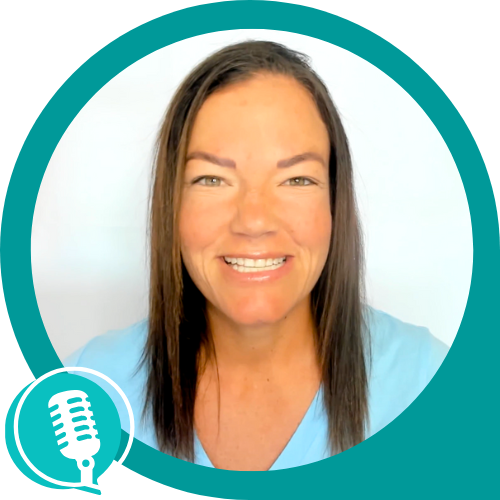
Kristi Kandel
Developer | Mentor | Co-Host of the LRED Podcast
Kristi is a real estate developer with nearly 20 years of experience and over $450M in projects across the U.S. Today, she focuses on helping locals step into development and build in their own communities.
She’s the founder of I&D Consulting, Local Real Estate Developers (LRED), and co-founder of Elevate, a community-driven sports and wellness concept.
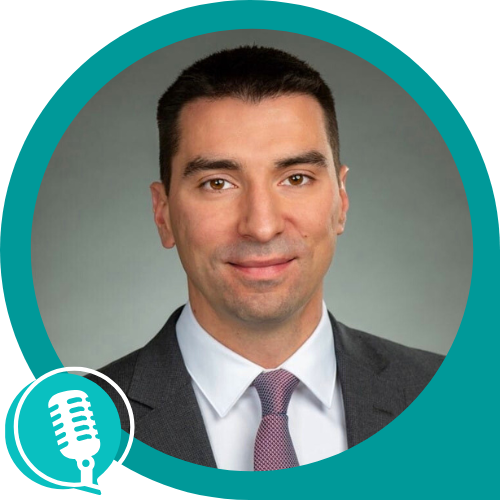
Raphael Collazo
Commercial broker | Author | Co-Host of the LRED Podcast
Raphael specializes in retail and industrial properties, bringing a problem-solving mindset from his background in engineering and software. As a commercial real estate advisor and developer based in Louisville, Kentucky, he works directly with investors, tenants, and cities, bringing a real-world view of how deals come together.
🔗 Related Episodes
How to Become a Local Developer: Katie Neason on Infill and Taking the First Small Bet | EP#29
A great companion episode on local infill, city relationships, and taking practical first steps in development.
How to Start Real Estate Development: Steph Weber Bought the Land First and Built the Plan Later | EP #41
A real look at taking your first development deal from idea to execution without having everything figured out.
Small-Scale Development: How She Left Her Corporate Career and Built a Tiny Home Village | EP #39
Another path from traditional career to building a community-driven development project.
About the Guest

Chris King is a Florida-based real estate investor, agent, and aspiring developer who got his start while still in college. After taking on a challenging historic redevelopment in downtown Pensacola, he turned that first project into a foundation for future flips, rentals, and development deals.
Connect with Chris
📸 Instagram https://www.instagram.com/christherealestateking/
Full Transcript
Raphael Collazo (00:00)
Welcome to the Local Real Estate Developers Podcast. I'm your co-host, Raphael Collazo, and I'm here with my co-host, Kristy. We're excited to have another great episode today. So Kristy, great to see you as always.
Local Real Estate Developers (00:13)
Yeah, great to see you. So I'm Kristi Kandel. I am a
real estate developer investor and I teach locals how to become developers in their own community. And today we have a story to share with someone who is also in Florida, just up in the Tampa Bay area. And when I first found him, we typically like, we'll be scrolling through Instagram and we'll see someone who's doing something related to development and immediately our eyes light up and go, ooh, yay, who's this? What's their story?
And remember when we had our initial call that I was just like, oh, okay, this is a good one. This was supposed to be a flip with a great partner turned into a whole redevelopment project. This is a great story to share. You guys actually earlier today, I was recording a different podcast and she had a very similar story where they thought they were going to flip a property and it turned into a whole new construction thing. So with that being said, we have Chris King.
on today. How you doing?
Chris (01:11)
I'm doing good, how are you guys?
Local Real Estate Developers (01:14)
Not too bad, not too bad. It's a little rainy down here, so it's a great day to record, right? We don't say those words.
Raphael Collazo (01:14)
Awesome.
Chris (01:19)
Yeah, Caesar just started.
Raphael Collazo (01:19)
Yeah.
Yeah. Well, we're excited
to hear about your story because to your point, sometimes, you know, some of the best stories come from situations where you have a thing that you think you're going to do. And all of sudden it turns into something else and it ends up working differently than what you initially expected. But obviously, you know, things happen for a reason. So, you know, obviously we kind of wanted to give you an opportunity to tell us a little bit about yourself and then maybe we can highlight, you know, the project that Kristi was alluding to a little bit earlier. So.
Chris (01:50)
Yeah, of course. So like Kristi said, my name is Chris King. I'm originally from Tampa, Florida. I moved out to Pensacola, Florida for college. I played sports my whole life and I was looking to play basketball. I actually committed to play basketball at Warner University and then I ended up transferring to University of West Florida which was out in Pensacola. I got introduced
into real estate in general, just via my mom. We just used to talk about it. was kind of like a dream that she had and we'd talk about it. And I actually got licensed as a realtor my senior, my junior year of college. I got licensed as a realtor and I started selling my senior year. So that's the first year I was in production and no college.
Local Real Estate Developers (02:35)
Senior year of high school? College, okay, okay.
Chris (02:39)
So my senior, so I got licensed my junior year of college in Kinsacola and I started selling like I was in production my senior year of college. So I started making some money and learning a little bit about real estate in general and business. And I knew that I like, always, one of the biggest things that I never really understood the difference between like, I feel like that's super common. Now that I'm saying it out loud, like it's like, you should know that going into it, but the difference.
a realtor and like an investor kind of deal. I was younger so I didn't really understand the concept. just knew like real estate is like where you're supposed to make a bunch of money at. So as I was starting to make money I was like well you know I want to buy a house, I want to flip it, it looks really cool, you know make something old, know, rehab it and bring it back to life. So I got into this project
in downtown Pensacola. It was a cool deal. was nice. The location was the best thing. I actually found the deal on the MLS. So it was located, I mean, you could walk downtown, but it was in a historical district. And so what I did was I had a partner of mine. He was a longtime friend, still is. He was actually my basketball coach growing up. And he was looking to get into real estate. So...
I sent him the deal over and we were kind of like actively looking at other deals and we just, we used the hard money loan to finance everything and we bought the property with the intentions. It was a three one, probably around 1100 square feet, 1100 some change square feet. And then we bought it as a three one and we originally were just going to like renovate it. It was a house built in like 1908, super old. wasn't the best taken care of, but great location.
So we're just gonna renovate
Raphael Collazo (04:28)
Thank
Local Real Estate Developers (04:33)
So I have a question.
So you got your license to be an agent. You started doing that junior year, senior year. What was that switch that flipped that you went, if I want to make the generational wealth or the real money, that's where the investor side comes in. And then how did you pick which way you would go with it?
Chris (04:51)
Yeah. So as I was getting more into like the real society things, like I started understanding, like, I mean, if I'm wanting to make money consistently, I'm going to have to continue selling. Like as I'm spending money, I'm going to have to like make more sales. So just kind of really diving in and leading, leaning into that and getting better at that and understanding like how it works was more so like, this is, mean, I don't want to call it a job, but like a job or a business, like this is something I'm going to have to like maintain.
That wasn't my original thought process. So I mean, I believe getting involved in real estate in the first place, my goal is always to be like an investor, generational wealth, cash wealth. I think that's kind of like everyone's idea. I think getting your license is just like the first, the easiest step, the first, you know, it's out there. That's what everyone thinks about when they think about real estate. So that was the route that I took and the further along I got in that path.
the more I understood the difference. It was like, well, if I can make money over here, then I can segue into being an investor. And it's just two different worlds. mean, you guys understand it.
Raphael Collazo (05:58)
Yeah. Yeah.
And to your point, that's how a lot of people get into the business to begin with is to get your license. And as you start to learn a little bit more, decide, Hey, I can do this for the projects that I ultimately want to invest in. And you kind of go from there. So what was that? What was that transition point for you? Were you operating as a realtor for a real estate agent for a period of time before you invested in your first deal? Like kind of talk to talk us through that progression.
Chris (06:25)
yeah, I was, I would say about a year that honestly the direct turning point when I decided to buy that first property was I sold my biggest deal as a realtor. So I did, it was a $1.3 million deal on the bar beach and I got a really big commission set. And I was like, I was like, actually set the team record. think that it's been broken since then, but at the time I was on a team like a, like a realtor team.
Raphael Collazo (06:41)
Thank you.
Local Real Estate Developers (06:43)
Hehehehehe
Chris (06:53)
And I think I set the team record so like everyone was helping me out and I was like, yeah, like I'm just going to go buy a house now and see where this goes and like kind of do like real estate on the side because I have extra funds. So I think that was kind of the transition. I always had the mentality of like I wanted to flip houses. That was always the goal. But after that transaction, I had like the extra funds to go and do it. So that took me about a year. That was within my first year.
And then my second year I was still selling, just wasn't actively as involved. ⁓ Exactly, exactly. And I started learning a little bit more about wholesaling and off-market real estate and just more so just diving into like the investor side of things. So yeah, I'd say actively for maybe a year, year and
Raphael Collazo (07:26)
Like sourcing business, you weren't actively sourcing business for yourself.
That's awesome. So you make that transition, you make a big sale and you have a opportunity to generate some funds and now you start taking on what you want to do. originally it was to start flipping houses and generating income that way. tell us a little bit about the first couple of projects there. then Kristi, we were alluding to a project where it became kind of a mixed use project. Is that one that you were referring to?
Local Real Estate Developers (08:03)
it became
a whole redevelopment of the property. So, maybe.
Raphael Collazo (08:08)
Yeah. So, that,
that, and that was that your first deal or was that a little bit down the road where you had a couple of different opportunities.
Chris (08:16)
This was actually my very first deal. So that made it even even more intense. Exactly. Yeah, I kind of got all the lessons at war at once. You know what mean? I mean, at the time it wasn't great. But now looking back.
Raphael Collazo (08:18)
There you go. You start it off, you start off big. Heck yeah.
That's great.
Well, know, I know
it's a hindsight. I was always 20, 20, but there's times where, know, I last year with a business partner of mine, we bought a couple of buildings and in December, you know, I had, I'm in brokerage too. And you know how it is where commissions are sporadic. So December, January, I was sweating bullets. I was just like, geez, pretty low. And I got a bunch, you got stuff in the pipeline, but it hasn't closed yet. you're like, like you got all these expenses. So it's part of it. Part of it. Yeah.
Chris (08:46)
Yeah, yeah, that's hard, that's hard.
Yeah, yeah, it's like, I count this?
Yeah, so.
Raphael Collazo (08:58)
Yeah, but
yeah, please explain that because I obviously, you know, you I'd love to talk a little bit more about the nuances, what attracted you to the deal. And then when you went through that process, talk to us a little bit about how you were able to overcome some of those obstacles.
Chris (09:12)
Yeah, so I guess what attracted me to that deal specifically, we bought it for 90,000, which was a good price. mean, like I said, it was, it was on market. It wasn't necessarily like, now that I understand the numbers a little bit better and I understand like, just like I'm an actual investor now. So it wasn't necessarily like a killer deal price wise. It was good. Like, I don't know if it would have necessarily.
Raphael Collazo (09:34)
.
Chris (09:38)
If we would have gone about it correctly, we would have made money, but I don't necessarily know if it would have hit the correct margins that I use now to structure my deals. But yeah, it was good. was on the MLS. We actually, I believe they were doing a novation. I'm pretty sure they were wholesalers and they listed it on the MLS and they were trying to get it off that way.
We walked the property, I actually got to the owner a couple of times and we connected. There wasn't too much of like an understanding for numbers. mean, obviously we ran numbers. I had a couple of like my mentors at the time walk it with me. I got some quotes from some contractors. So we were expected to put about 75K into it was the original plan. And that was like, what's some.
over his charges. But yeah, we ended up over a double that. So yeah, it's probably.
Local Real Estate Developers (10:39)
At what point, so
Raphael Collazo (10:39)
That's good.
Local Real Estate Developers (10:40)
you said you went in with a partner and that was your best, one of your prior basketball
coaches? Okay, and then what was the draw? So partnerships are a huge part of real estate and development and we don't always win at the partnerships that we do. and you know, we all go through this. But some are great. So how did you go about finding this, like I'm saying, hey, let's do this partnership. I know you because you were my coach.
What were they doing that had them interested in real estate? Where were your goals aligned at the time that drew you guys together?
Chris (11:14)
Yeah, so he, at the time he was doing trucking, dispatching for like trucking. he was, he actually owned a company. He owns a company, a valet company as well. And at the time he was doing like trucking, dispatching. So he had extra capital that he was just looking to deploy. And in the beginning stages, right? Like the concept is like, you know,
I have extra money, ideally I can just deploy that money out and it'll go like multiply and then it'll come back to me. Right. But then like, as me and him, like started getting into things like you have to have a baseline understanding. need to be actively involved in like the markets and understand what's going on. Like there are skills like you to pick the correct people, like the network timeframe, like there, you can't just like throw money at it and necessarily expect it to like work out. But
Our original draw to us getting into a partnership was like, I was already in real estate. He was already making money. So it was like, well, he wants to have the money, the excess money that he can make more money. So let's go into a partnership and let's develop something here that'll be substantial. So that was the introduction. Obviously he was like one of my mentors growing up. So there was already that he already know, loved and trust me from that aspect of things. So it was a little bit.
easier for us to get in the business together and navigate that.
Local Real Estate Developers (12:38)
Yeah, and that's very common for the way the first partnerships or the first employees you hire or the first how things go down. It's who do we know, who do we like, and yeah, let's go try a thing and see what happens. So at this point, you've identified the property, your goal is to make it a flip. We know it didn't happen as is, so what were some of the nuances that got it to the point where the business decision was made of, hey, maybe let's do something else?
Chris (13:04)
So as we, once we identify the property and we're like, this is the one, we understand like how we're breaking up like money. We understand the goals. understand like our profit margins, like ideally how much money we're gonna put into it. We still took into account that this was like our first project. So we wanted to take heat of that and get someone else involved that could also like give us the guidance. Like now I understand, I mean,
you would just kind of go for like a general contractor in a way, if you would. That would be the perfect situation. But what we did was we brought on a third investor and his role in the project was to make sure we don't hit any like $50,000 mistakes, know, any huge issues, right? So like, just kind of give us guidance and make sure that we get this one done and we can get this one under our belt and
You know, we'll make a little bit of less money, but we'll have the knowledge and we'll be able to just kind of like go forward without hitting any huge road bumps. ⁓
Local Real Estate Developers (14:05)
Stay for the experience,
avoid the death blows, know you're going to take a little bit less, but what you're going to learn will propel you into your future. Yeah, yeah.
Chris (14:13)
Exactly. So we went into a joint venture with a third investor and that's when I was splitting the goal was split profits, profits, free raise and his value that he was bringing to the table was experience connections and essentially getting the project done. And so one of the things that he presented to us was let's, this is in a good location. It's a great property. So let's turn this into a four bedroom, two and a half bath.
So we're gonna add probably about 500 square feet to the property and add a bedroom and add one and a half baths to it. Which, you know, when the numbers are in front of you, it's like, yeah, that's triple profit margin. It's like, yeah, that sounds like a great idea. And like, we're only gonna have to spend, you know, a little bit more money, but yeah, why not? If we don't end trusting that he would navigate the whole thing on paper, it looks
Raphael Collazo (14:58)
Thank
Chris (15:10)
very, very at the time definitely looked very enticing because I didn't necessarily understand what came with that. So as you guys know, ⁓ as we start that process, now we're dealing with architects, we're dealing with engineers, we're dealing with, we have to get permitting for the additional square footage. So now we're dealing with the city, we're dealing with just a lot more red tape.
Raphael Collazo (15:20)
and
Chris (15:38)
than the original $75,000 where it was included. that's kind of it.
Local Real Estate Developers (15:41)
As you're
navigating through that and you've got a partner with experience, is that partner leading the charge with the city, with the contractors, with the architects? Are you guys following along and watching what's happening? How were the roles split at that point?
Chris (15:58)
Yeah, so the partner that we JD with, he was leading everything. So at this point, we're following, we're still in meetings, and we're still actively involved in the project. So like, we're still there, I mean, even physically doing some work, you know, at times. But yeah, he's leading everything, and we're kind of following his lead, but like still listening and like keeping like our hands on everything. So as we started like doing things like meeting with the architect and
the engineers and things. that's pretty, that's higher level real estate. You know what mean? Like that's at the time I didn't understand it because again, this was my first project, but understanding how to like navigate plans and the process of getting the plans approved and negotiating and discussing with like engineers and doing that. And at the time I was 24, 25 maybe like as we got a little bit deeper.
like now I'm 28. So and I'm still I still have my license as a realtor so everything's like 100% commission like you eat what you kill. So at this yeah at this point it's a little it's starting to become like a lot and there's just a little bit more like pressure as far as like getting things done. So then at a certain point
because like I said, we're keeping our hands involved. At a certain point, we started noticing mistakes that we could have avoided or things are starting to cost more. even though he's guiding the project and he's involved, we're the ones spending the money at the end of day. So we're a little bit more like...
Raphael Collazo (17:41)
Cost conscious, you're cost conscious.
Chris (17:42)
story that I'm looking at. Yeah, yeah, right. You know, like, let's
make sure this is what we need to be doing after like a couple of mistakes, you're kind of like, okay, hold up, you know, let's let's be a little bit more careful and like navigate this with like intention. But the first mistake that happened that was like a pretty big blow was so I guess let me go back a second. So again, we bought this property with a hard money loan.
And the intention was a $70,000 cosmetic almost rehab. So at this point, we probably had the property for about a year. And this is turned into we're adding additional square footage. We're dealing with architectures and architect engineers, things like that. So we had to redo the foundation. we essentially we ripped off the back of the house.
Local Real Estate Developers (18:13)
you
Chris (18:33)
And we had to redo the house that on piling so it was a super super old house and we had to redo like the foundation for Like new rebar you know new concrete you block everything and doing the foundation essentially without going into like a 30 minutes feel about that but the foundation was done incorrectly and we had to get them to come back out there to redo and
Raphael Collazo (18:40)
.
Chris (19:02)
do it correctly to where the city would give us our permit for this portion of the project. And it ended up costing us an additional like $15,000. And we had a real, at that point we had a real sit down discussion with the person that we were JVing with and like the whole point of bringing you into the project was to avoid these types of mistakes, right? And another thing to take into consideration, I mean, at this point, like I said, the project we're a year in,
Local Real Estate Developers (19:20)
Okay.
Raphael Collazo (19:21)
Mm-hmm.
Chris (19:27)
you know, extended the hard money loan. We kind of got like all our money in the project. So the only way out is kind of to finish the project unless you want to take you like a huge hit, you know? So, and again, like I'm probably 25 at this point, like trying to navigate this entire project. So another thing that I was overcoming, but I feel like I have a
Raphael Collazo (19:35)
through.
Chris (19:53)
better understanding now, but I still struggle with it, is being younger in that community. mean, we all have to deal with contractors and they're usually like a certain type of person. You just need to understand how to navigate things, right? In order for you to get like what you want done, right? Like things like making sure like you're
giving draws, right? You want to keep them motivated, but you don't want to give them all the money upfront because you want to show up to work or like managing their timeframes, things like that. You don't really want to delegate to other people. So being younger and navigating like grown men in that aspect was definitely something that I didn't foresee would be an issue, but was a skill that I had to like really miss down on because.
Local Real Estate Developers (20:44)
100
% when I started my career and I was in managing development projects out in California and I would be working with superintendents and construction project managers who were 20 and 30 years older than me. And it's, you know, they've got all this experience. They are superintendents and the guy's managing the jobs because they have that. But at the same time,
as the developer and as the owner, it's your money. No one cares about it as much as you. And there is that dance and that balance of making sure that they respect you, but also are able to listen and that they know it's a partnership. And it is a more difficult dynamic to balance when you are younger. But the skills and lessons you learn from that help a lot.
Raphael Collazo (21:24)
Oh yeah.
Chris (21:25)
Yeah.
Yeah.
Raphael Collazo (21:26)
Yeah. No, I would agree with Kristi too. mean, you know, we recently, we had, we have a project here we're looking at or working on right now, and we had to go through the rezoning process in order to do that. We have to engage with architects and engineers and all these other people to be able to present a plan of the city. And we had a similar type of issue with our architect because we had a contract for what we said we needed done. And we signed it and everyone was in agreement that this is the scope of work. This is what the cost is going to be. And we.
we met that cost, but apparently they thought, well, we have other things. They started working on other things that were outside the scope of work. And at the end, sent us a bill for another, let's say that thing was eight grand. They sent us another eight, $8,000 bill. And we're like, what the hell is this $8,000 bill? And they're like, well, we did some of this other work and stuff. And I said, well, we didn't agree to that. And he's like, well, you didn't tell us to stop. And it's like, what type of logic, you know, what kind of logic is this? And it's stuff like that where you just don't even think about it because
Chris (22:07)
Exactly.
Yeah, exactly.
Raphael Collazo (22:20)
your point, you don't necessarily have that experience. So had I known that, you know, cause at the time I was receiving a bunch of stuff from this architect that were like these 3d renderings and stuff like that. was like, okay, cool. Like this is just maybe, you know, something nice that they're doing, or maybe trying to help us visualize some stuff, but they were charging us this whole time. And had I known, had I really thought about it and said, okay, let me go back to the scope of work and look at it and say, like, I want to make this clear before we start moving down this road. Like you're not charging us for this, are you? Because this is the scope of work. I didn't do that.
Chris (22:37)
Yeah, yeah, yeah.
Raphael Collazo (22:49)
So now it comes up where we have this conflict with our contractor and we had to negotiate and we ultimately came to an agreement, but we paid more than what we expected. But that's because we just didn't have that experience. And now you know, and it's going to help you immensely as you go forward in different projects.
Yeah. So, so kind of to that point, so you know, you have a partner that you're working with, there has been some issues, you're trying to address them with this person because again, no one's perfect. But then again, it's your money on the line. So how did that relationship progress? Were you guys able to overcome the hurdles or was there a parting of ways or how did that all play out?
Chris (23:25)
So at
this point, that first mistake that was made, it was more so like, hey, like we need you to kind of like understand that this was a mistake that could have been avoided. Like what's kind of, you know, have just accountability here and like moving forward, you just need to be a little bit more like cognizant of that because at the end of the day, like you said, we're spending the money. So we continued on because also I believe in the moment,
Raphael Collazo (23:35)
Mm-hmm.
Chris (23:52)
you wanna make it work, right? Like to start over or go find another contractor or go like meet with other people, you know what mean? It can be, while you're still navigating the project, can be like tiresome or hard, you you're starting, you're just burning money for like holding constant stuff like that. So in the moment, we were definitely, we kept moving forward. The next and the biggest issue that was the most detrimental to the project was we,
Raphael Collazo (23:54)
Mm-hmm.
Mm-hmm. ⁓
Chris (24:22)
In that area specifically, guess I don't know if it's the same across the nation or across everywhere, in that area specifically, like I said, we're in a historical district. So one of the rules were if we change over 75% of the wood in the house, it's now classified as a new build. Mind you, this home was built in 1908. So as we're doing demolition and everything, we're seeing, I mean, there's a bunch of wood that needs to be changed.
Again, we're trusting this person that we're JVing with to understand these rules and regulations because I mean, since we, that's why we're hiring HEPA Project because we don't necessarily know that, right? So we essentially changed all the wood on the house. And at this point we got put on a stop work, we got a stop work order from the city and they were, they just shut us down for a little bit and we had to have a meeting. remember.
I remember, yeah, was definitely 25, I was turning 26 at this point and I had to meet with the city commissioners. It was like a round table and I was sitting at their office trying to convince them to let me continue my project. I'm like, hey, I know I messed up. I'm trying to do a good thing here. What's at the end of the day didn't work.
What they were wanting me to do was once you change over 75% of the world, this is now classified as a new building. Because this is classified as a new building project, now your setbacks are different. So this house that was existing since 1908 that had lived there in its own personal space, they're now saying I have to move the outside walls inside six inches on one side and like four and a half inches on the other
Right. And so like, remember, yeah, I'm like, yeah. Yeah. I remember going, I remember going up there and sitting with them and just, I literally was asking them like, how do I move? How, cause at this point I don't, I don't trust the contractor that I'm working with. He was in the meeting as well, but I don't trust what he's saying. Right. So now I'm trying to take it upon myself to get these answers directly from the people who are like making these demands of me. And I'm like, Hey, how do I.
Local Real Estate Developers (26:07)
It's easy, you just squish it, right? There's nothing structural, there's nothing crazy about that, just brrrp! Yeah.
Chris (26:35)
Like, I jack the house up, like one side? logistically, how do I do this? How much is it going to cost? I'm like, in the meeting, like, we're going to have to knock the house down. Like, this is going to, I don't know what I'm going to do. We're going have to start over. This is a lot. Like, I'm 26. Like, can you guys help me out? You know what I mean? So essentially, they kind of, I don't want to say they necessarily worked with me, but they gave me a little bit of guidance on, like, how to go about.
the project because they started to understand exactly the specific situation and how I was being with this person and maybe this person wasn't giving me the best guidance. So we ended up having to move the outside of the walls inside, which was another probably cost about $30,000 mistake. And so at that point,
Raphael Collazo (27:26)
And you couldn't
get a variance or a waiver or something like that?
Chris (27:31)
Yeah, so we tried, we definitely tried
to go about a variance. No, we couldn't get the variance. I forget the specific reason why we couldn't get a variance. We tried so many different routes to avoid actually getting it done. Essentially what they were saying, I was trying to understand more so the logic behind it more than the black and white rules and regulations, but what they were saying was,
They're trying to give out a historical district like a certain appeal now. So they're requiring requiring certain things. One of the things was if one house catches on fire, this other house is too close to the other one. So we don't want the other one to burn, which honestly didn't make too much sense to me because it's been there since like 2008. That hasn't happened yet. So, but I mean, I get it. We got it done.
Raphael Collazo (28:03)
Thank
Local Real Estate Developers (28:21)
You'll find that a lot as you're going through and you throw in any overlay like a historical district and now they get the right to impose these different regulations but you set a great
comment there that was, you know, I was trying to figure out the why. What was the intent of that code that came out? Because many times there can be a workaround to where they say, your setbacks need to be 10 feet and 25 feet and XYZ. And maybe there is a workaround. Maybe you put in fire rated walls. Maybe you do some kind of no build easement. But when you figure out why, as opposed to just here's what the code says, but if you find out the why, sometimes there can be a workaround. And to me, that's the fun part when you're like,
playing a chess match, a poker game, being a detective all at once, that's the fun part of entitlements and development to me. But I say fun, you know, because I've come through the other side of many, many projects. But when you're in the heat of the moment, it is not necessary, you're not smiling about it. No.
Raphael Collazo (29:14)
Yeah, yeah. And it doesn't always go your way.
There's some times where you're just like put your best foot forward and you do a lot of work, you spend a lot of money and then for whatever reason you get.
planning commission voting against you or you get some other issue that arises that you have to address like what you're talking about where you had to bring in the walls. I even though it seems like an illogical type of thing, it's sometimes that's how the cards fall and you gotta make it work. it's interesting. It's good that you were obviously able to overcome that piece. So you were able to bring the walls in and then was there anything else that kind of happened?
Chris (29:48)
Yeah,
so at this point, it's been two years and we have like a framed up house, but nothing else. Right? So we have less house than what we started with. We've moved the walls in. If we're being honest, we technically had to move the walls twice because when the first time they moved it, it wasn't like, they didn't.
Raphael Collazo (29:57)
Wow.
Chris (30:11)
They were very precise at this point. once you, mean, I'm sure you guys know, but once you're like under like the city's eye, like they're very like intense, like they want to make sure they think that you're trying to skip the rule. yeah, exactly. So they were super just, and throwing them in that, like I was younger at this point. They were like, yeah, you don't know what you're doing. So like, we're just, we're going to like critique everything that you have going. So when we did move the walls the first time it wasn't done in
Local Real Estate Developers (30:24)
one.
Chris (30:39)
in a way that satisfied the city. So we had to end up moving them again, let's process some more money. Then we had the ease that because we had to move the walls, it started causing other issues with the already built structure. Like the ease needed to be a certain setback, which then we had to fire rate the ease. Like we had to cut the ease back and we had to fire rate the ease. Then we kind of like had to adjust the attic space a little bit.
So outside of that, that was the main thing with the city. So once we got that portion, like our framing permit done and good to go, now we go into dealing with like the actual process, right? Like it meaning like contractors and, you know, getting like rough in a plumbing, rough in of electrical, scheduling things out. Now we're dealing with pulling draws from like the hard money lender because that's like a factor like you need that.
Because, well, I mean, you guys understand, you know, ideally you allocated $20,000 for the framing of your project, but, you know, you don't always get that $20,000. Let's say, you know, they come out and they inspect it and they're like, yeah, we're going to give you 15 and then we'll give you another five. mean, it's just really made me feel like something like that, right? You have to find a way to continue continually come up with that capital.
So we can continue pushing the project forward because if you get stuck with I got stuck a couple of times, I mean, you're kind of just eating up more capital because you have your holding costs, right? So as far as major issues dealing with the city, that was the last one, like as far as the framing and stuff goes. But like I said, along more of the project, we started running into this.
Raphael Collazo (32:10)
Mm-hmm.
Chris (32:24)
More common things I would say like making sure a contractor show up on time and make sure they're the work. Understanding the rough-in and the trim-out, making sure like...
margins are being hit, timeframes are being hit, dealing with the financial portion. We did have to refinance the project. We actually refinanced that project twice because we kept it so long. So that was also a headache within itself because without the money you get it done, you kind of...
Local Real Estate Developers (32:50)
So as you get towards the end of construction, originally it had been a flip, so you were going to sell. How did the business model change? You're like, okay, at this point we've redeveloped the entire house. We are now ready to make a decision on what we do with it. How did you go through that decision process and what was the outcome?
Chris (33:10)
Yeah, so the first, so a couple of things. The first thing that we did is we told the person that we jaded with, were like, yeah, this is just not gonna work out. Let's just amulibically, I don't know how to say that word, but like, yeah, like, let's just part ways and let's just not have any type of interactions anymore. So he's gone out of the picture.
Raphael Collazo (33:25)
Amicably, amicably, yeah, yeah.
Ha ha ha
Chris (33:38)
The person, my basketball coach, the person that I went into the project with originally, it's just me and him. So we're navigating the project ourselves at this point. And we definitely originally wanted to sell it, get out of it. Obviously, I mean, now we have a bigger house in a great location, so it's worth a lot more. So there's that. We wanted to sell it and get out of it, but then also like,
I have the experience of being a realtor. So the market at this point is changing. like I said, we finished the project at the end of 2024. So it's probably 2023 going into 2024. Let's just say it's 2024. the market is changing. Interest rates have increased. The market is changing a bunch. Things are slowing down. So I understand that. there's like, yeah, we want to get off of it ideally and just sell it.
Local Real Estate Developers (34:11)
What year is it at this point?
Chris (34:32)
take whatever we can and move on with our lives. But in the event that that doesn't happen, like how does that look? Like what do we do? Like I said, at this point, we've already refinanced the hard money loan twice, right? We're also fighting against a balloon that's due because they're gonna call the note due at the end of the year, at the end of 2024, going into 2025. So the way that we went about exiting,
We listed the project on the open market and obviously hoped for the best. We got a couple of offers, but the offers weren't where we needed them to be. And we just kind of discussed turning it into a rental. mean, it's in a great location. It would be the perfect short-term rental. The house looks great. I mean, we did the renovations amazingly, the contractors did.
So we talked about having an extra strategy of refinancing it again into a traditional loan. Well, it was a DSCR loan, but it was a 30 year loan. And then just turning it into a short.
Local Real Estate Developers (35:37)
it.
And that's a big
thing that's out there now. If you have short term rentals, they now finally have a loan product that is the DSCR loan, the debt service coverage ratio, which allows you to buy an investment property that is one to four units that is meant to be a business. It's meant to be a short term rental that you're actively running as a business, which has been, it does come with a higher interest rate than the 30 year fixed loans. But at the same time, for those of us running businesses with short term rentals, it's been an awesome
additional product that they've added.
Chris (36:12)
Yeah, for sure. We also, we honestly, during that, we found a way to qualify the property off of the short-term rental data, which was super interesting because we, usually they go off the long-term rental data. So obviously you'll make more money if you use it for a short-term, but being able to qualify off of the loan, this off of the short-term data allowed us to get more, more money and get more out of it. Also in that process, I had to learn about private money.
And I had to actually raise private capital, which was another skill that I to develop doing all that. So very, very interesting. needed the reserve. needed to show in order to qualify for the refinance, really both times you have to show like X amount of reserves in the account. And then you have to be able to spend the X amount, right? So I think it was the 60, it was like $60,000 that it needed to be. We had a portion of it. We probably had like 30.
five ready for them, but we needed to come up with the excess funds. I was able to sit down and really understand like how to put something together for private money to someone that is willing to invest into something like that. And so I got, I understood the nuances a little bit more. And I started talking to a couple of different people who introduced.
introduced me to other people and we were able to get the private capital and get it refinanced and get them a return on their money and their money back. So that was good.
Local Real Estate Developers (37:47)
So what was your drive? Clearly you got hit with so many things over several years. You're in your mid-20s. What kept you motivated to keep pushing through versus throwing your hands up saying, I'm taking the L, I'm walking. What kept driving you to take it to the finish line and see what the final outcome would be?
Chris (38:05)
I think it developed over time. That's actually a really good question. think it developed over time. It started out as, now that I've never said this to myself before, but in the beginning, never like failed. Like I had never not got anything that I didn't want. Like I've been super, I mean, I would like to say I've been successful at like anything that I've wanted. So in the beginning, it was just kind of more so like,
It wasn't in my mind that like, I'm doing this incorrectly or like, I'm not going to get this done. More so towards the middle, it's like looking back at everything that's happened. mean, we're two years in and we have like less house than we started with. Like you may like want to start considering other options. More towards the middle, I would say it was bigger than just me. It started turning into like, I mean,
I was branding myself as this, so people are asking about it. People in the neighborhood have seen the project sitting there, and they see me back and forth. I've had meetings with the city. Now I've kind of developed friends within the city who are in my corner and rooting for me to finish this, and meeting with me outside of just our interactions at that property. All of my mentors kind of knew where I was going.
you know how it's going on. Also my partner in the project, like, I mean, he put a lot of trust in me to get this done, right? So, I mean, that was super motivating. You know what mean? Like I couldn't, I kind of, we kind of just, it didn't go the way that we wanted originally, but like, I wouldn't just stop and just say like, yeah, this is too much for me. I can't navigate this, but. And then towards like,
Local Real Estate Developers (39:47)
it.
Chris (39:53)
the middle towards the end, start kind of getting a better understanding. Like I think you made a really good point, Kristi, about like always asking why. So towards the end, when things, number one, I learned to expect things to come up. Like it's never just gonna happen, right? And then number two, like you said, when something does come up, it's okay to kind of like, if you have a baseline understanding of what's going on, it's okay to like inquire like, wow, okay, what exactly are you looking for? Like if I do this, like would this make this look better?
you know, interacting with these people and having active conversations with like contractors in the city, I think kind of got me in a little bit more groove towards the end. And then at a certain point, like you're able to see the light and it's like, mean, this house was cool. Like, I love it. Like I'm going to keep it forever. I'm going to like, there's so much invested, so much pride and you know, I don't know. At a certain point it's like snowballing, snowballing.
Raphael Collazo (40:50)
It's,
it's, it's funny. Cause that's the entrepreneurial roller coaster that they talk about. Right. It's like, everyone's really excited when everything first starts and then you start getting into it you're like, my God, the world's falling caving in and everything around me is falling apart. And you're like, okay, well I got to, at this point, there's no way, but up because if I can't, if I, if I just stay here, then I'm to be in my misery. So you just kind of double down and keep going. And eventually it gets on the other side. And you know, obviously you have some scars from the experience, but these are the, these are scars you take into future battles. And now you're much more.
Local Real Estate Developers (40:53)
Thanks.
So, yeah.
Raphael Collazo (41:20)
aware of what's what you need to consider as you go on and that lesson of itself is worth more than all the money in the world because it's going to make you a hundred times more than what you probably would have lost per se on this project so it's just the school of hard knocks as they say you can't replace that you can't replace that so you know through that through that experience and now you've got it up and running is it airbnb is that correct awesome and how's that looking now or is it is it performing pretty well or
Local Real Estate Developers (41:26)
Yes. ⁓
Chris (41:37)
Yeah, yeah, yeah.
Like it.
Yeah.
Raphael Collazo (41:49)
You know, are you Greek?
Chris (41:50)
Yeah,
man, it's actually, it's doing a lot better than we even anticipated. I think every month we've brought in over 3,500 bucks and we've been running since February. in our everything like PITI, including like electric and like any other overhead that we're paying, we're probably, our overhead is probably 28, 29.
Raphael Collazo (42:02)
wow.
Mm-hmm.
Chris (42:17)
We're making some decent cash flow in it. it's just, honestly, it's just, I don't care if I would have made a hundred bucks. It's just cool to like have like this thing that I worked so hard on for three years and there's so much passion and intention behind it for it to now make me a penny. Like it's like worth it. Like I'm going to, I'll hold it forever. I don't, I'm not really, I have no intention to sell it. Like, yeah. So on the back end, like now I definitely see the value.
Local Real Estate Developers (42:22)
you
Raphael Collazo (42:35)
Mm-hmm.
Yeah. And it'll pay off in the future too. It'll just continue to appreciate if you said it's in a good area. So over time, it's going to be worth it. You look back and it'll be a good experience. through this whole timeframe, obviously it's a three year timeline, a lot more, a lot different than what you initially expected. What advice would you give to new developers that are looking to do something somewhat similar to you or maybe taking on their own development project?
Chris (43:07)
so much man. I think I guess if I could give like a blanket statement, I would give a couple of pieces of advice. Number one, due diligence. ⁓ I think being a little bit candid with myself, I wasn't ready to jump into that as I, in that season of my life. So I could have done a little bit more due diligence. But honestly like,
Raphael Collazo (43:14)
Mm-hmm.
Chris (43:33)
I would say just if I can give a piece of advice, if you're looking to get into like the development space, I would say if I can go back, would get make sure I just get under someone who is doing it right. Instead of me just trying to go out there and like fumble through it, I would just attach myself to somebody who's doing it performing at a high level, try to gain a little bit more of that experience. Once I understand what it takes to get it done, right. I can go into it and I'll probably still fumble and have to figure it out. But like,
Having a baseline understanding of the things allows you to go into like when you have those issues pop up, you're able to ask the question why and be able to articulate our critical think. That's the big thing is like being able to critically think like through those situations and be like in like understand what's happening, right? Because originally it was like, I don't understand what's happening. I'm not really sure like what's going on. So I guess the biggest thing would be attach yourself to someone who's
Local Real Estate Developers (44:21)
Thank
Chris (44:30)
forming at a high level in that field.
Local Real Estate Developers (44:33)
Yeah, and learn from there 10,000 hours to where, like you had said, you were trying to get that person because you were trying to avoid the death blow. Of course you're going to take little Knicks and Knocks along the way, but the whole point is how do we avoid the one that takes us out?
And what I really enjoyed when we initially talked was, you've gone through this whole gamut of experience and when we think about community driven development and now you've built relationships with different people at the city, you know how to talk to architects and engineers now, you really know that community. So from your perspective, what does community driven development mean to you and what might you get into in the future now that you know what you know now?
Chris (45:11)
community driven development. I think being involved in that project, there was a lot of people who didn't understand everything that goes into it. Right. And from the outside looking in, you know, people, I feel like that's something like you have to deal with. Like when you're going through like the thick of it is like
other people with opinions or perspectives, like, I doing this incorrectly? Everyone's trying to give you advice. So community-driven development, I feel like you have to learn how to take advice from people who are doing it, have genuine intentions, and actually can give you advice, you know what I mean? Because a lot of people are just, I don't know, maybe like, yeah, you should give up, like, cut ties.
before it gets worse or like it doesn't look like it's going, but they don't understand. You know what I mean? Like there's a, that's why I said earlier, like I think the mentor would be the most important thing if I could go back. But just having like a group of people around you that have the experience and can affect what you have going on. having someone that can walk through the project and say, yeah, no, honestly, this is your contractors fault. They should be, they should have done this at this time and you need to hold them accountable. That would have been super, super valuable.
At a certain point, I'm like, well, is it the contractor's fault? Is it the city's fault? Like, are they not communicating? Am I not communicating? I don't really know who to hold accountable. So that means to me, really it's my issue because I'm like the leader, I'm the boss, right? So just developing like super nice people around you that can support what you have, guess in any facet. And I will say to comment earlier on what piece of advice would I give also throughout this process.
Personally, like it can become a lot. I feel like I'm speaking more so to someone who is like already ambitious and they're able to like get up and create things like an entrepreneur. It can become a lot like as an individual and it can become a lot to like talk about, right? Because you're battling with like, know, damn, do I feel, am I doing this right? Like are gonna people judge me? They're gonna call me a failure. Like I don't really wanna talk about it. I just need to figure it out and it can become a lot mentally.
But also just not like associating yourself with like the outcome. Like number one, it's okay to feel. think anyone who has done it, anyone that I've talked to about this and performs at a high level has been like, yeah, I've gone through something similar and like, I'm happy that you went through it and you're going to make a lot more money because you went through it. So it's not attaching yourself to the outcome because even if worst case scenario, went through foreclosure and I feel that this
Local Real Estate Developers (47:34)
this. ⁓
Chris (47:55)
that doesn't define me as an individual and I can get out there and I can do it again. And the next time I'm taking that knowledge. So once I got that under like into my head, it was a lot easier for me to like develop that community and talk to people and get different advice and opinions and just sit down with myself and really kind of like critically think through like what's the best option, you know, how can I navigate this? just really having that, I guess that safe in yourself and, and uh,
Yeah, you're different than like, guess the outcome is the point.
Local Real Estate Developers (48:27)
You
Raphael Collazo (48:27)
That's a great advice. Yeah. And oftentimes, you know, we don't talk about it as much as we probably should, but in reality, there is that mental health piece through, you know, any type of entrepreneurship where, you know, you're, you're, going through the thick of it and you're constantly having these thoughts. mean, we were talking about a little bit offline that, you know, I a project that I was working on where, you know, I had a lot of money going out and not so much money coming in that for a period of time. And I was sweating bullets. And, you know, I, I'm sure my wife was
Local Real Estate Developers (48:34)
Thank you.
Chris (48:53)
Right.
Raphael Collazo (48:55)
you know, kind of hearing, not, you know, she was, she was seeing me in this situation. was like, my gosh, like maybe I bit off a little bit more than we could chew, but we were able to get through it. And now, you know, you're a little bit better for it, but, but again, it's, it's not going to stop. I mean, you're going to face these challenges in entrepreneurship, especially if you're stretching, right? Cause the whole premise of trying to accomplish more is you have to become a person, you know, you're not today. So that requires you to stretch yourself and that's going to be uncomfortable. And there's gonna be times where you face adversity and that's going to kind of weigh on you.
Local Real Estate Developers (49:06)
it.
Perfect.
Raphael Collazo (49:23)
your soul sometimes and you you've got to find ways to get over it or to get through it. should say not get over it. You have to be able to address it and get through it. That's more so what I meant.
Local Real Estate Developers (49:24)
Mm-hmm.
Chris (49:32)
Yeah, yeah. And I
think you said a lot of cool things. think internally, you identify sometimes. I know me, at least personally, the people. That's why I said it's super important to keep people around you that have gone through it are going through it because they give you perspective. Because the people around you, I may look super successful and like, oh, you're doing a project. You're doing a flip project. Or you're developing a house that looks really cool. You're doing so well. And then on the inside, it's like, I can't really
Local Real Estate Developers (49:49)
Mm-hmm.
Chris (50:01)
tell anyone because now it looks like I'm not doing well and I'm worried about this. But if you have people that, like how you just said, you've gone through something similar, they understand it. It's like, okay, well, there's kind of like a release off of my shoulders that makes me feel inadequate or that I can't be in the room or I can't have this discussion. Because I think that was my biggest thing. Now that we're talking about it through, I think that was like my biggest thing that I was overcoming is because if I'm constantly taking these small L's, it's like,
Local Real Estate Developers (50:18)
Mm-hmm.
Chris (50:28)
Well, dang, do I know what I'm doing? Like, can I talk to the city about this? Like, I'm just not right, you know what I mean? And having other people around you saying like, yes, I've gone through the same things, just continue, it's okay, you're gonna figure it out. That's super common. Don't worry about anything else.
Raphael Collazo (50:34)
Mm-hmm.
Local Real Estate Developers (50:35)
Mm-hmm.
And that's honestly
the reason we started this podcast is development is long and it has so many nuances and everyone has a different twist, a different project, a different story, but the core of it, you're gonna be winning one day and the next day feeling like the world is crashing in and your deal exploded and you'll be questioning like...
What am I just an imposter is it just me am I wrong it but like you said Detaching ourselves from the outcome and really that's our ego getting in the way because no one can touch everything and always haven't freaking turned to gold I've done hundreds of development projects and there's still gonna be things that come up and go crap now We have to problem solve now we get to problem solve now We get to find the right partners the right solution the right the right angles and the the more we can share these stories the more people will have the courage and be
willing to step into their first or their next project knowing that you will never have a project that goes 100% smooth. If you do, please, I will take you out to a great dinner. Like please tell me there was no hiccups at all because no, it's just not the world. It's not possible. risk and challenge, like that's why entrepreneurs and developers get out of bed in the morning. If every day were going to be the same boring day where you knew exactly how it was going to go, well, what's the fun in that?
Chris (51:56)
Exactly, yeah.
Raphael Collazo (51:57)
Definitely. So obviously you've come out the other side. This project has started to least become performing. do you view the future? What is your future goal? Let's talk about the next three to five years. Do want to do something similar to what you did before? Or are you trying to scale into other things?
Chris (52:17)
Yeah, I'll definitely continue to, I mean, I have so much knowledge now. I feel like I have to, you know, but I definitely will continue to flip. We actually just bought a creative deal out in Tampa, very cosmetic flip, but we bought it with some equity. So that was super cool. I'm gonna get into some other projects out here. So just continue to grow. mean, ideally I would wanna scale and get into like the commercial side of things. I feel like I could have a bigger impact on the community. I also have thought about like,
joining forces like with the city. Cause I feel like I have a lot of insight that like I could give to make things more like a lot of context. Like I feel like they're so far removed from what's actually going on. And I feel like I bring a different perspective. I'm not like the traditional, you know, person in that would be in the city. Right. So, I thought, I thought about that, currently I'm just kind of, like I said, we bought a project out here.
I do wholesaling, I do other investments, and I'm just kind of like building capital, and then I'll get into my next projects probably in the next like two months or so. We'll probably take down another one out here in Tampa, and yeah, just build out that rental portfolio out in Pensacola, get some more Airbnb's, and see if we can just get things going, just the momentum.
Raphael Collazo (53:35)
That's awesome, Well, we're excited to follow along with your journey. And I know you've already connected with Kristi. I'm looking forward to connecting you to you on social and all these other platforms and follow along with your journey. So if people want to learn more about you and how to maybe get connected, what's the best way to do that?
Chris (53:50)
yeah, I would say, Instagram is probably where I'm the most active. my Instagram handle is Chris, the real estate team. And yeah, I mean, shoot me a DM. I would love to talk about anything, any questions, give you guys some motivation and yeah, you can figure it out.
Raphael Collazo (53:54)
Mm-hmm.
else.
Local Real Estate Developers (54:08)
love it.
Raphael Collazo (54:10)
Well, thank you so much, Chris, for your time. We do appreciate it. And we're looking forward to seeing what the audience thinks of the discussion. I think there's going to be a lot of value exchange. So we're looking forward to hearing some feedback. If you guys again, thanks again, everyone for tuning in. If you guys like this channel, please like and subscribe. It makes a huge impact on our ability to reach a broader audience. Along with that, if you guys are listening to in a podcast format with that Spotify, Apple podcast, whatever it is, please leave a five star view. It really does help increase our reach. And obviously we want to make sure that everyone who has insight or desire to
want to become a developer has the opportunity to do so through these experiences of people that come on the show. So thanks again so much for tuning in, and we'll see you all next time.
Get the tools behind the episode
Access the Developer Vault with templates and real resources
©2025 I&D Consulting. All Rights Reserved.
©2025 Local Real Estate Developers. All Rights Reserved.