How Luke Henry Bought Eight Vacant Buildings and Helped Revitalize Downtown Marion| EP #58
Real estate development, downtown revitalization, and transforming vacant buildings into a thriving Main Street.
Everyone wanted someone to fix downtown Marion.
Luke Henry realized there was no "someone." If the community was going to change, locals would have to lead it.
Luke Henry shares how he went from mowing lawns and house hacking his first property to becoming one of the driving forces behind the revitalization of downtown Marion, Ohio.
In this episode, Luke breaks down what it actually takes to buy vacant buildings, work with local banks, recruit businesses, navigate criticism, and create momentum in a small-town market where large developers are not coming to save the day.
This conversation is for aspiring developers, investors, and community builders who want to create meaningful change in their own hometowns.



Get the tools behind the episode
Access the Developer Vault with templates and real resources
Episode Summary
When most people look at a struggling downtown, they see empty buildings, vacant storefronts, and missed opportunities.
Luke Henry saw possibility.
Luke grew up in small-town Ohio, started mowing lawns as a kid, built a landscaping company, earned a pharmacy degree, and slowly began investing in real estate through house hacking, rentals, and small residential projects. Like many developers, he didn't start with a master plan to transform a community. He simply kept taking the next step.
That path eventually led him to downtown Marion, Ohio.
About eight years ago, Luke quietly assembled eight vacant buildings on a single block of Main Street. At the time, much of the area sat empty. Many property owners were absentee owners, businesses had left, and few people believed significant change was possible.
But Luke believed Marion deserved better.
As he studied successful communities around Ohio, he noticed a common pattern. Thriving towns almost always had vibrant downtown districts filled with locally owned businesses, historic buildings, walkability, and authentic experiences. The challenge was that no outside developer was coming to Marion to create that future.
His realization became one of the central themes of this episode:
There is no "they."
There is only the group of local people willing to step up and build.
The journey wasn't easy. Financing vacant buildings required creativity. Local banks had to be convinced. Historic buildings came with code requirements, construction challenges, and expensive surprises. Luke quickly discovered that development involves far more than construction. It requires relationships, communication, problem solving, and the ability to keep moving forward when things don't go according to plan.
One of the most valuable parts of the conversation is Luke's discussion around creating momentum.
When outside businesses refused to take the risk of opening downtown, he and his team created some of the businesses themselves. They launched an ice cream shop, wedding venue, salon, and event space simply to prove demand existed. Those early wins created traffic, demonstrated viability, and helped attract future tenants.
Luke also shares lessons on working with local lenders, building trust, recruiting entrepreneurs, supporting tenants, and handling criticism that inevitably comes when you're leading visible change in a community.
Today, the results speak for themselves. Multiple buildings have been restored, dozens of businesses have opened, and downtown Marion has gained new energy and momentum.
The biggest takeaway from this conversation is simple:
If you care about your community, stop waiting for someone else to fix it. The future of a town is often shaped by the locals willing to take the first step.
What You'll Learn
- How Luke acquired eight vacant downtown buildings
- Creative ways to finance early redevelopment projects
- Why local banks often become critical development partners
- How to create momentum when tenants won't take the first risk
- Lessons from recruiting and supporting local entrepreneurs
- How to handle criticism while leading visible community change
Bold Truth
There is no "they." The future of a community belongs to the locals willing to build it.
Timestamps
0:00 — Intro
https://youtu.be/gxIUlqsApJI?t=0
1:57 — Luke's background
https://youtu.be/gxIUlqsApJI?t=117
3:15 — Buying his first property
https://youtu.be/gxIUlqsApJI?t=195
5:05 — Acquiring eight downtown buildings
https://youtu.be/gxIUlqsApJI?t=305
8:10 — Why downtown Marion mattered
https://youtu.be/gxIUlqsApJI?t=490
10:00 — There is no "they"
https://youtu.be/gxIUlqsApJI?t=600
12:45 — Becoming the local catalyst
https://youtu.be/gxIUlqsApJI?t=765
15:30 — Financing vacant buildings
https://youtu.be/gxIUlqsApJI?t=930
18:20 — Earning trust from local banks
https://youtu.be/gxIUlqsApJI?t=1100
22:00 — Bringing lenders into the project
https://youtu.be/gxIUlqsApJI?t=1320
25:15 — Development is relationships
https://youtu.be/gxIUlqsApJI?t=1515
28:45 — Why developers are problem solvers
https://youtu.be/gxIUlqsApJI?t=1725
32:00 — Handling criticism and leadership
https://youtu.be/gxIUlqsApJI?t=1920
36:30 — Creating your own momentum
https://youtu.be/gxIUlqsApJI?t=2190
40:15 — Starting businesses to prove demand
https://youtu.be/gxIUlqsApJI?t=2415
44:20 — Building an entrepreneurial ecosystem
https://youtu.be/gxIUlqsApJI?t=2660
47:00 — Advice for aspiring developers
https://youtu.be/gxIUlqsApJI?t=2820
51:00 — What's next for Marion
https://youtu.be/gxIUlqsApJI?t=3060
54:00 — Final thoughts
https://youtu.be/gxIUlqsApJI?t=3240
Meet the Voices Behind the Mic
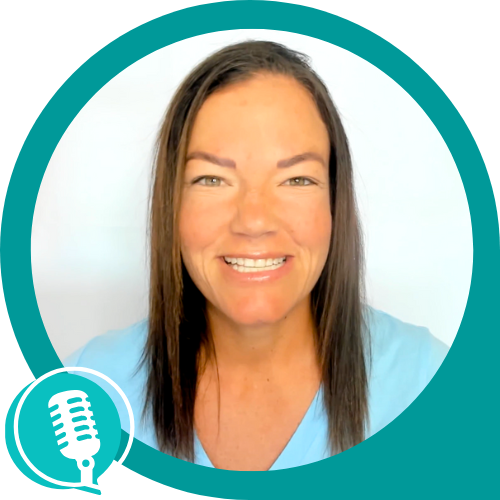
Kristi Kandel
Developer | Mentor | Co-Host of the LRED Podcast
Kristi is a real estate developer with nearly 20 years of experience and over $450M in projects across the U.S. Today, she focuses on helping locals step into development and build in their own communities.
She’s the founder of I&D Consulting, Local Real Estate Developers (LRED), and co-founder of Elevate, a community-driven sports and wellness concept.
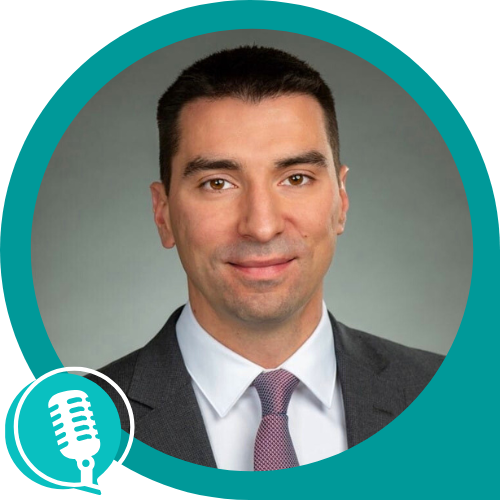
Raphael Collazo
Commercial broker | Author | Co-Host of the LRED Podcast
Raphael specializes in retail and industrial properties, bringing a problem-solving mindset from his background in engineering and software. As a commercial real estate advisor and developer based in Louisville, Kentucky, he works directly with investors, tenants, and cities, bringing a real-world view of how deals come together.
🔗 Related Episodes
How to Become a Local Developer: Katie Neason on Infill and Taking the First Small Bet | EP#29
A great companion episode on local infill, city relationships, and taking practical first steps in development.
How to Start Real Estate Development: Steph Weber Bought the Land First and Built the Plan Later | EP #41
A real look at taking your first development deal from idea to execution without having everything figured out.
Small-Scale Development: How She Left Her Corporate Career and Built a Tiny Home Village | EP #39
Another path from traditional career to building a community-driven development project.
About the Guest
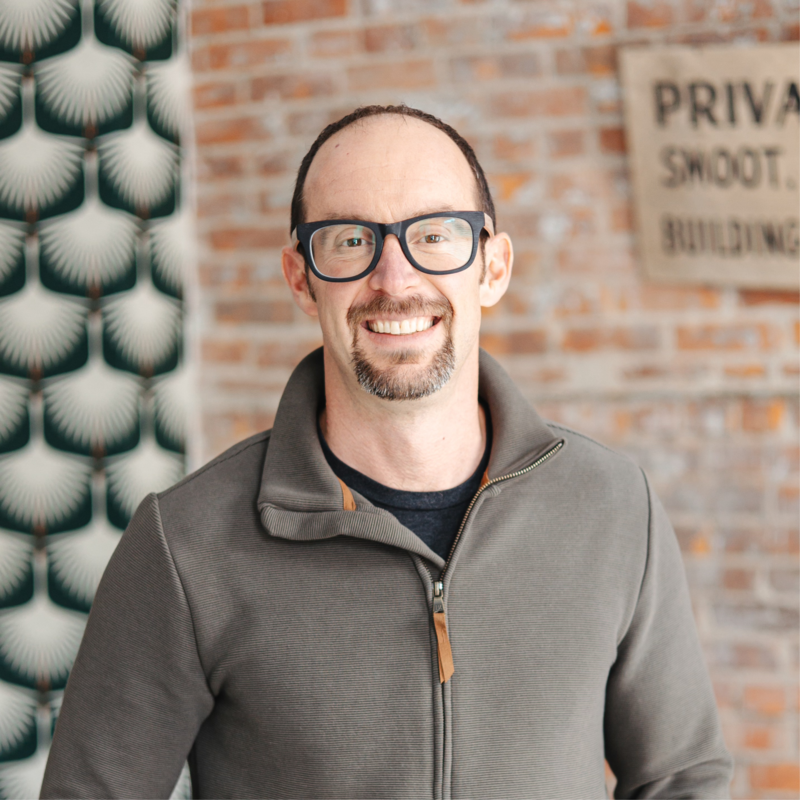
Luke Henry is the founder of Henry Development Group and the driving force behind Main Street Reimagined in Marion, Ohio. Through strategic acquisitions, adaptive reuse projects, and entrepreneur-focused redevelopment, he has helped transform vacant downtown buildings into a growing ecosystem of local businesses and community spaces.
Connect with Luke
💼 LinkedIn https://www.linkedin.com/in/luhenry/
📸 Instagram https://www.instagram.com/henrydevelopmentgroup/
🎙️ Main Street Reimagined Podcast https://www.mainstreetreimagined.com
Full Transcript
Raphael Collazo (00:41)
Welcome to the Local Real Estate Developer Podcast. I'm your co-host Raphael Collazo. I'm a commercial broker, investor, and developer located here in Louisville, Kentucky. And I'm excited to be here with my co-host, Kristi Kandel, who's gonna be actually leaving for the DR here shortly. So it's exciting to hear your about your trip when you get back.
LRED (00:57)
Yeah.
Yeah, very excited about this. Ever since I went on a dive to trip to Rotan, everyone had said, you gotta go dive in the DR, you gotta go dive there. and then I met another friend in real estate. She happens to live there with her husband, and I was like, Great, I love the local experience, we're coming. So yeah. and when I'm not on vacation, I I do real estate development. I also teach locals how to become developers, and that's why we formed this podcast. And today I'm very excited about our guest because he
He also comes from the county I grew up in in Ohio, another small town, and is an amazing example of the fact that you can as a local make a difference in your community without millions of dollars and that there's really cool ways to do it. So Luke, welcome to the show.
Luke Henry (01:41)
Hey,
really good to be here with you guys. Thanks for the invite.
LRED (01:45)
Yeah. So one of the things we like to do when when we have a guest on is first give a little bit of background of who you are, where you came from, and like what even maybe got you into being curious about real estate in the first place.
Luke Henry (01:57)
Yeah. Well, I always start my my story with the preface that I'm still trying to decide what I want to be when I grow up. so as we were talking about right before we started, I grew up in Mount Gilead, Ohio, Morrow County, small town. And I started mowing lawns when I was a a young kid. And like a lot of kids do in in middle school to try to make a few bucks with a mower that I bought at a garage sale. And the difference is that I've been
continuing to have that business for the last 30 years. And so from what I started in middle school to what we have today as a landscaping business that covers, I don't know, eight or ten counties in central Ohio. We've got a couple of locations in Marion and Columbus. And we've we've got a great business there. so that was one track I was running down. I also, we won't go deep into this, but I went to pharmacy school and earned a doctor of pharmacy degree, had a
short stint in in pharmacy world and then along the way found this bug for real estate and where I got that was actually also in middle school. My parents bought their first property and I got to do some of the work. And it was just, you know, your classic fixer upper, really rough condition and
They didn't know what they were doing. I did certainly didn't know what I was doing. I was like 13. but got exposed to that, learned how to sweat copper pipe and wire up some light fixtures and do some demo. And one of the contractors was a friend and he was very kind to show me some stuff and it kind of got me excited about that. And so a few years later when I was nineteen in college, I bought my first
rental property. And I mean, by today's standards, I guess we'd call it a house hack. It was a little bit un non-traditional. I was at Ohio Northern University in Ada, Ohio, and I bought a five bedroom house at the end of my sophomore year in college. And that I rented out the other rooms. I lived in one of them and then rented out the other four rooms. And I learned a lot through that experience. you know, all the all the first time
LRED (03:37)
Nice.
Luke Henry (04:02)
homeowner things. you know, the it had an old boiler, the pipes would freeze, you know, I had to replace some windows and doors and strip wallpaper and put a new roof on and all those fun things. And one thing led to another. And, you know, so I learned a lot through that process. I was actually going through some old paperwork the other day in my office and I found where I'd bought the house for eighty five thousand dollars. I sold the house twelve years later for less than what I paid for it. But
honestly it there's some some dynamics there, but but honestly, I mean I learned so much through that process and it gave me confidence to continue doing things in the future that it I think it was well worth it. So bought some single family, multifamily, did some flips, and then eventually got into doing real estate development. not not on my radar, not my plan.
but about eight years ago we bought eight buildings all at one time, quietly built them bought them and kind of assembled a a grouping all on one block on South Main Street in downtown Marion and had a vision to redevelop that area to be the center of dining, shopping, and entertainment in our downtown. And it was a bold move. I had no idea what I was doing, no idea what I was getting into.
And it's led to the last eight years of a really wild ride of of learning and growing and creating something really special here in our community.
Raphael Collazo (05:30)
That's exciting. No, and and I I appreciate you sharing insights about your first investment, particularly when it comes to buying a home and then renting out the other rooms. I think that's probably the best way to get started. that's how I got started. I bought a fourplex and rent out the other units and that that enabled me to learn a lot about dealing with tenant how do you how do you manage tenants? You know, how do you vet people? You know, when you have those issues and I've had situations where I've had to evict people, it's just part of the process. You learn through that and you know
Luke Henry (05:49)
Yeah.
Raphael Collazo (05:59)
There's always things that come up that you have to either hire someone to fix or sometimes when it's too expensive to handle, you say, Okay, well maybe I just need to figure out what I'm doing just to kind of mitigate that in some way. so I I think there's no better lesson to learn and learn in a way that is more cost effective than to house hack 'cause it's definitely one of the best ways to do that.
Luke Henry (06:18)
Exactly.
Yeah, totally agree. And I mean, I'd never heard the term house hack, you know, till ten, fifteen years after that was actually what I did. But in today's terms, that's that's what we would call it. And it was, yeah, a much lower risk way to kind of foray into real estate while I was still in college and again learned a ton of lessons. And I I always tell people like just take the first step and just take action if you're interested in something. And that's what I've been doing in the you know fifteen
Twenty years since twenty five years, I guess, since I bought that first piece of property. just kind of like taking the next step, taking action, just figuring it out. And when you put yourselves in this yourself in that situation, I I anyway have found that that's the best way is to just do it and then figure it out.
Raphael Collazo (07:09)
Definitely. So out of curiosity regarding the
the vision for these buildings in your historic downtown. What made you decide to take that jump? Because you described your history of having bought residential properties, small multifamilies, doing some flips, you know, buying prop commercial the strip of commercial properties in your downtown and and you know, a little bit offline we were talking about historic component. I'm not sure if that's part of th these are the projects you're describing that maybe had that historic component as well. What made you decide to take that jump? Because it seemed
like it was probably a decent shift, or not maybe not even shift, but you know, a a decent ch change in in perspective.
Luke Henry (07:51)
Yeah.
It was a significant jump. And I think that I realized it was a jump, but I didn't have any concept of how much of a jump it truly was. And so what I realized was there are significant differences between residential code and commercial code, ⁓ you know, life safety elements, fire safety elements, just much larger.
LRED (08:08)
Mm.
Luke Henry (08:14)
building and mechanical systems. And then there's the historic element too. Not only are we dealing with buildings that are between a hundred and one almost two hundred years old, but we're also dealing with in in some cases, one project in particular I was telling you before we started that we're doing a historic tax credit project that brings in a whole different element of requirements and red tape and everything that has to be
taken into account. And development is is difficult enough. And you layer in some of those elements and we we had a pretty steep learning curve. But really to answer your question, Rafael, the reason that we took that jump was just because we saw a need and an opportunity. And Marion, Ohio is where I'm raising my family and where I have a business and have had for many years.
I care about this community. I care about the people in this community. I believed that we could do better. I believed that we deserve to have a great downtown. And as I studied other thriving communities around Ohio and beyond, I saw that the really special ones had a great historic downtown. And I believed that I was seeing more of a comeback. It was becoming more in vogue again to have that walkability, have
adaptive reuse, have cool places, unique places. The the younger generations are are rejecting some of the big box stores and the chains and really want authentic experiences. They want to live in places that are unique and cool and have soul. And I saw all of those factors and just thought why not Marion, Ohio? And then I started looking around and I was like, well, we're not going to get some big developer to come out here from
LRED (09:50)
Mm-hmm.
Luke Henry (10:01)
A big city and do this project. It's way too speculative and there's nothing proven. And so there is no they. You know, so often communities are like, well, they need to do something with our downtown. They need to bring some new businesses. They need to bring a coffee shop or fix up these old buildings or knock them down and create parking lots. but the reality is that there's no they, there's only we. And as a community, we've got to pull together and create.
LRED (10:09)
Ha ha ha.
Luke Henry (10:27)
these projects and and get them figured out. And so I was kind of going through a little bit of a midlife seizure, I guess, where I was like, man, I've, you know, built a business and I've learned some things about real estate. And I think that the things that I've learned thus far would serve me to try to take this leap. And just I figured things out before and I've built businesses and and done real estate projects. And so
How hard could it be? Well, it turns out it's actually really freaking difficult, but that was my attitude that got me into it. And then it took tenacity and a lot of discipline and resolve to actually complete those projects. And then we've gone on to do, we've done 20 projects in our downtown in the last eight years. We've taken a big bite and are really seeing some momentum and we've helped nearly 50 businesses start in our downtown or recruit.
businesses from elsewhere to come join us. And so it's been a really gratifying overall project, but a lot of learning along the way, I can assure you.
LRED (11:31)
Yeah, and clearly it didn't stop you from going, but it reminds me back when I first got into development and my mentors would go, That's that's a you project because you've got the energy and you can go do it.
And they'd also say, and you don't know what you don't know. ⁓ because they understood how hard it would be, but they also knew that I would have the tenacity and the the willpower to go, I'm gonna figure it out, and wow, didn't know that was coming, but all right, I'm gonna go figure it out, and I have the energy to go figure it out. So it's it we need that, and especially in our our communities, we we need our local catalyst. Someone has to get the ball rolling. last night I was at the Benita Springs Downtown Alliance meeting, and we were talking about the fact that it was a
Luke Henry (11:45)
Mm-hmm.
Yeah.
Yes.
LRED (12:11)
Again, another local who took the risk and he started buying up parcels early because he understood what could happen. And then he realized, well, instead of just sitting on it, I need to be the catalyst that starts it. So he created the first couple locations, and then the thing started to come in around the area. And now it's now there's the momentum. And so now everyone's starting to jump in. And in five to ten years, it will look totally different. But it took that local starting it and putting that initiative in and going, okay, like this is my community. I'm investing.
Luke Henry (12:13)
Yes.
Yes.
LRED (12:40)
I'm gonna live here. So I know that I'm not gonna make the return right away. But in the long run, we're all gonna win.
Luke Henry (12:47)
Exactly right. We call that patient capital.
LRED (12:49)
Yeah, exactly, exactly. There's there's no getting rich quick. There's just a getting rich or getting well off slowly and growing it. That's where it's like if you have those intangibles to where you get to live and feel you get to go, there's more energy down here. I'm excited to go see the community and go meet at the pizza place and go to the ice cream shop. That's where it all kind of adds together to where it's well beyond the dollars that that come in. Which it yeah, go ahead.
Luke Henry (12:54)
Right.
Yes. Yeah.
I was
just gonna say there's and there's no shortage of communities that that need this. I mean, I I drive through and I'm sure you do too, you know, all throughout the entire United States and beyond, where there's communities that that need revitalization, they need reimagination, and they just need local people to say, we deserve better than this, we can do better than this. Don't let the big box stores come to the fringes of our community and define.
LRED (13:38)
Yes, yes.
Mm-hmm.
Luke Henry (13:44)
Who we're going to be. We don't want to be the place with the commercial corridor that looks like any town USA that's got all the big box chains. And somebody can drive through a town and it doesn't look any different than the last 10 that they drove through. We want something special. We want something unique. We want something when we bring friends from out of town, we take them downtown and we say, Look at what we've built here, look at these local places, look at these local entrepreneurs that are putting these restaurants, these boutiques, these coffee shops and
LRED (13:50)
Mm-hmm.
Luke Henry (14:13)
you know, craft beer bars like that can be places that are really special and unique that you can only find one place in the world. And so you know, that really gets me fired up, obviously. And look, I I will tell somebody right up front that there is way, way easier ways to make a dollar in real estate than doing this. But I would say that there are few
That feel as purposeful and gratifying over the long term than revitalizing your own local community. So we say that we we work at the intersection of for profit and for purpose. Again, it there's there's easier ways to make a buck, but few that are going to create the lasting value and impact locally as these types of projects.
LRED (15:04)
100%. I I think we have something like 16,000 communities in the US that have a population under 10,000 people. And that's where straight to your point, if you can flip that house, you can take that downtown commercial building and you can do something with it. So I mean that's endless opportunities where the big developers are not coming in and it's you that that local who gets to be the one who gets to be the change maker.
Luke Henry (15:22)
Yes.
Yeah, absolutely.
LRED (15:27)
So early on in your in your projects, you you said there were some big differences and it's in the the commercial code and how that goes. as you were even in acquiring the properties, because you said you had pretty much bought the block. How did you go about financing that when maybe a little bit about the dollars if you can, just to to kind of put that in perspective to go, it's not millions and millions of dollars.
Luke Henry (15:38)
Mm-hmm.
Mm-hmm.
Yeah. Yeah. So when we went around and kind of quietly assembled these properties, just to give a little bit more color and context. So this is one block South Main Street, Marion, Ohio. At the time, the block was 80% vacant. And so there was not a lot going on. There was one restaurant, a couple of attorney offices, a secondhand clothing store, tattoo shop, and a bank. And
That was about it. Otherwise, there was a lot of empty buildings, empty second floors, empty first floors. And so when we kind of surveyed that scene and looked around, my thought was just like, man, there's there's so much opportunity here. And I can see how this could come together. And it definitely starts with that vision. but then we just went around and and started approaching people. There was a couple of properties that were
on the market. They're one sold at auction. And then the others, though, were just going and looking up the public records, finding out who owned the building and reaching out to them, trying to find a friend of a friend, sending, you know, messages on Facebook Messenger or skip tracing and trying to find their number. And I mean just all these you know, kind of sleuthing to find out who owned these buildings because some of them were absentee owners.
And so just figured out a way to get a hold of people and then started you know making offers. And so to give again some context, I mean, these buildings were all purchased for between twenty and seventy-five thousand dollars apiece. And these are like main street buildings, a lot of them were like, you know, one or two storefronts with one or two, you know, former residential spaces on the second floor.
that maybe hadn't been occupied for many, many years in most cases, or they had been, you know, really crappy apartments and, you know, were not hardly livable and needed to be completely gut renovated. And so, yeah, I mean, it didn't start with a ton of dollars. I mean, I think we acquired everything, you know, eight buildings for less than half a million dollars. and we pretty much scraped together the the cash to do that.
there weren't banks that were going to finance vacant buildings, of course. but then when we went to go do some renovations, we essentially like did like a commercial version of a burr. you know, so again, I d I don't know that I even at the time knew what that was or had language around that, but I was just like, well, if we pay cash for it, we pay cash for the renovations, and then we force some value, then we can.
cash out refinance it and roll that to the next project and then kind of keep doing that. And for some of the small a little bit smaller projects, it it worked reasonably well. We didn't necessarily get as much cash out as we would have liked because what we found with both those and our kind of first major like flagship project was which was a wedding venue, which was like a million plus dollar project, we found that banks were not super
excited to loan on you know this particular type of project at this particular point in time because th there was not a lot going on. I mean these were relatively speculative investments. And what I didn't understand about banks that I now do is that you know banks are in the money rental business. They're not in the you know the business of like speculating or you know they want to be
basically assured that they're going to get their money back no matter what happens. And so even though I had an existing business, even though I had other real estate, even though I'd done flips and, you know, all these long-term holds of other real estate assets, that wasn't quite good enough to to for me to take on one of these commercial projects. So the first couple were they were tough. we had to do some tall talking, had to do some
convincing some tours, you know, some renderings, different things like that. And we had to get a little bit creative to make the the numbers work and be able to get the first couple financed. And then once that track record started to build, once we're like, okay, we've done this project, we've done this project, we've done this project, we've placed commercial tenants, we've placed residential tenants, we've created businesses where cash flowing, and it's just incrementally gotten a little bit easier every time. And now
We work with several banks and they're very competitive on our projects because they know that y we're gonna come through and we've done projects successfully before.
LRED (20:23)
And when you're talking banks, are you talking regional banks to the area who know the market? are you talking the Chases, the Bank of America's the Wells Fargoes?
Luke Henry (20:30)
Yeah, these
are all small local and regional banks. So th the first bank that loaned to us was actually the one bank that I mentioned on the block. You know, it's literally like they're loaning on the building next to them. because, you know, in that case it's like, well, they're like, well, yeah, I mean, we would like to see that get fixed up. It looks terrible now. And so it would make us look better. And so maybe maybe we are willing to take a little more risk than the bank in the next town over.
with this type of project. And then the other bank was a credit union that was also local to our community that, you know, worked with us initially on that project. And they didn't want to completely take all the risks. So we had to find another way to finance part of it and then they syndicated the loan. So I mean we're just learning lots of things on these very first couple deals.
With the financing part though, I didn't even think that would be the issue. I thought that the challenge would be construction. Well, that was just one sliver of the development pie, as you guys well know. But I didn't know at the time.
Raphael Collazo (22:06)
Yeah, it's it's amazing how lenders and again you you see the vision as the developer and f for you it makes sense and you may very well even be in the the business you know, as let's say you're you're in brokerage as I am, and a lot of times I can say, Hey, this this space can rent out for this amount of money and and I know there's tenants looking and a lot of them are like, Well, where's the piece of paper that tells me that this lease is signed and everything else in order to really solidify this as an investment opportunity? And so, you know, I we face some challenges with project
Luke Henry (22:10)
Well.
Yeah.
Right.
Raphael Collazo (22:35)
We've taken on where we had to identify a tenant and get them committed to the site. And then at that point, the bank's like, okay, well, now you have a contract and now we can, you know, get comfortable with this idea. But over time, as you start to build that repertoire and that and that portfolio, you're 100% right. Lenders start to say, well, this person has done projects like this before. Here's how they performed. You know, the the they're well within the you know LTV ratios for what we expect and ultimately.
Luke Henry (22:56)
Mm-hmm.
Raphael Collazo (23:05)
ultimately you become a lot more attractive to to lenders to finance projects. But that takes time and the first time you do it, oftentimes you eat a little crow and it's just part of it. So
Luke Henry (23:15)
Mm-hmm. Yeah,
yeah, exactly right. Something I would share that I've just started doing the last year or so, and it's been really meaningful. And I would encourage others to do it if you can get your lenders to agree. And that is that I've done a series of lender tours where I've actually invited lenders down, not just the relationship manager. So in many cases, you know, the the commercial lender or the relationship manager, the
The they're they'll walk a project, they'll look at it with me and everything, but they're still just the the mouthpiece of my vision to the loan committee or whoever. And so instead I asked if they thought that they could get some of their underwriting team, some of their loan committee, some of their executives to come and walk our projects and look and see and so I could do some show and tell. And I shared, you know, I I started the meeting with, you know, some greetings and everything. I was like,
You've already all seen my financials. So there's nothing you're gonna ask me that, you know, I wouldn't end up sharing with you at some point or haven't already. So I'm I'm completely open book here. Let's talk about these deals. I'm happy to talk about what went well, what didn't, what we've learned, how we're improving, all the good and and the bad. And so, you know, I think they really appreciated that transparency. And it was remarkable how many of them were like, wow.
This none of what I saw today came through on the spreadsheets that you send us. but instead they were just like, okay, we completely understand how you're building an ecosystem, how you're creating these different commercial clusters, how you're stacking the residential, how you're how you're marketing these businesses, how you're recruiting businesses, how you're filling your loft apartment spaces, how you're running your Airbnbs. And you know, I just
LRED (24:41)
Yeah. Yeah.
Luke Henry (25:04)
showed them and it was so much more meaningful. And so I would encourage others to do that, particularly if you're doing, you know, these types of investments that are a little bit different, maybe a little harder to for kind of the traditional banker to wrap their head around. it was it's been really helpful for us. And then we've also started sending a end of year summary that explains the different projects that we've done. And again, I mean it's hard for them to kind of take all the pieces of our financial statements and be able to
build a narrative. So if we put that narrative on, you know, a s a sheet or two and send it to them, that's much more helpful. And so that has also been really well received. These are things that I never knew to do, but have just started doing and have been met with really good results.
LRED (25:50)
Yeah, those are things that nobody teaches you, nobody tells you about, and you realize that development is all about relationships and how do you make them stronger? How do you build deeper relationships? How do you build the trust? How do you literally it's that in person, let's let's show you so you can feel it, you can see it. Yeah, that's that's so huge and something that that is
Luke Henry (25:57)
Yes.
Mm-hmm.
LRED (26:10)
I think just yeah, because it's so not known. There's two projects I'm working on and in in telling our partners as we're setting up meetings with the regional banks. I'm like, guys, we're selling ourselves to them as much as like it's not just about the project and numbers. They need to understand our background where we're what we're bringing to the table as people. They need to believe in us, they need to like us, they need to understand the vision because they're gonna go sell us to their internal team. And these are these are all the things like the that we're that we're doing as part of relationship building to go, okay.
Luke Henry (26:22)
Mm-hmm.
Mm-hmm.
LRED (26:39)
Okay. And a lot of us don't necessarily want to go, hey, I'm I'm about us. I'm really good at this and and talk ourselves up, but it's it's you do kind of in a way need to go, okay, what things are going to check mark their boxes to go, you can do this because you have worked with the state of California, you have done public private partnerships, you have worked with venture capital, or this or that, like and customizing to to each one, but it's just like you you do need to kind of go, okay, here's here's what we've done. This is why we can perform.
Luke Henry (26:44)
Mm-hmm.
Yes.
I love that you highlighted that, just because I have realized as we've went through this that man, so much does hinge on relationships. And so I mean we've been talking a lot about lending relationships, but even relationships with potential tenants. you know, we've we've done some some restaurant build outs, for example, recently, and we've invested significant amounts of money, hundreds of thousands of dollars apiece
To do the tenant improvements on these projects. And, you know, we're entering into long-term leases with these folks. And you know, w we're almost like a bank in the sense that, you know, we're having to sort of vet these folks and make sure that we believe that their financials are solid, that their operating systems are solid and that they're moving forward, which is difficult. These are not like, you know, national tenants. These are, you know, local mom and pop, maybe a, you know, small chain, regional chain or whatever. And so it's difficult to do that. But
We develop a relationship and you get a feel for people. And I have a saying that it's tough to do a good deal with a bad guy and it's tough to do a bad deal with a good guy. And as you said, I mean it so much of it comes down to trust and building relationships with people and figuring it out because a lot of things can go sideways in a deal. And you've got to know that the people that you're working with, either across the table or on your side of the table.
LRED (28:22)
Yes.
Luke Henry (28:24)
That they're willing to, you know, they're as committed to this journey as I am, because things are going to go sideways. And we have to be able to adapt, pivot, and work together towards a common outcome because that's what development's all about. It's it's being told no, it's taking conflicting situations. You know, the fire inspector wants this, but the tenant wants this, and the building departments wants this, but the public utilities want that.
LRED (28:30)
Yes.
Luke Henry (28:50)
And it's trying to navigate all of that to just say, how can we work together to make this work? That's literally development. I wish somebody would have told me that earlier, but it's just like, you know, I could either be pounding my head against the wall because I'm so frustrated about it, or I can realize that that's literally my job as a developer is to bring all these broken systems together and find if there's a way forward or not.
LRED (28:54)
Yep. Professional problem solvers.
Yep. Yep. Exactly. My sister used to ask what I did and I'm like, I'm just a professional problem solver. I have a PhD and MIH. Make it happen. Like, that's it.
Luke Henry (29:20)
Yeah, yeah. Yeah.
That's I love that definition.
Raphael Collazo (29:24)
Yeah. And it goes
It goes back to the root cause. What the root the the thing that stems from all this is communication. ⁓ and I think that regardless of relationship, if you're constantly in communication with people and you're describing a a situation where you invite the lenders on site and you show them what you've been doing, you likely share the challenges you faced, how you've overcame them, and that helps build trust, that helps them get uncomfortable with the idea that even if things happen, because again things are going to happen, that you have a good head on your shoulders and you're
LRED (29:32)
Mm-hmm.
Raphael Collazo (29:56)
able to circum or navigate some of these tumultuous waters and so I think it's a great idea. and I I'm glad that you shared that on this podcast 'cause I'm sure that there's gonna be people that try to incorporate some of that into their own projects.
Luke Henry (30:05)
Sure.
LRED (30:10)
Well and
I've only taken the the customer facing people. I've never taken the underwriter. So that is I'm like game on on that.
Luke Henry (30:15)
Yeah.
Raphael Collazo (30:15)
Mm-hmm.
Yeah. Yeah, I've never done that either. we've done we've done some like site tours, but yeah. Well, especially underwriters, because I feel like, you know, you have this idea of an underwriter being in like a you know, a room just with luminant lighting and just like sitting in front of a computer. So a lot of times your point.
Luke Henry (30:17)
Yeah. It's it's very eye opening for them. Yeah.
LRED (30:21)
Yeah.
Little box no
Luke Henry (30:29)
Yes. There's a big pile of beans
and they're just they're just counting them and they're just moving them and right. Yeah. Yeah. Yeah.
Raphael Collazo (30:34)
Exactly.
LRED (30:35)
And they don't realize there's a human factor, there's a community, there's a town, there's intangibles that you can't put on those spreadsheets.
Raphael Collazo (30:38)
Yeah.
Yep.
Yep.
And and you know, oftentimes you rely on your banker to kind of convey the message or the or the the vision to the underwriter and sometimes if you can just get out of the their get it from away from their desk and show them physically, now it helps create that color that in the future, if a deal comes across their desk and it's tied to you, they say, well I have this r understanding more understanding of what this person is about and the types of projects they deliver and as much as you say, it it's all about the numbers and and dollars and cents a lot of time
times too, especially if it's a local bank, that does play into their decision making process. So I think it's important to do.
Luke Henry (31:17)
Yeah. Yeah.
Yeah, exactly. I mean, they're they're loaning to a person. You know, yes, it's for a project, but especially in the small developer world where we're, you know, we're personally guaranteeing all of our debt and all of that, like they're loaning to me. And so, I mean, my word is only as good as the way that I've treated them on other deals. And so, you know, I have to to make good on that and you know, my
Raphael Collazo (31:23)
Mm.
Luke Henry (31:44)
My reputation is all I have with them and so I've gotta ensure that they know what I'm about and that they have confidence that if I say I'm gonna do it, I'm gonna do it. And so yeah, I mean it's it's important to build that level of of trust as a foundation.
Raphael Collazo (32:00)
Definitely. So one of the questions I have was related go ahead, Kristi.
LRED (32:01)
Curious
I was just gonna say I'm curious because knowing it's a smaller town and knowing that you then bought up several properties, what was the community's feedback as they realized, it's a local doing it? Like did you become the greedy developer though that was doing it? Did you get the support and how did you maybe bring them along for that?
Luke Henry (32:20)
Hmm, this is a timely topic, Kristi. so I would say that I'll kind of take you through the life cycle, and that is that early on, people were very excited. So, you know, we bought these eight buildings, released the the information for the project, which we called Main Street Reimagined. And you know, everyone's very excited, and we started making progress, a lot of community support, and
Then COVID happened in there and that upended a lot of things. That's a that's a whole other podcast. But but basically, you know, community support has remained strong. There's been a a core group of supporters, people that have come out, you know, and as we've helped stand up new businesses and and invited new entrepreneurs and seen people come and start new businesses, new restaurants, new boutiques, new entertainment venues. there's, you know.
additional waves of support and their friends and family and just, you know, more and more that way. But what I will caution folks is that there does come a point where the critics can definitely take the microphone and try to start steering the narrative differently. And I would say that in the beginning the critics were more like this isn't gonna work.
Nothing's downtown. There's no parking. Just tear those buildings down. And I think you have to be prepared for some of that. you know, through the process, sometimes there's other, you know, frustrations or feedback. And I think there's a very fine line between making sure that you're positioning yourself to hear constructive criticism, to hear public input, to hear what the community wants and be able to respond to that and incorporate that.
But also like realizing that there's some people who literally are just going to criticize, not constructively. They're going to they're going to come after you personally. They're going to come after your family. They're going to do things, you know, that are really unfortunate. and I and and sometimes it there's not a real clear reason why. And so unfortunately I've kind of been the the
been in the in the line of fire a little bit here recently. not necessarily for any certain decision. I didn't bulldoze any buildings or, you know, take anyone's home or anything. We opened three, four new restaurants in the last few months and we've been having a lot of great momentum. And for whatever reason, just it seemed like a good time to maybe take a few shots, I guess, and share some misinformation, share some
Totally bogus claims you know about me personally or my team or you know, my relationship with the city officials or, you know, those sorts of things. And so unfortunately, that is just also part of the deal. I think that folks have to be a little bit prepared for. And, you know, I shared with someone recently, I said, you know, I didn't like set out to be a public figure. I was just like doing something I was passionate about and really doing what I believed that.
LRED (35:04)
Yep.
Luke Henry (35:18)
you know, I was called to do here in our community and and make things better one building at a time. And somewhere along the way, I got a little famous and and infamous in different circles and and so I've you know I've just gotta be aware that that's a reality. obviously I wanna conduct myself in a way that's professional and caring. And again I I have an ear for constructive feedback. But also there's a little bit of just having to
be able to kind of put aside some of the the unfair criticisms that come, realize that it's part of the deal and and keep moving forward.
LRED (35:53)
Yeah, and I think part of that I'm just thinking I've lived in a lot of small towns of two thousand to seven thousand people. I live in another one now, like Tahoe was another one, Ohio was another one. when like even here in Fort Myers Beach after the hurricane, we had the property owners of the whale end up being the thing that brought us back to life because they when they decided to rebuild and make that investment, they were the locals, the first locals who put that flag in the ground that says, We're gonna be part of many.
Luke Henry (36:13)
Mm-hmm.
LRED (36:20)
Making this 10 to 15 year rebuild happen because we got completely wiped out. And everyone was just like, thank goodness. Like, like that was our hope that we needed to be resilient and to go. They ended up buying a couple other properties so they could then keep turning those. They created a WhatsApp FMB to take all the businesses together because of rising tide, lifts all ships. And it's crazy how once they get big enough to where then people who don't take any action start sending those shots.
Luke Henry (36:48)
Mm-hmm.
LRED (36:49)
it's it's very disheartening because it's like wait they literally are helping be the resurgence that and in their and having known them like they are doing this for the community and everything all of their actions show that but I think ⁓ part of it is a mirror. People look into a mirror and they go, I now feel bad that I didn't take any action or or have to want to take the risk. So I think part of it is that and you just become big enough that they're like, okay cool, I'm gonna take I'm gonna take shots at you because now you're the big bad developer. So
Luke Henry (36:54)
Yes.
Yeah. Yeah.
LRED (37:15)
Like you said, the the point on this is if you're going to become a leader, and it doesn't matter if it's in business, if it's in development or whatnot, you are going to not have everyone on your side. And your why has to be strong enough. So when you do have those shots come at you that you go, you know what? I've got haters now. Great. I'm big enough to have haters. And my impact has reached a ripple effect to the point where I do. And I'm gonna let it roll off because not all of them should be taken in. And some of them though, great. You could have good positive.
Luke Henry (37:28)
Yes.
LRED (37:43)
Or feedback that goes, yeah, I'll I'll tweak this next time. That was great. But it's it's that that, you know, you s we say we want something, but what what are the unintended consequences or what are the what does that actually mean to to get the thing we say we want?
Luke Henry (37:57)
Yeah. Yeah. Right over my shoulder here, there's a sign that says, Criticism is the price of leadership. And recently shared this on social media when, you know, some of this kind of misinformation came out. And, you know, I I didn't defend myself. I didn't, you know, go back at these folks or whatever. you know, they're certainly entitled to their opinion. But I just said, you know, I I have to stay firm to my convictions. I've gotta lead my family, my team.
Well, I've gotta show up doing the very best that I can for the community. And some people are still gonna criticize, and that's that's okay. That's a right. but I have to be strong enough in my why, just as you said, that that I've gotta know that I'm moving forward with confidence and believing the very best. And it is amazing, you know, again, there's some some folks that chirp about things, but there's such a small percentage in the grand scheme.
We can't get knocked off kilter just by a handful of people, you know, just, you know, being critical, because they're critical of other people. You know, if you look at, you know, that's the kind of the bigger picture where it's like, you know, if they're the ones that are criticizing this public official or that public official or this other person or this, you know, it's like eventually if they get around to me, you know, so be it it. That's probably bound to happen. and so it's just something that
We have to accept and and keep moving forward. So, you know, I think this is something that's not talked about very much. You know, I certainly didn't hear this on any podcast when we were starting out, to where I was like, okay, yeah, check, great. Yep. be prepared to be, you know, criticized and ridiculed or made fun of or parodied online. but here we are. And, you know, we've got to keep doing what we're doing and and we believe in again that working at the intersection of for profit and for purpose.
Raphael Collazo (39:41)
Yeah, that's a great point. And I mean, you're never gonna be criticized by someone who's doing the same thing or more than you. It's always someone who is in the corner and they just like to chirp and that's it. So there's a there's a gentleman that I know who'd said consider the source whenever someone says something and you know, based on what your judgment is, then you can determine whether or not it's really worth considering as as as input. But
Luke Henry (39:56)
Right.
Raphael Collazo (40:06)
One thing I'm I'm curious about is as part of these projects, I mean obviously you're renovating these projects and you wanna be be able to deliver something that is gonna be meaningful and and useful to the community. How did you find the tenants and th talk about a little bit about maybe structuring the partnerships on some of the the build outs for some of these commercial tenants specifically? Just because you've got a f you said you just rolled out four restaurant spaces over the last year. so that's
as we are we're aware as being in the space, that's a pretty significant investment that you made. So
Luke Henry (40:38)
Right. Yeah.
Yeah. So recruiting has been one of the the more challenging parts. And I think that it's one of the parts that really can trip up, especially smaller community developers like us, where you're trying to do mixed use development. And so this was another thing that I was woefully naive about when we first started out. just like the banks that I thought were just gonna, you know, write us a big check when we were ready to start our construction.
I thought that, you know, build it and they will come, that we would just you know, have this vision and other people would be excited about it and they'd want to bring their business and open up in one of our buildings. And so when we first started, we announced Main Street Reimagined, we started doing a a little bit of the construction work. And so I, you know, we knew that we wanted an ice cream shop, we wanted a hair salon, we wanted a coffee shop. And so we
went to, you know, neighboring communities or places a county or two away at, you know, where there was those amenities and we said, Hey, would you like to look at coming to Marion and bringing a second or third location of of your concept? We really love what you do and we're building this ecosystem and we know that we're gonna drive traffic and da-da-da-da. And and they came and they looked and they were very kind. but all of those tours ended the same way, which was them saying, you know, this is unfortunately just too speculative
Too early. And, you know, we've got to see the traffic. We've got to see other success stories before we're going to come here. Even if you're going to do all the tent improvements, even if, you know, we just show up and the work is done, there's still a real cost to us in time and and energy and money. And so, you know, we're not going to make that leap. And so really what we found was that we had to create our own weather a little bit. And so we actually started.
A few businesses to get the ball rolling. So we started an ice cream and sandwich shop, we started a wedding venue, we started a hair salon, we started another small event venue, and those are the first four businesses on the block. And that really created momentum. It proved the concepts. It also proved to be very difficult, especially as COVID hit three weeks after we opened our wedding venue. So
You know, again, there's a whole co-host of challenges that come up, but the bottom line is, you know, w we did we just took the next step to move towards the vision that we had. And so eventually, once we did prove that concept, we created some traffic, then we started to be able to recruit the right tenants, the right mix and and outside.
tenants and there got to be a point. I mean, actually at one point we opened another wedding venue, an Italian restaurant, a catering business, and we were running like eight or ten businesses. And it was just, I mean, the wheels were about ready to fall off. And I did have a business partner on some of those. And you know, we were trying to keep all these balls in the air. And eventually we kind of found a way to, you know, why don't you take a couple of these? I'll take some of these. We'll separate. We'll, you know, we're still friends. Like we're gonna operate in different lanes.
And just kind of like simplify a little bit. And that was the right move. I think we did that a few years ago. But again, of it was sort of what we felt we needed to do to get the momentum going. And then I just, you know, people ask, like, how have you recruited these other restaurants or boutiques and entertain and it's it's really just like I just say I hustle, you know, like I'm always on the lookout for somebody that I think has a talent. I'm going to
craft shows and vendor fairs and finding people that make products and maybe they're not ready to have a storefront, but maybe I can connect them to one of our boutique owners and they can highlight their product and, you know, it's a it's still a good relationship. I don't really get anything out of it necessarily, but creating something special and helping another entrepreneur with restaurants, you know. Exactly. Exactly.
LRED (44:30)
No, creating a stronger ecosystem to where you're like you're helping
them be more successful, to where your job doesn't stop as a landlord of going, Cool, I'm collecting the rent, you guys go be successful. If you're truly collaborating and and doing that, you you are doing that and your job continues that way.
Luke Henry (44:45)
Yes.
Yes. It's finding the people, mentoring them, help resource them. And then we also, you know, provide marketing support. And again, it's it's not just like place a tenant and then it's mailbox money. You know, we we're supporting this ecosystem, helping helping them as much as we can, promoting them. And so it's it's become way more than what I imagine from that perspective, but
LRED (44:52)
Mm.
Luke Henry (45:12)
Over time it's continued to build and create something really special.
LRED (45:16)
Yeah.
And I I know a lot of people who who are doing the same thing, they'll they'll offer definitely marketing because that's part of the bigger ecosystem, sometimes accounting, because as a as a business owner, we all know. the thing that you signed up to do business for is only a small percentage of what it takes to actually run a business. And there is so much that happens. So I think the being able to use your insights and maybe have a scale of reach of different things to have different resources or software that tenants could use to help them help themselves. I
Luke Henry (45:30)
All right. Yes.
LRED (45:45)
it seems to seems to be working in in lots of markets to go, okay, you're just creating a self sustaining ecosystem and sharing all the resources and and that's how everyone can can be successful.
Luke Henry (45:55)
Yeah, yeah. And I'm I mean, I'm an entrepreneur. So like I love entrepreneurs and I love talking shop and I love, you know, kind of inside baseball. So like I'm learning about their businesses. Again, maybe I'm offering them support. Maybe it's just fascinating. Yeah, or I'm seeing trends of different things that are happening or sales or you know, what's happen what's working marketing wise, what's working with this or that. And so you know, it's to me it's fun to also see those main street businesses succeeding.
And and you know, it's not always up and to the right. There's a lot of bumps along the way, but we're learning together. And then I can take what I've learned from this and you know, may operating a business or being in relationship with one of our tenants, and maybe it can take that information and help someone else who's starting out or trying to grow a business and you know, add value to them, which adds value to our community and and then if that makes them successful as one of our tenants and they can stay long term.
And it helps us repay our, you know, heavy investments that we've put into these projects, then that's that's good for everybody.
Raphael Collazo (46:57)
That that's great. That's some great advice. So obviously this this episode so far has been really value packed and I'm really appreciative of your the insights you shared. you know, what what advice would you give to someone who is looking to get started in real estate development? Maybe they have never taken on a project or maybe they have some experience on the residential side but they want to take on either their first commercial adaptive reuse or some other form of commercial development. what
What advice would you give that maybe is a good starting point?
Luke Henry (47:28)
Yeah. I well, I mean, there's so much that I've learned along the way. and most of it's just been through hard knocks. but I would say that if I were starting again today, I think that, you know, if I were giving advice to myself, I would say, first of all, take action. T take action. And for me, as I mentioned earlier, sometimes I've just got to paint myself in a corner and then figure out a way to get creative to get out of it.
And that's just the way that I work. It's probably not the smartest way, but it's worked for me because, you know, when you only have one way out, you're you gotta figure it out. And and that is what I've done. but I would say that if I were starting again today, there are so many great resources and groups that I've discovered along the way. I know you guys have, you know, a group and some training and masterminding that you offer.
There's you know, so many others, you know, different even guests that you've had on your podcast, you know, mutual friends of ours, Jason Duff with Small Nation, Katie Neeson, with Katie Develops in Texas, you know, doing totally different types of projects. and you know, align with some of them, learn from them. But that event, like that's only going to take you so far. So to be able to learn so many of these concepts that I had to learn the hard way would have been way less painful.
But in the end, I still would have had to take action in order to get out there and and learn the rest of the lessons. And so don't be afraid of failing. Don't be afraid of, you know, losing some money on your first deal or two or three. I mean, like that, that is just the way that it happens sometimes. The great thing is that real estate is forgiving. And so over time, and so that is, you know, where we've elected to pretty much buy and hold everything.
As I said, patient capital. Some of our deals have gone sideways. Some of them we've spent way more than what we expected to. But over the long term, you know, if my intent is to hold these 10, 15, 20 years or more, it's gonna work out. And so that's where I just tell people like don't be scared to that everything's not gonna go right. It's not gonna go right. So just go in with that expectation and you won't be disappointed. And
But you're gonna learn and you're gonna be better for the next one and then the next one and the next one. And that's how we've just incrementally taken on larger and larger projects because we learn and we we grow, we adapt and then we have the skills and the knowledge to be able to do something a little bigger, a little different, and you grow from there.
Raphael Collazo (49:55)
Great advice and
And to your point about taking the lumps is that those are lessons you learn that you then apply to future projects. We talked a little bit off air about, you know, you working through and finalizing this historic development and you know, you mentioned having spent mo way more than you expected and you know, you may or may not round out with the with the credits that you receive whether or not it was worth it. But at the end of the day, it's like now I have this experience that I can take on to the next project and you better believe that this next project we take on, there's gonna be some inefficiency.
that you're able to improve upon and it's only gonna benefit you long term. So ⁓ it's almost tuition in sometimes life is about tu paying tuition. Whether you pay tuition to an institution or you pay tuition on the projects you take on, that's your choice.
Luke Henry (50:29)
Yes.
Yes.
Yeah. I used to call it stupid tax. I've tried to reframe it now as tuition makes me feel better, ⁓ because tuition implies that I'm, you know, paying something, I'm investing in in myself to to get better for the future. And that really is what it is. You're exactly right. So when we can go at it with that attitude, we're a lot happier along the way as well. So pay the tuition, learn the things, and then put it to work on the next one.
Raphael Collazo (50:45)
Mm-hmm. Yeah.
LRED (51:03)
Yep. as you as you look forward and you go into what the what the next phases are, are you looking to s solely stay in Marion or are you considering doing some other local communities? Or what is the what does the future look like for you guys as you get into the next five to ten?
Luke Henry (51:18)
Yeah. Yeah. I've been been thinking
about that some more. we still have a couple other projects at least that we're looking to do that are of some size and probably some smaller, you know, infill things or, you know, maybe a little bit more on buildings that we already own. So there's there's plans for the next, you know, few years at least. But you know, beyond that, I don't know for sure. I I'm kind of holding holding my plans loosely.
I definitely think that there's opportunities in other communities. I've seen that with some other developers that I've become really great friends with. And I think there's opportunities for partnerships. I think there's opportunities for, you know, maybe taking down some things together with some others that I've met. so TBD, stay tuned on that. We'll you know, circle back in a few years and
I'll give you an update on where where life is taken. I didn't ever think that I'd be here. So I don't yeah, I don't place any bets or or talk in absolutes at all about where I'm gonna be in in another five to ten years. But I'm I'm grateful for the journey. I'm grateful for everything I've learned and continue to learn and and the people that I've met along the way. I mean, this is what makes life worth living. And so I think that it's really meaningful work that I've enjoyed and so
We'll see where it goes from here. So stay tuned.
LRED (52:35)
So so true. I keep seeing posts on Instagram that are like, would the 2024 version of you and the 2025 and 2026, if they all got together, they would have no idea what they're talking about. And that's that's what happens when you're taking massive action and be like, whoa, whoa, whoa. Okay, cool. All right, universe, what do got?
Luke Henry (52:44)
Right.
Yeah. Yeah. Yeah. Yeah, exactly.
LRED (52:54)
Well, this was awesome. Thank you so much for coming on. this was so great on so many levels, like Raphael said, that you just touching on things that don't normally get talked about, but it's real and clearly, even though this stuff is happening and things you deal with, you're still in the game. You're still doing it. You're not going anywhere. just because it's hard doesn't mean you quit. It just means you go, okay, this is the hard I choose. So thank you so much for coming on.
Luke Henry (53:08)
Yeah.
That's right. That's right. Yeah, my
pleasure. Thanks again for for doing what you guys do to educate the community. And so it I am happy to to share some of my lessons as well and and you know, keep paying it forwarded because again, this is this is work that needs done in so many different other communities. And so I'd I'd love to see it happen. So, you know, folks are out there and and want to reach out, if I can be a resource, you know, happy to do so.
Raphael Collazo (53:39)
Yeah, if you don't mind, share a little bit about how people can get in touch with you if they have any questions or just want to reach out.
LRED (53:41)
Mm-hmm.
Luke Henry (53:45)
Yeah, yeah, sure. So I also have a podcast. I am in a little bit of a a break here currently, but it recorded fifty-two episodes of the Main Street Reimagined podcast. And so that's unpacking some of these lessons and it's talking with some of the different entrepreneurs that have started in our community and also going to other
communities and talking with developers there. And so again, if if this type of stuff interests you, I think you would find some value there. So again, it's the Main Street Reimagined podcast. you can follow along on our socials. It's Henry Development Group or Luke Henry, you know, welcome to to reach out personally. And you know, I I do a lot of tours here in Marion. And so we're always happy to to add value. If somebody's passing through or or wants to make a trip, I'd
you know, give a little bit of a nickel tour around of of what we've done and how we've done it and and just like with those lender tours, I'm kind of an open book, because I I just I wanna see this happen in more places. So if if I can help make that happen, I'm happy to do that.
Raphael Collazo (54:43)
Great. And we'll make sure to to incorporate that in the show notes so you guys can reach out to Luke. But Luke, we obviously greatly appreciate your time. I I know I got a lot of value from this episode. I'm looking forward to hearing the feedback from the audience. again, thank you again for your time. For those of you guys are watching on YouTube, please like and subscribe. It makes a huge impact on our ability to reach a broader audience, and we greatly appreciate the support. Along with that, if you guys are watching this in a podcast format, whether that's Apple Podcasts or Spotify, please, please, please leave a five.
Luke Henry (54:53)
Awesome.
Raphael Collazo (55:12)
Five-star review. The more five-star review reviews we achieve, the broader reach we achieve, and ultimately more and more people will be inspired to take on their first real estate development project. So thanks again so much for tuning in, and we'll see y'all next time.
Get the tools behind the episode
Access the Developer Vault with templates and real resources
©2025 I&D Consulting. All Rights Reserved.
©2025 Local Real Estate Developers. All Rights Reserved.