He Didn’t Start With Money. He Started With a Phone and a Story with Taylor Gangis | EP #54
Real estate development, media storytelling, and building trust before buildings.
What happens when a teacher quits his job, gets ghosted, and bets everything on a camera?
Sometimes the fastest way into development is not owning the deal. It’s getting in the room first.
Taylor Gangis never planned on becoming a voice in Tampa Bay development.
After leaving teaching and taking a leap into media, he started documenting projects, developers, and growth happening across the region. What started with a phone and storytelling slowly turned into relationships, opportunities, and a growing media company.
This episode is for anyone trying to find their way into development without waiting for the “perfect” path.



Get the tools behind the episode
Access the Developer Vault with templates and real resources
Episode Summary
A lot of people assume you need money, connections, or a huge real estate portfolio to get into development.
Taylor Gangis took a different route.
He started with a phone, a camera, and a willingness to show up.
Before real estate media, Taylor was a high school math teacher in the Tampa Bay area. He spent nearly a decade teaching before realizing he wanted to build something different for his own life. During COVID, he decided to leave teaching and move toward content production and storytelling, the space he originally studied in college.
The transition was anything but smooth.
The first editing opportunity he pursued completely fell apart after he quit his teaching job. He got ghosted before the role even started. But instead of retreating, he kept moving.
That decision eventually led him into the real estate world.
Taylor began filming projects, developments, acquisitions, and behind-the-scenes moments for developers and brokers throughout Tampa Bay. Over time, he realized something important.
Most people in development are figuring it out as they go.
That realization changed how he viewed business, media, and development altogether.
Instead of trying to position himself as the expert, Taylor focused on documenting the process, telling better stories, and building community around the growth happening in Tampa Bay. He leaned into consistency, authenticity, and showing up even when the internet pushed back.
The conversation dives deep into the role media now plays in shaping public perception around development.
Taylor talks about the negativity developers often face online, the tension between growth and community concerns, and why storytelling matters more than ever. He believes a lot of frustration comes from people feeling disconnected from the process
itself.
When development simply “happens” to communities, people resist it.
But when locals help shape the narrative, involve the community, and explain the vision behind projects, the conversation changes.
One of the most valuable insights from the episode is Taylor’s perspective on leverage.
He realized he did not need to start as the developer to get into the room. Instead, he built a media business around the industry first. That business now creates cash flow, relationships, and opportunities that position him for future development projects of his own.
The bigger lesson is simple.
There is no perfect path into development.
Sometimes your first deal is not the point. Sometimes your first step is simply building skills, relationships, and trust close enough to the action that opportunities eventually find you.
And for Taylor, it all started by picking up the camera and pressing record.
What You'll Learn
- How storytelling creates opportunities in development
- Why community perception matters in real estate projects
- How Taylor built relationships through documenting projects
- The role media plays in shaping development conversations
- Why consistency matters more than perfection online
- How to create leverage before becoming a developer
Bold Truth
You don’t always start by owning the deal. Sometimes you start by telling the story.
Timestamps
0:00 — Intro
https://youtu.be/4ppkY1L1CIc?t=0
0:55 — LRED meetup announcement
https://youtu.be/4ppkY1L1CIc?t=55
1:47 — Meeting Taylor in Tampa Bay
https://youtu.be/4ppkY1L1CIc?t=107
2:24 — Taylor’s background in teaching and media
https://youtu.be/4ppkY1L1CIc?t=144
4:10 — Getting ghosted after quitting teaching
https://youtu.be/4ppkY1L1CIc?t=250
5:20 — Landing his first editing opportunity
https://youtu.be/4ppkY1L1CIc?t=320
6:13 — Why cash flow matters before development
https://youtu.be/4ppkY1L1CIc?t=373
7:28 — Lessons learned behind the scenes of development
https://youtu.be/4ppkY1L1CIc?t=448
8:59 — Building a media company around development
https://youtu.be/4ppkY1L1CIc?t=539
10:42 — Why storytelling matters in development
https://youtu.be/4ppkY1L1CIc?t=642
12:29 — Finding a niche online
https://youtu.be/4ppkY1L1CIc?t=749
13:25 — Taking the leap into entrepreneurship
https://youtu.be/4ppkY1L1CIc?t=805
15:15 — Handling negativity online
https://youtu.be/4ppkY1L1CIc?t=915
18:55 — Why locals should shape development
https://youtu.be/4ppkY1L1CIc?t=1135
21:30 — Building content people actually share
https://youtu.be/4ppkY1L1CIc?t=1290
24:20 — Social media retention and hooks
https://youtu.be/4ppkY1L1CIc?t=1460
28:12 — Fail forward mentality
https://youtu.be/4ppkY1L1CIc?t=1692
29:11 — Partnerships and building a team
https://youtu.be/4ppkY1L1CIc?t=1751
33:45 — Playing the long game in business
https://youtu.be/4ppkY1L1CIc?t=2025
39:49 — The future vision for Real Tampa Bay
https://youtu.be/4ppkY1L1CIc?t=2389
42:07 — How to connect with Taylor
https://youtu.be/4ppkY1L1CIc?t=2527
Meet the Voices Behind the Mic
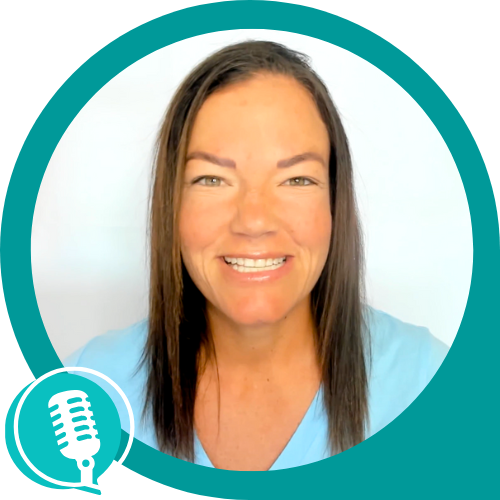
Kristi Kandel
Developer | Mentor | Co-Host of the LRED Podcast
Kristi is a real estate developer with nearly 20 years of experience and over $450M in projects across the U.S. Today, she focuses on helping locals step into development and build in their own communities.
She’s the founder of I&D Consulting, Local Real Estate Developers (LRED), and co-founder of Elevate, a community-driven sports and wellness concept.
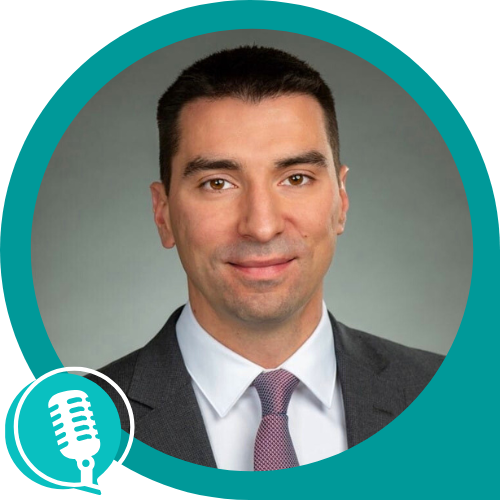
Raphael Collazo
Commercial broker | Author | Co-Host of the LRED Podcast
Raphael specializes in retail and industrial properties, bringing a problem-solving mindset from his background in engineering and software. As a commercial real estate advisor and developer based in Louisville, Kentucky, he works directly with investors, tenants, and cities, bringing a real-world view of how deals come together.
🔗 Related Episodes
How to Become a Local Developer: Katie Neason on Infill and Taking the First Small Bet | EP#29
A great companion episode on local infill, city relationships, and taking practical first steps in development.
How to Start Real Estate Development: Steph Weber Bought the Land First and Built the Plan Later | EP #41
A real look at taking your first development deal from idea to execution without having everything figured out.
Small-Scale Development: How She Left Her Corporate Career and Built a Tiny Home Village | EP #39
Another path from traditional career to building a community-driven development project.
About the Guest
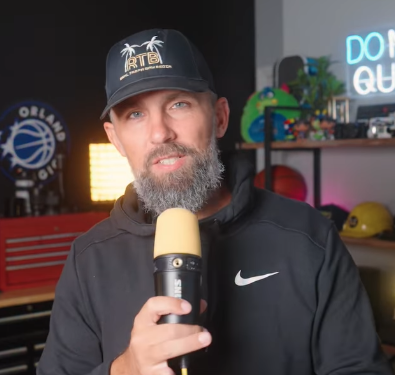
Taylor Gangis is the founder of Real Tampa Bay and a rising voice in development media across the Tampa Bay region. After leaving a decade-long teaching career, he built a media company focused on documenting growth, community development, and the people shaping cities throughout Florida.
Connect with Taylor
🌐 Website: https://realtampabay.com/
📸 Instagram: https://www.instagram.com/realtampabay.dev/
💼 LinkedIn: https://www.linkedin.com/in/taylorgangis/
Full Transcript
Raphael Collazo (00:41)
Welcome everyone to the local real estate developer podcast. I'm your cohost, Raphael Collazo. I'm a commercial broker, investor, and local developer located here in Louisville, Kentucky. And I'm here with my cohost and real estate developer extraordinaire, Kristi Kandel. It's always good to see you.
LRED (00:55)
Hey, good to see you. Yeah, I am a real estate developer investor and I teach locals how to become developers in their community. And also sidebar, I am super pumped. We are hosting a local developer meetup at the end of August in your hometown. And as we keep putting the pieces together, I'm just so fired up to get everyone in the room.
Raphael Collazo (01:09)
Mm-hmm.
Yeah, no, it's going to be a great event. there's going to be a the cool thing about it is it's going to be open to everyone around the country. We've already had people starting to book that from really outside of our markets, which is really cool to see. And we're really excited to host between 60 and 70 people here locally to go through some of the local projects that are going on in the area. And hopefully you guys get inspired to either, A, take on your own investing, investing yourself, or, you know, maybe you can learn something from other people in the network and be able to.
applied to the projects that you're already taking on. So it should be a great event.
LRED (01:47)
Yeah, cannot wait. And on that note, today's guest I actually met when I was up in the Tampa Bay area, which is about two and a half hours north of where I'm at. And I had been following him on social media and just noticed that he was reporting on all of the cool developments that were happening in that whole region. And I was like, dude, I'm up here like we got to grab coffee. So I would like to welcome Taylor to our show.
Taylor Gangis (02:09)
Thanks for having me. Happy
to be here.
LRED (02:11)
Heck yeah. So can you maybe give us a little bit of background because you are a little bit atypical for how you got into the development space altogether and just kind of give our guests something, some background.
Taylor Gangis (02:24)
Sure,
I went to school for broadcasting, did a little bit of journalism up in Kentucky, actually. I was at Western Kentucky. yeah, and so that school was a big feeder into like news. And at the time, I did not really want to go down that route. I wanted it to be more in like the film space and production space.
Raphael Collazo (02:30)
Nice.
Taylor Gangis (02:42)
Fast forward about 10, 12 years, I'm finally there. I took a small detour. I was a high school math teacher for 10 years here in the Tampa Bay area in Hillsborough County. I actually went to Brandon High School as a student and then went back and taught there at the same school for eight years and then helped open up Sumner High School down here in South County. And right around the COVID,
to between coven and two years after that, I decided it was time to explore a new venture explore a new career. I got really overwhelmed teaching. I felt like a hypocrite. So we had a lot of sidebar conversations. We had a lot of hard conversations about what
careers look like, what certain jobs and work would look like for the students that I was teaching. And I'm standing up here telling them what they could be doing when I wasn't doing that. And I thought that it would be cool to kind of venture back into what I was studying in college with production, editing, film, all that type of stuff. And a buddy of mine offered me a job. So I was gonna be a junior editor.
and it was the best thing that ever happened. I quit my job and the job never, the editing job never came to fruition. He ghosted me. I haven't spoken to him since, but I can't even be mad at it because it got me to the point where I'm at here. So, you know, one of those things where everything happens for a reason.
LRED (04:00)
Ha ha!
Taylor Gangis (04:10)
I kept plugging along. took a small IT job from work from home. All my neighbors, they worked from home. So was like, I got to get into this space, whatever this space is. One thing led to another. It led me to a LinkedIn post that some people shared with me from a fantasy football YouTuber. And he was looking for an editor. And I was like, OK, well, I know fantasy football. I watch all of this guy's content already.
I know I can replicate what he's already doing, even though I don't have any experience. So what I did was I reached out to him and gave him the first two or three edits for free. And nobody else did that. And that's why ultimately he decided to go with me. And so that proof of concept was already there. I haven't missed the deadline. I'm still working with him now. It's a fantastic working relationship. It's flexible. It's great.
And almost simultaneously, not to be too long winded, but almost simultaneously when that happened, one of my neighbors shared a Facebook post with a real estate broker and developer who was looking for a videographer. And I was like, well, that sounds fun. I've never done that before, but that also sounds fun. And it's kind of right in the space where I would like to be like making videos. And lo and behold, I worked there for
three, four years, did all this stuff, documenting projects, developments, things, deals. I mean, I took my first private jet ride and experience down to Miami to watch them do an acquisition. like I got to be a fly on the wall, just holding a camera at big deals, dealing with agents, dealing with builders.
the city, everything. Like I got to see it from, you know, all different angles. And I still look to this guy as a mentor. We still have a great working relationship, but I went off and built this media company with my co-founder, Andrew. So we have a real estate media company now where we are trying to build that cash flow so that we can get into the development game. All right, I'm Sorry.
Raphael Collazo (06:13)
I love that. And then we did talk about this a little bit offline. think there's a lot of people that try to.
you know, start from scratch in real estate and just, you know, and that's a great way to do it. I mean, you can get in there and then, you know, start doing some, you know, creative financing deals to try to get into the game. But oftentimes, what I often recommend to people is to get your economic engine going, like you starting a business or doing something that can generate a lot of cash so that you could use that cash to then go invest in real estate. You know, I didn't, I was in a previous career in it, and then got into brokerage, and I didn't invest in anything until I started making money. And then at that point, the economic
engine is starting to produce something and at that point you can take it and put it into something that could be investments in that respect. There's no right way to do it. I definitely don't want to discourage people that are pursuing it the latter way, but I think it's good to have a conversation about it because it can be helpful.
Taylor Gangis (06:57)
Sure.
Yeah, that was one of the things that I learned from working with the broker was, mean, kind of real estate's capital intensive. And I didn't have a lot of capital and working that job and making the money that I was making that way, I was never going to have the capital. And so I had to kind of go this route to do this. So that's where we're at. We're about eight months into this and it's growing. We're doing well.
LRED (07:28)
I love that. So as you were being that fly on the wall, which and a lot of people that that we also talked to, it's like, hey, go go talk to the people who are doing deals and see if there's a way you can add value. And so you had found your your niche and way to do that. Was there anything that surprised you that you learned and you're like, that's that's how it's actually done, like when the curtain was pulled back?
Taylor Gangis (07:48)
Yeah, they're especially in media, especially online. There are a lot of people that come across knowing like that that appear to know what they're doing.
But when you peel back the layers and you start talking to them and you meet them, it's like everybody's just trying to figure it out. We're all trying to figure it out. Things happen. Things out of your control are always going to happen. But the ones that persevere, the ones that keep pushing, the ones that aren't afraid to have the hard conversations. that's what I learned the most was you have to have hard conversations with a lot of these deals. It's not always fun. It's not always easy.
This side of the space often catches the stray shots from the public, from the media in general, as often looked as like the bad guys. And so that's something that I've learned over the last three or four years for sure. Gotta have thick skin.
Raphael Collazo (08:41)
No, and out of curiosity regarding the media company, now that you've been in the space a little bit, is a lot of the growth that you're experiencing organic or are you individually reaching out to people? I know Christy had mentioned that some of the things that you're doing as well is profiling different developments around Tampa. Can you talk to us a little bit about that process?
Taylor Gangis (08:59)
Yeah, I mean, I...
had a thesis that I could work with any developer if I could get in front of their face as many times as possible. Like one video is not going to do it. And so, you know, a lot of people preach consistency and showing up and doing all this. Like, yes, that's important. But if you show up in a bad way over and over and over, like that's not going to work either. So I look at like a lot of what we're doing from a creator standpoint. I like I've kind of gotten.
Raphael Collazo (09:11)
Thank
Taylor Gangis (09:28)
put into this bucket as like a journalist or like a broadcast news guy and all this stuff. But I follow like big creators who do like creative videos on the internet. And I kind of take a lot of pieces from them and try to put a creative community aspect to our content. And so my thesis was if I could get in front of developers and bridge the gap between developers and community.
that I could kind of be the local voice for that. And I didn't see a lot of people doing that. They were doing the Instagram pages where they would post about development, but it was all typically static images. It was carousel posts, which are crushing, but I still haven't dove into that. There's a lot of different moving parts to it.
There was nobody that was willing to show up on camera to do that. And I didn't want to, but I knew it would probably work. I knew it would like ultimately what I wanted to do was like feed my service business. That was kind of the thing. It was like top of funnel. Like, let's see if we could get some agents and clients this way. And we have, but it's also like morphed into something much bigger right now.
LRED (10:39)
Yeah, and can you maybe expand on that a little bit?
Taylor Gangis (10:42)
Yeah, you know, digging into like the analytics and stuff like we are getting crazy engagement based off of just the metrics that we are currently sitting at. Like we're not a huge account by any means, but with the core audience that we've kind of curated and the value of that audience, it's.
going to be pretty good in future years. But we're still growing. Like I haven't made a dollar off of it. I haven't asked for a dollar off of it. Like I haven't ran any paid ads. Like I'm just trying to figure out like the whole Mr. Beast like make 100 videos and make each one of them better. And we'll see where that goes. And it's just like Instagram has changed the game because people that see the content, they send me a DM like and that's the best engagement that I could ask for because then we actually go meet and have coffee like
And like I just say yes to every opportunity at this point and like people are having events and they're inviting me out. They want to pay me to come and I just want to make my own type of content and my own video. So I haven't taken any dollars because I don't really want to take direction right now.
LRED (11:46)
Yeah. Yeah.
Raphael Collazo (11:46)
Yeah.
LRED (11:47)
And I think that's a key point. I get so many people who see me and say, my gosh, you're crushing it out there because we have all the different pods in the post and the videos that we're putting out. And it's like, well, in what way? There's no dollars coming in from that. It's putting stuff out there to share. But I think then you hit it on the other point is it's that community that you're cultivating that rather than go broad and shallow, you're going very specific and deep. So you're getting exactly the right type
Taylor Gangis (11:59)
Right. Right. Right. ⁓
LRED (12:15)
of people that you want to be in your area to where when you do say, we're going to do this or that, like they're committed. They're all in on this, not just people on the peripheral, which is the most important when you're cultivating a community like that.
Raphael Collazo (12:29)
Yeah, no, couldn't agree more. And I think too, to your point, you know, what you're doing in your market, mean, another thing about what you're doing, it seems like is you're niching into an area. And obviously, that is ultimately going to attract the people that you want to make sure it does connect with, you know, obviously, we talked to a lot of people that are developers around the country, and most of them find something that they like, and then they focus in on. And if you focus in on it long enough, over a long period of time, and
and
you do the right things, it's ultimately going to bear fruit. So it seems like that you've taken that similar type of approach. maybe talk a little bit about some of the challenges that you faced. Because I know that obviously we talked to developers around the country that are taking on different projects. a lot of times we ask them about how their first project went and some of the obstacles they had to overcome to get there. In your case, mean, you jumped ship from a career that you had for over a decade.
Taylor Gangis (13:05)
I think...
Raphael Collazo (13:25)
pretty much just took a leap of faith into something. And granted, you had some a little bit of experience on the videography side and had some experience from from from your education. But I'm assuming it wasn't something that you were truly 100 % focused on during that period of time that you were teaching. kind of talk a little bit about the evolution of the last several years and what what's how everything's culminated up until this point, and maybe some of the challenges that you faced along the way.
Taylor Gangis (13:49)
Yeah, I would be lying if I said any of this was easy. It's a lot of early mornings, it's a lot of late nights. I edit everything myself. I don't outsource anything. All the research is done by me. Fortunately, I got looped in with.
a very well connected communications like PR firm. And so they they loop me into their email chains of the projects and developments and things happening across Tampa Bay. But yeah, I mean, it's funny, like looking back at the skills that you acquire and what can actually be useful in this space now and like teaching in front of 180 kids, high school kids who could care less about what you're saying.
when you're teaching math to kids that don't really care at all about that subject whatsoever. And so trying to get them to care about that, that's a whole new challenge. And so using those skills, right, and being in front of people when I typically refer to myself as an introvert, it was funny, I went to an event and I gravitate towards the videographers. And so I'm there as like a networking person, a business person.
I'm there to try to like network and acquire, you know, customers and clients and things like that. And I gravitate towards the videographer because I'm used to wearing all black. I kind of stand in the corner of the room and I try to, you know, through a lens, through a camera, try to tell a story of what's happening and looking at it through like a storytelling lens. Not a lot of people were doing that. So I think like I think I got so many skills from teaching.
and culminating a community, right? You want all the kids to feel included. You want them all to have a voice. A lot of these things do overlap in the media space, into community, into development, things like that. And so there's a lot of negativity on social media, but there's a lot of negativity in a classroom, too. And so finding ways to
Not block like I won't block anybody. I don't delete any comments. I won't like I don't stand for that. I want you to be able to voice your opinion. I want you to like because I'm not right. It's just my version of right and they're not wrong. It's just their version of you know how they feel their opinion and that's why community voice matters as much as it does. Now it can get ugly. It can get very political. It could get nasty.
But that's okay. Like people feel how they feel and most of the time they just need to let that out because when you take a step back and you look at it, the biggest realization I had when I started making these types of videos was, and this could sound really wrong to some people, but when I see the comments that say like, Florida is closed, Florida is full, like that pisses me off because
We're supposed to represent this like free country, this place of opportunity, the land of the free. And you're telling people they can't be here or you don't want somebody to develop a property or land or this or that. But you built your house there and I don't see you knocking your house down to plant a garden or bring in some deer. Like, I don't know.
I have a, I probably have a different perspective on things, but I've seen enough and have gathered my own, you know, opinions on things to know that most of these people shouting negative things about developers, about builders, politicians, all this, like they're just hypocrites and they're selfish. That's, that's kind of how I feel about it. But yeah, that's a roundabout way to answer your question on skills and the things that takes to kind of show up here.
Raphael Collazo (17:39)
And we talked, we do talk a lot about the challenges that developers face, especially getting community, you know, support for different projects that they're taking on. And, and granted, there's, there's definitely a lot of times where communities have concerns about developments, and they're valid concerns. And if I think it's important and necessary for developers to consider those and try to implement a plan that can help at least support some of those initiatives to make it so that the development is truly a community development. But to your point, there
Taylor Gangis (17:53)
100%.
Raphael Collazo (18:08)
people out there too that are just
you know, negative nancies and their nimbies and there's nothing you can do to satisfy them. They see a piece of land there and it's been vacant forever and they want it to remain a vacant piece of land and nothing you can propose is going to be satisfying to them because they don't want anything there. And unfortunately, there's really you're going to face that in any market that you're in. Hopefully, you don't have to face it like all the time. But that's something that happens. mean, it's just part of trying to build something of significance. You're going to face people that
are going to be an opposition of that. And to your point, I think you're seeing it more amplified because you're so out there and you're putting yourself in front of all the people. And social media attracts everyone, right? They attract good people and they attract the loonies. So you know.
Taylor Gangis (18:46)
Yeah.
Raphael Collazo (18:54)
yeah.
LRED (18:55)
Right. You get eaten alive and then it's like, which honestly, that's why local real estate developers just formed because we're so used to in our communities having development happen to us and outsiders come in and they drop in something that they think fits the market and the metrics and like, this works great in this community. They're not thinking about the people and what happens in the long term there. Does this give me the ROI? Does this get the national tenant the spot they need? And I think that's where some of the animosity comes from. And then also just the the education process.
Taylor Gangis (18:57)
Yeah.
Right.
LRED (19:23)
us of here's here's all the steps that happen. mean, there's there were several developments. I mean, even the Pinellas Park Public Private Partnership that they did to to build a new park system and they had public hearings and different things that were going and people were like, there's new ball fields that are here. We didn't even know this was happening. And that was years in the making. There was a whole the city requires every jurisdiction requires a noticing to the community members in a certain radius. And they're everything's public and available. But
That system is broken. We need to find a better way to communicate with everyone.
If you have locals who are doing projects and if you have the storytelling, that's why I think your piece is so important. If you have the storytelling around it that you can help shape the narrative and you're not changing the narrative. You're just helping shape the narrative and the perception to go, these are the people behind it. They're real people, real humans, real posses. They put their pants on one leg at a time like me and they're putting this deal together for the community and here's the reasoning and the heart and the passion behind it. I think that that type of development
goes a long way in the storytelling to try and bring the community along with you.
Taylor Gangis (20:28)
Yeah,
I mean, like you guys said, if you see a vacant piece of land, some people are gonna be pissed at anything that goes on it. So you're never going to make everybody happy. And that's just part of it. it's just trying to do development in a smarter way. Smarter way.
Raphael Collazo (21:30)
Well, and one of the things I'm curious about is you reference the engagement that you're getting on some of the videos that you're producing. Could you tell us a little bit about some of the characteristics of the videos and maybe formulate some ideas about why certain videos are performing better than others and maybe some themes regarding those that have performed the best for you, just out of curiosity for the audience, especially if they're looking to profile developments in their own market.
Taylor Gangis (21:59)
Yeah, I think.
LRED (21:59)
or
storytelling their own project, which we're all finding is very important.
Raphael Collazo (22:01)
Or story. Exactly right.
Taylor Gangis (22:04)
Correct.
think this is and the way I pitch it is this is what really every real estate agent in every market should be doing. I'm not an agent yet, but this is what they should all be doing is building community and supporting their local places and showcasing what's coming, what's going.
and being that voice and that figure in their community of the market that they want to work in. And so I take a lot of pieces from some of the agents that do this across the country and put more of a storytelling spin on it rather than just a reporter or.
you know, a carousel poster or things like that and try to get creative with it. I like I like making videos. So that part is easy to me. Some people may be the opposite and they want to do the business side of things and have somebody else do the creative. But I think it can work, too. You don't necessarily have to be the face either. There's there's a million different ways that you can do that. But yeah, as far as the engagement, every video that I make is.
with the intent that somebody will share this to their like high level developers, entrepreneurs, investors. Every video is supposed to hit that group chat. So you're supposed to send this reel that I'm making into your group chat. Like, yo, check this out. Like, do you guys want to get in on this? Do you want to do this? Maybe we could work with him to do some content like that. That's my frame and positioning. I would say positioning is one of the most important pieces.
prior to making your content. And that's something that I spend a lot of time on. It's, I guess, choosing your avatar, right? Like, who are you speaking to? Because I can't speak to everybody. I'm gonna piss some people off, but I'm gonna get right into that group chat of the people that wanna work with me. And you just have to be okay with that.
Raphael Collazo (23:45)
Definitely. No, I can agree more. And regarding the actual reels themselves, mean, could you talk a little bit about how you formulate and structure some of those as well? Because I need to stop by your profile and take a look and maybe gather some inspiration as well.
Taylor Gangis (23:57)
Yeah.
So it's a lot of trial and error. It's a lot of iteration. But what I have found so far is if you don't connect in that first three seconds, like I look at my retention graph and if it goes, I know that video is going to die at like one to 5,000 views. And for some people, it's three, 200 views, 400 views, 600 views. It's wherever you're kind of like placed into that little like bucket of what
the algorithm wants to send you out to like your first test batch. And so if your engagement's good in the first test batch, it's kind of send you out to the next test batch of audience. And what a lot of people don't realize now is the people that follow you don't necessarily see your content. And so every piece is kind of new and your niche doesn't really matter. That's kind of a wishy washy statement, but like
Like we're in an age where they say followers don't matter, but they do because that's part of your test audience in the beginning. And so some of your followers get your content and they're likely to be your most engaged audience. So they're going to interact, which then sends it out to more test buckets of people. That's kind of how it works. And I found that on my retention graph, if I can hit 60 % or higher in the first three seconds,
I can say without a doubt in the first 24 to 48 hours, like that video is going to do well, relatively speaking. Like I'm not going viral. I never really will go viral. I'm talking about a very niche thing in a very niche city about like it's just like I'm punching above my weight class when it comes to metrics, engagement and all that for for the niche that I'm in. And so that's that's my main focus is like positioning.
your hook and really capturing that first three seconds to keep people there. Otherwise your video is kind of pointless in my opinion. Now there's times and places for a little slower, just kind of talk to your audience and like you don't really care about the views and things like that. But if you wanna get reach, that's kind of the blueprint if you will.
Raphael Collazo (26:08)
Just catching attention right away and then looping them into the story at that point. how long are like the max reel you can have is like 90 seconds, Or is that even too long? OK.
Taylor Gangis (26:18)
I think they're up to like three minutes now. I
rarely go over a minute. So I try to keep it around like 40, 41 seconds.
Raphael Collazo (26:25)
Yeah, I can see that.
Mm-hmm. That makes sense. mean, you capture their attention. And to your point, I feel especially today more than anything. And I've caught myself do this, where you just start getting down the rabbit hole on reels. And I mean, if it's dragging on too long, I'm just like, OK, that's fine. Move on to the next one. So it's just a little bit.
Taylor Gangis (26:46)
Yeah, the average, mean,
even on like my highest performing videos, the average like watch times like 10 to 15 seconds. So it's like, you know, rarely are you getting everybody to watch the full duration. And so you just have to have that mindset, too, of like, all right, well, this is probably gonna die in two days. So don't like stress about it too much. But you want to get better at it. Right. And like, that's the thing. Don't just put it out there to put it out there, because I mean, I went through years of that, like where we were making content for the brokerage.
LRED (27:08)
Yeah.
Taylor Gangis (27:15)
They just wanted content. So we just put content out, but it didn't really go anywhere. And so that was one of the biggest talking points in our decision to kind of like part ways was I noticed I told him straight up. He's like, why are you doing what you're doing now? And I was like, well, I noticed like one of your biggest problems as a broker, as an agent, as a developer, you didn't have any distribution. I mean, you had to pay for it all. And I was like, all right, well, I'll just go get distribution. And then maybe I can be of value.
to you again at a different day, right? And we can have a discussion there. And so that's what's working.
LRED (27:51)
I love your willingness to pivot and go, hey, like I was going on this lane, I'm willing to take a leap and make a change. I was going down this lane, I'm willing to make a change again because I think too often people will get paralyzed in the, if I make this, like this is it and it's done and this is now where my life's going and what if I screw up? What if I make the wrong decision? And it's like, you can always make the next decision, make the next choice.
Taylor Gangis (28:12)
Yeah, I used to tell my students fail forward. That was was always a thing like we're going to fail like it's inevitable. Like you really don't know math, so you're probably not going to do well on this one. But like as you keep learning it and like yeah, you'll fail forward and I think of content the same way like there's so many different formats and styles that I can't wait to try. Well, right now I'm kind of just riding the wave of what's working.
LRED (28:36)
Yeah, I love that. So you've mentioned different partnerships that you've had one that one that did not turn out at all. And then different ones that you've left but left amicably without burning bridges. Partnerships is a huge thing there that if someone goes and they're they're flipping houses, they're doing certain investments like they go, I can do it or I can do it alone with my spouse. But when you get into development, now you need a team and you're building that. So partnerships are a very, very important
piece of it. So how do you approach finding the people that you work with in your businesses and different even like client partners or things like that?
Taylor Gangis (29:11)
Kindness and leadership. Going back on like stacking skills, I was a point guard in high school. I played point guard in college. And that's building a team and getting the pieces in the right places and running the offense. So I kind of think of business as a sport and content as a sport. And it's the same thing. It's funny, like for, I don't know, the last.
three or four years, I had trouble showing up like confident. And I've really had to kind of like work through that mentally. And I just kind of put myself back into like when I was playing and when I was on the court and you had to be confident otherwise, you know, they would just double team you, trap you and you're in trouble. ⁓ You're done. You're going, they're going the other way. And so I would say right now partnerships, I'm partnered with my co-founder, Andrew.
LRED (29:51)
Turn over and you're done. Yeah.
Taylor Gangis (30:02)
and we wouldn't be where we're at today without him. Like no doubt about it. Like he has allowed me to step out in this like moonshot play while he handles a lot of like the business day to day, the services, the listing shoots, the, you know, just getting things on the MLS for agents that has allowed us to cashflow.
this like moonshot that I'm working on where it allows me to go shake hands with as many people as I can throughout the day. It allows me time and like this mental decompression of, holy crap, those people were really mean on the internet. Like I gotta bounce back and figure out how to show up better and speak more clearly, show up more confidently and like work out all this stuff publicly. And I like, just.
There's no way that this would be working without him. And so I'm like grateful that that happened. We started out as neighbors. We became like friends. We put together like a little marketing agency two, three years ago, but there was no niche. And he found a couple coaches that were like, you should really niche down. He's like, what about real estate? And I was like, I don't really want to go shoot houses like, man, I've done that.
don't really care for it, but I'll do it if like if we can do it this way. And that was ultimately what you know, you got to give and take some in a relationship and and that's kind of where we're at. And yeah, man, like he he's been a blessing. Like he finally quit his big time corporate W2 job. So we're both all in like because it was funny. We would have conversations and I was like, I'm not filling out job applications like.
You can do what you want. can stay at this company as long as you want. I don't care. I'm not going to fill out an application. So we'll make this work. So yeah. And in terms of burning bridges, like I could have I could have been very immature at how my last position parted ways and ended and things like that. But I don't I don't want to burn bridges. I want to, you know, always do the right thing.
LRED (32:10)
Yeah, I had.
Several mentors early on who who told me because coming in as the developer you're the top dog You tell everyone what to do and you could be a jerk if you wanted to but they They reminded me of the human aspect and the kindness and the and the fact that hey, know You are a top dog right now, but we've seen a lot of things happen and shift and you know, you could be in a new position later with a different company and now they're the ones who are looking to hire you and they're gonna remember how you
treated them when you were in the top seat and just the same way as vice versa. And it's having seen the a lot of evolution of that in the different markets I've been in and watching players shift around and it's like, okay, you were a complete jerk to all of these people. And now you're looking for a job and you're tucking your tail and you're basically begging us like, can you please help me get a job to our network? And of course, nobody really put in the effort because they're like, you were an asshole.
Taylor Gangis (33:06)
Right. Right.
Yeah. I mean, I, you know, I tell Andrew now, like a lot of the stuff I'm doing is free. It's a lot of work. It's a lot of time. It's a lot of effort. I just say, like, I'm just stacking my little karma coins. Right. Like, I think Alex Hormozi said it best to where he was talking about, like, this example of, like, kids in a marshmallow. Like, how long would it take for you to for the little kid to go eat the marshmallow? And we live in this world of
like instant gratification. And so yeah, like I need money, but I'm gonna wait because I think the payoff will be much larger the longer that I wait. And maybe I'm wrong. I don't know. We'll find out.
LRED (33:45)
Yep. I think
you're very right because there's been a couple of different companies that have been doing the same thing and you can feel the energy percolating and you know that, and honestly, big things are already in the works now and coming to life because of that. And it's just, it's creating that ripple effect. you know, even, we always say, like, even if we positively impact one life, that was all worth it then. And we know it's going to be bigger. Yeah.
Taylor Gangis (34:07)
Right. Yeah. Same thing as teaching, right? Same thing as teaching.
If you could get to one kid, then it was worth it, right? And that's the same concept. So yeah, we'll see. It's fun, though. It's fun.
LRED (34:19)
I love that.
Raphael Collazo (34:20)
Yeah, that's awesome.
LRED (34:21)
when you do get those negative comments and you are, like different things happen, what's your motivation thing that helps you flip that switch to go, all right, I can do this.
Taylor Gangis (34:30)
I try to respond with my perspective first and foremost without like knocking them down. Like I'm not perfect either. Like sometimes I'm very sarcastic a lot of times. And so I have to kind of take a step back and realize like I probably can't say some of those things, which you know, we run our own business. We can, you know, crash our own ships now and that's our responsibility and all that. So
Most of it I feel is lack of education with the negative comments or they're just like sad people. And I kind of I kind of feel bad. You know, nobody's perfect. They have been blessed to be in a position to live where they've lived for that amount of time, for that long, with nothing happening and no changing. So this is new to them.
And you have to be a little graceful with people and give them some grace. So that's how I try to bounce back mentally from the mean people on the Internet and just realize like they probably wouldn't say that to my face. Like everybody I've seen in person has been so cool. Like the most helpful, like the most willing to like just do anything with you or for you. And I always said like, I'm probably not the best. I'm probably not going to be the best photographer.
I'm probably not going to be the best videographer. probably won't be the best at giving speeches, but like I'm going to be nice. That's why I decided like I can I can control that. I could choose that. The other stuff can kind of be subjective and all that. But I'm just going to try to be nice.
Raphael Collazo (35:59)
great advice. I also think I also think too, that, you know, you realize when other people, you know, say negative things, or do things that upset you, you realize that you have control over how you respond. So, you know, I've given this example one time in a book I wrote that I was at a Costco, and you see people standing in line, and they've been waiting in line for 20 minutes, and you look over and there's one family who's complaining about the situation and how it's so horrendous and whatever else, and you
look over to the right and you see another family that's enjoying the time with each other. So you still have these external stimuli that are negative, but at the end of the day, you have the choice of how you ultimately respond to those negative stimuli. And then you start realizing that what it comes down to is your ego. Ego is the enemy, right? As there's a book by Ryan Holiday where if you allow yourself to let these comments.
put you down or let these comments affect your mind state then it impedes your ability to
manifest the reality that you want to create. so a lot of times it's just realizing that and then saying, you know what, it's not worth me really pushing down this road of trying to respond and engage with people that may or may not really, it may not be a benefit to you. I think it's, I think you take the right approach and that's a good way for people to look at things in life in general. So.
Taylor Gangis (37:19)
Yeah, my mom's giving me great advice when it comes to that type of stuff too. And it's like, you're spending a lot of wasted hours and time engaging with people that, yeah, are they of value? I don't know. But I still want to have that conversation and build that community and involve the people too.
LRED (37:38)
And
sometimes I find that responding to them, like especially if it's just a reply to a comment, it might not necessarily be for that person, but you're now showing yourself to the other people who are looking and you're showing your character and what's so I kind of think that they could create that benefit too.
Taylor Gangis (37:53)
I think you're spot on
with that because in today's society in terms of community online, it's in the comment section. Like it really is like people run to the comment section on videos more so than they listen or pay attention to the video. So
LRED (38:10)
We
have so many, so I don't know why this just reminded me, but we have Beach Talk Radio down here in Fort Myers Beach. And of course, know, post-hurricane, all the rebuilding, there's so many projects that go in front of the town council and they'll do their clickbait title or whatever. I don't even read the article. I literally go to the comments because I'm like, I'm about to start laughing my butt off and literally just scrolling through going, uh-huh, uh-huh. that's what he said above? Okay. As they're all debating it back and forth.
Taylor Gangis (38:35)
Yeah.
Yeah, I mean, it's the era that we're in. And I mean, I'm a little bit on the older side when it comes to like creating and like being a creator on the Internet and, you know, kind of late to the game. But I've learned a ton from working with the guy on YouTube who makes fantasy football content like the way he structures his business, the way he handles his business, the way he treats me.
Like that's the type of business owner that I want to be. And so, you know, he's younger than me, but he's taught me and he's kind of been like my online business creator coach, if you mentor, if you will. So, I mean, he's he's let me in behind the scenes of a lot of the things. And one of the big one of the big pushes him and one of my best friends who he took this leap about four or five years ago and did the same thing. But like.
LRED (39:04)
Yeah.
Taylor Gangis (39:28)
There's just more leverage that you can create by being on the other side of the camera. And so that's what ultimately made me decide to do this. Even though I didn't want to, but.
LRED (39:35)
Yeah.
So true. I it because it's
Raphael Collazo (39:41)
I got it.
LRED (39:42)
like, oh wait, we are the brand. Our personal brand is that is it. Yeah. So.
Taylor Gangis (39:45)
Yeah, there's something to it. ⁓
Raphael Collazo (39:49)
Well,
know, regarding that, I'm curious as to what the future holds for you and your business. So what do you project or what do you plan for over the next few years? If you could share that, that'd be great.
Taylor Gangis (40:01)
Yeah, we are calling this our launch pad. And so if we can get this up running, spinning and build out the me and Andrew. when? Yeah, I mean, it's happening. I'm not going to I'm not going to stop until it doesn't like I want to be the go to the biggest real estate media company in Tampa Bay. Like I can give.
LRED (40:07)
So when you, no, you said, you said if, so when you.
Raphael Collazo (40:12)
Yeah,
exactly.
LRED (40:14)
That's right.
Taylor Gangis (40:25)
Like I can give agents distribution now. I can give them media for their listings. I can do all of their content. I can show them what works, what doesn't. Like we've got every angle covered really. And so it's gonna be, it's gonna be about building out a team. We've got the systems going in place, hiring out, you know, photographers, videographers, creators, coaches. This will kind of be the launch pad and the cashflow that gets us into.
Some streets I want to I want to get into. You know, I talked to Christy about this. Probably start with a flip. Get into some flipping at like baby development scale. And then I met with I won't name drop, but I met with probably the arguably the largest podcast in the Tampa Bay area when it comes to development. I had coffee with him and it was an unbelievable meeting like.
I was kind of starstruck in a way like he was one of the biggest inspirations for me to start doing what I'm doing and going about what I'm doing. And there's a lot of talk in collaborating more and seeking the company Strong Towns and seeing it and seeing if we can get a strong towns Tampa and really kind of change some of the landscape and conversations about how we develop.
LRED (41:27)
Mm-hmm.
Taylor Gangis (41:37)
around here.
LRED (41:38)
That would be awesome. And it's going to happen. There's too much momentum that's already there and what you've already built. Like it's just, it's clear it's going to happen. It's just a matter of timing and how the pieces come into place. And you've created that engine that is pretty awesome. It's been fun to watch and I cannot wait to continue to see where it all goes.
Taylor Gangis (41:39)
Yeah. Yeah.
you
Yeah.
Yeah, it's
fun. You don't realize the impact or you don't really realize until you get into like a room of people and they're like, oh shit, like, hey, you have like one of the biggest accounts in Tampa. And I'm like, no, I don't know. Like, no, you do. So yeah.
LRED (42:07)
Yeah.
Yep. And your reputation
behind it, so where you have one of the biggest and the quality of your character and everything, which is awesome. on that note, how can people follow along and see what you're doing? And then also, like if they're in the area and they want to potentially hire your company.
Taylor Gangis (42:31)
Yeah,
if you want to book us any shoots or content or anything like that, you just go to realtampabay.com or Instagram real Tampa Bay media is our handle for that. That's the services side. And then all the stuff that I put out usually is on realtampabay.dev. That's just for short for development. I believe that social media is changing now to where your brand will have like multiple accounts. And so I always try to like
tell people it's kind of like the UFC where the UFC is a brand but they have a whole bunch of brands underneath it. And so that's what we're building. So we're gonna have a brand, Real Tampa Bay, but right now it's realtampabay.dev. That's where we talk about business growth, development, local spotlights, community people, so.
LRED (43:05)
And...
I love it.
Love it. Thank you so much for coming on and sharing your story. I know it's going to inspire so many people. mean, you inspire me, and I love watching what you're doing. So thank you again.
Taylor Gangis (43:27)
Pick up the camera, pick up the camera.
It can be a phone. I use the phone like 90 % of the time now. I mean, I'm a production guy. I love the quality of video, but sometimes your phone is all you got. Sometimes it helps you blend into the scene more and you feel more connected with the people while you're there. So just use your phone, start telling stories.
Raphael Collazo (43:29)
with the camera. I love it.
Yeah, get out there and start making content, which is great. I really appreciate the story and the insights, Taylor. ⁓ But thank, my God, thank you so much for your time. For those of you guys who watching this on YouTube, please like and subscribe. It makes a huge impact on our ability to reach a broader audience. And we obviously greatly appreciate the support. Along with that, if you guys like this podcast, whether that's on Apple Podcasts or Spotify, could you please, please, please leave a five star review? The more five star reviews we get, the broader the reach we achieve and the broader the reach we
Taylor Gangis (43:52)
Yeah. No, thanks for having me.
Raphael Collazo (44:17)
achieve the more people will be inspired to take on their first real estate development project. So thanks again so much for tuning in, and we'll see you next time.
Get the tools behind the episode
Access the Developer Vault with templates and real resources
©2025 I&D Consulting. All Rights Reserved.
©2025 Local Real Estate Developers. All Rights Reserved.