They Lost the Deal… Then Built Something Bigger with Valeria Jaramillo & Michelle Stevenson | EP #49
Real estate development, first-time projects, and rebuilding after a failed deal to create a stronger path forward.
The deal fell apart at the last minute.
What they did next is what actually made them developers.
Most people never recover from a deal falling apart.
Valeria and Michelle were days from closing when everything unraveled. Bad partners, shaky numbers, and a decision that could have cost them everything.
This episode is for anyone trying to break into development and wondering what it really takes to stay in the game when things don’t go as planned.



Get the tools behind the episode
Access the Developer Vault with templates and real resources
Episode Summary
Valeria Jaramillo and Michelle Stevenson didn’t become developers when they got their first deal.
They became developers when they walked away from it.
At the time, it looked like everything was lining up. They had a deal under contract, investors committed, and momentum building toward closing. On the surface, it was the opportunity they had been working toward.
But underneath, things didn’t feel right.
Red flags started stacking. The numbers weren’t lining up. The team they were relying on wasn’t communicating clearly. And the deeper they got into the deal, the more resistance they felt.
They had a choice.
Push through and hope it works.
Or walk away and risk losing everything they had put into it.
They chose to walk.
On the day of closing, they canceled the deal, knowing they could lose their deposit and potentially damage their reputation with investors.
That moment changed everything.
Instead of forcing a bad deal forward, they stepped back, regrouped, and rebuilt their entire approach. They replaced key team members, leaned into relationships that actually aligned with their values, and committed to finding a deal that made sense, not just one that felt exciting.
Within weeks, they were back in Texas, meeting people face-to-face, building real connections, and re-establishing their foundation.
And then something shifted.
They found a better deal.
Stronger numbers. Better partners. Clear communication. A project that actually aligned with their vision. What started as a failed deal turned into the opportunity they should have been chasing all along.
But the lesson wasn’t just about the deal.
It was about discipline.
They talk openly about how easy it is to get emotionally attached to a project. How quickly you can ignore warning signs when you’re excited. And how dangerous it is to move forward just because you’ve already invested time, money, and energy.
The real skill is knowing when to quit.
Not quitting the path. Quitting the wrong opportunity.
They also break down the realities of raising capital, especially from women who are often more cautious and underrepresented in investing. Their mission goes beyond building projects. They want to create access and confidence for women to step into wealth-building opportunities that have traditionally been closed off.
And through all of it, one theme keeps coming up.
This is a long game.
They are not getting paid yet. They are navigating delays, managing risk, and making decisions that will not pay off for months or years. But they understand something most people miss.
This is what the process looks like before it works.
The takeaway is simple.
The deal falling apart wasn’t the failure.
Staying in it long enough to find the right one is what actually makes you a developer.
What You'll Learn
- How to recognize when a deal is not worth pursuing
- Why walking away can save your entire project
- How to rebuild your team after a failed deal
- What it actually takes to raise capital as a new developer
- Why relationships drive better deals than spreadsheets
- How to stay in the game through setbacks
Bold Truth
The best developers are not the ones who never fail, they are the ones who know when to walk away.
Timestamps
0:00 — Intro
https://youtu.be/FJ1JWi93o94?t=0
1:00 — Kristi’s current development
https://youtu.be/FJ1JWi93o94?t=60
2:10 — Meet Valeria and Michelle
https://youtu.be/FJ1JWi93o94?t=130
5:23 — Deciding to partner
https://youtu.be/FJ1JWi93o94?t=323
8:51 — Why Texas
https://youtu.be/FJ1JWi93o94?t=531
12:05 — Finding their first deal
https://youtu.be/FJ1JWi93o94?t=725
13:49 — Red flags appear
https://youtu.be/FJ1JWi93o94?t=829
14:15 — Walking away from the deal
https://youtu.be/FJ1JWi93o94?t=855
17:13 — Investor trust and communication
https://youtu.be/FJ1JWi93o94?t=1033
20:39 — What development really looks like
https://youtu.be/FJ1JWi93o94?t=1239
22:49 — Rebuilding their team
https://youtu.be/FJ1JWi93o94?t=1369
23:07 — Raising capital
https://youtu.be/FJ1JWi93o94?t=1387
27:14 — Why relationships matter
https://youtu.be/FJ1JWi93o94?t=1634
30:18 — Social media growth
https://youtu.be/FJ1JWi93o94?t=1818
33:36 — There is no finish line
https://youtu.be/FJ1JWi93o94?t=2016
35:18 — Their current project
https://youtu.be/FJ1JWi93o94?t=2118
40:17 — Building the right team
https://youtu.be/FJ1JWi93o94?t=2417
44:15 — Handling failure and mindset
https://youtu.be/FJ1JWi93o94?t=2655
49:04 — Future vision
https://youtu.be/FJ1JWi93o94?t=2944
54:17 — How to follow them
https://youtu.be/FJ1JWi93o94?t=3257
Meet the Voices Behind the Mic
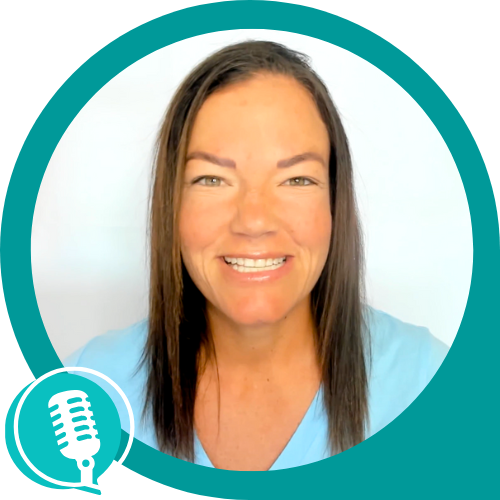
Kristi Kandel
Developer | Mentor | Co-Host of the LRED Podcast
Kristi is a real estate developer with nearly 20 years of experience and over $450M in projects across the U.S. Today, she focuses on helping locals step into development and build in their own communities.
She’s the founder of I&D Consulting, Local Real Estate Developers (LRED), and co-founder of Elevate, a community-driven sports and wellness concept.
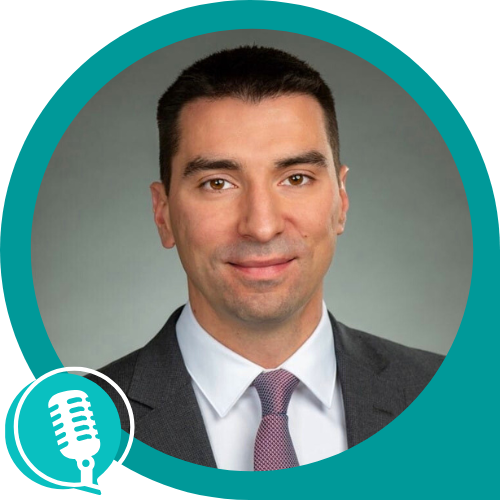
Raphael Collazo
Commercial broker | Author | Co-Host of the LRED Podcast
Raphael specializes in retail and industrial properties, bringing a problem-solving mindset from his background in engineering and software. As a commercial real estate advisor and developer based in Louisville, Kentucky, he works directly with investors, tenants, and cities, bringing a real-world view of how deals come together.
🔗 Related Episodes
How to Become a Local Developer: Katie Neason on Infill and Taking the First Small Bet | EP#29
A great companion episode on local infill, city relationships, and taking practical first steps in development.
How to Start Real Estate Development: Steph Weber Bought the Land First and Built the Plan Later | EP #41
A real look at taking your first development deal from idea to execution without having everything figured out.
Small-Scale Development: How She Left Her Corporate Career and Built a Tiny Home Village | EP #39
Another path from traditional career to building a community-driven development project.
About the Guest
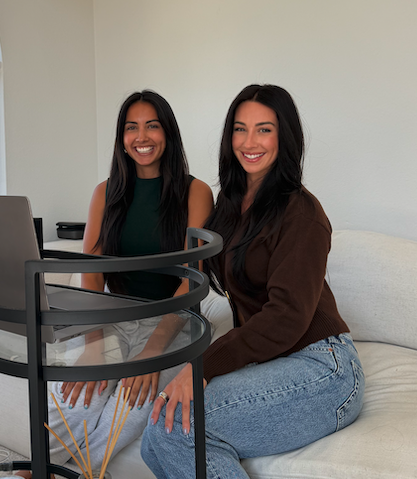
Valeria Jaramillo and Michelle Stevenson are real estate investors and developers focused on building ground-up projects while helping women step into wealth creation through real estate. Their work blends development, education, and community.
Connect with Valeria & Michelle
📸 Instagram https://www.instagram.com/therichromantic/
📸 Instagram https://www.instagram.com/millionairemichelle_/
Full Transcript
Raphael Collazo (00:42)
Welcome to local real estate developer podcast. I'm your co-host, Raphael Collazo. I'm located here in Louisville, Kentucky. I'm an investor developer and really just looking to get more and more into different types of commercial property investing and brokerage. And so I'm here with my co-host, Kristi Kandel, real estate developer extraordinaire. Always great to see you.
Kristi Kandel (01:00)
Hey, great to see you. Yeah, I'm a real estate developer, investor. teach locals how to do development in their own community. And I am neck deep right now in, guess, neck, I'm above my head in our cool new community development we're doing. We're building a sports and wellness facility in Southwest Florida. So taking sports and wellness and community and events and putting that all in one spot. So basically a giant playground for adults and children and the whole community to come together.
so super excited about that. Tons to tons to do in that, which, ⁓ yeah, we've shared in the past and we will going forward, but yeah. So good to, good to see you.
Michelle & Valeria (01:32)
Okay.
Raphael Collazo (01:36)
Yeah.
Michelle & Valeria (01:37)
⁓
Raphael Collazo (01:38)
absolutely. And you had some, you know, if you guys haven't followed along with what Kristi's doing, you check out our Instagram, they're always pushing daily updates about the project and they've had some pretty big milestones recently. So it's really cool to see your progress and looking forward to follow along. Well, today we have two great guests, actually. So I believe Kristi and the team had some some of you all reach out and say, hey, we need to have these these guests on our our podcast. Michelle invited.
they're taking on some cool projects and it'd be great to kind of dive in to your all story. So welcome to the podcast.
Michelle & Valeria (02:10)
Yeah, hi. Thank you so much for having us. We're excited.
Raphael Collazo (02:14)
Absolutely.
Kristi Kandel (02:15)
Thanks. Thanks
for coming on. So maybe if you guys can do a little bit of background on you individually and then we'll go, did you meet and connect to work on projects together?
Michelle & Valeria (02:27)
Yeah, for sure. So I have been in the real estate space for almost eight years now and based in San Diego, California. And once I got in, I started working with investors and those are my first clients and then finding them properties and then managing, becoming the project manager and then the interior designer. And then as I started to build relationships and knowing the ins and outs of fix and flips, I started doing it my own about
three years ago. And you know, real estate, there's so many different realms and routes that you could go. So always wanting to take it to the next level. that's when, I mean, we'll get into our story in a little bit, but getting into the development space and looking at the different states and started doing ground up in Texas. So,
Raphael Collazo (03:10)
What about you?
Michelle & Valeria (03:10)
So I
have been a love coach actually for the last six years. I've been coaching women one-on-one and in groups and
It's been very, very rewarding work helping women with their confidence, helping women in their love life. And really, I am a huge advocate for the family unit. And when Michelle and I actually met, we realized like what a huge gap there was for women when it comes to investing and building their wealth. And having years working with women, I saw them go through, you know, really intense breakups
intense divorces and women not having the autonomy to create wealth without having that dependency on their husband or their boyfriend and not really knowing what to do. So then when we started talking about it, she also shared like, you know, even in the field that I'm in, it feels really hard to find mentors, find people that will really share with you the steps on how they've done it.
without there just being blurred lines or feeling like someone's talking down to you. So then that's when we were, we thought of the idea, like how can we go into business together to create wealth for ourselves, but also help other women and like create this lane that's not out there.
Raphael Collazo (04:32)
Definitely. No, couldn't agree more.
You know, I come from a I'm in the commercial real estate brokerage space. I've been active in the space since 2019. And I can tell you that there's a big problem with that in our industry. feel like there's always there's not enough representation and there's not enough insights and people out there kind of speaking to other people within different groups to be able to encourage new blood to come into the industry. So it's really good that you're willing to kind of share your stories and hopefully more and more people get inspired to take on these types of projects, because it's great.
I mean, obviously, real estate is a generational wealth building tool. And hopefully, more and more people get inspired by what you're doing and hopefully take your lead on that. tell us a little bit about, obviously, you guys have been friends for a little bit. I'm kind of curious about what that discussion was to then take on a project together. Because that's one thing to talk about it. And then there's another thing to come together and actually make it happen. So if you can kind talk a little bit about that, that'd be great.
Michelle & Valeria (05:23)
Yeah, actually do it.
Yeah, I think, I mean, we tell each other everything. We're super close. We're very open with our careers and encouraging and supporting each other. And she knows one of the biggest, I mean, guess, like roadblocks for me to get to where I'm at, it did take many years, I think, because it is a very male dominant space and feeling comfortable and confident to find a coach that you can be vulnerable with and that will get you there. It's hard.
And quite frankly, don't feel like at that time for me, the men that were mentoring me, it's like, we're just going to coach you up to here because we don't want to see you get up to here. And I had to really pave and find the way on my own. And I know if I did have the right coaches and mentors, I probably could have cut the time in half to get where I'm at. And I was like, how could we do this for women? There's so many other women that come to me that want to know.
How do I invest? How do I start? Whether it's in real estate or even stocks or 401Ks, there was just a big gap there. And she works with so many women. And so we were like, how could we bring it together and start this educational platform where we could bring women in as the investors on these projects? so. Yeah. And I.
And from my own personal experience, like I also went through a divorce and in that time I was very financially dependent on my ex. And when I left, was just like, my gosh, like I really saw the need of how many women end a relationship or end a marriage and they don't know what to do. And they don't have enough experience in the workplace because maybe they were the mother, maybe they were the stay at home mom.
And now they're like, what do I do next? So I saw the need and then I also felt the need and we're huge on personal development. So we actually were a part of a really big, like self-help, self-development, transformational. It was a six month program. And it was after one of the, one of the weekends away where we were at her house. I still remember it so vividly. were in the hot tub.
And we were just brainstorming ideas and we're like, what can we do together? You and I are so ambitious, we share the same values. I mean the saying of if you wanna go fast, go by yourself. If you wanna go far, go together. So we were like, how can we combine our talents and skills and...
really share something incredible with the world. And then that's when we started talking about development. And then we started talking about Texas. And then we were like, we were like pacing in the living room, like, okay, I have an idea. She's like writing it down. She's like, okay, okay. And then she would get up and it just started like really flowing the ideas of everything. And we're like, okay, like now we just need to explore a market. We need to see like how we get there. And I have a real estate background, but when you move,
to a different city, that's one thing, but then you move to a different state and that's a completely, you're starting all over from your relationships to your connections, to vetting people out, not even knowing the market because what's happening here in San Diego is not even what's happening in LA or San Francisco, let alone in completely other states. So it was a big jump for us and I mean, from there we really just dove into it.
Raphael Collazo (08:43)
Let's
Kristi Kandel (08:43)
So
Raphael Collazo (08:43)
focus on that.
Kristi Kandel (08:43)
what made you pick, like you're in San Diego, why Texas and the specific market you were in, what pulled you guys there?
Michelle & Valeria (08:51)
Um, so from my experience here in San Diego, California as a whole, um, it's, it's very expensive. It's, it's doable, but the timeline to get to what we want to do a ground up development is it would just take a lot longer. And the timelines working with the city that out here, you could, your project could be on hold for a minimum of like eight months to a year, just trying to get the permits. And then you have coastal commissions and so close to the coast.
there was just a lot of factors for it and the price being the main point of it. And so as we started looking into other states, we were also like, let's interview like coaches and mentors. Like I think that's a really great starting point because if we find the right host and the right coach and mentor, no matter what market we're in, we're going to be able to conquer it if we have the right people like guiding us on it. And so that was kind of the start. Valeria found a really great coach and mentor and
they were in Dallas, Texas. We've looked into a few other states as well, like Tennessee, Ohio, but the connections that we were honest that were just kind of coming to us. Yeah. We were gravitating towards Texas just in general. Like we want a lot of land. We want to farm. We chickens, horses, cows. Like we were already like, we love Florida and we love Texas. And we obviously love San Diego, but we already just felt this natural pool.
Kristi Kandel (10:16)
Yeah,
and from a, so I spent the majority of my career in California doing development deals. it's, yeah, at minimum it's eight months of entitlements and permitting, but most likely you're spending at least two years before you ever put a shovel in the ground. You're spending a couple hundred thousand dollars and that's all at risk because at any point in time that we know in development, the deal could blow up. And I was just literally talking to someone who's in my mentor program this morning about it.
Michelle & Valeria (10:21)
Okay, so you get it.
Mm-hmm. ⁓
Yeah.
Kristi Kandel (10:44)
where it's like, Whoa, you put hundreds of thousands at risk and it could die. And it's like, yeah, it could. But you do your due diligence along the way. But I totally agree with you then on Texas. And it's like, I go into some place to like, No, we don't don't you have zoning? Like, sure, you can have this permit. I'm sorry. Okay, that's that's cool.
Michelle & Valeria (10:59)
Yeah, completely different.
Yeah. And they're so kind. Everyone that we've talked to from the city, they're like, like, hi, man, how are you doing? Like, of course, we can do that for you. OK. I'm like, is this the city? Because in California, like, I wouldn't even get through to somebody out here.
Kristi Kandel (11:17)
was gonna say, they wouldn't even pick up the phone to then be a jerk and tell you they're too busy.
Michelle & Valeria (11:19)
Yeah.
Yeah, exactly. Exactly. And like the cost, like even doing fix and flips out here for me to get a distressed property, like it's about 1 million, 1.2. And there's no land out here to buy. So you're going to buy an existing property for about the same price and then to remove it. It's just, I mean, it's doable, but the funds and it's too much. So yeah.
Raphael Collazo (11:40)
So you so you've had relationships that you've fostered in some some capacity to kind of give you the inclination to say, okay, well, Texas is the place that we want to be at. Talk us through kind of the next steps of that. So you've decided Texas is the place you want to be, you know, what was your market research? And then ultimately, what was the the opportunity that they presented itself? And how do you kind of analyze that to determine whether or not to move forward?
Michelle & Valeria (12:05)
You know, actually like Texas, it's a non-disclosure state. So doing the market research on our own was not likely. We could see what was currently on the market, but being able to see like, okay, well, what is the average price for us to get something? Like what is our ARB? Like we couldn't do that. And so building relationships as far as agents was our top priority for that. And we got connected with a top producing agent out there and we started to move forward with it and
We, I think we've said this a few times already, but we really value relationships and we both think it's really important to work with people not that just have clout, if you will, but also have integrity and align with our values and stand for what we stand for ultimately. And if you don't, that's not somebody that we want to work with or build a relationship with. And, you know, when we're here, it is
phone calls and text messages and emails for a while until we're able to fly out and get the ball rolling. ultimately we had some relationships that weren't good for us. They weren't a good fit. And we were in the middle of a deal. Like on our first development, we were in escrow, we submitted our EMD and on closing day there were so many red flags that came up, not just from the lender.
but from the agent that we were with. And we had to make this executive decision because the funds that we raised are from investors. That's how we were able to get this property. And it's like, OK, well, we also have to make this decision for these investors. Like, is this really smart? We have a lot of other people's money at risk. And we had a long sit-down conversation, canceled the transaction on the day of closing. We're like, we might lose our deposit, but it's four grand.
Versus. We knew we were gonna be with them for a long time. We did decide to go through, like we were seeing so many red flags and so much resistance up front that I was just like, if we're feeling this now, imagine spending the next like eight to 12 months with these people going back and forth. Like the stress that we're feeling now, it's like we either, I told her, I was just like, this is like a rotten tooth. Like it's gonna be painful to rip it out, but rip it out now or else we're gonna.
Raphael Collazo (13:49)
Thank
Kristi Kandel (14:15)
Yeah.
Michelle & Valeria (14:16)
pain for so much longer. it was a hard decision because, you know, we, we value relationships and we also care about like our reputation. We're new out there. Like we're just getting our name out there. And to start off in a place where things were already so rocky, we were just like, you know what? This is not, it's just not a good fit. Yeah.
Kristi Kandel (14:26)
you
That's so
huge for you guys to be able to do that because we talk a lot in development about getting pregnant with a deal to where you get so far in and you're emotionally, monetarily. And I mean, you're excited. You've got these relationships. architects, engineers, city people, maybe neighbors that you've already talked to and you're like, my dead deal cost. If I kill this is so much, but being able to know when to cut it can be so helpful and save you so much in the long run because...
You did a great exercise there going, do we really want this energy and these people and relationships around for eight plus more months? As well as our, yeah, and our reputation being on the line. Like, so that's, that's very huge that you guys didn't let the excitement of a deal go because I've worked with many people who just went too far and then I had to help them salvage it on the back end. And it's like, ah, if you would have just cut ties then.
Michelle & Valeria (15:09)
Yeah, it's a relationship.
Raphael Collazo (15:26)
Mm-hmm.
Michelle & Valeria (15:26)
And it was
already like, it wasn't even a great deal. There was just so much that wasn't working. Well, it's again, like with Texas being a non-disclosure state and us not being able to do the analysis on our own, we're literally relying, because for me, I'm trying to transition my license over to Texas, but Texas is its own little nation. You know what I mean? They have its own processes.
Kristi Kandel (15:41)
Yeah.
Mm-hmm.
Raphael Collazo (15:48)
Mm-hmm. Yeah.
Michelle & Valeria (15:50)
It's not easy. And so we're literally relying on what this person is telling us for this property. And we're like, okay, like, and then we started to ask other people and they started sharing, you know, different numbers, different analysis. And we're like, this isn't it. And I don't even a good deal. It's not a good deal. And I don't know about you guys with, you know, the projects that you've had, but in my experience of all the others, they've been a breeze, get it, lock it, close it. Everything is just smooth sailing. And this one, it was like, boom, boom. And I was like,
we've never had this kind of resistance before. We need to sit back and see what this is about and really follow our intuition and make a big judgment call. And we're really big in our faith too. So every time we were praying, I was like, no. It's like, let us know if this is the right one. This roadblocking. We're like, well, maybe that's not God. Let's try again. Hate God and another one. And we're like, OK. We need to listen to him.
Raphael Collazo (16:44)
He sent
a he sent a few signs, it seems like. So that's great, though, that you to your point, because the idea of a sunk cost fallacy, where there's a lot of people that have put in a lot of effort into something. And when it starts realizing that it's not going to work out the way you hope for some people ignore that and just push through it and say, we'll figure it out on the other side. And ultimately, it doesn't work well. but I think in your case, too, even though let's say the four grand, you know, if you lose the the the earnest money, that's $4,000. I'm not trying to say that's not a big amount of
Michelle & Valeria (16:46)
Yeah.
Raphael Collazo (17:13)
because it is but at the end of the day, just yeah, and you've built you built that reputation with your investors to like we've I've had some projects here we've raised some money, and the deal didn't go the way we hoping for and so we had to pivot with our strategy and so we ended up getting our investors out and we even paid them a profit, even though we didn't have a profit from the the Endeavor. So we just said, look, we're to get you out of 10 % of your return, they helped we held it for a year. And that was probably 15 or 20 grand for us that we had to come out of pocket me and my business partner, but every single investor
Michelle & Valeria (17:14)
We have a lot more at stake.
Raphael Collazo (17:42)
that we gave the money back to, they're like, oh, wow, we didn't even expect that. And so you better believe the next project that we end up doing, I'm going to call them and they're going to be like, absolutely, whatever it's going to take to get the job done, we're going to do it. And I think that although it stings at first, it's going to pay dividends in the long run.
Michelle & Valeria (17:46)
That's great.
Yeah, they know you're on it.
Totally.
Yeah. And I think like what you said, that's something that we also had to have conversations with. like, we need to tell our investors that we're not moving forward on this one. And I think it gave us a little bit of anxiety because we're like, shoot, like, are they going to think like, like their judgment on deciding like all of these stories started writing in our head. Yeah. And when we told them they were actually like, we trust you. We're like, that was it. Like literally, thank you. We trust you. And we're like, that is.
Raphael Collazo (18:08)
Mm-hmm.
Kristi Kandel (18:26)
We normally
create way more stories in our mind of how it can go. So we've also talked about this a lot to where when you need to have that conversation, just go have it before you create all these scenarios in your head. Like figure out what you want to do, go have it. And it's probably not going to be as bad as you think because they trusted you in the first place to go into this. And if they could do it on their own, they would have done it. So yeah.
Michelle & Valeria (18:48)
And I think at the end of the day,
people value clear communication and transparency. So if you're communicating and you're being transparent with the journey and something that we also really stand on is not just highlighting the good and the rainbows and butterflies because I think the people that are in this industry and do this for a living know it is anything but roses. It is literally stress and gray hair every single day.
Raphael Collazo (18:53)
Mm-hmm.
Kristi Kandel (18:53)
100%.
Michelle & Valeria (19:50)
Yeah, with new obstacles constantly. we're like, our goal is not just to get the investors, but if they want to do this at the end of the project, give them so much insight and knowledge as the project is unfolding. So if they want to do this on their own, they can. And part of that is sharing, like, this deal fell through, and it's X, Y, and Z. And that's just the end of it. That's not like the...
like countless emails and calls and conversations like behind the scenes. That's just telling them like the deal didn't go through, but there's so much that goes behind. I mean, even just yesterday, like we thought the survey was ordered last week. It wasn't. They said it was, they were like now rushing the survey. like, it's just- Postponing our architect, our plans. And we're like, and you know, reconfiguring our calendars every day.
Kristi Kandel (20:39)
Yeah, I like to say development
is like you're juggling 10,000 balls at any time. And it's it's also a combination of of being a detective playing a like a chess match and a poker game. Like it's it's all wrapped up into one because you're trying to figure out you're managing all these personalities. You're managing the tenants, the property owners, the cities. Every stakeholder has a different one. But to me, to me, that's the fun part, because we're putting a puzzle together. Like it's not cut and dry. Here's a flip go. Yeah.
Michelle & Valeria (20:43)
Yes. Yeah.
I totally agree.
Yeah.
Yeah, we're on our toes all the time. Yeah.
Kristi Kandel (21:08)
Yeah,
and there's, we're professional problem solvers. It's just like, that's what we do. Like we get an op so great. Cool.
Michelle & Valeria (21:13)
You have to be. You
have to be solution oriented in this industry, 1,000%. Or else you're not going to survive. You're not going to make it. I feel super hard to have to Yeah.
Kristi Kandel (21:22)
Exactly. Okay, so your first deal you had to back out of.
Sounds like if you're ordering surveys, you've got something else. What happened after that first deal? And it sounds like you probably got rid of some team members ⁓ or consultants and advisors that you had. What was that transition from figuring out, okay, that wasn't the right partner to finding potentially the right partners and getting into your next deal?
Michelle & Valeria (21:33)
and
Yeah.
Obviously being in another state, not close, we had to jump on a flight, literally. We're terminating this agreement, we are going to Texas. And we went and met with other realtors that we got connected with through social media, love social media. It just brings people together and sat down with them and met. We had a few other like our contractor that we've...
spoken with over Zoom and FaceTime all the time. We love him so finally able to sit down with him. we spent a week out there and went to a ton of networking events. And we're like, OK, let's because we had a lot of agents that are on social media. But it's like there's nothing like meeting somebody face to face and in person and actually seeing are we a good fit for each other? And did that mission accomplished in the first week found great realtors that were
on top of it, overly communicative right away. within a week of being back from Texas, already found a property, got it under contract, and things are going as they should. And found a wonderful lender. A wonderful lender. Wonderful lender. A total different experience than what we had last time.
Kristi Kandel (22:49)
Maybe let's break, because both getting raising capital. So we should probably talk about what your guys's strategy was for that, because that scares some people to go, how do I even ask for someone else's money? And do I want it? But then also from a lender standpoint of was it like regional banks? How did you go about vetting them and figuring out who your partner is on that?
Michelle & Valeria (23:07)
so I guess we could talk about the investment side first because obviously we are channeling women. That's our target is to really help women in this space, but it's, it's, it's difficult when it comes to women, women were not as well versed in this financial space or risk and
A lot of our investors right now, we're still pretty male dominant with our investor space, but we have calls with women every week. And those are relationships that we have to nurture. Yeah, women are a lot.
I would say fearful and skeptical about investing, especially the amount that they are investing. know, like it's not $5,000. Like our minimum is 50. So it's not, cause we don't want a ton of investors in each project. It just gets really messy and complicated. So we have noticed that, okay, there is a, there is a fear here, but we are like a hundred percent confident that once they start seeing things really, yeah. When they start actually seeing like,
us go out to Texas more and see the projects, the process of everything. I think that they're going to feel a lot more confident investing in it, but it is something that we have noticed that there's just a lot more, there's a lot more fear around.
Kristi Kandel (24:17)
You're not wrong, especially when it gets to commercial. think, so Beth Azor, she's a broker in Southeast Florida. She saw that same need and then COVID, the stat is, I think it's like 3 % of women invest in commercial real estate and 1.5 % do it without a spouse. So that number is so small. She's like, I need to change this. So she has made it her mission. We just finished the sixth summit that she puts together.
which it's incredible, but the whole goal is to give women confidence to go, here's the terms, here's how you break it down. Like even just understanding the agreements and things that are in place, knowing the questions to ask to know, I don't know, am I just getting the wool pulled over my eyes? So like she has created that and there's so many communities of women have spun off, but we need that because that's the only way to give people the confidence to.
Michelle & Valeria (24:56)
Yeah.
Kristi Kandel (25:05)
to get into a world that they're traditionally not a part of. So kudos to you guys for seeing that need and doing the education because if I had to guess for every 20 calls you have with a female that maybe you get one person to invest and that number is probably completely different with guys and it's probably a much shorter, straightforward conversation.
Michelle & Valeria (25:24)
⁓ yeah. Very
different. I'll post on my story, like, me to raise, like, X amount and boom, boom, boom. like, sometimes it's like a 15-minute conversation. They're like, great, send us the wire instructions. And it's so wild because you could just really see the difference of how, like, risk-tolerant men are and how they're just like, OK, like, the numbers make sense. They're very, like, analytical. Like, what are the numbers? Does it make sense for me? Done.
And so as far as like reaching out, think I've on all of my projects for the most part here in San Diego, I've raised capital from investors. But when I got started, I was using my own money so I could understand that emotional, of course, tie with it. And we invest in all of our projects as projects as well. Just like and I think it gives our investors that reassurance like, oh, like they really believe in the product. have to stay with you too. Yeah. And so
Raphael Collazo (26:15)
Yeah.
Michelle & Valeria (26:18)
For me, I think I'm super passionate about it, she's super passionate about it, and if you're passionate about something and you're talking about it, people want to be a part of it because it's organic for us. I don't.
find it as difficult to raise capital because we believe in what we're doing. And again, like we're energy beings and people sense that and they're like, okay. Like, it's people that have trusted us like throughout our own journey. Like they've seen us continuously show up and what we have individually. and some, you know, I think with when people start with them, investors, like sometimes it is friends and family. Sometimes it is your immediate network. That's like,
like I believe in you like and they they have a front-row seat yes like off social media of what you're doing the time you're putting into it and so I think the the immediate circle is undervalued a lot completely because that's those are where that's where a lot of people start yeah
Kristi Kandel (27:14)
can trust and who knows you more than people who have watched you grind and go through different careers and overcome different obstacles in life and went wait they're still standing and they're still pushing forward.
Michelle & Valeria (27:22)
Yep.
Yeah, exactly. They've seen the tears and we just keep pushing through the resilience of it, the courage, and they're like, all right.
Raphael Collazo (27:32)
Definitely.
Yeah, and regarding your, because you mentioned that you guys are very active on social media. How has that been, how has the act of doing what you're doing on social media improved your ability to kind of reach that broader audience? If you could share that, it'd be great.
Michelle & Valeria (27:46)
I think when it comes to, I'm not like a social media girl. I'm not a kid. am now. I am now. I'm getting there, but it's uncomfortable. Like posting on social media, it's a very vulnerable space. And when we were going through that six month like transformational training that we spoke about a little bit ago, they challenged me to post every single day. They were like, you're going to post something every single day. And I'm like, whoo.
Raphael Collazo (27:56)
Yeah, you're right.
Michelle & Valeria (28:13)
All right, and I did it and that actually created a lot more like attention on my page and expanded my audience. And so I think social media, posting every single day, sharing what you're doing, not worried about editing it, like just being organic and sharing the highs, the lows, like in your natural state and where you're at, there's so much value in that.
And you don't need a large following. think people think like, shoot, I need to wait till I have a hundred K or this many followers before I start promoting my business or my product or what I'm doing. But if you're posting genuine content about what you're doing, then the quality followers that you have are greater than the quantity. ⁓ yeah. Social media. it's been a I've been creating content for the last seven years.
Raphael Collazo (28:56)
Definitely. Yeah.
Michelle & Valeria (29:03)
And I've seen the good, the bad, the ugly with social media. Recently, I have experienced a really, really big growth on it, the biggest one I've ever had. And it's really cool to see. think now, people, we live in a society where if you look like you're doing something really big, people wanna be a part of it.
If you're growing at a really fast rate, people really want to be a part of it. So it's something that like we've noticed, but I want to be very intentional with like how I use my social media. So I grew really fast and now I'm like, okay, what do I want to offer? What can I really like, what can I sell? What products can I give my audience? Because I'm stepping away from one-on-one coaching. loved it. It was very rewarding, but
Now moving into this other lane, I'm looking at what can I use my social media to help us to help continue building a personal brand and not getting so caught up. Because you could have likes, you could have followers, but really if you're not doing anything with it, it's kind of just like, what's it there for? What's the purpose of it? So I think that's where I'm at right now. But it's a great problem to have because I love that I've grown.
really quickly. Yeah, literally like this year it was like a boom. Yeah. was phenomenal. I'm proud of her.
Raphael Collazo (30:18)
Yeah. That's great. Well, and
you're being intentional about it's not attention for attention's sake. You're being intentional about what you're trying to put out into the world, which is great, because it's going to lead to potential opportunities. And then you're going to attract the right people, which I remember, it was a while back I heard this phrase, but your vibe will find your tribe. Like you put out vibes into the world, and ultimately people that kind of fit in with that are eventually going to gravitate towards you.
Michelle & Valeria (30:25)
risk.
Totally.
Exactly. When you're authentic, know, and people can sense that. I mean, even if there is a screen behind us, I know whenever I'm looking at someone's social media, you could tell, like, if they're genuine and authentic, and people gravitate towards that. At least the people we want in our space gravitate towards that.
Raphael Collazo (30:49)
Mm-hmm.
Yeah. absolutely. Well, and
Kristi Kandel (31:02)
Exactly.
Raphael Collazo (31:04)
it does something great, too, where it kind of dissuades people that don't kind of fall in line with who you are, that kind of wash themselves out. And that equally is valuable, too. mean, not everyone's going to like dealing with me. Not everyone's going like dealing with Kristi. Not everyone's going like dealing with you guys. But those people, you don't want to deal with anyways. So putting yourself out there is half the battle.
Michelle & Valeria (31:10)
Right.
Yeah.
They're not. Yeah. Everyone's happy. Yeah. You don't have to deal with this. You don't have to deal
with you. And I think something, too, that I know I had to overcome was getting over that. I'm not going to please everybody. You could have the most kindest message, and somebody will come to destroy it. But just knowing, OK, if I could share what I went through today and impact one person, then I did a great job. Or if I post something and I get one
Raphael Collazo (31:34)
Mm-hmm. Mm-hmm.
Michelle & Valeria (31:51)
valuable connection, then that post was worth it for me. So I think once I changed that mindset, it really...
Raphael Collazo (31:56)
Yeah. Well, and it's not a
natural thing. I think especially with with you both who seem to be pretty driven people, you're kind of always wanting to, you know, do the best you can all the time about certain things. And sometimes those, it's just not, it's not possible to appease everyone. So
Michelle & Valeria (32:09)
Yeah.
They're not
at all.
Raphael Collazo (32:14)
It's not
a natural feeling for someone like you guys who are that way. sometimes you just have to kind of come to that realization and say, OK, you know what? I can't be everything to everyone, but I can be almost everything to some for some people. So.
Michelle & Valeria (32:23)
No, no way.
Right. Yeah,
it's such a... My boyfriend was making fun of me because he's like, you're such like an entrepreneur. Like it's like I hit my first like million views and I was like, OK, this is boring. Like what next? Like how can I now like monetize it? How can I like do something with it? It was so like it's cool for a second. And then after I was like, this is it. It's just like a It is. It really is.
Raphael Collazo (32:37)
Mm-hmm. Yeah.
Kristi Kandel (32:47)
Yeah, no fireworks
Raphael Collazo (32:48)
Yeah, yeah, yeah.
Kristi Kandel (32:50)
went off. happened. I was literally just talking to someone this morning about the first couple of companies I had, I did not enjoy the journey. I put my head down and I went, I'm conquering, I'm getting to the finish line. And what I realized is the whole fun is the ups and downs, the unknown. And so like this time around being intentional, because you're right, the fireworks, like you achieve this great big goal. There's no fireworks, there's no unicorns, there's no rainbows. It's like,
Michelle & Valeria (33:04)
You guys. ⁓
No,
you're just like, okay. Nope. Never.
Raphael Collazo (33:15)
Well, there's no finish line. You realize there's no finish line. You chase the finish line, but there's never going to be a finish line. You're always going to
Kristi Kandel (33:15)
Hmm, right.
Raphael Collazo (33:21)
move the goalpost, because naturally, all of us are, it seems like we're all very driven. So it's like, even if you reach whatever goal you have, you say, OK, well, on to the next one, because I'm not going to be satisfied just waiting here for what? It's not a natural feeling.
Michelle & Valeria (33:26)
Yeah, what's next?
opportunity.
Raphael Collazo (33:36)
Yeah, that's great. So regarding that project, you're kind of talking about some of the due diligence items you're going through right now. Remind me again, with this particular project, you guys are under contract and you guys are going be closing here soon, is that correct? Awesome. What are your plans? What is the next step on this particular project?
Michelle & Valeria (33:47)
Yeah, closing in like.
so we're purchasing an existing single family home, like a 10,000 square foot lot. And we're going to remove the entire property and we're going to build from the ground up a luxury 6,000 square foot home, like five beds, seven baths, and pool and a sauna. And we're in the heart of Dallas. We're in a desirable neighborhood. And so that will be, I mean, we're actually meeting with our architect tomorrow to.
design, redesign everything. We had a great design going on the other one where we were like, okay, I hope he could still kind of take what we were doing and just expand it a little bit. Cause this one's about 2000 square foot bigger than the original one that we had. And so, then get the permits. Yeah. And the permits turnaround is so much quicker. my gosh. But it's relationships because you know what? It's about two to three months out there, but we have built such a good relationship that is
gonna take us three weeks. Like that's unheard of. Like come on, that's phenomenal. getting that ball rolling. So once we close, they'll be able to start the demo within the first week. And then from there, start the process the following week once permits come in.
Kristi Kandel (34:58)
And is this a long-term hold? Is this a sell? What's plan with that one?
Michelle & Valeria (35:01)
So
yeah, so we're going to develop it about 12 months timeline, two months. And the build will actually be about seven, eight months once the demo and permits are received. And so we're hoping, you know, since we're in a desirable neighborhood, we'll be in and out within 12 months, sell it and keep going.
Raphael Collazo (35:18)
So what was the thesis behind this taking on the 6,000 square foot build and it being kind of a luxury development? What was the thought process there? Is it just that seems to be what's trading in that market?
Michelle & Valeria (35:30)
You know, whether you build a thousand square feet, four thousand square feet or six thousand square feet, the process is the same. You're just hitting a different return bracket. And for us, we were like, you know what? We're going to go big. Yeah. Why are we going to go small when the process is the same? Like, I trust what I'm doing. We're a great team. So we're going to we're going to do it. And so I think for us being just ambitious and having a challenge and, know, we're building something that
Raphael Collazo (35:36)
Sure, absolutely.
Michelle & Valeria (35:57)
we ourselves would live in. Every time we see the architect plans, we're like, wow, how wonderful. We're going to have a sauna in there. It's just cool. And I think too, it's funny because with this being such a male dominant industry, we look at the builds and we're like, OK, we could tell this was a man's mind because where we're at in Dallas, it's a family oriented neighborhood. So we're thinking as like,
moms and wives with children were like, what would be easy for a family like to navigate? as we're doing this layout and thinking, okay, people also work remote. So we're really like stepping into like the lifestyle space. And so, mean, it might be male dominant, but if the wife is not happy in that house, like good luck. We know the man might have the money, but the wife will make the decision when it's come into a home with her kids.
Raphael Collazo (36:33)
Mm-hmm.
I can promise you, you do not want me to design a house. I can promise you that. I can promise you that.
Michelle & Valeria (36:51)
But yeah,
think it was just- really blessed with our architect. He was a part of a bigger company and he actually branched away to do his own thing. So he has all the skills, all the knowledge, but gave us like a really incredible deal. And we've just built such a great relationship with him that he's just like, whatever you ladies need, I got you. And that was the same thing with our lender too.
Oh my God. Well, not the first one. No, God. My gosh. Poor Michelle was getting so much stress with that one. Yeah, not great. But this one has been the turnaround so quickly. And social media. Social media. mean, had a lot of lenders reach out to me via social media when they see the Texas development and again, authentic. real go really viral on one of the unwriting.
Kristi Kandel (37:17)
Yeah, tell us about this segment.
Michelle & Valeria (37:41)
deals that we did. And so we got a lot of people, a lot of traction from that for sure. And a lot of people reached out with their business and, you know, interviewed a few and the one that we have now, super similar situation to the architect. He's been in the finance space for, years and he started his own, capital firm for hard money lending. And so he's being very competitive. He knows that we're trying to get something under contract every single month. And so he is delivering really great terms and
Again, it's the communication. think the missing link and all the other people we worked at was the lack of communication and the lack of transparency and honesty. when you work with somebody that gives it to you straight without fluff, we appreciate it. We're like, just tell me what it is. I know it might be more expensive, but tell us now so we're at least prepared for it. And again, like.
great relationship. think people sometimes look at somebody and they're like, they don't have experience in their own field yet. Like we want maybe more somebody that's established. But if you actually go for those underdogs that are just starting out with knowledge, of course, and starting their own company, that's really what's allowed us to. It's like they're betting on. They're seeing us start. Yeah.
Kristi Kandel (38:48)
betting on each other. You're doing it both ways and
it's more common than people would think that this, it's, you found a great architect partner who left a big firm and has that experience and the lender. And that's a very common story that happens and people want to get into development. so for architects and lenders to maybe get in on a deal like this, they're now getting more exposure to you guys and how the deal is structured and how it goes to where
Michelle & Valeria (39:10)
Right.
Kristi Kandel (39:13)
I bet part of it is just getting the confidence in there and to go, this is cool. Like I'm kind of getting an education. And so you're all winning.
Michelle & Valeria (39:17)
All of us. Yeah. All of us are helping each other's portfolio.
Like I'm helping your portfolio, you're helping my portfolio, like we're winning. We're truly, we're all betting on each
Kristi Kandel (39:25)
And that's
the, you keep saying relationships are so key and important. That is 100%, especially when it comes to commercial and development, that relationships are truly what move the needle and help get things done. And to where when something falls apart and it will, knowing that you or someone on your team can call in a favor, like that favor could save you months and tens of hundreds of thousands of dollars.
Michelle & Valeria (39:48)
Yeah, we've already experienced that even just from the transition that the team that we now have, we can see how much faster things are. And you want to feel like people have your back. Yeah. Like with the people that we had before, I was just like, man, you're like, you're just here to collect the check. You're not here really like batting for us. Like you're not here really. And we're not there. That's the biggest thing is like, we're not there. So we need people that are going to be in it with us and involved and
Kristi Kandel (39:59)
Yes.
Michelle & Valeria (40:17)
really want to see the project and not just like go through it. Cause on the last numbers that we did with the deal that we had, we're like, man, this is going to be a real big learning experience. as long as we were not really making much money on this one. Like this is just going to be full of learning experiences. And now we're actually like going to be, it's a very profitable deal now. Very with a better team. And it just goes to show like, I saw, I saw this video that was
Raphael Collazo (40:27)
Mm-hmm.
Michelle & Valeria (40:44)
is like some of the most successful people are actually the best quitters. Like they actually know when to quit. They know when to quit a relationship, quit a deal, like get out.
before it's super, super painful. So I'm honestly really proud of the way that we handled that situation and how quickly we moved. Well, trust it. think trusting yourself is really important. And I think you were saying earlier too, Kristi, you get really excited. You're like, my gosh, like this deal, like I just want to close it. And you ignore the red flags because you're like, something may not happen this good. And being able to trust ourselves, but also trust each other and be like, OK, like,
We're just gonna listen to this and have faith that something better is gonna come along for sure. And a blessing that we have each other, honestly, like just at the end of the day to even sometimes when we just need to complain. We set the timer, you have two minutes, let it out.
Kristi Kandel (41:34)
Just
Which that, you know, that's where you've experienced. You've experienced partnership in a, that didn't work out way. But also that brought you two probably much closer together to go, okay, but we're in this together. We trust each other. And so like partnerships can be good and bad. And when you find the good ones to just hang onto them and build them from there. So once you guys had made that decision, I would assume there was like a shot to like the ego, confidence, the, crap.
Michelle & Valeria (42:03)
you
Kristi Kandel (42:03)
What did
you guys use to keep yourselves motivated and eyes on that end goal of, no, we want to do this. potentially, like your why is bigger than even just a project. It's bringing other people along as well. So what did you guys actually use to pull yourselves up and be motivated to keep going forward?
Michelle & Valeria (42:21)
I mean that day in particular, we were really, really busy. Like we just, it was such a blessing in disguise because at first we were so stressed out like on the morning. It was like a weight like holding us down. like on call, like, what are we gonna do? What are we gonna do? And then.
we ended up having so much to do that day that it was actually a blessing because we weren't, sometimes when you sulk in something for too long, the problem becomes so much bigger than it really is. And I think a lot of people will...
They'll stay stuck on a problem way too long because they really just have too much time on their hands Right like when you actually have a lot to do and a lot to get done like you really realize like okay I can't I don't even have the luxury of giving this so much time and space because I have to do other stuff Yeah, and it wasn't like in a sense of avoid distracting. We felt it. We cried about it We we got upset about it and then it was just like okay move on and then the next like we got
sleep that night. Sometimes you really just need to let the body rest. And then the next day we were like, okay, back to the drawing board. Yeah. Like back to it. And I think letting yourself feel the emotions and crying. yeah. Let it out. We're not ashamed. like, okay, we worked hard on this one and it's a defeat. But I think we both just have such strong mindsets.
I tell her all the time, like, I'm so grateful to have a partner that also has just as strong of a mental because whenever something doesn't go as planned and whenever there's a failure or a curve ball. A disappointment. A disappointment.
I like to stop and say, like, what is this teaching me? Like, what am I learning from this right now? Because there's always a big learning opportunity whenever there's a failure or a disappointment. And once you're able to shift into that perspective and like ground yourself and be like, okay, these are things that we could have done differently, maybe in this step, like maybe we did kind of avoid this a little bit where we should have actually like pressed and had a conversation here that we didn't have. And so I think that has actually allowed just learning that over the years, you know,
especially doing this for so long.
there's always going to be something that happens in this industry where it's not going to go as planned. You could have a roadmap and it's not going to go according to plan ever. Even if you've done it for years. Like when I'm fixing and flipping, every single house was different. I would hit a new roadblock on every single property and I would learn something new on every single one. And knowing that it's going to happen like this too, I think in anything that you do. Yeah. So being able to like reflect and be like, I just learned that that was an expensive lesson, but sometimes you only learn
through experience.
Foundation-wise, we're really big in the gym. We work out often. We take care of our body. We have healthy relationships. We rarely, rarely drink. We don't stay out late. We go to church twice a week. We're in our Bibles in the morning. We live healthy lifestyles. And I think a lot of that, it's underrated, just taking care of yourself, true care of yourself. And it really does help.
you bounce back a lot faster. Like if we were in unhealthy relationships, if we were, you know, even just drinking wine every night or it does mean to your mind. does. Yeah. Not taking care of your body. Like we're in the gym like four or five days a week. Like we walk every day. Like we make sure to get sunlight. We
It's the basics, like literally the basics. that we have, like you have to give yourself a fighting chance of winning. And I feel like when people are on like this like huge deficit, it's like, do you expect to really get far if you're already starting from so low?
Raphael Collazo (46:13)
Yeah, the base habits. There's a book called I'm sure you guys have read the compound effect by Darren Hardy, where you talk about it's small, positive, consistent action over time adds up to huge results. So you talk about getting in the gym for 30 minutes a day, what does that lead to? Maybe it helps you feel more energy. with that more with more energy that you have, now you can take on more projects, or you can do more things that move the needle in your life. And that all compounds over time. And that happens in a relatively short period of time. So if you're willing to just focus in on those small, consistent actions every
Michelle & Valeria (46:19)
Yes, incredible.
Raphael Collazo (46:43)
day it just it does make a difference so
Michelle & Valeria (46:46)
And I think that comes with maturity and aging. Like I know in my early twenties, it was really hard for me to see like what that meant in terms of something taking six months, something taking a year, something taking two, three, four, five years. Like I didn't understand that concept of really being patient. And now also being in this new industry, like for myself with developments in real estate, like this is huge delayed gratification.
Raphael Collazo (46:53)
Mm-hmm.
Kristi Kandel (47:12)
Yes, yes it is.
Michelle & Valeria (47:14)
gratification, but I think without having the maturity and the things that I've gone through in my life, I wouldn't be able to see the value in that. I wouldn't be able to really stick through the journey of it. And everything is new. And we're not getting paid. Right now, no one is getting paid. We're just working, working, working. And we do our other things, like on the side, to obviously maintain our lifestyle. But it's a total different game.
Raphael Collazo (47:40)
Yeah, I was talking to Kristi the other day about, because we got a couple of projects going locally. And I was like, yep, so just another $5,000 going out the window. Or not out the window, obviously. It's like, another $2,500. ⁓ sure, whatever. I guess that'll pay for itself at some point. So I'm always just venting to Kristi. It's like, my gosh, this stuff. It's fun, but it's also stressful. Yeah.
Michelle & Valeria (47:48)
Literally lost money going out.
Yeah.
It's crazy. It's so true. No, it's not for everyone. No. Not
for everyone. Good things take time. Good things take time. Absolutely.
Raphael Collazo (48:04)
Yeah, it does. And it'll all pay off in the end. And I think you guys have the right mindset
and you guys have the right strategy that is going to pay dividends. And I'm kind of curious about what's the future look like for you guys? What is your strategy over the next several years? Is it predominantly sticking in that market? Are you guys looking to expand? Or what does that look like?
Michelle & Valeria (48:24)
I mean, I think we're definitely open to expanding. mean, when it comes to real estate, our mind is just filling up with so many ideas. think, you know, doing development, goal is to get one under contract every single month and get that ball rolling and compounded. think ultimately multifamily building, apartment buildings. We love, as you know, like our health and wellness is the foundation of our life and really big.
So maybe opening a wellness hotel and you know where people could travel because traveling for us too it's like is there a good gym around here? Where's the cold point? Where's this? Where's that? And so like how could we create some of those? I mean the opportunity is endless for us. So.
You're a good guy.
Kristi Kandel (49:04)
was gonna
say, not only are we doing the missing third space in our community, but with some other partners, we just sold a handful of our boring properties that we've already forced appreciation, forced as much value as we can to do a boutique hotel, ⁓ probably in the 40 unit range, but with the wellness destination. So whether it's in Tahoe or whether it's in Colorado, but that's our thing is to incorporate wellness to make it that relaxing.
Michelle & Valeria (49:20)
What?
I don't
Kristi Kandel (49:32)
just recharging spot ⁓ for us.
Michelle & Valeria (49:34)
Yeah.
That's awesome. love it. be incredible for that.
Kristi Kandel (49:38)
Yeah, we've got several already, like my partner in that runs short term, luxury short term rentals and only will take on certain properties. I'm like from an op standpoint, I want no part of it, but she will have that dialed to where it's like, okay, this is incredible. And if we did get a spot, yeah. So any questions on that or if you guys are doing it too, we're more than happy to toss around ideas.
Michelle & Valeria (49:58)
And we
Raphael Collazo (49:58)
Mm-hmm.
Michelle & Valeria (50:00)
Yeah, because I know
Raphael Collazo (50:00)
Yeah.
Michelle & Valeria (50:00)
that's definitely something that we see in the future too. But also, besides the developments too, it's really educating women and wealth. That's something that we've been... Yeah, we would love to be able to coach and help other women that are like us. When we were looking for mentors and looking for who is in this space that can really help us and having a hard time finding that, we would love to be able to be that for other women. mean, just historically,
And I'm
I don't care who sees it. I'm not a feminist. I truly love and honor and respect men and I love and honor and respect women and I think that we come together. I don't think that one is better than the other. And I do see that historically women haven't had that much power for that long. And I think now that things are different, life is very, very different and it's only evolving more and more.
Raphael Collazo (50:37)
Mm-hmm.
Michelle & Valeria (50:54)
more technology advances, our lives change. And I think that there's a way to come together and like use our gifts. Like the way that we do business is not the same way two guys would do business. And that's okay. That doesn't make ours better or theirs better. But I think women need to see that we're very big in wanting family. Like we want to be married. We want kids. We want to still be in our feminine and we still want to raise well.
Like there's a way to do both and I think giving women that path and that lane that like hey you don't have to turn into this like boss and masculine that like Doesn't have a man doesn't have a family And then if you want if you don't want to be a stay-at-home mom, that's okay, Like you can have both but I think a lot of women right now Don't know how to do that. That's like the biggest gap. It's like
They're either in love with their business and they have no love life or they have you know, they're they're staying home mom Married and then there there's still something missing like women were such creators at heart like we have a huge creative spirit and I think over the years as we grow like
you know, maybe like our husbands will be the one calling the contractors and we'll be the ones like designing the space. They'll go visit the job site. Yeah. It's your turn, honey. Like you put your boots on today and we'll like, you know, plan the architect plans. So it really is about like finding that balance. But I do hope that as we grow in this space that we can help and influence other ones. Yes. That's a that's the biggest goal for us.
Kristi Kandel (52:39)
And I think that's what we're naturally doing is we're kind of creating this new lane for women in general. And I just look in all at my mentors ahead of me that I'm like, wow, you were the like first attorney in La Jolla to even come out the hurdles that you went through. And then to see what her daughter is doing and what she's saving. And then her daughter is the mentor to me. And I'm just like, wow, like.
Michelle & Valeria (52:52)
Mm-hmm.
Kristi Kandel (53:01)
You guys had to go through so much. yes, we still have our own barriers, it's like perspective in that sense, but also awesome to see that there's new lanes forming and the more, yeah, the more the information doesn't need to be gate kept. It can be shared. And I think the more we tell our stories, the more we get it out there, it just naturally is going to help everyone. And it's going to, it's going to help guys just like it will women to where.
We just need to, that's the whole purpose of this podcast is let's remove the gatekeeping. Let's pull back the curtain and go, here's the reality of this because it wasn't that, Hey, you're down the line. We sold this first property. It's, Hey, remember the deal that happened before this? Yeah, that's real life. That happened. Remember the contractor fiasco that happened. Remember the lender falling ⁓ behind and us needing to figure it out. So I think telling that full story and being like you guys have said many times, being authentic.
Michelle & Valeria (53:28)
Yes. Yes.
We'll see.
Kristi Kandel (53:49)
communicating and being authentic, like especially in the age of AI and technology, the more that our human side can come out, the relationship, the connection, the humanity of that, I think that's gonna go a long way in helping all of us. how can people follow you? You guys are clearly on the platforms. You have an awesome message. You're doing really cool stuff, showing that you can do it outside of your community. What's the best ways for them to follow along?
Michelle & Valeria (53:54)
guys.
Yes, we agree.
Raphael Collazo (54:05)
Yeah, no, well.
Michelle & Valeria (54:17)
so my Instagram handle is millionaire Michelle underscore and mine is the rich romantic. So you could.
Raphael Collazo (54:22)
I like it.
Kristi Kandel (54:23)
Makes a lot of sense now. There we go.
Raphael Collazo (54:25)
That's awesome.
That's
amazing. Well, make sure to include that in the show notes. So for those of you guys who are listening to podcast format, go ahead in the description and you'll be able to access that information. But Michelle and Valeria, it was really great to get to know you guys. Looking forward to staying in touch and follow along with your projects. And the hope with this podcast is we continue to build a community of local developers taking on projects all around the country and hopefully create a community where people can pick ideas from other people and hopefully get inspired to take on their
Michelle & Valeria (54:30)
Thank you.
Raphael Collazo (54:55)
our own real estate development projects. So thanks again for contributing to that community.
Michelle & Valeria (54:59)
Yeah, thank you so much for having us. been so great chatting with you. Appreciate it a lot.
Raphael Collazo (55:04)
Absolutely. Absolutely.
But if you guys are watching this on YouTube, please like and subscribe. It makes a huge impact on ability to reach a broader audience. And we greatly appreciate the support. Along with that, if you guys are listening to us in a podcast format, whether that's Apple Podcasts Spotify, please, please, leave a five star review. The more five stars you reviews we receive, the broader the reach we achieve and the broader the reach we achieve, hopefully more and more people get inspired to take on their first real estate development project. So thanks again so much for tuning in, and we'll see you next time.
Get the tools behind the episode
Access the Developer Vault with templates and real resources
©2025 I&D Consulting. All Rights Reserved.
©2025 Local Real Estate Developers. All Rights Reserved.