The Legal Risks That Quietly Kill Development Deals with Richard Crouch | EP #52
Real estate development, legal due diligence, and protecting deals from hidden risks before they fall apart.
Most deals don’t die from one big mistake.
They die from small things no one checked.
Richard Crouch has seen what actually breaks deals.
Not the obvious stuff. The quiet details. Missing easements. Bad contracts. Misaligned investor agreements.
This episode is for developers who want to stop reacting to problems and start preventing them before they show up.



Get the tools behind the episode
Access the Developer Vault with templates and real resources
Episode Summary
Most developers think risk shows up in big, obvious ways.
A deal falls apart. A lender backs out. A project runs out of money.
But according to real estate attorney Richard Crouch, that’s not how most deals actually fail.
They fail quietly.
One missed easement. One vague contract. One assumption that someone else was handling it.
And by the time it surfaces, real money is already on the line.
Richard’s entire career has been built around spotting those issues early. As a transactional real estate attorney working across multiple states, he sees the same patterns over and over again.
The biggest one?
People skip or rush due diligence.
Developers walk sites, look around, and assume what they see is what exists. But what’s recorded matters more than what’s visible. Utility easements can run directly through a building footprint. Access may not legally exist even if it looks like it does.
And fixing those problems later is expensive. Sometimes impossible.
Another major issue is documentation.
At the start of a deal, everything feels aligned. Investors are excited. Partners trust each other. The deal looks like a win.
So people keep things simple.
But when things shift, and they always do, that’s when the gaps show up. Who controls decisions? What happens when more capital is needed? How does someone exit?
Without clear answers in writing, deals stall or relationships break.
Richard also highlights a key mistake newer developers make.
Trying to save money in the wrong places.
They piece together legal help. Only hiring for small parts of the deal. Reviewing documents in isolation instead of looking at the full picture.
And what seems like a cost-saving move early turns into a much bigger problem later.
Because development isn’t one document. It’s a system.
Purchase agreements, financing, construction contracts, leases, and investor agreements all need to align.
If they don’t, something breaks.
He shares real examples of both sides.
A deal where the right structure and execution turned a $13.5 million acquisition into a $50 million refinance.
And another where a missing easement almost stopped a project entirely, until the legal reality flipped the leverage in an unexpected way.
The difference wasn’t luck.
It was preparation, communication, and understanding the details before they became problems.
Because at the end of the day, development is not just about vision.
It’s about protecting the deal so the vision actually has a chance to happen.
What You'll Learn
- How easements and title issues can kill a deal
- Why due diligence matters more than most people think
- The biggest mistakes in purchase agreements
- How to structure investor agreements the right way
- Why alignment across documents is critical
- How legal strategy can create leverage in deals
Bold Truth
The deals that fall apart are usually the ones that looked fine on the surface.
Timestamps
0:00 — Intro
https://youtu.be/rGFAT3eI-nU?t=0
1:14 — Richard’s background
https://youtu.be/rGFAT3eI-nU?t=74
2:51 — Why time kills deals
https://youtu.be/rGFAT3eI-nU?t=171
3:28 — Business lessons as an attorney
https://youtu.be/rGFAT3eI-nU?t=208
5:21 — Cost communication and expectations
https://youtu.be/rGFAT3eI-nU?t=321
7:36 — Why developers need legal partners
https://youtu.be/rGFAT3eI-nU?t=456
9:17 — Common deal mistakes
https://youtu.be/rGFAT3eI-nU?t=557
10:58 — Why documentation matters
https://youtu.be/rGFAT3eI-nU?t=658
12:19 — Aligning documents across the deal
https://youtu.be/rGFAT3eI-nU?t=739
14:30 — Building strong partnerships
https://youtu.be/rGFAT3eI-nU?t=870
18:39 — $13.5M to $50M deal story
https://youtu.be/rGFAT3eI-nU?t=1119
22:30 — Easement issue case study
https://youtu.be/rGFAT3eI-nU?t=1350
28:06 — Top legal risks developers miss
https://youtu.be/rGFAT3eI-nU?t=1686
31:30 — Purchase agreement mistakes
https://youtu.be/rGFAT3eI-nU?t=1890
34:36 — Title and restriction issues
https://youtu.be/rGFAT3eI-nU?t=2076
36:46 — Investor structure problems
https://youtu.be/rGFAT3eI-nU?t=2206
38:36 — Construction contract risks
https://youtu.be/rGFAT3eI-nU?t=2316
41:21 — Solving problems as a team
https://youtu.be/rGFAT3eI-nU?t=2481
43:43 — Handling difficult situations
https://youtu.be/rGFAT3eI-nU?t=2623
45:35 — How to connect with Richard
https://youtu.be/rGFAT3eI-nU?t=2735
Meet the Voices Behind the Mic
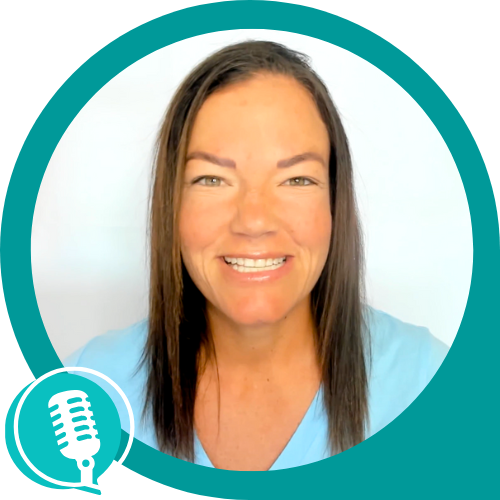
Kristi Kandel
Developer | Mentor | Co-Host of the LRED Podcast
Kristi is a real estate developer with nearly 20 years of experience and over $450M in projects across the U.S. Today, she focuses on helping locals step into development and build in their own communities.
She’s the founder of I&D Consulting, Local Real Estate Developers (LRED), and co-founder of Elevate, a community-driven sports and wellness concept.
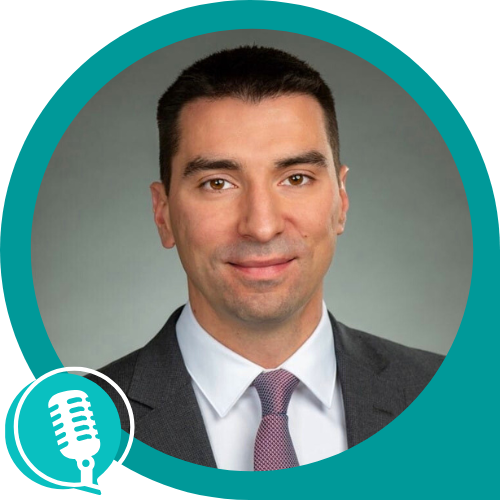
Raphael Collazo
Commercial broker | Author | Co-Host of the LRED Podcast
Raphael specializes in retail and industrial properties, bringing a problem-solving mindset from his background in engineering and software. As a commercial real estate advisor and developer based in Louisville, Kentucky, he works directly with investors, tenants, and cities, bringing a real-world view of how deals come together.
🔗 Related Episodes
How to Become a Local Developer: Katie Neason on Infill and Taking the First Small Bet | EP#29
A great companion episode on local infill, city relationships, and taking practical first steps in development.
How to Start Real Estate Development: Steph Weber Bought the Land First and Built the Plan Later | EP #41
A real look at taking your first development deal from idea to execution without having everything figured out.
Small-Scale Development: How She Left Her Corporate Career and Built a Tiny Home Village | EP #39
Another path from traditional career to building a community-driven development project.
About the Guest

Richard Crouch is a commercial real estate attorney with Woods Rogers, working on development deals across multiple states. He specializes in transactional real estate, helping developers navigate due diligence, contracts, financing, and risk mitigation.
Connect with Richard
🌐 Website https://www.woodsrogers.com/team
💼 LinkedIn https://www.linkedin.com/in/richard-crouch-039320a/
Full Transcript
Kristi Kandel (00:42)
Welcome to the local real estate developer podcast. am your co-host, Kristi Kandel. Unfortunately, Raphael can't be here today, but we have an amazing guest who is joining us. It's Richard Crouch and he is a real estate attorney. And part of the reason we love bringing guests on that are what we call strategic partners is that they can give you insights from multiple, from working with multiple different developers and jurisdictions and really can help us understand, you know, what,
some of the nuances we should be thinking about that we aren't. So Richard, welcome to the show. Awesome. So where are you joining us from?
Richard Crouch (Woods Rogers) (01:14)
Thank you, happy to be here.
Norfolk, is where I practice, which is right by Virginia Beach in the mid-Atlantic or the coastal Virginia area.
Kristi Kandel (01:25)
Awesome, awesome. So one of the things we like to do at the beginning is just kind of give a little background on how people got into the industry in the first place to go, okay, did you always know you wanted to be an attorney and deal in real estate? you know, what did that look like?
Richard Crouch (Woods Rogers) (01:39)
So the choice to become an attorney, I think happened sometime during college. You go to the usual routes in terms of career services and what are your strengths and weaknesses. And in terms of being pretty organized and liking to solve puzzles and in terms of just writing, I felt like those were some of my strengths. I didn't necessarily picture myself in court all the time and I always had an interest in business generally.
It seemed like after a while that it was a natural path to become a transactional attorney and the mentors that I was initially brought on to work for both primarily focused in the commercial real estate space. So I was very blessed with two good mentors. I use what they taught me every day and now I'm getting to use it with the younger attorneys that I've helped bring up.
was very fortunate. One mentor was very good with all the technical skills in terms of things you don't want to miss and also teaching you basically what you don't know you don't know. And ⁓ the other attorney basically taught me everything else they don't teach you in law school in terms of attracting, retaining clients, managing the client relationship, and in particular, the mindset that in the commercial real estate world, that time kills deals.
Kristi Kandel (02:35)
shhhh
this.
Richard Crouch (Woods Rogers) (02:51)
So he definitely helped me realize how important service was and responsiveness in addition to being proficient.
Kristi Kandel (02:51)
Mm-hmm.
couldn't agree with that more. Literally every single day it's almost like, does customer service even exist anymore? So just curious from the business side since you mentioned it with the second mentor.
Richard Crouch (Woods Rogers) (03:04)
Right.
Kristi Kandel (03:10)
What were the things that either surprised you or maybe the key lessons that you had learned about, I'm gonna be working technically on this, but running a business means you're doing all this extra stuff in the background and like you said, attaining and then keeping clients. Maybe just some lessons learned through that or just epiphanies you're like, I need to look at this.
Richard Crouch (Woods Rogers) (03:28)
Yeah, I think in addition to just the time sensitivity issues, some of the just the business side issues is realizing that you don't necessarily have to come across as the smartest person in the room. You're there to help solve problems. But at the end of the day, in terms of clients of yours that are developers, you're a vendor really like anyone else. And so, yes, you have to be responsive.
And you also have to have a mindset of being cost effective and realizing that your clients are working with a budget. They have a certain budget in mind. They've penciled everything out based on their expectations. And so you have to have a lot of good discussions with clients as to how much things are going to cost in general and if there are certain variables that are causing things to cost more, particularly during the course of a development project.
to always have very clear communication about that so you're not dealing with any sort of sticker shocks because it's pretty rare that two deals are exactly the same in terms of the variables that you'll encounter. And so that was just one of those things. Again, when I think of things that they don't teach you in law school in terms of running law as a business, that's definitely a big one. And so that's just one of the first things that comes to mind.
Kristi Kandel (04:43)
Yep, again, I couldn't agree more. I've worked with many different groups who will...
There's a scope creep or there's something and they don't know how to articulate it back to us to go, hey guys, what you just asked for or what just came up actually means it adds on three more months and about 20 grand of work. Or so like being able to communicate back to say, this is what this actually means to help them understand. And then maybe provide and say, we don't really need to do that. If we did it this way, it actually could be maybe like five grand and it'll add this time. And maybe it changes your outcome a little bit, but is that worth this? like at least presenting all
business options so they feel like they are able to make an educated decision I guess.
Richard Crouch (Woods Rogers) (05:21)
It's
very true. And that was one thing that developed over time when I would see deal after deal and issues that would be encountered. And I would also deal with a wide range of experience in terms of the people that we're working for, too. So a newer person, a fairly newer developer might have a general idea as to the various moving pieces that would be involved. But I realized that one thing that was helpful, particularly for new clients, was to send them a flow chart.
basically an acquisition flowchart that basically covered everything from the LOI stage down through due diligence, through closing, so that they could see all of the moving pieces and how they interrelated and who was responsible for them as well too. Because sometimes you reach in a situation where one party thinks the other party is addressing it and taking care of it, and then there might be a scramble to take care of that. So it's very clear with those variables what they can expect. And then we try to
incorporated into our engagement letter when we do define the scope on an exhibit that might have like a dozen or so itemized areas that could come up in our relative approximation of how much each area generally costs on a standard deal. Because that's another one of those ones you just have to realize that people are formulating budgets in mind and you're trying to avoid surprises because at the end of the day you want them to view you as a partner and not a cost center.
Kristi Kandel (06:40)
Yep, exactly. I found so well, one of my companies also does consulting to help developers in a done for you model. And it's the same way when we say, OK, due diligence is X amount of time and X amount of budget dollars entitlements is this permitting is this dry utilities that we at least give them a framework and then a little bit of here's what's there. But like you said, it's it's all different. Like each project, it could even be in the same city. could even be the same city in the same zoning. But they're all going to follow their
their own process. definitely that takes some experience and it's why you have strategic partners on your team as a developer to where you don't need to know it all. You just need to know the right people and the right who's to bring in who can help you understand and are willing to if you're newer to teach you and bring you along. And well to that point so a lot of new developers will go well why would this attorney want to work with me? Why would this contractor? Why would this architect want to want to work with me? So maybe just
Richard Crouch (Woods Rogers) (07:20)
Exactly.
Kristi Kandel (07:36)
perspective for someone who's asking that question.
Richard Crouch (Woods Rogers) (07:40)
Well, in terms of what makes an ideal client or a good working relationship, if they're working on interesting work and the client's pretty well organized and pretty leadable, or at least able to be counseled in case there are issues that evolve. Because that's one of those things. There definitely has to be a sense of mutual trust and respect.
and rapport because not everything is going to be sunshine and rainbows in terms of going smoothly. And you need to have reasonable minds and level heads. And when there is some obstacle that's encountered during the process, you need to be able to converse pretty openly and honestly with the client without there being any sort of trigger issues, insecurities, or inability to communicate. Because at the end of the day, you have the same goal.
and you're advocating for them. And you just need to be able to have those frank discussions and have them follow your counsel. And if they don't follow your counsel, at least you've informed them as to why the risk is significant and the best way to manage it.
Kristi Kandel (08:38)
And then you get that in writing if they don't take that advice. It's like, well, you were warned. We can try this path. But when it potentially blows up, at least knew. And I don't want to do I told you so, but just in case, we've got our CYAs. ⁓ Yeah, same thing on my end, too. So when you first got started and then how long?
Richard Crouch (Woods Rogers) (08:42)
Right.
Yeah.
Kristi Kandel (08:57)
it before you were able to well actually no when you first got started and you started learning the ropes because it's actually very similar like you now know way more than you knew when you first started so how did that evolution go for you because that's very similar to someone getting into their own development projects figuring out all the steps and going through so so what was your evolution like
Richard Crouch (Woods Rogers) (09:17)
I think
I would see some of the same issues occur over and over again. Oftentimes we were fixing situations that arose and a lot of it came down to not properly documenting various aspects of the transaction. So that could be documenting joint venture agreements or operating agreements with co-investors. That could be as simple as not having your purchase and sale agreement.
Particularly if you're doing a development and you have various timelines that are out in the future, having that not line up with some of the deadlines in your financing documentation or some of the deadlines in terms of when construction is to be completed versus leased up and having that not align properly. But I would say probably what we would see the most often was usually with co-investors in terms of not really having a set structure for issues like governance.
in terms of who makes the decisions and who has the control, as well as capital calls, in terms of, you've forecasted X amount, and now you need additional money to keep the project going and to not have mechanisms in place where both parties have to contribute or how it's addressed if they don't contribute, and then basically having projects stall out because
money and the capital is not forthcoming. And I think a lot of it is just people get so excited at the beginning of a deal and they think it's like falling off a log. It can only win what could possibly go wrong and really just not documenting everything, all of the what ifs for if things go sideways. And I think seeing that over the first handful of years definitely was very helpful because you have to see the ugly parts. ⁓
Kristi Kandel (10:57)
huh.
Richard Crouch (Woods Rogers) (10:58)
to know how to address things because not everything is going to be ideal circumstances. so seeing what can go wrong has definitely been helpful to draft documents going forward.
Kristi Kandel (11:10)
Yes, 100%. I was just listening to one of Brene Brown's podcasts and they said they do pre-mortems. So like at the end of projects, we'll do post-mortems and go, okay, what went right, what went wrong, how are the partners, how does this work? But doing a pre-mortem to go, what should we be talking about right now?
and why aren't we? And like kind of creating that conversation to go, okay, how could this go wrong? Okay, and if it does, how can we address it? And like you said, then putting that in the operating rooms, putting that in the, how we do things. So, and was that something that your firm helped that your clients set up when they realized, we need this and then to be able to plug that in or?
Richard Crouch (Woods Rogers) (11:45)
We do
and one thing that's helpful is for most clients, we handle pretty much the whole picture. So if they're doing a syndication, raising money, we help them with that. And if they're a purchaser, we of course help with the title review. And then if they're lining up financing, which is almost every case, we help them negotiate the loan documents. So by being involved in that whole process, we're able to make sure that various concepts and provisions are consistent throughout.
That's certainly a lot easier than, because again, people are very cost conscious and sometimes they only want to hire attorneys for a very designated task. But sometimes you can do a good review of a document, but if you're reviewing it completely in a vacuum without seeing the whole picture, sometimes that can limit the value. so again, that comes back to why general full communication is important.
Kristi Kandel (12:19)
Right.
Yep.
So many times people think they need to, especially on their first projects and they're smaller, I'm just gonna bootstrap this, I'm gonna put this together, I'm only gonna pull in pieces when I have it and I think sometimes it's better to know that maybe partner with someone in your community who has a little more experience or be willing to pay a little bit more to where maybe you're gonna make less on this deal and instead of the triple, you're gonna get a double or a single, but what you're going to learn is going to be more valuable than trying to make that extra buck because
What Richard just said is he can save you things that you don't even know exist yet He's gonna save you time which is money and also a ton of Costs potentially that could come up if you had if you had just known of things to ask at the beginning that that you didn't know from experience so Paying for people's experience is a great way to give yourself a safety net to go Okay, I I know I can at least set this single because I've got the right experts around me I'm going to learn and as you go, yes, you can take the training wheels off
little bit by bit and then you know which rock stars to pull in at which time but being willing to I guess take that take that extra step and go I am going to pay for your experience and expertise because you're gonna save me from a whole world of hurt.
Richard Crouch (Woods Rogers) (13:45)
And it's certainly true that that expression that an ounce of prevention is worth more than a pound of cure is very true. So if these issues can be spotted earlier in the process, it definitely can minimize the costs that would be incurred later on to try to fix them. So definitely, definitely very good advice.
Kristi Kandel (14:02)
So as the generally when we talk with with different people on the pod partnerships come up a lot. You had mentioned it from agreements and even potentially with your firm or or with developers. How do you view partnerships? How do you vet them to make sure whether it's whether it's clients whether it's actual partners in the group or you're advising your clients about different partnerships. How do you view partnerships in general and how can we try and get them right?
the first time.
Richard Crouch (Woods Rogers) (14:30)
Yeah, they're critical. think when you find good partnerships, it leads to additional opportunities. And I touched a little bit on just the client-attorney relationship, the mutual trust, and so on. I think that obviously remains critical. But I think attorneys working with the other providers as well, or the other vendors, is critical too. mean, if we're working on a development
It is very common that we're working with the surveyors and the engineers who are developing a lot of the site plans and so on to make sure that various concepts are consistent and that any easements that we help prepare on our end are consistent with basically all of the site plan work, any surveys that are being put together. once you go through several deals and it's very clear that you work well,
work well with other vendors. And they could be other lenders as well in terms of what are the lenders hot button issues, what are they expecting, how can you navigate through certain issues that come up to make the lenders comfortable, to maybe make the title companies comfortable in terms of obtaining certain coverage or getting certain title exceptions removed from the title policy. Once you find out who all those players are, you'll find oftentimes the
developers will keep engaging all of you collectively from deal to deal because you work well together and it makes the deal go a lot more smoothly, particularly as it relates to anticipating what potential issues could be on future deals. So I think it's incredibly critical and it definitely makes things go more smoothly overall.
Kristi Kandel (15:57)
So true. On our rollout programs, based on region, we would set up teams. And once we found that key architect, engineer, attorney, surveyor, just all of that, was great guys. Rinse and repeat because we all know each other. So now we're past that. We have a comfort level of going, hey, can tell you, like, contractor can tell architect, dude, wrong material, that price just spiked, like, we need to switch it to this. And then they can work together. And instead of butting heads or saying, you're telling me how to do my job, it's like, no, we're all in this together.
Like we're all trying to help.
Richard Crouch (Woods Rogers) (16:29)
It's very true and I think the rapport helps too in terms of just cooperation when collaborating because if as you get to know the other vendors better and better, you're reminded that you're working towards the same end and the tendency to throw one provider under the bus if certain issues come up, you would think that there's more of a cooperative spirit in that and that makes deals go more smoothly as well.
Kristi Kandel (16:52)
and be more fun. I've had some more people start to point fingers. I'm like, I actually don't give a crap about whose problem is, like who started, what was missed. It was clearly missed. So now that we're starting from here's where we're at. How do we play nice in the sandbox and find the best solution that works the fastest and saves us the most money?
Richard Crouch (Woods Rogers) (16:53)
Right.
Exactly.
Exactly, because anybody can throw darts, it's the people that find solutions. I think that create the most value.
Kristi Kandel (17:16)
Totally. So as you've worked with a bunch of different projects, and do you work nationwide? Are you in a certain region? How does that work?
Richard Crouch (Woods Rogers) (17:24)
We actually do work nationwide. have quite a few clients that have deals throughout numerous states. And fortunately, within our firm, we're of a size that there are about 19 different states that are represented, but there still are state-specific nuances for which we have to collaborate with local attorneys. And those are going to be things like making sure that the deed is recordable, various provisions of some of the loan documents are enforceable.
Because certain opinions have to be provided usually to lenders that basically everything's authorized, everything's enforceable. And whereas we can, for example, I'm licensed in Virginia, North Carolina, but if there are state-specific nuances, I'll have to reach out to somebody I've dealt with on previous transactions for them to provide, say, like a South Carolina opinion or a Georgia opinion. So that's pretty typical, but we have a pretty good network of making that go smoothly, too.
because you can't definitely can't overlook those state specific nuances.
Kristi Kandel (18:17)
And OK, so knowing that and the different projects that you've worked on, what was maybe like one of the most interesting projects you were able to work on? And I also say that because interesting could also mean the most challenging and you had to come up with a creative solution out of it or it was just a cool project that developer brought forward or had a great impact on the community. Maybe some examples of actual projects.
Richard Crouch (Woods Rogers) (18:39)
Yeah,
yeah, there come some that come to mind. I think one of the ones that I'm the most proud of how it all came together, because I feel like everybody really worked well together to make it happen, because a lot could have gone wrong if the parties had handled themselves in a different way. But basically, the short backstory of it is there was a particular REIT that was getting read of an apartment complex.
That was about 300 units. I think they had kind of just given up on it as an asset. And our client was still fairly new to the game. He had a little bit of experience, but he was not at a level where he was highly financeable. And so he could not necessarily raise. He probably could have raised a good portion of equity. And I'll touch on that in a second as well.
But he couldn't get it all done with just one lender and so on. So we worked with him. We made some introductions so that he could cover the equity portion of what he had to contribute. But the part where the relationships became very important is he basically was assuming the existing mortgage of his seller, but they were doing it like a wraparound.
mortgage. And so it was a little bit more risky and we really had to advise them of that. We said this is not like a clean loan assumption. If your seller does not perform, if they do not pay their mortgage payments, that's going to put you at risk. And you just have to have a very good relationship. have to everything has to be very clear in that regard. And so he was able to initially close on the loan with that plus the equity that we we connected him with and helped him raise.
So he had the initial closing, but he had longer term plans to lease everything up, to add value, to maybe build some playgrounds, things like that, amenities. And he really hustled for, I guess, about a year to get everything leased up. And then he was well over 90 % leased up on this one asset that had otherwise fallen into atrophy. And he was able to, and one thing that's important,
is with the operating agreement that he had with his investors, he had a provision saying that if I double your initial capital contribution within a two-year time frame, you're going to be fully redeemed. I you can think of it as like paying a dollar for their membership interest, for them to basically exit. And he was able to ultimately get refinancing. And when he basically had purchased the property for the equivalent of $13.5 million,
Once he got everything done, everything leased up, he was able to refinance at a value of 50 million, five zero. And as you can imagine that, and of course, all of his investors that were initially in it were now out of the deal because he had returned their capital and it completely changed his life. So he basically, he could barely rub two nickels together and then he had basically a 10 figure net worth over the course of a year from having hustled.
Kristi Kandel (21:58)
Yeah.
Richard Crouch (Woods Rogers) (22:06)
having maintained trust with his existing seller and having worked hard so that it was attractive to a future lender. so that was a good example of everybody working together. had a great result for our client. And it definitely gave him a lot of powder to do future deals. Some of the other times where I've seen people not work well together, that it didn't work out too well for them, is we had one client who
Kristi Kandel (22:21)
Mm-hmm.
Richard Crouch (Woods Rogers) (22:30)
He was starting to basically build a loading dock onto one of his facilities. And he got a threatening letter from an adjacent landowner saying like, you're technically coming into our easement. It was basically cease and desist. And our client tried to be a good neighbor and say, we thought that basically the engineer was having discussions with you all. And maybe that didn't happen for some reason.
but can we just reroute this easement that you all think that you have? And apparently the adjacent landowner was very rude to him, very dismissive to him, and it really didn't sit well with him. And then as he came back to us and said, is there really anything that can be done about this? We did some research and it turned out that the easement that the adjacent landowner said that they had was simply denoted on a plat. Like that was the only
existence or proof of existence of this easement that they thought they had. ⁓
Kristi Kandel (23:25)
And what
type of easement was this supposedly? Okay.
Richard Crouch (Woods Rogers) (23:28)
Oh, it was an access easement. basically,
they had to basically access or come across our client's parcel to get to a main street. there is case law in Virginia in 2009 that basically says simply having an easement denoted on a plat with no affirmative deed of easement or no instrument that's actually granting language and covering rights and responsibilities related to the easement.
If you simply have a little notation on a plat, that easement is going to fail. It's not a valid easement. And you'll find oftentimes title companies won't even insure an easement if all you see is just like a little notation on a plat. And so it basically came to be that these people who were very threatening to our client realized that they had no access easement anymore. That wasn't a viable easement.
Of course, they tried to be more cooperative after that, but I think largely the ship had sailed and our client had been so offended by how he'd been treated and everything else. said, you know what? It is what it is. Good luck. I'm not really interested in helping you all right now. Who knows? It may in the future, he may change his mind on that, but in terms of where the law stands and what he has to do, that was an example of somebody who had tried to be cooperative.
Kristi Kandel (24:23)
Yeah.
Richard Crouch (Woods Rogers) (24:43)
And it would have reached a much better result for the adjacent landowner. But with the take that the stand that they took, it ended up obviously backfiring on them. So that was just an example of how not cooperating can come back on you.
Kristi Kandel (24:53)
Yeah, yeah. ⁓
across both of those types of scenarios. it's one where even if, and this is what I tell people in my team, even if you think you are 100 % right, first of all, nothing is black and white in real estate. There are all sorts of loopholes. You tell me a definite statement and I will definitely find a reason why it is not true. But to that, it's just having, being approachable and collaborative and talking, and you can have
Richard Crouch (Woods Rogers) (25:15)
All
Kristi Kandel (25:25)
You can have the power in that without being a complete jerk and like like you said it could just play out completely wrong. I I had a project in California where we were it was like a phase hydrogen project and we had power and everything in phase one and two but then we needed a lot more power and we had worked with the power company and we're like great there's a huge line across the street this will be fine. Well when their lands department went in and saw that wait we never the power
company never secured the easement. So technically that main line is sitting on private property which by default they're able to still access and service it but you can't make a new tap into it. So we were left with the fact that we would have had to go a mile down the road probably millions of dollars worth of costs or they said or you can talk to the property owner and try and get yourself an easement.
you're not going to help us on this or try for it." They're like, no, this is solely on you guys. So our end, was a very interesting story because the couple that owned it, they were older, they were feuding, they were not, like I had to pull their daughter in. And finally they all agreed. like, we will meet you on the site on Sunday. So I got a mobile notary. I came up, I brought my dog because they apparently like dogs and just was like, I'm not trying to pull a fast one. I'm not trying to do anything. I'm like, literally here's the scenario guys.
Richard Crouch (Woods Rogers) (26:14)
Right.
Kristi Kandel (26:42)
see this project here? This is what we're working on. You guys have a power line right here. I need more power and I don't have the right to get that and neither does the power company. So you could tell me to pound sand and to go away. But ideally we find a way to work together to make this all happen. And just by having that conversation and just kind of working through we did eventually we gave them some improvements. They're like, well, we've really been wanting since the fire, we really wanted this or this to happen at the property.
and it'd be great if our drive approach got fixed or blah blah blah. It was like great. So we agreed to pay, I don't know, it was like 15 or 25 thousand dollars to help them and give them things that they could use and then we were allowed to tap in and give PG &E the easement they had.
Richard Crouch (Woods Rogers) (27:26)
Yeah, yeah, and it's having those those early discussions can definitely generate win-win solutions. It's trying to force an outcome can oftentimes backfire ⁓ for certain.
Kristi Kandel (27:36)
Yeah.
But they don't always work out that way. But when you do get the fun ones, you're like, yes, this is a huge win. This is awesome. ⁓
Richard Crouch (Woods Rogers) (27:40)
Right? Yes.
Yeah, yeah, for sure.
Kristi Kandel (27:49)
All right, so we had talked about at the beginning before we came on, you have a top five or top 10 list of things that our local developers should know and maybe even questions they don't even know to ask or things to be aware of. So I would love to run through that and just kind of talk about those from your experience.
Richard Crouch (Woods Rogers) (28:06)
Yeah, yeah, and I think you'll find one overarching theme is very rarely do deals fall apart just because of one catastrophic issue. Oftentimes it can be just a host of small fixable issues. And again, attorneys are there to really look around the corners for you and help you address these when it's less costly to do so.
So one of the things I'd say this probably comes up the most is when people do a development, not having a lot of due diligence reports or maybe discounting the value of reviewing just title exceptions, easements and restrictions, as well as various land use issues and related to zoning. And, you know, that can be as simple as basically there might be a utility easement.
that runs directly through where the proposed building is going to be, or maybe the zoning doesn't permit your use. And you can find yourself in a situation where you've spent a lot of money and are going to end up spending far more money than you initially contemplated to try to fix the issue. Or you may have to terminate the deal and then maybe lose a huge deposit over that as well from something that could have been caught fairly early.
in the process.
Kristi Kandel (29:15)
But I walked the
site and I didn't see overhead power lines. You mean there was something buried in the ground?
Richard Crouch (Woods Rogers) (29:21)
Exactly, exactly. so a lot of people, there's oftentimes a lot more there than what you can visually see. And so basically seeing everything that's of record, even if it's never been used, that doesn't mean it doesn't still exist and that those rights don't still exist and having to navigate that, which can be due through getting coverage done through getting coverage through your title company, or it's not uncommon, similar to what we were talking about before.
If there might be an encroachment, could be you encroaching on their land or them encroaching on yours, working out an agreement to address that encroachment ahead of time, because at some point it's going to come up and you hope it's as early in the process as possible, because again, it's going to be very expensive to fix it after the fact.
Kristi Kandel (30:02)
When I hear someone say, we'll just deal with that later if it comes up and it's something that could kill the deal, I'm like, no, no, no, no, we're not gonna hope that this doesn't show up when we're hundreds of thousands of dollars in and or under construction. We are bringing this up now and that may mean we lose the deal now, but we are $500 in and we're at the beginning and we'd much rather walk now.
Richard Crouch (Woods Rogers) (30:24)
Yeah, yeah. And I think one other area where we see issues arise is if people basically have purchase agreements that are, they're not terrible necessarily, but maybe they're a short form or an off the shelf form that wouldn't fully address the specifics of your particular situation. And so it may be something where you don't have certain representations from the seller or you maybe have very limited
termination rights during the process that that could arise and it might be something where because the contract is so simple it might limit your ability to exit if there's something particularly problematic. So or it may be another situation where you do have to terminate and again potentially lose a pretty big deposit.
Another area that we go ahead.
Kristi Kandel (31:07)
To that extent on the
contracts, 100 % what you just said is very key. Can you maybe explain how development, purchase and sale contracts? Because a lot of people are used to, hey, I'm doing like a 30, 60, 90 day close to a smaller residential. And I'm like, no, you build time into your contracts. So maybe just touch on what that actually should be or could be and what people are used to.
Richard Crouch (Woods Rogers) (31:30)
Yeah, that's a very good point because it's pretty common that for our developer clients certain approval and there might be shifting floating dates, so certain approvals maybe will occur at this point in time. There's also a due diligence period that might come a little bit later, but oftentimes you might be ordering third party reports that are taking longer than you forecasted. You might have other additional requirements that might be imposed by your lender.
in terms of reports that they want that maybe just add time and expense to your deal. And then you run into this problem where you set a finite period of time and you're running out of time. And so either you'll skimp on important due diligence or you may have to terminate prematurely. So it's very important to build in basically extension language to keep yourself from being in default, keep yourself from losing the deal just because
Other third party reports haven't been obtained and reviewed yet. And also from a development standpoint, sometimes having if you're having to pony up additional deposits rather than having those linked to just a finite period of time, having them linked to basically developmental milestones as well. So that again, you're not scrambling and panicking because you've run out of time. And so so oftentimes, you know, it's it's time that can kill a deal.
rather than necessarily site plans or issues like that.
Kristi Kandel (32:49)
Totally agree and then making sure you have those extensions but communicating like you said again communicating with the property owners with the the selling team because it might be like guys we have the hearing scheduled for entitlements and we know we had this as one of our deadlines and it's 60 days out because there was a 30-day notice and we missed that but just explaining that and then getting those extensions and being willing to have the conversation and if you show progress then they can typically be amenable to working with you because they want it to be done too.
Richard Crouch (Woods Rogers) (33:17)
Yeah, yeah, very true. One other issue, and I touched on it before with title, but it is also important to not only review the exceptions and the instruments of record that exist to see what obligations might be out there in terms of what other easements other parties might have that impact your land. Or if you're part of an association, a property association, what sort of obligations you might have or monetary obligations you might have, because you don't
You don't want to buy a lawsuit if the seller is not in compliance and have to deal with issues like that. You want to make sure all payments are current and so that you don't have any issues there. But also you want to just review some of the exceptions that exist to make sure there are no restrictions against your use as well. Because we've we've had that as well and we've had it with certain retailer clients.
where not only do you want to make sure that their traditional use is allowed, but sometimes their use evolves over time too. So it could be something like, by the way, we basically sell grocery items now and we didn't really start under that model, but now we do. And so we need to make sure that there are no grocery restrictions on the parcel and things like that. Because that, again, if you've spent hundreds of thousands of dollars on site plans and developmental work, discovering that late in the process to...
is not going to be a popular surprise for anybody involved.
Kristi Kandel (34:36)
We've had that on out-persosals of shopping centers where maybe there's a pharmacy that was there first and they put a restriction, no more pharmacies. Well, that means we're definitely not adding a CVS or a Walgreens at the corner unless we get that group back there to sign off. And if you don't catch that early, you can spend hundreds of thousands of dollars. And you're like, what? The city said the zoning was fine. Yeah, but your title report and your CCNR said, nope, you're not.
Richard Crouch (Woods Rogers) (35:01)
It's, and we've noticed that there is a huge, just during the course of our practice, because we represent real estate acquisition firms where they're buying an existing structure and it's not, they're not necessarily constructing anything. And sometimes we'll have provisions where in the remedy section, if they default under a purchase and sale agreement, usually I'll try to negotiate language on behalf of the seller saying, okay, we're talking about a major default here where they just sell the property to somebody else.
And then you have to reimburse the buyer for their costs up to a certain amount. And the amount for the existing structures, in terms of what the out-of-pocket costs for the buyers are going to be, are way less than in a development scenario. So it might be like $50,000 for an existing structure, but it's more like $500,000 for a lot of the developments. So we definitely notice that in terms of what the out-of-pocket outlay of expenses can be.
And one other thing I didn't mention this, you this comes up a lot. It sounds maybe self evident, but oftentimes making sure that if you're not directly abutting a public road, making sure that you definitely have access to a public road across another parcel, because that is that's going to be huge expense to it. It will get very difficult to get approved with any sort of municipality if you don't have that that access.
So, but otherwise, some of the other things that I mentioned in terms of not documenting things correctly, again, come down to issues of control and capital calls with investors in terms of who pays for what. And one other thing that's very critical to document is what are the exit strategies with your investors? Because there's certain ones where it's clearly contemplated in time, a sale or a refinance.
Kristi Kandel (36:37)
Yeah.
Richard Crouch (Woods Rogers) (36:46)
is when they're going to get their capital back. But sometimes the parties have a disconnect on their expectations. And so it might be a slightly different scenario. mean, you have standard things where like it might be death or disability or bankruptcy of an investor and how they exit. But sometimes they just want to disassociate from the membership, hopefully get their money back and exit. And having
provisions and mechanisms in your operating agreement for how that happens, how the membership interest is valued, and what the the provisions are for who sells to who and by when do they have to close is really important to have in there as well. As well as, and this really cuts both ways, is for whoever the sponsor is or the main manager of the project.
Also having some provisions for how you keep metrics on their performance is also essential. And sometimes it's very vague. One party is not really happy, but there might not be language that basically gives them right to oust the manager or sponsor.
Kristi Kandel (37:37)
Yeah.
Richard Crouch (Woods Rogers) (37:47)
So sometimes if you can have language where basically if the manager has not paid a return for maybe two consecutive quarters and they haven't submitted a business plan, that that might be grounds to have them removed. And it's just it's just very good to have the foresight to think of when those issues might arise and just have having basically mechanisms for removal as well.
Kristi Kandel (38:08)
As like you might say, well, I don't want that because the more vague it is, then the more wiggle room I have. But at the same time, you want to, especially if you're taking someone else's money, hold yourself accountable. So there needs to be some level of accountability and tracking and of your, cause it's not just you, it's also your team and just setting a clear bar of, hey, this is how we operate. This is our bar of excellence and this is what we do and not being afraid of putting those metrics in there too.
Richard Crouch (Woods Rogers) (38:36)
Yeah,
yeah, it's very, very important for sure. Just a couple other things that definitely come up, particularly for some of the newer developers is definitely have an attorney review your construction contract, because there'll be mechanisms in there. And it's by no surprise that in our firm, one of our most productive practice areas is construction litigation. And it has been for decades.
But it's very true because what oftentimes arises is you have change orders and delays and cost overruns and just making sure you have mechanisms for how those are dealt with. And if there are delivery delays that are clearly the contractor's fault, having some sort of penalty to hold their feet to the fire on issues like that in terms of daily penalties for failure to deliver and then just having very clear procedures for change order procedures too.
And not only does this affect the developer's own budget, but it's going to spill over into their financing as well if they have construction financing. so because oftentimes, if it hasn't been an approved budget by the lender, they may basically say that they're not going to do construction advances for certain amounts. then
and then the developers left holding the bag on issues like that. So that's just another important thing to look at. One area, I sometimes this goes back to the whole thing about having a good team in place, having good advisors in place, is making sure that all the insurance that's required lines up. I mean, this could be your builder's risk or other types of insurance that are basically going to be the required
during your development as well as like once you've already built everything and just making sure that anything that's required in terms of insurance under any construction contracts or financing documentation or even like leases once you get to that stage that you basically have your insurance consultant review that because there may be vernacular and terminology that's used where you think, okay, I think I kind of know what they're asking for.
But it might be something where that product doesn't technically exist and you want to make sure that your insurance consultant has looked that over to say, yes, yes, that can be provided at minimal cost and you'll remain compliant with all the various binding contracts that you have in place. So that's a lot of what we do see and hopefully it just drives home the importance of early review of various third party reports.
to minimize your exposure later, as well as just the importance of making sure you document everything that can arise and make sure that those various agreements align during the various phases of the deal, from purchase and sale contracts to financing documents to leases and construction documents as well.
Kristi Kandel (41:21)
And I'm just sitting here nodding because everything you're saying, I'm like, yep, came across that. Yep, saw that happen. Yep, yep, yep. This is why it's so important to have the right advisors on your team because things are going to come up and happen. Which to that point, so as you hit different roadblocks, maybe it's a challenging client, maybe it's a challenging seller or lender or something, what tips or tools do you use personally to stay motivated and go, okay, we are going to find a solution because we are
professional problem solvers in this industry. So what do you personally use to go, okay, we're going to figure this out. We're going to stay motivated and do this and go.
Richard Crouch (Woods Rogers) (42:00)
Yeah, I think probably what helps the most is transparency with not only with us to our client to again to just kind of maintain that ongoing trust in the relationship, but if we're having to navigate an issue with a different player involved, whether it's a lender or a seller and it's something that's just not ideal or not workable in a situation that you're pretty upfront about it.
because I think that builds credibility in terms of resolving the issue rather than trying to hide it or hope other parties don't notice it is dealing with it head on because more often, I would say, at least in my experience, far more often than not, having those frank and open discussions make it a lot easier to find that solution rather than just trying to sweep it under the rug. And so when you do run into challenges, that's just what I recommend to my clients as well saying, all right,
We need to stay out of trouble. We need to get the deal done and we need to do it practically. And I think just having that transparency again, I think is the key way to resolve those issues.
Kristi Kandel (43:00)
I couldn't agree more. And your demeanor is great. Like you've had me at ease. I'm like, I trust you. I know that you're a great advice. Like you were, already pulling me in that way too, to where it's just like, okay, yeah, there's a confidence here that you know what you're doing. You're looking out for us and that's really what you want and your partners you bring on.
Richard Crouch (Woods Rogers) (43:09)
Heh.
And
I have one client in particular who, as you can imagine, in this climate where interest rates are high, it's harder to make deals pencil. Not only are you doing loan workouts and dealing with servicers to access reserves and things like that, but you're dealing with disgruntled investors. And it's not necessarily that you've done anything wrong or that you haven't followed the paperwork. And oftentimes you'll find that in some of the syndication documents.
Kristi Kandel (43:34)
You
Yeah.
Richard Crouch (Woods Rogers) (43:43)
There are numerous disclaimers, you you could lose your whole investment. The sponsor is not responsible if you lose your investment, things like that. Pretty common language in there. But the one thing I've always told him is be above board. And even if you're not technically going to be legally responsible for them losing their investment, act like you are. And, you know, stay very invested emotionally with that
with that particular investor because it's all about the long game and your reputational currency and trying to play ostrich and stick your head in the sand and shrug it off isn't going to serve you in the long run. So I think that's just always and he's always done well. And I think it's because he's followed that advice and I've never once seen him do anything questionable and it's
it's the best way to navigate difficult situations.
Kristi Kandel (44:34)
is great advice. Everyone should take that. Well this has been an awesome conversation. I could nerd out with you and talk to you about this forever, but that being said, how can people find you if they're, it sounds like you're in 19 states, so engage your firm or just see if can follow along in the stuff you're doing and information you're putting out.
Richard Crouch (Woods Rogers) (44:40)
Yes.
Yeah, yeah, I appreciate that. So my email address is richard.crouch, and my last name is spelled C-R-O-U-C-H, and then it's at woodsrodgers.com, and woods is plural, and Rogers is plural, no D in Rogers, dot com. And our website is basically the same domain name. There are lot of articles that are posted on that. But if you do email me and want a newsletter, which constantly is giving legal updates,
that are relevant to the current environment, feel free to email me and I'll make sure that you get on that list because it's good to stay current and relevant because hopefully if you spot a particular interesting article or an announcement, hopefully it helps you sidestep future issues that you might encounter.
Kristi Kandel (45:35)
Yeah, so true. And we'll make sure we include those in the show notes too. So Richard, thank you so much for coming on and sharing these words of wisdom and insights. They are invaluable. And just really grateful you were able to come on.
Richard Crouch (Woods Rogers) (45:47)
Thank
you. Thank you for having me.
Kristi Kandel (45:49)
And to our listeners, you can find us on Apple, YouTube, and Spotify. And it really helps us if you leave a five-star review so other people can see it, we get more awareness, we get a broader reach, and we achieve our overall goal of empowering more locals to become developers in their community. Because that is the ultimate goal. The more locals are doing deals, the better our communities are, the larger ripple effect we're having. And it just creates a bigger impact overall. So until next time.
Get the tools behind the episode
Access the Developer Vault with templates and real resources
©2025 I&D Consulting. All Rights Reserved.
©2025 Local Real Estate Developers. All Rights Reserved.