She Built 15 Homes with $0 Down While Figuring It Out in Real Time with Kelsie Johnston | EP #50
Real estate development, cottage community infill, and scaling a small-town project into 15 units through creativity
The deal didn’t start big.
But the vision kept getting bigger.
Kelsie Johnston didn’t set out to build a 15-unit development.
What started as a simple flip turned into a full cottage community after she kept pushing the deal further and adapting along the way.
This episode is for anyone trying to figure out how to go from small projects to real development without waiting until they feel ready.



Get the tools behind the episode
Access the Developer Vault with templates and real resources
Episode Summary
Kelsie Johnston didn’t step into development with a master plan.
She stepped into it because she said yes to a property she almost ignored.
At the beginning, the plan was simple. Renovate the existing structure and maybe add a couple units in the back. Something manageable. Something that felt within reach.
But as she started digging into the property, the deal started to evolve.
A broker challenged her to think bigger. What if this wasn’t just a flip? What if the site could support more density?
That question changed everything.
The plan shifted from a small project to seven units. Then, after months of entitlement work and rising construction costs, even that version stopped making sense. Instead of forcing it, she stepped back and reworked the entire approach.
That’s when the cottage model came into play.
With support from the city and a willingness to rethink the layout, she redesigned the site into a 15-unit cottage community. Same footprint. More units. Better use of the land.
But getting there wasn’t clean.
She designed the site plan herself by reading city code over and over again, sketching layouts, and using simple tools to bring it to life before handing it off to professionals. No formal training. Just persistence and figuring it out step by step.
On the financing side, it was just as creative.
She used a combination of hard money, HELOCs, and strategic debt moves across multiple properties to fund the deal. At no point did she bring traditional cash to the table. Instead, she created equity through the process and leveraged it to keep moving forward.
Construction took 11 months. Longer than planned, but still moving.
At the same time, she was managing the project, raising kids, and navigating real life. No perfect conditions. Just forward momentum.
And then came the part most people don’t think about.
Stabilization.
Leasing 15 units at once in a small town market brought a new challenge. Timing, seasonality, and tenant behavior all impacted how quickly the project filled. It took months to reach full occupancy, but now the project is finally cash flowing.
The biggest takeaway is how she approached the entire process.
She didn’t wait until she knew everything.
She learned by doing, adjusted when things didn’t work, and kept moving forward.
That’s what turned a small deal into a real development.
What You'll Learn
- How to scale a deal from a flip to a full development
- Why highest and best use changes throughout a project
- How to creatively finance a project with little to no cash
- What it takes to design and entitle a project from scratch
- Why stabilization is one of the hardest phases
- How to keep moving when plans change
Bold Truth
You don’t need to know how to do it. You need to decide you’re going to figure it out.
Timestamps
0:00 — Intro
https://youtu.be/qXBkROFWyeI?t=0
1:54 — Kelsie’s background
https://youtu.be/qXBkROFWyeI?t=114
3:45 — Early hustle and mindset
https://youtu.be/qXBkROFWyeI?t=225
6:19 — First development opportunity
https://youtu.be/qXBkROFWyeI?t=379
7:29 — Initial plan for the site
https://youtu.be/qXBkROFWyeI?t=449
9:45 — Scaling from 7 to 15 units
https://youtu.be/qXBkROFWyeI?t=585
10:27 — Discovering the cottage model
https://youtu.be/qXBkROFWyeI?t=627
12:31 — Designing the site plan
https://youtu.be/qXBkROFWyeI?t=751
15:52 — Permitting timeline
https://youtu.be/qXBkROFWyeI?t=952
17:13 — Utilities and infrastructure
https://youtu.be/qXBkROFWyeI?t=1033
20:42 — Early mistakes and lessons
https://youtu.be/qXBkROFWyeI?t=1242
25:19 — Permitting and approvals
https://youtu.be/qXBkROFWyeI?t=1519
27:16 — Financing the deal
https://youtu.be/qXBkROFWyeI?t=1636
31:21 — Creative lending strategy
https://youtu.be/qXBkROFWyeI?t=1881
35:27 — Construction phase
https://youtu.be/qXBkROFWyeI?t=2127
39:29 — Stabilization challenges
https://youtu.be/qXBkROFWyeI?t=2369
41:38 — Long-term strategy
https://youtu.be/qXBkROFWyeI?t=2498
43:10 — Community-driven development
https://youtu.be/qXBkROFWyeI?t=2590
47:02 — How to connect with Kelsie
https://youtu.be/qXBkROFWyeI?t=2822
Meet the Voices Behind the Mic
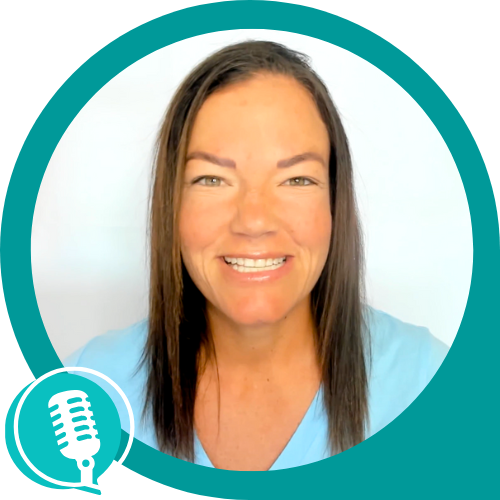
Kristi Kandel
Developer | Mentor | Co-Host of the LRED Podcast
Kristi is a real estate developer with nearly 20 years of experience and over $450M in projects across the U.S. Today, she focuses on helping locals step into development and build in their own communities.
She’s the founder of I&D Consulting, Local Real Estate Developers (LRED), and co-founder of Elevate, a community-driven sports and wellness concept.
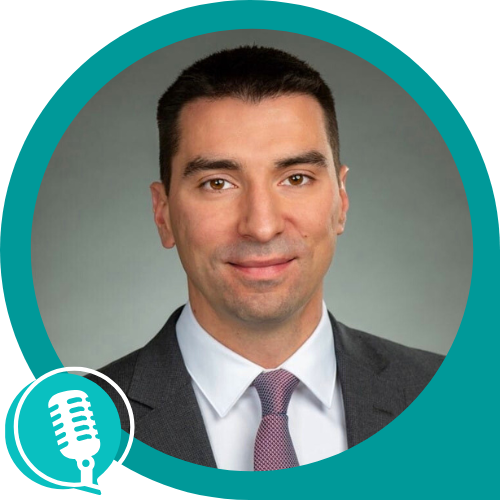
Raphael Collazo
Commercial broker | Author | Co-Host of the LRED Podcast
Raphael specializes in retail and industrial properties, bringing a problem-solving mindset from his background in engineering and software. As a commercial real estate advisor and developer based in Louisville, Kentucky, he works directly with investors, tenants, and cities, bringing a real-world view of how deals come together.
🔗 Related Episodes
How to Become a Local Developer: Katie Neason on Infill and Taking the First Small Bet | EP#29
A great companion episode on local infill, city relationships, and taking practical first steps in development.
How to Start Real Estate Development: Steph Weber Bought the Land First and Built the Plan Later | EP #41
A real look at taking your first development deal from idea to execution without having everything figured out.
Small-Scale Development: How She Left Her Corporate Career and Built a Tiny Home Village | EP #39
Another path from traditional career to building a community-driven development project.
About the Guest

Kelsie Johnston is a real estate investor and developer based in Oregon. She focuses on small-town infill development and creative deal structuring to build projects that support her local community.
Connect with Kelsie
📸 Instagram https://www.instagram.com/rei.odyssey/
💼 LinkedIn https://www.linkedin.com/in/kelsie-lpjohnston-354135208/
Full Transcript
Raphael Collazo (00:42)
Welcome to the local real estate developer podcast. I'm your co-host, Raphael Collazo. I am a commercial broker, investor, and developer located here in Louisville, Kentucky. And I'm excited to be here with my co-host, Kristi Kandel, real estate developer extraordinaire. It's always great to see you.
Kristi Kandel (00:57)
Hey, yeah, great to see you. am, yeah, like you said, I'm a real estate developer, investor, and I teach locals how to do development in their community. And today our guest is someone that I actually met through a friend who has been helping us with our podcast and some other stuff for local real estate developers. And she actually went out and toured this property and then told me, yo, you've got to get this person on the pod. So I...
Welcome to the show, Kelsie Johnston , based in Oregon. Nice to have you here.
Kelsie (01:26)
I'm so excited to be here. So I'm Kelsie LPJ as I go on online, my official last name would be Leech Veroncha Johnston, but we shortened it to LPJ just because it's a lot easier for everyone. But I'm really excited to talk to you both about cool projects and anything and everything else.
Raphael Collazo (01:43)
Definitely. No, no, we're excited to dive into your story. So if you don't mind kind of sharing a little bit about your background and then maybe touch on what got you interested in development.
Kelsie (01:54)
So I had already been somewhat doing redevelopment for quite some time. I'd been working on like historic redevelopment mostly. I had been helping my parents specifically with a historic renovation in town. And my mom kind of was like, you have to go look at this property. And I was like, I really don't want that big of a flip right now. So she kind of pulled me to a tour at the location. And next thing I know, I'm doing full blown ground up development.
And it was one of those things where the property told me exactly what it needed and wanted and what was highest and best use because what I would have put there would have not been, wouldn't have penciled and it would not have been in the best interest of the city. So it was a lot of learning in four years and a lot of learning for the specific best use for the property. But before all of that, it was very much.
I'm going to do the burr method. I'm going to house hack all of the things that you hear on all the podcasts, but not really serving me because I felt like I needed to do more and find a way to leave a bigger impact on my city. So.
Raphael Collazo (03:00)
Definitely. So tell us a little bit about that evolution, I guess, because that's one thing that we like to try to highlight with all the people that we have on the podcast is that what got you kind of in that mind state to start taking on some of these projects? Because a lot of the people that listen are either A, they haven't taken on their first project and they're trying to kind of formulate the plan of attack to get to their first project, or some are actively in it, but they're
trying to find ways to continually improve upon their processes. I guess starting out for the group that is just getting started, mean, what was that like? And you kind of mentioned that you were working with your parents on some projects. Is that where it initially started, or was that something that just happened by chance?
Kelsie (03:45)
So I was always kind of a very ambitious, goal-oriented child. I tried to sell roses on the side of the road from my parents' garden. I started an Airbnb where my only guest was my grandma. I was just five, six years old trying to do anything and everything I could think of to make $5 so I could go spend it on a toy or who knows what. But I had parents who were always
business oriented and taught us to really work hard and kind of hustle for whatever it is we wanted to go after. And there was definitely something I learned later in my teens was the answer is always no until you ask. So it was very much like, I can always do whatever I want until the city tells me no. So let's figure out how far I can take that.
So from transitioning to college, I played soccer at a community college in Salem. I was on scholarship, so my financial aid and my soccer scholarship went to pay for my first two years of school and all of my money for my two full-time jobs. was working outside of that. Well, one was full-time, one was part-time. Went to doing my first development.
but it was more of a redevelopment. had a shell above a commercial space that I redesigned into a one bedroom apartment for my partner and I to live in. And that was just one of a like, why would I want to go rent an apartment mentality? And so it transitioned from, I have this opportunity. I can do all of the sweat equity when I have the free time. I can pay for it. I can do, I can live in a shower that I designed and hand laid all the tile.
including the floor, including the wood. I had to have solid wood flooring because I was spoiled, obviously. But it was a transition for me from seeing what my parents were doing, which was the burr method before it was considered the burr method. They would buy old buildings, redevelop them, and rent them out, and then hopefully refinance them within a year two. They didn't know that that's what they were doing quite yet because they were not connected to
what is the online community of real estate. So that was kind of my evolution. I went from trying to figure out how I can hustle for the dollar, from being really young, starting several businesses. I did a couple real estate deals. I did one wholesale without even realizing what wholesaling was. A lot of things have been locked as well.
they've just kind of fallen in my lap like this property. I didn't really want to look at it. My mom pushed me to look at it. Next thing I know, it's one of my favorites. And that's kind
Kristi Kandel (06:19)
Clearly you
are a hustler who is like, I'm going to take some risk. I'm going to figure it out along the way. I'm going to make sure I've got the cash flow coming in from these other areas. And I'm just going to figure it out. That's awesome. Literally when people ask us, like, can anyone be a developer? it's like, you've got to have a certain risk tolerance. You've got to have a certain...
go get her drive in you and your vision has to be big enough and strong enough because we all know that development takes its time to go through. So clearly you have the intangibles. So ⁓ as you get pushed into finding this first property and looking at it, you kind of alluded to the fact of, I'm glad the first thing I did didn't work out because it wouldn't have penciled anyway. Can you maybe go through what your initial thought was? You saw the property and you're like, okay.
Kelsie (06:50)
Yeah.
Kristi Kandel (07:06)
I want to do this with it and then what the changes were along the way that got you to that final version. Because as context, I'll tell people in a development, you will get into a property and have this idea of what it'll be. When you get to the end, it's not the same thing. There are going to be sometimes minor, sometimes major changes that happen to the plan. So just kind of walk people through what that looks like.
Kelsie (07:29)
Absolutely. So we originally looked at it as, well, we'll flip the existing structure and we'll put a duplex in the back. And then speaking to my hard money broker, he was like, I think you should think bigger. And I was like, okay, what is bigger? And so that kind of morphed into three duplexes in a single family, because it has this somewhat awkward 35 foot wide flag lot portion behind my neighbor. So,
Essentially, we looked at it, it fell off market, meaning we'll be bought it because it was in too, not what it needed to be. So
Nobody really would want to buy that on market. Thankfully fell off market. sent a letter to the original owner and he worked him down from 220 down to 160 and then got a hard money loan of 200,000 to be able to do some repairs so that we could live in the house and eventually get a key lock that would basically give us some liquid to pay off a hard money loan and give us some liquid to do the entitlement process.
We spent all that money to the entitlement process for the three duplexes in the single family, which later did not pencil because the construction price is increasing. And honestly, it wasn't the highest and best use. We would have had seven units there. Now we have 15. And we didn't increase our square footage any because the cottages are within 200 square feet of the same amount of square footage for those seven units.
major difference, very much learning that like value engineering and highest and best use. But like you said, none of what I've done is something where I had to like spend four years learning it or at a university and spending hundreds of thousands of dollars. I've spent the money through the process of learning, but there's not really any one thing that made me special that made me do this. Anyone can choose to do this. They just have to be able to have the delayed gratification, like you mentioned.
and be willing to kind of be kicked while they're down for a little while, but then they can reap the rewards. So it's worth it, absolutely. But nothing that I did, I just happened to be the person to sign up to do it.
Raphael Collazo (09:45)
Definitely. regarding that evolution of that project, you mentioned your thought initially was to convert into a mix of duplexes and a single and maybe a single family front portion of the building. I'm not sure how it's all oriented, but in total, it would be roughly seven units. was the what was the evolution? What was the thought process to go to that cottage model? Because maybe that that isn't necessarily a super common way to approach
projects and maybe maybe I'm wrong maybe in your area that's a more common way to approach it but seems like it's kind of a novel idea so what was the thought process there and what made you decide to kind of go that route
Kelsie (10:27)
You're correct. It's very like, I say novel. I, it wasn't an option actually, while I was doing the seven unit originally, it was about a month before we received final, permit, like approval. we had to get a conditional use for a single family even, the city basically said, Hey, there's going to be some new changes to the code with this new bill that just passed. are you sure you don't want to take a look or delay and wait to do that? And I was like, wow.
We're already here. Let's see how far we can get with this. just, one of those things where it's like the sunken cost fallacy where you're like, well, I've already gone this far. I might as well just keep going. Which eventually I found caused some, you know, headache about 10 months loss of time from kind of toiling, deciding to go from the seven unit to the 15 unit. And
Ultimately, that's where it comes in the luck that I mentioned before, because anybody could have went and asked for certain questions in the city, but I was lucky enough that they were like, hey, you need to take another look at this cottage option. And I had seen a lot of things online, but nobody had done it yet in Polk County. Nobody had done it in my city. There's similar things within Reason. We have some that look like the infill development style.
but they're larger, like 2200 square foot homes. So cottages very much are the scaled down version of that. So they have something to model it off of, but they had no concept of what it was yet. And they were actually pitching it to me, like, maybe you should consider this. And I was like, okay, well, I'm not sure. I went home. By 1 a.m. I had my entire site plan laid out and I was like, oh my gosh, of course I should be doing this. Why didn't I think of this sooner?
I'd have to delay X amount of time if I went and tried to do a 22 unit apartment building versus I can just go and get like a single family permit for 15 units over here and have them in four to six weeks compared to six months. Like why this isn't even a question. And so it was full statement at that point.
Kristi Kandel (12:31)
talk a lot about like you've said luck and honestly luck is what happens when you take action. you know pick whatever quote you have. I've always said that luck is when preparedness meets opportunity and it's when you are prepared when you are ready and then the right the stars can align and you go okay his development projects like you know will take years like I think you said four years to go through the process and there's so many different changes and stakeholders and things that happen that yeah there's gonna be a level of luck.
for every business that succeeds, how many businesses had to fail along the way? And it's like, yeah, you're gonna get lucky sometimes if you're putting in the reps. So with the cottage community then and going smaller, what did your design team look like from a standpoint of architects, engineers? How did you find them and build those relationships?
Kelsie (13:17)
So I was, specifically for the cottages, I was a little bit stubborn and I was very much raised, you you do as absolutely much as you possibly can. Some of that I think is ego, some of it's pride and I think some of it's being really cheap. So I did the site plan, designed it completely down to where the parking spaces were gonna be, where the medians and the parking spaces were gonna be for the green space requirements, setbacks.
space between the homes like every detail including.
Kristi Kandel (13:45)
Wait, are you an
architect? you an engineer? Did you go to school for this? So how did you do it?
Kelsie (13:50)
No, I did not.
I read the code and honestly, I just read the code probably four or five times. I looked things up online. I used AI as our chat GPT and double checked every the answer it gave me, of course. But I had done a interior design class in high school that I barely paid attention to because I was a sophomore. And I had done a
A couple like few weekend course style things at community college for drafting. Didn't know how to use CAD. Found an app on my iPad called ArcSight. I absolutely love it. It's the easiest thing. It's like drawing on paper. I, but basically I did the whole design and then at that point I was like, cool, well, I can't submit this. So let's go find the professionals that can put their stamp on it.
Ultimately, I paid a lot of money for somebody to take my design and re-submit it for my civil stormwater requirements. I, as well as like we could have just done as-builds drawn on it later, but they had to draw those in for their own liability requirements. I, my architects, I found the plans online exactly what I wanted, but they were not a American plan set.
And then I chicken scratched all over them exactly what I wanted. And I sent it off to my architect who I love. They're amazing. they did a couple, two weeks of revisions and what have you, and then sent it to me and we submitted. And I think in total, took us maybe three months to get all of that portion completed just because I was a very small project for both of those. They hadn't really heard of cottages yet.
And I was small as far as like my hourly and what they were charged me. So I was very much on the last on the list and it took me a while to get to the front of the line. But I had a very particular expectation of what I wanted and they did a great job executing that.
Raphael Collazo (15:52)
great. And I'm glad you shared the timeline, because I feel like there's a lot of people out there that don't have a good frame of reference as to how long certain things take to get done. And you're talking about the engineering side, the architect plans and everything, but then you have to go through the permitting side. And so that in and of itself can take quite a bit of time. depending on what municipality you're in, they may have specific requirements, different agencies that have to sign off, and each one may have an opportunity to provide commentary. So it definitely drags out. So
I appreciate the context you shared. One thing I'm curious about is with it being a development that went from
maybe a seven unit development to 15 unit development, what was the situation with utilities? How did everything work in that respect? Because even on one of the projects we're working on here in my market, we have a mixed use building that we're looking at, we have two commercial tenants on the downstairs, and there's going to be apartments upstairs. And we're coordinating with our local electrical, you know, service provider to supply additional amperage to the building. And there's certain limits that we can we were hitting. And so, you know, we
may be able to get in theory, let's say nine apartments upstairs, from an electrical capacity standpoint, in theory, we can only really get six or seven maybe, you so I'm kind of curious as to what the thought process was there or how you're able to overcome any hurdles that maybe were present.
Kelsie (17:13)
So we were, and I really say like luck, but also preparedness. I had, that's also the beauty of working in tertiary markets. So I'm not working with the city of Salem, I'm working with the city of Monmouth and they have an in-house Monmouth power and light. And so I just call up their head of the electrical department and he just comes out and have a chat like you are with the neighbor. It's wonderful.
how small towns can be so giving and generous. And by any question I had, they actually knew I submitted plans were not approved and he saved all of our meters. Basically everything that he, like the vaults that we had to place, he saved that for us. So if other people were submitting, it was already saved for us, just out of generosity. Like you wouldn't get that in Salem. It's first come first serve. Whoever gets approval for it straight.
So I had a electrician who came in and kind of designed everything. didn't have to, we have one of the canned transformers at the street. We didn't have to upgrade after that. We paid about $32,000 for our vaults that we placed. And then we did a meter pack just, I don't know, it's about 15 feet away from that vault. And so we have 16 meters.
in meter packs attached in the center of our cottages and then they are ground fed to like sub panels. So I would say.
Kristi Kandel (18:44)
So just to nerd out on the electrical part, because I have to do dry utility consulting. The last one, that was like a house meter for any of the exterior lights and other things that need power for the whole property.
Kelsie (18:48)
Okay.
Well, I was all removed. So we actually didn't do any common electrical paid by the landlord because we were not required to if we put so much lighting on the exterior. So we doubled up on our exterior porch lights, which is just like a small LED. So it's like a cheaper. And then we do have an extra meter pack since there are packs of four.
So we do have an extra meter. If we always wanted to go back, we could just attach the meter and then run some probably direct berry cable to do parking lighting. Who knows what else we might want. We were going to put in an EV charger. We're still considering that, but a lot of tenants are not requesting it yet. We've had one, but he's a midterm and he's already gone. So I would say that saved us, I don't know, maybe 10 grand.
doing any kind of common space electrical, but the original transformer that we used is the same one that we're drawing off of now. We didn't have to add anything special.
Kristi Kandel (19:54)
Yeah, now that makes sense.
And that was something when you called the power company, they were able to say, okay, you've got these types of uses, this, here's your proposed demand. Yeah, we've got enough service from here. Yeah.
Kelsie (20:10)
Yeah, yeah, they did all the calculations
ahead of time for us. And then I also found a like my electrician does all that in house as well, which is a sage craft, if you haven't doubled it.
Kristi Kandel (20:20)
And at what point in the process did you know you needed to even talk to the power company? Mostly coming from the standpoint of I work with a lot of people who sometimes forget the dry utility part of power, gas, and telecom, and they're working on getting permits done, and they're working on getting leases signed, or thinking about selling. How, and maybe it was your prior experience, but how did you become aware, like, okay, we need to talk to the utility guys?
Kelsie (20:42)
That would be the prior experience when I was working on that build out with the shell with the one bedroom, like I mentioned. To be honest, the one thing I didn't know because that was a shell interior remodel, kind of an improvement, is I didn't know about stormwater. And so that was a delay that cost me about six grand because I originally got a bid for it in the slow period when I was doing the seven unit.
And I was like, no, got it. There's a way I can figure out students without having to this engineer. I remember it was like $16,000 or something like that. And I was like, I don't want to pay that I can wait and I can figure out another option. Fast forward to five, six months later, I couldn't find a different option. And now the bill is $6,000 more. So I should have paid it when they were slow rather than in high demands and, you know, not been so cheap, but.
Yeah, so you have to pay for your stormwater. You have to do that no matter what. It's the one oversight that I shouldn't have missed on the utility side. Otherwise, just kind of immediately when we were looking at it to do a remodel of the house, maybe turn it into duplex and put the floorplex in the back. was, okay, where's our sewer? Where's our water coming in? We're right in town. We're not too rural. So I knew I have the power line right there. I have access to power. Yes, I know I'll have to go underground because that's required in our city.
and then I knew right where my water was because we lived in that house for about a year when we were doing entitlement and we had a water line blow. So we knew right where the water line was. this sewer, the sewer was something that we had to kind of find because it was not where the city thought it was and it was not the size the city thought it was. And so that was a little bit of a.
Kristi Kandel (22:24)
You mean the city
didn't have proper accurate records and there were no as-builds in there for you to know how to tie in and yeah. Yeah, one of the most, yeah, well, one of the most common things we'll do when we, if we aren't sure, like we will literally pay a contractor to go out and pothole and find every utility, especially if it's a bigger project. That way when we're doing a GC bid, we know for sure, okay, boom, we found it. It's this size. This is, this is real. This is good or crap. And then that way you could, you could redesign it then, but it's just,
Kelsie (22:27)
No. No. Yep. Now they do.
Kristi Kandel (22:51)
It's one of those things you don't even think about like, I have to go find your water line. I have to go find your sewer line. Like, aren't you the city in utility? Shouldn't you have records? Not the best.
Kelsie (23:01)
How much do you pay for
that normally?
Kristi Kandel (23:03)
to pothole? it just completely depends on, it completely depends on the project. If we need a permit, some cities, like if I'm California cities, we'd need the permit. or like we just had to find a water line for putting in a commercial backflow in Reno and I paid one of my handymen. was like, go dig a hole. And he charges like, I don't know, 50 bucks an hour. he.
sends a picture of him standing way down in a hole and we found everything and it was a couple hundred bucks.
Kelsie (23:24)
That's all.
Okay cool, it's good reference.
Raphael Collazo (23:32)
Yeah, now, dealing with the utility companies can be a challenge sometimes, especially with, you know, if you I know, with some of the projects that I'd taken on early on, like, I just didn't have experience. So I don't really even know what to ask half the time. And so you're just kind of fumbling through and figure trying to figure out as you go. And you become much more knowledgeable about some of the limitations or even things you should have asked maybe in the in the interim or in the beginning. So it's, it's, it's definitely something that going forward, if
if anyone takes on any development projects, getting a handle on what you're working with. And if you don't have what you need, how do you get what you need? And can you get what you need is very important to consider. So kind of interesting to hear a take regarding some of those challenges.
Talk us through, you created the site plan. You had kind of rendering or elevations that you probably secured from other online and then had your architect kind of modify to your liking. What was that process like once you submitted the city to secure permitting? How was the permitting process in your local municipality and how long did it take you before you actually had shovels in the ground starting to move dirt?
Kelsie (25:19)
We had a few delays that cost us maybe three weeks of extra time, just back and forth for, what was it, some air gap between our shower and our exterior and little things here and there that the building official wanted to go back and forth on. But overall, from submitting to receiving our permits was about
eight weeks. And I would say that's with the three weeks delay. So a lot faster than the initial seven unit I was going to be doing because that took us, oh, probably like 12 to 16 weeks, because we had that conditional use in there and having to do that. We couldn't do them together. It kind of had to happen in a container or something like that. They required us to wait and then
Kristi Kandel (26:11)
Mm-hmm.
Kelsie (26:16)
Push it through and of course you have to wait for 21 days and do all the extra little add ons.
Kristi Kandel (26:23)
noticing and stuff after, make sure it fully gets approved and accepted and no appeals.
Kelsie (26:28)
Yes, yes. And my neighbor showed up to the hearing for it and I was like, oh no, he's gonna have a lot to say because that's the kind of neighbor he is. But he actually didn't have any comments. I was really surprised. So that was small town politics, right? But ultimately, it's pretty short when you do the cottages compared to like a planned unit development or like a multi-committee, which is why I chose cottages specifically.
Kristi Kandel (26:54)
with the permitting
I really had a question on that and it just flew right away. okay. So for this project, you had talked about getting a potential HELOC to fund and you had a hard money in those things. Once you got into, okay, entitlements are done, was that a construction loan that you ended up getting and then building it or how did the financing to fund the construction part look?
Kelsie (27:16)
We had to get really creative with the financing. We started out with a hard money loan. Like I said, we talked to them down to, from one to 220 down to 160 because ultimately they had put it at the market at market, not a house that looks like somebody had been squatting in it, which was the case for this home. That had zero foundation, zero roof, balloon framing, no insulation.
not a home that somebody could just purchase and live in, right? So we talked him down to 160, closed with a hard money loan. We got a $200,000 hard money loan to basically do repairs, make some adjustments. Hard money guy came back out, gave us the additional $10,000 he held back of that 200. After probably six months, we went and got a HELOC.
5%, which was nice. Can't get those anymore. And we got an additional $100,000, so $300,000 total for a HELOC, paid off the $200,000, used that $100,000 for entitlement, X, Y, and Z, made payments using it. So, so far at that point, we had gone to the closing table and received money every single time.
And then from that portion, we did the entitlement for the seven unit and half of the entitlement, I would say, for the 15 unit. But.
We hadn't considered certain issues with our heat lock that eventually arose, was instead of bulldozing the house, demoing the house, we wanted to do what's called the controlled burn to learn, which really fun, love it, it's great for the city. They're going to do a lot of training, but you have to get a letter from your lender that says you can burn the house down because it's technically their house. So they wouldn't do that, surprise, surprise.
We basically we closed with my original hardbunny lender for us to be able to burn the house down on Saturday. We closed and recorded five minutes before the record deadline on Friday and burned the house down Saturday morning. It was a very, very tight deadline in my
Fire marshal was calling me every day like Kelsie, are we actually going to get this done? And I was like, I promise it's going to happen. My, my lender's never come not come through for me. He's amazing. also like, it's just a lot of hoops that we have to jump as far as the bank side. So it was, it was interesting. We basically recorded and paid it the same day so that we could get it all said and done. But, anyway, so they gave us an additional,
hard money loan that we've later refinanced into our construction loan after the fact. But I say we have to get creative because sometimes you can't leave debt on the property that you are working on if you don't have money to bring to the table. And this is why I say that I am not special in any way and anybody can do any part of development if they just choose to. And some people disagree with that, but I truly don't.
I have never paid any down payment on this whole project. So I've essentially created a 1.4 equity pop without ever having to put a down payment down, which in a lot of banking, that would be like a volatile loan or I would have no skin in the game. So it just looked really, really risky, right? The way we did that was by creating equity in the property by moving debt from one property and putting the deed note lean.
on another property of mine. So when we did the burn to learn, we moved debt. And when I called for my construction loan for a hard money lender, I said, here is my on a platter project that doesn't have any notes attached to it and had a secondary lien, which we paid 190 down towards the debt to remove that lien.
And then they gave me 100 % financing. got $2,000 back at this closing table for a $2.5 million construction loan. So that's why we're creative, I would say.
Raphael Collazo (31:21)
Yeah, that's great. And I think too, it speaks to the ability of
the lenders you deal with to be creative because if you go through some lenders, they're just very much like you don't fit in this box, you're not getting lending. And so I think it's great that you've been able to build relationships with lenders and also that you've had a track record of success in other projects and you own other assets that you can leverage to take on these projects. Because I think one of the great things about real estate is that once you start building a reputation, once you start having assets to collateralize, being
able to take on projects tends to become a little bit easier. Obviously, you still have to make sure the project pencils and you do everything right on that in that respect, but it does become easier as you start to kind of take on more and more or own more and more property. So that's great.
Kristi Kandel (32:11)
So as you were going through the process and clearly you're a self-starter and going, what do you use every time you hit a roadblock or a hurdle along the way to stay motivated and go, okay, oh, that was a nice sucker punch and I feel like punching bag now. What do you use to be like, all right, this is what I do to get out of the funk to go, yep, crap happened, now what?
Kelsie (32:35)
I have several that I've used over the last few years. I'm a big runner, so I used to run a lot, but also in the last four years I've had three children. So there was a lot of times I wasn't allowed to run to the extent that I wanted to. And you can't go have like a nice drink either when you're pregnant. So I had to find other outlets and you know, good solutions while I have my baby with me.
Kristi Kandel (32:58)
you
Kelsie (33:05)
If you would know what Doggyland from Snoop Dogg is, he has this affirmation song and I will play that on repeat sometimes because it's just, it's one, it's appropriate for my toddler to listen to and it's actually, you know, kind of fun to listen to as well. And then there's also like Flowers by Miley Cyrus, just kind of music to get me out of my funk sometimes because there's those moments where I just want to like, okay, I'm going to beat myself down as well.
But then you kind of have to realize, and I always try to snap myself out of it, but being like, have to fight the rest of the world. I shouldn't be fighting myself. Like I have to fight for everything that I want because nothing is truly like just handed.
It's a matter of just choosing to wake up every day and say, instead of fighting myself, I'm gonna find every solution to make what I wanna do possible, if not for me, for my kids. Just that.
Raphael Collazo (34:00)
That's good perspective to have and realizing that you control what you think about everything, right? Your mind is a powerful thing and it can work for you, it can work against you. So if you kind of reframe your mindset to say, hey, just because things are happening in my life that may or may not be positive in whatever perspective you have, I can choose how I respond to that stimuli. I remember back in the day, I was at a Costco and your
seeing these long lines begin to form and you see a family of four that are kind of bickering amongst each other and they're saying, Oh, well, this is taking too long, I have things to do, blah, blah, blah. And then you see another family that is kind of taking time to sit with each other and enjoy the moment of being around each other. And you realize, hey, they're going through the same thing. They're both they're both having to deal with the same thing, but they're choosing to respond in different ways. And I think that's a good
lesson to learn in entrepreneurship specifically because you're going to have these peaks and troughs and you kind of have to learn how to regulate in these environments.
Kelsie (35:01)
Absolutely.
Raphael Collazo (35:02)
Definitely. Well, you know, regarding that the process, so talk to me a little bit about now that you've kind of gone through, presented the opportunity to these lenders, they've they've they've decided to move forward with issuing you the financing on the construction project, what's that next phase look like, and then maybe share where you're at today after the construction, or if you're still in the construction, you can kind of talk through that as well. So
Kelsie (35:27)
We had an 11-month build. We finished our construction loan and about a week later I found out I was pregnant with my third child. So I was GC-ing, PM-ing, was kind of like site super to a certain extent as well, while being the stay-at-home parent for my then one almost two-year-old.
and pregnant with my third child. So I've definitely bit off more than I can chew, but it was one of those things where I have no other choice but to figure it out. So we did. The project was going to be an eight month build. had everything sequenced just right. And then there was a lot of complications pregnancy side that delayed all of that and it just didn't happen. So we finished in 11 months and we are just this month is the first month that we will cashflow.
on the cottages with our construction loans still in place of 12 % interest. So we intended to be out of construction in June-ish. We are a college town. We're two blocks from the college, so we expected to be fully leased up by September. We didn't finish any construction, have units ready until late October.
From late October, when we had our first move in to last month is the first month we had one unit, two units technically. So the last one just moved in, even though they signed last month fully. We're one unit away from full occupancy basically. So we received our CFO back in October, but we didn't get full occupancy as far as vacancy side until recently.
And that's because nobody wants to move in December when it's the holidays. And January and February, they wait until they have their tax return from when I'm finding out asking, just surveying the people that have moved in recently. So that was kind of our biggest hurdle, honestly. Construction side, I felt really comfortable around construction has kind of been, my dad's always constructing something. We've always been on a job site helping with something in his.
capacity of what a job site looks like, not like a commercial level, what you two are used to. But it's residential. Basically, I'm just building 15 small homes. So it was very much easy and comfortable, that side of things. Stabilizing it though, having to lease out 15 units at once, that was a new hurdle for me because I'd always ever leased out maybe two or three at once, never 15.
So we had to be a little creative. I furnished three units for about $2,000 a unit because you hustle, right? And that's fully furnished, meaning towels and silverware, everything. And we leased those out to midterms to make just a little bit of cash to be able to cover our utilities or something. Our interest reserve ran out last month. So we had a $225,000 interest reserve built in.
that ran out last month and then this month is the first month that we will cash flow. So we only had one month of Lull where we didn't make about 10,000 that we had to basically pay into, but we got an additional secondary lien loan in the process to be able to cover that little $10,000 deficit and also for the purpose of putting an EV charger in and we're going to condoize them, I think for ease of
refinancing later if we choose to. The main reason we would want to do that is because you can get an 80 % LTV, one to four loan, you could get three of them or four of them instead of one jumbo, not jumbo, but one larger two and a half to 2.7 loan at like 70 % LTV. So it's just, it could help benefit us later. We could always sell some, what have you.
Does that answer the whole question?
Raphael Collazo (39:29)
Yeah, I know that makes sense. Regarding condos, because that's always been kind of interesting to me. had a...
I had a deal that I did a few years ago that it was a I think the building itself had 25 units of condos in it and my client had owned 11 of them and we were trying to sell them as a package and as part of that process we ran into some hurdles on the financing side because the lender said well you know they
If any one person owns more than like 25 % of the condos, there's like some issues, I guess. I'm not sure, right? That was the first time I ever came across it. So I was just kind of curious. I don't know if that's even a thing or I don't know.
Kelsie (40:08)
It
sounds like you're talking about the warrantable or the non-warrantable type condos. So from my understanding, talking to the attorney that does the condo-ization and the lenders on the opposite side is that is something I guess I can't necessarily control until the process is done. But also because they're a detached unit, it's less of an issue because of the way that they would be warranted.
Raphael Collazo (40:16)
Mm-hmm.
Got it. Yeah, because they're not shared
space or common area or something like that, maybe. Yeah.
Kelsie (40:36)
Yeah, they have a common area,
but it's not a structure of a common area. It's grass outside or parking or trash. have the entire, I want somebody mentioned basically like going into the stud in, if it's a two by six stud between units for attached condos, you have to make your condoization documents basically say, okay, two inches within to that stud is responsible by this person. So.
If one wall failed, both sides of it would basically be responsible for it. And that affects the warranty side of it.
Raphael Collazo (41:10)
Got it. That makes sense. And yeah, I just remember that being a question that came up. And I was like, that's a good question, because I've never had to with that. yeah. Yeah. That's awesome. Well, that's great. So your long-term goal, I'm assuming, is to hold onto these properties. And then you decide in the future, you may want to offload some of them. You got the flexibility at that point, once you get kind of the financing piece figured out for the long-term financing. Is that correct?
Kelsie (41:10)
but
Yeah.
Kristi Kandel (41:18)
Mm-hmm.
Kelsie (41:38)
Yes, we should get our refinance in the next 45 days. We'll see. Because I think about 20 days ago they said that, but now they're saying it again. So one of the options is agency debt. One of them is local DSCR. So I would love to go local, but it's about 30 grand or a month in interest and they're only going to
Kristi Kandel (42:00)
Yeah.
Kelsie (42:01)
give me 2.75 and the agency debt could do 2.92. And that's a lot different liquidity that I'd be walking away with. So I would like to pull as much liquidity I can out without having to sell the projects or project. Part of me says if anything, I would only ever sell 14 of them and maintain the one that's like the namesake unit 292, which is the house that we used to live in.
just for sentimental reasons, but I don't know what if we end up with bad neighbors. I don't know.
Kristi Kandel (42:34)
True story, true story. Well, and that's the beauty of it is you're setting yourself up to be able to make decisions to where you can make the best one at the time. And if you want to change course and do something different later, you can because you took action and you did this first one. so what
Kelsie (42:34)
So, yeah.
Kristi Kandel (42:48)
This being the local real estate developer podcast, we're really big on teaching and helping locals hear stories of what we're doing in our communities. So one of the questions we have is what does community driven development mean to you? And earlier you had talked about being in a tertiary market in a small town and there's relationships and things that can happen. So what do you think of community driven development?
Kelsie (43:10)
I think a big portion of me wanting to go with my local bank specifically for the refinance, even though I know I'm at least anymore, is because they are somebody who's very much that relationship bank and I know that they want to continually reinvest in my community, which is what I would like to do. Community driven development is deciding what is best to, in my mind anyway, deciding what is best to support.
your local community. Maybe that's market rents. Maybe that's figuring out a way to partner with Habitat for Humanity. Maybe that is right now there's a project around the corner for my cottages where I would like to offer an affordable option, not with the grants, not with any of the fancy expensive.
Kristi Kandel (44:02)
tech and all this stuff. Yeah.
Kelsie (44:04)
No, Basically, I'll do a modular build, stick built concept of 22 cottages. And my intention is to sell them all for under 300,000 because there is nothing in our current market that is under 300. And most of the things are from the 20s. they're well, I should say 1920 now that we're fast 2020.
But they're built in 1920, 1926, it was one of them, it's 720 square feet, it needs a complete remodel and it's 347 on market. And it's been sitting there because nobody's going to buy that and that's not supportive to the young professionals or young families or anybody who wants to continue to thrive in that community. And there is something to be said where if you don't price things in a way that are affordable, but also don't price things in a way where you're
community can continue to grow. There's kind of that happy sweet spot, I would say, because you always are going to have some community members are, you're pricing us out of our city. It's like, okay, well, if you don't want your city to continue to grow and thrive, then you don't really want your city. Like you're, you are becoming a leech at that point. like, it should be mutually beneficial just as much as it should be trying to support
those that have no concept of development.
Raphael Collazo (45:28)
I think I think you you've made a good point regarding, you know, being intentional about the projects you're taking on so that it supports the local community. You you alluded to, you know, young professionals, seems like you're close to a college. So there's a lot of people who maybe go to that college that would love to stick around. But sometimes it is just untenable, like just being in an area that's not supportive when it comes to affordable housing and opportunities from a from a job perspective. you know, if you can foster a an environment
in that area that supports local and affordable housing plus by that byproduct being able to have employers also provide opportunity. I mean, it just seems like it could potentially be a benefit to the community.
But yeah, no, mean, I'm really thankful for having spoken with you about these particular project, because I think it is one that is unique and novel. that you probably I'm sure there's people who are listening to this podcast that are driving by a building that maybe has some similar characteristics to what you have in that particular property. And maybe there's an opportunity for them to take on a similar type of project in their local community. So obviously, we're.
We're thankful to be able to talk through what challenges you faced, how you're able to overcome them. And I'm looking forward to following along with you continuing to progress. And we're looking excited for you and wish you the best on the refinance. Hopefully, it leads to you being able to take some of that money and then throw it at some other projects. So Kelsie, we really appreciate your time. If you want to learn more about you and be able to reach out if they have any questions, what's the best way to do that?
Kelsie (47:02)
You can search Kelsie LPJ or REI Odyssey, rdi.odyssey on Instagram or TikTok. You can also just email me, made it super easy, Kelsie LPJ and that's Kelsie K-E-L-S-I-E LPJ at gmail.com.
Kristi Kandel (47:19)
Thank you so much for joining the show. Really appreciate it and glad to have shared your story with everyone.
Kelsie (47:24)
I appreciate you guys having me. It's been really fun to speak to you both today.
Raphael Collazo (47:29)
Absolutely. And we'll make sure to include all the handles and her email and the show notes. If you guys are watching us on YouTube, go ahead in the description saying goes for any podcast format. So again, Kelsie, really thank you for your time. I really appreciate the insights you share with with the podcast listeners and we're looking forward to hearing the feedback. For those of you guys who are watching on YouTube, please like and subscribe. It makes a huge impact on ability to reach a broader audience and we greatly appreciate the support. Along with that, if you guys are listening to us in a podcast format, whether that's Apple podcasts or Spotify, please, please, please
leave
a five star review. The more five star reviews we receive, the broader reach we achieve and ultimately means that more and more people can get inspired to take on their first real estate development project. So thanks again so much for tuning in and we'll see you next time.
Get the tools behind the episode
Access the Developer Vault with templates and real resources
©2025 I&D Consulting. All Rights Reserved.
©2025 Local Real Estate Developers. All Rights Reserved.