Who Decides What a City Becomes? Inside St. Pete’s Growth with Nicole Waters | EP #48
Development, community leadership, & navigating rapid city growth while protecting local identity & small businesses.
Your city is changing whether you like it or not.
The real question is, are you in the room when it happens?
St. Pete is in the middle of massive growth. Billions are moving in, new projects are rising, and the identity of the city is shifting in real time.
Nicole Waters sits at the center of it. As Executive Director of the Edge District, she’s balancing developers, small businesses, and city leadership all at once.
If you care about what your community becomes, this episode shows where you actually need to be.



Get the tools behind the episode
Access the Developer Vault with templates and real resources
Episode Summary
Nicole Waters is operating in the middle of something most people never see up close.
Rapid growth. Competing interests. And a city trying to figure out what it wants to become.
As Executive Director of the Edge District in St. Pete, she represents local businesses while also working directly with developers and city leadership. That puts her in a unique position. She is not on one side. She is in the middle of all of it.
And that middle is where the real tension lives.
St. Pete is experiencing a level of growth that is changing everything. Projects are coming in fast. Investors are showing up from outside markets. And longtime residents are starting to feel like they are losing the place they once knew.
Nicole has seen this before.
Her time in Miami during the Art Basel boom showed her what happens when growth moves faster than the community can process. Now she is watching a similar shift happen in St. Pete, but this time she is in a position to help guide it.
One of the biggest realities she shares is this.
Development is going to happen.
The question is not whether it happens. The question is whether it happens with the community or without it.
That is where most breakdowns occur.
Developers often come in focused on the project itself. The building. The returns. The timeline. Meanwhile, the community is focused on what that project means long-term. Identity. Culture. Small businesses. Daily life.
Both sides are missing each other.
Nicole highlights that this is not a one-sided problem. Developers need to engage more intentionally, but communities also need to step up and participate in shaping outcomes. If locals are not involved, decisions will still get made.
Just not by them.
She also breaks down the real mechanics behind district-level development. From managing relationships with developers to advocating for small businesses and working with city departments, every decision involves tradeoffs. Agreements made early in projects can shift. Leadership changes. Priorities evolve.
That is why trust becomes everything.
One of the biggest gaps she identified through her work, including founding Amplify Women Tampa Bay, is that information is not the problem. Resources exist. Programs exist. Opportunities exist.
But people are not connected to them.
The real driver of progress is relationships.
That insight changes how she approaches both development and community building. Instead of overloading people with information, she focuses on creating environments where trust and connection naturally happen.
Because that is what actually moves people forward.
Her advice is simple but powerful.
Get involved.
Not at a high level. Not someday. Now.
Join committees. Show up to meetings. Be in the room where decisions are being made. Because if you are not there, your community will still change.
You just will not have a say in how.
What You'll Learn
- How development impacts communities beyond the project itself
- Why developers and communities often miss each other
- How to get involved locally without being a developer
- What it takes to balance small businesses and large projects
- Why relationships matter more than resources
- How districts evolve during rapid growth
Bold Truth
If you’re not in the room, you don’t get a say in what your city becomes.
Timestamps
0:00 — Intro
https://youtu.be/sWOITcc8NZg?t=0
0:56 — Nicole’s background
https://youtu.be/sWOITcc8NZg?t=56
2:13 — Role in the Edge District
https://youtu.be/sWOITcc8NZg?t=133
4:26 — Miami to St. Pete transition
https://youtu.be/sWOITcc8NZg?t=266
6:10 — St. Pete’s growth shift
https://youtu.be/sWOITcc8NZg?t=370
8:08 — Development tension in communities
https://youtu.be/sWOITcc8NZg?t=488
9:59 — Developers vs locals
https://youtu.be/sWOITcc8NZg?t=599
11:38 — Managing stakeholders
https://youtu.be/sWOITcc8NZg?t=698
13:26 — Trust and development challenges
https://youtu.be/sWOITcc8NZg?t=806
15:24 — Learning through real projects
https://youtu.be/sWOITcc8NZg?t=924
16:59 — Why locals must get involved
https://youtu.be/sWOITcc8NZg?t=1019
19:40 — History of the Edge District
https://youtu.be/sWOITcc8NZg?t=1180
22:48 — New development coming
https://youtu.be/sWOITcc8NZg?t=1368
24:06 — Retail vs restaurant gap
https://youtu.be/sWOITcc8NZg?t=1446
26:18 — Balancing local and national brands
https://youtu.be/sWOITcc8NZg?t=1578
30:27 — Amplify Women origin
https://youtu.be/sWOITcc8NZg?t=1827
33:20 — Building real connections
https://youtu.be/sWOITcc8NZg?t=2000
37:04 — Partnerships and decision making
https://youtu.be/sWOITcc8NZg?t=2224
41:24 — Vision for 2030
https://youtu.be/sWOITcc8NZg?t=2484
42:18 — Final advice
https://youtu.be/sWOITcc8NZg?t=25380
Meet the Voices Behind the Mic
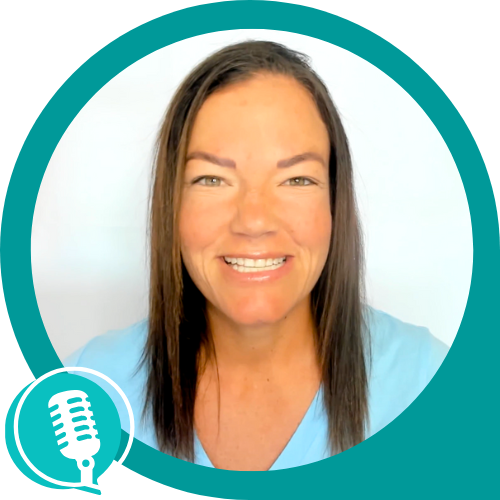
Kristi Kandel
Developer | Mentor | Co-Host of the LRED Podcast
Kristi is a real estate developer with nearly 20 years of experience and over $450M in projects across the U.S. Today, she focuses on helping locals step into development and build in their own communities.
She’s the founder of I&D Consulting, Local Real Estate Developers (LRED), and co-founder of Elevate, a community-driven sports and wellness concept.
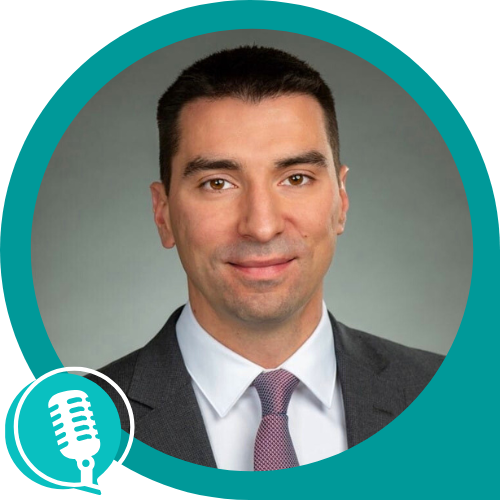
Raphael Collazo
Commercial broker | Author | Co-Host of the LRED Podcast
Raphael specializes in retail and industrial properties, bringing a problem-solving mindset from his background in engineering and software. As a commercial real estate advisor and developer based in Louisville, Kentucky, he works directly with investors, tenants, and cities, bringing a real-world view of how deals come together.
🔗 Related Episodes
How to Become a Local Developer: Katie Neason on Infill and Taking the First Small Bet | EP#29
A great companion episode on local infill, city relationships, and taking practical first steps in development.
How to Start Real Estate Development: Steph Weber Bought the Land First and Built the Plan Later | EP #41
A real look at taking your first development deal from idea to execution without having everything figured out.
Small-Scale Development: How She Left Her Corporate Career and Built a Tiny Home Village | EP #39
Another path from traditional career to building a community-driven development project.
About the Guest
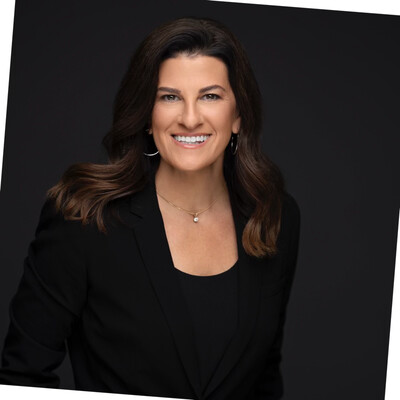
Nicole Waters is the Executive Director of the Edge District in St. Petersburg and the founder of Amplify Women Tampa Bay. She works at the intersection of community, development, and leadership, helping guide cities through periods of rapid growth.
Connect with Nicole
🌐 Website https://edgedistrict.org/
🌐 Website https://amplifywomentampabay.com/
📸 Instagram https://www.instagram.com/amplifywomentampabay/
💼 LinkedIn https://www.linkedin.com/in/nicole-waters-81753718/
Full Transcript
Raphael Collazo (00:42)
Welcome to the Local Real Estate Developer Podcast. I'm your co-host, Raphael Collazo. I am a commercial broker, investor, and developer located here in Louisville, Kentucky. And I'm excited to be here, as always, with my co-host, Kristi Kandel, real estate developer extraordinaire. Always great to see you.
Kristi Kandel (00:56)
Hey, great to see you. Yep, I'm a real estate developer investor and I teach locals how to become developers in their community. And today we're actually talking to someone who lives and works in one of the communities I first moved to when I moved to Florida back in the early 2000s. And I found her though, actually, after we presented one of our development projects at One Million Cups, which is kind of a shark tank type deal that St. Pete puts on.
And everyone said, you need to talk to Nicole. She's doing some awesome things in the community with St. Pete, with women, with everything. She's like, you gotta talk to her. So I was able to reach out and have a conversation. I was like, yep, you are an awesome person, an awesome resource and mover and shaker in St. Pete. So we wanted to have you on the pod. So Nicole Waters, welcome to the show.
Nicole Waters (01:45)
Thank you. It's awesome to be here. It's really wonderful to hear how many different things are going on around us at any given time. And so it was also a pleasure to meet you. And I learned so much in that brief conversation that we had, and I look forward to continuing these conversations.
Raphael Collazo (01:59)
Yeah, for sure. I'm kind of curious. Usually when we get started with these podcasts, we like to learn a little bit more about the individuals. So if you don't mind sharing a little bit about your backstory and really what got you into what you're doing today in St. Pete.
Kristi Kandel (01:59)
Awesome.
Nicole Waters (02:13)
Yeah, so I'll start with a couple titles that I carry with me each day. And the first is executive director of the Edge District. The Edge District is a small business district in Saint Pete. It's in the thoroughfare of essential between 9th St and 16th and 1st Ave North and 1st Ave South. We're one of four main streets in the Saint Pete community and one of 12 different districts that we have. So I'm.
one of many in this ecosystem and we'll dive a little deeper into it, but we have about half a billion dollars worth of development slated for our area. so taking on this new role as executive director this past year has been a great learning experience, but something I've been really passionate about. I'm also the founder of Amplify Women Tampa Bay and we're a community where title is second and the person is first because we understand the power of women in
again, ecosystems or communities and how when they are working from different facets, how powerful that they can be in stretching the dollar, making sure we have healthy communities and really being innovative in solutions that we bring to our communities. So those two work really, really nicely together. But my backstory is that I was able to earn this role of executive director for the EDGE district.
because of my experience in Miami. So I moved from Cleveland, Ohio to Miami in the mid 90s. And there was this wonderful event that came to Miami called Art Basel, which literally changed the landscape of every community in the area. So from Miami Beach to downtown to now known as Wynwood. And I lived and served on the executive committee in Coral Gables.
on the Chamber of Commerce and we did a lot of development and improvement there as well. So when I was in Miami, I was in positions of team and influence with development, but I was not necessarily as aware and engaged as I am now here in St. Petersburg. And now that I'm in this role, everything I learned from my experience and my leadership in Miami, I've been able to pull forward and
be in St. Pete at around the same time of that booming development as I was in Miami. And so it's come together really nicely and I'm really excited to serve.
Raphael Collazo (04:26)
amazing. So what brought you from Miami to St. Pete was this particular opportunity because it seems like you're pretty established in the Miami market. It's kind of interesting that you took the leap to St. Pete.
Nicole Waters (04:36)
So,
yeah, I had been coming back and forth since 2011 to St. Pete. And in 2016, 2017, the quality of life living in Miami became really difficult. We were living in Coral Gables and all of our friends were in downtown or Miami Beach. So just getting across town became very difficult. Things were very expensive, no such thing as parking. And an opportunity came up where
We had been coming back and forth to St. Pete since 2011, and we were looking to get out of Miami. And so when we looked at St. Pete, it was like, well, you've got a great airport, professional sports teams, a thriving community, the arts and culture, access to water. It like literally checked off everything. so Miami is amazing. I still go back and forth. But for St. Pete, it was just the right time and the right place.
and it was a personal choice for quality of life.
Kristi Kandel (05:29)
Yeah, I can attest to that of having lived there and then spent a ton of time in Miami. It's just, they're both great places. the cool part about St. Pete though is like you said, it's like when it was, the St. Pete that was there when I left for California for my opportunity to go open an office out there.
It is not what it is today. And every time I would come back and visit friends, I'm like, they got it. This community is coming together. They have the vision. If St. Pete were what it is today, back when I lived there, I would have never left. So to me, it's also very exciting to get in on the early stages and you see, okay, I see that all the powers that be are pushing things in the right direction, that we're making this change and I get to be part of it. Like, that's so cool.
Nicole Waters (06:10)
It's really interesting and a delicate time in St. Pete. And I say this because we have experienced the charm of St. Pete and the quietness and all the things that make it awesome. Mom and pop shops, craftman homes, the water, it just, but the direction that St. Pete is going in, while it will still always have the reflection of these things, it is also
moving in a new direction, both of experience and imagery and quality of life. And that is really interesting because I think it's important to be intentional about how we're experiencing St. Pete today and how we've experienced it in the past while not allowing it to prevent us from moving forward.
Kristi Kandel (06:51)
That's a very true point. You're at the pain point in the inflection where you've got the people who have lived there and always known it as how it used to be. I mean, I come back and there's skyscrapers there, there's towers, there's things that were not there before that now make this a city. And I know that some community members who are like, what the hell is happening? We're losing our city, we're losing our community. And that's where, like you said, being intentional about development and having it happen.
with and for the community instead of to the community is so important. And unfortunately, a lot of times developers do get a bad rep because we come in and we bulldoze and we put in what we want and we make our return and we get out. And that doesn't necessarily help the community. So having leaders like you who can help guide and shape the vision and bring the right things in.
knowing we're never going to please everyone, we're never going to satisfy everyone, but we can be intentional and help show them that this can all work if we work together in the right way. Which we're dealing with the same thing down in Southwest Florida. We've got several older communities that in the next five to 10 years, we're going to look completely different. And it's that same thing of reaching out to the neighborhood groups and getting the community members on board and having, you know, we've got to do this collaboratively and intentionally. this is, you guys are,
great case study because we're probably 10-15 years behind you down in Southwest Florida.
Nicole Waters (08:08)
You know, I think I have identified one of the opportunities and I'm sure I'm not the first one to acknowledge this opportunity, but I went to an event over in Tampa that was launching or introducing a development that's happening here in St. Pete. And this was like an over the top event and there was a handful of people from St. Pete that were there.
And they were like, I can't believe all these people from other cities. I think there was this kind of like us and them mentality. And there was not a whole lot of interest in entertaining this new project and or these new people that would be coming to our community. And I think the real opportunity is these developments are going to happen.
Kristi Kandel (08:38)
Yeah.
Nicole Waters (08:52)
but they don't have to happen in a silo and the developers could do a better job and the people who are investing in these projects could do a better job of looking beyond the project. However, this is a two-way partnership that has to happen. The leadership, the existing residents, the existing decision makers also need to say,
How do we make this project and this investment in a property beyond the project? Right? How do we get these residents and these developers engaged in the community? Like actually sticky and engaged, like in the arts and in leadership. And I think that when new projects come on board like this and new residents or new investors are being, God, like.
you know, honeymooned into their decision. They should also be talked about. It shouldn't be like, hey, look at this building. We want you to invest in it. It should say, look at this building in St. Pete and you will be entering this ecosystem of arts and culture and professional sports teams. And where do you want to get plugged in beyond your investing in this unit? And that's where I, I don't know who would be responsible for that unless all of us are responsible, but we could do a better job there.
Kristi Kandel (09:36)
Right.
Yes.
Raphael Collazo (09:59)
Yeah, bridging the gap between.
you know, because we talk about this on our podcasts a lot, where you have investors that come from out of the community that obviously have no ties to it, they don't really understand the dynamics within it. And not to say that, you know, everything that that community members say is gospel. mean, of course, there's there's going to be expansion, there's going to be progress in way, but you want to be deliberate about the way that you approach a project. And that's why we always encourage local people in their communities to take on these projects, because they're the ones who are in the fabric of what's
going on within the community. they're able to, you know, be deliberate about the way they bring development to the community. And I think in your case, when you're talking about St. Pete, it's a little bit different than what we see here in Louisville. I mean, a lot of people who operate are somewhat local or regional, versus in Florida, at least it seems like there's a lot more out of out of state and out of, you know, city people that are coming in to be able to, you you know,
be able to deliver some some to the market but i'm curious about you know your role at edge and kind of that dynamic that you're sharing because i'm sure with being in that position you are face to face with number one obviously the community that you're serving within that area but then
you have all these different pieces, which are the developers that are coming in to be able to deliver, you know, some form of project in that in that little area in that area. And then also you're dealing the public side, right? You're dealing with different leadership of that city councilors, city planners and all these other pieces together. So how do you manage that? And how are you able to, you know, make sure that you're delivering the vision that ultimately you're trying to with what you have going on at Edge?
Nicole Waters (11:38)
Yeah, it's an interesting dynamic to be in this role because I don't work for the city. I work for our business members. So we are an association and our business members pay membership essentially to access the services of the executive director being the liaison with the city. So if they have a sanitation issue or whatever the case might be, instead of them calling the city, they've got somebody like me to help them with that. But you're right. I absolutely.
Raphael Collazo (11:42)
Mm-hmm.
Yeah.
Nicole Waters (12:03)
also represent our board of directors and act as liaison to several of our developers. And we've done a great job in the last 12 years in our existence of getting a really strong reputation with the developers and saying, listen, we're not against development, but we want to help guide you in making meaningful decisions where we show you our master plan and you make decisions that.
compliment this master plan and don't miss opportunities to maximize retail space or green space. I will admit though, it's interesting with developers because when they come to us and they say, we would love your support and this is our plan, and then that plan comes to fruition and then all of a sudden, well, those concessions that we made in our community then...
that they're not always considered when they ask for variance changes or when they decide that the plan was not executed as it was presented. They had to go in a different direction for various reasons. And so we're managing that relationship from the request from support all the way through education, through execution. And balancing the trust factor is the biggest thing.
We don't want to not be in favor of your project, but we also want to trust that if you're asking us to make a sacrifice in our community so that you can move forward with your building, that when you're done with that project, that we're level setting those agreements. And that's tough. That is really, really tough. But it is part of the job.
Kristi Kandel (13:26)
you
I'm
curious from an actual being able to put that in, do your comments and feedback get put in as part of the conditions of approval for a project, which then in theory could tie and hold their feet to the fire to say, you need to do this, or you can't get your certificate of occupancy, or is there enforcement, where's the breakdown potentially?
Nicole Waters (13:39)
Yes.
Yeah, I think you bring up a very good point. Yes, the DRC records all of our meetings and, you know, we give them letters that everything is in writing, but that's the big crux. Was everything put in writing? Was everything made crystal clear? And that's where everyone just needs to do better.
Kristi Kandel (14:09)
Yeah, making sure it gets on the staff report, the conditions of approval, reviewing the draft conditions before it goes to any hearings or getting in and then figure out an enforcement body. Yeah, I've reviewed hundreds and hundreds of conditions of approval and gone through them to the detail and it's like, and we make sure, like personally for our developments, we make sure that those make it into the plan set to where every page of the conditions of approval are there and that.
they separately as a package get into the GCBidset to be like, you are building this. And it's never completely full-print, then at the same time for us, it was, hey, if we miss something, we're going to go make it happen. But that's.
Raphael Collazo (14:45)
That's
the second piece is I'm sure there's some disconnect with some developers. I'm sure there are some like you that are very deliberate about it, but then there's others that if there's a way that they can circumvent certain things, then I'm sure they're going to try to do so.
Kristi Kandel (14:51)
Yeah.
Yeah.
Nicole Waters (14:59)
Well, and these projects take multiple years and then there's change in leadership. Well, know, so and so said that we could do that. You didn't put it in writing now. So and so is not there and it doesn't get done and things change. And so that's why it is really important. And we've learned and this is the biggest opportunity that I can say we have as a community and we can learn from each other district to district is. You know, this is very new. This this is not.
Kristi Kandel (15:01)
Right.
Raphael Collazo (15:01)
Yeah, sure.
Nicole Waters (15:24)
standard protocol in St. Pete. This is a new experience. You don't know what you don't know until you know it, and then you have to just learn on every project. so, but back to Raphael, your question, at any given time, you have to think about who are your stakeholders? Are you representing the small businesses who need to be heard and make sure that their environments are protected? Are we working with the developers who need to move their projects forward?
Also the city, you know, are we working closely enough with the city to make sure that we are advocating an extension of their economic development departments? And so it's a delicate balance, but I think that St. Pete's a unique place and the fact that everyone tries their best to work collaboratively doesn't always work out that way. But I really genuinely think that in St. Pete in a way that I did not see in Miami, people are trying to do the right thing.
Raphael Collazo (16:11)
Yeah, that's interesting to hear. mean, and I think too, obviously, with Miami being such a big city and having so much outside interest, I mean, I think, you know, it seems like a St. Pete is one of those communities where you have a very tight you know, feel vibe, and just the way that people interact is going to be different than what you see in major metros. And I think
Nicole Waters (16:18)
Mm-hmm.
Raphael Collazo (16:31)
what we try to do with this podcast and a lot of people that listen to the podcast is, you know, inspire those in smaller communities to take on roles in their own community as developers because a small project here or a small project there in a small community can make a huge impact. And then it creates this like flywheel effect where more and more people maybe get inspired to take on more projects in their area. And again, it just creates a unique opportunity for those in that area.
Nicole Waters (16:59)
And to that point, would say anyone who's listening to this podcast, get involved where you can. The cities are always, they have free committees that you can join as a responsible resident and you can just learn about what's going on here. The edge district, have an design and eco-vitality committee that our business members can join where all of our developers also sit on those phone calls and we talk through the projects. So you don't have to be a developer or in the industry to
actively participate or actively learn and be in rooms and spaces where you can contribute. And honestly, that's how I got started. You know, I sat on the executive committee for the Coral Gables Chamber of Commerce. We went through a beautification of Geralda, which was a major project, major streetscape. And we had to work with engineers and sanitation and sewage and utilities. And I learned so much from just that one project by being
a part of my community that now when I'm in position like this, I'm better suited to be able to navigate those conversations. But it was just being in the room and learning through getting involved by sitting in committees.
Kristi Kandel (18:06)
Yeah, and we talk a lot on the private side of like how you can, you you could work for a developer, you could work for an architect, an engineer, but also getting involved on the public side where it doesn't necessarily mean running for office or being a planning commissioner, but doing things like this to where, you know, we think sometimes with politics and leadership that we can't make an impact and difference, but we actually truly can. When we take it hyper local to our city councils and our county commissioners, they're the one shaping our communities and we truly do have a voice and we can make an
impact, we just have to choose to get involved and to see where are the communities, where are the groups that we might be interested in and try it out and you never know because it is an amazing learning curve.
I did a two year stint as a planning commissioner. I've presented to hundreds of planning commissions, but I was like, I ran for county commissioner. The good guy won the primary, so I was disappointed to planning commission. I'm like, you can take that. I'm running many companies. But it was eye opening just to see a little bit of the dysfunction, but also just to see how the public side also goes in everything that staff and council and everyone goes through. And it's like, we're all doing this because we care about the communities we live in.
whether you're doing it from the public side or you're doing it from the private, if we come together from that framework and we are collaborative, it can create some really cool stuff. it doesn't always work out that way, but good.
Nicole Waters (19:23)
Yeah, the potential is there.
Kristi Kandel (19:25)
So what are some projects that you guys have worked on either that have, and actually maybe if you could describe a little bit of the history of your Edge District and what it was and how it got to where it is now and then maybe the future of where it's headed.
Nicole Waters (19:40)
Sure, I'll make it brief because it's actually a very long history. The Edge District, which again is between 9th Street and 16th Street, first half north, first half south, this was the actual hub of where St. Pete started as a city.
So there in the late 1800s, early 1900s, there was actually a railroad line that ran right through Baum Avenue. It was called the Orange Line. And Jacob Baum was one of our earliest settlers. And they started to develop this area. And...
So when I think about things that are innovative or we want to start, I love it when they start in the Edge District really perpetuating that history. were, Balm Ave was a major thoroughfare, Central Ave did not exist. And there was over the late 19 or early 1900s, you saw that Edge District was very automotive. had a dealership, service shops, tire shops.
very industrial in the Edge District. Then, you know, there was the boom in the late, I would say, like late 1920s. Things went, you know, as you know, dark and this Edge District just was not very desirable. And then, you know, it got a little bit busier again. it's ebbed and it's flowed, but it's always been the central hub. And so
What is happening now, I would say in 2014 when we established the association, it was very intentional and it was a reflection of what was happening in Tropicana Field. That changed everything. And then you started to see the association established, small businesses protected, but this was still not a place that many people would come to. A lot of crime. You just wouldn't come here. Then Green Bench opened and you had Fergs and Bottega and little by little,
you saw these businesses creep in and Tropicana and the baseball team continued to evolve. And then we built a residential tower. It used to be called Fusion 1560. It was on 1560 Central Ave. And it really was intentionally built to see if people would tolerate moving just west out of downtown and if the edge district was a viable community.
And that apartment complex did prove to show that the Edge District was viable for residents as well as business. And then you really started to see that everything churned since like 2011 and beyond. And now it's just, know, Fergs is named first, the number one sports bar in the United States. We've got the Central, it is, it is great. Now we've got the Central coming with a hundred thousand square feet of
Kristi Kandel (22:41)
It's great.
Nicole Waters (22:48)
Class A office, which is like the first time that we've had Class A office developed in Saint Pete in a long time. You're going to have Jeffrey Zakarian, who has a restaurant in the Marriott Hotel in that same two acre property lot. So all of a sudden, all it takes is just a couple things to get that momentum going. So we're really excited about the development that's coming in the Edge District, but I do caution those who want to just
Assume that how the Edge District is today will look that way by 2030. It certainly will not.
Raphael Collazo (23:20)
Yeah, and to your point, as you've started to accelerate with the advancement of all these different projects, you know, trying to be deliberate about the way that you deliver future projects and making sure it is tied somewhat to the master plan so that it doesn't just become a hodgepodge of, you know, different projects that kind of stand siloed It becomes more, you know, infused into the fabric of the community. And, regarding that evolution, I mean, I'm curious to know because I do a
of I'm a big into retail. So that's that's kind of my big thing in Louisville do a lot of all different types of And I'm kind of curious as how that corridor has evolved from a from a retail standpoint, specifically in restaurants. I mean, how have you seen that kind of shift over the last decade?
Nicole Waters (24:06)
So it's shifted a lot and it's going to continue to shift. I would say on the retail side, I would actually like to see more of a retail mix or trying to get restaurants and bars in the Edgis district is not a problem. We have Bottega and we have Hawkers and we have several other restaurants actually coming on board in the next year. We have an Argentinian restaurant coming in, seafood. We just had a little Italian shop open.
But on the retail side, we would like to see more retailers, things that will really cater to all the residents that are moving in so that they can do not just dining, but also shopping, galleries, things like that. So we're seeing some of our vacancies being filled by the end of the summer. a group, it's Public Knowledge, a group called 9010, they are also very...
having in the retail side, which we were really excited. They purchased some property on the 1100 block in the edge and they just are in the midst of purchasing some on the north side of the same block, which is nice because they are going to come in and build additional retail space to really close a gap that we have along on Central Ave. They're not interested in putting up a tower. We have plenty of developers that are going be putting up towers.
But they're coming in and really saying, let's look at the retail experience of our consumers, visitors, and these residents and make sure that we have a solid mix. And so that is really something exciting that we are going to see continue to evolve over the next five, six years. Now, my job or what I'm personally invested in making sure happens is that we continue to advocate for the local first class mom and pop retailers.
while we also continue to consider bringing in national brands. We have Sweet Green here, we have Solid Core, those are both franchises, and they're doing extremely well in the Edge District. They're doing really, really well for their brands. But I also want to make sure that Ash Couture and Matter of Fact and Kalamazoo Oil Company also continue to thrive. so maintaining some sort of that balance.
that's gonna be the real task. And that's working with our landlords, working with our developers, making sure that the spaces are appropriate and the rent is manageable. And so I've got my work cut out for me.
Raphael Collazo (26:18)
That's one of the fascinating things about retail to your point. It's like there's a very narrow window that you can operate in depending on the type of business that you operate. So there's some that are, you know, higher end restaurants may have a higher threshold for rents versus, you know, maybe a small mom and popper retailer that sells clothing and their price point is going to be a lot different than what you could achieve at a hot fine dining establishment or a high volume, you know, fast casual concept. And then the dynamic of, you know, mixes of different uses because restaurants
Kristi Kandel (26:18)
He
Raphael Collazo (26:48)
can be high traffic and high And that creates their own set of problems. you know, and you want to make sure there's a mix of different retailers that can support the existing residential population and future residential population. So ⁓ yeah, it's just I love talking about
Nicole Waters (27:03)
Yeah.
Well,
I'm going to have to continue to listen to this podcast because I'm sure you guys will give us some great tips to guide us through this decision making and guide us really through being a resource to all of our stakeholders because it is a delegate time right now and I really want to make sure that we do it well.
Kristi Kandel (27:22)
Do you know if the, does the city or the EDC, are there any grants or things that can help? Because it always comes in developments, like there's a gap in the financing. There's a gap in making the numbers work. Is there any help that the city has for small businesses, maybe for the retailers coming in or for the developers to help offset and get that rent gap a little bit closer?
Nicole Waters (27:43)
That's a great question and I do not know the answer to that quite yet. I will tell you that there is some funding for projects that we are doing to work on streetscape to help absorb some of the expense that would be incurred by our small businesses to make sure that we don't overextend them for projects that are happening. But as far as rent, the only effort that I've seen in the last month is the Chamber of Commerce has created space
where they bring together the developers and individuals looking for retail space so they can talk about what the needs are and what they can afford so that the landlords have a better sense of what's reasonable and is there a phased approach that you can work with. But great question and I'm interested in learning more about that. don't have that answer.
Kristi Kandel (28:27)
And I think it's evolving in a lot of communities right now where they're starting to go, okay, we've talked a lot about housing and how there's a big gap, but it's also in our businesses and our spaces that we go to. So I think a lot of communities are starting to figure out, okay, how do we maybe come together and solve that? And there's not a blanket one, it's just figuring out what's all out there and what's even available and...
trying to figure out what that need is. if you can get those locals that are invested in the community running the stores and the shops, those could last so much longer than, a national tenant who changes what they're doing and their approach to things. And I agree, you need both, but having those strong local tenants, but understanding all the barriers that it takes to even get them in and open.
Raphael Collazo (29:09)
Yeah, I I, you locally, I can only speak locally, we part we have a pretty good relationship with our local small business development center. And they do a really good job of base resources for people who are just getting We also have a large immigrant community. So we also have some services through different local organizations that provide them with resources to be able to just get started. And then obviously, that's a grassroots effort as they continue to grow and expand and you know, different parts of town they start to filter into and it
it creates an ecosystem and you know I obviously what you guys are doing is great on your end and I think meeting them in the middle with all these different other agencies and people is also very helpful as well one thing I'm curious about and kind of pivoting a little bit to what you're doing with amplify because I think obviously great what you're doing to be able to support a wide base of people that have a similar goal and similar mission
you know, how did you decide to get into that? And, and as we kind of mentioned offline, you know, our art, we're looking to do something similar as far as not, not to the same type structure or mission, but but we're looking to do some programming related to the things that we are doing on this podcast. So kind of curious if we can dive into, you know, your background with that what inspired you to get involved, and then ultimately how you brought it to where it is today.
Nicole Waters (30:27)
Yeah, absolutely. So my experience in the finance world and helped me realize the gap between small business owners and all of the resources that are available to them. Everything from things like score, their local chambers, also other associations that are entrepreneurial resource organizations that have access to free resources, including funding, mentorship and
They were just missing each other. So I would be talking with business owners, opening up their business accounts, commending them on understanding how important it is to keep your business finances from your personal finances. And as we're in the conversation, you know, they're telling me their pain points and I'm thinking to myself, how do you not know about this opportunity or that opportunity?
And so I would on a one-to-one basis be kind of providing that insight. When I left corporate, I thought, I just cannot know.
that this gap exists and do nothing about it. And so that really was the springboard by which we created Amplify Women Tampa Bay because it was really like, this is going to be the springboard where we bridge this gap. And so the first year I had my summit, I brought all of those resources into a room or as many of them as I could, along with small business owners. And we had great success in connecting those dots.
We did it again the second year. We took a little bit different of approach and each year we're getting closer and closer to realizing that while these entrepreneurial groups are the resource, the connecting of the dots happens between trusted one-on-one relationships. And so over the years, Amplify Women Tampa Bay has actually morphed into understanding that if we build environments where women
build relationships and trust. They will share their resources and now those are the employee resource groups and now those are their CPAs and their attorneys and their investors. And so it's been a process, but that's where it started. It started in saying, listen, the resources are there. We're just missing our target.
Kristi Kandel (32:25)
I love this. This also reminds me so much of Beth Azor and what she's doing in South Florida. She's a commercial broker and just when she found out during COVID in 2020 that 3 % of women invest in commercial real estate. Yet we were in leading roles negotiating giant deals, but not being the investors getting the actual return. She's like, I need to fix that. And so she, she created a summit and I think this year was number six. But the same thing, there's a gap. There's a, and there's an education component that goes, but it's
It's the power of the relationships that are in the room that truly make it happen. I just, yeah, it's hearing her story, hearing yours, I'm like, yes. And then Rachel up in Cincinnati, who's doing something similar, and it's just, we had her on the pod too. But it's just, it's awesome to see people going, hey, here's a problem. I've got the tools and resources. Let's build community and come together and let it evolve over time and see what kind of ripple effect and impact we can make.
Nicole Waters (33:20)
Yeah, and Chrissy, one of the things I like that we were talking about before we got started and Raphael, this was like another aha moment for me was, you know, as an event planner or someone who holds space for those who are looking to serve, you know, at first I had the tendency of like over programming the space, right? I gotta make sure I gotta bring all these resources. I gotta make sure everything is there. And over the years I realized, no, I need to...
I need to bring in enough resources where conversations get started and it feels useful. But then I also need to build in the space where people have time to digest and talk about and think about what we just put in front of them in that space. Because otherwise you over program, you give a lot of information and then they go on with their day and the effectiveness and the retention of what you just shared dwindles. And so the more you can do in enforcing retention and experience
and connecting with that information in the moment, the better. And I'm really excited to test that theory even further this August at the summit.
Raphael Collazo (34:21)
That's amazing. Yeah, I know. mean, in for those of you guys who are listening, as we were talking a little bit offline regarding some of this stuff. yeah, and so I think you're 100 % right. Because I think we've all been in situations in the past where you have you're in an event or something, and they're just continually talking to you and talking to you and talking to you. it's like, oh, there's a five minute break. And then you go get some coffee, you come back, and you sit through another talk and talk and talk. And it could be a great event. could be good conversation, good information.
that shared, but there's not that opportunity for you to kind of just intermingle and get to know those other people and, and really talk through how you could potentially implement some of the things that you've learned into what you're doing on a day to day. And, you know, that, that, definitely was a light bulb moment from our, us just saying, wow, like that, that's, that's, that's true. mean, I, think the best events I've been to are ones where you allow, you're allowed to kind of just explore with others around you. And those were meaningful relationships are built.
So yeah, that's very insightful you say So one thing I'm curious about regarding, you know, continuing your growth and amplify as it it become predominantly the summit or now are you also kind of expanding into other areas where you can offer different services to the people that ultimately are part the community?
Nicole Waters (35:20)
Absolutely.
Yeah, so I'm intentionally not offering programming or going in that direction. I'm really focusing my energy primarily on the summit, but the community does want to connect throughout the year. And so we have created spaces and experiences. So they're not networkers, but they truly are experiences. So we've been able to partner with artists who have exhibits on display at the local museum, and they'll do a VIP tour of their exhibit to a small group. We've done chef's tastings and wine tastings.
We just recently partnered with the Tampa Bay Sun. That's our female professional football team. And they were putting up their championship flag. And so that evening we went and enjoyed that with them. And so we will also create experiences where people can just socialize. That's also where real relationships are built. And so we have worked in some of that so that when people get to the summit,
they already know who they're in the room with and when they're learning and guiding, there's things that we can independently apply to our businesses or our community. But there's also things that we can say, you know what, I think if we all work together, we could actually make this successful for St. Pete as a community as a whole. so, but I intentionally haven't done any programming. However, I do amplify other people's programming. So if someone comes to me and says, Hey, listen, I'm doing this workshop or I'm, you
trying this new product or service, can I use your platform to amplify it? 100%. We love to use our platform to do that, but I can't do programming. It's too much.
Raphael Collazo (37:04)
I
Kristi Kandel (37:04)
There's a whole other, yeah.
Raphael Collazo (37:05)
and also, yeah, it's all about I
Nicole Waters (37:07)
Yeah.
Raphael Collazo (37:08)
important to kind of Exactly. No, get it.
Kristi Kandel (37:08)
and so many problems we want to solve and things we want to fix and it's like,
but I can help with that. crap, but it's going to take away from my core thing and I can't do that.
Raphael Collazo (37:13)
Mm-hmm.
Yeah.
Nicole Waters (37:16)
You know
what keeps me balanced? It keeps me like calibrated in this decision is every time I think like, I should do that or I can fix that. I stop and I think there is somebody way more qualified than me to be able to do that. How can I support them in getting it done or how can I offer some tools or resources that will propel them and doing the work?
And that's kind of been something that I've learned in the last three years through having Amplify is like, I've built a platform. I don't need to fix these things, but I can help other people move more quickly to the solution by, you know, helping them.
Kristi Kandel (37:52)
being the connector and giving them like, yeah, yeah, but not being dependent on the outcome and making sure it follows there, yeah.
So one thing that comes up a lot in development and running Amplify and all of that is partnerships. And we were having a conversation the other day, just, you know, there's this thing that, partnerships are bad, stay away from them. They just, give you more gray hair and wrinkles. But clearly, if you can find the right collaborators and you can partner.
you can go so much further, so much faster. So maybe what's your philosophy or thought process on that and maybe a key partnership that has been like, that we were able to do some really cool stuff with that.
Nicole Waters (38:31)
So cautionary tale, the best thing that I do first is check my emotions.
In partnerships, especially in the beginning, it's really easy to only see like, this would be amazing. This is going to be so great. Why wouldn't I partner with this person? But I try to really check my emotions and then get logical and say, OK, well, why is this a good partnership? Is this a win-win? And what could be potentially some of the pitfalls or how could this suck me of my time, talent or treasure down the road? And
That's the one thing I would share about partnerships because I think especially when you are in a position where a partnership would be beneficial to you, you want it even more. And so you'll only look at through it from that lens. But partnerships are amazing. And one of the ones that I have started this year was a partnership with a marketing firm. And that gave me so much capacity back. One, that is not my forte.
where my strength lies and I was spending so much time. So I did invest and it has been able to give me return twice over. So I would say find something that is genuinely...
a weakness or an opportunity for you and then find the right partner by being smart and logically thinking through, you know, why is this a good partnership? Could this be a long-term partnership and is it a win-win where emotions are not in the driving seat?
Yeah, no, it's a great reminder. I like it.
Yeah, for the edge, it's, you know, I actually...
I always kid, I do monthly tours of the Edge District and we talk about the history, the present and the future. And I always kid with whoever's on the tour that particular month, I always say, I wish I could put virtual reality glasses on you all. And I wish you could see the Edge with the information that I have in regards to these developments. And we do have a great website here called St. Pete Rising. St. Pete Rising is a great resource that shows you all of the development projects that have proposed.
that are in progress and have been completed. And it's fascinating, but it really does give you a nice visual of what is to come. And so for me, I'm constantly walking through the edge, imagining these developments already in fruition. And I can just, I'm gonna reflect back on something I said earlier. The delicate balance that I am.
holding true every single day is having this vision, being able to see what the district will look like at 2030, while also trying to figure out how do I keep the existing district vibe and personality and businesses presence up through and through that next stage of where we're going. The clientele is going to change, the restaurants going to change, the investors are going to change. And so
The Edge District right now is a very exciting time. It's also a very delicate time. And I tell people all the time, take lots of pictures, write down everything that you know, because it will definitely be an important part of our history in five years from now. I mean, literally, we're not talking 10 in five years. It's going to look very different.
Kristi Kandel (41:24)
Yeah.
Nicole Waters (41:26)
And then as far as amplify, my goal is that I continue to grow a community of influential decision makers and women who are willing to be brave in identifying the barriers that we have collectively and then coming together with a solution or choosing to work with a local stakeholder who can execute solutions that will help us get beyond these barriers. And so I'm not just building a community. I'm trying to build a voice for Tampa Bay that
will help us overcome barriers that we're experiencing.
Thank you. Appreciate you guys asking.
Kristi Kandel (41:57)
I love it. I love it. ⁓
Is there any advice, so you wear all the hats, we like to give it, and you've already dropped tons of nuggets, but just advice to the people listening who are their local developers and their community, their small business owners, so they have everything that we talked about is applicable. What advice would you maybe leave them with?
Nicole Waters (42:18)
I would leave them with keeping things in perspective.
and getting involved beyond your purview. I think sometimes we get too close to the things that we're most passionate about or that we're good at and we forget to see the bigger impact and ripple effect that it has within our communities. And, you know, sometimes we just take things too seriously and again, our emotions get ahead of us and then we're not able to be as impactful as we genuinely want to be. And life is short, nothing's that serious and everything you're worried about will be there tomorrow. So do what you
can and be able to look at yourself in the mirror.
Raphael Collazo (42:52)
no, it putting
Kristi Kandel (42:53)
mic drop.
Nicole Waters (42:54)
Yeah.
Well, absolutely. We're all talking about projects that take years. So what I do today is important, but it's one building block. We are not going to solve these world problems today. They will get solved over the course of us showing up every day and keeping our heads on straight. So thank you.
Raphael Collazo (42:58)
Yeah.
Kristi Kandel (43:08)
Thanks.
Nicole Waters (43:10)
The thing is to start on our websites edgedistrict.org
We are a 501c3 and that will take you to lots of great information but also a way to contact me. If you prefer to talk more about Amplify Women Tampa Bay, can go AmplifyWomenTampleBay.com or just email Nicole at AmplifyWomenTampleBay.com. I'd love to hear from anyone who has got some great resources or responses to this podcast.
Get the tools behind the episode
Access the Developer Vault with templates and real resources
©2025 I&D Consulting. All Rights Reserved.
©2025 Local Real Estate Developers. All Rights Reserved.