Building Communities People Actually Love: How Laura Kunkle Is Redefining Local Development | EP #19
Real estate development, community design, and creating places people actually want to live.
What if development didn’t start with buildings, but with people?
This episode challenges everything you think you know about how communities are built.
This episode flips the script on development.
Laura Kunkle shares how community engagement, beautification, and intentional design can completely transform a place before a single building goes vertical. It is not about big budgets or perfect plans. It is about bringing people together and creating something that actually feels good to live in.
If you are thinking about development in your town, this episode will shift how you see opportunity, impact, and what it really means to build.



Get the tools behind the episode
Access the Developer Vault with templates and real resources
Episode Summary
This conversation is a reminder that development is not just about buildings. It is about people, experience, and how a place makes you feel.
Laura Kunkle leads American in Bloom, an organization focused on helping communities become more vibrant, connected, and livable. But what stands out most is not the programs or frameworks. It is the mindset behind the work.
The idea is simple. Communities do not need to be completely rebuilt to improve. They need to be activated.
Laura walks through how their process works. They go into cities and evaluate them across more than 150 metrics, from environmental stewardship to community engagement to walkability and design. Then they give those communities a roadmap. Not just ideas, but clear direction on what to do next and who should be involved.
What is powerful is that this work does not depend on massive budgets or large-scale development. Some of the most impactful transformations started small.
She shares the story of Castle Rock, Washington, a struggling logging town with nearly 50 percent vacancy downtown. They started with something simple. Hanging flower baskets. That small step created momentum. Businesses got involved. The community started taking pride in their environment. Over time, that effort turned into a complete transformation. Today, the town is thriving with no vacancy and increased tourism.
Another example in Logan, Ohio shows how small improvements like landscaping, sidewalks, and adaptive reuse can lead to real economic growth. Old buildings became breweries, hotels, and gathering spaces. The community became a place people want to visit and invest in.
The biggest takeaway is how interconnected everything is. Walkability, landscaping, public spaces, and community pride all drive real estate value. Developers are not just building structures. They are shaping experiences.
Laura also highlights something many developers overlook. You do not need to have all the answers. You need to bring the right people together. Public sector, private sector, and locals all play a role.
For anyone who has ever felt like they do not fit the mold of a developer, this episode is grounding. Development is not reserved for a certain type of person. It is for people who care enough to step in and take action.
What You'll Learn
- How small community improvements can drive real development value
- Why beautification and walkability matter more than you think
- How to activate a community without a large budget
- The role of public and private partnerships in development
- How to think beyond buildings and focus on experience
- Why community engagement is the foundation of great projects
Bold Truth
The best developments do not start with buildings. They start with people.
Timestamps
0:00 — Intro
https://youtu.be/NeyWtK6M5qA?t=0
1:22 — Laura’s background and American in Bloom
https://youtu.be/NeyWtK6M5qA?t=82
3:53 — How the program works
https://youtu.be/NeyWtK6M5qA?t=233
8:25 — Developers and community value
https://youtu.be/NeyWtK6M5qA?t=505
10:29 — Planning vs execution
https://youtu.be/NeyWtK6M5qA?t=629
12:07 — Public benefit in development
https://youtu.be/NeyWtK6M5qA?t=727
13:52 — Best cities for impact
https://youtu.be/NeyWtK6M5qA?t=832
16:04 — Walkability and city design
https://youtu.be/NeyWtK6M5qA?t=964
17:52 — COVID and community shifts
https://youtu.be/NeyWtK6M5qA?t=1072
19:22 — Why people crave small communities
https://youtu.be/NeyWtK6M5qA?t=1162
21:00 — Collaboration across organizations
https://youtu.be/NeyWtK6M5qA?t=1260
22:24 — Who should be involved
https://youtu.be/NeyWtK6M5qA?t=1344
24:19 — Becoming an advisor
https://youtu.be/NeyWtK6M5qA?t=1459
25:59 — Success story: Castle Rock
https://youtu.be/NeyWtK6M5qA?t=1559
28:34 — Success story: Logan, Ohio
https://youtu.be/NeyWtK6M5qA?t=1714
29:52 — Future of American in Bloom
https://youtu.be/NeyWtK6M5qA?t=1792
32:08 — How to get involved
https://youtu.be/NeyWtK6M5qA?t=1928
Meet the Voices Behind the Mic
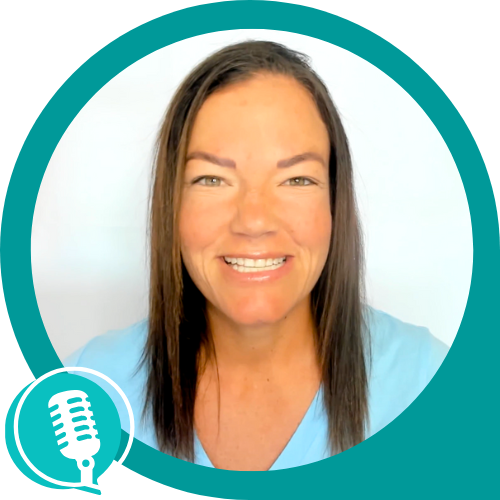
Kristi Kandel
Developer | Mentor | Co-Host of the LRED Podcast
Kristi is a real estate developer with nearly 20 years of experience and over $450M in projects across the U.S. Today, she focuses on helping locals step into development and build in their own communities.
She’s the founder of I&D Consulting, Local Real Estate Developers (LRED), and co-founder of Elevate, a community-driven sports and wellness concept.
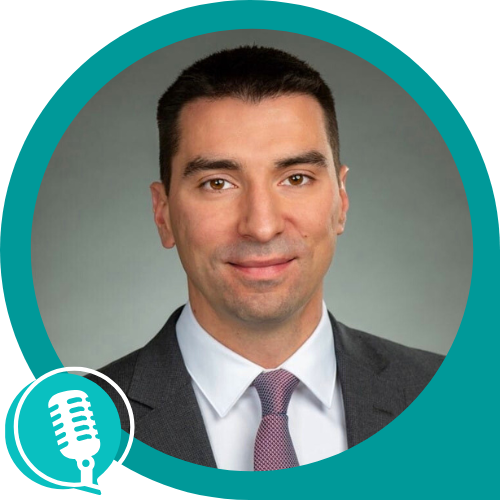
Raphael Collazo
Commercial broker | Author | Co-Host of the LRED Podcast
Raphael specializes in retail and industrial properties, bringing a problem-solving mindset from his background in engineering and software. As a commercial real estate advisor and developer based in Louisville, Kentucky, he works directly with investors, tenants, and cities, bringing a real-world view of how deals come together.
🔗 Related Episodes
How to Become a Local Developer: Katie Neason on Infill and Taking the First Small Bet | EP#29
A great companion episode on local infill, city relationships, and taking practical first steps in development.
How to Start Real Estate Development: Steph Weber Bought the Land First and Built the Plan Later | EP #41
A real look at taking your first development deal from idea to execution without having everything figured out.
Small-Scale Development: How She Left Her Corporate Career and Built a Tiny Home Village | EP #39
Another path from traditional career to building a community-driven development project.
About the Guest
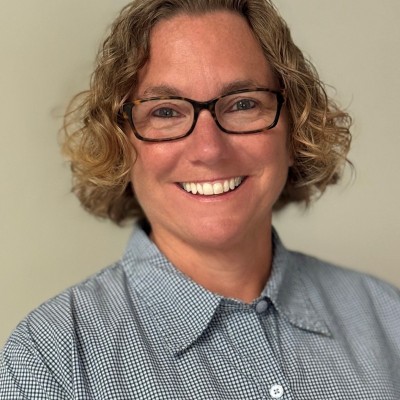
Laura Kunkle is the Executive Director of American in Bloom, a national nonprofit focused on community beautification, sustainability, and engagement. She works with cities across the U.S. to help them create more vibrant, connected, and livable places.
Connect with Laura
🌐 Website: https://americainbloom.org/
Full Transcript
Raphael Collazo (00:41)
Welcome to the Local Real Estate Developer Podcast. I'm your co-host, Raphael Collazo. I'm a commercial broker, investor, and aspiring developer here in Louisville, Kentucky. And I'm here today with my co-host, Kristi Kandel who's an all-star commercial real estate developer herself. And always great to see you.
Local Real Estate Developers (00:58)
Yeah, great to see you. And yep, Kristi Kandel, I am a real estate developer investor, and I teach locals how to become developers in their community. And today I'm very excited about our guests because of what she does and what her organization does, because it's a gateway to getting people into development in their community and getting the public sector and the private sector working together and getting inspired. So Laura, welcome to the show.
Laura Kunkle (01:22)
Thank you, real pleasure to be here. Thank you for the invitation. So I am Laura Kunkle. I am the executive director of American Bloom. We are nationally headquartered in Columbus, Ohio. So that is where I call home. American Bloom began about 25 years ago. In fact, next year is our 25th anniversary. And like all good stories, it started in a bar. It was a group of horticulture professionals at a trade show and they were sort of lamenting the state of the industry and that they weren't able to get
Local Real Estate Developers (01:41)
You
Laura Kunkle (01:49)
people at the grassroots level to understand the benefits of flowers, plants, and trees. We know that flowers are beautiful, but they are more than beautiful. There's human health benefits to flowers, plants, and trees. There's environmental benefits, and there's economic benefits. So this sort of brainstorming over cocktails and conversation led to them thinking about creating an organization that really connects people at the grassroots level about the benefits of plants. So it was a, this was,
a group of heavy hitters in the industry who decided we're going to start having monthly meetings and they all flew in from around the country to Cleveland, Ohio. And I happened to, at the time I was working for a national trade association that served the horticulture industry. So I said, they said, Hey, I was in the PR marketing department. don't you just go to this meeting and learn what they're thinking. And so basically I've been involved since day zero when it was just this idea. I wasn't sitting at the bar, but I was sitting in that first meeting in Cleveland.
And so they decided they, meaning these horticulture industry, really the big wigs of the industry, they decided to model themselves after very successful programs that are in Canada and in Europe and even now in Japan and China. the InBloom program is really expanding across the globe. So we created ourselves 25 years ago and our focus is really about helping communities of all sizes and all resources.
be the very best that they can be. We focus on the use of flowers, plants, and trees, but we realized very quickly that vibrant and sustainable communities need more than just flowers, plants, and trees. So we knew it was really going to involve also a focus on environmental sustainability, heritage preservation, including adaptive reuse opportunities, and the most important part is community engagement.
And so we really expanded beyond just encouraging the use of flowers, plants, and trees to really encourage more community involvement, community engagement, and private and public partnership. That's a very long story about 25 years of history there.
Raphael Collazo (03:53)
That's awesome. So to give additional perspective to those who are listening, my question is, so how do you typically orchestrate your value proposition for individual developers or also, you know, engaging with organizations that ultimately are, you know, advancing the cause as far as development is concerned? Like if you could identify maybe the way that you guys help each group would be helpful.
Laura Kunkle (03:54)
Yeah.
Yeah.
So,
yeah, let me talk a little bit about how our programs work. That might help me guide some of my comments then into directly answering your question. We offer currently five programs. They're very sexily named, level one, level two, level three. And then we also have a conference and we have a grant program. The grant program we do in collaboration with the Canadian National Railroad, and that is an opportunity where we put their, it's their,
Raphael Collazo (04:23)
Mm-hmm.
Laura Kunkle (04:46)
dollars, but they allow us to administer the program on their behalf and we can then put money directly into the communities through $25,000 grants for beautification projects. So that's one program. have a conference like every other nonprofit out there. And then our levels, level one, level two, level three, are different ways in which communities can participate. Our signature program is our level three program. And that is really where our
where we are most successful and do the best work. And we've been in 370 communities so far around the country. It's in 44 states. We just picked up South Dakota. So it's really exciting to have South Dakota now in the American Balloon family. So the way the Level 3 program works, and I'm just gonna call it the American Balloon program, because that's really what we're known for, is we send a two-person team.
of professional advisors. These are volunteers. They volunteer their time and talents, but they're professionals who go into a community and assess a community on how it's doing in about 150 different metrics that we've developed. How are you doing in the areas of floral impact, landscaped areas, community vitality, heritage preservation, environmental stewardship, urban forestry, and community involvement? Again, community involvement is very important part for us.
So a community is evaluated and scored, if you will, on these 150 metrics and the advisors then write this report. And this report will rival what any high powered consultant will pay and we do it at a fraction of the cost. And this report really provides a short term and a long term roadmap. The advisors say, is what we saw in your community and these are where we think you can do better and how to do it.
And so a community of any size, whether their American Bloom program is driven through volunteers or it's maybe perhaps driven from the Parks Department or Public Works or the Tourism Department or Developer, they can take this document and say, okay, these are the things we can do in the short term and these are things we can do maybe in the long term. And holy smokes, that's a scary one. We're going to parking lot that for now.
So you've got this action plan that people can use. And so instead of just feeling like, we just don't know what to do. We know our town needs to be better. We just don't know what to do. You have an outsider's perspective come in and we're going to give you really tangible ideas that are attainable. You know, some communities have so many more resources than others. So our advisors understand that. So they're going to tailor the recommendations on things that are, that can be accomplished.
But we're also going to give you some lofty goals in there because you can do better. So we're going to help you go from good to great. So I think I try to get back to answering your question directly. I'm tying it perhaps to the developer side is, know, developers, you don't build just structures. You want to build lasting, thriving communities, the kind of places where families or
businesses want to come. so a community that is more beautiful, that's more vibrant, that's a place where you want to invest. That's a strategic investment opportunity for developers to really create value and also a legacy of your work. American Balloon programs that have been involved in a while that are more beautiful, are more vibrant, see increased property values. I mean, that's through enhanced curb appeal, better maintained public spaces. If your residents are more engaged,
All of that correlates to higher property value and then stronger resale metrics. That's all important for what your industry does. I'm trying to think more about, I'm sorry, go ahead, Kristi.
Local Real Estate Developers (08:25)
When, yeah, with
those programs and everything and you're working with cities, but you also have developers who benefit, do you find that it's primarily cities or the public sector outreach initially, but then maybe it's developers who could implement some things or how do you normally get found, I guess?
Laura Kunkle (08:43)
That's
a really good question. And boy, do I wish I knew that answer because that would make our marketing a lot easier. For 25 years, we've been trying to figure that out. Who in the world is our customer? Because our customer is very broad. We have seven criteria, floral impact, landscaped areas, urban, forestry, and I keep going, there's seven. So everybody comes into the program differently. Somebody who's very much into floral and landscape.
Local Real Estate Developers (08:48)
Ha ha.
Laura Kunkle (09:10)
They're gonna come into us and that could be a local garden center. That could be a city manager, a public works person or just Betty who loves her community and wants to make it better. Then you have people who are very much about heritage preservation and adaptive reuse. So they're gonna come into us from a different perspective. We'll serve everybody and that's what we're about. But boy, I wish I could tell you how it happens.
We find great success. The better success is really when the city works in collaboration with volunteers or the residents. me, I should say not everybody who lives there is a resident, so I should stop using that word resident. But you know what I mean by that. Other people who live there, the business community and the municipal sector, when they all work together on their in bloom program, things bloom. Pun intended, I suppose.
Raphael Collazo (09:50)
Mm-hmm.
So to that point regarding the plan itself, so is it a pretty comprehensive overview to the point where it's granular and says, in this area, should incorporate tree, design trees in this area. Maybe there's certain flower arrangements that would work well in this particular zone. I guess it doesn't get that granular or is it more of a kind of a concept plan that would then be refined?
by the city and volunteers and everything else.
Laura Kunkle (10:29)
Yeah, I would say more concept with a little bit of granular. That's such a horrible answer, but we're not going to come in and say at the corner of Main Street and State Street, you should put three park benches, four trees of this variety, blah, blah. What we will say is this is an opportunity for activation. It could be a public park, could be a little pocket park. It could just be a better block opportunity, referencing one of your former guests.
Raphael Collazo (10:33)
⁓ No, no, makes sense.
Mm-hmm.
Laura Kunkle (10:56)
We're not just going to say, build a pocket park here. Then the report also gives you resources. Here's places, ideas from other communities, grant opportunities that maybe would help develop these types of public areas. So it's a little granular, not, you know, here, go do this.
Local Real Estate Developers (11:15)
And is there an opportunity? I think the answer is no, because your level three is getting that report. But if they say, OK, we like this, do you have an execution arm? Or is that more so they've got their report and they'll find their local stakeholders who can be the execution part and guide them through.
Laura Kunkle (11:31)
That's a great question. I'm glad you mentioned that the report that our advisors do will give ideas on who to try to bring in, bring to the table together. So you're not just sort of out there on your own, look great, we got these ideas, but who does it? The advisors then will give recommendations on who are the best people to bring in as players in this project. And I would certainly hope, and I would have to go back and read 370 cities evaluations over 25 years, but...
Certainly, have, advisors have recommended including your local developers because you're so, I mean, you really are a key in creating these vibrant communities.
Raphael Collazo (12:07)
Definitely. Yeah, I I think it's definitely helpful. And I can speak more so from advising developers in our markets. When you start to look to do larger developments, oftentimes there are city requirements, and rightfully so, that would look at the tree canopy and some of the impacts that the larger development could have on the population as a whole in the area. And oftentimes, developers aren't necessarily the most
Local Real Estate Developers (12:25)
Mm-hmm.
Raphael Collazo (12:34)
don't have the expertise in that area. And so I think that they want to be able to comply with city regulations and they do want to develop something that's going to be engaged by community members that they're going to be proud to be able to have in their community. But oftentimes it's partly that they just don't know where to even begin. So I think that having a resource where they can be able to tap into like yourselves and ultimately the people that you all recommend to be able to deliver a
but hopefully a product that everyone can enjoy. I mean, that's very helpful because again, you know, there's so many pieces of a development and one of those pieces is what you guys are describing. So.
Laura Kunkle (13:11)
Yeah, thanks.
Local Real Estate Developers (13:11)
Yeah, that's
reminding me in a lot of our projects we would have, what's the community or public benefit that we're adding. And in some cases it could have been a mural. Some places we built a gazebo and had some great landscaping around some, was different benches to, create seating. But yeah, the landscape honestly was a, good go-to and a lot of areas because it helped just create the walkability. It created just the friendliness versus you're just walking from a cold concrete and asphalt parking lot through a sidewalk to a building. And it just.
Raphael Collazo (13:16)
Mm-hmm.
Local Real Estate Developers (13:39)
Yeah, it didn't feel right. Do you find out of all of those, what's the typical size city that would engage you? Are you working in the primary markets or are you finding it's more the tertiary markets or is there?
Laura Kunkle (13:52)
We find we've got have communities of all sizes. We've had Chicago, we've had a couple business districts from New York City involved. we're in the big cities, but Candleley, best work is done in communities probably under 40,000, even 20,000. ⁓ Because I think in those situations, you have more community engagement and more volunteer spirit. It's just harder in the big cities. There's just so much going on in those big cities.
Local Real Estate Developers (14:07)
Mm-hmm.
Laura Kunkle (14:18)
So in smaller communities, I think you have the opportunity for better collaboration for the people who live there and work there. Now, that being said, if a big city wants to be involved in American Bloom, we're going to send our very best advisors to you and give you a remarkable report. know, Chicago is a beautiful city, but we went in there and said, I think you can do better and here's how to do it. So I'd like to think we've been a little part of their transformation over the last couple of decades. But yeah, we're definitely smaller focus, I think is where we do our best work.
Local Real Estate Developers (14:47)
I mean, there's over, I want to say over 16,000 cities in the U.S. who have a population of under 10,000 people. That's over 75% of our communities. So yeah.
Laura Kunkle (14:55)
That's right.
Yes. Yep.
Raphael Collazo (14:59)
Well, and
think of all the communities even surrounding larger metro areas that have that, that meet that criteria. I suburbs, mean, literally suburbs of our local market, I'm located here in Louisville, Kentucky. I could name off probably 15 to 20 communities within a 30 minute drive of Louisville that meet that criteria. So.
Local Real Estate Developers (15:02)
Suburbs and yeah, yeah.
Laura Kunkle (15:16)
Yep, absolutely.
Yes. We've had several Kentucky communities involved in fact. It's wonderful. Lexington is probably the largest community in Kentucky that's been involved, but we've been in small communities like Beattyville, Kentucky. And there's probably 15 more Kentucky communities I could rattle off if I went through that Rolodex in my brain. ⁓
Raphael Collazo (15:35)
Yeah,
we'll have to keep in touch potentially and try to see if there's a way we can incorporate. Because I mean, I know that Louisville in particular in our market, we've been trying to push for more very, very different projects. I think the biggest projects we've been pushing for is streetscapes, reorientation to allow for more walkability. had a lot of probably in a lot of major metros where you have a lot of one way roads that don't really promote walkability or people wanting to be in an area for a long extended period of time. And so we're trying to expand sidewalks and create.
Local Real Estate Developers (15:38)
Mm-hmm.
Raphael Collazo (16:04)
more two-way traffic, especially closer to downtown to create more walkability and more vibrant community downtown. So I'm sure part of that could be the streetscape or not the streetscape. I'm sorry. The bloom projects.
Laura Kunkle (16:10)
Yeah, that was.
Well,
but streets, tree tapes are important. know, the street trees and we were, you you think about our own behaviors when we're driving through a town and that main streets beautiful, you're likely going to stop. You're going to spend money. You might invest you buy a home. you know, those flowers might be that, wow, that first impression, but it also matters are the streets clean and tidy or the sidewalks in good shape and you know, where the fence is good. What's the banner program like? Did they even have a banner program?
Raphael Collazo (16:20)
yeah.
Mm-hmm.
Laura Kunkle (16:44)
If they don't have a banner program, that's one thing we'd recommend. There's always signed regulations in communities, but banner programs are wonderful and easy things for communities to implement. really can brand them and provide some, I don't know, just some cool branding.
Local Real Estate Developers (16:58)
Yeah.
Raphael Collazo (16:58)
Well, and I think
and I think to your point, I mean, especially in some of these larger metro areas that where we've had some disruption since covid, I think a lot of communities are trying to drive more. Walkability and livability downtown like I know our local market was greatly affected during covid and granted, you know, from an office standpoint, so our daytime traffic downtown has definitely been affected. And I think there's been a big push in recent years to try to have more downtown residents.
And obviously in order to do that, you have to have a reason for them to want to live downtown. And it combines not only the economic benefit, which would be living there and being close to work, but also having a place where they want to come to and want to walk around and want to engage with local businesses. so, you know, it's, it's, it's, it kind of goes to show how interconnected all these different pieces are. It's not just one that drives the other. So.
Local Real Estate Developers (17:52)
so much so I'll go ahead.
Laura Kunkle (17:52)
You brought up,
well, I just want to say, I think you brought up a great point referencing COVID. COVID changed everything and how we view our downtowns. know, it's suddenly people, we needed people in restaurants, so that meant outdoor dining and that meant restaurants had to change the way they did it. It also meant cities had to change some of their codes and regulations. And now that that's a given, you know, these are now things that we come to expect when we look for places to live.
Raphael Collazo (17:59)
Mm-hmm.
Laura Kunkle (18:18)
being pet friendly, dog friendly, for example, like cities have had to change, but we know what we want and what we think is a vibrant community. And so cities have had to adjust to that, but COVID I think had to change our mindset. COVID was also a time when instead of being stuck out, stuck in our homes, we would go out in nature and take a walk in a park or walk through the forest. And it was an opportunity to connect with nature in ways that maybe many of us had never done before.
COVID forced us to do that. And that goes back to, again, we're about the benefits of flowers, plants, and trees. And we sure saw during COVID the human health benefits of being outdoors and being in nature and green spaces. Sorry to interrupt you, Kristi.
Local Real Estate Developers (18:56)
No, yeah, that's, that's amazing. And it's so right on. I was just going to say, I grew up in a small town in Ohio and I used to go, I don't like living in this small town. Everybody knows my business before I know my business. And what's interesting is I've lived in big cities in Florida and California and, and what I've gravitated to when I, when I've bought and I, the two places I call home now are Southwest Florida and Lake Tahoe, two very, very tiny communities that 9,000.
Raphael Collazo (18:56)
No
Laura Kunkle (19:05)
Yeah.
Local Real Estate Developers (19:22)
population in Tahoe and what, like three or 6,000 people here in Florida. And I'm like, why did I gravitate to these? Because it had that community feel. It has the walkability. It has the outdoors, the nature, all of that that comes together. And if I think about the pockets of big cities, like thinking about COVID, in Long Beach, California, there was street that they put all the vendors outside in all the restaurants and allowed them to have restaurants. And when they put up
the lights and they shut down the street and they had the landscape and they made it pet friendly. And then we started to get to know the neighbors that we walk past all the time and never talked to. I was like, that's the part. Relationships, connection, collaboration, community, all of that. That's what I love about your guys' mission and what you're doing.
Laura Kunkle (20:00)
Yeah, that's exactly. Yeah.
That's really what we're trying to create. Yeah. And you said it so well, so I'd like to put you on payroll today. Okay.
Local Real Estate Developers (20:45)
Hey,
I love the mission of Brandon. I tell everyone about him like you need to talk to Laura then go talk to Krista better blog like let's go people.
Laura Kunkle (20:48)
Yeah. Yeah.
Yeah. In fact, we're to have Krista on later this month as a webinar to share with our audience about the work that they're doing. So thank you for making that connection with us. Yeah.
Local Real Estate Developers (20:56)
⁓ awesome.
Awesome.
Raphael Collazo (21:01)
So do
you guys, out of curiosity, do you guys typically connect with other organizations to create kind of like comprehensive overviews for different cities or is it mainly groups that are approaching you directly and engaging with you directly?
Laura Kunkle (21:16)
Could you say that again? I'm not sure I understood the question.
Raphael Collazo (21:17)
So I was just asking,
you know, we had mentioned Better Block as an example. I know that was a recent connection, but I'm saying, are there other organizations that you guys typically work in, not necessarily in tandem, but you guys typically run across each other in a lot of these different projects and how you're able to kind of move forward and advance the cause.
Laura Kunkle (21:34)
You are advisors really try to keep abreast of organizations and what they're doing so that when they're writing their report and they're giving a recommendation, they're going to give examples and connection to other organizations who are doing in that space and operating in that space. Better block was one I had actually never heard of until Christie. And now it's like, that's a no brainer that our advisors should be sharing that with other communities. And so now that's my job then is to educate.
Raphael Collazo (21:57)
Mm-hmm.
Laura Kunkle (22:03)
our advisors who don't know about Better Block, about what they're doing and what other organizations are doing. know, there's thousands of nonprofits out there doing incredible work in communities. And so if we can just share the great work that's happening in the nonprofit world with our communities, there's people doing remarkable things. You don't need to reinvent the wheel and let's make that connection.
Local Real Estate Developers (22:23)
Mm-hmm.
Raphael Collazo (22:24)
Yeah, I couldn't agree more. think, I think there's, if more people had that outlook, I think it would,
Laura Kunkle (22:24)
So, yeah.
Well,
Local Real Estate Developers (22:28)
Hehehehehe
Laura Kunkle (22:30)
you know in your work how collaboration is key. And that's what we believe. Great things happen when we're working together and when we help define priorities and solutions and we all take part in these projects. Maybe I'm speaking for you, but I sort of envision that's sort of how think maybe you are most successful in your efforts is when you're just working together on priorities and solutions.
Raphael Collazo (22:34)
Mm-hmm.
Local Real Estate Developers (22:56)
Mm-hmm.
Raphael Collazo (22:56)
It's who
not how, as they say. It's like the book, the who not how. Yeah, I came to that realization relatively early on in my career, which helped immensely is that you operate in your zone of genius and then you try to fill in the gaps around you. Because at the end of the day, that's how you're going to be able to deliver whatever that mission is. You could do everything yourself, but it's not going to be nearly as effective or successful as if you involve other people who have a zone of genius that's outside the purview of what you.
ultimately have his own genius of. So obviously, you know, to your point of you guys operating in a space that is very much needed and you guys have done hundreds and hundreds of these plans and it's ultimately going to be a benefit for cities to instead of trying to handle it themselves, incorporate someone like yourselves who can maybe can create a comprehensive understanding of how they can proceed. And then from there, make recommendations to other who's who can help make the plan, implement the plan, I should say.
Local Real Estate Developers (23:40)
Mm-hmm.
Laura Kunkle (23:53)
Exactly. And I'm stealing that phrase zone of genius. I've never heard it. I'll, I'll give you credit. No, I've heard of it, but I was, I was writing that down quickly. Yeah. Zone of genius. Love it. Yep. That's wonderful.
Local Real Estate Developers (23:56)
Hahaha! ⁓
Raphael Collazo (23:57)
You've never heard of it? Yeah.
Local Real Estate Developers (24:04)
Well, and you mentioned partners. And so we talked about other organizations who are doing it, but you have your own advisors. How do people, if they're like, wow, like I would love to volunteer and do this. How do they get into the program? Where do they need to geographically live or be, or how does that look?
Laura Kunkle (24:19)
These are great questions. So our advisors come from all parts of the country. They're from the South, they're from the West Coast, a lot of us from the Midwest, because so much population is in the Midwest. They have varied backgrounds. Some are city managers, some are former mayors, are current mayors in fact. Some are in public works, some are in parks. We have landscape architects, we have heritage architects, we have archaeologists in fact.
Local Real Estate Developers (24:27)
Mm-hmm.
Laura Kunkle (24:43)
they really delve more into the heritage side of things. So, and also certainly we have the flower and the plant people who know a lot about them and this is what works in the zone in Florida would not work in the zone in Minnesota, for example. And so again, these recommendations that our advisors provide are tailored to the community based on their location, their growing season, resources, et cetera, et cetera. So anyone who wants to, know, thinks, I think I kind of like this idea and I...
might want to be an advisor, I'd like to learn more. Please reach out to us. Our website is americainbloom.org. Our email address is aib at americainbloom.org. I'd love to talk to you about what it means to be an advisor. And certainly if there's anybody out there listening that wants to know more about how to get their community involved, I would love to talk to you. I do about a 45 minute zoom presentation that talks you through the program, what it means and give you real life examples from communities around the country.
and what they're doing before and after photos and sort of the economic impact that has happened as a result of their participation in American Blue. I I've got 370 cities around the country. Don't ask me to pick my favorite, but I've got some really great stories from around the country of what can happen when people come together through the American Blue program and bring people and ideas together.
Local Real Estate Developers (25:59)
Yeah, I was going to say, could you maybe tell us some success stories of just like, hey, we came into the city and here's what happened if there's any that come to mind.
Laura Kunkle (26:07)
To come to mind quickly, I'll talk first about Castle Rock, Washington. It is a very small community, fewer than 2,000 people. They sit at the base of Mount St. Helen. They were dying logging town and they came to American Bloom 16-ish years ago and they knew that they needed to do something to save their town. Their vacancy rate downtown was approaching 50%.
and it was going to get worse. And so they considered the American Bloom Program their marketing program. And so they got involved in that first year. The person who got them started was someone, a plant lover. Again, the entry into us is very different. Could be someone who's into heritage, who's into trees, who's into flowers. This person happened to be really into flowers. And so she got the, they planted some hanging baskets, just a handful.
and they did put some baskets outside of the businesses. It was a volunteer group that put them together. And then they urged the businesses, please water the flowers. And they had to stay on those business owners that first year. Sort of train them on what proper watering is, but those are easy. You just had to stay on them. And so they just started with flowers. And then they started focusing more on their environmental sustainability. And years later, now they're focusing more on their heritage preservation. They have remarkable heritage. They sit at the base of Mount St. Helens.
They're a longing industry. have remarkable history. That being said, every community has history and should be celebrated and recognized and protected. Anyway, to go back to Castle Rock, 16 years later, you know, remember they were nearly 50% vacancy rate. Now they're busting at the seams. People want to invest and live in Castle Rock. They have van loads of tourists come through just to see the flower. In this is Castle Rock behind me. I did not purposely pick that picture, but that I believe is Castle Rock. Yes, the banner says Castle Rock.
Local Real Estate Developers (27:47)
I don't know.
Laura Kunkle (27:51)
You go through there now and you went from a dying, longing town to a town that everybody wants to live in and visit and there is no vacancy rate in Castle Rock, Washington. It is remarkable and it started with a simple flower and now has bloomed into this community wide initiative. They have young people from the high school now who are involved in their program. have now at the high school, they have a coal greenhouse program.
now so kids now have started, you know, started planting the baskets and now they have a real skill and a trade that they can now go out into the world and make a career of. It is absolutely remarkable. So that's Castle Rock and then Logan, Ohio, you know, Kristi, you're an Ohio kid like me, that's correct. my gosh. Yeah. I'm a huge Katie Smith fan. Yeah. So
Local Real Estate Developers (28:34)
The home of Katie Smith, US Olympian basketball player did get to meet her and hold a gold medal. Just throwing that out there, but yes, Logan, Ohio is amazing.
Laura Kunkle (28:45)
They're in Appalachia, it's a depressed part of this part of the country. So resources are tighter there, but the people who live there love their town. so they started, they got a grant that really helped getting a grant for some sidewalk repair, but they started planting flowers and now it has been transformed. They have all kinds of buildings now that have been purchased and gone through some rehabilitation. now
Now you have a new theater that used to be a crumbled down building and you have cool hotels and now you have an old car dealership that they changed into a brewery, a winery and a distillery. So, you old buildings that were dying have now come to life and now you have a vibrant downtown where people are walking around. People are now investing in downtown and living. Plants are pretty, but they are more than pretty.
Those are just two examples. I could give you 368 more. Yeah.
Raphael Collazo (29:38)
No, for sure. And we appreciate
that. So one of the things I'm curious about is what's the future hold for the organization? What is the next five years look for? What initiatives are you all trying to roll out? And how can the broader populace be able to help out in that regard?
Laura Kunkle (29:52)
That's great. We really want to grow our numbers. We typically send advisors to about 50 communities every year. That's all the capacity we have. ⁓ I'm the only staff member, so there's that capacity, but also just having enough professional advisors. We want them to be the best of the best. But we want to grow our capacity to get out into more than 50 every year. Even though they might not have advisors visit every year, the communities are still doing the work.
Raphael Collazo (30:00)
Mm-hmm.
Laura Kunkle (30:19)
We just, they're taking a year off from being with us. So we want to grow capacity over the next five years. We also are taking a very, I would say a critical look at our programs and making sure that they all really provide the value that cities need now. We began 25 years ago, things are different. So we need to be flexible and change the way we're doing things. So we're really taking a critical look. And sometimes that's hard, take a hard look at yourself and...
You know, so sometimes looking in the mirror ain't so easy. So we're looking at that and being very strategic, I think, on some big changes that will be made. We're also getting ready to roll out. We're in a pilot program now called, they'll soon launch nationally called Gardens Across America. This is a very simple self-assessment program where homeowners, business owners, or public gardens, they can certify their gardens.
and they have to meet, they self-check off on, do they believe in these types of ideals? And then so you can self-check off. And that's just another way to show your commitment to beautification and environmental sustainability. And then we're also always looking for cool new opportunities for collaboration. We know using his phrase of zone of genius, we want to expand, we'll focus on what we know, but then really connect with the other people who know things. So those are some of our...
I would say are three or four biggest priorities in the next few years.
Raphael Collazo (31:39)
That's awesome. Well, we're looking forward to trying to maintain contact over time. now that we, you know, this is one of the cool things about this podcast medium is we get to meet people doing awesome things around the country. And, know, obviously this program is something that could be used in all communities, all across the country. And we're looking forward to trying to see if there's ways we can help support your all's mission. And hopefully people who are listening to this podcast, if they live in a community where they think that they could benefit for something like this, again, we'll make sure to.
Laura Kunkle (31:40)
Yeah, it's good.
Local Real Estate Developers (31:40)
Yeah.
Mm-hmm.
Raphael Collazo (32:08)
include all your contact information in the show notes so they can reach out directly and try to see if they can add, ⁓ you know.
Local Real Estate Developers (32:12)
I know my brain is
already going. It's like, wait, do we connect? Like, how do we maybe get the chambers to go? How do we get maybe habitat for humanity? How do we get the Rotary Club? Like, how do we get this ones that are already at scale to go, hey, you need to know about these guys.
Laura Kunkle (32:17)
Yes.
Exactly.
Yeah. And I think you brought up a really good point. If we'd love to make these sort of national connections and how to then filter down into their membership at the local level, but we do find that Rotary is actually leading the charge in several communities. Again, it's just, who is that customer for us? And so sometimes you don't know.
Local Real Estate Developers (32:37)
Mm-hmm.
Raphael Collazo (32:39)
Mm-hmm.
Who's the leaders in the community that ultimately can champion something like this? Because I feel like you need that catalyst. You need someone or some organization to kind of take the mantle and say, hey, we're taking this on and we're going to make sure that it has staying power over a period of time. Because this isn't something that's going to happen overnight. This is a multi-year, multi-decade commitment to improving the community.
Laura Kunkle (33:06)
Yeah.
You have to have a cheerleader. We do know that. The thing is, it could be, again, I mentioned Betty. Betty, who lives in ABC town, who just wants her town to be better. And so she champions this. She brings the right people together. I do think you are more successful, though, when you have a group of people who live there, business community, and also the municipal sector. If you can get your city manager or mayor
or public works or parks department person engaged that we just see great success. But the reality is the business community is also as equally important as any of the other players. Again, we all work together. That's how we become successful.
Raphael Collazo (33:49)
Definitely. Well, Laura, we obviously greatly appreciate your willingness to come on and share your story and your vision for the organization. We're really looking forward to seeing what the response is from this episode. I'm sure there's a lot of people out there that could benefit in communities all across the country. And one of our missions, as Christia said, is that we want to make sure we empower people in their communities to, in our case, take on development projects. But part of that piece is also incorporating
things that we've discussed even in this podcast to be able to help beautify and attract more people to your community and have something in your community that ultimately you're proud of. So we obviously greatly appreciate your willingness to come on the show and share your insights.
Laura Kunkle (34:24)
So, go.
Thank you so much for the opportunity. A real pleasure to be here. Thank you.
Raphael Collazo (34:32)
Absolutely. And we'll make sure to include that in the show notes as well. So if you guys are watching this on YouTube, please first off, go to the show notes and we'll make sure to include her contact information so you can reach out directly. And we obviously greatly appreciate everything, everyone for engaging. But again, thanks so much, Laura, for your time. We obviously greatly appreciate it. If you guys are watching this on YouTube, please like and subscribe. It makes a huge impact in our ability to reach a broader audience. Along with that, if you guys are watching this in a podcast format, whether that's Spotify, Apple Podcasts,
Please, please, please leave a five-star review. Again, it makes a huge impact on our ability to reach a broader audience, and we wanna be able to empower people all across the country to be able to take on local real estate development projects in their communities. So thanks again so much for tuning in, and we'll see you all next time.
Get the tools behind the episode
Access the Developer Vault with templates and real resources
©2025 I&D Consulting. All Rights Reserved.
©2025 Local Real Estate Developers. All Rights Reserved.